Living and driving in Albuquerque presents a very specific kind of environmental challenge that many vehicles are not fully prepared for. The dry climate, frequent winds, and fine desert dust create conditions where airborne particles are constantly circulating.
This dust does not just stay outside. It finds its way into vehicle cabins through weak seals, poorly designed air filtration systems, and inconsistent cabin pressure management. Over time, this leads to discomfort, reduced air quality, and even long term wear on interior components.
Modern vehicles often advertise advanced climate control systems, but not all of them are equally effective at handling fine desert dust. Some cabins are engineered with high efficiency particulate filters, tightly sealed door structures, and well managed airflow systems that prevent contaminants from entering.
These vehicles maintain a clean interior environment even when driving through dusty roads or during windy conditions. They are designed with real world environments in mind, not just controlled testing scenarios.
On the other hand, there are vehicles that struggle to keep dust out. These may have weaker sealing around doors and windows, less effective cabin filters, or ventilation systems that allow outside air to enter without sufficient filtration.
In a place like Albuquerque, these shortcomings become immediately noticeable. Dust accumulation on dashboards, seats, and vents becomes a regular issue, and passengers may experience reduced comfort during longer drives.
This article highlights both sides of that contrast. First, it focuses on five vehicles that excel at keeping their cabins clean and protected from desert dust, explaining how their design and engineering contribute to that capability.
Then, it shifts attention to five vehicles that fall short in this area, where inadequate sealing and filtration allow dust to become a persistent problem.
By examining both categories, the goal is to provide a clear understanding of what separates a well protected cabin from one that struggles in desert conditions. For drivers in Albuquerque, this difference is not minor. It directly affects daily comfort, air quality, and the long term condition of the vehicle’s interior.
Also Read: 5 Cars for Urban Delivery In the USA vs 5 Cars with Huge Blind Spots
5 Dust-Filtered Car Cabins For Albuquerque
Dust filtration inside a vehicle is not just about installing a basic cabin air filter. It involves a complete system that includes airtight seals, controlled airflow, and filtration technology capable of capturing fine particles. In desert regions, where dust is extremely fine and easily airborne, this level of protection becomes essential rather than optional.
Vehicles that perform well in these conditions are designed to maintain a slight positive pressure inside the cabin, preventing unfiltered air from entering through gaps. Combined with high quality filters and well sealed structures, this creates an environment where dust intrusion is minimized even during extended drives in harsh conditions.
The following vehicles stand out for their ability to maintain clean and comfortable interiors despite the challenges of Albuquerque’s climate. Each one demonstrates a different approach to solving the same problem, showing that effective dust control is the result of thoughtful engineering rather than a single feature.
1. Tesla Model Y
Inside the Tesla Model Y, the first thing that becomes noticeable in dusty environments is how controlled the air feels. This is not accidental.
The vehicle uses a high efficiency particulate air filtration system that is designed to capture extremely fine particles before they enter the cabin. In desert conditions, where dust can easily bypass standard filters, this level of filtration becomes a defining advantage.
What makes the Model Y particularly effective is how it manages airflow. The system maintains a pressurized cabin environment, which reduces the likelihood of outside air entering through small gaps.
Even when driving through visibly dusty areas, the interior remains noticeably cleaner compared to vehicles with less advanced systems.
The sealing of the cabin also contributes significantly. Doors, windows, and panel gaps are engineered to minimize intrusion points. This tight construction works together with the filtration system, ensuring that dust does not find easy entry into the interior space.
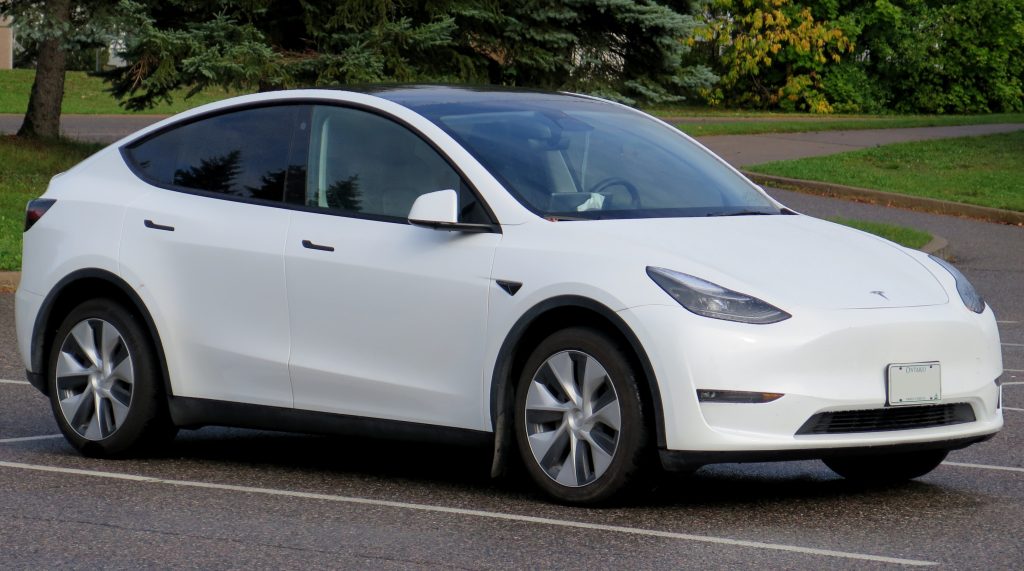
I am including the Model Y because it represents a technology driven solution to a real world problem. It does not rely on a single feature but combines filtration, sealing, and airflow management into a cohesive system.
In Albuquerque, where fine dust is a constant presence, this approach ensures a cleaner and more comfortable driving experience.
2. Toyota Land Cruiser
The Toyota Land Cruiser approaches dust protection from a durability and reliability perspective, reflecting its heritage as a vehicle designed for harsh environments. Unlike systems that rely heavily on advanced electronics, the Land Cruiser combines strong physical sealing with effective filtration to keep its cabin protected.
One of its key strengths lies in how well the cabin is isolated from the outside environment. The door seals are robust, and the overall construction feels solid, reducing the number of pathways through which dust can enter. This becomes especially important when driving on unpaved or desert roads, where dust clouds can surround the vehicle.
The air filtration system is designed to handle challenging conditions without becoming overwhelmed. It maintains consistent airflow while capturing particles that would otherwise settle inside the cabin. This balance ensures that passengers remain comfortable without sacrificing ventilation.
Another factor that supports its performance is the vehicle’s ability to maintain cabin pressure. By managing how air enters and exits, it reduces the chances of unfiltered air being drawn inside. This is particularly useful during longer drives where exposure to dust is continuous.
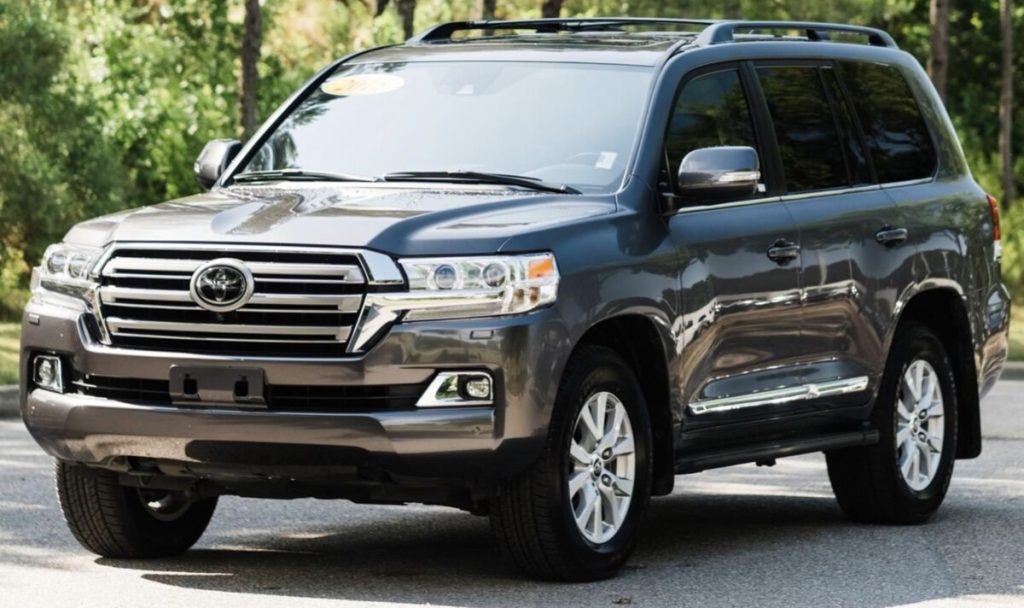
The Land Cruiser is included because it represents a proven approach to environmental protection. It does not depend on cutting edge features alone.
Instead, it delivers consistent and dependable performance through strong construction and thoughtful engineering. In a place like Albuquerque, that reliability makes a meaningful difference in keeping the interior clean and comfortable.
3. Volvo XC90
Step inside the Volvo XC90 during a dusty afternoon drive and the difference is immediately noticeable in the air quality. Volvo has built its reputation around cabin safety, and that extends beyond crash protection into what occupants actually breathe.
The air purification system in the XC90 is designed to filter out fine particulate matter, including the kind of microscopic dust that is common in desert regions. This is not just about comfort, it is about maintaining a controlled environment even when external conditions are far from ideal.
Unlike systems that rely solely on a standard cabin filter, the XC90 uses a multi layer filtration approach that actively monitors and cleans incoming air. Sensors detect particle levels and adjust filtration intensity accordingly.
This dynamic response ensures that the system is not passive. It is constantly adapting to the environment outside. When driving through dusty roads around Albuquerque, this makes a tangible difference, as the cabin remains clear and breathable rather than gradually accumulating fine dust.
Another detail that strengthens its performance is the structural sealing of the vehicle. Volvo pays close attention to door insulation and panel alignment, reducing the number of micro gaps where dust could enter.
Combined with controlled airflow, this creates a cabin that feels insulated not just from noise but from environmental contaminants as well.
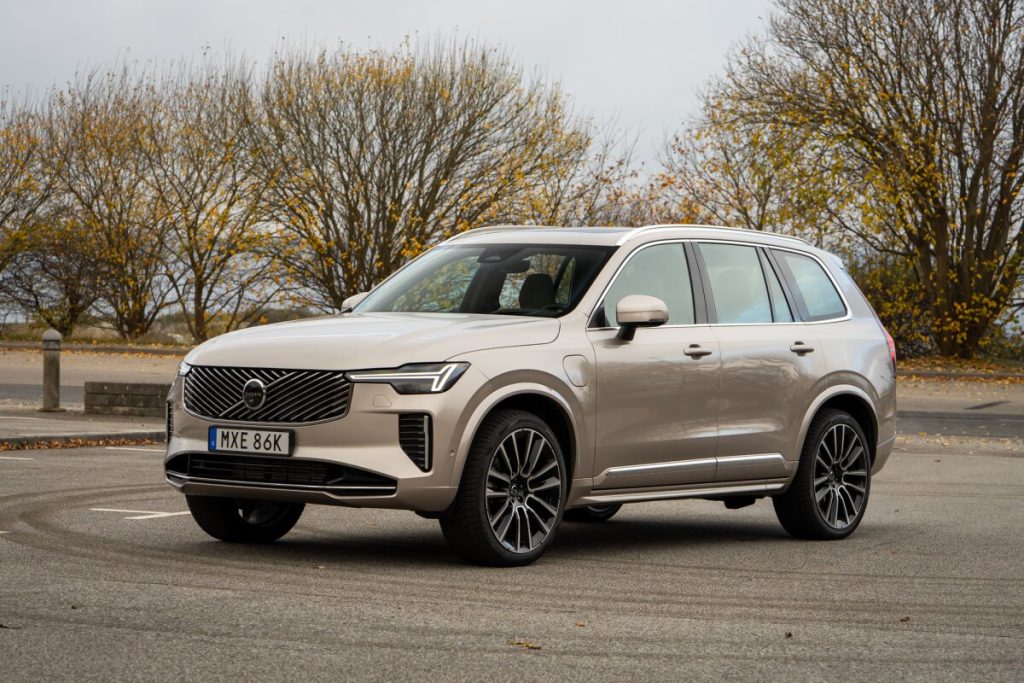
I am including the XC90 because it demonstrates how advanced filtration and thoughtful construction can work together to solve a real world issue.
It is not about one standout feature. It is about consistency across multiple systems that collectively keep the cabin clean. In a desert city like Albuquerque, where dust is part of daily life, that level of control enhances both comfort and long term interior preservation.
4. Range Rover
There is a distinct sense of isolation inside a Range Rover that becomes particularly valuable in dusty conditions. The vehicle is engineered to create a refined interior space, and that refinement extends to how it handles air quality.
Its cabin filtration system is designed to prevent fine particles from entering, while also maintaining a steady and controlled airflow that keeps the environment comfortable.
One of the key strengths of the Range Rover lies in its ability to manage cabin pressure effectively. By maintaining a slightly positive pressure inside, it reduces the chances of unfiltered air being drawn in through small openings.
This is especially useful when driving through areas with airborne dust, as it limits intrusion without requiring constant manual adjustments from the driver.
The sealing of the cabin also plays an important role. The doors close with a solid, insulated feel, and the materials used around entry points are designed to minimize gaps. This attention to detail ensures that dust does not easily find its way into the interior, even during extended drives on dusty roads.
Another aspect that supports its performance is the consistency of its filtration system. It does not fluctuate or struggle under sustained exposure to dust. Instead, it maintains a steady level of protection, allowing occupants to remain comfortable regardless of external conditions.
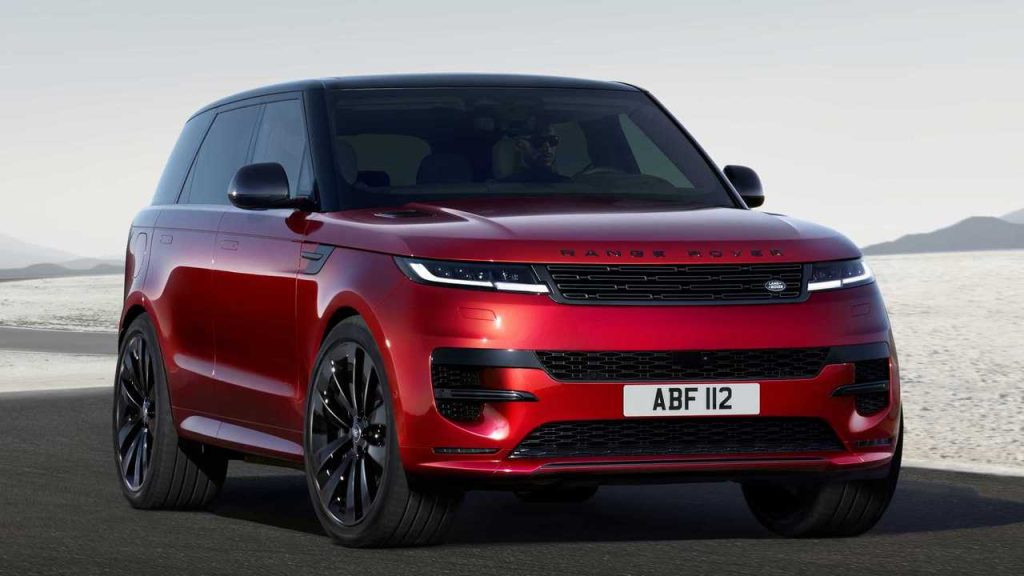
I am including the Range Rover because it represents a luxury focused approach to environmental control that still delivers practical benefits.
It combines strong sealing, intelligent airflow management, and reliable filtration into a system that works quietly in the background. In Albuquerque, where dust can quickly become intrusive, this level of refinement ensures a clean and controlled cabin experience.
5. Lexus RX
What sets the Lexus RX apart in dusty conditions is not a single standout feature, but the way multiple subtle engineering decisions come together to create a consistently clean cabin environment.
Lexus has always focused on refinement, and in this case, that refinement translates into a controlled and well-sealed interior that resists fine dust intrusion even during prolonged exposure.
The filtration system in the RX operates with a quiet efficiency that often goes unnoticed, yet its effectiveness becomes clear over time. It captures fine airborne particles before they circulate inside the cabin, ensuring that surfaces remain cleaner and the air remains comfortable to breathe.
In a desert setting like Albuquerque, where dust is extremely fine and persistent, this level of filtration prevents gradual buildup that would otherwise become visible on interior surfaces.
Another strength lies in how the RX manages airflow. The system maintains a balanced intake that avoids drawing in unfiltered air through weak points.
Instead of allowing random entry, it channels air through controlled pathways, ensuring that it passes through the filtration system first. This creates a more stable interior environment, even when outside conditions are less predictable.
The physical sealing of the vehicle also plays an important role. Door insulation, window alignment, and panel fitment are all designed with precision, reducing the likelihood of dust entering through small gaps. This structural integrity supports the filtration system, allowing it to perform without being overwhelmed.
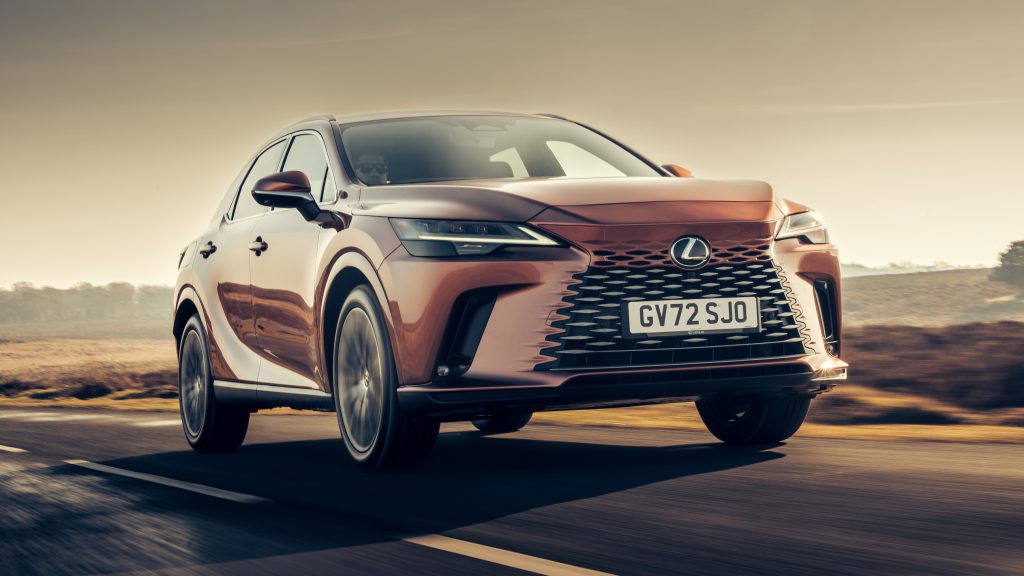
I am including the Lexus RX because it represents a quiet but highly effective solution to dust control. It does not rely on aggressive or highly visible features. Instead, it delivers consistent performance through careful design and attention to detail.
In Albuquerque, where dust is a daily reality, this approach ensures that the cabin remains clean, comfortable, and well protected over time.
5 with Inadequate Seals for Desert Sand
Not every vehicle is built to handle the challenges of desert environments, and this becomes clear when examining how some cabins deal with fine sand and dust.
While many cars include basic filtration systems, these are often designed for urban pollution rather than the extremely fine particles found in desert regions. Without proper sealing and airflow management, dust can easily bypass filters and settle inside the cabin.
The issue is not always immediately obvious. In many cases, dust enters gradually through small gaps around doors, windows, and ventilation systems. Over time, this leads to visible accumulation on dashboards, seats, and air vents. It can also affect air quality, making the interior feel less comfortable during longer drives.
Another contributing factor is inconsistent cabin pressure. Vehicles that do not maintain a controlled airflow can unintentionally draw in outside air through weak points, especially when driving at higher speeds or in windy conditions. This allows dust to enter even when the windows are fully closed.
The following vehicles highlight these shortcomings. While they may perform well in other areas, their cabin sealing and filtration systems are not well suited for environments like Albuquerque.
By understanding where they fall short, it becomes easier to recognize what features are truly necessary for maintaining a clean and comfortable interior in desert conditions.
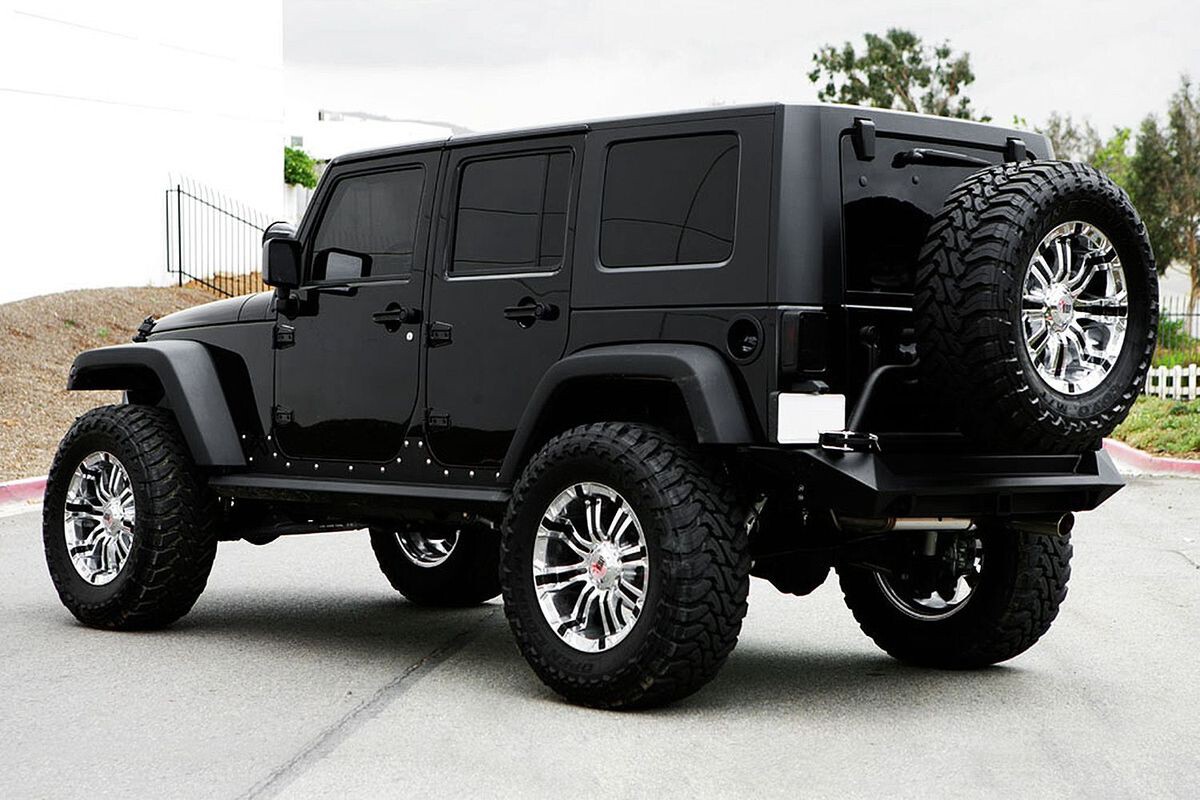
1. Jeep Wrangler
The Jeep Wrangler is built with a completely different purpose in mind, and that purpose does not prioritize sealing out fine dust. Its design emphasizes open air driving, removable panels, and a rugged structure that can adapt to off road environments.
While this makes it highly capable in certain conditions, it also introduces clear weaknesses when it comes to keeping desert dust out of the cabin.
One of the most noticeable issues is the door and roof sealing. Because the Wrangler is designed to be partially or fully open, the seals are not as tight as those found in more conventional vehicles.
Even when everything is properly closed, small gaps can remain, allowing fine dust to enter during windy conditions or while driving on unpaved roads.
The airflow system also contributes to the problem. It does not maintain a strong or consistent cabin pressure, which means outside air can be drawn in through these gaps. As a result, dust can accumulate inside the cabin more quickly than expected, especially during longer drives in desert environments.
I am including the Wrangler because it clearly illustrates how design priorities can affect real world usability. It excels in off road capability and versatility, but those strengths come at the cost of interior isolation.
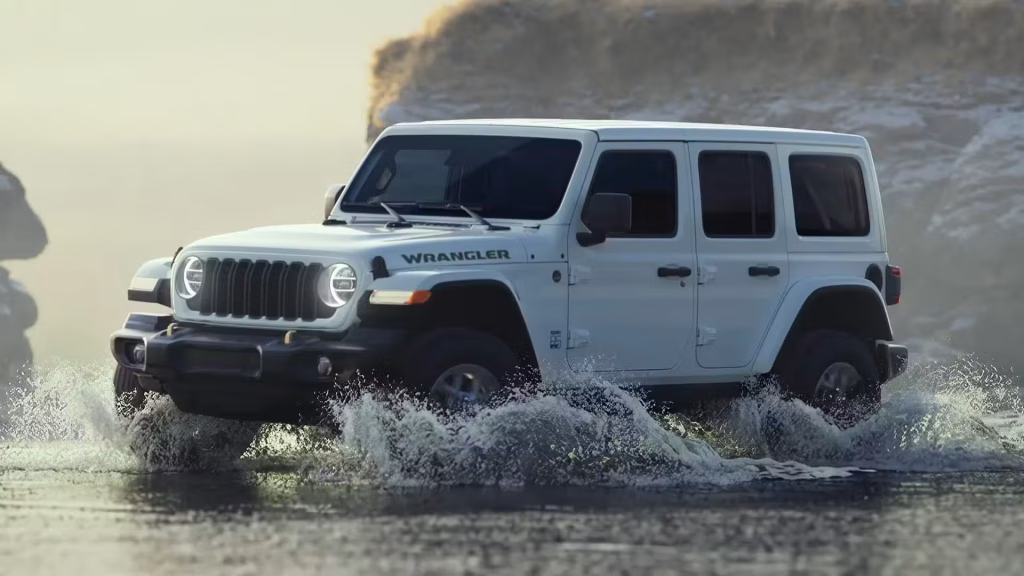
In Albuquerque, where fine dust is constantly present, this trade off becomes difficult to ignore, making the cabin feel less protected compared to more sealed and controlled environments.
2. Ford Mustang
A performance coupe like the Ford Mustang is engineered with a very different priority list, and dust sealing rarely sits near the top.
The focus here is on styling, aerodynamics, and driving engagement, which results in a cabin that feels connected to the road but not always well isolated from environmental elements. In a desert setting, this design approach begins to show its limitations.
The cabin sealing in the Mustang is adequate for normal urban use, yet it lacks the tight, reinforced insulation found in vehicles designed for harsher climates.
Around the doors and window frames, small inconsistencies in sealing can allow fine dust to enter gradually. This is not always noticeable immediately, but over time, a thin layer of dust begins to settle across interior surfaces.
Another contributing factor is how the ventilation system manages incoming air. It is designed for airflow and comfort, not for filtering extremely fine particles found in desert regions. When driving through dusty areas, the system can pull in outside air that is not fully filtered, allowing microscopic particles to circulate inside the cabin.
The lower ride height of the Mustang also plays a role. Being closer to the ground increases exposure to dust clouds stirred up by surrounding traffic. Combined with less aggressive sealing, this creates conditions where dust intrusion becomes more frequent during everyday driving.
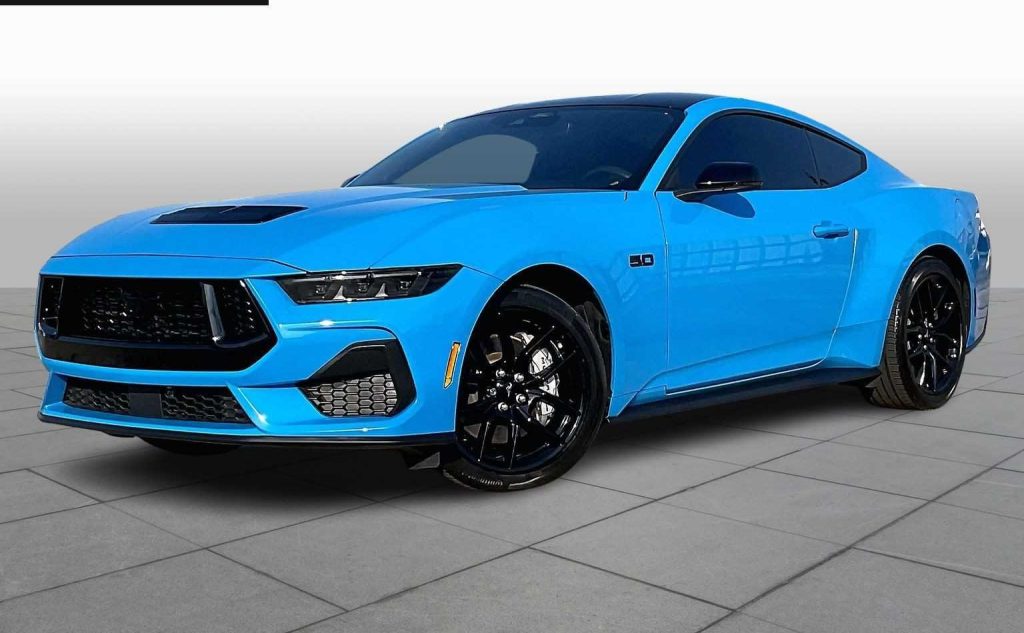
I am including the Mustang because it highlights how performance oriented vehicles can struggle outside their intended environment.
It delivers an engaging driving experience on smooth roads, but in Albuquerque’s dusty conditions, the cabin can feel less protected. This contrast makes it a clear example of how design priorities influence real world usability in challenging climates.
3. Chevrolet Camaro
The Chevrolet Camaro brings a bold and aggressive character to the road, but its approach to cabin design does not prioritize isolation from fine environmental elements like desert dust. The emphasis is placed on performance and driver engagement, which results in a structure that feels connected but not fully sealed against external conditions.
Inside the Camaro, the effects of dust intrusion tend to appear gradually rather than immediately. The door seals and window alignments are sufficient for general driving, yet they are not engineered to block extremely fine particles consistently.
Over time, dust can find its way through minor gaps, settling on surfaces such as the dashboard and center console.
The ventilation system further reflects this compromise. It focuses on maintaining airflow and temperature rather than aggressively filtering fine dust.
During drives through areas with airborne sand, the system may introduce small amounts of unfiltered air into the cabin. This becomes more noticeable during extended exposure, where accumulation begins to affect both cleanliness and comfort.
Another aspect to consider is the vehicle’s aerodynamic design. While it enhances performance, it can also influence how air moves around the car, sometimes directing dust toward entry points. This does not cause immediate issues but contributes to a steady buildup over time.
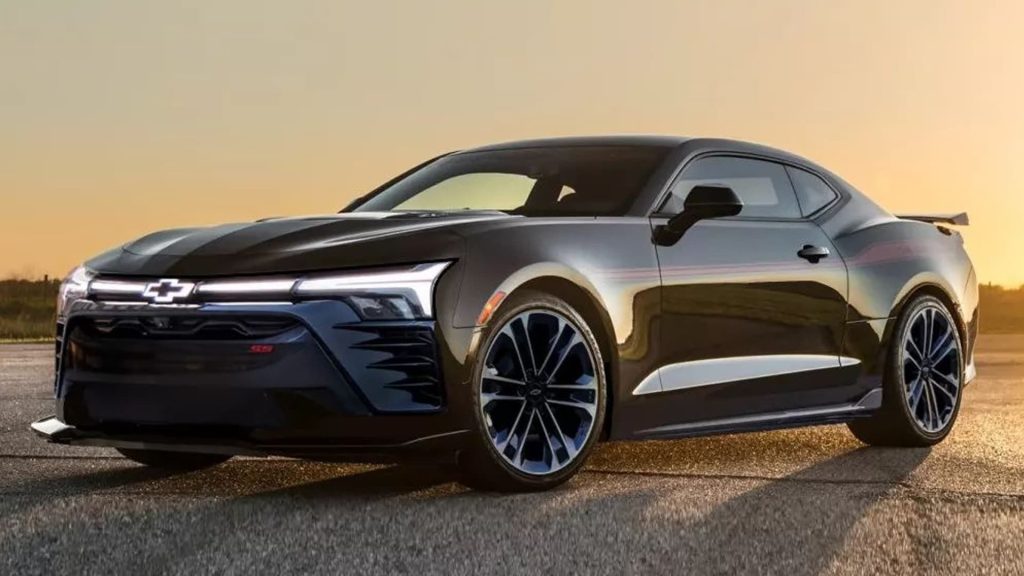
I am including the Camaro because it represents a balance that favors driving excitement over environmental protection.
It performs well in conditions it was designed for, but when placed in a desert environment like Albuquerque, its limitations in sealing and filtration become more apparent. This makes it less suitable for maintaining a consistently clean interior in dusty surroundings.
4. Hyundai Elantra
The Hyundai Elantra is designed to be efficient, comfortable, and accessible, but its approach to cabin protection reveals limitations when placed in a desert environment.
While it performs well in typical urban conditions, the level of sealing and filtration is not built to handle constant exposure to fine airborne dust. This becomes more noticeable the longer the vehicle is driven in dry and windy regions.
One of the key concerns lies in how the cabin is sealed. The door insulation and window fitment are adequate for everyday use, yet they do not create the kind of tight barrier required to block extremely fine particles.
In a place like Albuquerque, where dust is often suspended in the air, even small gaps can allow gradual intrusion. This does not happen all at once, but over time, the accumulation becomes visible on interior surfaces.
The ventilation system also reflects a more basic approach. It is designed to provide consistent airflow and temperature control, but it does not aggressively filter the smallest particles.
During drives through dusty areas, the system can bring in outside air that carries fine dust, especially if the recirculation mode is not consistently used. This can affect both cabin cleanliness and air quality during longer trips.
Another factor is the lightweight construction, which contributes to efficiency but does not always support strong cabin isolation. The structure allows more subtle environmental interaction compared to heavier, more tightly sealed vehicles. This makes the interior feel less protected when external conditions become harsh.
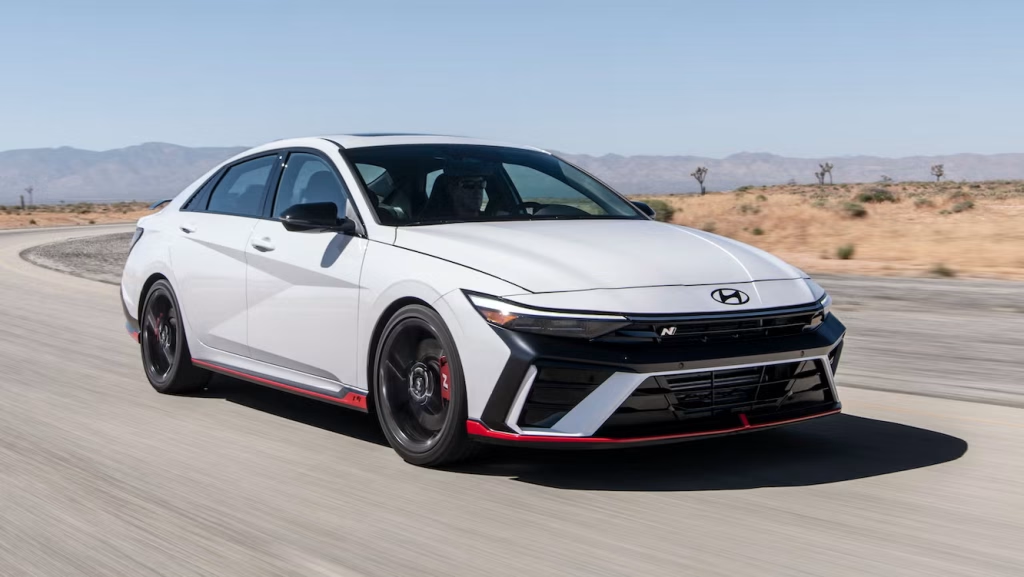
I am including the Elantra because it represents a common trade off in compact sedans. It delivers efficiency and comfort in standard conditions, but its sealing and filtration systems are not designed for continuous exposure to desert dust.
In Albuquerque, this results in a cabin that requires more frequent cleaning and attention to maintain a comfortable environment.
5. Mazda MX-5 Miata
The Mazda MX-5 Miata takes a completely different approach to driving, one that prioritizes openness, connection, and simplicity. While this makes it highly enjoyable on scenic roads, it also creates clear disadvantages when dealing with desert dust. The design itself does not aim to fully isolate the cabin, and that intention becomes evident in challenging environments.
The most obvious factor is the soft top or lightweight roof structure. Even when fully closed, it does not provide the same level of sealing as a traditional fixed roof.
Small gaps and flexible materials can allow fine dust to enter, particularly during windy conditions or when driving on unpaved roads. This makes it difficult to maintain a consistently clean interior.
The compact cabin also plays a role. Because the space is smaller and more exposed, any dust that enters becomes immediately noticeable. There is less separation between entry points and seating areas, which means particles settle quickly and are harder to ignore during daily driving.
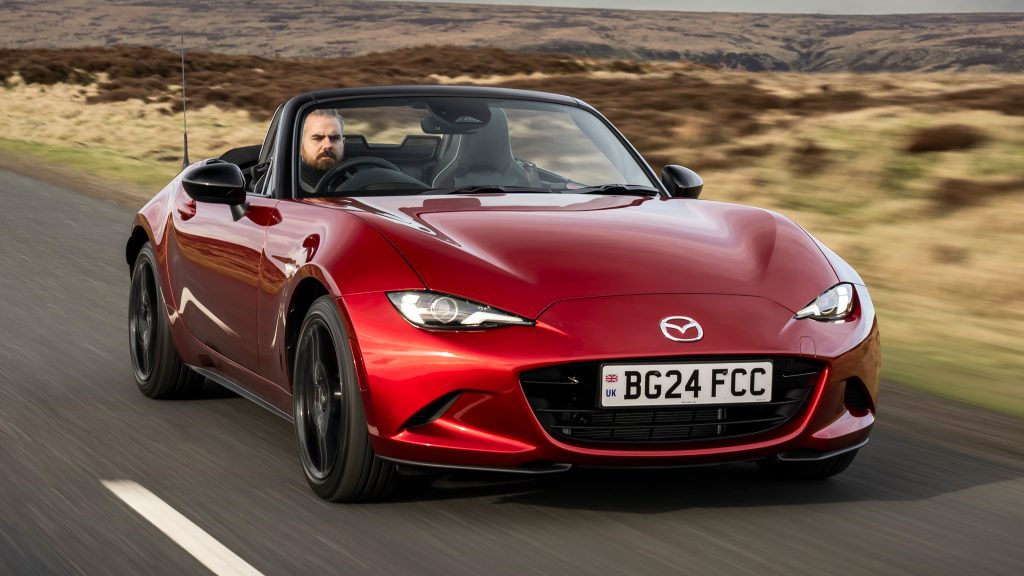
Ventilation in the Miata is designed for simplicity and driver engagement rather than advanced filtration. While it provides adequate airflow, it does not include systems capable of handling extremely fine desert particles. As a result, outside air can carry dust into the cabin more easily compared to more sealed vehicles.
I am including the Miata because it clearly demonstrates how design philosophy influences real world performance. It excels in delivering a pure and engaging driving experience, but that experience comes with trade offs.
In Albuquerque, where dust is a constant presence, the Miata’s open and lightweight design makes it one of the least effective at keeping the cabin protected from environmental elements.
Also Read: 5 High-Tech EVs in the USA vs 5 Basic Models with Limited Range