
Orlando traffic is its own category of driving challenge. Between the tourist corridors on International Drive, the perpetual construction on I-4, the theme park rush hours that hit multiple times per day, and the sheer density of rental cars driven by people who have no idea where they are going, driving in Orlando requires awareness, patience, and a vehicle whose design actually helps you see what is happening around you.
Visibility in heavy, stop-and-go urban traffic is not a luxury feature. It is a safety requirement. Not all SUVs handle this challenge equally. Some are genuinely excellent in dense traffic, with large windows, slim pillars, well-positioned mirrors, and cameras and sensors that fill in every visual gap the design creates.
These vehicles give their drivers genuine situational awareness that reduces stress, reduces reaction time, and reduces the likelihood of contact with another vehicle in the kind of slow, unpredictable traffic that Orlando generates around major attractions, convention centers, and interstate interchanges.
Others, despite their size, their technology, and their price tags, have blind spot problems that become very apparent the moment you try to merge on a crowded Florida highway or back out of a packed theme park garage.
Thick D-pillars that eliminate rear-quarter visibility, narrow rear windows that force drivers to rely entirely on cameras, and A-pillars wide enough to obscure entire pedestrians are all design choices that create real-world challenges in exactly the environments that Orlando drivers face every day.
This page splits eight SUVs across those two categories: four that genuinely perform well for visibility in heavy Orlando traffic, and four that present real challenges in the same environment.
If you are buying or renting an SUV for Orlando driving specifically, this comparison gives you specific, honest information about which vehicles will make the experience easier and which ones will consistently make you uncomfortable in dense traffic.
4 High-Visibility SUVs
1. Subaru Outback Wilderness AWD (Sixth Generation, 2022 to 2024)
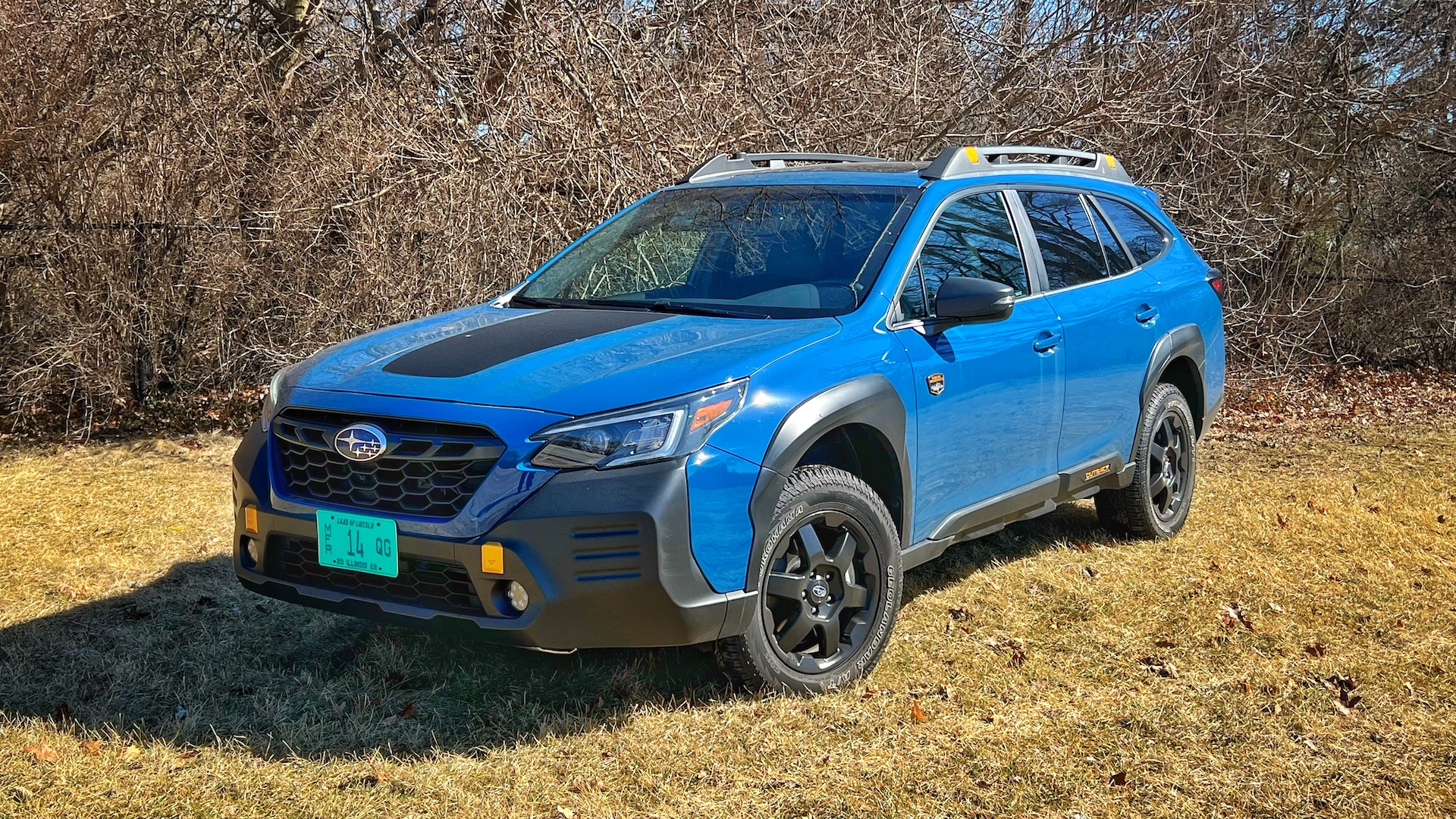
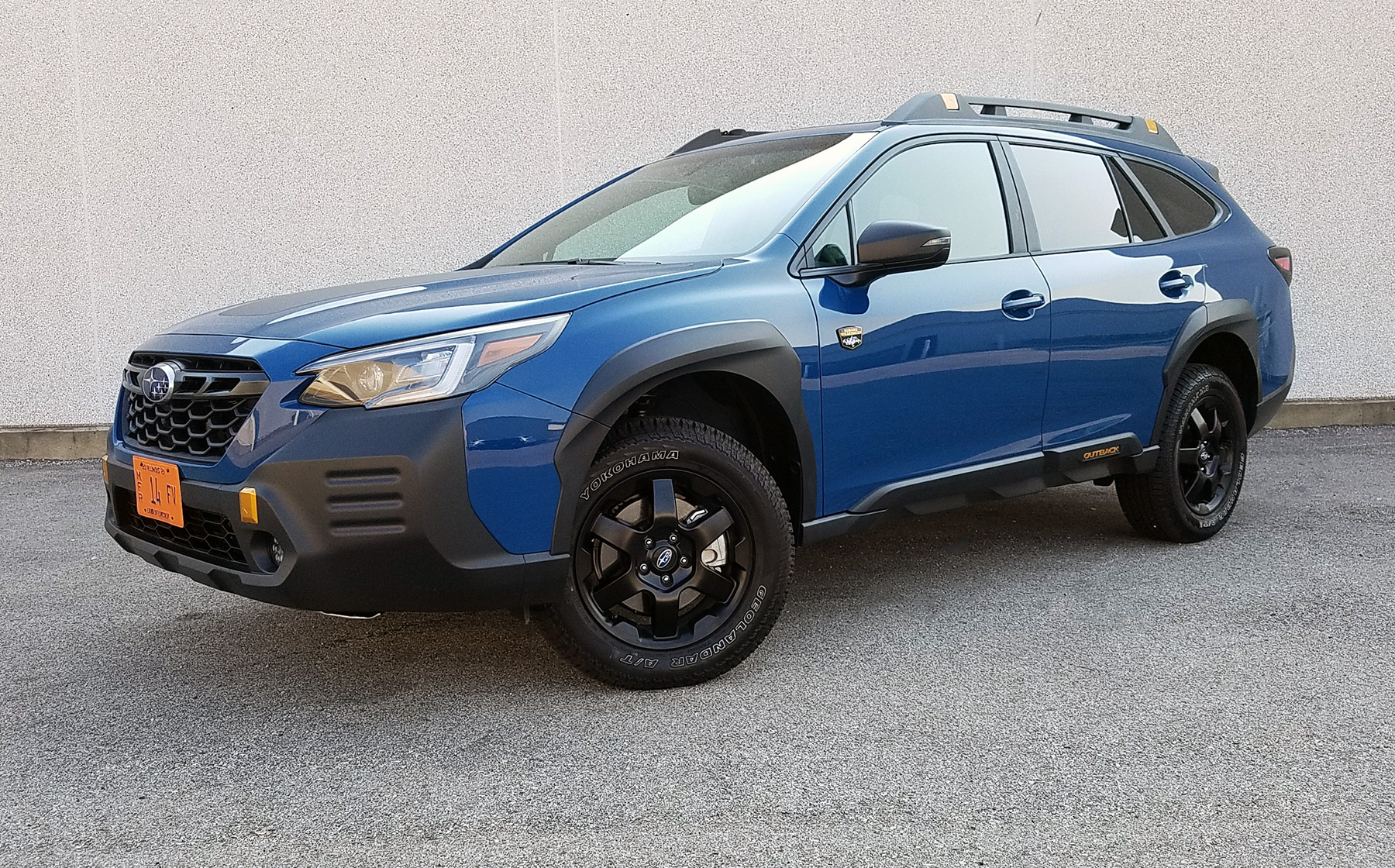
Subaru built the Outback around a glass-heavy design philosophy that prioritizes what the driver can see over what the exterior looks like from a styling perspective, and the result in the sixth-generation Outback Wilderness is one of the best outward visibility packages available in the midsize SUV category.
For Orlando driving specifically, where lane changes on I-4 and merges onto the Florida Turnpike require accurate awareness of surrounding traffic, this visibility advantage translates directly into a more confident and less stressful driving experience.
Starting at the front, the Outback’s A-pillars are slim enough that they do not create the large blind zones that thick pillars on more aggressively styled SUVs produce.
At intersections in Orlando’s tourist corridors, where pedestrians, cyclists, and distracted rental car drivers approach from multiple angles simultaneously, the ability to see clearly through and around the front corners of the vehicle matters enormously. Subaru’s restraint in A-pillar design pays dividends precisely in these situations.
Rear visibility in the sixth-generation Outback Wilderness is genuinely strong, with a large, wide rear window that allows meaningful rearward vision without full reliance on the backup camera.
This becomes specifically relevant in Orlando’s theme park parking structures, where the combination of tight parking spaces, confused tourists, and unpredictable pedestrian traffic makes every reversing maneuver a situation requiring full awareness.
The Outback’s glass area lets the driver build that awareness through direct vision rather than relying entirely on a camera image with its inherent depth perception limitations.
StarLink safety technology in the Outback Wilderness includes EyeSight driver assistance with a forward-facing camera suite that provides automatic emergency braking, lane departure warning, and adaptive cruise control.
These systems supplement the already-strong outward visibility rather than substituting for it, creating a complete awareness package that is genuinely exceptional for the price point. Rear cross-traffic alert and blind-spot monitoring complete the sensor coverage, giving drivers specific warnings about the situations where any vehicle’s direct vision has limitations.
Side visibility through the rear quarter windows is good by SUV standards, allowing meaningful awareness of what is happening beside and behind the vehicle during freeway lane changes.
An owner driving the 2024 Subaru Outback Wilderness AWD on the congested stretch of I-4 through downtown Orlando will consistently find that merges and lane changes feel less stressful in this vehicle than in comparable SUVs with more design-forward but visibility-compromised window configurations.
2. Kia Telluride EX AWD (Second Generation Facelift, 2023 to 2024)
Fitting three rows of passenger seating into a midsize SUV while maintaining adequate outward visibility is an engineering challenge that most manufacturers sacrifice visibility to solve, prioritizing rear seat headroom and cargo access over the window dimensions that would help the driver see around the vehicle.
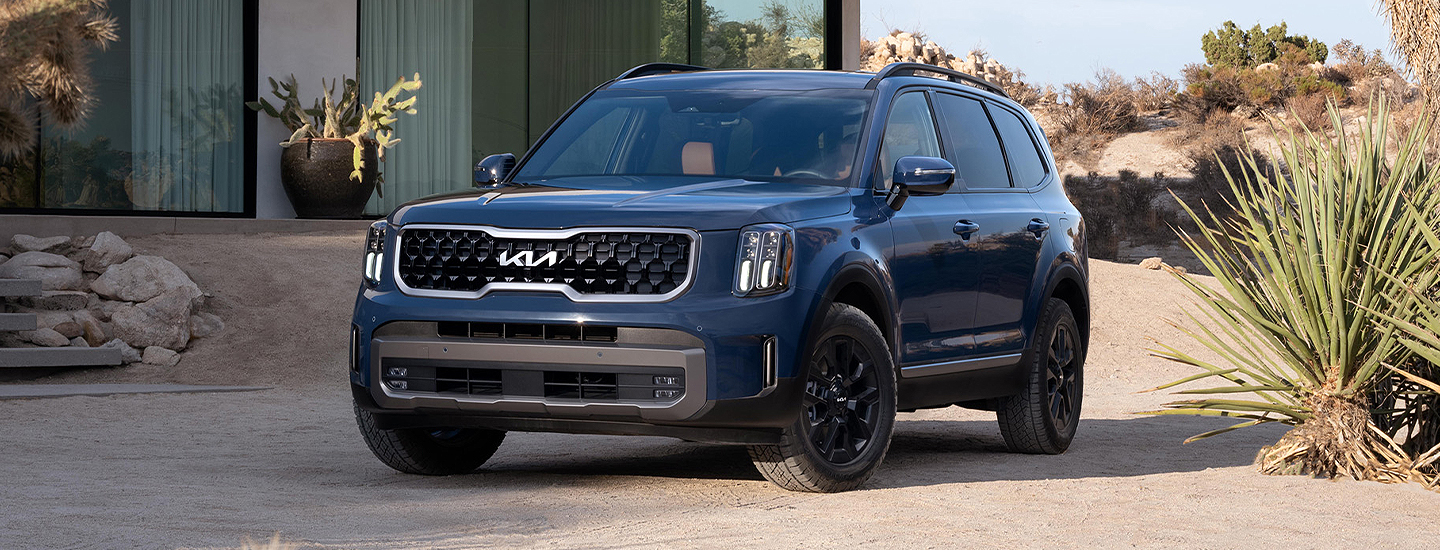
Kia’s approach to the second-generation Telluride facelift found a better balance than most competitors, producing a three-row SUV that gives drivers substantially better outward awareness than the segment average.
Forward visibility from the Telluride’s driver position is helped by the relatively upright windshield angle and the hood’s slightly lower profile compared to American-brand full-size SUVs. In stop-and-go traffic on Orlando’s tourist corridors, where the driver’s ability to see the full lane and adjacent pedestrian crossings matters continuously, the Telluride’s forward sightlines are clear and confidence-inspiring.
A-pillar thickness is reasonable, and the supplementary small quarter windows at the base of the windshield reduce the blind zone at low-speed intersections. Rear three-quarter visibility, which is one of the most revealing tests of SUV design quality from a visibility standpoint, is better in the Telluride than in most three-row competitors.
Kia avoided the temptation to use excessively thick C and D-pillars that would have produced a more dramatic exterior profile at the expense of outward vision. Rear quarter windows of reasonable size allow the driver to see into the adjacent rear blind zones with direct vision, supplementing the blind spot monitoring system rather than making it mandatory for safe operation.
Driver positioning in the Telluride places the driver at a comfortable height that provides the elevated field of view that is one of the primary reasons buyers choose SUVs over sedans in Orlando’s traffic environment. From this position, the driver can see over most passenger cars in surrounding traffic, providing advance visibility of traffic slowdowns and lane changes that lower-seating vehicles miss entirely.
A Telluride EX AWD driver who drives through the parking structure at Universal Studios Orlando or deals with the aggressive merge patterns near the Convention Center on Orange County National Parkway will consistently find the vehicle’s visibility hardware among the better-performing options in the midsize SUV category, making it a strong choice for Orlando-area families who need three-row capacity alongside practical daily driving usability.
Also Read: 5 Cars Built for Beach Cities Like San Diego vs. 5 That Wear Out Faster
3. Toyota RAV4 XSE Hybrid AWD (Fifth Generation Facelift, 2022 to 2024)
Compact crossover buyers who desire improved city visibility without stepping into full-size SUV dimensions often find this model well aligned with daily driving realities.
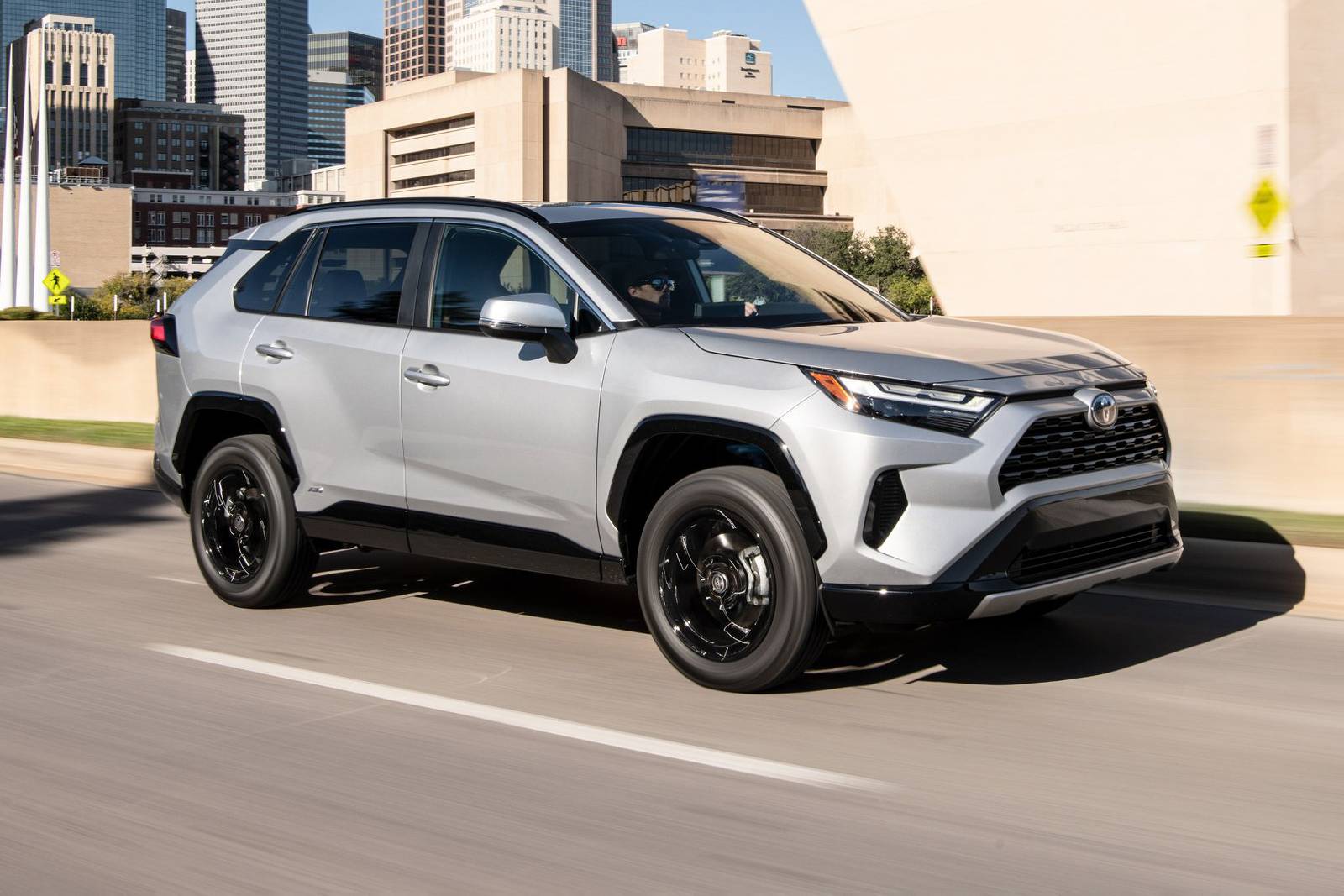
The fifth-generation Toyota RAV4 XSE Hybrid AWD reflects careful design priorities that favour driver awareness, particularly in environments where traffic density, frequent stops, and pedestrian activity demand constant visual control. Rather than relying solely on technology, the vehicle places emphasis on clear sightlines that support natural human perception.
Window design plays a central role in this advantage. The rear quarter glass on both sides of the cargo area provides direct visual access to areas that commonly become blind spots during reversing or angled parking. Such visibility proves valuable in confined parking structures where movement occurs from several directions at once.
Direct vision allows immediate spatial judgement without the mental delay associated with interpreting camera images on a screen. Rear window proportions also support practical awareness. Width and height offer a usable field of view, enabling drivers to assess rearward movement without depending entirely on electronic aids.
This approach supports confidence during routine parking tasks while still benefiting from modern assistance systems. Toyota Safety Sense complements visibility with features such as rear cross traffic alert, blind spot monitoring, and automatic braking functions designed to detect pedestrians and cyclists.
Forward visibility receives equal attention. Hood shape allows drivers to judge front corner placement accurately, a detail that assists during low-speed manoeuvres near curbs, barriers, and pedestrians. Clear awareness of vehicle boundaries supports smoother positioning in traffic lanes and during parking entry. A-pillars remain unobtrusive, reducing visual blockage at intersections where lateral awareness is essential.
Driver seating height further improves outward sightlines. Elevated positioning enhances awareness without introducing the bulk associated with larger vehicles. This balance supports both urban travel and highway use, allowing drivers to maintain control in varied conditions.
Daily use reinforces the value of this visibility-focused design. Repeated exposure to busy traffic corridors, parking facilities, and pedestrian-heavy zones highlights how deliberate window placement and body proportions reduce strain and improve safety. This vehicle demonstrates how thoughtful visibility planning contributes meaningfully to driver confidence and routine efficiency without relying on excess size or aggressive styling cues.
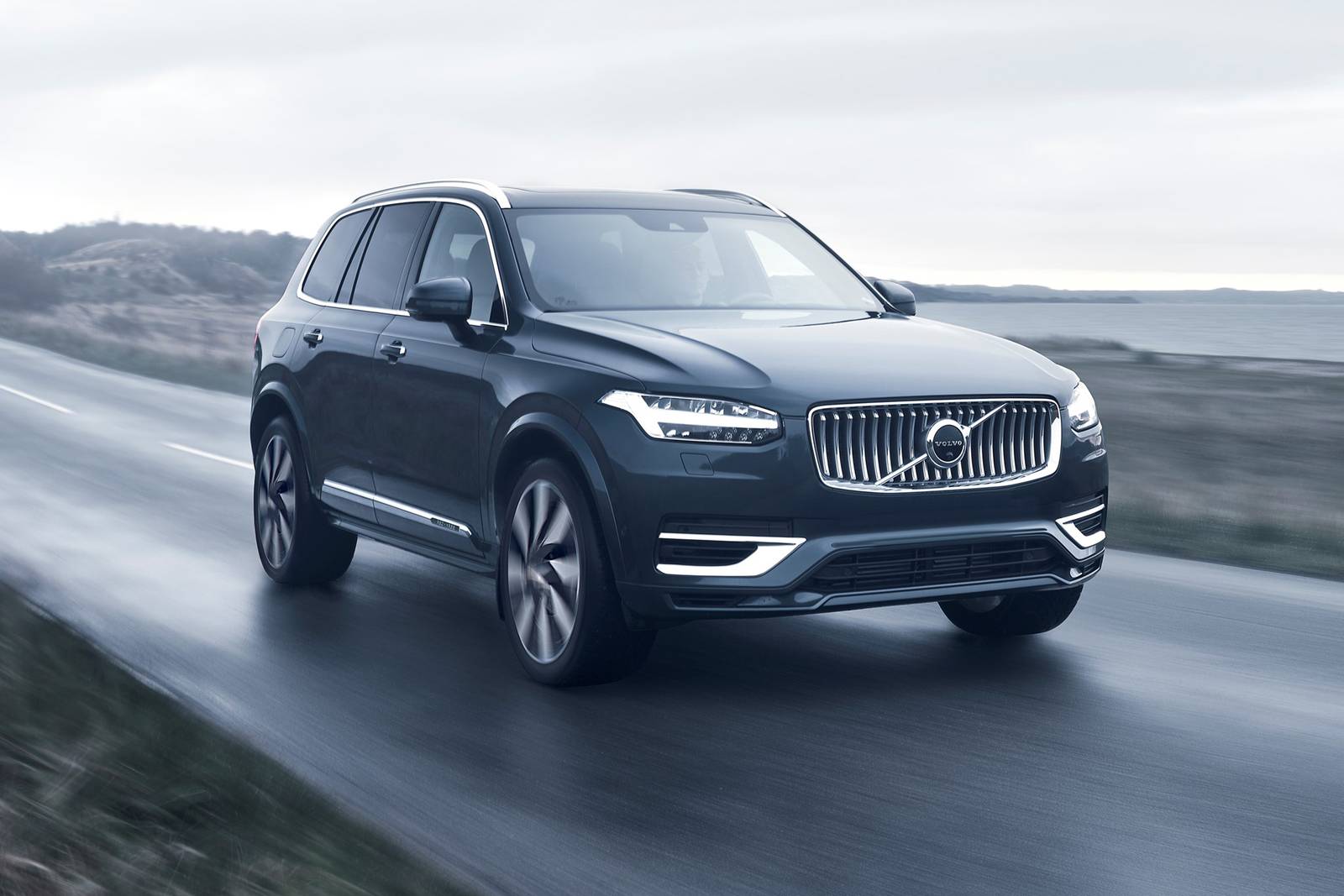
4. Volvo XC90 B6 AWD Ultimate Bright Theme (L316 Generation, 2023 to 2024)
Volvo’s long-standing focus on occupant protection is clearly reflected in the visibility design of this luxury three-row SUV. Despite its size and premium styling, the XC90 B6 AWD Ultimate Bright Theme prioritises driver awareness through careful structural choices and well-integrated technology. This approach ensures that visual clarity remains a central part of the driving experience rather than an afterthought.
Forward sightlines benefit from restrained pillar thickness and a windshield angle that preserves a wide field of view. Such a design allows drivers to process traffic movement across multiple lanes without excessive head movement. Clear forward awareness supports confident decision-making during lane changes, merges, and intersection approaches, especially where traffic patterns change rapidly.
Side mirrors contribute substantially to outward visibility. Large mirror surfaces and thoughtful positioning provide expansive rearward views, reducing dependence on electronic alerts during routine lane transitions. Direct observation supports smoother driving behaviour, as drivers can assess surrounding vehicles without waiting for warning signals. This approach encourages proactive rather than reactive control.
Pedestrian awareness receives additional support through Volvo’s City Safety system. Junction and crossing detection functions assist in identifying pedestrians entering the vehicle’s path, particularly at intersections and roadside crossings. These features supplement direct vision, offering an added layer of protection where foot traffic is frequent and unpredictable.
Rearward visibility remains practical despite the vehicle’s length. Rear window design allows a usable viewing angle, while a high-resolution reversing camera adds clarity during parking. Projected guidance lines assist with alignment, reducing uncertainty in tight spaces. Combined use of direct sight and camera support ensures manageable reversing behaviour.
Interior seating position enhances visibility without isolating the driver from the road. Elevated placement improves awareness of surrounding vehicles while maintaining a sense of connection to traffic flow. Control layout supports steady focus, allowing drivers to monitor their environment without distraction.
This model demonstrates that luxury and awareness can coexist effectively. Through disciplined design choices and supportive technology, the XC90 provides drivers with the visual confidence needed to manage demanding traffic conditions while preserving comfort and refinement expected within its class.
4 SUVs With Major Blind Spot Challenges
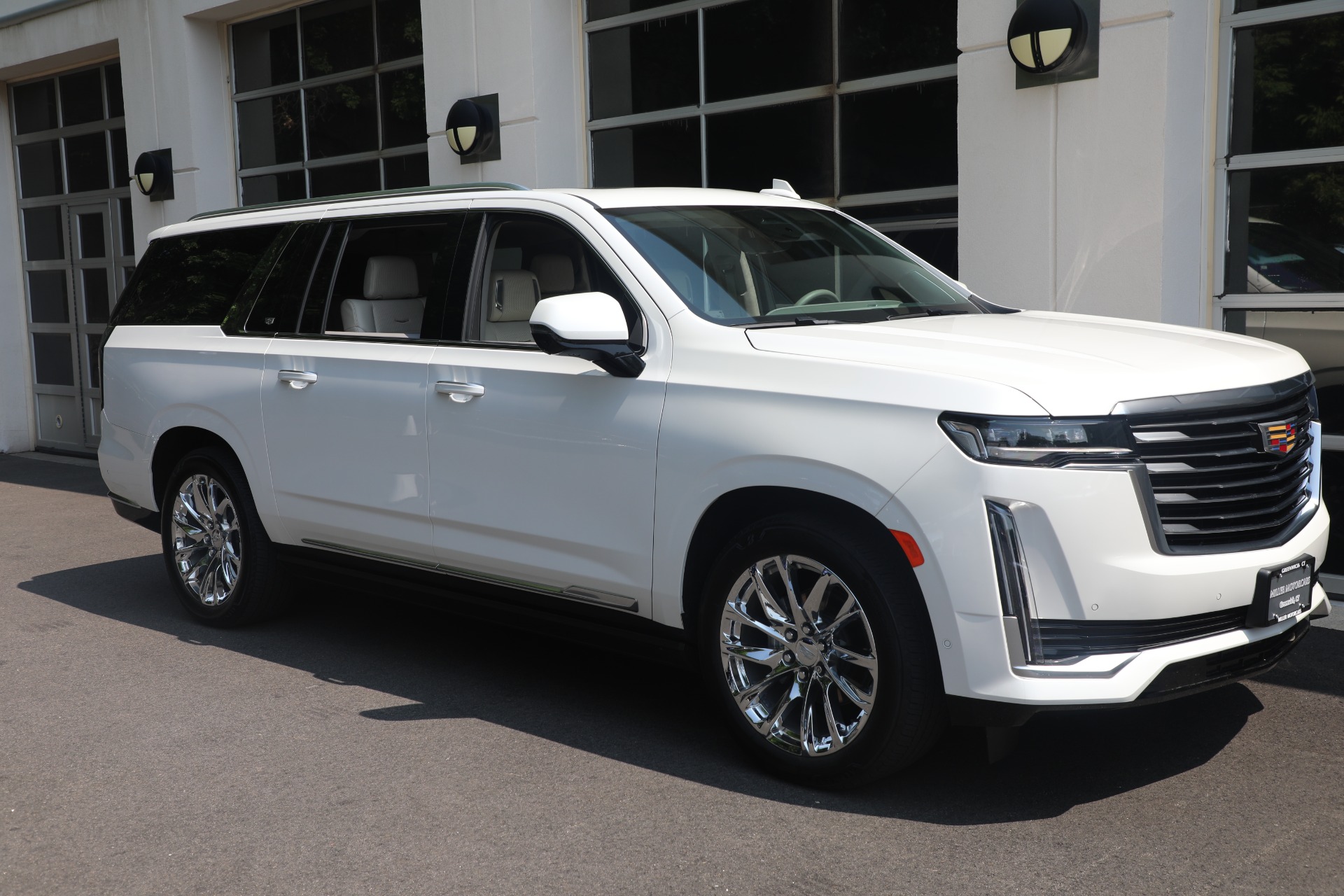
1. Cadillac Escalade ESV Premium Luxury AWD
Cadillac’s extended-wheelbase luxury SUV projects authority through scale, styling, and presence, yet outward visibility does not rise in equal measure with its physical dimensions.
Drivers who move into this model from smaller vehicles often encounter a period of adjustment marked by recurring blind-zone awareness challenges rather than a smooth visual transition. Exterior mass communicates confidence, but sightlines demand careful acclimatisation.
Rear three-quarter visibility presents the most persistent concern. Substantial rear pillars, required to support body length and roof structure, create broad blind zones that limit direct side and rearward vision.
Lane changes require deliberate mirror use, supported heavily by electronic monitoring. Without familiarity, judging the position of adjacent vehicles becomes less intuitive, especially during high-density traffic flow.
Rear window proportions further restrict natural awareness. Despite the vehicle’s length, rear glass area remains relatively modest. Reversing in crowded parking areas depends almost entirely on camera assistance.
While image quality remains high, reliance on screens alters spatial judgement. Depth perception through digital displays requires conscious interpretation, which differs from instinctive visual processing. In populated parking environments, this distinction influences driver confidence and reaction speed.
Forward visibility also reflects trade-offs. Thick front pillars support structural rigidity but introduce low-angle blind areas at junctions. Pedestrians or cyclists approaching from certain angles may remain hidden longer than expected. In busy commercial districts where foot traffic patterns vary, such an obstruction introduces an added layer of vigilance.
Technology attempts to compensate. Surround-view cameras and sensor arrays provide additional awareness, offering top-down imagery and proximity alerts. These systems assist with precision manoeuvring and collision avoidance. Still, electronic aids function best as support rather than substitutes for clear sightlines.
Ownership experience within dense traffic settings highlights an important lesson. Size and luxury do not automatically deliver visual ease. Drivers must adopt disciplined scanning habits and trust supplemental systems consistently. With familiarity, confidence improves, yet direct visibility remains a compromise shaped by design priorities rather than an accidental shortcoming.
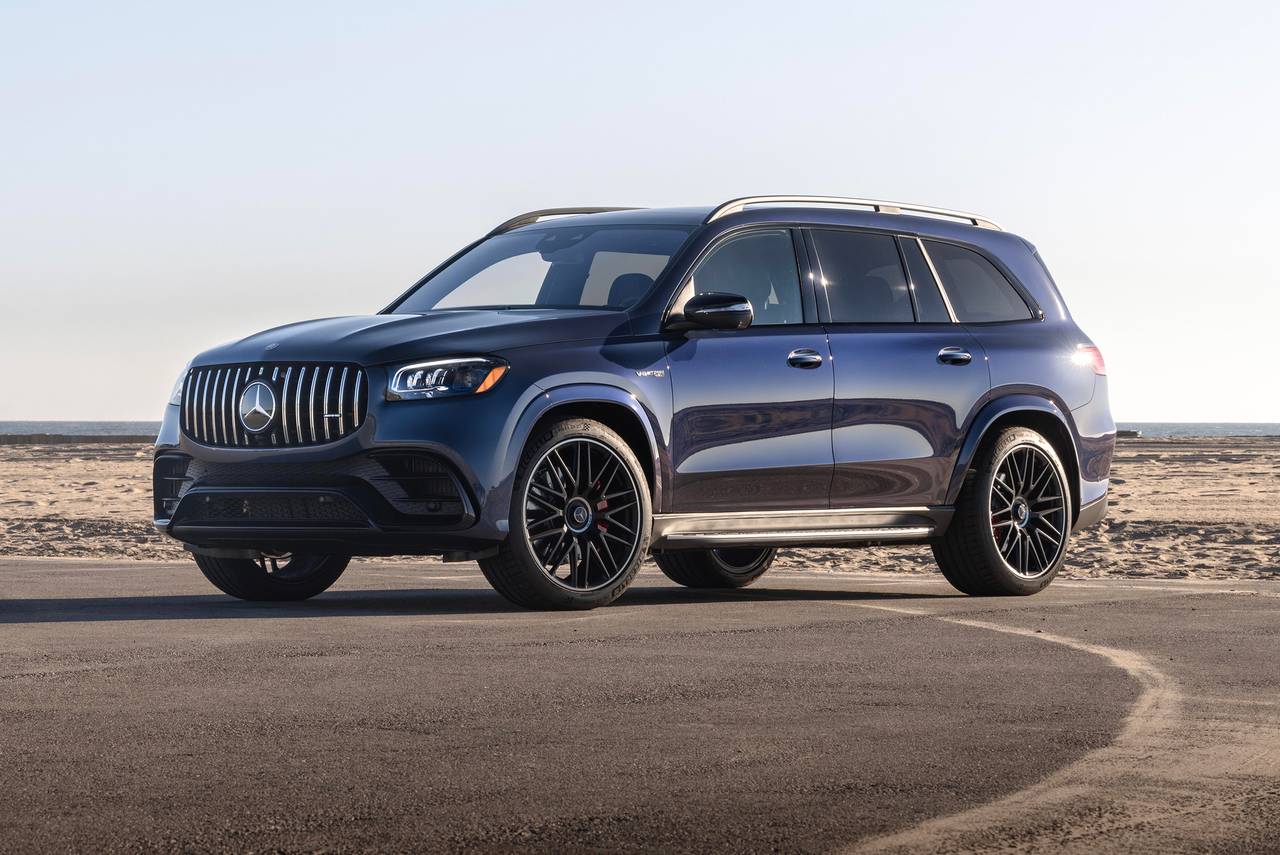
2. Mercedes-Benz GLS 580 4MATIC
Mercedes-Benz positions its flagship SUV as a blend of refinement, power, and advanced engineering. Visual clarity, however, reflects the consequences of styling and packaging choices that favour presence and interior accommodation ahead of expansive sightlines. In dense traffic conditions, drivers encounter awareness challenges that require steady reliance on electronic assistance.
Rear pillar construction illustrates this balance. Structural demands linked to panoramic roof design and body strength result in thick rear supports. These pillars generate extended blind areas that obscure vehicles travelling alongside during lane transitions.
Blind spot monitoring responds quickly, yet reliance on alerts replaces direct observation, shifting awareness from instinctive judgement to system interpretation.
Rear window height and shape restrict vertical viewing range. Direct rearward observation covers a limited band, encouraging near-total dependence on reversing cameras during parking. While camera clarity remains impressive, depth estimation through flat imagery introduces cognitive delay. Tight parking areas demand continuous attention to screen feedback rather than spatial intuition.
Forward sightlines reveal another compromise. Elevated hood height contributes to visual authority but reduces visibility close to the front bumper. Pedestrians standing near crosswalk edges may remain unseen without electronic confirmation. Advanced detection systems address this gap, yet reliance on alerts replaces the reassurance of direct confirmation.
Side mirrors provide broad coverage, though their effectiveness depends on consistent adjustment and disciplined use. Lane changes along busy interchanges require structured visual checks combined with system alerts. Drivers transitioning from smaller vehicles must recalibrate expectations regarding proximity and clearance.
Technology integration remains a strength. Sensor arrays, cameras, and driver assistance functions operate smoothly, reinforcing safety margins where physical sightlines narrow. These tools reduce risk when used attentively and consistently. Daily operation reveals a vehicle that rewards methodical driving habits.
Visual awareness grows through experience, yet the design places responsibility on technology and driver discipline rather than effortless visibility. Luxury, comfort, and engineering excellence remain evident, but visual simplicity yields to architectural ambition within this flagship SUV.
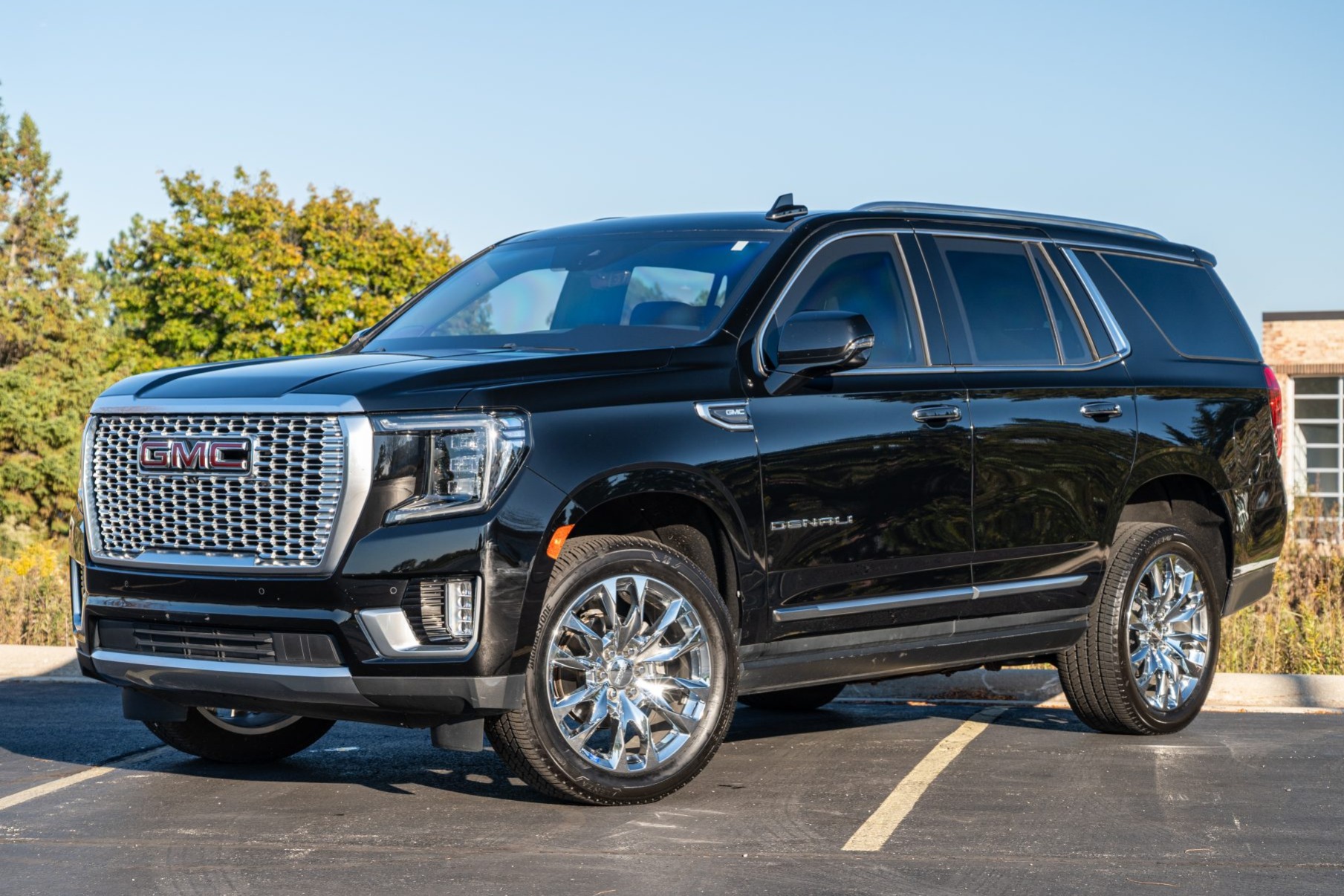
3. GMC Yukon XL Denali Ultimate 4WD (T1XX, 2022 to 2024)
Full-size American SUVs present a universal set of visibility challenges in dense urban traffic that are rooted in their body-on-frame construction, full-size body proportions, and the design conventions of a vehicle segment originally optimized for highway and light off-road use rather than for theme park parking lots and tourist corridor navigation.
GMC’s Yukon XL Denali Ultimate 4WD is a superb vehicle in many respects, but its visibility characteristics in Orlando’s specific traffic environment present challenges that buyers should understand before committing to this vehicle for primarily urban use. Rear-quarter visibility in the Yukon XL Denali is limited by D-pillar dimensions that are required to support the extended roof structure and provide the structural integrity of a body-on-frame full-size SUV.
Drivers attempting lane changes on Orlando highways without electronic assistance will find the rear-quarter blind zones consistently concerning, and the Yukon XL’s mirror size, while adequate, does not fully compensate for the direct vision limitations that the pillar structure creates.
Front corner visibility, specifically the driver’s ability to place the vehicle’s front corners accurately in tight spaces, is a consistent challenge in the Yukon XL Denali that parking-intensive Orlando driving amplifies repeatedly. Theme park parking garages, hotel drop-off lanes, and the tight traffic patterns around major Orlando attractions all require precise front-corner awareness that this vehicle’s hood profile and A-pillar placement make more difficult to develop than in smaller or differently proportioned vehicles.
GMC’s Surround Vision camera system helps meaningfully in parking situations by providing a synthesized overhead view of the vehicle’s immediate surroundings, and the IntelliBeam automatic high beam system and other driver assistance features add electronic support across multiple visibility situations.
However, the fundamental geometry of a full-size body-on-frame SUV in dense urban traffic creates visibility challenges that electronic systems supplement but do not eliminate. Buyers considering the Yukon XL Denali Ultimate 4WD for predominantly Orlando-area use should plan for a genuine adjustment period and should commit to using the vehicle’s full technology suite in demanding situations rather than attempting to compensate for the direct vision limitations through experience alone in a vehicle of this size in traffic of this complication.
Also Read: 5 Pothole-Proof Daily Drivers In Boston vs. 5 Luxury Sedans with Fragile Wheels
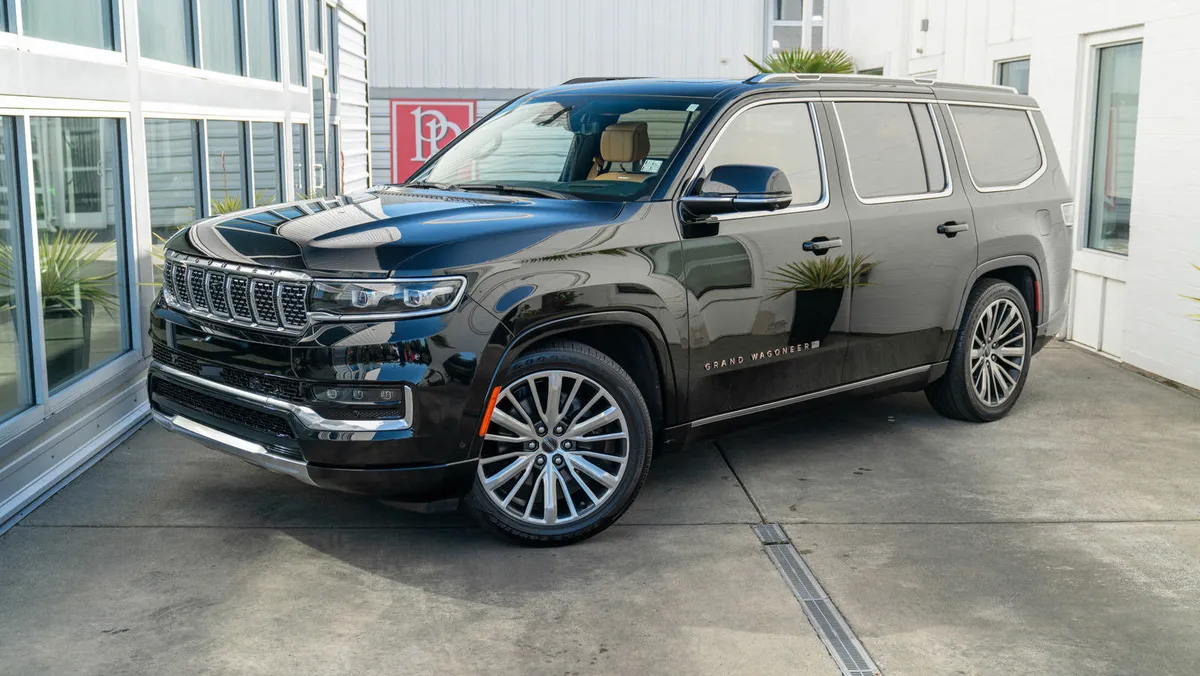
4. Jeep Grand Wagoneer Series III 4×4 (WS Generation, 2022 to 2024)
Jeep’s Grand Wagoneer revived one of American automotive history’s most celebrated nameplates in a package that delivers genuine luxury, impressive capability, and strong interior quality at a competitive price point for its class. What the Grand Wagoneer’s exterior design creates in the process of achieving its distinctive heritage-inspired appearance is a set of visibility characteristics that present specific, documented challenges in exactly the kind of dense, slow, unpredictable traffic that defines Orlando driving.
Rear visibility is the Grand Wagoneer’s most consistently cited driver concern. C and D-pillar dimensions are substantial, and the rear window’s comparatively modest height relative to the vehicle’s exterior dimensions limits direct rearward vision to a degree that leaves drivers extensively dependent on the 360-degree camera system for reversing, parking, and rear-quarter monitoring during lane changes.
In Orlando’s theme park parking structures, where the reversing maneuver involves driving around pillars, other vehicles, and pedestrians moving in multiple directions, this camera dependence places the driver further from the direct spatial awareness that confident urban parking requires.
Rear three-quarter sightlines during forward driving, such as during the frequent lane checks that merging on I-4 near the Convention Center requires, are limited by the pillar configuration in a way that makes the blind spot monitoring system an essential rather than supplemental tool.
Drivers who develop the habit of treating blind spot alerts as confirmation rather than primary information will manage this limitation more effectively than those who expect direct visual confirmation before committing to a lane change. A-pillar width at the front of the Grand Wagoneer is generous by modern SUV standards and creates a forward blind zone that, while typical for full-size SUVs, is worth specific awareness in Orlando’s pedestrian-heavy tourist districts.
Automatic emergency braking with pedestrian detection provides a safety backstop for situations where A-pillar blind zones create detection delays, but the underlying direct vision limitation remains and requires driver awareness of its existence. Buyers choosing the Grand Wagoneer Series III 4×4 for Orlando-area use will find the vehicle’s technology suite, which includes a comprehensive camera system, active blind spot monitoring, and forward collision warning with automatic braking, addresses many of its inherent visibility limitations effectively.
The best outcome for any driver, however, is a vehicle whose technology supplements adequate direct visibility rather than one whose technology is required to compensate for substantial direct visibility limitations in every demanding driving situation that the Orlando environment consistently creates.
