
Urban driving exposes a car to a very different kind of stress than highway cruising. In cities like Boston, the challenge is not speed or distance, but survival. Broken pavement, hidden potholes, uneven manhole covers, and constant stop and go traffic create a harsh environment where durability matters more than horsepower.
A vehicle that feels smooth and refined on perfect asphalt can quickly feel fragile when faced with cracked streets and unpredictable road surfaces. That contrast is exactly what defines the two sides of this discussion.
On one side are vehicles built with resilience in mind. These are cars that absorb punishment without drama, offering compliant suspensions, practical wheel sizes, and engineering that prioritizes longevity over sharpness.
They are not necessarily exciting, but they are dependable in a way that becomes invaluable over time. In a city known for aging infrastructure and frequent weather related damage, these cars feel like they were designed with real roads in mind rather than ideal ones.
On the other side are luxury sedans that chase precision and style. They often feature large wheels, low profile tires, and stiff suspension setups meant to enhance handling and visual appeal. While impressive on smooth roads, these choices can turn everyday driving into a cautious exercise.
A single deep pothole can mean expensive wheel damage, bent rims, or compromised ride quality. These cars are engineered for comfort and performance, but not always for resilience against rough terrain.
This comparison is not about declaring one category better than the other. Instead, it highlights how different priorities shape the ownership experience. Some drivers want peace of mind over broken pavement, while others value refinement and are willing to accept the risks that come with it.
Understanding these differences helps buyers choose a car that truly matches their environment, not just their preferences on paper.
Also Read: 5 AWDs for The I-70 Mountain Passes vs. 5 Engines That Die at Altitude
5 Pothole-Proof Daily Drivers In Boston
Cities like Boston present a unique challenge for daily drivers, where the condition of the road often matters more than the distance traveled. It is not the miles that wear a car down, but the constant exposure to cracked pavement, sudden potholes, uneven utility covers, and surfaces that seem to change texture every few blocks.
In this kind of environment, a car’s ability to handle imperfections becomes one of its most important traits.
Many vehicles today are designed with smooth highways in mind, prioritizing sharp handling, large wheels, and low-profile tires that look impressive but struggle when the road turns unpredictable.
In contrast, a truly pothole-proof daily driver is engineered with a different philosophy. It focuses on compliance, durability, and the ability to absorb repeated impacts without transferring harshness into the cabin or risking expensive damage.
Suspension tuning plays a major role here. Cars that perform well in Boston tend to have setups that lean toward comfort rather than stiffness, allowing them to glide over imperfections instead of reacting sharply to them.
Tire sidewall thickness also becomes critical, as it provides an extra layer of protection between the road and the wheel. Even factors like ground clearance and chassis strength contribute to how confidently a vehicle handles rough surfaces.
This topic matters because the wrong car can turn everyday commuting into a frustrating experience filled with caution and concern.
Drivers may find themselves constantly slowing down, swerving, or worrying about potential repair costs after every unexpected impact. Over time, that stress adds up and takes away from what should be a simple routine.
On the other hand, the right vehicle transforms the same roads into something far more manageable. Instead of reacting to every imperfection, it absorbs and moves on, allowing the driver to focus on the journey rather than the surface beneath it. These are the kinds of cars that prove their worth not in ideal conditions, but in the reality of city driving.
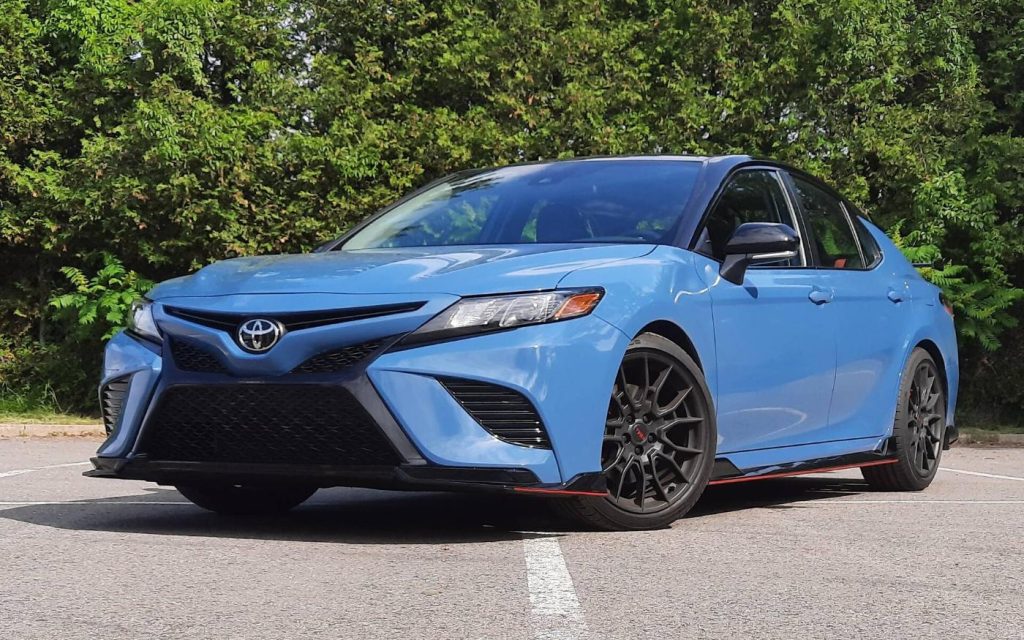
1. Toyota Camry
The reason the Toyota Camry earns a place in this discussion has very little to do with excitement and everything to do with consistency. It represents a type of engineering that quietly prioritizes durability in ways that only become noticeable after months of driving on imperfect roads.
What stands out immediately is the suspension tuning. It does not try to be sporty, and that is exactly why it works so well in a city environment.
The setup is soft enough to absorb sharp impacts without sending a harsh jolt into the cabin, yet controlled enough to avoid feeling loose or disconnected. This balance becomes especially valuable when dealing with repeated imperfections in the road.
Another important factor is wheel and tire sizing. The Camry avoids overly aggressive wheel designs in most trims, which means more sidewall to cushion impacts. That extra rubber acts as a buffer between the road and the wheel itself, reducing the likelihood of damage when encountering deep potholes.
I am including the Camry here because it reflects a philosophy that many modern cars have moved away from. Instead of chasing aggressive styling or performance focused setups, it sticks to a formula that works in real world conditions. Owners are not constantly worrying about avoiding every imperfection, which changes the entire driving experience.
There is also a psychological benefit. When a car feels robust, the driver becomes more relaxed. You are not scanning every inch of pavement or bracing for impact. That confidence is something that cannot be easily quantified, but it makes daily driving significantly less stressful.
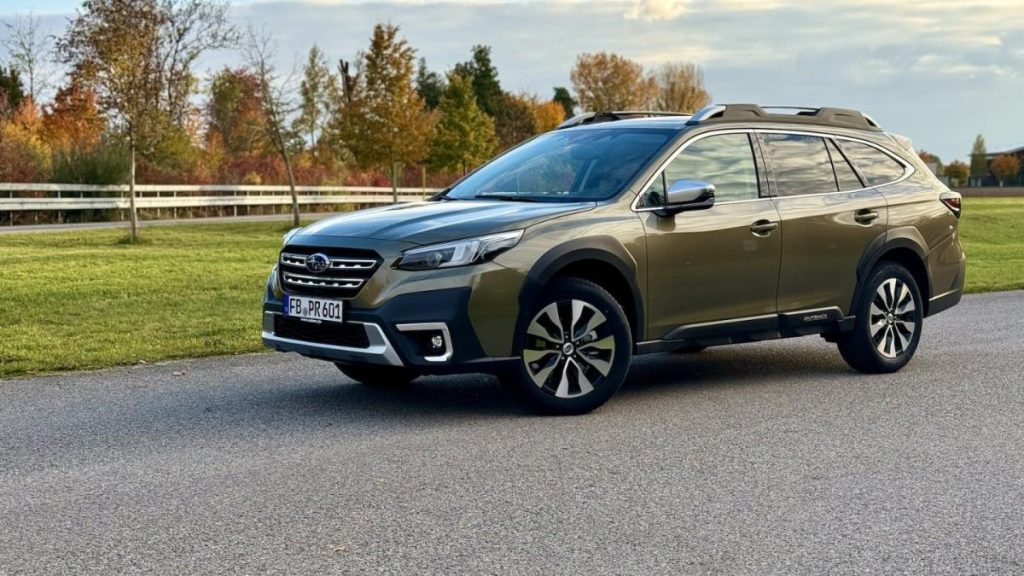
2. Subaru Outback
If the Camry represents quiet durability, the Subaru Outback approaches the same problem from a different angle. It does not just tolerate bad roads, it almost seems designed to expect them.
The higher ground clearance is the first thing that changes how the car interacts with rough surfaces. Potholes that might cause concern in a lower sedan feel less threatening here, simply because there is more space between the chassis and the road.
This is not just about avoiding scraping, it also affects how the suspension can travel and recover from impacts.
What makes the Outback particularly interesting is how it blends this capability with everyday usability. It is not a rugged off road vehicle in the traditional sense, but it borrows enough from that world to handle urban damage with ease. The suspension has longer travel, allowing it to absorb deeper imperfections without transmitting sharp shocks into the cabin.
I chose the Outback because it highlights a different solution to the same problem. Instead of refining a sedan for comfort, it rethinks the baseline entirely. The result is a vehicle that feels unfazed by conditions that would make other cars feel delicate.
There is also a sense of adaptability. Whether the road is freshly paved or severely worn, the driving experience remains consistent. That consistency is what makes it valuable in cities where road quality can change dramatically from one block to the next.
For drivers who want to stop worrying about what lies ahead on the road, the Outback offers a kind of reassurance that few traditional sedans can match.
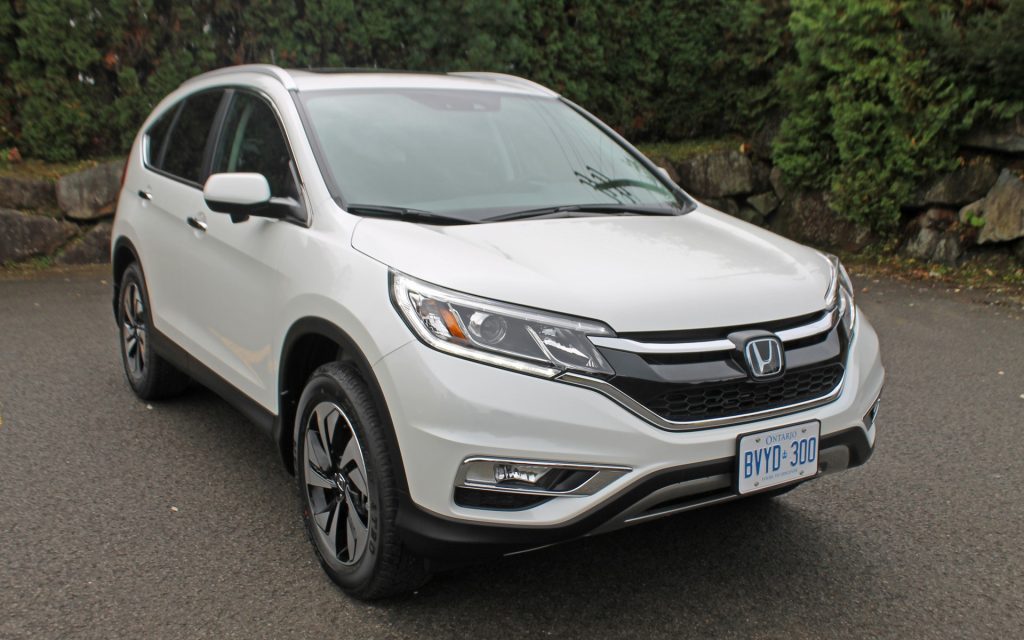
3. Honda CR-V
The Honda CR-V enters this list with a completely different kind of advantage, one that becomes obvious not in a single impact, but over time. It is not about how dramatic the bumps feel, but how consistently the vehicle handles them day after day without developing unwanted noises or structural fatigue.
What makes the CR-V stand out is its suspension compliance combined with a well-isolated cabin. When driving over broken roads, the impacts feel rounded rather than sharp, as if the car is smoothing the edges off each imperfection.
This is not accidental. Honda has tuned the suspension to prioritize everyday usability, which pays off significantly in rough urban conditions.
Another element worth noting is its balanced ride height. It is not excessively tall, but it provides enough clearance to handle uneven surfaces confidently. That middle ground is important because it avoids the top-heavy feel of larger SUVs while still offering protection against deeper potholes.
I am including the CR-V because it reflects how thoughtful engineering can create long-term comfort. Many vehicles can handle rough roads initially, but few maintain that composure as they age. The CR-V’s structure feels tight and durable, which reduces the likelihood of rattles and vibrations developing over time.
There is also a quiet sense of predictability in how it behaves. The steering remains composed, the body movements are controlled, and the car does not feel unsettled when encountering multiple imperfections in quick succession.
That predictability builds trust, which is essential for daily driving in a city where road conditions are rarely consistent.
4. Toyota RAV4
The Toyota RAV4 approaches pothole resistance with a slightly more rugged personality. It does not try to hide the road entirely, but it deals with it in a way that feels controlled and dependable rather than harsh or fragile.
One of the defining characteristics of the RAV4 is its suspension durability. It is tuned to handle repeated impacts without feeling overwhelmed, which is crucial in environments where rough patches are not occasional but constant.
Instead of reacting sharply, the suspension absorbs the force and settles quickly, maintaining composure even when the road quality deteriorates.
The wheel and tire setup also plays a significant role. Many versions of the RAV4 avoid excessively large wheels, which helps preserve sidewall thickness. This design choice may not grab attention visually, but it contributes directly to resilience. The tires act as a first line of defense, reducing the stress placed on the wheels and suspension components.
I chose the RAV4 because it represents a practical approach to durability. It does not rely on extreme ground clearance or overly soft suspension tuning. Instead, it combines moderate design choices to create a well-rounded, tough daily driver.
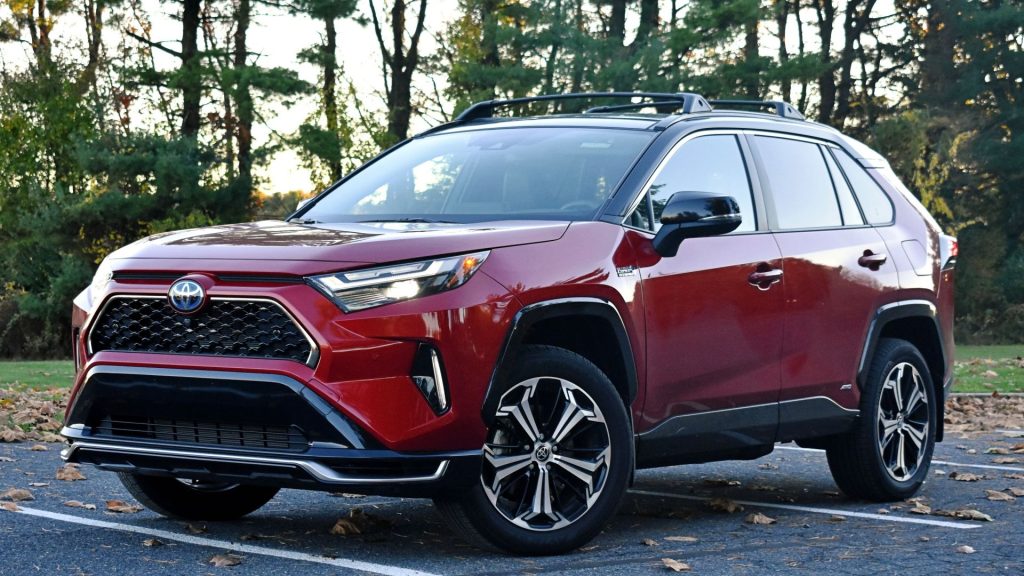
There is a certain honesty in how it handles rough roads. You are aware of the imperfections, but they never feel threatening or damaging. That balance between feedback and protection is what makes the RAV4 particularly effective in real-world conditions.
For drivers who want a vehicle that can quietly handle abuse without constant attention, the RAV4 delivers a level of confidence that makes daily commuting far less demanding.
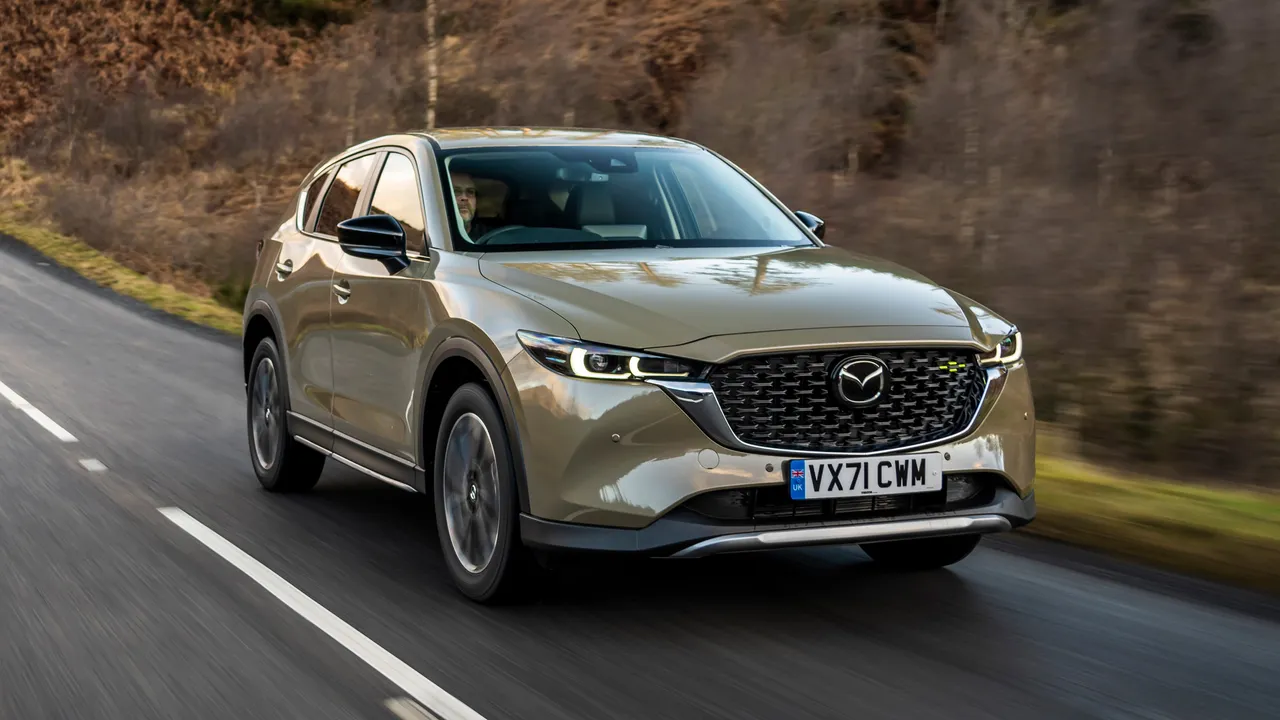
5. Mazda CX-5
The Mazda CX-5 closes this list by taking a slightly different approach to durability, one that blends driver engagement with real-world toughness. It does not abandon driving feel in the pursuit of comfort, yet it still manages to handle rough roads with a level of composure that makes it a strong daily companion.
What makes the CX-5 interesting is how it controls impacts rather than simply softening them. When the wheels encounter a pothole, the suspension reacts quickly and settles just as fast, preventing the kind of aftershock that can make a car feel unsettled.
This controlled response gives the impression of solidity, as if the car is tightly put together and resistant to disruption.
Unlike some competitors that rely heavily on soft suspension tuning, the CX-5 maintains a slightly firmer character. However, that firmness is carefully managed. It does not translate into harshness because the damping is well-calibrated, allowing the car to absorb imperfections without transmitting excessive vibration into the cabin.
I am including the CX-5 because it represents a middle ground that many drivers are searching for. It shows that a vehicle can still feel responsive and engaging without becoming fragile in the face of poor road conditions. That balance is not easy to achieve, and it sets the CX-5 apart from both overly soft and overly stiff alternatives.
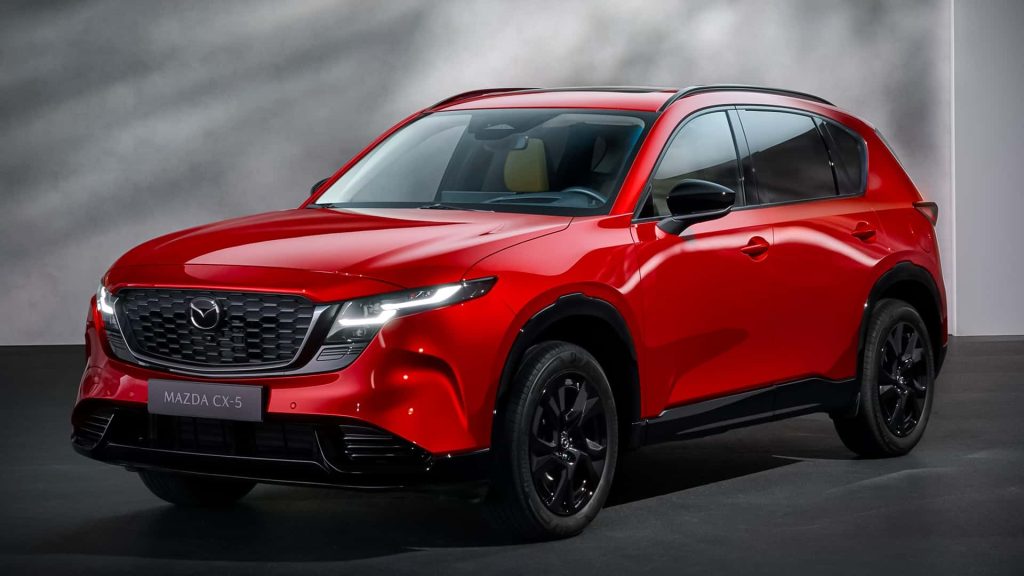
Another aspect worth mentioning is the structural integrity. Over rough surfaces, the body feels cohesive, with minimal flex or noise. This contributes to a sense of long-term durability, which is crucial for a car that will face daily exposure to uneven roads.
For drivers who want a vehicle that does more than just survive potholes, the CX-5 offers an experience that remains composed, controlled, and quietly resilient. It proves that toughness does not have to come at the expense of refinement.
5 Luxury Sedans with Fragile Wheels
Luxury sedans are often designed to deliver a very specific kind of experience, one that prioritizes comfort, precision, and visual impact. On smooth roads, they excel effortlessly. The ride feels refined, the handling is sharp, and every movement is controlled with a sense of confidence that defines the segment.
However, this level of sophistication often comes with trade-offs that become apparent the moment the road conditions begin to deteriorate.
In cities with imperfect infrastructure, these trade-offs can turn into daily challenges. Many luxury sedans feature large alloy wheels paired with low-profile tires, a combination that enhances appearance and cornering ability but reduces the margin for error when encountering potholes.
With less sidewall to absorb impacts, the force is transferred more directly to the wheel, increasing the risk of damage.
Suspension tuning also plays a critical role. To achieve precise handling and a connected driving feel, these cars often use stiffer setups that do not absorb sharp impacts as effectively as softer systems. While this improves control on smooth surfaces, it can make rough roads feel more aggressive and unforgiving.
This section exists not to criticize these vehicles, but to highlight how their design priorities influence their behavior in less-than-ideal conditions. These are cars built to deliver excellence in specific environments, and when taken outside those conditions, their limitations become more noticeable.
For drivers in cities with challenging road quality, understanding these characteristics is essential. It allows them to make informed decisions and avoid unexpected repair costs or daily frustration.
At the same time, it is important to recognize that these sedans still offer exceptional experiences when used in the right context. The goal here is not to diminish their appeal, but to present a realistic perspective on how they interact with the kind of roads many drivers face every day.
1. Mercedes-Benz S-Class
The Mercedes-Benz S-Class represents the pinnacle of comfort and engineering precision, but its very strengths can become vulnerabilities when the road surface is less than ideal. This is a car designed to glide, not to absorb repeated sharp impacts from broken pavement.
A major factor is the wheel and tire combination. Many versions of the S-Class come equipped with large diameter wheels wrapped in low-profile tires.
While this setup enhances visual presence and contributes to precise handling, it significantly reduces the cushioning effect that thicker tire sidewalls provide. When encountering a deep pothole, there is very little buffer, which increases the likelihood of wheel damage.
The suspension system, often featuring advanced air suspension, is engineered to deliver a smooth and controlled ride on well-maintained roads. However, that same system can feel overwhelmed by sudden, sharp impacts. Instead of gradually absorbing the force, it reacts quickly, sometimes transmitting a noticeable jolt into the cabin.
I am including the S-Class because it highlights how a focus on refinement can unintentionally reduce resilience. This is not a flaw in its design, but rather a consequence of its priorities. It excels in environments where the road surface matches its level of sophistication.
There is also the cost factor to consider. Repairs involving wheels, tires, or suspension components on a car of this caliber can be expensive. This adds an extra layer of caution for drivers navigating rough urban streets, where avoiding every imperfection is nearly impossible.
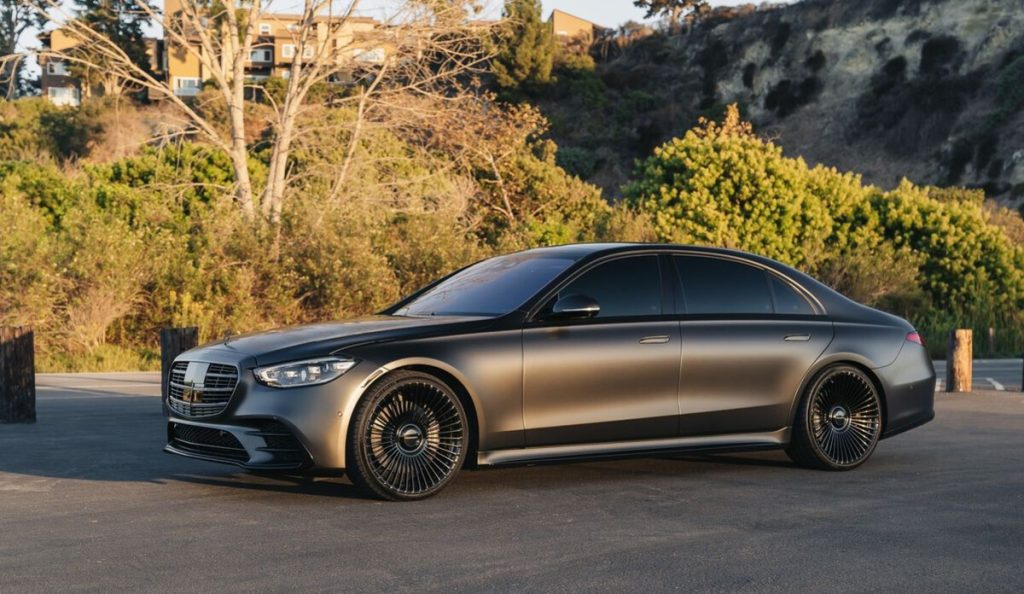
Driving the S-Class in such conditions often changes behavior. Instead of enjoying the effortless glide it is known for, drivers may find themselves constantly scanning the road, slowing down, and adjusting their path. That shift in focus takes away from the experience the car is meant to provide.
2. BMW 7 Series
The BMW 7 Series approaches luxury from a slightly different angle, placing a stronger emphasis on driving dynamics. This results in a vehicle that feels more connected to the road, but that connection can become a disadvantage when the surface is far from smooth.
One of the defining traits of the 7 Series is its firm and controlled suspension tuning. It is designed to minimize body movement and deliver precise handling, especially at higher speeds.
On a well-paved road, this creates a sense of confidence and responsiveness. On a damaged city street, however, it can translate into a harsher experience.
The use of large wheels and performance-oriented tires further amplifies this effect. With reduced sidewall height, the tires have less ability to absorb impacts, meaning more of the force is passed directly into the suspension and chassis. This not only affects comfort but also increases the risk of bending a rim or damaging a tire.
I chose the 7 Series because it demonstrates how performance-oriented engineering can conflict with real-world conditions. The car is exceptionally capable, but its capabilities are best appreciated in environments that allow it to operate as intended.
There is also a certain level of sensitivity in how it reacts to imperfections. Small irregularities that might go unnoticed in softer vehicles become more pronounced here. This constant feedback can make everyday driving feel more demanding than relaxing.
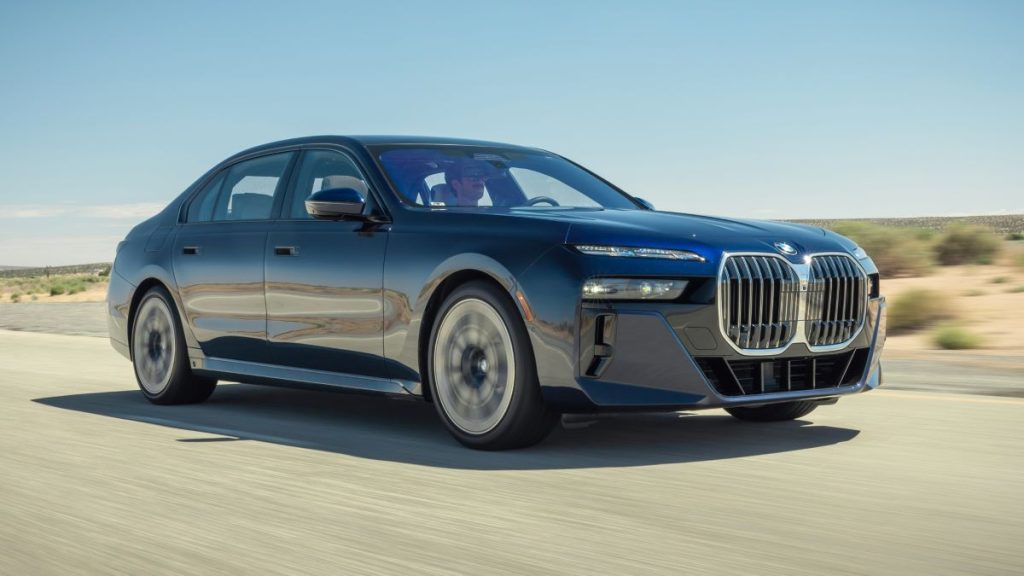
For drivers who value engagement and precision, the 7 Series delivers in abundance. But in cities with rough roads, that same precision can become a source of concern, requiring a level of attention that not every daily commute should demand.
3. Audi A8
The Audi A8 brings a distinctly refined and technology-driven approach to luxury, but its sophistication can make it surprisingly delicate when faced with imperfect road conditions. It is a car that thrives on smoothness, and when that smoothness disappears, its character changes in subtle but important ways.
One of the defining elements of the A8 is its emphasis on isolation. The cabin is engineered to feel detached from the outside world, creating a calm and composed environment. However, this level of isolation often relies on precise suspension tuning and large wheel designs that are optimized for controlled surfaces rather than unpredictable ones.
The low-profile tires commonly found on higher trims reduce the margin for error when encountering potholes. Instead of absorbing the impact gradually, the force is transferred more directly to the wheel structure. This increases the chances of damage, especially when the road conditions are inconsistent and difficult to predict.
I am including the A8 because it illustrates how advanced engineering does not always translate into real-world toughness. The systems that make it feel so refined can become vulnerable when pushed outside their intended environment.
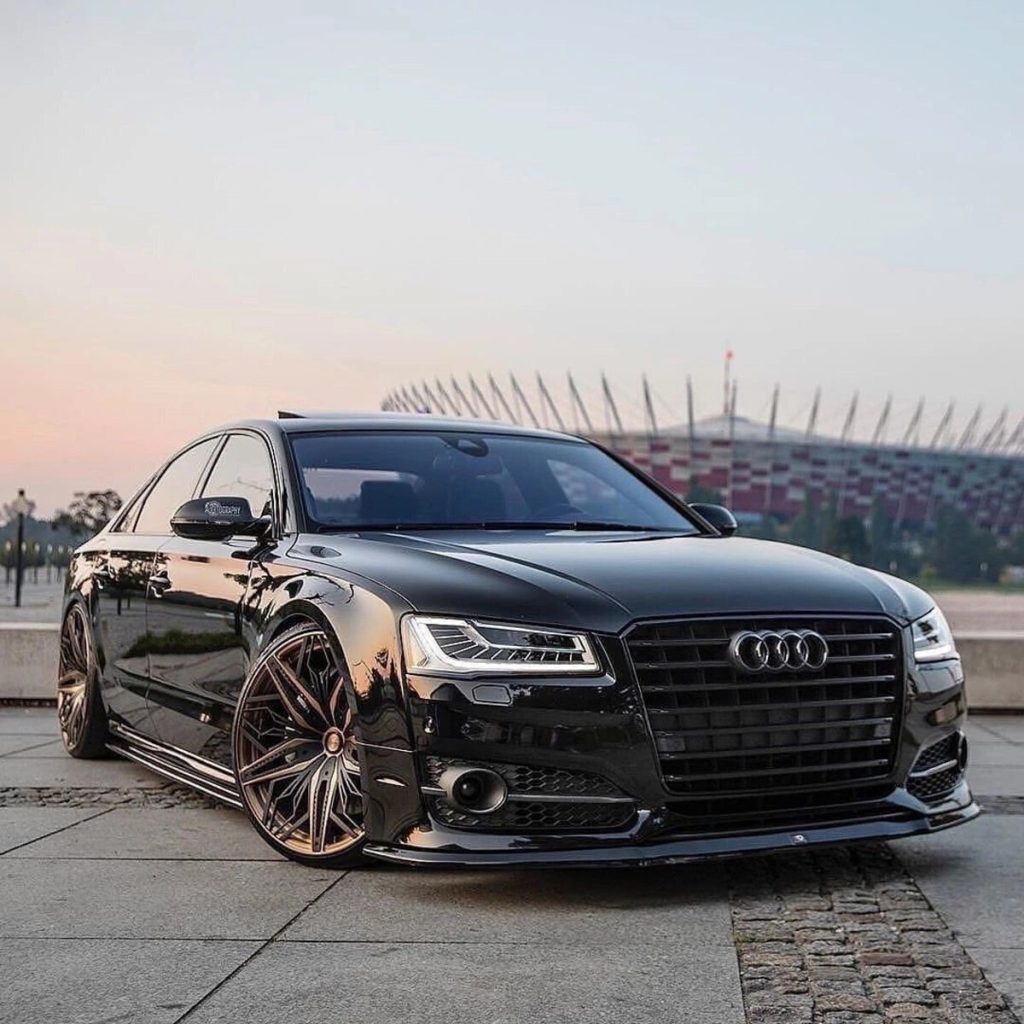
There is also an interesting contrast in how it behaves. On a freshly paved road, it feels almost effortless, gliding with minimal effort. But on a broken surface, that effortlessness is replaced by a need for caution. The driver becomes more aware of every imperfection, which shifts the experience from relaxed to attentive.
For a car built around comfort, this change in behavior is significant. It shows that refinement alone is not enough when the road itself becomes the primary challenge.
4. Lexus LS
The Lexus LS is often associated with comfort and reliability, which might make its inclusion here seem unexpected. However, modern versions of the LS have adopted design choices that prioritize visual appeal and handling precision, sometimes at the expense of impact tolerance.
A key factor is the move toward larger wheels paired with thinner tires. While this enhances the overall look and contributes to sharper handling characteristics, it reduces the protective cushioning that thicker sidewalls provide. On rough roads, this makes the wheels more susceptible to damage from sudden impacts.
The suspension system, although still tuned for comfort, has become more controlled and less forgiving than older generations. It does an excellent job of managing body movement on smooth surfaces, but it can feel less capable of absorbing sharp, unexpected jolts.
I chose the LS because it represents how even traditionally comfort-focused luxury sedans are evolving in ways that may not align with challenging road conditions. It is still a highly refined vehicle, but its priorities have shifted slightly toward performance and aesthetics.
Another aspect worth considering is how quietly it communicates stress. The car does not necessarily feel harsh, but there is a subtle sense of tension when driving over rough patches, as if the components are working harder to maintain composure.
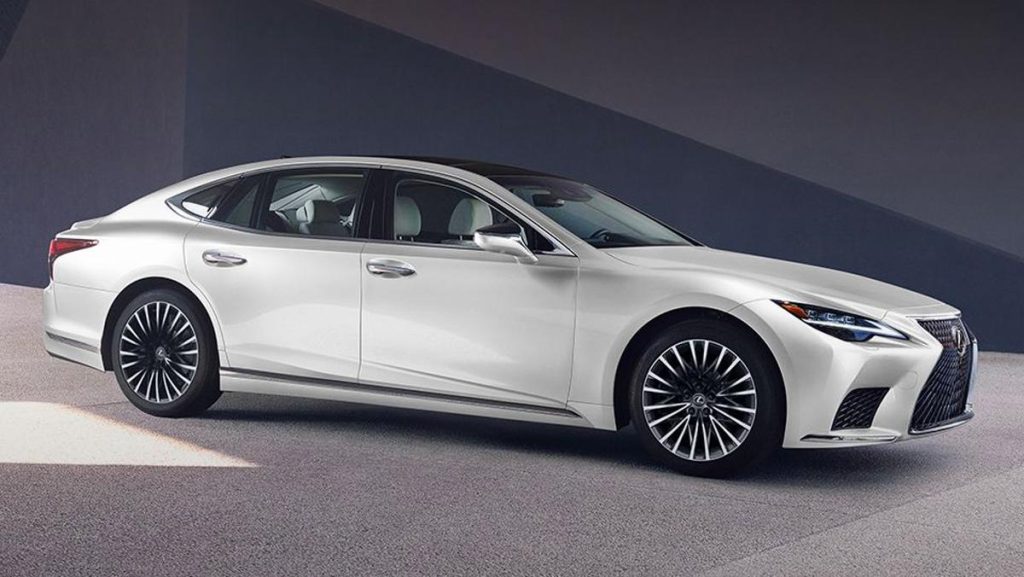
This makes the driving experience more cautious than one might expect from a flagship luxury sedan. Instead of simply relaxing, the driver remains aware of the road, adjusting speed and trajectory to avoid potential damage.
5. Genesis G90
The Genesis G90 offers a compelling alternative in the luxury segment, focusing heavily on comfort and value. However, like many of its competitors, it adopts modern design trends that can limit its ability to handle harsh road conditions with complete confidence.
The presence of large, stylish wheels is one of the most noticeable factors. These wheels contribute to the car’s upscale appearance, but they also come with low-profile tires that reduce impact absorption. When encountering deep potholes, this setup leaves little room for error.
The suspension is tuned to provide a smooth and composed ride, but it leans toward firmness in order to maintain stability and control. This balance works well on consistent surfaces, yet it can struggle to fully neutralize sharp impacts from uneven pavement.
I am including the G90 because it highlights how newer luxury entrants are following similar design philosophies as established brands. The focus is on delivering a premium experience that looks and feels modern, even if it means sacrificing some degree of ruggedness.
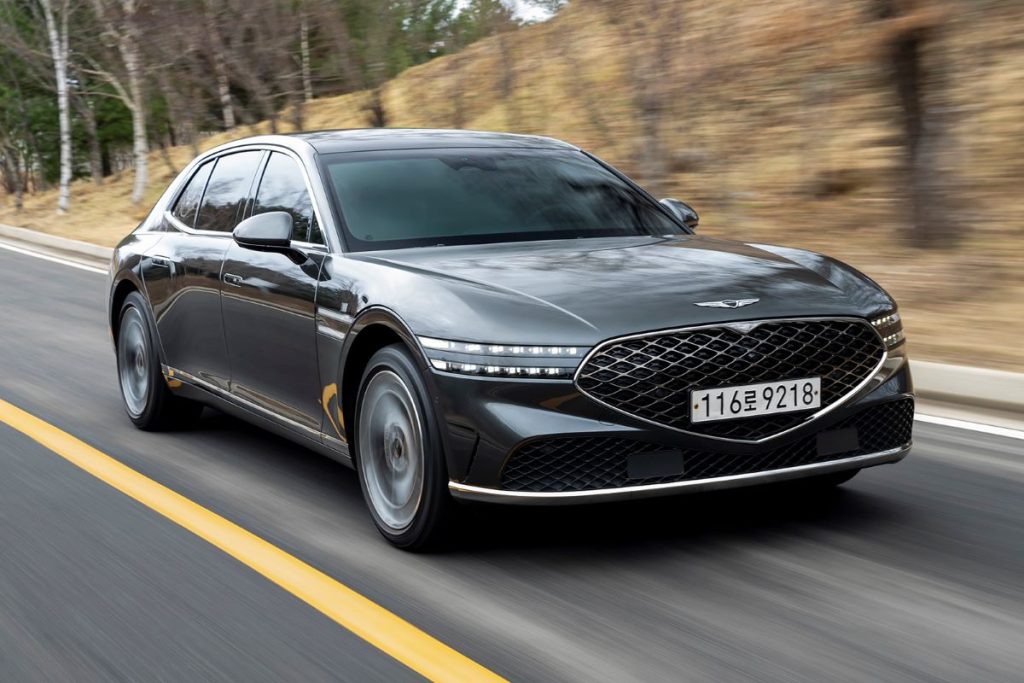
There is also a noticeable difference in how the car responds to repeated imperfections. While a single bump may be handled well, a series of potholes can start to reveal the limits of the suspension’s ability to isolate the cabin.
For drivers, this creates a need for greater awareness. The car remains comfortable, but it does not completely shield its occupants from the realities of rough roads. That balance between luxury and limitation is what earns it a place in this discussion.
Also Read: Honda Insight Revived as a $35,000 EV, but Availability Tells a Different Story
