
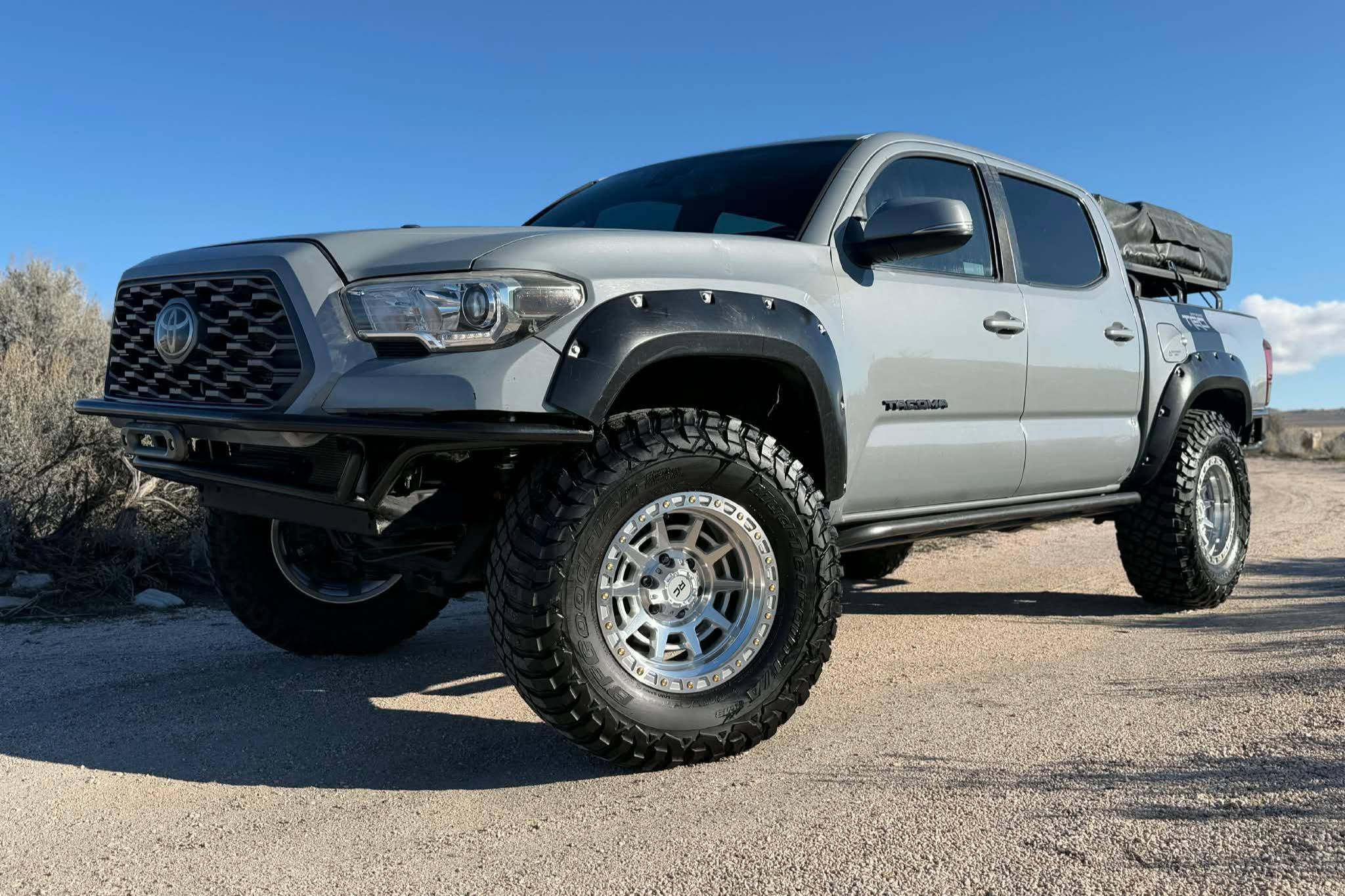
Virginia Beach is one of the most beautiful places in the country to own a truck. You have got the oceanfront, the Chesapeake Bay, Naval Station Norfolk next door, and a lifestyle that practically demands a capable pickup for hauling boats, beach gear, kayaks, and everything else that coastal living involves.
But owning a truck at the coast comes with a tax that dealership salespeople rarely discuss in detail, and that tax is corrosion.
Salt air is relentless. It does not take vacations, it does not care what you paid for your truck, and it does not wait for your coastal lifestyle to be inconvenient to start working on your frame rails and suspension components.
Virginia Beach’s specific combination of ocean salt air, brackish Chesapeake waterway exposure, and the Virginia coastal plain’s humidity creates corrosion conditions that accelerate rust at rates that inland truck owners never experience.
A truck that would show minimal rust after eight years in Colorado might develop serious frame and undercarriage corrosion within three years in Virginia Beach without proper protection.
What separates trucks that thrive in coastal Virginia from those that deteriorate quickly is a combination of factory corrosion protection, material choices, and coating systems that address the specific threats that salt air and coastal moisture create.
Some manufacturers have invested heavily in these protections across their full product lineup. Others have taken a more economical approach to undercarriage coating and frame metal treatment that works adequately in mild conditions but falls short when a truck is parked two blocks from the Atlantic Ocean every day of its life.
This page splits eight trucks across two categories: four that are genuinely well-equipped for Virginia Beach’s corrosion environment, and four that consistently develop serious rust problems under coastal conditions.
Whether you are buying new, buying used, or evaluating your current truck’s corrosion protection, this comparison gives you honest, specific information that the sales brochure never provides.
4 Rust-Proofed Trucks for Coastal Life In Virginia Beach
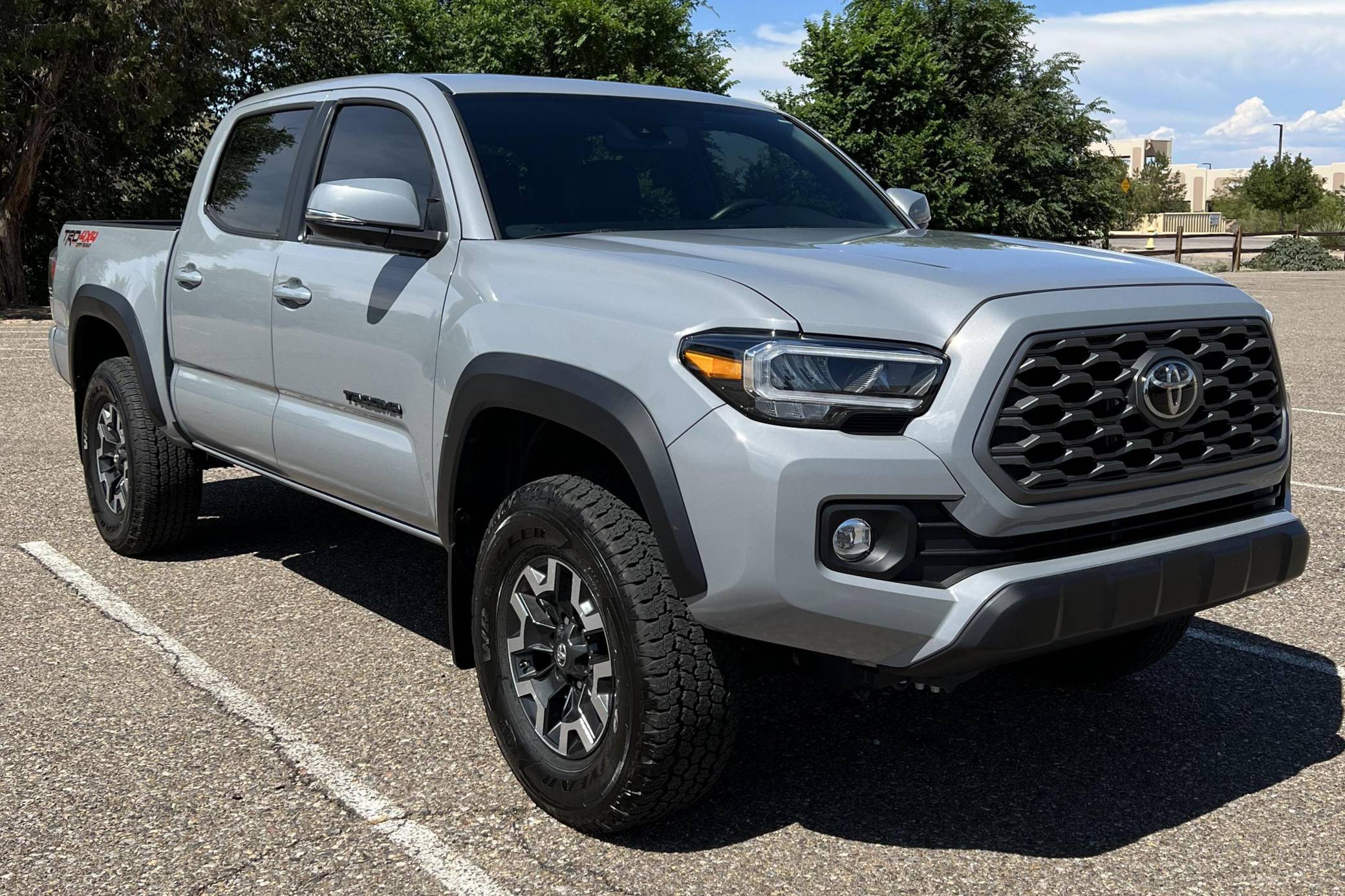
1. Toyota Tacoma TRD Off-Road 4×4 (Third Generation, 2020 to 2023)
Toyota’s reputation for long-term vehicle durability is not marketing mythology. It is the result of engineering decisions that prioritize material quality and corrosion protection across components that competitors sometimes treat as cost-reduction opportunities.
For Virginia Beach truck buyers specifically, the third-generation Tacoma TRD Off-Road 4×4 provides a corrosion protection package that holds up against coastal salt air exposure better than most competitors in the midsize truck segment.
Frame construction on the third-generation Tacoma uses Toyota’s hydroformed ladder frame with comprehensive coating treatment applied during manufacturing rather than as an aftermarket addition.
Toyota applies a combination of hot-wax injection into frame cavities and an external coating system that creates a barrier between the frame steel and the salt-laden air that coastal environments deliver continuously.
This factory cavity protection is particularly important because frame cavities, specifically the enclosed sections where moisture can accumulate without evaporating, are where frame rust initiates and spreads most aggressively.
Suspension components on the Tacoma TRD Off-Road use materials and coatings that resist the corrosion acceleration that salt spray creates on unprotected steel.
Control arms, steering components, and brake hardware receive corrosion-resistant treatment that extends their service life under coastal conditions compared to equivalent components on trucks whose undercarriage protection was designed for general-market use rather than specifically for high-corrosion environments.
Bed construction on the Tacoma uses a composite material for the bed floor and lower sides rather than the painted steel floors that were common on previous generations and that remain standard on several competitors.
Composite bed construction eliminates the single most common rust initiation point in truck beds, where cargo wear, standing water, and salt accumulation create ideal conditions for paint failure and steel corrosion.
Virginia Beach truck buyers who regularly haul wet gear, tackle boxes, and beach equipment will find the composite bed’s corrosion resistance directly relevant to their specific use.
Long-term ownership data from Virginia Beach and other coastal Virginia communities shows Tacoma third-generation examples maintaining better undercarriage condition than most midsize truck competitors at equivalent mileage and age, with frame and suspension corrosion proceeding more slowly in documented owner reports.
This real-world data, from actual coastal owners rather than controlled testing environments, reflects Toyota’s factory corrosion protection performing as intended in one of the more demanding real-world environments available in the continental United States.
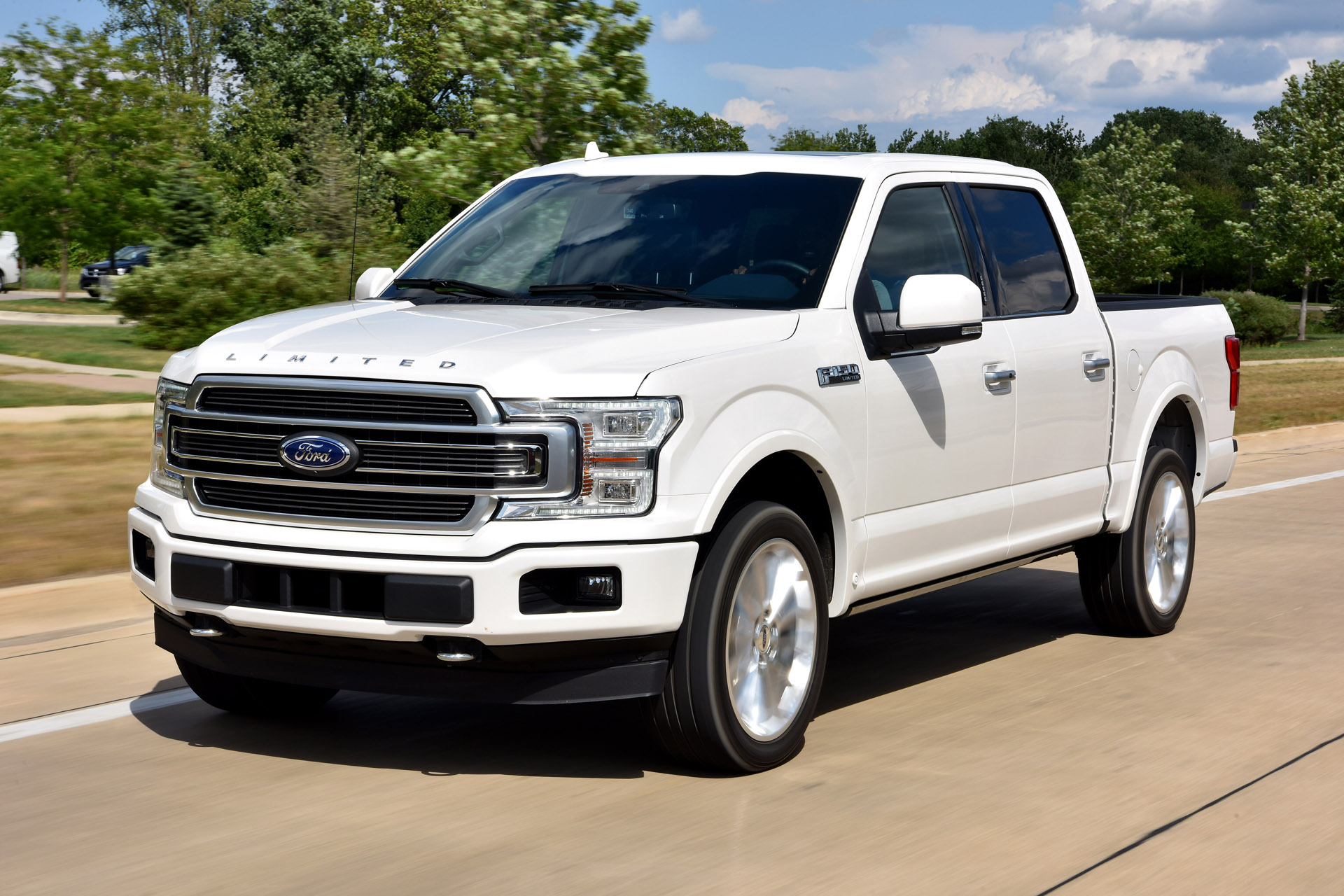
2. Ford F-150 XLT SuperCrew 4×4 With Aluminum Body (Thirteenth Generation, 2018 to 2020)
Ford’s decision to switch the F-150 body panels to military-grade aluminum alloy starting with the thirteenth generation drew attention primarily for weight reduction and fuel economy benefits, but coastal truck buyers in Virginia Beach received an additional benefit that Ford’s marketing addressed less directly: aluminum does not rust in the way that steel does.
Salt air that would initiate and accelerate corrosion on steel body panels interacts with aluminum in a fundamentally different way that produces an oxide layer protecting the underlying metal rather than the progressive, destructive rust that compromises steel panels.
Body panel corrosion on coastal trucks is a specific and expensive problem that affects resale value, appearance, and eventually structural integrity in the most severely affected cases.
Fenders, doors, bed sides, and cab corners on steel-bodied trucks in Virginia Beach consistently develop surface rust within three to five years of coastal exposure without aggressive corrosion protection, and this surface rust progresses to more serious corrosion at rates that depend on how consistently the truck is washed and the effectiveness of any supplemental protection applied.
Aluminum body panels on the F-150 generation 13 remove this concern from the body panel category entirely. Ford did retain a hydroformed, high-strength steel frame on this generation F-150, which is appropriate for the structural demands of a full-size truck platform but requires attention to frame corrosion protection in coastal use.
Ford’s frame coating treatment on this generation includes cavity wax injection and an external corrosion-protective primer system that provides adequate factory protection for coastal environments when supplemented with professional undercoating treatment after purchase.
Bed liner installation, either spray-in from a professional applicator or a drop-in liner from Ford’s accessory catalog, addresses the one area where aluminum bed construction still benefits from additional protection, specifically the floor and lower bed areas, where heavy cargo creates wear points that expose aluminum substrate to concentrated salt and moisture accumulation.
Virginia Beach truck buyers who add a spray-in bed liner to their F-150 aluminum beds at purchase create a complete protection package that addresses every corrosion vulnerability the vehicle presents.
A 2019 Ford F-150 XLT SuperCrew 4×4 purchased new in Virginia Beach and maintained with regular undercarriage washing and appropriate supplemental undercoating will show dramatically better body condition at ten years than equivalent-age steel-bodied trucks that did not receive comparable protection, reflecting the aluminum body’s fundamental resistance to the salt air that Virginia Beach delivers every single day.
Also Read: 5 City Subcompacts In Philadelphia vs. 5 Large SUVs That Won’t Fit Narrow Streets
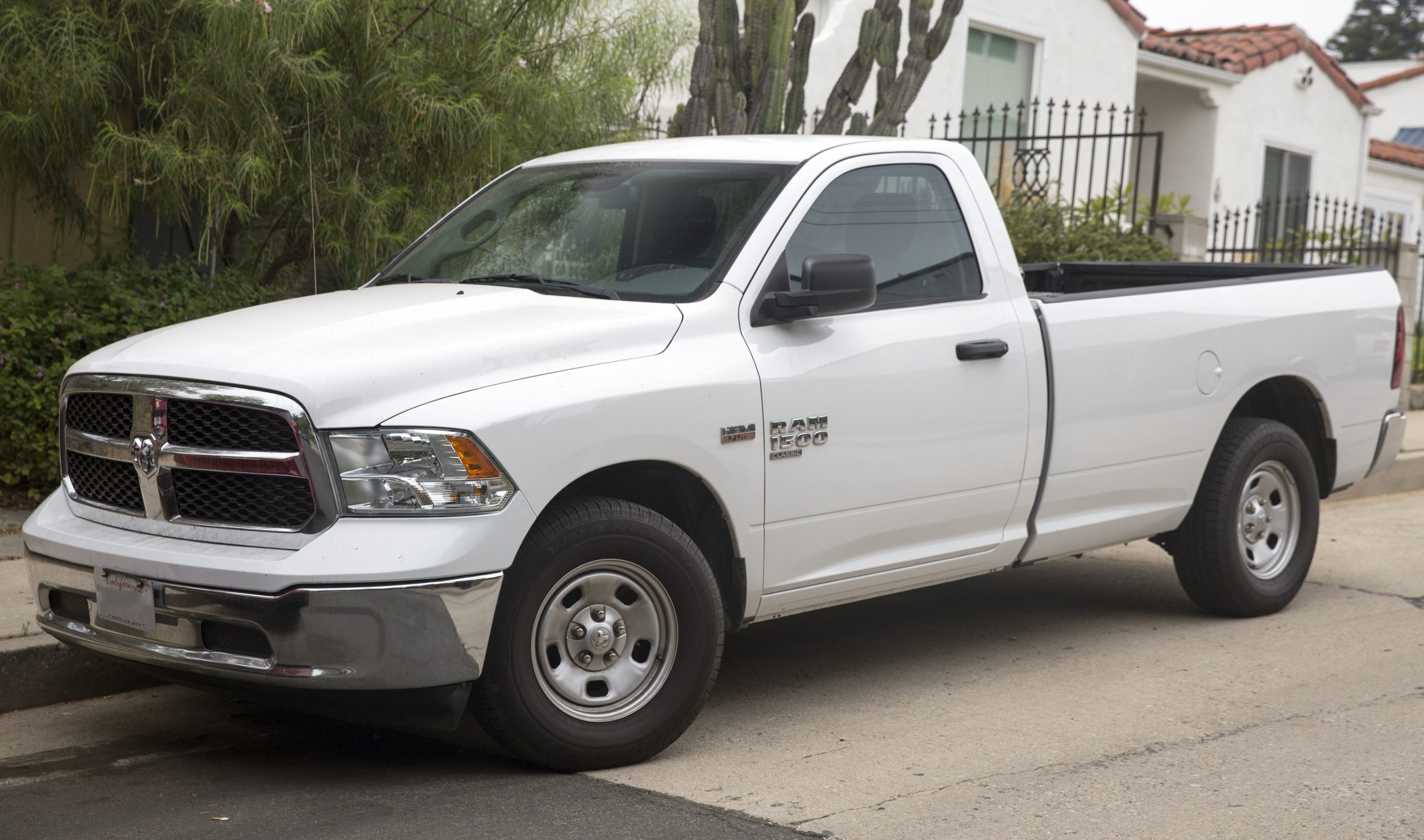
3. Ram 1500 Classic Tradesman 4×4 Regular Cab (DS Generation, 2019 to 2021)
Ram kept the DS-generation 1500 Classic in production alongside its newer successor to serve buyers who preferred a time-tested mechanical foundation supported by restrained electronic integration.
This decision appealed strongly to owners who value durability and predictability, particularly those operating in coastal regions where corrosion exposure remains constant.
The Tradesman 4×4 Regular Cab reflects that philosophy clearly, offering a straightforward build that prioritises structural protection and long-term dependability above advanced digital features.
Central to the appeal of this truck is its hydroformed box-section steel frame. Ram applied an electrodeposition coating process to the fully assembled frame before underbody components were fitted.
This method allows corrosion-resistant material to reach internal cavities, weld seams, and tight corners that conventional spray applications often miss. Such complete coverage strengthens resistance against moisture retention and salt exposure, two primary contributors to frame deterioration in coastal climates.
Field observations from long-term owners operating near shorelines support the effectiveness of this treatment. Inspections conducted after extended service periods often reveal intact coating surfaces with only minor surface marks rather than deep structural corrosion.
This outcome reduces the likelihood of costly restorative work such as frame stripping or extensive reinforcement, preserving structural integrity through ordinary maintenance routines.
The Regular Cab configuration adds another layer of practicality. Reduced body length and fewer door seams limit the total exterior surface exposed to corrosive air. While this benefit may appear modest, fewer panel junctions mean fewer opportunities for moisture intrusion.
Owners who prioritise utility over passenger capacity gain a body style that aligns well with the vehicle’s corrosion-focused design approach.
Mechanical simplicity also plays a supporting role. Fewer electronic modules and sensors reduce exposure points for moisture-related failures.
Routine servicing remains accessible, encouraging consistent inspection and care. Such conditions help maintain protective coatings and identify early wear before it develops into structural damage.
This truck serves buyers who view ownership through a long-term lens. Its design choices favour proven engineering and consistent protection rather than innovation for its own sake.
For drivers who operate near salt-laden air or regularly encounter wet conditions, the Ram 1500 Classic Tradesman offers reassurance rooted in durability, simplicity, and disciplined manufacturing practices.
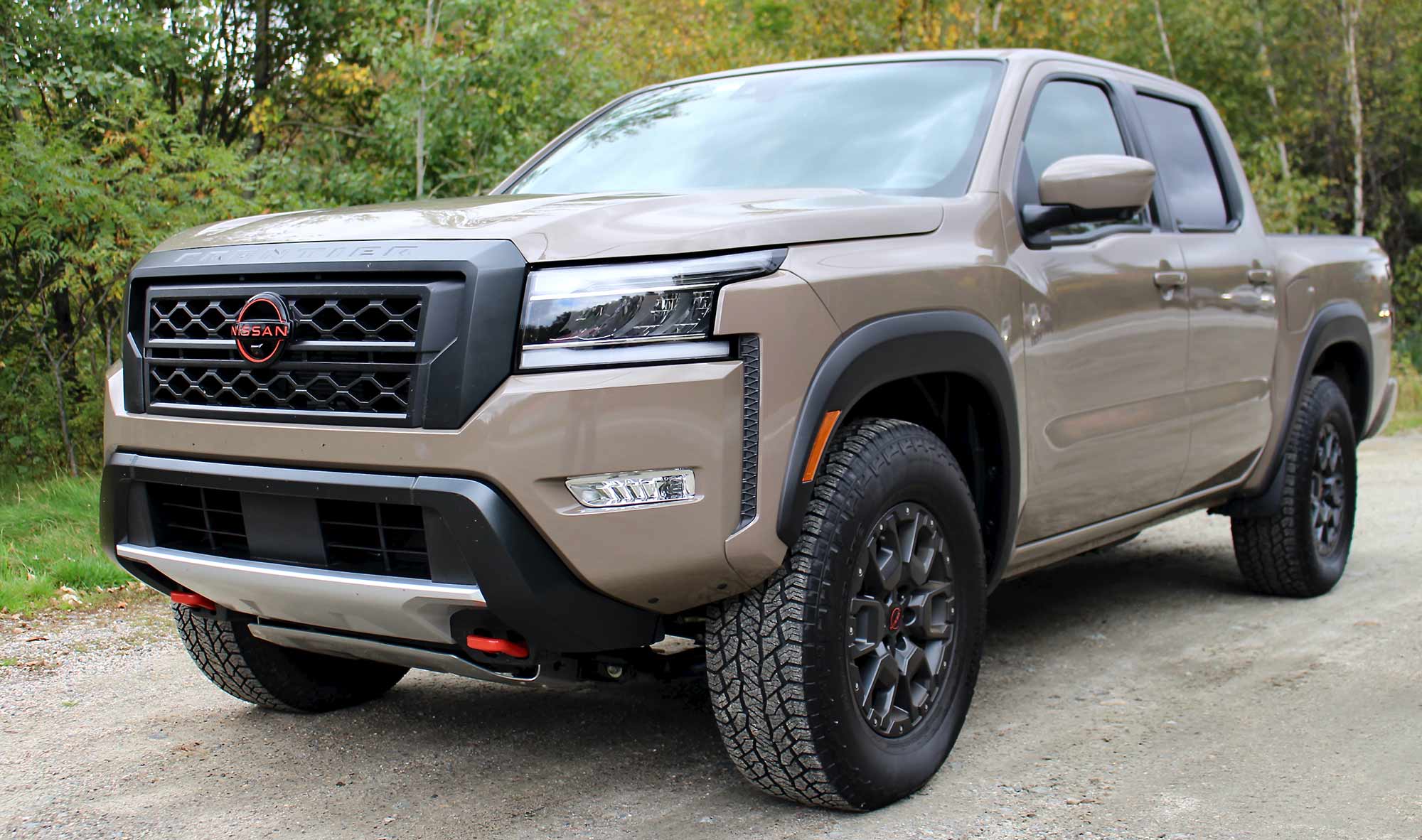
4. Nissan Frontier Pro-4X 4×4 (Third Generation, 2022 to 2024)
Nissan’s third-generation Frontier represents a deliberate return to fundamentals combined with modern manufacturing refinement. The redesign addressed historical durability concerns while applying updated corrosion prevention techniques shaped by decades of industry development.
For midsize truck buyers seeking dependable protection against moisture and salt exposure, the Frontier Pro-4X 4×4 delivers a carefully engineered solution grounded in material science and structural planning.
Frame construction on this generation benefits from a layered protection strategy. After fabrication, the frame receives a dedicated anti-corrosion primer formulated to bond chemically with steel surfaces.
This primer creates a resilient foundation that resists separation under temperature variation and mechanical stress. An additional undercoating layer follows, adding resistance against stone impact and abrasion that could otherwise expose bare metal during regular use.
Suspension components receive equal attention. The Pro-4X trim, designed for challenging environments, uses treated control arms, fasteners, and steering parts engineered to withstand repeated contact with water and debris.
Shock absorbers and mounting points employ finishes selected for durability under repeated compression cycles combined with chemical exposure. This approach supports owners who operate near launch ramps, tidal zones, or unpaved access routes where moisture contact remains frequent.
Bed construction further reinforces corrosion resistance. Nissan utilises galvanised steel panels that incorporate zinc into the metal surface itself rather than relying solely on paint layers.
Zinc acts as a sacrificial barrier, protecting steel even when surface wear occurs. Optional factory bed liners add a physical shield against abrasion while limiting water retention from cargo use. Owners who later apply professional spray-in liners create a layered defence that reduces long-term deterioration risk.
Design integration also contributes to durability. Drainage paths are positioned to reduce standing water, and panel fitment minimises crevice formation where moisture might accumulate. These details reflect a manufacturing philosophy that anticipates real operating conditions rather than ideal laboratory settings.
For buyers who value resilience supported by thoughtful engineering, the third-generation Frontier Pro-4X offers a balanced approach. It combines modern comfort with disciplined corrosion protection, delivering a truck prepared for demanding environments without unnecessary complication.
4 Trucks That Struggle With Coastal Corrosion
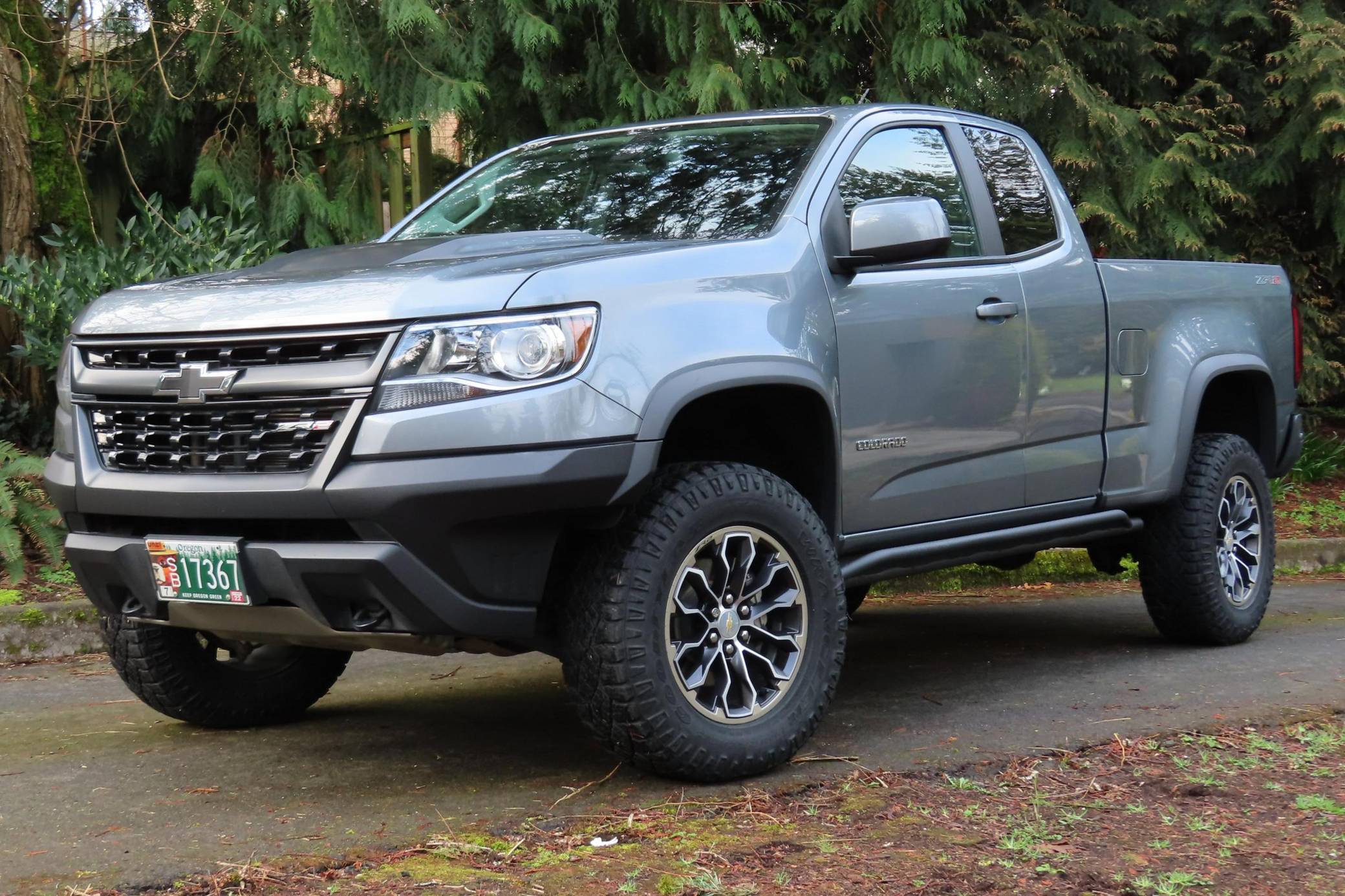
1. Chevrolet Colorado Z71 4×4 Crew Cab (Second Generation, 2018 to 2022)
Chevrolet’s second-generation Colorado received strong reviews for its capability, ride quality, and powertrain options during its production run, and it earned a loyal following among midsize truck buyers who appreciated its combination of car-like refinement and genuine truck utility.
What coastal Virginia owners discovered through extended ownership, however, is a pattern of frame and undercarriage corrosion that developed faster and more extensively than the truck’s otherwise reasonable build quality would have predicted.
Frame coating quality on the second-generation Colorado used a standard e-coat and topcoat process that provides adequate protection in normal operating environments but has shown vulnerability to the concentrated salt exposure that Virginia Beach’s combination of ocean air, bay waterways, and periodic road salt applications during winter weather events creates.
Frame corrosion reports from owners in coastal Virginia and other salt-air environments began appearing in owner communities at three to four years of ownership, representing a faster corrosion progression timeline than comparable Toyota and Nissan midsize truck platforms showed under similar exposure conditions.
Rear suspension components are specifically vulnerable on the second-generation Colorado, with rear leaf spring perches, spring shackles, and the surrounding frame sections showing corrosion progression that inspection reports from coastal Virginia mechanics consistently identify as occurring ahead of what the truck’s age and mileage would suggest in a non-coastal environment.
Rear spring replacement on a corroded Colorado frame requires more extensive rust remediation than ideally should be necessary at the mileage intervals when spring service becomes relevant.
Undercarriage brake hardware, including caliper brackets, brake line routing hardware, and drum brake components on rear-drum configurations, shows corrosion progression in coastal Virginia that creates higher brake service costs than the truck’s otherwise reasonable maintenance requirements would generate.
Seized caliper slide pins from corrosion accelerated by salt exposure are a specific and documented cost item that Virginia Beach, Colorado, owners report with a frequency that reflects the platform’s coastal environment vulnerability.
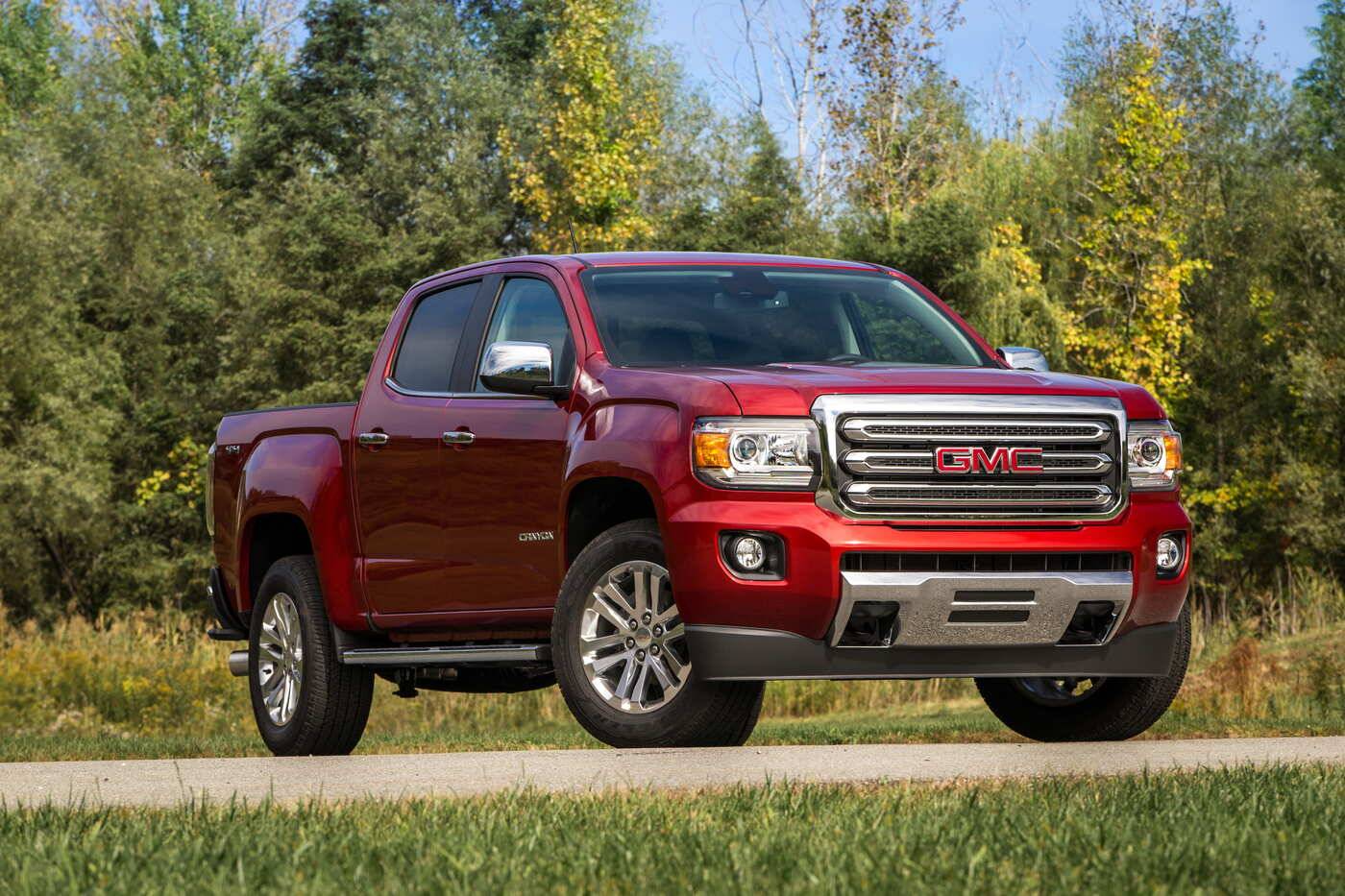
2. GMC Canyon SLE Crew Cab 4×4 (Second Generation, 2018 to 2022)
GMC’s Canyon shares its fundamental platform architecture with the Chevrolet Colorado, which means the corrosion vulnerability profile documented on the Colorado applies with equal accuracy to the Canyon under comparable coastal Virginia Beach exposure conditions.
Platform sharing is an engineering and manufacturing efficiency that produces consistent vehicle characteristics across both models, and unfortunately, corrosion vulnerability is among the characteristics that this platform shares consistently.
Frame coating on the second-generation Canyon uses the same treatment process as the Colorado, producing the same vulnerability to salt-air accelerated corrosion that has generated owner concern in coastal communities.
Canyon owners in Virginia Beach who purchased their trucks in the 2018 to 2020 model year range and have maintained regular vehicle washing report corrosion patterns that begin appearing at the three to five-year mark in frame sections that factory protection should be managing adequately at this age under general-market conditions.
Underbody component exposure on the Canyon in Virginia Beach creates specific cost concerns that buyers should factor into total ownership cost calculations before purchase.
Exhaust system components, particularly the muffler and mid-pipe sections closest to the rear axle, where road splash exposure is concentrated, show accelerated corrosion that results in premature replacement needs.
Exhaust replacement at five to seven years of coastal ownership is a documented cost item for Canyon owners in Virginia Beach that represents an unexpected expense relative to what the same truck would experience in inland Virginia or other lower-salt-exposure environments.
Electrical connector corrosion from salt air penetration into the underbody wiring harness creates diagnostic and repair challenges that the Canyon’s otherwise reasonable reliability record does not fully prepare buyers for in coastal ownership.
Corroded connectors for trailer wiring, ABS sensors, and other underbody electronics generate fault codes and intermittent system issues that require systematic inspection and connector replacement, adding both labor and parts cost to the ownership experience.
Professional undercoating applied at the time of purchase reduces the acceleration of these corrosion processes substantially, and Canyon buyers in Virginia Beach who invest in an annual Fluid Film or similar undercoating application report much better long-term undercarriage conditions than those who rely on factory protection.
However, the underlying vulnerability means that coastal Canyon ownership requires ongoing protection investment that trucks with stronger factory coating systems do not demand at the same level.
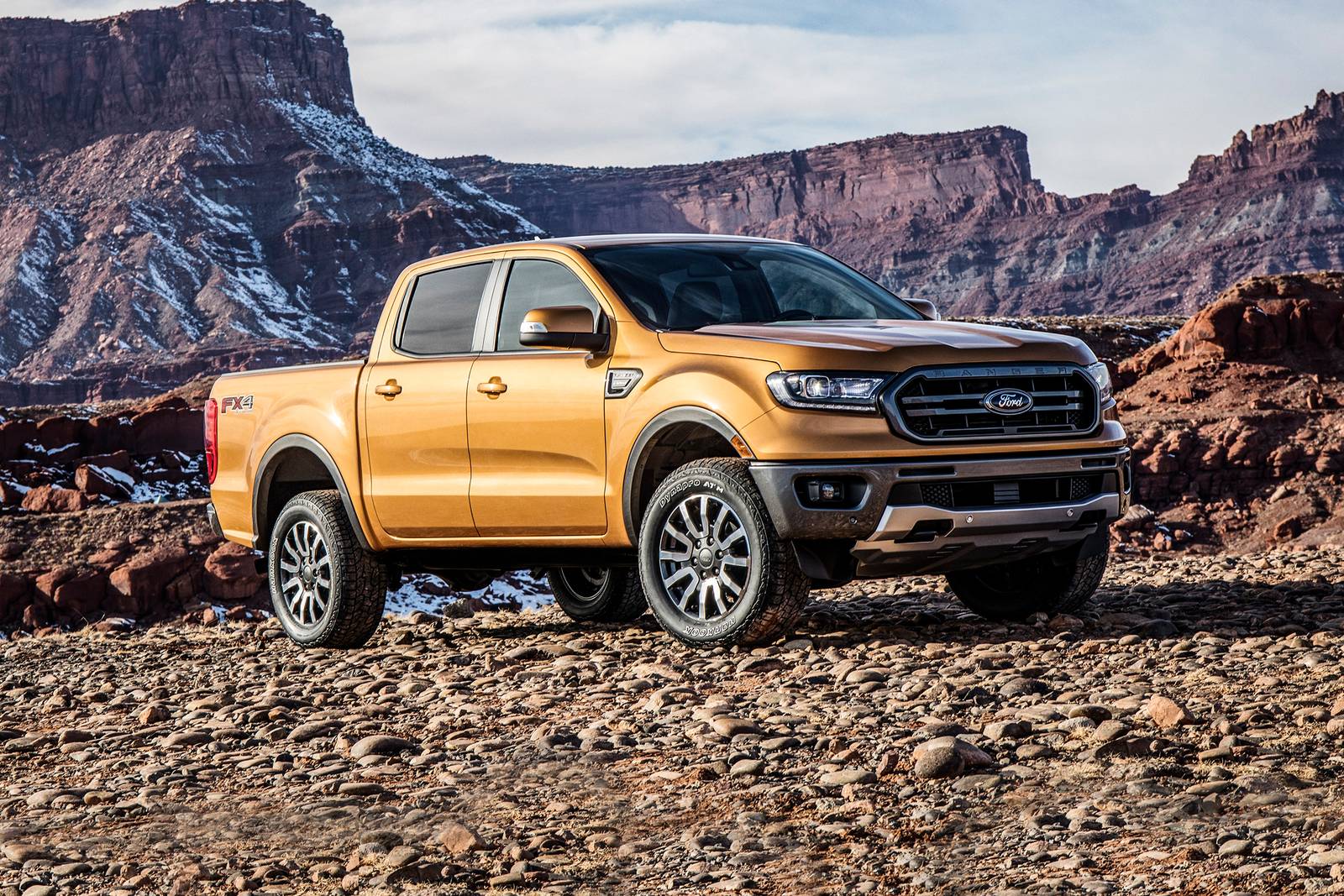
3. Ford Ranger XLT 4×4 SuperCrew (Second Generation North America, 2019 to 2022)
Ford reintroduced the Ranger to the North American market through its second generation as a midsize pickup designed for balanced power delivery, restrained fuel use, and controlled road manners. Buyers in coastal Virginia discovered that daily salt exposure places different demands on body materials and factory protection than inland ownership.
The truck uses steel exterior panels throughout, a choice that reduces repair costs but depends heavily on paint integrity for rust prevention.
In Virginia Beach conditions, sand abrasion, airborne salt, and temperature cycling steadily weaken painted surfaces, allowing moisture to reach untreated steel beneath the finish during regular coastal driving.
Owner reports from shoreline communities describe early surface rust forming around door seams, lower fender edges, and rear bed corners after several years of exposure.
These areas collect moisture and debris, creating repeated wet and dry cycles that accelerate oxidation once paint film protection thins under coastal environmental conditions locally.
Frame coating on this Ranger generation follows standard industry practice suitable for moderate climates, yet coastal usage highlights its limitations.
Mounting points near suspension components and enclosed sections where water lingers tend to show coating wear earlier than owners anticipated during long-term shoreline operation in humid salt air zones.
Once surface protection degrades, oxidation spreads along exposed steel rather than remaining isolated. Inspections in Virginia Beach frequently identify brown surface scaling around crossmembers and brackets that would remain clean for far longer in inland ownership environments with lower airborne salinity and reduced moisture cycling exposure periods annually present there.
Undercarriage hardware presents another area of concern under coastal conditions. Fuel tank straps, fasteners, and related brackets show corrosion that raises inspection questions within a few service cycles, creating repair expenses that surprise owners expecting longer service intervals under normal pickup truck ownership timelines in non-coastal regions nationwide, traditionally accepted.
Ford dealerships offer supplemental protective coatings that address many of these weaknesses when applied early.
Buyers who specify dealer underbody treatment at purchase report slower corrosion development and cleaner inspection outcomes compared with untreated examples exposed to identical shoreline conditions across Virginia Beach roadways and parking environments near tidal waters.
Without additional protection, ownership planning must include earlier rust management than the truck’s age might suggest.
This reality does not negate the Ranger’s performance strengths, yet it alters long-term maintenance expectations for coastal buyers who reside near saltwater corridors and use the vehicle year-round without storage shelter options.
For Virginia Beach residents, the second-generation Ranger demands a preventive mindset from day one. Protective washing routines, applied coatings, and periodic inspections become essential steps to maintain structural condition under constant salt exposure associated with coastal driving, parking, and marine-influenced weather patterns throughout the calendar year locally experienced.
Also Read: 5 Convertibles for Ocean Drive In Miami vs. 5 Interiors That Melt in Florida Heat
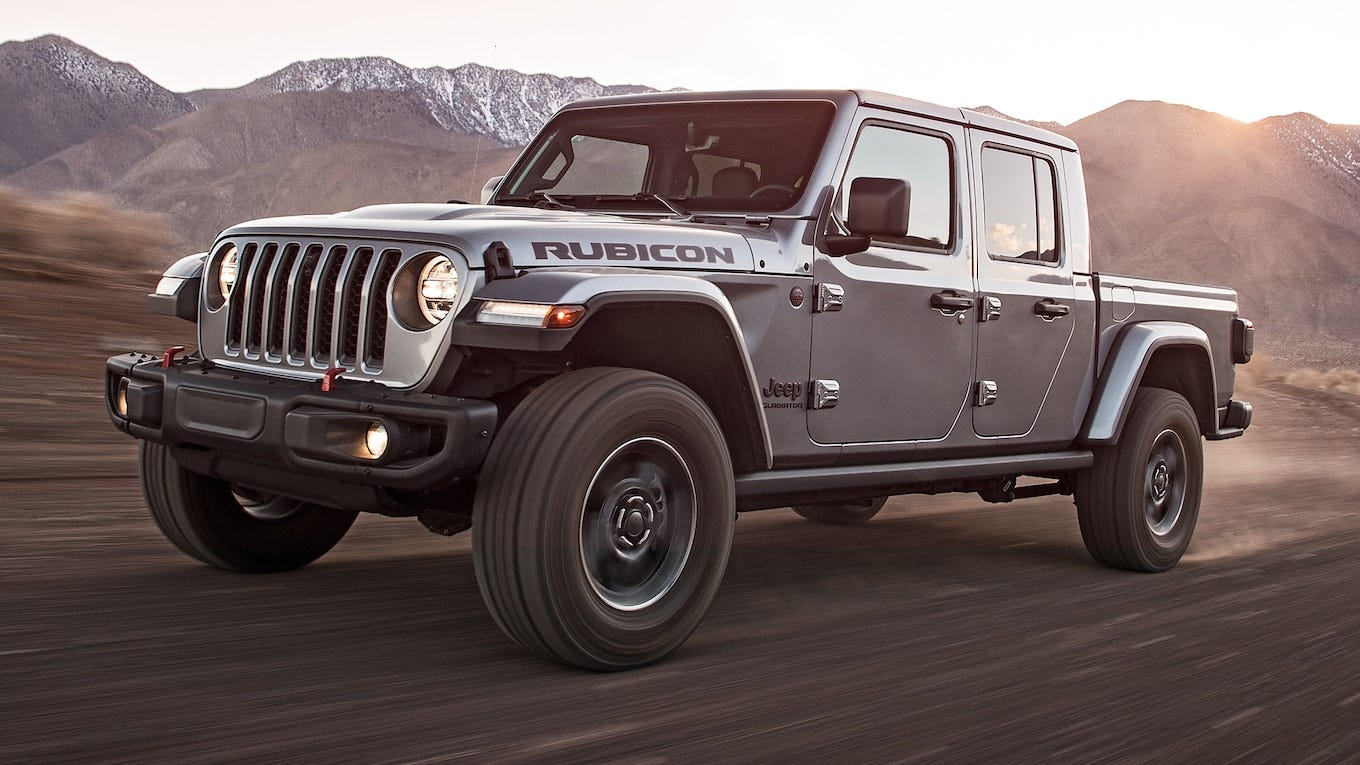
4. Jeep Gladiator Willys 4×4 (JT Generation, 2020 to 2023)
Jeep introduced the Gladiator as a pickup that merges open body design with functional cargo capacity, attracting buyers who value outdoor access alongside truck utility. In Virginia Beach, ownership experience reveals that coastal air places sustained pressure on protective finishes across the vehicle’s exposed components from early use.
The Gladiator frame receives factory coating intended to handle regular road use and recreational driving. Coastal conditions reveal wear sooner around brackets, weld seams, and mounting points, especially where road spray collects and dries repeatedly, leaving salt residue that encourages surface degradation under steady shoreline exposure.
Reports from Virginia Beach owners describe early discoloration and scaling in frame sections affected by off-road accessories. Skid plates, sliders, and tow equipment disturb factory coatings during installation, allowing salt laden moisture direct access to bare metal when exposed during beach access driving or ramp usage.
The Gladiator’s design supports recreational use that increases water contact. Shallow water crossings, wet sand travel, and shoreline parking leave underbody surfaces damp for extended periods, accelerating oxidation where coatings are thinned by abrasion or contact with debris encountered during regular coastal recreation.
Body hardware unique to this platform introduces additional exposure points. Removable doors and roof panels rely on hinges, bolts, and connectors that remain directly open to salt air when detached, unlike sealed body structures on conventional pickups that limit direct contact with corrosive environments.
Door hinge surfaces and fasteners show early corrosion staining when tops and doors are frequently removed near the ocean.
Electrical connectors serving removable components face similar challenges, requiring careful cleaning and treatment to maintain proper operation in salty atmospheric conditions common along the Virginia Beach shoreline.
Owners who adopt routine protective practices report improved results. Annual underbody treatment, hinge lubrication, and careful rinsing after beach access slow visible corrosion and reduce hardware replacement frequency, allowing continued enjoyment of the vehicle’s unique design without escalating maintenance demands.
Such preventive measures require greater consistency than those demanded by more enclosed truck designs. The Gladiator’s open configuration provides lifestyle benefits yet increases the workload needed to preserve structural and mechanical condition where salt exposure remains a constant presence year after year.
For Virginia Beach buyers, long-term satisfaction with the Gladiator depends on acceptance of these maintenance requirements.
With disciplined care routines, the Willys 4×4 can remain serviceable and visually sound, though ownership planning must account for the higher attention demanded by its exposed construction in coastal surroundings.
