Miami is a city where cars are not just a means of transportation, they are part of the atmosphere. Ocean Drive, in particular, is a stage where style, presence, and experience matter just as much as performance.
The combination of warm coastal air, palm-lined streets, and vibrant nightlife makes it one of the most iconic driving environments in the world. In a place like this, the type of car you drive shapes how you experience the city itself.
Convertibles naturally belong here. They allow drivers to fully immerse themselves in the surroundings, turning a simple drive into something far more engaging. The sound of the ocean, the warmth of the sun, and the energy of the street all become part of the journey.
However, not all convertibles deliver this experience equally. Some are designed to complement the relaxed yet stylish vibe of Miami, while others may feel out of place or uncomfortable in such conditions.
At the same time, Florida’s intense heat introduces another layer of complexity. High temperatures, combined with strong sunlight, can expose weaknesses in a car’s interior.
Materials that look premium in a showroom may struggle when subjected to constant heat. Leather can become uncomfortably hot, plastics may fade or warp, and certain finishes can deteriorate faster than expected.
This contrast creates two distinct categories. On one side are cars that enhance the Miami experience, offering comfort, style, and durability under the sun. On the other side are vehicles whose interiors simply cannot cope with the climate, leading to discomfort and long-term wear.
This article explores both perspectives. First, we focus on convertibles that feel perfectly suited for Ocean Drive, capturing the spirit of the city. Then we examine interiors that struggle in Florida heat, highlighting the importance of material choice and design.
Together, these insights provide a clearer understanding of what works and what does not in one of the most demanding yet enjoyable driving environments.
Also Read: 5 Commuters for the 405 In Los Angeles vs. 5 Cars That Will Overheat in Traffic
5 Convertibles for Ocean Drive In Miami
Driving along Ocean Drive is not about rushing from one point to another. It is about being present in the moment. The right convertible transforms the experience into something memorable, where comfort, aesthetics, and atmosphere come together seamlessly.
This category focuses on cars that elevate that experience. Each vehicle here brings a different personality to the table. Some emphasize luxury and smoothness, others highlight sportiness and engagement, while a few strike a balance between the two.
What they all share is the ability to handle Miami’s heat while still delivering an open-air experience that feels effortless.
These selections are not just about appearance. They consider how well a car adapts to sunlight, temperature, and slow-moving city traffic. The goal is to highlight vehicles that feel natural in this environment rather than forced into it.
1. Ford Mustang Convertible
There is a certain energy that the Ford Mustang Convertible brings that aligns perfectly with Ocean Drive. It does not try to be subtle, and that works in its favor. The design carries a bold presence that stands out without needing excessive effort, making it ideal for a place where visual impact matters.
What truly makes the Mustang suitable here is how it balances excitement with usability. The engine delivers a satisfying response, yet it does not feel overwhelming when cruising at lower speeds. This is important in Miami, where traffic often moves slowly and the focus shifts from performance to experience.
The convertible mechanism is straightforward and quick, allowing drivers to transition into open-air driving without hassle. Once the top is down, the cabin feels spacious enough to enjoy the surroundings comfortably. The seating position gives a clear view of the road and the environment, enhancing the overall sense of connection.
Heat management is another area where the Mustang performs well. While it does use traditional materials, the cabin design allows for decent airflow, which helps keep things manageable under the sun. This makes it more practical for extended drives along the coast.
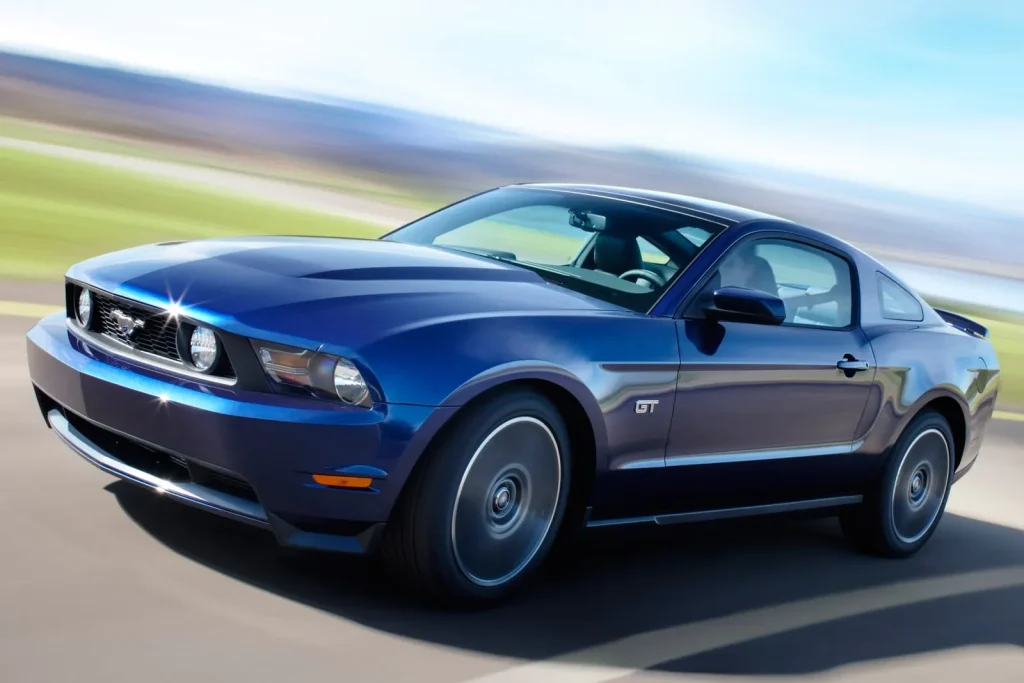
I am including the Mustang because it captures the spirit of Miami in a way that feels authentic. It is expressive, enjoyable, and capable of turning a simple drive into an experience that matches the city’s vibrant character.
2. BMW Z4 Roadster
The BMW Z4 Roadster takes a more refined approach, offering a driving experience that feels composed and polished. It does not rely on loud styling or aggressive behavior. Instead, it focuses on delivering a smooth and controlled ride that suits the relaxed pace of Ocean Drive.
One of the standout qualities of the Z4 is its cabin design. The interior feels carefully crafted, with materials that maintain their quality even under strong sunlight. This attention to detail becomes particularly important in Miami’s climate, where lesser materials can quickly show wear.
The driving dynamics are another highlight. The Z4 responds precisely to inputs, making it easy to navigate through traffic while still feeling engaging. It does not demand constant attention, which allows drivers to enjoy the surroundings without distraction.
The convertible top operates quietly and efficiently, reinforcing the car’s overall sense of refinement. When the roof is down, wind management is handled well, ensuring that the experience remains comfortable even at moderate speeds.
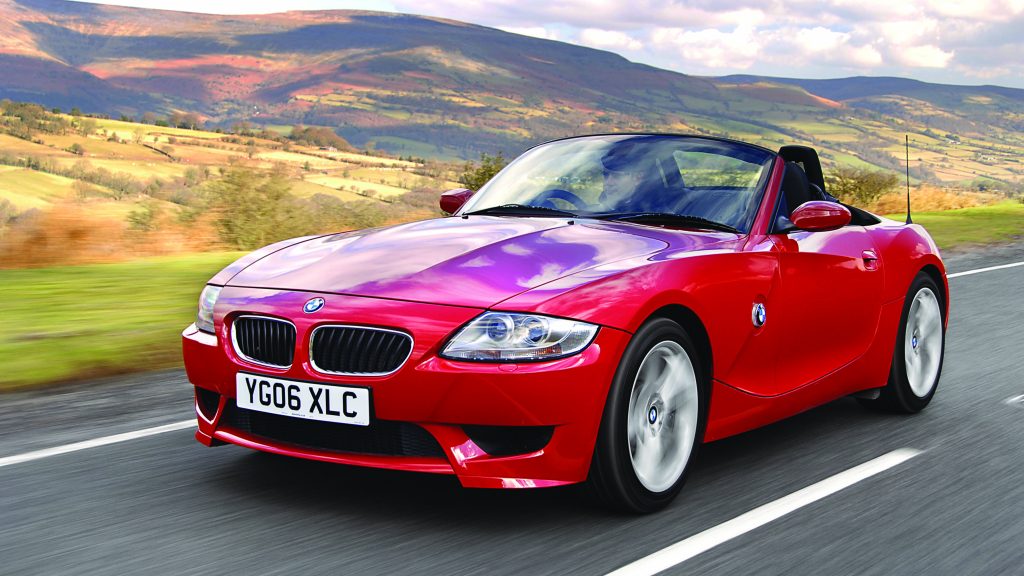
This car is included because it represents a more sophisticated interpretation of the Miami driving experience. It proves that a convertible does not need to be loud or dramatic to be enjoyable. Instead, it offers a calm and confident presence that fits naturally into the city’s atmosphere.
3. Chevrolet Corvette Convertible
The Chevrolet Corvette Convertible brings a completely different flavor to Ocean Drive, one that leans heavily into drama and presence. This is not a car that blends into the background. It draws attention from every angle, and in a place like Miami, that quality feels right at home.
What makes the Corvette particularly interesting in this setting is how it combines supercar-like styling with everyday usability. While it looks aggressive and low, the driving experience at relaxed speeds is surprisingly manageable. It does not feel out of place crawling through traffic, which is essential on a busy strip like Ocean Drive.
The open-top experience is a major highlight. With the roof retracted, the cabin feels exposed in a way that enhances the connection to the environment. The sound of the engine adds another layer to the experience, creating a sense of occasion even during a casual drive.
Despite its performance focus, the Corvette handles heat reasonably well. The interior materials are designed to withstand higher temperatures, and the layout allows for effective airflow. This helps prevent the cabin from becoming overly uncomfortable during long drives under the sun.
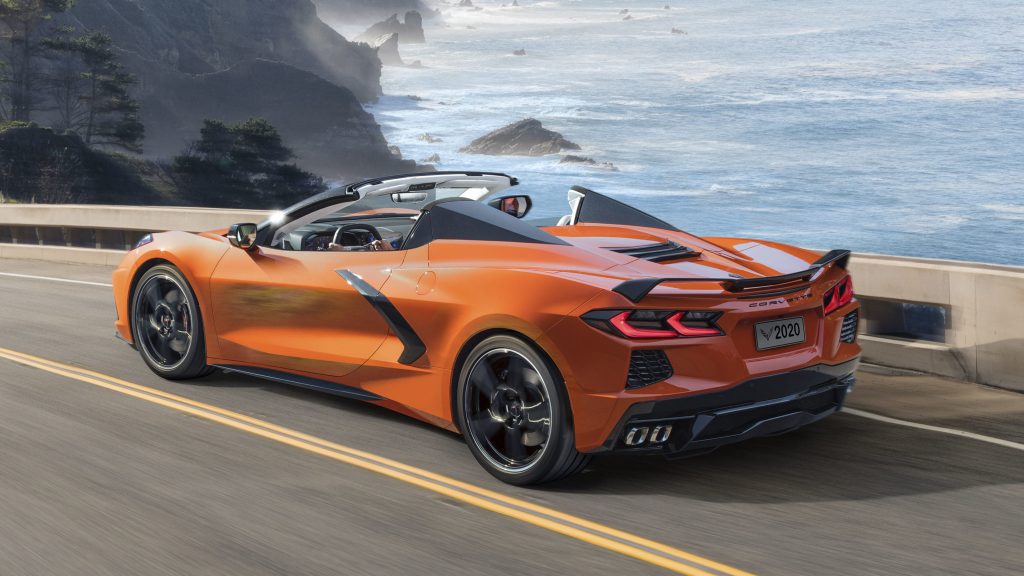
I chose the Corvette because it represents the bold side of Miami’s car culture. It is expressive, exciting, and unapologetically attention-grabbing. For drivers who want their car to be part of the scene rather than just a way to move through it, the Corvette delivers an experience that feels perfectly aligned with the energy of Ocean Drive.
4. Audi A5 Cabriolet
The Audi A5 Cabriolet approaches Ocean Drive with a sense of calm sophistication. It does not chase attention in the same way as some other convertibles, yet it still manages to stand out through its clean design and balanced proportions. This makes it particularly appealing for drivers who prefer understated elegance.
One of the strongest aspects of the A5 Cabriolet is its interior quality. The materials feel durable and well-finished, which is important in a climate where constant sunlight can quickly expose weaknesses. Surfaces resist fading better than many competitors, and the overall cabin maintains its premium feel over time.
The driving experience is smooth and predictable. The car glides through traffic with minimal effort, allowing drivers to focus on the surroundings rather than the mechanics of driving. This relaxed character suits Ocean Drive perfectly, where the journey is more about enjoyment than urgency.
The convertible roof is designed for convenience, operating quietly and efficiently. Once open, the cabin remains comfortable thanks to effective wind control. This ensures that even longer drives remain pleasant, without excessive noise or turbulence.
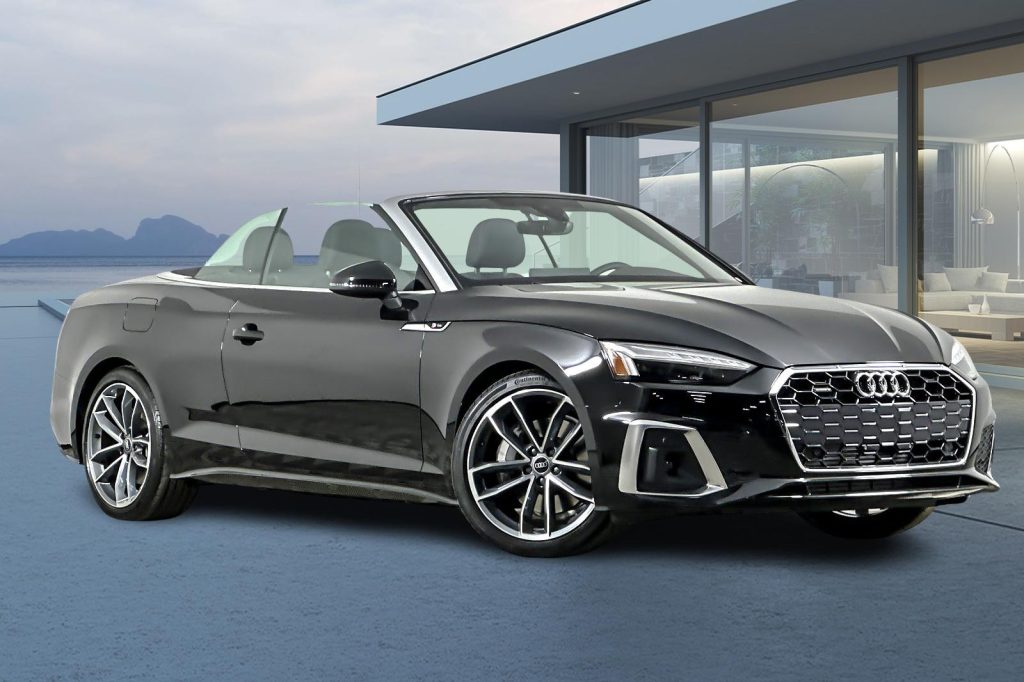
This car earns its place on the list because it shows that style does not have to be loud to be effective. The A5 Cabriolet blends comfort, durability, and subtle design into a package that feels naturally suited to Miami’s coastal lifestyle. It is a car that complements the environment rather than competing with it.
5. Mercedes-Benz C-Class Cabriolet
The Mercedes-Benz C-Class Cabriolet completes this lineup with an emphasis on comfort and effortless cruising. It does not try to dominate attention or overwhelm the senses. Instead, it focuses on creating a relaxed and enjoyable driving environment, which aligns perfectly with the laid-back rhythm of Ocean Drive.
Step inside, and the first thing that stands out is how inviting the cabin feels. The seats are designed for long periods of comfort rather than aggressive driving, and that matters when you are moving slowly through Miami traffic.
The layout feels open, especially with the roof down, allowing sunlight and sea breeze to become part of the experience rather than something to fight against.
The ride quality is where this car truly shines. It absorbs imperfections in the road with ease, maintaining a smooth and composed feel even when the surface is less than ideal. This contributes to a sense of calm that makes every drive feel unhurried and enjoyable.
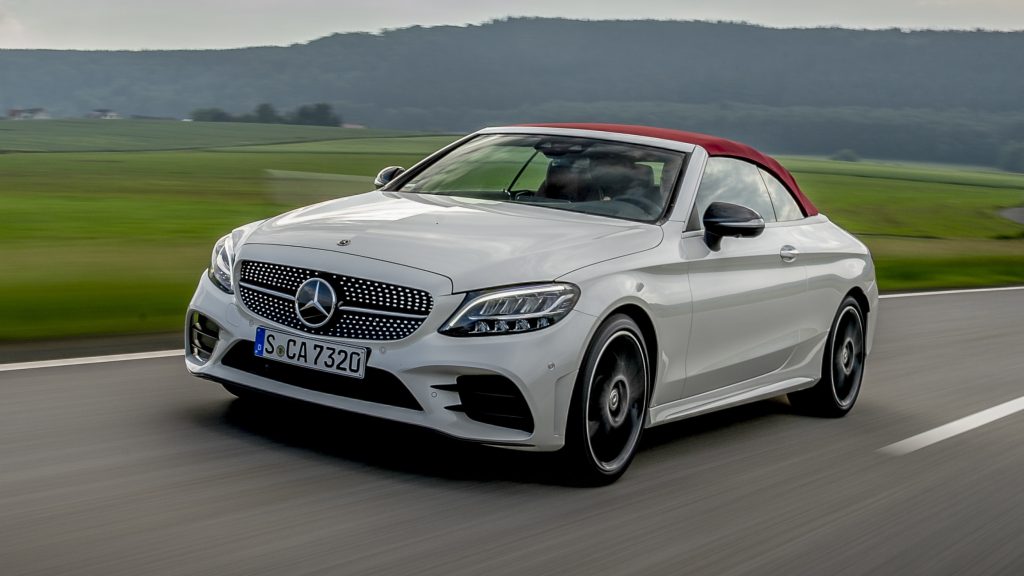
Another strength lies in how the car manages airflow. Even with the top down, the cabin remains relatively controlled, reducing the fatigue that can come from constant wind exposure. This makes it suitable for extended drives along the coast without sacrificing comfort.
I selected the C-Class Cabriolet because it represents the effortless side of Miami driving. It does not demand attention or constant input from the driver. Instead, it creates a space where the journey feels natural and unforced.
For those who value comfort and refinement over drama, it fits seamlessly into the Ocean Drive experience.
5 Interiors That Melt in Florida Heat
Florida heat is not just intense, it is relentless. The combination of high temperatures, strong sunlight, and humidity creates conditions that test every material inside a car.
While many vehicles look impressive in controlled environments, prolonged exposure to this climate can quickly reveal weaknesses. Interiors that are not designed with heat resistance in mind begin to show signs of wear much sooner than expected.
This section focuses on cars whose interiors struggle under these conditions. The issues vary from one vehicle to another. Some suffer from materials that absorb and retain heat, making the cabin uncomfortable the moment you step inside. Others experience fading, warping, or deterioration over time, especially when parked outdoors regularly.
It is important to understand that these problems are not always immediate. In many cases, they develop gradually, becoming more noticeable as the months pass. What starts as minor discomfort can turn into long-term damage that affects both usability and resale value.
The purpose of this category is to highlight how interior design choices impact real-world ownership. A car that feels premium in a showroom may not maintain that quality in a harsh climate. By examining these examples, we can better understand the importance of durability and heat management.
In a place like Florida, where the sun is a constant presence, these factors are not optional. They are essential. The following vehicles illustrate what happens when those considerations are not fully addressed.
1. Dodge Challenger
The Dodge Challenger carries a strong visual identity, but its interior reveals certain limitations when exposed to Florida’s intense heat. The cabin design leans heavily on traditional materials that can struggle under prolonged sunlight, particularly when the car is parked outdoors for extended periods.
One of the most noticeable issues is how quickly surfaces heat up. The dashboard and seats tend to absorb sunlight and retain that heat, making the interior uncomfortable even after short periods of exposure. This creates an immediate barrier to enjoyment, especially during the peak of summer.
The size of the cabin also plays a role. With a wide layout and large surface areas, more material is exposed to direct sunlight. This increases the overall heat retention, making it harder for the interior to cool down quickly once you start driving.
Over time, the effects become more visible. Certain finishes may begin to fade, and softer materials can show signs of wear. While these changes may not affect functionality immediately, they impact the feel of the car.
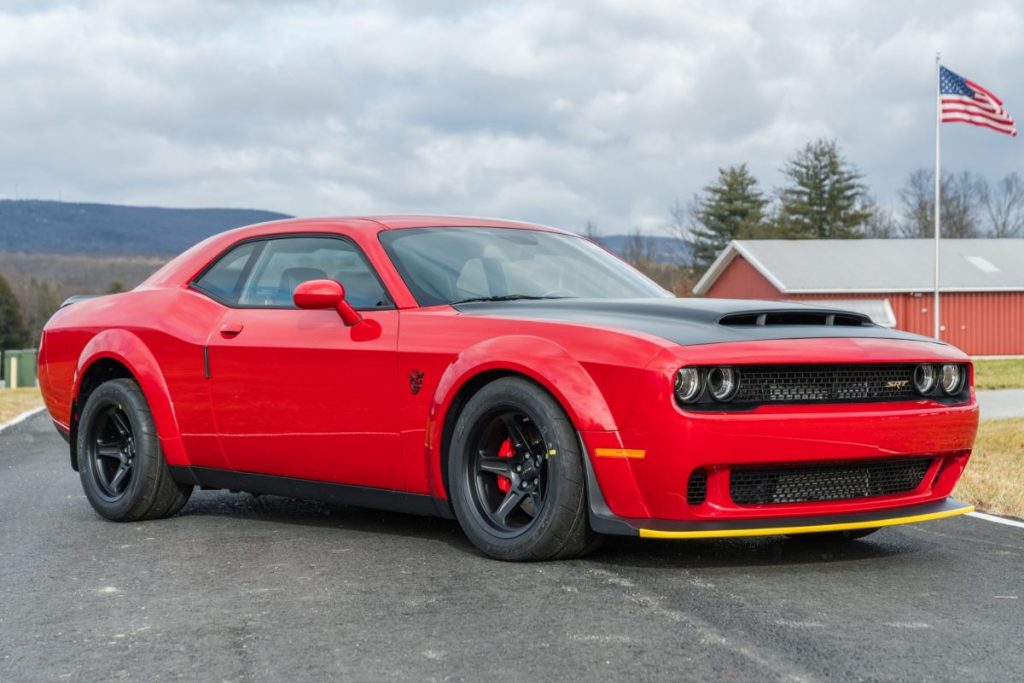
I included the Challenger because it highlights how traditional design choices can struggle in modern climates. It is a car that excels in presence and performance, but its interior does not adapt as well to extreme heat, making it less suitable for environments like Florida.
2. Jeep Wrangler
The Jeep Wrangler is built with durability in mind, but its interior design presents unique challenges in a hot and humid climate. Unlike more enclosed vehicles, the Wrangler’s design exposes it to the elements more frequently, which can accelerate wear under constant sunlight.
The materials used inside the cabin prioritize toughness over comfort. While this works well for off-road use, it means that surfaces can become extremely hot when left in direct sunlight. Seats, especially in darker finishes, can feel uncomfortable to the touch, making entry into the vehicle less pleasant during hot days.
Another factor is the upright design of the cabin. Large windows and a relatively flat windshield allow more sunlight to enter, increasing the overall temperature inside. This creates a greenhouse effect that can make the interior heat up quickly.
The removable roof, while a defining feature, also contributes to the issue. Frequent exposure to sunlight and changing weather conditions can lead to faster material wear. Over time, this may result in fading or a less consistent appearance across different interior components.
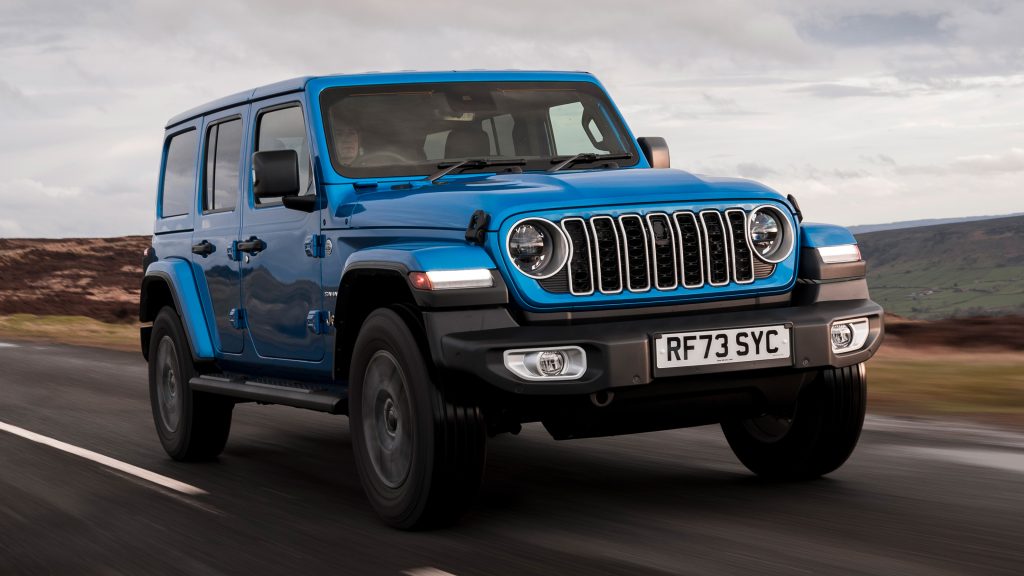
I chose the Wrangler because it demonstrates how a vehicle designed for one purpose can face challenges in a completely different environment. Its rugged nature is an advantage off-road, but in a place like Florida, where heat is constant, those same qualities can lead to discomfort and faster wear inside the cabin.
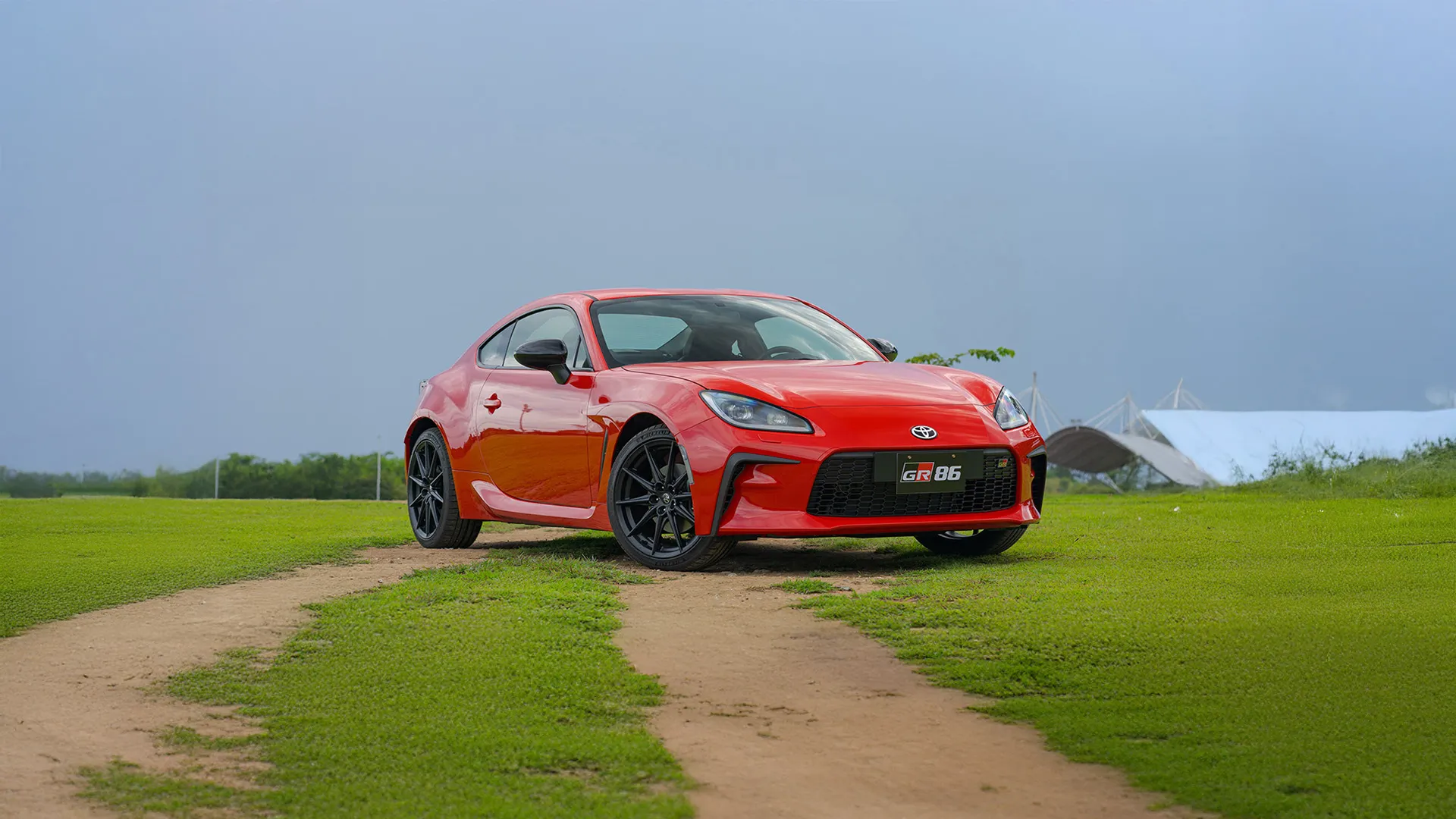
3. Toyota 86
The Toyota 86 is a driver-focused sports coupe that prioritizes engagement and simplicity, but that same minimalist philosophy creates challenges when exposed to Florida’s relentless heat. The interior is not designed to pamper occupants in extreme climates.
Instead, it focuses on lightweight materials and a stripped-down feel, which can become a disadvantage under constant sunlight.
One of the first things drivers notice is how quickly the cabin heats up. The low roofline and compact glass area might seem like they would reduce sunlight exposure, yet the opposite often happens.
The confined space traps heat efficiently, creating an environment that feels much warmer than expected. When the car is parked outside, stepping back into it can feel like entering a sealed container that has been sitting in the sun for hours.
The materials themselves also contribute to the issue. Hard plastics dominate much of the dashboard and door panels, and these surfaces tend to absorb heat rapidly. Once heated, they hold that temperature, making it uncomfortable to interact with basic controls. Even the steering wheel can become unpleasant to grip without some time for cooling.
Seat materials are another concern. Depending on the trim, the upholstery may not breathe well, which increases discomfort during longer drives. In humid conditions, this lack of ventilation can make the experience feel even more intense.
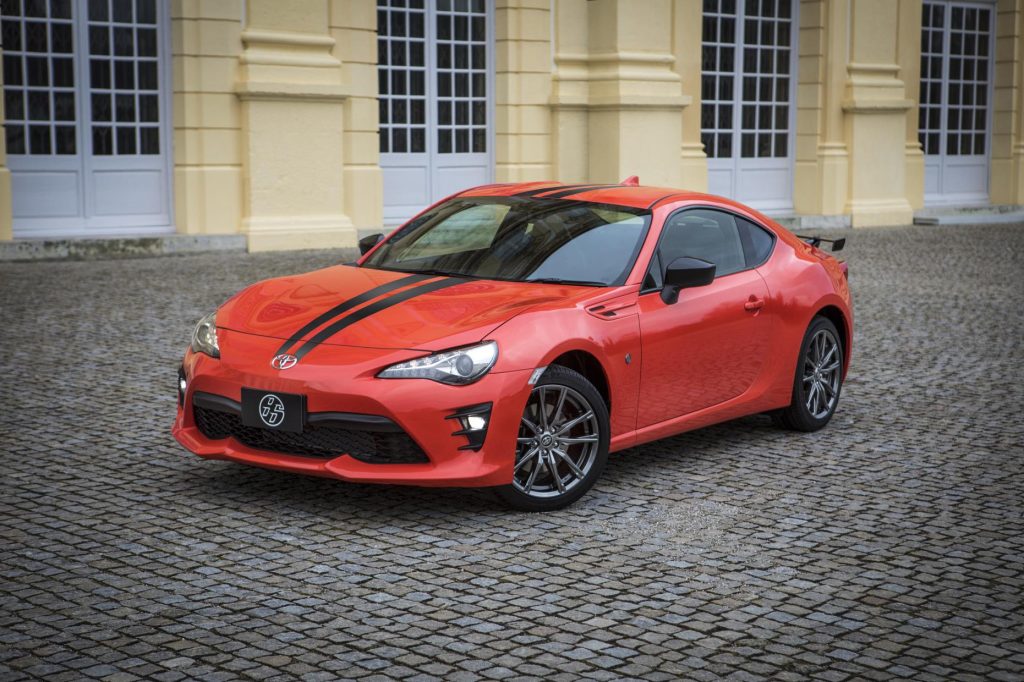
The cabin does not provide many features aimed at mitigating heat, which further emphasizes its limitations in this environment.
I included the Toyota 86 because it clearly shows how a car built for driving purity can struggle with everyday usability in harsh climates.
It excels on winding roads and delivers a connected experience behind the wheel, but Florida heat exposes the compromises made in its interior design. For drivers in such conditions, those compromises become impossible to ignore over time.
4. Chevrolet Spark
The Chevrolet Spark approaches car design from a completely different perspective, focusing on affordability and simplicity. While this makes it accessible to a wide range of buyers, it also means that certain aspects of the interior are not equipped to handle extreme heat over long periods.
A major factor is the quality of materials used throughout the cabin. Many surfaces are made from basic plastics that do not age gracefully when exposed to constant sunlight. Over time, these materials can begin to fade or lose their original texture, which affects the overall feel of the interior.
Heat retention is another issue that becomes apparent quickly. The compact size of the car might suggest that it would cool down faster, but in reality, the small cabin can trap heat efficiently. When parked under the sun, the temperature inside rises rapidly, and it can take a while for the interior to return to a comfortable level.
The seats, while functional, are not particularly well-suited for hot climates. They can become warm quickly and may not provide the level of ventilation needed for extended comfort. This becomes especially noticeable during longer drives, where the lack of cooling features makes the experience less enjoyable.
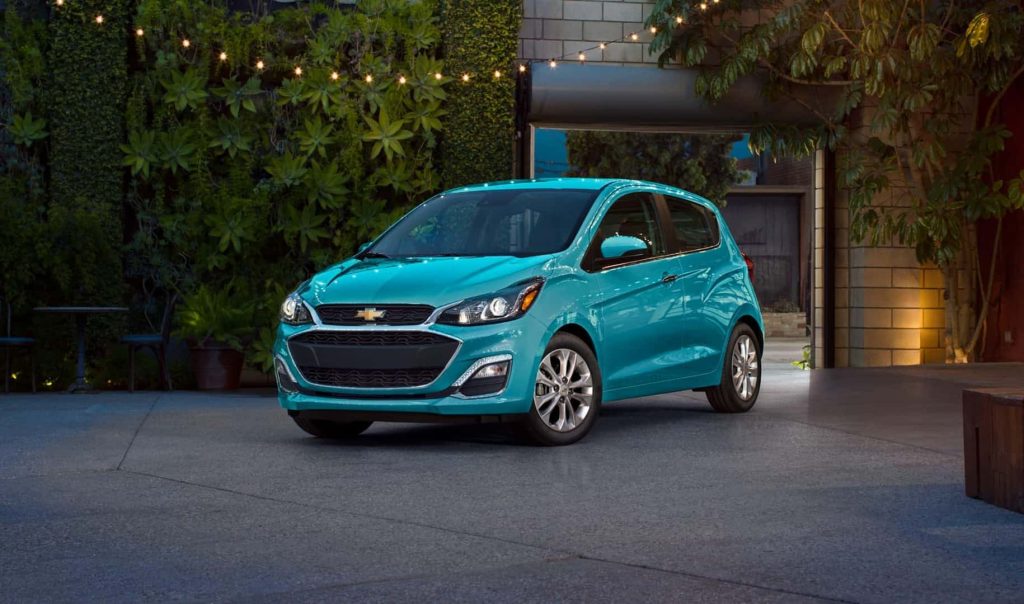
I chose the Spark because it highlights how cost-focused design decisions can impact long-term usability in demanding environments. It serves its purpose well as a practical city car, but Florida heat reveals its limitations.
The interior does not offer the durability or comfort needed to handle constant exposure to high temperatures, making it less ideal for such conditions.
5. Mini Cooper Hardtop
The Mini Cooper Hardtop stands out with its distinctive design and playful character, yet its interior can face challenges when subjected to Florida’s intense sun. The focus on style and compactness creates a unique cabin, but it is not always optimized for extreme heat management.
One of the defining features of the Mini’s interior is its extensive use of glossy surfaces and design elements. While visually appealing, these materials can react poorly to prolonged sunlight. They tend to heat up quickly and can show signs of wear or fading over time, especially when the car is frequently parked outdoors.
The upright windshield and large windows contribute to increased sunlight exposure inside the cabin. This design enhances visibility, but it also allows more heat to enter, raising the overall temperature quickly. The compact nature of the car then traps that heat, creating a warm environment that can take time to cool down.
Seating comfort becomes another factor in hot conditions. The materials used may not provide the best airflow, which can lead to discomfort during extended drives. Combined with the already warm cabin, this can make the driving experience less enjoyable than expected.
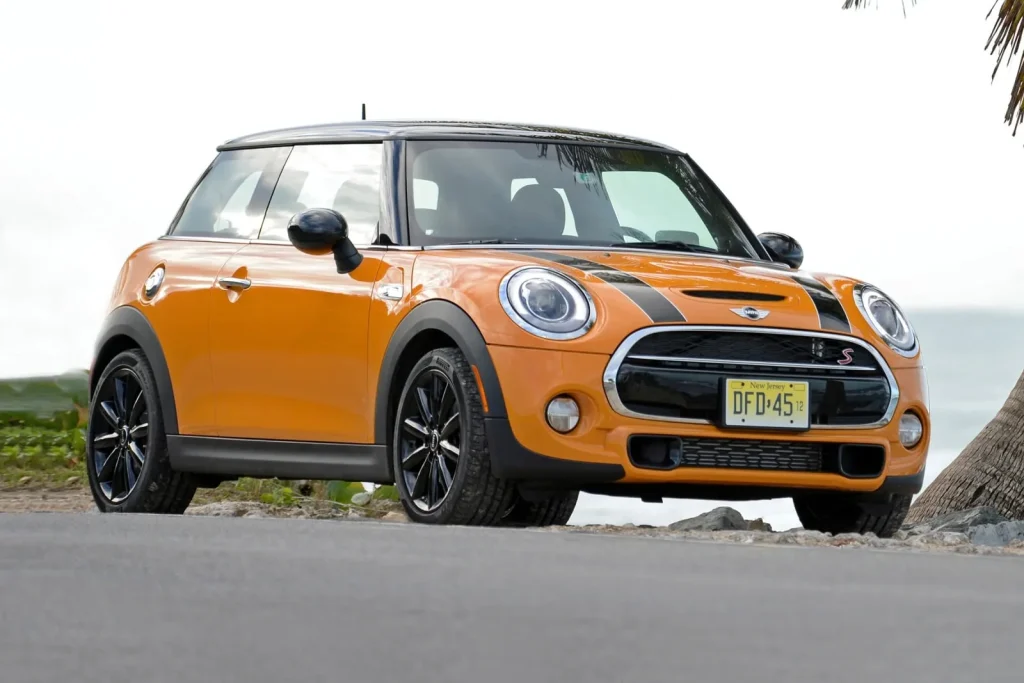
I included the Mini Cooper Hardtop because it represents how style-driven design can sometimes overlook practical considerations.
It offers a fun and engaging driving experience, but Florida heat exposes the limits of its interior choices. Over time, these limitations can affect both comfort and durability, making it less suited for such a demanding climate.
Driving in Miami, especially along Ocean Drive, is as much about the experience as it is about the vehicle itself. The environment demands cars that can blend style, comfort, and durability under constant sunlight and heat.
Throughout this article, two clear categories emerged. One highlights convertibles that enhance the coastal driving experience, while the other exposes interiors that struggle to cope with Florida’s harsh climate.
The convertibles discussed, including the Ford Mustang Convertible, BMW Z4 Roadster, Chevrolet Corvette Convertible, Audi A5 Cabriolet, and Mercedes-Benz C-Class Cabriolet, each bring a unique interpretation of open-air driving. Some focus on bold presence and excitement, while others emphasize refinement and comfort.
What connects them is their ability to make Ocean Drive feel alive. They allow drivers to engage with the surroundings, enjoy the breeze, and remain comfortable even in warm conditions. These vehicles demonstrate that when design aligns with environment, driving becomes effortless and memorable rather than tiring.
In contrast, the second group of cars reveals how interior design can fall short in extreme heat. The Dodge Challenger, Jeep Wrangler, Toyota 86, Chevrolet Spark, and Mini Cooper Hardtop each highlight different weaknesses.
Some struggle with heat retention, others with material durability, and a few with overall cabin comfort.
Over time, these issues compound, turning minor inconveniences into daily frustrations. What may seem acceptable in milder climates becomes far more noticeable in Florida, where the sun consistently tests every surface inside the car.
The broader takeaway from this comparison is the importance of context when choosing a vehicle. A car that performs well in one environment may not be suitable for another.
Miami’s combination of heat, humidity, and lifestyle expectations creates a specific set of demands that not all vehicles can meet. Buyers who prioritize not just looks or performance, but also how a car handles real-world conditions, are more likely to make satisfying choices.
Ultimately, the right car for Miami is one that complements both the city’s energy and its climate. When those elements align, every drive becomes something to enjoy rather than endure.
Also Read: 5 Rain-Ready Hatchbacks In Seattle vs. 5 RWD Sports Cars That Are Dangerous