Longevity changes the way people think about ownership. A house feels permanent, rooted to a place and tied to decades of payments, repairs, and memories. Vehicles usually live on a shorter timeline, replaced when mileage piles up or technology moves ahead.
Yet a small group of SUVs refuses to follow that pattern. These machines stay in families through job changes, relocations, and even full property turnovers. They survive hailstorms, potholes, school carpools, cross-country road trips, and the slow wear of daily routines without asking for much in return.
Durability does not come from luck. It grows out of engineering choices, conservative design, and powertrains that favor strength over novelty. Owners who buy these SUVs often discover that the vehicle becomes a long-term companion rather than a temporary solution. Loan papers expire, homes get sold or renovated, and still the same SUV sits in the driveway each morning, ready to go.
This page looks at ten SUVs known for refusing to quit. These are models that rack up mileage most drivers never plan for, often reaching a point where the vehicle has stayed with the owner longer than the home they first parked it beside. Each heading focuses on a different model, explaining why it lasts, how owners use it, and what gives it the stamina to keep moving year after year.
1. Toyota Land Cruiser 200 Series
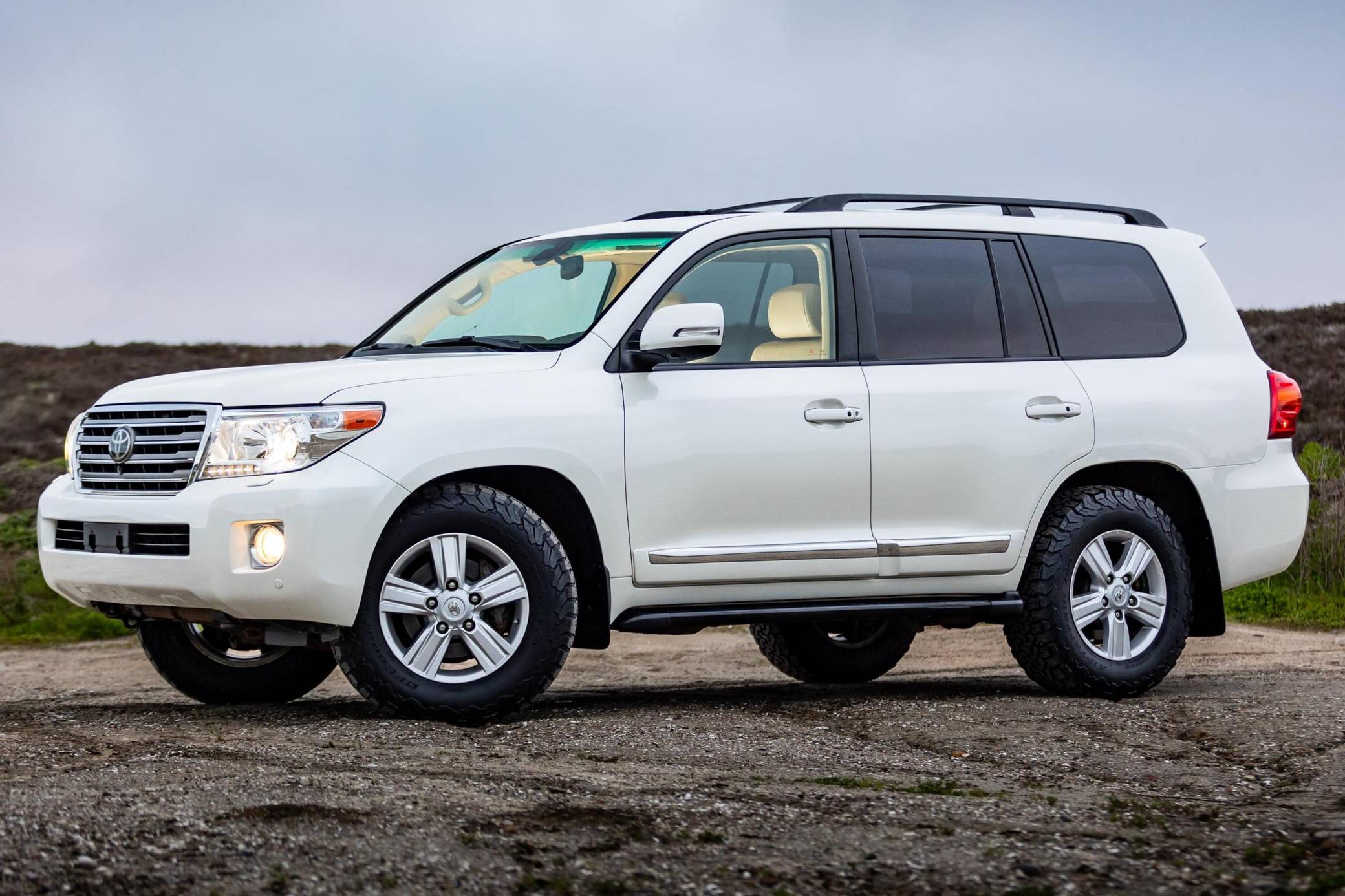
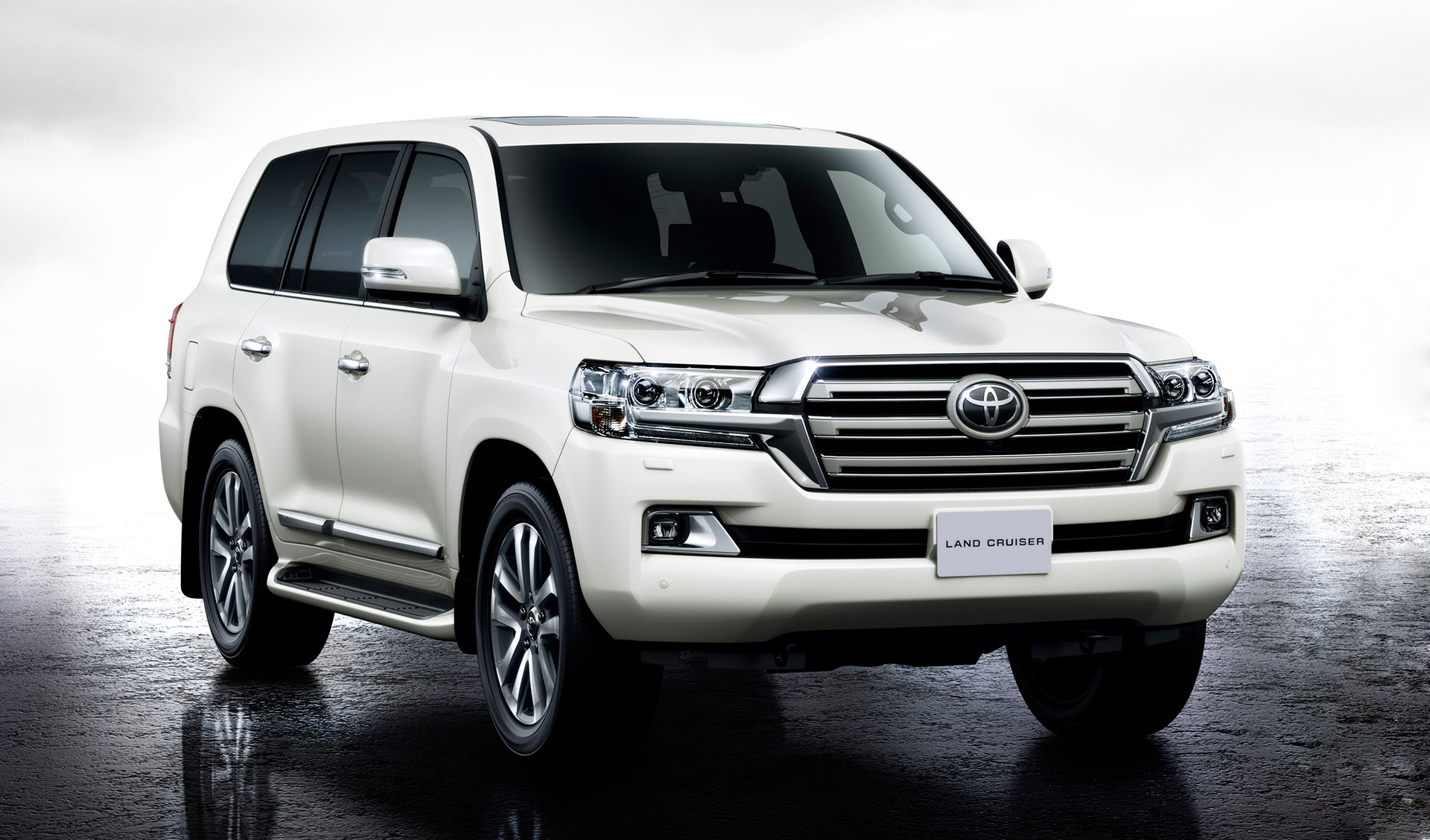
Longevity feels built into the Toyota Land Cruiser 200 Series from the moment it starts. Few SUVs carry such a calm confidence, the kind that comes from decades of refinement rather than flashy updates.
This model has been trusted by families, aid organizations, and long-distance travelers who expect reliability in places where help may be far away. Owners often buy it with one plan and end up keeping it through several chapters of life.
Engineering decisions play a large role. A naturally aspirated V8 engine avoids stress levels associated with smaller turbocharged designs. Cooling systems are oversized, transmissions are tuned for smooth delivery instead of aggressive moves, and the full-time Four Wheel Drive system spreads workload evenly. These choices reduce strain, which helps components age slowly instead of wearing out early.
Daily use reveals another reason for its lifespan. Comfort remains consistent even after years of service. Seats hold their shape, cabin materials resist cracking, and suspension components absorb rough roads without dramatic degradation. Many owners report that the vehicle still feels solid well past 200,000 miles, with doors closing using the same heavy motion felt when new.
Maintenance habits contribute as well. Service schedules tend to be straightforward, encouraging routine care rather than deferred repairs. Parts availability remains strong, supported by a global presence. This makes long-term ownership practical instead of stressful.
Stories from long-time owners often include selling a house while the Land Cruiser stays put. Moves from suburbs to cities or from one state to another rarely force replacement. Resale value stays strong, yet many choose not to sell because the vehicle continues to perform without complaint. A sense of trust forms, and that trust becomes difficult to replace.
Rather than chasing trends, the Toyota Land Cruiser 200 Series focuses on endurance. That steady approach allows it to remain useful long after mortgages change and keys to old houses are handed over to someone new.
2. Lexus GX 460
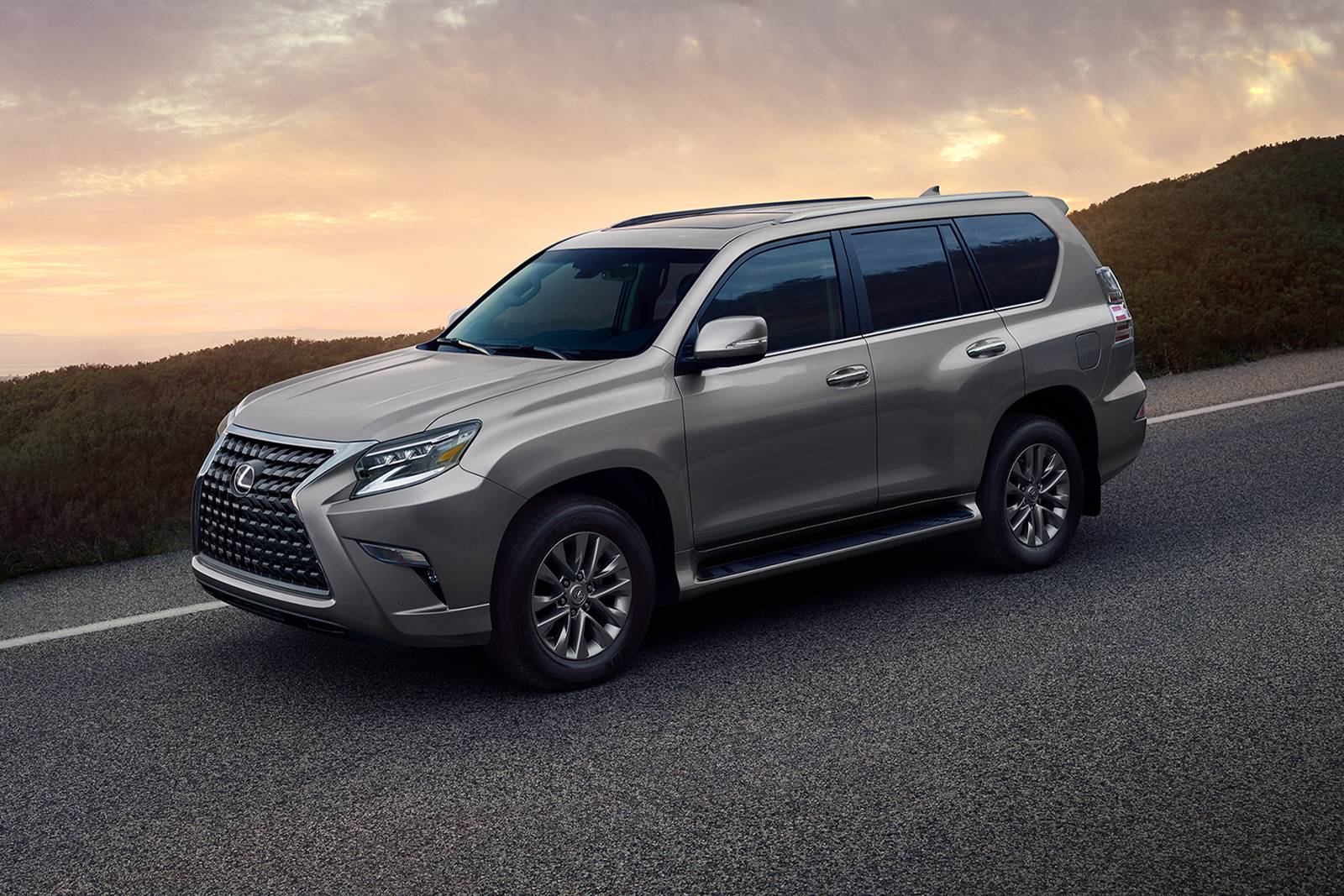
Refinement and resilience share space comfortably inside the Lexus GX 460. While it presents itself as a luxury SUV, its structure shares deep roots with proven off-road platforms. That hidden strength explains why owners often keep it far longer than expected, sometimes watching it outlast multiple residential moves without losing purpose.
Power comes from a V8 engine designed for consistency rather than excitement. Smooth delivery reduces wear, while a traditional automatic transmission avoids the stress points seen in newer designs. Full-time Four Wheel Drive operates quietly in the background, adding security without demanding attention.
Interior quality adds another layer to its long service life. Leather surfaces resist premature aging, switches retain their feel, and climate systems continue functioning without dramatic decline. This consistency encourages owners to stay loyal instead of seeking replacements due to discomfort or outdated features.
Usage patterns tell an interesting story. Many GX 460 units begin life as family vehicles, handling school runs and errands. Years later, the same SUV transitions into towing duties, weekend travel, or even retirement road trips. Adaptability keeps it relevant across changing lifestyles.
Service requirements remain predictable. Routine care prevents escalation, and parts support stays reliable thanks to shared components with other long-running platforms. Owners often describe maintenance as manageable rather than overwhelming, which reduces the temptation to trade it in.
Time reveals the true strength of the Lexus GX 460. Homes get sold, upgraded, or exchanged for new locations, yet the SUV remains dependable. It becomes familiar, almost comforting, in a way newer vehicles rarely achieve. Longevity here does not feel accidental. It feels intentional, shaped by conservative engineering and steady refinement that reward patience with years of dependable use.
Also Read: 5 SUVs for Car Camping in the USA vs 5 SUVs Without Flat-Folding Seats
3. Chevrolet Tahoe
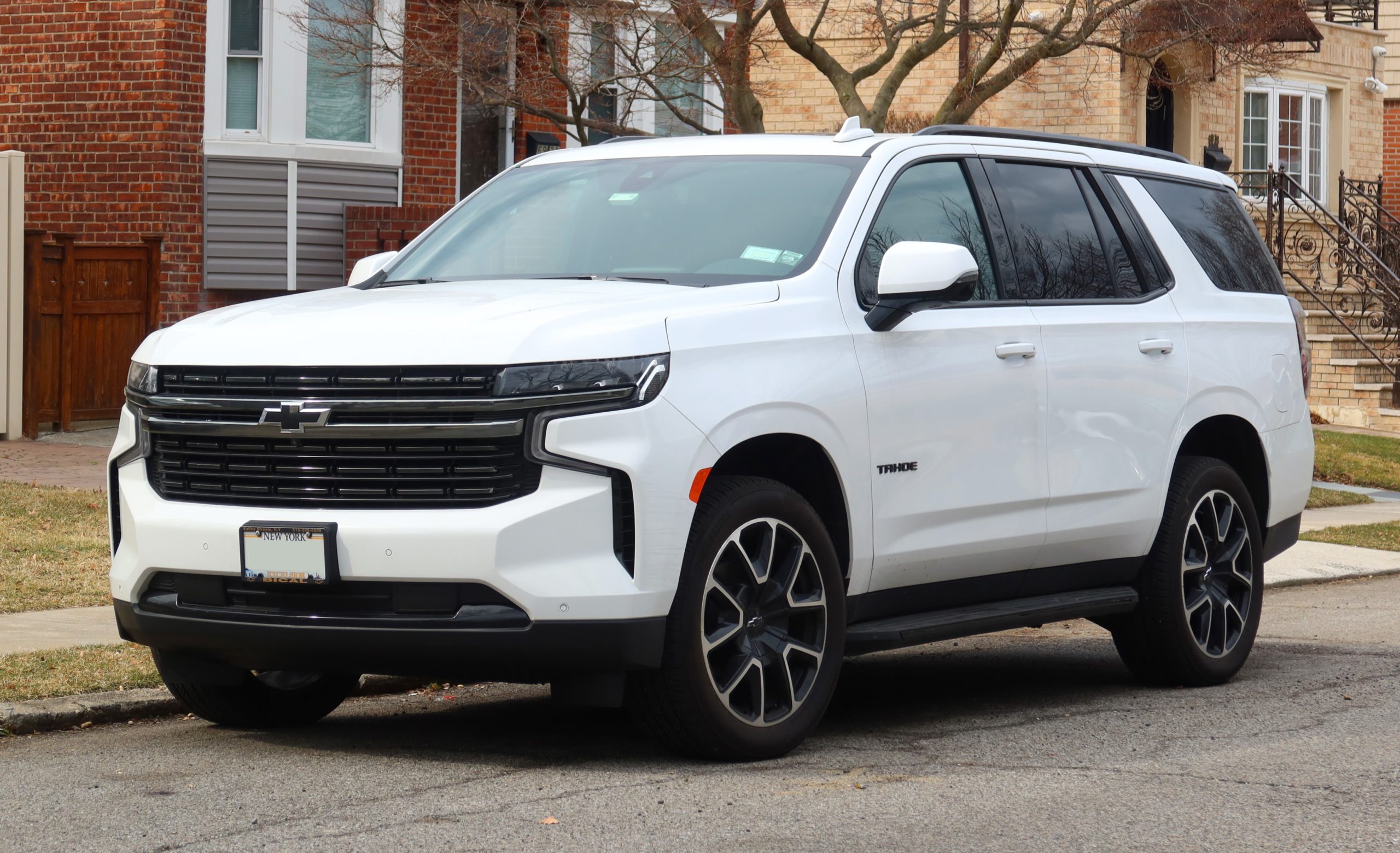
Size alone does not guarantee durability, yet the Chevrolet Tahoe has proven that scale can work in favor of long service life. Built to handle heavy loads and long distances, this SUV often becomes a fixture in family histories. Owners speak of Tahoes staying in the driveway long after houses are renovated, refinanced, or replaced entirely.
A strong body-on-frame design forms the foundation. This structure handles stress differently from lighter unibody vehicles, spreading impact and load across robust components. Engines used in the Tahoe favor proven designs with ample torque, allowing relaxed operation during daily driving.
Usage tends to be demanding. Towing trailers, hauling equipment, and carrying full passenger loads all place stress on a vehicle. The Tahoe absorbs these demands with little drama. Suspension components are sized for weight, brakes manage repeated stops, and drivetrains tolerate sustained effort.
Interior wear tells another part of the story. Materials are chosen for practicality, resisting tears and damage caused by years of family use. Controls remain accessible and functional even after extensive mileage. This practicality keeps owners satisfied instead of frustrated.
Repair culture also plays a role. Widespread popularity ensures affordable parts and broad mechanic familiarity. That accessibility reduces downtime and keeps ownership costs predictable. Long-term repairs feel achievable rather than intimidating.
Many Tahoes live through decades of service, transitioning from primary family transport to secondary utility vehicle without losing relevance. When owners sell homes and move on, the Tahoe often follows, unchanged in role. Its ability to handle work, comfort, and distance explains why it stays useful long after other vehicles have been replaced.
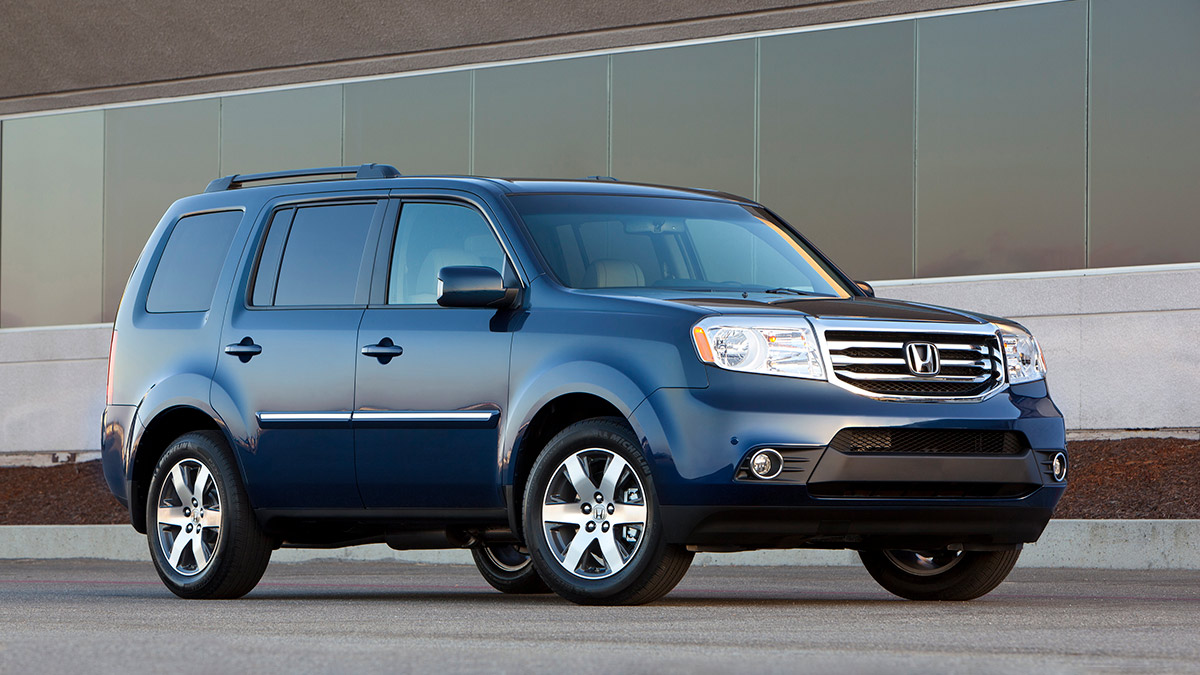
4. Honda Pilot
Longevity often reveals itself through consistency rather than spectacle, and that quality defines the Honda Pilot with remarkable clarity. Many owners select it based on sensible needs such as space, safety, and reliability, only to discover much later that it has remained part of their lives far longer than anticipated. Without demanding attention or dramatic upkeep, it continues to perform its role with quiet assurance.
At the center of this durability sits a naturally aspirated V6 engine known for mechanical balance and restraint. Power delivery feels measured and stable, avoiding the stress that aggressive tuning can impose on internal systems. Transmission behavior follows the same philosophy, prioritizing smooth transitions that reduce long-term wear and support extended service life.
Daily use shapes much of the Pilot’s ownership story. School runs, work commutes, grocery errands, and extended road trips add mileage steadily rather than harshly. This predictable usage aligns well with the vehicle’s engineering approach, allowing components to age at a controlled pace instead of being pushed toward early fatigue.
Inside, thoughtful design choices reinforce comfort across years of use. Seats retain their support, cabin noise remains subdued, and controls stay intuitive even as technology develops elsewhere. Drivers rarely feel pressured to move on due to irritation or discomfort, which strengthens long-term attachment.
Servicing also plays a supportive role. Maintenance schedules encourage timely attention, while accessible components reduce labor demands. A broad service network ensures assistance remains available regardless of location, making ownership less stressful during relocations.
Life transitions come and go, yet the Pilot continues adapting with ease. Moves between cities or states rarely disrupt its usefulness. Owners often reach a point of reflection where they realize that while homes have changed, the same dependable vehicle has remained by their side, handling everyday demands without complaint.
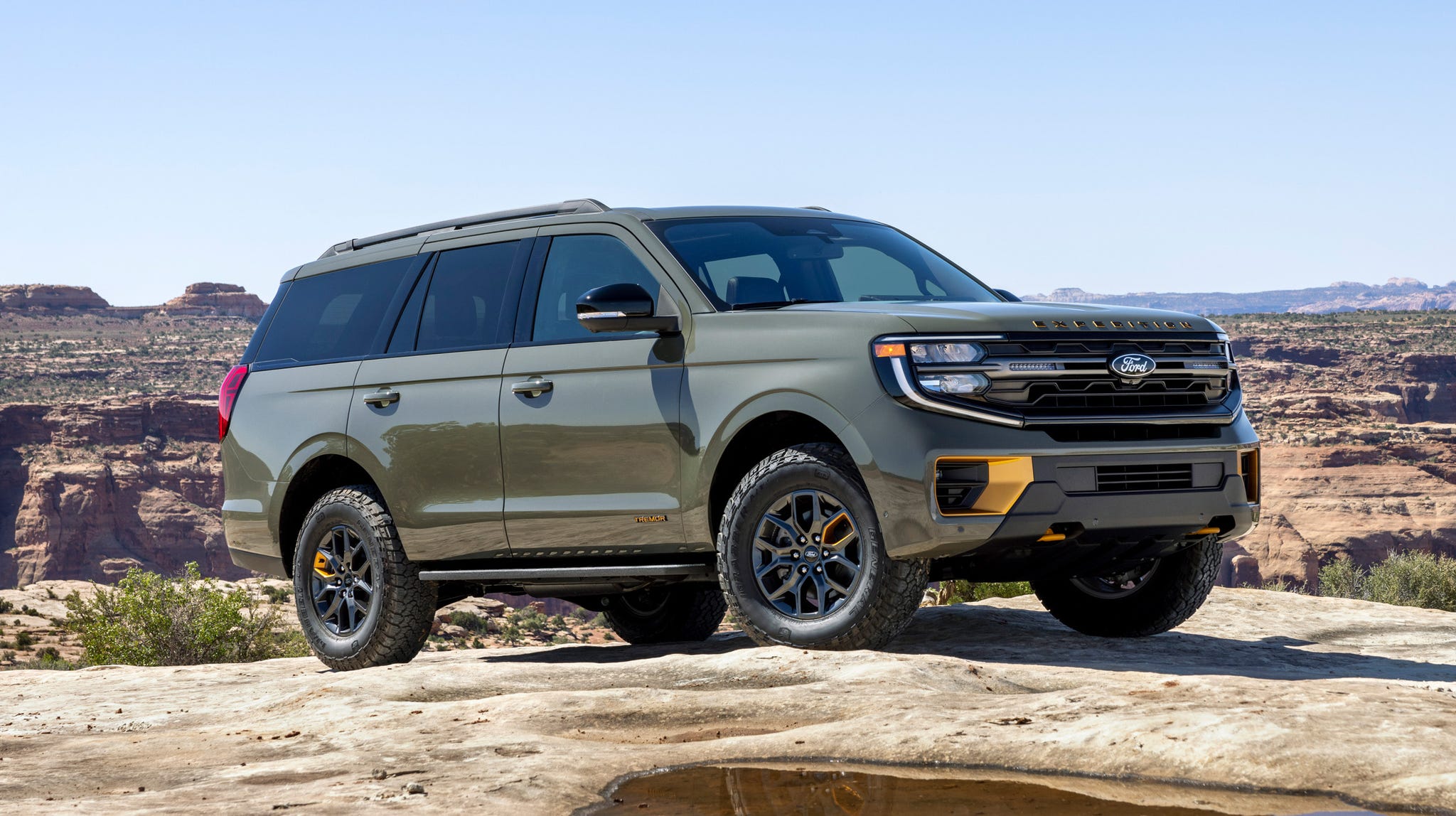
5. Ford Expedition
Strength remains a defining attribute of the Ford Expedition, expressed through both structural integrity and sustained service capability. Designed to support demanding usage patterns, this full-size sport utility vehicle often becomes a permanent fixture within households that originally planned for shorter ownership cycles.
Buyers frequently discover that replacement decisions lose urgency as years pass without mechanical decline. Frame construction supports consistent performance under load. Towing duties, extended highway travel, and repeated passenger use place stress on any large vehicle, yet the Expedition manages these demands through carefully balanced engineering.
Power delivery favors steady output rather than aggressive tuning, allowing the engine and transmission to operate within comfortable limits during prolonged use. Cooling systems are sized for endurance, reducing strain during heavy operation. Interior flexibility contributes directly to long-term relevance.
Seating arrangements adapt easily to changing household needs, whether transporting children, luggage, or work equipment. Cargo configurations support evolving lifestyles without requiring structural modification. Technology integration remains accessible, with controls that age more slowly than trend-driven interfaces. This practicality sustains satisfaction even as ownership spans multiple life stages.
Maintenance accessibility strengthens durability. Service procedures remain familiar across model years, and parts availability supports timely repairs. Owners find that routine care prevents escalation of minor issues into disruptive faults. That predictability encourages consistent attention rather than deferred maintenance, which often shortens vehicle life.
Physical aging occurs with restraint. Body panels maintain alignment, suspension components retain composure, and ride quality stays controlled even after extended mileage accumulation. The Expedition does not demand constant adjustment to remain comfortable, reinforcing confidence during daily operation.
Ownership stories frequently include residential changes. Moves between cities or housing upgrades rarely prompt vehicle replacement, as the same SUV continues fulfilling transportation needs without compromise. Reliability becomes an expectation rather than a concern.
Durability here reflects deliberate engineering choices focused on sustained performance. The Ford Expedition demonstrates how purpose-driven design allows an SUV to remain dependable long after other possessions have been replaced.
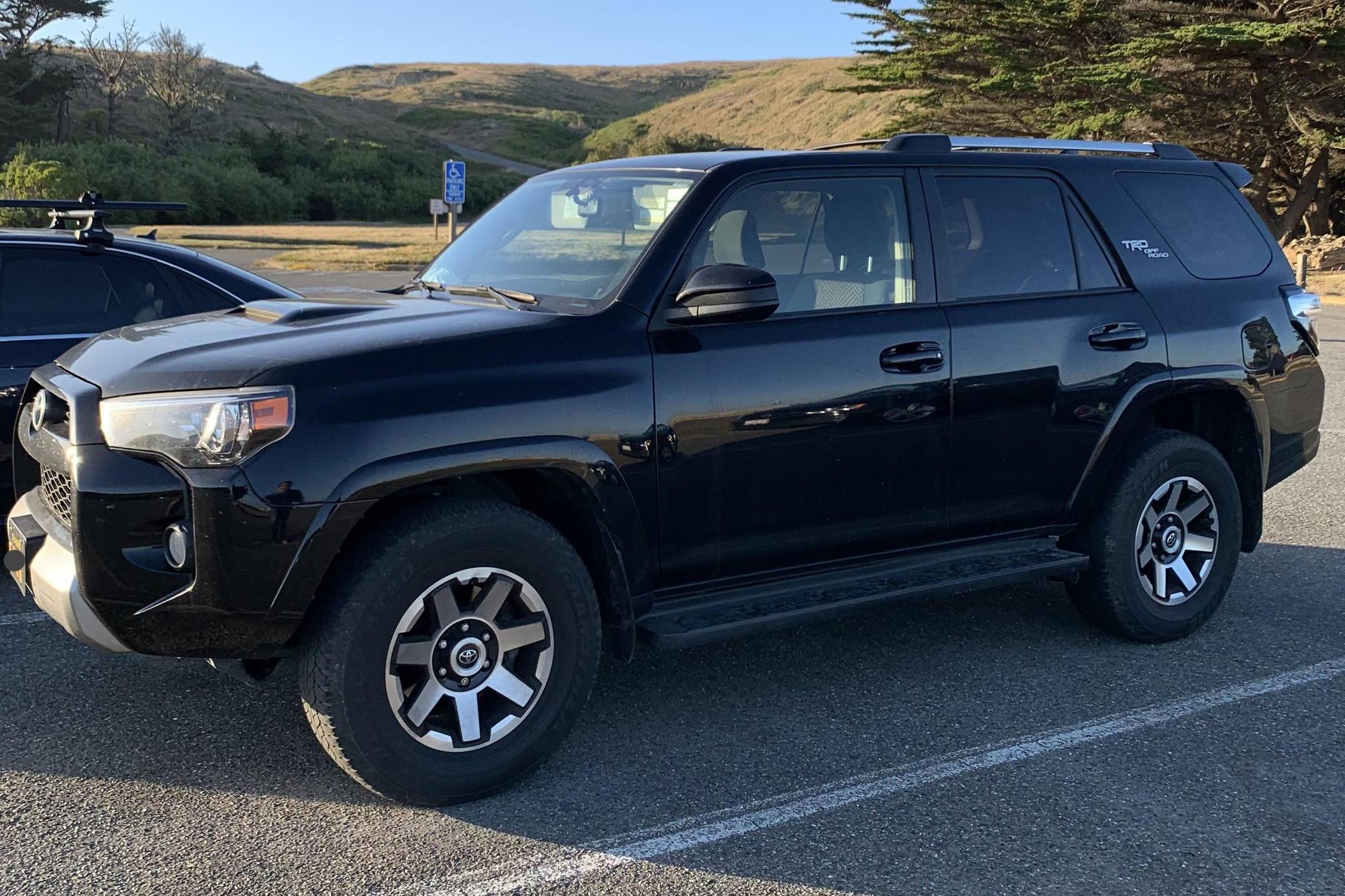
6. Toyota 4Runner TRD Off Road
Enduring reliability defines ownership experiences associated with the Toyota 4Runner TRD Off Road. Buyers often approach this model seeking dependable transport with occasional rugged capability, only to realize later that it has quietly become one of their longest retained assets. Residential transitions occur, priorities adjust, yet the same vehicle continues serving without interruption.
Body-on-frame construction provides structural resilience that becomes more apparent with age. Suspension systems absorb uneven surfaces repeatedly without developing chronic wear patterns. Mechanical layouts rely on established engineering principles rather than experimental configurations, reducing long-term stress on major components. A naturally aspirated engine paired with a conventional automatic transmission supports relaxed operation even after years of consistent use.
Usage patterns play a role in extended lifespan. Owners tend to operate the 4Runner within its design parameters, allowing it to manage commuting, errands, and family transport comfortably. Off-road capability remains available when conditions demand it, yet routine driving does not strain systems unnecessarily. This balance preserves strength while avoiding accelerated wear.
Interior construction supports durability. Materials resist fading, switches retain tactile feedback, and cabin structure remains composed long after lighter vehicles develop noise concerns. Practical layout choices favor usability rather than visual novelty, reducing dissatisfaction linked to interior aging.
Service routines remain straightforward. Replacement parts are widely available, and repair procedures are well understood by technicians. Costs remain manageable enough to support regular maintenance schedules. That consistency prevents neglected issues from compounding into major failures.
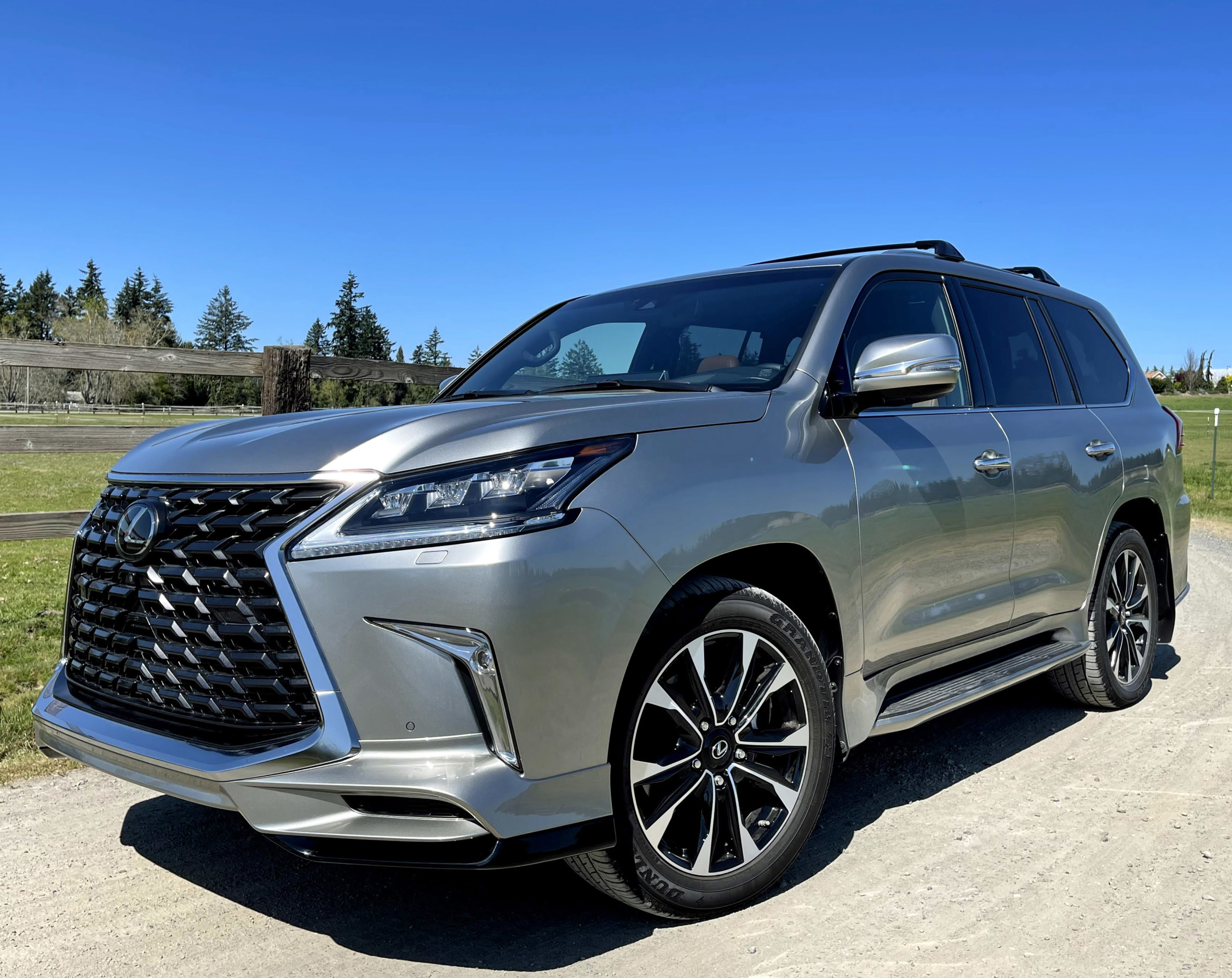
7. Lexus LX 570
Authority and restraint coexist inside the Lexus LX 570, creating an SUV that ages with dignity rather than urgency. Owners often buy it as a long-term solution, yet few anticipate just how long it will remain part of their lives. Property changes occur, lifestyles adjust, and yet the same vehicle continues to handle daily demands with ease.
Mechanical foundations trace back to heavy-duty platforms designed for extreme use. A V8 engine delivers smooth power without strain, while full-time Four Wheel Drive manages traction automatically. Engineering favors durability rather than novelty, which reduces stress on moving parts during extended mileage accumulation.
Luxury elements do not interfere with reliability. Electronics are integrated carefully, avoiding unnecessary complications. Climate systems, infotainment controls, and seating adjustments maintain functionality even after years of use. That balance keeps comfort high without sacrificing trust.
Usage patterns vary widely. Some LX 570 units serve as daily commuters, others handle towing or long-distance travel. Versatility ensures relevance through changing priorities, reducing pressure to upgrade. One vehicle adapts to multiple phases of ownership instead of being replaced at each transition.
Maintenance habits tend to be disciplined. Owners who invest in routine service experience minimal disruption, reinforcing confidence in long-term ownership. Parts availability remains consistent, and shared engineering with other platforms simplifies repairs.
Time reveals why this SUV often outlasts homes. It never feels worn out in the way lighter vehicles might. Doors close with the same weight, steering remains composed, and ride quality stays refined. Familiarity grows, and replacement begins to feel unnecessary. Longevity here results from patience, conservative design, and a refusal to chase short-term trends.
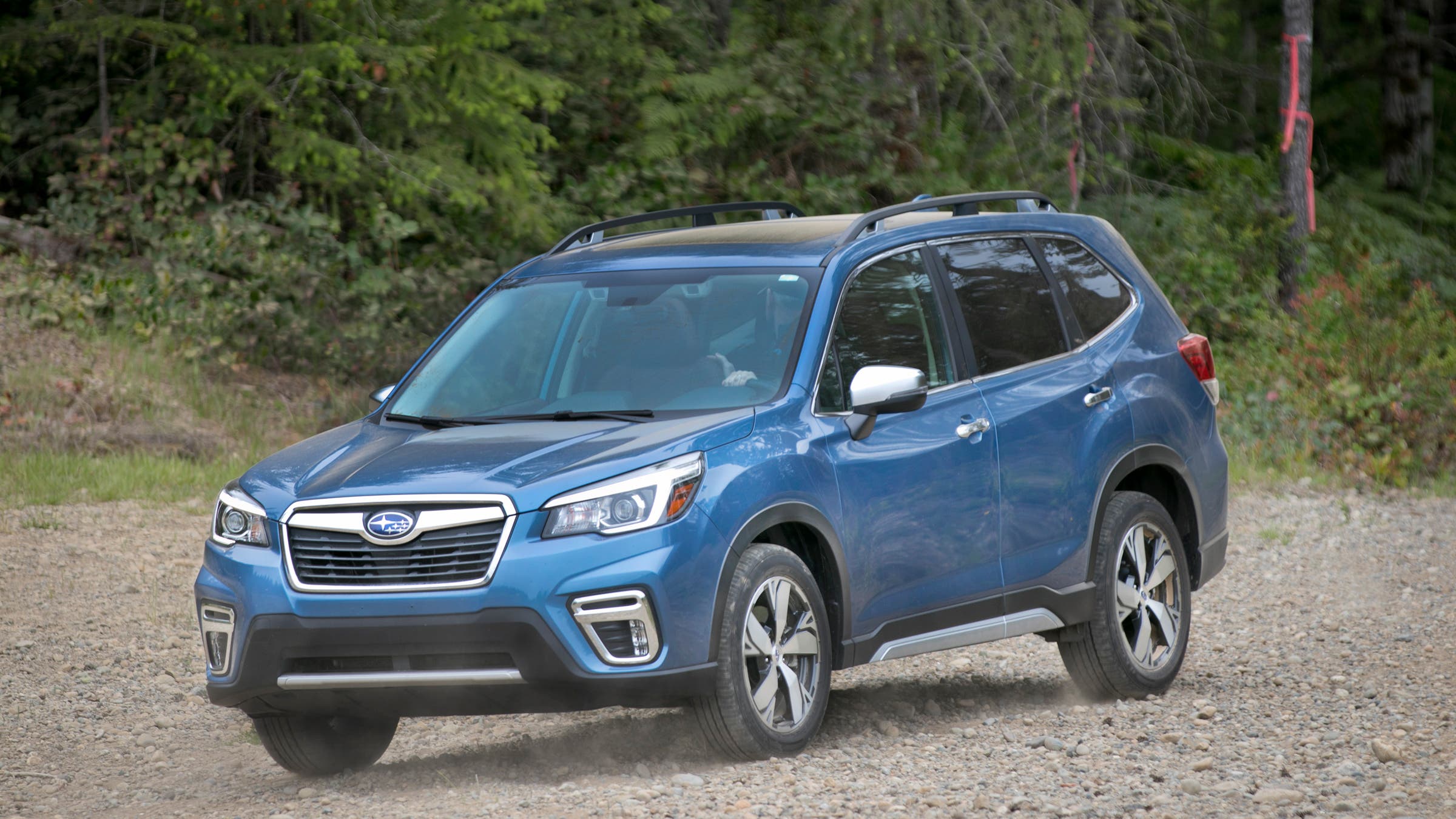
8. Subaru Forester
Reliability sometimes arrives without imposing size or bold presence. The Subaru Forester demonstrates how thoughtful engineering and steady performance can produce years of dependable service. Owners often purchase it for practicality, only to realize much later that it has remained with them through several addresses and life changes.
All Wheel Drive forms a core part of its durability. Balanced traction reduces stress on tires and driveline components, especially in challenging weather. Power delivery remains smooth, minimizing shock loads that accelerate wear. Engine design favors consistency, which supports extended mileage when paired with proper care.
Daily usage suits its character. Commuting, errands, and weekend trips gradually add up miles. That steady pace aligns with the Forester’s design philosophy, allowing components to age evenly rather than prematurely. Interior layout supports long-term comfort. Visibility stays excellent, seating remains supportive, and controls stay intuitive even as technology advances elsewhere. Owners rarely feel disconnected from the vehicle as years pass.
Maintenance expectations stay manageable. Service intervals encourage regular attention, and widespread support networks make repairs accessible. Costs remain reasonable, reducing pressure to trade it in prematurely. Many Foresters quietly exceed expectations. Houses get sold or upgraded, yet the same vehicle continues serving without protest.
That quiet dependability becomes part of its identity. Longevity here does not rely on brute strength but on balance, restraint, and a refusal to overreach mechanically.
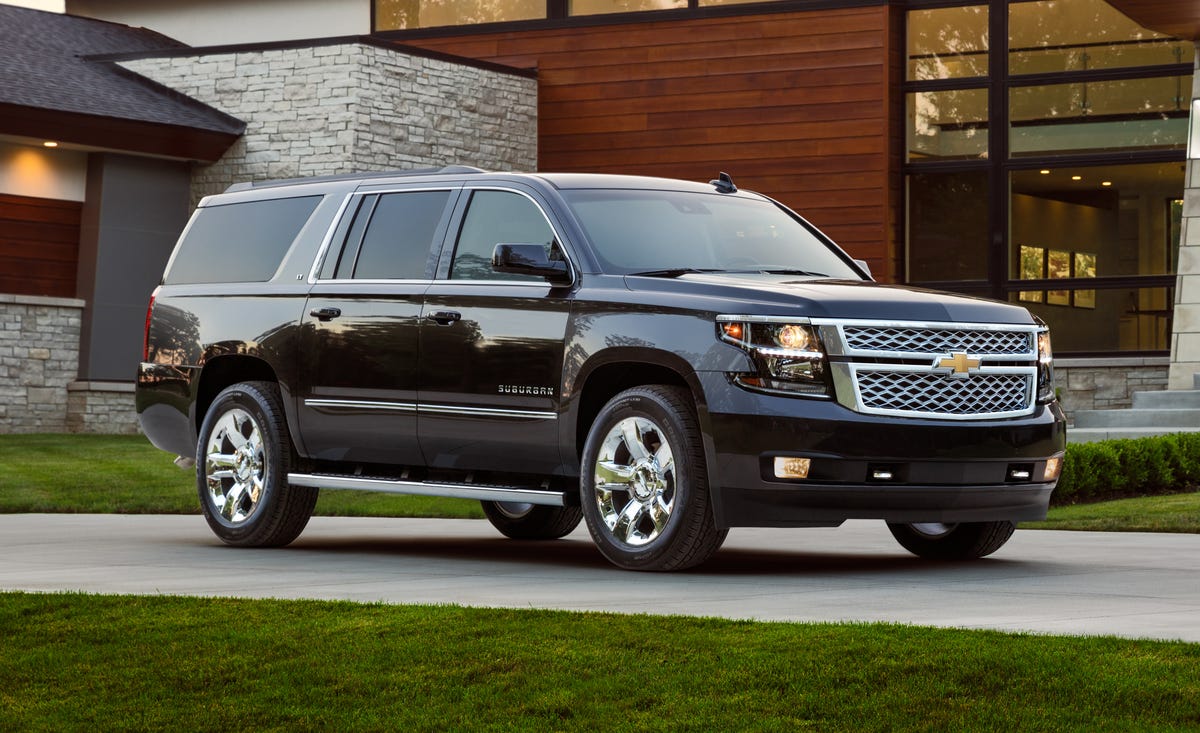
9. Chevrolet Suburban
Longevity has long been associated with the Chevrolet Suburban, yet its durability extends beyond reputation into lived ownership experience. This vehicle is rarely treated as a temporary solution. Instead, it often becomes a permanent fixture within households, remaining in use through relocations, property changes, and evolving family structures.
Such continuity is not accidental, but rather the result of deliberate engineering priorities focused on sustained service. Body-on-frame construction gives the Suburban a physical foundation designed for endurance. This structure supports repeated exposure to load stress, uneven roads, and extended driving without compromising integrity.
Engine configurations emphasize steady torque delivery rather than sharp output spikes, reducing mechanical strain during towing or long-distance travel. Cooling and transmission systems are proportioned to support prolonged operation, which proves valuable during sustained highway use or heavy-duty assignments.
Daily usage patterns tend to be demanding. Large families rely on this SUV for passenger transport, luggage movement, and equipment hauling. Despite frequent full capacity operation, suspension components, driveline assemblies, and braking systems continue performing reliably. Such consistency reflects a design approach rooted in utility rather than visual experimentation.
Interior construction also contributes to an extended lifespan. Seating structures resist collapse even after years of repeated use. Storage compartments handle frequent loading without breakage, while controls maintain functionality despite constant handling. Interior layout favors practicality, which reduces user frustration and discourages early replacement driven by comfort concerns.
Service culture surrounding the Suburban further strengthens its staying power. Mechanics across regions possess familiarity with its systems, ensuring efficient diagnosis and repair. Parts availability remains strong due to a long production history and shared components across model years. This support network minimizes downtime and encourages regular maintenance instead of deferred attention.
Replacement decisions often arrive late, if at all. By the time consideration arises, the vehicle has frequently outlasted at least one residential property. Trust develops through years of dependable performance, creating an attachment that goes beyond transport needs.
Longevity here is measured not solely in mileage but in how seamlessly the Suburban integrates into life across changing locations and responsibilities.
Also Read: 5 Rust-Resistant SUVs for Chicago Winters vs. 5 That Will Rot in Three Years
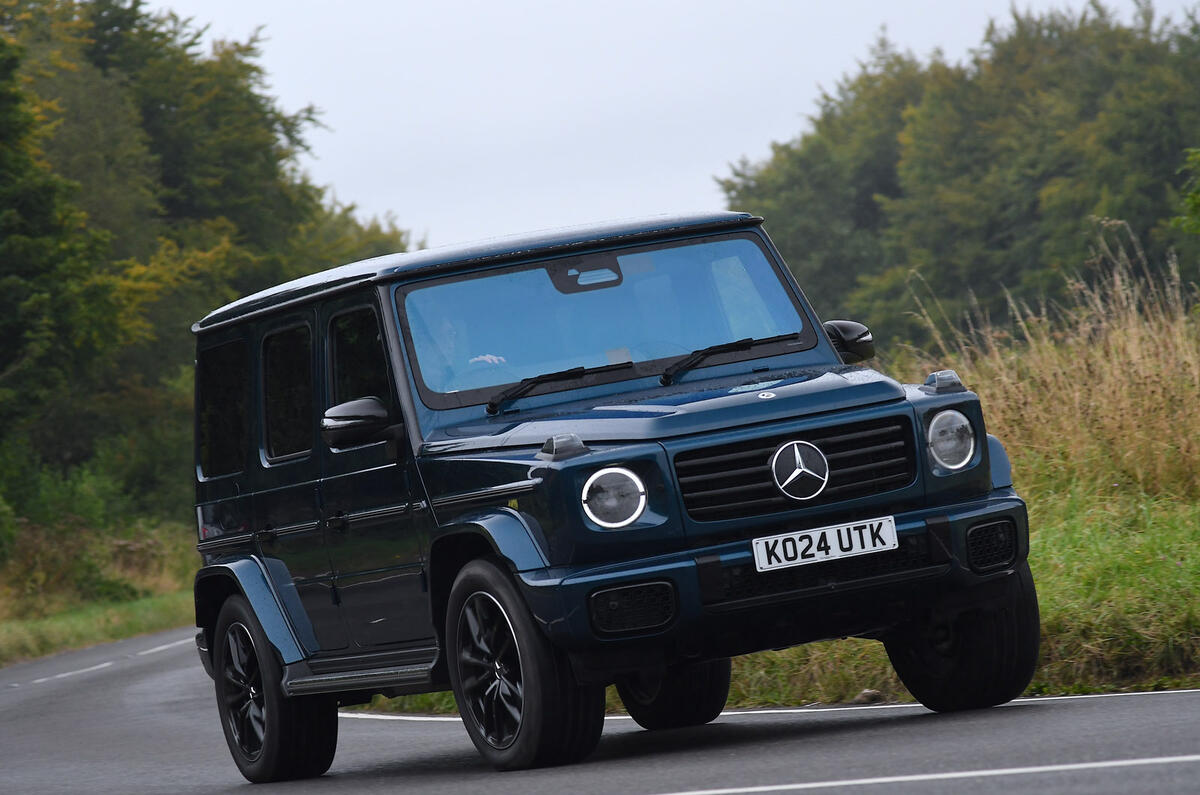
10. Mercedes-Benz G-Class
Durability associated with the Mercedes-Benz G-Class SUV stems from origins rooted in functional engineering rather than luxury ambition. Although its modern form emphasizes comfort and status, structural principles remain grounded in strength and resilience. Owners often realize that this vehicle continues operating reliably long after changes in residence or lifestyle have occurred.
Ladder frame construction forms the basis of its durability. This design supports weight distribution effectively, allowing drivetrains to manage stress without premature wear. Engine options favor consistent power delivery and mechanical balance, while transmissions handle torque loads with confidence.
Suspension systems are built to tolerate uneven surfaces and vehicle mass without rapid deterioration, which proves valuable across diverse driving conditions. Usage patterns vary widely. Some owners rely on the G-Class for daily commuting, while others reserve it for limited use.
In both scenarios, build quality allows the vehicle to age with stability. Door mechanisms retain firmness, body panels maintain alignment, and steering response remains composed after extended service. Such traits reinforce confidence during long-term ownership.
Interior craftsmanship plays an equally important role. Materials selected for seating, trim, and controls resist wear from regular interaction. Layout decisions prioritize clarity and usability, avoiding unnecessary complication. Technology integration focuses on reliability rather than novelty, which reduces failure points as the vehicle ages.
Maintenance discipline supports continued performance. Owners who adhere to scheduled servicing experience consistent operation and predictable ownership costs. Parts support benefits from extended production continuity, ensuring access to replacement components even for older examples. This infrastructure reinforces confidence and encourages retention.
Years of ownership often pass quietly. Residential transitions occur, garages change, yet the same G-Class remains present and dependable. Familiarity strengthens attachment, and replacement feels unjustified. Longevity here results from a blend of traditional engineering values and careful refinement, allowing time to reinforce value rather than diminish it.