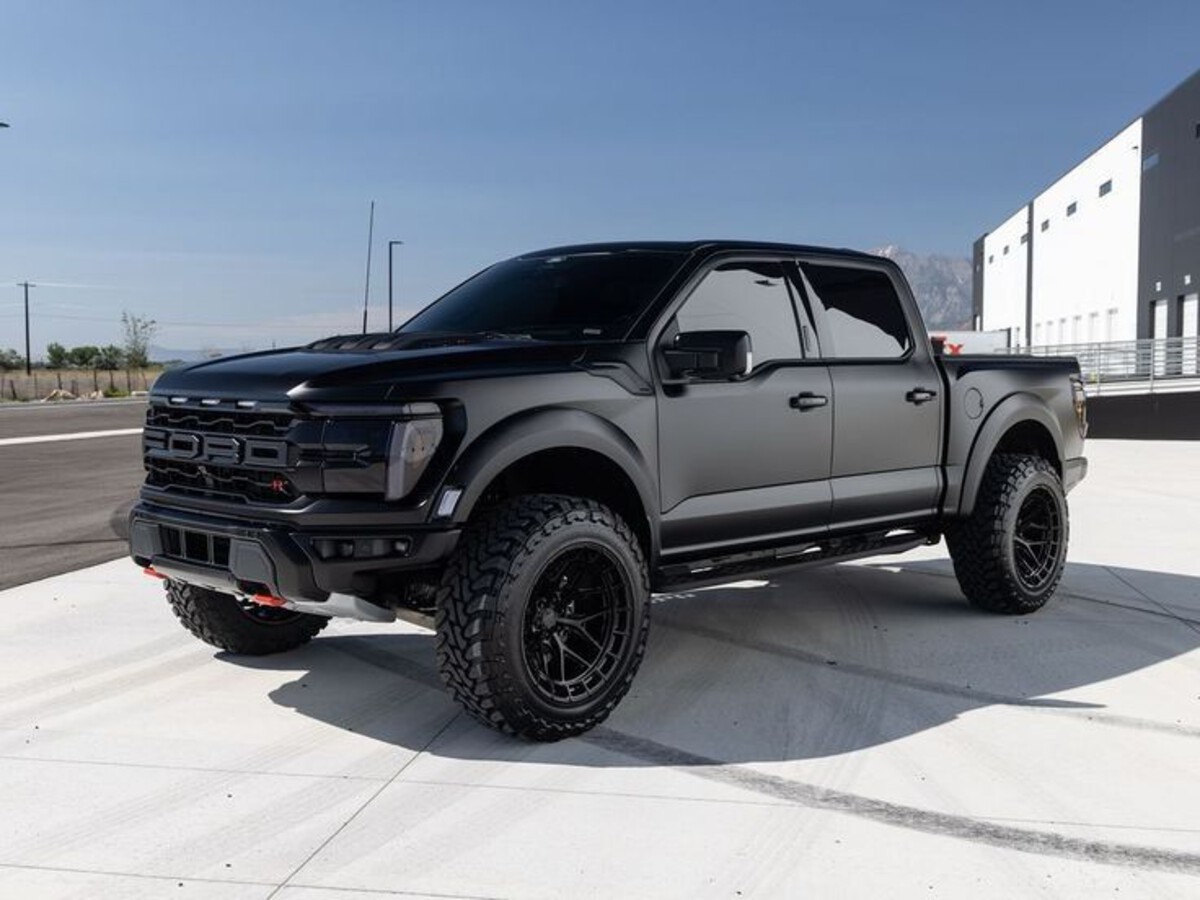
Chicago winters are not just cold, they are corrosive. Snow, ice, and constant exposure to road salt create one of the harshest environments for any vehicle. While most drivers focus on traction and winter tires, an equally important factor often gets overlooked. Rust.
Over time, salt eats away at metal components, weakens structural integrity, and turns even relatively new vehicles into aging machines far sooner than expected.
SUVs are particularly popular in cities like Chicago because they offer better ground clearance and stability in snowy conditions. However, not all SUVs are built to withstand the long-term effects of winter exposure.
Some are engineered with protective coatings, better sealing, and materials that resist corrosion. Others may perform well initially but begin to show signs of rust within just a few seasons. This difference is not always visible at the dealership, but it becomes painfully clear after a few winters on salted roads.
The impact of rust goes beyond appearance. It can affect suspension components, exhaust systems, brake lines, and even the vehicle’s frame.
Repairs can become expensive, and in severe cases, the damage may compromise safety. For drivers who plan to keep their vehicles long term, choosing a rust-resistant SUV is not just a preference, it is a necessity.
This article explores both sides of the equation. First, we will look at SUVs that are known for their ability to resist corrosion in harsh winter climates. These vehicles are built with durability in mind and can handle years of exposure without significant deterioration.
Then we will shift focus to SUVs that are more vulnerable to rust, highlighting why they struggle and what makes them less suitable for environments like Chicago.
Understanding these differences can help buyers make smarter decisions. In a city where winter conditions dominate a large part of the year, the right choice can save time, money, and frustration in the long run.
Also Read: 5 Compact Cars Perfect for Traffic In New York City vs. 5 That Are a Nightmare to Park
5 Rust-Resistant SUVs for Chicago Winters
Not every SUV is prepared for the reality of Chicago winters. The ones that stand out are those designed with long-term durability in mind. These vehicles do more than just handle snow and ice. They actively resist the damage caused by salt and moisture, maintaining their condition even after repeated exposure.
This section focuses on SUVs that have built a reputation for resisting rust over time. Some achieve this through advanced coatings and materials, while others benefit from thoughtful engineering that prevents moisture from accumulating in vulnerable areas.
The result is a vehicle that not only survives winter but continues to perform reliably year after year.
The goal here is to highlight SUVs that offer peace of mind. These are vehicles that do not demand constant worry about corrosion, allowing owners to focus on driving rather than maintenance concerns.
1. Toyota 4Runner
The Toyota 4Runner stands as a clear example of durability in environments where corrosion is a constant threat. Its construction leans heavily toward ruggedness, and that mindset extends to how well it handles exposure to salt and moisture.
Unlike many modern crossovers, the 4Runner uses a body-on-frame design, which contributes to its long-term resilience.
One of the key reasons it resists rust effectively is the quality of its underbody protection. The frame and critical components are treated to withstand harsh conditions, reducing the chances of corrosion taking hold early. This becomes especially important in Chicago, where roads are regularly covered in salt during winter months.
Another factor is how the vehicle is designed to shed moisture. Water and slush do not easily accumulate in hidden areas, which helps prevent the kind of trapped moisture that often leads to rust. Over time, this design choice makes a noticeable difference in how the vehicle ages.
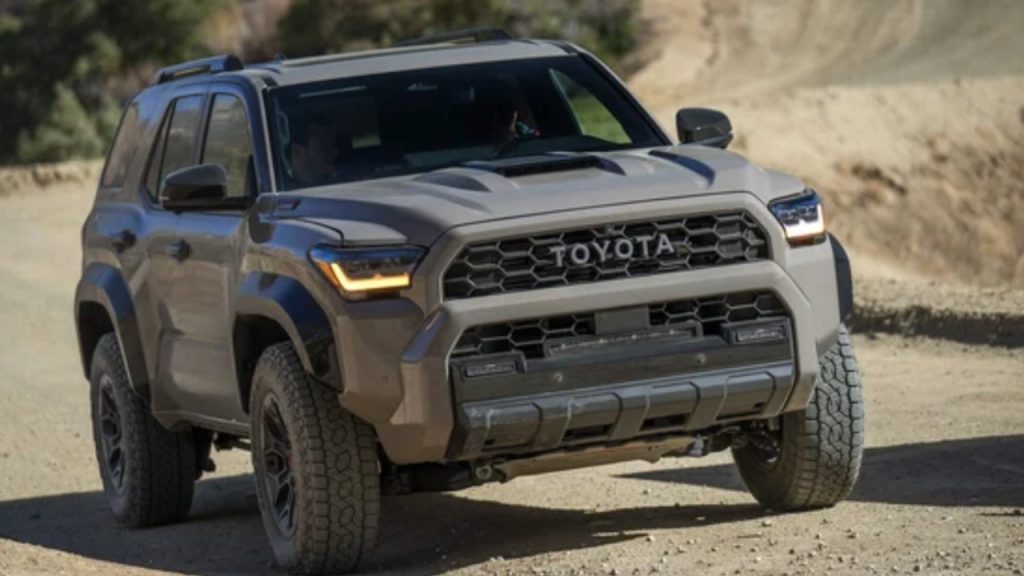
Ownership experiences also reinforce its reputation. Many drivers report that even after years of winter use, the 4Runner maintains its structural integrity better than most competitors. This reliability is not accidental. It is the result of consistent engineering focused on longevity rather than short-term appeal.
I am including the 4Runner because it represents what a winter-ready SUV should be. It is not just capable in snow, it is built to endure the long-term effects of harsh climates. For anyone dealing with Chicago winters year after year, that kind of durability becomes invaluable.
2. Subaru Outback
The Subaru Outback takes a different approach to durability, focusing on smart engineering rather than heavy-duty construction. It may not look as rugged as some traditional SUVs, but its ability to handle winter conditions extends beyond traction and into long-term resistance to corrosion.
One of its strengths lies in the use of protective coatings and materials that help shield vulnerable components from salt exposure. Subaru has consistently improved its rust prevention measures, and the Outback benefits from this attention to detail. The result is a vehicle that holds up well even after repeated winters.
The design also plays a role. The undercarriage is structured in a way that reduces the buildup of snow and slush. This helps minimize prolonged exposure to moisture, which is one of the main causes of rust. By limiting how much debris sticks to the vehicle, it reduces the chances of corrosion developing over time.
Another advantage is its balanced construction. The Outback does not rely on overly complex components that might be harder to protect. Instead, it maintains a straightforward design that is easier to treat and maintain against environmental damage.
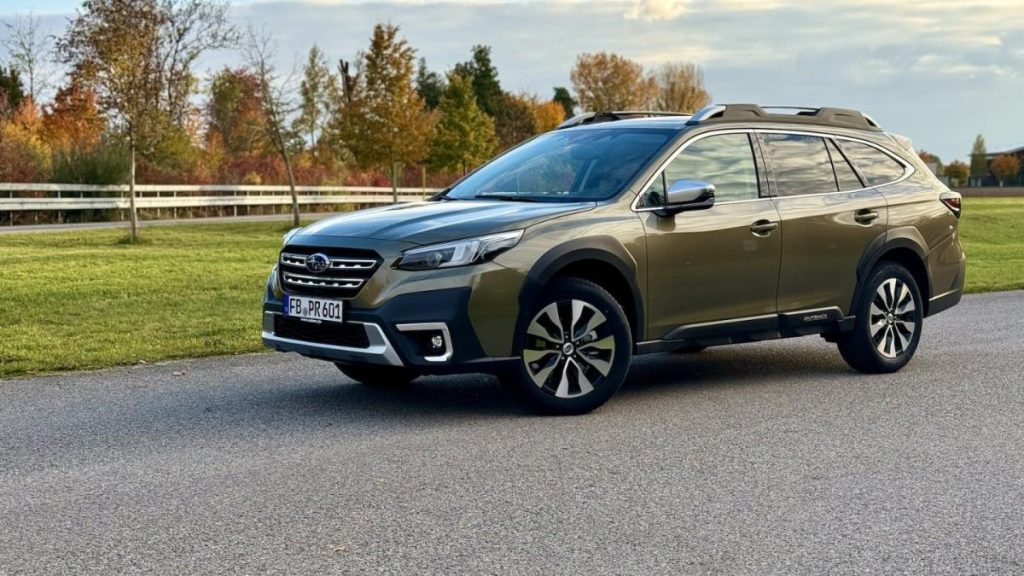
I chose the Outback because it demonstrates that you do not need a heavy-duty frame to achieve durability. Through careful engineering and consistent improvements, it offers a level of rust resistance that makes it well-suited for challenging climates.
For drivers in Chicago, it provides a dependable option that can handle both the immediate and long-term effects of winter.
3. Honda CR-V
The Honda CR-V approaches winter durability with a philosophy centered on consistency and smart material use rather than heavy-duty construction. At first glance, it may not appear as rugged as some traditional SUVs, but its long-term resistance to corrosion comes from careful engineering choices that are easy to overlook.
A major strength of the CR-V lies in how its body panels and underbody components are treated during manufacturing. Honda has invested in corrosion-resistant coatings that protect key areas from prolonged exposure to salt.
These coatings act as a barrier, slowing down the chemical reactions that lead to rust formation. In a city like Chicago, where salt is a constant presence, this protection becomes essential.
Another factor is how the CR-V manages water and debris. The design avoids unnecessary pockets where slush and moisture can collect.
This might seem like a small detail, but over several winters, it makes a measurable difference. Vehicles that trap moisture tend to develop rust faster, while the CR-V’s cleaner underbody layout helps it stay in better condition.
The suspension components also deserve attention. They are built to withstand repeated exposure without degrading quickly. This contributes not only to rust resistance but also to maintaining ride quality over time. Drivers are less likely to encounter premature wear caused by corrosion.
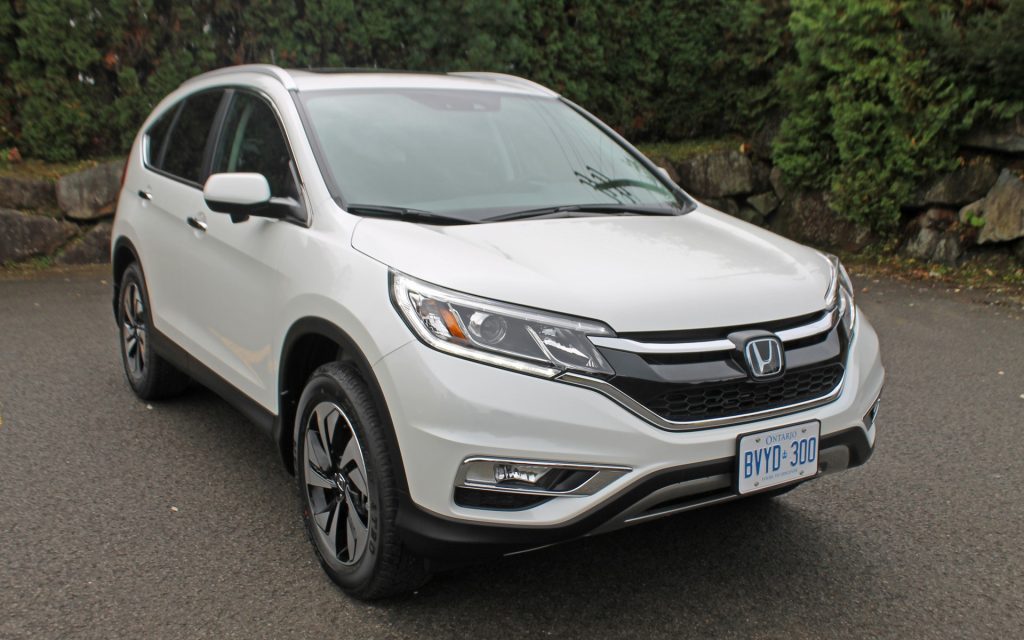
I included the CR-V because it represents a balanced approach to durability. It does not rely on a single standout feature. Instead, it combines protective materials, thoughtful design, and consistent manufacturing quality.
For Chicago drivers who want reliability without sacrificing comfort, the CR-V proves that a well-engineered crossover can hold up remarkably well against harsh winter conditions.
4. Volvo XC90
The Volvo XC90 brings a different perspective to rust resistance, focusing on precision engineering and material quality. It is not designed as a rugged off-road vehicle, yet it performs exceptionally well in environments where corrosion is a concern. This is largely due to Volvo’s emphasis on safety and long-term durability.
One of the defining characteristics of the XC90 is its extensive use of galvanized steel. This material is treated to resist corrosion more effectively than standard steel, providing a strong foundation for the vehicle’s structure. In winter conditions, this becomes a significant advantage, as the body is less vulnerable to the damaging effects of salt.
The sealing of joints and seams is another area where the XC90 excels. Moisture often finds its way into small gaps, leading to hidden rust over time. Volvo addresses this by ensuring that these areas are well protected, reducing the likelihood of corrosion developing out of sight.
The underbody protection is equally impressive. Key components are shielded from direct exposure, which helps maintain their condition even after repeated winters. This attention to detail extends to areas that are not immediately visible, reflecting a commitment to long-term reliability.
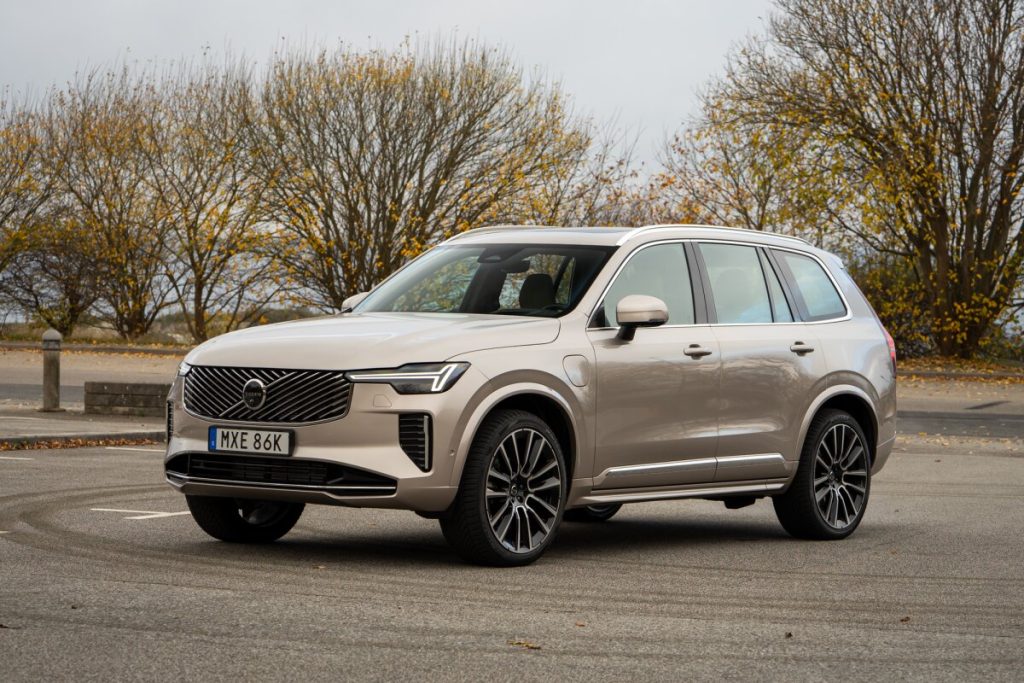
I chose the XC90 because it shows how premium engineering can translate into real-world benefits. It is not just about luxury or comfort. It is about building a vehicle that can withstand environmental challenges without compromising its integrity. For drivers in Chicago, this combination of refinement and durability makes it a compelling choice.
5. Ford Bronco
The Ford Bronco approaches winter durability with a mindset that is rooted in exposure rather than avoidance. Unlike many SUVs that rely heavily on shielding and concealment, the Bronco is designed to handle harsh conditions directly.
This philosophy plays a significant role in how it resists rust over time, especially in environments like Chicago where salt and moisture are unavoidable.
One of the Bronco’s key strengths is its use of modern materials in areas that traditionally suffer from corrosion. Several exterior panels are made from materials that do not rust in the same way as conventional steel.
This immediately reduces the risk of visible corrosion, even after repeated exposure to winter conditions. It is a practical advantage that becomes more noticeable with each passing season.
The underbody design also reflects this rugged approach. Components are positioned and protected in a way that allows them to handle debris, slush, and salt without excessive buildup. Instead of trapping moisture, the layout encourages it to drain or fall away. This reduces the chances of long-term damage caused by trapped contaminants.
Another important factor is how easy the Bronco is to clean. In a city where winter grime accumulates quickly, being able to wash away salt and debris effectively can make a big difference. The Bronco’s accessible design allows owners to maintain it more easily, which contributes to its overall resistance to rust.
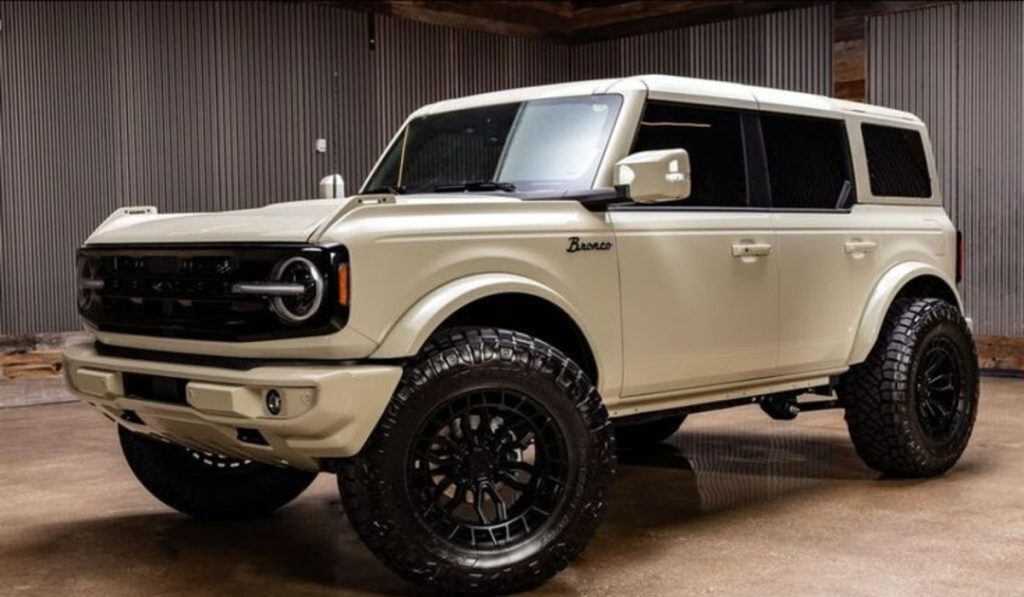
I included the Bronco because it represents a modern interpretation of durability. It does not rely solely on coatings or hidden protections.
Instead, it combines material choices, smart design, and user-friendly maintenance to create a vehicle that can withstand harsh winters. For drivers facing Chicago’s demanding conditions, this approach offers both confidence and long-term value.
5 That Will Rot in Three Years
While some SUVs are built to endure harsh winters, others reveal their weaknesses much sooner than expected.
Chicago’s combination of snow, salt, and freezing temperatures creates an environment where poor corrosion protection becomes impossible to ignore. Vehicles that lack proper treatment or thoughtful design can begin to show signs of rust within just a few seasons.
This section focuses on SUVs that are more vulnerable to these conditions. The reasons vary, but the results are often similar.
Rust begins in hidden areas, spreads over time, and eventually affects both appearance and structural integrity. What might start as minor surface corrosion can quickly develop into more serious issues if left unchecked.
One of the most common problems is inadequate underbody protection. Without proper coatings or shielding, critical components are left exposed to salt and moisture. Over time, this exposure leads to deterioration that can be difficult and expensive to repair.
Design also plays a role. Vehicles that allow water and debris to collect in certain areas create the perfect conditions for rust to develop. Even high-quality materials can fail if they are constantly exposed to trapped moisture.
The purpose of this category is not to dismiss these vehicles entirely, but to highlight how they perform in a specific and demanding environment. By understanding their limitations, buyers can make more informed decisions and avoid unexpected issues down the road.
1. Jeep Compass
The Jeep Compass presents itself as a practical and capable compact SUV, but its performance in harsh winter climates raises concerns when it comes to long-term corrosion resistance. While it handles everyday driving conditions reasonably well, repeated exposure to Chicago winters can reveal vulnerabilities that are not immediately apparent.
One of the primary issues lies in the level of underbody protection. Compared to more durable SUVs, the Compass does not offer the same degree of shielding against salt and moisture.
This leaves key components more exposed, increasing the likelihood of rust forming over time. In a city where roads are regularly treated with salt, this exposure becomes a significant disadvantage.
Another factor is how the vehicle’s design manages debris. Certain areas of the undercarriage can accumulate slush and grime, creating pockets where moisture lingers. These trapped contaminants accelerate the corrosion process, especially when combined with fluctuating temperatures that cause repeated freezing and thawing.
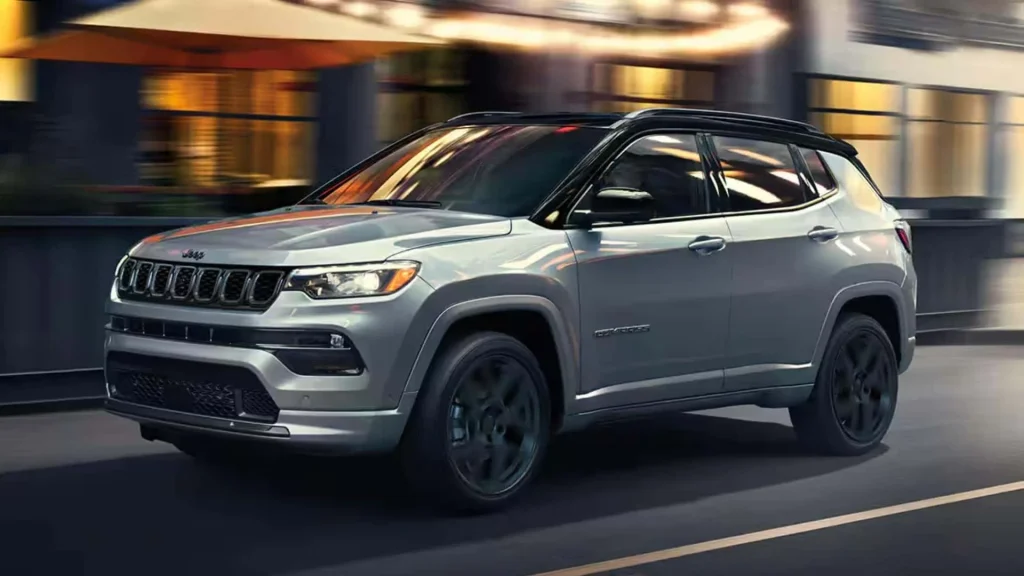
Interior structural elements can also be affected indirectly. As rust develops underneath, it may begin to impact the overall integrity of the vehicle. While this does not happen overnight, it becomes more noticeable after a few winters, particularly for owners who park outdoors regularly.
I included the Compass because it highlights how a vehicle that seems adequate at first can struggle over time in a demanding environment.
It is not necessarily a poor choice in milder climates, but Chicago winters expose its limitations. For buyers who plan to keep their vehicles long term, these concerns become increasingly important to consider.
2. Chevrolet Equinox
The Chevrolet Equinox offers comfort and practicality, but when it comes to resisting corrosion in harsh winter conditions, it does not always meet expectations. Its design prioritizes everyday usability, yet this focus can leave certain areas less prepared for prolonged exposure to salt and moisture.
A noticeable concern is the durability of its underbody components. While they are adequate for general use, they may not be as well-protected as those found in more winter-focused SUVs. Over time, repeated exposure to road salt can begin to wear down protective coatings, allowing rust to develop.
The structure of the undercarriage can also contribute to the problem. Some areas are more prone to collecting debris, which increases the amount of time that moisture remains in contact with metal surfaces. This prolonged exposure accelerates corrosion, especially during the freeze-thaw cycles common in Chicago winters.
Another aspect to consider is how the vehicle ages under these conditions. Owners may begin to notice small signs of rust earlier than expected, particularly in areas that are not easily visible. These early signs can eventually lead to more significant issues if not addressed.
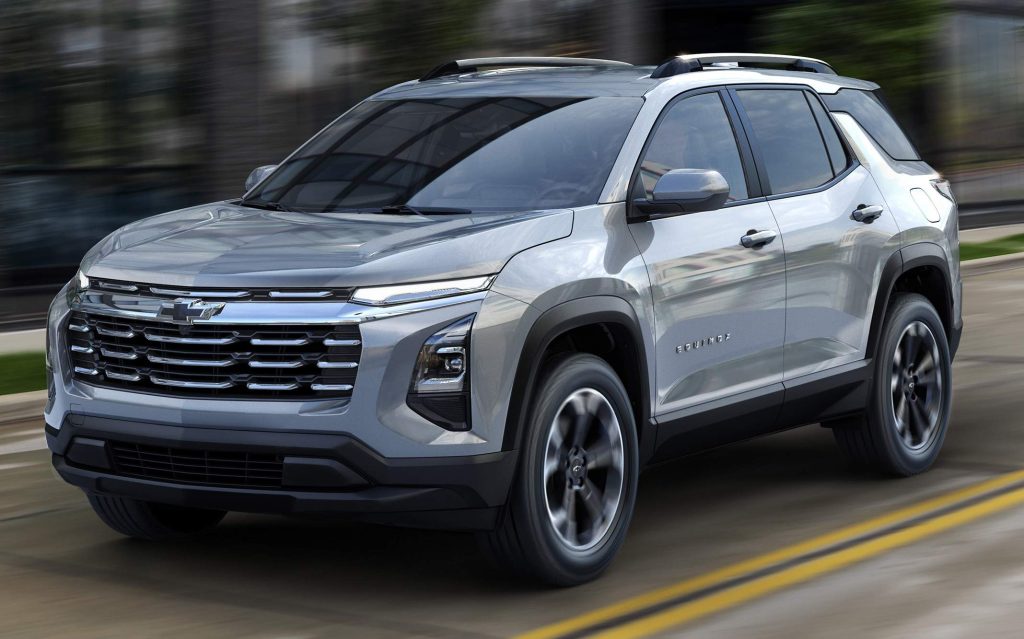
I chose the Equinox because it demonstrates how a vehicle designed for comfort and convenience can face challenges in extreme climates.
It performs well in many situations, but Chicago winters demand a higher level of protection than it consistently provides. For drivers in such environments, this difference can have long-term consequences.
3. Nissan Rogue
The Nissan Rogue is widely appreciated for its comfort, fuel efficiency, and ease of driving, but those strengths do not always translate into long-term durability in harsh winter climates like Chicago.
When exposed repeatedly to salt-covered roads and freezing temperatures, certain aspects of its construction begin to show limitations that are difficult to ignore over time.
One of the concerns with the Rogue is how its underbody protection holds up after a few winters. While it does come with factory coatings, these layers may not be as robust or long-lasting as those found on more corrosion-resistant SUVs.
As these coatings wear down, metal components underneath become more vulnerable to salt exposure. Once that protective barrier is compromised, rust can begin to develop in areas that are not immediately visible.
The design of the undercarriage also plays a role in accelerating wear. Some sections are more likely to trap slush and debris, especially during heavy snowfall. When this buildup remains in place, it creates a damp environment that encourages corrosion.
Combined with the frequent temperature changes of Chicago winters, this cycle of freezing and thawing can gradually weaken metal surfaces.
Another issue is how early signs of rust can go unnoticed. Because the Rogue focuses on comfort and refinement, its problem areas are often hidden from plain sight. By the time corrosion becomes visible, it may have already progressed further than expected. This can lead to higher repair costs and more extensive maintenance.
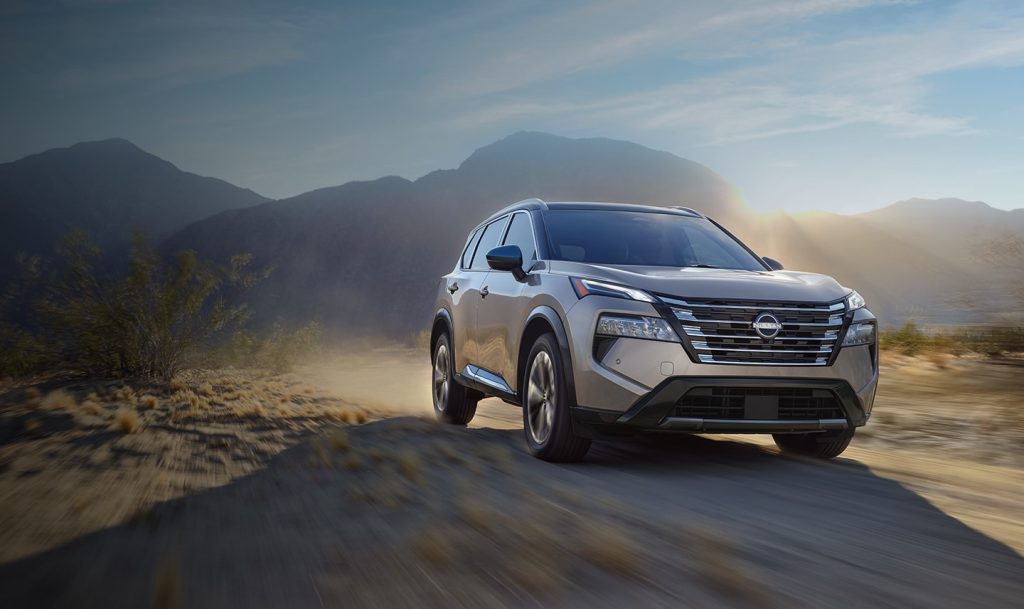
I included the Rogue because it represents a common scenario where a well-rounded vehicle struggles under specific environmental stress. It performs admirably in everyday conditions, but Chicago winters expose the limits of its protective measures.
For buyers planning long-term ownership in such climates, these factors become increasingly important to consider.
4. Hyundai Tucson
The Hyundai Tucson has improved significantly in terms of design and overall quality, but when it comes to long-term resistance against rust in extreme winter environments, it can still face challenges.
Its modern styling and comfortable interior make it appealing at first, yet prolonged exposure to salt and moisture may reveal weaknesses beneath the surface.
A key issue lies in how the Tucson’s protective coatings age over time. While they provide a solid initial defense, they may begin to wear down after repeated winters.
Once this happens, the underlying metal becomes more exposed to corrosive elements. In a place like Chicago, where salt use is heavy and consistent, this gradual loss of protection can lead to noticeable rust development.
The vehicle’s design also contributes to the problem in subtle ways. Certain areas of the underbody are more likely to retain moisture, particularly after driving through slush or wet snow.
These pockets of trapped debris create conditions where corrosion can develop more quickly. Over several seasons, this repeated exposure can begin to affect both visible and hidden components.
Another aspect worth noting is how environmental stress interacts with everyday use. Frequent short trips, where the vehicle does not fully dry out, can accelerate the corrosion process. This is a common pattern in urban driving, making the Tucson more vulnerable in city environments like Chicago.
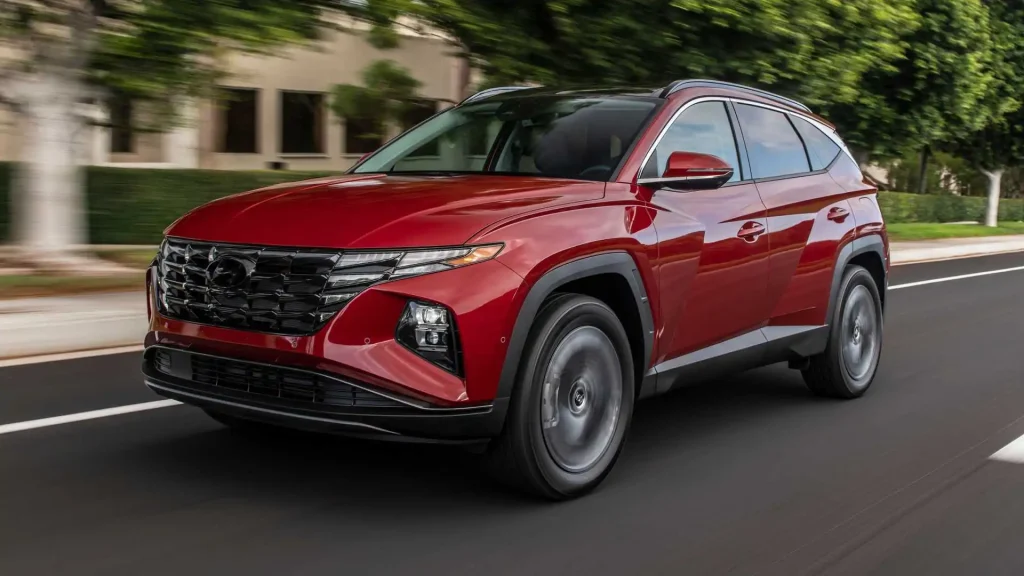
I chose the Tucson because it highlights how improvements in design and comfort do not always extend equally to long-term durability. It is a strong contender in many areas, but harsh winter conditions reveal gaps in its ability to resist corrosion.
For drivers who expect their vehicles to endure years of exposure, this becomes an important consideration.
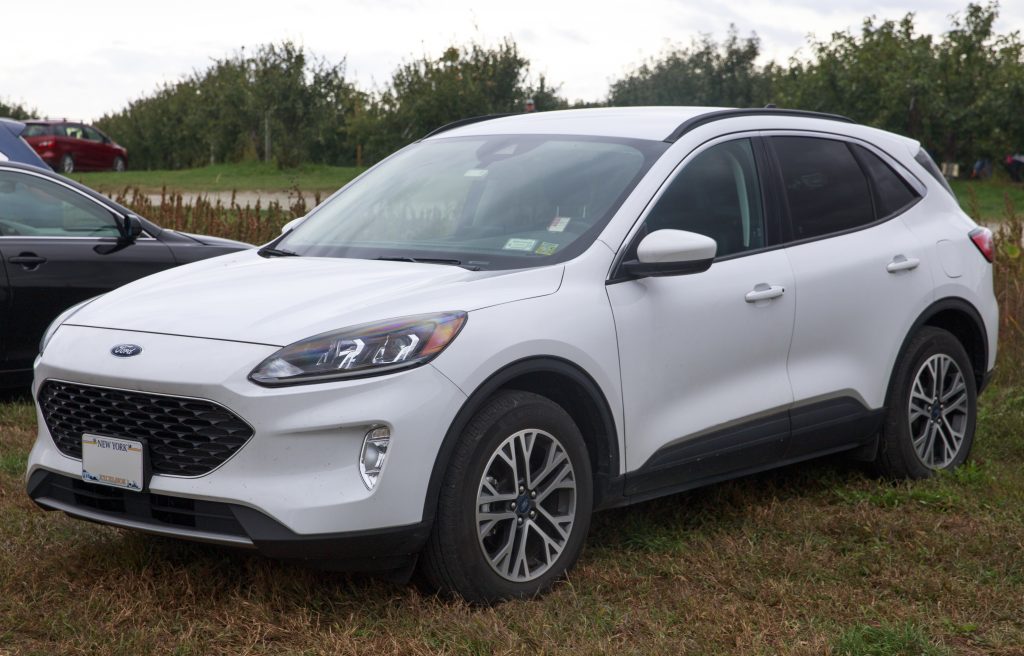
5. Ford Escape
The Ford Escape rounds out this list as a vehicle that performs well in everyday driving but faces challenges when subjected to the prolonged effects of Chicago winters. Its design emphasizes efficiency and practicality, yet this focus can leave certain components less prepared for extreme environmental stress.
One of the primary concerns is how the Escape handles continuous exposure to road salt. While it includes standard protective measures, these may not be sufficient to prevent long-term corrosion in harsher climates. Over time, the protective layers can degrade, allowing rust to form on critical components underneath the vehicle.
The structure of the undercarriage can also contribute to the issue. Certain sections are more prone to collecting moisture and debris, especially during winter months.
When these materials remain trapped, they create a persistent damp environment that accelerates the corrosion process. This is particularly problematic in areas that are difficult to clean or inspect regularly.
Another factor is how the vehicle ages under these conditions. Early signs of rust may appear sooner than expected, often in less visible areas such as suspension components or mounting points. While these issues may not immediately affect performance, they can lead to more significant problems if left unaddressed.
I included the Escape because it reflects how a well-balanced SUV can still struggle in a demanding climate. It offers comfort and versatility, but Chicago winters require a higher level of protection than it consistently provides. For drivers who prioritize long-term durability, this difference can become increasingly noticeable with each passing season.
Chicago winters create one of the toughest environments for any vehicle, where durability is tested not just by snow and ice, but by the constant presence of salt.
SUVs like the Toyota 4Runner, Subaru Outback, Honda CR-V, Volvo XC90, and Ford Bronco demonstrate how strong engineering, protective coatings, and thoughtful design can significantly slow down the effects of corrosion.
These vehicles are built with long-term resilience in mind, allowing them to maintain their condition even after years of exposure.
On the other hand, models such as the Jeep Compass, Chevrolet Equinox, Nissan Rogue, Hyundai Tucson, and Ford Escape highlight what happens when protection is not as robust.
Issues like weaker coatings, moisture-trapping designs, and gradual material degradation make them more vulnerable to rust over time. While they may perform well in milder climates, Chicago winters expose their limitations more quickly.
The key takeaway is that rust resistance is not a minor detail, it is a critical factor in long-term ownership. Choosing the right SUV for a harsh climate can prevent costly repairs and preserve the vehicle’s value. In a city where winter conditions are unavoidable, durability is not optional, it is essential.
Also Read: 5 Rain-Ready Hatchbacks In Seattle vs. 5 RWD Sports Cars That Are Dangerous