

Rural America presents a driving environment that is very different from what most urban and suburban drivers experience. Dirt roads, gravel paths, uneven surfaces, seasonal mud, potholes, loose stones, and long stretches without maintenance create a unique set of challenges for vehicles.
In these regions, reliability is not just a preference but a necessity. A car must be able to handle rough terrain, unpredictable weather conditions, and limited roadside assistance options. This makes vehicle selection extremely important for people living in or frequently traveling through rural areas of the United States.
Cars designed or naturally suited for dirt roads typically feature higher ground clearance, reinforced suspension systems, durable tires, and protective body structures. These characteristics help reduce damage from rocks, ruts, and uneven terrain while also improving traction on loose surfaces.
Vehicles like rugged trucks and SUVs are often preferred because they combine power, stability, and durability. In many rural communities, such vehicles are not only practical but essential for daily commuting, farming activities, transporting goods, and reaching remote destinations.
On the other hand, modern automotive design has also produced a wide range of vehicles that prioritize aesthetics, aerodynamics, performance, and luxury over rugged durability. These vehicles often feature low ground clearance, delicate aerodynamic bumpers, and finely tuned body kits.
While they excel on smooth highways and city streets, they can struggle in rural environments. Even a minor encounter with gravel or an uneven dirt road can result in scratches, bumper damage, or underbody scraping. This contrast highlights the importance of matching the right vehicle to the right environment.
In this article, we will explore two contrasting categories. First, we will examine five vehicles that are highly suitable for rural American dirt roads. These vehicles are known for their strength, reliability, and off road capability.
Then, we will look at five vehicles that feature fragile bumpers and are better suited for smooth urban environments rather than rugged rural terrain. This comparison will help illustrate how vehicle design directly affects performance, durability, and long term ownership experience depending on road conditions.
5 Cars for Rural American Dirt Roads
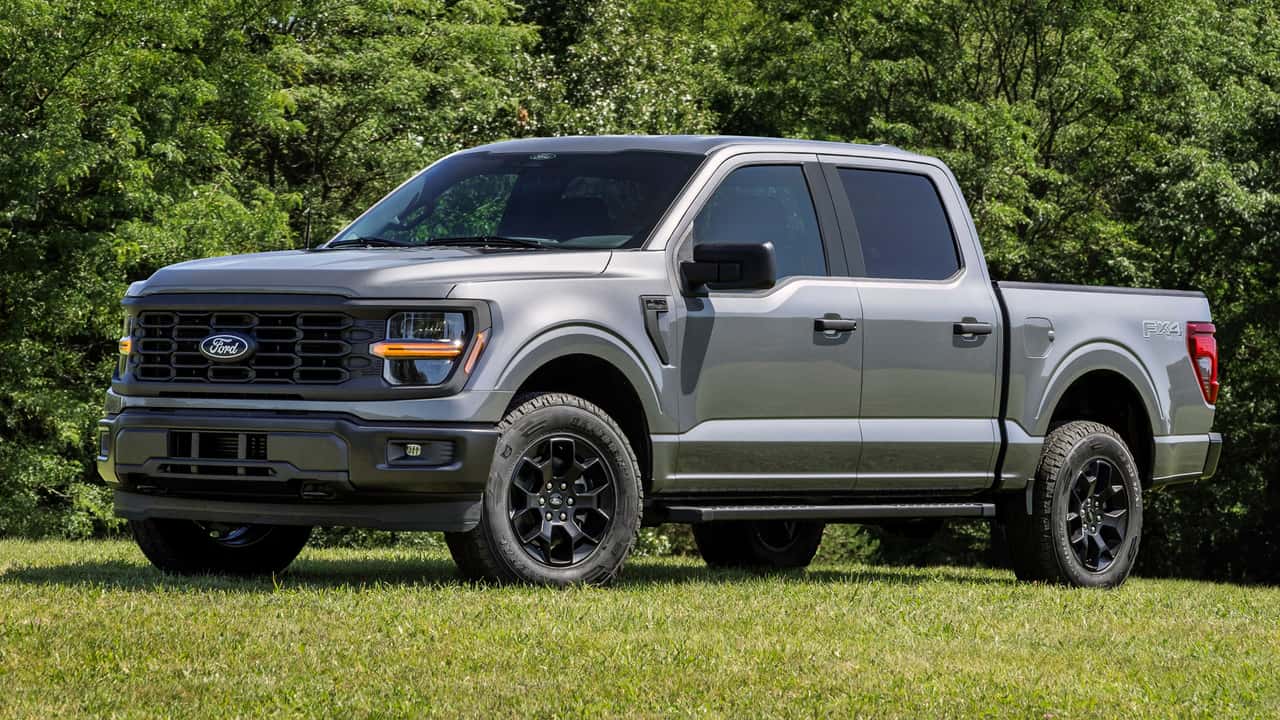
Ford F-150
The Ford F-150 stands as one of the most trusted full size pickup trucks for rural American driving, and its reputation is built on decades of consistent performance in demanding environments.
In rural areas where dirt roads, gravel paths, and unpredictable terrain are part of everyday travel, the F-150 continues to be a top choice due to its blend of strength, durability, and adaptability. Its design prioritizes function over fragility, which makes it especially valuable for drivers who need a dependable vehicle for both work and personal use in remote regions.
One of the most important aspects of the Ford F-150 is its ability to handle rough terrain without compromising stability. The truck’s high ground clearance allows it to pass over uneven dirt roads, deep ruts, and loose gravel without frequent underbody contact.
This reduces the risk of mechanical damage, which is a major concern in rural environments where road maintenance is often limited or inconsistent. The reinforced suspension system also plays a crucial role by absorbing shocks from potholes and rocky surfaces, ensuring that both driver comfort and vehicle integrity are maintained over long distances.
Another major strength of the F-150 is its engine versatility and torque output. Rural driving often requires vehicles that can handle heavy loads, whether it is hauling equipment, towing trailers, or transporting supplies across farmland.
The F-150 offers multiple engine configurations that provide strong torque at low speeds, which is particularly useful when navigating muddy roads or steep rural inclines. Its available four wheel drive system further enhances traction, allowing the truck to maintain control even in slippery or unstable conditions caused by rain or seasonal weather changes.
In addition to performance, the Ford F-150 is also designed with practical utility in mind, which is essential for rural lifestyles. The spacious cargo bed allows for easy transport of tools, livestock feed, construction materials, and outdoor gear.
Many rural drivers rely on this functionality daily, making the truck more than just a mode of transportation but also a working tool. Its durable exterior panels are also engineered to resist minor impacts from flying gravel and brush, which are common hazards on unpaved roads.
The Ford F-150 is not just a vehicle but a long term solution for rural American driving needs. Its combination of durability, power, and practicality makes it one of the most reliable options for anyone frequently traveling on dirt roads or working in rural environments.
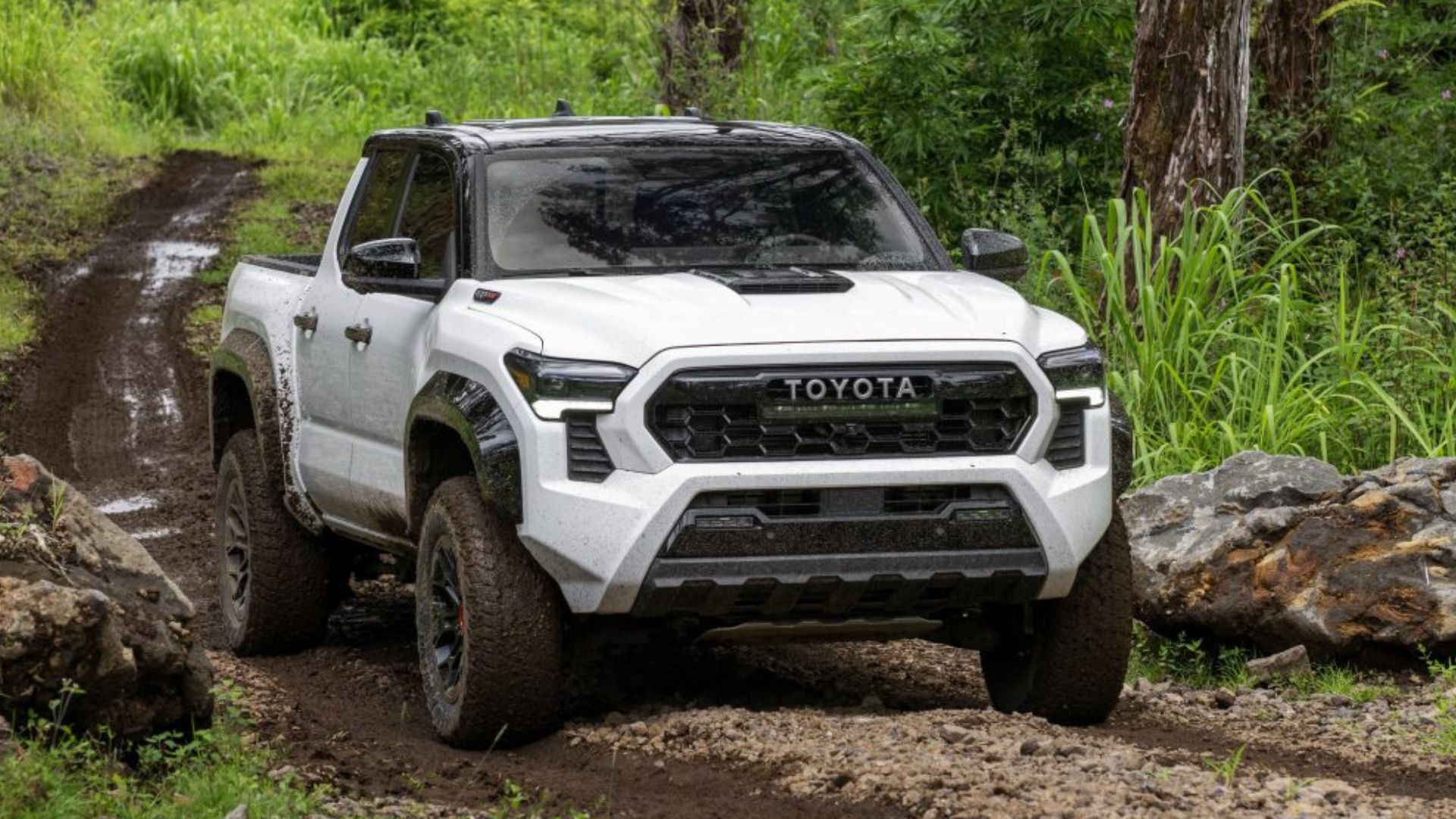
Toyota Tacoma
The Toyota Tacoma has built a strong reputation as one of the most reliable midsize trucks for off road and rural driving conditions. It is especially popular in areas where dirt roads, forest trails, and uneven rural routes are common. Unlike larger full size trucks, the Tacoma offers a more compact and agile driving experience while still maintaining the toughness required for challenging terrain. This balance makes it highly appealing to drivers who want capability without sacrificing maneuverability.
A key advantage of the Tacoma is its engineered durability, which has been refined over many years of real world use in harsh environments. The truck is designed with a reinforced frame that can withstand repeated exposure to rough surfaces without significant wear.
This is particularly important for rural American roads where constant vibration and uneven ground can quickly degrade lesser vehicles. The Tacoma’s suspension system is also tuned to handle off road stress, helping to reduce impact damage when driving over rocks, gravel, or deep potholes.
The availability of off road focused trims significantly enhances the Tacoma’s rural performance. These versions often include skid plates that protect the undercarriage from sharp stones and debris, as well as upgraded shock absorbers that improve stability on uneven terrain.
This makes the vehicle well suited for rural areas where roads are not only unpaved but also poorly maintained. The high ground clearance further ensures that the truck can pass over obstacles without scraping or damaging essential components.
Another important factor is Toyota’s well known reputation for long term reliability. In rural regions where repair shops may be far away, having a vehicle that can consistently perform without frequent breakdowns is extremely valuable.
The Tacoma is often praised for its ability to reach very high mileage with minimal mechanical issues, making it a dependable long term investment for rural drivers. This reliability also contributes to its strong resale value, which is an added benefit for owners.
The Toyota Tacoma offers a combination of rugged engineering, compact versatility, and long lasting reliability. It is one of the most practical choices for navigating rural American dirt roads while maintaining confidence in performance and durability.
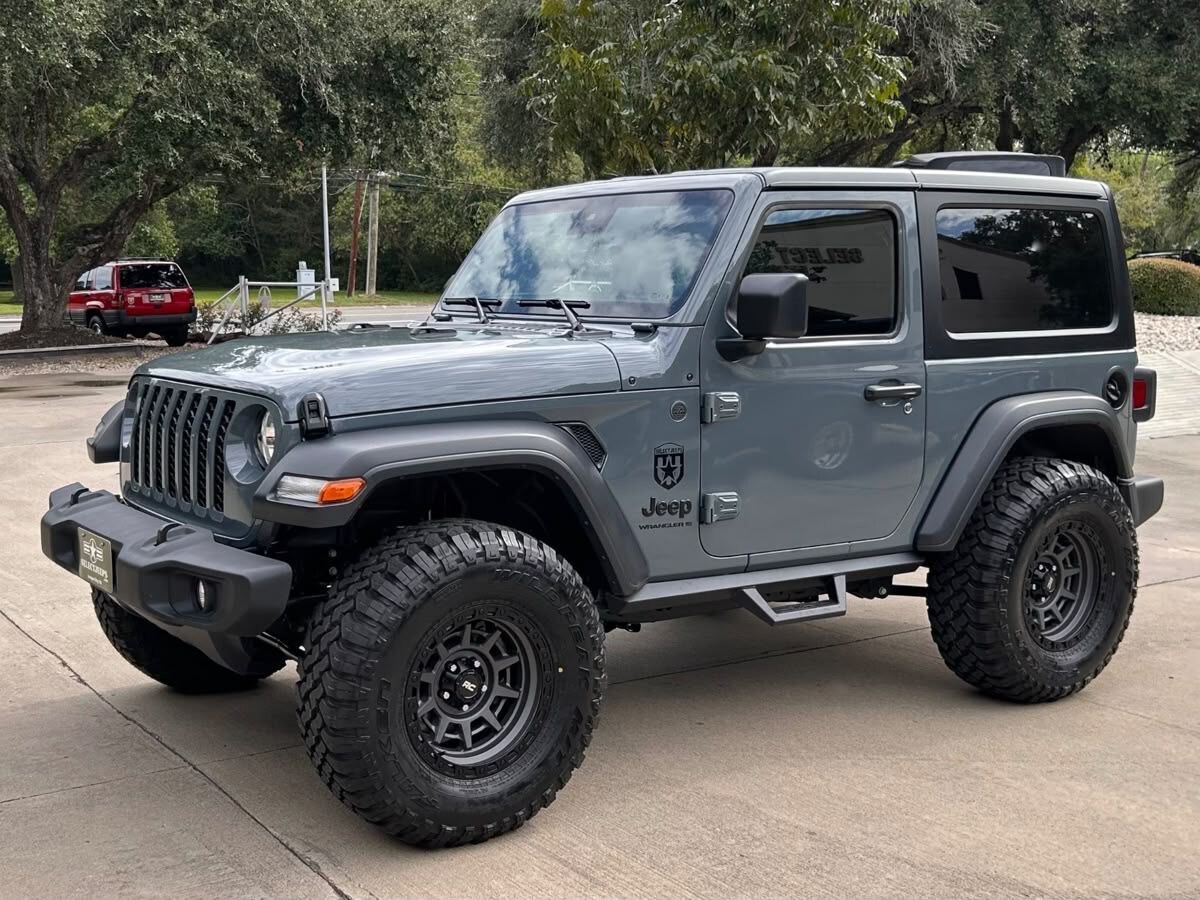
Jeep Wrangler
The Jeep Wrangler is widely regarded as one of the most capable off road vehicles ever produced, and its design philosophy is deeply rooted in rugged terrain performance.
For rural American dirt roads, the Wrangler is almost purpose built, offering features that directly address the challenges of uneven, unpredictable, and often harsh driving conditions. Its iconic design is not just aesthetic but functional, with every element contributing to its off road strength.
One of the most important characteristics of the Wrangler is its exceptional ground clearance and suspension articulation. These features allow the vehicle to move over rocks, deep ruts, and uneven surfaces while maintaining tire contact with the ground.
This is critical for rural dirt roads, where maintaining traction can be difficult due to loose soil, gravel, or erosion. The solid axle design further enhances durability and off road capability, allowing the vehicle to flex and adapt to terrain changes more effectively than many modern independent suspension systems.
The Wrangler also benefits from its compact and sturdy frame, which makes it highly maneuverable on narrow rural paths. In many rural areas, roads are not only unpaved but also narrow and surrounded by natural obstacles such as trees, rocks, or ditches.
The Wrangler’s design allows it to navigate these conditions with relative ease while minimizing the risk of body damage. Its protective exterior structure is also built to withstand minor impacts, which are common when driving through brush or rocky terrain.
Another important advantage is the Wrangler’s ability to be customized for extreme off road use. Many rural drivers equip their Wranglers with upgraded tires, lift kits, and reinforced bumpers to further enhance durability and performance. This adaptability makes it a favorite among outdoor workers, farmers, and adventure enthusiasts who regularly travel through challenging environments.
The Jeep Wrangler remains one of the most reliable and capable vehicles for rural American dirt roads. Its combination of mechanical strength, off road engineering, and adaptability makes it an ideal choice for environments where standard vehicles would struggle or fail.
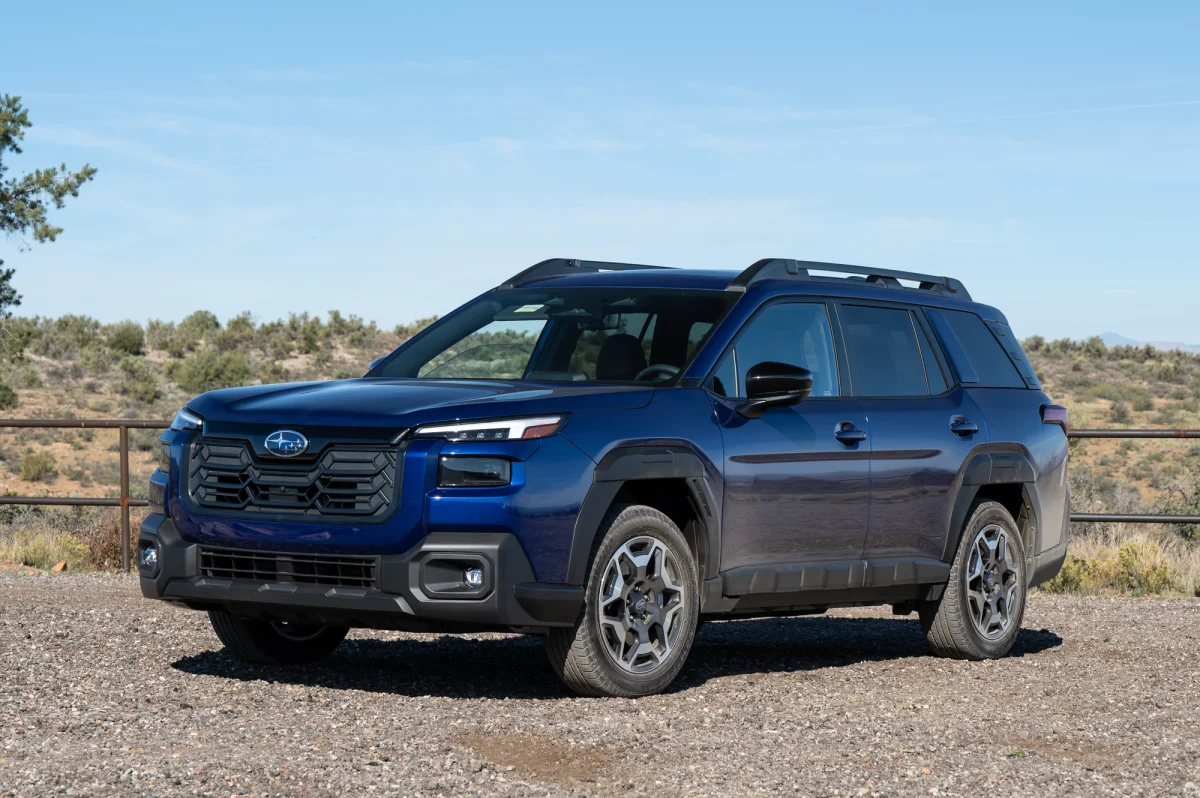
Subaru Outback
The Subaru Outback occupies a unique position in the automotive world as a crossover that blends comfort with rural capability. While it is not a traditional off road vehicle like a truck or SUV, it has become extremely popular among rural American drivers who need dependable performance on dirt roads without sacrificing everyday usability. Its design focuses on practicality, safety, and all weather capability, making it a versatile option for rural living.
One of the standout features of the Outback is its symmetrical all wheel drive system, which provides consistent power distribution to all four wheels.
This system is especially useful on dirt roads where traction can vary significantly depending on weather conditions. Whether the surface is dry gravel, wet mud, or snow covered dirt, the Outback maintains a stable and controlled driving experience. This level of consistency is particularly valuable in rural regions where road conditions can change rapidly.
The vehicle also features a higher ground clearance compared to standard sedans, which helps prevent underbody damage when traveling over uneven terrain. While it may not match the clearance of full size trucks or dedicated off road SUVs, it is sufficient for most rural dirt roads. The suspension is designed to absorb bumps and irregularities, creating a smoother ride for passengers even when the road surface is rough or poorly maintained.
In addition to its mechanical strengths, the Subaru Outback is known for its practicality and fuel efficiency. Rural drivers often need to travel long distances between towns, farms, and service centers, making fuel economy an important factor.
The Outback offers a balance between capability and efficiency, allowing drivers to cover long distances without excessive fuel consumption. Its spacious interior and cargo capacity also make it suitable for families and outdoor activities.
The Subaru Outback provides a well rounded solution for rural American driving needs. It may not be the most extreme off road vehicle, but its combination of all wheel drive capability, comfort, and reliability makes it highly effective for dirt road travel.
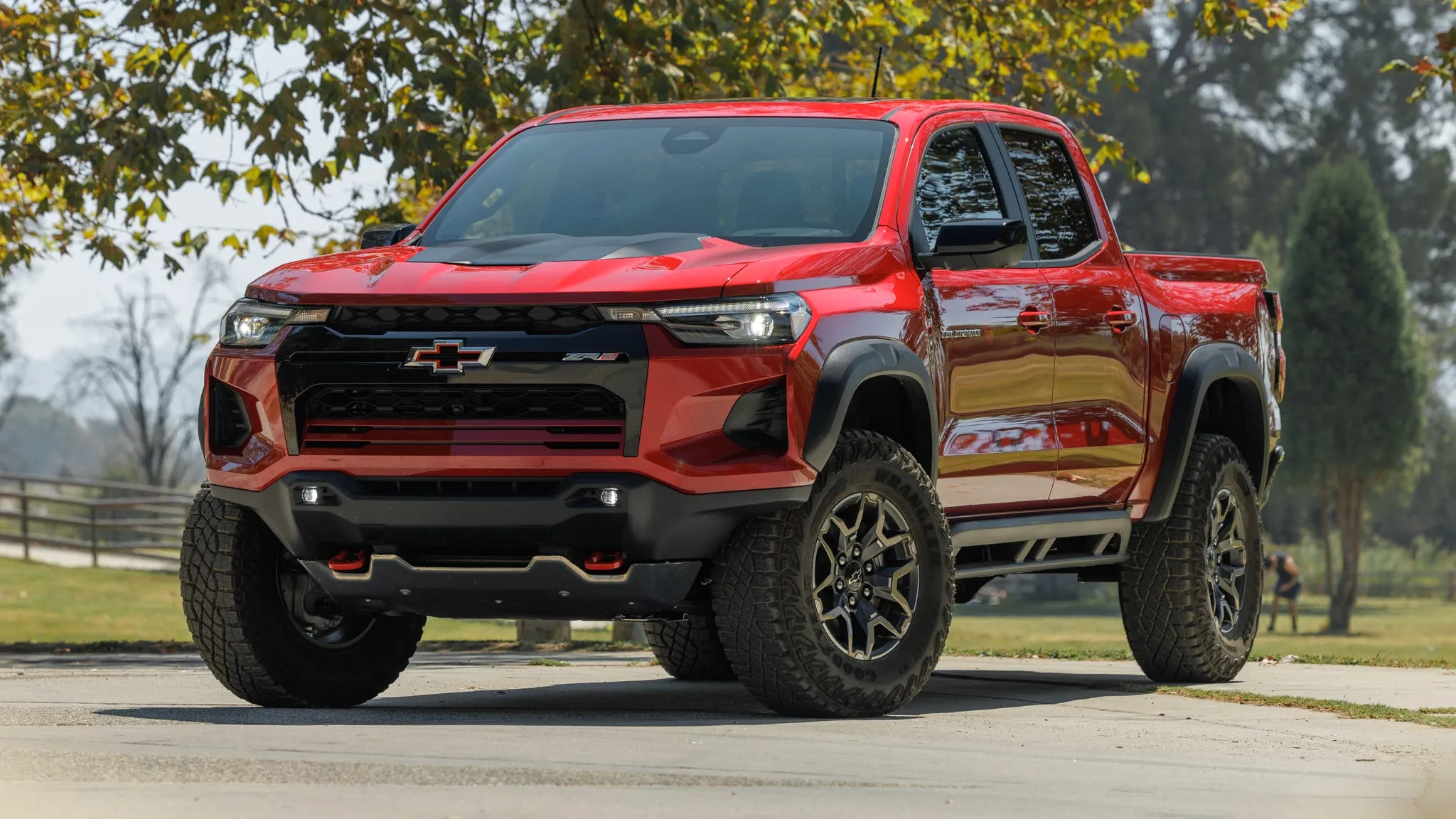
Chevrolet Colorado ZR2
The Chevrolet Colorado ZR2 is a midsize truck specifically engineered for off road performance, making it an excellent choice for rural American dirt roads. It stands out from standard pickup trucks due to its specialized equipment and factory installed off road enhancements. This makes it particularly suitable for drivers who regularly encounter rough terrain but prefer a midsize platform rather than a full size truck.
One of the most advanced features of the ZR2 is its Multimatic DSSV suspension system, which is designed to provide superior shock absorption and stability on uneven terrain. This system allows the truck to maintain better control when driving over rocky surfaces, deep ruts, and high vibration dirt roads. It reduces bounce and improves tire contact with the ground, which is essential for maintaining traction in rural environments.
The ZR2 also includes widened track width, which enhances stability when navigating uneven or sloped terrain. This reduces the risk of tipping or losing control on narrow rural roads where surfaces may be unpredictable. Combined with front and rear locking differentials, the vehicle is capable of distributing power effectively even when one or more wheels lose traction, such as in mud or loose gravel.
Protection is another major focus of the Colorado ZR2. It comes equipped with skid plates and reinforced underbody components that shield critical mechanical parts from rocks, debris, and uneven ground. This level of protection is essential for rural driving, where road conditions can be harsh and unpredictable. The truck is also built with durable exterior materials that resist minor impacts from gravel and brush.
The Chevrolet Colorado ZR2 offers a highly engineered solution for rural dirt road driving. Its combination of advanced suspension technology, structural protection, and off road focused design makes it one of the most capable midsize trucks available for challenging rural environments.
5 Cars with Fragile Bumpers
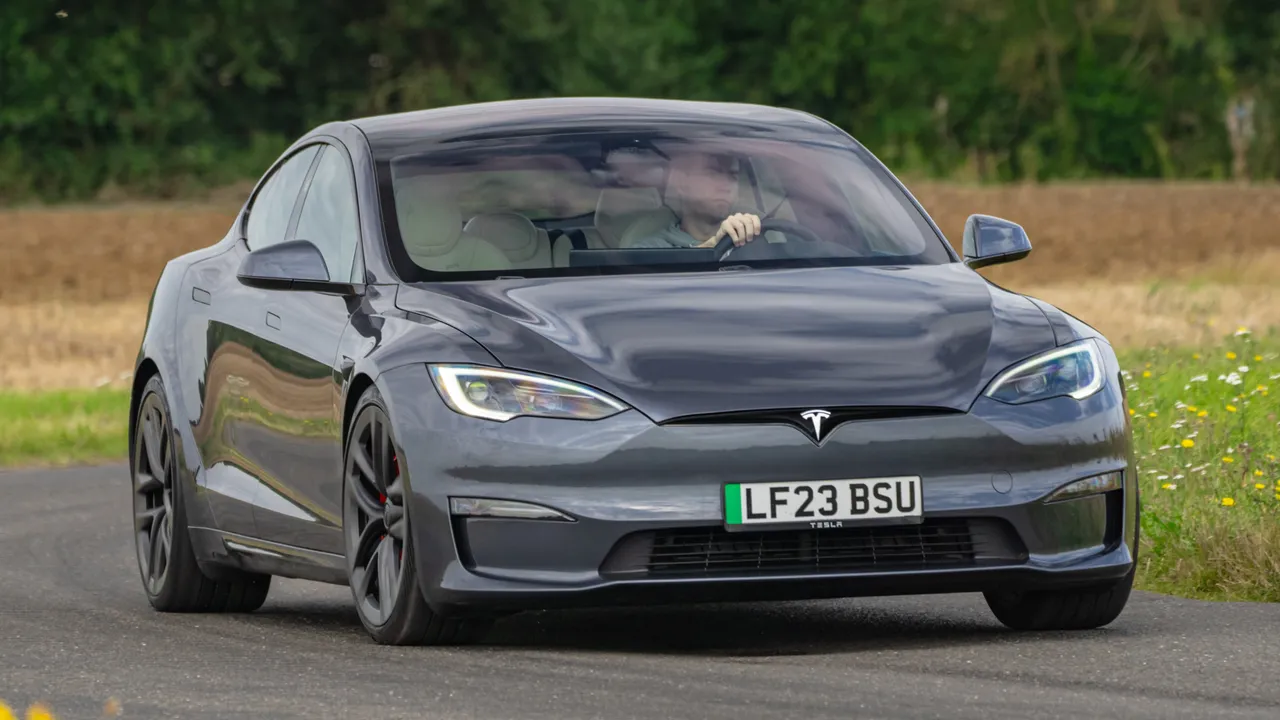
Tesla Model S
The Tesla Model S is widely recognized as one of the most advanced electric sedans in the world, combining cutting edge technology, impressive acceleration, and a minimalist luxury design. However, when it comes to rural American dirt roads, its design priorities clearly lean toward performance and efficiency on smooth paved surfaces rather than durability in rugged environments. This creates a significant vulnerability in areas where roads are uneven, unpaved, or filled with loose gravel and debris.
One of the main concerns with the Model S in rural driving conditions is its very low ground clearance. The vehicle is engineered to sit close to the ground to improve aerodynamics and maximize range efficiency.
While this design benefits highway driving and reduces energy consumption, it becomes a disadvantage on dirt roads where dips, ruts, and uneven surfaces are common. Even moderate irregularities in the road can lead to underbody scraping or contact with the front bumper, increasing the risk of damage.
The front bumper design itself is another area of vulnerability. It is shaped for aerodynamic efficiency and houses sensitive sensors and cameras used for Tesla’s advanced driver assistance systems.
These components are essential for features like Autopilot, but they are also expensive and delicate. On rural dirt roads, flying gravel, small rocks, or brush contact can easily cause cosmetic damage or even affect sensor calibration, leading to costly repairs and system malfunctions.
Another issue is that electric vehicles like the Model S are not traditionally designed for off road stress or impact resistance. The battery pack is located in the lower portion of the vehicle, making it particularly sensitive to underside impacts. On rough rural terrain, this increases the risk of damage if the vehicle encounters unexpected obstacles such as hidden rocks or deep potholes.
While the Tesla Model S is an outstanding vehicle for urban commuting and highway performance, its fragile bumper design, low clearance, and sensitive underbody components make it poorly suited for rural American dirt roads where durability and impact resistance are far more important.
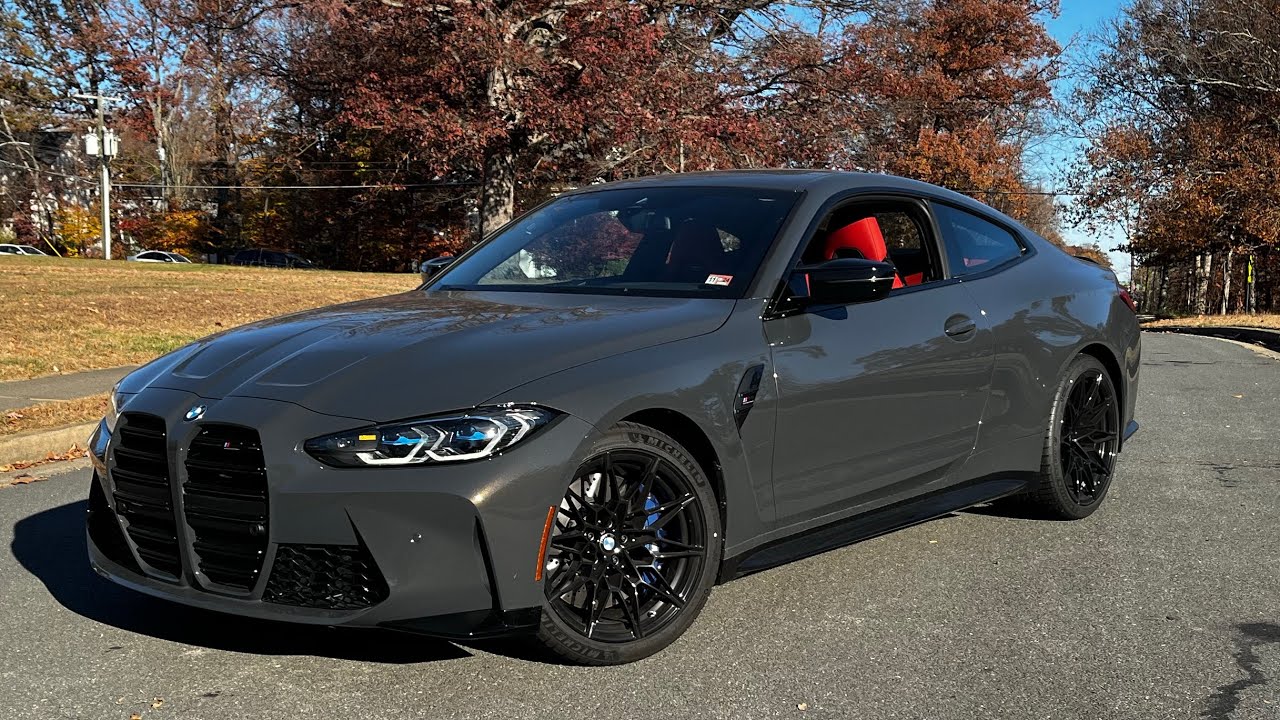
BMW M4
The BMW M4 is a high performance sports coupe engineered for precision, speed, and dynamic handling. It is designed with a strong focus on aerodynamic efficiency and driving excitement, making it a favorite among enthusiasts who prioritize performance on smooth, controlled surfaces. However, these same design characteristics make it highly vulnerable when exposed to rural dirt roads and uneven terrain.
A major concern with the BMW M4 in rural environments is its extremely low front bumper and aggressive aerodynamic styling. The front end is designed to reduce air resistance at high speeds, but this also means it sits close to the ground. On dirt roads, even small dips, gravel piles, or uneven patches can cause the bumper to scrape or make contact with the surface. This can result in scratches, cracks, or structural damage to expensive aerodynamic components.
The suspension system of the M4 is tuned for high performance driving rather than shock absorption on rough terrain. It is stiff and responsive, which improves cornering stability and road feedback on highways or racetracks.
However, on rural dirt roads, this stiffness translates into a harsh ride and increased stress on the vehicle’s lower body. Over time, repeated exposure to rough surfaces can lead to wear on suspension components and increased maintenance costs.
Another factor that contributes to its fragility is the material and design focus of its exterior components. The M4 uses lightweight materials and finely sculpted bodywork to enhance performance and aesthetics. While this improves speed and agility, it reduces tolerance for impacts from gravel, stones, or uneven terrain. Even minor contact can leave visible damage that is expensive to repair.
The BMW M4 excels in performance driving environments but is not built for rural American dirt roads. Its fragile bumper design, low clearance, and performance tuned suspension make it far more suitable for smooth highways and controlled driving conditions than rugged rural terrain.
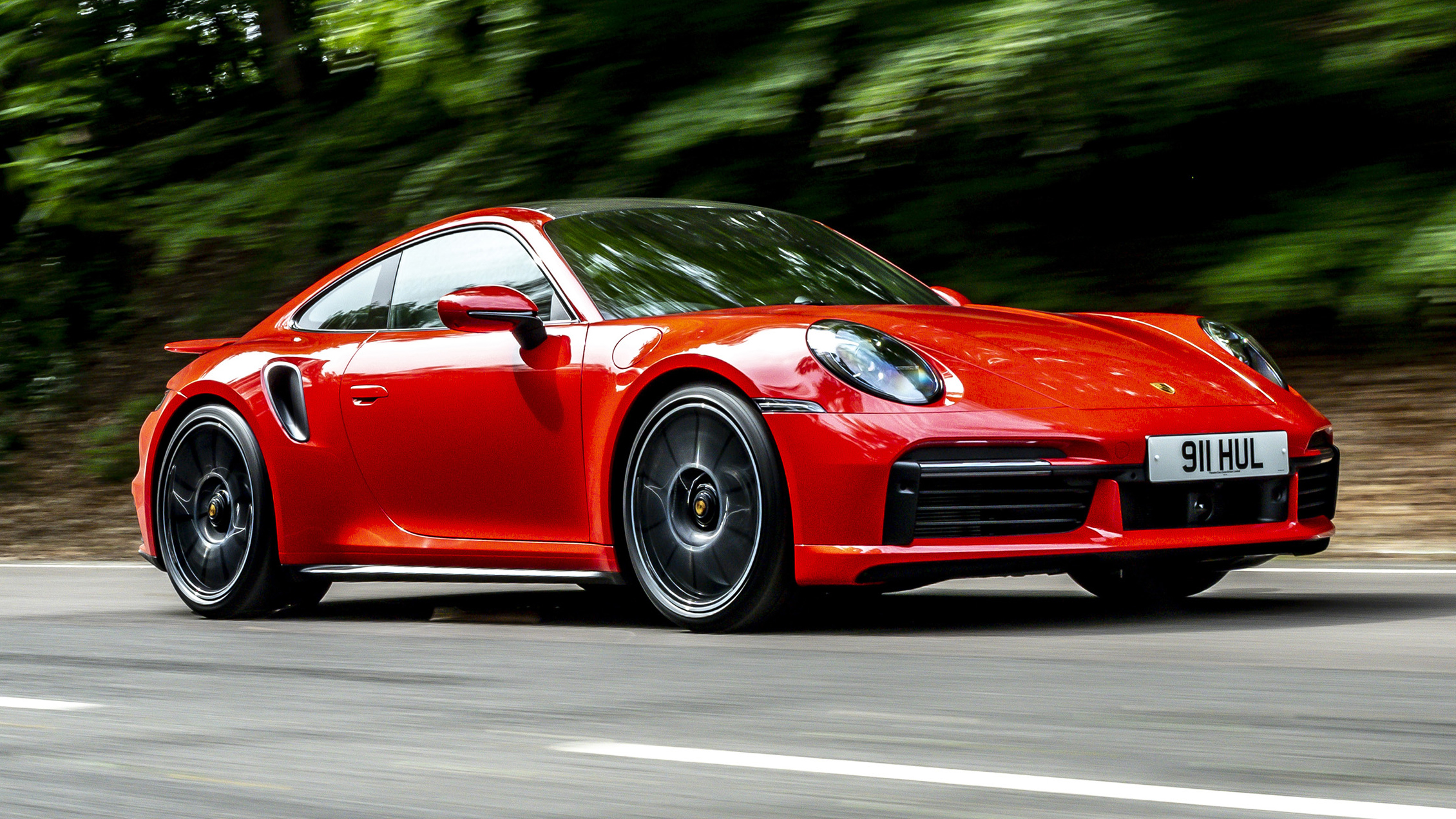
Porsche 911
The Porsche 911 is one of the most iconic sports cars in automotive history, known for its engineering precision, rear engine layout, and unmatched driving dynamics. It represents the pinnacle of performance and design refinement, but it is also a vehicle that prioritizes road performance over environmental versatility. This makes it particularly vulnerable in rural American dirt road conditions.
One of the primary limitations of the Porsche 911 in rural settings is its very low ride height. The vehicle is designed to maintain a low center of gravity for improved handling and cornering stability. While this enhances performance on paved roads, it significantly increases the risk of underbody contact on uneven dirt roads. Rocks, ruts, and sudden dips can easily lead to scraping or damage to the undercarriage and front bumper.
The front bumper design of the 911 is highly aerodynamic and precisely shaped to optimize airflow. This design is extremely effective at high speeds but offers little protection against physical impacts. On rural dirt roads, where loose gravel and debris are common, the bumper is highly exposed to cosmetic damage such as scratches, chips, and cracks. Repairing these components often requires specialized parts and high costs.
The suspension system of the Porsche 911 is engineered for performance handling rather than shock absorption. It provides exceptional grip and responsiveness on smooth surfaces, but it is not designed to handle repeated impacts from rough terrain. As a result, driving on dirt roads can feel uncomfortable and place additional stress on the vehicle’s chassis and suspension components.
In addition, the Porsche 911’s focus on lightweight construction and precision engineering means that durability in harsh environments is not its primary design goal. Every element is optimized for speed and driving dynamics, which leaves little margin for error when exposed to rural road conditions.
The Porsche 911 is a masterpiece of performance engineering, but it is not suited for rural American dirt roads. Its fragile bumper design, low clearance, and performance oriented suspension make it ideal for paved roads and track environments rather than rugged terrain.
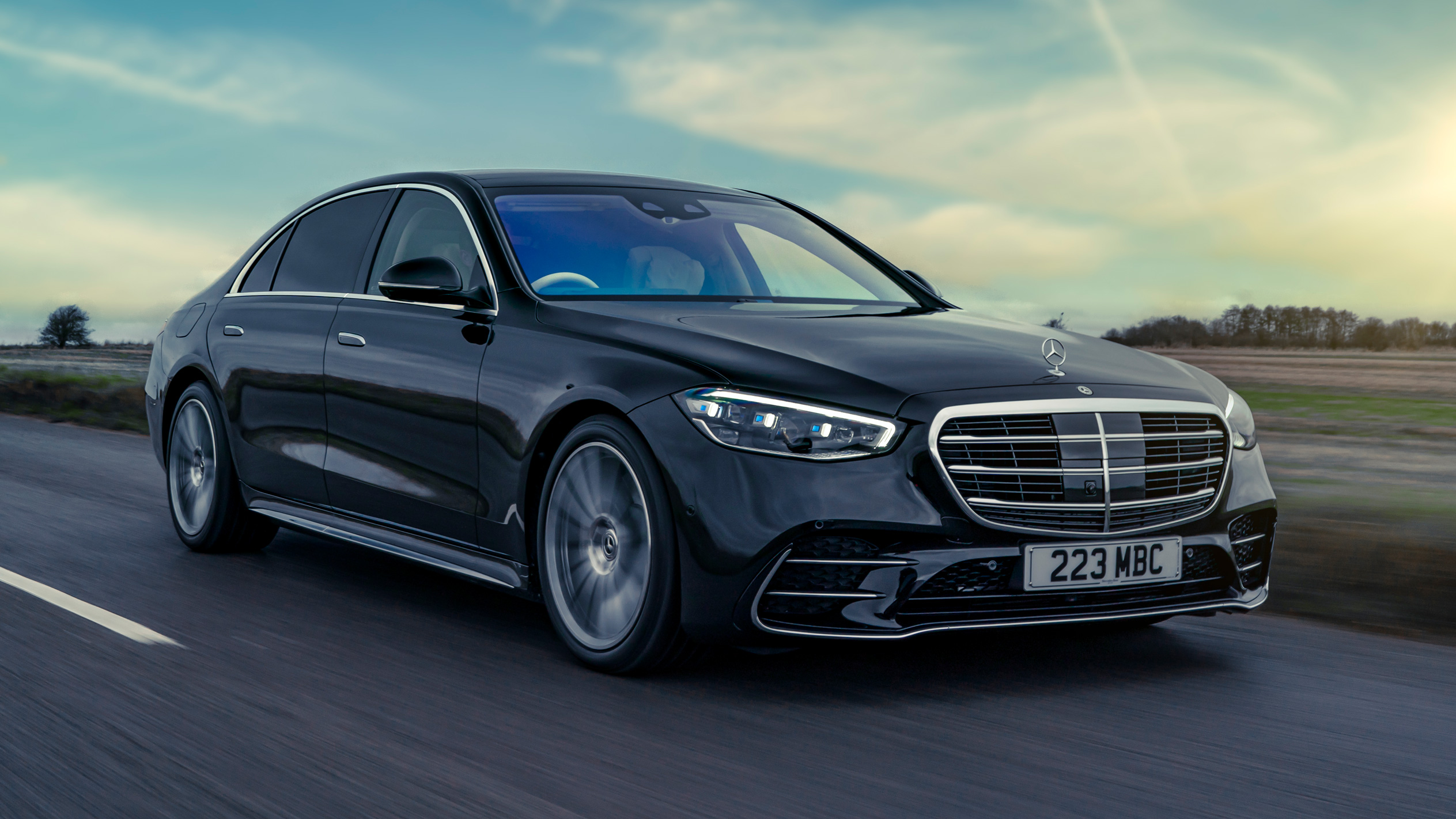
Mercedes Benz S Class
The Mercedes Benz S Class is widely regarded as one of the most luxurious and technologically advanced sedans in the world. It is designed to deliver maximum comfort, refinement, and smooth highway cruising experience. However, its design philosophy is focused almost entirely on luxury and urban or highway driving, making it vulnerable in rural American dirt road environments.
One of the key weaknesses of the S Class in rural conditions is its low ground clearance combined with highly sensitive body components. The vehicle is designed to glide smoothly over paved roads, and its suspension system prioritizes comfort over rugged durability. On dirt roads, this low clearance increases the likelihood of scraping the front bumper or underbody when encountering uneven surfaces or potholes.
The front bumper and lower body panels of the S Class are highly sophisticated and often integrated with advanced sensors, cameras, and aerodynamic elements. These components are essential for safety systems and driver assistance features, but they are also fragile and expensive to repair. Even minor impacts from gravel or road debris can lead to damage that requires specialized service and replacement parts.
Another issue is the air suspension system, which is designed to provide a smooth and luxurious ride. While this system excels on highways by adjusting to road conditions for maximum comfort, it is not optimized for repeated exposure to rough dirt roads. Continuous stress from uneven terrain can lead to increased wear and potential maintenance issues over time.
In rural environments, where roads are often unpaved and poorly maintained, the S Class is at a disadvantage due to its design priorities. It is engineered to provide a premium driving experience in controlled environments rather than withstand physical stress from rugged surfaces.
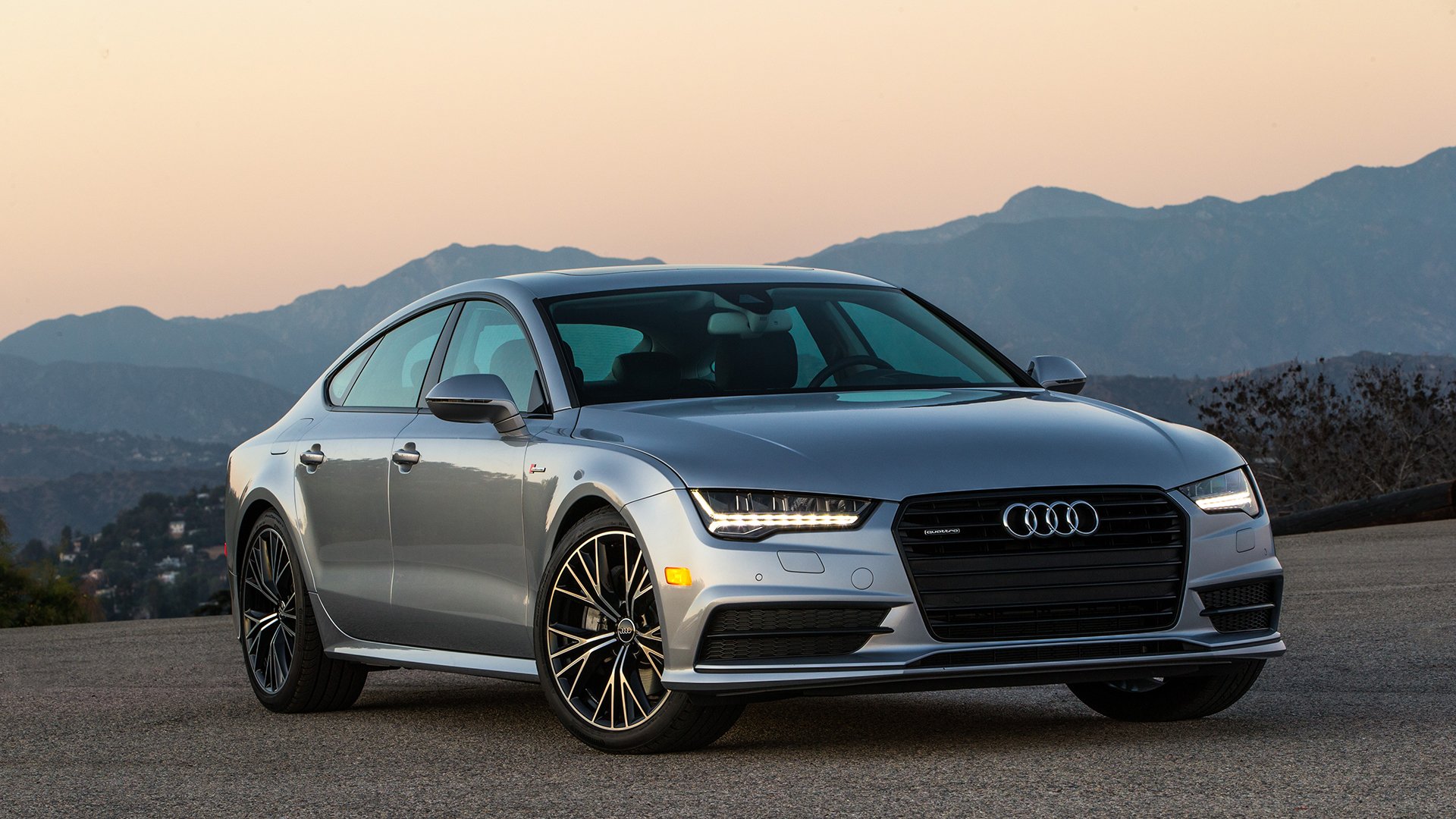
Audi A7
The Audi A7 is a luxury sportback that combines elegant design with strong performance and advanced technology. It is known for its sleek styling, refined interior, and smooth driving dynamics. However, its design is heavily oriented toward urban and highway environments, which makes it vulnerable when used on rural American dirt roads.
One of the main challenges with the Audi A7 in rural driving conditions is its low and elongated body structure. The vehicle is designed for aerodynamic efficiency and visual appeal, which results in a low front bumper and extended body lines. On dirt roads, this design increases the risk of scraping, especially when encountering dips, uneven gravel, or sudden changes in road elevation.
The bumper design itself is highly stylized and integrated with sensors and air intake systems that support engine cooling and driver assistance features. While these systems enhance performance and safety on paved roads, they are not designed to withstand frequent exposure to rocks, mud, or debris. Even small impacts can lead to visible damage or sensor issues that require costly repairs.
The suspension system of the Audi A7 is tuned for comfort and sporty handling on smooth surfaces. It provides excellent ride quality on highways and city streets, but it lacks the robustness needed for repeated off road stress. On rural dirt roads, this can result in a less stable driving experience and increased wear on the vehicle’s lower components.
Another limitation is that the A7’s low profile tires and wheel design are not ideal for rough terrain. These tires are optimized for grip and performance on paved roads but are more susceptible to damage from sharp stones or uneven surfaces commonly found in rural areas.
