
Driving on high-speed interstate highways in the United States is a very different experience compared to city commuting or suburban stop-and-go traffic. Long stretches of open road, sustained speeds of 65 to 85 mph, and frequent multi-hour journeys demand a specific type of vehicle character.
Not every car is designed to handle these conditions comfortably or efficiently. Some vehicles feel perfectly at home cruising at 75 mph for hours, while others begin to feel strained, noisy, or inefficient even at 70 mph.
The key traits that define a strong interstate cruiser include stability at speed, aerodynamic efficiency, low cabin noise, comfortable suspension tuning, and a powertrain that can maintain highway speeds without high engine strain.
Vehicles that excel in these areas reduce driver fatigue and improve long-distance travel comfort. They also tend to deliver better real-world fuel economy because they are optimized for steady-state cruising rather than stop-and-go driving.
On the other side of the spectrum are cars that struggle at sustained highway speeds. These vehicles often feel loud, underpowered, or inefficient when pushed to maintain 70 mph for long durations.
In many cases, they are designed primarily for urban driving, short commutes, or low-speed maneuverability. When taken onto open interstates, their limitations become more noticeable. Engine noise increases, cabin vibration becomes more apparent, and fuel economy drops significantly due to poor aerodynamics or short gearing.
Aerodynamics plays a particularly important role at highway speeds. As speed increases, air resistance rises sharply, meaning the engine must work much harder to maintain velocity.
This is why some cars feel stable and efficient at 75 mph while others feel like they are constantly fighting the wind. Tire design, weight distribution, suspension tuning, and transmission gearing all contribute to how well a car behaves in sustained high-speed driving.
In this article, we will explore two contrasting groups of vehicles. First, we will examine five cars that are exceptionally well suited for high-speed interstate driving in the USA. These are vehicles that feel stable, quiet, and confident even at sustained highway speeds.
Then we will look at five cars that tend to drone, struggle, or become uncomfortable when held at around 70 mph for long periods. This comparison will help illustrate how vehicle design directly affects real-world highway performance and driving comfort.
5 Cars Built for High-Speed Interstate Driving in the USA
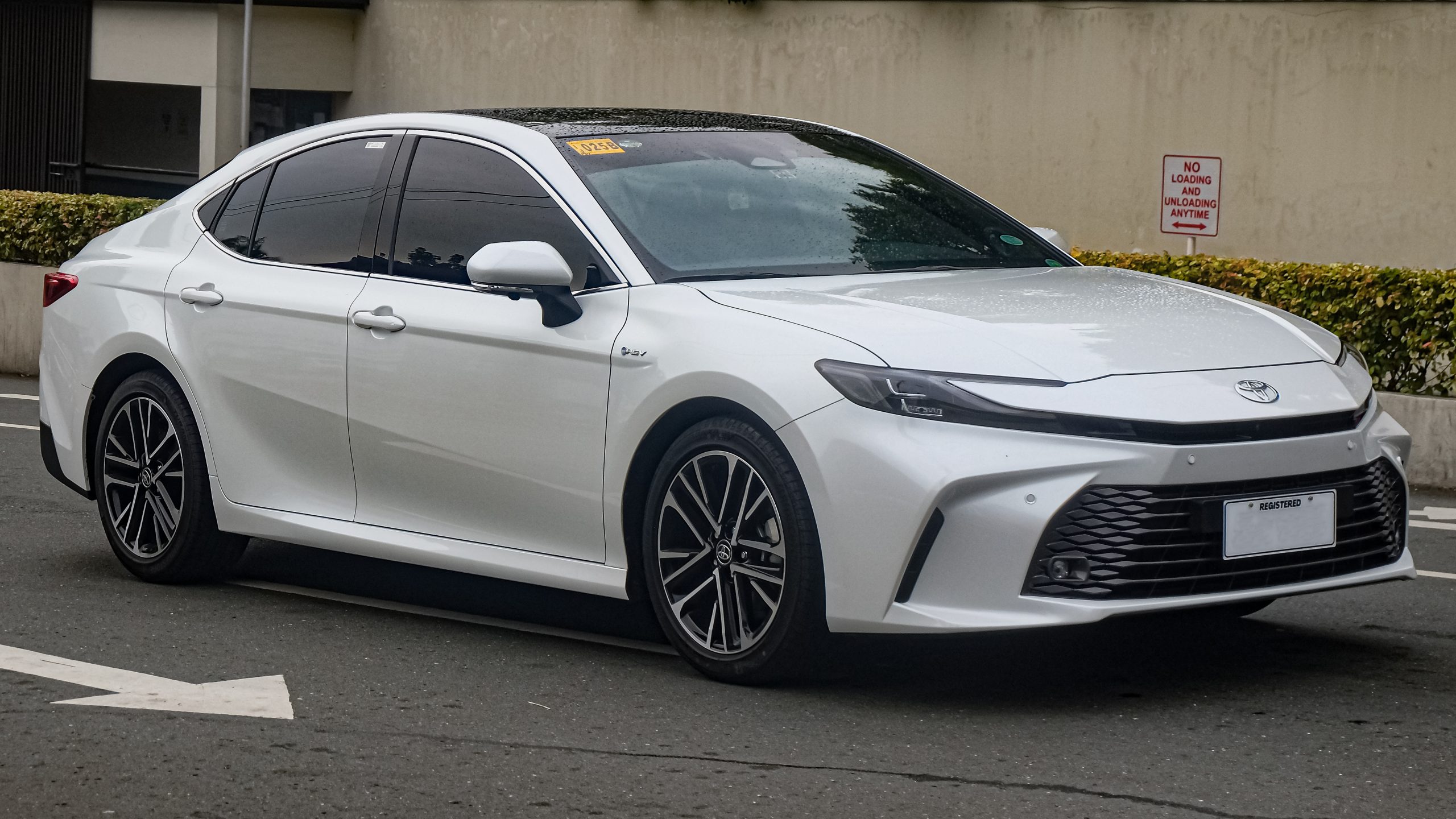
1. Toyota Camry
The Toyota Camry has earned its reputation as one of the most dependable and well-rounded sedans for American interstate driving, largely because it prioritizes consistency and comfort over flashy performance characteristics.
On long stretches of highway, especially those common across the United States such as cross-state interstates or desert highways, the Camry demonstrates a level of composure that makes it feel purpose-built for sustained cruising.
Its suspension system is tuned to strike a careful balance between softness and control, meaning it can absorb expansion joints, road patches, and uneven pavement without unsettling the cabin or causing excessive body movement at higher speeds.
At sustained speeds of 70 to 80 mph, the Camry maintains a calm and predictable driving character. One of its strongest advantages is how little effort it requires from the driver to keep it stable in a straight line. The steering system is light enough to reduce fatigue during long drives but still precise enough to provide confidence when changing lanes or overtaking slower vehicles.
Additionally, the aerodynamic shape of the Camry reduces wind resistance, allowing it to glide efficiently rather than fight against air pressure, which becomes increasingly important during long interstate journeys where speeds remain constant for extended periods.
Inside the cabin, Toyota has focused heavily on noise reduction and comfort insulation. Road noise is kept at a manageable level even on rougher highway surfaces, and wind noise is minimal unless the vehicle is pushed well beyond legal speed limits.
Seat design also plays an important role in long-distance comfort, as the Camry offers supportive cushioning that helps reduce lower back strain during multi-hour drives. Combined with its climate control system and smooth transmission behavior, the Camry creates an environment that allows drivers and passengers to remain relaxed even during long cross-state travel.
Fuel efficiency is another key factor that enhances the Camry’s suitability for interstate driving. The hybrid variants, in particular, are extremely efficient at steady highway speeds because they are optimized for consistent load conditions rather than stop-and-go urban traffic.
Even at 75 mph, the system manages engine and electric motor interaction intelligently to maintain low fuel consumption. This efficiency, paired with Toyota’s well-known reliability, makes the Camry one of the most practical and stress-free options for long-distance highway travel in the United States.
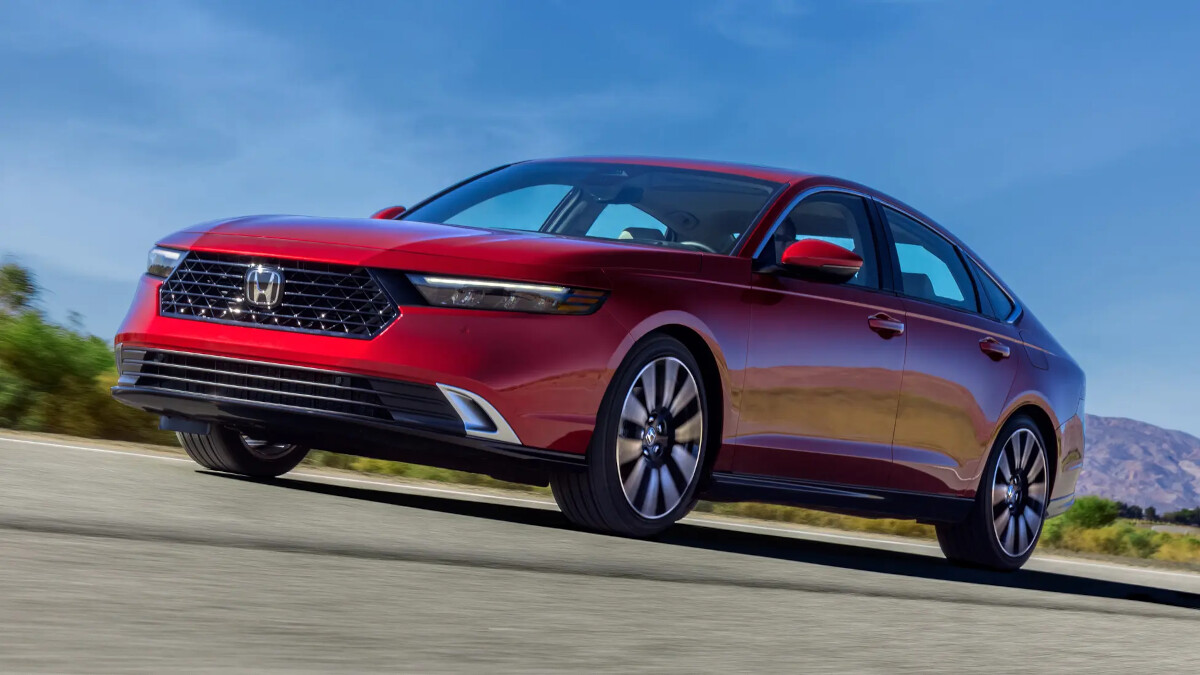
2. Honda Accord
The Honda Accord stands out as one of the most refined and balanced mid-size sedans for interstate travel in the United States, combining aerodynamic efficiency, responsive engineering, and long-distance comfort into a single cohesive driving experience.
Unlike many vehicles that either prioritize sportiness or comfort exclusively, the Accord manages to integrate both qualities in a way that feels natural and well-calibrated for highway environments where sustained speed and stability are essential.
On the open interstate, the Accord demonstrates impressive composure at speeds between 70 and 85 mph. Its chassis is designed to remain stable even when exposed to crosswinds or uneven pavement, which is particularly important on long stretches of highway where conditions can vary significantly.
The suspension system absorbs road imperfections effectively while still maintaining enough firmness to prevent excessive bouncing or floatiness, resulting in a controlled and confident ride quality that inspires trust during long-distance travel.
Cabin refinement is one of the Accord’s most noticeable strengths when compared to other vehicles in its segment. Honda has placed significant emphasis on reducing wind intrusion and tire noise, which helps create a quieter environment even at higher speeds.
This reduction in ambient noise directly contributes to lower driver fatigue, especially during multi-hour highway journeys where constant exposure to sound can become mentally tiring. The seating position and ergonomics are also designed to support natural posture, further enhancing comfort over extended periods behind the wheel.
From a performance standpoint, the Accord’s turbocharged engine options provide smooth and consistent power delivery that is well-suited for highway merging and overtaking. Unlike smaller engines that may struggle at higher RPMs, the Accord maintains a relaxed and efficient cruising behavior even when maintaining speeds above 75 mph.
The transmission is tuned to prioritize fuel efficiency without sacrificing responsiveness, meaning the vehicle does not feel strained when accelerating briefly to pass slower traffic on the interstate.
Fuel economy is another area where the Accord performs exceptionally well in real-world highway conditions. At steady speeds, it achieves impressive efficiency due to its aerodynamic body design and intelligent engine management systems. This makes it a strong choice for commuters, business travelers, or families who frequently undertake long interstate trips across different states.
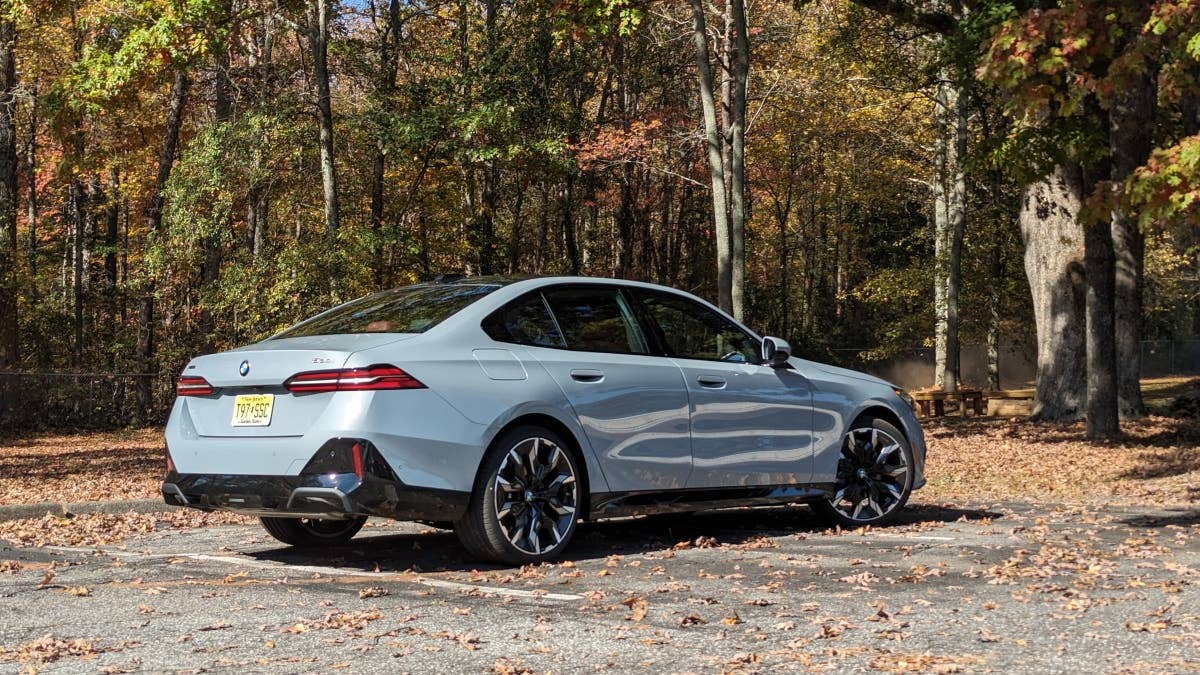
3. BMW 5 Series
The BMW 5 Series is widely regarded as one of the most capable luxury sedans for high-speed interstate driving, largely because it is engineered with a strong emphasis on stability, refinement, and long-distance comfort. Unlike compact or economy-oriented vehicles, the 5 Series is designed to feel effortless at sustained highway speeds, often making 75 to 90 mph feel smoother and more controlled than lower speeds in less refined vehicles.
This sense of stability comes from a carefully tuned chassis, advanced suspension systems, and aerodynamic shaping that reduces drag and improves high-speed balance.
One of the defining characteristics of the 5 Series on the highway is its exceptional ride quality. Whether equipped with standard suspension or optional adaptive systems, the vehicle continuously adjusts to road conditions in real time.
This allows it to absorb imperfections such as expansion joints, potholes, and uneven surfaces without transmitting harsh feedback into the cabin. As a result, passengers experience a floating sensation that significantly reduces fatigue during long-distance travel, especially on rougher interstate sections.
Noise insulation is another area where the 5 Series excels. The cabin is engineered to isolate occupants from external disturbances such as wind turbulence, tire hum, and engine vibration.
Even at higher speeds, the interior remains remarkably quiet, allowing conversations, music, or simple silence to feel undisturbed. This level of refinement plays a critical role in making long highway journeys more relaxing, particularly for drivers covering several hundred miles in a single trip.
Performance is seamlessly integrated into this comfort-oriented design. The engine lineup offers strong torque delivery that allows for effortless acceleration when merging or overtaking slower vehicles on the interstate.
Importantly, this performance is delivered without requiring high engine strain, meaning the vehicle remains calm and composed even during brief bursts of acceleration. The transmission is optimized for smooth gear transitions and low RPM cruising, which enhances both comfort and fuel efficiency at highway speeds.
Finally, the BMW 5 Series stands out as a vehicle that merges luxury with engineering precision in a way that feels specifically tailored for long interstate journeys.
It does not simply transport occupants from one location to another, but does so with a level of refinement that minimizes fatigue and maximizes driving confidence. For those who frequently travel long distances on American highways, it represents one of the most polished and stable driving experiences available.
4. Tesla Model 3
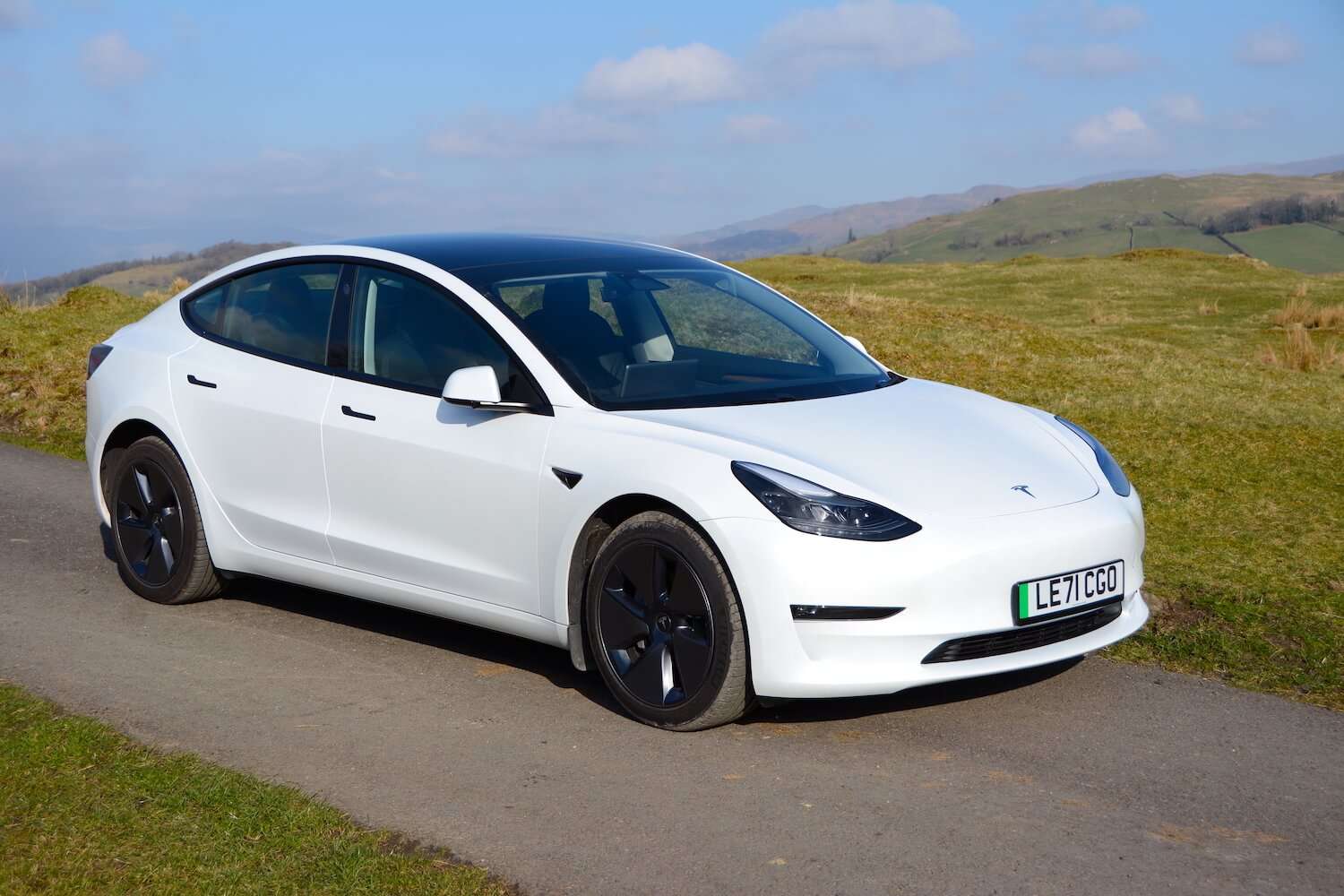
The Tesla Model 3 has established itself as one of the most efficient and technologically advanced electric vehicles for highway driving in the United States, particularly due to its aerodynamic design and electric powertrain efficiency.
Unlike traditional gasoline vehicles, the Model 3 benefits from instant torque delivery and a simplified drivetrain, which results in smooth and consistent performance at sustained interstate speeds. Its low drag coefficient plays a crucial role in maintaining energy efficiency even when traveling at 70 to 80 mph, which is typically where many electric vehicles begin to experience noticeable range reduction.
On the highway, the Model 3 feels exceptionally stable for a compact sedan, largely due to its low center of gravity created by the floor-mounted battery pack. This design reduces body roll and improves handling consistency during lane changes or high-speed maneuvers.
The steering system is responsive yet predictable, making it easy for drivers to maintain control during long-distance travel. Combined with advanced driver assistance features, the Model 3 is particularly well-suited for extended interstate journeys where driver workload can be significantly reduced.
Cabin experience is another major strength of the Model 3. Because there is no internal combustion engine, the vehicle eliminates a major source of vibration and noise, resulting in a quiet and relaxed driving environment.
At highway speeds, the primary sources of sound are wind and tire noise, both of which are minimized through aerodynamic design and cabin insulation. This quietness becomes especially valuable during long drives, where reduced sensory fatigue improves comfort.
Range management is one of the most important aspects of highway EV driving, and the Model 3 performs competitively in this regard. While all electric vehicles experience increased energy consumption at higher speeds, the Model 3 maintains relatively efficient consumption compared to many rivals due to its streamlined body and optimized powertrain management. This allows it to remain practical for long interstate trips when paired with charging infrastructure.
5. Chevrolet Tahoe
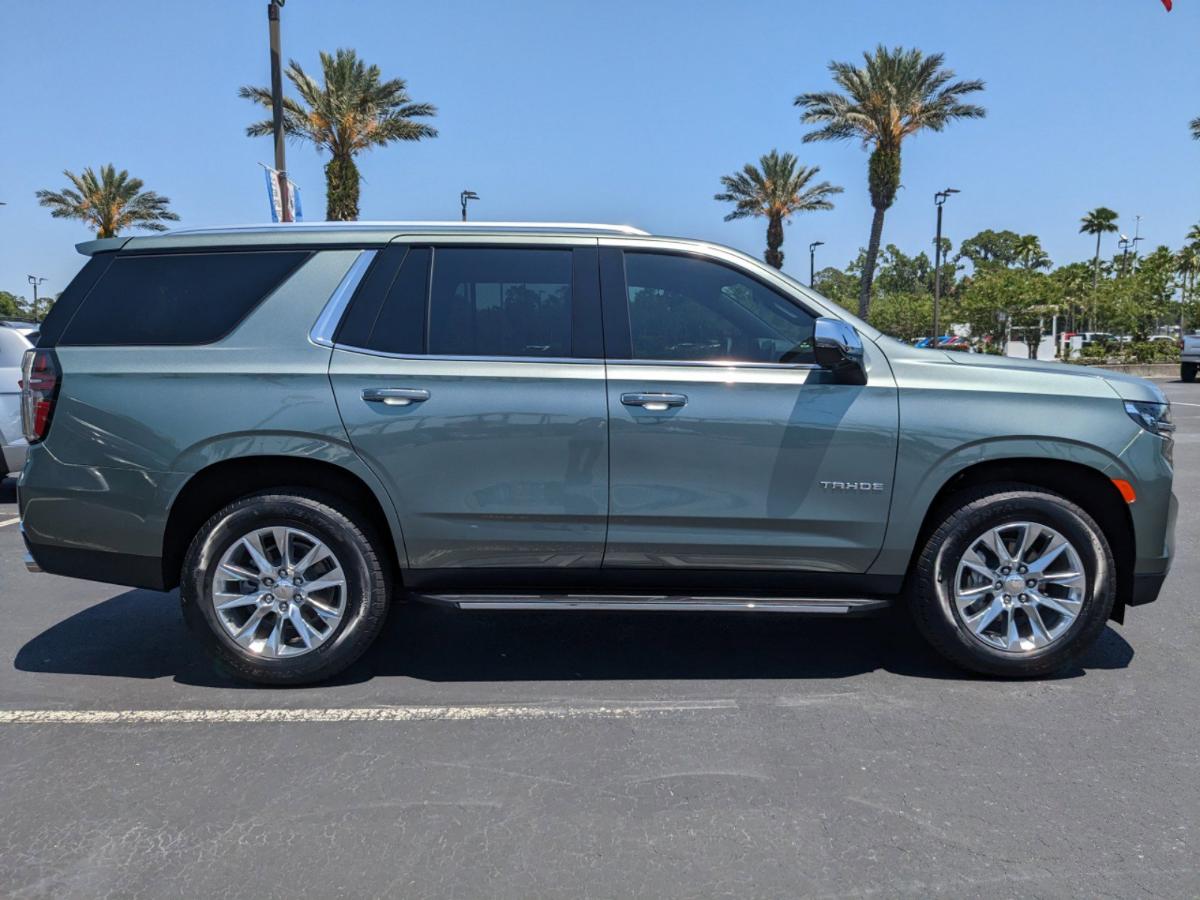
The Chevrolet Tahoe is a full-size SUV that excels in interstate driving due to its size, stability, and long-distance comfort-oriented design.
Unlike smaller vehicles that can feel light or unsettled at highway speeds, the Tahoe benefits from its substantial weight and wide stance, which help it remain planted and confident even when traveling at 75 to 85 mph. This stability is particularly noticeable on open highways where crosswinds or passing large trucks can affect smaller vehicles more significantly.
Inside the cabin, the Tahoe prioritizes space and comfort, making it ideal for families or long road trips across multiple states. Seating is generous and supportive, allowing occupants to remain comfortable even during extended driving sessions. The elevated driving position also provides excellent visibility of surrounding traffic, which enhances driver awareness and confidence during lane changes or highway merges.
Ride quality is another area where the Tahoe performs well for its size class. Its suspension system is designed to absorb long-distance highway imperfections without transmitting excessive vibration into the cabin.
While it is not as refined as luxury sedans, it achieves a balance between firmness and comfort that works effectively for a large SUV. This makes it suitable for long interstate travel where road conditions may vary significantly.
Power delivery is strong and consistent, allowing the Tahoe to maintain highway speeds effortlessly even when fully loaded with passengers and cargo. This capability is especially important for long family trips or travel involving heavy luggage. The transmission is tuned to provide smooth shifts and relaxed cruising behavior, which reduces engine strain during sustained highway driving.
5 Cars That Drone, Struggle, or Feel Uncomfortable at 70 MPH

1. Jeep Wrangler
The Jeep Wrangler is one of the most iconic off-road vehicles in the United States, but its design priorities are fundamentally different from what is required for comfortable high-speed interstate driving. It is engineered primarily for rugged terrain, rock crawling, and off-road durability rather than aerodynamic efficiency or highway refinement.
As a result, when it is driven at sustained speeds around 70 mph or higher, its limitations become very noticeable in terms of noise, stability, and comfort. The boxy exterior shape, while excellent for off-road functionality, creates significant aerodynamic drag, which directly contributes to increased wind resistance and cabin noise at highway speeds.
At 70 mph, wind noise inside the Wrangler becomes one of the most dominant sensory factors for the driver and passengers. This is due to multiple design elements including removable doors, a flat windshield, and a squared-off body profile that does not channel air smoothly.
Instead, air turbulence builds around the vehicle, creating constant buffeting sounds that increase driver fatigue over long distances. Even with the doors and roof fully installed, the Wrangler cannot match the aerodynamic efficiency of sedan-based vehicles, which are designed to cut through air with minimal resistance.
Stability is another area where the Wrangler shows its off-road bias. The suspension system is optimized for wheel articulation and uneven terrain rather than smooth highway composure. This results in a slightly bouncy and less planted feeling at sustained highway speeds.
Crosswinds can also have a noticeable effect on steering correction, requiring more driver input to maintain lane position compared to lower-profile vehicles. While this is manageable for short trips, it becomes tiring during long interstate drives.
The engine performance itself is not necessarily weak, but it is not optimized for low-RPM highway efficiency. At 70 mph, the engine often operates at higher RPMs than similarly sized highway-focused vehicles, which contributes to increased cabin vibration and fuel consumption.
This can make long-distance highway travel less efficient and more physically demanding compared to sedans or crossovers designed specifically for interstate cruising.
2. Nissan Kicks
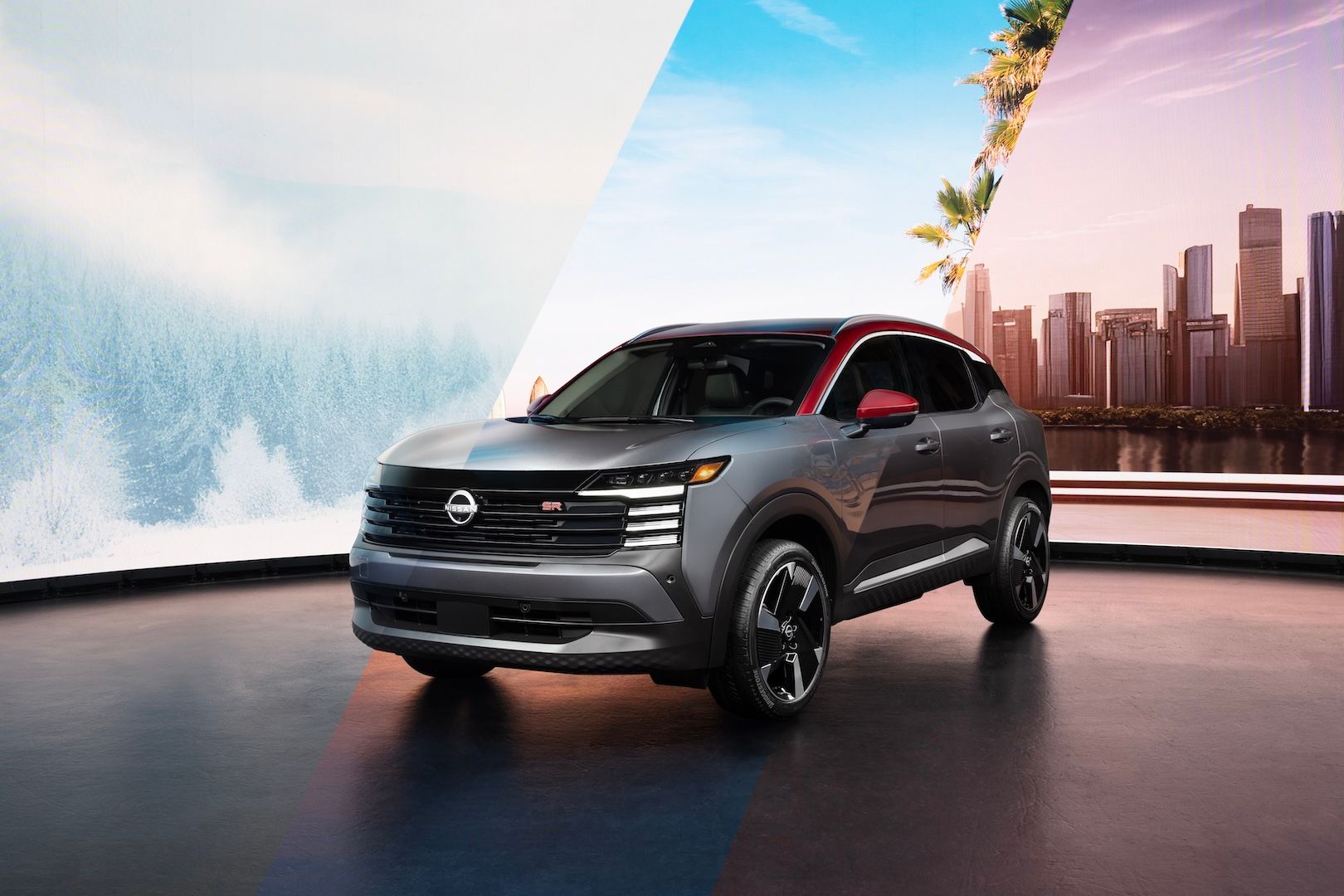
The Nissan Kicks is a subcompact crossover that is designed primarily for urban commuting, affordability, and fuel efficiency in city environments.
While it performs well in low-speed traffic conditions, its limitations become more apparent when it is taken onto high-speed interstate highways and required to maintain a steady 70 mph or higher for extended periods.
The vehicle’s small engine, lightweight construction, and economy-focused tuning all contribute to a driving experience that can feel strained and less composed at sustained highway speeds.
At 70 mph, the engine often operates near the upper end of its efficiency range, which results in noticeable mechanical noise and reduced refinement inside the cabin.
Unlike larger vehicles with more powerful engines or additional sound insulation, the Kicks allows more engine vibration and road noise to enter the interior. This creates a sense that the vehicle is working harder than it ideally should be, especially during highway climbs, overtaking maneuvers, or when carrying multiple passengers.
Aerodynamics also plays a role in its highway behavior. Although the Kicks is more streamlined than boxy SUVs, it is still relatively upright in design compared to sedans.
This leads to moderate wind resistance at higher speeds, which can affect both fuel efficiency and cabin comfort. The sensation of wind pressure becomes more noticeable during long stretches of uninterrupted highway driving, particularly in regions where crosswinds are common.
Handling stability is adequate for normal highway driving, but it does not provide the same level of planted confidence seen in larger or heavier vehicles.
Light steering and a compact wheelbase make it easy to maneuver in city environments, but at 70 mph, this lightness can translate into a slightly less grounded feel. Drivers may find themselves making more frequent small steering corrections to maintain lane position, especially on uneven road surfaces.
3. Mitsubishi Mirage
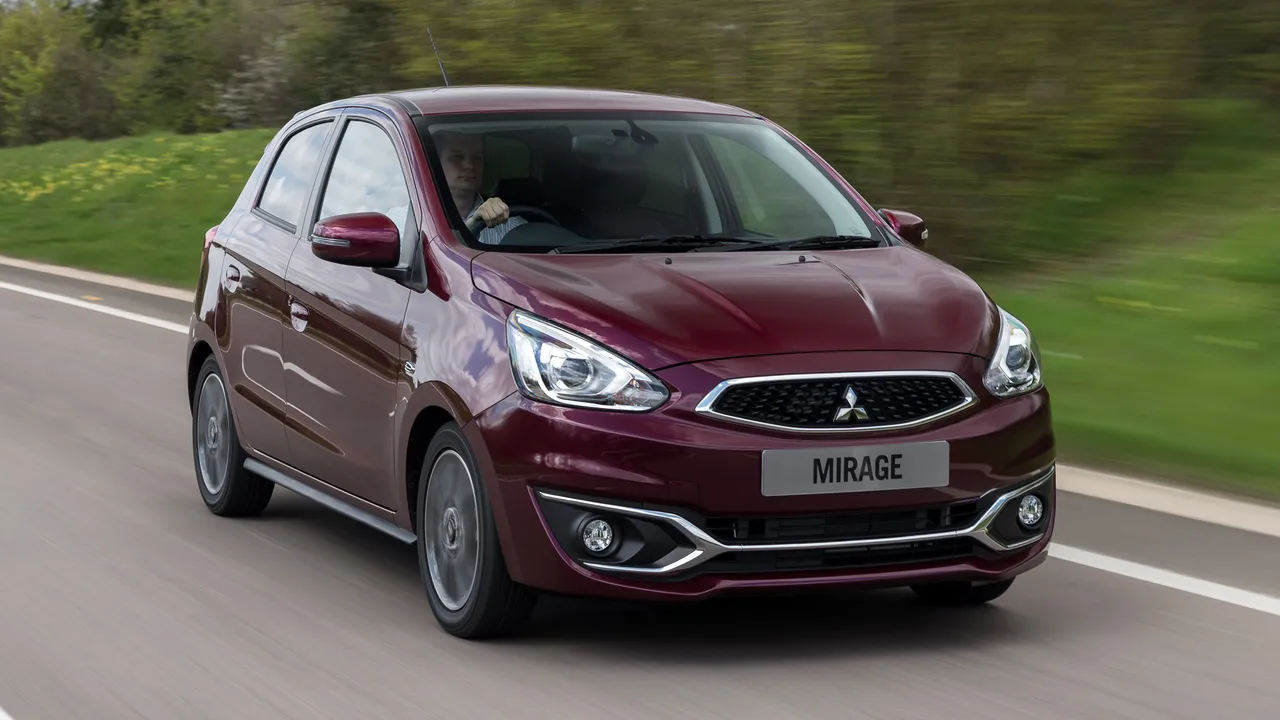
The Mitsubishi Mirage is one of the most economy-focused vehicles in the automotive market, designed with extreme emphasis on affordability and fuel efficiency rather than performance or highway comfort.
While it is perfectly adequate for short city commutes and low-speed driving, its characteristics become significantly less favorable when it is required to maintain interstate speeds around 70 mph for long periods. The small engine and lightweight construction that make it efficient in urban environments also contribute to a less stable and more strained experience at higher speeds.
At highway speeds, the Mirage’s engine must operate at relatively high RPMs to sustain 70 mph, which leads to constant audible engine noise inside the cabin.
This creates a droning effect that can become tiring over long distances. Unlike more refined vehicles that isolate engine noise through soundproofing and advanced engineering, the Mirage allows much of this mechanical sound to enter the interior, making highway travel feel more labor-intensive for both driver and passengers.
Stability is another noticeable limitation. Due to its lightweight structure, the Mirage is more sensitive to road conditions and external forces such as wind gusts and passing large vehicles.
On open highways, this can result in a slightly unsettled feeling where the car requires frequent steering adjustments to maintain a straight path. While this does not make it unsafe, it does reduce driving comfort during long interstate journeys where consistent stability is important.
Cabin refinement is minimal compared to larger or more expensive vehicles. Road noise, tire vibration, and wind intrusion are all more pronounced at 70 mph, which contributes to increased fatigue over time. The suspension system is also relatively basic, meaning that road imperfections are transmitted more directly into the cabin rather than being absorbed or softened.
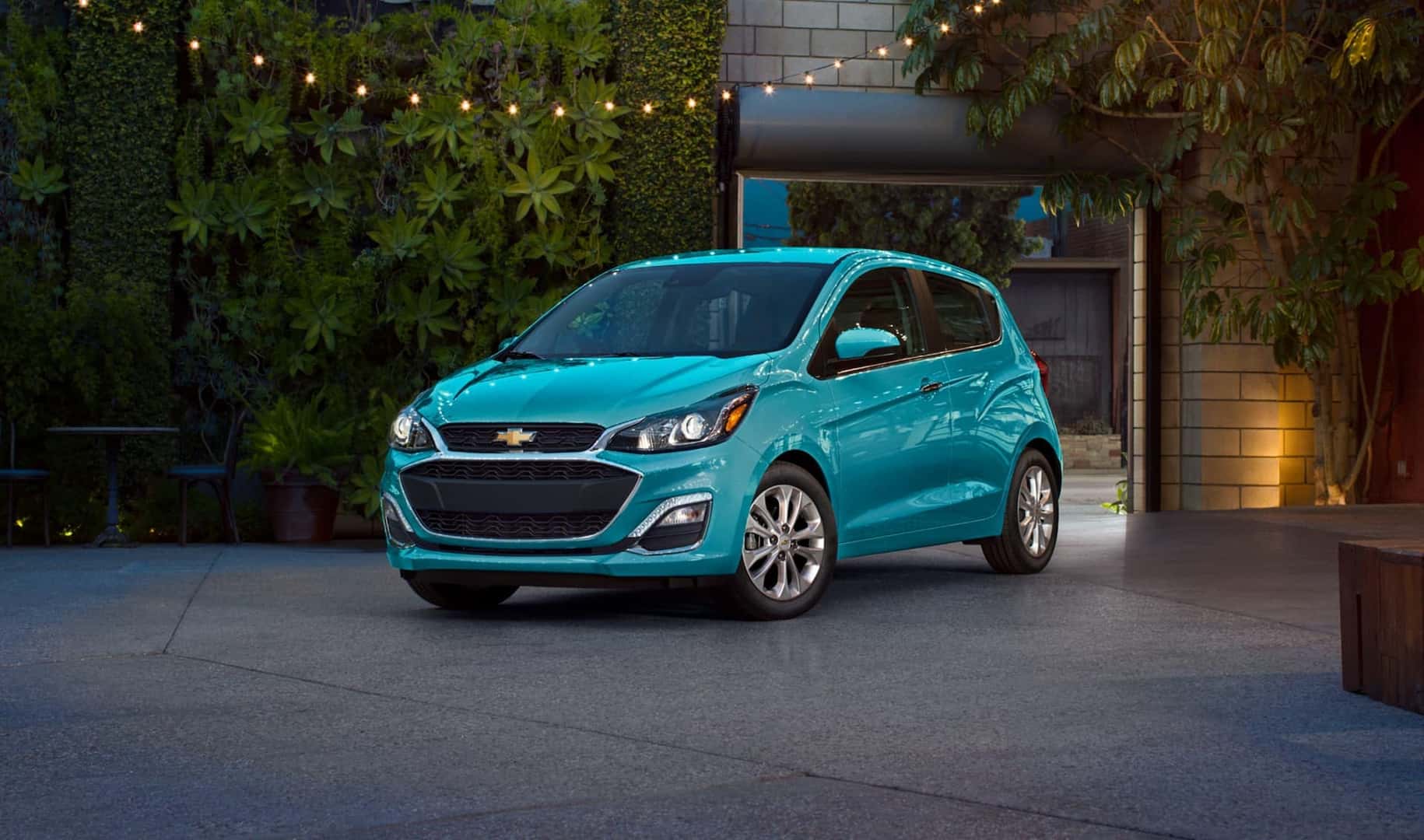
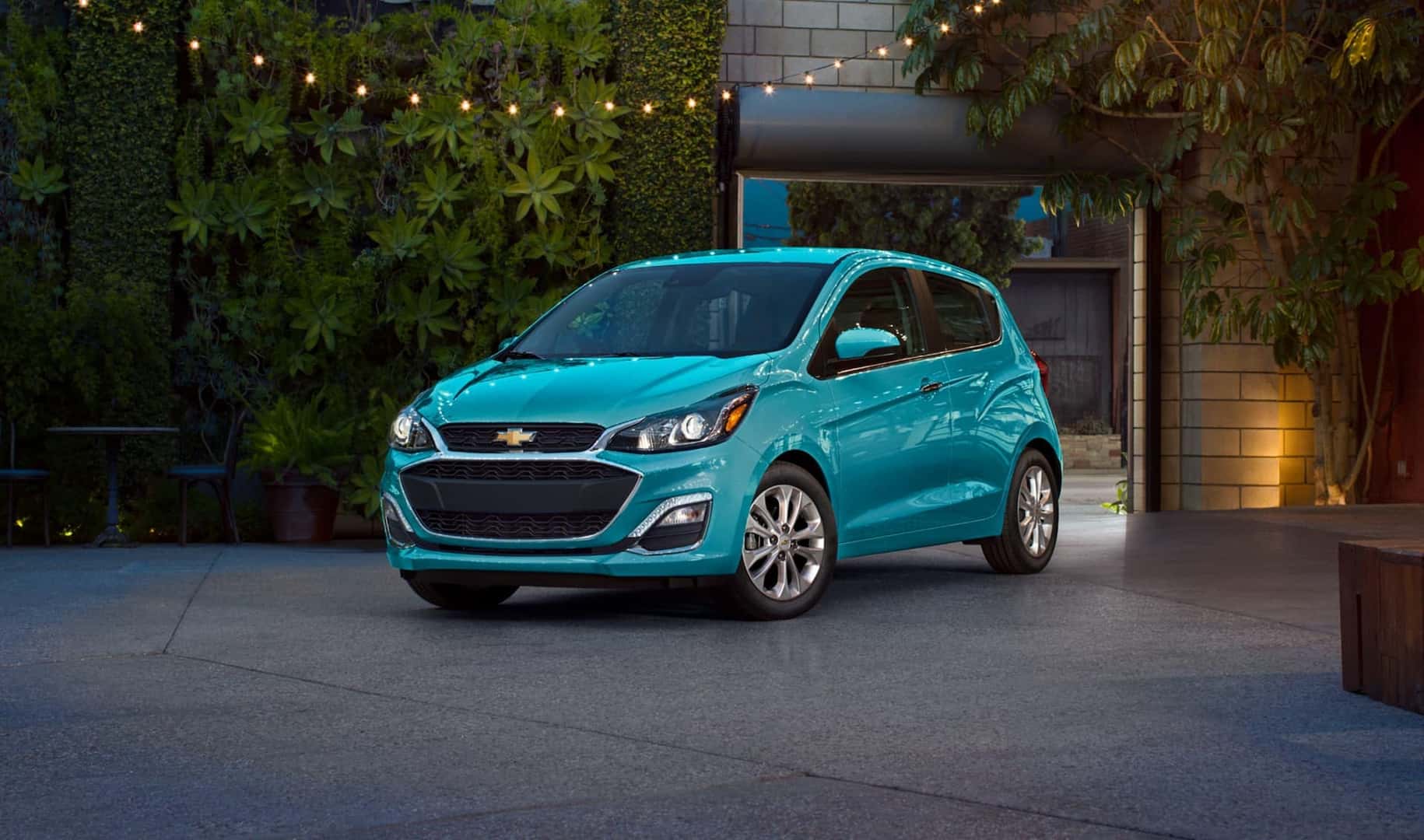
4. Chevrolet Spark
The Chevrolet Spark is a compact city-oriented hatchback designed primarily for affordability, ease of parking, and fuel efficiency in dense urban environments.
While it performs well in these conditions, its design priorities do not extend to high-speed interstate refinement. When driven at sustained speeds of around 70 mph, the Spark begins to show clear signs of strain in both mechanical performance and cabin comfort, making it less suitable for long-distance highway travel.
At highway speeds, the small engine must work consistently to maintain velocity, often operating at higher RPMs than larger vehicles.
This leads to a noticeable increase in engine noise inside the cabin, particularly during acceleration or uphill driving. The result is a persistent mechanical hum that becomes more pronounced the longer the vehicle is driven at sustained speeds, contributing to driver fatigue over extended trips.
Wind and road noise are also significant factors in the Spark’s highway experience. Due to its compact size and relatively basic sound insulation, external noise is not effectively dampened at 70 mph.
Tire hum and airflow around the body are clearly audible inside the cabin, which reduces comfort during long interstate journeys. This is especially noticeable on rougher road surfaces or during crosswind conditions.
Stability is generally acceptable for short highway stretches, but the lightweight structure of the Spark means it is more susceptible to external influences compared to heavier vehicles.
Passing large trucks or driving in windy conditions can create a sensation of reduced stability, requiring constant minor steering corrections. While manageable for experienced drivers, this can become tiring over long distances.
The Chevrolet Spark is best suited for city driving and short commutes rather than extended highway use. It offers affordability and efficiency, but sacrifices refinement, stability, and comfort when subjected to sustained interstate speeds.
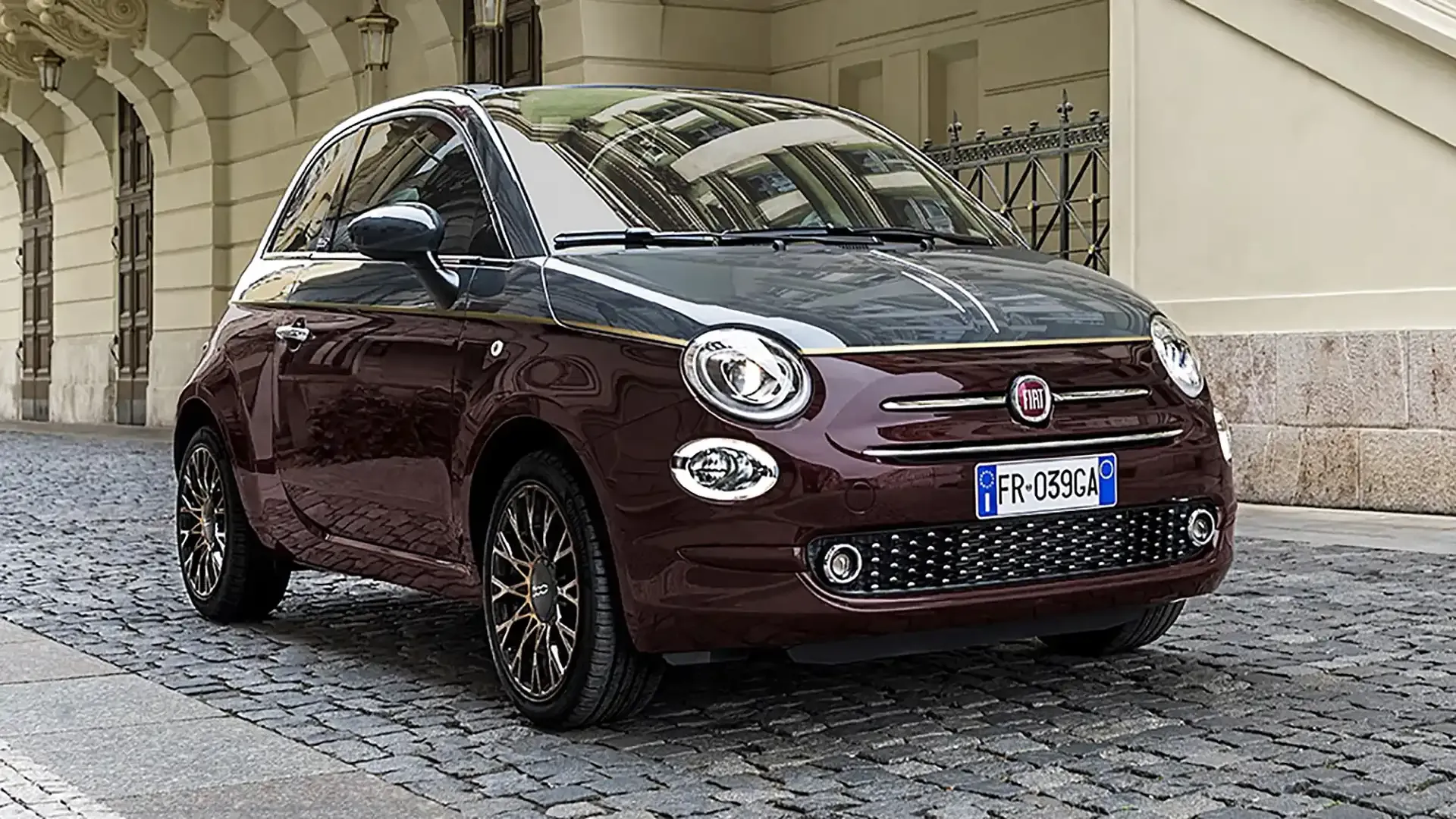
5. Fiat 500
The Fiat 500 is a stylish and compact city car that emphasizes design, maneuverability, and urban practicality over high-speed highway performance. While it performs admirably in tight city streets and low-speed environments, its limitations become increasingly apparent when it is driven at sustained interstate speeds such as 70 mph.
The vehicle’s small size, short wheelbase, and lightweight construction all contribute to a driving experience that feels less stable and more sensitive to external conditions at higher speeds.
One of the most noticeable issues at highway speeds is wind noise. The Fiat 500’s compact and rounded design does not fully eliminate aerodynamic turbulence, especially at the edges of the vehicle.
As speed increases, wind resistance becomes more audible inside the cabin, creating a constant background noise that can become tiring over long journeys. This is further amplified by the relatively basic sound insulation compared to larger or more premium vehicles.
Stability is another factor that affects its interstate performance. Due to its short wheelbase and lightweight body, the Fiat 500 is more affected by road irregularities and crosswinds than heavier or longer vehicles.
On open highways, this can lead to a feeling of reduced planted stability, requiring the driver to make more frequent steering corrections to maintain lane position. While it is not unsafe under normal conditions, it is less confidence-inspiring during long-distance travel.
Engine performance is adequate for city driving but becomes limited at sustained highway speeds. The small displacement engine often needs to operate at higher RPMs to maintain 70 mph, which increases both noise and fuel consumption. This can make the driving experience feel more strained compared to vehicles designed for relaxed highway cruising.
The Fiat 500 excels as a fashionable and efficient urban vehicle, but it is not engineered for comfort or stability on long interstate journeys. Its strengths lie in city maneuverability and design appeal rather than sustained high-speed refinement.
