
Every generation of American muscle car history has its celebrated heroes. Everyone knows the 1969 Camaro Z/28, the 1970 Plymouth Hemi ‘Cuda, and the 1968 Ford Mustang GT500.
These cars appear on posters, command record auction prices, and dominate every top-ten list that automotive publications have been producing since the 1990s. Their reputations are fully earned, and nobody serious about muscle car history questions whether they deserve the attention they receive.
But here is what those lists consistently miss: for every celebrated muscle car that collectors fight over, several others did the same job with equal capability, often with better engineering in specific areas, and the buying public walked past in the showroom in favor of a more familiar name.
These are the cars that serious collectors are beginning to discover, whose prices are starting to reflect, and that enthusiasts who owned them during their production years will tell you were better than the official record suggests.
Underrated muscle cars share a specific characteristic. They were not failures during their production years; they just lost the popularity contest to vehicles with bigger marketing budgets, more recognizable names, or the good fortune of appearing in the right movie at the right time.
Performance was rarely the issue. In many cases, the underrated car could genuinely compete with or beat the famous alternative in real-world testing. What follows covers eight American muscle cars that enthusiasts who paid close attention during the production years, mechanics who have driven and serviced them, and collectors who discovered their value before auction prices caught up, have consistently called underrated.
Not one of these cars deserved the level of mainstream obscurity it received, and not one of them should stay obscure if you are building a collection or simply looking for a muscle car that delivers everything expected of the category without the premium that fame attaches to more recognizable models.
1. Oldsmobile 442 W-30 (1970)
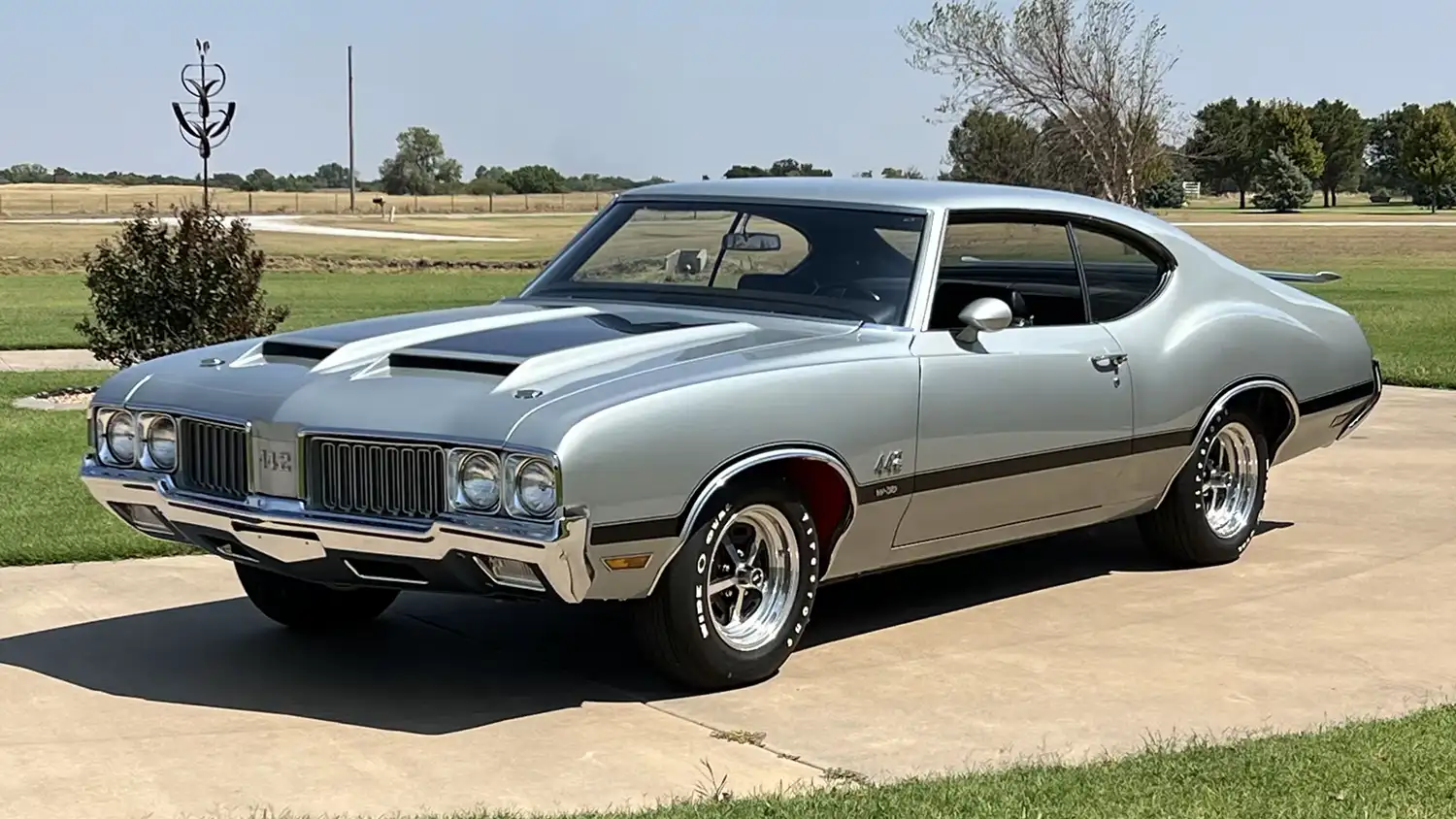
Ask any Oldsmobile enthusiast what the W-30 package did for the 442, and you will receive a detailed answer delivered with the enthusiasm of someone describing a vehicle they genuinely believe deserved far more attention than it received.
Ask the average muscle car collector to name the top performance cars of 1970, and the 442 W-30 often does not make the list at all, which is precisely the oversight that makes it one of the most underrated muscle cars ever produced.
Oldsmobile equipped the 1970 442 W-30 with a 455 cubic inch V8 producing a conservatively factory-rated 370 horsepower and 500 pound-feet of torque, with independent testing of the period consistently documenting actual output closer to 400 horsepower.
Force-air induction through functional front fender scoops feeding the air cleaner assembly, a high-performance camshaft, and specially selected cylinder heads and intake manifold combined to create a package that performed at a level that the official specification numbers deliberately understated, partly because GM was trying to manage insurance implications for their performance models and partly because the understatement created favorable drag strip results for owners who raced them.
Quarter-mile performance from the 1970 Oldsmobile 442 W-30 in factory form was consistently documented in the high 13-second range with stock tires, and with minor tuning and drag-appropriate tires, these cars ran mid-13s that put them in genuine competition with the Hemi ‘Cuda and LS6 Chevelle of the same year.
Period road tests from Car and Driver and Motor Trend documented performance numbers that should have established the W-30 as a serious muscle car contender, but the Oldsmobile name never carried the same performance cachet as Plymouth and Chevrolet in the enthusiast market, which left the W-30 performing on par with its competitors while receiving a fraction of the attention.
W-30 specific equipment included an aluminum intake manifold that reduced front-end weight compared to the cast iron unit on standard 455 applications, contributing to handling balance that gave the 442 a road-course capability that purely drag-focused muscle cars from the same period could not match.
Buyers who drove W-30 442s on winding roads during the production period consistently described a car that handled better than its size and muscle car designation suggested.
Current auction values for clean, documented 1970 Oldsmobile 442 W-30 examples have climbed as collectors recognize what the performance press knew fifty years ago, but prices still trail comparable Chevelle SS LS6 and ‘Cuda Hemi examples enough that the W-30 remains the better value proposition for buyers seeking documented muscle car performance without paying the premium that fame commands.
2. Mercury Cyclone Spoiler II CJ 428 (1969)
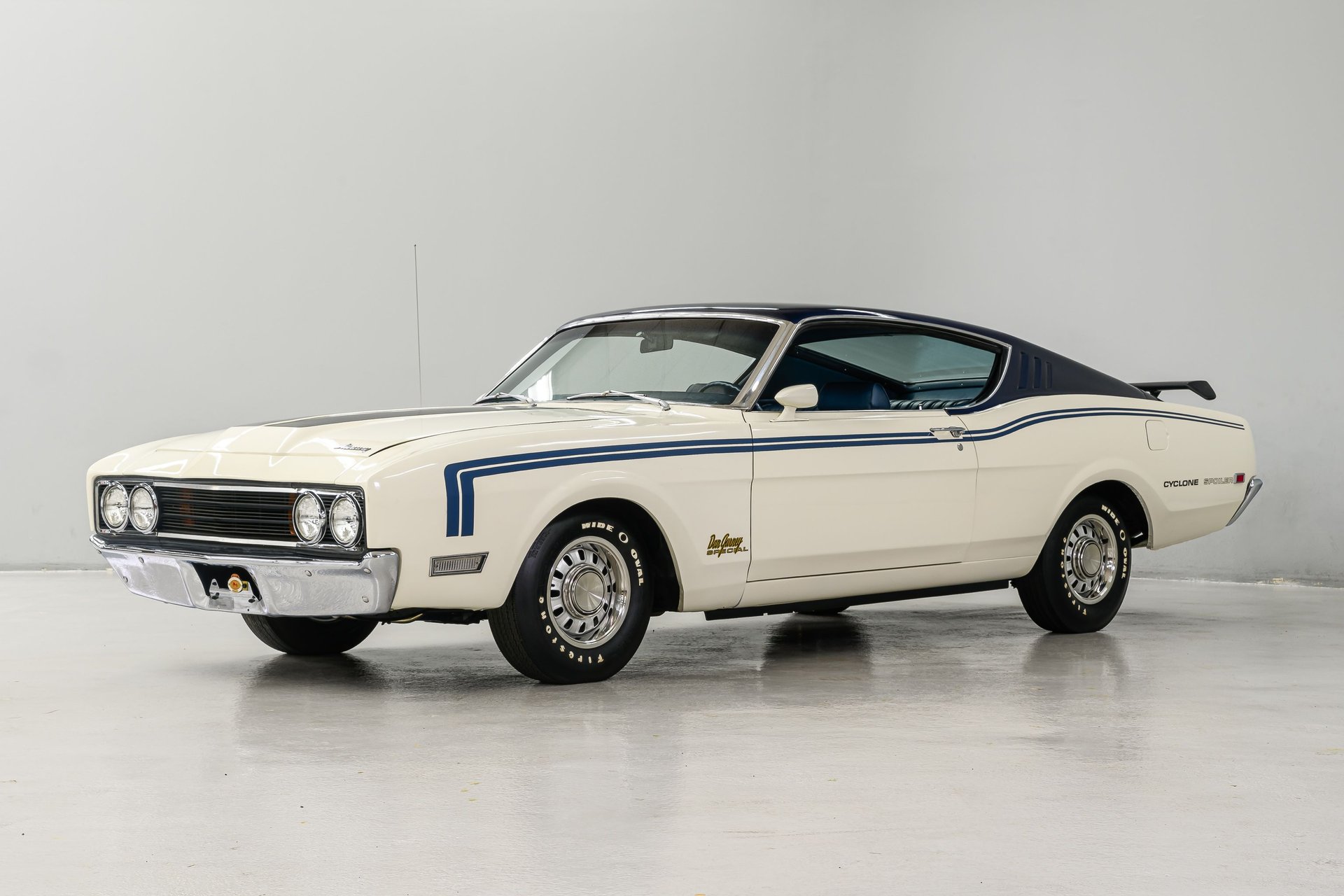
Ford’s NASCAR aerodynamic program during the late 1960s required building street versions of modified bodywork to meet homologation requirements, and the Mercury Cyclone Spoiler II was Ford’s response to the same NASCAR challenge that produced the Dodge Charger 500 and Daytona on the Mopar side.
Unlike those Mopar aerodynamic homologation specials that have achieved collector legend status and auction prices reflecting their fame, the Cyclone Spoiler II remains genuinely obscure despite being a direct participant in one of the most interesting engineering stories of the muscle car era.
Powered by the 428 Cobra Jet, the 1969 Mercury Cyclone Spoiler II CJ produced factory-rated output of 335 horsepower that independent testing consistently placed significantly higher, and with the Ram Air induction option, the engine breathed freely enough to produce real-world performance that period drag tests documented in the 13-second quarter-mile range.
This performance placed the Cyclone Spoiler II in direct competition with the most capable muscle cars of 1969, delivered from a vehicle whose production was limited enough to guarantee rarity but whose name was never famous enough to drive the collector prices that equivalent performance would command on a Mustang or Road Runner.
Aerodynamic modifications for the Spoiler II included a specific nose treatment with extended front sheet metal that improved high-speed stability, developed through wind tunnel work aimed at NASCAR applications rather than street aesthetics.
This functional bodywork gives the Cyclone Spoiler II a visual distinctiveness that differs from the standard Cyclone profile while communicating its competition development purpose to observers who understand what they are looking at.
Mercury’s position within Ford’s brand hierarchy created the obscurity that the Cyclone Spoiler II has suffered through most of its post-production history. Mustang received the enthusiast media attention, Shelby cars received the performance press coverage, and Mercury’s genuinely capable performance offerings operated below the cultural radar in ways that have left their values disconnected from their actual performance credentials.
Collectors who understood this disconnect acquired Cyclone Spoiler II examples at prices that reflected their obscurity rather than their capability, and those collectors have been rewarded as awareness has gradually improved.
Also Read: 9 1970s Muscle Cars Now Selling for Supercar Money
3. AMC Javelin AMX 390 Go Package (1969)
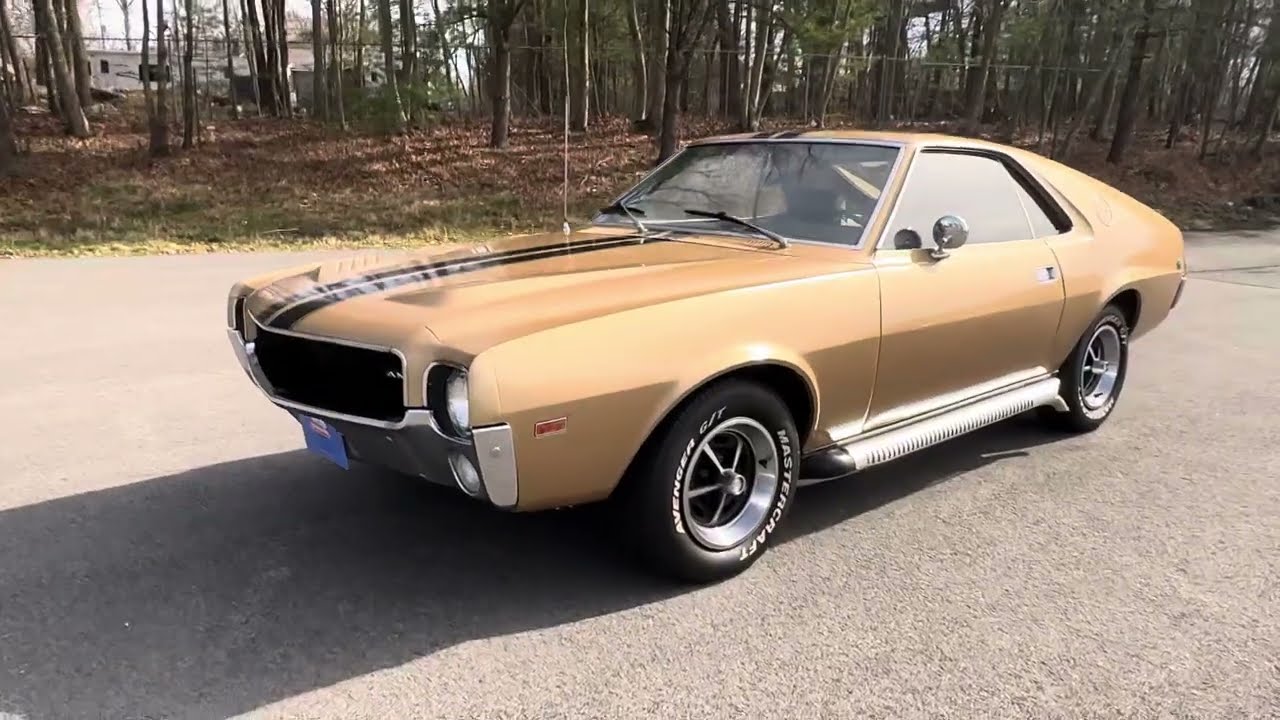
American Motors Corporation’s presence in the muscle car market is one of automotive history’s most consistently underappreciated stories, and the 1969 Javelin AMX equipped with the 390 Go Package is the specific vehicle that makes this argument most effectively.
AMC produced a genuinely capable muscle car in limited numbers with performance credentials that matched the Big Three’s offerings, and the market chose to ignore it primarily because AMC lacked the brand equity, dealer network, and marketing budget to compete for enthusiast attention in the same arena.
Go Package specification on the 1969 Javelin AMX 390 included the 390 cubic inch four-barrel V8 producing 315 horsepower, a functional Ram Air induction hood, power front disc brakes, a heavy-duty handling package, wide oval tires, and exterior graphics that communicated performance intent without subtlety.
This was a complete performance package developed by engineers who understood what the car needed to compete, delivered at a price that undercut comparable configurations from Ford and General Motors.
Quarter-mile performance from documented 1969 Javelin AMX 390 Go Package cars ranged from 14.0 to 14.5 seconds in period testing, which placed them in the lower tier of the serious muscle car performance range but well within the territory that buyers choosing a Mustang 428 or Camaro SS 396 were expecting.
Real-world usability from the Javelin’s relatively compact dimensions, good visibility, and responsive chassis provided a driving experience that contemporary road test journalists consistently described as rewarding beyond what the performance numbers alone suggested.
Production scarcity that resulted from AMC’s limited manufacturing capacity, rather than deliberate production constraints, has created a genuine rarity that collector interest is beginning to price appropriately.
Finding a complete, numbers-matching 1969 Javelin AMX 390 Go Package requires patience and research, and the examples that do appear in the market consistently attract attention from educated collectors who recognize the vehicle’s position in muscle car history.
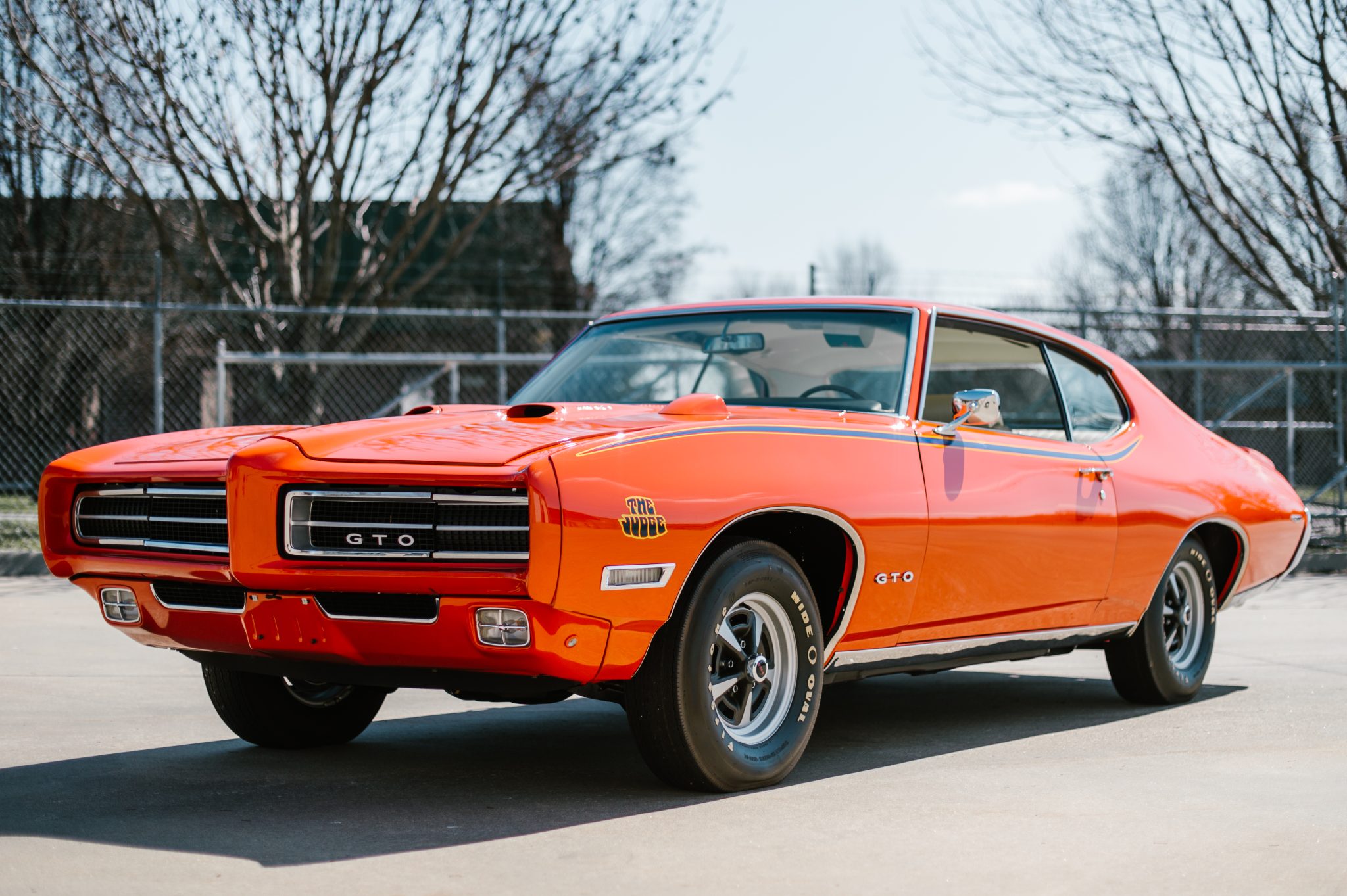
4. Pontiac GTO Judge Ram Air IV (1969)
Pontiac’s GTO is one of the most celebrated names in muscle car history, routinely cited as the car that started the muscle car era and discussed with reverence in collections that span the full range of American performance car history.
What is less celebrated, and what represents one of the more interesting, underrated stories within an already famous nameplate, is the Judge package equipped with the Ram Air IV engine, which represented the absolute performance peak of the GTO’s production run and which has been consistently overshadowed by lesser GTO specifications that carry more of the name’s general fame.
Ram Air IV 400 cubic inch V8 in the 1969 Pontiac GTO Judge produced factory-rated output of 370 horsepower, but the engine’s design reflected competition priorities rather than street docility.
High-lift, long-duration camshaft, round port cylinder heads with large valve sizing, and a specific intake manifold configuration produced an engine that performed best at higher RPM levels than the standard Ram Air III or base 400 GTO engines, which gave the Ram Air IV a character distinctly different from typical GTO street driving.
Quarter-mile performance from Ram Air IV-equipped Judges was documented in the low 13-second range with appropriate tuning and tires, placing this GTO specification in genuine supercar performance territory by 1969 standards.
This performance level exceeded what the general population of GTO buyers experienced because the Ram Air IV was an option ordered by a minority of Judge buyers who specifically wanted maximum performance rather than the balanced performance and street manners that most GTO specifications delivered.
Production numbers for Ram Air IV Judge Judges were genuinely limited, with fewer than 700 examples documented from the 1969 model year. This production rarity, combined with the engine’s specific performance character and the Judge’s visual drama from its standard hood scoops, stripes, and spoiler, creates a combination that serious Pontiac collectors have pursued with increasing determination as their rarity has become more widely understood.
Current market prices for documented Ram Air IV Judge examples have increased substantially as the specific production number and performance specification have become better known, but these cars still represent strong value relative to comparable-rarity Mopar and Ford performance vehicles at equivalent documented specification levels.
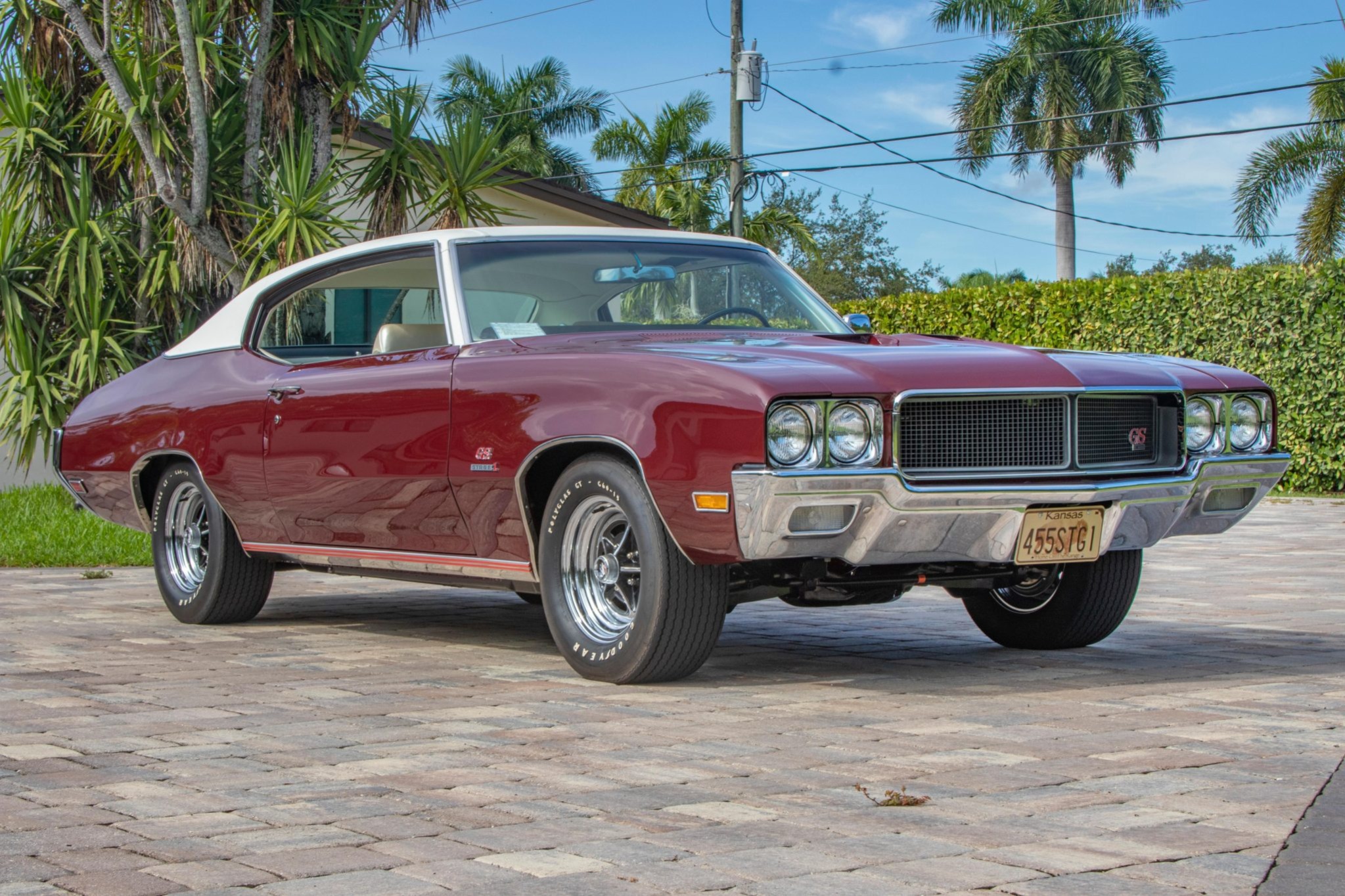
5. Buick GSX Stage 1 455 (1970)
Buick’s image in 1970 was firmly associated with comfortable, refined personal luxury vehicles whose buyers prioritized smooth rides and quiet operation over quarter-mile times and drag strip credibility.
This image problem is precisely why the GSX Stage 1 455 arrived as such a complete surprise to the automotive press and why it remains one of the most underrated muscle cars in the GM portfolio despite performance credentials that genuinely challenged the segment’s most celebrated performers.
Stage 1 455 cubic inch V8 in the 1970 Buick GSX produced 360 horsepower and 510 pound-feet of torque, with the torque figure being the most relevant specification for understanding the GSX’s quarter-mile capability.
Peak torque at 2,800 RPM meant that Stage 1 power was available from low in the RPM range, which produced launch characteristics that made the GSX exceptionally quick from a standing start, regardless of whether the driver was an experienced performance driver or simply someone who pressed the accelerator decisively.
Quarter-mile performance from documented 1970 Buick GSX Stage 1 455 examples consistently produced times in the 13.3 to 13.5-second range in period testing, which placed this Buick in direct competition with the Chevelle SS LS6, ‘Cuda Hemi, and Judge Ram Air IV, all of which received substantially more performance press coverage and enthusiast recognition than the GSX despite performing at comparable levels.
Car and Driver’s famous comparison test that placed the GSX Stage 1 ahead of all other tested muscle cars in absolute performance metrics should have established the Buick’s reputation permanently, but brand perception proved more durable than test results in shaping the collector narrative.
Visual presence of the GSX package added aggressive body graphics, a hood-mounted tachometer, chin spoiler, and rear wing that communicated performance intent in ways that Buick’s traditional buyer demographic would not have recognized as the brand’s direction.
Saturn Yellow and Apollo White were the only color options for the GSX package in 1970, which gave surviving examples a visual distinctiveness that makes them immediately recognizable to anyone familiar with the model.
Production of only 678 GSX Stage 1 examples for the 1970 model year has created genuine rarity that collector prices are beginning to reflect, but these cars remain meaningfully underpriced relative to their performance credentials and production scarcity when compared against equivalent Mopar and Ford models in comparable states of documentation.
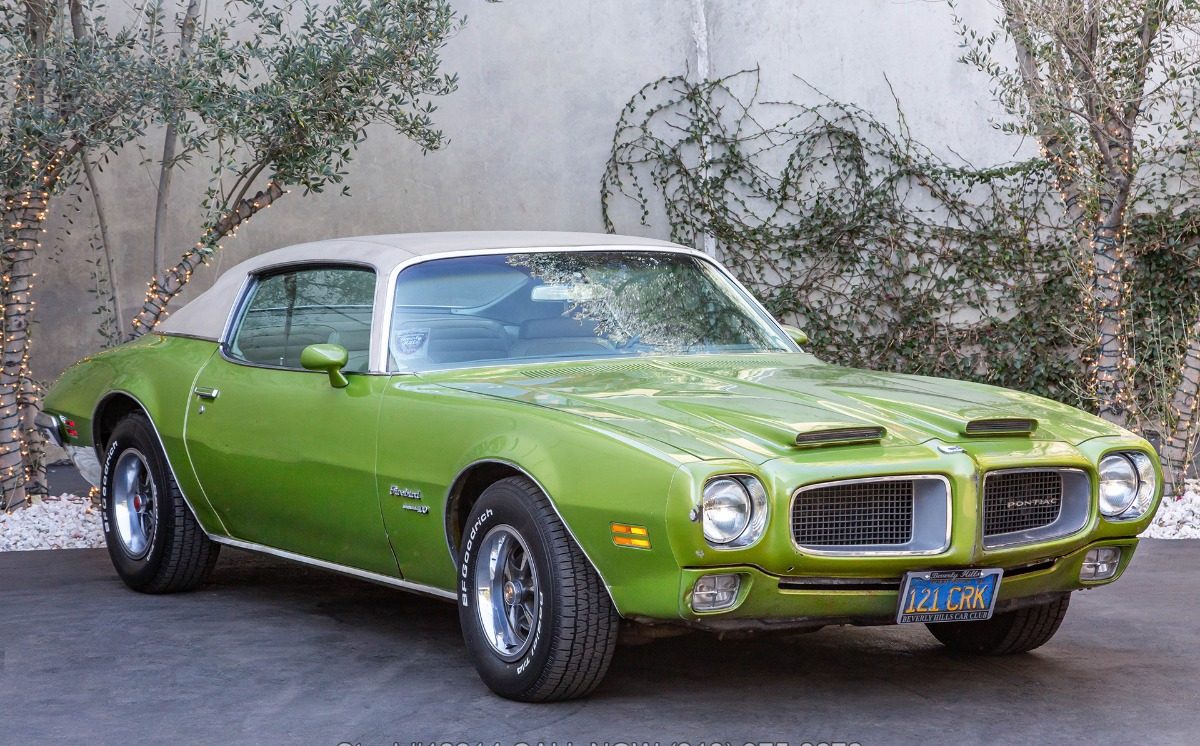
6. Pontiac Firebird Formula 400 (1970)
Pontiac’s Firebird lineup for 1970 is dominated in enthusiast conversation by the Trans Am, which carried specific visual drama, wider bodywork, and the performance reputation that makes it one of the most sought-after F-body variants in the collector market.
Sitting beside it in the showroom and often sharing the same powertrain options was the Formula 400, a Firebird that delivered equivalent performance without the Trans Am’s visual aggression and that has spent decades in the shadows of its more famous platform sibling.
Formula 400 with the Ram Air III or Ram Air IV 400 cubic inch engine produced performance figures in documented period testing that were effectively identical to the Trans Am equipped with the same engines, which should surprise nobody since the two cars shared the same fundamental mechanical specification while differing primarily in bodywork, graphics, and the Trans Am’s specific suspension tuning.
Performance buyers who prioritized quarter-mile times over visual statement got equivalent results from the Formula 400 at a lower purchase price and without the insurance premium that the Trans Am’s performance reputation attracted.
Handling balance from the Formula 400’s standard suspension was well-regarded in contemporary road tests, with several publications noting that the Formula Firebird provided a genuinely capable road course experience that belied the muscle car category’s reputation for straight-line focus at the expense of cornering capability.
Wider front track, specific suspension geometry, and available heavy-duty suspension packages gave the Formula 400 a chassis capability that the standard base Firebird could not approach and that equaled the Trans Am in most cornering assessments.
Collector interest in the 1970 Pontiac Firebird Formula 400 has grown steadily as F-body enthusiasts who cannot justify Trans Am prices for their budgets discover that the Formula delivers the same performance in a body that has its own distinct visual character without the Trans Am’s premium.
Ram Air III and Ram Air IV documentation for Formula examples confirms the performance specification that the Trans Am’s fame has historically overshadowed in the market pricing.
Finding well-documented Formula 400 examples requires more research than locating Trans Am examples because less community documentation exists for the Formula variants, but this documentation gap represents an opportunity for buyers who are willing to do the research work that the discovery of underrated examples requires.
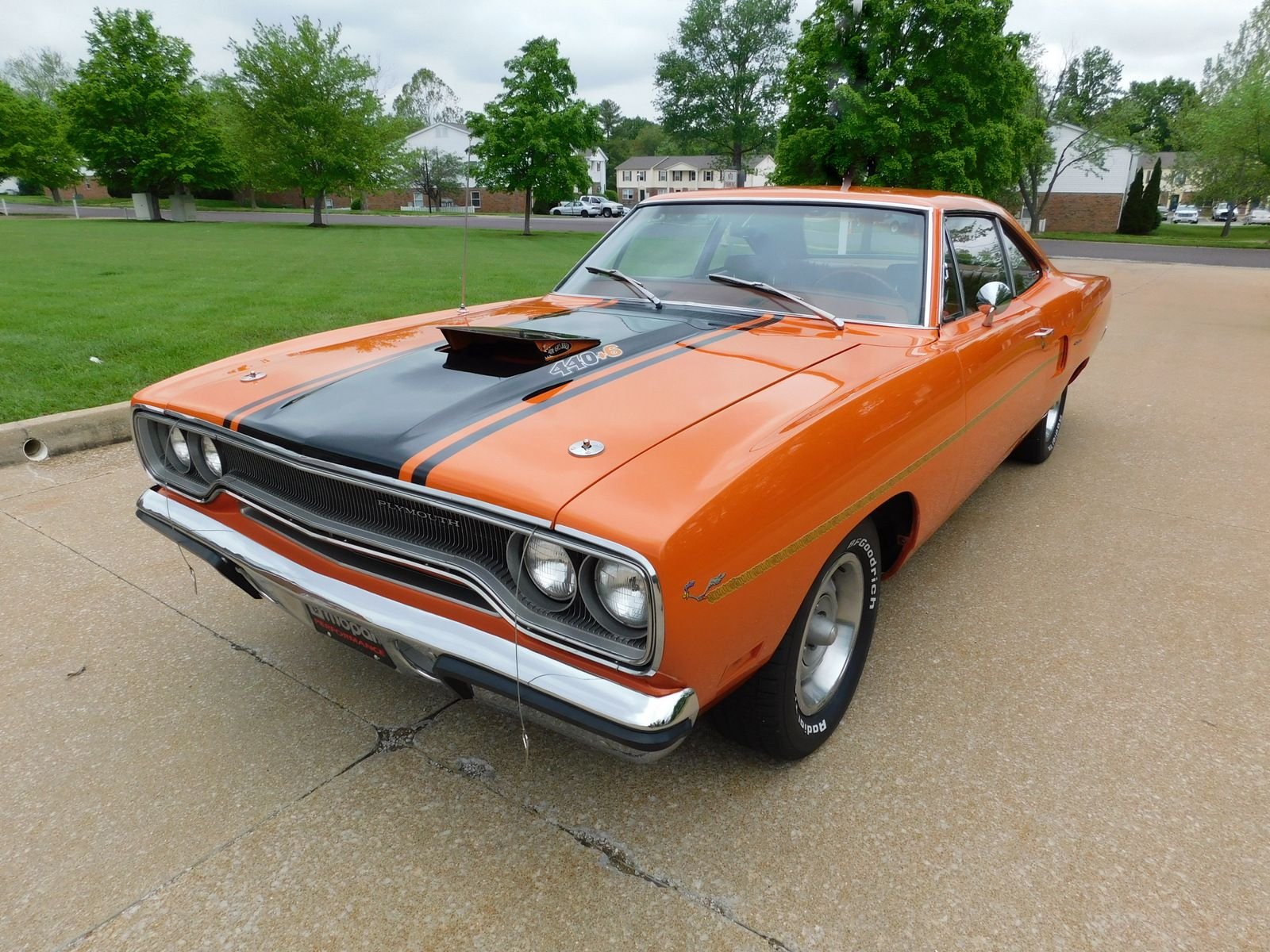
7. Plymouth Road Runner 440 Six Pack (1970)
Plymouth created the Road Runner specifically to deliver maximum performance at minimum price, stripping out luxury content to keep the price accessible to buyers who wanted quarter-mile capability rather than air conditioning and power windows.
This philosophy produced one of the most honest muscle cars of the era, and when Plymouth added the 440 Six Pack option for 1970, the Road Runner’s performance argument became nearly impossible to dismiss on any grounds except the absence of a Hemi badge.
440 Six Pack configuration used three Holley two-barrel carburetors on an Edelbrock intake manifold atop the 440 cubic inch V8, producing factory-rated 390 horsepower and 490 pound-feet of torque.
This output level placed the Six Pack 440 within measurable proximity of the 426 Hemi’s street performance, with period testing documenting quarter-mile times in the high 13-second range that the Hemi bested by only a few tenths of a second while costing substantially more and requiring more demanding maintenance.
Value proposition of the 1970 Plymouth Road Runner 440 Six Pack in its production year was exceptional, with buyers receiving genuine performance that could challenge Hemi cars for a fraction of the Hemi’s price premium.
This value focus has ironically contributed to the Six Pack Road Runner’s underrated status in the collector market, because the absence of a Hemi badge represents a perceived deficiency regardless of whether actual quarter-mile times justify the distinction.
Visual character of the Road Runner, including its cartoon bird graphics, optional hood with functional Air Grabber cold air induction, and the available body color selection from Plymouth’s High Impact palette, gave the car a visual identity that was simultaneously playful and aggressive in a combination that no other muscle car from the period quite matched.
Collector prices for 440 Six Pack Road Runners in desirable High Impact colors with the Air Grabber hood have increased meaningfully as buyers recognize the performance and visual combination these cars deliver, but the Hemi price premium persists in the market at levels that make the Six Pack Road Runner the more rational performance-per-dollar purchase for collectors who actually value driving their cars rather than displaying them.
Also Read: 9 American Muscle Models Appreciating in Every Auction House
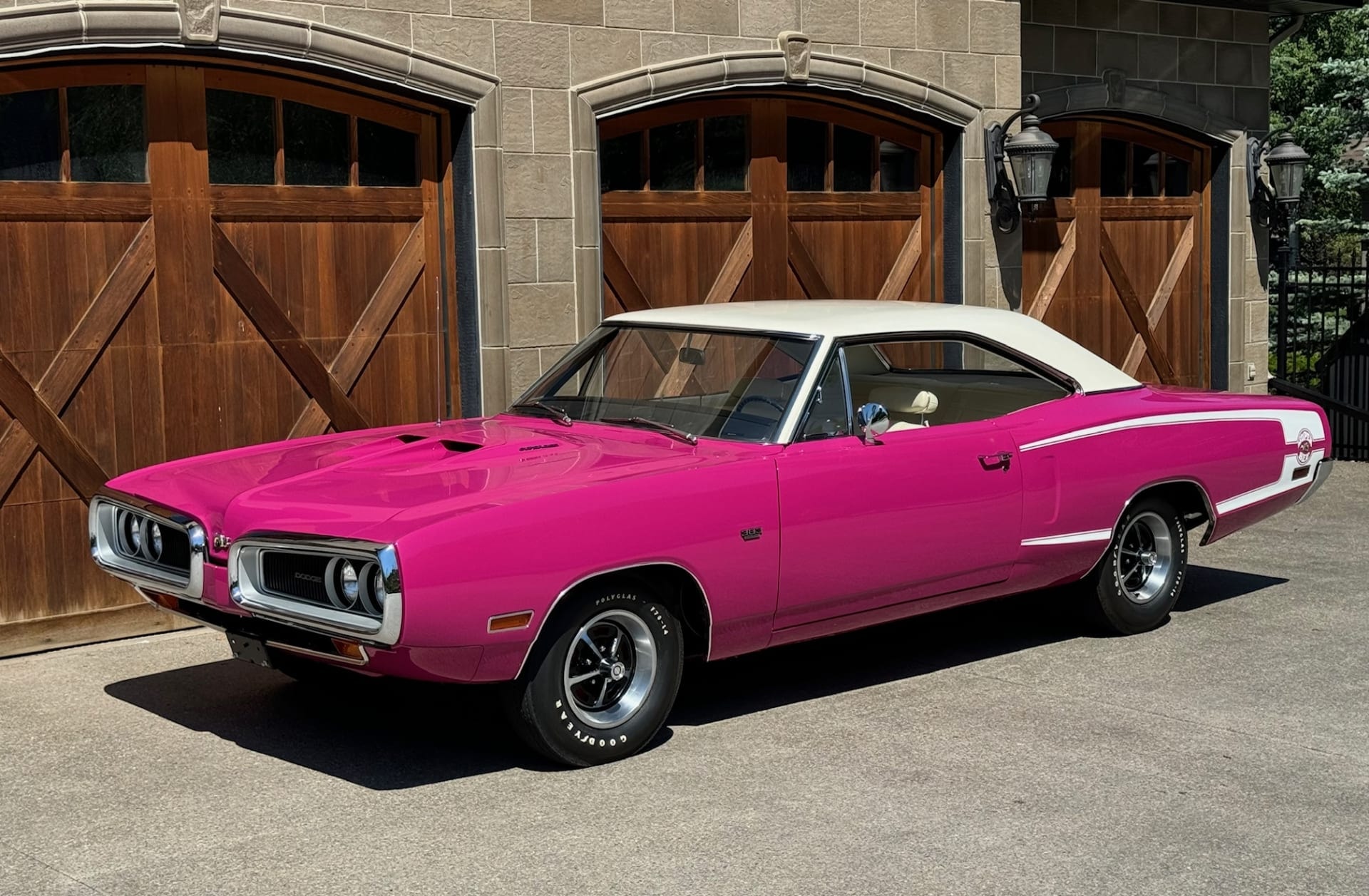
8. Dodge Super Bee 383 Six Pack (1970)
Dodge’s answer to Plymouth’s Road Runner strategy was the Super Bee, and while both cars shared the B-body platform and similar performance intentions, the Super Bee has consistently received less collector attention than the Road Runner despite being equally capable and, in specific configurations, more visually distinctive with Dodge’s own graphics and identity applied to the formula.
Six Pack 383 configuration in the 1970 Dodge Super Bee used the same three-carburetor arrangement applied to the 383 cubic inch Magnum V8, producing 390 horsepower and 490 pound-feet of torque in a configuration that was officially rated identically to the Plymouth version of the same setup.
Factory documentation confirms that Dodge applied the Six Pack equipment to the 383 rather than the 440 in base Super Bee specification, which made the engine technically distinct from Plymouth’s 440 Six Pack application while producing comparable output through different displacement and carburetor sizing relationships.
Performance from the 1970 Dodge Super Bee 383 Six Pack in period testing matched the Road Runner’s quarter-mile capability at equivalent specification levels, with documented times in the 13.5 to 14-second range that varied primarily based on transmission selection and driver experience.
Manual transmission Super Bees with the close-ratio four-speed typically produced the quickest times, but automatic-equipped examples were only modestly behind and provided more consistent results for drivers who had not developed an optimal manual launch technique.
Dodge’s Scat Pack branding, the Super Bee’s specific graphics package including the cartoon bee mascot and available longitudinal stripe treatments, gave the car a visual identity distinct from the Road Runner while communicating the same performance intent through different imagery.
Buyers who preferred Dodge’s dealership relationships or Dodge’s specific visual character had a legitimate muscle car option that the market has not consistently priced at parity with the Road Runner despite essentially equivalent performance.
Current collector market prices for documented 1970 Dodge Super Bee 383 Six Pack examples in desirable colors and configurations remain consistently below equivalent Road Runner pricing, which represents the most straightforward value opportunity in this list for buyers who prioritize performance credentials and documented authenticity over the specific nameplate recognition that drives market premiums regardless of actual capability.
