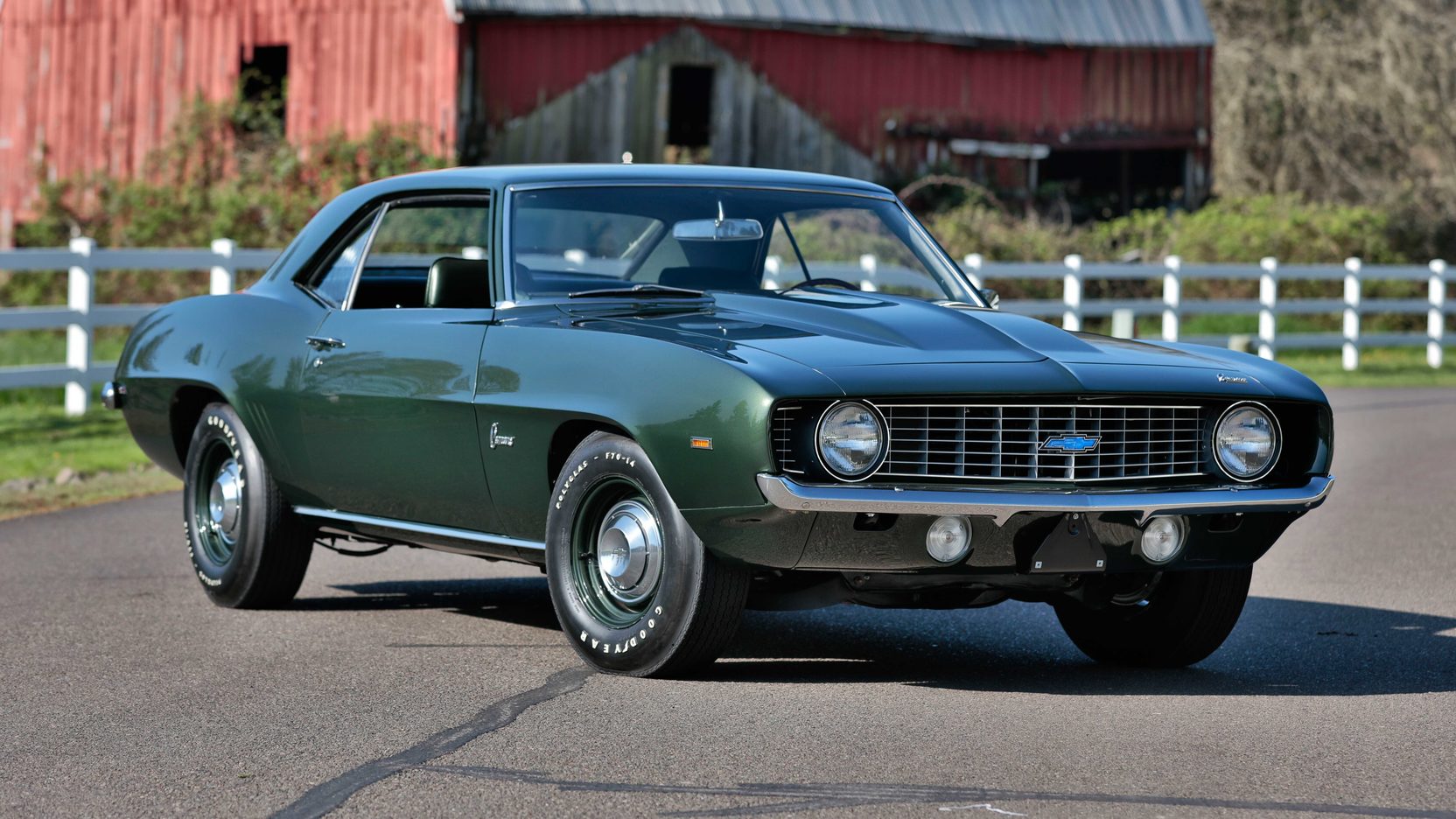
Something is happening in the collector car market that first-time auction observers find genuinely surprising. While real estate fluctuates, stock portfolios rise and fall with quarterly earnings reports, and cryptocurrency behaves in ways that defy every prediction, certain American muscle cars are doing something wonderfully predictable: they keep going up.
Auction houses, including Barrett-Jackson, Mecum, Bonhams, and RM Sotheby’s, have documented a steady and in some cases dramatic appreciation trend across specific muscle car models over the past decade, and the pattern shows no meaningful signs of reversing.
Buyers who purchased clean, numbers-matching examples of the right cars in 2010 and brought them to Scottsdale or Kissimmee in 2023 walked away with profits that rival or outperform many conventional investment vehicles.
What creates this appreciation? Several forces work together. Production rarity is the foundational factor, because cars built in limited numbers across a specific configuration create scarcity that demand cannot satisfy as more collectors enter the market.
Emotional connection to the original muscle car era drives a buyer demographic of successful professionals who grew up during the golden age and now have the financial means to own what they once could only dream about.
Documentation completeness, including Protect-O-Plate cards, window stickers, broadcast sheets, and original build documentation, adds authentication value that separates investment-grade examples from the merely desirable ones. Knowing which specific models are appreciating at the most consistent rates matters whether you are actively hunting for your next purchase or simply curious about where the collector car market is heading.
Not every muscle car appreciates equally, and the difference between a model that holds its value and a model whose auction results climb year over year is often a specific combination of production rarity, engine option, and documented authenticity that serious collectors have learned to identify. Nine models follow. Each one has a documented auction appreciation story worth understanding.
1. 1969 Chevrolet Camaro ZL1 COPO
Rarity alone does not guarantee auction appreciation. Rarity combined with documented performance heritage, authentic build sheet verification, and a production number so small that most collectors will never own one creates a category of muscle car that auction houses treat differently from everything else on the block.
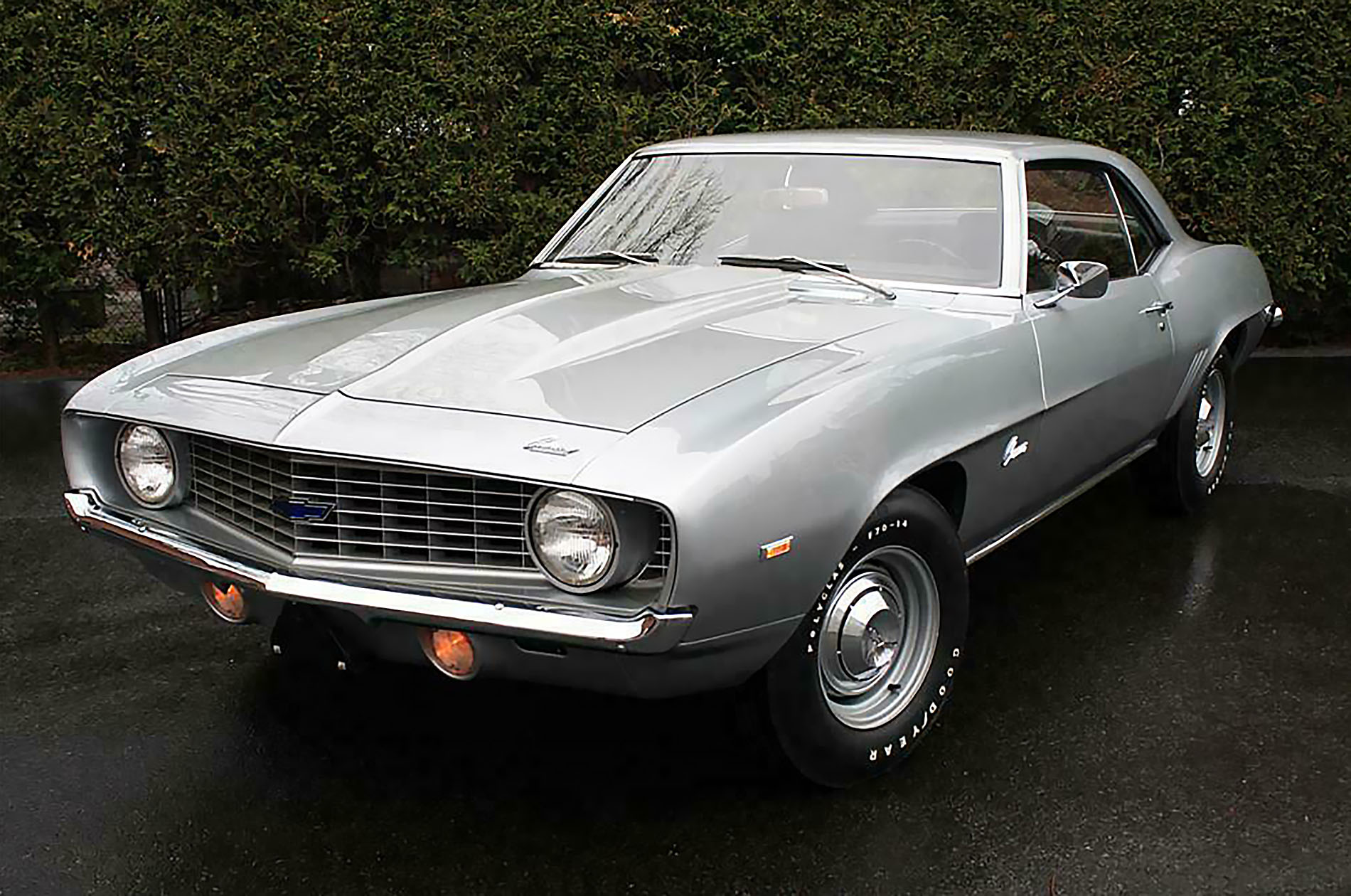
Chevrolet built exactly 69 COPO Camaros in 1969 equipped with the all-aluminum ZL1 427 cubic inch engine, which is itself one of the most extraordinary production decisions in American automotive history.
General Motors had instituted a policy prohibiting vehicles under 400 cubic inches of displacement per ton of vehicle weight from racing, and the all-aluminum ZL1 was a way to deliver 500 horsepower in a package light enough to technically comply while producing a street car that was devastatingly quick in a straight line.
Racing teams and well-connected Chevrolet dealers ordered the cars specifically for racing, which is why 69 of them exist and why finding one with complete documentation and matching numbers is a collecting achievement measured in decades of searching.
Auction results for documented ZL1 COPO Camaros have climbed from the low hundreds of thousands in the early 2010s to results regularly exceeding $500,000 for well-documented examples, with exceptional cars reaching into seven figures when multiple serious bidders pursue the same vehicle at the same auction.
Barrett-Jackson’s Scottsdale events have produced some of the most publicized ZL1 COPO results, with each realized price setting a new reference point for the model’s current market value.
Documentation is the factor that separates a ZL1 COPO worth $300,000 from one worth $700,000. Build sheet authentication, VIN decoding that confirms ZL1 engine code, presence of the original window sticker showing the ZL1 option pricing, which was extraordinarily high relative to the base car, and Protect-O-Plate warranty documentation all contribute to a complete provenance story that auction buyers pay substantial premiums to acquire alongside the physical vehicle.
Owners of documented 1969 Chevrolet Camaro ZL1 COPO cars who have held them through multiple auction cycles report appreciation trajectories that validate the decision to acquire rare, fully documented examples rather than cars with incomplete histories at lower entry prices.
Incomplete documentation examples exist in the market at significant price discounts, but their appreciation rates do not match those of complete, verifiable examples.
2. 1970 Plymouth Hemi ‘Cuda Convertible
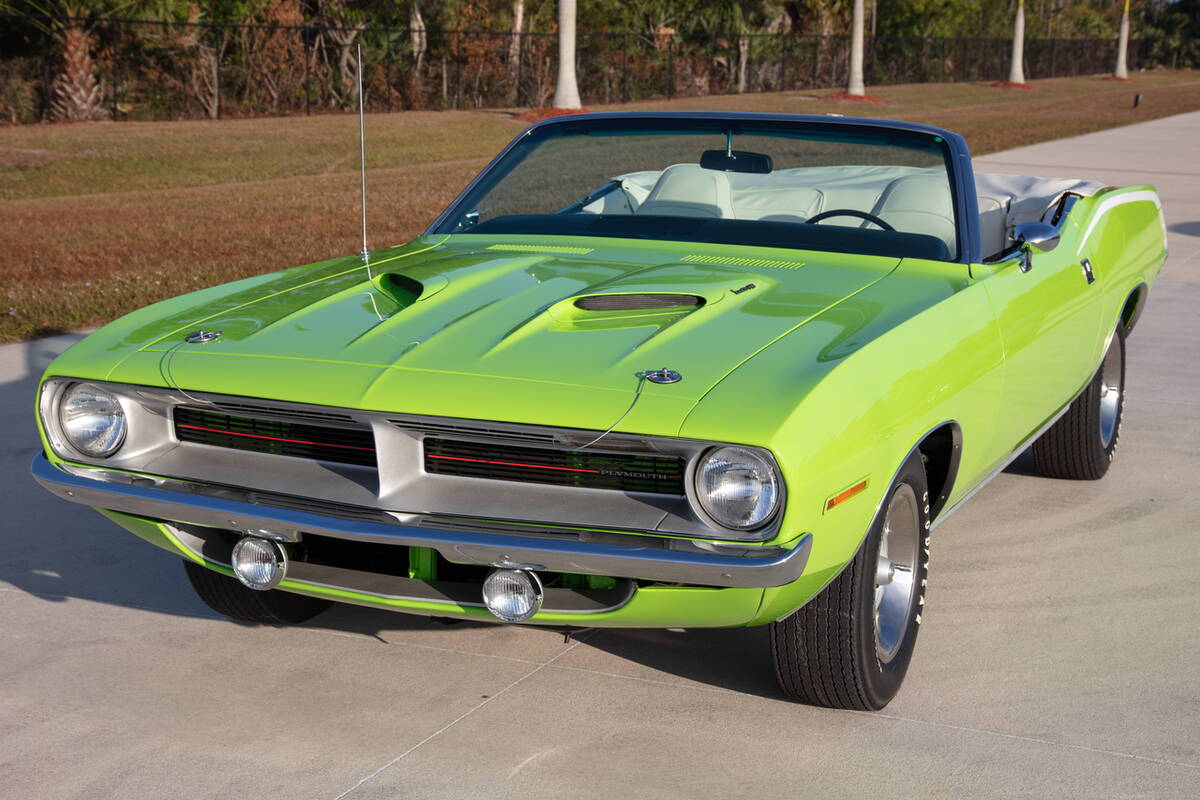
Ask any serious Mopar collector to name the single muscle car they would most want to own if cost were no consideration, and a meaningful percentage will name the 1970 Plymouth Barracuda ‘Cuda Convertible with the 426 Hemi engine.
Ask any auction specialist what they expect the bidding room temperature to rise around, and the answer is often the same car. Only 14 of these cars were built with the 426 Hemi and open-top configuration combined, which places them in a scarcity category that creates competitive bidding dynamics unlike almost any other muscle car at auction.
Production numbers define the ‘Cuda Hemi Convertible’s position in the market before any other factor is considered. Fourteen examples represent a population small enough that the appearance of any single car at a major auction is a news event within the collector community.
Enthusiast publications cover these sales in advance and analyze results afterward with the kind of attention typically reserved for art auction results. Bidders travel internationally to compete for these cars when major examples appear, and this level of buyer engagement produces realized prices that establish market records.
Auction results for 1970 Plymouth Hemi ‘Cuda Convertibles have reached into the $3.5 million range for exceptional, highly documented examples, with multiple sales above $2 million documented across major auction events.
These results represent the appreciation from the hundreds of thousands that these cars commanded in the 1990s, reflecting decades of value accumulation driven by the combination of extreme rarity and the cultural weight that the ‘Cuda carries within muscle car collecting.
Color and factory option combination affect value even within the 14-car production number. Cars finished in High Impact colors, including Curious Yellow, Hemi Orange, and Plum Crazy, carry premiums over more conservative finishes because these exterior treatments are both more visually dramatic and more representative of the ‘Cuda’s original design intent and cultural identity.
Factory air conditioning, power windows, and other comfort options add further value by creating cars that are both rare and comprehensively equipped.
Serious collectors who have secured 1970 Plymouth Hemi ‘Cuda Convertibles treat them as legacy assets to be preserved through professional storage and careful maintenance rather than enjoyed as driving vehicles, which reflects both their monetary value and their status as irreplaceable artifacts of a specific and unrepeatable moment in American automotive history.
Also Read: 8 Modern Muscle Cars That Are Surprisingly Comfortable for Daily Commuting
3. 1969 Ford Mustang Boss 429
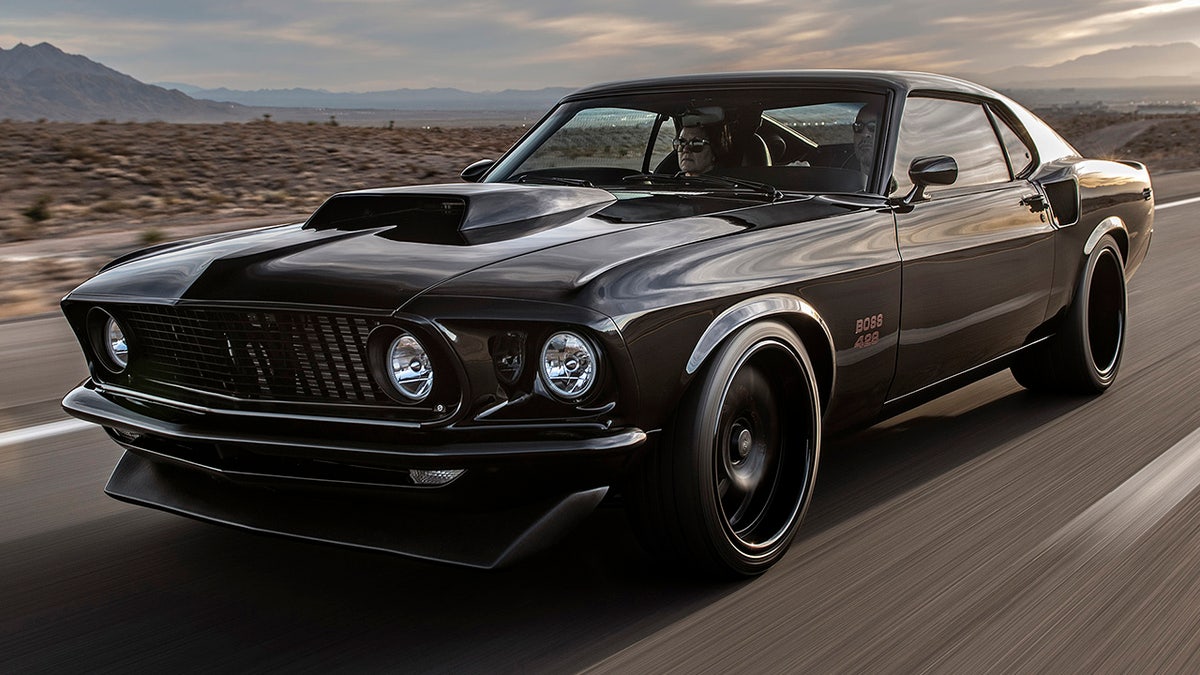
A careful review of the 1969 Ford Mustang Boss 429 reveals a vehicle that stands apart from conventional production models, owing to the depth of engineering applied during its creation. Ford’s intention to homologate the 429 cubic inch NASCAR engine for competition purposes required a road-going version that satisfied strict production rules.
To achieve this, the company partnered with Kar Kraft, resulting in a vehicle that extended far beyond the scope of a standard factory option. Each unit produced under this arrangement reflected a distinct engineering programme, rather than a simple variation of the Mustang line.
Production numbers reinforce its exclusivity. Approximately 859 units were manufactured for the 1969 model year, a figure that places the Boss 429 within a limited category of high-performance vehicles. While this number exceeds that of certain ultra-rare models from the same era, it remains sufficiently low to ensure sustained collector interest.
Verified examples with matching components continue to attract strong attention during auction events, where provenance and condition play decisive roles in valuation. Engineering modifications required to house the large 429 engine were extensive.
Kar Kraft technicians altered the front frame structure, repositioned suspension mounting points, and introduced a unique configuration to support the increased weight and dimensions of the engine. These adjustments transformed the vehicle’s structural identity, making it visibly distinct upon close examination.
Such physical differentiation contributes to its authenticity, as each example carries identifiable characteristics linked to its specialised construction process. Market performance for the Boss 429 has demonstrated consistent growth across recent years.
Early values in the range of eighty thousand to one hundred thousand dollars have progressed to figures between one hundred and fifty thousand and two hundred and fifty thousand dollars for well-preserved and fully documented vehicles.
Particular combinations, including desirable exterior colours and manual transmission configurations, have achieved higher valuations under competitive bidding conditions. Authentication remains central to ownership and investment considerations.
Essential documentation includes factory broadcast sheets, Marti Reports for vehicle identification verification, original window stickers, and Kar Kraft modification records where available. Collectors place considerable emphasis on these materials, as they assure originality and historical accuracy.
The presence or absence of such records often determines the difference between moderate and premium valuations. A properly authenticated Boss 429 represents more than a classic automobile. It reflects a period of ambitious engineering within Ford’s performance division, where regulatory requirements inspired innovation that extended into road-legal production.
For collectors and enthusiasts alike, the model continues to hold a respected position, supported by its rarity, documented history, and distinctive construction.
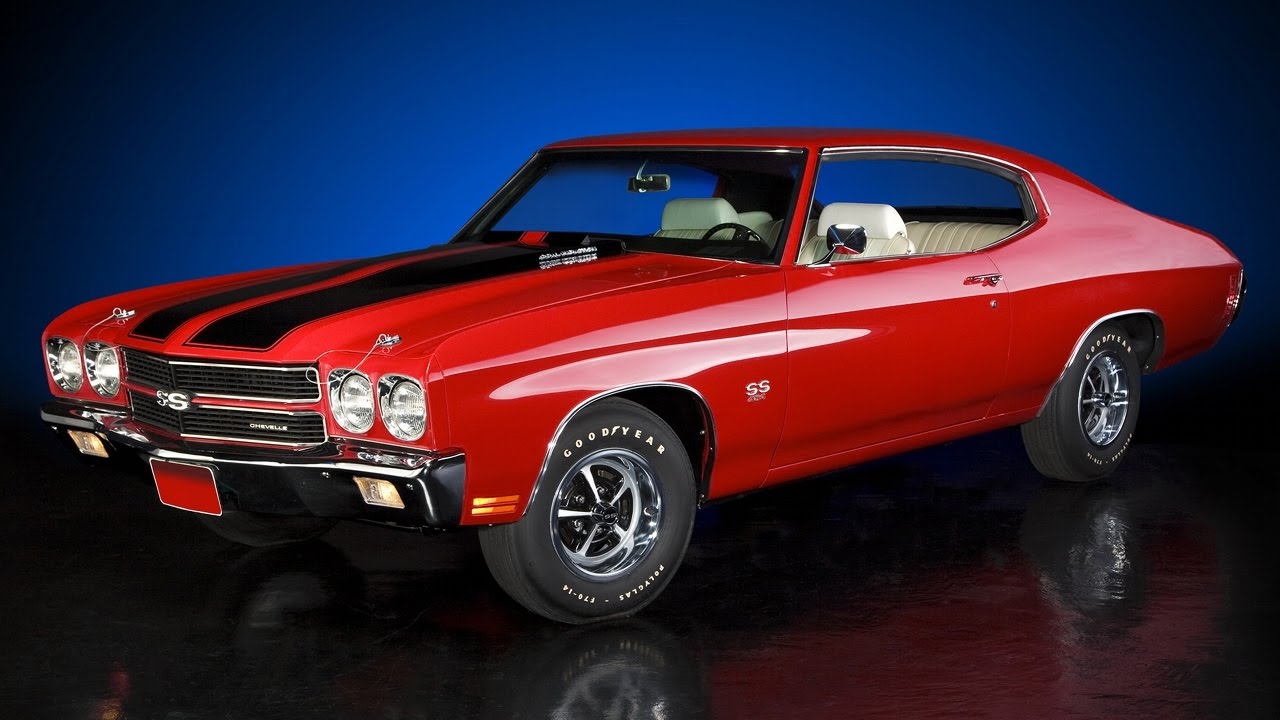
4. 1970 Chevrolet Chevelle SS 454 LS6
Consideration of the 1970 Chevrolet Chevelle SS 454 LS6 introduces a vehicle widely regarded as one of the most powerful production cars of its era. General Motors’ decision to equip the Chevelle SS with the LS6 engine established a benchmark for factory performance that influenced the muscle car segment during a highly competitive period.
This development reflected a commitment to engineering excellence, as the company sought to deliver exceptional power within a road-legal package. Production figures contribute to the model’s standing within collector circles. A total of 4,475 units were produced with the LS6 engine, creating a level of scarcity that supports long-term interest without rendering the vehicle unattainable.
This balance allows for regular appearances at major auctions, where sufficient transaction volume provides clarity regarding market value. As a result, collectors can assess pricing trends with a degree of confidence not always available for rarer models.
Technical specifications define the LS6 engine’s reputation. Equipped with four-bolt main bearing caps, a solid lifter camshaft, an aluminium high-rise intake manifold, and a compression ratio of 11.25 to one, the engine delivered a factory rating of 450 horsepower and 500 pound-feet of torque.
These figures positioned it among the most powerful offerings of its time, rivaling established performance benchmarks. Contemporary performance testing confirmed its capability, with quarter-mile times in the thirteen-second range, placing it at the forefront of production vehicle performance.
Market appreciation for the LS6 Chevelle has followed a steady trajectory. Values have progressed from approximately one hundred and fifty thousand dollars in earlier periods to current figures ranging between two hundred thousand and three hundred and fifty thousand dollars for well-documented examples.
Vehicles featuring preferred body styles and manual transmissions have achieved stronger results, reflecting collector preferences for originality and driving engagement. Documentation plays a decisive role in determining authenticity and value.
Original build records, factory documentation, and verified ownership history provide essential support for any transaction involving substantial investment. Collectors often rely on professional verification services to confirm the accuracy of these records, ensuring that each vehicle’s provenance is properly established before acquisition.
Owners who maintain their vehicles under appropriate storage conditions and preserve documentation have observed consistent appreciation in value. This trend reflects the enduring appeal of the LS6 Chevelle, supported by its engineering pedigree and historical importance.
The model continues to represent a high point in General Motors’ performance history, offering a combination of power, rarity, and documented authenticity that sustains its relevance within the collector market.
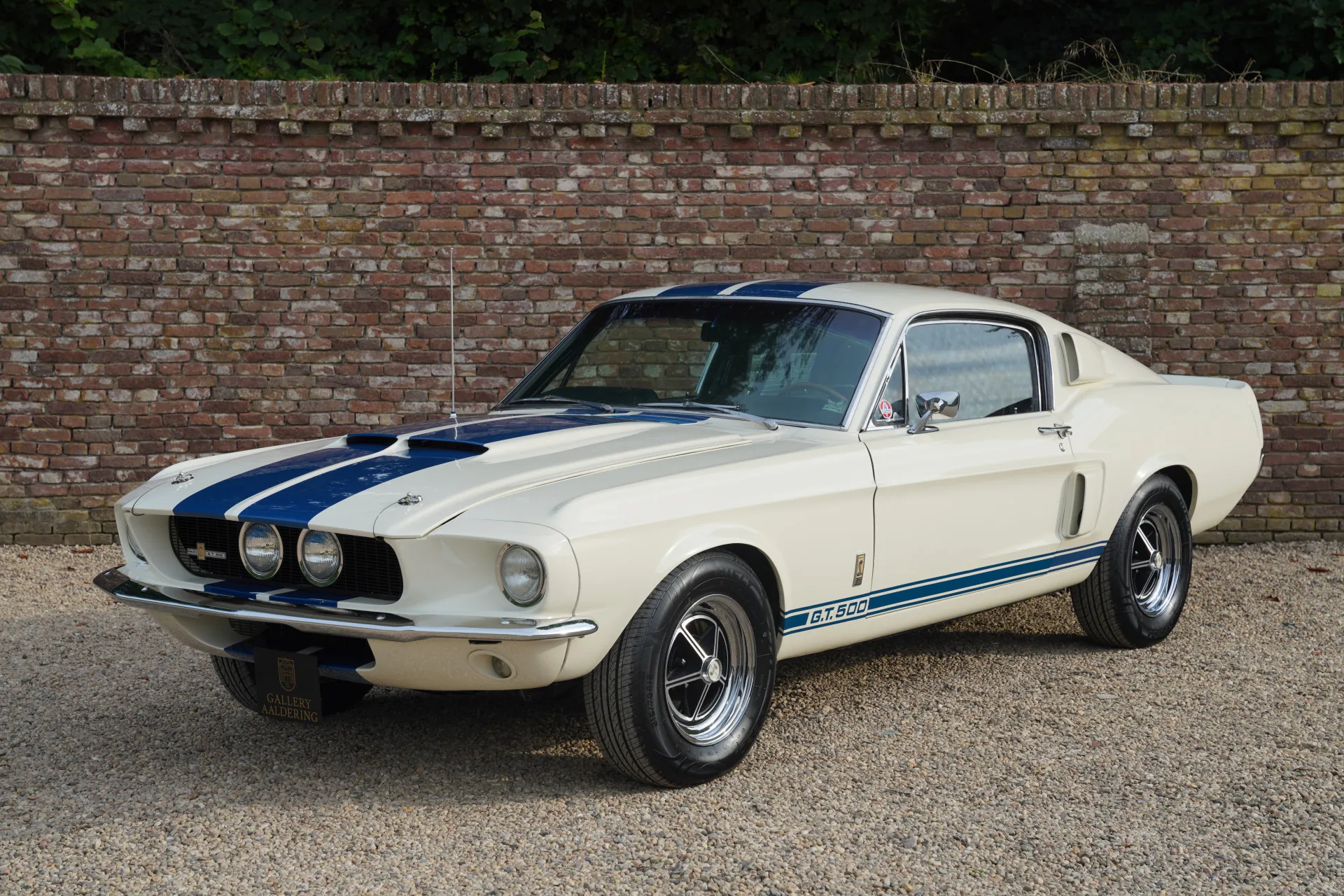
5. 1967 Shelby GT500 Fastback
Carroll Shelby’s relationship with Ford produced a series of performance Mustangs that occupy a special category in the collector market, and among these, the 1967 GT500 Fastback represents a specific combination of visual drama, genuine performance, and documented production rarity that has produced consistent auction appreciation across every market cycle.
Powered by a 428 cubic inch Police Interceptor V8 fitted with two Holley four-barrel carburetors and rated at 355 horsepower in typical period underrating fashion, the 1967 GT500 was the most powerful Shelby Mustang produced to that point and established the GT500 designation as Shelby’s maximum output offering.
Combined with the 1967 Mustang fastback body’s dramatic roofline and Shelby’s distinctive fiberglass front end treatment, driving lights, and quarter panel scoops, the car presented a visual identity that was genuinely distinctive from the standard Mustang and that photographs dramatically in a way that drives bidder engagement at auction.
Marti Report documentation confirming GT500 specification, original Shelby certification documentation, and the presence of the original window sticker with Shelby options pricing are the documentation standards that serious 1967 GT500 buyers require before committing to significant auction bids.
Cars with complete documentation packages trade at premiums of 20 to 40 percent over comparable cars with incomplete records. Auction values for documented 1967 Shelby GT500 Fastbacks have climbed from the $150,000 range in the early 2010s to $200,000 to $400,000 for exceptional examples with strong documentation and desirable color combinations.
Brittany Blue and Highland Green examples have produced particularly strong results, with the color-over-pony interior combinations that Shelby specified most frequently driving additional bidder competition.
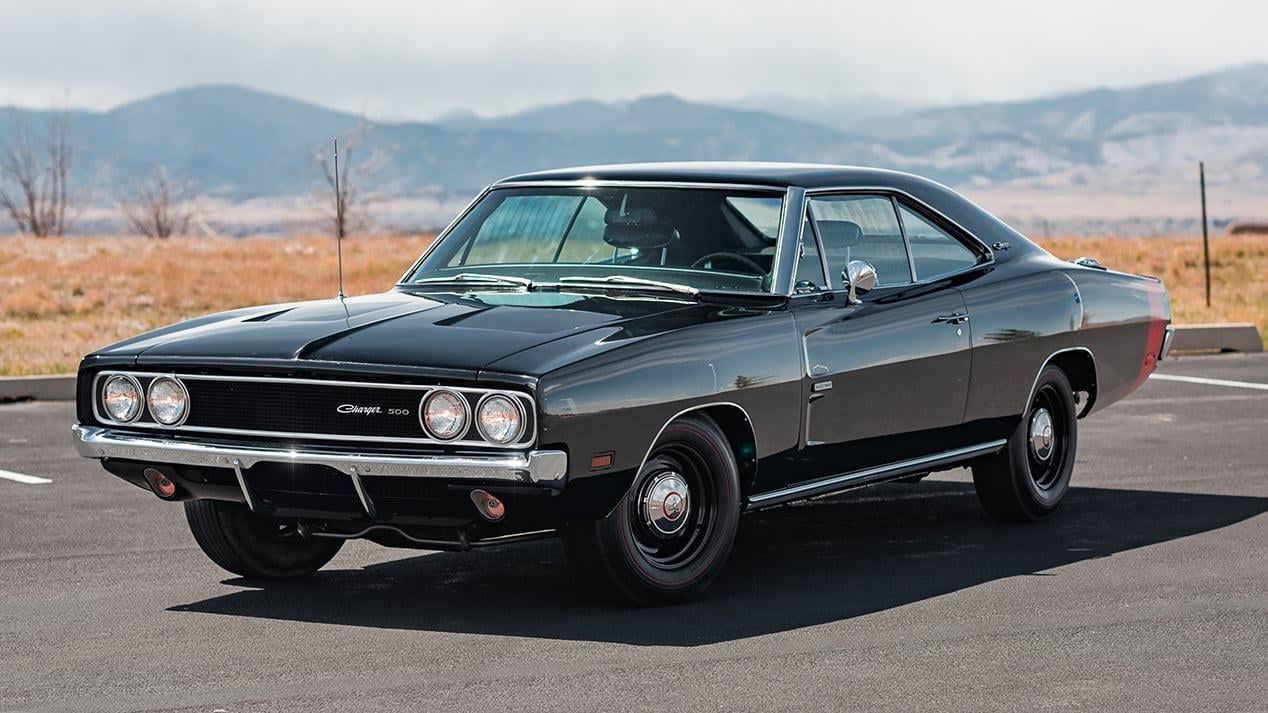
6. 1969 Dodge Charger 500 Hemi
A proper assessment of the 1969 Dodge Charger 500 Hemi begins with its origin, which lies firmly within competitive motorsport requirements rather than conventional product planning. During the late 1960s, stock car racing regulations required manufacturers to produce road-going versions of vehicles used in competition.
Dodge responded by developing the Charger 500 as a direct solution to aerodynamic limitations observed in earlier Charger models. This initiative resulted in a car whose design was shaped by engineering necessity rather than styling preference.
Aerodynamic refinement formed the foundation of the Charger 500’s development. Earlier fastback designs created instability at high speeds, particularly due to airflow disruption around the rear window and front grille. Engineers addressed these issues by introducing a flush-mounted rear window and a revised front fascia with a filled grille section.
These changes reduced drag and improved stability, allowing the vehicle to perform more effectively under racing conditions. Compliance with racing regulations required a production run of road-legal units, leading to the creation of approximately 500 vehicles, including a limited number equipped with the Hemi engine.
Engine specification further elevated the Charger 500’s status. The 426 cubic inch Street Hemi, rated at 425 horsepower, delivered strong performance that aligned with its racing heritage. This engine became one of the most respected power units produced during the era, contributing to the model’s desirability among collectors.
Vehicles equipped with the Hemi and a four-speed manual transmission remain particularly sought after, often achieving high valuations at auction events where originality and condition are carefully assessed. Authentication plays a central role in determining value.
Mopar production records, including fender tag information, provide essential details regarding engine type, transmission, and factory-installed options. Supporting documentation such as original window stickers, broadcast sheets, and Protect-O-Plate records strengthens a vehicle’s provenance.
Collectors place considerable emphasis on these materials, as they confirm authenticity and support investment decisions. Market performance for documented Charger 500 Hemi models has shown steady appreciation.
Auction results for well-preserved examples frequently exceed three hundred thousand dollars, with exceptional vehicles approaching higher figures depending on condition and documentation quality. This consistent performance reflects sustained demand within the collector community, supported by the model’s historical importance and limited production.
Ownership of a Charger 500 Hemi represents more than possession of a classic automobile. It reflects participation in a period of engineering innovation driven by competitive racing. The vehicle’s design, production history, and documented authenticity continue to sustain its reputation as a distinguished entry within the muscle car category.
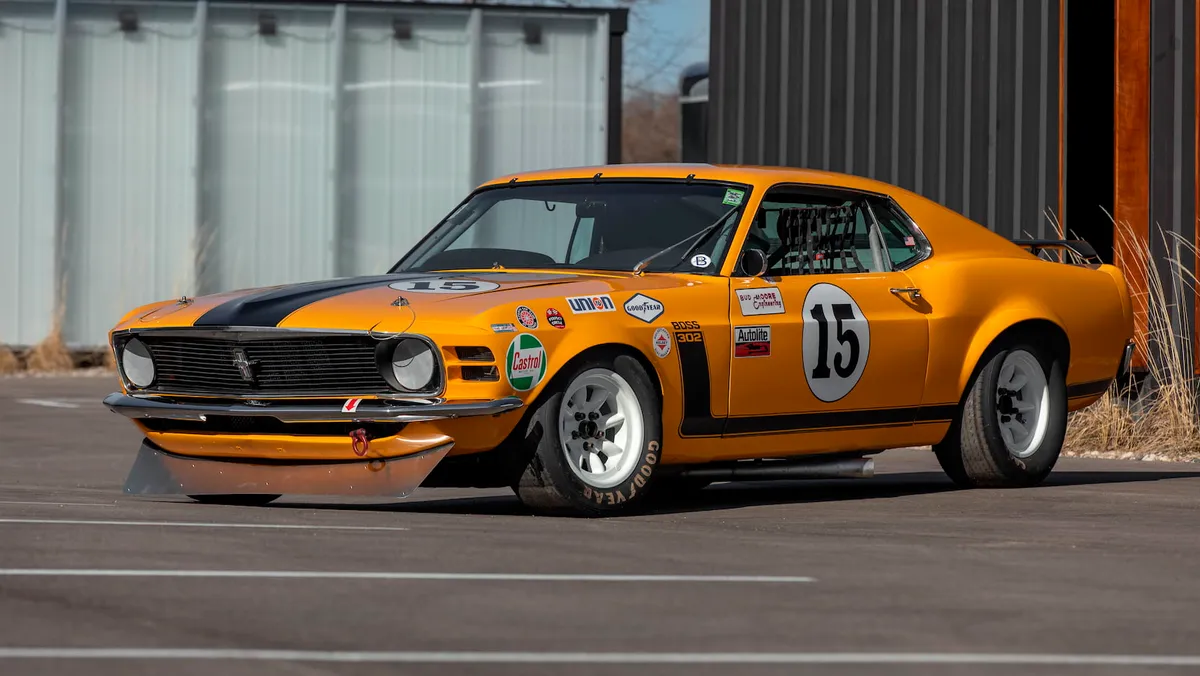
7. 1970 Boss 302 Ford Mustang Trans-Am Special
Consideration of the 1970 Boss 302 Ford Mustang Trans-Am Special introduces a vehicle developed with a clear focus on road racing competition. Ford’s involvement in the Sports Car Club of America Trans-Am series required a production-based platform capable of challenging established rivals.
The Boss 302 emerged from this requirement, representing a direct link between racing objectives and road-going design. Its development reflected a disciplined engineering approach that prioritized performance within defined regulatory limits.
Production figures provide context for its position within the collector market. Approximately 7,013 units were produced for the 1970 model year, creating a balance between availability and exclusivity. While more accessible than certain limited-production vehicles, the Boss 302 remains sufficiently scarce to attract sustained interest among enthusiasts and collectors.
Well-preserved examples with verified documentation continue to perform strongly during auction events, where condition and originality influence valuation. Engine design distinguishes the Boss 302 from larger-displacement muscle cars of the same period. The 302 cubic inch V8 employed advanced cylinder head design with canted valves, a solid lifter camshaft, and a high-flow intake system.
Factory ratings listed output at 290 horsepower, though independent testing often indicated higher performance levels. The engine’s ability to operate efficiently at elevated revolutions created a driving experience focused on responsiveness and precision rather than low-speed torque.
Driving characteristics reflect its racing heritage. The Boss 302 delivers balanced handling, allowing drivers to maintain control during cornering and high-speed operation. This emphasis on agility differentiates it from vehicles designed primarily for straight-line acceleration. Enthusiasts who appreciate road racing dynamics often regard the Boss 302 as one of the most engaging muscle cars of its era.
Market appreciation has followed a steady upward trend. Values have progressed from earlier ranges of sixty thousand to eighty thousand dollars to current figures between one hundred and twenty thousand and two hundred thousand dollars for well-documented examples.
Desirable colour combinations and manual transmission configurations often achieve higher results, reflecting collector preferences for authenticity and visual appeal. Documentation remains essential for authentication. Marti Reports provide detailed verification of production specifications, while matching engine identification numbers confirms originality.
Supporting materials such as original sales documentation and maintenance records enhance credibility. Professional inspection by recognised specialists has become a standard practice for high-value transactions, ensuring that buyers receive accurate information regarding vehicle condition and provenance.
The Boss 302 Mustang continues to hold a respected position within automotive history. Its connection to competitive racing, combined with its engineering refinement and documented authenticity, ensures its continued relevance among collectors who value both performance heritage and historical integrity.
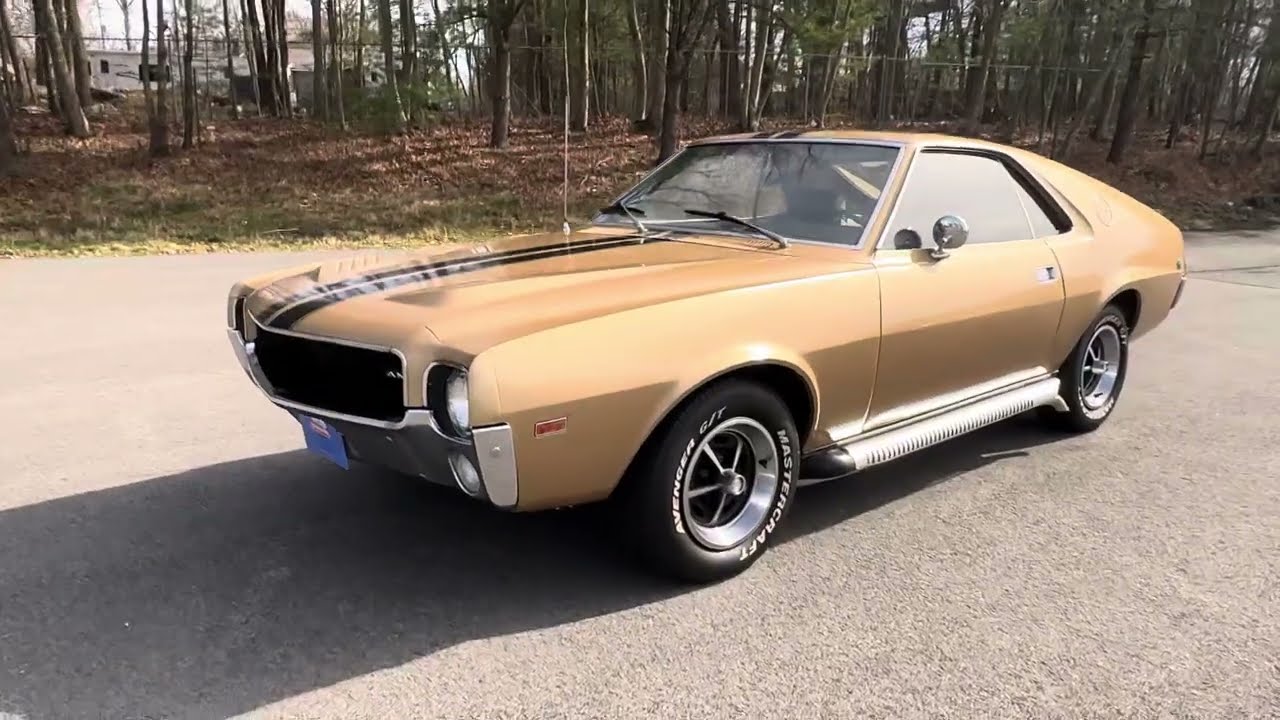
8. 1969 AMC AMX 390 Go Package
American Motors Corporation’s AMX represents a fascinating and underappreciated chapter in muscle car history, and among AMX configurations, the 1969 AMX equipped with the 390 cubic inch V8 and Go Package has experienced one of the most striking appreciation trajectories in the recent collector market as AMC’s story has been rediscovered by a younger generation of collectors approaching the category with a fresh perspective.
Production of the AMX was limited by AMC’s overall production capacity relative to the Detroit Big Three, which is itself the foundational source of its collecting appeal. Total AMX production for 1969 was approximately 8,293 units, making the car scarce by any measure and giving survivors an inherent rarity advantage that AMC never intended as a marketing strategy but that the collector market has enthusiastically embraced.
Go Package specification adds performance content, including the 390 cubic inch four-barrel V8, Ram Air induction hood, power disc brakes, handling package, and wider wheel and tire equipment that transforms the already capable base AMX into a comprehensively sorted performance machine.
Go Package cars are identified through AMC’s factory documentation systems, and their authenticity can be confirmed through VIN decoding and factory documentation that AMC specialists have developed detailed procedures for verifying.
Auction values for 1969 AMC AMX 390 Go Package cars have climbed from the $40,000 to $60,000 range that reflected their historical undervaluation compared to Ford and GM competitors, to $100,000 to $180,000 for exceptional documented examples in recent years. This appreciation reflects a genuine revaluation of AMC’s performance engineering accomplishments by a collector market that had previously overlooked these cars in favor of more familiar muscle car categories.
Color combinations specific to AMC’s own performance palette, including Big Bad Blue, Big Bad Orange, and Big Bad Green, have become particularly sought-after by collectors who recognize these distinctive colors as part of AMC’s genuine identity and who appreciate the contrast between AMC’s approach to performance marketing and the more conservative visual strategies that larger manufacturers sometimes employed during the same period.
Also Read: 10 Modern Muscle Cars That Are Comfortable Enough to Drive Daily
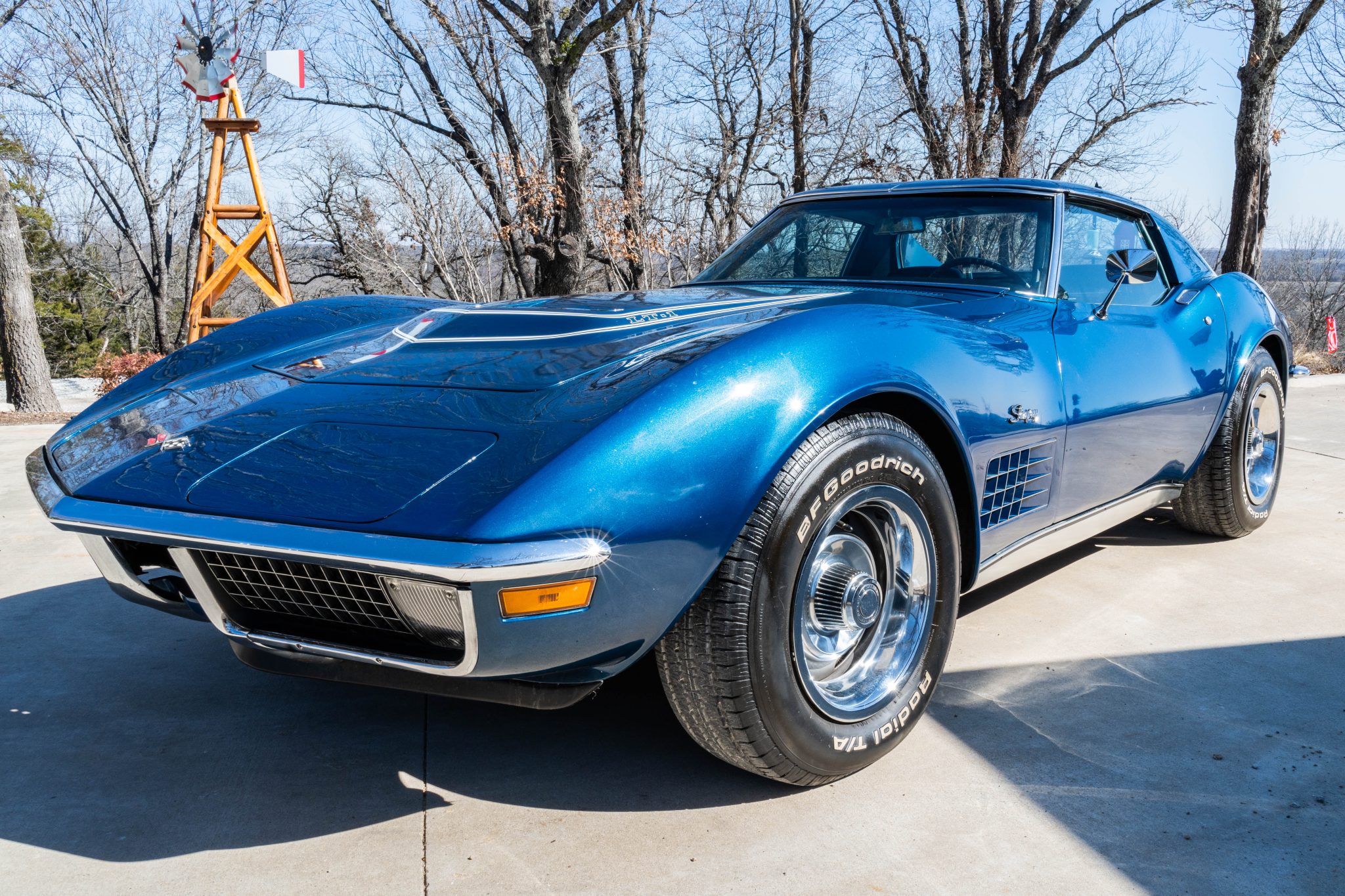
9. 1970 Chevrolet Corvette LT1 350 Coupe
Chevrolet’s decision to offer the high-performance LT1 350 cubic inch small-block V8 in the 1970 Corvette produced a vehicle that has taken decades for the collector market to fully appreciate, having long been overshadowed by the big-block LS5 and LS7 Corvette variants whose displacement commanded initial attention.
Recognition has gradually built that the LT1 350 Corvette represents a more balanced and more drivable performance package than the extreme big-block options, and auction results are beginning to reflect this reassessment.
LT1 engine specification for 1970 was genuinely impressive, independent of its smaller displacement. Solid lifter camshaft, 11 to 1 compression ratio, and Holley four-barrel carburetor on an aluminum high-rise intake produced 370 horsepower in a package that weighed substantially less than the iron-block big-block alternatives and provided a more balanced front-to-rear weight distribution that improved the Corvette’s handling character in ways that drivers who actually used the cars on road courses and canyon roads appreciated immediately.
Production numbers for the 1970 LT1 Corvette were approximately 1,287 coupe and convertible examples, placing it in a scarcity range that creates meaningful collecting demand without the extreme rarity that makes the highest-dollar examples essentially market-illiquid.
This production window means that quality examples appear at auction with enough frequency to establish clear market pricing while still being sufficiently uncommon to sustain appreciation pressure. Auction values for documented 1970 Corvette LT1 350 Coupes have climbed from the $80,000 to $100,000 range a decade ago to $150,000 to $250,000 for exceptional examples with desirable factory options and complete documentation.
Four-speed close-ratio manual transmission, side pipe exhaust, and heavy-duty brake and suspension options create the highest-demand specification combinations, with colors including Brands Hatch Green and Classic White producing strong visual impact in auction presentation photography.
Corvette authentication resources, including Corvette Research documentation service and recognized Corvette specialist inspection, provide the authentication foundation that serious bidders require, and the 1970 LT1’s documentation potential through factory sources is strong enough that complete provenance assembly is achievable for most surviving examples through diligent research.