
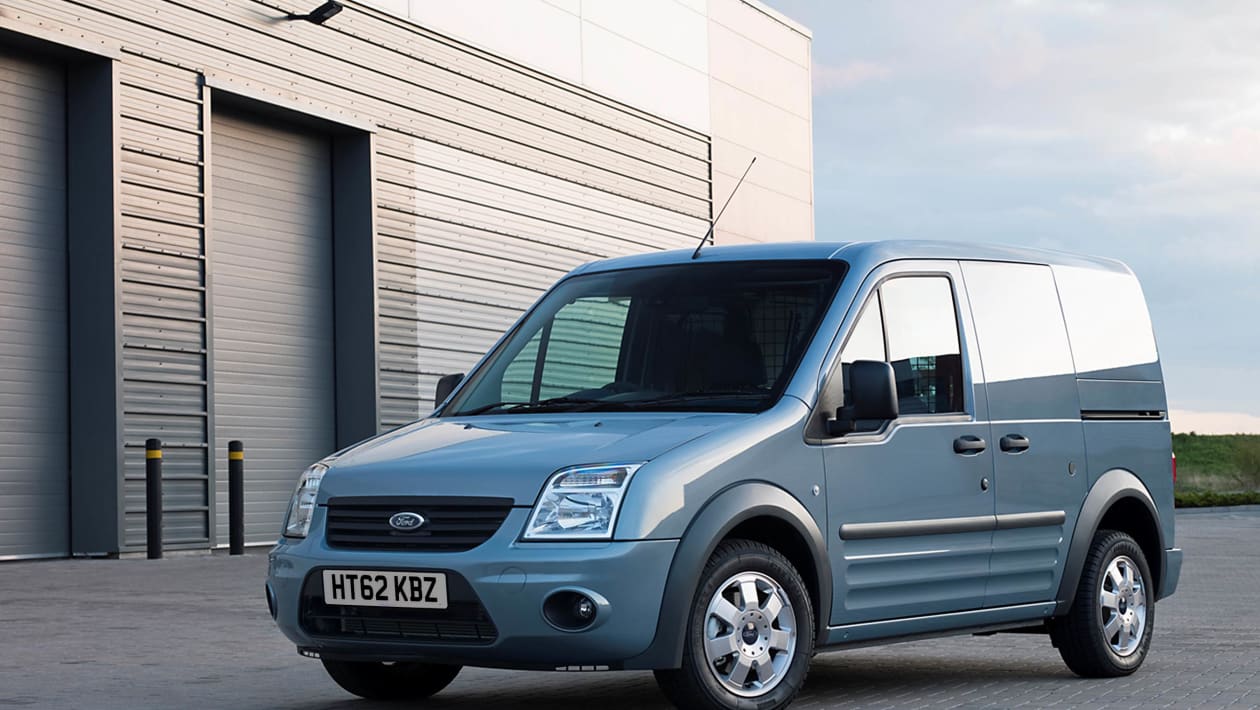
Vehicles designed for commercial duty usually start with a clear purpose: transporting loads, enduring continuous use, and maintaining steady performance under demanding conditions. Comfort is rarely the first concern during their development.
Still, a gradual change has taken place as several of these work-focused platforms have found their way into everyday family use, valued for their durability and dependable construction. This transition developed through deliberate improvements by manufacturers.
As time goes on, refinements such as better seating design, improved ride comfort, and more practical interior layouts allow these vehicles to serve beyond industrial or business roles. Drivers began to realise that a single vehicle could meet both professional responsibilities and personal family requirements without major compromise in function.
Practical needs also played a strong role in this change. Many households require space for passengers, strength for carrying loads, and reliability for daily travel.
These are qualities already present in commercial-grade vehicles. Once interior comfort features improved, these platforms became a realistic alternative to standard passenger cars, offering greater room and structural durability.
This page presents eight vehicles that began as work-oriented machines but later gained acceptance as dependable family transport options.
Each example reflects how thoughtful design adjustments and real-world usage have allowed utility-focused vehicles to transition into everyday roles, supporting both work demands and family transportation needs with consistent reliability.
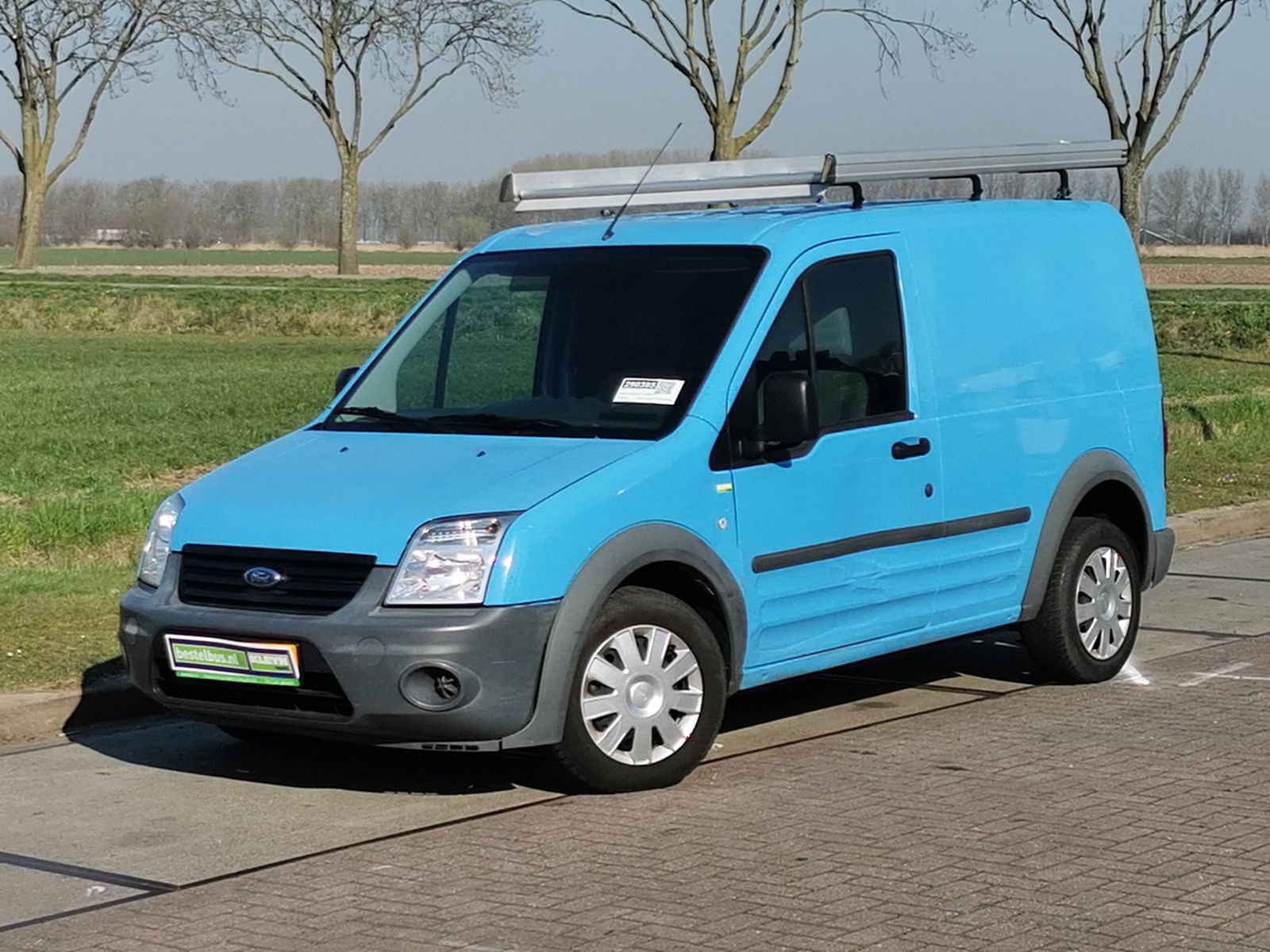
1. 2005 Ford Transit Connect
Picture a compact van originally intended for urban delivery routes, designed to move goods efficiently through crowded streets. The 2005 Ford Transit Connect fits that description perfectly, yet it did not remain confined to commercial use for long. Families began to notice its practicality, especially in environments where space and manoeuvrability mattered.
Compact dimensions make it easy to drive and park, which appeals to parents managing daily routines such as school runs and grocery trips.
Sliding side doors allow convenient access in tight parking spaces, a feature that proves useful when handling children or loading bulky items. Cargo space, once intended for deliveries, adapts well to family needs, accommodating strollers, sports equipment, and luggage with ease.
Interior design reflects its utilitarian roots, though simplicity became an advantage. Durable materials resist wear from daily use, while straightforward controls reduce distractions. As time goes on, newer versions introduced improved seating and additional comfort features, making the cabin more inviting for passengers.
Driving experience remains practical rather than performance-focused. Smooth handling and efficient fuel consumption make it suitable for city driving. Parents appreciate its predictable behaviour, which contributes to a sense of control and safety.
Market acceptance grew as more families recognised its value. What started as a delivery vehicle develops into a versatile family option.
Its ability to serve multiple purposes without complication has sustained its popularity. The 2005 Ford Transit Connect demonstrates how a vehicle designed for work can transition into family life by offering space, efficiency, and reliability in a compact form.
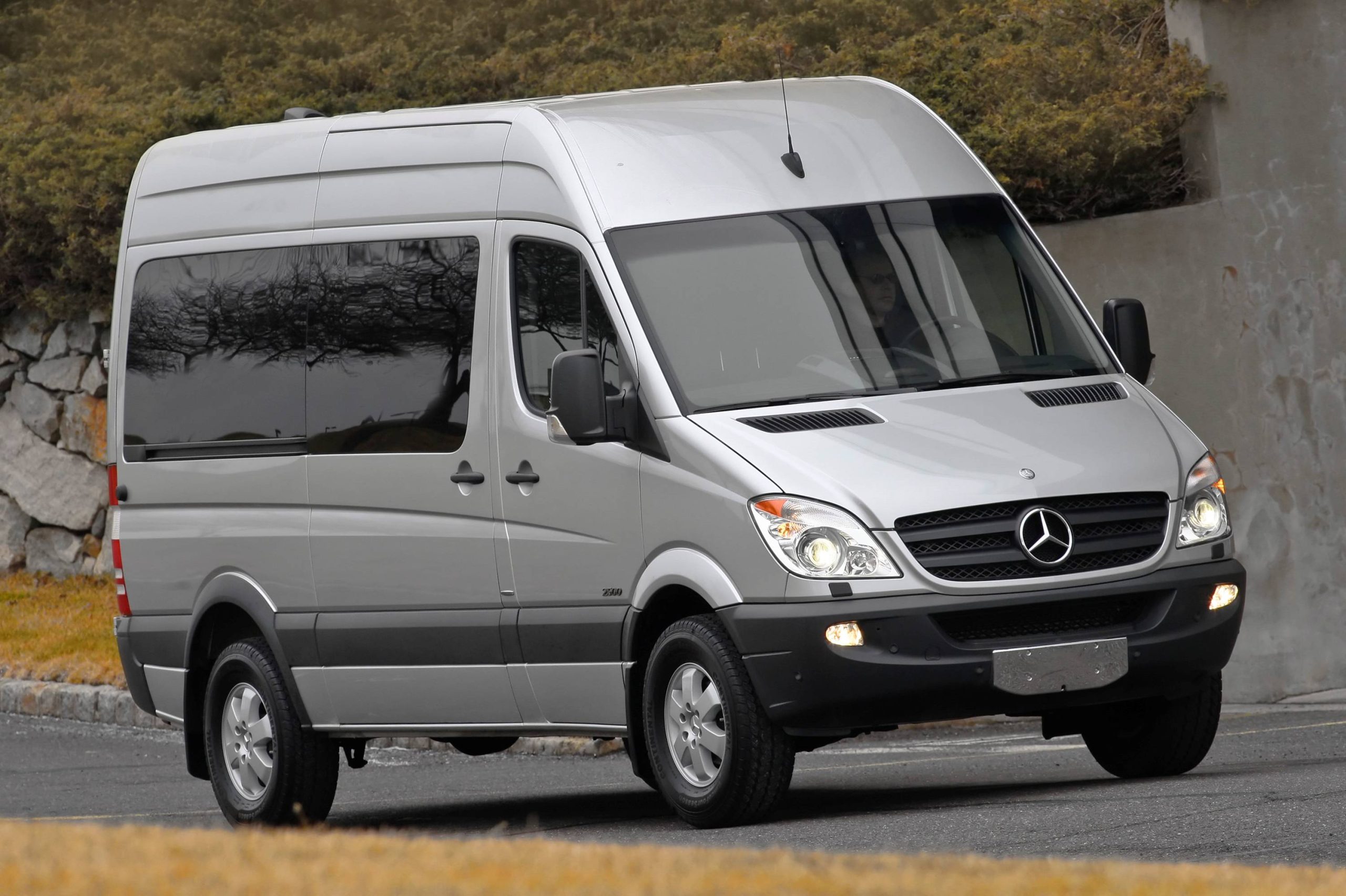
2. 2010 Mercedes-Benz Sprinter Passenger Van
The 2010 Mercedes-Benz Sprinter Passenger Van represents a well-considered approach to vehicle design, combining commercial strength with features suitable for personal use.
Originally developed for the transportation of goods and passengers across long distances, it was constructed to withstand demanding workloads and extended travel conditions.
With time, this platform gained acceptance among families and organisations that required a dependable vehicle capable of accommodating multiple occupants without compromising comfort. A defining feature of the Sprinter Passenger Van is its generous interior space.
Various seating configurations allow it to carry large groups with ease, making it appropriate for family outings, school transportation arrangements, and group excursions.
High roof options provide sufficient headroom, enabling passengers to sit comfortably without feeling restricted. This sense of openness contributes positively to the travel experience, especially during extended journeys.
Attention to construction quality is evident throughout the vehicle. Built with durability in mind, the Sprinter utilises strong materials capable of withstanding frequent use.
Passenger-oriented versions introduced improvements in finishing and comfort, ensuring that occupants benefit from a more refined environment. These enhancements support its dual purpose, allowing it to function effectively in both commercial and personal settings.
Driving characteristics differ from those of smaller vehicles, though they provide stability and confidence, particularly on highways. The elevated driving position offers clear visibility of the road, which assists the driver in maintaining awareness and control. Families often value this feature, as it contributes to a sense of safety during travel.
Flexibility remains an important aspect of its design. Seating arrangements can be modified or removed entirely, creating additional cargo space when required. This adaptability allows the vehicle to respond to varying needs, whether transporting passengers or carrying large items.
Acceptance among families has increased steadily as its advantages have become more widely recognised. Its ability to combine durability, space, and adaptability places it in a category that few vehicles occupy successfully.
The 2010 Mercedes-Benz Sprinter Passenger Van illustrates how a platform initially intended for commercial operations can advance into a practical and comfortable option for family transportation.
Also Read: 6 Cargo Vans for US Small Business vs. 6 Underpowered Delivery Rigs
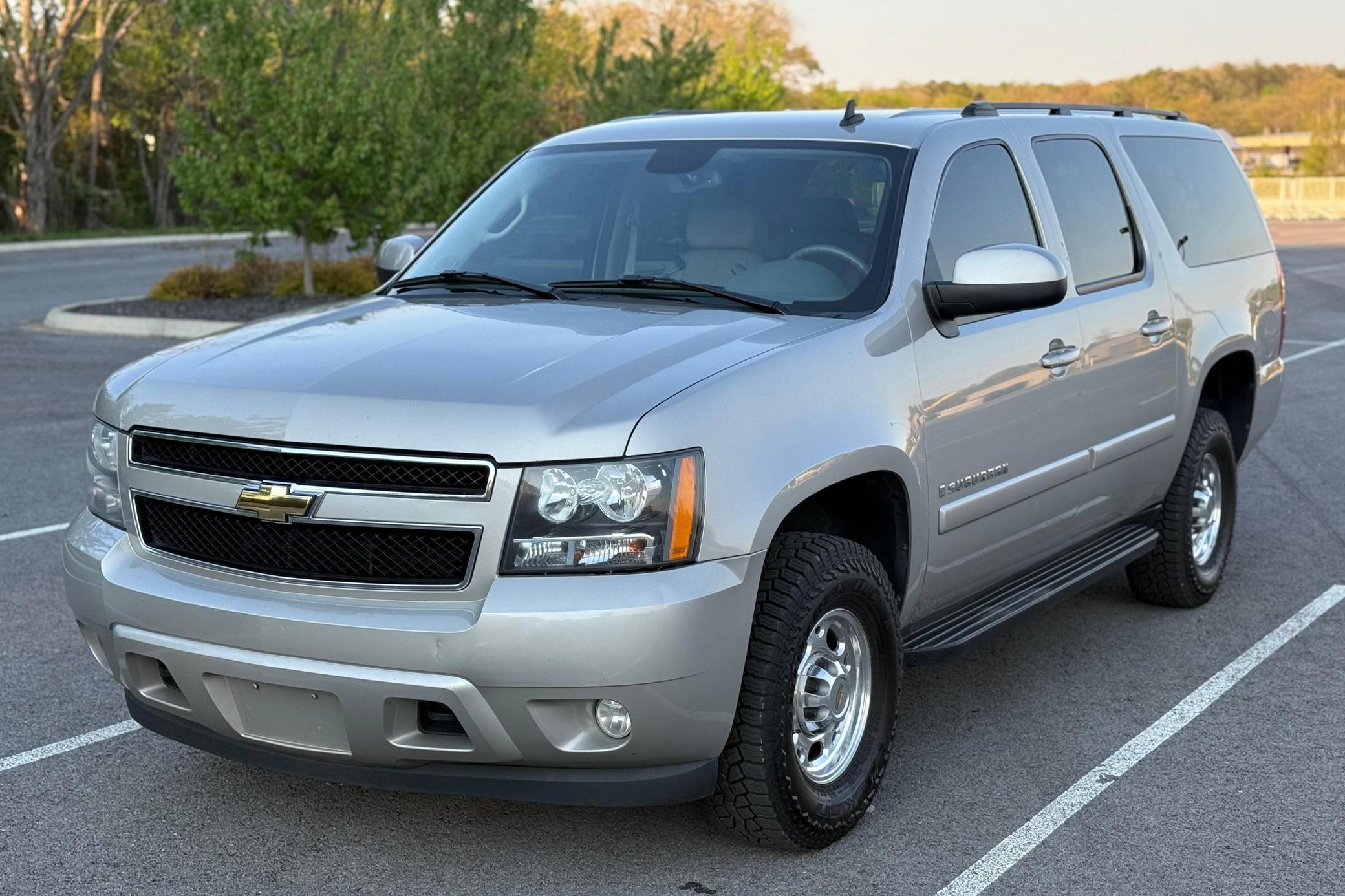
3. 2007 Chevrolet Suburban 2500
The 2007 Chevrolet Suburban 2500 stands as a strong example of a vehicle designed for heavy-duty operations that has gained acceptance within family settings.
Built to handle towing and hauling tasks, it offers a level of strength and reliability that extends beyond its original purpose. Families have adopted this model due to its ability to combine capacity with consistent performance.
Interior space plays a central role in its appeal. With three rows of seating and substantial cargo capacity, it accommodates passengers and their belongings without difficulty.
This arrangement proves useful for long-distance travel, daily commuting, and activities that require transporting multiple items. The layout ensures that occupants have adequate room, contributing to a comfortable experience.
Durability is a defining characteristic of the Suburban 2500. Engineered to operate under demanding conditions, it continues to perform reliably even after extended periods of use. This consistency assures families who depend on the vehicle for various purposes, from routine errands to extended trips.
Improvements in comfort have contributed to its wider acceptance. Seating design has developed to provide better support, while additional features enhance convenience for occupants. These refinements bridge the gap between its work-oriented origins and the expectations of family users.
Driving experience reflects its size and purpose. Stability remains a strong point, particularly when carrying heavy loads or travelling at highway speeds. Although it may not offer the agility of smaller vehicles, it delivers dependable handling that aligns with its intended function.
Market interest remains steady due to its established reputation. Buyers recognise the value of a vehicle that combines durability with practicality, ensuring continued demand in the used market. The 2007 Chevrolet Suburban 2500 demonstrates how a platform developed for demanding tasks can transition into a reliable and spacious choice for everyday family use.
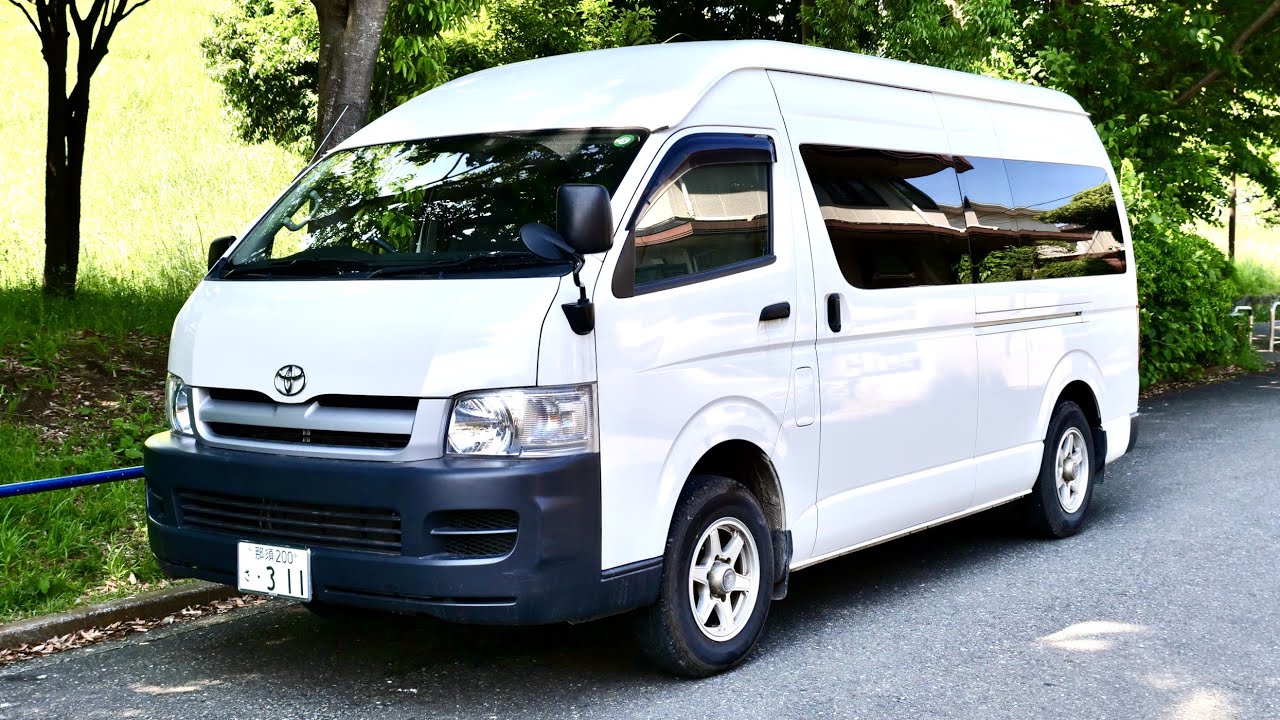
4. 2006 Toyota HiAce Commuter
The 2006 Toyota HiAce Commuter is widely regarded for its functional design and dependable performance. Initially created to transport passengers in commercial settings, it earned a strong reputation for reliability and efficiency. With time, families began to recognise its suitability for personal use, particularly in situations requiring ample seating capacity and consistent operation.
Seating arrangement remains one of its primary strengths. The HiAce accommodates multiple passengers comfortably, making it suitable for large families or group travel. Its layout ensures that each occupant has sufficient space, contributing to a pleasant and orderly travel experience. This feature proves especially useful during extended journeys or regular daily transport.
Durability continues to define the vehicle’s character. Built to endure continuous use, it maintains reliable performance across long periods. This resilience appeals to families seeking a dependable option that can handle both routine and demanding travel requirements without frequent mechanical issues.
Interior design focuses on practicality rather than luxury. Materials are selected for their ability to resist wear, ensuring that the cabin remains functional despite repeated use. While the interior may appear simple, it is easy to maintain and supports everyday use effectively.
Driving experience emphasises ease of operation. The vehicle delivers smooth performance and predictable handling, making it accessible to a wide range of drivers. Families value this consistency, particularly when travelling over long distances or managing daily routines.
Adaptability enhances its usefulness. Seating configurations can be adjusted to create additional space when necessary, allowing the vehicle to meet varying needs. This flexibility supports its transition from a commercial transport solution to a dependable family vehicle.
The 2006 Toyota HiAce Commuter demonstrates how a design focused on passenger transport can advance into a trusted option for families, offering reliability, space, and practical functionality.
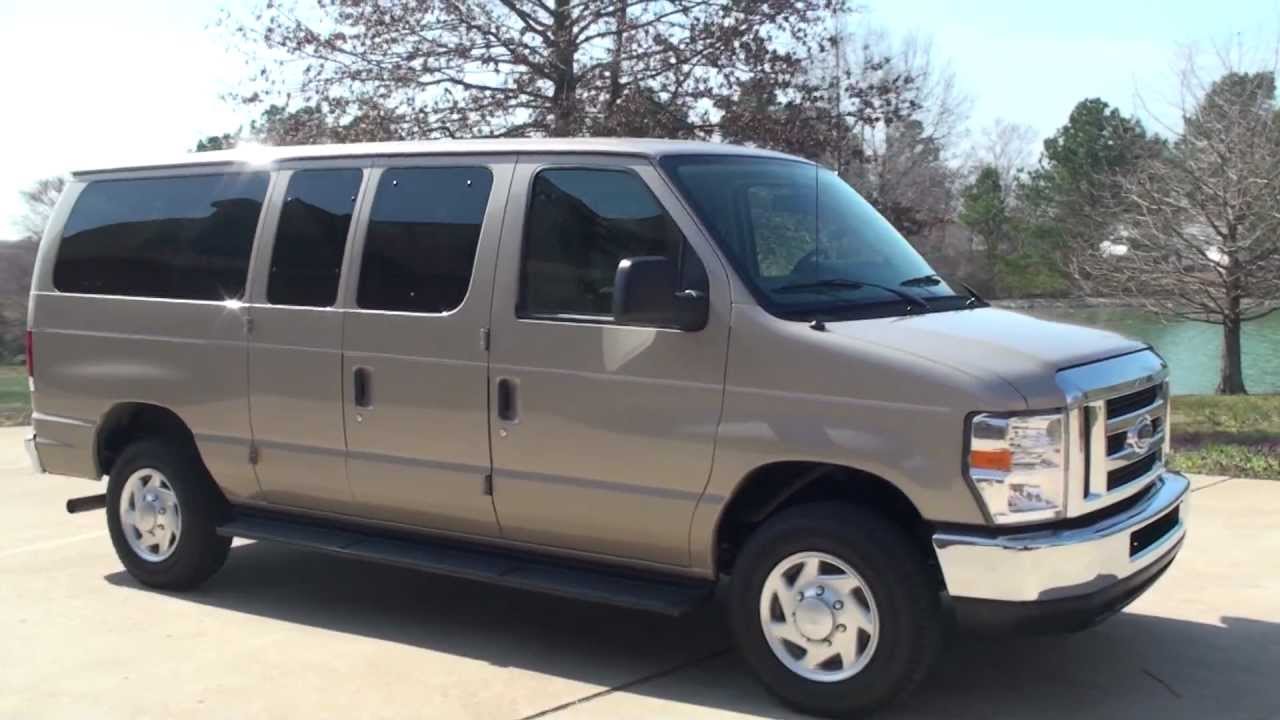
5. 2012 Ford E-Series Wagon (E-350)
The 2012 Ford E-Series Wagon E-350 represents a vehicle engineered with durability as a primary consideration, originally intended to serve in commercial transport roles such as shuttle services, workforce movement, and fleet operations.
Its strong reputation for reliability and structural strength soon extended beyond these applications, drawing the attention of families who required a dependable vehicle capable of accommodating multiple passengers while maintaining consistent performance under varied conditions.
Interior arrangement reflects a design that supports versatility. Multiple rows of seating provide ample space for large groups, allowing families with several members or those who frequently travel with relatives to move comfortably without restriction.
The upright seating position enhances visibility for occupants, contributing to a more assured travel experience. Entry and exit are simplified by the vehicle’s structure, which proves beneficial during routine activities such as school transportation or weekend engagements.
Material selection within the cabin aligns with its original commercial purpose. Surfaces are constructed to withstand frequent use, including repeated entry, accidental spills, and constant handling. Although the interior may not present luxury in the conventional sense, it delivers a practical and resilient environment that remains serviceable for extended periods.
This level of durability appeals strongly to families who place value on function and long-term usability rather than aesthetic refinement. Driving characteristics require some adjustment for individuals accustomed to smaller vehicles.
The E-350 possesses a commanding road presence, which contributes to a sense of stability and control, particularly during highway travel. Its capacity to transport passengers and cargo efficiently without placing undue strain on the vehicle enhances its suitability for long-distance journeys. Families often appreciate this consistency, especially when reliability is a priority.
Flexibility further strengthens its appeal. Seating configurations can be altered or removed entirely, allowing the interior space to be adapted for various purposes. This capability enables the vehicle to function effectively in different roles, ranging from family travel to the transportation of bulky items or equipment.
Market demand has remained steady due to its established reputation for durability and capacity. Buyers seeking a reliable vehicle that can handle both personal and practical responsibilities continue to show interest in this model. Its ability to balance commercial strength with everyday usability ensures its continued relevance.
The 2012 Ford E-Series Wagon E-350 demonstrates how a vehicle originally designed for demanding operational duties can transition successfully into family life, offering space, resilience, and adaptability suited to a wide range of requirements.
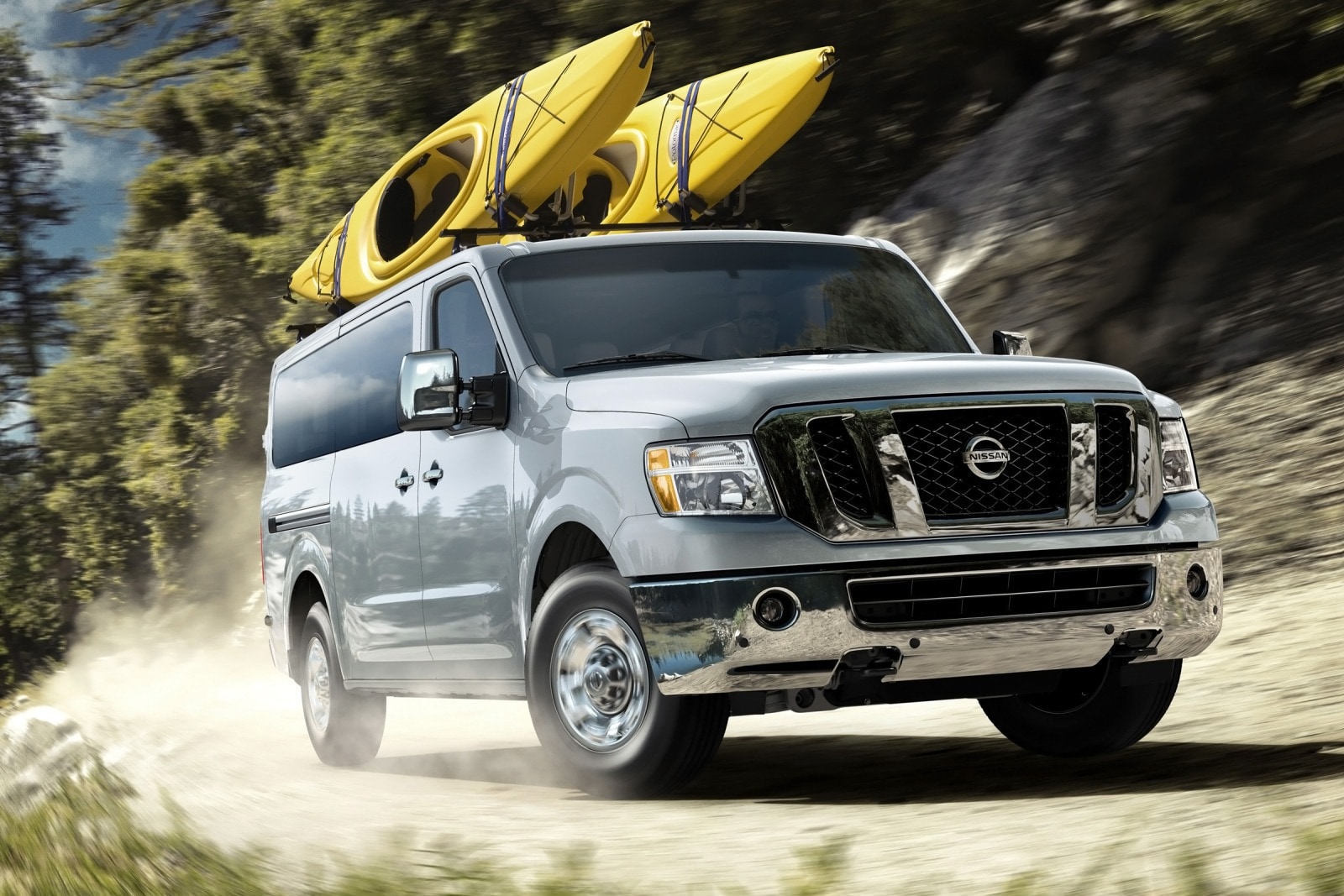
6. 2015 Nissan NV3500 HD Passenger Van
The 2015 Nissan NV3500 HD Passenger Van began life as a transport platform intended for demanding commercial duties such as crew movement and passenger hauling. Its structure reflects that origin through a strong chassis designed to endure frequent use, heavy loads, and long operating hours.
With time, it gained attention from private owners who required a vehicle capable of carrying many passengers while maintaining steady performance under varied road conditions. Interior space stands out as one of its strongest attributes. Multiple seating rows allow the cabin to accommodate large groups without feeling restrictive.
This arrangement suits extended families, shared travel groups, and situations that require coordinated movement of several passengers. Each seat position is designed with sufficient room for occupants, reducing discomfort during long trips.
A raised roof structure contributes to a more open cabin feel, allowing passengers to sit without feeling compressed, which becomes particularly helpful during extended travel periods. Material selection within the cabin reflects its original purpose. Surfaces are built to endure frequent entry, constant usage, and repeated contact.
Seats, trims, and floor sections are engineered for durability rather than decorative appeal. While this approach does not prioritize luxury finishes, it ensures that the interior remains serviceable after prolonged use. Families who place value on durability find this approach practical, especially when daily routines place heavy demands on the vehicle.
Structural strength remains a defining trait. The chassis is engineered to support heavy loads without loss of stability. This provides reassurance during long-distance driving or when the vehicle carries a full passenger load. Mechanical systems are designed for endurance, allowing the vehicle to maintain steady operation even under continuous usage patterns common in commercial environments.
Driving behaviour reflects controlled stability rather than sporty responsiveness. The vehicle maintains balance on highways and offers predictable handling during urban travel. Elevated seating position improves forward visibility, allowing the driver to observe road activity with greater clarity. This aspect supports confidence when operating a large vehicle in traffic conditions that require attention and awareness.
Flexibility within the cabin adds to its practicality. Seating configurations can be adjusted to suit different needs, whether transporting passengers or clearing space for luggage and equipment. This adaptability allows the same vehicle to serve multiple roles within a household or group setting without requiring modification beyond simple adjustments.
Family adoption has increased as awareness of its practical advantages grows. The combination of strong construction, spacious interior design, and adaptable seating arrangements aligns with the needs of households requiring dependable transport for multiple passengers.
It serves as a bridge between commercial durability and everyday usability, offering a solution that supports both structured transport and personal travel requirements.
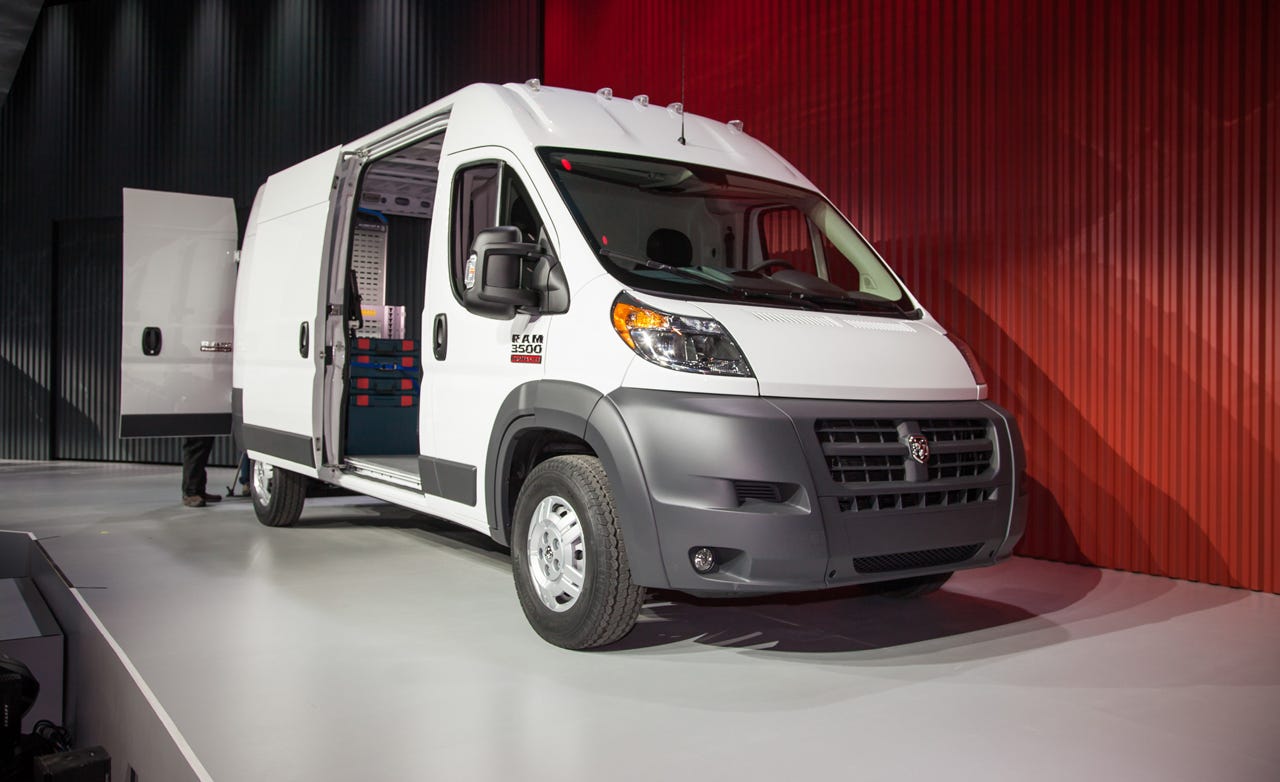
7. 2014 Ram ProMaster 1500 Passenger Van
The 2014 Ram ProMaster 1500 Passenger Van presents a practical example of how a vehicle originally designed for cargo transport can be successfully adapted for family use. Its development was guided by the need for efficiency and effective use of space, qualities that later proved valuable in personal transportation.
With time, this model gained acceptance among families who required a vehicle capable of combining durability with everyday convenience. Interior design reflects a strong emphasis on accessibility. The low step-in height allows passengers to enter and exit the vehicle with minimal effort, which is particularly beneficial for families with young children or elderly occupants.
Wide sliding doors further enhance convenience, making it easier to manage entry in confined parking areas. The flat load floor contributes to flexibility within the cabin, enabling straightforward arrangement of seating and cargo without unnecessary complications.
Space remains a defining attribute of the ProMaster 1500. The cabin is structured to accommodate multiple passengers comfortably, while still providing adequate room for luggage, equipment, or other items required for daily activities. This balance between passenger capacity and storage capability makes it suitable for family outings, school runs, and recreational engagements. Occupants benefit from a layout that supports both comfort and functionality during travel.
Attention to construction highlights durability as a central consideration. Materials used within the cabin are selected for their ability to withstand frequent use, ensuring that the interior remains functional even after extended periods. Although the design may appear simple, it serves its purpose effectively by maintaining reliability under regular use. Families often appreciate this durability, as it reduces the need for frequent repairs or replacements.
Driving experience differs from that of traditional vans due to its front-wheel-drive configuration. This layout enhances manoeuvrability, particularly in urban environments where space may be limited. Drivers find it easier to control the vehicle when driving through narrow streets or parking in restricted areas. This practicality contributes to its appeal among families who require a vehicle that is both spacious and manageable.
Flexibility continues to support its usefulness. Seating arrangements can be adjusted or removed entirely, allowing the interior to be reconfigured according to specific needs. This adaptability ensures that the vehicle remains relevant in various situations, from transporting passengers to carrying bulky items.
Market interest reflects a growing appreciation for its capabilities. Buyers recognise the advantage of owning a vehicle that combines commercial strength with everyday usability. This recognition has contributed to its steady acceptance among family users.
The 2014 Ram ProMaster 1500 Passenger Van demonstrates how thoughtful design and practical engineering can transform a work-focused platform into a dependable and adaptable vehicle suitable for family life.
Also Read: 12 Reasons Why Traditional Minivans Are Still the Smartest Choice for Families
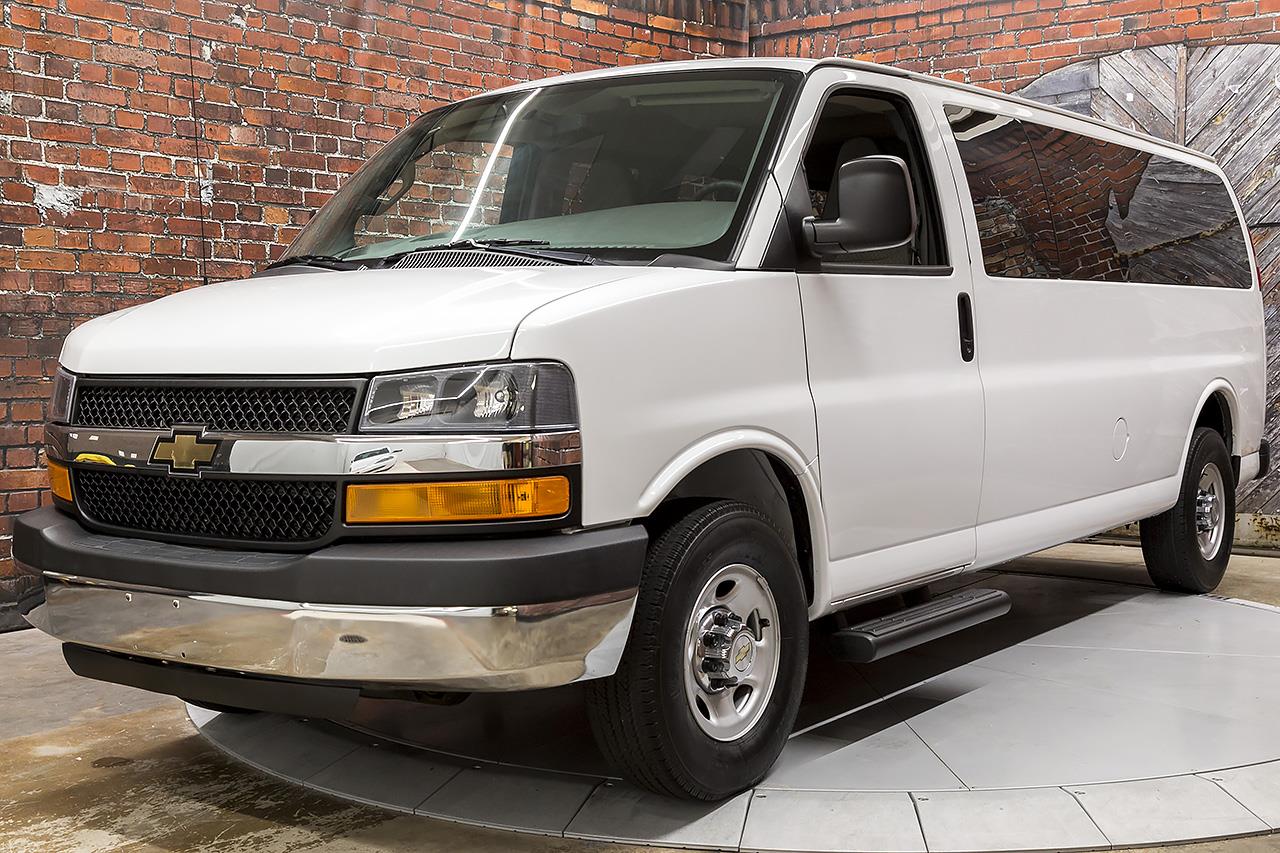
8. 2016 Chevrolet Express 3500 Passenger Van
The 2016 Chevrolet Express 3500 Passenger Van has maintained a strong presence in commercial transport due to its durability and capacity, yet its application has extended into family use, where space and reliability are essential. Designed to accommodate demanding operational requirements, this vehicle offers qualities that align well with the needs of large households and group travel.
Interior arrangement supports the transportation of multiple passengers through its multi-row seating configuration. Each row is positioned to provide sufficient space, ensuring that occupants remain comfortable during travel. This layout proves effective for family gatherings, long-distance trips, and routine daily movement.
In addition to passenger accommodation, the vehicle offers ample cargo space, allowing users to transport luggage, equipment, or other items without difficulty. Construction quality reflects its commercial origins. The use of strong materials and solid engineering ensures that the vehicle remains durable under frequent use.
Families benefit from this reliability, particularly when managing active routines that require consistent performance. The ability to withstand wear without immediate deterioration contributes to its continued relevance in both commercial and personal contexts.
Driving experience emphasises stability and control. The Express 3500 performs reliably on extended journeys, maintaining a steady ride that supports passenger comfort. While its size may require an adjustment period for some drivers, it offers a sense of control that becomes more evident with familiarity. This stability is especially valuable during highway travel, where consistent handling enhances confidence.
Adaptability adds to its practicality. Seating can be removed or repositioned, allowing the interior to be adjusted according to specific requirements. This flexibility enables the vehicle to serve multiple purposes, whether transporting passengers or carrying goods. Families find this feature useful when balancing different responsibilities that require varying amounts of space.
Market demand remains consistent due to its established reputation for dependability. Buyers seeking a large and durable vehicle often consider this model a suitable option. Its ability to meet both commercial and personal needs contributes to sustained interest in the market.
The 2016 Chevrolet Express 3500 Passenger Van illustrates how a vehicle designed for demanding transport duties can transition effectively into family use. Through its combination of durability, capacity, and adaptability, it continues to provide practical value across a wide range of applications.
