Choosing the right commercial vehicle has a direct impact on how smoothly a small business operates, especially when balancing cost, efficiency, and workload demands. The comparison between “6 Cargo Vans for US Small Business vs. 6 Underpowered Delivery Rigs” separates two very different categories of work vehicles.
Full-size cargo vans are built for strength, large cargo volumes, and long-term durability, making them suitable for heavy deliveries, equipment transport, and service industries. In contrast, compact delivery rigs focus on affordability, fuel savings, and ease of driving in crowded urban areas, but they often struggle when faced with heavier loads or demanding routes.
Vehicles like the Ford Transit and Mercedes-Benz Sprinter are engineered for maximum productivity and adaptability, while smaller options such as the Nissan NV200 or Toyota Sienna prioritize low operating costs and maneuverability.
Understanding these differences helps business owners avoid mismatches between vehicle capability and daily workload. This breakdown highlights how each model performs in real commercial conditions, showing which vans deliver dependable performance and which ones are better suited for lighter, city-based operations.
6 Cargo Vans for US Small Business
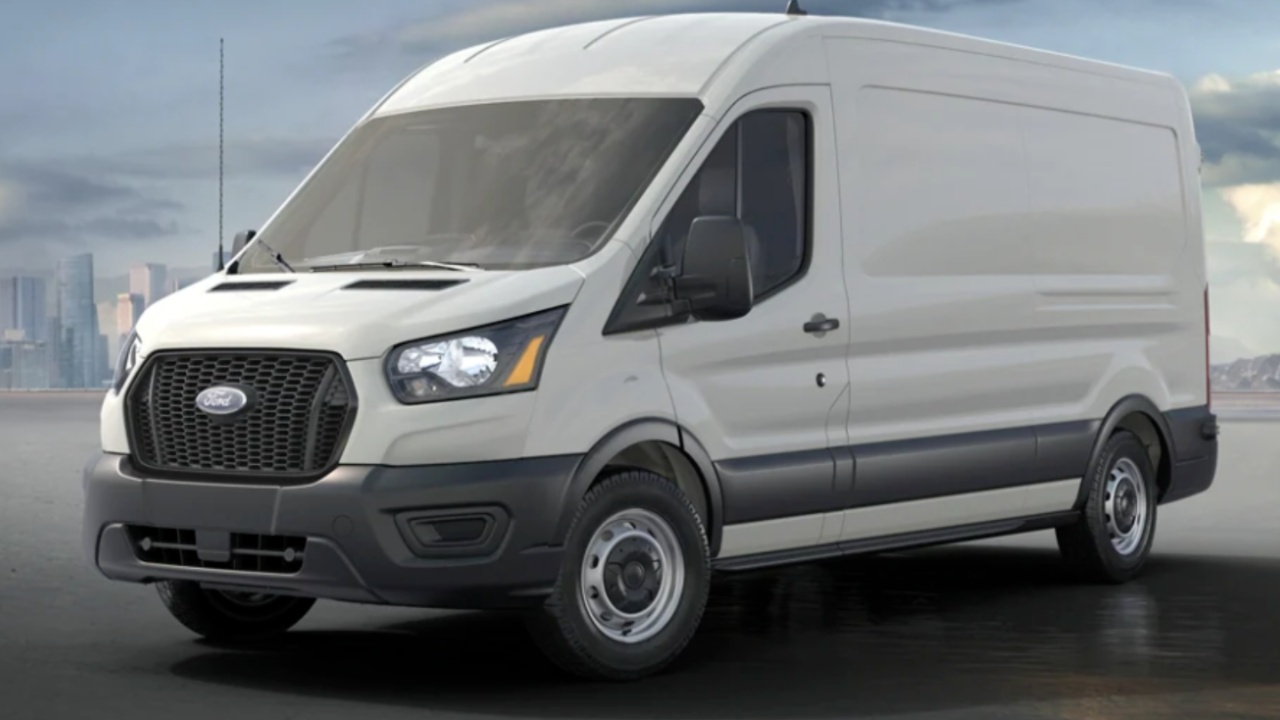
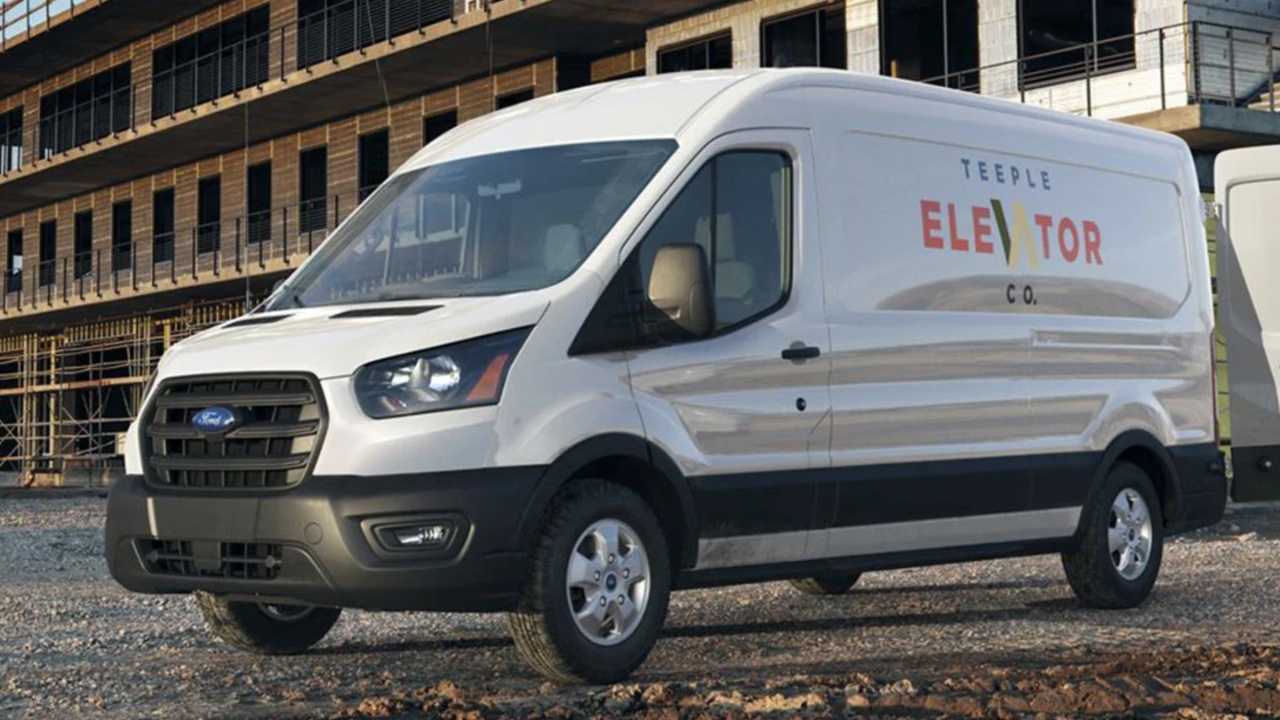
1. Ford Transit Cargo Van
The Ford Transit Cargo Van stands out as a market leader in the full-size commercial van segment, largely due to its unmatched versatility and configurability. Designed to meet the diverse needs of businesses, it offers three roof heights, three body lengths, and multiple body styles, allowing owners to tailor the vehicle for specific tasks such as deliveries, construction, or mobile services.
Its cargo capacity is particularly impressive, reaching up to 536.4 cubic feet, while payload capacity can go as high as 4,670 pounds, making it ideal for transporting large and heavy loads efficiently.
Performance is another strong point. The Transit comes with two engine options: a standard 275-horsepower 3.5-liter V6 and a more powerful 310-horsepower twin-turbocharged EcoBoost V6 that delivers excellent torque for demanding jobs.
Both engines are paired with a 10-speed automatic transmission and can be configured with either rear-wheel drive or all-wheel drive, the latter enhancing capability in challenging weather without compromising cargo space. The van also offers a towing capacity of up to 6,900 pounds, further increasing its utility.
In terms of technology and safety, the Transit is equipped with modern driver-assistance features such as lane-keeping assist, automated emergency braking, and optional adaptive cruise control.
A 12-inch infotainment system with wireless Apple CarPlay and Android Auto ensures connectivity and convenience for drivers on the road. For businesses seeking sustainability, the all-electric E-Transit variant provides an eco-friendly alternative with lower maintenance costs.
Comfort and practicality are well-balanced in the interior, which offers a smooth ride, low noise levels for a work van, and flexible seating or cargo configurations. Additionally, the Transit benefits from a wide service network and strong aftermarket support, making maintenance and customization easy.
With its combination of power, adaptability, advanced features, and strong resale value, the Ford Transit Cargo Van remains a reliable and cost-effective choice for businesses across various industries.
2. Mercedes-Benz Sprinter
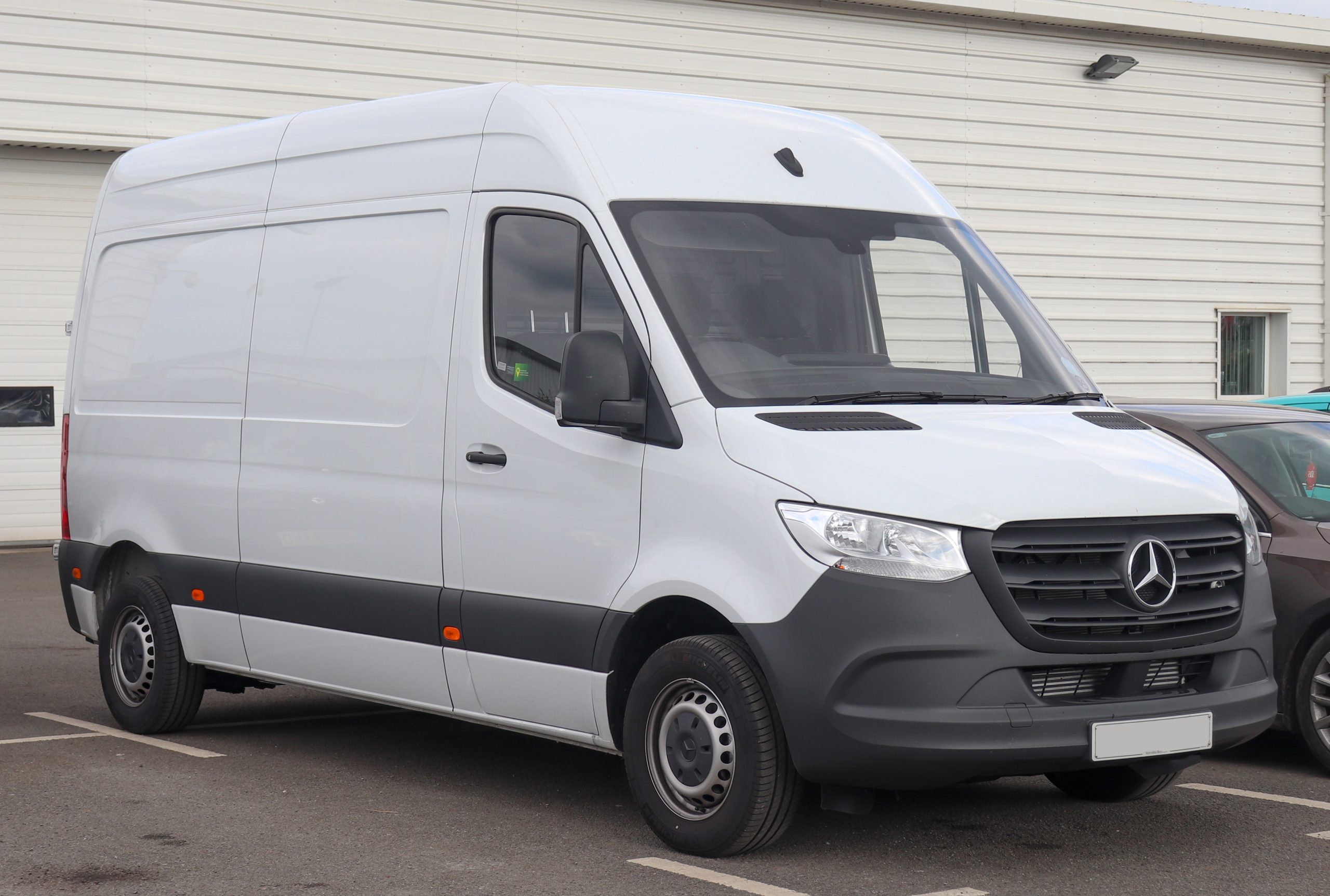
The Mercedes-Benz Sprinter is widely recognized as a premium option in the full-size commercial van segment, valued for its durability, high capacity, and refined design.
Although it has a higher purchase price than many competitors, its long-term reliability and strong resale value help offset the initial cost. Many businesses also appreciate its professional appearance, which can enhance brand image when used for deliveries or service operations.
A major strength of the Sprinter is its impressive cargo and payload capability. It offers between 533 and 588 cubic feet of cargo space, depending on configuration, along with payload capacities that can exceed 6,800 pounds and even reach over 7,000 pounds in heavy-duty versions.
This makes it ideal for transporting large volumes of goods or heavy equipment. The van is also highly customizable, with multiple roof heights, wheelbases, and body styles that allow it to be adapted for industries such as logistics, construction, HVAC, and telecommunications.
The Sprinter is powered by a 2.0-liter turbodiesel engine available in two versions. The base engine produces 170 horsepower, while the higher output version delivers 211 horsepower and 332 pound-feet of torque.
Both engines are paired with a 9-speed automatic transmission, and an All Wheel Drive system is available for improved traction in difficult road or weather conditions. While acceleration is modest compared to some rivals, the focus is on efficiency, reliability, and consistent performance over long distances.
Inside, the Sprinter offers a more refined cabin than most work vans. Available features include the MBUX infotainment system, touchscreen controls, and modern driver assistance technologies such as automated emergency braking and blind spot monitoring. These features improve safety and driver comfort during long hours on the road.
The Mercedes-Benz Sprinter combines strong hauling capability, flexibility, and premium features. It remains a top choice for businesses that need a dependable and high-capacity vehicle for demanding daily operations.
3. RAM ProMaster
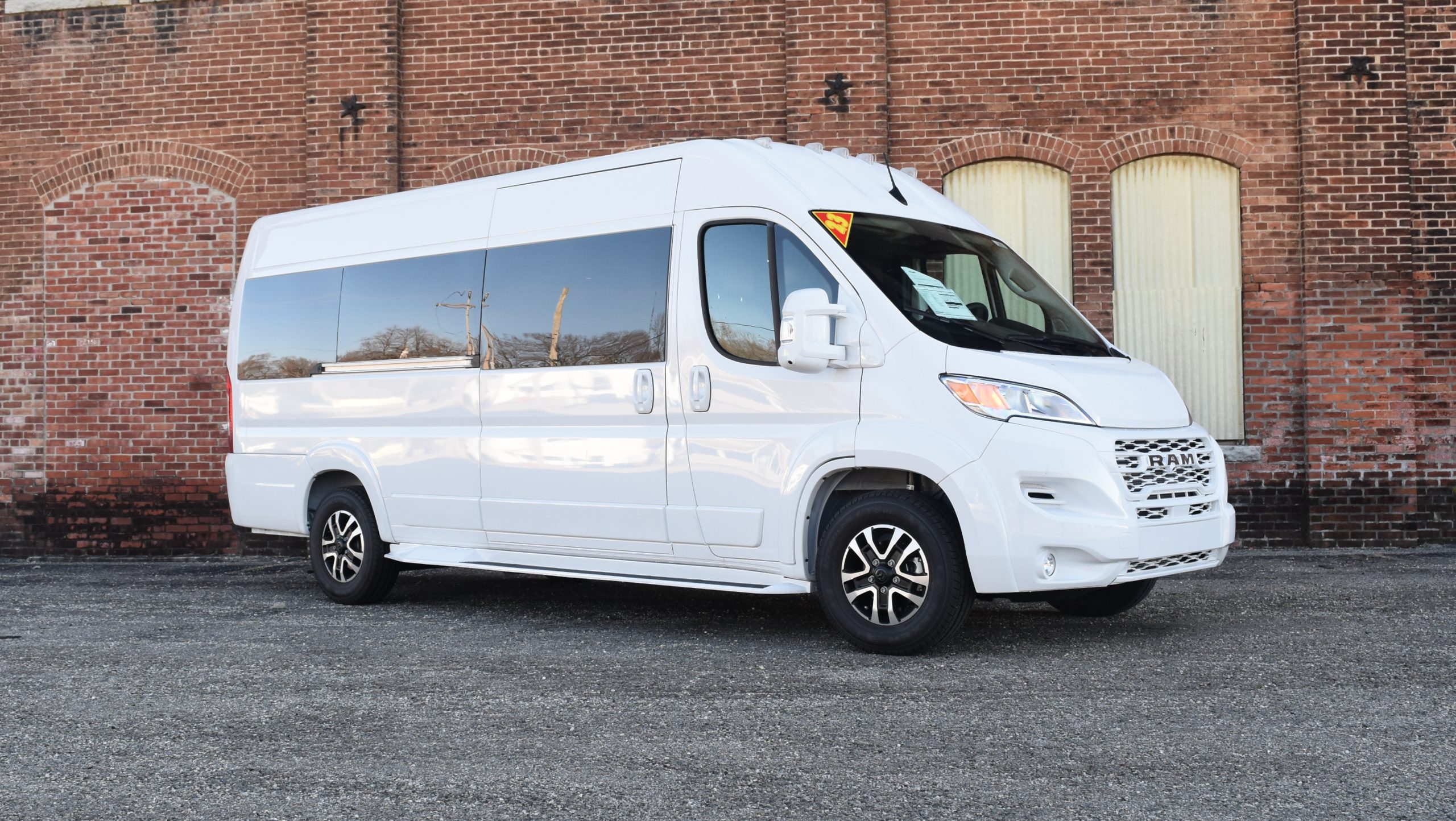
The RAM ProMaster is a highly practical and efficient full-size commercial van, especially suited for urban businesses and trades that require frequent loading and unloading. Its defining feature is its Front Wheel Drive layout, which sets it apart from many competitors.
This design allows for a lower load floor, measuring about 21 inches, making cargo access easier and reducing physical strain on workers. It also contributes to a tighter turning radius, which improves maneuverability in crowded city environments.
Cargo space and usability are major strengths of the ProMaster. Its boxy shape, vertical walls, and wide rear opening maximize interior volume and make it easier to install shelving, racks, and storage systems.
Depending on configuration, it offers up to 524 cubic feet of cargo space, making it ideal for mobile workshops, delivery services, and service-based industries like plumbing and electrical work. The wide and nearly square cargo area allows for more efficient organization compared to vans with curved interiors.
Powering the ProMaster is a 3.6-liter Pentastar V6 engine that produces 276 horsepower, paired with a 9-speed automatic transmission. This setup delivers solid performance for hauling and daily operations.
It also offers a maximum towing capacity of up to 6,910 pounds and a payload capacity of up to 4,820 pounds, which is sufficient for most business needs. While its ride quality and handling are less refined than some rivals, it remains dependable and functional.
Inside, the ProMaster features a straightforward but modern cabin with durable materials and practical storage. It includes a standard 7-inch touchscreen, with an available 10.1-inch system that supports wireless Apple CarPlay and Android Auto. Safety features such as automated emergency braking and driver alert systems enhance security on the road.
The RAM ProMaster delivers excellent cargo efficiency, easy accessibility, and strong customization potential, making it a cost-effective solution for businesses focused on productivity and urban mobility.
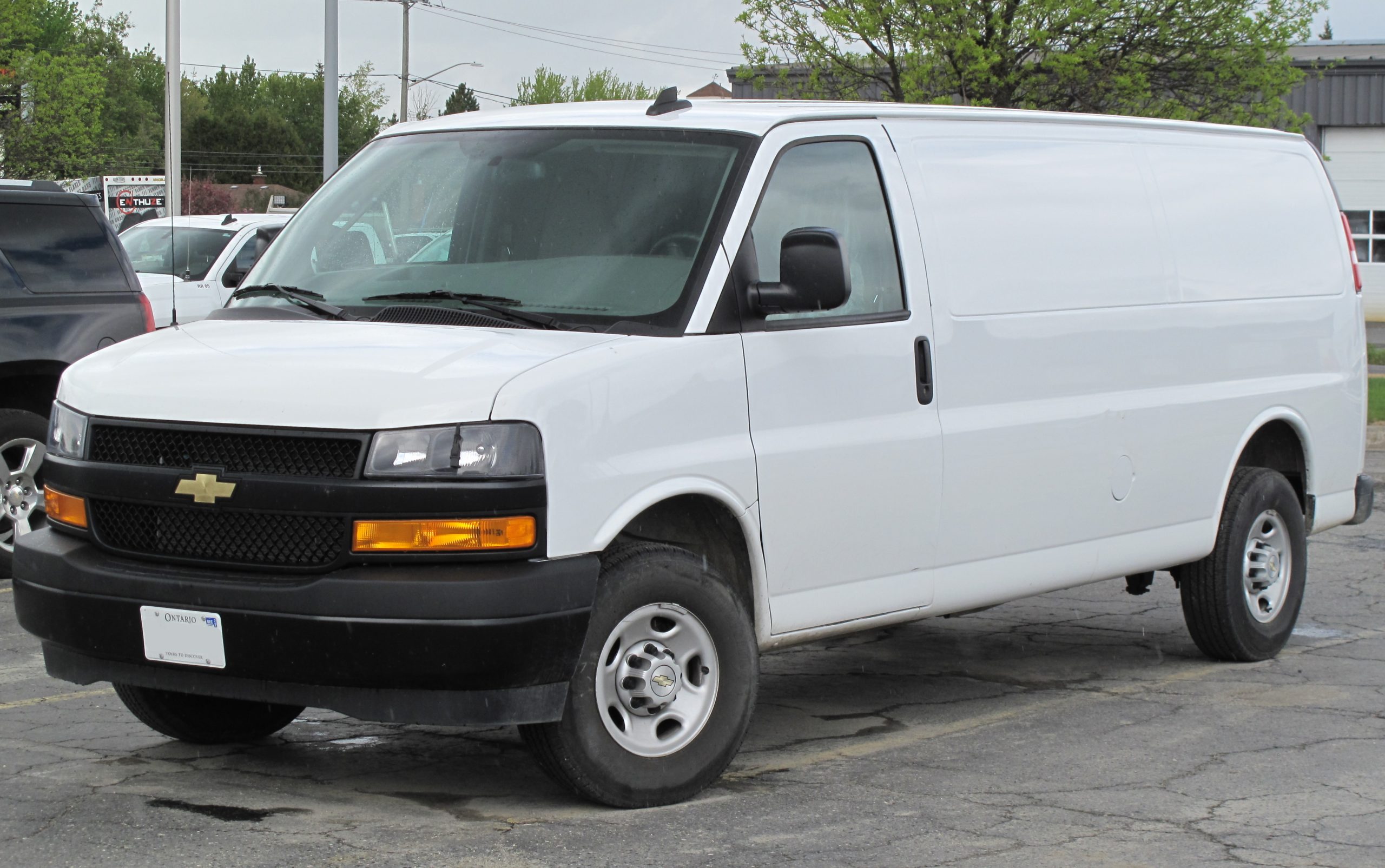
4. Chevrolet Express
The Chevrolet Express is a long-standing, no-frills commercial van known for its durability, simplicity, and strong performance. Unlike many modern competitors, it has remained largely unchanged for decades, relying on a proven body-on-frame construction.
This traditional design makes it highly reliable and easy to maintain, as parts are widely available and most mechanics are familiar with its straightforward engineering. For many businesses, this translates into lower maintenance costs and long-term dependability.
One of the Express’s biggest strengths is its power. It offers a range of engines, including a 4.3-liter V6 with 276 horsepower and a robust 6.6-liter V8 that produces 401 horsepower and 464 pound-feet of torque.
This powerful V8 enables a maximum towing capacity of up to 9,600 to 10,000 pounds, making it one of the strongest vans in its class for heavy-duty work. Payload capacity is also impressive, reaching up to 4,280 pounds depending on the configuration, which is ideal for transporting tools, equipment, and materials.
While it does not offer the high roof options or advanced technology seen in newer vans, the Express provides practical cargo space of up to about 313.9 cubic feet. Its open interior layout makes it easy to customize for specific trades such as plumbing, HVAC, and electrical services. Many businesses value this adaptability, as it allows the van to function as a mobile workshop.
Inside, the cabin is basic and functional, with minimal infotainment features and a design that feels dated compared to rivals. However, it delivers what matters most for work use, which is durability and ease of use. Safety features such as rear vision cameras and optional driver assistance systems add some modern functionality.
The Chevrolet Express remains a dependable and cost-effective workhorse. Its combination of rugged construction, strong towing capability, and long lifespan makes it a practical choice for businesses that prioritize strength and reliability over modern features.
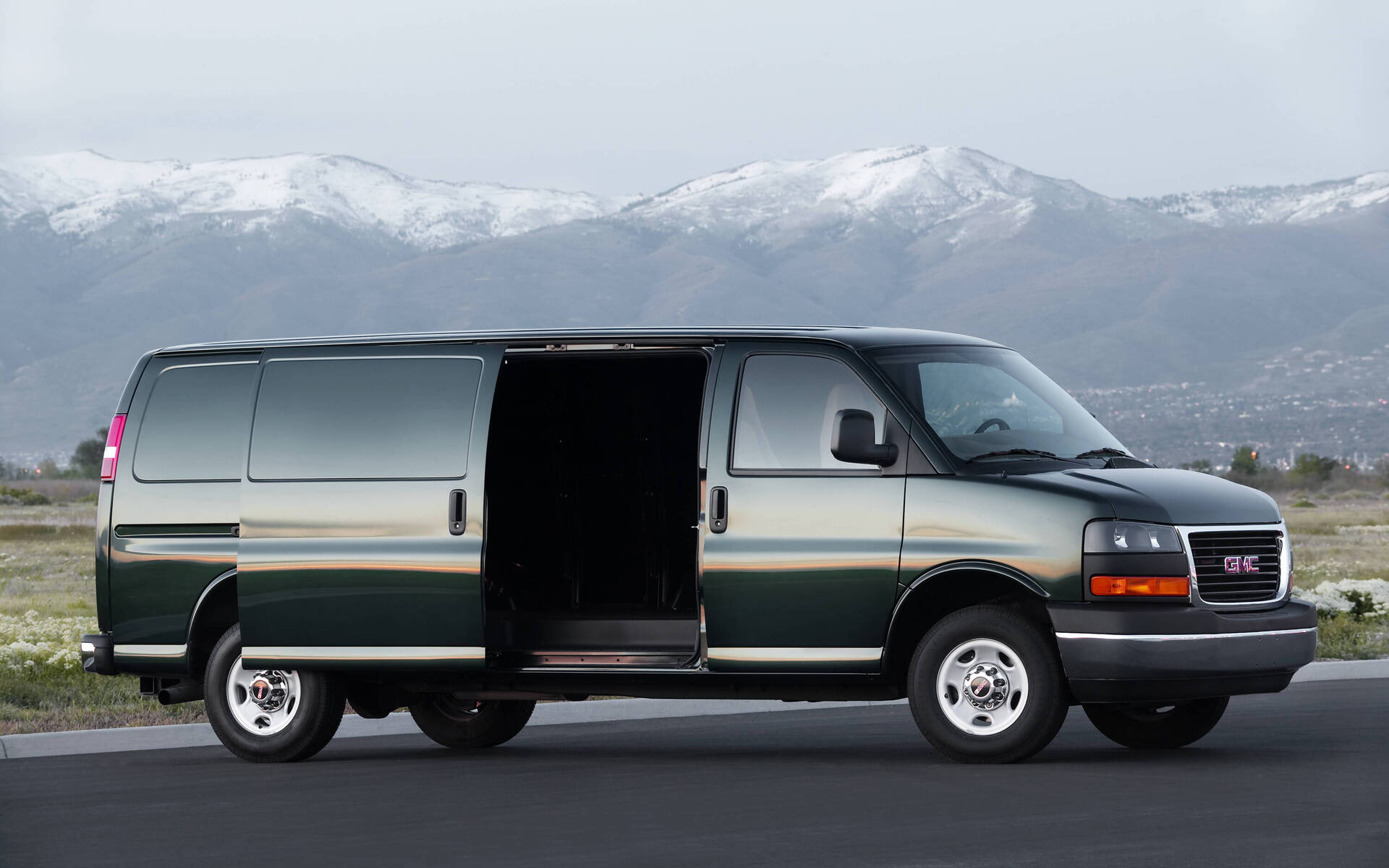
5. GMC Savana
The GMC Savana is a traditional full-size commercial van built for durability, strength, and long-term reliability. As the mechanical twin of the Chevrolet Express, it shares the same body-on-frame construction and proven engineering.
This design makes it a dependable option for businesses that prioritize rugged performance over modern styling or advanced technology. Its straightforward build also helps reduce maintenance complexity and costs, making it a practical choice for long-term fleet use.
A key advantage of the Savana is its strong towing and hauling capability. When equipped with the available 6.6-liter V8 engine, it can tow up to 9,600 to 10,000 pounds, making it ideal for transporting heavy trailers and equipment.
It also offers a payload capacity of up to 4,280 pounds in the 3500 series, allowing businesses to carry substantial cargo alongside towing duties. Engine options include a 4.3-liter V6 and the powerful V8, both designed to handle demanding workloads consistently.
The Savana is also valued for its flexibility and ease of customization. Its open cargo area can be configured with shelving, racks, and specialized equipment, making it suitable for trades such as plumbing, electrical work, and HVAC services.
Cargo space can reach up to about 283.6 cubic feet, providing enough room for tools and materials. The design also allows for easy access through side and rear doors, while solid panels help improve security for valuable equipment.
However, the Savana does show its age. Its interior is basic and lacks modern infotainment features, and many advanced safety systems are optional rather than standard. Fuel efficiency is also lower compared to newer vans.
The GMC Savana remains a dependable and cost-effective workhorse. It is best suited for businesses that need strong towing power, durability, and customization rather than modern comfort or technology.
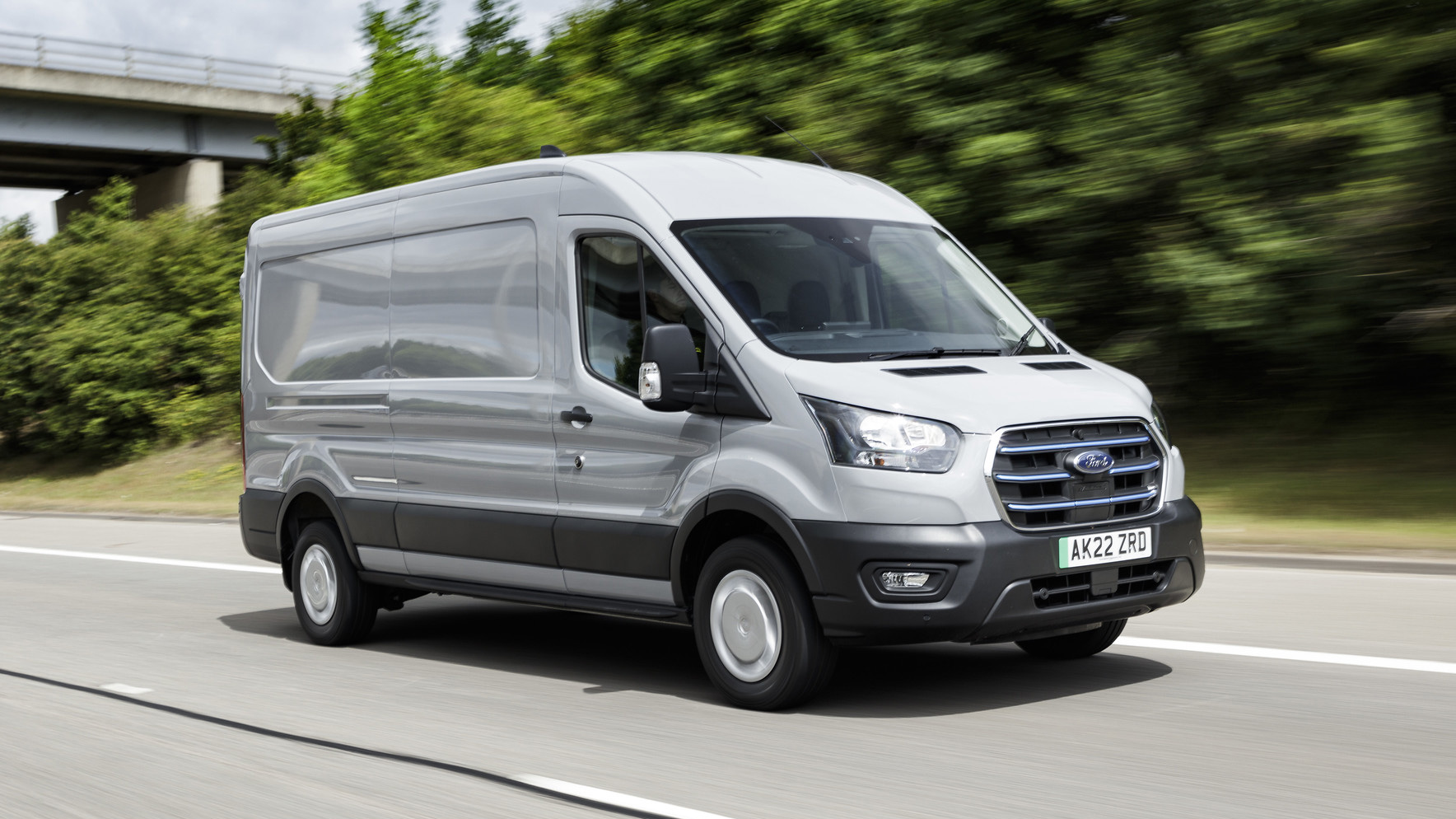
6. Ford E-Transit
The Ford E-Transit is a leading electric commercial van designed for businesses aiming to reduce emissions and operating costs. Built on the same platform as the traditional Transit, it offers similar cargo space and versatility while replacing the gasoline engine with an electric powertrain. This allows businesses to transition to cleaner operations without sacrificing practicality or capacity.
Powered by an electric motor producing about 266 horsepower and 317 lb-ft of torque, the E-Transit delivers smooth and quiet performance that is especially well-suited for city driving.
Its instant torque improves acceleration in stop-and-go traffic, reducing driver fatigue during long workdays. The van is equipped with a battery that provides a real-world range of approximately 125 to 159 miles, making it ideal for urban routes and last-mile delivery rather than long-distance hauling.
Despite being electric, the E-Transit maintains strong utility. It offers cargo space ranging from about 357 to over 400 cubic feet, along with a payload capacity between 3,100 and 3,800 pounds.
Multiple roof heights and body lengths are available, allowing businesses to customize the vehicle for specific needs such as delivery, maintenance, or mobile services. One standout feature is Pro Power Onboard, which enables the van to supply electricity directly to tools and equipment, effectively turning it into a mobile power source.
The E-Transit also includes modern technology such as a large touchscreen infotainment system and built-in telematics for fleet management. These tools help businesses monitor performance, track vehicles, and manage charging efficiently.
While its limited driving range and higher initial cost may not suit every operation, the E-Transit excels in environments with predictable routes and access to charging. It provides a practical balance of sustainability, performance, and functionality, making it an excellent choice for businesses focused on efficient and eco-friendly urban operations.
6 Underpowered Delivery Rigs
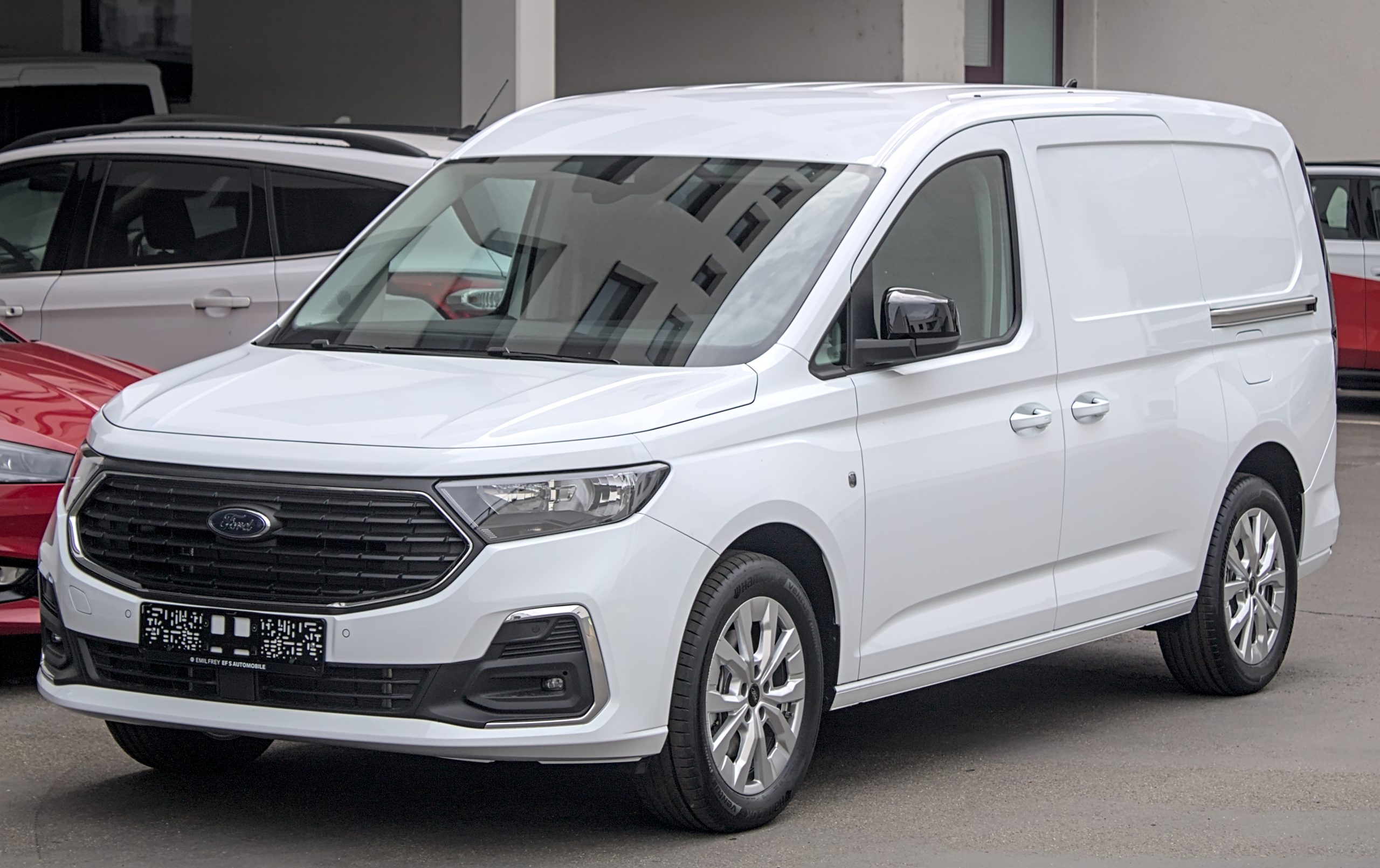
1. Ford Transit Connect
The Ford Transit Connect is a compact cargo van designed for light-duty urban business use. As the discontinued entry in Ford’s van lineup, it is known for efficiency, easy handling, and low operating costs rather than heavy hauling strength.
It is powered by a 2.0-liter four-cylinder engine producing about 162 horsepower, which is modest compared to larger commercial vans. With a maximum payload of around 1,550 pounds and a towing capacity of nearly 2,000 pounds, it is best suited for light cargo rather than industrial equipment transport.
Despite its limited power, it performs well in city environments where compact size matters more than strength. Its small footprint allows it to fit in tight parking spaces and standard residential garages, which makes it practical for frequent stop-and-go delivery routes. It also offers strong fuel economy of up to 26 miles per gallon on the highway, helping reduce operating costs for small businesses.
The cargo area is suitable for light-duty trades such as florists, caterers, and courier services, but it is not intended for heavy construction or towing needs. It remains a cost-effective choice for small businesses that prioritize efficiency and urban mobility over heavy-duty performance requirements.
Its simple design also helps keep maintenance costs low and reliability strong for daily commercial use. Because of these traits, it is most effective for urban-focused businesses with predictable routes and lighter payload demands. It remains a practical option for compact delivery fleets in crowded cities across markets
2. Nissan NV200
The Nissan NV200 is a compact cargo van designed as a low-cost solution for urban delivery and light commercial use. It was built primarily for budget-conscious small businesses that prioritize efficiency and maneuverability over power and speed. Although it is no longer sold new in many markets, it remains popular in the used vehicle segment, especially for last-mile delivery services.
It is powered by a 2.0-liter four-cylinder engine producing 131 horsepower and 139 lb ft of torque, paired with a continuously variable transmission. This setup is focused on fuel efficiency rather than performance, which often results in weak acceleration when the vehicle is fully loaded. Highway merging and overtaking can feel slow, especially when carrying heavier cargo, with 0 to 60 mph times around 10 seconds under load conditions.
The NV200’s limited power makes it less suitable for demanding highway use or heavy hauling. It also has a lower payload capacity compared to larger vans, which restricts its use in trades that require transporting heavy tools or equipment. In addition, its boxy design can make it more affected by crosswinds, and braking distances increase significantly when fully loaded.
Despite these limitations, the NV200 is valued for its strengths in urban environments. Its compact size allows it to move easily through tight streets and park in small spaces. It also delivers strong fuel economy, which helps reduce operating costs for businesses with frequent delivery routes. The interior includes practical features such as reinforced mounting points that make it easy to install shelving and storage systems for organized cargo use.
The Nissan NV200 is best suited for light-duty city-based operations such as courier services and small deliveries. It remains a practical and economical choice for businesses that prioritize low running costs and easy urban mobility over performance and heavy load capability.
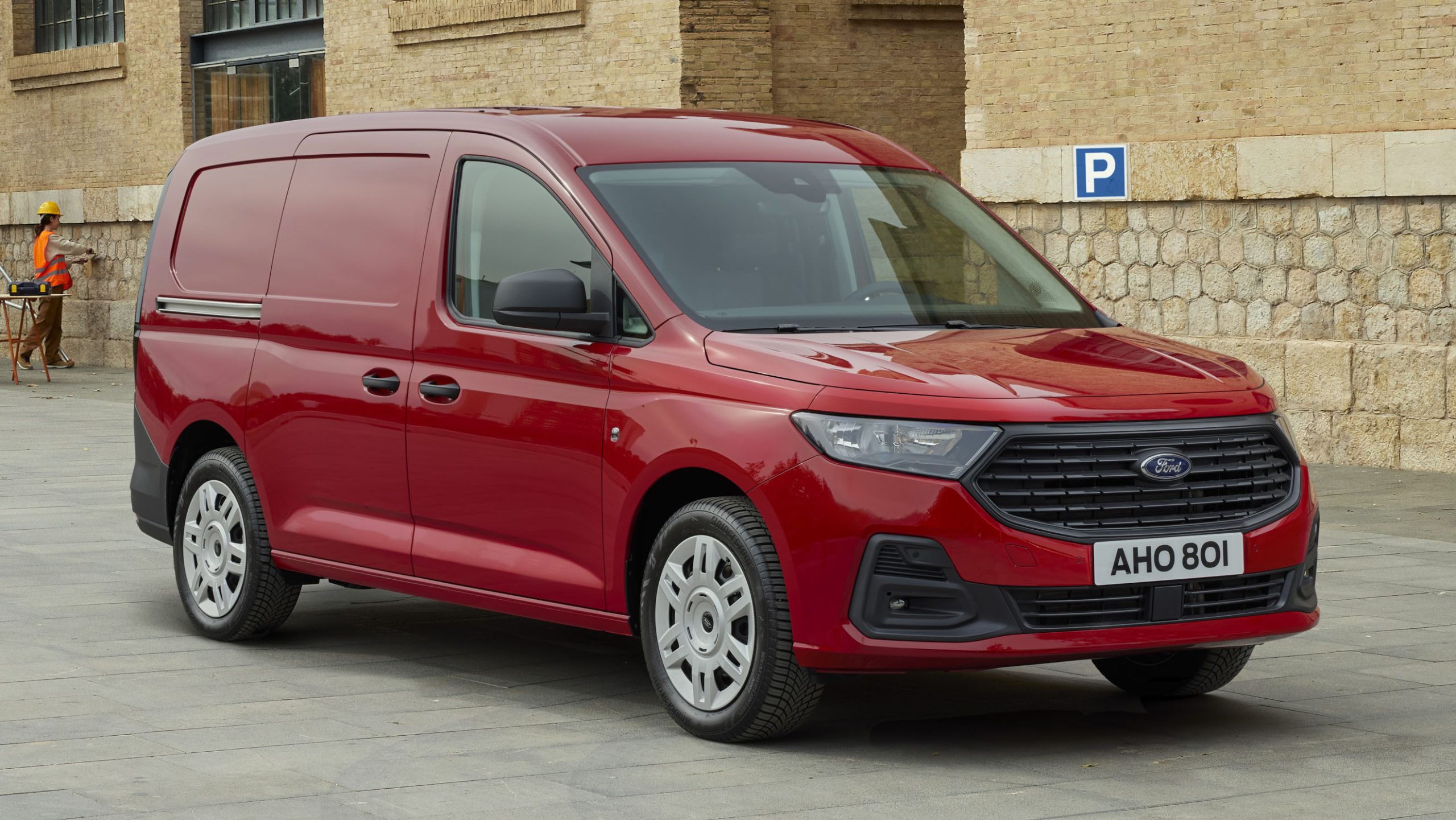
3. RAM ProMaster City
The RAM ProMaster City is a compact cargo van that was designed for urban delivery and light commercial use before its discontinuation. It was positioned as a practical step up from smaller city vans, offering more cargo space and power while still maintaining a compact footprint suitable for dense city environments.
Despite this, it is often described as underpowered when compared to both full-size vans and some rivals in its own segment.
It is equipped with a 2.4-liter Tigershark four-cylinder engine producing 178 horsepower, paired with a 9-speed automatic transmission. While this setup provides better output than some competitors, it is tuned more for fuel efficiency and city driving than heavy-duty performance.
As a result, acceleration can feel sluggish when the van is fully loaded, especially during highway merging or uphill driving. The transmission also tends to shift frequently, which can affect smoothness under load.
The ProMaster City offers up to 1,890 pounds of payload capacity and around 131.7 cubic feet of cargo space. While these figures are strong for a compact van, they are still limited for businesses that need to transport larger equipment or heavier loads. Its towing capacity is also modest at about 2,000 pounds, which restricts its usefulness for trailer-based operations.
In city environments, however, the van performs well. Its small size allows for easy parking and movement through tight streets, making it suitable for delivery services and mobile businesses. It is also efficient in fuel consumption, which helps reduce operating costs for frequent stop-and-go routes.
However, it is less suited for highway heavy operations. Drivers have reported noise at higher speeds, reduced stability in demanding conditions, and occasional reliability concerns related to transmission behavior and engine strain.
The RAM ProMaster City is best suited for light urban delivery work. It offers practicality and efficiency but falls short when higher power, speed, or heavy load capability is required.
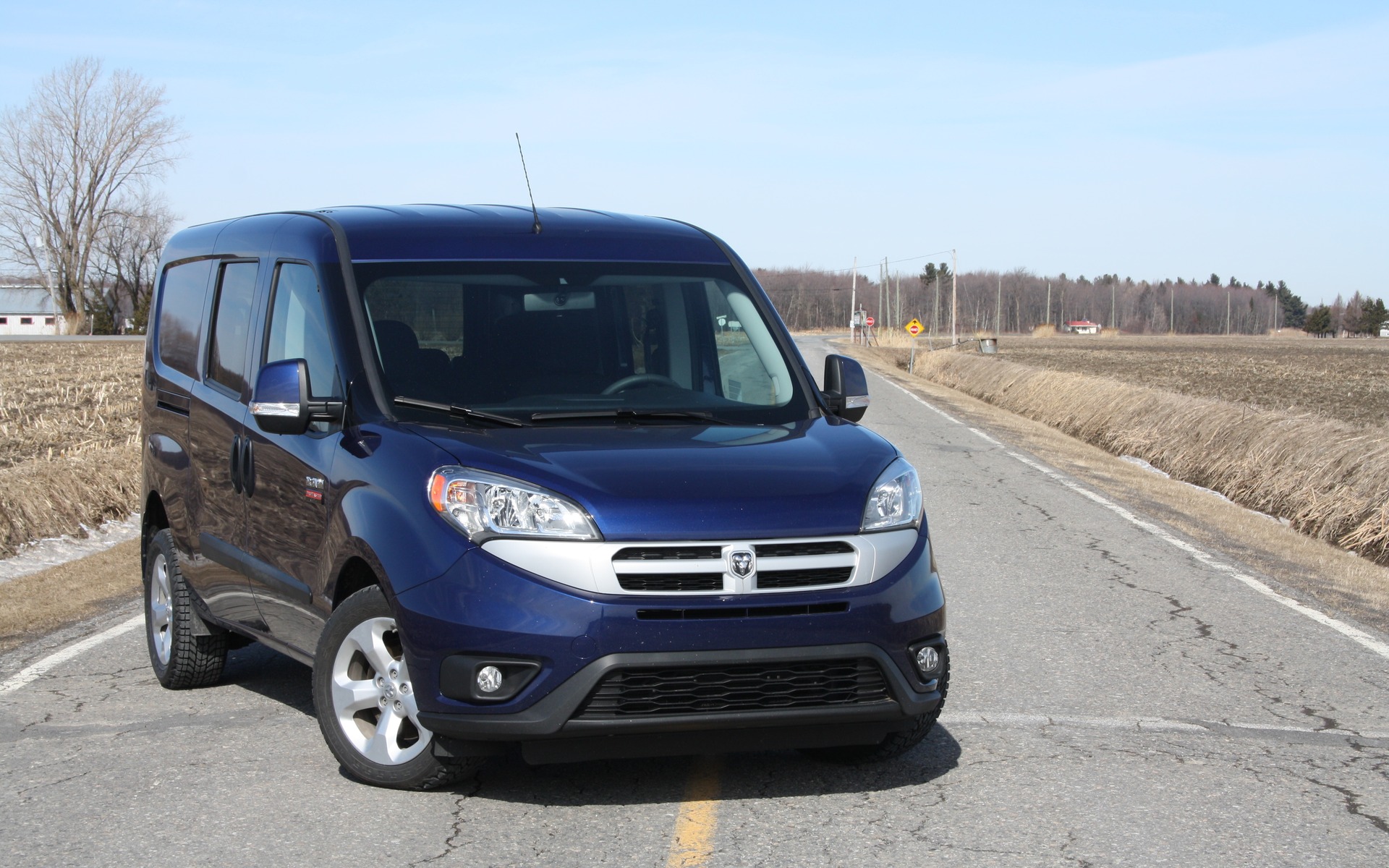
4. Mercedes-Benz Metris
The Mercedes-Benz Metris was a mid-size commercial van designed to sit between compact city vans and full-size cargo vans. It offered a 2.0-liter turbocharged engine producing 208 horsepower and 258 lb ft of torque, which provided adequate performance on paper but often felt insufficient in real-world commercial use, especially when fully loaded. Despite its premium branding and higher price point, many businesses found it difficult to match its capabilities to their operational needs.
The Metris struggled mainly because of its “in-between” positioning. With about 186 cubic feet of cargo space, it was too small for heavy bulk transport yet too large to be as agile as compact vans in tight urban environments. This mismatch made it less practical for many small businesses that needed either maximum cargo capacity or extreme city maneuverability.
In daily delivery use, the van also showed limitations. It required premium fuel, increasing operating costs, and its Rear Wheel Drive layout reduced traction in poor weather conditions. Drivers often noted that while it performed well at higher speeds, it lacked strong low-end torque for frequent stop-and-go delivery work. Entry and exit efficiency were also less convenient compared to some competitors.
Ownership costs were another drawback. As a Mercedes-Benz product, maintenance and repairs were more expensive, and some issues, such as electrical faults, tire wear, and transmission concerns, added to long-term costs. Combined with its discontinuation in the US market, long-term support and parts availability have become concerns for fleet operators.
The Mercedes-Benz Metris offered a refined driving experience but struggled to meet the practical demands of many US small businesses. Its size limitations, higher costs, and moderate performance made it less competitive compared to more specialized compact or full-size commercial vans.
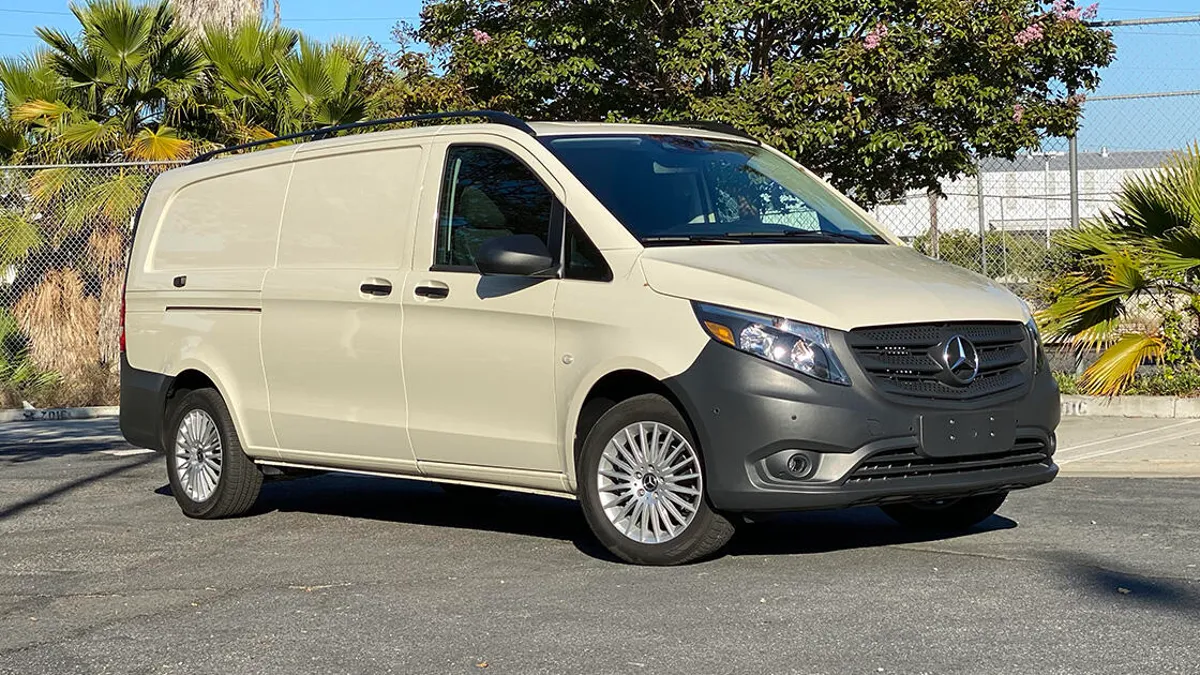
5. Toyota Sienna (Cargo Conversion Use)
The Toyota Sienna is a passenger minivan that is increasingly used by small businesses as a light cargo delivery vehicle due to its hybrid powertrain and exceptional fuel efficiency.
It is powered by a 2.5-liter four-cylinder hybrid system producing about 245 horsepower, which prioritizes efficiency over strong hauling performance. While reliable and economical, it is often considered underpowered when used for commercial cargo conversion purposes, especially under heavy load or highway acceleration.
One of its biggest advantages is fuel economy, reaching up to around 36 miles per gallon combined. This makes it highly attractive for businesses focused on reducing fuel costs, particularly in urban or long-distance light delivery operations. Its quiet hybrid system and smooth ride also contribute to lower driver fatigue during daily use.
However, the Sienna has clear limitations when compared to dedicated cargo vans. Its payload capacity is typically around 1,100 pounds, which is significantly lower than that of commercial vans designed for heavy-duty work.
When fully loaded, acceleration can feel slow, and the engine may operate at high revs, especially during highway merging or uphill driving. Its low ground clearance can also cause challenges on uneven surfaces or steep loading ramps.
Cargo space is limited to about 101 cubic feet, which is far less than that of purpose-built vans. Additionally, the second row seating design restricts full removal, reducing flexibility for large cargo configurations. These factors make it less suitable for businesses transporting bulky or heavy equipment.
Despite these drawbacks, the Toyota Sienna remains popular for discreet, light-duty delivery services such as mobile pet grooming, home organization, and small package transport. Its strong reliability, hybrid efficiency, and low operating costs make it a practical choice for businesses prioritizing fuel savings over maximum cargo capability.

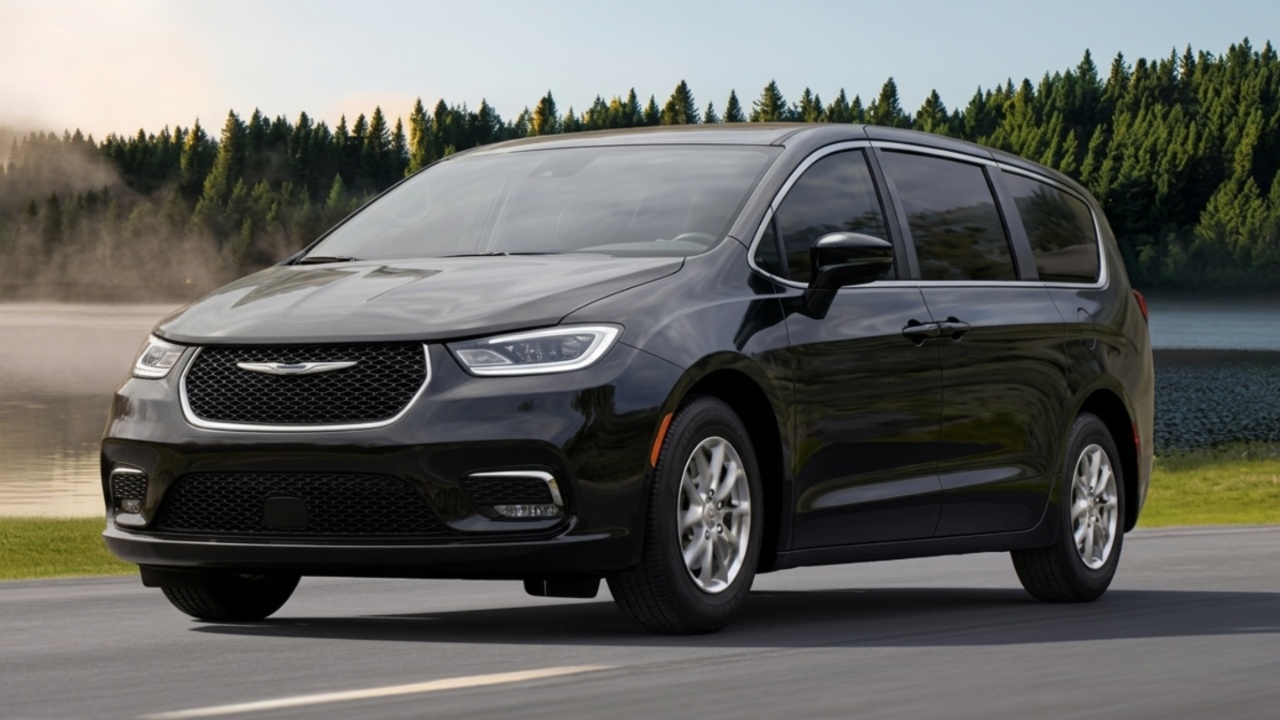
6. Chrysler Voyager (2025 Model)
The 2025 Chrysler Voyager is a budget-focused minivan aimed at fleet buyers and small businesses that need an affordable, comfortable vehicle for light-duty transport. It uses a 3.6-liter Pentastar V6 engine producing about 287 horsepower, which provides adequate power for everyday driving but is not optimized for commercial hauling or heavy cargo use. While it performs well as a passenger vehicle, it is often considered underpowered in business settings that require consistent load carrying or towing.
The Voyager is essentially a simplified version of the Chrysler Pacifica, designed with fewer premium features and a lower price point. Its fuel economy averages around 19 mpg in the city and 28 mpg on the highway, which is acceptable but not as efficient as hybrid competitors. It also lacks hybrid and All Wheel Drive options, which limit its efficiency and traction advantages in demanding delivery operations.
Cargo capability is another limitation. With a maximum cargo space of about 140 cubic feet, it falls short of dedicated cargo vans that offer more vertical space and flexibility.
The Stow ‘n Go seating system allows the rear seats to fold flat into the floor, but the design still restricts full commercial upfitting and heavy-duty cargo organization. The suspension is tuned for passenger comfort rather than continuous heavy load use, which reduces its suitability for demanding work environments.
While it does offer basic towing capability of up to 3,600 pounds and includes modern safety features, it is not designed for specialized delivery or industrial use. Reliability and resale value are also considered weaker compared to leading competitors in the segment.
The Chrysler Voyager serves best as a low-cost, comfortable option for light passenger transport or minimal delivery tasks. It is practical for budget-conscious businesses but lacks the strength, flexibility, and efficiency of purpose-built cargo vans.
The comparison between “6 Cargo Vans for US Small Business vs. 6 Underpowered Delivery Rigs” makes it clear that commercial vehicles serve very different roles depending on design and capability.
Full-size vans such as the Ford Transit, Mercedes-Benz Sprinter, RAM ProMaster, Chevrolet Express, GMC Savana, and Ford E-Transit are built to handle demanding workloads. They offer strong towing power, large cargo space, and long-term durability, making them dependable choices for businesses that require consistent performance and scalability.
On the other hand, compact and budget-focused options like the Ford Transit Connect, Nissan NV200, RAM ProMaster City, Mercedes-Benz Metris, Toyota Sienna, and Chrysler Voyager are better suited for light-duty delivery tasks. These vehicles prioritize fuel efficiency, lower purchase costs, and easier maneuvering in tight city spaces, but they often lack the strength and flexibility needed for heavier commercial operations.
Selecting the right vehicle depends on workload intensity. Heavy-duty businesses benefit from full-size cargo vans, while lighter urban delivery services may find compact rigs more economical, despite their performance limitations.
Also read: 12 Cars With Bulletproof Drivetrains You Can Buy for Peanuts