
Urban delivery in the United States has changed dramatically over the past decade. The rise of e-commerce, food delivery apps, and gig economy logistics has transformed everyday vehicles into essential tools for last-mile transportation.
In dense American cities like New York, Los Angeles, Chicago, Houston, and Miami, delivery drivers must navigate tight streets, congested traffic, frequent stops, limited parking, and unpredictable pedestrian movement. As a result, the choice of vehicle has become a critical factor not only for efficiency and fuel economy but also for safety, visibility, and maneuverability.
At the same time, modern vehicle design trends have created a growing concern: blind spots. Many of today’s popular SUVs, pickup trucks, and large vehicles are designed for comfort, power, and road presence, but these same features often come at the cost of visibility.
High hoods, thick pillars, oversized mirrors, and elevated seating positions can create dangerous zones where pedestrians, cyclists, and smaller vehicles disappear from view.
Studies and safety analyses have repeatedly shown that larger vehicles tend to have more significant blind spot issues, especially at the front and rear during low-speed city driving. This becomes particularly important in urban environments where interactions with vulnerable road users are constant.
This article compares two critical categories of vehicles. First, we examine five of the best cars commonly used for urban delivery in the USA, selected based on fuel efficiency, cargo space, maneuverability, maintenance cost, and real-world practicality in city environments. These vehicles represent the backbone of modern last-mile logistics operations, from independent gig workers to small business fleets.
Second, we explore five vehicles known for having significant blind spot challenges. These are typically larger SUVs, pickup trucks, or poorly optimized designs that can make city driving more hazardous than necessary.
Blind spot issues are not just a comfort concern; they are a serious safety risk that contributes to collisions in driveways, intersections, parking lots, and crowded streets.
By comparing these two categories, we gain a clearer understanding of how vehicle design impacts both productivity and safety in urban America. Whether you are a delivery driver choosing your next vehicle or a driver concerned about road safety, this breakdown highlights key trade-offs between efficiency and visibility in modern automotive design.
5 Cars for Urban Delivery in the USA
1. Toyota Prius
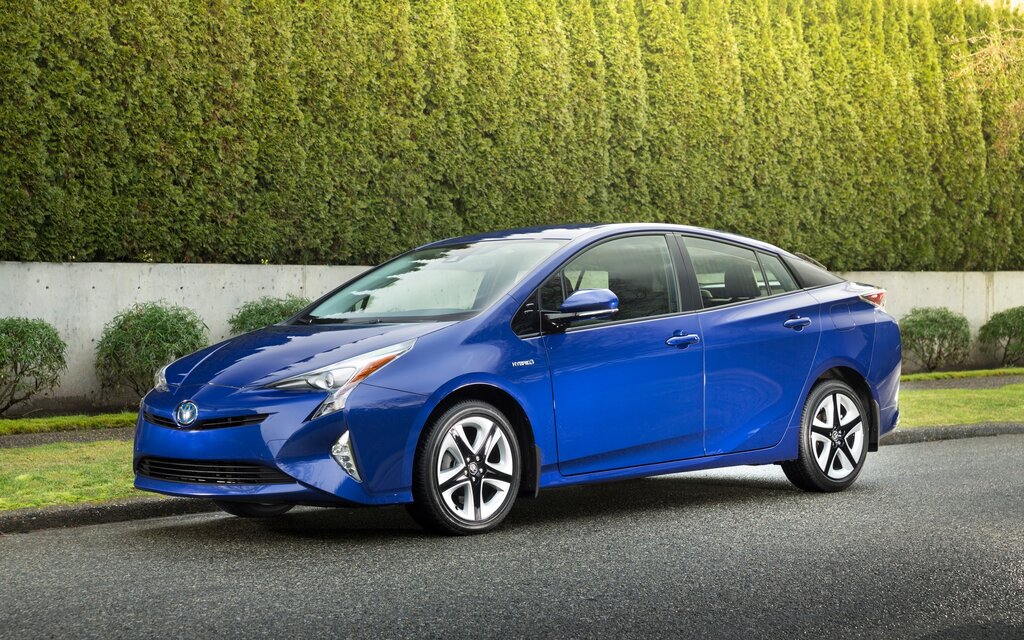
The Toyota Prius has become almost synonymous with urban delivery driving in the United States, and for good reason. Its hybrid powertrain is engineered specifically for efficiency in low-speed, stop and go traffic, which is exactly the type of driving delivery work demands. In crowded cities, where drivers may stop dozens or even hundreds of times per shift, the Prius consistently minimizes fuel consumption in ways traditional gasoline engines cannot match.
One of the biggest advantages of the Prius is how it seamlessly switches between electric and gasoline power. At low speeds, especially in traffic jams or residential neighborhoods, the vehicle often runs on electric power alone. This reduces fuel usage significantly while also lowering wear on the engine. Over time, this hybrid efficiency translates into major cost savings for delivery drivers who operate on thin profit margins.
Beyond fuel economy, the Prius offers a surprisingly practical cargo configuration. While it is not a dedicated cargo vehicle, its hatchback design allows for flexible storage space. Drivers can easily fit food delivery bags, small boxes, groceries, or even stacked parcel deliveries in the rear area. The folding rear seats further expand this space when needed, making it adaptable to different types of urban delivery tasks.
Another important factor is maneuverability. The Prius is compact enough to handle narrow streets, tight corners, and crowded parking areas with ease. In cities like New York or San Francisco, where parking is often limited to small curbside gaps, this advantage cannot be overstated. Drivers can complete deliveries faster simply because they spend less time searching for parking.
Finally, long term reliability is one of the Prius’s strongest selling points. Toyota’s hybrid systems are known for durability, and many Prius vehicles remain operational well beyond 200,000 miles with proper maintenance. For delivery drivers who rely on their car as a daily income source, this level of dependability makes the Prius one of the safest long term investments in the urban delivery segment.
2. Honda Civic
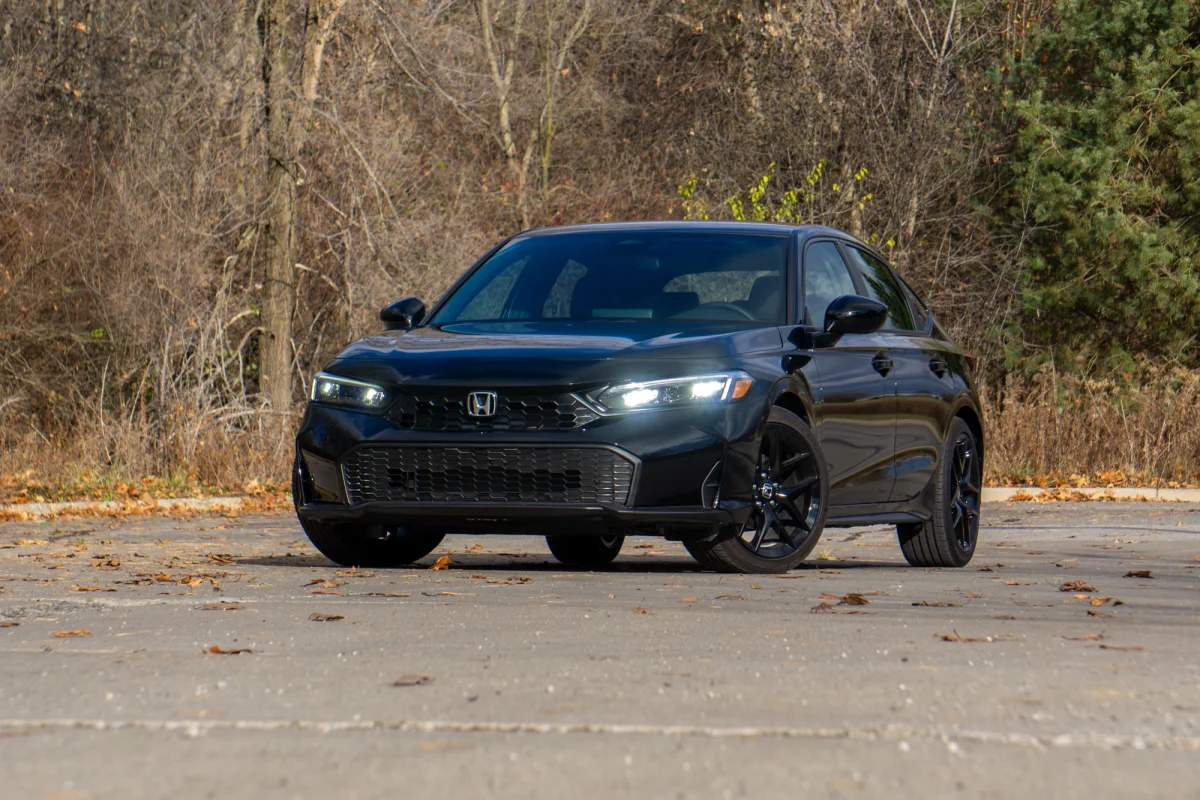
The Honda Civic is one of the most versatile compact vehicles used in urban delivery across the United States. It strikes a strong balance between fuel efficiency, affordability, comfort, and reliability. Unlike specialized delivery vans or electric vehicles, the Civic offers a more traditional driving experience while still meeting the demands of gig economy work.
Fuel economy is one of the Civic’s strongest advantages. Depending on the model year and engine type, it typically delivers between 30 and 40 miles per gallon in mixed driving conditions. This makes it highly efficient for city driving, where constant acceleration and braking can otherwise increase fuel consumption significantly. For drivers completing multiple delivery shifts per day, this efficiency directly improves profitability.
The Civic’s interior and trunk space are also more practical than many drivers initially assume. While it is a sedan, its trunk is wide and deep enough to accommodate several delivery bags, medium sized parcels, or grocery orders. For food delivery drivers, this space is usually more than sufficient. Additionally, rear seats can be folded down in certain models, providing even more storage flexibility when needed.
Another key advantage is handling. The Civic is known for its smooth steering, predictable braking, and stable suspension system. These characteristics are especially important in urban environments where sudden stops, tight turns, and unpredictable traffic patterns are common. Drivers benefit from a vehicle that feels stable even in heavy congestion.
Maintenance and ownership costs are also relatively low compared to larger vehicles. Honda has a strong reputation for mechanical reliability, and replacement parts are widely available across the United States. Insurance costs are typically reasonable as well, which helps reduce the cost burden for independent delivery drivers who depend on keeping expenses under control.
3. Chevrolet Bolt EV
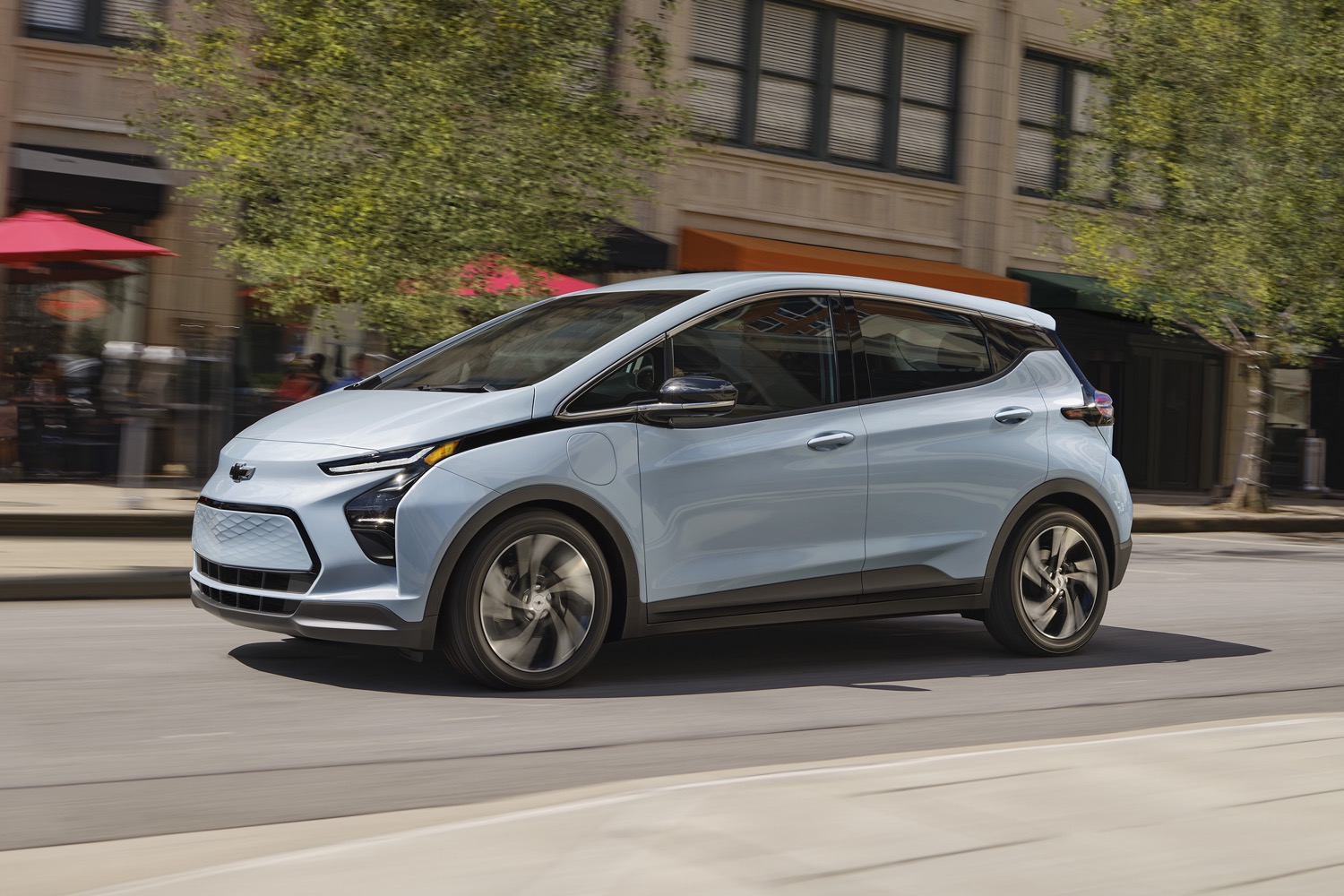
The Chevrolet Bolt EV represents a major shift in how urban delivery vehicles are evolving in the United States. As cities move toward lower emissions and more sustainable transportation systems, electric vehicles are becoming increasingly important in the delivery sector. The Bolt EV stands out because it offers a practical balance between range, affordability, and usability.
One of its biggest strengths is cost efficiency. Electricity is significantly cheaper than gasoline in most parts of the United States, and this difference becomes even more impactful for high mileage drivers. Delivery workers who cover long hours each day can reduce their operating costs dramatically by switching to an electric vehicle like the Bolt EV.
The driving experience is another major advantage. The Bolt EV delivers instant torque, meaning it accelerates quickly and smoothly from a stop. This is particularly useful in city traffic where frequent starts and stops are unavoidable. The quiet operation also reduces driver fatigue, making long shifts more comfortable compared to traditional combustion engine vehicles.
Range is a critical factor for delivery drivers, and the Bolt EV offers over 200 miles on a full charge in most real world conditions. This is generally sufficient for a full day of urban delivery work without needing to recharge mid shift. For drivers with access to home charging or workplace charging stations, this convenience becomes even more valuable.
Cargo space is modest but practical. The hatchback design allows for flexible storage, making it suitable for food delivery, small package logistics, and grocery orders. While it is not intended for large commercial deliveries, it performs extremely well in last mile delivery scenarios where efficiency and speed matter more than volume.
4. Toyota Corolla Hatchback
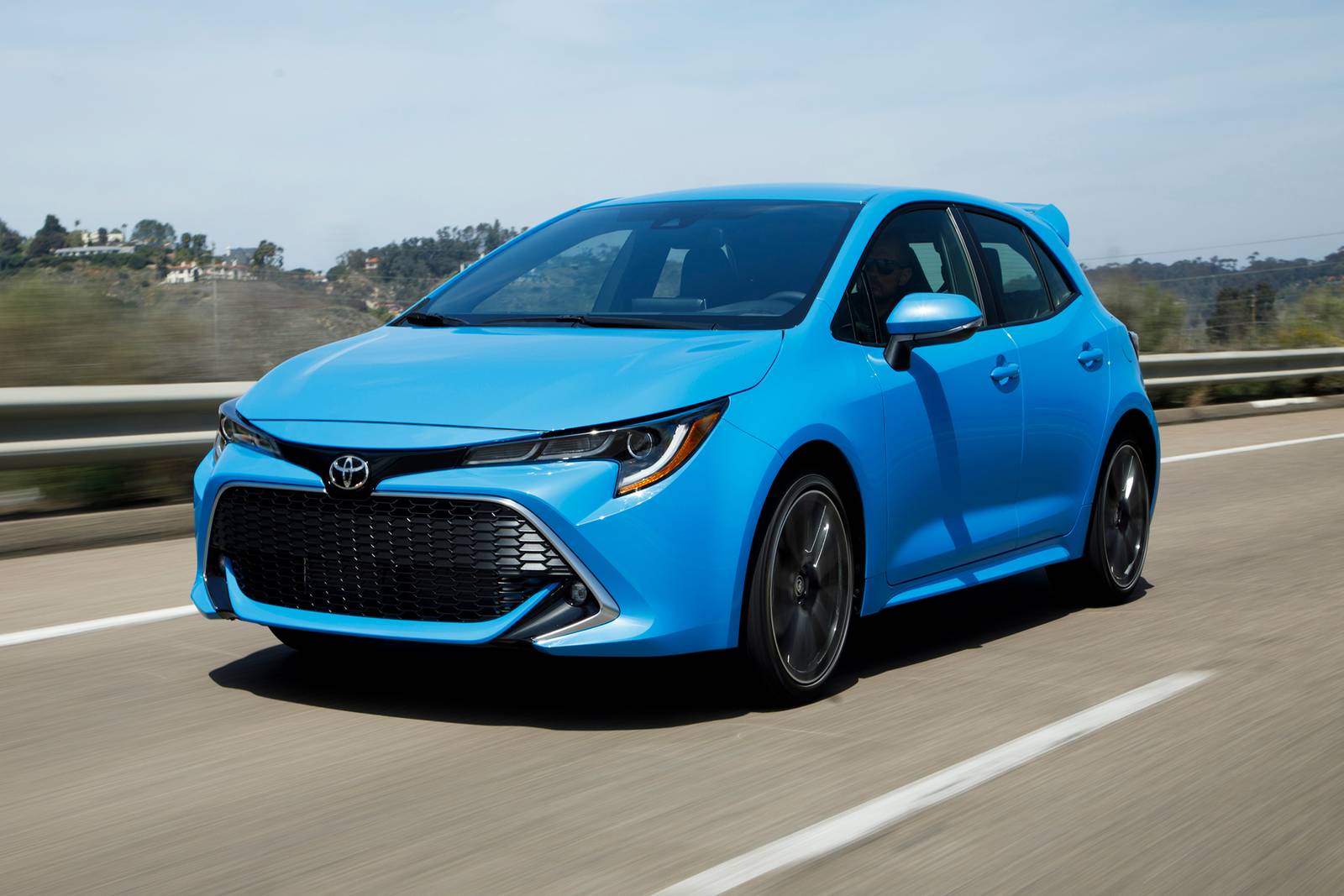
The Toyota Corolla Hatchback is widely regarded as one of the most dependable compact vehicles available for urban delivery work. It combines Toyota’s long standing reputation for reliability with a modern hatchback design that improves practicality for daily logistics tasks.
Fuel efficiency is a major advantage, typically ranging between 35 and 40 miles per gallon depending on driving conditions. This makes it highly suitable for city environments where traffic congestion is common. Drivers benefit from reduced fuel costs without sacrificing performance or drivability.
The hatchback configuration significantly improves cargo flexibility compared to traditional sedans. The rear storage area is easy to load and unload, which is essential for delivery drivers who frequently stop at multiple locations. The ability to carry irregularly shaped packages or stacked delivery bags gives it an advantage in real world logistics scenarios.
In terms of driving experience, the Corolla Hatchback is designed for comfort and simplicity. Its compact size allows it to navigate tight urban environments with ease, while its suspension system absorbs road imperfections effectively. This reduces driver fatigue during long shifts, especially in cities with uneven road conditions or frequent stop lights.
Long term reliability is another defining feature. Toyota vehicles are known for lasting hundreds of thousands of miles with consistent maintenance, and the Corolla Hatchback is no exception. For delivery drivers who rely on their vehicle as their primary income source, this reliability reduces downtime and repair costs, making it a financially safe choice.
5. Ford Transit Connect
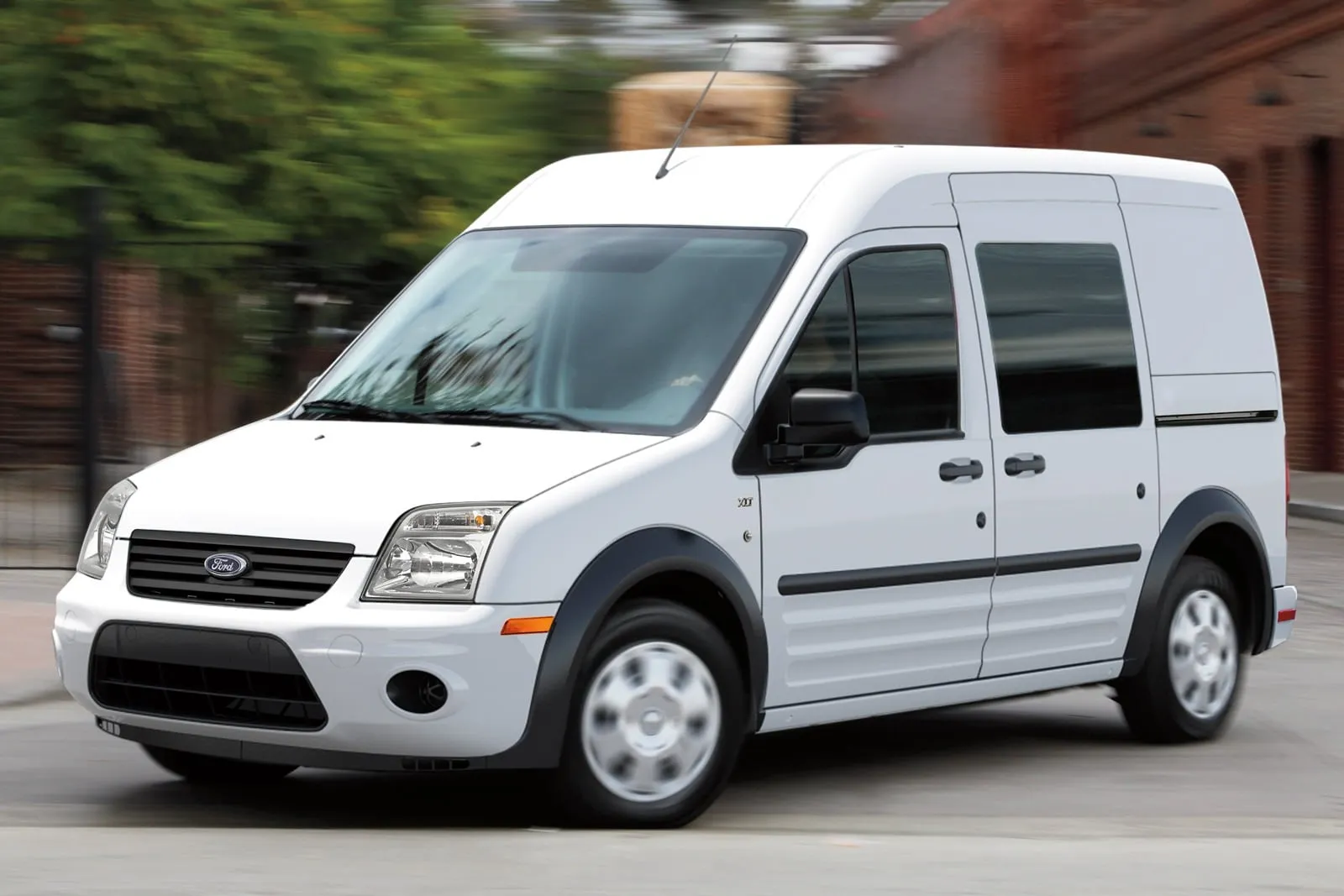
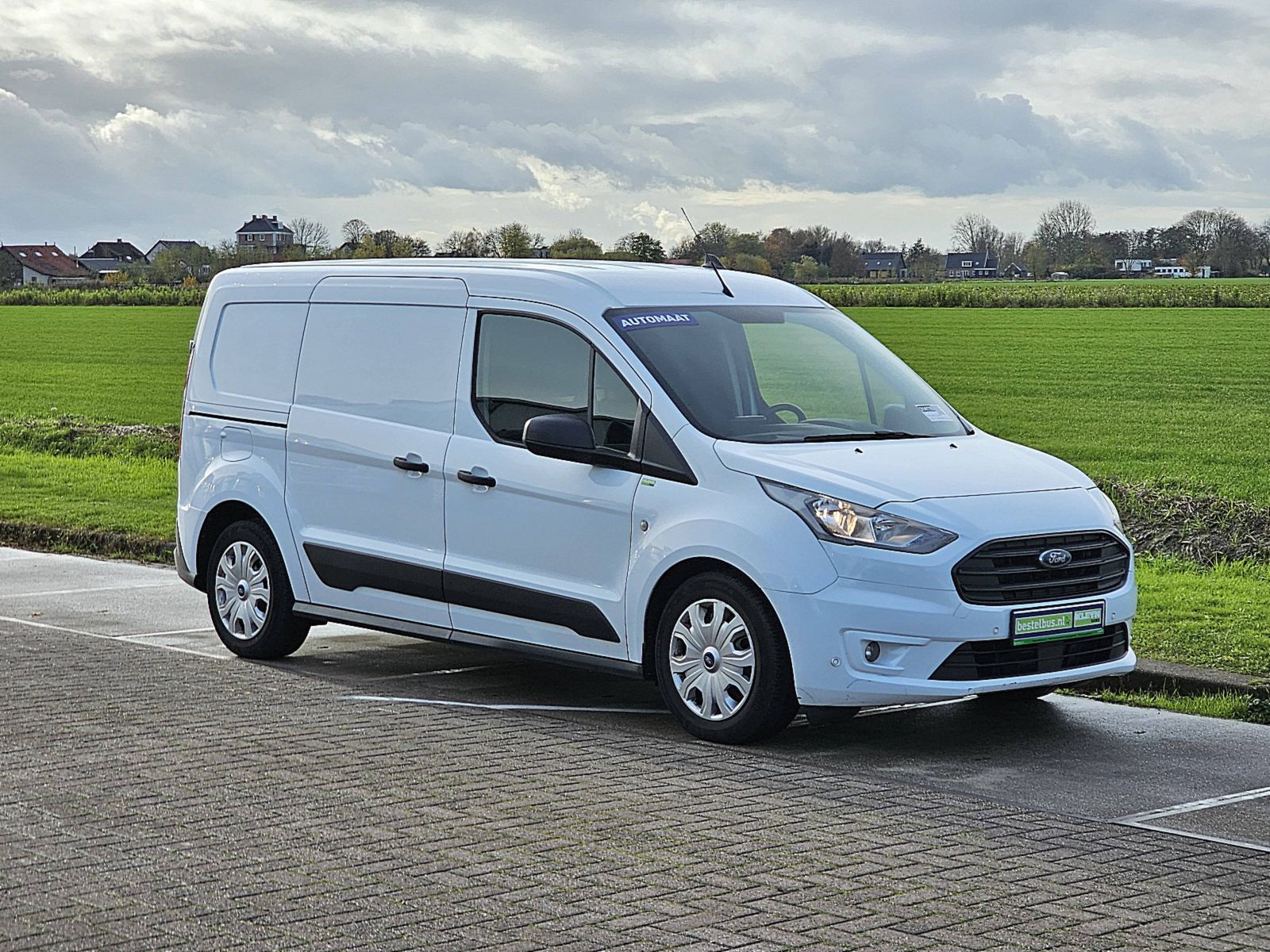
The Ford Transit Connect is one of the most practical compact cargo vans available for urban delivery operations in the United States. Unlike sedans or hatchbacks, it is designed specifically for commercial use, which makes it highly efficient for professional logistics work.
The most obvious advantage is cargo capacity. The Transit Connect offers significantly more storage space than standard passenger vehicles, allowing drivers to transport larger volumes of goods in a single trip. This is especially valuable for small businesses, courier services, and high volume delivery routes where efficiency depends on minimizing trips.
Despite its cargo capability, the Transit Connect remains relatively compact compared to full size vans. This allows it to operate in urban environments where larger commercial vehicles would struggle. It can still fit into most standard parking spaces, making it practical for city based delivery routes.
Fuel economy is moderate for its class, but it is still efficient enough to remain cost effective for commercial operations. While it does not match hybrid or electric vehicles in efficiency, its productivity gains often outweigh fuel costs due to its higher carrying capacity per trip.
Finally, the Transit Connect is built for durability. Its commercial grade design is intended to withstand constant loading and unloading, frequent stops, and heavy daily usage. For businesses or drivers operating at scale, this durability makes it one of the most dependable urban delivery vehicles available.
5 Cars With Huge Blind Spots
1. Ford F-150
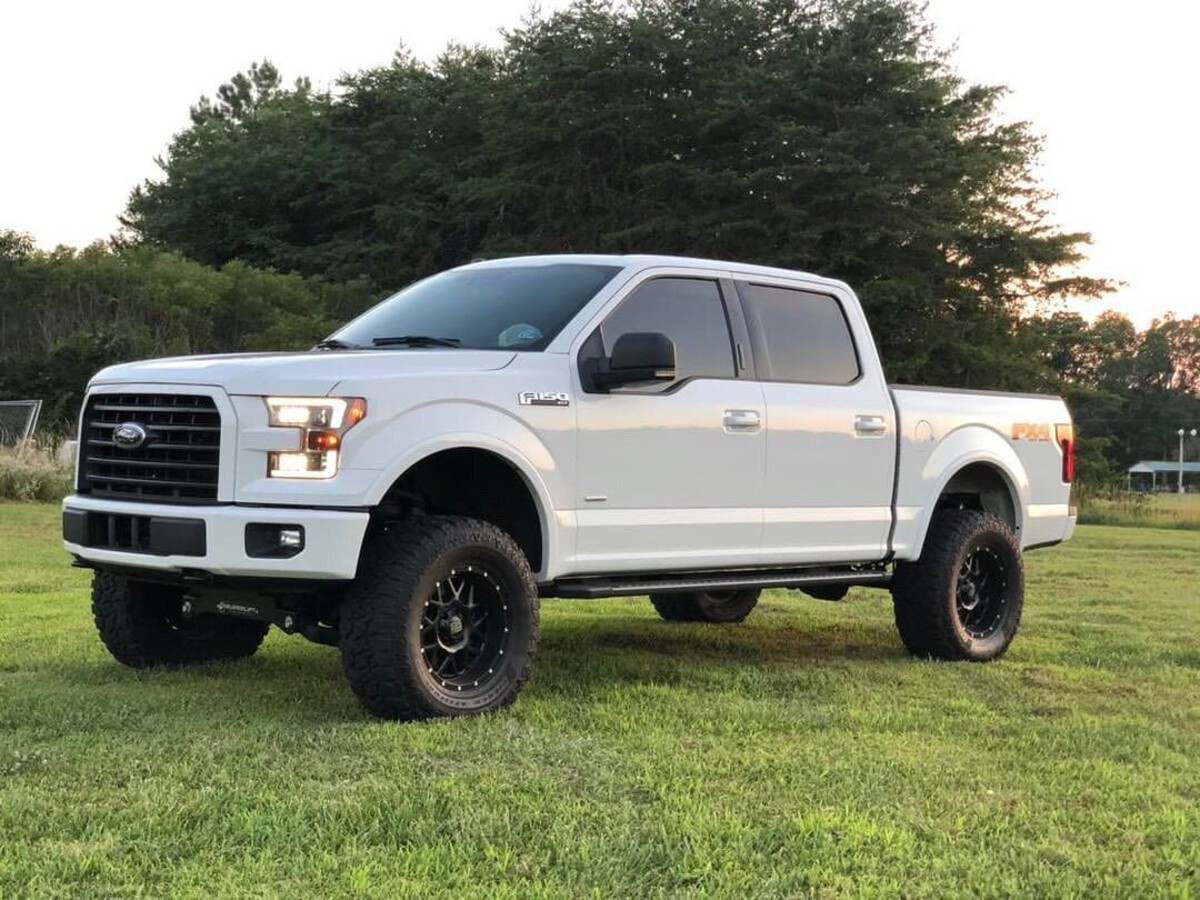
Full size pickup trucks are among the most popular vehicles in the United States, but they also represent some of the most problematic designs when it comes to visibility. The Ford F-150, for example, is known for its commanding road presence, but this height and size directly contribute to large blind zones around the vehicle.
The tall hood alone creates a significant front blind spot where smaller objects, including children or low positioned obstacles, may not be visible to the driver.
In urban driving conditions, this front blind zone becomes especially risky. When approaching crosswalks, tight intersections, or parking lots, drivers may not fully see pedestrians or cyclists directly in front of the vehicle. Even a slight incline in the road or a close object can disappear entirely from view due to the truck’s elevated design. This makes slow speed urban navigation more challenging than highway driving.
Side blind spots are another major concern. Because pickup trucks are wide and sit higher off the ground, the area beside the rear portion of the vehicle is difficult to monitor. This can make lane changes in dense traffic more dangerous, particularly when smaller cars or motorcycles are hidden in these zones. Large side mirrors help, but they cannot eliminate the physical limitations of the design.
Rear visibility is also limited, especially when the truck bed is loaded with cargo or has an attached cover. The absence of a direct rear window view forces drivers to rely heavily on cameras and sensors, which may not always capture fast moving objects in real time. In crowded urban environments, this dependency can increase reaction time delays.
2. Chevrolet Tahoe
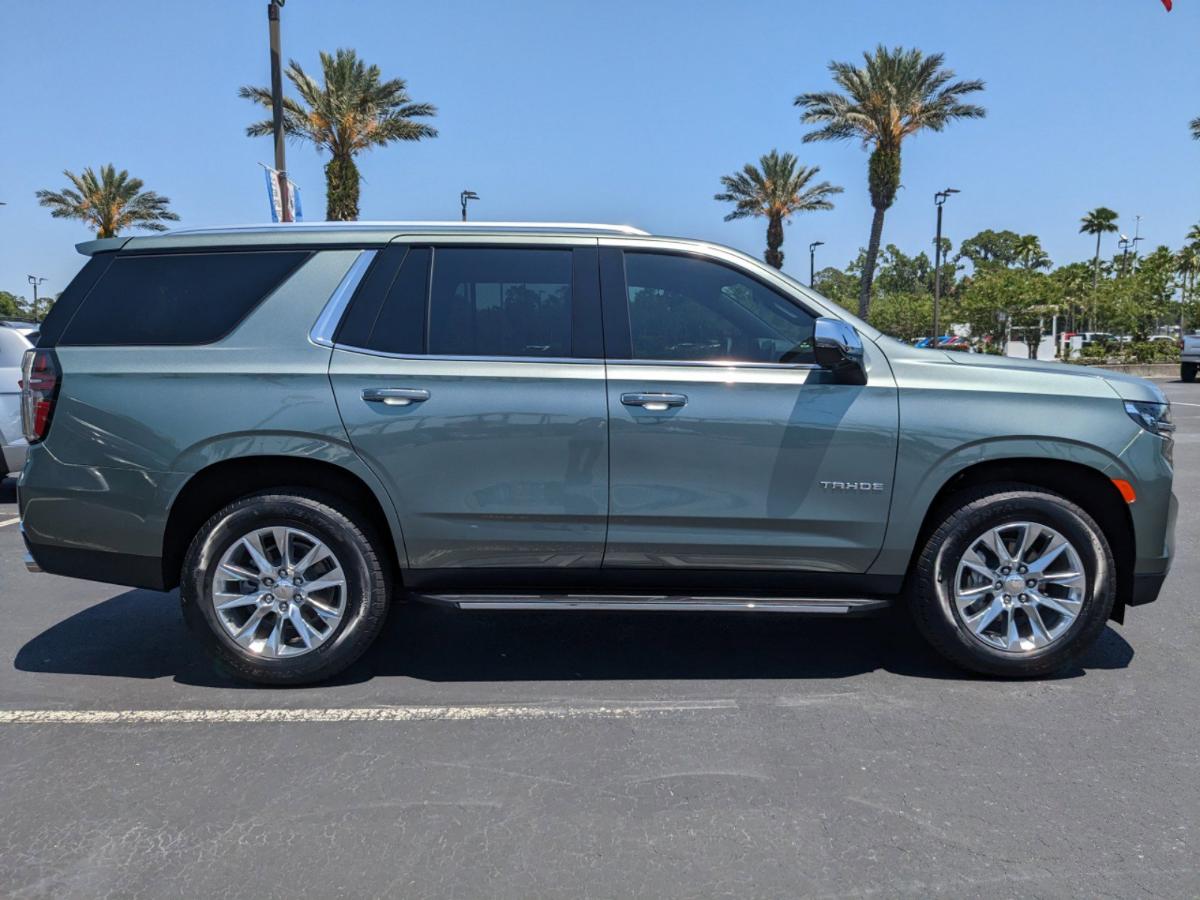
Large SUVs such as the Chevrolet Tahoe are designed for comfort, passenger capacity, and long distance travel, but these same features contribute to significant blind spot issues in urban driving. Their large body size creates multiple areas where visibility is naturally reduced, particularly at close range.
One of the most noticeable issues is the front blind zone. The tall and extended hood design means that objects close to the front bumper are difficult to see from the driver’s seat. In parking lots, this can make it difficult to judge distance accurately, especially when maneuvering near pedestrians, shopping carts, or low barriers.
The A pillars, which are the structural supports on either side of the windshield, are often thick in large SUVs for safety reasons. However, this thickness creates a noticeable obstruction in peripheral vision. At intersections, this can momentarily hide pedestrians or vehicles approaching from angled directions, requiring drivers to physically lean forward or adjust their position to regain visibility.
Side blind spots are also more pronounced due to the vehicle’s length and height. When changing lanes, especially on highways or multi lane city roads, smaller vehicles can easily remain hidden in these zones if mirrors are not carefully adjusted. While blind spot monitoring systems help, they are not always perfect in fast moving traffic.
Rear visibility is often limited due to the size of the vehicle and the design of rear windows. Even with backup cameras, depth perception can be difficult to judge in tight urban parking spaces. This makes reversing in crowded environments more complex compared to smaller vehicles.
Despite their comfort and safety ratings in crash scenarios, large SUVs like the Tahoe require heightened driver awareness in city conditions due to their inherent visibility limitations.
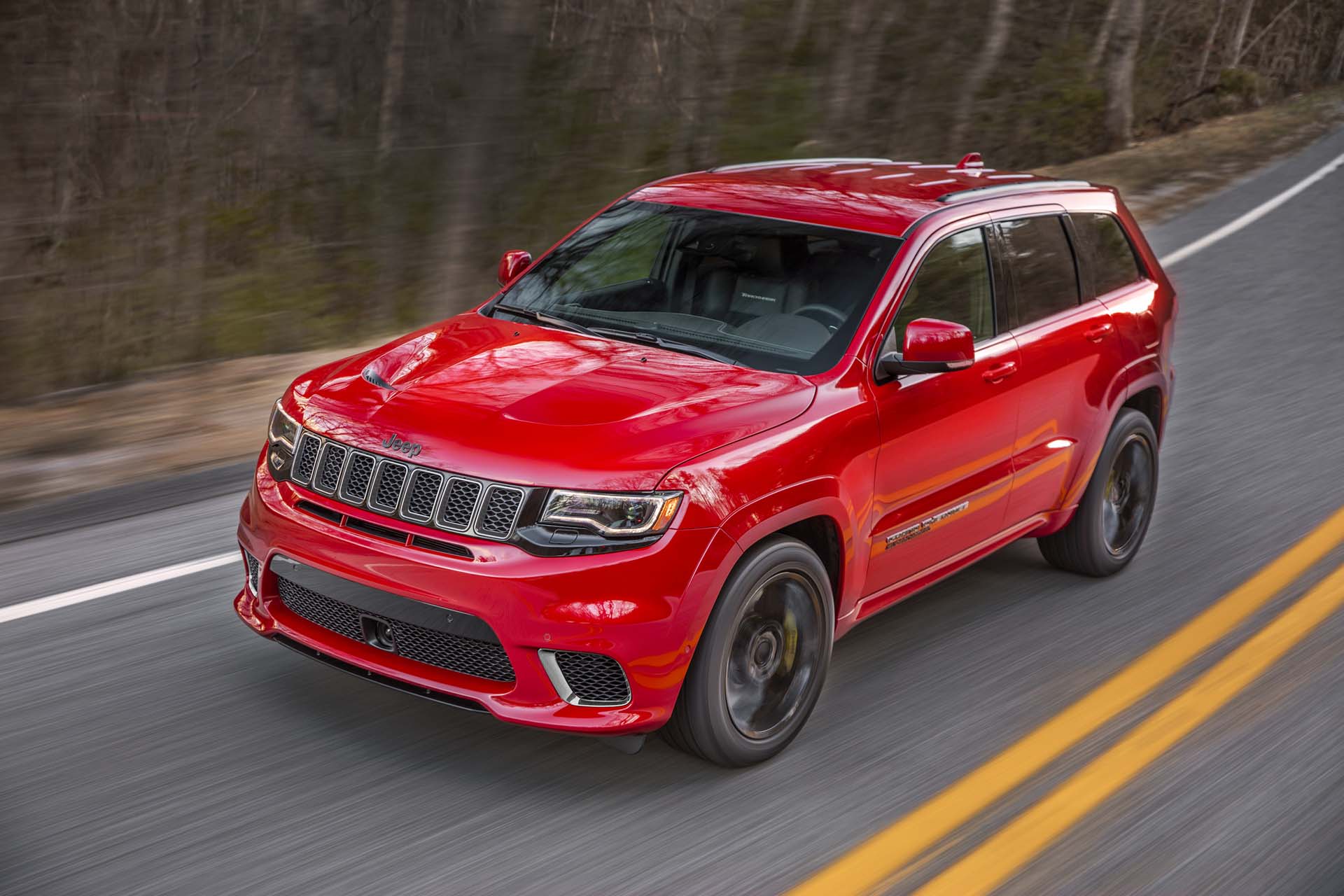
3. Jeep Grand Cherokee
The Jeep Grand Cherokee is widely appreciated for its blend of luxury, off road capability, and urban usability. However, its design introduces several blind spot concerns that can affect safety in dense city environments.
One of the main issues is rear visibility. The rear window is relatively narrow compared to many other SUVs, which limits the driver’s ability to see directly behind the vehicle. This becomes particularly noticeable when reversing out of parking spaces or navigating tight urban streets where visibility is crucial.
The vehicle also features thick rear pillars, which contribute to side blind spots. These structural elements are necessary for safety and roof strength, but they reduce the driver’s peripheral vision when changing lanes or making turns. In heavy traffic, this can increase reliance on mirrors and electronic detection systems.
Another concern is the vehicle’s elevated seating position. While this provides a better forward view in general traffic, it also creates a false sense of security. Drivers may assume they can see more than they actually can, especially when objects are close to the vehicle’s perimeter. This can lead to misjudgments in parking or low speed maneuvering.
In urban environments, the combination of moderate size and limited rear visibility can make the Grand Cherokee more challenging than smaller SUVs or sedans. While it performs well on highways and rough terrain, city driving requires extra caution and awareness of surrounding blind zones.
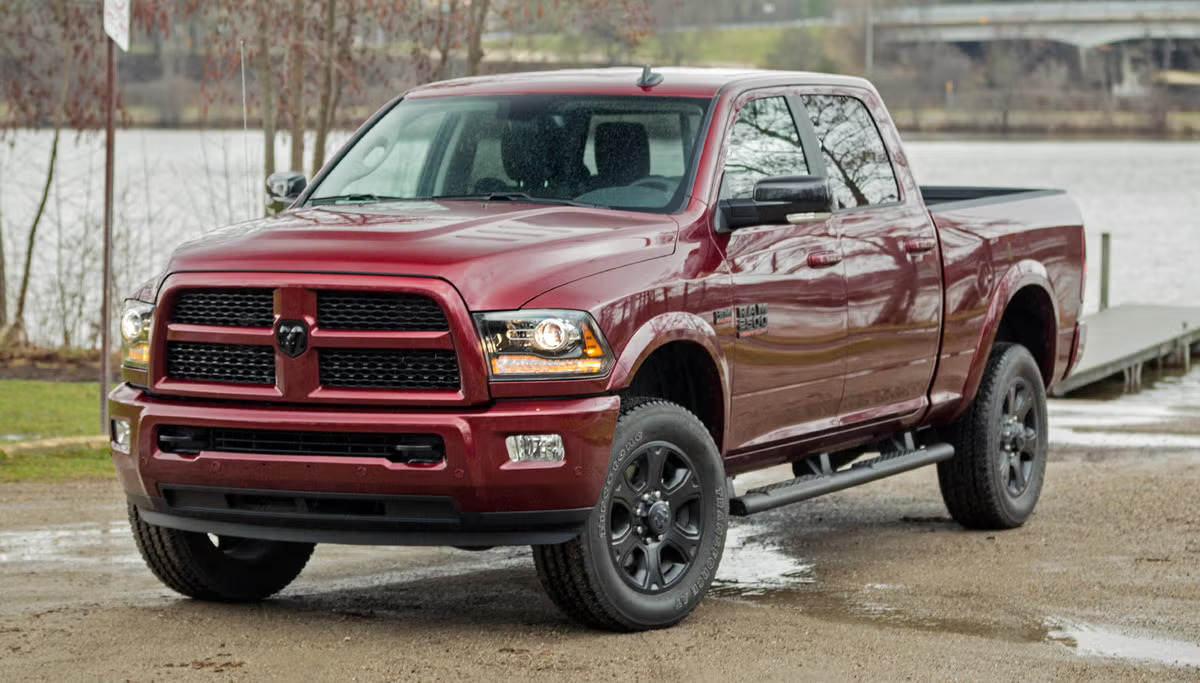
4. Dodge Ram 2500
The Dodge Ram 2500 is a heavy duty pickup truck designed primarily for towing, hauling, and industrial level work. However, its size and structure create some of the most significant blind spot challenges of any consumer vehicle on the road.
The front blind zone is extremely large due to the high hood and elevated chassis. In urban environments, this can make it difficult to see objects immediately in front of the truck, especially when navigating parking lots or crowded streets. Even taller pedestrians can momentarily disappear from view if they are too close to the front bumper.
Side blind spots are also extensive. Because of the truck’s length and width, vehicles in adjacent lanes can easily remain hidden, especially near the rear section. This makes lane changes in dense traffic more complex and requires constant mirror checking and caution.
Rear visibility is one of the weakest aspects of the Ram 2500. The large cargo bed blocks direct rearward vision completely when loaded, and even when empty, the height of the bed reduces visibility of lower objects behind the vehicle. Backup cameras are essential but cannot fully replicate direct visual awareness.
Urban driving with a heavy duty truck like this requires significant spatial awareness. Tight turns, narrow streets, and crowded intersections all become more challenging due to the vehicle’s physical dimensions. While it excels in work related environments, it is not optimized for city maneuverability.
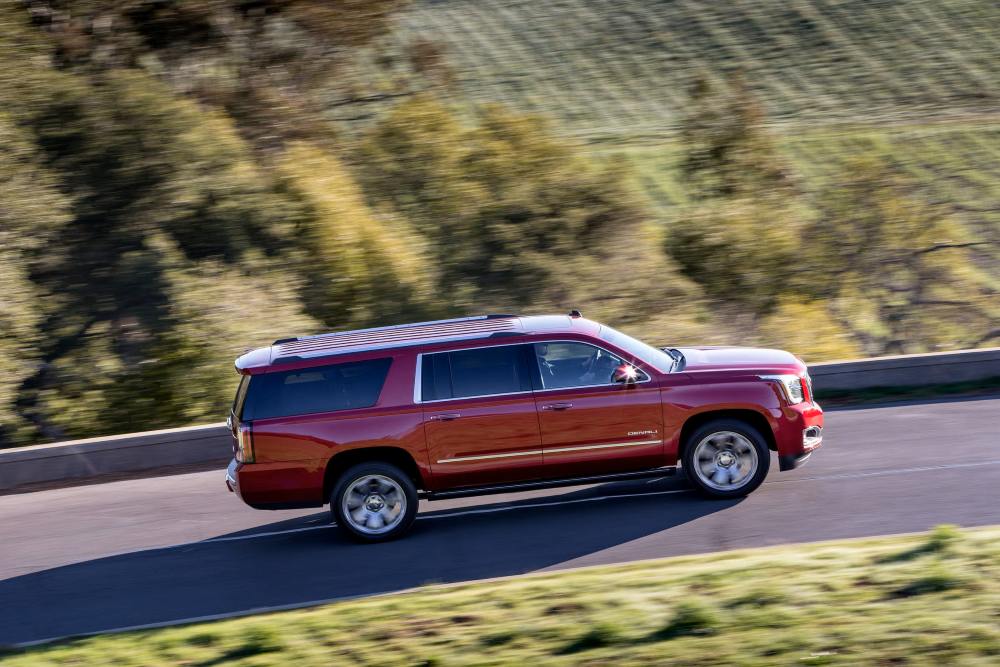
5. GMC Yukon XL
The GMC Yukon XL is one of the largest full size SUVs available in the consumer market. It offers exceptional interior space, luxury features, and passenger comfort, but its size comes with blind spot challenges.
One of the primary issues is vehicle length. The extended body makes it difficult to judge distance when parking or maneuvering in tight urban spaces. Drivers often need multiple adjustments when fitting into standard parking spots due to limited spatial awareness around the rear of the vehicle.
The front blind zone is also significant. The combination of a high hood and elevated seating position reduces visibility of objects close to the vehicle’s front edge. This can create challenges in driveways, parking garages, and pedestrian heavy areas where precision is required.
Side blind spots are widened by the vehicle’s long body and thick structural pillars. This makes lane changes in urban traffic more demanding, especially when smaller vehicles are traveling in adjacent lanes. Even with advanced blind spot monitoring systems, drivers must remain highly attentive.
Rear visibility is limited due to the size of the vehicle and its rear window design. While cameras and sensors assist in reversing, depth perception and awareness of fast moving objects remain challenging in crowded environments.
The Yukon XL prioritizes space and comfort over urban maneuverability, making it less suitable for dense city driving conditions where visibility is critical.
