
American drive-in movie theaters are a nostalgic yet still relevant form of entertainment that combines cinema with the comfort of watching from your own vehicle. Unlike traditional theaters, drive-ins depend heavily on the design and technology of cars, especially when it comes to visibility, interior lighting control, audio systems, and exterior lighting behavior.
The experience is not just about the movie on the screen but also about how comfortably and respectfully each vehicle fits into a shared outdoor viewing environment. Cars with well-balanced lighting systems, adjustable dashboards, and reliable in-car audio can significantly enhance the experience for both the driver and nearby viewers.
Modern vehicles have introduced advanced lighting systems, digital dashboards, and automated safety features. While these innovations improve driving safety, they can sometimes interfere with environments like drive-in theaters.
Bright LED headlights, auto-leveling high beams, large infotainment screens, and overly sensitive lighting sensors can create distractions for other viewers. On the other hand, some vehicles are designed with user-adjustable lighting and minimal glare, making them ideal for shared viewing experiences.
This article explores two contrasting categories of vehicles. First, we examine five cars that are well-suited for American drive-in movies due to their comfort, lighting control, and audio friendliness. Then we shift to five vehicles known for having distracting auto-light systems or overly bright exterior lighting setups that can reduce the quality of the drive-in experience for others.
The goal is not to criticize modern automotive technology but to highlight how different design choices impact shared social environments like drive-in theaters. Understanding these differences can help drivers make more considerate choices when attending such events, while also appreciating how car design influences entertainment experiences beyond the road.
Finally, this discussion also reflects a broader theme in automotive evolution. As cars become more advanced, balancing innovation with social compatibility becomes increasingly important. Drive-in theaters serve as a simple but effective setting to observe this balance in action, where comfort, courtesy, and design all meet under the open night sky.
5 Cars for American Drive-In Movies
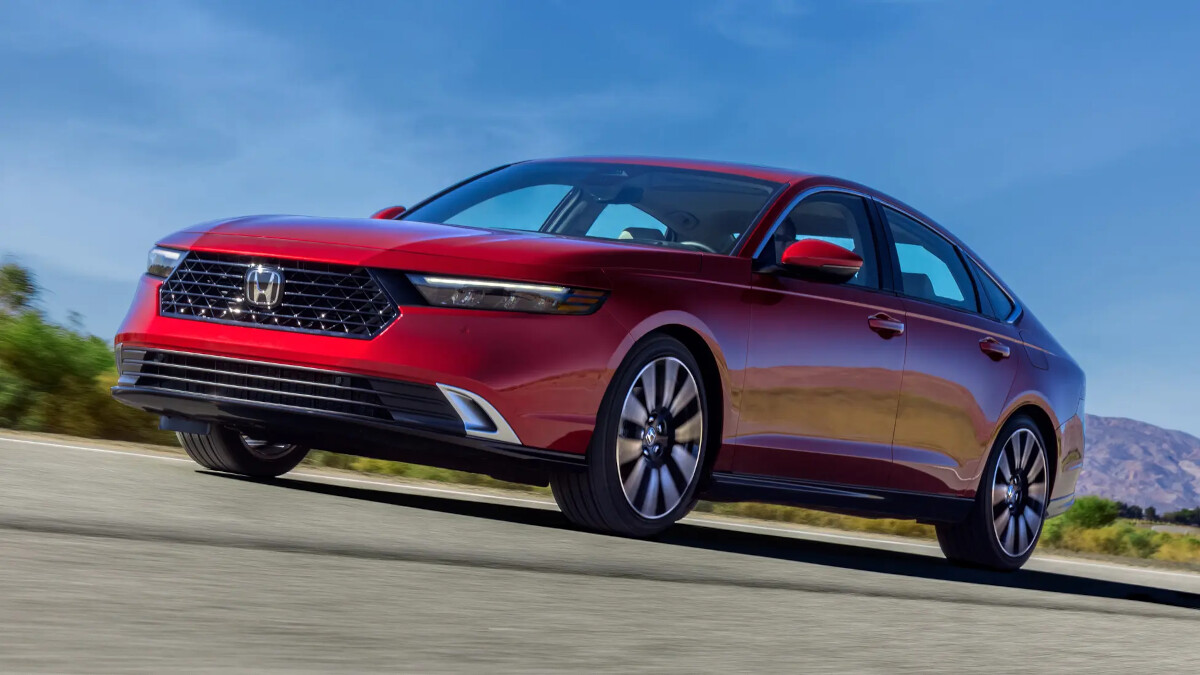
Honda Accord
The Honda Accord is one of the most practical vehicles for drive-in movie experiences due to its balanced combination of comfort, lighting control, and audio quality. Its interior design prioritizes driver comfort without overwhelming the cabin with excessive ambient lighting.
The dashboard illumination is adjustable, allowing drivers to reduce brightness to a level that does not interfere with screen visibility. This is especially important in drive-in environments where external darkness enhances viewing quality.
Another advantage of the Accord is its infotainment system, which is intuitive and not overly bright even at higher settings. Many newer models include a dimming feature that reduces screen glare at night. This helps maintain focus on the movie screen rather than the vehicle interior. The sound system is also well-tuned for mid-sized cabins, providing clear audio when connected through FM transmission or Bluetooth.
In terms of exterior lighting, the Honda Accord uses LED headlights that are well-calibrated and not overly aggressive. They provide sufficient brightness for safety without causing unnecessary glare when parked. This makes it more considerate in crowded drive-in environments where vehicles are parked close together.
The seating comfort also plays a role in enhancing the drive-in experience. With supportive seats and good recline options, passengers can enjoy long films without discomfort. This reduces the need for interior movement that could disturb others nearby.
The Honda Accord offers a balanced, non-intrusive design that fits naturally into the drive-in movie environment, making it one of the most reliable choices for this type of entertainment.
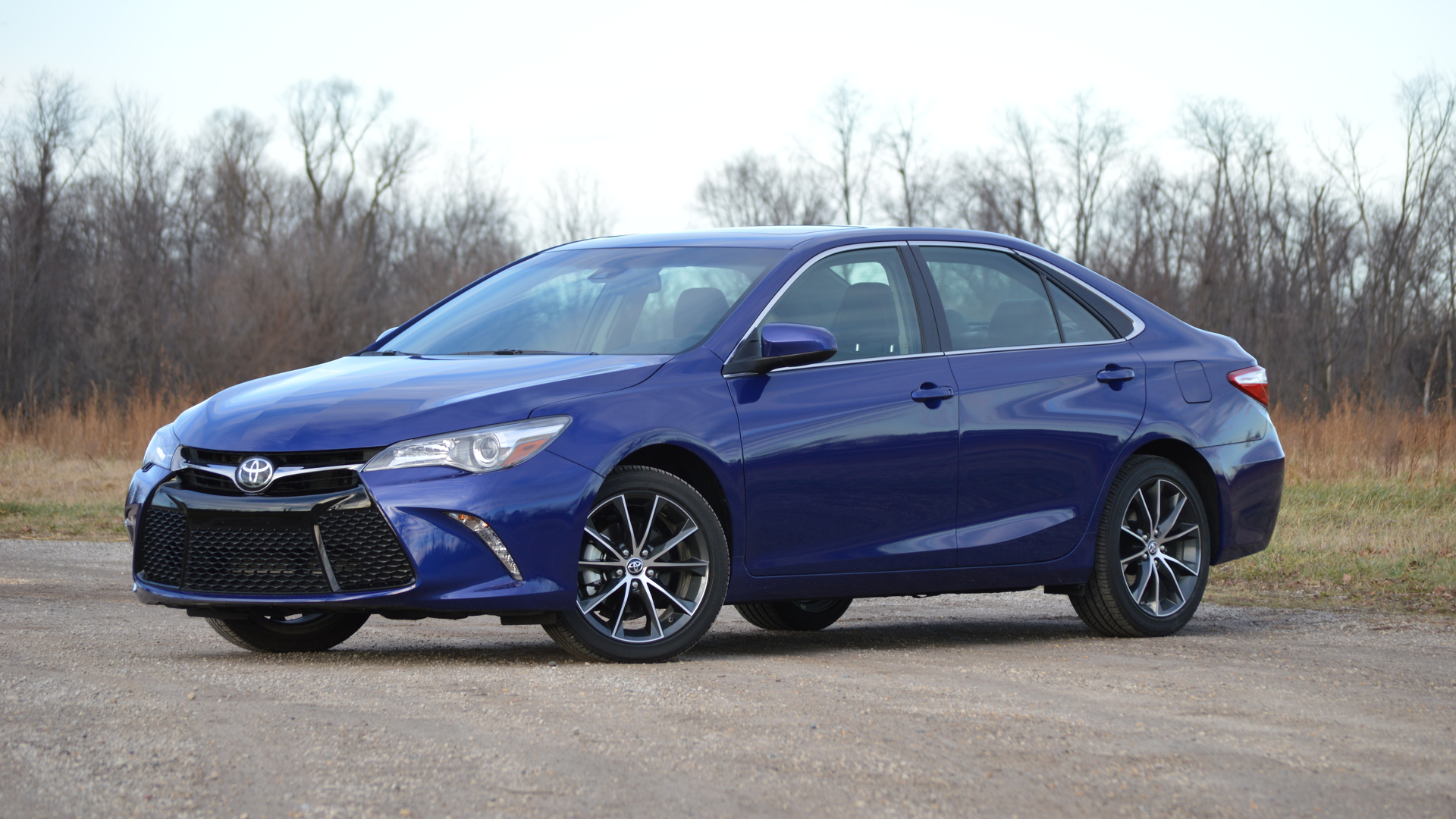
Toyota Camry
The Toyota Camry is another excellent vehicle for drive-in theaters because of its smooth operation and highly customizable lighting settings. One of its strongest advantages is the simplicity of its interior interface, which allows drivers to quickly adjust dashboard brightness and infotainment screen intensity. This reduces unwanted light pollution inside the car during nighttime viewing.
The Camry is also known for its quiet cabin, which enhances audio clarity when watching movies through FM radio or external speakers. Road noise is minimal, allowing viewers to focus on dialogue and sound effects without distractions. This is particularly useful in drive-in settings where multiple vehicles are operating sound systems simultaneously.
Its exterior lighting system is designed with safety and moderation in mind. While the LED headlights are bright enough for highway driving, they are not overly harsh when the vehicle is stationary. This helps maintain a comfortable viewing environment for surrounding cars.
Another advantage is the smooth hybrid variant, which operates quietly and reduces engine noise during idle periods. This enhances the atmosphere of the drive-in experience, especially during quieter scenes in films.
The Toyota Camry’s combination of comfort, control, and balanced lighting makes it a dependable option for moviegoers who want a distraction-free experience.
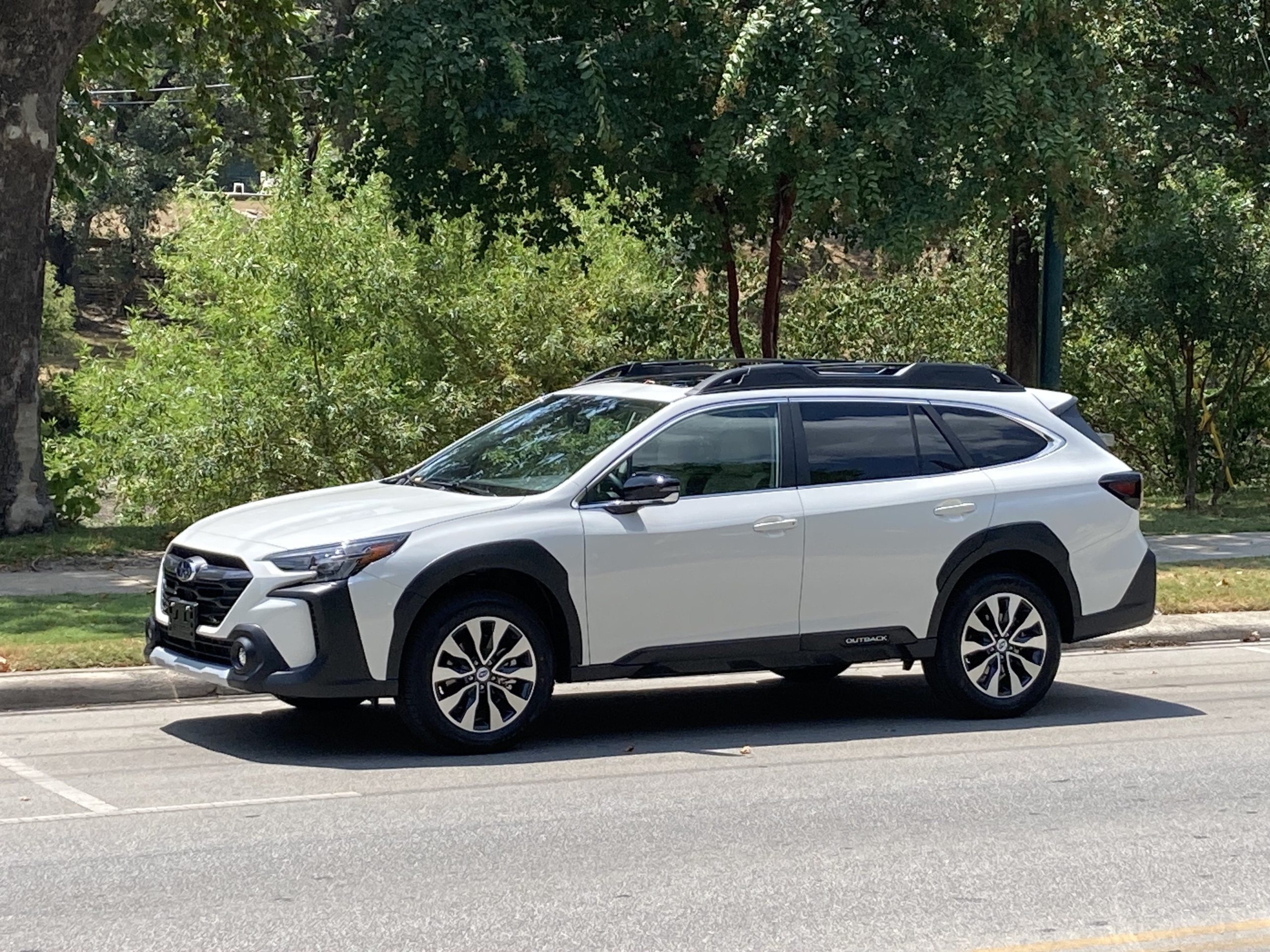
Subaru Outback
The Subaru Outback is well-suited for drive-in movie nights thanks to its spacious interior and highly adjustable lighting system. Designed for outdoor versatility, it naturally aligns with environments like drive-in theaters where comfort and visibility matter equally. The dashboard lighting can be dimmed effectively, preventing any interference with the movie screen.
One of its key strengths is its large and comfortable seating layout. Passengers can recline easily, stretch out, and enjoy long films without feeling confined. This makes it particularly appealing for families or groups attending drive-ins together.
The infotainment system in the Outback is functional and designed with usability in mind rather than excessive brightness. It avoids overly flashy animations or bright transitions that could distract viewers during nighttime use. This subtle approach to design enhances its suitability for shared viewing environments.
Exterior lighting is also carefully balanced. While the Outback includes modern LED headlights, they are angled and diffused to minimize glare when parked. This helps prevent disruption to neighboring vehicles.
Subaru Outback’s combination of comfort, subtle lighting, and outdoor-oriented design makes it a strong candidate for drive-in movie experiences.
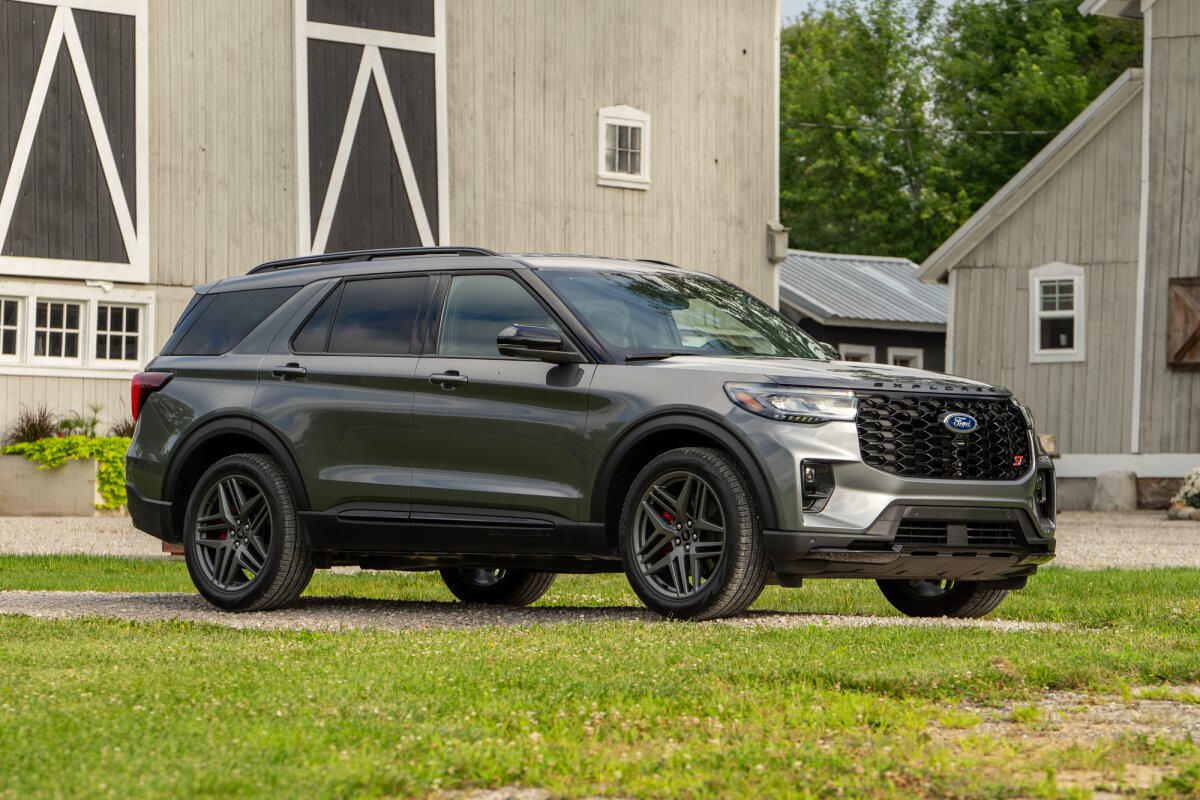
Ford Explorer
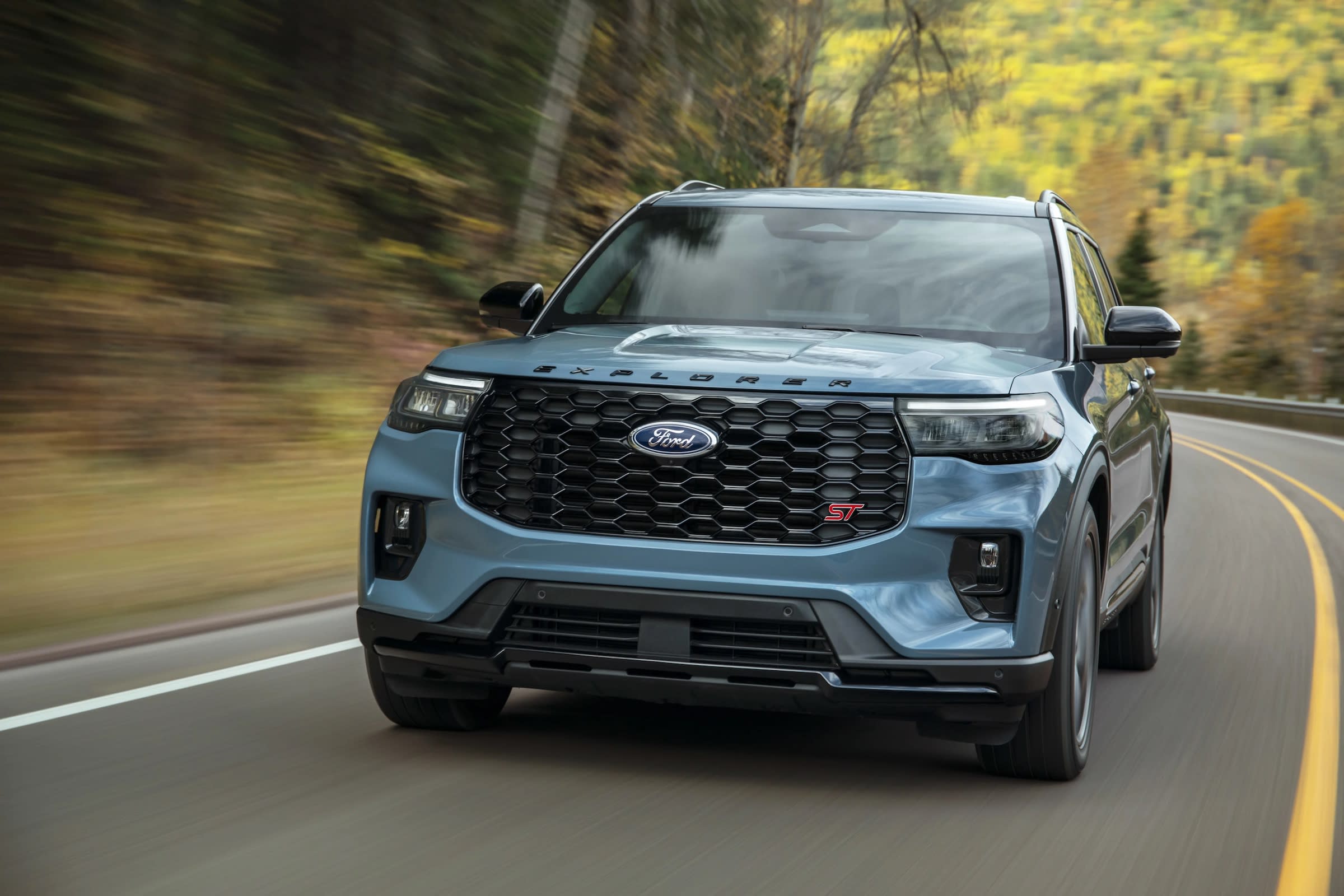
The Ford Explorer is a popular SUV choice for drive-in theaters due to its spacious interior and strong family-oriented design. It provides ample seating for multiple passengers, making it ideal for group movie nights. The cabin lighting system is fully adjustable, allowing drivers to minimize interior brightness during screenings.
The infotainment system in the Explorer is large but includes night mode settings that significantly reduce screen glare. This ensures that passengers can interact with the system without disturbing the viewing experience. Audio output is also strong and clear, which enhances FM-based movie sound transmission.
One of the Explorer’s strengths is its ability to create a comfortable viewing environment even when fully occupied. The seating arrangement allows for relaxed posture, and rear passengers can enjoy a clear view of personal screens or shared audio.
Exterior lighting is powerful but well-controlled. Ford has implemented beam-shaping technology that reduces unnecessary scatter, which helps maintain courtesy in close parking environments like drive-ins.
The Ford Explorer stands out as a practical, family-friendly option that balances modern features with environmental awareness in shared entertainment spaces.
Mazda CX-5
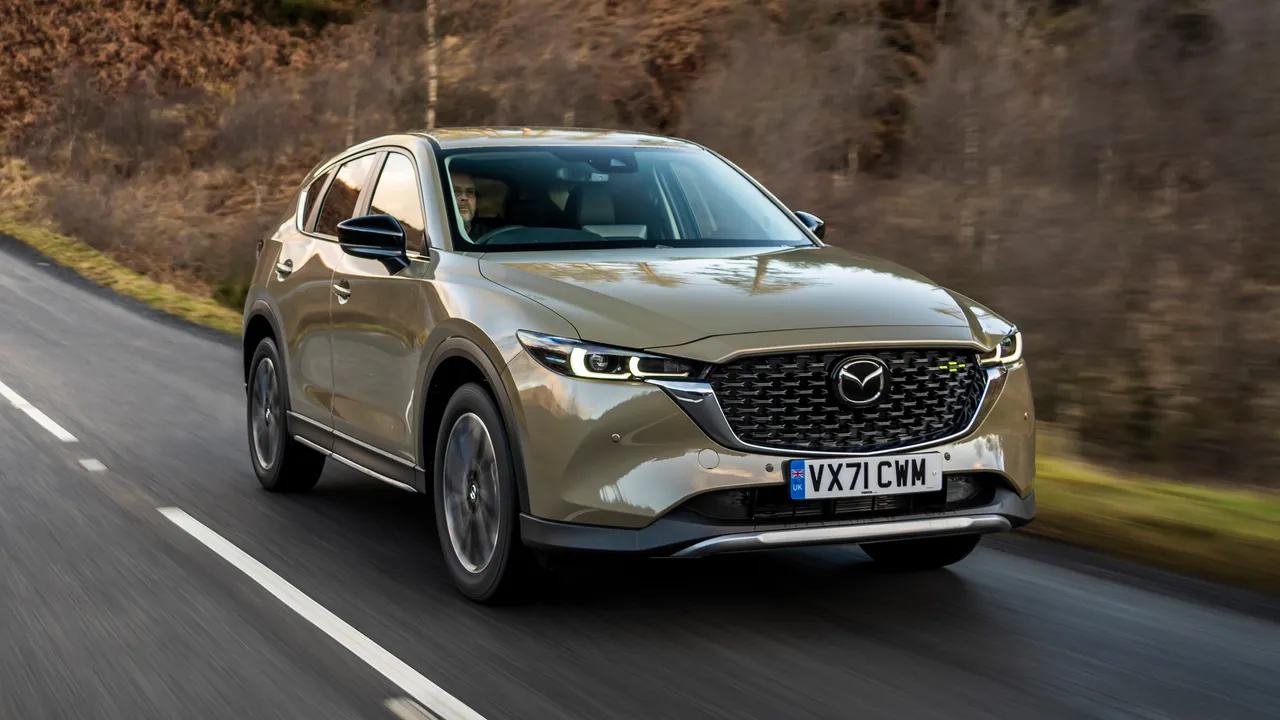
The Mazda CX-5 is known for its minimalist interior design, which makes it highly suitable for drive-in movie environments. Its cabin lighting is intentionally subdued, focusing on driver comfort rather than visual intensity. This reduces distractions and allows viewers to focus on the film.
The infotainment system is designed with simplicity in mind, avoiding overly bright visuals or unnecessary animations. Night mode is effective and automatically adjusts brightness levels to suit low-light environments. This is particularly helpful during long movie screenings.
The CX-5 also offers a refined cabin experience with excellent sound insulation. External noise is significantly reduced, allowing passengers to enjoy clear audio without interference. This enhances the cinematic feel of the drive-in experience.
Exterior lighting is modern but not overly aggressive. Mazda’s LED headlights are designed for precision rather than intensity, which helps reduce glare for surrounding vehicles.
The Mazda CX-5 provides a calm, controlled environment that aligns well with the relaxed nature of drive-in movie nights.
5 Cars with Distracting Auto-Lights
Tesla Model 3
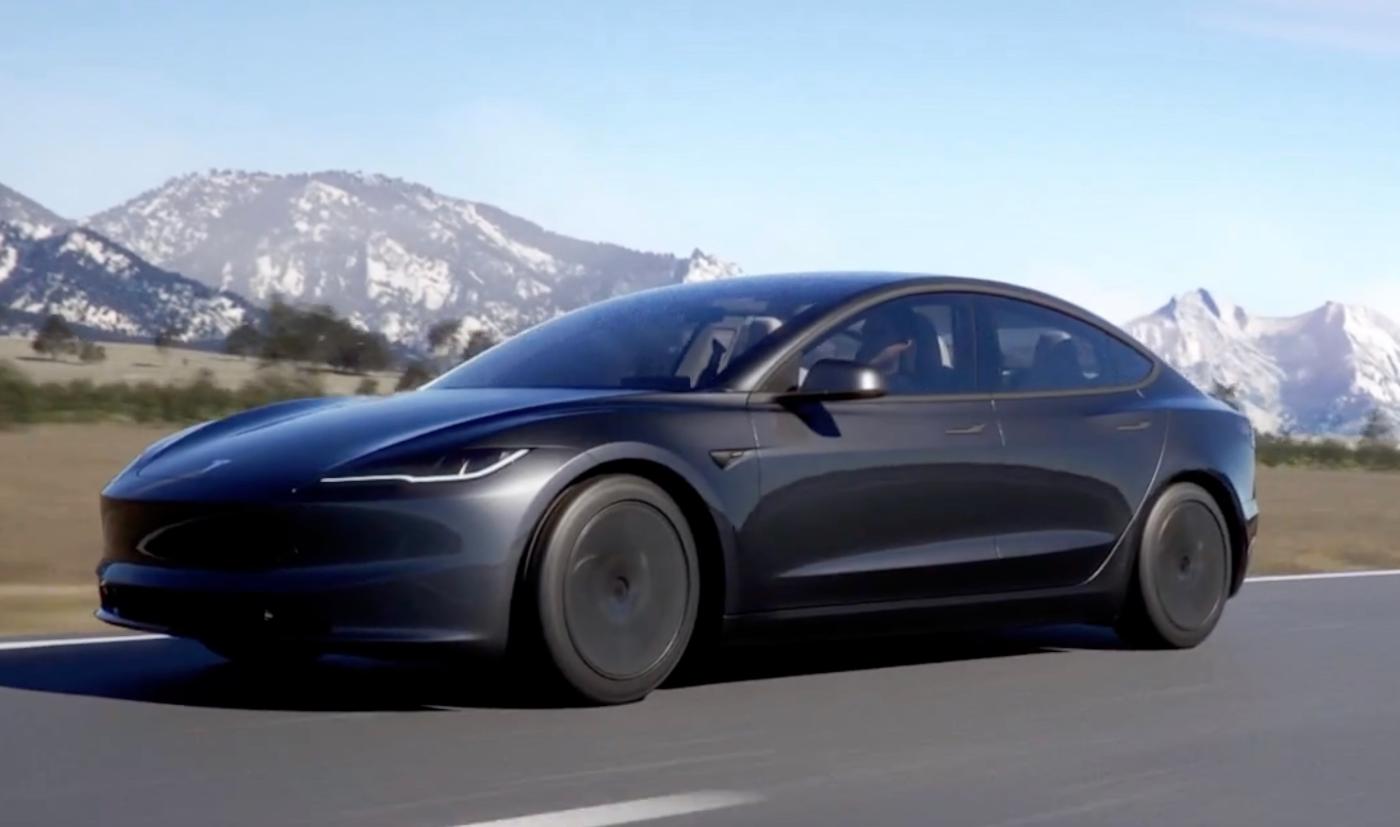
The Tesla Model 3 is technologically advanced, but some of its features can be distracting in drive-in environments. One of the main concerns is the large central touchscreen, which remains bright even in night mode. While brightness can be adjusted, it still produces noticeable light inside the cabin during dark settings.
The exterior lighting system is another factor. Tesla vehicles use highly visible LED headlights and signature light patterns that can appear overly bright when parked in close proximity to other vehicles. This can potentially distract nearby viewers during a movie.
Auto high beam features, while useful on roads, can sometimes activate or remain sensitive in low-light environments, contributing to unnecessary brightness fluctuations. Even though the system is designed for safety, it may not always align with the still environment of a drive-in theater.
The minimal dashboard design, while futuristic, also means there are fewer physical controls for quickly reducing light output compared to traditional vehicles. This can make adjustments less intuitive during a movie.
Despite these issues, the Tesla Model 3 remains a highly innovative car, but its lighting design is not always ideal for shared viewing environments like drive-ins.
BMW 3 Series
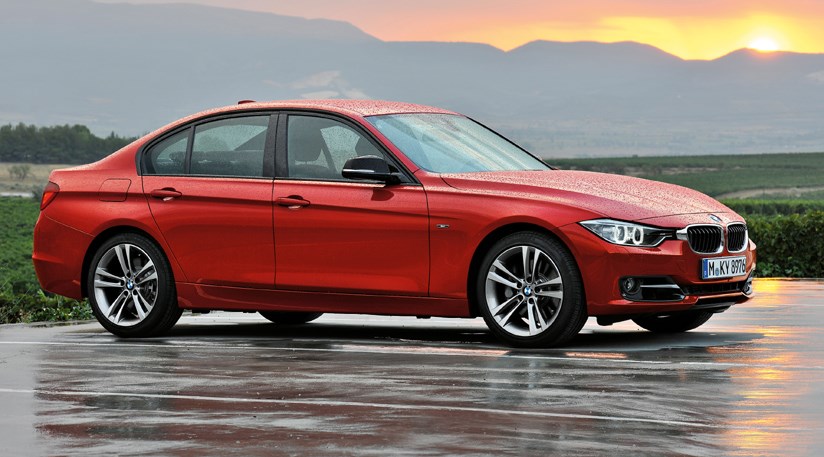
The BMW 3 Series is known for its advanced adaptive lighting system, which adjusts based on driving conditions. While this is excellent for road safety, it can be overly sensitive in stationary environments like drive-in theaters.
The LED headlights are extremely bright and designed for precision illumination. However, when parked, their intensity can still cause glare for nearby vehicles, especially in tightly packed rows.
The interior lighting system is also more performance-oriented, with illuminated trims and a bright infotainment display that can draw attention away from the movie screen if not properly adjusted.
Although brightness can be reduced, the default settings tend to favor visibility and style, which may not always align with drive-in etiquette.
The BMW 3 Series remains a premium driving machine, but its lighting design is optimized more for dynamic driving than static entertainment environments.
Ram 1500
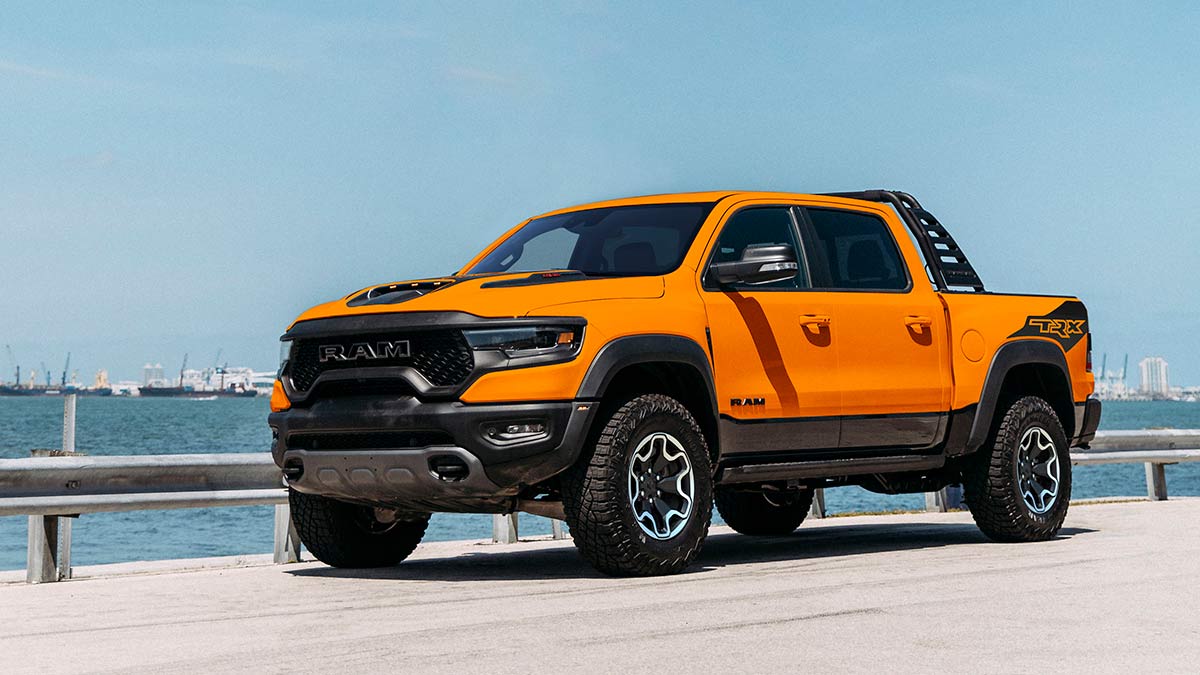
The Ram 1500 is a powerful pickup truck with strong exterior lighting designed for work and off-road use. However, its high-mounted LED headlights can be distracting in drive-in movie settings.
The brightness and elevation of the lights can create glare that affects multiple rows of parked vehicles. This is especially noticeable in older or smaller drive-in venues.
The interior cabin is spacious, but the infotainment system and dashboard lighting are often large and bright, contributing to interior light spill when doors are opened or adjustments are made.
While the truck is excellent for utility and towing, its lighting system is not specifically optimized for low-light social entertainment environments.
The Ram 1500 remains highly capable, but its lighting strength can unintentionally reduce comfort for nearby viewers.
Mercedes-Benz E-Class
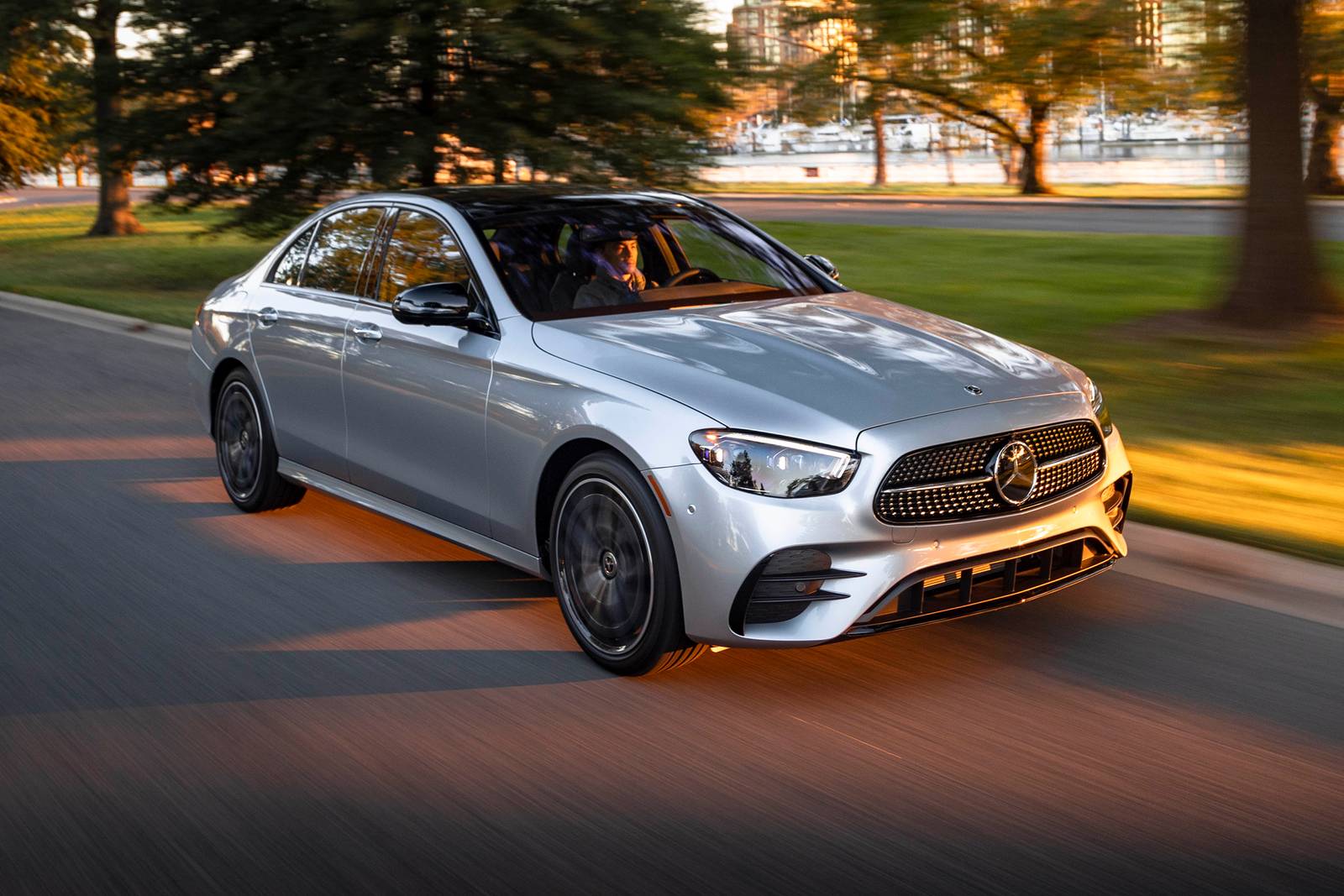
The Mercedes-Benz E-Class is a luxury vehicle with extensive ambient lighting features throughout the cabin. While visually impressive, this can be distracting in dark environments like drive-in theaters.
The interior lighting system includes customizable color schemes that may still emit noticeable light even at lower settings. This can draw attention inside the vehicle during movie screenings.
The exterior LED lighting is elegant but highly visible, which may contribute to glare in closely parked arrangements.
The infotainment system is large and bright, designed for high visibility and interaction, but not always ideal for completely dark viewing environments.
While the E-Class offers a premium experience, its emphasis on visual luxury can conflict with the subtle lighting needs of drive-in movie settings.
Audi Q7
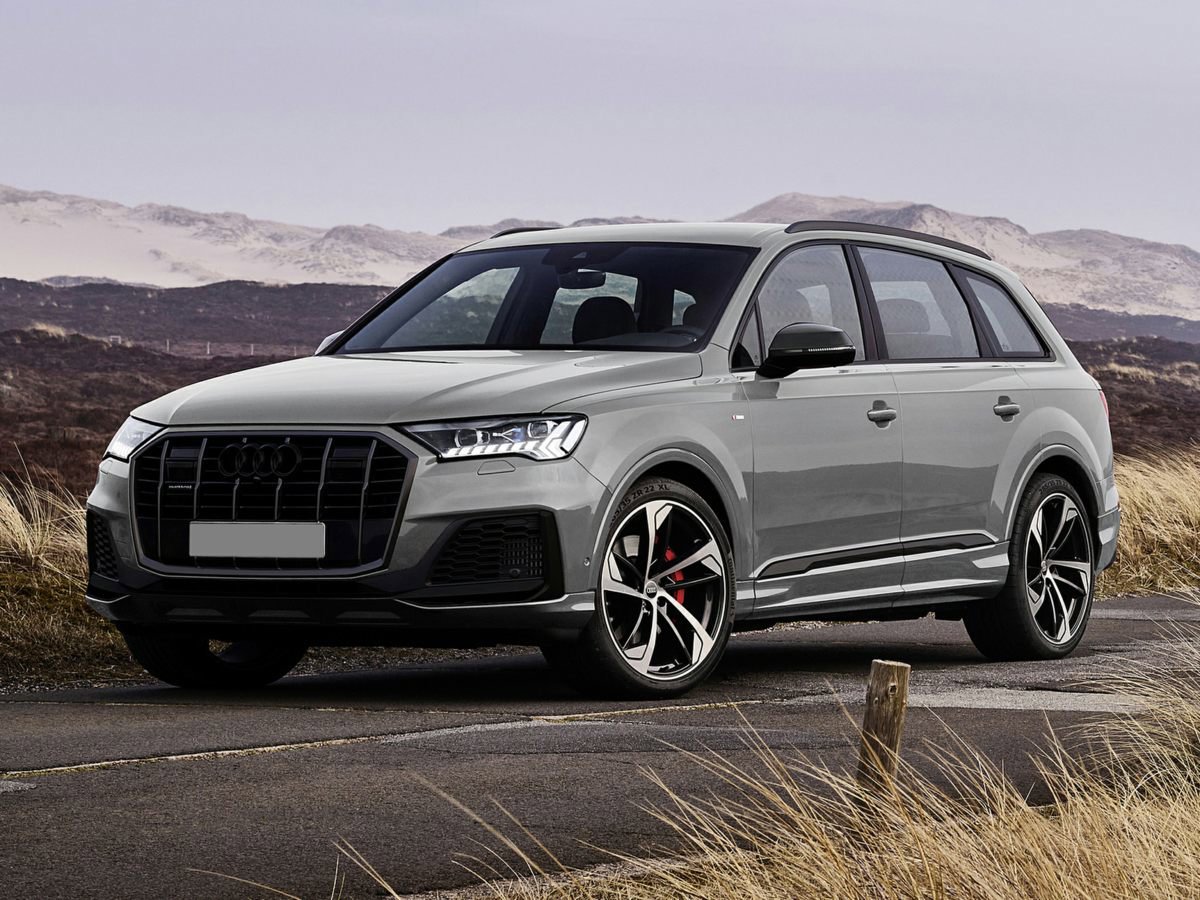
The Audi Q7 features some of the most advanced lighting technology in the automotive industry, including dynamic turn signals and highly defined LED headlights. While impressive, these features can be distracting in drive-in theaters.
The brightness and animation of the lighting system are designed to enhance visibility and style, but they can create unnecessary visual attention in stationary environments.
Inside the cabin, the digital cockpit and infotainment screens are large and bright, contributing to interior light levels that may interfere with movie viewing if not carefully adjusted.
The vehicle’s premium design prioritizes visual impact, which can sometimes conflict with the low-light atmosphere of shared entertainment spaces.
Despite its technological excellence, the Audi Q7 is more suited for road presence than for subtle nighttime social environments like drive-in cinemas.
