
Durability in four wheel drive systems is not measured by marketing claims or short term testing. It is proven through years of harsh use, where mud, rocks, steep inclines, and unpredictable terrain constantly challenge every moving component.
Reaching 300,000 rugged miles is not just a number. It represents mechanical endurance, thoughtful engineering, and consistent real world reliability.
A 4WD system operates under conditions far more demanding than standard drivetrains. It must distribute torque effectively across all wheels, adapt to changing traction levels, and maintain structural integrity under heavy loads.
Unlike engines that can sometimes show warning signs before failure, a stressed drivetrain component can fail abruptly if not built to last. This makes long term durability even more critical.
Some systems achieve this longevity through simplicity. Fewer electronic components and strong mechanical linkages reduce the chances of failure.
Others rely on advanced engineering, using intelligent torque distribution and reinforced materials to maintain performance even after years of use. Both approaches can succeed, but only when executed with precision.
Maintenance also plays a defining role. Regular fluid changes, proper usage of low range gearing, and avoiding unnecessary strain can significantly extend the life of a 4WD system. Yet even with perfect care, not every system is capable of reaching extreme mileage without major issues. That is what separates truly durable designs from average ones.
Another factor is consistency. It is one thing for a system to perform well when new. It is another for it to maintain that performance after decades of exposure to dirt, water, temperature changes, and heavy workloads. Systems that achieve this balance earn a reputation among enthusiasts and professionals alike.
This article highlights ten 4WD systems that have proven their strength far beyond typical expectations. These are not theoretical examples.
They are systems that have continued to function reliably after extensive use in demanding environments. Each one represents a different approach to durability, shaped by engineering philosophy and intended purpose.
Understanding what makes these systems last provides valuable insight for anyone interested in long term vehicle ownership, off road capability, or mechanical resilience. These are the systems that do not just survive harsh conditions. They continue to perform long after others begin to fade.
Also Read: 10 Most Reliable Used Cars for Winter In Hartford
1. Toyota Land Cruiser Full Time 4WD (J80/J100 Series)
Toyota’s Land Cruiser has long been associated with reliability, but its full time four wheel drive system is a major reason behind that reputation. In the J80 and J100 series, this system is built around a center differential combined with a robust transfer case, allowing power to be distributed evenly while still providing flexibility for different terrains.
What makes this system exceptional is its balance between strength and usability. Drivers can operate in full time four wheel drive without worrying about drivetrain binding on paved roads. At the same time, the center differential lock provides true off road capability when conditions demand maximum traction.
Over hundreds of thousands of miles, the durability of this system becomes evident. The gears inside the transfer case are designed to handle sustained stress, while the differential components resist wear even under heavy loads. Many examples continue to operate smoothly with only routine maintenance.
Another defining trait is how the system handles torque. Instead of relying heavily on electronics, it uses mechanical strength and thoughtful engineering. This reduces the number of potential failure points, making it more predictable and easier to maintain in the long run.
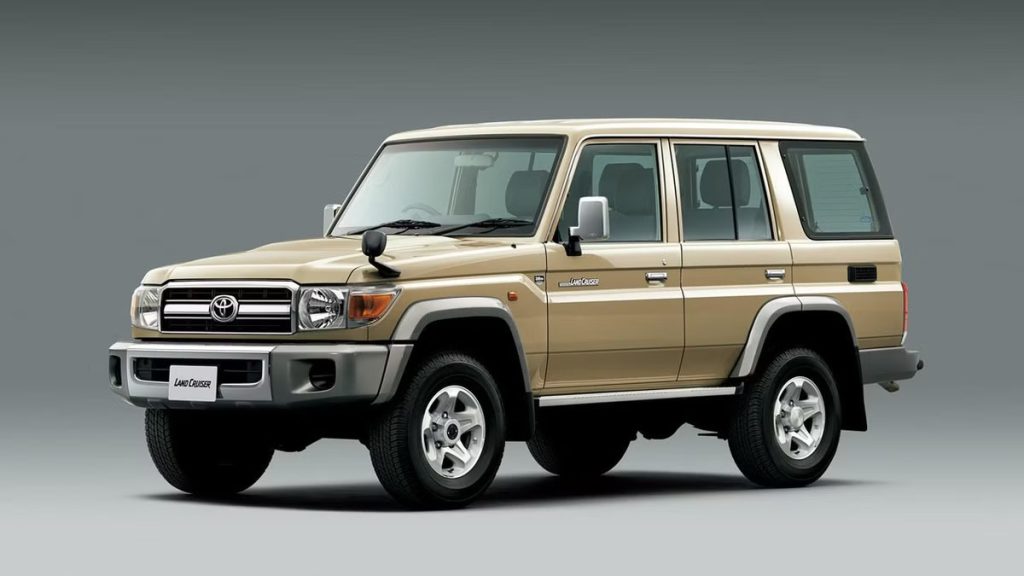
Owners who regularly service the transfer case fluid and differential oils often report minimal issues even after extensive use. The system does not demand constant attention, but it rewards those who maintain it properly.
The Land Cruiser’s full time 4WD system represents a philosophy where durability is prioritized above all else. It is not designed for occasional use but for continuous operation in challenging conditions. That is why it remains functional long after many other systems begin to show wear.
2. Jeep Wrangler Command Trac (NV231)
The Command Trac system found in many Jeep Wrangler models is a clear example of how simplicity can lead to long lasting performance. Built around the NV231 transfer case, this part time four wheel drive system focuses on mechanical reliability rather than complexity.
Drivers engage four wheel drive manually, choosing between high and low range depending on terrain. This direct control reduces reliance on electronic systems, which can sometimes become points of failure over time. Instead, the system depends on strong gears and straightforward operation.
One of the reasons this system survives extreme mileage is its rugged construction. The transfer case is designed to handle repeated engagement under load, making it well suited for off road environments where conditions change rapidly. It does not attempt to manage traction automatically, which keeps its design clean and durable.
Another advantage lies in its serviceability. Components are relatively easy to access and repair compared to more complex systems. This encourages proper maintenance and makes it easier to keep the system in good condition over many years.

The absence of a center differential means the system is not intended for use on dry pavement in four wheel drive mode. While this limits everyday convenience, it reduces internal complexity and increases long term durability.
Owners who understand how to use the system correctly often achieve impressive mileage without major issues. Regular fluid changes and mindful operation go a long way in preserving its performance.
The Command Trac system stands as proof that durability does not always require advanced technology. Sometimes, a well built mechanical design is all that is needed to deliver reliable performance over hundreds of thousands of miles.
3. Mitsubishi Super Select 4WD (SS4-II)
Mitsubishi’s Super Select system takes a different path compared to traditional part time setups. It blends the flexibility of full time four wheel drive with the ruggedness required for serious off road use. Found in vehicles like the Pajero, this system allows drivers to switch between two wheel drive, full time four wheel drive, and locked modes depending on terrain.
What gives Super Select its long term strength is the way it distributes stress across multiple operating modes. Instead of forcing the same components to handle every situation, it adapts. On highways, it behaves like a full time system with a center differential, reducing strain. When conditions become rough, the driver can lock the system for maximum traction.
This adaptability reduces continuous wear on specific parts. Over long distances, that matters more than raw strength alone. Components are not constantly pushed to their limits, which helps them last longer under mixed driving conditions.
The internal construction also deserves attention. The transfer case is built with durability in mind, using strong gears and a reliable shifting mechanism. Even after years of use, many systems continue to engage smoothly without hesitation.
Drivers who regularly cycle through modes rather than sticking to one setting tend to experience fewer issues. This keeps internal parts moving and prevents uneven wear patterns.
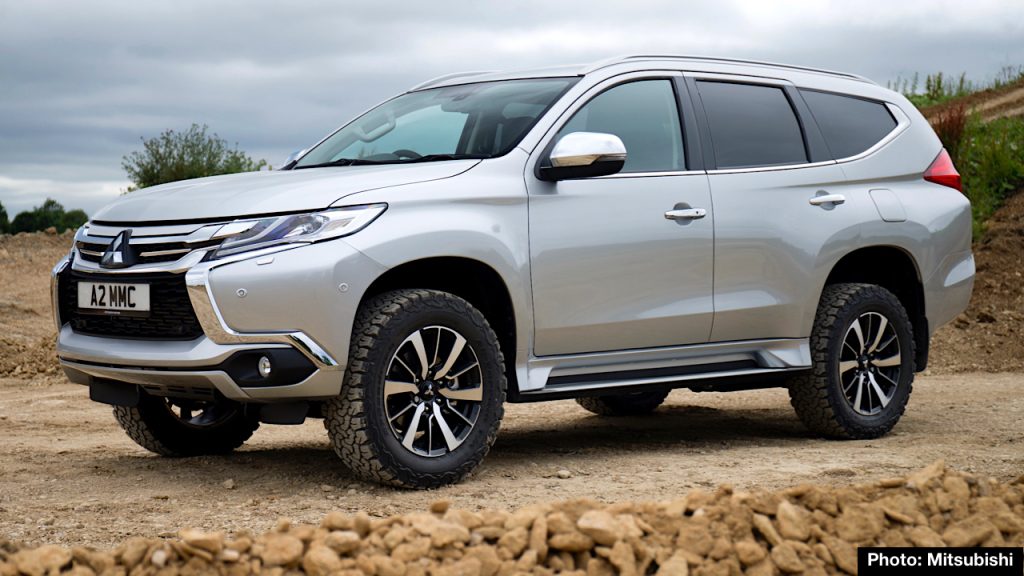
Another important factor is how the system manages torque. Instead of relying heavily on electronic corrections, it uses a balanced mechanical approach that remains predictable even as the vehicle ages.
Super Select proves that versatility and durability can coexist. It is not limited to one type of terrain, yet it maintains reliability over extremely high mileage. That combination is rare and is a key reason why this system continues to perform long after others begin to lose consistency.
4. Land Rover Defender Mechanical 4WD (LT230 Transfer Case)
The classic Land Rover Defender uses a purely mechanical four wheel drive system centered around the LT230 transfer case. This setup has earned a reputation in some of the harshest environments on the planet, from deserts to mountain trails. Its longevity is not based on complexity but on robust construction and straightforward operation.
The LT230 transfer case uses a gear driven design rather than a chain. This immediately sets it apart from many modern systems. Gear driven systems tend to handle sustained stress better, especially when subjected to heavy loads over long periods. That strength becomes evident as mileage climbs into extreme territory.
Another defining feature is the permanent four wheel drive layout combined with a lockable center differential. This allows the system to operate smoothly on roads while still offering full traction when required. The transition between these modes is direct and reliable, with minimal dependence on electronic controls.
Over time, wear does occur, but the system is built to be serviceable. Bearings, seals, and gears can be replaced without needing to overhaul the entire unit. This makes long term ownership more practical, especially for those who use the vehicle in demanding conditions.
Drivers often describe the system as feeling mechanical in the best way possible. There is a direct connection between input and response, which remains consistent even after years of use.

Maintenance plays a role, particularly in keeping fluids clean and ensuring seals remain intact. However, the system’s core strength lies in its ability to continue functioning even when conditions are far from ideal.
The Defender’s mechanical 4WD setup represents an approach where durability is achieved through simplicity and strength. It does not rely on advanced features, yet it continues to deliver reliable performance long after many modern systems would require significant intervention.
5. Toyota Hilux Part Time 4WD (RF1A Transfer Case)
The Toyota Hilux has built its legacy on resilience, and the RF1A transfer case plays a central role in that reputation. This part time four wheel drive system is not designed to impress with complexity. Instead, it focuses on durability, consistency, and the ability to endure conditions that would challenge more advanced systems.
At its core, the RF1A uses a gear driven design that favors strength over refinement. This construction allows it to handle repeated stress without the stretching or wear commonly associated with chain driven units. When subjected to rough terrain, heavy loads, or prolonged use, it continues to function with minimal degradation.
Operation is straightforward. Drivers manually engage four wheel drive when needed, ensuring that the system is only used under appropriate conditions. This reduces unnecessary strain and extends component life. It also encourages a more engaged driving approach, where the operator plays a role in preserving the system.
One of the reasons this setup reaches extreme mileage is its tolerance for imperfect conditions. Dust, mud, and water exposure are inevitable in off road environments, yet the system remains functional even when maintenance is not ideal. That level of forgiveness is rare.
Another factor is parts availability and service simplicity. Components can be repaired or replaced without requiring highly specialized tools, making long term ownership more manageable. This encourages proper upkeep, which further contributes to its longevity.
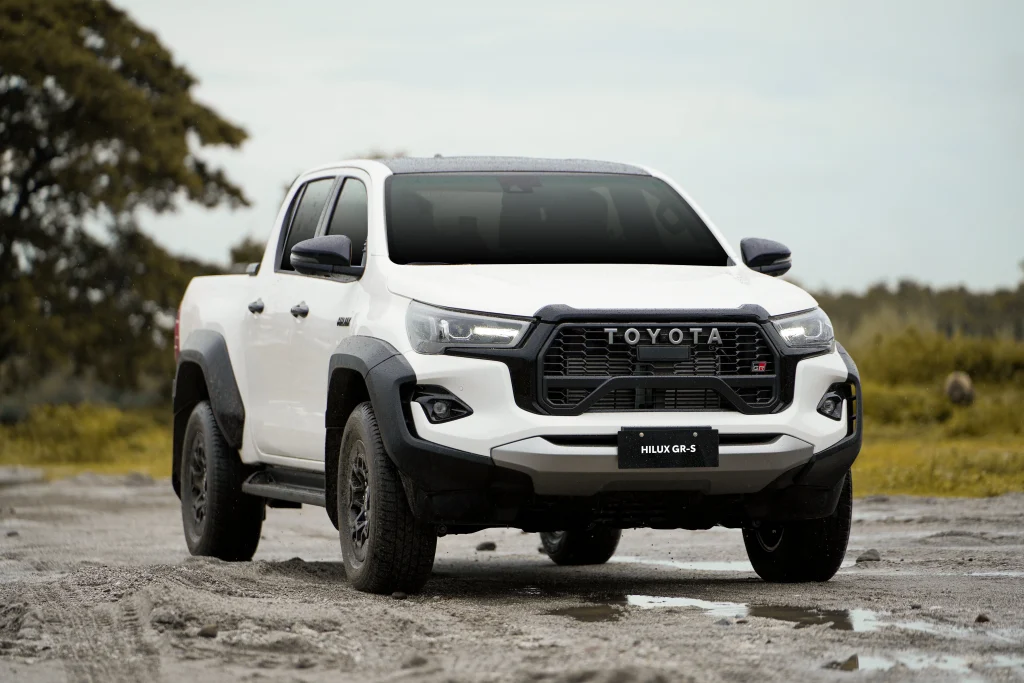
The Hilux 4WD system does not rely on electronics or automated adjustments. Its strength lies in predictable mechanical behavior, which remains consistent regardless of age.
Over hundreds of thousands of miles, this system proves that durability is not about innovation alone. It is about building something that can withstand repeated use without losing its core functionality.
6. Nissan Patrol Part Time 4WD (Safari Y60/Y61)
The Nissan Patrol, particularly in the Y60 and Y61 generations, is known for its ability to handle extreme environments. Its part time four wheel drive system reflects a design philosophy centered on toughness and reliability rather than convenience.
This system uses a heavy duty transfer case paired with strong axles and drivetrain components. It is built to manage high torque loads, which makes it suitable for challenging terrains such as sand dunes, rocky trails, and steep inclines. Over time, this strength becomes its defining characteristic.
Engagement is manual, allowing the driver to decide when to activate four wheel drive. This reduces unnecessary wear during normal driving conditions. When engaged, the system provides direct power distribution without relying on complex electronic controls.
One of the reasons it survives beyond 300,000 miles is its ability to handle stress without significant degradation. The internal gears are designed to operate under load for extended periods, maintaining structural integrity even after years of demanding use.
Another aspect worth noting is how the system responds to maintenance. Regular servicing enhances longevity, but even vehicles that experience inconsistent care often continue to operate reliably. This resilience is a key part of its reputation.
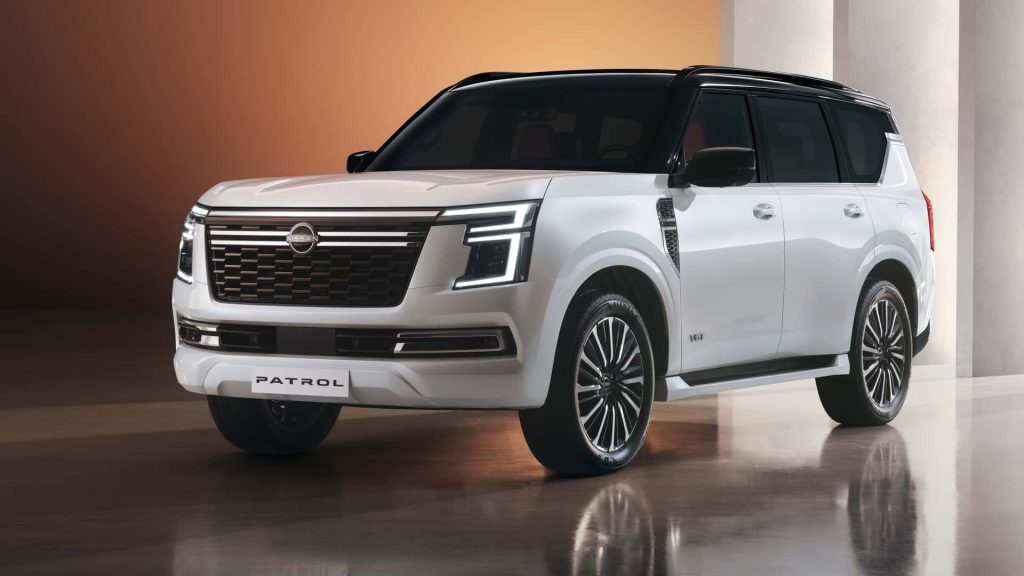
Drivers often trust this system in remote areas where reliability is critical. It does not depend on sensors or software, which reduces the risk of unexpected failures.
The Patrol’s 4WD setup represents a traditional approach that prioritizes mechanical strength. It may not offer the refinement of modern systems, but it delivers something more important for long term use: unwavering dependability.
7. Ford Super Duty Electronic Shift-On-The-Fly 4WD (BorgWarner 13-56 Transfer Case)
Ford’s Super Duty trucks are built for heavy workloads, and the BorgWarner 13-56 transfer case reflects that purpose.
Unlike older purely manual systems, this setup introduces electronic shift on the fly capability while still maintaining a strong mechanical backbone. It allows drivers to switch between two wheel drive and four wheel drive at speed, adding convenience without sacrificing durability.
What makes this system last well beyond 300,000 rugged miles is how it blends electronic control with proven internal construction. Inside, the transfer case relies on solid gears and a robust chain mechanism designed to handle high torque loads.
These trucks are often used for towing, hauling, and off road work, meaning the drivetrain is constantly under pressure. The system is engineered to withstand that pressure repeatedly.
The electronic shift mechanism could have been a weak point, but in practice, it holds up surprisingly well when maintained. The motor responsible for engaging four wheel drive is simple in design and can be replaced without disturbing the entire system. This keeps long term ownership practical.
Another strength lies in lubrication. The transfer case is designed to maintain proper fluid distribution even under steep angles or uneven terrain. This ensures that internal components remain protected during demanding use.
Drivers often report that the system continues to engage smoothly even after years of operation. There is a consistency in how it behaves, which builds confidence in both daily use and extreme conditions.
Maintenance still plays a role. Regular fluid changes and occasional inspection of the shift motor help extend its lifespan. However, the system does not demand constant attention to remain reliable.
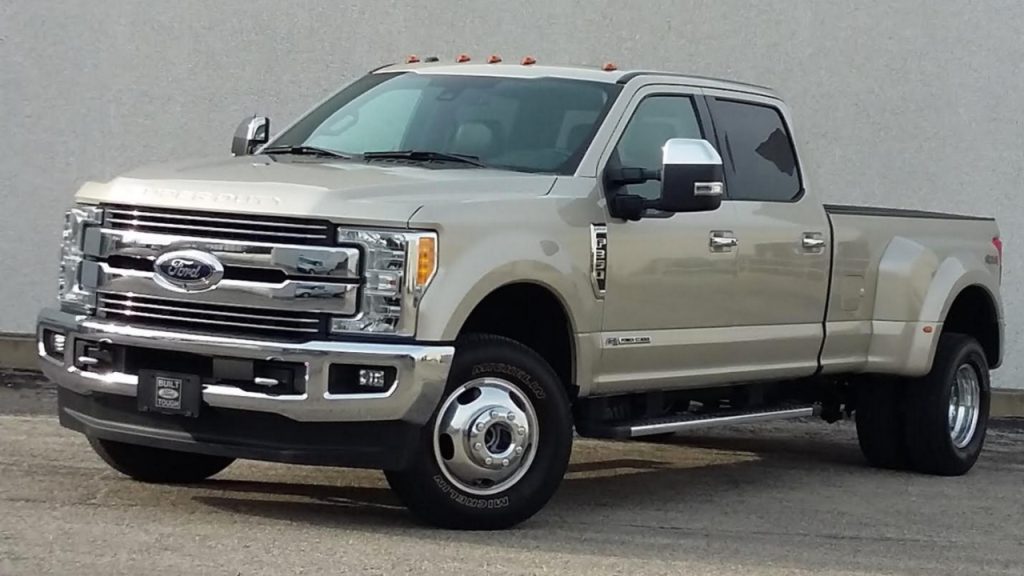
The Super Duty 4WD setup demonstrates that modern convenience features do not necessarily reduce durability. When supported by strong mechanical engineering, they can coexist with long term reliability.
8. Chevrolet Silverado Autotrac 4WD (NP246 Transfer Case)
The Autotrac system used in the Chevrolet Silverado offers a different take on four wheel drive durability. It introduces an automatic mode that adjusts torque distribution based on traction conditions, allowing the system to operate without constant driver input. Despite this added complexity, it has proven capable of enduring extremely high mileage.
At the heart of the system is the NP246 transfer case, which uses a combination of electronic controls and mechanical components to manage power delivery.
The automatic mode relies on sensors to detect wheel slip and engage the front axle when needed. This reduces unnecessary wear by keeping the system in two wheel drive under normal conditions.
One of the reasons this system lasts is how it minimizes constant stress. Instead of running in full four wheel drive all the time, it activates only when required. This reduces strain on internal components and extends their usable life.
The transfer case itself is built to handle repeated engagement cycles. Clutches and internal mechanisms are designed to operate smoothly even after years of use. While wear does occur, it tends to develop gradually rather than suddenly.
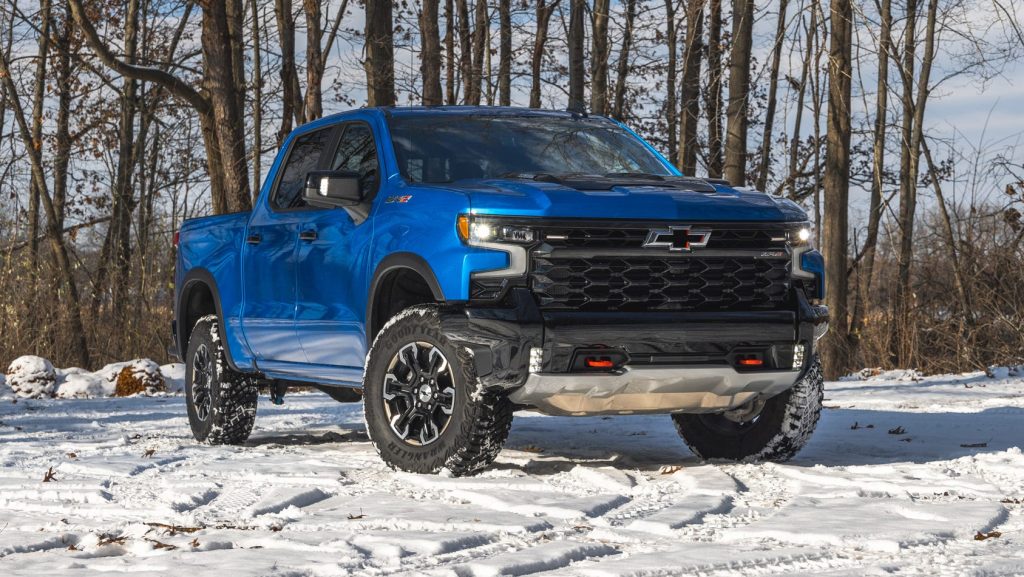
Another advantage is how the system adapts to different driving conditions. Whether on wet roads, gravel, or snow, it adjusts without requiring manual intervention. This reduces the likelihood of improper usage, which can shorten the life of simpler systems.
There are potential maintenance considerations, particularly with sensors and electronic controls. However, these components are generally accessible and can be serviced without major disassembly.
Drivers who maintain proper fluid levels and address minor issues early often find that the system continues to perform reliably for hundreds of thousands of miles.
The Autotrac system shows that intelligent torque management can contribute to longevity when combined with solid mechanical design. It offers a balance between ease of use and durability that stands the test of time.
9. Suzuki Jimny Part Time 4WD (Transfer Case with Low Range)
The Suzuki Jimny may be compact in size, but its four wheel drive system carries a level of toughness that rivals much larger vehicles.
Built around a traditional part time setup with a dedicated low range transfer case, it focuses on mechanical simplicity and lightweight efficiency. This combination plays a major role in how it manages to survive beyond 300,000 rugged miles.
Unlike heavier systems that rely on brute strength, the Jimny’s drivetrain benefits from reduced stress due to its low vehicle weight. Every component, from the transfer case to the axles, experiences less strain during operation. Over time, this translates into slower wear and longer service life.
The system uses a straightforward lever operated engagement mechanism, allowing the driver to switch between two wheel drive, four wheel drive high, and four wheel drive low. This direct control eliminates the need for complex electronics and reduces the chances of failure as the vehicle ages.
Another defining factor is how well the system handles off road conditions relative to its size. Because the vehicle is light, it does not require excessive torque to overcome obstacles. This means the drivetrain can operate within its limits even in challenging terrain, preserving internal components.
Owners often describe the system as dependable in situations where larger vehicles might struggle due to weight. It maintains traction without placing unnecessary stress on gears and shafts, which helps it endure long term use.

Maintenance is simple and accessible. Fluid changes and occasional inspections are usually enough to keep the system functioning properly. Even when subjected to harsh environments, it continues to operate with minimal issues.
The Jimny’s 4WD system proves that durability is not always about size or power. A well balanced design, combined with simplicity and proper usage, can deliver exceptional longevity even in demanding conditions.
10. Mercedes-Benz G-Class Permanent 4WD (Triple Differential Lock System)
The Mercedes-Benz G-Class stands as one of the most iconic off road vehicles ever built, and its four wheel drive system is a major reason for that status. Unlike many systems that prioritize either comfort or capability, this setup delivers both through a combination of permanent four wheel drive and three locking differentials.
At the core of the system is a full time transfer case that continuously distributes power to all four wheels. This ensures stability on paved roads while maintaining readiness for off road conditions. What truly sets it apart, however, is the ability to lock the center, rear, and front differentials individually.
This level of control allows the vehicle to maintain traction even in extreme situations where one or more wheels lose contact with the ground. The mechanical locking mechanisms are built with durability in mind, capable of handling repeated engagement under heavy load.
Over long distances and years of use, the system’s strength becomes evident. The components are designed to withstand high torque and harsh environments without significant degradation. Many G-Class vehicles continue to operate effectively after decades of service.
Another factor contributing to its longevity is the quality of materials used in construction. The drivetrain is engineered with a focus on endurance, ensuring that internal parts maintain their integrity even after extensive use.
Drivers benefit from a system that remains predictable and consistent. Engagement of differential locks is deliberate and reliable, giving the operator confidence in difficult terrain.
Maintenance requirements are present but manageable. Regular servicing of differentials and transfer case fluids helps preserve performance, yet the system itself is inherently robust.
The G-Class 4WD system represents a pinnacle of mechanical durability. It combines advanced capability with long term reliability, proving that a well engineered system can continue to perform at a high level even after extraordinary mileage.

Four wheel drive systems that survive beyond 300,000 rugged miles share a common foundation built on strength, thoughtful engineering, and real world adaptability. These systems are not defined by a single feature but by how all components work together over time.
One clear pattern is the importance of balance. Some systems achieve longevity through simplicity, using fewer parts to reduce failure points. Others rely on advanced engineering, distributing stress in ways that prevent premature wear. Both approaches can succeed when executed properly.
Another key factor is how these systems handle stress. Durable designs do not just endure heavy loads. They manage them efficiently, ensuring that no single component is consistently pushed beyond its limits. This allows the entire system to age more evenly.
Maintenance remains an essential part of the equation. Regular fluid changes, proper usage, and attention to early signs of wear help extend the life of any drivetrain. However, the systems highlighted here demonstrate that strong design can provide a significant margin of durability even when conditions are less than ideal.
Driver behavior also plays a role. Understanding when to engage four wheel drive, how to use low range, and how to avoid unnecessary strain can make a noticeable difference in long term performance.
These systems represent more than just mechanical assemblies. They reflect engineering philosophies that prioritize reliability and endurance. Whether through simplicity or innovation, each one has proven its ability to perform under conditions that test every aspect of a vehicle.
Reaching 300,000 rugged miles is not a coincidence. It is the result of design choices that stand up to time, terrain, and real world demands.
Also Read: 10 SUVs That Regularly Outlast the Houses Their Owners Bought Them For