Winter in Hartford is not just a mild seasonal shift, it is a full test of a vehicle’s durability, consistency, and real-world practicality.
Snow-covered roads, freezing temperatures, black ice, and road salt create a combination that quickly exposes weak engineering and poor maintenance history. Choosing a reliable used car for such conditions is less about brand appeal and more about how well a vehicle handles stress over time.
Many buyers focus on features like heated seats or all wheel drive, but winter reliability goes deeper than that. It includes how easily an engine starts on a freezing morning, how stable the vehicle feels on untreated roads, and how resistant it is to corrosion from salt exposure.
A good winter car should inspire confidence even before you begin driving, because hesitation in harsh conditions can lead to costly consequences.
Used cars bring another layer of complexity. Unlike new vehicles, their condition depends heavily on previous ownership, service habits, and driving environments. A model known for reliability can still perform poorly if it has been neglected.
At the same time, certain cars develop reputations for handling winter stress exceptionally well, even after years of use. These are the kinds of vehicles that matter in Hartford, where winters are long and unforgiving.
This guide focuses on ten used cars that consistently prove dependable in cold climates. Instead of simply listing specifications, each section highlights practical strengths such as cold weather starting behavior, traction confidence, heating efficiency, and long term durability.
Every vehicle here earns its place through real-world dependability rather than marketing claims.
The goal is to help you make a smarter decision when buying used, especially in a region where weather conditions demand more from your vehicle.
A reliable winter car is not just about getting from one place to another, it is about doing so safely, predictably, and without unnecessary stress during the harshest months of the year.
Also Read: 10 Vehicles With Brake Systems Built for 100000 Miles of Use
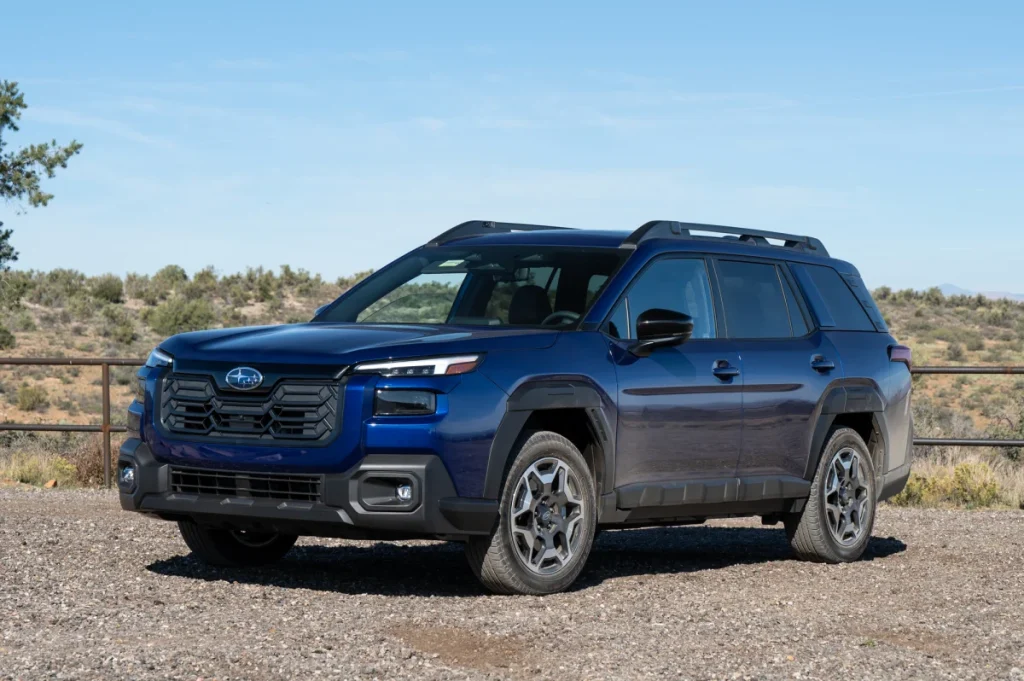
1. Subaru Outback
Winter driving often exposes how well a vehicle distributes power and maintains grip under unpredictable conditions. The Subaru Outback stands out because it does not rely on reactive systems, it operates with full time balance that continuously manages traction. This makes a noticeable difference on icy Hartford roads where sudden slips can occur without warning.
What truly defines its reliability in cold climates is how consistently it behaves. There is no sudden engagement or hesitation when traction changes. The car feels composed, which reduces driver fatigue during long winter commutes. Even in slushy conditions, the stability remains predictable, allowing smoother steering inputs rather than constant corrections.
Another important factor is ground clearance. Snow buildup can quickly become a problem in residential streets that are not immediately cleared. The Outback’s ride height prevents underbody scraping and allows it to maintain forward motion where lower vehicles struggle. This is not just about convenience, it reduces wear on critical components over time.
Cold starts are another area where this vehicle performs well. Engines that struggle in freezing temperatures often lead to battery strain and long term mechanical issues. The Outback is known for starting reliably even after being parked overnight in harsh conditions, which is crucial for daily usability.
Inside the cabin, heating efficiency plays a practical role. A system that warms up quickly does more than provide comfort, it improves visibility by clearing frost and reduces driver distraction. The Outback achieves this without excessive strain on the engine, maintaining a balance between comfort and efficiency.
Durability is where it secures its reputation. With proper maintenance, it handles years of winter exposure without developing major structural concerns. This makes it a dependable choice for buyers who need a vehicle that performs consistently through multiple seasons rather than just one.
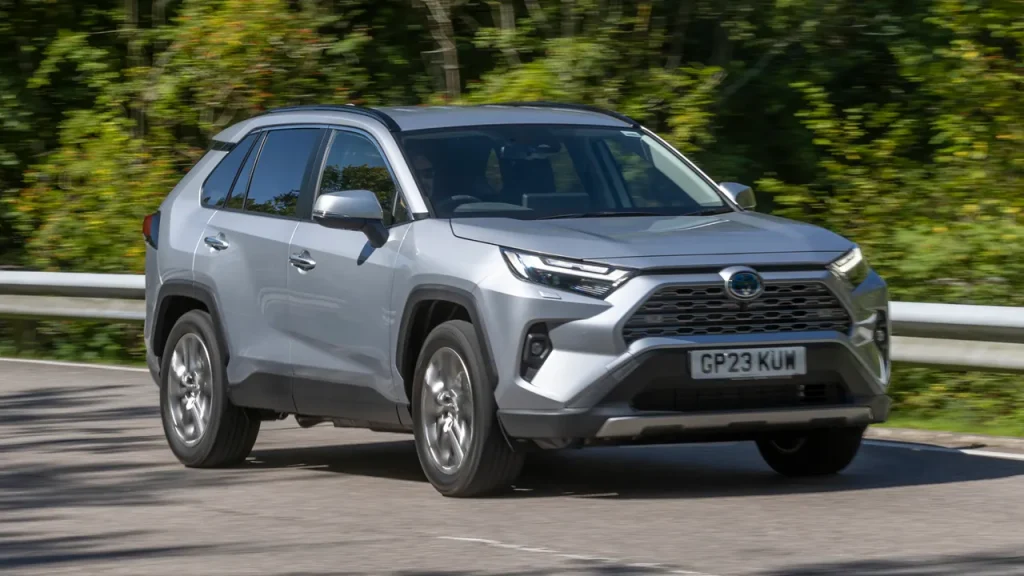
2. Toyota RAV4
Reliability in winter conditions is often about minimizing uncertainty. The Toyota RAV4 earns its place by delivering steady, predictable performance without requiring constant driver adaptation. It does not try to be overly aggressive or complex, instead it focuses on doing the fundamentals right every time.
One of its strongest qualities is how it handles mixed road conditions. Hartford winters rarely offer uniform surfaces, drivers encounter dry patches, wet slush, and ice within the same route.
The RAV4 transitions between these conditions smoothly, maintaining composure without sudden shifts in behavior. This creates a sense of control that builds confidence over time.
The engine plays a quiet but critical role. In freezing temperatures, consistent ignition and smooth operation are essential. The RAV4’s engine is known for dependable cold starts and stable idling, reducing the chances of unexpected stalling or rough performance during early morning drives.
Another aspect that often goes unnoticed is braking stability. Winter conditions demand more from braking systems, especially on slippery roads.
The RAV4 provides balanced braking feedback, allowing the driver to modulate pressure effectively rather than relying solely on electronic intervention. This contributes to safer stopping distances in challenging conditions.
Interior practicality also supports winter usability. Controls are intuitive and easy to operate even with gloves, and visibility remains clear due to well designed window layouts. These small details become significant during harsh weather when distractions need to be minimized.
Long term ownership reveals its true strength. The RAV4 resists wear from repeated exposure to salt and moisture better than many competitors in its class. This durability reduces maintenance costs and ensures that the vehicle remains reliable even after several winters.
For buyers seeking a used car that does not demand constant attention or adjustment, the RAV4 offers a straightforward, dependable solution. It handles winter not with drama, but with quiet consistency that proves its value over time.
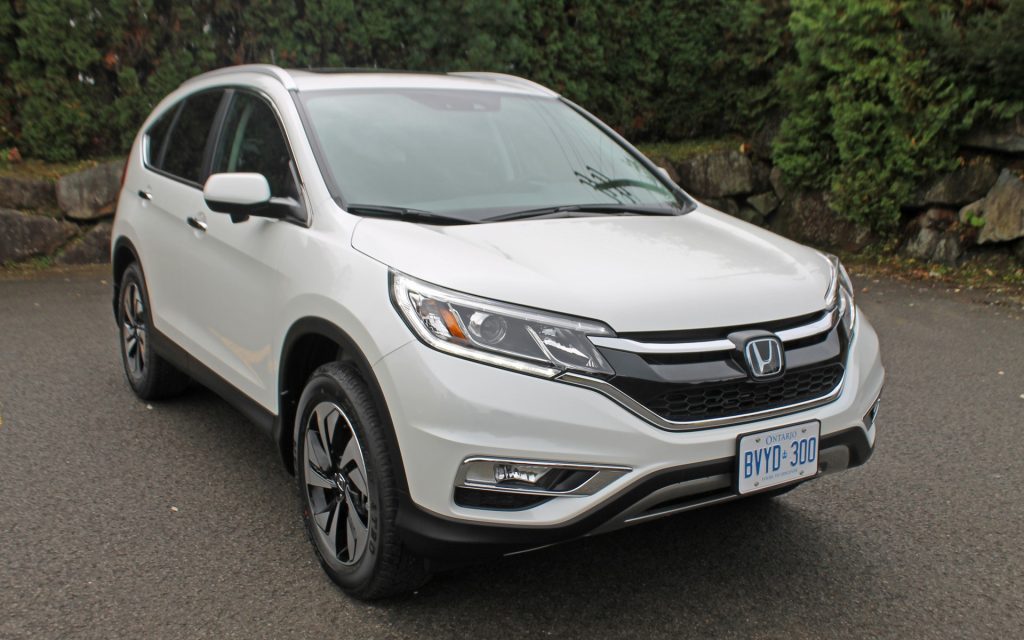
3. Honda CR V
There is a certain kind of reliability that does not announce itself loudly, yet becomes obvious the longer you live with a car through difficult seasons. The Honda CR V fits into that category. It does not rely on aggressive systems or dramatic driving characteristics, instead it builds trust gradually through consistency.
Winter mornings in Hartford can be unforgiving, especially when a vehicle has been sitting in sub zero temperatures overnight. The CR V responds with a calm, predictable start up process.
There is no extended cranking or uneven idle that makes you question whether the engine is under stress. This steady behavior reduces wear over time and contributes to long term dependability.
Driving dynamics take a different approach compared to some competitors. Rather than emphasizing sportiness, the CR V focuses on maintaining balance.
On icy intersections or partially cleared roads, this translates into smoother acceleration without sudden wheel spin. The vehicle seems to anticipate traction loss and manages it in a way that feels natural rather than intrusive.
Cabin usability becomes more important during winter than many realize. Thick gloves, limited visibility, and cold conditions can make simple tasks frustrating.
The CR V avoids this problem with straightforward controls and a layout that does not demand attention. You can adjust settings quickly without taking focus away from the road, which enhances safety in slippery conditions.
Another strength lies in how it handles repeated exposure to harsh elements. Road salt, moisture, and temperature fluctuations often accelerate aging in used vehicles. The CR V shows resilience here, maintaining structural integrity and mechanical reliability even after years of winter use.
Ownership experience is where it quietly excels. It does not require constant monitoring or special driving techniques to perform well in winter.
Instead, it delivers a steady, dependable presence that allows the driver to focus on the road rather than the vehicle itself. That simplicity becomes its greatest advantage when conditions are at their worst.
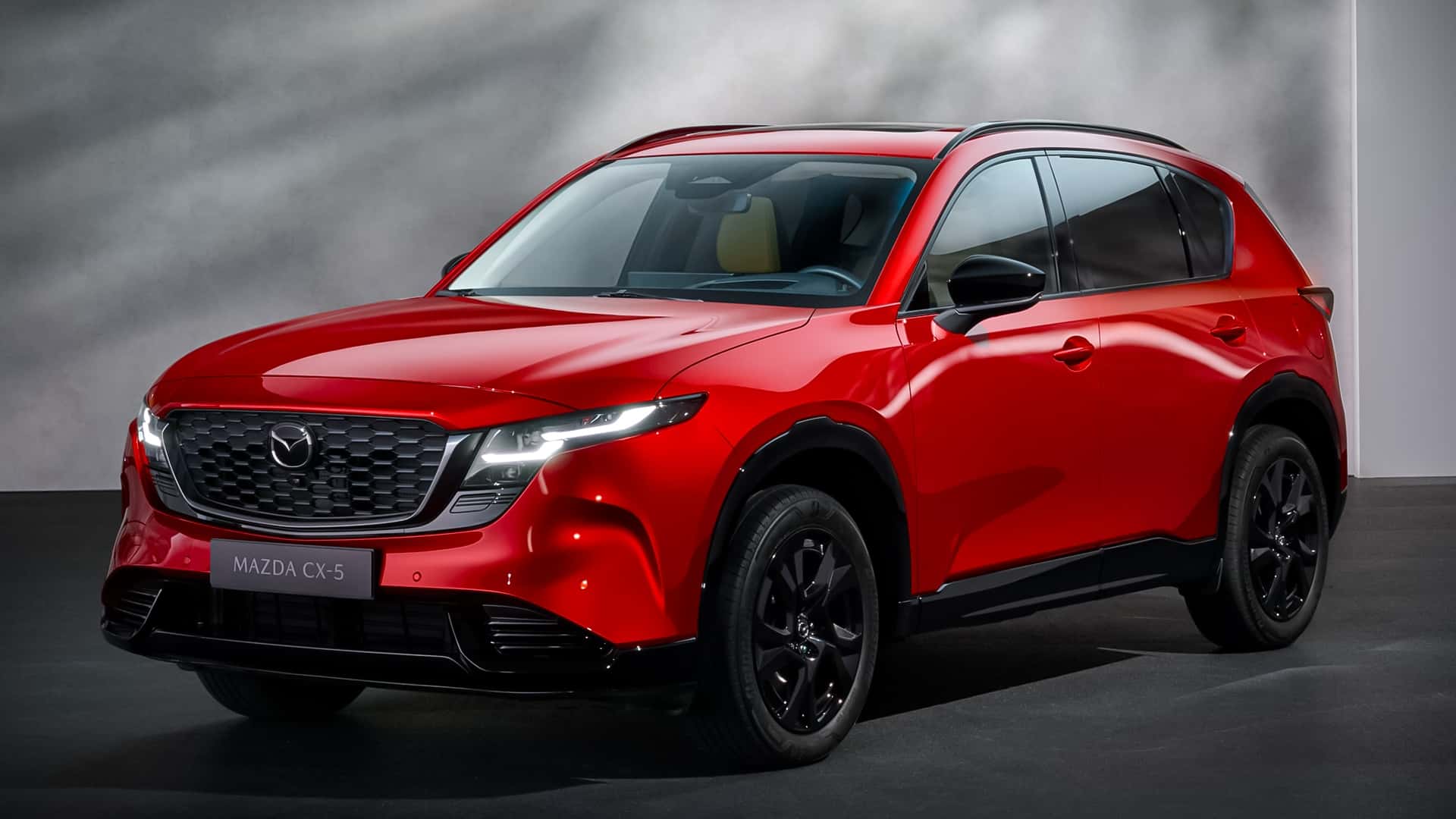
4. Mazda CX 5
Not every winter capable vehicle needs to feel heavy or purely utilitarian. The Mazda CX 5 offers a different interpretation of reliability, combining precision with control in a way that feels more engaging without sacrificing confidence.
The first thing many drivers notice is how composed the steering remains on slippery roads. Instead of feeling vague or disconnected, it provides clear feedback. This makes it easier to judge grip levels and adjust inputs accordingly. In Hartford’s unpredictable winter conditions, that kind of communication can make a meaningful difference.
Acceleration is handled with restraint rather than urgency. When roads are covered in snow or slush, excessive power delivery can quickly lead to loss of control. The CX 5 manages this by delivering power in a measured way, allowing the driver to maintain traction without constantly correcting the vehicle’s behavior.
Heating performance plays a subtle but important role here. The cabin warms up efficiently, creating a comfortable environment without long delays. More importantly, defrosting systems work effectively to maintain visibility. Clear windows and mirrors are essential during winter, and the CX 5 addresses this without requiring repeated adjustments.
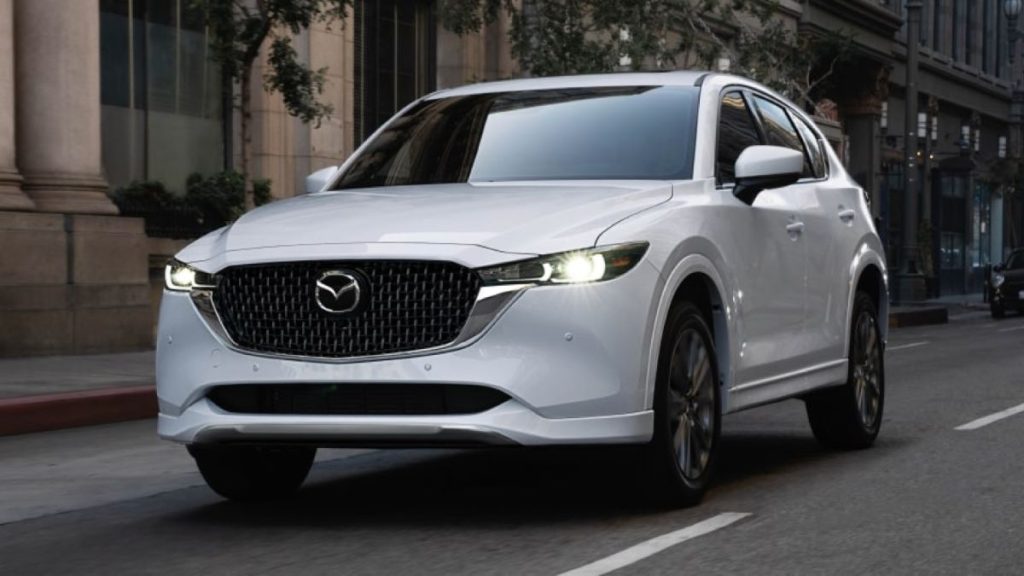
Another area where it stands out is structural quality. Over time, exposure to winter conditions can lead to unwanted noises, loosened components, or premature wear. The CX 5 maintains a solid, well built feel even after multiple seasons, which reflects its durability in real world use.
The driving experience itself remains stable without becoming dull. It allows the driver to feel connected while still prioritizing safety. This balance makes it suitable for those who want more than just basic transportation during winter months.
Choosing a used CX 5 is less about chasing features and more about appreciating how well it integrates control, comfort, and long term reliability. It approaches winter driving with refinement rather than compromise, making it a distinctive option among dependable choices.
5. Ford Escape
Picture a typical Hartford winter afternoon where the snow has stopped but the roads remain messy, uneven, and partially cleared. This is the kind of environment where the Ford Escape proves its value. It does not depend on dramatic capability claims, instead it shows its strength through adaptability.
The Escape handles changing surfaces with a calm, almost neutral character. Whether moving from packed snow to wet pavement or encountering unexpected icy patches, it maintains a steady response. This reduces the need for constant corrections, allowing the driver to stay focused rather than reactive.
Engine behavior in cold temperatures is another area where it earns trust. There is a smooth transition from start up to full operation, avoiding the roughness that can occur in some used vehicles during winter. That consistency matters during daily use, especially when reliability is expected without hesitation.
Inside, the vehicle prioritizes practicality. Winter driving often requires quick adjustments, and the Escape’s layout supports that. Controls are easy to reach and simple to operate, even when conditions outside are distracting. This contributes to a more controlled driving experience, where small inconveniences do not become larger issues.
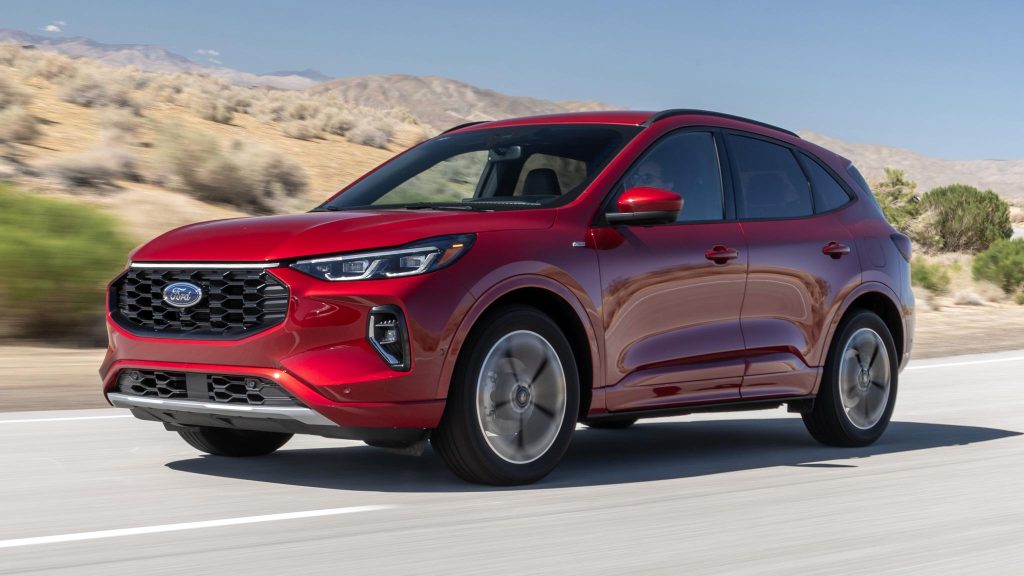
The suspension setup deserves attention as well. Uneven roads, hidden potholes, and frozen surfaces can challenge ride quality. The Escape absorbs these imperfections without transferring excessive harshness into the cabin. This helps maintain stability while also reducing fatigue during longer drives.
Over time, its durability becomes evident. Exposure to road salt and freezing temperatures can accelerate wear, yet the Escape holds up well when properly maintained. It continues to perform reliably through multiple winters, which is essential for buyers looking at used options.
What defines the Escape is not a single standout feature, but how well it manages everyday winter challenges. It adapts quietly, performs consistently, and delivers a dependable experience that fits real world driving rather than ideal conditions.
6. Chevrolet Equinox
Reliability sometimes reveals itself in how a vehicle handles repetition. The Chevrolet Equinox is built for routine, and winter in Hartford is nothing if not repetitive. Cold starts, slippery roads, and constant exposure to harsh elements become part of daily life, and this is where the Equinox feels at home.
Each morning begins with the same expectation, that the vehicle will start without hesitation. The Equinox delivers on this with a stable ignition process that avoids unnecessary strain. There is a sense of readiness that builds confidence before the journey even begins.
On the road, it approaches traction with a measured attitude. Instead of reacting sharply to changes in grip, it manages them gradually. This creates a smoother driving experience, especially on roads that are not fully cleared. The vehicle feels composed rather than overly sensitive, which is beneficial in unpredictable conditions.
Visibility is another area where it performs well. Winter often reduces clarity through snow buildup and fogged windows. The Equinox addresses this with effective defrosting and a layout that supports clear sightlines. Being able to see confidently in all directions is a critical part of safe driving in harsh weather.
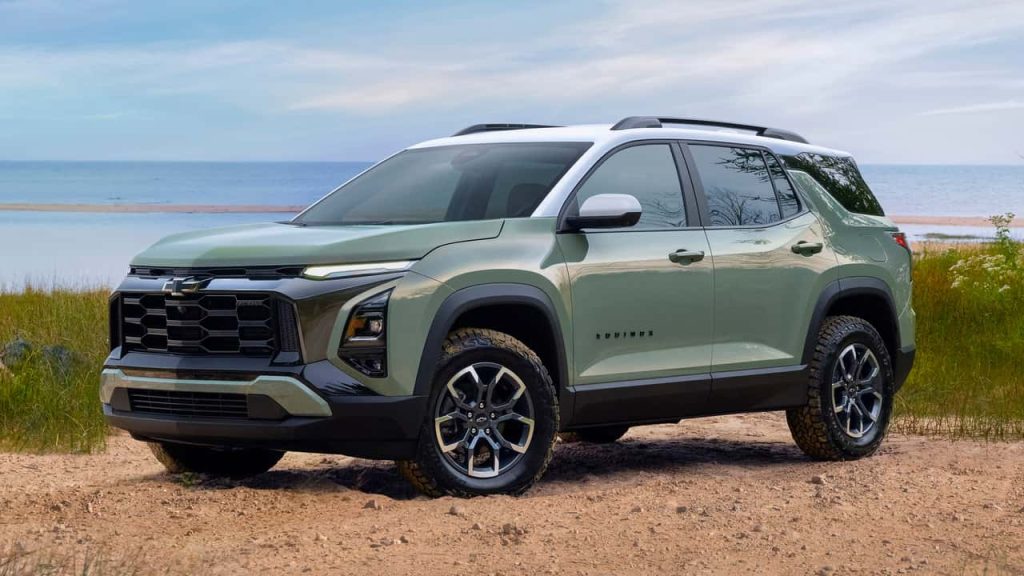
Interior comfort is handled with practicality in mind. The cabin warms up at a steady pace, creating a usable environment without delay. This is not just about comfort, it also helps maintain focus by reducing distractions caused by cold conditions.
Long term use highlights its durability. Repeated exposure to salt and moisture can weaken many vehicles, but the Equinox resists this with solid construction and dependable components. It continues to function reliably even after several winters, which is a key consideration for used buyers.
The Equinox does not try to impress with complexity. Instead, it offers a dependable routine that fits naturally into winter driving. That predictability becomes its strongest advantage when conditions are at their most demanding.
7. Jeep Grand Cherokee
Step into a Hartford winter scenario where conditions shift block by block, one street is plowed, the next is layered with compacted snow, and intersections hide patches of ice. The Jeep Grand Cherokee is built for this kind of unpredictability, not as an occasional challenge but as a regular expectation.
Its approach to winter driving feels deliberate rather than reactive. Instead of waiting for traction loss to occur, it maintains a steady distribution of control that keeps the vehicle composed. This creates a sense of authority on the road, where the driver feels supported rather than constantly correcting movement.
A major advantage lies in how it handles uneven terrain. Snow buildup, frozen ruts, and poorly cleared roads can disrupt stability in many vehicles.
The Grand Cherokee absorbs these irregularities with confidence, maintaining balance even when surfaces are inconsistent. This makes it particularly useful in residential areas where conditions are less controlled.
Cold weather performance extends beyond traction. The engine operates with a level of consistency that reduces uncertainty during freezing mornings. There is no drawn out struggle to reach normal function, which helps preserve mechanical health over time. This reliability becomes noticeable after repeated use in harsh conditions.
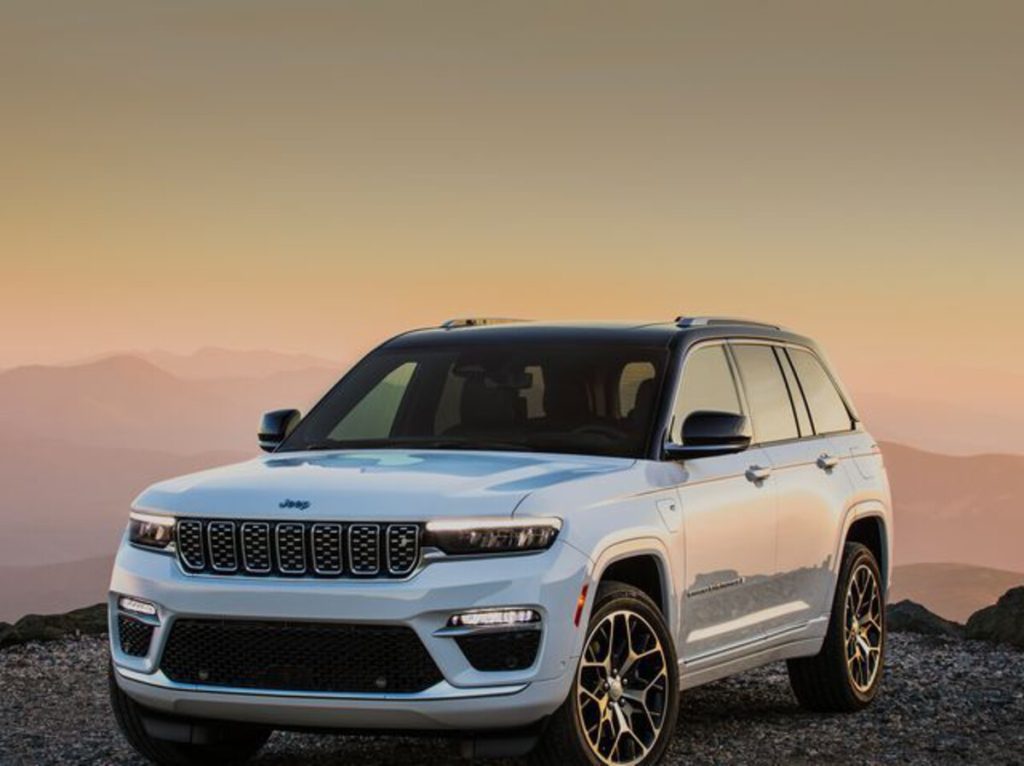
Inside the cabin, the experience shifts toward comfort without losing practicality. The heating system works efficiently, creating a warm environment quickly.
At the same time, controls remain accessible and intuitive, allowing adjustments without distraction. This balance ensures that comfort does not come at the expense of focus.
Another defining characteristic is its long term durability. Vehicles exposed to continuous winter stress often develop structural weaknesses or mechanical inconsistencies. The Grand Cherokee resists this pattern when properly maintained, holding its integrity through years of demanding use.
Driving it through winter does not feel like adapting to conditions, it feels like the vehicle is already prepared for them. That sense of readiness reduces stress and allows for more confident decision making on the road.
For those seeking a used vehicle that treats winter as a normal operating environment rather than a challenge, the Grand Cherokee stands as a dependable and capable choice.
8. Nissan Rogue
Not every reliable winter vehicle relies on strength alone. The Nissan Rogue approaches cold weather with a focus on balance, efficiency, and ease of use. It is designed for drivers who value smooth operation rather than aggressive capability.
The first thing that becomes apparent is how approachable it feels in difficult conditions. There is no learning curve or adjustment period required. From the moment you begin driving, the Rogue responds in a predictable way, making it easier to navigate slippery roads without hesitation.
Its handling emphasizes stability over sharpness. When moving through slush or light snow, the vehicle maintains a controlled path without sudden shifts. This reduces the likelihood of overcorrection, which can be a common issue during winter driving. The Rogue encourages steady inputs rather than constant adjustments.
Cold starts are handled with quiet efficiency. The engine reaches a stable state without unnecessary noise or vibration, which reflects its ability to function reliably in low temperatures. This consistency supports long term use, especially for drivers who rely on their vehicle daily.
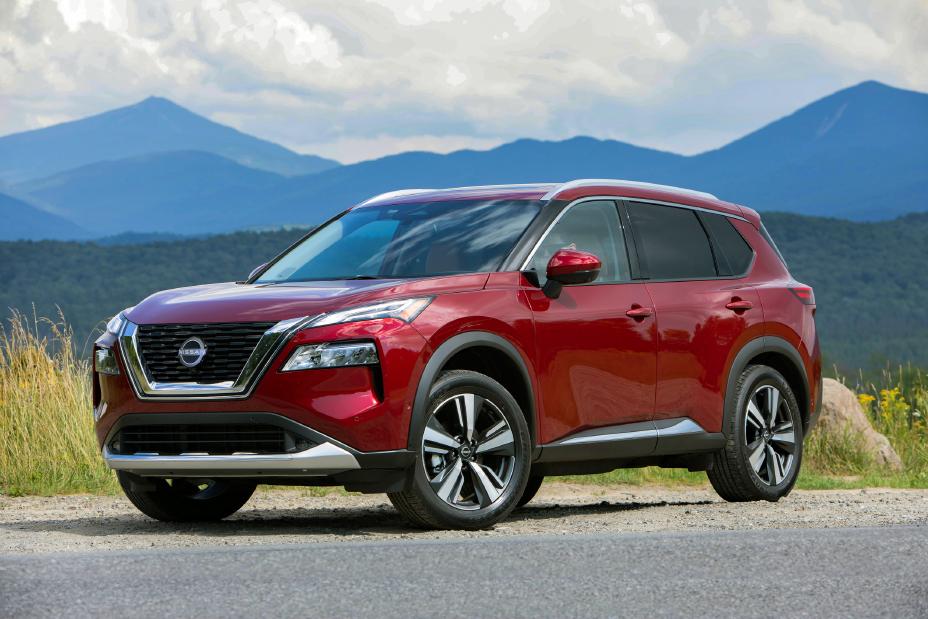
Cabin design contributes to its practicality. Winter conditions often demand quick decisions, and the Rogue’s layout ensures that controls are simple and accessible. Visibility remains clear due to well positioned windows and effective defrosting systems, which helps maintain awareness in challenging environments.
Ride quality is another area where it performs well. Rough winter roads can create discomfort and instability, but the Rogue manages these surfaces with a composed suspension. This allows for a smoother experience without compromising control.
Durability is not expressed through ruggedness alone, but through how well the vehicle maintains its performance over time. The Rogue handles repeated exposure to winter elements without significant decline, making it a reliable option in the used market.
Choosing the Rogue means prioritizing ease, consistency, and comfort. It may not feel aggressive, but its steady nature makes it well suited for navigating Hartford winters with confidence and minimal stress.
9. Toyota Highlander
There is a certain reassurance that comes from driving a vehicle that feels composed in every situation, and the Toyota Highlander delivers that feeling consistently during winter months in Hartford. It does not rely on aggressive behavior or sudden corrections, instead it builds confidence through smooth and predictable responses.
One of its strongest qualities is how it manages daily usability in cold conditions. Starting the vehicle on freezing mornings feels effortless, with the engine settling into operation without hesitation. This consistency reduces stress on mechanical components and ensures that the vehicle remains dependable over time.
On the road, the Highlander focuses on stability. Snow covered surfaces and icy stretches can quickly unsettle less balanced vehicles, but here the movement remains controlled.
Acceleration is measured, preventing unnecessary wheel slip, while steering inputs feel steady rather than overly sensitive. This combination allows the driver to maintain control without constant adjustments.
Passenger comfort is handled thoughtfully. The cabin warms up efficiently, creating a comfortable environment that supports longer drives in harsh weather. At the same time, visibility is maintained through effective defrosting, ensuring that changing conditions outside do not compromise awareness.
Another aspect that stands out is how well it handles repeated exposure to winter elements. Road salt, moisture, and temperature fluctuations can gradually weaken many used vehicles. The Highlander resists this with durable construction and reliable components, allowing it to maintain performance across multiple seasons.
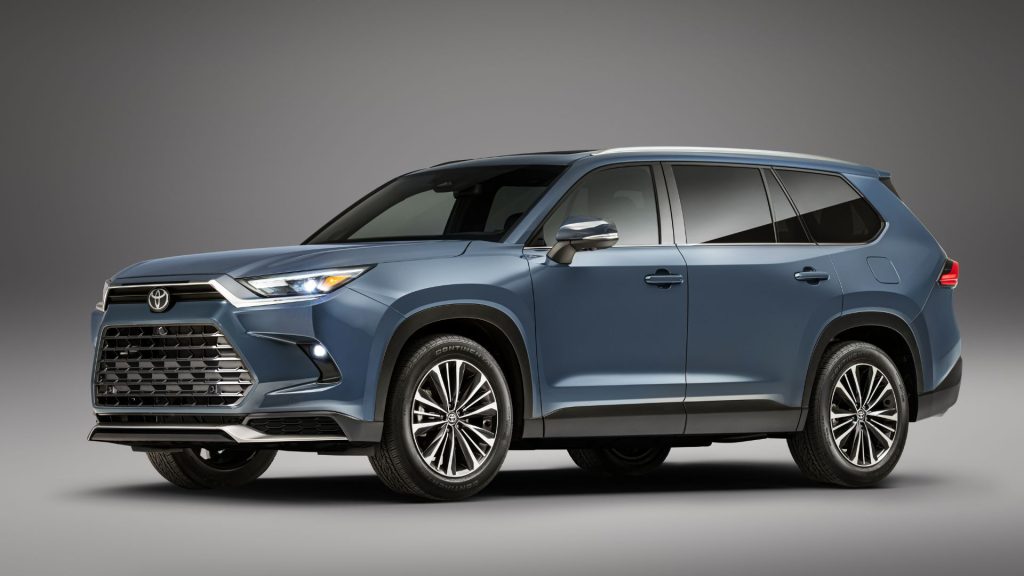
Ownership becomes less about managing problems and more about trusting the vehicle to perform when needed. That sense of dependability is especially valuable in winter, where uncertainty can quickly turn into risk.
The Highlander succeeds by delivering a balanced experience. It does not demand attention, it simply works as expected every time. That reliability makes it a strong choice for anyone seeking a used vehicle that can handle Hartford winters with consistency and confidence.
10. Volvo XC90
Driving in winter often highlights how well a vehicle can combine control with comfort, and the Volvo XC90 approaches this balance with a refined and steady character. It is not designed to feel aggressive, instead it prioritizes stability and confidence in every movement.
From the moment the engine starts in cold conditions, there is a sense of readiness. The process is smooth and controlled, avoiding the strain that can occur in freezing temperatures. This reliability becomes important during daily routines, where consistency is expected rather than hoped for.
On slippery roads, the XC90 maintains a composed presence. It does not react abruptly to changes in traction, instead it adjusts gradually, keeping the vehicle stable. This approach reduces driver fatigue, as there is less need for constant correction when navigating snow or ice covered surfaces.
Braking performance is another key strength. Winter conditions demand careful control, and the XC90 provides a balanced response that allows the driver to manage stopping distances effectively. This contributes to safer driving, particularly in unpredictable traffic situations.
Inside, the cabin creates a comfortable and controlled environment. Heating systems work efficiently, ensuring that both comfort and visibility are maintained. Clear windows and mirrors are essential during winter, and the XC90 handles this without requiring repeated adjustments.
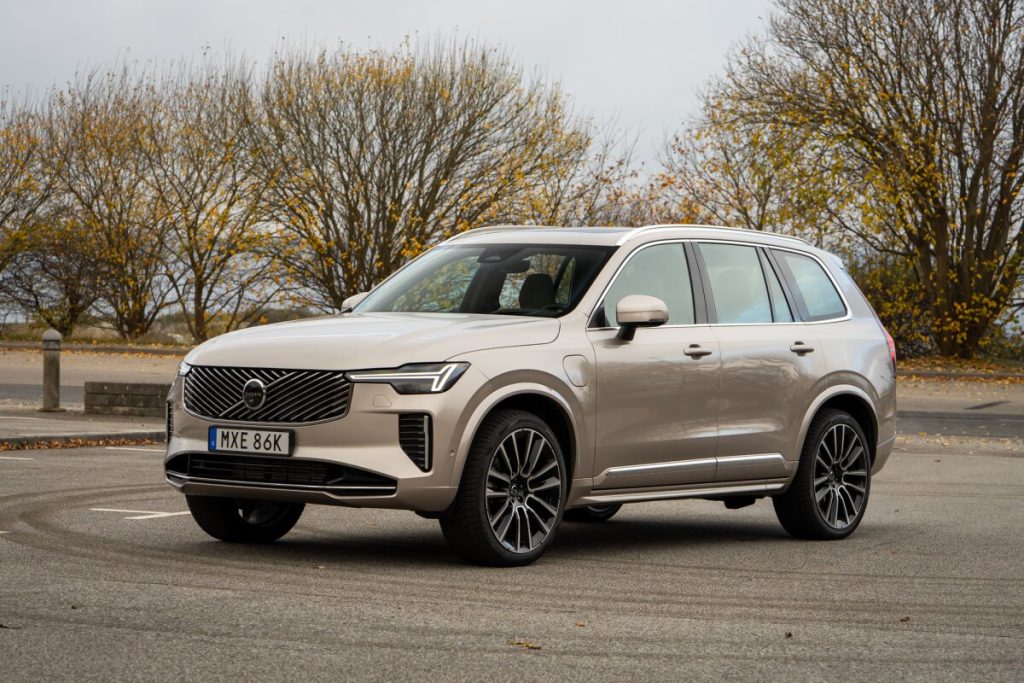
Long term durability is evident in how the vehicle withstands harsh conditions. Continuous exposure to salt and moisture can lead to wear in many used vehicles, but the XC90 maintains its structural integrity and performance when properly maintained.
The driving experience feels calm rather than demanding. It allows the driver to focus on the road instead of managing the vehicle’s behavior. That sense of control becomes especially valuable in winter, where conditions can change quickly.
Choosing the XC90 means prioritizing stability, comfort, and dependable performance. It handles Hartford winters with a quiet confidence that supports both safety and long term reliability.
Also Read: 10 Pickups Whose Car Ownership Clubs Reward Members for Mileage Milestones