

Pickup trucks have long been associated with large displacement engines, deep exhaust notes, and the ability to tow and haul without hesitation. For decades, the idea of a four cylinder engine powering a serious work truck would have been dismissed quickly.
That perception has changed, not because expectations have lowered, but because engineering has improved in ways that allow smaller engines to deliver real capability.
Modern four cylinder engines are not built with compromise as their defining trait. They are designed with efficiency, durability, and torque delivery in mind.
Turbocharging, improved fuel injection systems, and stronger internal components have allowed these engines to handle workloads that were once reserved for much larger powertrains. The result is a new generation of pickup trucks that balance practicality with performance.
Another important shift lies in how trucks are used today. Not every owner requires maximum towing capacity at all times. Many drivers need a vehicle that can handle daily tasks, occasional heavy loads, and long distance travel without excessive fuel consumption.
Four cylinder engines meet these needs by providing enough power for demanding situations while remaining efficient during lighter use.
Durability remains a key concern. A work truck must withstand repeated stress, whether it is carrying equipment, navigating rough terrain, or operating in extreme weather conditions.
The trucks featured in this article demonstrate that four cylinder engines are capable of meeting these demands when paired with the right engineering and drivetrain design.
It is also worth noting that capability is not defined by engine size alone. Transmission tuning, torque delivery, cooling systems, and structural strength all contribute to how a truck performs under load. When these elements are properly integrated, a smaller engine can deliver results that feel far greater than its displacement suggests.
This article highlights nine pickup trucks that prove four cylinder engines can handle real work. Each one represents a different approach, from rugged simplicity to advanced turbocharged performance.
These are not theoretical examples but proven machines that have earned their place through consistent performance and reliability.
Understanding how these trucks achieve their capability offers insight into how modern engineering continues to reshape expectations. The era of the four cylinder work truck is not a compromise. It is a different way of delivering strength, efficiency, and long term usability.
Also Read: 9 Hybrid Systems Where the Electric Motor Outlasts the Gasoline Engine
1. Toyota Hilux 2.4L Diesel (GD Series)
The Toyota Hilux has built its reputation on resilience, and the 2.4L GD series diesel engine plays a major role in that legacy. This engine does not rely on high horsepower figures to prove its worth. Instead, it focuses on delivering steady torque, which is far more important in real world working conditions.
From the moment it begins moving under load, the engine shows its strength. Torque is available at lower revs, allowing the truck to carry heavy payloads without constant gear changes. This reduces stress on both the engine and transmission, contributing to long term durability.
What sets this powertrain apart is how it handles extended use. Whether operating in hot climates, rough terrain, or remote locations, it continues to perform consistently. The cooling system is designed to manage sustained workloads, preventing overheating even when conditions are far from ideal.
Maintenance is straightforward, which is another reason for its reliability. The engine is built with accessibility in mind, allowing routine servicing without excessive complexity. This encourages proper upkeep, which directly impacts longevity.
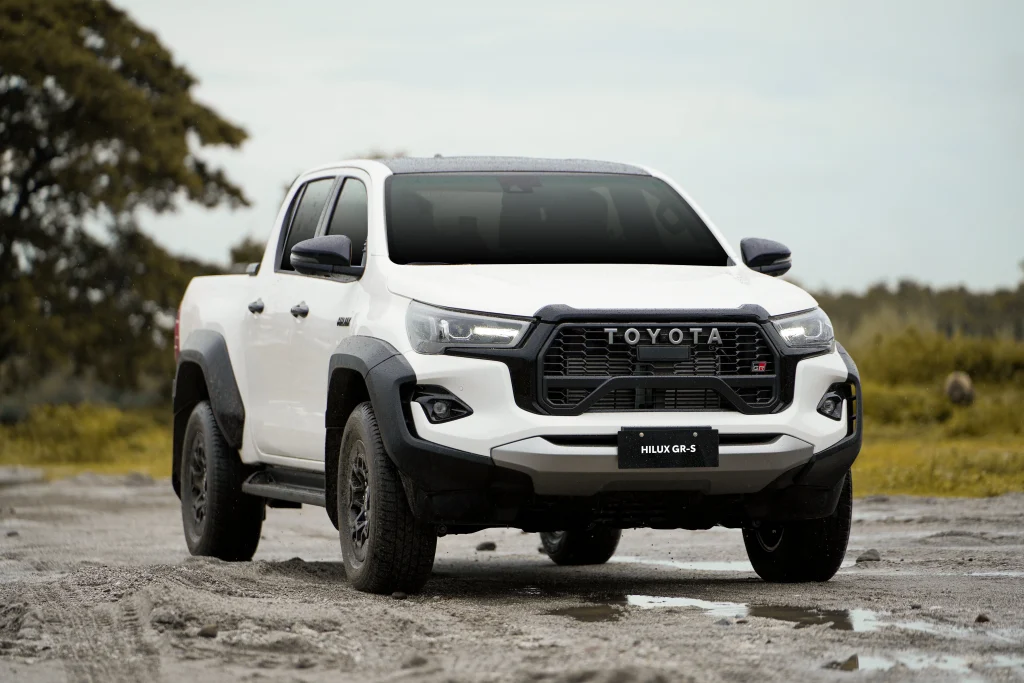
Fuel efficiency also plays a role in its practicality. A working truck often covers long distances, and the ability to do so without frequent refueling adds to its value. The 2.4L diesel balances power and efficiency in a way that suits both urban and off road use.
Drivers often describe the engine as dependable rather than exciting. It does not aim to deliver aggressive acceleration. Instead, it provides consistent performance that can be trusted day after day.
The Hilux with this engine proves that capability is not about peak numbers. It is about delivering usable power in a way that supports long term reliability and real world demands.
2. Ford Ranger 2.3L EcoBoost
The Ford Ranger equipped with the 2.3L EcoBoost engine represents a more modern approach to four cylinder performance. This turbocharged engine delivers strong power output while maintaining efficiency, showing how advanced engineering can redefine expectations for smaller engines.
Unlike traditional naturally aspirated engines, the EcoBoost relies on forced induction to generate torque across a wide range of speeds.
This gives the Ranger the ability to accelerate confidently even when carrying a load. The power delivery feels immediate, which is particularly useful in situations like merging onto highways or climbing steep inclines.
Another advantage is how the engine pairs with the transmission. Gear ratios are optimized to keep the engine within its most effective range, ensuring that power is always available when needed. This coordination between engine and transmission enhances both performance and efficiency.
Durability is supported by modern materials and design techniques. The engine is built to handle the increased pressures associated with turbocharging, with reinforced components that maintain reliability over time.
The Ranger also benefits from advanced cooling systems that manage heat effectively. This is crucial for maintaining performance during heavy use, especially in demanding environments.
Fuel efficiency remains a strong point. Despite its power, the engine consumes less fuel than many larger alternatives, making it practical for both work and daily driving.

Drivers often appreciate the balance this truck offers. It feels capable without being excessive, delivering power when required while remaining efficient during lighter use.
The 2.3L EcoBoost Ranger demonstrates how technology can transform a four cylinder engine into a capable workhorse, challenging traditional assumptions about what a pickup truck needs to perform effectively.
3. Chevrolet Colorado 2.5L Inline-4
The Chevrolet Colorado with the 2.5L inline four engine takes a more traditional route compared to turbocharged competitors. It relies on natural aspiration, which gives it a different character that many drivers find predictable and easy to manage.
This engine may not deliver aggressive bursts of power, but it builds strength steadily, which becomes valuable in day to day work scenarios.
What stands out immediately is how linear the power delivery feels. There is no sudden surge or lag. Instead, the engine responds in a smooth and controlled manner, allowing the driver to maintain traction and stability when carrying loads or navigating uneven terrain. This predictability reduces strain on drivetrain components over time.
Another strength lies in its simplicity. Without turbochargers or complex boost systems, there are fewer components exposed to high stress. This often translates into lower long term maintenance demands. Owners who follow basic service intervals frequently report consistent performance even after extended use.
The engine pairs well with the truck’s chassis, offering a balanced driving experience. It handles moderate payloads effectively and remains composed under pressure. While it may not match the towing capacity of larger engines, it performs reliably within its intended limits.
Cooling efficiency also plays a role in its durability. The system is designed to manage heat during prolonged use, ensuring that the engine maintains stable operating conditions. This is particularly important for work environments where the truck may run for extended periods.
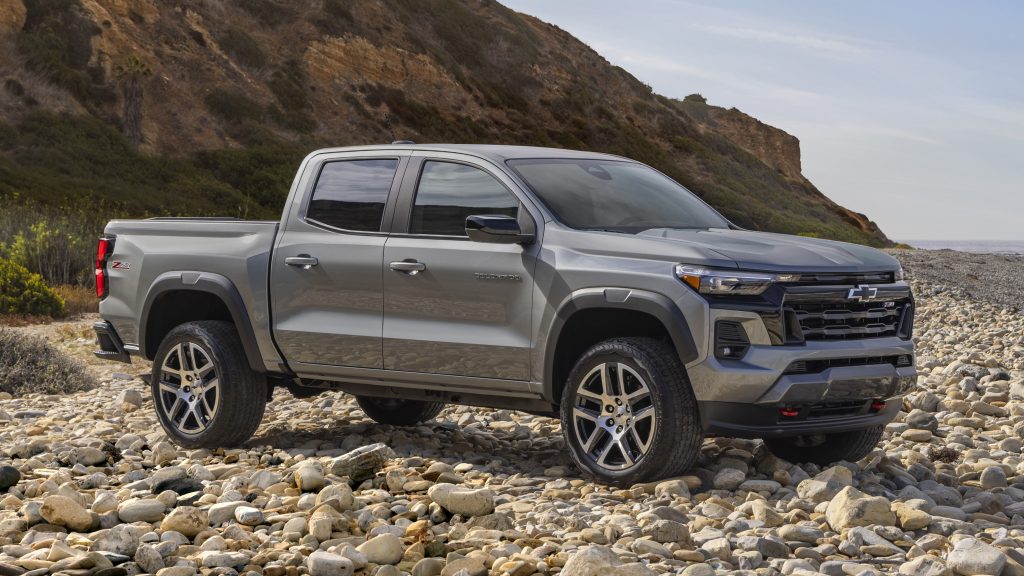
Fuel economy is another advantage. The 2.5L engine allows the Colorado to operate efficiently during lighter tasks, making it suitable for drivers who need a work truck that can double as a daily vehicle.
The Colorado proves that a naturally aspirated four cylinder can still meet practical demands. It focuses on consistency and reliability, delivering a work experience that feels steady rather than overwhelming.
4. Isuzu D-Max 1.9L RZ4E Diesel
The Isuzu D-Max with the 1.9L RZ4E diesel engine offers a different perspective on capability. Instead of relying on larger displacement, it focuses on efficiency and intelligent engineering to deliver usable power. This engine demonstrates that size is not always the defining factor in a truck’s performance.
Torque is the key strength here. Even with its smaller capacity, the engine produces enough low end pulling power to handle loads effectively. This makes it well suited for carrying cargo and navigating challenging terrain without excessive effort.
One of the most notable aspects is how refined the engine feels during operation. It maintains a steady rhythm under load, avoiding the strain that can sometimes be associated with smaller engines working hard. This contributes to both driver comfort and mechanical longevity.
The design also emphasizes durability. Internal components are built to withstand continuous use, and the engine is known for maintaining performance over long distances. Many owners rely on it for commercial use, where reliability is essential.
Fuel efficiency remains a major advantage. The 1.9L diesel allows the D-Max to travel long distances with fewer refueling stops, which is particularly valuable in remote or demanding environments.
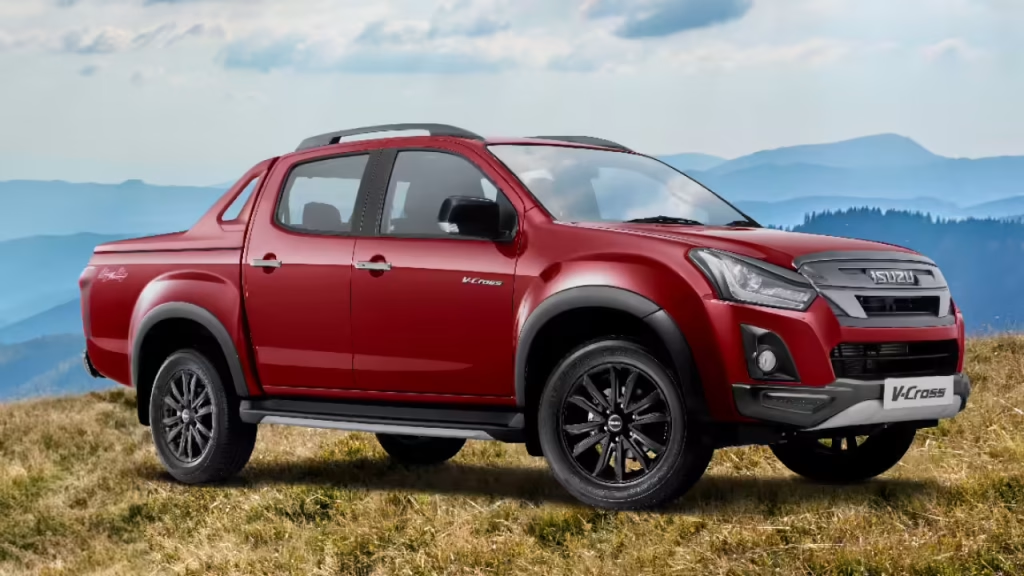
Another factor is how the engine integrates with the truck’s overall design. The drivetrain, suspension, and chassis all complement the engine’s characteristics, creating a balanced system that performs consistently under different conditions.
Maintenance requirements are straightforward, encouraging regular servicing and long term reliability. The engine does not demand excessive attention, yet it responds well to proper care.
The D-Max shows that a smaller diesel engine can still deliver serious work capability. It combines efficiency, durability, and practical performance in a way that challenges traditional expectations of pickup trucks.
5. Toyota Tacoma 2.7L Inline-4
The Toyota Tacoma equipped with the 2.7L inline four engine represents a philosophy rooted in long term dependability rather than headline grabbing performance. This engine has been part of Tacoma’s identity for years, quietly proving that a well built four cylinder can handle demanding work without unnecessary complexity.
Power delivery is not aggressive, yet it is steady and predictable. The engine builds momentum gradually, which becomes an advantage when hauling materials or navigating uneven ground. Drivers quickly learn how to use its torque effectively, relying on consistency rather than bursts of acceleration.
One of the defining strengths of this engine is its durability. It is known for handling high mileage with minimal internal issues when maintained properly. The design avoids unnecessary complications, which reduces the number of potential failure points. This simplicity plays a major role in its reputation for longevity.
Another aspect worth noting is how the engine interacts with the truck’s gearing. The transmission is tuned to complement the engine’s characteristics, ensuring that it remains within an effective operating range during heavy use. This reduces strain and helps maintain performance under load.
Cooling efficiency also contributes to its reliability. The system is designed to handle prolonged operation, whether the truck is used for work or off road driving. Stable temperatures help preserve internal components and prevent premature wear.
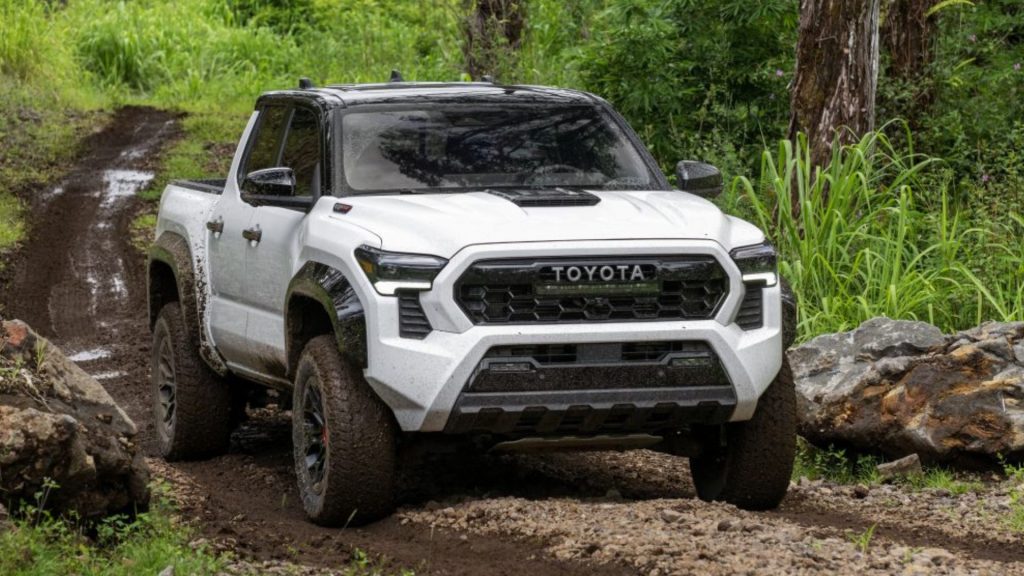
Fuel economy remains respectable, especially for a truck with genuine work capability. It allows the Tacoma to function as both a daily driver and a dependable utility vehicle without excessive operating costs.
Drivers often describe the experience as honest and straightforward. The engine does not try to impress with speed, but it delivers exactly what is needed when it matters. That reliability builds confidence over time.
The 2.7L Tacoma proves that a four cylinder engine does not need advanced technology to be effective. With the right balance of strength, simplicity, and thoughtful design, it becomes a dependable partner for both work and everyday use.
6. Nissan Navara 2.3L Twin Turbo Diesel
The Nissan Navara’s 2.3L twin turbo diesel engine takes a more advanced approach to four cylinder performance. By using a twin turbo setup, it manages to deliver both low end torque and strong mid range power, creating a driving experience that feels capable in a wide range of situations.
At lower speeds, the smaller turbo engages quickly, providing immediate torque that is useful when moving heavy loads or climbing inclines. As speed increases, the second turbo contributes additional power, ensuring that the engine does not lose momentum. This seamless transition between turbos gives the Navara a versatile performance profile.
What makes this engine effective for work is how it maintains power under sustained load. It does not feel strained when carrying cargo or towing within its capacity. Instead, it delivers a controlled and confident response, allowing the driver to focus on the task at hand.
Durability is supported by reinforced internal components designed to handle the pressures associated with turbocharging. The engine is built to withstand repeated use, making it suitable for both commercial and personal applications.
Fuel efficiency remains competitive despite the added performance. The twin turbo system is designed to optimize fuel use, providing power only when needed. This balance between performance and efficiency adds to the truck’s practicality.
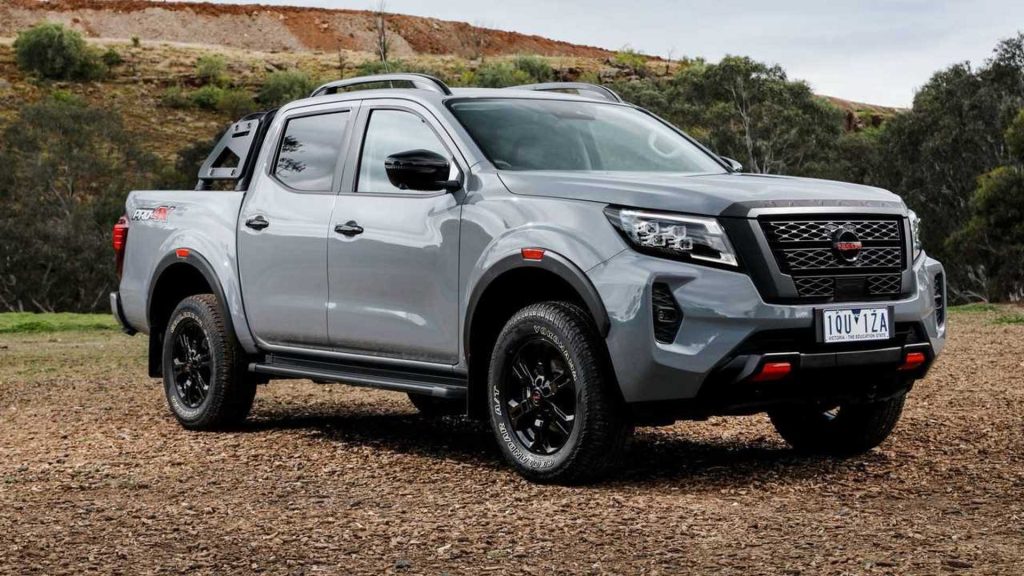
Another strength lies in refinement. The engine operates smoothly, reducing vibrations and noise levels compared to older diesel designs. This improves comfort during long drives without compromising capability.
The Navara demonstrates how modern engineering can elevate a four cylinder engine beyond traditional expectations. It combines advanced technology with real world usability, creating a truck that performs effectively in both work and everyday environments.
7. GMC Canyon 2.5L Inline-4
The GMC Canyon equipped with the 2.5L inline four engine approaches capability with a calm and methodical character. It does not attempt to imitate larger engines through aggressive tuning.
Instead, it leans into balance, offering a controlled delivery of power that suits steady work rather than sudden demands. This distinction becomes clearer the longer the truck is used in real conditions.
Acceleration builds in a measured way, which allows the driver to manage traction more effectively when the bed is loaded. Whether carrying construction materials or navigating loose terrain, the engine maintains composure rather than reacting abruptly. This trait reduces drivetrain shock and helps preserve components over extended periods.
A closer look at its design reveals why it holds up well under pressure. The engine uses a relatively simple architecture compared to turbocharged alternatives. Fewer high stress components mean fewer points where long term wear can accelerate unexpectedly. This simplicity becomes an advantage for owners who prioritize durability over maximum output.
The Canyon’s transmission calibration complements the engine’s personality. Gear changes are timed to keep the engine within a useful torque range, preventing unnecessary strain. This coordination becomes especially noticeable when driving uphill with a load, where the system avoids excessive hunting between gears.
Thermal management is another area where the engine shows its strength. The cooling system is built to maintain stable temperatures during extended operation. In work scenarios where the engine runs for long periods without rest, this stability protects internal components and supports consistent performance.
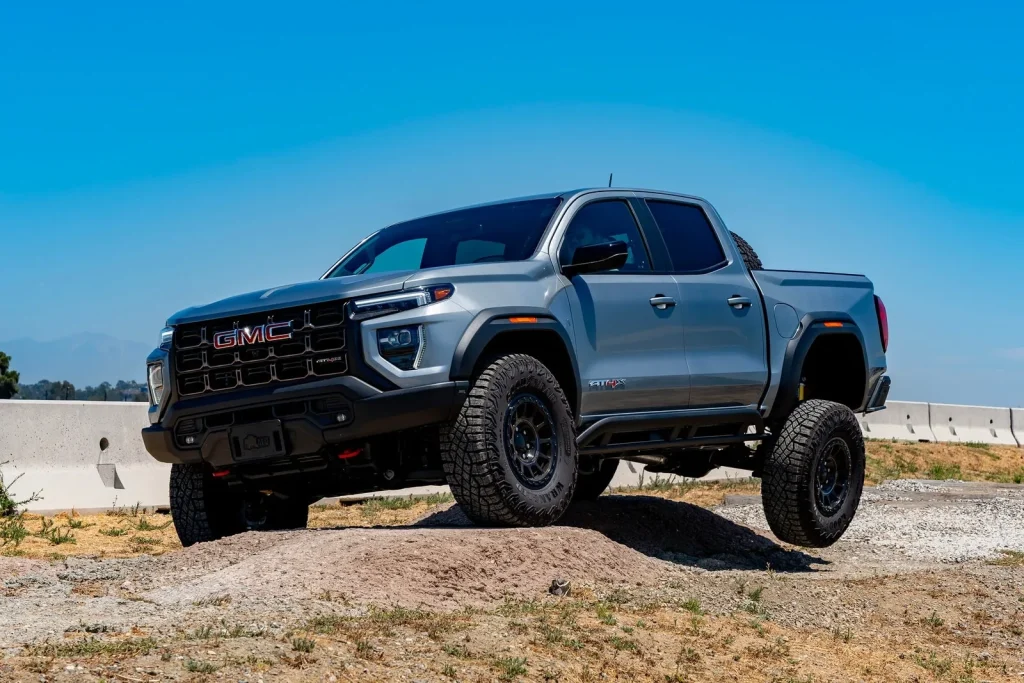
Fuel consumption remains predictable, which is important for a truck that may see both daily commuting and job site duties. It does not fluctuate dramatically between light and heavy use, giving owners a sense of control over operating costs.
Drivers often appreciate how approachable the engine feels. It does not demand constant adjustment or attention. Once familiar with its behavior, it becomes easy to use effectively in a variety of situations.
The GMC Canyon with the 2.5L engine demonstrates that capability can come from consistency rather than intensity. It handles work in a steady, reliable manner, proving that a four cylinder engine can sustain effort without relying on complexity or excessive power.
8. Mahindra Scorpio Getaway 2.2L mHawk Diesel
The Mahindra Scorpio Getaway brings a different perspective to the idea of a working pickup. Its 2.2L mHawk diesel engine is built with conditions in mind where roads are unpredictable and loads are rarely light. This is not an engine designed for refinement first. It is built to keep moving regardless of the environment.
From the start, the engine delivers a strong sense of purpose. Torque arrives early, making it easier to move heavy cargo without needing high revs. This low end strength is particularly useful in rural or off road settings, where smooth and controlled movement matters more than speed.
The engine’s durability is closely tied to its construction. It uses components designed to handle uneven fuel quality and challenging operating conditions. This makes it suitable for regions where maintenance facilities may not always be easily accessible. The ability to continue functioning under such circumstances adds to its reputation.
Another aspect that stands out is how the engine behaves under continuous load. It maintains a steady output without feeling overwhelmed, even when the truck is fully utilized. This consistency is essential for vehicles that are used for transport, agriculture, or small scale commercial work.
The drivetrain is matched to the engine’s characteristics, ensuring that power is transferred effectively without unnecessary loss. This coordination allows the truck to handle inclines, rough surfaces, and uneven terrain with confidence.
Fuel efficiency remains practical, especially considering the type of work the vehicle is expected to perform. It balances consumption with capability, allowing longer operation without frequent refueling.

The driving experience is direct and unfiltered. There is a clear connection between throttle input and response, which gives the driver a sense of control in demanding situations. This straightforward behavior becomes an advantage when precision is needed.
Maintenance is relatively simple, and the engine responds well to regular servicing. Its design does not require highly specialized attention, which supports long term usability.
The Scorpio Getaway shows that a four cylinder diesel can be built for endurance rather than comfort alone. It handles real work with determination, proving that strength can come from purpose driven engineering rather than complexity.
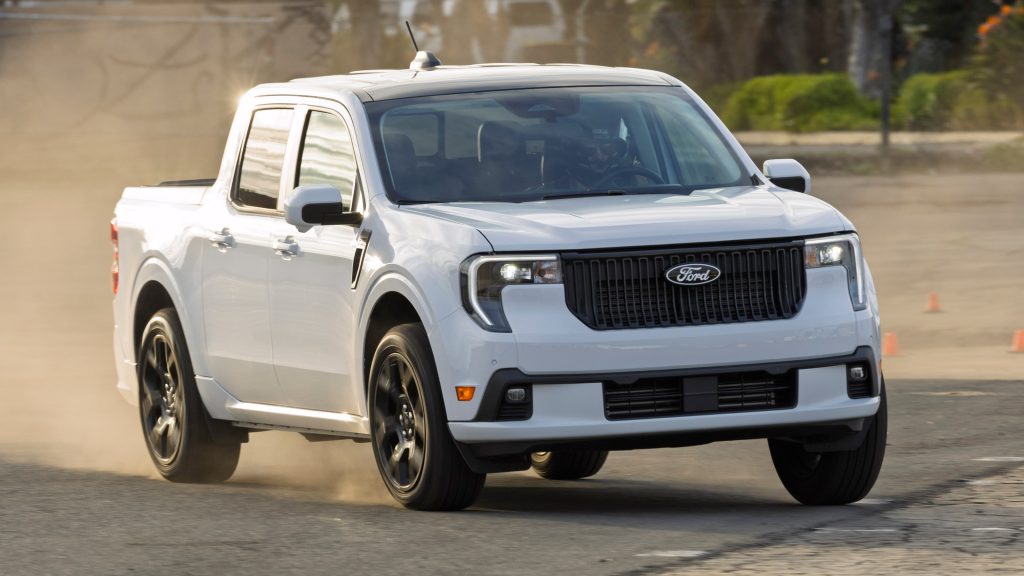
9. Ford Maverick 2.0L EcoBoost
The Ford Maverick with the 2.0L EcoBoost engine brings a fresh interpretation of what a compact pickup can achieve. It is not built around traditional expectations of size or brute force. Instead, it focuses on intelligent performance, showing how a modern four cylinder engine can deliver serious capability when paired with the right platform.
The first thing that stands out is how responsive the engine feels. Turbocharging allows it to produce strong torque early in the rev range, which is essential for tasks like hauling equipment or accelerating with a loaded bed. The power delivery is immediate, giving the driver confidence even in situations where smaller engines might struggle.
This engine is designed to handle pressure. Reinforced internal components and advanced fuel management systems allow it to operate efficiently while still delivering performance. The balance between strength and efficiency is what makes it suitable for both work and daily use.
Another important factor is how the Maverick distributes that power. The available all wheel drive system works seamlessly with the engine, ensuring that traction is maintained even when conditions are less than ideal. This adds another layer of capability, especially for drivers who encounter mixed terrain.
The truck’s structure also plays a role in how effective the engine feels. Its lighter weight compared to traditional pickups means the engine does not need to work as hard to deliver results. This reduces long term strain and contributes to overall durability.
Cooling and thermal management are handled with precision. The system is designed to maintain stable temperatures even during extended use, which is critical for preserving engine health over time. This becomes especially important when the vehicle is used for repeated tasks rather than occasional hauling.
Fuel efficiency is one of the Maverick’s strongest advantages. It allows owners to complete work without the high operating costs typically associated with larger trucks. This makes it practical for a wide range of users, from contractors to everyday drivers who need occasional utility.
The driving experience is smooth and controlled. The engine integrates well with the transmission, providing consistent performance without unnecessary complexity. It feels modern without losing its sense of purpose.
The Ford Maverick proves that a four cylinder engine can redefine expectations in the pickup segment. It does not try to compete with larger trucks directly. Instead, it delivers capability in a way that is efficient, accessible, and adaptable to modern needs.
Four cylinder engines in pickup trucks have moved far beyond their earlier limitations. They are no longer seen as compromises but as purposeful solutions designed to meet real world demands. The trucks highlighted here demonstrate that capability is not determined solely by engine size but by how effectively power is delivered and managed.
One of the most important themes is efficiency paired with strength. These engines are designed to provide usable torque where it matters most, allowing them to handle loads, navigate difficult terrain, and perform daily tasks without unnecessary excess. This approach makes them practical for a wide range of users.
Durability is another defining factor. Each of these trucks shows that with proper engineering, a four cylinder engine can withstand long term use in demanding conditions. Simplicity in some designs and advanced technology in others both contribute to this longevity in different ways.
The role of supporting systems cannot be ignored. Transmissions, cooling systems, and drivetrain components all work together to ensure that the engine’s power is used effectively. When these elements are aligned, the result is a truck that feels capable regardless of its engine size.
Driver expectations have also evolved. Many users now prioritize balance over extremes, seeking vehicles that can handle work while remaining efficient and comfortable for everyday use. Four cylinder pickups meet this need by offering versatility without excessive operating costs.
These trucks highlight a shift in how capability is defined. Strength is no longer about the largest engine available. It is about delivering reliable performance in a way that supports long term use and practical ownership.
The examples in this article show that four cylinder engines are fully capable of handling real work. They prove their value not through numbers alone but through consistent performance across a wide range of conditions.
Also Read: 9 1970s Muscle Cars Now Selling for Supercar Money
