
Hybrid vehicles changed expectations about durability in quiet, steady ways. Early discussions focused on fuel savings, battery life, and reduced emissions, yet long-term ownership stories revealed something unexpected. Electric motors inside many hybrid systems kept working with minimal wear long after gasoline engines showed age-related fatigue.
That pattern did not emerge from marketing promises. It came from daily driving, taxi fleets, family ownership, and repair records that told a consistent story. Electric motors thrive on simplicity. Fewer moving parts mean less friction, reduced heat stress, and lower exposure to failure points common in combustion engines.
Hybrid systems also distribute workload intelligently. Gasoline engines no longer carry the full burden of every start, every idle moment, or low-speed crawl. Electric assistance absorbs stress during conditions that traditionally accelerate engine wear. As years pass, that difference becomes visible in repair histories.
This page focuses on hybrid systems where electric motors routinely outlast their gasoline partners. The vehicles discussed earned reputations through long service lives rather than laboratory projections.
Some served as taxis, others as commuter cars, and several became family vehicles passed between owners. Each example highlights how thoughtful engineering allowed electric components to remain dependable even as engines aged.
Rather than celebrating novelty or future promises, attention stays on proven records. These hybrid systems show how electric motors quietly deliver endurance that reshapes ownership expectations.
Gasoline engines may still define driving range, yet electric motors often define longevity. The following examples reveal how that balance plays out across different brands, designs, and use cases.
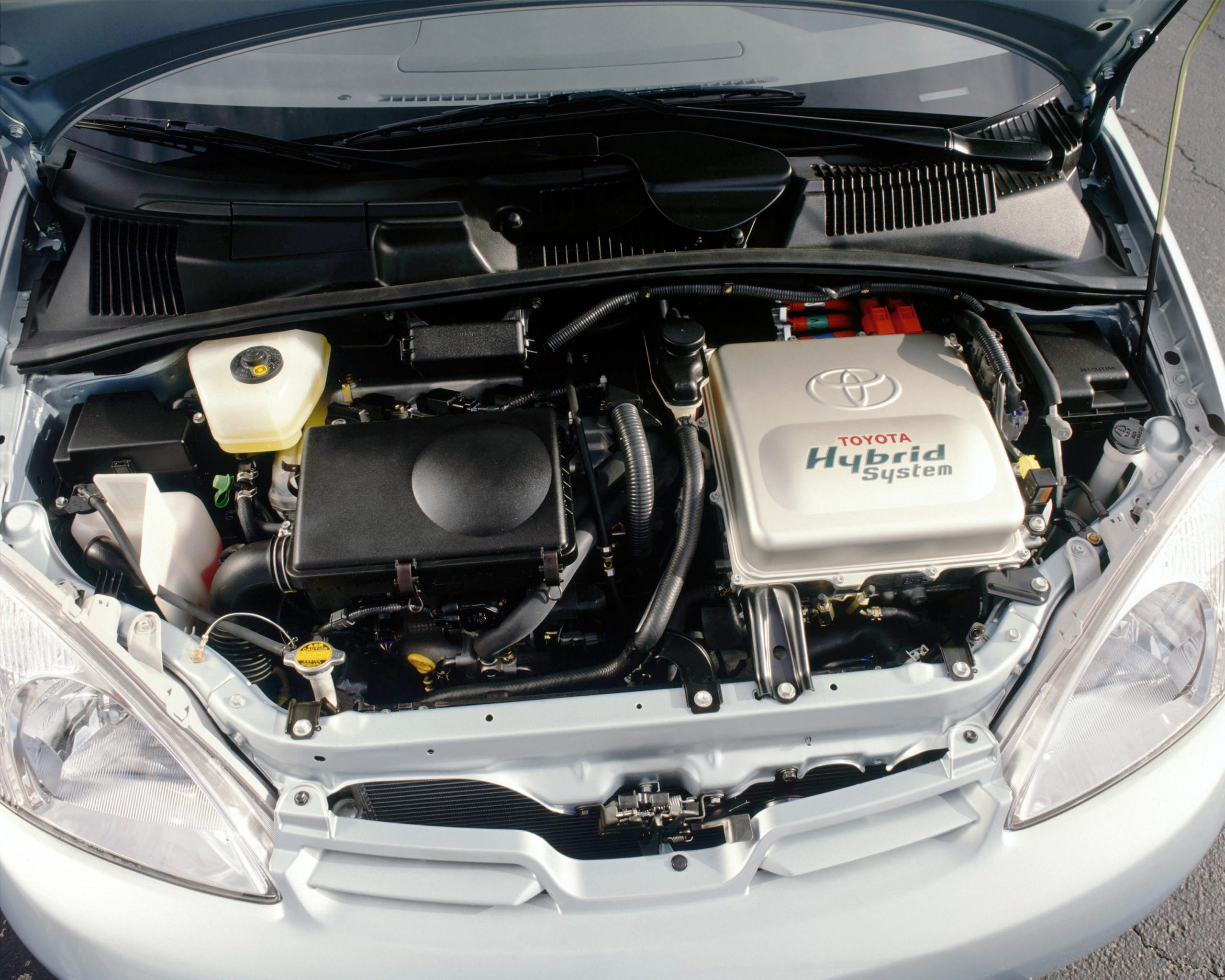
1. Toyota Prius Hybrid System
Early adopters of the Toyota Prius encountered skepticism, yet time became its strongest advocate. Taxi operators, delivery drivers, and high-mileage commuters revealed a consistent truth. Electric motors within the Prius hybrid system frequently remained functional far beyond the service life of the gasoline engine. That outcome stemmed from careful energy management rather than chance.
Electric propulsion handled low-speed movement, traffic crawling, and frequent starts. Those conditions typically punish combustion engines. By redirecting that workload to the motor, mechanical stress dropped sharply. The gasoline engine operated under steadier conditions, yet still faced thermal cycling and internal wear that electric components avoided.
Motor design emphasized durability. Bearings, windings, and cooling systems operated within conservative limits. Regenerative braking reduced strain on friction components while feeding energy back into the system. This process limited heat buildup, which often shortens component life. Owners regularly reported electric motors functioning without internal service even after hundreds of thousands of miles.
Battery replacement became a more visible concern than motor failure. Even then, many original motors continued working after battery refurbishment. Service records from fleet vehicles showed motors rarely required attention. Gasoline engines, by comparison, faced gasket wear, oil consumption, and cooling system fatigue as mileage climbed.
Driving behavior reinforced this durability. Smooth power delivery prevented shock loads. Software coordination ensured transitions between power sources happened without mechanical stress. These factors allowed the electric motor to age gracefully while the engine absorbed unavoidable wear.
Longevity stories from Prius ownership rarely centered on motor breakdown. Instead, discussions focused on routine engine maintenance and eventual engine repairs. The electric motor simply continued its role, quietly supporting propulsion with little demand for intervention.
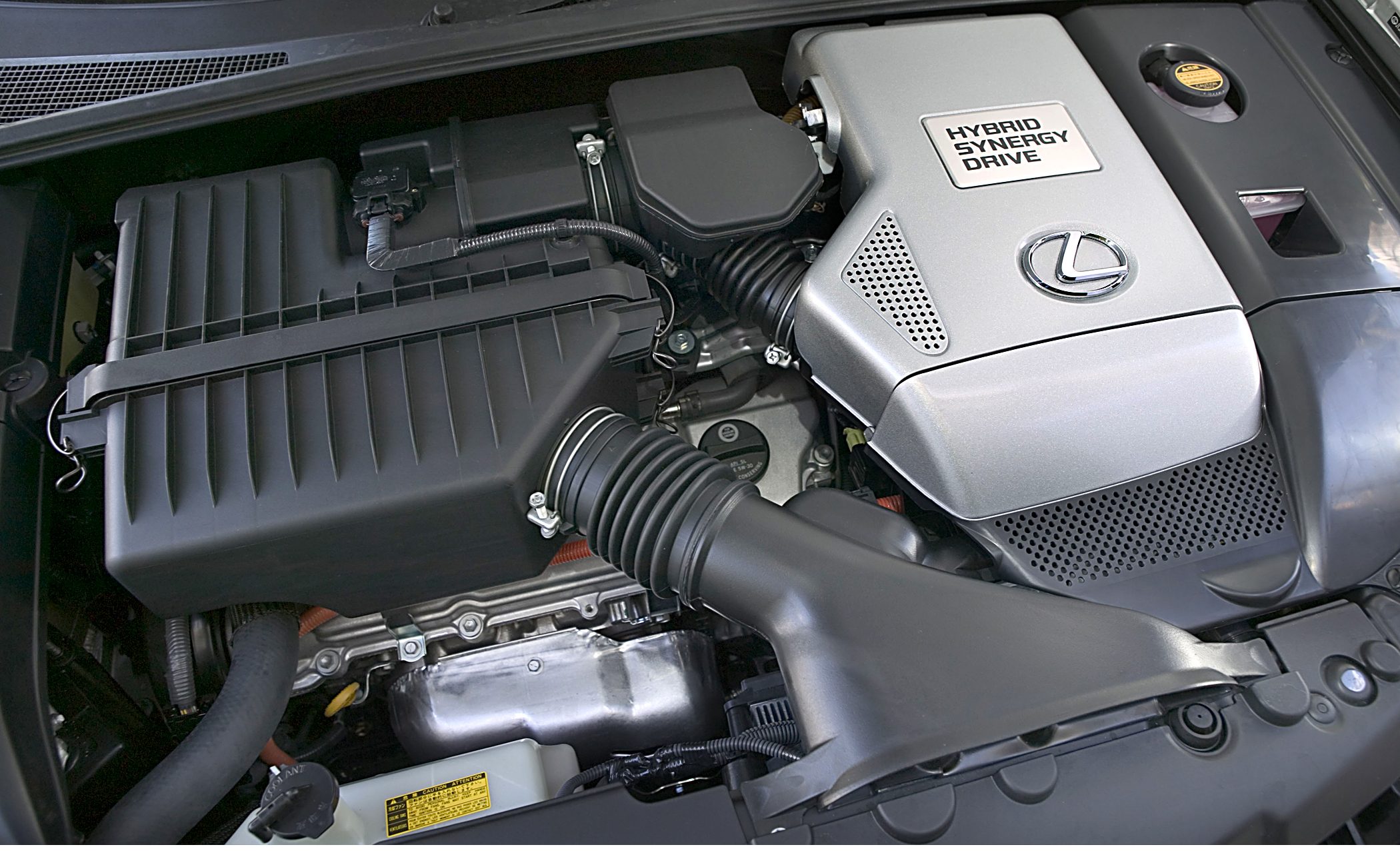
2. Lexus RX 400h Hybrid Drive
Luxury buyers selecting the Lexus RX 400h typically prioritized comfort, quiet operation, and long-term dependability. The vehicle delivered those expectations while adding a hybrid system that proved durable under extended use. As mileage accumulated, attention increasingly shifted toward the endurance of the electric motors, which consistently demonstrated stable operation across years of driving.
The system distributed propulsion duties between electric components and the gasoline engine, reducing strain on combustion-based systems during routine operation. Electric assistance played a central role during vehicle launch and low-speed movement. These driving phases usually place a high mechanical load on conventional engines due to repeated acceleration demands.
By assigning initial torque delivery to electric motors, the RX 400h reduced stress on the gasoline engine during everyday use. This arrangement allowed engine components to experience gentler operating conditions, which contributed to slower wear patterns compared with similar non-hybrid SUVs.
Motor operation remained consistent under repeated load cycles. Electric components handled acceleration support without hesitation, maintaining smooth torque delivery across varied driving conditions. This steady performance reduced abrupt mechanical stress across the drivetrain, supporting long-term structural integrity.
Drivers experienced seamless power delivery without noticeable degradation in responsiveness as mileage increased. Thermal management systems received careful engineering attention. Cooling circuits maintained stable operating temperatures for electric motors and associated power electronics.
This temperature control helped preserve insulation materials and winding structures within the motor assemblies. As a result, electric components retained functional stability even after extended periods of service, with very few reported motor-related failures.
Service records from technicians frequently showed that electric components remained untouched during major maintenance procedures involving the gasoline engine. While engines occasionally required attention related to seals, cooling system components, or routine wear items, electric motors typically continued operating without intervention. Software updates and occasional sensor replacements were more common than motor servicing, reinforcing the durability of electric propulsion elements.
Ownership patterns reflected long retention periods common in luxury vehicles. Many owners kept the RX 400h for extended durations, during which the hybrid system continued to perform consistently. Gasoline engines followed expected aging patterns associated with mileage and routine maintenance. Electric motors, however, maintained stable output characteristics with minimal variation in performance feel.
The Lexus RX 400h demonstrated how electric propulsion systems can sustain long-term reliability within a luxury SUV platform. Electric motors frequently outlasted expectations, continuing smooth operation long after conventional engine components began showing normal wear. This durability reinforced confidence in hybrid engineering, particularly within vehicles designed for comfort and extended ownership periods.
Also Read: 4 Efficient Hybrids for Stop-and-Go In El Paso vs. 4 Heavy Duty Gas Guzzlers
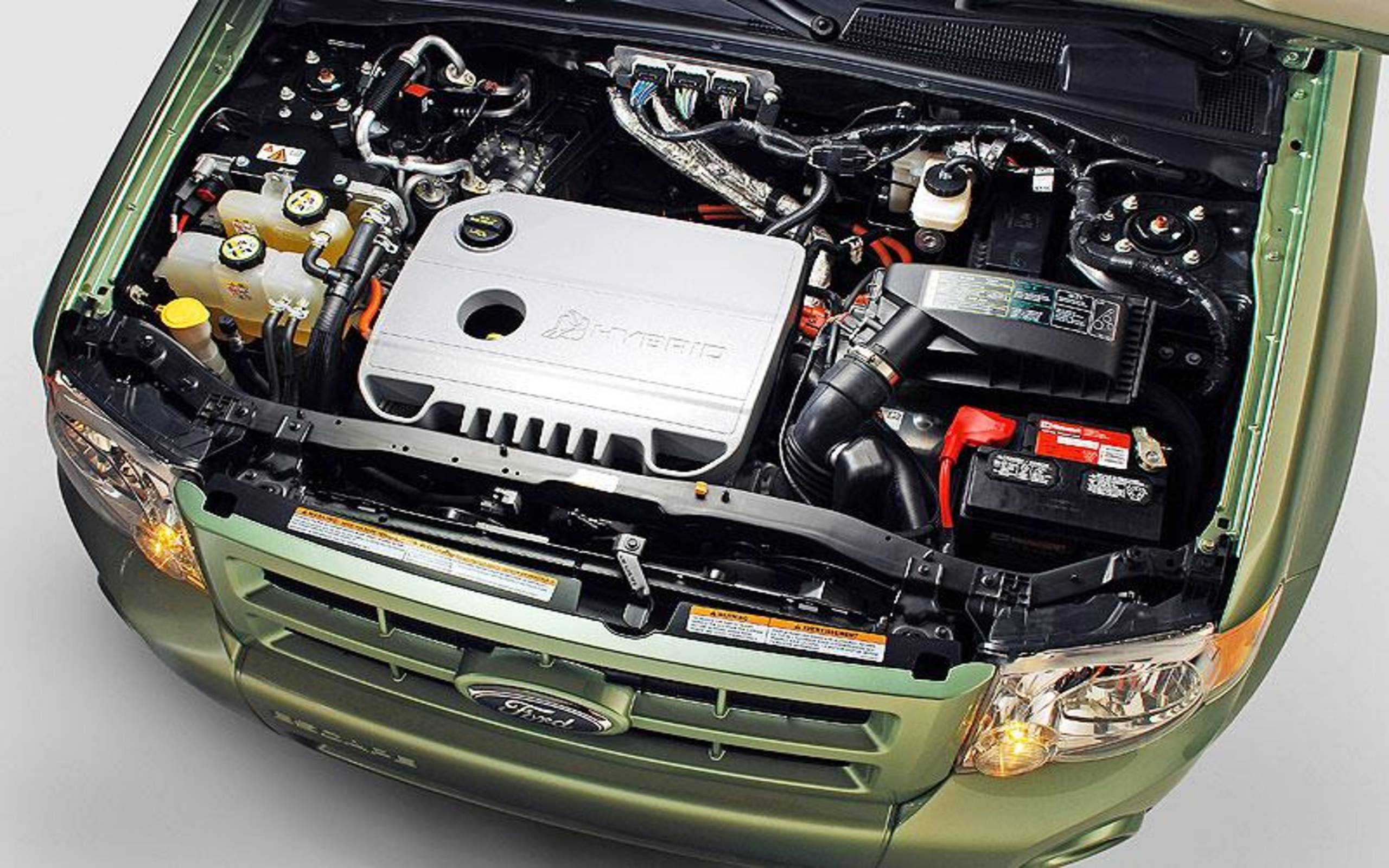
3. Ford Escape Hybrid Powertrain
Early adoption by municipal fleets provided measurable evidence of the endurance associated with the Ford Escape Hybrid electric motor. Urban service environments imposed demanding operating conditions, including repeated stop and start cycles, extended idling, and short-distance travel that prevented full thermal stabilization.
These conditions traditionally accelerated engine deterioration. The electric motor absorbed much of this operational burden, continuing to function effectively even as gasoline engines displayed expected signs of mechanical fatigue. Hybrid operation altered daily duty patterns in a meaningful way.
Electric propulsion handled low-speed movement and traffic congestion, allowing the gasoline engine to disengage during conditions that usually produce carbon accumulation and excessive heat cycling. Reduced idle operation to limit internal engine stress.
Electric motors, unaffected by combustion byproducts or lubrication breakdown, delivered torque with consistent response across extended service periods. Fleet service records revealed a clear trend. Scheduled engine repairs appeared with regularity as mileage accumulated.
Electric motor-related interventions remained rare. Bearings and internal windings maintained integrity over many years, requiring little attention beyond inspection. Regenerative braking reduced reliance on friction brakes, which indirectly lowered mechanical stress across the drivetrain.
Power electronics benefited from restrained calibration choices. Engineers prioritized durability rather than maximum output. Current limits and thermal thresholds remained conservative, ensuring stable operation during prolonged duty cycles. This approach aligned with fleet priorities where vehicle availability and predictable service intervals held financial importance.
Private ownership reflected similar outcomes. High-mileage examples frequently retained original electric motors. Gasoline engines eventually required service involving seals, cooling components, or timing-related wear. Electric motors, by comparison, continued operating quietly with no meaningful change in vibration or responsiveness.
Owners often expressed surprise at the longevity of electric components when contrasted with familiar engine aging patterns. The Escape Hybrid demonstrated how electric systems thrive under repetitive operational demands. Motor durability emerged as a practical advantage rather than a marketing claim.
This experience reshaped expectations for hybrid ownership, particularly in environments where daily driving imposed continuous stress on conventional powertrains.
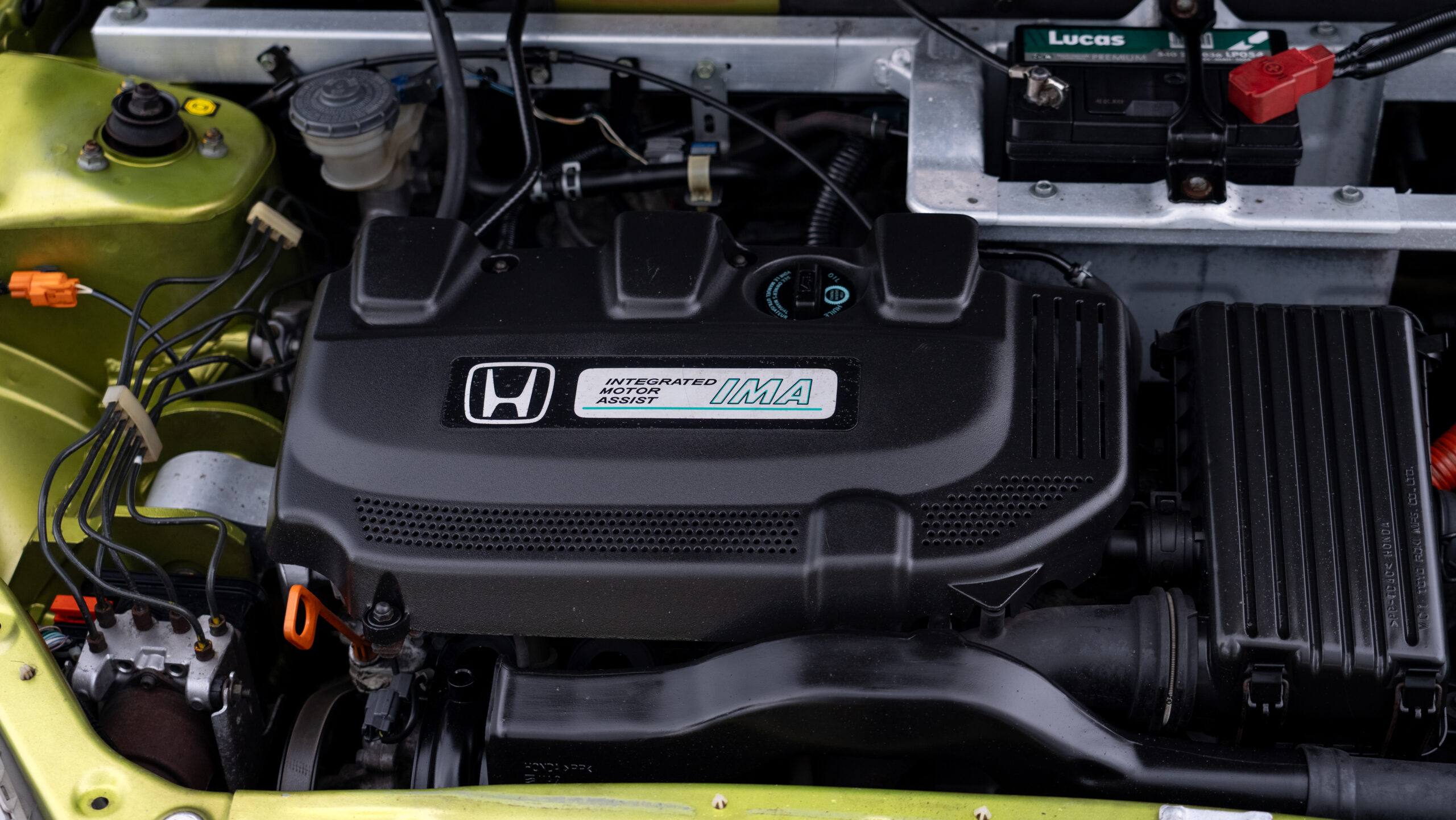
4. Honda Insight Integrated Motor Assist
Honda adopted a distinctive hybrid strategy with the Insight. Instead of relying on full electric propulsion, the system employed electric assistance to support the gasoline engine during specific operating phases. Despite sharing propulsion duties, the electric motor exhibited strong longevity, maintaining reliable function throughout extended ownership periods.
The motor contributed torque during acceleration and recovered energy during deceleration. This assistance reduced load on the engine while supporting efficient operation. Electric components operated within carefully defined parameters, shielding internal elements from excessive stress and electrical overload. This restrained approach promoted durability rather than short-term performance gains.
Owners consistently reported stable motor behavior across high mileage usage. Engine wear followed predictable mechanical patterns influenced by maintenance discipline and driving conditions. Electric assistance remained smooth and responsive even as engines aged. The system’s coordination preserved drivability without introducing additional mechanical strain.
Thermal management played an essential role. Airflow routing and temperature monitoring maintained suitable operating conditions for electrical components. Insulation materials resisted degradation, preserving motor integrity across years of service. Output limits prevented heat accumulation that could compromise internal windings.
Battery-related service drew more attention than motor issues. Even after battery replacement or conditioning, electric motors frequently remained original. This distinction illustrated how motors aged more gracefully than both energy storage components and combustion engines. Owners often viewed the motor as a long-term asset rather than a wear item.
The Insight demonstrated that modest electric assistance could still deliver durable performance. Motor longevity emerged quietly, supporting dependable operation without drawing attention. This approach reinforced confidence in hybrid technology through consistent service rather than dramatic claims.
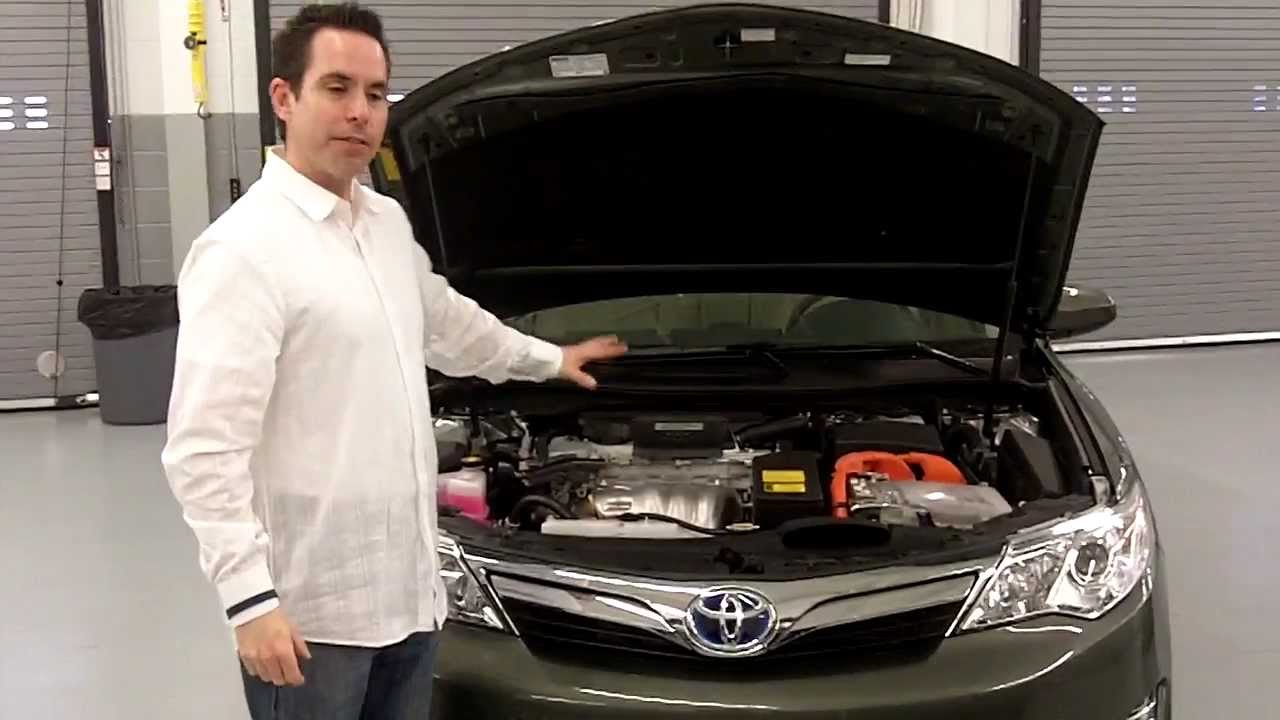
5. Toyota Camry Hybrid Synergy Drive
Consumer interest in the Toyota Camry Hybrid often began with recognition of its familiar sedan design, followed closely by interest in fuel efficiency improvements. Beneath the conventional exterior lay a hybrid system designed with long service life in mind. Electric motors played a central role in supporting propulsion duties while reducing stress placed on the gasoline engine during daily operation.
This shared workload created a balanced system where electric components frequently demonstrated extended durability compared with combustion hardware. Electric propulsion handled vehicle movement at launch and during low-speed driving conditions.
These phases of operation typically create heavy strain in conventional vehicles due to repeated engine starts and stop cycles. By assigning these responsibilities to the electric motor, the mechanical load on the gasoline engine decreased. The result was smoother acceleration behavior and reduced internal stress on engine components during routine urban travel.
Transition between electric and gasoline power occurred with controlled coordination. This coordination minimized abrupt changes in torque delivery, reducing mechanical shock throughout the drivetrain. Such smooth interaction protected transmission components and other connected systems from unnecessary wear.
Drivers experienced steady operation without needing to manage power source changes manually, allowing the system to maintain consistent behavior across varied driving situations. Long-term usage data from private owners and fleet operators revealed consistent patterns in component durability. Electric motors showed minimal need for service across high mileage usage.
In many cases, original electric drive units remained in operation without internal repair. Meanwhile, gasoline engines followed expected maintenance cycles involving cooling system upkeep, gasket replacement, and oil system attention as mileage accumulated.
Software management played an essential role in maintaining system balance. Power distribution was carefully regulated to prevent sudden load spikes that could shorten component lifespan. Electric motors operated within controlled output ranges, ensuring stable performance across repeated use cycles.
Regenerative braking also contributed to system efficiency by recovering energy during deceleration, reducing reliance on friction-based braking components, and extending their service life. Thermal regulation supported long-term durability. Cooling systems maintained stable operating temperatures for both electric and combustion components.
This thermal stability helped preserve insulation integrity within electric motor assemblies, reducing wear associated with heat exposure. Consistent temperature control also supported smoother operation across seasonal and environmental variations. Ownership experience reinforced confidence in system reliability.
Many drivers reported that driving characteristics remained consistent even after extended mileage accumulation. Electric motors continued delivering smooth propulsion without a noticeable decline in responsiveness. As gasoline engines aged through normal mechanical processes, electric assistance continued supporting performance without interruption.
The Toyota Camry Hybrid Synergy Drive system demonstrated how electric propulsion can contribute to extended vehicle service life. Electric motors frequently maintained operational stability long after conventional engine components required maintenance. This balance between electric assistance and combustion operation created a dependable hybrid system that sustained everyday transportation needs across many years of use.
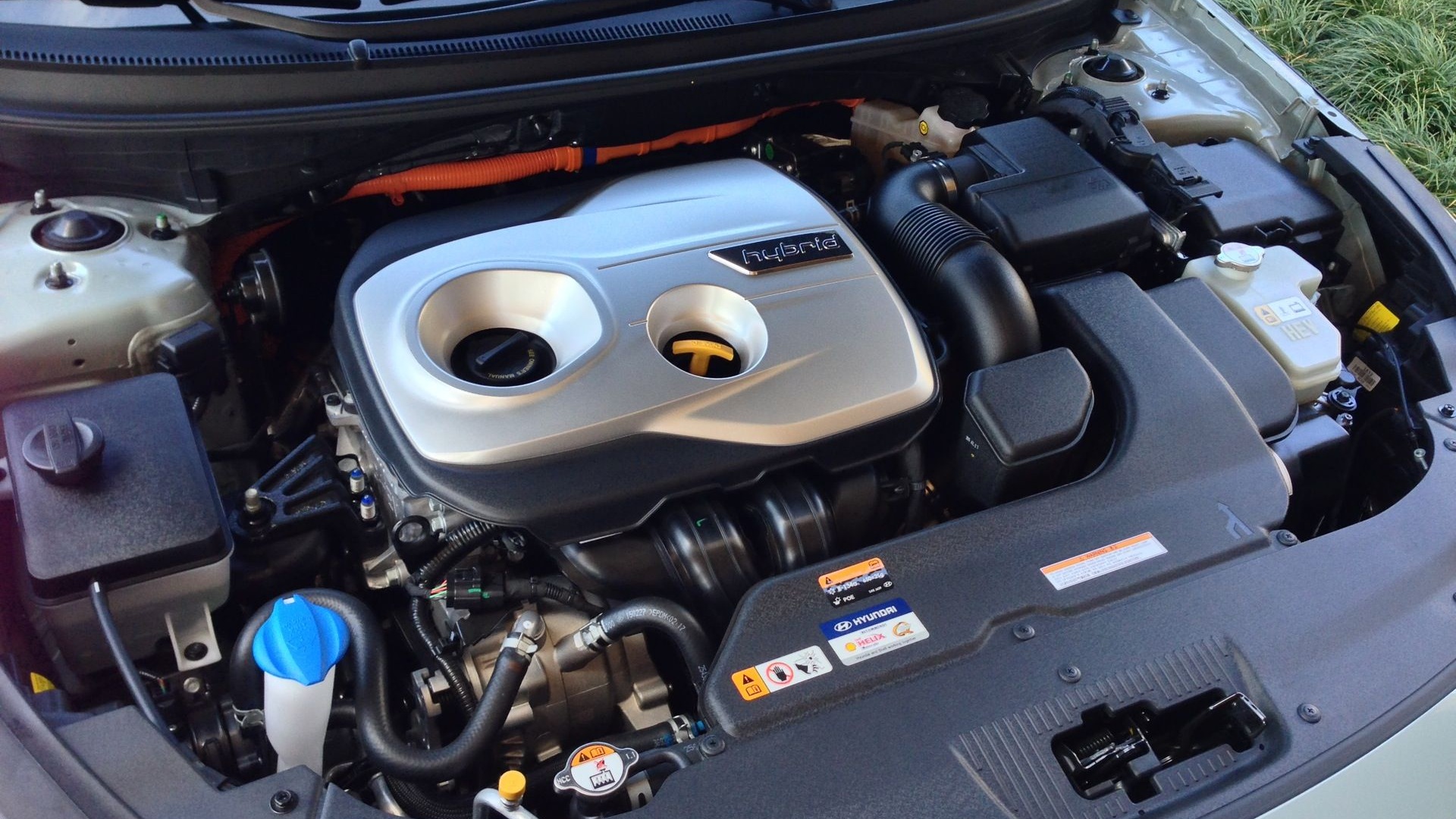
6. Hyundai Sonata Hybrid Hybrid System
Quiet durability shaped long-term ownership experiences with the Hyundai Sonata Hybrid. Buyers often approached it for fuel savings and smooth daily driving, yet extended use revealed another strength. Electric motor components routinely remained operational even as gasoline engines began showing age-related fatigue. This outcome reflected deliberate engineering choices rather than coincidence.
Electric propulsion handled low-speed movement and frequent start cycles. Urban traffic placed heavy demands on engines in conventional vehicles. Here, electric assistance absorbed that workload. The gasoline engine operated under steadier conditions, limiting exposure to repeated heat spikes and cold start wear. Electric motors thrived within this arrangement due to reduced mechanical friction.
Design priorities emphasized longevity. Motor output levels stayed within conservative limits. Thermal management systems regulate heat efficiently, protecting windings and electronic components. Owners reported consistent performance from electric motors across extended mileage milestones. Mechanical noise or vibration changes remained minimal, even after years of service.
Battery systems attracted more attention than motors. Replacement or reconditioning sometimes occurred as vehicles aged. After such work, electric motors frequently continued functioning without disruption. This separation highlighted how motors endured wear differently from energy storage components.
Driving behavior reinforced durability. Smooth torque delivery avoided sudden mechanical stress. Software coordination managed transitions between power sources seamlessly. This refinement reduced shock loads that shorten component life in less coordinated systems.
Gasoline engines followed familiar aging patterns. Oil consumption, cooling system service, and gasket replacement emerged with mileage. Electric motors, by comparison, often remained original. Owners described vehicles where the motor required no internal service while the engine underwent expected repairs.
The Sonata Hybrid demonstrated how thoughtful system balance supports long-term reliability. Electric motors quietly performed their role year after year, often outlasting the combustion engine without drawing attention to themselves.
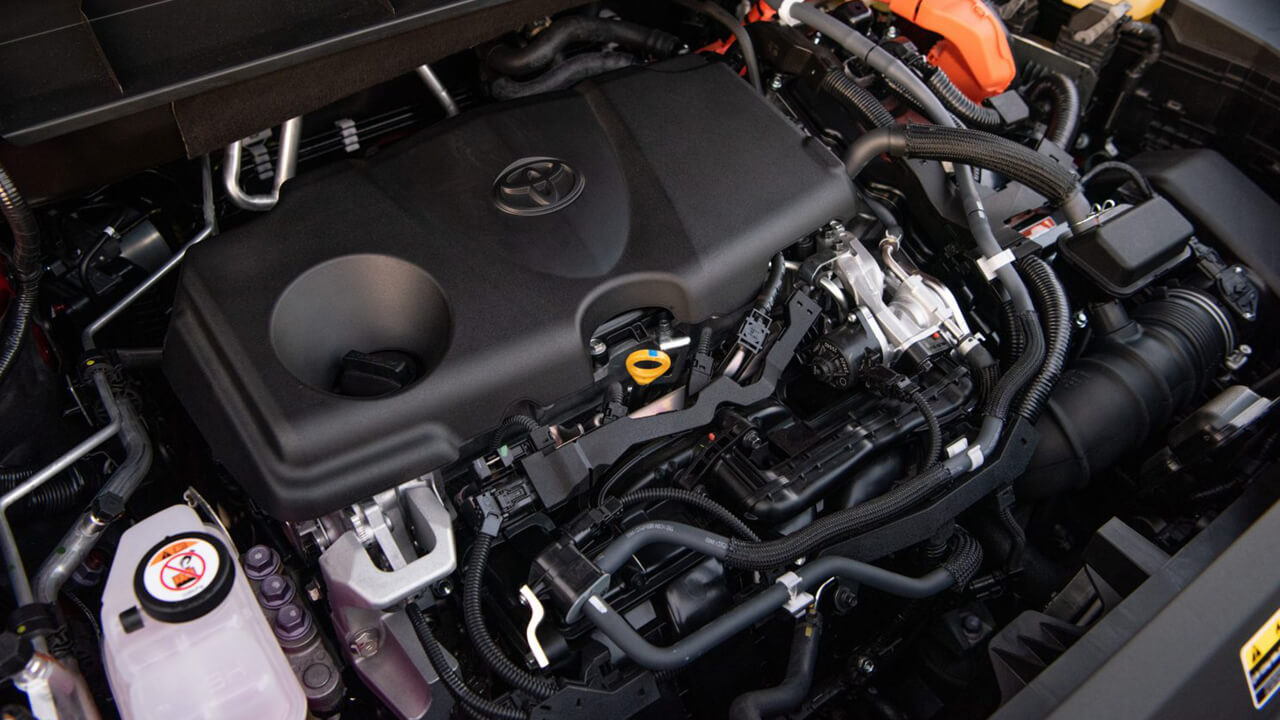
7. Toyota Highlander Hybrid Hybrid Drive System
Family-oriented design guided the Toyota Highlander Hybrid, yet durability became one of its strongest attributes. Larger vehicles impose greater loads on powertrains. Electric motors within this system handled torque delivery with calm consistency, often remaining dependable beyond the lifespan of the gasoline engine.
Low-speed propulsion and initial acceleration relied heavily on electric assistance. This arrangement spared the engine from heavy launch demands, especially during loaded driving with passengers or cargo. Electric motors managed these conditions without mechanical fatigue.
Cooling architecture supported endurance. Separate circuits maintained stable temperatures for motors and power electronics. This attention preserved insulation integrity and bearing condition across extended use. Owners reported electric components continuing service without intervention, even as engines required maintenance.
All Wheel Drive functionality used electric motors rather than mechanical shafts. Reduced mechanical complications and limited wear points. Rear electric motors operated independently, offering traction support while avoiding traditional drivetrain stress. Long-distance travel highlighted the system’s balance.
Highway cruising relied more on the engine, while electric assistance handled transitions smoothly. This division of labor reduced cumulative engine stress while allowing motors to operate within efficient ranges. Service records often reflected predictable engine aging. Electric motors rarely appeared as failure points. Battery service occurred more frequently than motor replacement.
After battery work, the motors typically resumed normal operation. The Highlander Hybrid earned trust through calm behavior and reliability. Electric motors demonstrated endurance that matched the vehicle’s family-focused mission, frequently continuing service long after engines required attention.
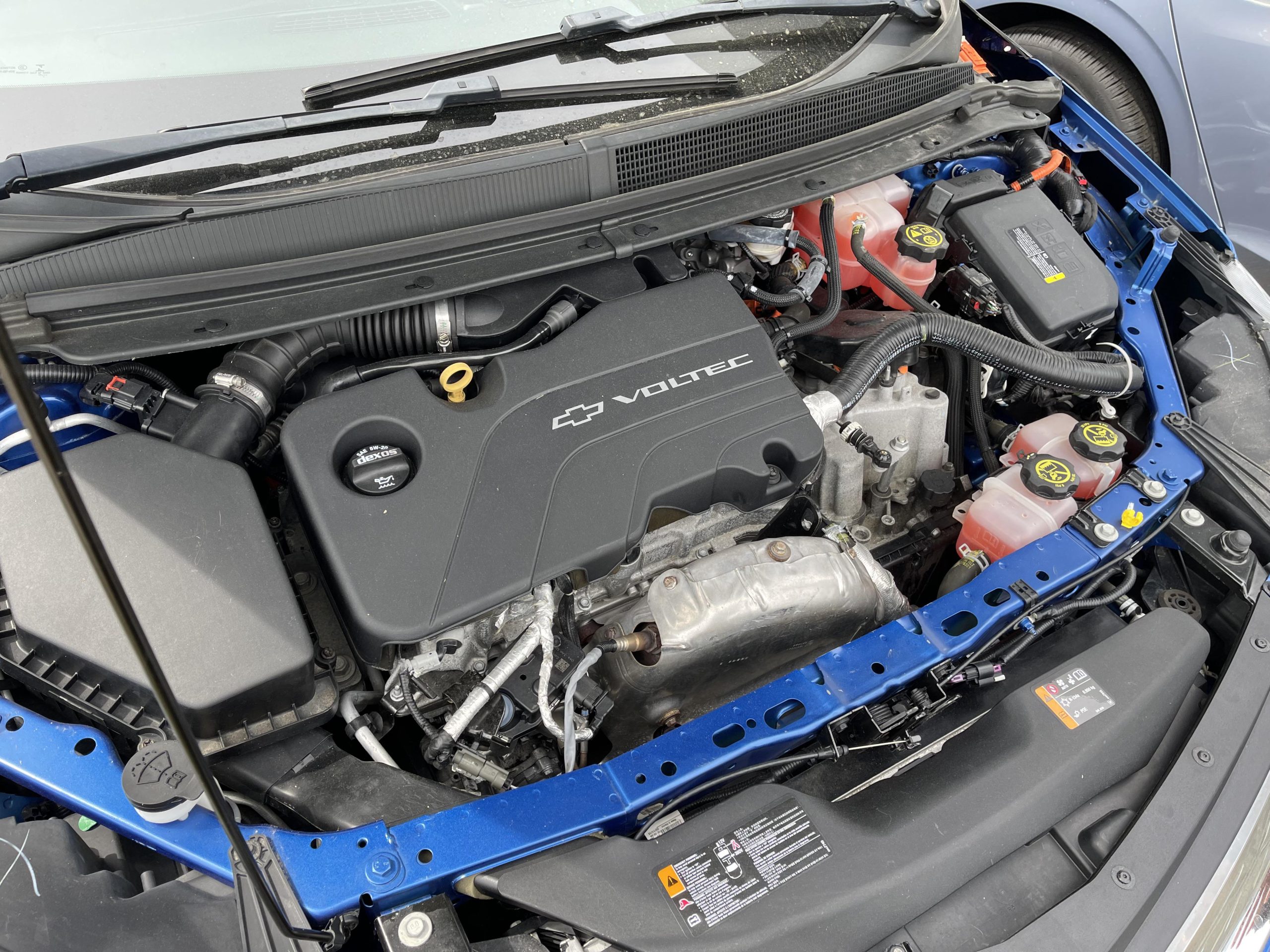
8. Chevrolet Volt Electric Drive Unit
Chevrolet introduced the Volt with a powertrain approach that placed electric propulsion at the center of daily operation. The gasoline engine functioned primarily as a generator, stepping in when battery charge required replenishment rather than acting as the primary source of motion.
This arrangement positioned the electric motor as the dominant force behind vehicle movement, making its durability easy to observe through long-term use. Daily driving conditions relied heavily on electric propulsion. City commutes, short trips, and stop-and-go traffic patterns placed minimal load on the combustion engine.
As a result, the electric drive unit handled most operational duties without interruption. This duty cycle reduced exposure to mechanical stress commonly associated with combustion-based systems, allowing the motor to operate within stable parameters across extended mileage.
Motor construction focused on durability through reduced mechanical friction. Fewer moving parts reduced wear pathways, while integrated cooling systems maintained controlled operating temperatures. This thermal stability helped preserve insulation materials and internal windings. Many owners reported electric drive units continuing smooth operation beyond 200000 miles without internal repair requirements.
The gasoline engine served a secondary role as an onboard generator. Extended generator usage introduced heat cycling and gradual wear patterns typical of combustion systems. Maintenance attention tended to focus more on engine-related components as mileage increased, while the electric motor continued performing without noticeable degradation in output quality or responsiveness.
Battery service attracted attention within ownership discussions. Replacement or refurbishment of energy storage components occurred in some cases, depending on usage patterns and mileage. After such service, the electric motor typically resumed normal operation without recalibration or mechanical adjustment. This separation of responsibilities highlighted the durability of the motor itself when compared with supporting systems.
Energy management software played a central role in protecting system longevity. Output regulation prevented sudden load spikes that could accelerate wear. Smooth power delivery reduced mechanical shock across drivetrain components. Regenerative braking assists energy recovery while reducing reliance on friction-based braking systems, further reducing wear across mechanical systems.
Operational data from long-term owners and fleet users consistently pointed toward strong electric motor endurance. Even as combustion engines accumulated wear from generator duty cycles, the electric drive unit maintained consistent performance characteristics. This reliability became a defining feature of the Volt’s operational identity, particularly in high-mileage usage scenarios.
The Chevrolet Volt demonstrated how electric propulsion can sustain long-term operation under continuous duty conditions. Its electric drive unit regularly outlasted the combustion engine in service life, reinforcing the durability potential of well-engineered electric motor systems within hybrid architectures.
Also Read: 5 Modern Hybrids With Transmissions That Outlast Traditional Gas Engines
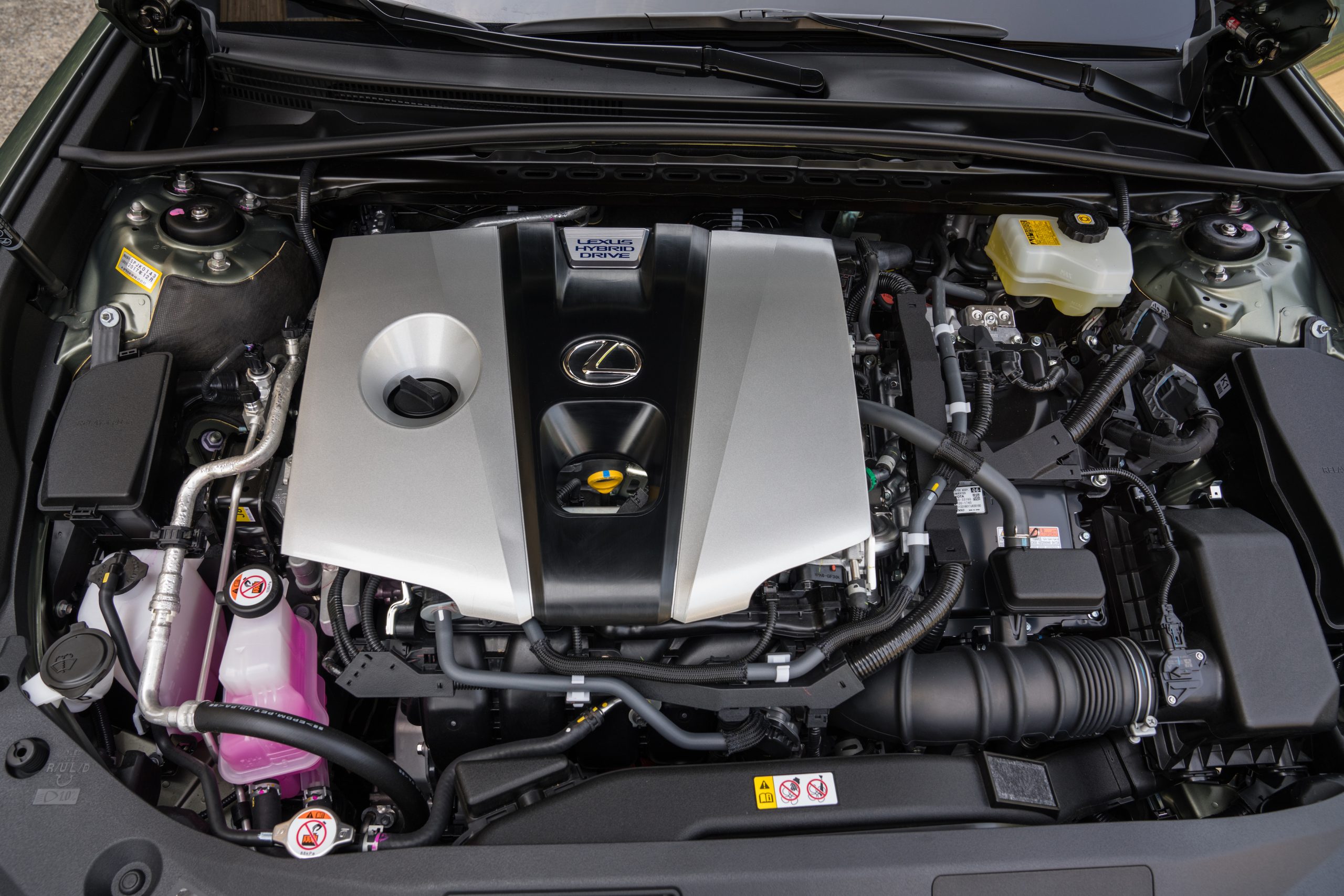
9. Lexus ES 300h Hybrid Powertrain
The Lexus ES 300h represents a hybrid system designed with refinement and long-term durability in mind. Electric motors play a central role in delivering smooth propulsion while supporting the gasoline engine during varied driving conditions. This shared workload allows the electric components to accumulate mileage with minimal wear compared with traditional combustion systems.
Electric propulsion assists during vehicle launch and low-speed movement. These conditions often place heavy strain on engines in conventional vehicles. By transferring much of this workload to the electric motor, mechanical stress on the gasoline engine is reduced. Motor operation remains smooth, with controlled torque delivery that avoids sudden load changes.
Thermal management strategies support long service life. Electric components operate within carefully regulated temperature ranges. Cooling systems and insulation materials maintain stable conditions that protect internal windings and electronic modules. This controlled environment reduces degradation risk, even as mileage increases substantially.
Ownership experience often extends across many years due to the vehicle’s luxury positioning. During this period, maintenance requirements for the gasoline engine typically appear as expected through normal wear patterns. In many cases, electric motors continue functioning without internal repair, reflecting durable design principles applied during development.
Cabin refinement masks mechanical activity from the electric drive system. Absence of vibration changes or audible variation contributes to a consistent driving experience. Owners frequently observe that driving feel remains stable even as the combustion engine ages and receives routine servicing.
Battery-related service may occur depending on usage history and mileage accumulation. After such servicing, electric motors generally resume operation without recalibration or mechanical adjustment. This behaviour reinforces the separation between energy storage components and propulsion hardware, allowing motors to maintain operational consistency across long periods.
Energy distribution software manages power delivery with precision. Electric motors avoid abrupt load spikes through controlled output mapping. Regenerative braking assists energy recovery while reducing wear on mechanical braking components. This coordination supports system longevity without requiring active driver intervention.
Long-term usage records show strong durability associated with the electric drive components. Gasoline engines follow conventional aging patterns linked to mileage and maintenance routines. Electric motors continue operating with stable output characteristics, often maintaining performance integrity long after combustion systems begin to show age-related wear.
The Lexus ES 300h demonstrates how electric motors within hybrid systems can maintain dependable operation across extended service life. While combustion engines experience typical mechanical aging, electric propulsion continues delivering steady performance, reinforcing the durability of well-engineered hybrid electric drive systems.
