
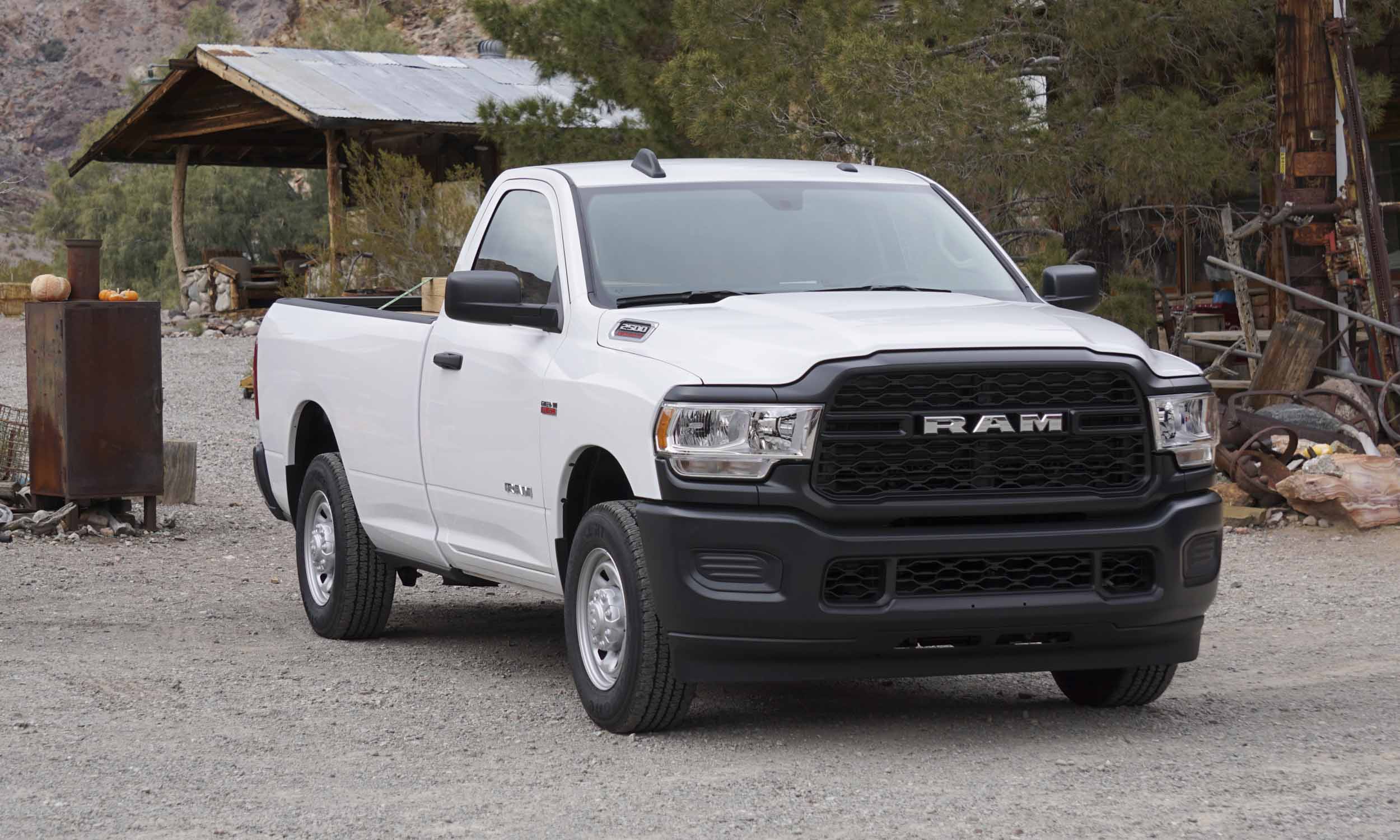
A pickup truck bed takes a beating that no other part of the vehicle endures quite like it. Gravel, lumber, concrete bags, tools, equipment, rocks, dirt, chemical spills, power washers, drag marks from steel materials, and the constant cycle of loading and unloading under all weather conditions, day after day, for years on end. In a commercial work context, the bed is not a convenience feature. It is a production tool that has to function reliably for as long as the truck stays in service.
Fleet managers, contractors, landscapers, construction companies, and utility operators all develop strong opinions about which truck beds hold up under real commercial punishment and which ones look tired and beaten after a few years of hard use. A bed that dents easily, corrodes along the floor seams, or develops structural weakness at the stake pocket locations creates problems that go beyond aesthetics.
A damaged bed floor can compromise payload safety, reduce effective cargo capacity, and signal to clients and customers that the operation behind the wheel is not particularly careful about its equipment. This page is a direct, practical look at eight pickup truck beds that have earned documented reputations for surviving commercial abuse across extended service periods.
Each one is evaluated not on promotional materials or manufacturer claims, but on the engineering decisions that make it durable, the owner and fleet manager feedback that reflects real-world performance, and the specific design elements that distinguish it from beds that fail prematurely under hard use.
Whether you are buying a new work truck and want to know which bed will still look and function reasonably after ten years of daily punishment, or evaluating a fleet replacement decision where bed durability directly affects cost-per-mile calculations, this comparison gives you the honest information that manufacturer brochures consistently leave out. Read through all eight before making any decisions.
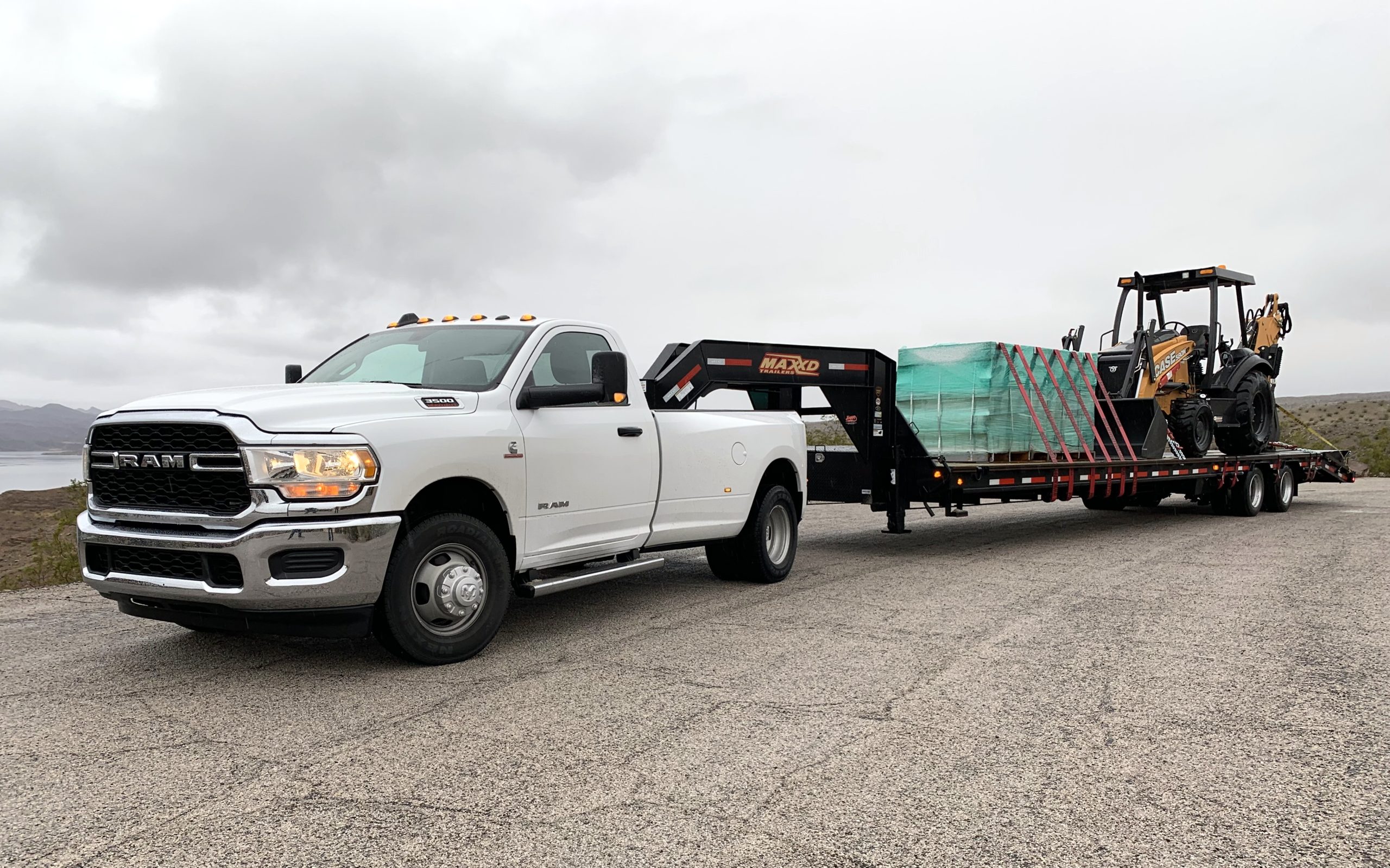
1. Ram 2500 HD Tradesman Long Bed 4×2 (DT Generation, 2019 to 2024)
Ram’s decision to retain steel bed construction on the 2500 HD Tradesman rather than introducing aluminum alternatives as some competitors explored was a deliberate engineering choice that commercial operators in demanding industries have consistently validated through extended fleet service.
Steel takes impact, resists point loading from equipment corners and tool boxes, and responds to damage in ways that field repair using common shop equipment can address effectively, all of which matters when a bed is being used commercially every working day.
Ram’s DT platform 2500 HD Tradesman long bed uses galvanized steel panels with a durable painted finish over a boxed steel frame rail structure that provides the torsional rigidity commercial operators need when loading asymmetric payloads from forklifts, grapple equipment, or uneven manual loading sequences.
Boxed bed rail construction resists the lateral flex that open C-channel rail designs exhibit under concentrated side loading, maintaining bed geometry integrity across the thousands of loading cycles that a decade of commercial use produces. Stake pocket design on the Ram 2500 HD Tradesman long bed uses reinforced mounting points with sufficient material thickness to survive the repeated installation and removal of stake bed extensions, contractor racks, and tie-down systems that commercial operators cycle through constantly.
Stake pockets that fail due to insufficient surrounding material are a consistent frustration on lighter-duty truck beds, and the 2500 HD Tradesman’s heavy-duty pocket construction addresses this directly by building the pockets into a reinforced cross-member structure rather than simply punching holes in the bed rail. Floor construction uses ribbed steel stampings with drainage channels that direct water and debris toward the tailgate end rather than allowing pooling in the forward sections, where water retention accelerates floor corrosion.
Drain plug provisions at the lowest points of the floor allow accumulated water removal after weather events, which reduces the sustained moisture contact that prematurely corrodes unprotected steel floors in commercial use environments where daily washing is not always practical.
A fleet of 2019 Ram 2500 HD Tradesman long bed trucks operated by a commercial concrete construction contractor over five years showed bed floor and rail conditions that reflected hard daily use without the structural corrosion or floor deformation that would require replacement.
This real-world evidence from demanding commercial use confirms that Ram’s steel bed construction for the 2500 HD Tradesman delivers the extended service life that commercial operators need to justify fleet investment decisions.
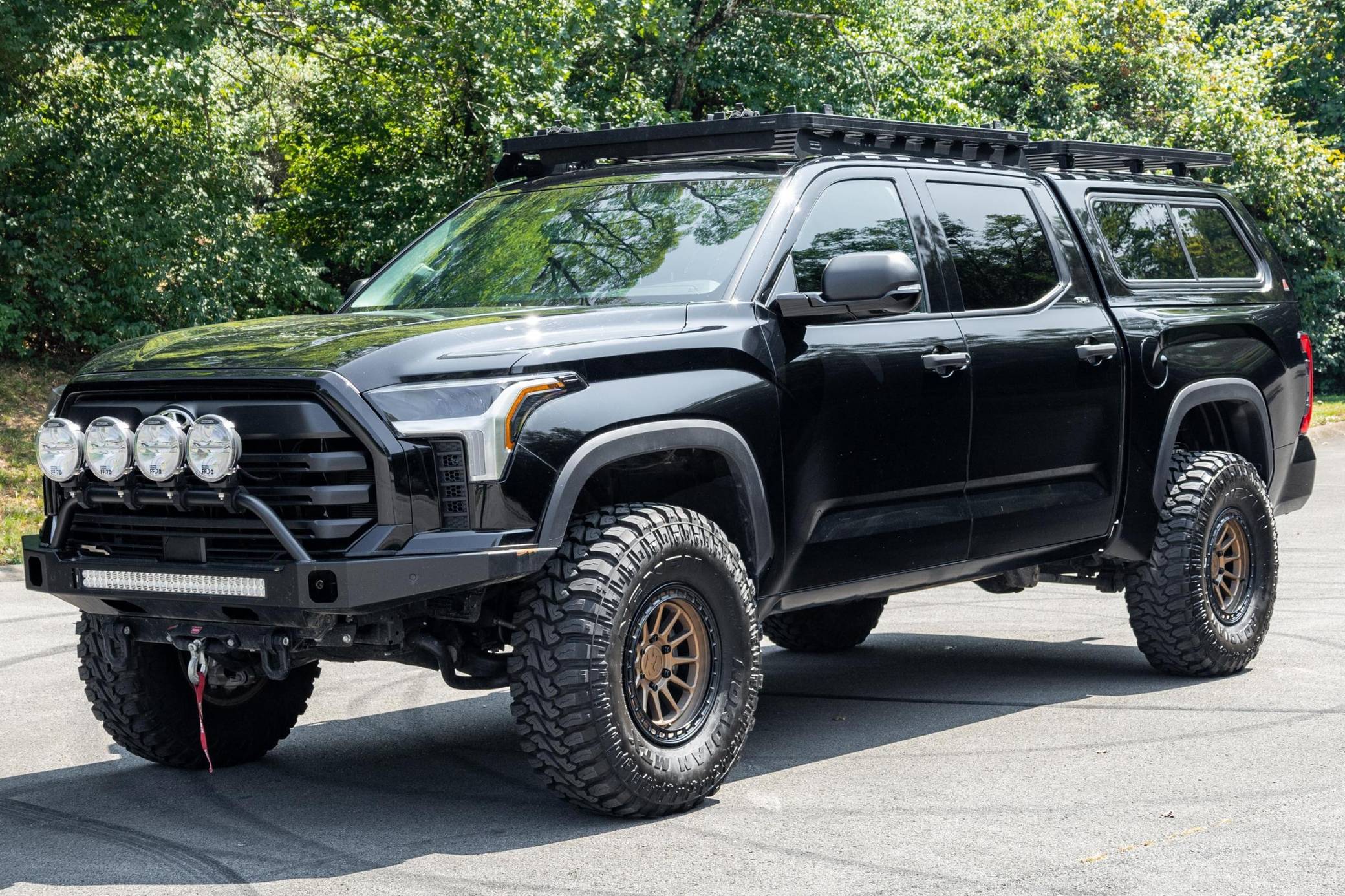
2. Toyota Tundra CrewMax Short Bed SR5 4WD (Third Generation, 2022 to 2024)
Toyota’s adoption of a composite bed floor for the third-generation Tundra marked a clear departure from long-standing steel bed practices within the pickup segment. This decision reflected a deliberate effort to address durability concerns associated with corrosion, particularly in trucks expected to perform demanding tasks over extended service periods.
In the CrewMax Short Bed SR5 4WD, the composite bed is not presented as a styling feature but as a functional response to real working conditions. Composite bed construction removes the vulnerability associated with steel floors that rely on coatings and liners for protection. Over years of use, those protective layers often wear away, exposing steel to moisture, chemicals, and abrasion.
The composite material used in the Tundra resists such exposure by design. It does not depend on surface coatings to preserve structural integrity, allowing the bed floor to retain its strength and appearance even after repeated contact with harsh substances commonly encountered during hauling activities.
Load handling capability remains a primary concern for operators accustomed to steel beds. Toyota addressed this by specifying material thickness and density capable of resisting deformation from concentrated loads. Pallets, machinery, and tool storage units apply focused pressure at specific contact points.
Reports from users involved in construction and material transport indicate that the composite bed floor withstands such demands without cracking or sagging, provided cargo limits are respected. Cargo management receives further support through the integrated Deck Rail System.
Aluminum rails mounted along the bed sides provide fixed anchor points that accept a range of accessories and tie-down equipment. This arrangement offers practical flexibility for securing loads of varying shapes and sizes. Operators benefit from factory-installed solutions that eliminate the need for drilling or aftermarket modifications, preserving bed integrity while improving load control.
Environmental resistance remains one of the most compelling attributes of the composite bed. Fertilizers, cement residue, road salt, and cleaning chemicals are frequent contributors to steel bed deterioration. The composite material remains unaffected by these substances, reducing long-term degradation. For operators who retain vehicles for many years, this resistance translates into sustained usability without the gradual weakening seen in untreated steel floors.
By combining corrosion resistance, load durability, and integrated cargo management, the third-generation Tundra CrewMax SR5 4WD demonstrates how composite construction can meet work-oriented expectations. The bed design aligns with the realities of repeated loading cycles, environmental exposure, and long-term ownership, offering a practical alternative to traditional steel without compromising functional requirements.
Also Read: 10 Pickups Whose Car Ownership Clubs Reward Members for Mileage Milestones
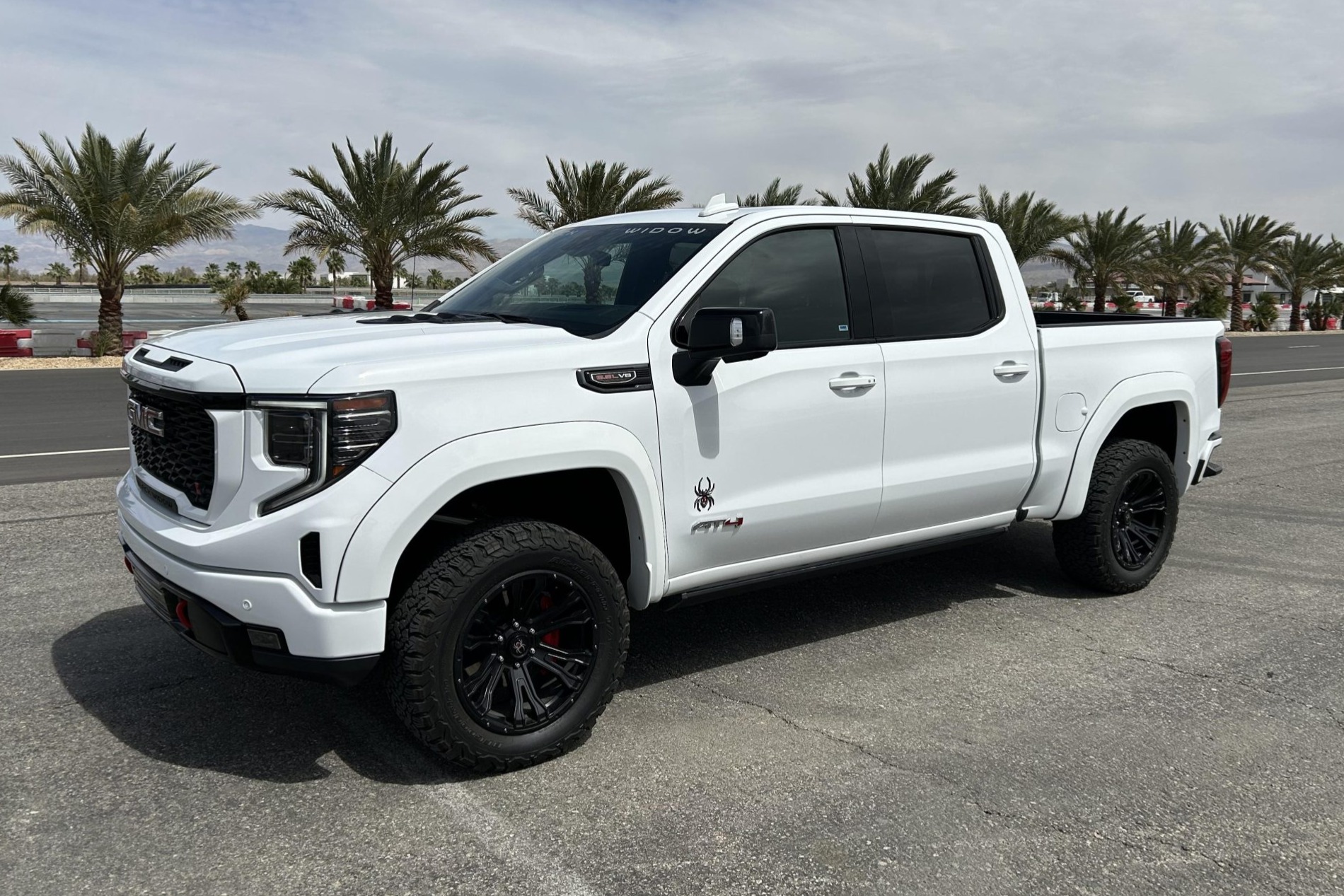
3. GMC Sierra 1500 Pro Regular Cab Long Bed 2WD (T1XX Generation, 2019 to 2024)
GMC positioned the Sierra 1500 Pro Regular Cab Long Bed 2WD as a tool rather than a statement. This configuration prioritises function above comfort-driven additions, making it suitable for operators whose daily routines involve consistent loading, unloading, and transport duties. The long bed design and simplified trim reinforce a purpose-driven approach that appeals to commercial users focused on productivity.
Tailgate operation plays a critical role in daily efficiency. The EZ-Lift tailgate system uses counterbalance assistance to reduce the effort required during repeated opening and closing. In working environments where tailgates are cycled many times each day, this feature reduces physical strain while also protecting hinges and latches from excessive impact stress. Over long service periods, reduced mechanical shock contributes to sustained tailgate alignment and reliable operation.
Bed corner durability receives attention through reinforced corner caps. These areas experience frequent contact during side loading, especially when handling equipment or bundled materials that cannot always be positioned with precision. Reinforcement at these points helps maintain structural geometry, preventing deformation that would otherwise compromise load stability or bed alignment. This design choice supports extended service life in environments where accidental contact is unavoidable.
Floor design within the bed favours simplicity. The absence of decorative channels and exposed surfaces reduces areas where dirt, moisture, and chemical residue can accumulate. Smooth surfaces allow for thorough cleaning using basic washing methods, enabling operators to inspect and maintain the bed more easily. Cleanability plays a practical role in preserving surface condition and delaying deterioration caused by trapped contaminants.
Material selection and finish focus on durability rather than appearance. Paint coatings are applied with working use in mind, accepting that cosmetic wear will occur while maintaining protection against environmental exposure. This pragmatic approach aligns with user expectations in commercial settings, where functionality outweighs showroom condition.
The long bed configuration extends cargo capacity without increasing vehicle width or complication. Operators transporting building materials, agricultural supplies, or equipment benefit from an uninterrupted bed length that accommodates standard load dimensions. This configuration reduces reliance on trailers for tasks that can be handled within the vehicle footprint.
By stripping away non-essential features and reinforcing areas exposed to repeated stress, the Sierra 1500 Pro Regular Cab Long Bed 2WD delivers a bed specification that supports demanding use. Its design reflects an understanding of how work trucks are actually used, offering durability through straightforward engineering rather than decorative enhancement.
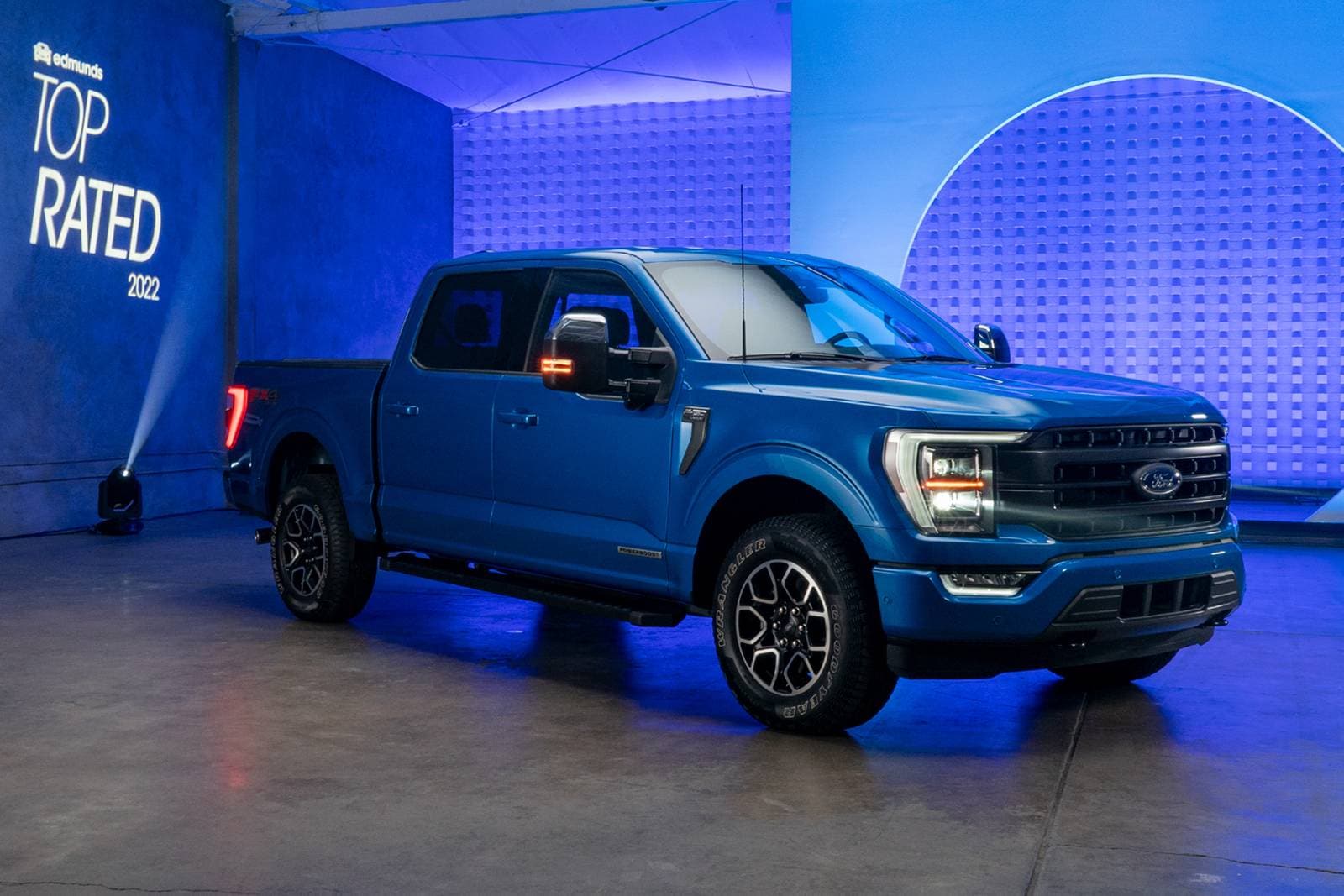
4. Ford F-150 XL Regular Cab Long Bed 4×2 With Work Package (Fourteenth Generation, 2021 to 2024)
Ford’s F-150 XL Regular Cab Long Bed with the available Work Package specification provides a commercial bed configuration that reflects decades of fleet feedback incorporated into a design whose specific features address the most consistent commercial operator complaints about half-ton pickup beds. Ford’s work truck heritage is visible in the specific details of the XL Work Package bed that separate it from lifestyle-oriented F-150 configurations whose bed features prioritize aesthetics over functional durability.
BoxLink cargo management system on Work Package F-150 XL trucks provides four moveable cleat anchors in the bed floor that accept a specific locking clip design, allowing operators to configure cargo securing arrangements appropriate for variable commercial loads without fixed anchor positions that are incompatible with certain cargo geometries. Flexible anchor positioning means that the bed’s tie-down system works for the operator’s actual cargo rather than requiring the operator to work around a fixed system designed for generic use.
Aluminum body panels on the fourteenth-generation F-150 bed are a consistent discussion point in commercial bed durability conversations, and the honest assessment is that aluminum handles commercial abuse differently from steel, rather than better or worse in every category. Aluminum does not rust, which addresses one of the most expensive long-term commercial bed repair issues directly and permanently.
Aluminum dents under point loading more readily than equivalent steel thicknesses, but can often be worked back to functional shape with appropriate tools. Ford’s aluminum alloy specification for the F-150 bed uses higher-strength aluminum grades than consumer-grade aluminum sheet, providing dent resistance that is adequate for the majority of commercial loading scenarios, even if it does not match heavy-gauge steel’s point impact resistance.
Ford’s spray-in bedliner option, available as a factory-installed feature on Work Package trucks, provides a thick, chemically resistant coating that protects the aluminum bed floor from the specific combination of abrasion, impact, and chemical exposure that commercial use generates.
Factory-applied spray-in liner adhesion is more consistent than aftermarket applications because it is applied to bare aluminum before any contamination from handling and use has occurred, producing a liner-to-floor bond that maintains its integrity across the thermal cycling and mechanical stress of extended commercial service.
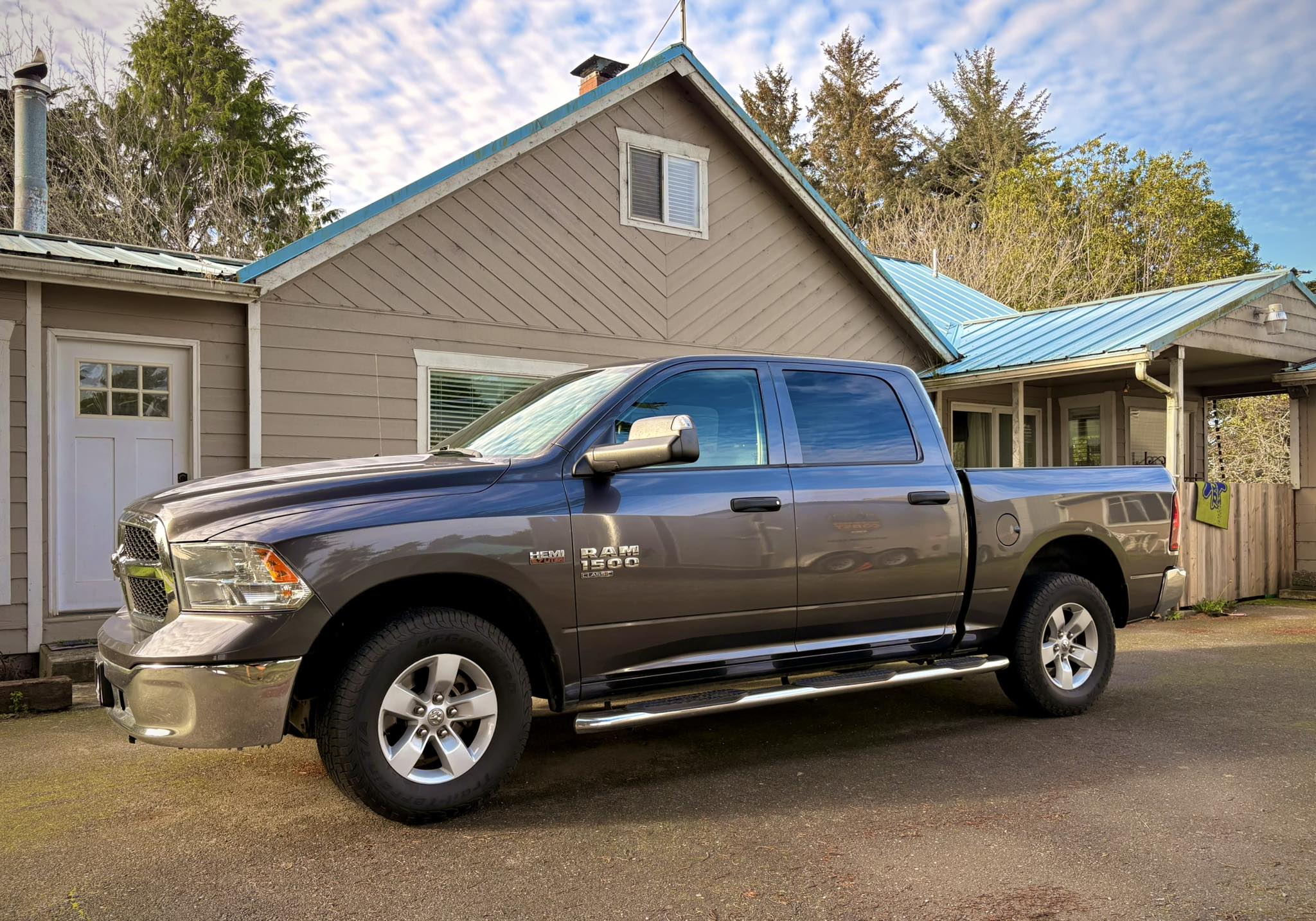
5. Ram 1500 Classic Tradesman Regular Cab Long Bed 4×2 (DS Generation, 2019 to 2023)
Ram’s DS-generation 1500 Classic Tradesman Regular Cab Long Bed represents a specific and deliberate decision by Stellantis to maintain a proven commercial work truck platform in production alongside the newer RB-generation Ram 1500, specifically because fleet operators and commercial buyers valued the Classic’s established reliability record and preferred its simpler, more field-serviceable construction over the newer platform’s more technology-intensive approach.
Commercial operators who have run these trucks for extended periods understand exactly why this platform continued appealing to work use buyers well into the 2020s. Steel bed construction on the DS-generation Classic Tradesman uses Ram’s established bed architecture with bolt-on inner bed panels that can be individually replaced if damage from commercial loading creates localized deformation that affects bed function.
Bolted inner panel construction means that a severely damaged section can be field-replaced using standard tools without requiring specialized equipment or body shop involvement, which reduces both the downtime and the repair cost of managing bed damage in a working truck context where out-of-service time has direct financial consequences.
The floor rib pattern on the DS Classic Tradesman long bed uses a specific cross-rib geometry that provides structural stiffness across the floor’s span while creating drainage channels between the ribs that direct standing water toward the tailgate end.
This drainage design reduces the sustained moisture contact that accelerates floor coating degradation and initiates the corrosion cycle that progressively compromises steel floors in commercial use environments where wet cargo, weather exposure, and chemical contamination are routine rather than exceptional conditions.
Ram’s DS-generation Tradesman stake pockets use increased material thickness at the pocket surrounds compared to earlier platform iterations, addressing a specific weak point that fleet operators had documented over years of hard use with stake bed extensions and contractor racks.
Reinforced stake pocket construction on this generation maintains the geometric integrity of these critical tie-down and accessory mounting points across the repeated installation and removal cycles that commercial operators perform daily, preserving the functional utility of the bed’s mounting provisions across the extended service period that commercial fleet investment requires.
Commercial fleet operators who transitioned from older DS-generation Classic Tradesman trucks to the same platform’s final production years specifically cited bed durability and field repairability as primary reasons for their continued loyalty to this configuration rather than transitioning to the new-generation alternatives, whose aluminum construction and integrated technology required different service approaches and different tool investments.
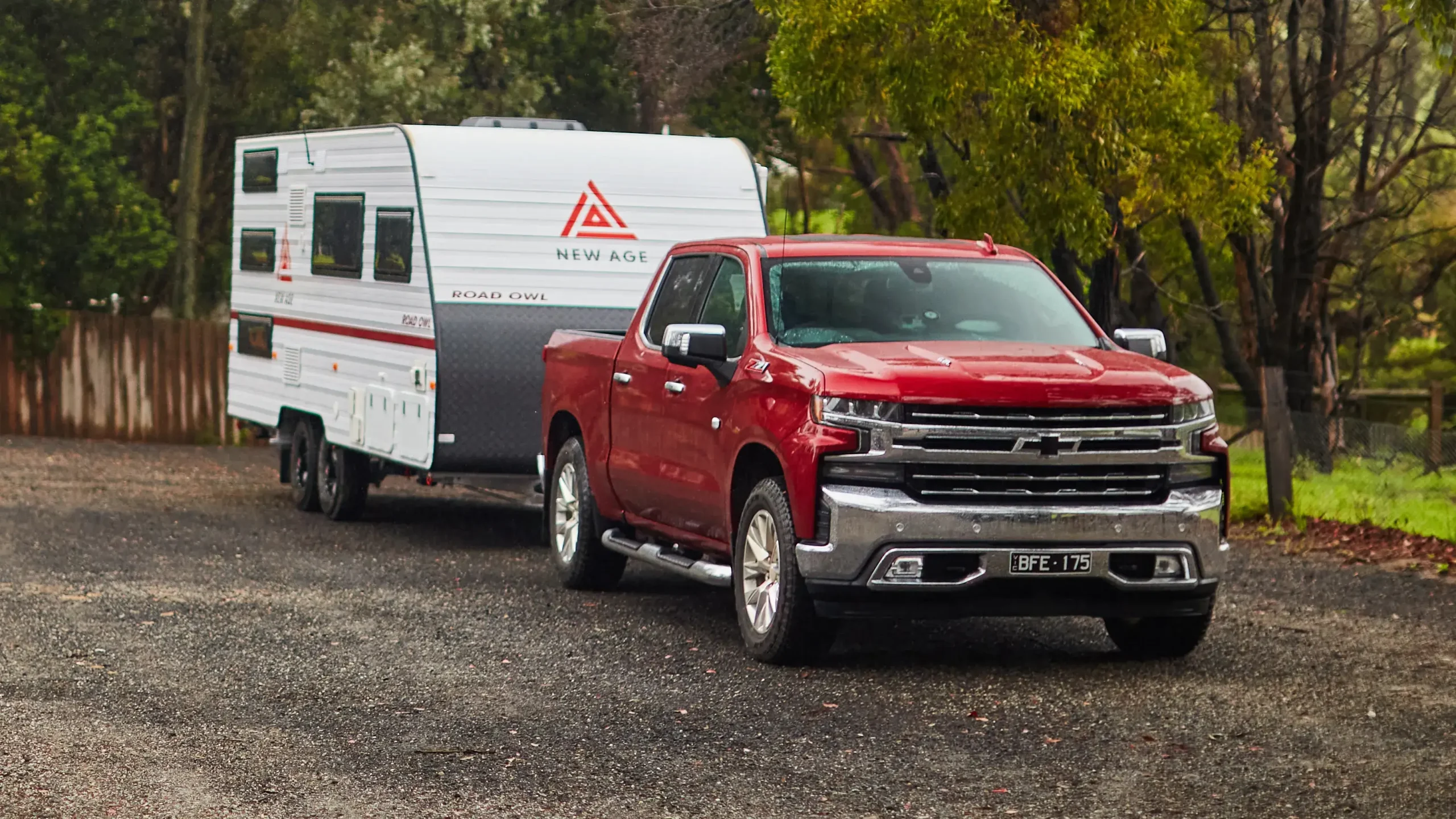
6. Chevrolet Silverado 2500HD Work Truck Regular Cab Long Bed 2WD (T1XX Generation, 2020 to 2024)
Chevrolet’s Silverado 2500HD Work Truck Regular Cab Long Bed 2WD positions the half-ton’s commercial cousin in a specific market niche where payload capacity above the half-ton’s rating is the primary driver of the purchase decision, rather than towing capacity or off-road capability.
Operators who regularly carry dense, heavy materials, concrete blocks, steel stock, equipment, and bagged products at weights that approach or exceed half-ton payload limits turn to the 2500HD Work Truck for its increased capacity ratings, and they depend on the bed to handle the structural stress that near-maximum payload loading generates cycle after cycle across years of commercial service.
Frame rail integration with the T1XX 2500HD bed structure provides load path continuity from the cargo through the bed floor and bed rails into the truck’s main frame structure rather than relying on mounting points that transfer load through smaller-section attachment hardware.
This structural integration distributes payload-induced stress across the full bed structure rather than concentrating it at specific attachment locations, maintaining bed geometry and structural integrity across loading events that would progressively deform a less thoroughly integrated bed structure.
Spray-resistant underbed coating on the 2500HD Work Truck bed underside protects the bed’s structural steel from the road spray, salt, and debris that commercial use constantly exposes the underside to. Protecting the bed’s external structural surfaces from this underside attack is as important as managing the top surface abuse from cargo loading, because underside corrosion that compromises structural steel integrity creates failure risks that are not visible from normal inspection angles until damage is already advanced.
Long bed configuration on the Work Truck provides 98.2 inches of usable load length that accommodates the 96-inch standard lumber lengths and 96-inch standard sheet material dimensions that construction trade operators regularly transport, allowing full-length material transport without overhang that creates safety and liability complications on public roads.
This dimensional alignment between standard commercial material sizes and the long bed’s usable length is a practical work tool specification that operators who deal with standard construction materials depend on daily. Heavy-duty tie-down hooks with higher rated capacity than half-ton equivalents provide secure cargo retention for the denser, heavier individual items that 2500HD users carry, preventing load moves that could both damage cargo and create safety hazards during transport.
Rated tie-down capacity appropriate for the truck’s payload class is a specific durability detail that distinguishes serious commercial truck specifications from trucks whose tie-down provisions are inadequate for the payloads the truck’s frame and suspension were designed to carry.
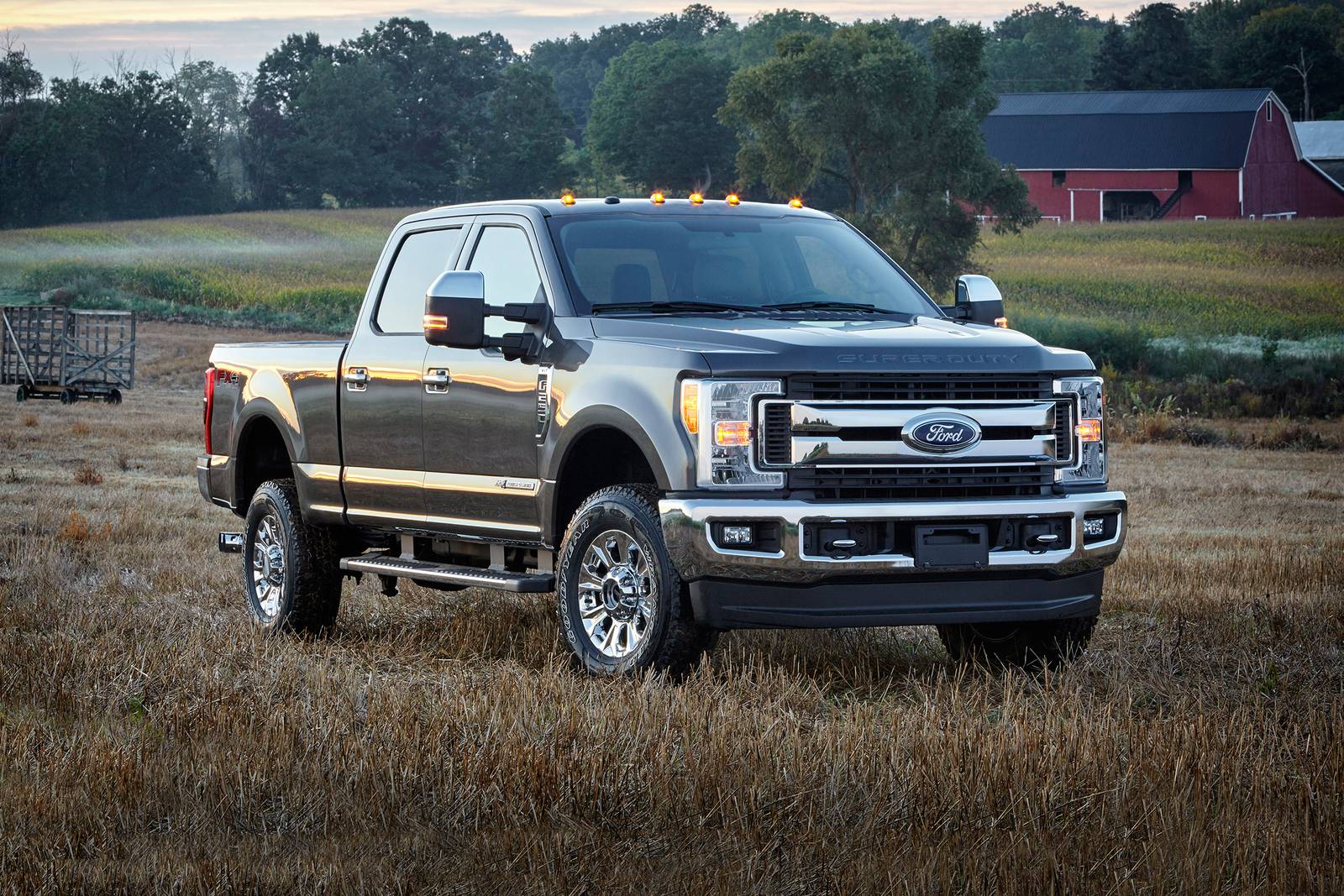
7. Ford F-250 Super Duty XL Regular Cab Long Bed 4×2 With Reese Hitch Package (Fourteenth Generation, 2020 to 2023)
Ford engineered the F-250 Super Duty XL Regular Cab Long Bed 4×2 as a serious commercial platform intended for operators whose work demands exceed the safe limits of lighter-duty trucks. This configuration focuses on payload discipline, towing stability, and bed durability rather than convenience features. For users moving up from half-ton trucks, the Super Duty bed immediately reflects a higher structural standard aligned with heavier daily workloads.
High-strength steel forms the foundation of the bed construction. Structural members use thicker gauge material and stronger alloys designed to tolerate concentrated loading from machinery, pallets, and construction materials. Forklift loading, equipment feet, and uneven cargo distribution place repeated stress on bed floors and sidewalls. The Super Duty bed resists permanent deformation under these conditions, preserving alignment and load stability across extended service periods.
Surface protection plays a critical role in professional use. Hardened skid zones are incorporated into high-wear areas of the bed floor where dragged cargo causes abrasion during unloading. These treated sections slow material erosion and reduce the rate at which bare metal becomes exposed. Operators benefit through longer intervals before protective coatings or liners require renewal, lowering operating costs across years of service.
Tailgate construction reflects the same commercial intent. Heavier-gauge steel and reinforced hinge assemblies allow the gate to support extended loads during material handling. Lumber, pipe, and sheet goods often rest on the lowered tailgate during loading. Reinforced hinges maintain alignment and prevent sag that would compromise latch engagement. This approach reduces downtime caused by tailgate failure during active work cycles.
Integration with the Reese Hitch Package further reinforces the truck’s work-focused role. Towing hardware connects to a frame engineered for sustained load transfer rather than intermittent recreational use. Bed and hitch systems function together to manage payload and trailer forces without inducing flex that could damage mounting points. This coordination improves stability when bed and hitch loads are combined during commercial operation.
Cleaning and inspection remain straightforward due to simple bed geometry. Smooth surfaces allow operators to remove debris, concrete residue, or chemical spills efficiently. Regular inspection helps identify wear before structural issues develop, supporting preventative maintenance practices common in professional fleets.
The F 250 Super Duty XL Regular Cab Long Bed stands as a practical solution for operators requiring dependable steel construction capable of enduring heavy daily use. Its bed design reflects a commitment to structural longevity, functional reliability, and predictable performance under demanding working conditions.
Also Read: 12 Used Cars That Cost More to Maintain Than a New Pickup Truck
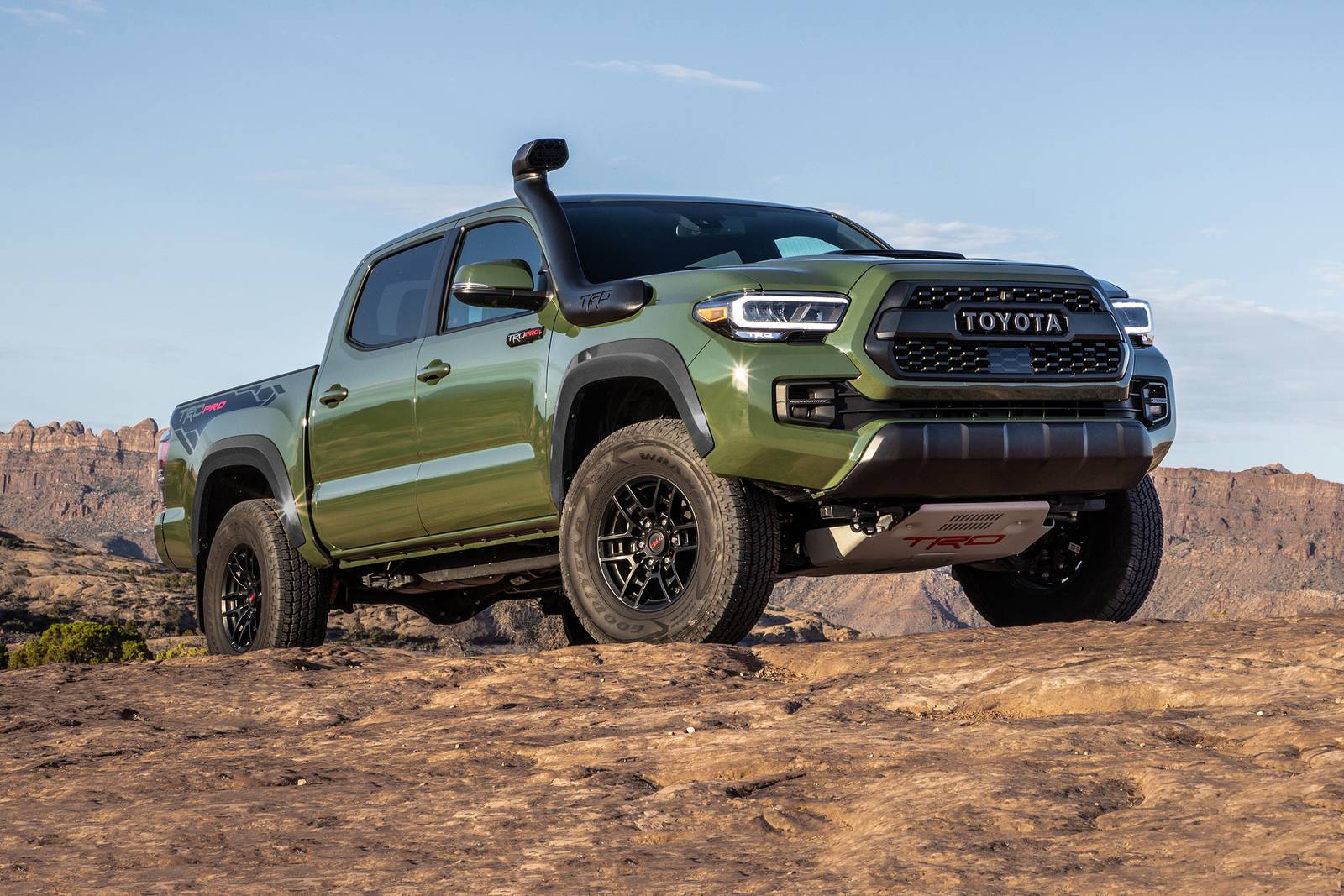
8. Toyota Tacoma TRD Pro Double Cab 5 Foot Bed 4×4 (Third Generation Facelift, 2022 to 2024)
Toyota positioned the Tacoma TRD Pro Double Cab as a compact truck with genuine working ability rather than a lifestyle accessory. Its five-foot bed serves operators who value maneuverability while still demanding durability during repeated loading cycles. Urban contractors, utility crews, and service technicians often face restricted access areas where full-size trucks create inefficiency. This configuration answers those constraints without sacrificing bed resilience.
Composite bed construction forms the foundation of the Tacoma’s durability strategy. Updated material composition and reinforced understructure address earlier concerns associated with thinner composite applications. Concentrated loads from equipment cases, generators, and tool storage units distribute stress across a strengthened substrate, preventing cracking or deformation. Users report consistent surface integrity even after years of commercial handling.
Cargo management receives support through an integrated deck rail system. T slot rails along the bed sides accept adjustable cleats and accessories that secure loads without drilling. Avoiding fastener penetration preserves material integrity and prevents moisture intrusion. Operators gain flexibility in load positioning while maintaining structural continuity across the bed surface.
Rear structure integration improves resistance to impact stress. Bed and bumper attachment points connect through a unified mounting strategy that distributes forces during loading incidents. Rearward impacts from equipment placement or trailer coupling transmit through reinforced sections rather than isolated panels. This design preserves tailgate alignment and latch precision throughout extended service use.
Tailgate operation remains smooth due to consistent structural support. Proper gap alignment ensures reliable sealing and secure closure even after repeated loading stress. Operators benefit from a predictable function without adjustments typically required when misalignment develops as time goes on.
Environmental resistance strengthens long-term usability. Composite material remains unaffected by moisture, fertilizers, or cleaning agents commonly encountered on job sites. Surface condition remains stable without reliance on protective coatings. This characteristic proves valuable for operators working across varied climates and exposure conditions.
Midsize proportions improve access to confined spaces while maintaining practical payload capacity. The TRD Pro bed accommodates daily tools and materials required for light commercial work. Maneuverability reduces time lost repositioning vehicles, improving operational efficiency.
Toyota’s Tacoma TRD Pro demonstrates that compact dimensions do not preclude serious bed durability. Through reinforced composite construction, integrated cargo management, and thoughtful structural design, the bed delivers reliability that supports demanding use within a smaller footprint.
