
The used car market often creates the illusion of value. A heavily depreciated luxury sedan or performance SUV can appear to be a bargain when compared to a brand-new pickup truck.
However, ownership cost is not defined by purchase price alone. Maintenance, repairs, parts availability, and engineering complexity play a far more decisive role over time. In many cases, a used premium vehicle can exceed the total running costs of a new pickup within just a few years.
Modern pickup trucks, particularly from mainstream manufacturers, benefit from relatively simple mechanical layouts, widespread parts availability, and warranty protection.
By contrast, aging luxury vehicles tend to introduce high repair frequency, expensive components, and labor-intensive servicing requirements. The following vehicles exemplify this problem, consistently ranking among the most expensive used cars to maintain.
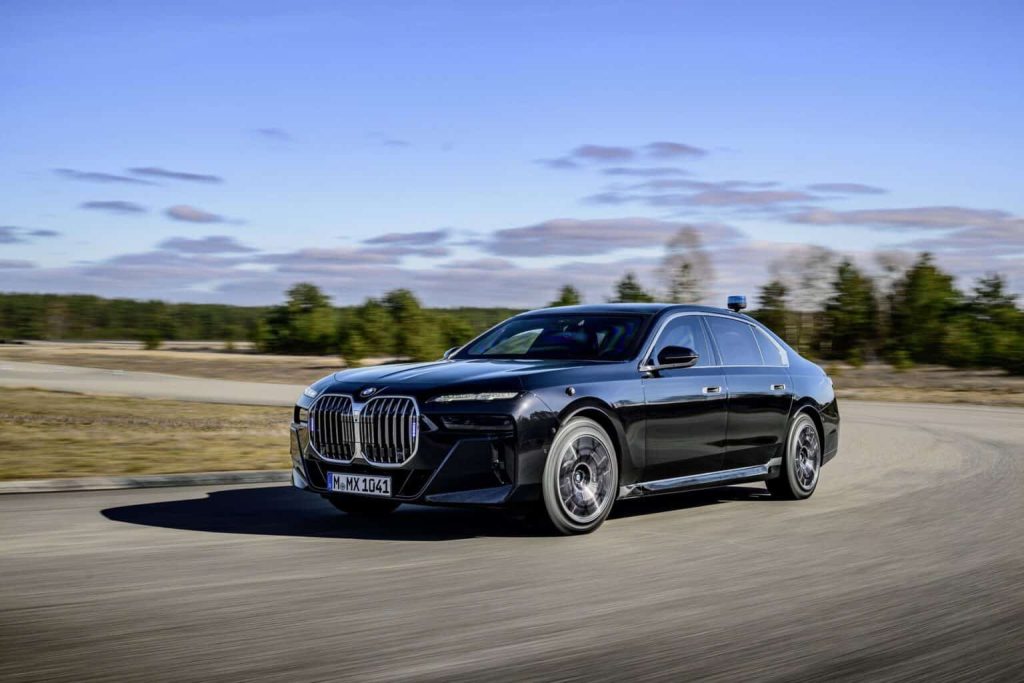
BMW 7 Series
The BMW 7 Series is the kind of car that feels like a major upgrade the moment you step inside. It is quiet, smooth, packed with tech, and built to make long drives effortless. When these cars hit the used market, the price drop can be surprisingly steep. What once cost as much as a house deposit suddenly looks affordable, and that is where many buyers get pulled in.
The reality, though, starts to show after the purchase. The 7 Series is loaded with advanced features that do not age as gracefully as simpler systems.
Things like air suspension, electronic driving aids, and high-end infotainment setups are great when new, but repairs become frequent and expensive over time. Even small faults can require specialized diagnostics, which usually means higher labor costs.
The engines are another factor. BMW is known for performance, and the 7 Series reflects that with powerful turbocharged engines. They deliver strong acceleration and a refined driving experience, but they also demand consistent maintenance.
Oil leaks, cooling system issues, and worn components are common as these cars age, especially if previous owners skipped proper servicing. Fixing those problems is rarely cheap.
Routine maintenance is not light either. This is not a car you maintain on a tight budget. Oil changes, brakes, and even basic parts all cost more because everything is built to a higher standard. On top of that, many repairs are more complicated simply due to how tightly everything is packaged under the hood.
When you compare it to a new pickup truck, the difference becomes obvious. Most trucks are built to handle tough conditions with simpler, more durable components. The 7 Series, on the other hand, is built for comfort and technology first, which makes it more delicate and expensive to keep running properly.
A used BMW 7 Series can feel like a luxury bargain at first glance, but it often turns into a long-term financial commitment. It is a great car to drive, but only if you are ready for the kind of maintenance costs that come with it.
Mercedes-Benz S-Class
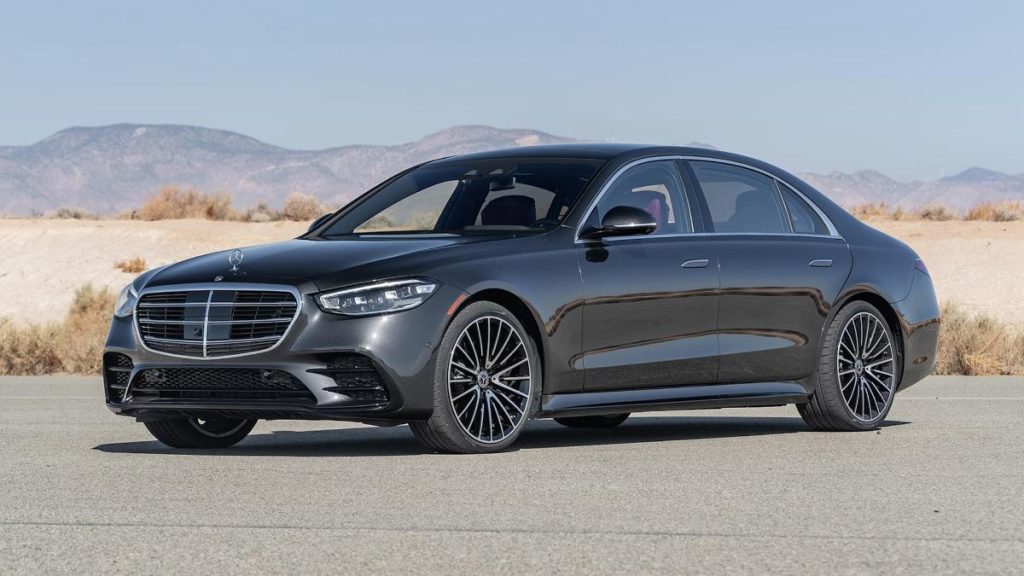
The Mercedes-Benz S-Class has long been the benchmark for luxury sedans. Built by Mercedes-Benz, it represents cutting-edge comfort, innovation, and prestige.
Even years after leaving the showroom, an S-Class still feels special. The materials are top-tier, the ride is incredibly smooth, and the technology, even in older models, often feels ahead of its time. That is exactly what makes it so appealing on the used market, where prices drop dramatically compared to the original cost.
However, much like its BMW rival, the S-Class hides its true cost behind that attractive resale value. These cars are packed with complex systems that do not age cheaply. The air suspension, for example, is one of the biggest pain points.
It delivers that signature “floating” ride, but when components wear out, repairs can quickly climb into four-figure territory. Electronic systems are another common source of frustration. From seat controls and ambient lighting to advanced driver assistance features, there are dozens of modules that can develop faults over time.
Engine reliability varies depending on the model and generation, but maintenance is consistently expensive across the board. Whether it is a turbocharged V6, V8, or even hybrid setup, these engines require careful upkeep.
Oil leaks, sensor failures, and cooling system issues are not unusual as mileage increases. Skipping maintenance only makes things worse, and catching up on neglected service can be costly.
Audi A8
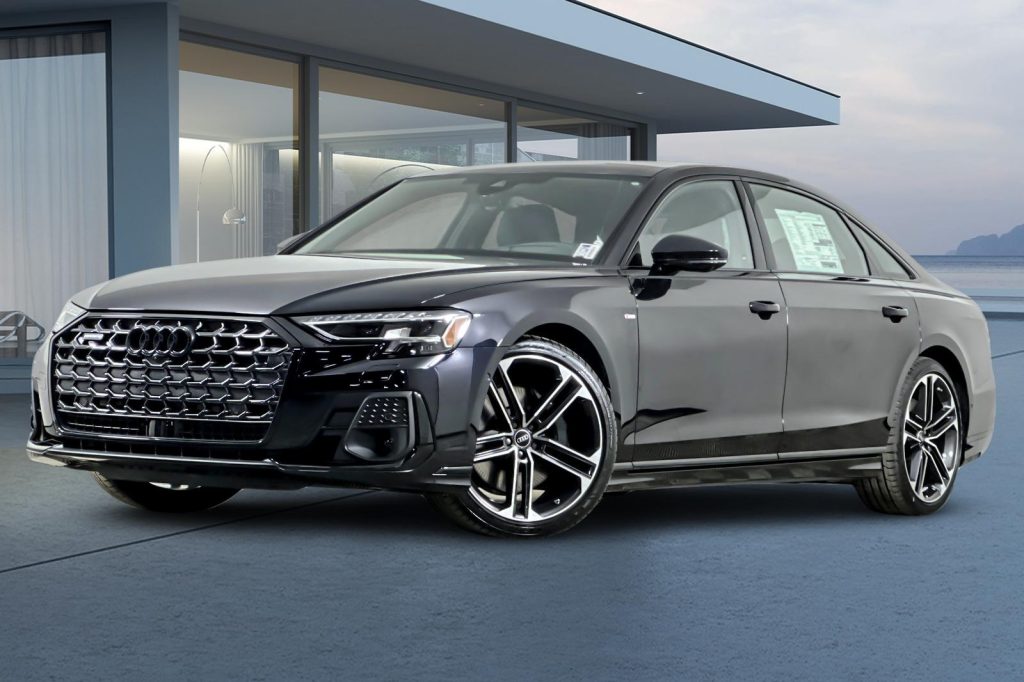
The Audi A8 sits at the top of Audi’s lineup, blending understated design with serious technology. It does not shout for attention like some rivals, but once you are inside, it is clear this is a high-end machine.
The cabin is quiet, beautifully finished, and packed with features, while the standard Quattro all-wheel drive system gives it a confident, planted feel on the road. On the used market, the A8 can look like a smart luxury buy because depreciation hits it hard.
That lower price, however, can be misleading. The A8 is just as complex as its competitors, and in some cases even more dependent on electronics.
The dual-screen infotainment system, digital instrument cluster, driver assistance tech, and countless sensors all work seamlessly when new, but they can become expensive headaches as the car ages. Fixing glitches or replacing modules is rarely simple or cheap.
The suspension system is another area where costs creep in. Many A8 models come equipped with adaptive air suspension that delivers a smooth, controlled ride. Over time, components like air struts and compressors wear out, and repairs can quickly run into significant money. Ignoring early warning signs usually leads to bigger bills later.
Under the hood, the A8 offers turbocharged V6 and V8 engines that provide strong performance without sacrificing refinement. Still, these engines demand consistent care. Oil leaks, cooling system issues, and carbon buildup are common concerns in higher-mileage examples. Like most German luxury cars, the A8 is not forgiving if maintenance is skipped or delayed.
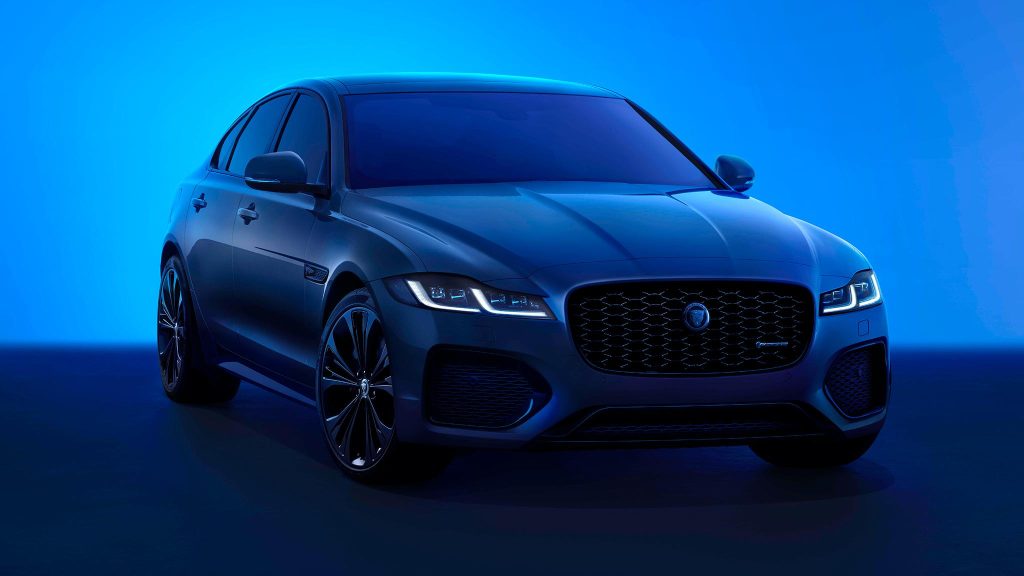
Jaguar XF
The Jaguar XF stands out in the luxury segment for its design and driving feel. Built by Jaguar, the XF leans more toward sportiness than some of its German rivals, offering sharp handling, sleek styling, and a cabin that feels distinctly upscale.
On the used market, it can look like a compelling deal, often priced lower than comparable models from BMW or Mercedes. That initial value, however, does not always translate into affordable ownership.
One of the main concerns with the XF is long-term reliability. While newer models have improved, older versions developed a reputation for electrical issues.
Infotainment glitches, sensor failures, and random warning lights are not uncommon, and diagnosing these problems can be time-consuming and expensive. The car’s electronics are deeply integrated, which means even minor faults can require professional attention.
The XF’s engines add another layer to the cost equation. Options have included turbocharged four-cylinders, V6 engines, and even supercharged variants.
They deliver strong performance, but they are not particularly forgiving if maintenance is inconsistent. Cooling system problems, oil leaks, and timing-related issues can appear as the car ages. Repairs for these components are rarely cheap, especially when labor is factored in.
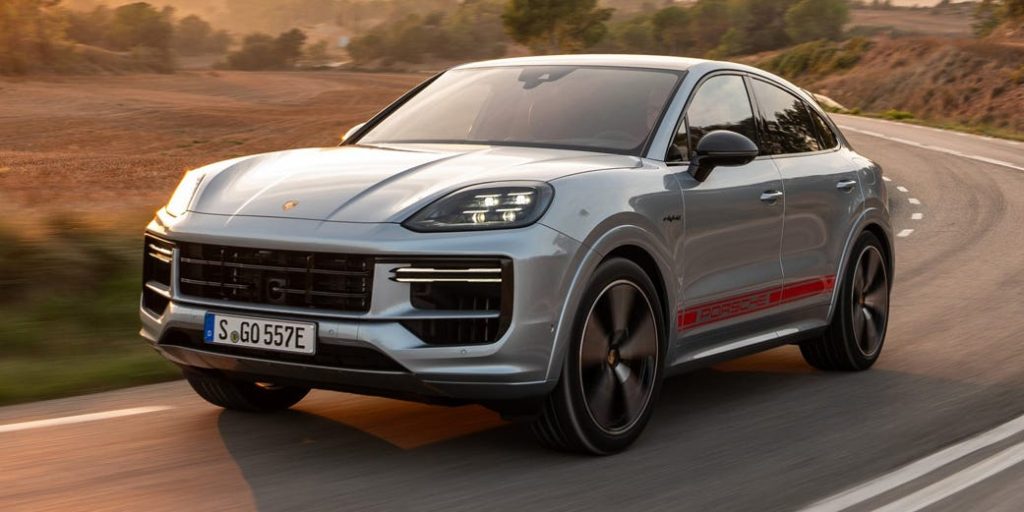
Porsche Cayenne
The Porsche Cayenne blends sports car DNA with SUV practicality, which is exactly why it attracts so many buyers on the used market.
Built by Porsche, the Cayenne delivers sharp handling, strong acceleration, and a premium interior that still feels modern even after several years. Early depreciation can make it seem like a smart way to get into a high-performance luxury SUV for a relatively reasonable price.
That perception tends to shift once ownership begins. The Cayenne is engineered to perform at a high level, and that performance comes with complexity. Many models feature adaptive air suspension, active handling systems, and advanced all-wheel drive components.
These systems work seamlessly when new, but as the vehicle ages, repairs can become frequent and expensive. Air suspension components in particular are known to wear out over time, and replacement costs are significant.
Engine options are another major factor in long-term expenses. From turbocharged V6 engines to powerful V8s, the Cayenne lineup offers serious performance, but these engines require consistent and careful maintenance.
Oil leaks, cooling system failures, and carbon buildup are common issues as mileage increases. Turbocharged variants can add another layer of cost if components begin to fail.
Routine maintenance is also priced at a premium. Brake jobs are especially expensive due to the Cayenne’s size and performance capabilities, and even standard servicing requires high-quality fluids and specialized parts. Labor costs tend to be higher as well, since working on a Porsche often requires experienced technicians familiar with the brand’s engineering.
Compared to a new pickup truck, which is generally built with durability and lower running costs in mind, the Cayenne operates in a different category.
Trucks are designed to handle heavy use with simpler, more robust systems, while the Cayenne focuses on delivering a refined and sporty driving experience. That difference shows up clearly in maintenance and repair bills.
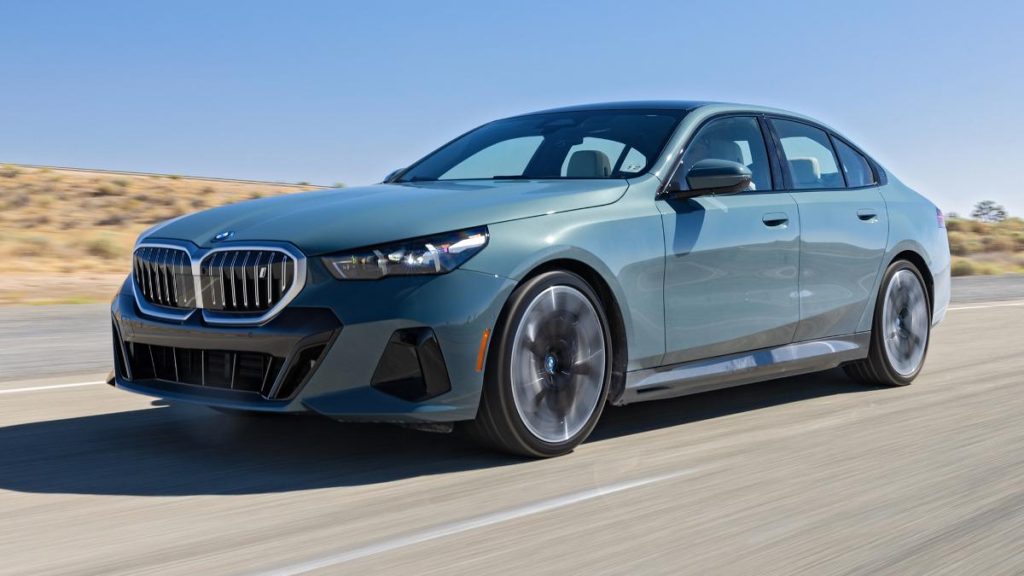
BMW 5 Series
The BMW 5 Series sits in the middle of BMW’s lineup, which makes it one of the most popular entry points into German luxury. It strikes a balance between comfort and performance, offering a refined ride, strong engine options, and a cabin filled with premium materials and modern tech.
On the used market, the 5 Series often looks like a smart buy, with prices that feel far more reasonable than when the car was new.
That initial value can be misleading. The 5 Series carries much of the same engineering complexity found in larger luxury models, and that becomes more apparent as the car ages.
Advanced electronics, digital displays, and driver assistance systems are all great to have, but they are also common sources of problems over time. Fixing these issues typically requires specialized diagnostics, which adds to the cost.
Under the hood, the 5 Series offers a range of turbocharged engines, from efficient four-cylinders to powerful inline-six and V8 options. These engines deliver excellent performance, but they are not low-maintenance.
Oil leaks, cooling system failures, and worn components are common concerns as mileage climbs. Turbocharged setups, in particular, can become expensive if parts need replacement.
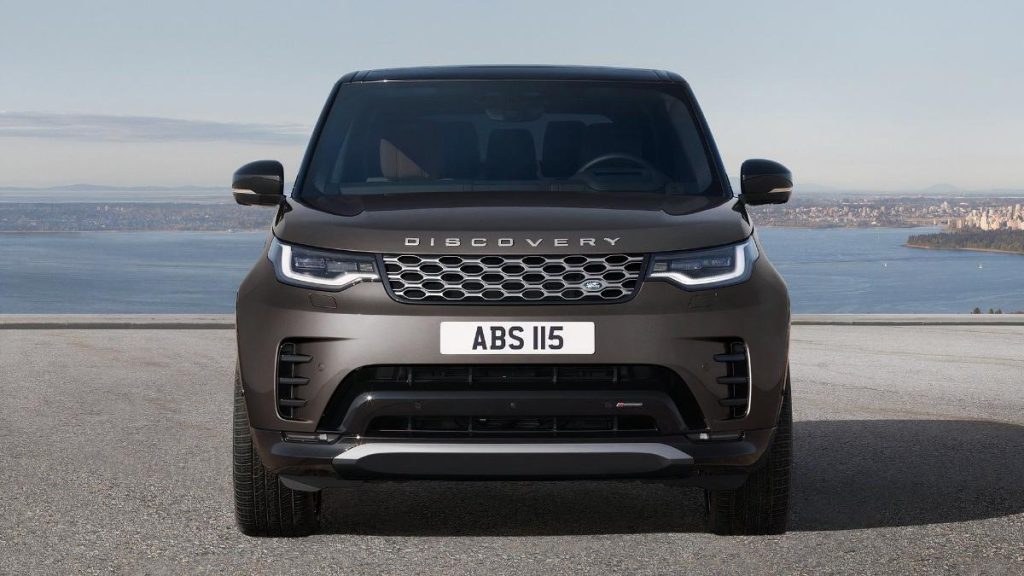
Land Rover Discovery
The Land Rover Discovery is built for versatility, combining off-road capability with a premium interior and family-friendly practicality.
Produced by Land Rover, the Discovery stands out for its ability to handle rough terrain while still offering a comfortable, high-end driving experience on paved roads. On the used market, it can look like a strong value, especially given its original price and feature set.
That value tends to be short-lived once ownership begins. The Discovery has a long-standing reputation for reliability concerns, particularly as it ages.
Electrical issues are one of the most common complaints. Features like infotainment systems, sensors, and driver assistance tech can develop faults that are both frustrating and expensive to diagnose. Because so many systems are interconnected, even a small issue can take time and money to resolve.
The suspension system is another major factor. Many Discovery models are equipped with air suspension, which plays a big role in both ride comfort and off-road performance.
Over time, components such as air struts and compressors wear out, and replacement costs can be significant. Ignoring early warning signs often leads to more extensive repairs.
Land Rover Range Rover
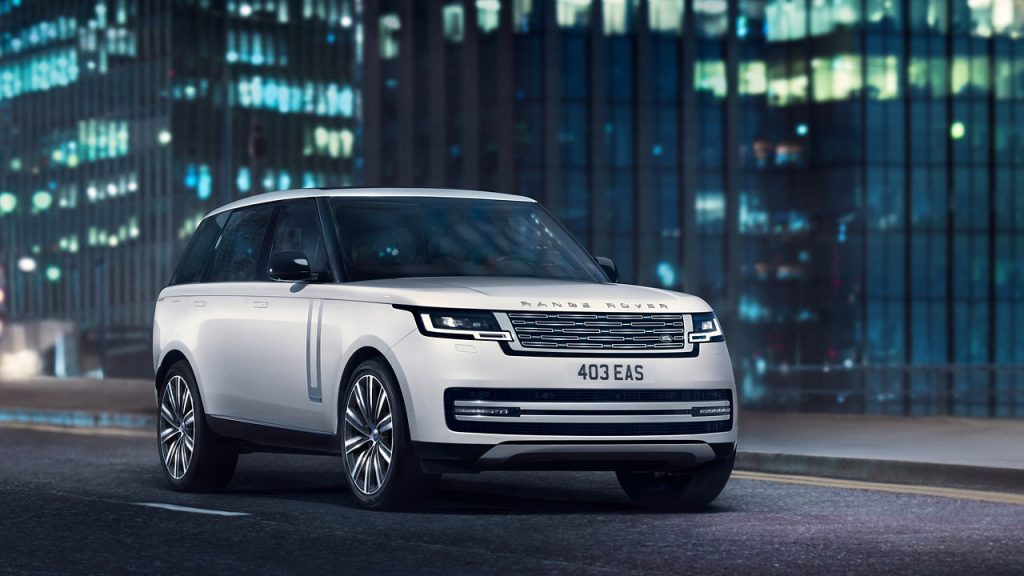
The Land Rover Range Rover sits at the top of Land Rover’s lineup, combining high-end luxury with serious off-road capability. It is one of those vehicles that makes a strong impression immediately.
The cabin is plush, the ride is exceptionally smooth, and the technology and materials feel properly premium even in older models. On the used market, steep depreciation makes the Range Rover look far more attainable than its original price would suggest.
That initial appeal often fades once ownership begins. The Range Rover is known for having complex systems that can become expensive to maintain over time.
Air suspension is one of the most common trouble areas. It delivers the signature smooth ride, but components such as air springs and compressors tend to wear out as mileage increases, and repairs are costly. Electrical issues are also frequently reported, ranging from infotainment glitches to faults in advanced driver assistance features.
Engine options, including supercharged V6 and V8 units, offer strong performance but require careful upkeep. Oil leaks, cooling system problems, and component wear are common in higher-mileage vehicles.
If previous maintenance has been inconsistent, repair costs can escalate quickly. These engines are not designed for neglect, and catching up on overdue service can be expensive.
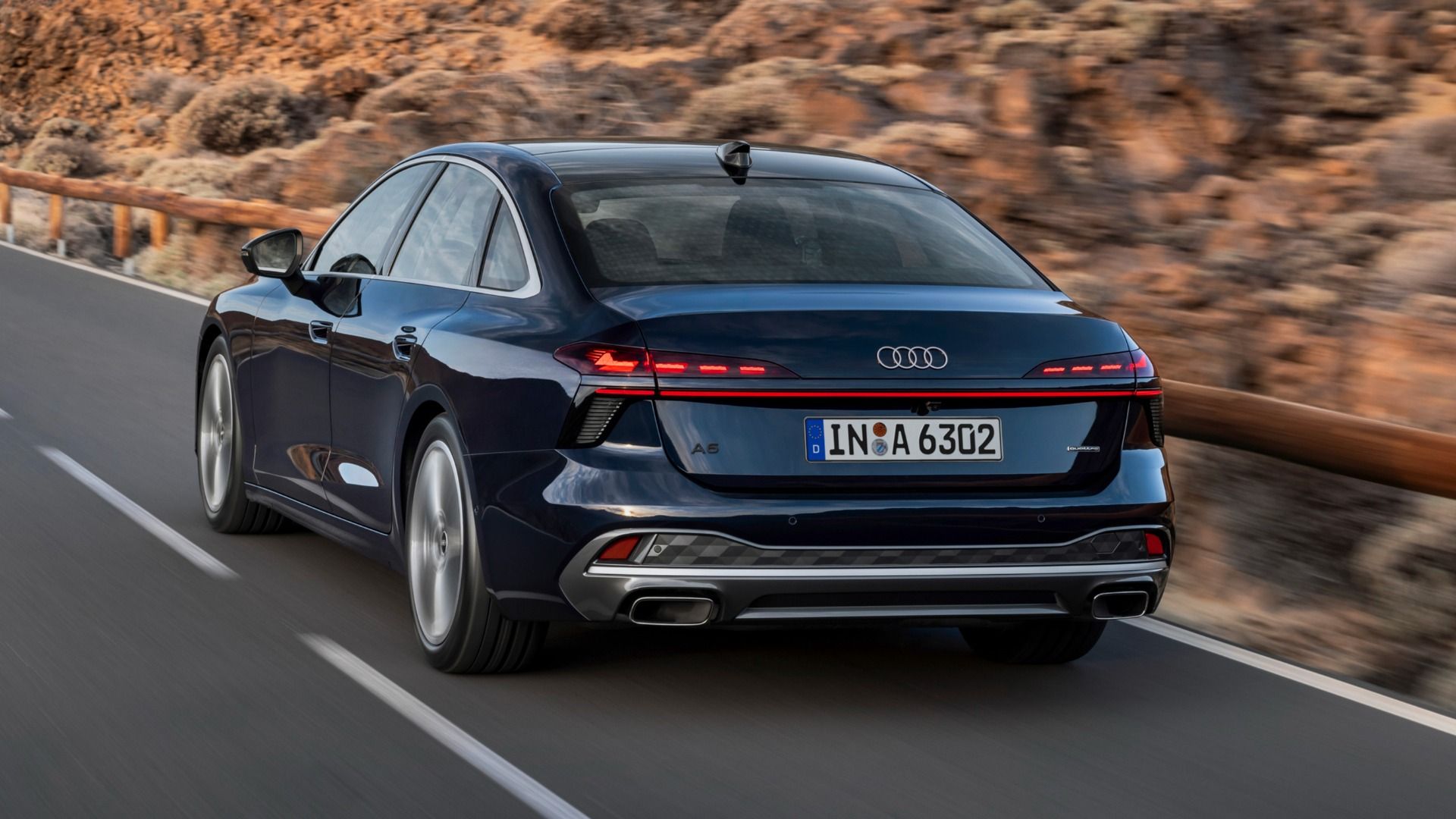
Audi A6
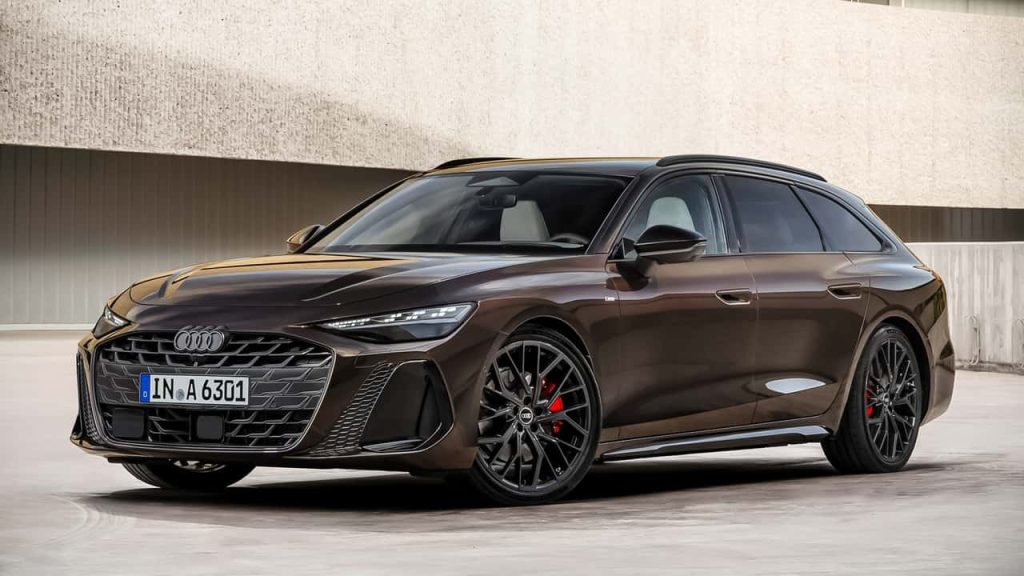
The Audi A6 is often seen as the more understated alternative in the German luxury segment. Built by Audi, it offers a clean design, a refined interior, and a smooth driving experience that prioritizes comfort over flashiness.
On the used market, the A6 can look like a strong value, especially when compared to its original price. It delivers a lot of technology and premium feel for what seems like a reasonable upfront cost.
That perception changes once ownership begins. The A6 shares much of its engineering with more expensive models, and that complexity becomes more noticeable as the car ages.
The infotainment system, digital displays, and various driver assistance features can develop faults over time. Diagnosing and fixing these issues is rarely simple, often requiring specialized tools and expertise, which increases repair costs.
Engine options typically include turbocharged four-cylinder and V6 units that balance performance and efficiency well. However, these engines are not low-maintenance.
Common issues include oil leaks, cooling system problems, and carbon buildup, particularly in higher-mileage vehicles. Turbocharged components can also add to long-term costs if they begin to fail.
Volvo XC90
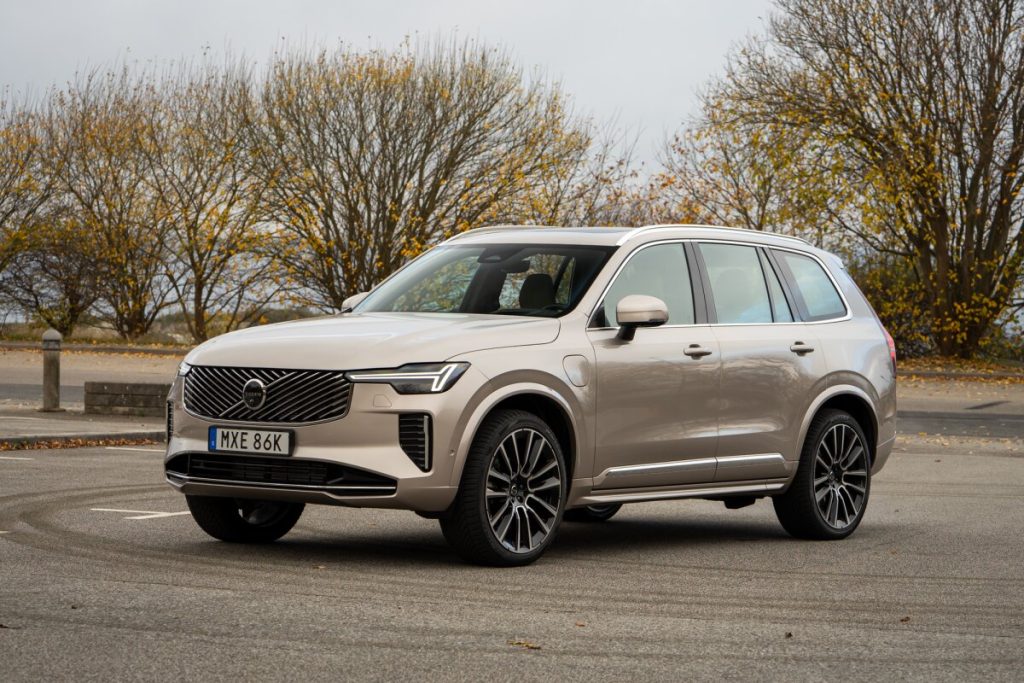
The Volvo XC90 is often praised for its clean Scandinavian design, strong safety reputation, and family-friendly practicality. Built by Volvo, the XC90 feels modern and thoughtfully designed, even in slightly older models.
On the used market, it can look like a sensible luxury SUV choice, especially for buyers who want comfort and advanced safety features without the aggressive image of some rivals.
The issue is that the XC90’s sophistication brings higher long-term costs than many expect. Modern versions rely heavily on complex electronics and integrated systems.
The large touchscreen interface controls most functions, and while it looks sleek, it can develop glitches or slowdowns over time. Electrical faults, sensor issues, and software-related problems are not uncommon, and fixing them often requires dealership-level diagnostics.
Cadillac Escalade
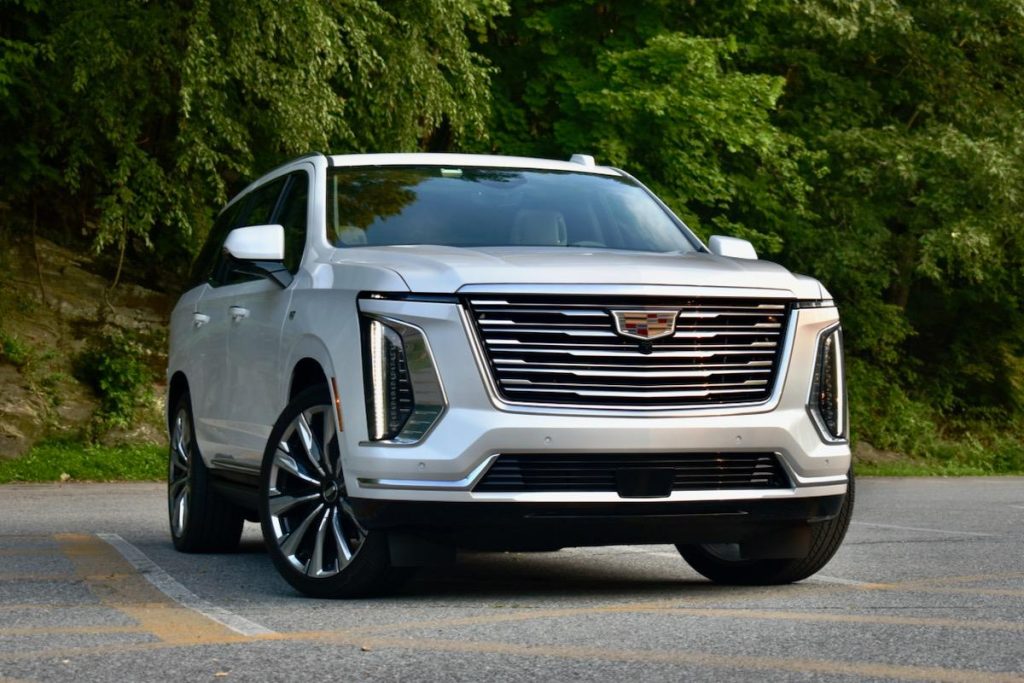
The Cadillac Escalade is one of the most recognizable luxury SUVs on the road, combining bold styling with a spacious interior and strong performance.
Built by Cadillac, the Escalade is designed to deliver comfort and presence in equal measure. Even older models feel upscale, with large cabins, premium materials, and plenty of features. On the used market, depreciation makes it look like a solid deal for buyers wanting a full-size luxury SUV without paying new-car prices.
The reality is that the Escalade’s size and complexity come with ongoing costs that can add up quickly. Unlike smaller luxury vehicles, everything here is bigger and more expensive. Large engines, heavy components, and a complex suspension system all contribute to higher maintenance bills. Fuel consumption alone is significantly higher than average, which becomes a noticeable expense over time.
Under the hood, the Escalade typically uses a large V8 engine that delivers strong performance and towing capability. While these engines are generally durable, they are not cheap to maintain.
Oil consumption, transmission wear, and cooling system issues can develop as mileage increases. Repairs are often more expensive simply because of the size and complexity of the components involved.
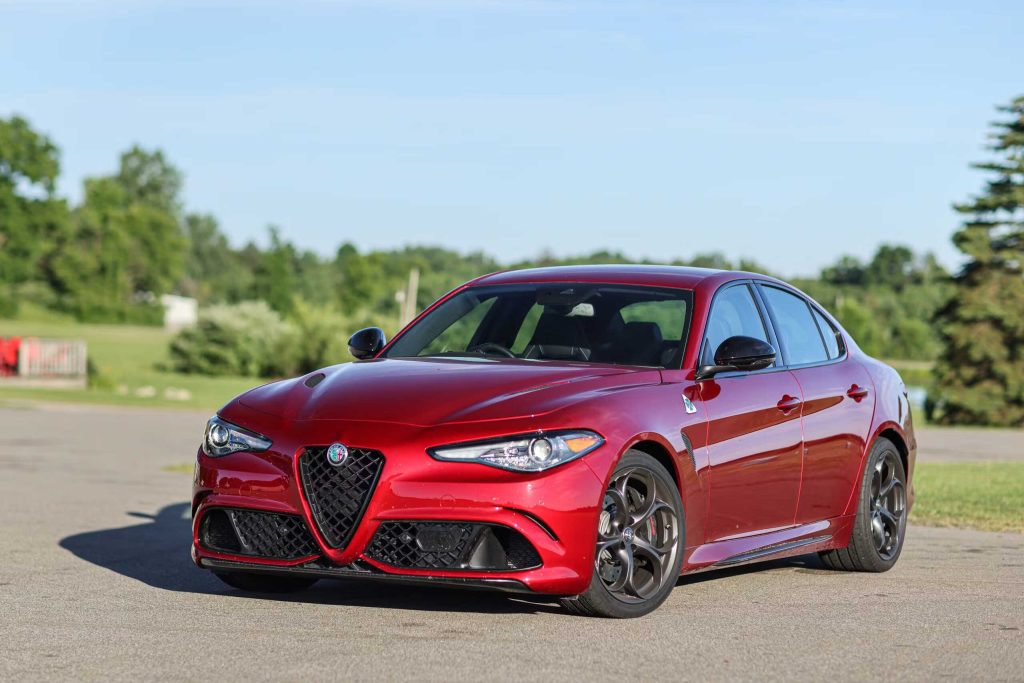
Alfa Romeo Giulia
The Alfa Romeo Giulia is one of the more distinctive options in the luxury sedan segment, offering a strong focus on driving dynamics and design.
Built by Alfa Romeo, it prioritizes sharp handling, responsive steering, and a lightweight feel that sets it apart from more comfort-oriented rivals. On the used market, the Giulia often appears as an attractive alternative to German competitors, typically available at a lower price while still delivering solid performance and styling.
That lower entry price can be misleading over time. The Giulia has a reputation for inconsistent reliability, particularly in earlier model years.
Electrical issues are among the most commonly reported problems, including faults with the infotainment system, warning sensors, and onboard electronics. While not always critical, these issues can be frustrating and expensive to diagnose due to the vehicle’s integrated systems.
Most Giulia models are equipped with a turbocharged four-cylinder engine that delivers strong performance for its class. However, like many modern turbocharged engines, it requires regular and careful maintenance.
As mileage increases, problems such as carbon buildup, cooling system wear, and minor oil leaks may develop. Higher-performance variants, such as the Quadrifoglio, introduce significantly higher maintenance demands due to their more complex and powerful engines.
The underlying reason these vehicles often cost more to maintain than a new pickup truck lies in their design philosophy. Luxury and performance vehicles prioritize innovation, comfort, and driving experience.
This results in complex systems that are more prone to failure over time. In contrast, pickup trucks are engineered for durability and ease of maintenance. Their components are typically simpler, more robust, and less expensive to replace.
The appeal of a low purchase price should be carefully weighed against long-term expenses. Vehicles such as the Range Rover, S-Class, and Cayenne may deliver exceptional performance and comfort, but they do so at a cost that extends far beyond the initial transaction.
For buyers seeking financial efficiency, these used cars represent a significant risk. A new pickup truck, despite its higher upfront cost, often proves to be the more economical choice when maintenance and reliability are taken into account.
