
Owning an exotic car is often seen as the ultimate automotive achievement, a symbol of success, passion, and engineering appreciation. These machines are designed to deliver breathtaking performance, cutting-edge technology, and a driving experience that few vehicles can match.
However, beneath the glossy paint, sculpted bodywork, and roaring engines lies a reality that many buyers underestimate. The cost of maintaining these vehicles can quietly grow into a financial burden that surpasses what was originally paid for the car itself.
Unlike regular vehicles, exotic cars are built with precision components, rare materials, and highly specialized engineering. This means even routine maintenance requires skilled technicians, specialized tools, and often factory-specific parts that are neither cheap nor easy to source.
What might be a simple service in a regular car becomes a complex and expensive procedure in an exotic one. Over time, these costs accumulate, sometimes reaching staggering levels that shock even seasoned enthusiasts.
Another factor that drives up maintenance costs is depreciation combined with aging technology. Many exotic cars lose a significant portion of their value within the first few years, making them appear like great deals in the used market.
Buyers are often tempted by the relatively low purchase price, only to realize later that maintenance costs remain tied to the car’s original luxury status, not its current market value. This mismatch creates a scenario where ownership becomes financially demanding.
Additionally, exotic cars are rarely designed with long-term durability as the primary goal. Performance and innovation take priority, often at the expense of reliability and ease of servicing.
Components wear faster, systems are more complex, and unexpected failures can be both frequent and expensive. Even storing and insuring such vehicles adds to the overall cost of ownership.
This article highlights nine exotic cars where maintenance expenses can exceed their original purchase price over time. Each car tells a different story, shaped by its engineering, brand philosophy, and real-world ownership experience.
By understanding these examples, potential buyers can make more informed decisions and avoid costly surprises that come with owning a dream machine.
Also Read: 9 Engines That Made Entire Brand Reputations Collapse
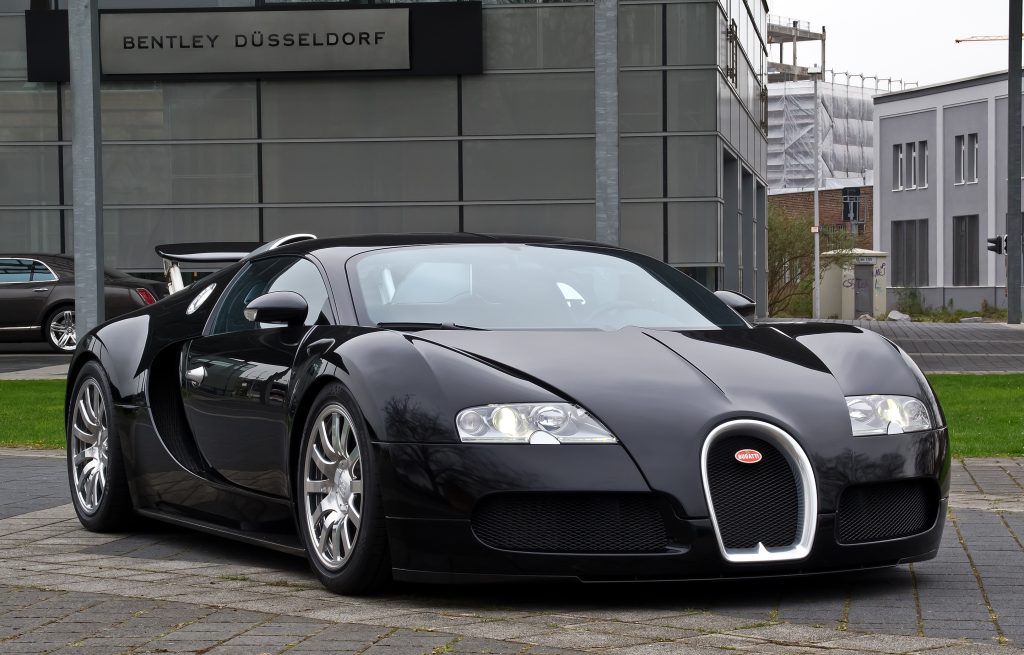
1. Bugatti Veyron
The Bugatti Veyron stands as one of the most iconic hypercars ever built, a machine that redefined performance benchmarks and engineering limits. While its purchase price was already astronomical, the real financial shock began after ownership started.
Maintaining a Veyron is not just expensive; it is an entirely different league of automotive expense that few are prepared for.
One of the most talked about aspects of Veyron ownership is its tire cost. The car uses specially developed tires that are engineered to handle extreme speeds. These tires wear out quickly, and replacing them can cost as much as a small family car.
Even more surprisingly, the wheels themselves need periodic replacement due to stress from high-speed driving. This alone can add up to a significant portion of the car’s original price over time.
Servicing the Veyron is equally demanding. Routine maintenance is not something any regular mechanic can handle. The car often requires factory-trained specialists and sometimes even transportation back to authorized service centers.
A basic service can run into tens of thousands, and major servicing intervals can easily cross six figures. This is not due to luxury branding alone but because of the complexity of the car’s quad turbocharged engine and advanced systems.
Ownership also involves hidden costs that accumulate silently. Fluids used in the Veyron are highly specialized, and even something as simple as an oil change is a costly affair.
The labor involved is extensive, and the parts are not mass produced, making them extremely expensive. Over several years, these recurring expenses can surpass the original purchase cost, especially for owners who drive the car regularly.
Insurance, storage, and transportation further add to the financial burden. Many owners choose climate-controlled storage facilities to preserve the car, and moving it safely often requires enclosed transport.
When all these elements are combined, the Bugatti Veyron becomes a clear example of a car where maintenance costs are not just high but can exceed the initial investment by a wide margin.
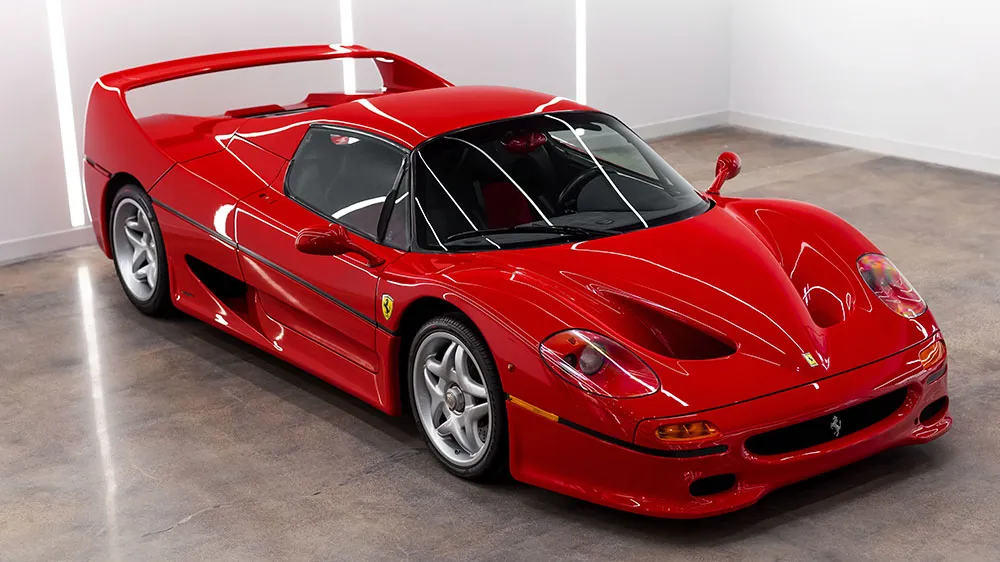
2. Ferrari F50
The Ferrari F50 is often regarded as one of the purest driving machines ever created, bridging the gap between Formula 1 technology and road cars. Its naturally aspirated V12 engine and minimalistic design philosophy make it a collector’s dream. However, owning an F50 comes with a financial commitment that extends far beyond its purchase price.
Unlike modern Ferraris, the F50 lacks many of the conveniences and reliability improvements seen in newer models. This means owners must deal with frequent maintenance requirements to keep the car in optimal condition.
The engine itself is a masterpiece, but it demands regular attention. Valve adjustments, timing components, and other critical parts require periodic servicing that is both time-consuming and expensive.
A unique challenge with the F50 lies in its limited production and aging components. Spare parts are not readily available, and sourcing them can involve long wait times and high costs. In some cases, parts must be specially manufactured or restored, which further increases expenses. This scarcity turns even minor repairs into significant financial events.
The car’s construction also contributes to its maintenance burden. Built with lightweight materials and race-inspired engineering, the F50 prioritizes performance over durability. Components wear faster, and the suspension system requires careful monitoring.
Owners often find themselves investing heavily just to maintain the car’s drivability, even if it is not used frequently.
Another factor that adds to the cost is the need for specialized expertise. Not every Ferrari technician is equipped to handle an F50.
Owners often rely on a small network of experts who understand the car’s intricacies. This exclusivity drives up labor costs and limits service options, making maintenance both expensive and logistically challenging.
Over time, these combined factors create a situation where the total cost of maintaining a Ferrari F50 can exceed what was originally paid for the car. While its value as a collectible may rise, the ongoing expenses ensure that ownership remains a serious financial commitment rather than just a passion purchase.
3. Lamborghini Murciélago
The Lamborghini Murciélago delivers drama in every sense, from its aggressive styling to the thunderous V12 sitting behind the driver.
While it offers a raw and emotional driving experience, ownership introduces a series of costs that steadily build into a financial challenge many underestimate. What appears to be a relatively attainable exotic in the used market quickly proves otherwise once maintenance begins.
Clutch wear is one of the most notorious issues with the Murciélago, especially in models equipped with the automated manual transmission. Driving style plays a major role, and aggressive use can wear out the clutch far quicker than expected.
Replacing it is not a simple job. The engine often needs to be removed, turning what might seem like a routine replacement into a labor-intensive and expensive process that can cost a substantial amount each time.
The V12 engine itself is robust but far from cheap to maintain. Regular servicing involves high-quality fluids, complex procedures, and precise adjustments. Cooling systems, fuel components, and electrical systems all require careful monitoring.
As the car ages, these systems become more prone to failure, leading to unexpected repairs that add up quickly over time.
Ownership also includes dealing with Lamborghini-specific quirks. Interior components can degrade, electronics may behave unpredictably, and replacement parts are rarely affordable.
Even something as simple as a sensor failure can lead to expensive diagnostics and repairs. Since the car is no longer in production, sourcing parts becomes more difficult, often increasing both cost and downtime.
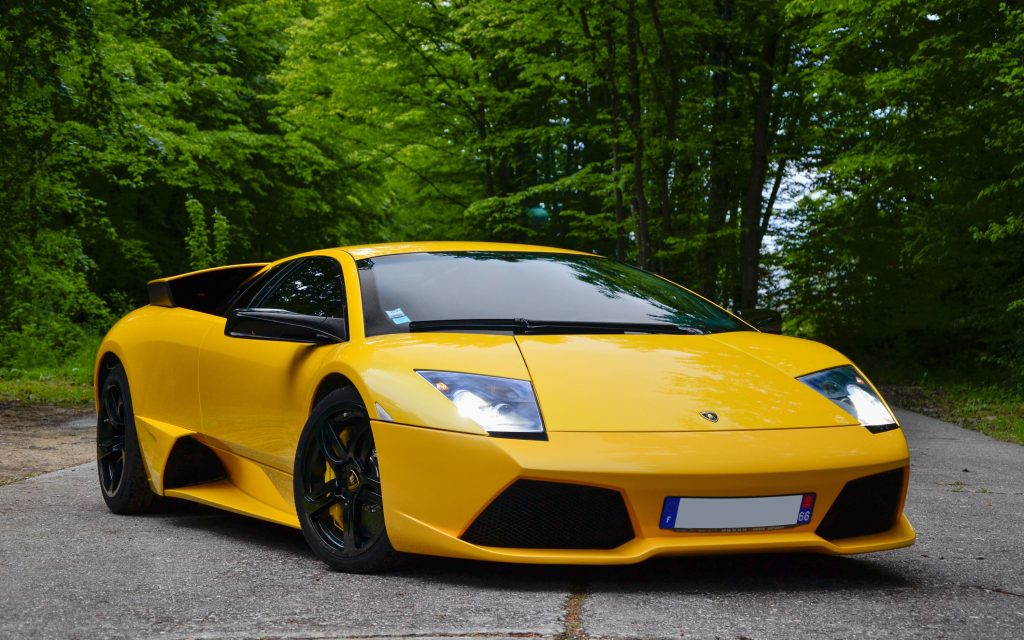
When combined, these factors make the Murciélago a car where the total maintenance cost can quietly exceed its purchase price. It remains a thrilling machine to own, but it demands a level of financial readiness that goes far beyond the initial excitement of buying one.
4. Aston Martin V12 Vanquish
The Aston Martin V12 Vanquish is a car that blends elegance with performance, offering a refined take on the exotic car experience. Its design is timeless, and its presence on the road is undeniable. However, behind that sophistication lies a maintenance profile that can become overwhelming for owners who are not fully prepared.
One of the key challenges with the Vanquish is its early automated manual transmission system. While innovative at the time, it has proven to be less reliable than traditional setups.
Repairs and recalibrations are common, and in some cases, owners opt for expensive conversions to more reliable systems. These decisions often come with significant costs that can rival a large portion of the car’s purchase price.
The V12 engine, while smooth and powerful, is not immune to expensive upkeep. Regular servicing requires attention to detail, and parts are priced at a premium. Ignition components, fuel systems, and cooling elements all contribute to ongoing expenses. As the car ages, these maintenance requirements become more frequent, increasing the financial burden.
Another aspect that adds complexity is the car’s construction. The Vanquish uses a mix of aluminum and composite materials, which can make repairs more difficult and costly. Bodywork is not easily fixed, and even minor damage can result in high repair bills. This is especially true for owners who wish to maintain the car in pristine condition.
Electrical systems also play a role in long-term costs. Issues with sensors, control modules, and wiring can arise over time, requiring specialized diagnostics and repairs. These problems are not always predictable, making budgeting for maintenance a challenge.

Over the years, these cumulative expenses can surpass the original purchase price of the Aston Martin V12 Vanquish. While it offers a unique blend of luxury and performance, it stands as a reminder that owning an exotic car often involves financial commitments that extend far beyond the showroom.
5. Maserati MC12
The Maserati MC12 is a rare and extraordinary machine, closely related to the Ferrari Enzo and built with motorsport DNA at its core. Its exclusivity and performance make it highly desirable, yet ownership introduces a level of complexity that few cars can match.
Maintaining an MC12 is not just expensive; it is an ongoing commitment shaped by rarity and specialized engineering.
Unlike more common exotic cars, the MC12 was produced in extremely limited numbers, which directly affects parts availability. Many components are either shared with high-performance Ferrari models or are unique to the MC12 itself.
When something needs replacement, sourcing parts can take time and often involves significant expense. In some cases, owners must rely on custom fabrication or factory support, both of which come at a premium.
The engine and drivetrain require meticulous care. While derived from proven performance platforms, they are tuned specifically for the MC12’s characteristics.
This means routine servicing is far from ordinary. Technicians must follow strict procedures, and even small errors can lead to costly consequences. Over time, maintaining peak performance becomes a financially demanding task.
Another factor that adds to the cost is the car’s carbon fiber construction. While lightweight and strong, carbon fiber components are expensive to repair or replace.
Even minor damage can result in major expenses, especially when original parts are required to maintain authenticity. Owners who prioritize preserving the car’s condition often spend heavily on preventative care.
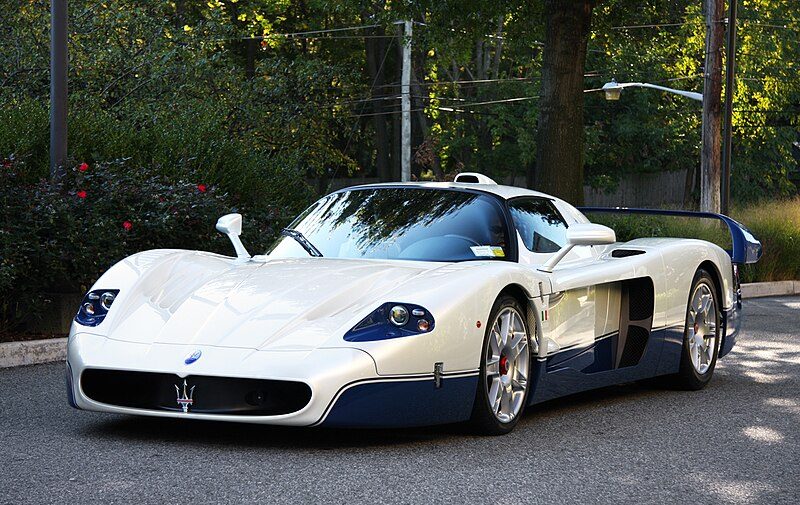
The rarity of the MC12 also limits service options. Only a handful of specialists have the expertise to work on such a vehicle. This exclusivity increases labor costs and can make scheduling maintenance more complicated. Transporting the car to qualified facilities adds another layer of expense.
All these elements combine to create a situation where long-term maintenance costs can exceed the original price of the Maserati MC12. It remains a remarkable piece of automotive history, but one that demands significant financial dedication to keep it running and preserved.
6. Porsche Carrera GT
The Porsche Carrera GT is widely regarded as one of the most engaging driver’s cars ever built, offering a raw and analog experience that is increasingly rare. Its V10 engine and manual transmission make it a favorite among enthusiasts, but ownership comes with responsibilities that extend far beyond driving enjoyment.
One of the most well-known aspects of the Carrera GT is its clutch system. Designed for performance rather than longevity, the clutch can wear out relatively quickly depending on usage.
Replacing it is a complex process that requires removing major components, resulting in high labor costs. For many owners, this becomes a recurring expense that significantly impacts the overall cost of ownership.
The car’s engineering also contributes to its maintenance demands. Built with advanced materials and race-inspired technology, it requires precise servicing to maintain reliability.
Suspension components, braking systems, and engine elements all need regular attention. As the car ages, these systems can develop issues that are both expensive and time-consuming to address.
Another consideration is the limited availability of parts. While Porsche has a strong support network, certain components for the Carrera GT are not as easily accessible due to its limited production. This can lead to higher prices and longer wait times for repairs, adding to the overall ownership cost.
Safety-related updates and recalls have also played a role in maintenance expenses. Owners must ensure that their cars meet current standards, which can involve additional modifications and inspections. These requirements, while necessary, contribute to the financial burden.
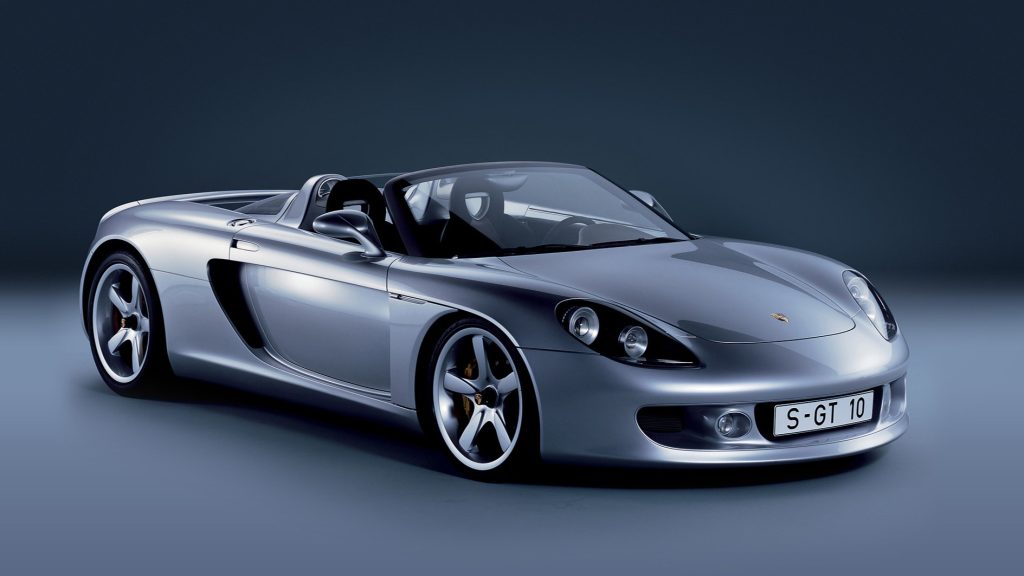
Insurance and storage further increase the cost of owning a Carrera GT. Many owners choose to keep the car in controlled environments to protect its value, and insurance premiums reflect its status as a high-value exotic. Over time, these combined costs can surpass the original purchase price.
The Porsche Carrera GT offers an unforgettable driving experience, but it also serves as a reminder that maintaining such a machine requires ongoing investment. Its appeal lies in its purity, yet that same purity comes with a price that continues long after the initial purchase.
7. Bentley Azure
The Bentley Azure represents a different side of exotic car ownership, one that focuses on luxury, craftsmanship, and effortless performance rather than outright speed. At first glance, it may not seem as intimidating to maintain as a hypercar, but the reality is far more complex.
The Azure combines old-world engineering with bespoke construction, and that combination creates a unique set of challenges that become increasingly expensive over time.
Unlike mass-produced luxury cars, the Azure was built in relatively small numbers with a high degree of hand assembly. This means many components are not easily interchangeable or widely available.
When parts wear out or fail, replacements often come at a premium, and in some cases, sourcing them requires contacting specialized suppliers or the manufacturer directly. Even basic components such as trim pieces or interior elements can carry surprisingly high costs due to their handcrafted nature.
The car’s large displacement engine adds another layer of expense. While it delivers smooth and effortless power, it is not particularly efficient or simple to maintain.
Regular servicing involves significant quantities of high-quality fluids, and components such as cooling systems and fuel delivery systems must be carefully maintained. As the car ages, these systems can develop issues that require costly repairs.
Electrical systems in the Azure are another area where expenses can accumulate. Being a product of a transitional era in automotive technology, the car combines traditional mechanical systems with early electronic features.
Over time, these electronics can become unreliable, leading to diagnostic challenges and expensive fixes. Finding technicians familiar with these systems is not always easy, which further increases labor costs.
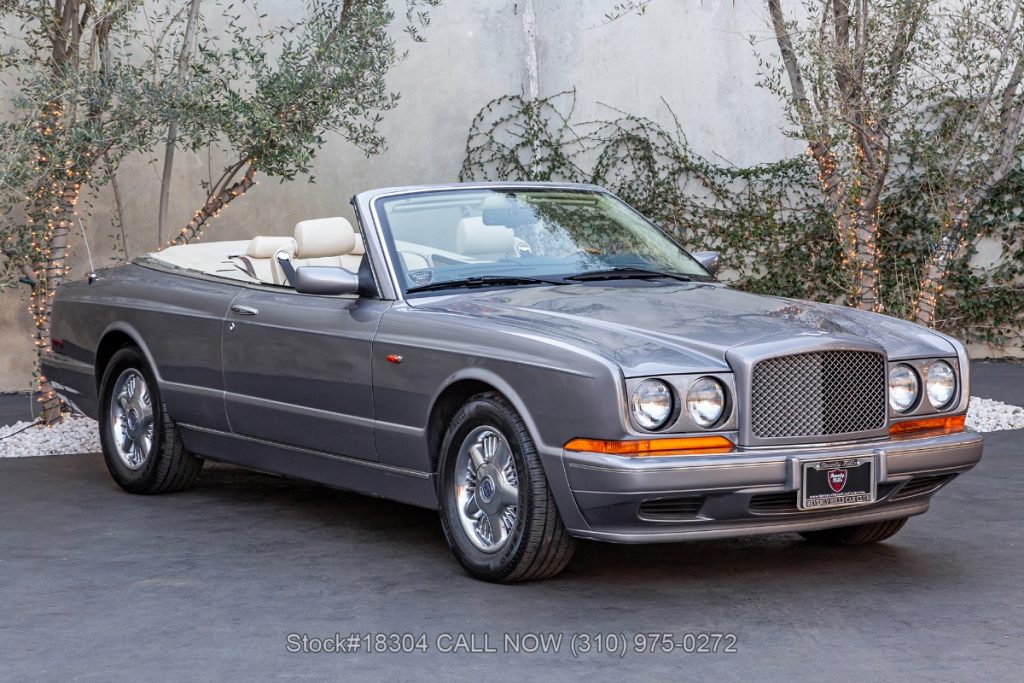
Ownership also involves maintaining the car’s luxurious interior and convertible roof mechanism. Leather, wood, and fabric components require regular care to preserve their condition, and repairs can be expensive due to the quality of materials used. The roof system itself is complex and can become a significant expense if it develops faults.
Taken together, these factors make the Bentley Azure a car where maintenance costs can quietly surpass the original purchase price. It offers a refined and elegant driving experience, but keeping it in that condition demands consistent and often costly attention.
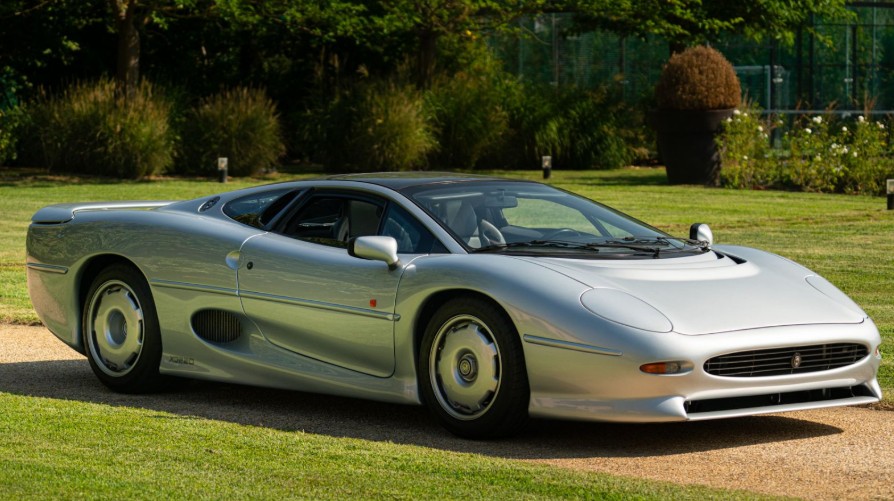
8. Jaguar XJ220
The Jaguar XJ220 is a car that once held the title of the fastest production vehicle in the world, capturing the imagination of enthusiasts with its sleek design and advanced engineering. Despite its historical significance and performance credentials, owning an XJ220 presents a range of financial challenges that can quickly exceed expectations.
One of the defining characteristics of the XJ220 is its limited production, which directly impacts maintenance. With so few units built, parts availability is a constant concern.
Many components are unique to the car, and replacements are neither cheap nor easy to obtain. Owners often face long waiting periods and high costs when sourcing parts, especially for critical systems.
The engine and supporting systems require careful attention. While powerful and capable, they are not immune to wear and age-related issues. Fuel systems, cooling components, and turbochargers all demand regular maintenance. Neglecting these areas can lead to significant repairs, making preventative care essential but costly.
Another aspect that contributes to the expense is the car’s specialized construction. The XJ220 uses advanced materials and design techniques that were ahead of its time. While this enhances performance, it also complicates repairs. Bodywork and structural components are not easily fixed, and any damage can result in substantial costs.
Servicing expertise is also limited. Not every Jaguar technician has experience with the XJ220, and owners often rely on a small number of specialists who understand the car’s unique requirements. This exclusivity increases labor costs and can make routine maintenance more difficult to arrange.
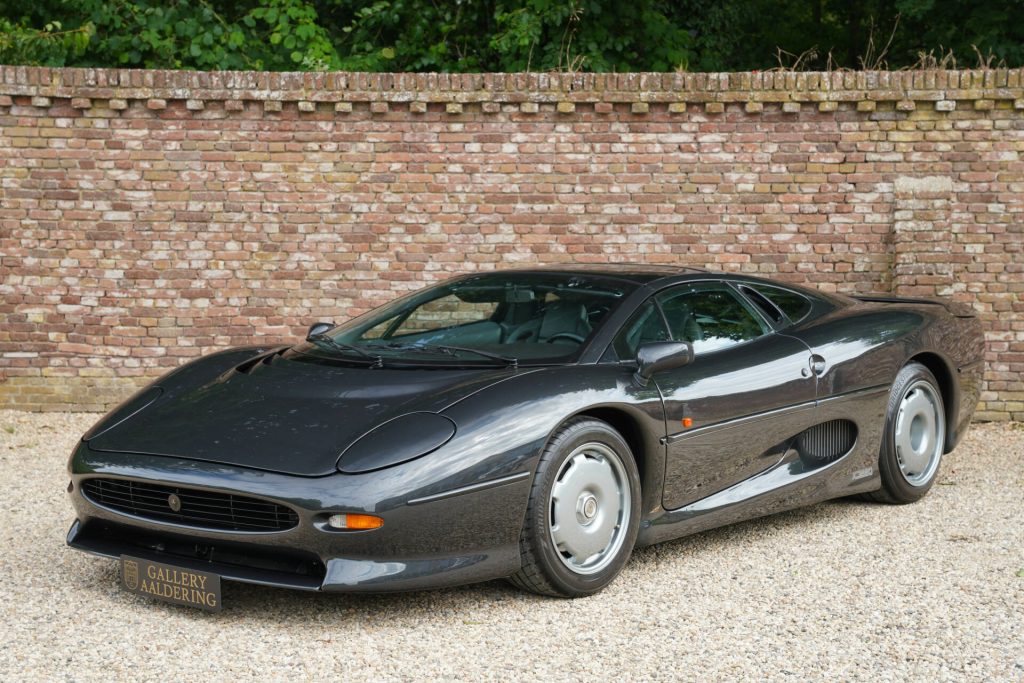
Even storage and usage play a role in the overall cost. The XJ220 benefits from controlled environments to prevent deterioration, and infrequent use can sometimes lead to additional maintenance needs. Balancing preservation with drivability becomes a careful and often expensive process.
Over time, these combined factors can push maintenance expenses beyond the original purchase price of the Jaguar XJ220. It remains a landmark in automotive history, but owning one requires a level of financial commitment that extends well beyond its initial appeal.
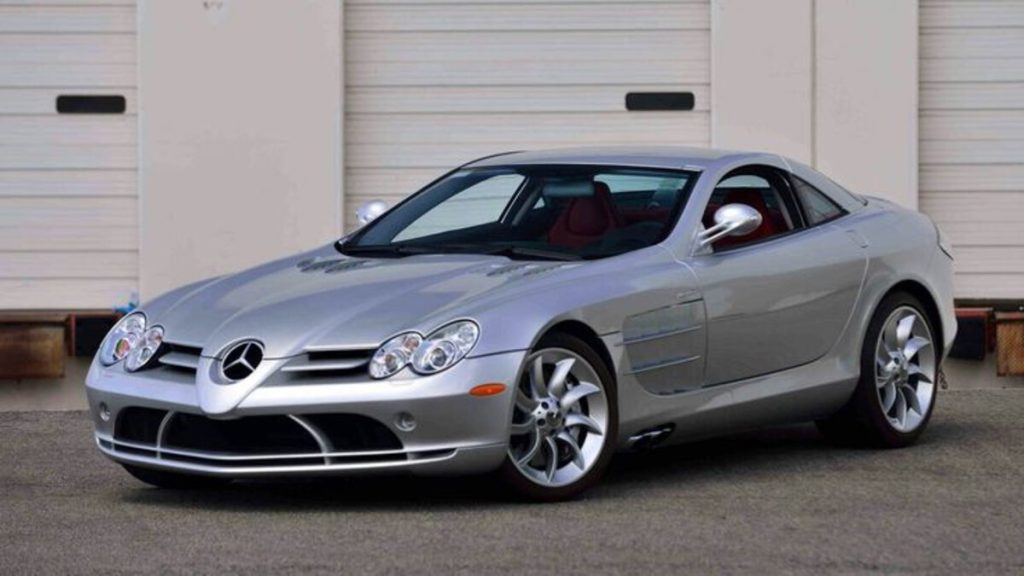
9. Mercedes-Benz SLR McLaren
The Mercedes-Benz SLR McLaren occupies a unique position in the exotic car world, blending German engineering with Formula 1-inspired development from McLaren.
It was designed to be both a grand tourer and a high-performance machine, which makes it incredibly appealing on paper. Yet, the reality of owning one reveals a cost structure that steadily grows into something far more demanding than many anticipate.
One of the biggest contributors to long-term expense is the car’s braking system. The SLR uses advanced carbon ceramic brakes that deliver exceptional stopping power, but replacing them is extremely costly.
Unlike conventional systems, these components are engineered for high-performance conditions and come with a price tag that can shock even experienced owners. Over time, wear and replacement intervals can significantly add to the total ownership cost.
The supercharged V8 engine is another area where expenses begin to stack up. While it is known for its performance and durability, maintaining it properly requires regular servicing with premium parts and fluids.
Components related to the supercharger, cooling system, and fuel delivery must be carefully monitored. As the car ages, these systems may require replacement or refurbishment, each adding to the financial burden.
The SLR’s construction further complicates maintenance. Its carbon fiber body and specialized chassis design make repairs far more expensive than traditional vehicles.
Even minor damage can result in large bills, as repairs often require expert handling and precise techniques. Owners who wish to keep the car in pristine condition often invest heavily in preventative care to avoid such scenarios.
Another factor that cannot be ignored is the car’s complex electronics. The SLR was packed with advanced technology for its time, and as these systems age, they can become sources of unexpected issues.
Diagnosing and repairing electronic problems requires specialized knowledge and equipment, which increases both time and cost involved in maintenance.
Ownership is not limited to mechanical upkeep alone. Insurance premiums for the SLR are typically high due to its value and repair costs.
Storage also becomes an important consideration, with many owners opting for controlled environments to preserve the car’s condition. These additional expenses contribute to the overall cost in ways that are not immediately obvious at the time of purchase.
When all these elements are considered together, the Mercedes-Benz SLR McLaren clearly fits into the category of exotic cars where maintenance can exceed the original price over time.
It delivers a remarkable driving experience and holds a special place in automotive history, but keeping it running and preserved requires a level of financial commitment that continues long after the initial purchase.
Exotic cars are often seen as dream machines, but the examples in this list reveal a different side of ownership that is rarely discussed in detail.
From hypercars with extreme engineering to luxury grand tourers with handcrafted components, each vehicle brings its own set of challenges. The common thread is clear: maintenance is not just an occasional expense but an ongoing investment that can surpass the original cost of the car.
Also Read: 9 Engines That Burn Oil the Second the Warranty Expires
