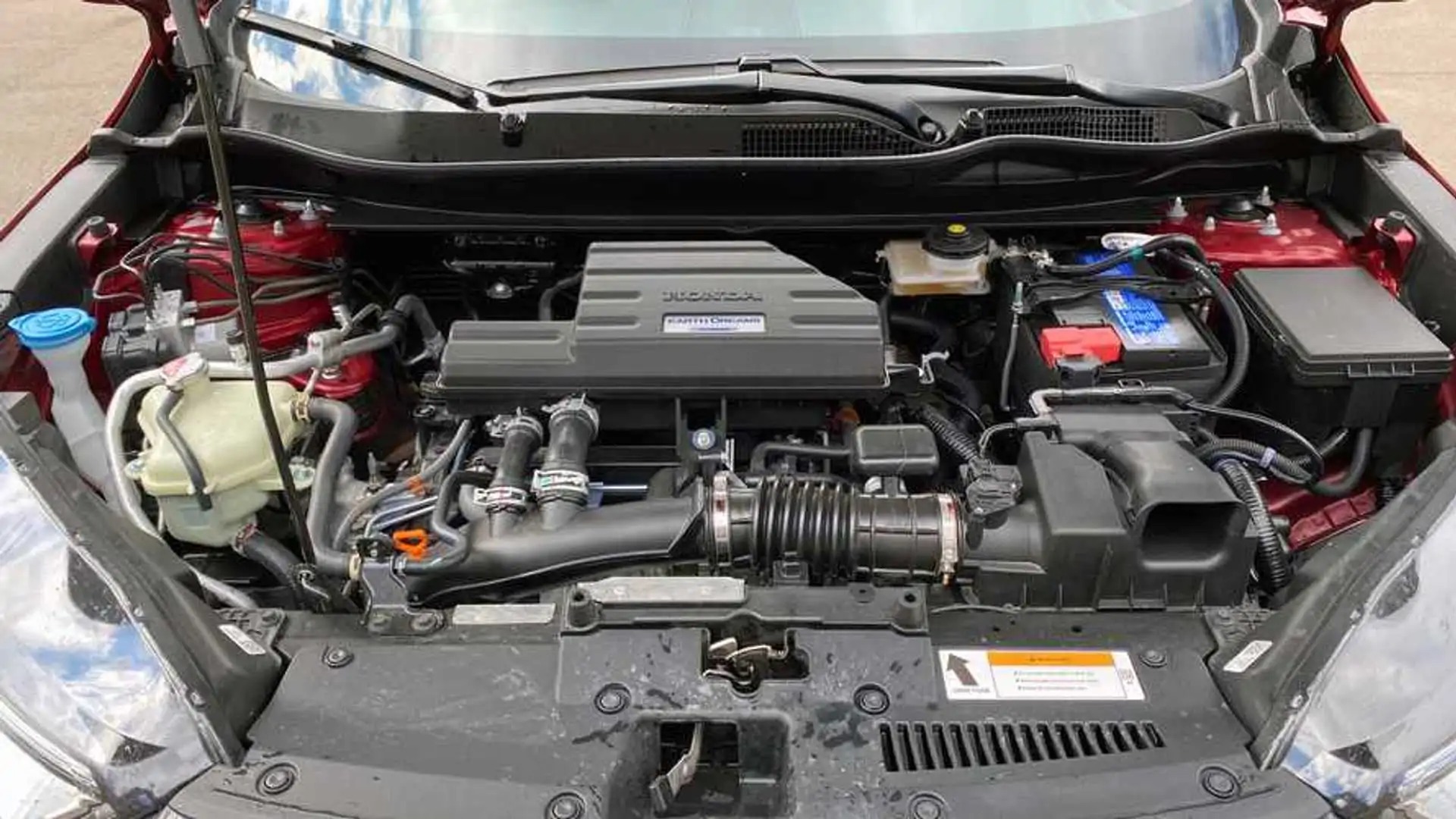
Modern engines are engineering marvels, delivering more power, efficiency, and refinement than ever before.
Yet beneath the polished marketing claims and impressive specifications, some powertrains carry a hidden flaw that tends to surface only after the warranty period quietly expires. One of the most frustrating and expensive of these issues is excessive oil consumption.
At first, it may appear harmless. A small drop in oil levels between services might not raise alarms for many drivers. However, when an engine begins to consume oil rapidly, the consequences can escalate quickly.
Frequent top-ups become necessary, warning lights appear unexpectedly, and in worst cases, internal engine damage becomes unavoidable. For many owners, this problem emerges just when they assume the vehicle should still be in its prime.
The root causes vary widely. Some engines suffer from poorly designed piston rings that fail to seal properly over time. Others deal with valve stem seal degradation, crankcase ventilation flaws, or heat-related wear in tightly packaged turbocharged setups.
In some cases, manufacturers even acknowledge the issue quietly through service bulletins, yet the burden often falls on the owner once warranty coverage ends.
What makes this topic particularly frustrating is the unpredictability. Two identical vehicles may age differently depending on driving habits, maintenance quality, and environmental conditions.
Still, certain engines have developed a reputation for oil consumption that appears far too frequently to ignore. These are not isolated incidents but patterns reported across thousands of owners.
This article highlights nine engines known for developing oil-burning tendencies soon after warranty periods lapse. Each example is chosen based on consistent owner feedback, mechanical analysis, and long-term reliability data.
The goal is not to criticize blindly but to provide clarity for buyers, current owners, and enthusiasts who want to make informed decisions.
Understanding these engines helps you stay ahead of potential problems. Whether you are considering a used car purchase or already own one of these vehicles, awareness can save you from unexpected repair bills and long-term frustration.
Maintenance strategies, early warning signs, and ownership expectations all become clearer when you know what lies beneath the surface.
Now, let’s begin with the first two engines that have gained a reputation for burning oil at the most inconvenient time.
Also Read: 8 Engines Whose Design Hasn’t Been Improved in 20 Years
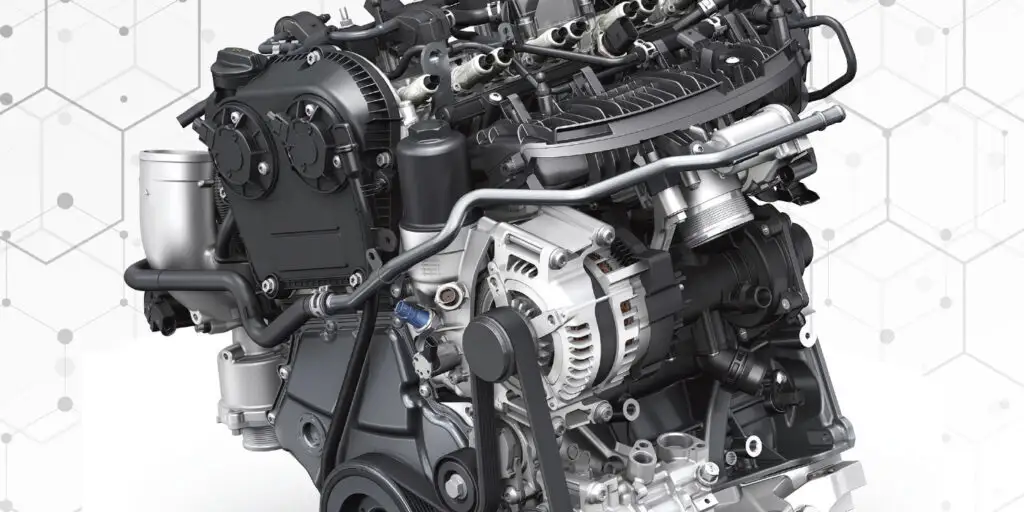
1. Audi 2.0L TFSI (Early EA888 Gen 2)
The early versions of Audi’s 2.0L TFSI engine, particularly those found in models like the A4, A5, and Q5 from the late 2000s to early 2010s, built a reputation that many owners still talk about today. On paper, this turbocharged four-cylinder offered an appealing mix of performance and efficiency. In practice, its long-term durability told a different story.
A major issue lies in the piston ring design. These rings were not effective at maintaining a proper seal over time, allowing oil to slip into the combustion chamber. Once this process begins, oil consumption increases steadily rather than suddenly.
Many drivers first notice the issue when they are forced to add oil between scheduled services, something that becomes more frequent as mileage climbs.
Another contributing factor is the crankcase ventilation system. When it fails or becomes less effective, pressure builds in ways that worsen oil seepage into areas it should not reach. Combined with the already compromised piston rings, this creates a cycle that accelerates wear and oil loss.
Owners often report that the problem becomes noticeable just after the warranty expires, typically between 80,000 to 120,000 kilometers. This timing adds to the frustration, as repairs are not simple or inexpensive. Fixing the issue properly often requires replacing pistons and rings, which involves significant labor.
Some drivers attempt temporary solutions such as thicker oil or more frequent changes. While these measures can slow consumption slightly, they do not address the root cause. Over time, ignoring the issue can lead to carbon buildup, fouled spark plugs, and even catalytic converter damage.
What makes this engine particularly tricky is that it performs beautifully when new. Smooth acceleration, strong torque delivery, and refined behavior make it easy to overlook potential long-term concerns. This contrast between early satisfaction and later frustration is exactly why it appears on this list.
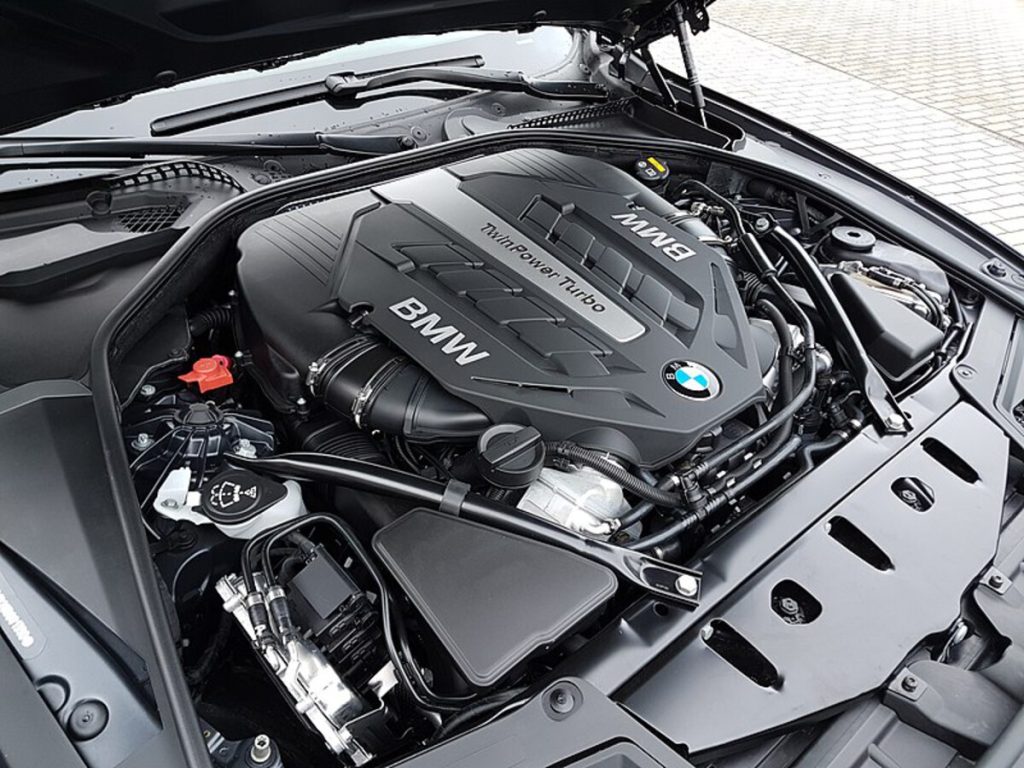
2. BMW N63 4.4L Twin Turbo V8
BMW’s N63 engine represents ambition at its peak. A twin-turbocharged V8 with impressive power output and advanced engineering, it debuted with the promise of delivering both performance and luxury. Unfortunately, it also became one of the most talked-about engines when it comes to oil consumption issues.
Unlike simpler engines, the N63’s design places its turbochargers inside the “V” of the engine. While this improves responsiveness and packaging, it creates intense heat concentration. Over time, this heat accelerates the degradation of internal components, including valve stem seals and oil-related systems.
The oil burning issue often begins subtly. Drivers may notice a slight drop in oil levels between service intervals. As the engine ages, this becomes more pronounced, sometimes requiring a liter of oil every few thousand kilometers. In severe cases, blue smoke from the exhaust becomes visible during acceleration or after idling.
BMW acknowledged several issues with this engine through service campaigns, including what was known as the “Customer Care Package.” This program addressed multiple concerns such as battery drain, timing chain wear, and oil consumption. However, once outside these programs or warranty coverage, owners are left dealing with expensive repairs.
Valve stem seal replacement is one of the most common fixes, but it is a labor-intensive job due to the engine’s complex layout. Additionally, prolonged oil burning can damage other components, increasing the total cost of ownership significantly.
What sets the N63 apart is how its problems stem from its own innovation. The same design choices that deliver exceptional performance also introduce long-term reliability challenges. It is not a case of poor engineering but rather pushing boundaries without fully accounting for extended real-world conditions.
Despite its issues, many enthusiasts still admire the N63 for its power and character. However, ownership requires a level of commitment and financial preparedness that not every buyer anticipates.
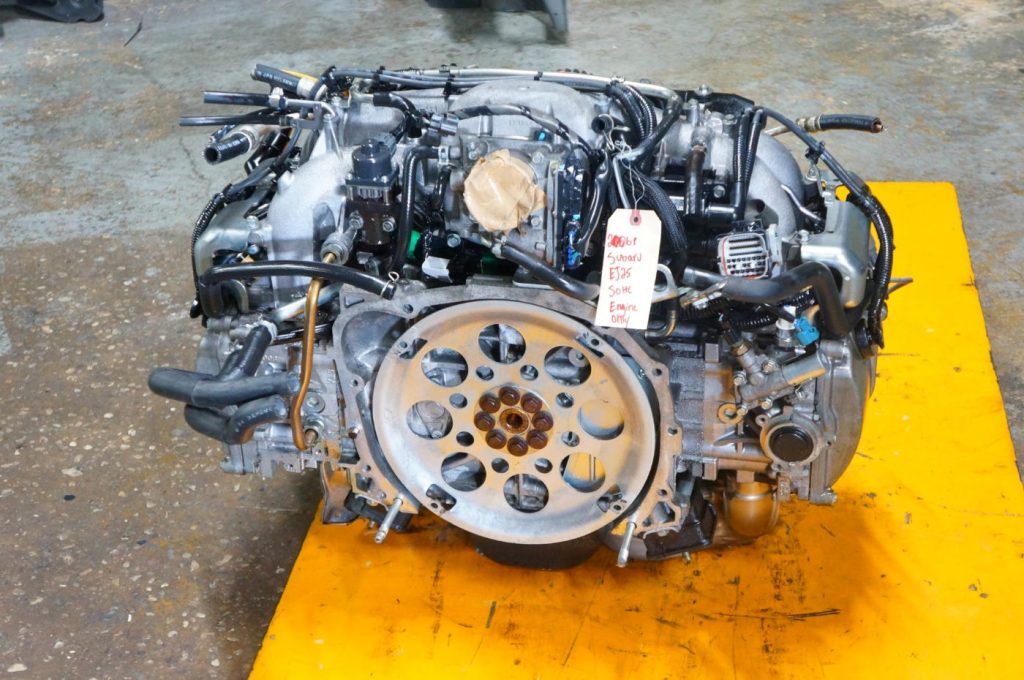
3. Subaru EJ25 2.5L Boxer Engine
Subaru’s EJ25 engine has powered a wide range of models including the Outback, Forester, and Legacy for years. Its horizontally opposed layout gives the brand its distinctive identity, offering a low center of gravity and balanced handling. Yet beneath that unique configuration lies a long-standing concern that many owners have encountered as mileage builds.
Oil consumption in the EJ25 does not always present itself immediately. Instead, it develops gradually, often catching drivers off guard after the warranty period has passed. The root of the issue is tied to piston ring wear combined with the engine’s flat design.
Because the cylinders lie horizontally, oil can sit along the cylinder walls more easily when the engine is off, increasing the likelihood of seepage into the combustion chamber over time.
Some owners begin to notice the pattern during routine checks, seeing the dipstick level drop faster than expected. Others only realize something is wrong when warning lights appear or when engine noise becomes more pronounced. In colder climates or during short trips, the issue can intensify due to incomplete warm-up cycles.
Subaru did address certain oil consumption complaints through technical updates and, in some markets, extended warranties. Still, not every vehicle benefited from these measures. Once outside coverage, resolving the problem often involves internal engine work, which is neither simple nor cheap.
Another layer to this issue is how it affects long-term maintenance habits. Owners who stay diligent with oil checks and top-ups can keep the engine running for many years. Those who rely solely on scheduled service intervals may unknowingly allow oil levels to drop too low, risking internal damage.
The EJ25 remains a beloved engine for its character and capability, especially in all-wheel-drive applications. However, its tendency to consume oil over time has become a well-known aspect of ownership that requires constant attention and proactive care.
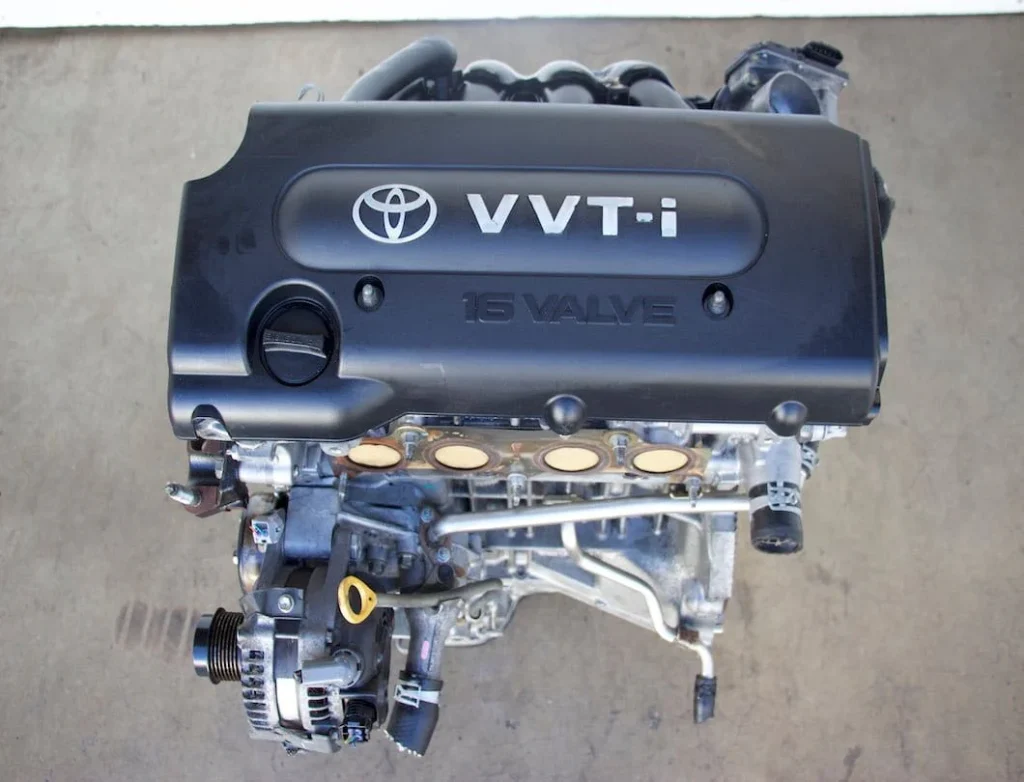
4. Toyota 2AZ-FE 2.4L Inline-4
Toyota built its reputation on reliability, which makes the oil consumption issues of the 2AZ-FE engine particularly surprising. Found in models like the Camry, RAV4, and Scion tC from the mid-2000s to early 2010s, this engine initially appeared to uphold the brand’s standards. Over time, however, a recurring problem began to surface among long-term owners.
The issue centers on the piston rings, specifically their inability to effectively scrape oil from the cylinder walls. As these components wear or lose tension, oil begins to enter the combustion chamber and burn along with fuel. This results in a steady decline in oil levels that many drivers first notice after the warranty has expired.
Unlike some engines where oil burning is linked to aggressive driving, the 2AZ-FE often shows this behavior even under normal, conservative use. Daily commuters, family vehicles, and lightly driven examples have all reported similar patterns, which suggests a design-related limitation rather than user error.
Toyota eventually acknowledged the problem and issued service campaigns in certain regions. These programs included inspections and, in some cases, engine repairs. However, not every vehicle qualified, and many owners discovered the issue only after coverage periods had ended.
One of the more frustrating aspects is how quietly the problem develops. There are usually no dramatic symptoms early on. No loud noises or sudden performance drops, just a gradual need to add oil more frequently. This subtle progression makes it easy to overlook until the situation becomes more serious.
If left unaddressed, prolonged oil burning can lead to carbon buildup, reduced fuel efficiency, and potential damage to emission control components. While the engine itself is capable of long life, maintaining that longevity requires careful monitoring and consistent oil checks.
The 2AZ-FE serves as a reminder that even highly regarded manufacturers can produce engines with hidden long-term concerns. It is not a catastrophic flaw, but it does demand awareness and a more hands-on approach to maintenance than many Toyota owners expect.
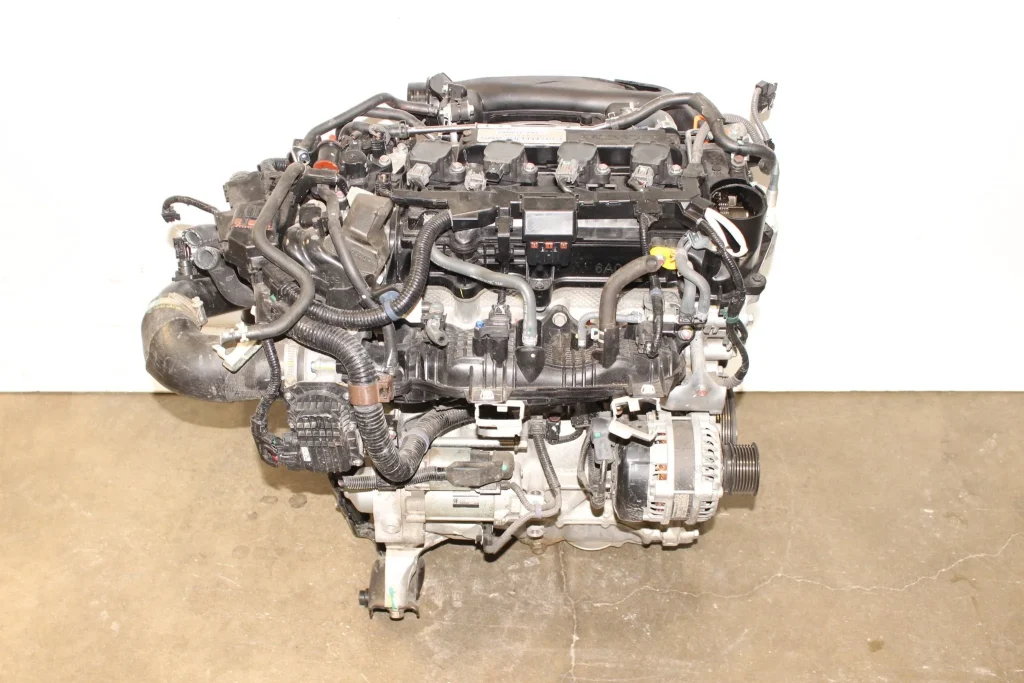
5. Honda 1.5L Turbo (L15B7)
Honda’s small turbocharged engines were introduced with a clear purpose: deliver strong fuel efficiency without sacrificing performance. The 1.5L turbo found in models like the Civic and CR-V quickly gained attention for its smooth power delivery and modern engineering. Yet, as miles accumulated, a different narrative began to form among certain owners.
Oil dilution and oil consumption are closely linked in this engine. In many cases, fuel mixes with engine oil, reducing its effectiveness and altering its viscosity. While dilution itself is the primary concern, it can indirectly lead to increased oil burning over time. Thinner oil struggles to maintain proper lubrication, accelerating wear on piston rings and cylinder walls.
Driving patterns play a significant role here. Vehicles frequently used for short trips, where the engine does not reach optimal temperature, are more prone to this issue. In such conditions, fuel does not fully evaporate from the oil, creating a cycle that gradually worsens engine health. As components wear, oil begins to slip past seals and enter the combustion process.
Owners often describe a progression rather than a sudden failure. First, the oil level appears unusually high due to fuel contamination. Later, it begins to drop more quickly than expected. This shift can be confusing, especially for drivers unfamiliar with how dilution affects long-term engine behavior.
Honda released software updates and technical adjustments to address parts of the problem, particularly in colder climates. These updates improved engine warm-up cycles and fuel management, but they did not entirely eliminate the risk for all vehicles.
The interesting aspect of this engine is how modern efficiency goals contribute to its challenges. Tight tolerances, direct injection, and turbocharging all improve performance and emissions, yet they also create conditions where minor imbalances can have larger consequences over time.
Owners who stay attentive to oil condition, not just oil level, tend to manage this engine more successfully. Regular monitoring, shorter service intervals, and awareness of driving habits make a noticeable difference in longevity.
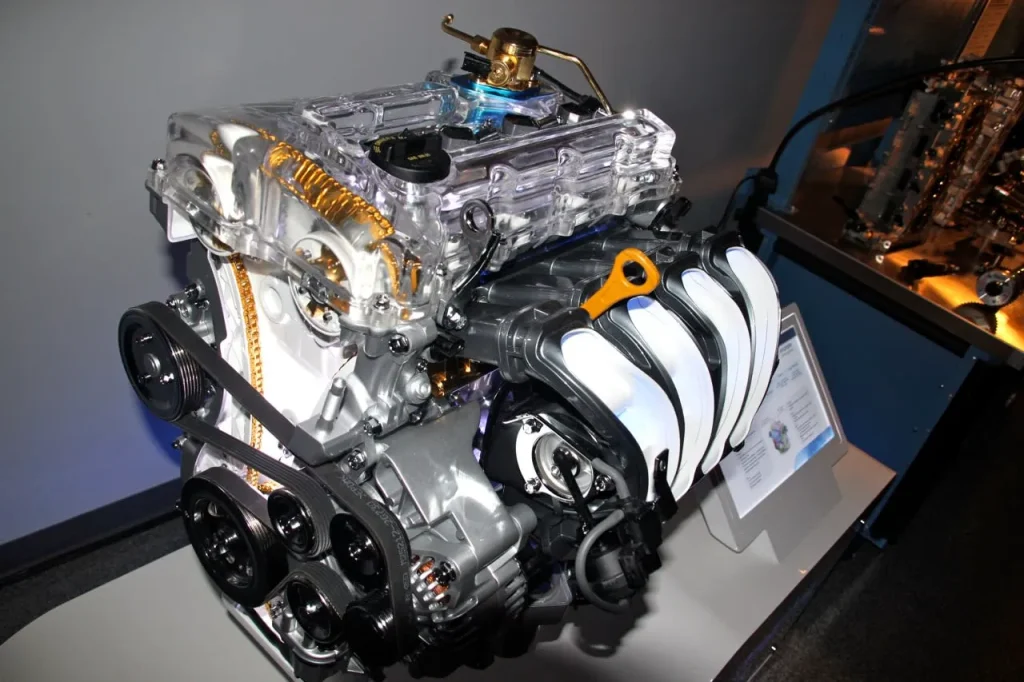
6. Hyundai 2.4L Theta II (GDI)
The Hyundai Theta II 2.4L engine was widely used across several models, including the Sonata, Santa Fe, and Kia Optima.
It played a key role in the brand’s expansion into global markets, offering competitive performance and efficiency at an attractive price point. However, this engine has also been associated with a range of long-term reliability concerns, including oil consumption.
Unlike engines where oil burning develops slowly and predictably, the Theta II can behave inconsistently. Some owners report normal operation for years before sudden increases in oil usage, while others encounter issues much earlier. This variability makes it difficult to anticipate and manage without regular checks.
One underlying factor is internal wear related to manufacturing debris or inadequate lubrication pathways. Over time, these issues can affect piston rings and cylinder walls, allowing oil to pass into the combustion chamber. Once this begins, the rate of consumption can increase rapidly.
Another dimension to consider is how this engine has been linked to more serious failures, including engine knocking and seizure in extreme cases. Oil consumption is not always the primary symptom, but it often appears alongside or prior to these larger problems. In that sense, it can serve as an early warning sign.
Hyundai and Kia addressed many concerns through recalls and extended warranty programs. These efforts helped a large number of owners, but not every case qualified, particularly for vehicles outside specific production ranges or service histories.
From an ownership perspective, the Theta II demands vigilance. Checking oil levels between service intervals becomes essential rather than optional. Drivers who rely solely on dashboard alerts may not receive enough warning before damage occurs.
What makes this engine stand out is not just the presence of oil consumption, but how it connects to broader durability concerns. It is an example of how multiple small issues can combine into a more significant long-term challenge if left unchecked.
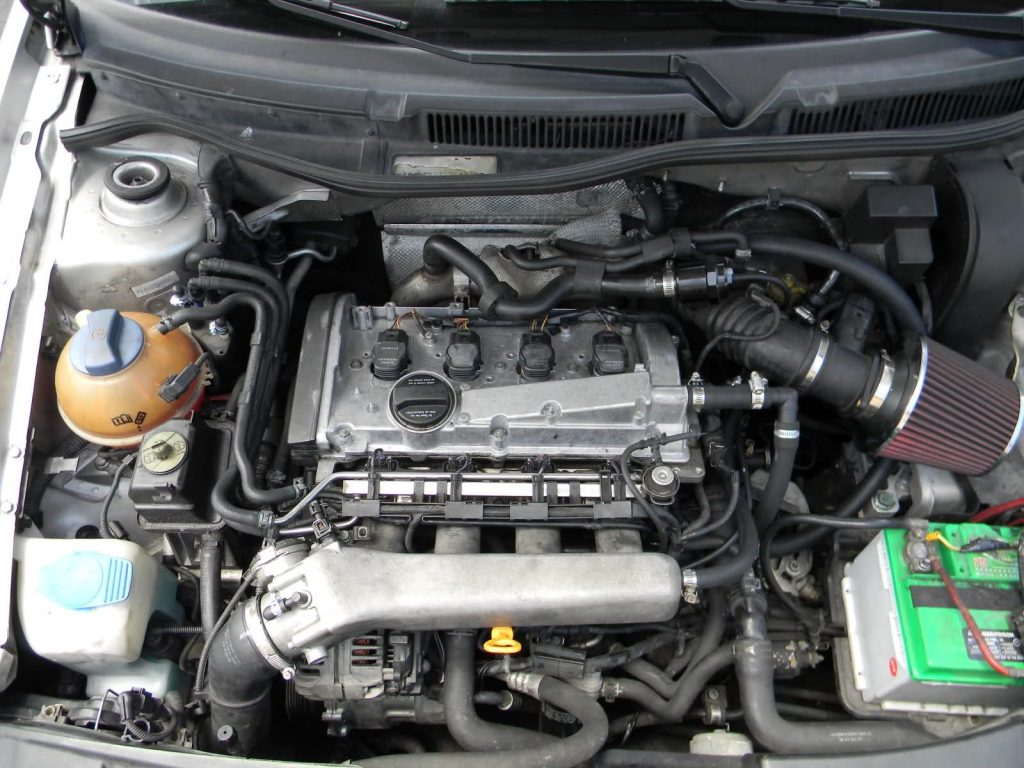
7. Volkswagen 1.8T (EA888 Gen 1)
Volkswagen’s 1.8T engine has a long history, but the early EA888 Gen 1 version introduced a mix of modern technology and familiar concerns. Found in models like the Passat and Jetta, this turbocharged unit delivered solid performance for its size. Yet, as ownership stretched beyond the warranty period, oil consumption became a recurring complaint.
This engine’s issue is rooted in piston ring design and crankcase ventilation behavior. Over time, the rings lose their ability to maintain a tight seal, allowing oil to pass into the combustion chamber. At the same time, the PCV system can develop faults that increase internal pressure, pushing oil into places it should not be.
Drivers often describe the problem as something that creeps in quietly. There is no dramatic failure or sudden breakdown. Instead, the oil level begins to drop faster between services, eventually requiring frequent top-ups. Some owners even carry spare oil in the trunk as part of regular driving habits.
A notable aspect of this engine is how it reacts to maintenance quality. Vehicles that follow strict oil change intervals with high-quality oil tend to delay the onset of consumption issues. However, even well-maintained examples are not completely immune, suggesting that design limitations play a larger role than neglect.
Another complication arises from carbon buildup, a common trait in direct-injection engines. As deposits accumulate on intake valves and internal components, airflow and combustion efficiency are affected. This can indirectly worsen oil burning by altering how the engine operates under load.
Repairing the issue is not straightforward. Like many engines on this list, a proper fix often involves internal work such as replacing piston rings, which can be costly. Temporary solutions may reduce consumption slightly but rarely eliminate it.
The 1.8T EA888 Gen 1 represents a transition period in engine development, where new technologies introduced both advantages and unexpected long-term challenges. It remains enjoyable to drive, but ownership requires awareness and consistent attention to oil levels.
8. Mini Cooper 1.6L Turbo (Prince Engine)
The 1.6L turbocharged engine developed jointly by BMW and PSA, commonly known as the Prince engine, powers several Mini Cooper models. It brought lively performance and a distinctive driving character, perfectly matching the brand’s personality. Unfortunately, it also gained attention for oil-related issues as vehicles aged.
Oil consumption in this engine often ties back to valve stem seals and timing chain wear. The compact design and high operating temperatures place stress on these components, leading to gradual deterioration. As seals wear out, oil can leak into the combustion chamber, especially during idling or after extended periods of deceleration.
Owners sometimes first notice blue smoke from the exhaust when accelerating after being stopped at a traffic signal. This symptom indicates that oil has seeped into the cylinders while the engine was idling. Over time, this behavior becomes more frequent and more noticeable.
Another factor is the engine’s sensitivity to maintenance intervals. Extended oil change schedules can accelerate wear, particularly in turbocharged setups where oil quality is critical. Sludge buildup and restricted oil flow can worsen existing weaknesses, pushing the engine toward higher consumption rates.
The timing chain system also plays a role in the engine’s reputation. While not directly responsible for oil burning, issues in this area can compound overall engine wear, creating a situation where multiple problems appear together. This combination can make diagnosis and repair more complex.
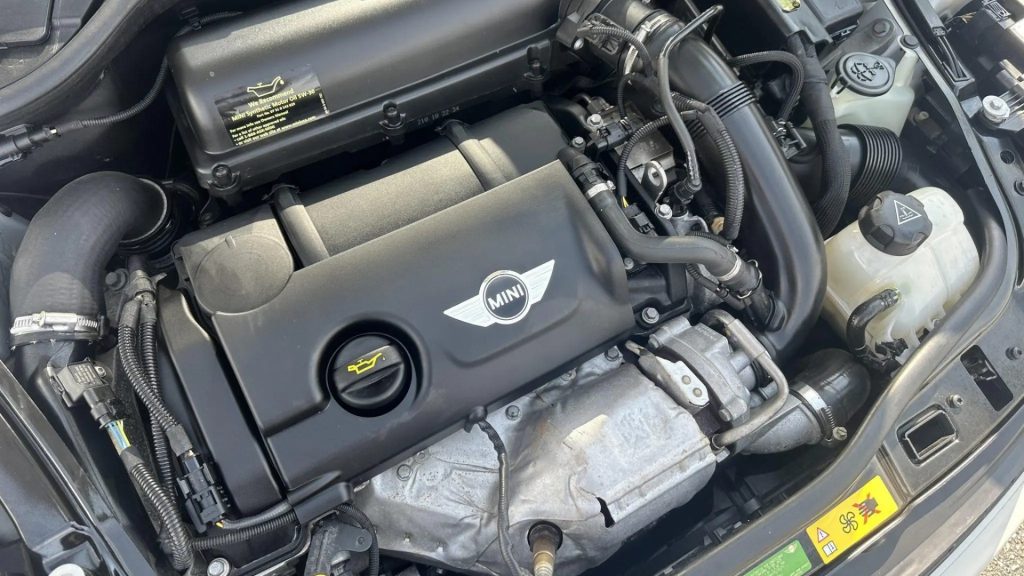
Fixing oil consumption in the Prince engine often involves replacing valve stem seals or addressing deeper internal wear. Both options require significant labor, especially given the tight packaging of Mini’s engine bay.
What makes this engine unique is how its spirited performance contrasts with its maintenance demands. It delivers an engaging driving experience, but it expects careful ownership in return. Those who stay proactive with servicing tend to manage the challenges more effectively than those who rely solely on standard intervals.
9. Chevrolet 2.4L Ecotec (LE5 / LAF)
The Chevrolet 2.4L Ecotec engine, used in vehicles like the Malibu, Equinox, and GMC Terrain, seemed like a dependable, no-nonsense four-cylinder at first glance. It delivered decent efficiency and acceptable performance for everyday driving.
Yet, for many long-term owners, this engine revealed a frustrating tendency to consume oil at a rate that felt anything but normal.
What makes this engine stand out is how the issue often hides in plain sight. Drivers may not notice anything unusual during the early years of ownership. The car runs smoothly, fuel economy remains stable, and there are no obvious warning signs. Then, somewhere beyond the warranty window, oil levels begin to drop more rapidly than expected.
The underlying cause is largely tied to piston ring wear and carbon buildup. Over time, deposits form around the rings, limiting their movement and sealing ability. Once the rings cannot properly scrape oil from the cylinder walls, it begins to burn during combustion. This process is gradual but persistent, and it rarely improves without intervention.
Some owners only discover the problem during routine servicing, while others encounter low oil warnings between scheduled intervals. In more severe cases, neglecting the issue can lead to timing chain wear due to insufficient lubrication, adding another layer of expense and complexity.
General Motors did acknowledge oil consumption concerns in certain cases and issued service bulletins. However, like many engines on this list, not every vehicle qualified for repairs under extended coverage. This leaves a significant number of owners managing the issue independently.
A practical challenge with this engine is how easy it is to underestimate the severity. Since the car may continue to drive normally, it creates a false sense of security. Without regular oil checks, levels can drop dangerously low, leading to internal damage that could have been avoided.
Owners who adapt their maintenance habits, such as checking oil more frequently and using high-quality lubricants, often extend the engine’s lifespan. Still, the need for such vigilance is not something most drivers expect from a mainstream family vehicle.
Oil consumption is one of those issues that rarely makes headlines when a car is new, yet becomes a defining factor in long-term ownership.
The engines discussed in this article highlight a pattern seen across different brands, price points, and engineering philosophies. Whether it is a performance-focused V8 or a practical four-cylinder, the problem does not discriminate.
A common thread among these engines is timing. The issue tends to surface just after warranty coverage ends, leaving owners responsible for repairs that can range from inconvenient to extremely expensive. This timing is not always intentional, but it adds to the frustration and perception of unreliability.
Another important takeaway is that oil consumption rarely appears as a sudden failure. It develops gradually, often giving subtle warning signs that can be missed if drivers are not paying attention. A slightly lower oil level here, a small top-up there, and before long, it becomes a regular requirement.
Maintenance habits play a significant role in how these engines age. Regular oil checks, shorter service intervals, and attention to early symptoms can make a noticeable difference. While these steps may not completely prevent the issue, they can reduce its impact and help avoid severe damage.
It is also worth noting that modern engine design is a balancing act. Manufacturers push for better efficiency, lower emissions, and higher performance, all within tighter constraints. These goals sometimes lead to compromises that only become visible after years of real-world use.
For buyers, awareness is the most valuable tool. Knowing which engines have a history of oil consumption allows for smarter purchasing decisions and better preparation. For current owners, staying proactive can turn a potentially serious issue into a manageable one.
In the end, these engines are not necessarily failures, but they do demand more attention than expected. Understanding their behavior is the key to avoiding surprises and keeping ownership as smooth as possible.
Also Read: 8 Truck Engines Fleet Managers Specify for Guaranteed Uptime