
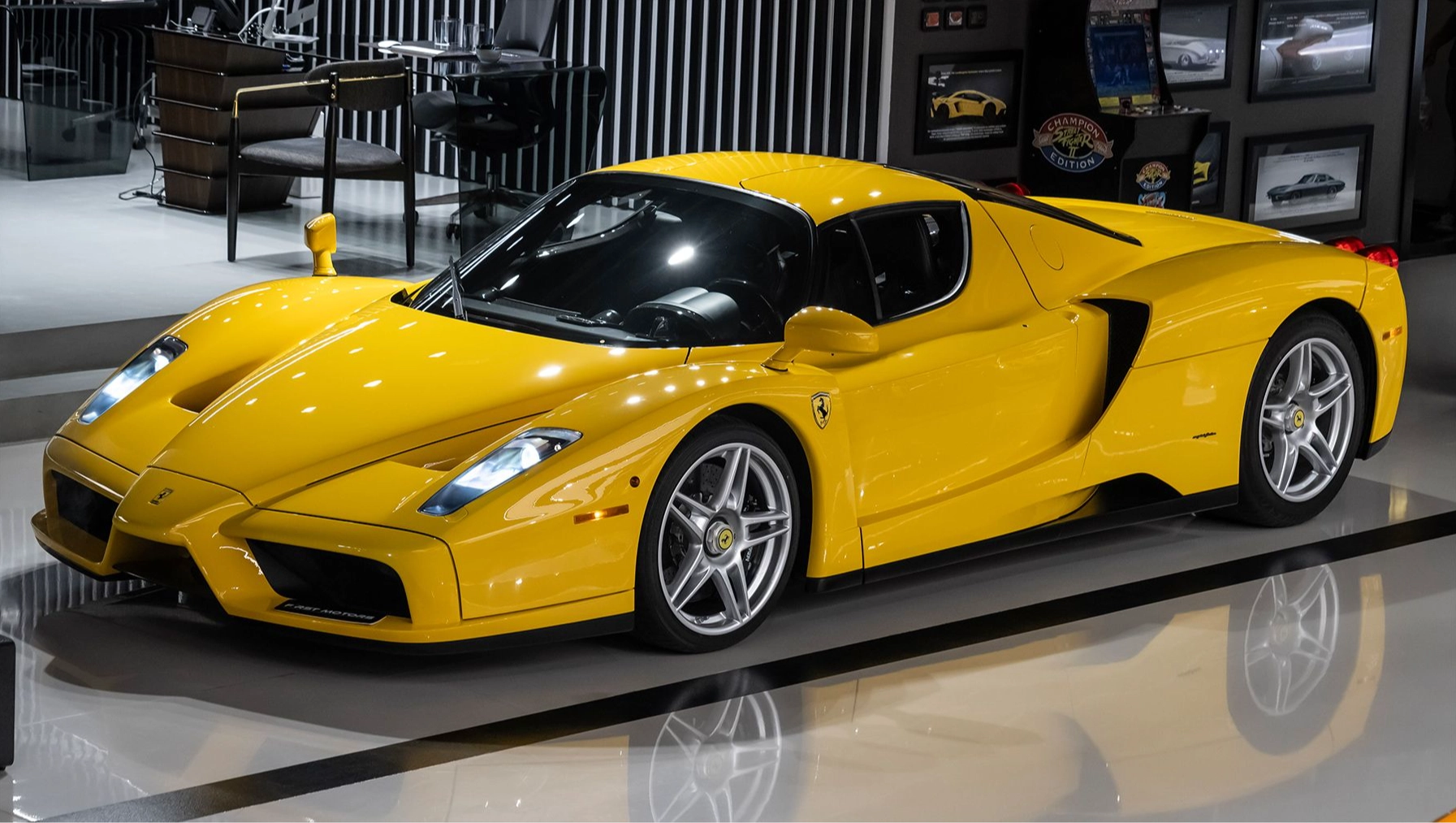
Ferrari has long been associated with performance, prestige, and passion, but in recent decades, another dimension has become increasingly important. Investment potential now plays a significant role in how certain models are perceived.
While every Ferrari carries a degree of desirability, not all of them perform equally when it comes to long-term value growth. Some remain stable, others fluctuate, and a select few rise dramatically, turning into assets that can rival traditional investments.
The factors that influence a Ferrari’s investment performance are varied and often interconnected. Rarity is one of the most obvious elements, as limited production numbers create natural scarcity.
However, rarity alone is not enough. Historical significance, engineering innovation, and emotional appeal all contribute to how a car is valued over time. A model that represents a milestone for the brand or introduces a groundbreaking concept often attracts greater attention from collectors.
Timing also plays a crucial role. Certain Ferraris were underappreciated when new, only to gain recognition years later as enthusiasts reassessed their importance.
Others were highly sought after from the beginning, maintaining strong demand that continued to push values upward. Market trends, generational shifts in taste, and broader economic conditions all influence how these cars perform as investments.
Another key aspect is originality and condition. Cars that remain close to their original specifications, with documented histories and minimal modifications, tend to command higher prices.
Collectors place significant value on authenticity, viewing it as a guarantee of long-term desirability. This means that even within the same model, individual examples can vary greatly in investment performance.
This ranking brings together ten Ferrari models that have demonstrated notable investment potential. Each one reflects a different path to value growth, shaped by its unique combination of attributes.
Some achieved recognition immediately, while others required time to gain appreciation. What connects them is their ability to stand out in a crowded market, proving that not all Ferraris are created equal when it comes to financial performance.
Also Read: 8 Grand Tourers Built for Autobahn Sustained High-Speed Use
1. Ferrari 250 GTO
The Ferrari 250 GTO stands at the pinnacle of automotive investment performance, representing a combination of rarity, racing success, and historical importance that is nearly impossible to replicate.
Produced in extremely limited numbers, it was originally built for homologation purposes, allowing Ferrari to compete in GT racing. This connection to motorsport forms a key part of its identity and contributes significantly to its value.
Unlike many collector cars that gain recognition gradually, the 250 GTO has been highly regarded for decades. However, its value has continued to rise at an extraordinary pace, reaching levels that place it among the most expensive cars ever sold.
This sustained growth is not driven by speculation alone but by a consistent demand from collectors who view it as an irreplaceable asset.
The driving experience also plays a role in its appeal. Despite its age, the 250 GTO delivers a level of engagement that feels authentic and mechanical. The naturally aspirated V12 engine provides a sense of connection that modern cars interpret differently. This authenticity adds depth to its desirability, making it more than just a static collectible.
Design is another factor that contributes to its enduring value. The proportions, curves, and general presence of the 250 GTO reflect a balance between form and function that has aged gracefully. It does not rely on excessive detail, instead achieving impact through simplicity and proportion.
Ownership of a 250 GTO is often seen as a privilege reserved for a very small group of individuals. Transactions are rare, and when they do occur, they attract global attention. This exclusivity reinforces its status as a top-tier investment.
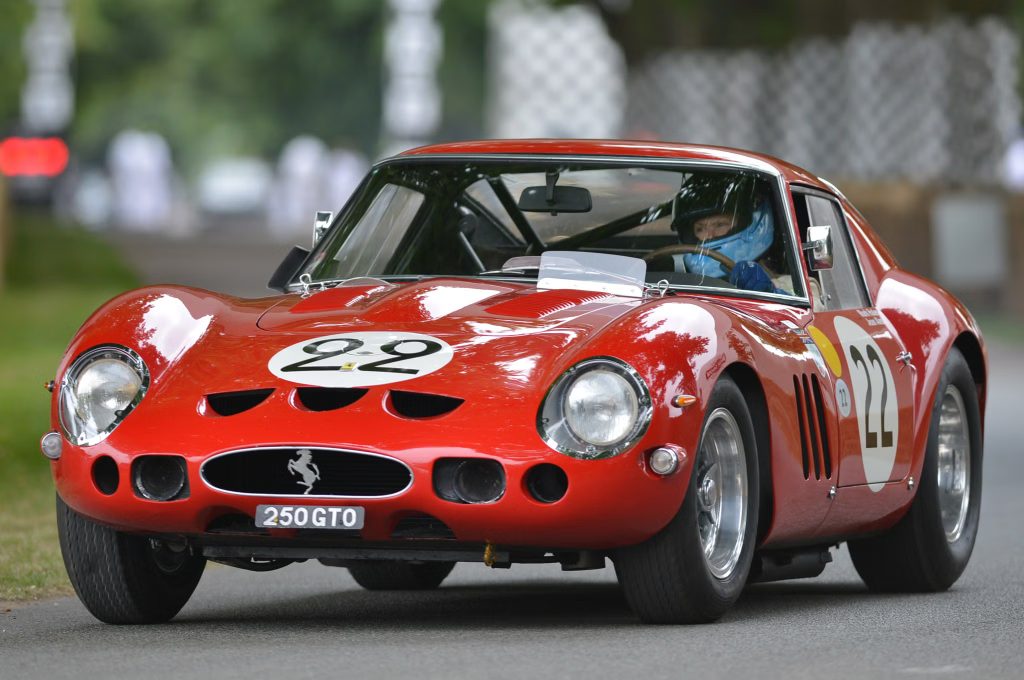
The 250 GTO demonstrates how multiple factors can align to create unmatched value. Its rarity, heritage, and timeless appeal ensure that it remains at the top of any ranking focused on investment performance.
2. Ferrari F40
The Ferrari F40 occupies a unique position in the brand’s history, serving as the final model personally approved by Enzo Ferrari. This connection alone gives it a level of significance that few other cars can match.
When it was introduced, it was celebrated for its performance and raw character, yet its long-term investment potential became even more apparent in the years that followed.
Unlike many modern supercars that rely on advanced technology to manage performance, the F40 delivers an experience that feels direct and unfiltered. Its twin-turbocharged V8 engine provides immense power, but it requires skill to harness effectively.
This level of engagement has become increasingly valuable as newer cars move toward more controlled and automated systems.
The design of the F40 reflects its purpose. It is functional, with aerodynamic elements integrated into a shape that prioritizes performance. There is a sense of honesty in its appearance, where every detail serves a role. This clarity has helped it maintain a strong visual identity over time.
Production numbers were higher than some earlier Ferrari models, yet still limited enough to create scarcity. Demand has consistently exceeded supply, leading to steady value growth. The F40 has experienced periods of fluctuation, but its long-term trajectory has remained upward.
Another aspect that supports its investment performance is its reputation. The F40 is widely recognized as one of the most iconic supercars ever produced. This recognition extends beyond the automotive community, attracting interest from a broader audience.
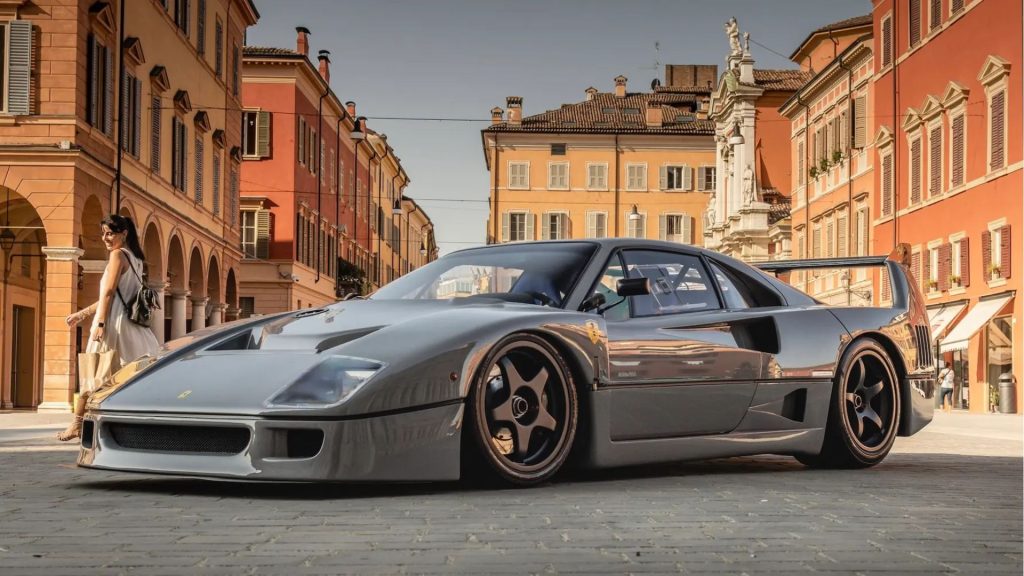
As collectors continue to seek cars that represent a pure driving experience, the F40’s appeal remains strong. Its combination of historical significance, performance, and emotional impact ensures that it continues to perform well as an investment.
3. Ferrari Enzo
The Ferrari Enzo entered the market with immediate recognition, yet its investment journey shows how sustained demand can push a car far beyond its original position.
Named after the company’s founder, it carried expectations that extended beyond performance alone. From the beginning, it was positioned as a technological flagship, showcasing Ferrari’s Formula 1 influence in a road-going format.
Its naturally aspirated V12 engine delivers power in a way that feels deliberate and progressive. Rather than overwhelming the driver instantly, it builds intensity through the rev range, creating a sense of involvement that rewards precision.
This characteristic has become increasingly valuable as modern performance cars shift toward different power delivery methods.
The structure of the Enzo reflects its motorsport origins. A carbon fiber chassis provides strength while keeping weight under control, allowing the car to maintain agility despite its performance capabilities. This approach was advanced for its time, placing the Enzo at the forefront of engineering when it was introduced.
Design plays a significant role in its lasting appeal. The sharp lines and distinctive front end give it a presence that feels purposeful. It does not attempt to follow traditional supercar aesthetics, instead presenting a form shaped by function. This unique identity has helped it remain visually relevant over time.
Production numbers were limited, ensuring that demand would remain strong. Unlike some models that gain value gradually, the Enzo maintained a high level of interest from the beginning. As years passed, this interest only increased, driven by collectors who recognized its importance within Ferrari’s lineup.
Another factor contributing to its investment performance is its position in the brand’s timeline. It represents a moment where Ferrari combined advanced technology with a naturally aspirated engine, creating a bridge between eras.
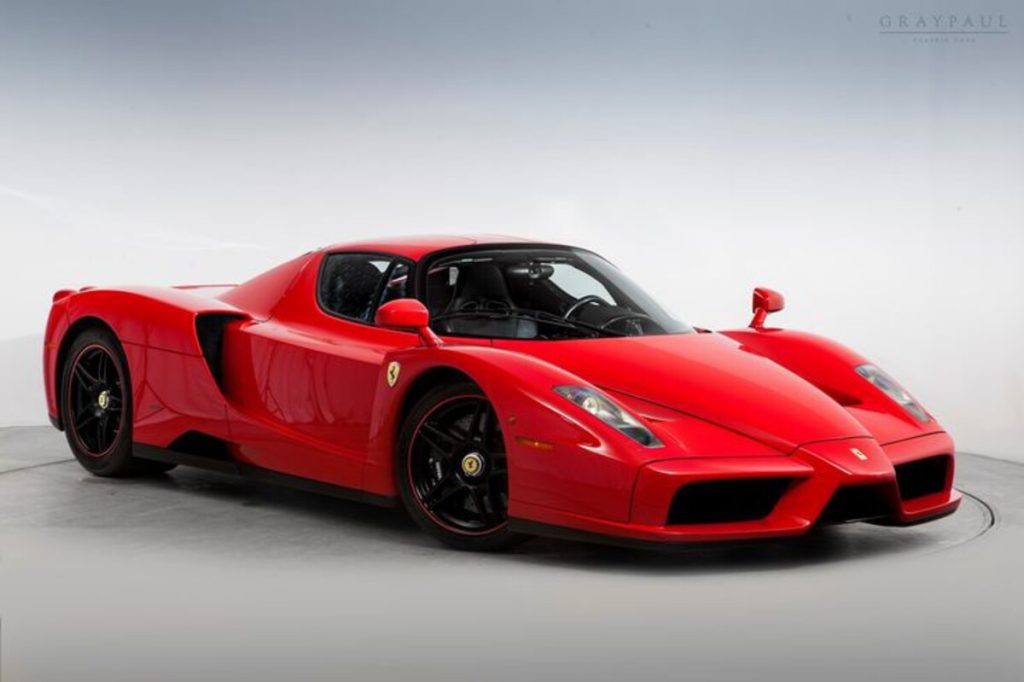
The Enzo continues to command attention in the collector market, with values reflecting its significance. Its combination of heritage, engineering, and rarity ensures that it remains a strong performer in terms of long-term appreciation.
4. Ferrari LaFerrari
The Ferrari LaFerrari represents a shift in how performance is achieved, combining a naturally aspirated V12 engine with hybrid technology.
This approach marked a new direction for the brand, introducing a level of complexity that set it apart from earlier models. From an investment perspective, this transition has played a key role in shaping its value.
Unlike traditional Ferraris that rely solely on combustion engines, the LaFerrari integrates electric assistance to enhance performance.
The result is a driving experience that feels both immediate and sustained, with power delivered in a seamless manner. This combination creates a unique character that distinguishes it from other models.
The design reflects its advanced nature, with aerodynamic elements integrated into a form that appears both aggressive and refined. Every surface serves a purpose, contributing to performance while maintaining a cohesive appearance. This balance between function and aesthetics has helped the car maintain its appeal.
Inside, the focus remains on the driver. The layout is centered around usability, ensuring that controls are accessible without distraction. The cabin reflects a blend of modern technology and traditional craftsmanship, creating an environment that feels both innovative and familiar.
Production numbers were carefully controlled, reinforcing its exclusivity. Demand was strong from the outset, with most units allocated before production even began. This immediate interest laid the foundation for its continued value growth.
What makes the LaFerrari particularly significant is its position as a transitional model. It represents the point where Ferrari began integrating hybrid systems into its highest-performance cars. This historical context adds depth to its desirability, as collectors recognize its role in shaping the future of the brand.
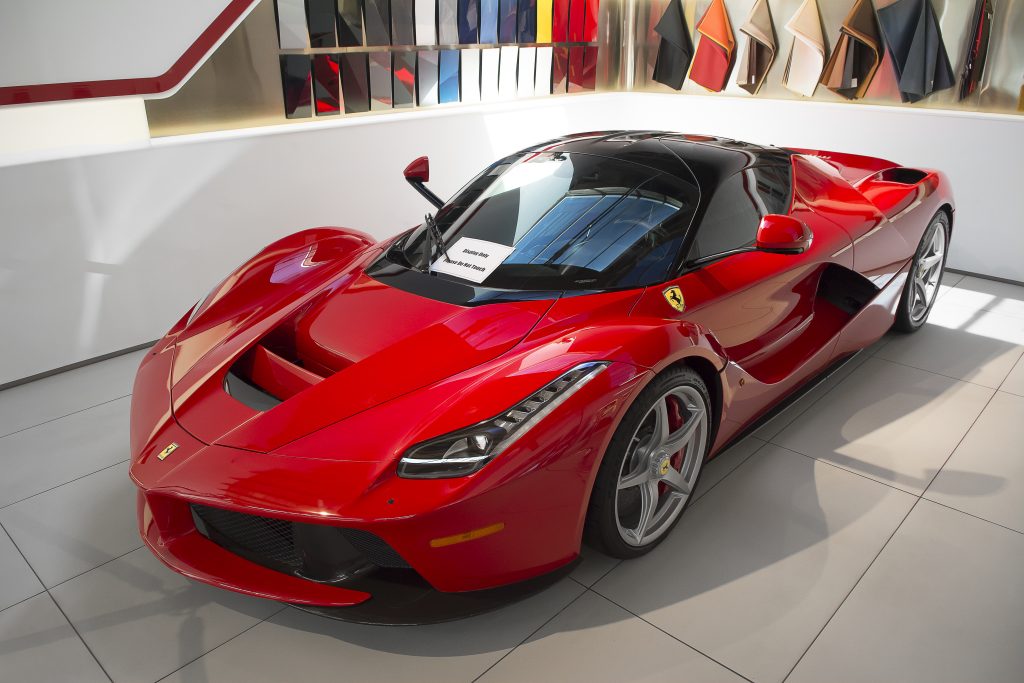
As the market evolves, the LaFerrari continues to perform strongly as an investment. Its combination of limited availability, technological innovation, and brand significance ensures that it remains a highly sought-after model.
5. Ferrari 288 GTO
The Ferrari 288 GTO occupies a special place in the brand’s history, often seen as the foundation for Ferrari’s modern supercar lineage. When it was introduced, it was created with motorsport intentions, designed to meet homologation requirements for Group B racing.
Although that racing category was eventually canceled, the car’s purpose left a lasting impact on how it is viewed today.
Its twin-turbocharged V8 engine marked a significant step forward for Ferrari at the time, delivering strong performance while introducing forced induction in a way that felt purposeful.
The power delivery carries a sense of anticipation, building momentum rather than arriving instantly. This characteristic adds a layer of engagement that continues to resonate with collectors.
The design of the 288 GTO reflects a careful balance between aggression and restraint. It retains elements of the 308 platform while introducing wider proportions and functional aerodynamic features. This evolution gives it a distinct identity without straying too far from its origins, allowing it to age with a sense of continuity.
Rarity plays a central role in its investment performance. Production numbers were limited, and the car’s connection to a canceled racing category adds an element of uniqueness. For many years, it existed in the shadow of more widely recognized models, yet this changed as collectors began to appreciate its importance.
The turning point came when the 288 GTO was recognized as the starting point of Ferrari’s halo car lineage, leading directly to models like the F40. This realization raised its status, driving demand upward. As interest increased, values followed, reflecting its significance within the brand’s evolution.
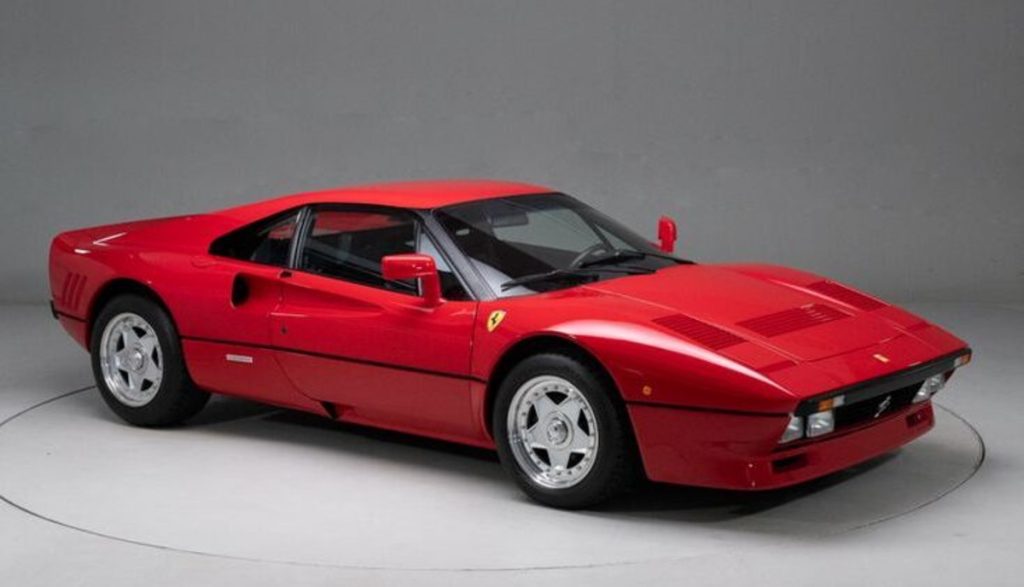
Another factor influencing its rise is its authenticity. It represents a time when engineering decisions were closely tied to racing ambitions, giving it a sense of purpose that extends beyond road use.
The Ferrari 288 GTO has grown into one of the most respected models in the collector market. Its combination of rarity, heritage, and historical importance ensures that it continues to perform strongly as an investment.
6. Ferrari Daytona SP3
The Ferrari Daytona SP3 presents a different kind of investment story, one rooted in modern exclusivity combined with a strong connection to the brand’s past.
As part of Ferrari’s Icona series, it draws inspiration from historic racing cars while incorporating contemporary engineering. This blend of old and new has played a key role in shaping its value.
At its core, the SP3 is powered by a naturally aspirated V12 engine, a choice that immediately sets it apart in an era where hybrid systems are becoming more common.
This decision gives the car a sense of purity that appeals to collectors who value traditional performance characteristics. The engine’s responsiveness and sound contribute to an experience that feels both engaging and memorable.
The design is heavily influenced by Ferrari’s racing heritage, with proportions and details that reference classic models. At the same time, it introduces modern elements that ensure it does not feel like a replica. This balance creates a visual identity that is both familiar and distinctive, enhancing its appeal.
Production was strictly limited, with all units allocated quickly. This immediate demand established a strong foundation for its investment potential. Buyers recognized that the combination of exclusivity and heritage would likely lead to sustained interest in the future.
Another aspect that supports its value is its position within Ferrari’s lineup. As part of a series dedicated to celebrating the brand’s history, it carries a level of significance that goes beyond performance. It represents a curated approach to design and engineering, where each model is intended to stand as a collectible from the moment it is released.
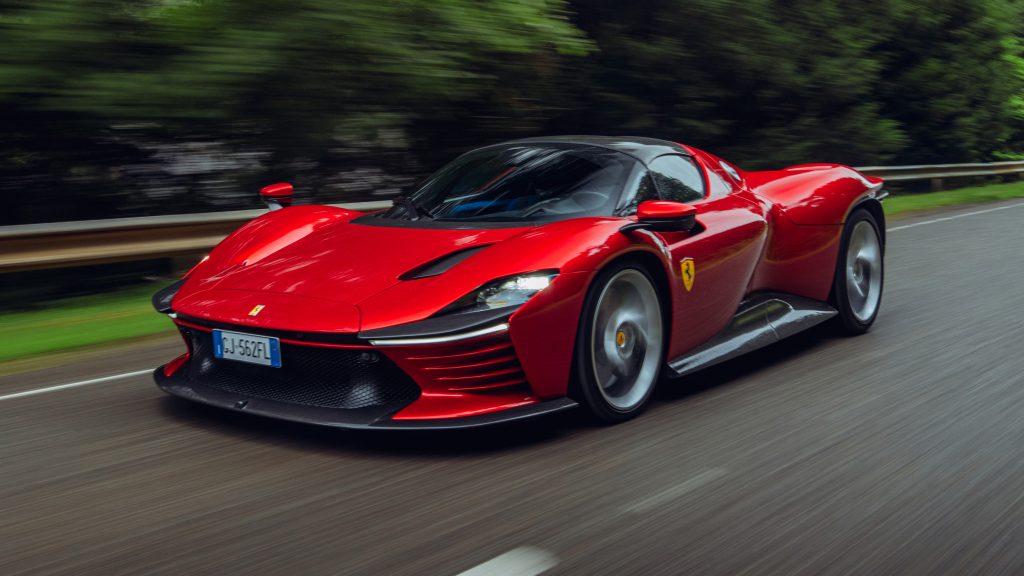
The Daytona SP3 has already shown strong performance in the market, with values reflecting its desirability. Its limited availability, combined with its connection to Ferrari’s legacy, ensures that it remains a compelling option for collectors.
The SP3 demonstrates how modern Ferraris can achieve strong investment performance by combining exclusivity with a clear narrative, creating a car that resonates both emotionally and financially.
7. Ferrari 599 GTO
The Ferrari 599 GTO did not arrive quietly, yet its investment trajectory was not immediate. When it was introduced, it was recognized as a high-performance variant of the 599 platform, drawing inspiration from Ferrari’s track-focused engineering.
However, at the time, it was often compared directly to other models rather than being appreciated for its individual qualities. This initial comparison delayed its recognition as a standout collectible.
Its naturally aspirated V12 engine delivers power with a sense of urgency that builds through the rev range. The response feels sharp, encouraging drivers to engage with the car rather than simply rely on its output.
This characteristic has become more valuable as newer models move toward different forms of power delivery, making the 599 GTO feel increasingly distinctive.
The chassis is tuned to provide a balance between control and intensity. It does not attempt to isolate the driver from the road, instead allowing feedback to come through clearly.
This creates a driving experience that feels involving, reinforcing its connection to Ferrari’s motorsport philosophy. The car rewards precision, making it more engaging than many of its contemporaries.
Design plays a subtle but important role in its appeal. The 599 GTO maintains the proportions of the standard model while introducing functional changes that enhance performance. These adjustments give it a purposeful appearance without relying on dramatic visual elements. Over time, this restrained approach has helped it age gracefully.
Production numbers were limited, but not to the extent of Ferrari’s most exclusive models. For several years, this placed it in a middle ground within the collector market. The shift occurred when enthusiasts began to recognize it as one of the last naturally aspirated V12 grand tourers with a strong connection to track performance.
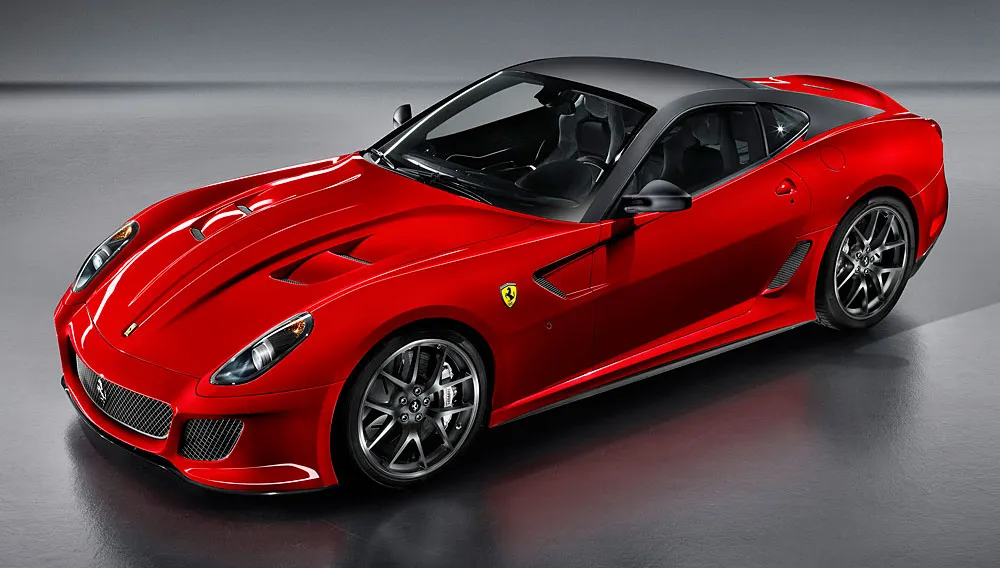
As demand increased, values began to rise steadily. The 599 GTO transitioned from a respected performance car into a highly sought-after collectible. Its appeal now lies in its balance of usability, performance, and rarity.
The 599 GTO shows how a model can gain investment strength over time, driven by changing perceptions and a growing appreciation for its unique characteristics.
8. Ferrari 458 Speciale
The Ferrari 458 Speciale presents a different path to investment success, built around refinement rather than reinvention.
It takes the already capable 458 Italia and enhances it with a focus on responsiveness and engagement. At first glance, these changes might seem incremental, yet they have had a significant impact on how the car is valued today.
Its naturally aspirated V8 engine delivers power in a way that feels immediate and precise. The absence of turbocharging allows for a direct connection between throttle input and acceleration. This responsiveness has become increasingly rare, making the Speciale stand out as one of the last examples of this approach within Ferrari’s lineup.
Handling is where the Speciale truly defines itself. The car feels light and agile, responding quickly to changes in direction.
The rear-wheel-drive setup allows drivers to influence the car’s behavior through subtle inputs, creating a sense of involvement that enhances the driving experience. It does not rely on excessive power to create excitement, instead focusing on how that power is used.
The design reflects its performance focus, with aerodynamic elements integrated into a shape that remains clean and purposeful. These features are not purely visual but contribute to the car’s behavior at higher speeds. This combination of form and function adds to its long-term appeal.
Inside, the cabin emphasizes simplicity and clarity. Materials are chosen with performance in mind, and the layout ensures that controls are easy to access. This approach reinforces the car’s identity as a driver-focused machine.
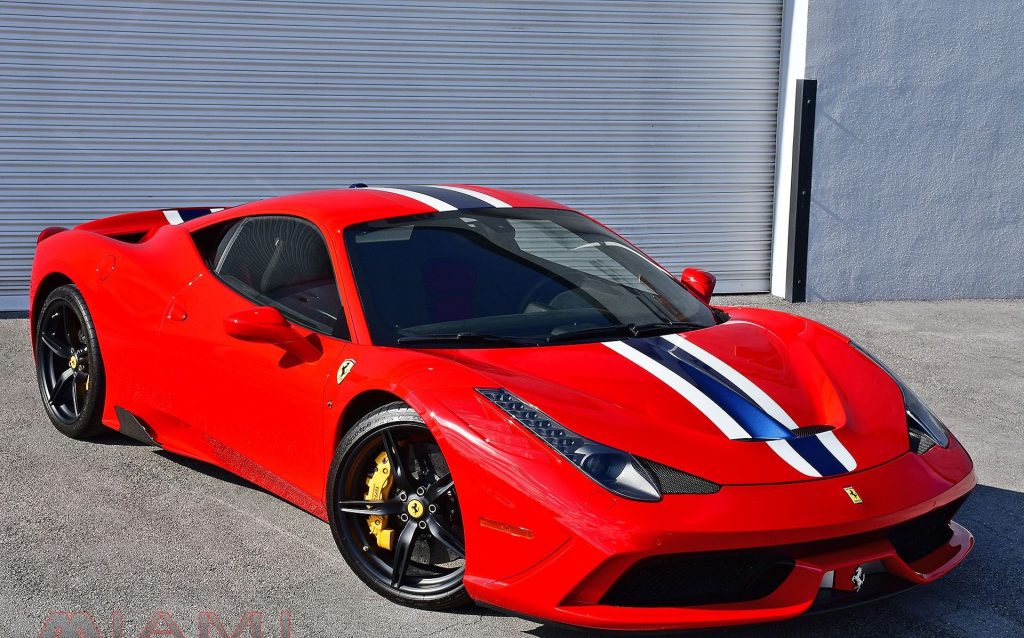
The turning point for the 458 Speciale came as the automotive industry shifted toward turbocharged engines. Enthusiasts began to recognize it as one of the final naturally aspirated V8 Ferraris, increasing its desirability.
Values have risen accordingly, reflecting its position as a transitional model. The 458 Speciale demonstrates how subtle improvements and timing can combine to create strong investment performance.
9. Ferrari F355
The Ferrari F355 followed a path that few expected when it was new. At launch, it was appreciated for its design and performance, yet it did not carry the immediate aura of a future collectible.
It was seen as a well-executed sports car rather than a defining moment for the brand. Over time, however, its qualities began to stand out more clearly, leading to a steady rise in value.
Its naturally aspirated V8 engine is central to its appeal. The sound it produces, especially at higher revs, has become one of the most celebrated aspects of the car.
Unlike later models that introduced more layers of refinement, the F355 delivers a raw and engaging experience. This authenticity has become increasingly important as driving enthusiasts seek cars that feel more connected.
The handling characteristics also contribute to its growing reputation. The car feels balanced and predictable, allowing drivers to build confidence quickly.
The rear-wheel-drive layout enhances this behavior, creating a sense of control that makes the car enjoyable in a wide range of conditions. It is not intimidating, yet it remains engaging enough to reward skill.
Design plays a significant role in its investment performance. The proportions and clean lines give it a timeless quality that continues to resonate. It does not rely on exaggerated features, instead achieving impact through simplicity. This approach has helped it age gracefully, maintaining relevance decades after its release.
For many years, the F355 remained accessible compared to other Ferraris. This accessibility allowed a wider audience to experience it, but it also delayed its recognition as a collectible. The shift occurred when enthusiasts began to value analog driving experiences more highly, bringing attention back to models like the F355.
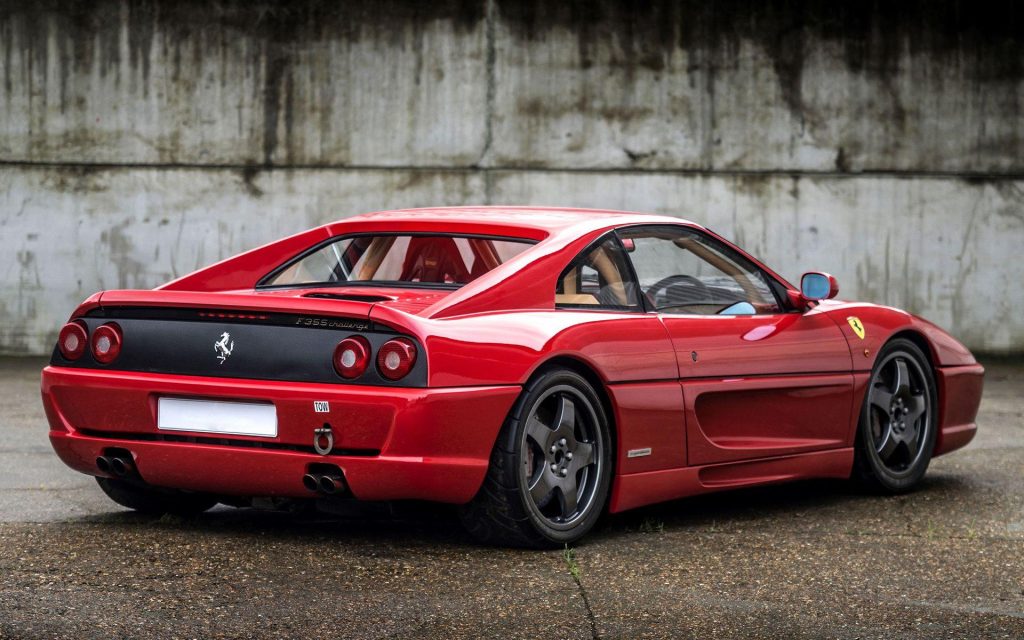
As demand increased, prices followed. The F355 transitioned from an entry point into Ferrari ownership to a respected investment. Its combination of design, sound, and driving feel has secured its place in the collector market.
The F355 illustrates how a car can grow in value as appreciation for its qualities deepens over time.
10. Ferrari Monza SP2
The Ferrari Monza SP2 represents a modern interpretation of exclusivity, designed as part of a limited series that prioritizes experience over practicality. From the moment it was introduced, it was clear that this model would occupy a unique position within Ferrari’s lineup.
Its open-top design, lack of a traditional windshield, and focus on driver engagement set it apart from more conventional offerings.
Power comes from a naturally aspirated V12 engine, delivering performance in a way that feels both immediate and immersive. Without the usual barriers between driver and environment, the experience becomes more intense.
This approach creates a sense of connection that goes beyond typical supercar driving, making each journey feel distinct.
The design draws inspiration from classic racing barchettas, yet it incorporates modern engineering and materials. This blend of heritage and innovation gives the Monza SP2 a strong visual identity. It feels like a tribute to Ferrari’s past while remaining firmly rooted in the present.
Production numbers were strictly limited, ensuring that demand would exceed supply from the outset. Most units were allocated to existing clients, reinforcing its exclusivity. This controlled availability played a key role in its investment performance, as it created immediate scarcity in the market.
Another factor influencing its value is its purpose. The Monza SP2 is not designed for everyday use, which means that many examples remain in excellent condition. This preservation supports long-term desirability, as collectors place high value on originality.
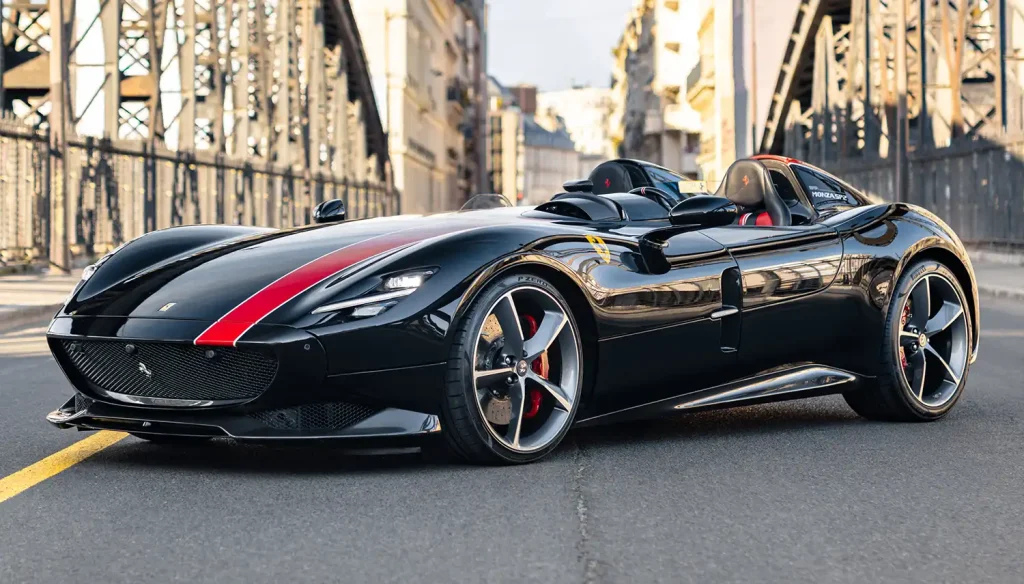
The car’s position within Ferrari’s strategy also contributes to its appeal. As part of a series that celebrates the brand’s heritage, it carries a level of significance that extends beyond its specifications. This narrative adds depth, making it more than just a performance machine.
The Ferrari Monza SP2 demonstrates how modern exclusivity, combined with a strong connection to history, can create a model with significant investment potential.
Also Read: 8 Limited-Production Supercars Collectors Missed Their Chance At
