
Grand tourers occupy a unique space in the automotive world, designed not merely for speed but for sustained, effortless performance across long distances. Nowhere is this philosophy more relevant than on the Autobahn, where sections of unrestricted highway demand not just raw power, but stability, engineering precision, and endurance.
A true grand tourer is not judged by how quickly it reaches top speed, but by how confidently it can maintain it while keeping occupants comfortable and composed.
High speed cruising places immense stress on every component of a vehicle. Engines must deliver consistent power without strain, transmissions need to shift seamlessly under load, and aerodynamics must minimize drag while ensuring stability.
At these velocities, even minor design flaws become noticeable. This is why only a select group of cars can genuinely claim to be built for such conditions. These machines are engineered with a level of detail that prioritizes long term performance rather than short bursts of acceleration.
Comfort plays an equally critical role. Sustained high speed travel is not about adrenaline alone; it is about covering vast distances without fatigue. Seats must support the body for hours, cabins must remain quiet despite the rushing air, and suspension systems must absorb imperfections without unsettling the car.
Grand tourers excel because they balance performance with refinement, creating an experience that feels controlled rather than chaotic.
Another defining characteristic is composure. At speeds where reaction times shrink dramatically, the car must feel predictable and stable. Steering precision, braking performance, and chassis balance all contribute to this sense of confidence.
Drivers rely on these qualities to maintain control, especially when traffic conditions change suddenly. A well engineered grand tourer inspires trust, allowing the driver to focus on the road ahead.
The following selection highlights eight grand tourers that embody these principles. Each one approaches the challenge differently, yet all are capable of sustained high speed travel without compromise. They represent the pinnacle of engineering where speed, comfort, and durability come together in a way that few vehicles can match.
Also Read: 10 SUVs Engineers Consider Nearly Impossible to Break
1. Mercedes-Benz S-Class Coupe
There is a certain calm authority in the way the Mercedes-Benz S-Class Coupe approaches speed. It does not rush to prove itself, nor does it rely on aggressive character to make an impression. Instead, it builds momentum with a sense of inevitability; the car simply settles into high speed cruising as if it were its natural state. This is what makes it particularly suited for long Autobahn stretches.
The engine delivers power in a smooth, uninterrupted flow. Acceleration feels progressive rather than abrupt, allowing the car to reach high speeds without drama. This refinement becomes crucial when maintaining velocity for extended periods, as it reduces strain on both the vehicle and the driver.
The transmission complements this behavior by shifting with near imperceptible precision, ensuring that power delivery remains consistent.
Aerodynamic efficiency plays a significant role in the coupe’s performance. Its sleek profile cuts through the air with minimal resistance, reducing wind noise and enhancing stability.
At high speeds, the car remains planted, resisting the tendency to feel light or unsettled. This stability is not accidental; it is the result of careful engineering that prioritizes balance and control.
Inside, the cabin transforms the experience entirely. Noise levels remain remarkably low, even as speeds climb. The seats provide a blend of softness and support that prevents fatigue during long drives. Ambient lighting, premium materials, and advanced technology create an environment that feels more like a luxury lounge than a high speed machine.
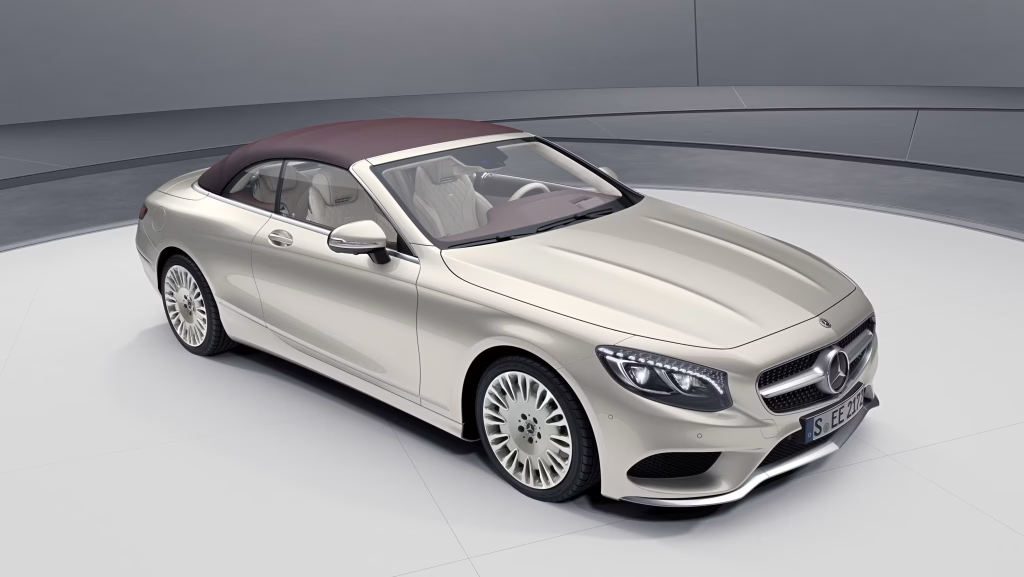
What distinguishes this car is its ability to make speed feel effortless. It does not demand constant attention or correction. Instead, it allows the driver to settle into a rhythm, maintaining high speeds with confidence and ease.
This sense of composure defines its character, making it an ideal companion for sustained Autobahn travel.
2. BMW 8 Series Gran Coupe
Where the S-Class Coupe leans toward serenity, the BMW 8 Series Gran Coupe introduces a sharper edge to the grand touring experience. It carries a sense of purpose that becomes evident the moment it begins to move. This is a car that does not just cruise at high speeds; it engages the driver while doing so.
The engine response is immediate, delivering power with a sense of urgency that feels controlled rather than overwhelming. Acceleration is strong, yet it remains refined enough to suit long distance driving. This balance allows the car to maintain high speeds without feeling strained, ensuring that performance remains consistent over time.
Handling is where the Gran Coupe truly distinguishes itself. The chassis feels tight and responsive, providing a level of precision that inspires confidence.
At high speeds, this precision becomes invaluable, allowing the driver to make subtle adjustments without unsettling the car. The steering communicates clearly, creating a connection between driver and machine that enhances control.
The design also contributes to its Autobahn capability. Its long, low stance improves stability, while aerodynamic elements help manage airflow effectively. Even as speeds increase, the car maintains a composed posture, resisting the effects of crosswinds and road imperfections. This stability ensures that the driving experience remains predictable.
Inside, the focus shifts slightly toward the driver. The layout places controls within easy reach, reinforcing a sense of engagement. Materials and finishes maintain a premium feel, but the emphasis is on functionality as much as comfort. Seats are supportive enough for spirited driving yet comfortable for extended journeys.
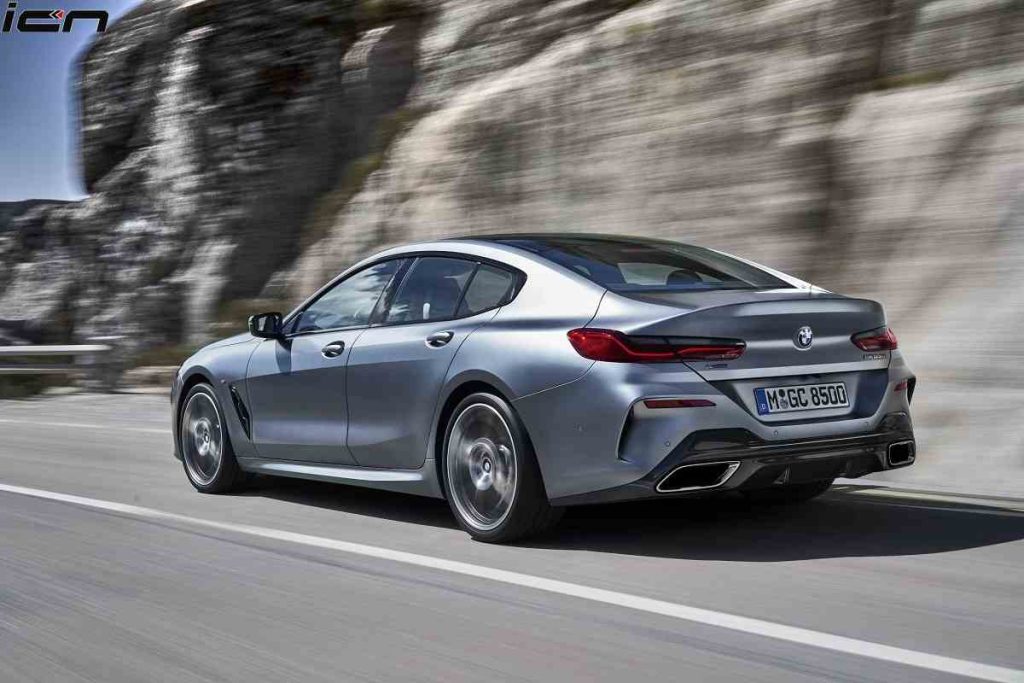
This grand tourer appeals to those who want more than just effortless cruising. It adds an element of interaction, making high speed travel feel dynamic without sacrificing refinement. By combining performance with precision, the 8 Series Gran Coupe proves that sustained Autobahn driving can be both controlled and engaging.
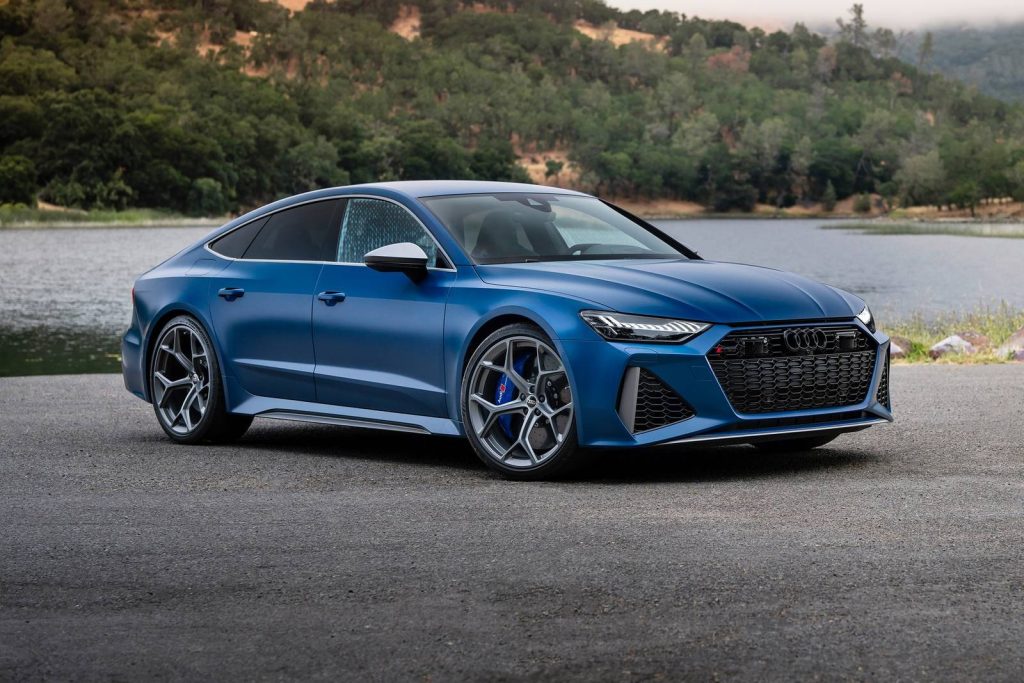
3. Audi RS7 Sportback
Speed in the Audi RS7 Sportback feels calculated rather than dramatic. It does not surge forward in a chaotic rush; instead, it builds velocity with a controlled intensity that reflects deep engineering discipline. This approach makes it exceptionally well suited for sustained Autobahn driving, where consistency matters more than spectacle.
Press the accelerator, and the twin turbocharged engine responds with a surge that feels both immediate and refined. The power delivery remains steady across the rev range, allowing the car to maintain high speeds without any sense of strain.
What stands out is how effortlessly it holds pace, যেন it operates comfortably within a performance window that many cars would find demanding.
The quattro all wheel drive system plays a central role in maintaining composure. At high speeds, traction is not just about acceleration but about stability. The system distributes power intelligently, ensuring that the car remains planted even when road conditions are less than ideal.
This level of control becomes crucial when traveling at velocities where small corrections can have significant consequences.
Aerodynamics contribute quietly but effectively to the RS7’s capability. The sleek body design reduces drag while enhancing downforce, helping the car stay stable as speeds climb.
Adaptive elements adjust to driving conditions, ensuring that airflow is managed efficiently. This attention to detail allows the car to remain composed without requiring constant input from the driver.
Inside, the cabin reflects a blend of performance and luxury. The seats hold occupants securely without sacrificing comfort, making long distance travel less tiring. Technology is integrated in a way that supports the driving experience rather than distracting from it. Displays provide essential information clearly, allowing the driver to remain focused.
Braking performance is another area where the RS7 demonstrates its suitability for high speed use. The system delivers strong and consistent stopping power, maintaining confidence even after repeated use. This reliability is essential on roads where sudden deceleration may be required.
The RS7 Sportback stands as a demonstration of how modern engineering can balance power, control, and comfort. It does not rely on a single standout feature but instead integrates multiple strengths into a cohesive whole.
This makes it a formidable choice for sustained Autobahn travel, where precision and endurance define true capability.
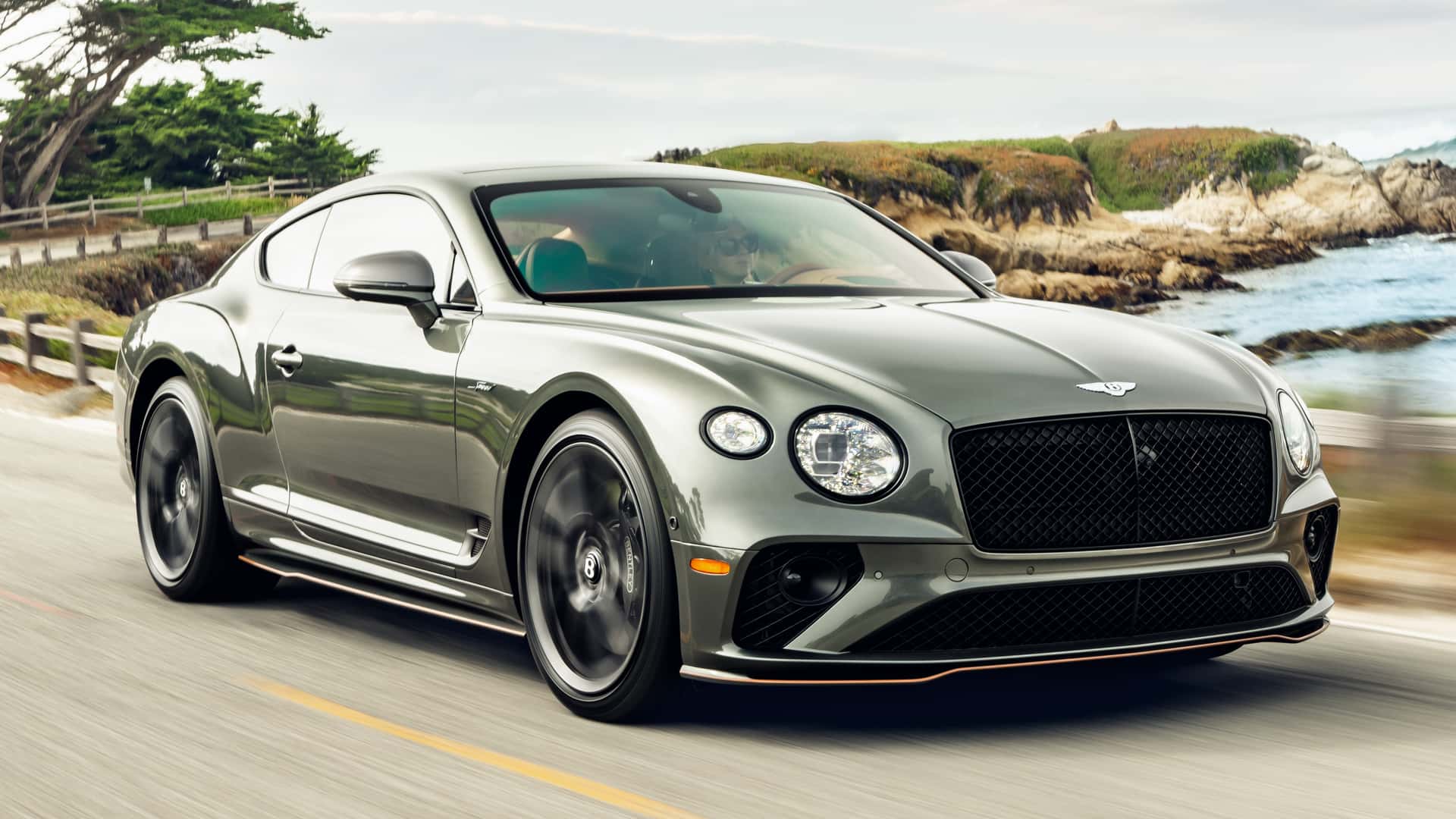
4. Bentley Continental GT
The Bentley Continental GT approaches high speed travel with a completely different mindset. Rather than emphasizing sharpness or aggression, it focuses on delivering speed in the most refined and effortless way possible.
It transforms the experience of sustained Autobahn driving into something that feels almost serene, even at velocities that would challenge lesser vehicles.
Power comes from a deeply capable engine that delivers acceleration with a sense of authority. There is no hesitation, no abruptness, just a steady and commanding flow of performance.
This allows the car to reach and maintain high speeds without drawing attention to the effort involved. The sensation is less about acceleration and more about continuous motion.
The weight of the vehicle might suggest limitations, yet it becomes an advantage in terms of stability. At high speeds, the Continental GT feels anchored to the road, resisting disturbances from wind or uneven surfaces. The suspension system works tirelessly to maintain this composure, absorbing imperfections while keeping the body controlled.
Aerodynamic refinement ensures that the cabin remains insulated from external noise. Even as speed increases, the interior stays quiet, allowing conversations to continue without interruption. This level of isolation contributes significantly to comfort, especially during long journeys where fatigue can become a factor.
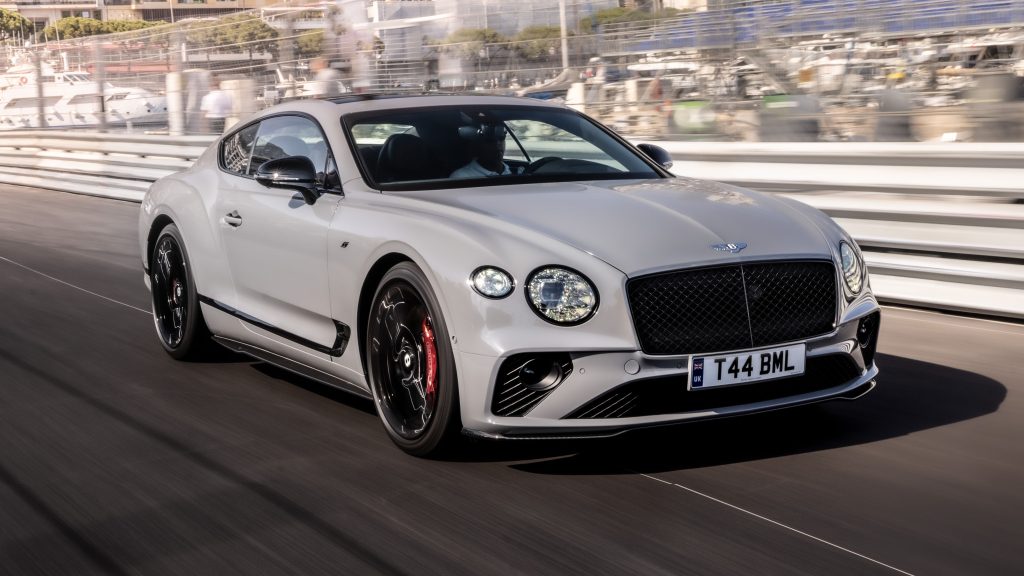
Step inside, and the focus on craftsmanship becomes immediately apparent. Materials are selected and assembled with extraordinary care, creating an environment that feels both luxurious and inviting. Seats are designed to provide support over extended periods, ensuring that occupants remain comfortable regardless of distance.
Technology is present but does not dominate the experience. Instead, it supports the driver in subtle ways, enhancing convenience without overwhelming the senses. This restraint aligns with the car’s overall philosophy of delivering performance without unnecessary complexity.
What makes the Continental GT remarkable is how it redefines expectations. It shows that sustained high speed travel does not have to feel intense or demanding. Instead, it can be smooth, controlled, and even relaxing.
By combining power with refinement in such a seamless manner, it represents a distinct interpretation of what a grand tourer can be.
5. Porsche Panamera Turbo
Speed in the Porsche Panamera Turbo feels deliberate, almost methodical, as if every component has been calibrated to sustain pressure without compromise.
This is not a car that delivers excitement in short bursts alone. It is engineered to maintain intensity over long distances, which makes it exceptionally suited for extended Autobahn sessions where consistency defines true performance.
The engine responds with precision, building power in a way that feels both immediate and controlled. There is a sense of discipline in how it accelerates, avoiding unnecessary drama while still delivering strong performance.
As speeds rise, the car does not feel strained or unsettled. Instead, it settles into a rhythm that allows it to hold velocity with confidence.
Handling is a defining strength here, but it is expressed differently compared to lighter sports cars. The Panamera Turbo uses its advanced chassis systems to maintain balance at high speeds, ensuring that it remains composed even when conditions are less than ideal.
Steering inputs translate into predictable movements, giving the driver a sense of control that becomes invaluable at elevated speeds.
The braking system reinforces this confidence. It delivers consistent stopping power, maintaining effectiveness even after repeated high speed use.
This reliability is essential on unrestricted highways, where sudden changes in traffic flow can require immediate response. The car does not hesitate or fade under pressure, which adds to its suitability for sustained driving.
Inside, the Panamera Turbo offers a space that blends sportiness with long distance comfort. The seats are supportive without feeling restrictive, allowing occupants to remain comfortable over extended journeys. Controls are arranged with a focus on clarity, ensuring that the driver can access essential functions without distraction.
The design of the car contributes to its stability. Its low stance and carefully managed airflow help reduce drag while maintaining grip on the road. This combination allows it to remain planted, even as speeds climb into ranges where lesser vehicles begin to feel unsettled.
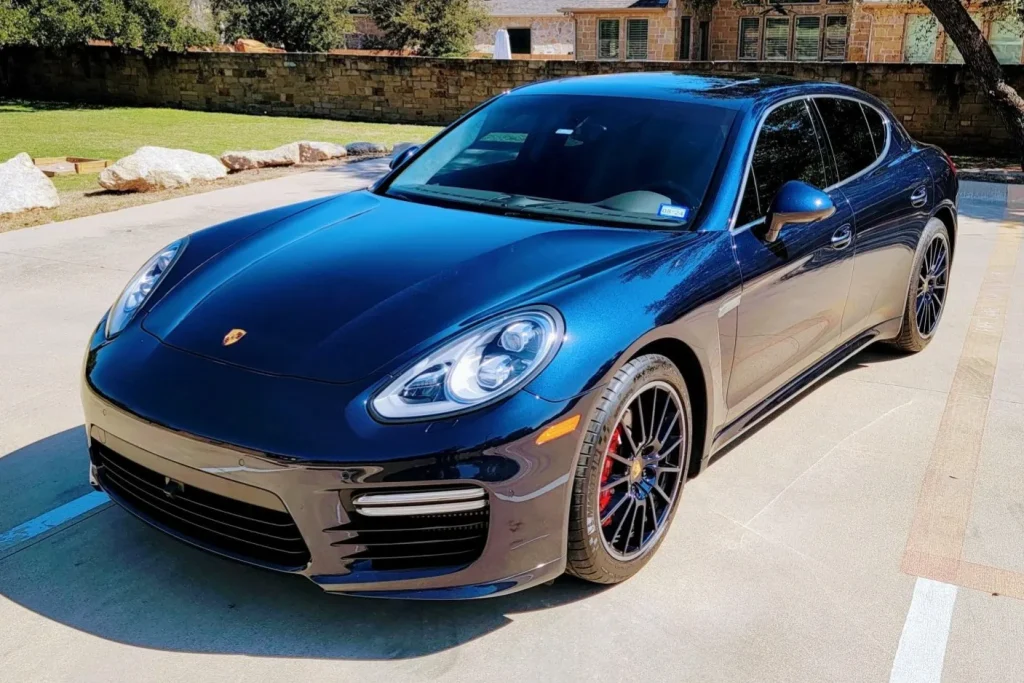
Rather than focusing on a single standout trait, the Panamera Turbo builds its identity through consistency. Every aspect of the car works together to support sustained performance, creating a machine that feels dependable under pressure.
It represents a disciplined approach to grand touring, where endurance and control take precedence over fleeting moments of excitement.
6. Aston Martin DB11
The Aston Martin DB11 approaches high speed travel with a sense of elegance that sets it apart from more technical interpretations of the grand tourer. It does not present itself as a machine obsessed with numbers. Instead, it delivers performance through a blend of power, balance, and character that feels distinctly refined.
Acceleration in the DB11 carries a unique personality. The engine produces power with a smooth yet assertive tone, creating a sensation that feels both engaging and controlled.
It does not overwhelm the driver but instead builds speed in a way that feels natural. This quality becomes especially important during sustained driving, where consistency matters more than intensity.
Aerodynamics play a subtle but crucial role in shaping the car’s behavior. Airflow is managed in a way that enhances stability without relying on aggressive external elements.
At high speeds, the DB11 remains composed, resisting disturbances that might unsettle less carefully designed vehicles. This stability contributes to a sense of confidence that builds over time.
The ride quality reflects a careful balance between comfort and control. The suspension absorbs imperfections without isolating the driver completely from the road. This allows the car to maintain a connection with the surface while still providing a smooth experience. It is a balance that suits long distance travel, where both engagement and comfort are important.
Inside, the cabin emphasizes craftsmanship and atmosphere. Materials are selected for their quality and assembled with attention to detail, creating an environment that feels personal rather than purely functional. The seating position encourages a relaxed posture, making extended journeys less demanding.
Unlike some grand tourers that focus heavily on technology, the DB11 adopts a more restrained approach. Systems are present to support the driver, but they do not dominate the experience. This creates a sense of simplicity that aligns with the car’s character, allowing the focus to remain on the act of driving.
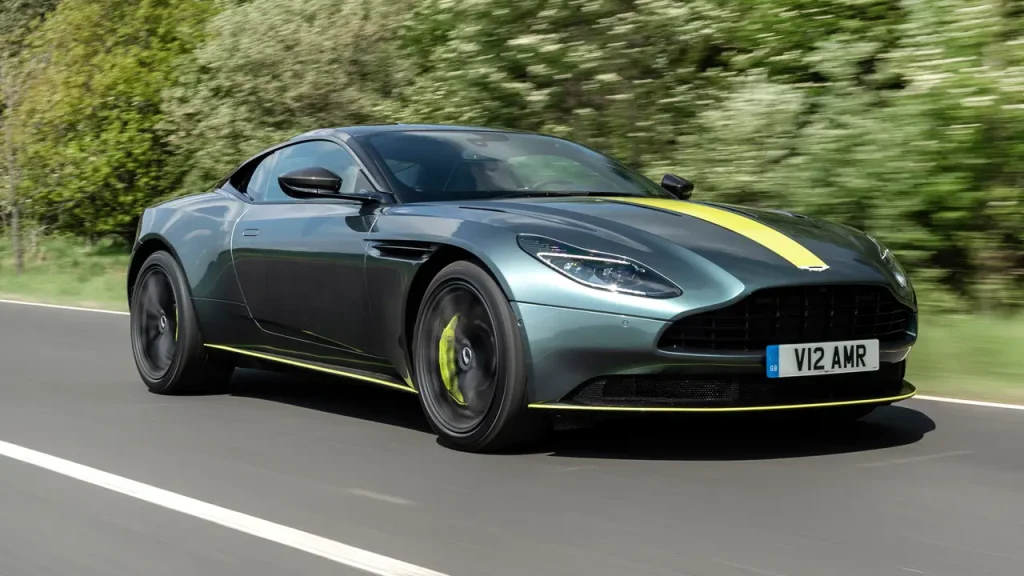
The DB11 stands as a reminder that high speed capability can be delivered with grace. It does not chase extremes or rely on aggressive design. Instead, it offers a composed and refined interpretation of performance, making it well suited for sustained Autobahn travel where stability and comfort are just as important as speed.
7. Ferrari GTC4Lusso
The Ferrari GTC4Lusso enters the grand touring space with a personality that feels both unexpected and purposeful.
Unlike traditional front engine Ferraris that lean heavily toward sharp performance, this model broadens its scope by embracing long distance usability without abandoning its core identity. It is designed for drivers who want sustained high speed capability wrapped in something that still feels distinctly emotional.
Start the engine, and the character becomes immediately apparent. The power delivery is smooth yet intense, building speed in a way that feels alive rather than mechanical.
What makes it suitable for Autobahn use is not just how quickly it accelerates, but how comfortably it holds that speed. The engine operates with a sense of ease, maintaining performance without feeling overworked.
Stability is reinforced through its all wheel drive system, a feature that sets it apart from many traditional grand tourers. At high speeds, this system provides additional confidence by managing traction effectively. The car remains composed even when conditions are less than ideal, allowing the driver to maintain control without constant correction.
The chassis plays a critical role in shaping the experience. It balances agility with composure, ensuring that the car does not feel nervous at elevated speeds. Steering inputs are met with precise responses, yet the overall behavior remains predictable. This combination allows the driver to feel connected without becoming overwhelmed.
Inside, the cabin reflects a dual purpose approach. It is designed to accommodate more than just the driver, offering space that makes longer journeys practical.
The layout integrates technology in a way that supports both performance and comfort. Seats provide the necessary support for spirited driving while remaining comfortable enough for extended travel.
Aerodynamic efficiency is handled with subtlety. The design manages airflow without relying on exaggerated elements, helping the car maintain stability without compromising its visual identity. This balance contributes to a driving experience that feels controlled rather than dramatic.
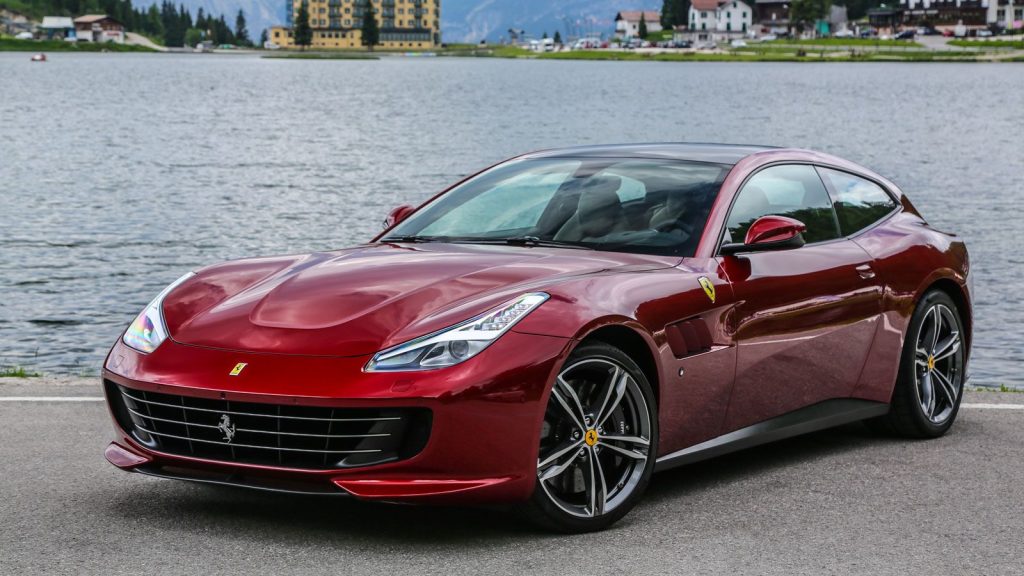
The GTC4Lusso stands out because it refuses to be limited by expectations. It combines the emotional appeal of a Ferrari with the practical demands of a grand tourer. By doing so, it demonstrates that sustained high speed driving can be both engaging and usable, offering a perspective that feels refreshingly different.
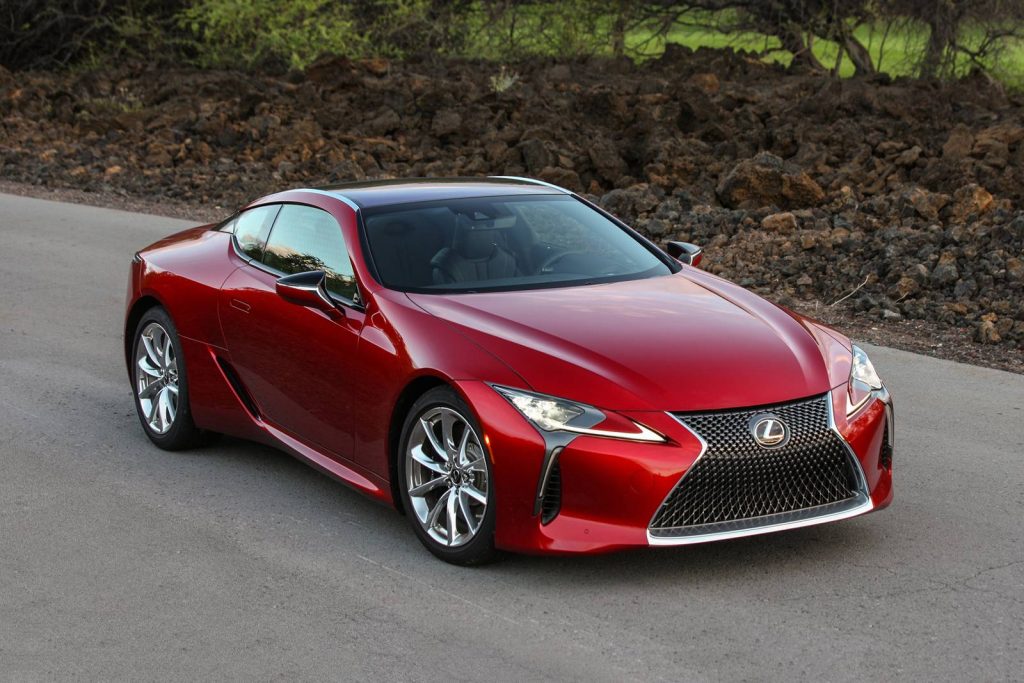
8. Lexus LC 500
The Lexus LC 500 approaches the idea of a grand tourer from a perspective rooted in craftsmanship and reliability. It does not attempt to dominate through sheer performance figures alone. Instead, it builds its case through consistency, refinement, and a driving experience that remains composed even during extended high speed travel.
Acceleration in the LC 500 feels deliberate and progressive. The naturally aspirated engine delivers power in a linear manner, creating a sense of control that suits long distance driving. Rather than relying on sudden bursts of force, it develops speed steadily, allowing the car to settle into a sustained rhythm that feels manageable.
At high speeds, stability becomes one of its defining traits. The chassis is tuned to maintain composure, ensuring that the car remains planted even when conditions change.
Steering responses are smooth and predictable, providing the driver with confidence without requiring constant input. This makes it particularly well suited for extended Autobahn runs.
The suspension system contributes significantly to comfort. It absorbs imperfections in the road while maintaining enough firmness to support high speed stability. This balance allows the car to handle long journeys without causing fatigue, ensuring that both driver and passengers remain comfortable throughout.
Inside, the LC 500 emphasizes attention to detail. The cabin feels carefully constructed, with materials and finishes that reflect a high level of craftsmanship.
The seating position is designed to support the body over extended periods, making it easier to maintain focus during long drives. Controls are arranged in a way that feels intuitive, reducing distractions.
Aerodynamics are integrated into the design in a way that supports both performance and efficiency. The shape of the car helps manage airflow, reducing drag while maintaining stability. This ensures that the vehicle performs consistently even at higher speeds, without introducing unnecessary noise or resistance.
What defines the LC 500 is its sense of reliability in demanding conditions. It delivers performance that can be sustained rather than simply demonstrated. By focusing on balance, comfort, and precision, it reinforces the core principles of a grand tourer.
It shows that enduring speed is not just about power, but about maintaining composure over time, making it a fitting conclusion to this selection of Autobahn capable machines.
Grand tourers built for sustained Autobahn speeds represent a distinct philosophy in automotive engineering, where performance is measured not just by acceleration but by endurance, stability, and composure.
These cars are designed to operate comfortably at velocities that would push ordinary vehicles to their limits, maintaining control and refinement over long distances rather than short bursts of excitement.
A defining trait across all these machines is their ability to deliver power in a consistent and controlled manner. Engines are tuned to provide smooth, uninterrupted acceleration that can be sustained without strain.
This ensures that high speed cruising feels natural rather than forced, allowing drivers to settle into a steady rhythm instead of constantly managing the car’s behavior.
Equally important is aerodynamic efficiency. At Autobahn speeds, airflow becomes a critical factor influencing both stability and comfort.
These grand tourers are shaped to reduce drag while maintaining strong road presence, preventing the car from feeling light or unsettled. This careful balance allows them to remain planted, even when external conditions such as wind or road imperfections come into play.
Comfort is another essential element that separates true grand tourers from standard performance cars. Interiors are designed to minimize fatigue, with supportive seating, quiet cabins, and intuitive controls.
The goal is to make long distance travel not just possible but enjoyable, ensuring that drivers and passengers remain relaxed even after hours on the road.
Handling and braking also play a crucial role in defining their capability. Precision steering allows for subtle adjustments at high speeds, while advanced braking systems provide reliable stopping power when needed. These features create a sense of confidence, enabling drivers to maintain control even in rapidly changing situations.
What stands out across these vehicles is their diversity in approach. Some emphasize luxury and isolation, turning high speed travel into a calm and effortless experience.
Others introduce a more engaging character, blending performance with driver involvement. Despite these differences, they all share a commitment to balance, ensuring that no single aspect overshadows the others.
In essence, these grand tourers demonstrate that sustained speed is not about extremes but about harmony.
They combine power, comfort, and engineering precision in a way that allows them to perform consistently under demanding conditions. This balance is what makes them truly suited for Autobahn driving, where endurance and composure define excellence.
Also Read: 8 Car Transmissions That Ruined Otherwise Excellent Platforms
