
The 1990s marked a fascinating era in automotive history, particularly among exotic cars. It was a decade where manufacturers pushed boundaries with bold designs, experimental engineering, and a willingness to take risks that would feel unlikely in today’s tightly regulated environment.
Many of these cars were not fully appreciated at the time of their release. Some were overshadowed by more famous rivals, while others arrived before the market was ready to understand their significance.
Fast forward to 2026, and the narrative has changed dramatically. Collectors and enthusiasts have begun to reassess these forgotten exotics, recognizing qualities that were once overlooked.
Limited production numbers, unique engineering approaches, and distinctive styling have all contributed to a surge in value. What were once niche or underappreciated machines are now commanding prices that can genuinely transform financial circumstances.
One of the key reasons behind this shift is the growing appreciation for analog driving experiences. Many 1990s exotics were built before the widespread adoption of advanced driver aids and digital systems.
As a result, they offer a level of raw engagement that feels increasingly rare. This authenticity has become a major draw for collectors seeking something more tactile and immersive.
Another factor is rarity. Some of these cars were produced in extremely small numbers, either due to limited demand at the time or because of financial challenges faced by manufacturers.
This scarcity has become a defining feature, especially as more examples are locked away in private collections. As availability decreases, demand continues to rise, pushing values upward at a remarkable pace.
The design language of the 1990s also plays a role. These cars often feature sharp lines, dramatic proportions, and a sense of individuality that stands apart from modern trends. They reflect a time when creativity was less constrained, resulting in vehicles that feel distinct even decades later.
This list highlights ten forgotten exotics from the 1990s that have experienced a dramatic rise in value. Each one tells a different story, shaped by its origins, reception, and eventual rediscovery.
What unites them is the way they have transitioned from overlooked machines to highly sought-after collector pieces, proving that time can completely redefine perception.
Also Read: 8 Grand Tourers Built for Autobahn Sustained High-Speed Use
1. Jaguar XJ220
The Jaguar XJ220 entered the 1990s with immense anticipation, yet its initial reception was far more complicated than expected.
Originally envisioned with a V12 engine and all-wheel drive, the production version arrived with a twin-turbocharged V6 and rear-wheel drive instead. This shift disappointed many early buyers, leading to cancellations and a reputation that never fully matched its capabilities at the time.
Despite this rocky start, the XJ220 possessed qualities that would later define its resurgence. Its performance figures were extraordinary for its era, allowing it to reach speeds that placed it among the fastest production cars in the world.
The aerodynamic design, combined with its lightweight construction, gave it a sense of purpose that went beyond expectations.
For years, the XJ220 remained undervalued compared to its contemporaries. Enthusiasts began to look beyond its initial controversies, recognizing the engineering achievements that had been overshadowed. The twin-turbocharged engine, once seen as a compromise, started to be appreciated for its efficiency and power delivery.
Another aspect that contributed to its rising value was its rarity. Production numbers were limited, and many examples were preserved in excellent condition. As interest in analog supercars grew, the XJ220 began to attract attention from collectors who valued its unique place in automotive history.
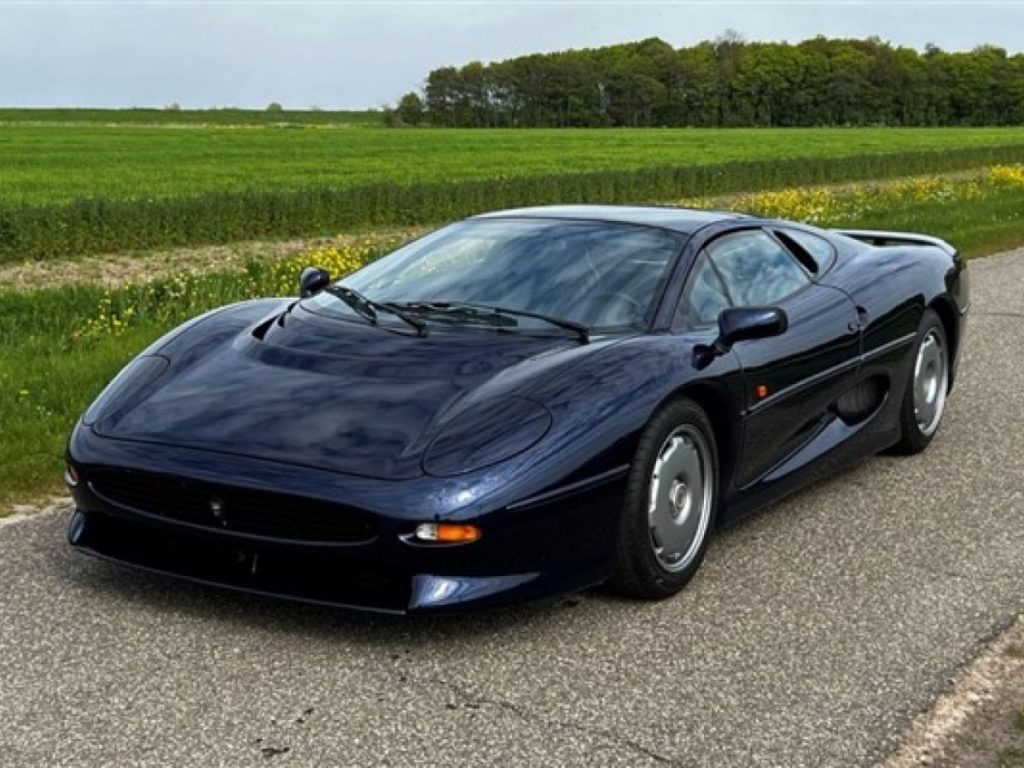
The design also aged well, maintaining a presence that feels timeless rather than dated. Its long, flowing shape continues to stand out, reflecting a period where aesthetics and performance were closely intertwined.
Today, the Jaguar XJ220 is no longer viewed through the lens of its initial reception. Instead, it is recognized as a groundbreaking supercar that was ahead of its time. Its journey from disappointment to highly valued collectible highlights how perception can change dramatically over the years.
2. Bugatti EB110
The Bugatti EB110 represents one of the most ambitious projects of the 1990s, created during a period when the brand was attempting to reestablish itself as a leader in performance and luxury. Built with advanced technology and a focus on engineering excellence, the EB110 introduced features that were far ahead of its time.
At its core was a quad-turbocharged V12 engine, paired with an all-wheel-drive system that provided exceptional traction. This combination allowed the car to deliver impressive performance while maintaining stability, a balance that few competitors could achieve.
The use of carbon fiber in its construction further enhanced its capabilities, reducing weight while increasing rigidity.
Despite these innovations, the EB110 struggled to achieve commercial success. Economic challenges and the complexity of its design limited production, resulting in a relatively small number of units. For many years, it remained overshadowed by more widely recognized supercars from the same era.
However, as collectors began to reassess the significance of 1990s exotics, the EB110’s importance became more apparent. Its advanced engineering, combined with its rarity, positioned it as a standout example of what the decade had to offer.
Enthusiasts started to appreciate the risks taken by Bugatti in creating such a technically ambitious vehicle.
The design of the EB110 also contributed to its growing appeal. Its angular lines and distinctive proportions reflect the experimental nature of the period, giving it a unique identity that continues to resonate.
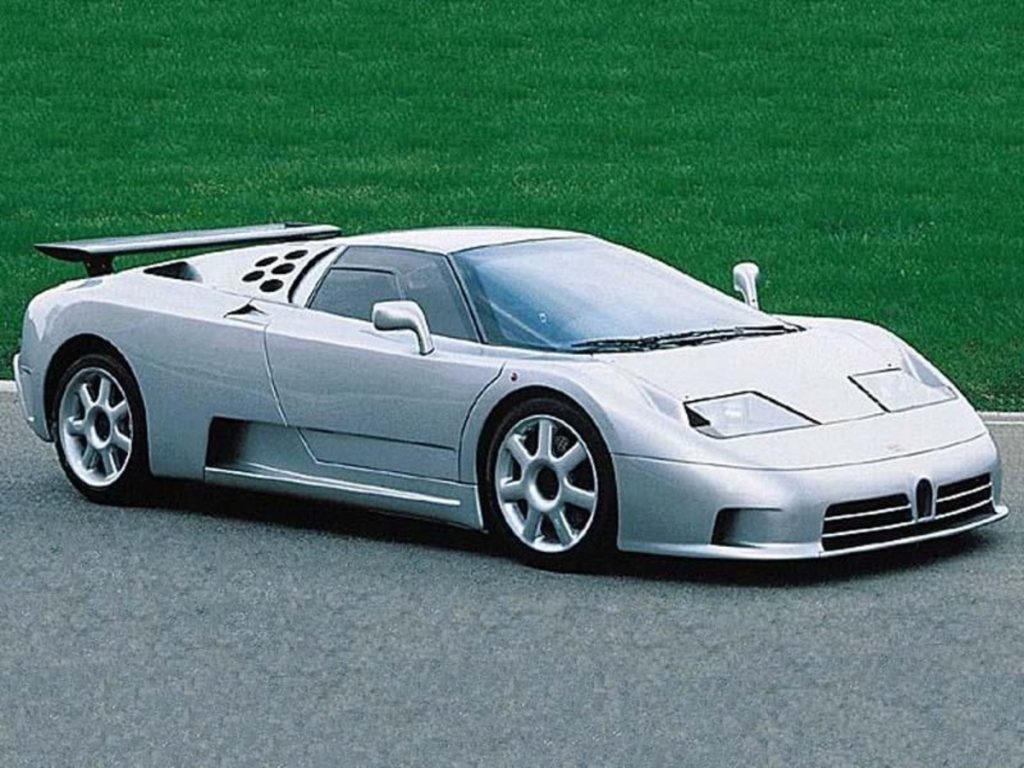
As demand increased, values began to rise sharply. The EB110 transitioned from an overlooked project to a highly desirable collector car, with prices reaching levels that reflect its significance.
The Bugatti EB110 serves as a reminder that innovation is not always immediately recognized. Its journey highlights how time can reveal the true value of a car that was once misunderstood.
3. Ferrari F50
The Ferrari F50 entered the 1990s carrying the weight of expectation. It followed the legendary F40, a car that had already achieved iconic status, and that alone created a difficult environment for acceptance.
At launch, many critics and buyers struggled to understand the F50’s direction. It was less aggressive in appearance than its predecessor and focused more on delivering a race-inspired driving experience rather than raw turbocharged intensity.
What set the F50 apart was its engineering philosophy. Instead of relying on forced induction, Ferrari chose a naturally aspirated V12 derived from its Formula 1 program. This decision shaped the car’s entire character.
Power delivery felt linear and immediate, rewarding drivers who engaged with the engine’s full rev range. It was not about sudden bursts of speed but about building momentum in a controlled and deliberate manner.
Another defining feature was its construction. The F50 used a carbon fiber monocoque chassis, with the engine acting as a stressed member. This approach created a connection between components that enhanced rigidity and responsiveness.
At the time, this level of engineering was not widely appreciated outside of racing environments, which contributed to its initial underestimation.
The design reflected a blend of functionality and restraint. It did not aim to shock visually, instead focusing on proportions and aerodynamic efficiency. Over time, this approach has aged remarkably well, giving the F50 a timeless presence that contrasts with more exaggerated designs of the era.
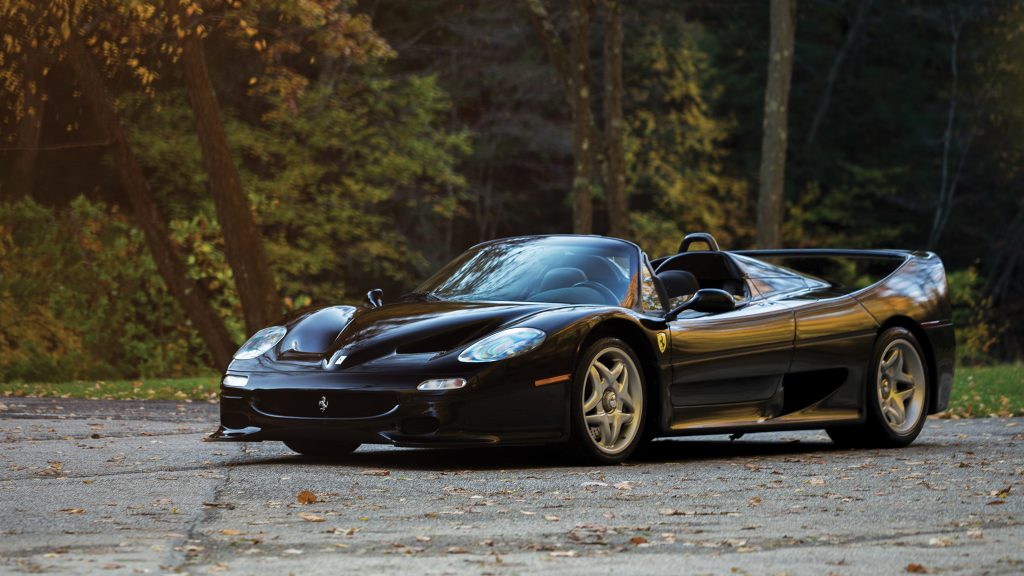
As the years passed, collectors began to recognize the significance of the F50. Its limited production numbers and direct link to motorsport technology became key factors in its rising value. What was once seen as a misunderstood successor transformed into a highly desirable piece of Ferrari history.
Today, the F50 commands prices that reflect its importance. It stands as an example of how a car can be underappreciated in its time, only to be redefined as a masterpiece decades later.
4. Lamborghini Diablo SE30
The Lamborghini Diablo SE30 was created to celebrate the company’s 30th anniversary, yet its importance extends far beyond its commemorative purpose.
At the time of its release, it was seen as a more extreme version of the standard Diablo, with a focus on reducing weight and enhancing performance. However, its true significance was not fully recognized until much later.
Unlike the regular Diablo, the SE30 stripped away elements that were considered unnecessary for performance. This included removing certain comfort features and introducing lightweight materials.
The result was a car that felt more focused and raw, delivering an experience that emphasized driver involvement. This approach was not widely appreciated in an era where luxury was becoming increasingly important in high-end cars.
The engine remained naturally aspirated, producing strong and consistent power. What made the SE30 unique was how it delivered that power. The car felt more direct and responsive, encouraging drivers to engage with it actively. This created a sense of connection that set it apart from other variants.
Visually, the SE30 introduced distinctive design elements that gave it a unique identity. Special color schemes, revised aerodynamics, and subtle changes to the bodywork ensured that it stood out without losing its connection to the original Diablo design. These details contributed to its growing appeal as collectors began to value individuality.
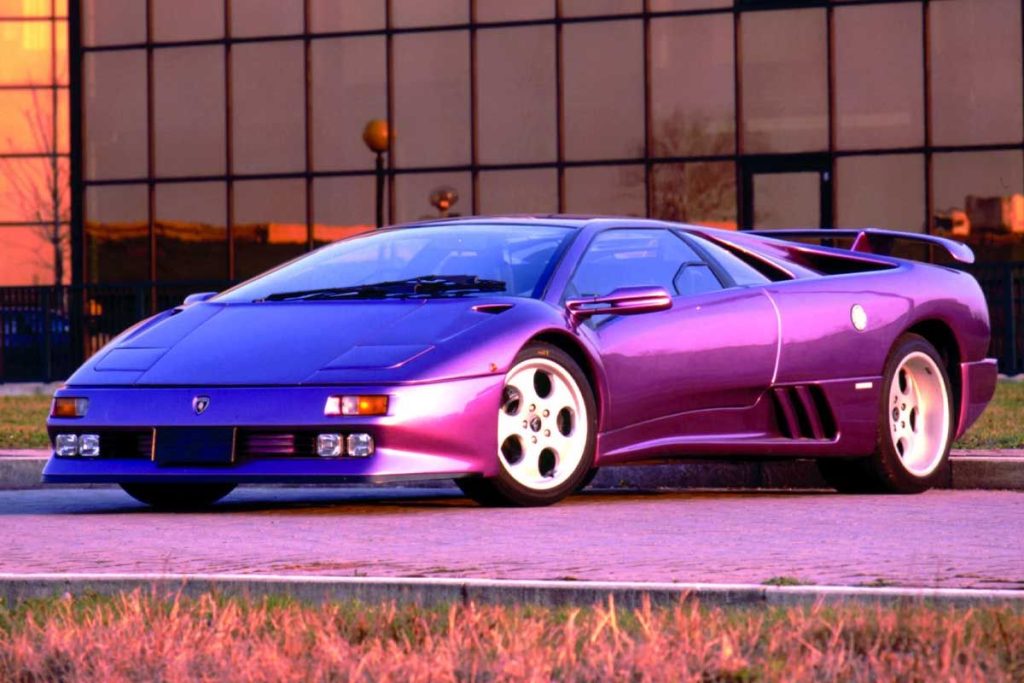
Production numbers were limited, which played a significant role in its later appreciation. For many years, the SE30 existed in the shadow of more famous Lamborghini models. However, as interest in analog supercars increased, it began to attract attention for its purity and focus.
The turning point came when collectors started to recognize the SE30 as one of the most driver-oriented Diablos ever produced. This shift in perception led to a rapid increase in demand, pushing values upward.
The Diablo SE30 now represents a key moment in Lamborghini’s history, where performance and simplicity came together in a way that feels increasingly rare.
5. Porsche 911 GT1 Straßenversion
The Porsche 911 GT1 Straßenversion stands apart from typical road cars of the 1990s because it was never intended to be one in the first place.
Its existence was tied directly to motorsport regulations, which required manufacturers to produce a limited number of road-going versions of their race cars. As a result, the GT1 Straßenversion feels closer to a Le Mans prototype than a traditional sports car with license plates.
From an engineering perspective, it broke away from the conventional 911 layout. Instead of a rear-engine configuration, it adopted a mid-engine design to optimize balance and performance.
This decision alone makes it one of the most unique vehicles ever associated with the 911 name. The twin-turbocharged flat-six engine delivered strong power, but the real story lies in how the car translated racing technology into a road-legal format.
Driving the GT1 Straßenversion is often described as an experience that requires full attention. It does not accommodate casual inputs or relaxed driving styles. The car responds sharply, demanding precision and rewarding skill. This intensity is part of what makes it so desirable today, as it represents a level of engagement rarely found in modern vehicles.
The design reflects its racing origins, with proportions that prioritize aerodynamics over tradition. It does not attempt to blend into everyday traffic. Instead, it stands out as a machine built with a clear and uncompromising purpose. Over time, this authenticity has become one of its most valued traits.
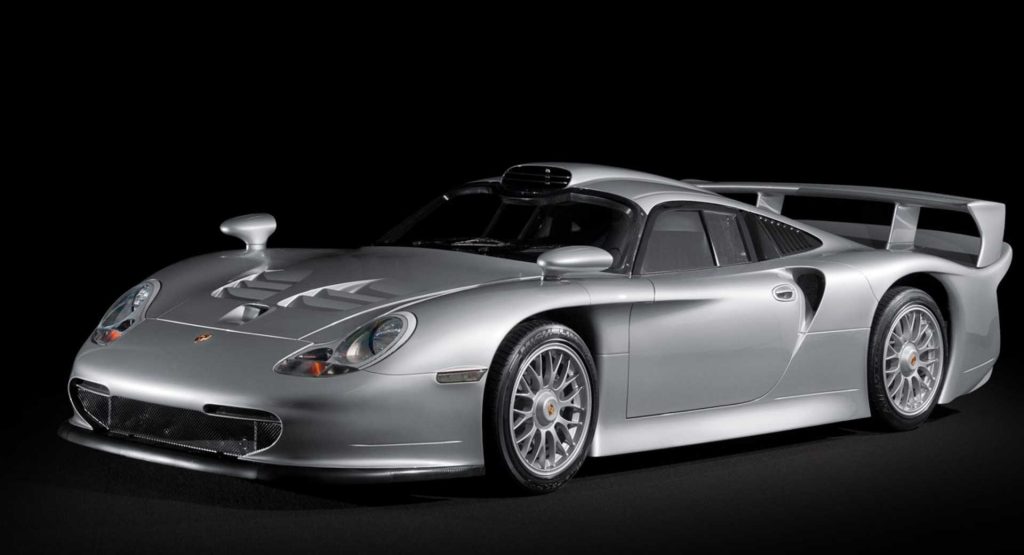
Production numbers were extremely low, ensuring that only a handful of examples exist. For many years, it remained a niche interest among dedicated enthusiasts. However, as the significance of homologation specials became more widely recognized, demand increased rapidly.
The Porsche 911 GT1 Straßenversion has since become one of the most sought-after cars from the 1990s. Its combination of rarity, motorsport heritage, and unconventional design has driven its value to extraordinary levels, transforming it into a true collector’s centerpiece.
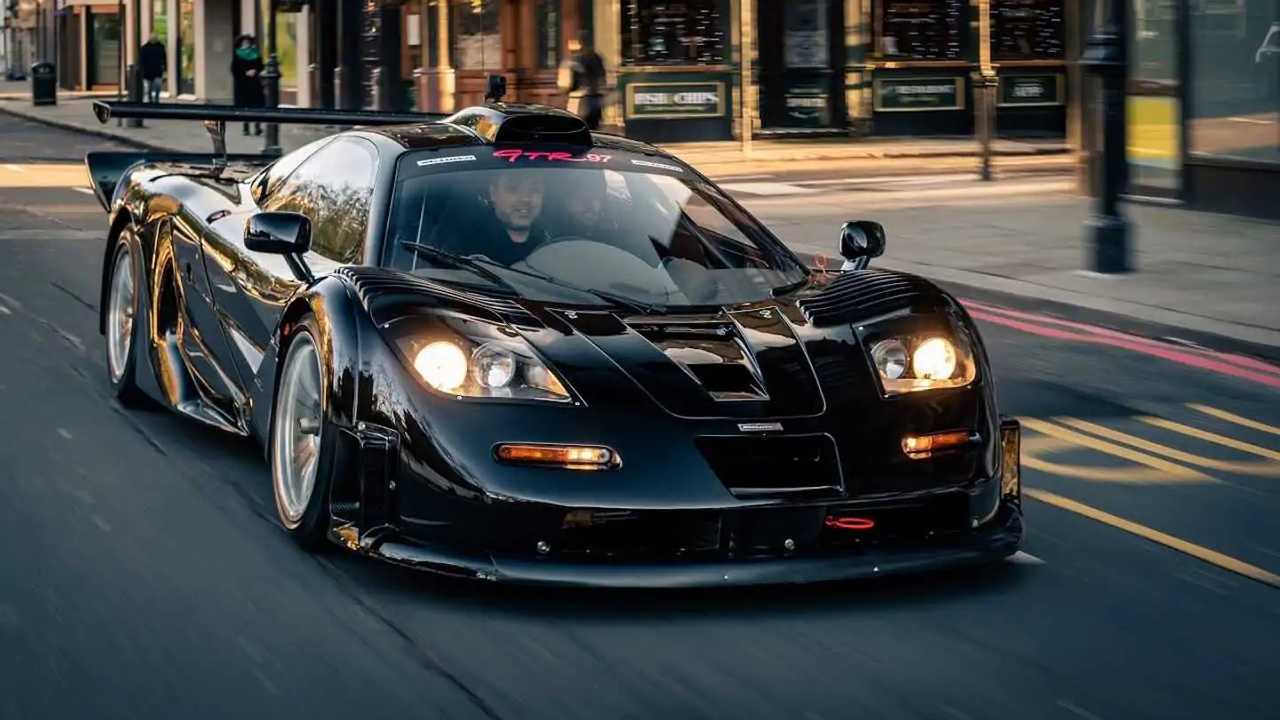
6. McLaren F1
The McLaren F1 occupies a unique position in automotive history, often regarded as one of the greatest road cars ever created.
When it was introduced in the 1990s, it was already recognized as a remarkable achievement, yet even then, its long-term significance was not fully understood. Over time, it has evolved from an exceptional supercar into a symbol of engineering excellence and exclusivity.
At the heart of the F1 is a naturally aspirated V12 engine developed by BMW, delivering power in a way that feels both immediate and refined.
The absence of turbocharging allows the engine to respond instantly, creating a connection between driver input and performance that remains highly valued. This responsiveness is complemented by a lightweight structure, which enhances agility and control.
One of the most distinctive features of the F1 is its three-seat layout, with the driver positioned in the center. This design was chosen to provide optimal visibility and balance, creating a driving experience that feels unlike any other car. It is a reminder that the F1 was built with a focus on innovation rather than convention.
The construction of the car reflects a commitment to precision. Extensive use of carbon fiber and attention to detail resulted in a machine that was both strong and lightweight. These qualities contributed to its performance and durability, ensuring that it would remain relevant long after its production ended.
Despite its groundbreaking nature, the F1 was not immediately recognized as a financial asset. It was admired for its performance, but its future value was uncertain. As the years passed, collectors began to appreciate its uniqueness, leading to a dramatic increase in demand.
Today, the McLaren F1 commands prices that can truly be described as life-changing. Its rarity, combined with its engineering achievements, has pushed it to a level that few cars can reach.
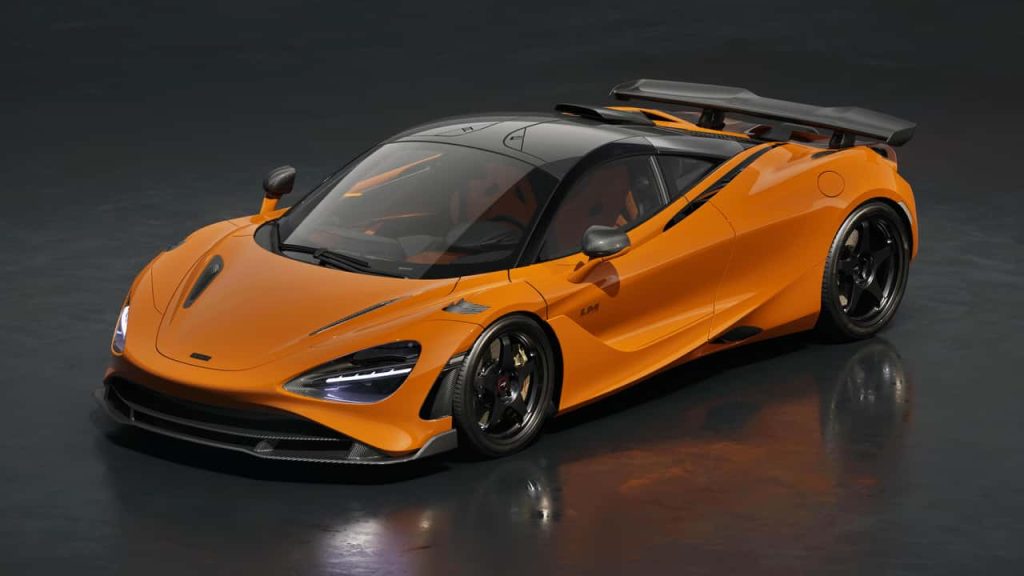
The F1 serves as a reminder that true innovation often reveals its full impact only with time, transforming a remarkable machine into an irreplaceable piece of automotive history.
7. Vector M12
The Vector M12 tells a story that feels more like an experiment than a conventional supercar launch. Emerging from a company known for ambition and turbulence, the M12 was shaped during a period of transition.
Built using Lamborghini Diablo-derived components after corporate changes, it ended up as a hybrid of ideas rather than a fully independent creation. At the time, this unusual background worked against it, leaving many enthusiasts unsure of what the car truly represented.
Driving the M12 reveals a machine that feels raw and unfiltered. The V12 engine delivers strong power, but the experience is less about refinement and more about intensity. Inputs feel direct, sometimes even abrupt, which creates a sense of unpredictability.
This characteristic was not widely appreciated in the 1990s, when buyers often expected a more polished driving experience from high-end exotics.
The design reflects its unconventional origins. Sharp lines, dramatic proportions, and a low stance give it a presence that feels distinct from both American and European rivals. It does not follow a clear design language, which initially made it difficult to categorize.
Over time, this individuality has become one of its strongest attributes, setting it apart in a market filled with more familiar shapes.
Production numbers were extremely limited, partly due to the challenges faced by the manufacturer. This scarcity played a crucial role in its later rise in value. For years, the M12 remained overlooked, often dismissed as a curiosity rather than a serious contender in the supercar world.
The shift in perception began when collectors started to appreciate its rarity and unique story. Unlike more straightforward models, the M12 carries a narrative of ambition, change, and experimentation. This depth adds to its appeal, making it more than just a performance machine.
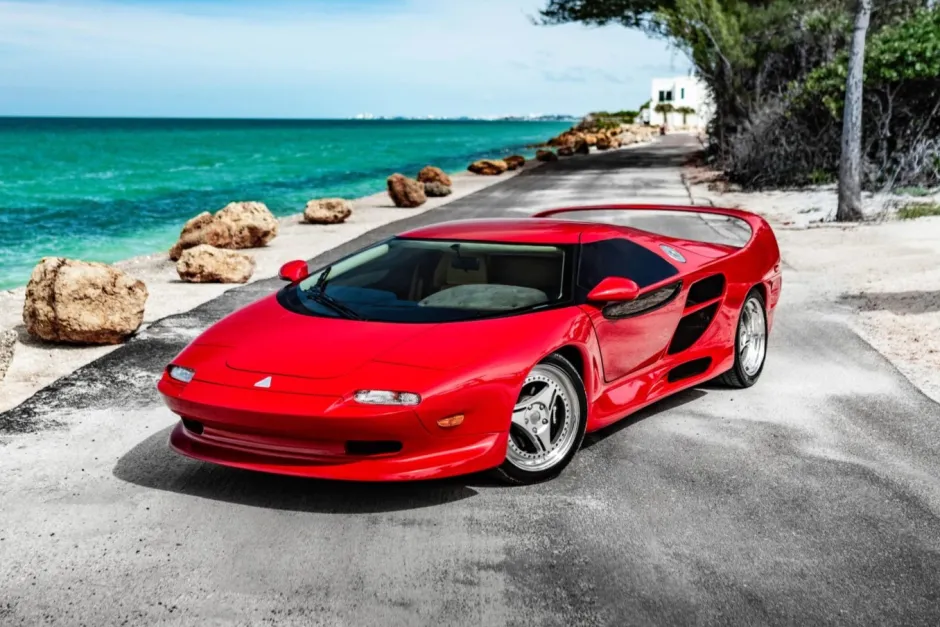
As interest grew, values increased rapidly. The Vector M12 transformed from an obscure footnote into a sought-after collectible. Its journey highlights how unconventional origins can eventually become a defining strength in the eyes of enthusiasts.
8. Ferrari 456 GT Venice
The Ferrari 456 GT Venice occupies a niche that few cars can claim, blending exclusivity with a level of customization that borders on bespoke craftsmanship. Unlike standard production models, the Venice was a coachbuilt variant created in extremely limited numbers. This alone ensured that it would remain rare, but its uniqueness extends far beyond production figures.
Rather than following the traditional coupe format of the 456 GT, the Venice introduced a wagon-style body, creating a combination of practicality and performance that felt unusual for Ferrari. At the time, this concept was difficult for many buyers to accept.
The idea of a Ferrari with extended cargo space did not align with expectations, leading to limited attention during its initial release.
Underneath its distinctive exterior, the Venice retained the core engineering of the 456 GT, including a naturally aspirated V12 engine. This provided smooth and consistent power, delivering a driving experience that remained true to Ferrari’s identity.
The addition of practicality did not compromise performance, creating a balance that was ahead of its time.
The design is where the Venice truly stands out. Its elongated roofline and revised proportions give it a presence that feels both elegant and unconventional. It challenges traditional definitions of what a Ferrari should look like, which initially worked against it. Over time, this same quality has become a key factor in its appeal.
Each example was built with a high level of attention to detail, reflecting the craftsmanship involved in its creation. This level of individuality adds to its desirability, as no two units feel entirely identical. Collectors often value such uniqueness, especially when combined with limited production.
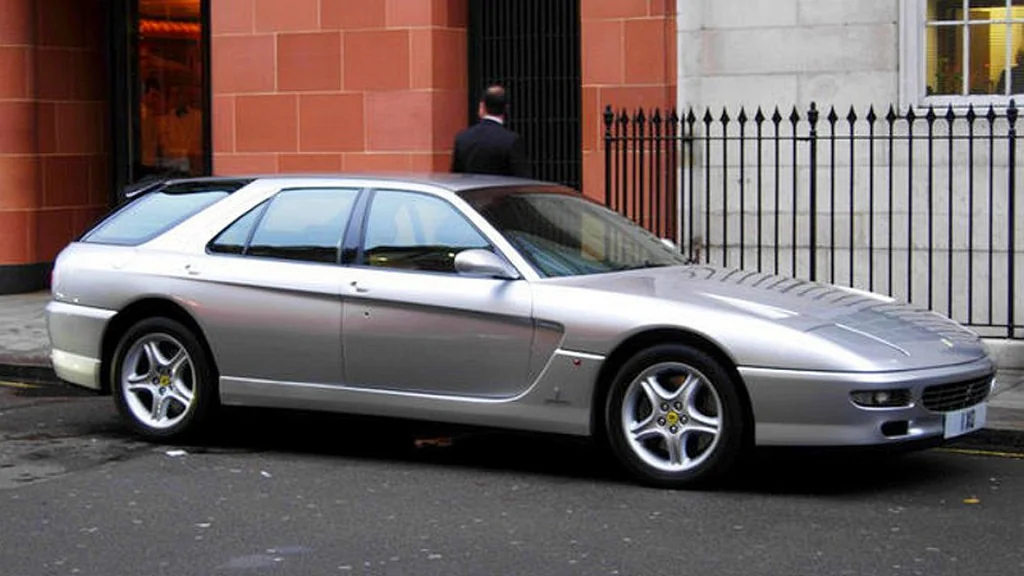
As the market began to appreciate rare and unusual variants, the 456 GT Venice gained recognition. Its combination of exclusivity, design, and performance created a strong foundation for value growth.
Today, the Venice stands as a reminder that innovation can take many forms. What was once seen as unconventional has become a defining feature, turning it into a highly valuable and sought-after piece of Ferrari history.
9. Isdera Commendatore 112i
The Isdera Commendatore 112i represents one of the most fascinating one-off stories from the 1990s, built not by a major manufacturer but by a small German company driven by engineering passion.
At the time of its creation, it did not receive widespread attention, partly because of its limited exposure and partly because the market was focused on more established brands. Today, that obscurity has become one of its defining strengths.
Unlike typical production exotics, the Commendatore 112i was essentially a handcrafted project. It featured a Mercedes-Benz sourced V12 engine, paired with advanced aerodynamic concepts that were remarkably forward-thinking for its era.
The car even incorporated an active rear wing, a feature that would become more common years later. These technical details highlight how ambitious the project truly was.
Driving impressions from those who have experienced it often describe a machine that feels both refined and experimental.
It does not behave like a conventional supercar, as its engineering choices create a unique balance between stability and responsiveness. This individuality sets it apart from more predictable vehicles of the same period.
The design plays a major role in its appeal. With its low stance, smooth curves, and distinctive gullwing doors, the Commendatore 112i looks like something that belongs in a concept car showcase rather than on public roads. At the time, this futuristic appearance may have limited its appeal, but in hindsight, it gives the car a timeless quality.
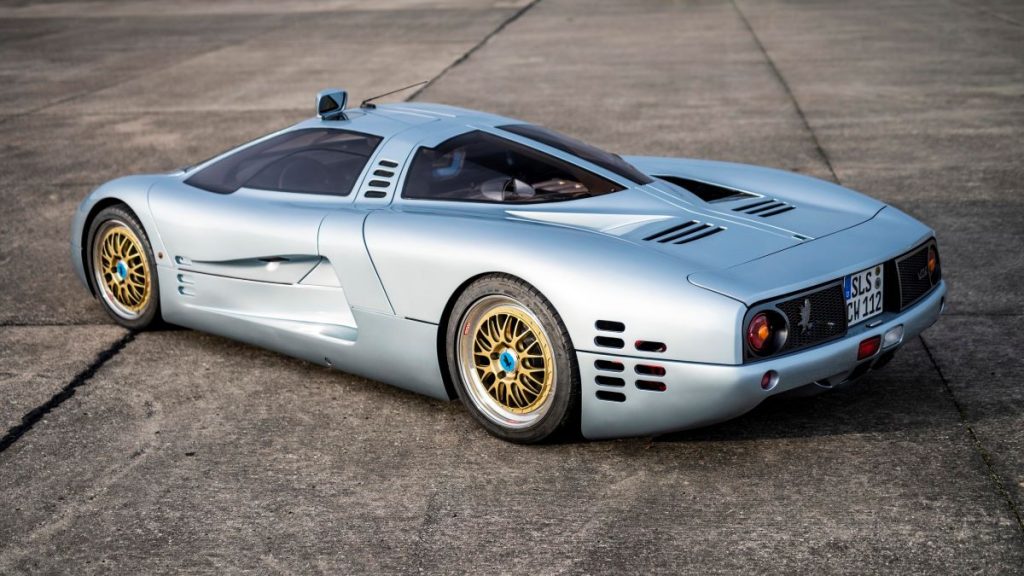
Its rarity cannot be overstated. Only a single example was produced, making it one of the most exclusive cars from the decade.
For years, it remained largely unknown outside of dedicated enthusiast circles. However, as collectors began seeking out unique and historically significant vehicles, the Commendatore 112i gained recognition.
The turning point came when its story reached a broader audience. Interest grew rapidly, and its value increased accordingly. What was once an obscure project transformed into a highly prized collectible.
The Isdera Commendatore 112i shows how rarity combined with innovation can push a car far beyond its original status, turning it into a piece of automotive history that commands extraordinary attention.
10. Dauer 962 Le Mans
The Dauer 962 Le Mans is a car that blurs the line between race machine and road-going exotic in a way few others can match. Based on the Porsche 962 Group C race car, it was adapted for road use through a series of modifications that allowed it to meet legal requirements.
This transformation created a vehicle that retained much of its racing DNA while becoming accessible, at least in theory, to private owners.
At the time of its release, the concept was difficult for many to fully appreciate. It was not a traditional supercar, nor was it purely a race car. This ambiguity limited its appeal, as buyers often preferred more clearly defined options. However, this same quality has become a major factor in its modern desirability.
Performance is one of the most striking aspects of the Dauer 962 Le Mans. Its racing origins mean that it delivers speed and handling characteristics that go far beyond typical road cars of the era.
The driving experience is intense, requiring focus and skill to fully utilize its capabilities. It does not accommodate casual driving, instead demanding respect from those behind the wheel.
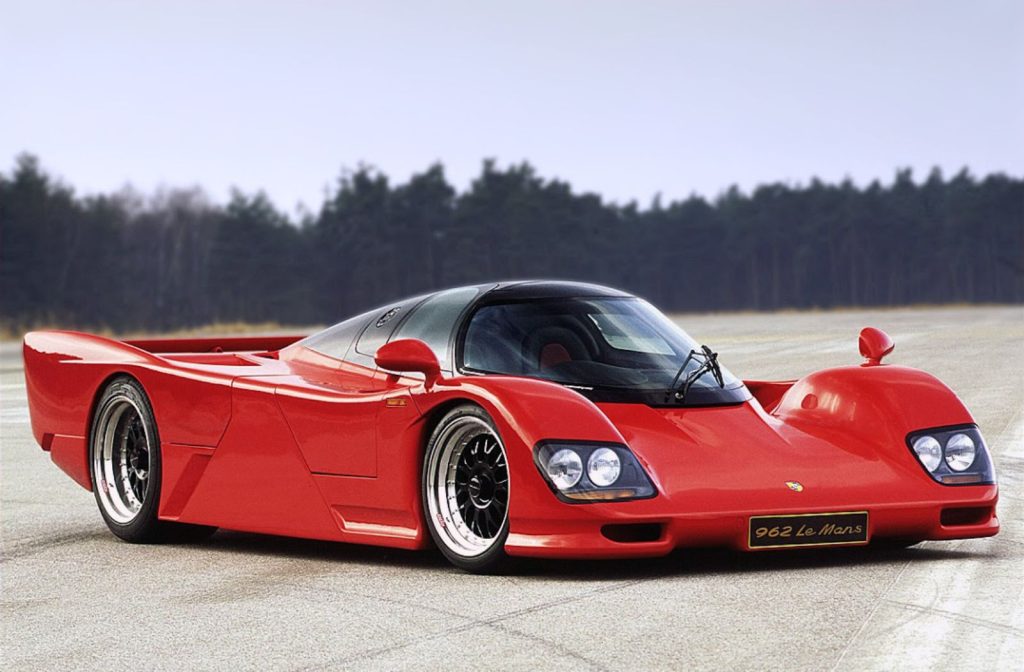
The design remains closely tied to its racing roots, with a low, elongated body and aerodynamic features that prioritize function over form. It does not attempt to appear conventional, instead embracing its identity as a machine built for performance above all else. This authenticity contributes to its lasting appeal.
Production numbers were extremely limited, ensuring that only a handful of examples exist. This scarcity, combined with its unique background, has driven significant interest among collectors. As awareness of its significance grew, so did its value.
Another factor influencing its rise is its success at Le Mans, where it achieved victory in a modified form. This connection to motorsport history adds depth to its story, making it more than just a rare car.
The Dauer 962 Le Mans has evolved from an unusual project into one of the most valuable exotics from the 1990s. Its combination of racing heritage, rarity, and uncompromising performance has secured its place as a truly remarkable collector’s item.
Also Read: 8 Limited-Production Supercars Collectors Missed Their Chance At
