
The 1990s were a defining decade for the modern sport utility vehicle, marking the transition from rugged, truck based utility machines into family friendly, comfort oriented, and technology integrated vehicles that would eventually dominate global car markets.
Before this era, SUVs were largely considered niche products used for off road travel, farming, military applications, or heavy duty towing. However, the 1990s changed everything by introducing SUVs that balanced everyday usability with off road capability, safety improvements, and increasing levels of comfort that appealed to suburban families.
This transformation did not happen overnight. It was the result of multiple manufacturers experimenting with body on frame designs, early unibody crossovers, improved suspension systems, and more efficient engines that made SUVs easier to drive on highways while still retaining their rugged identity.
Vehicles like the Ford Explorer, Jeep Grand Cherokee, Toyota RAV4, and Honda CR V played a major role in shaping consumer expectations for what an SUV should be, even though many of these early models are now overshadowed by modern crossovers and luxury SUVs.
At the same time, lesser known models such as the Isuzu Trooper, Mitsubishi Montero, and Suzuki Vitara contributed important engineering ideas that influenced stability control systems, drivetrain layouts, and compact SUV design philosophies.
The rise of these vehicles also reflected broader cultural shifts in the 1990s, where consumers increasingly prioritized versatility, cargo space, and perceived safety over traditional sedans and station wagons. As fuel prices remained relatively stable during much of the decade, buyers were more willing to accept larger vehicles, further accelerating SUV adoption.
Marketing strategies also evolved, with manufacturers positioning SUVs as lifestyle vehicles rather than purely utility machines. This shift helped create the foundation for today’s automotive market, where SUVs and crossovers dominate global sales.
Understanding these forgotten 1990s SUVs is essential to appreciating how the modern SUV segment was built, as many of their design principles, engineering solutions, and consumer appeal strategies still influence vehicles on the road today.
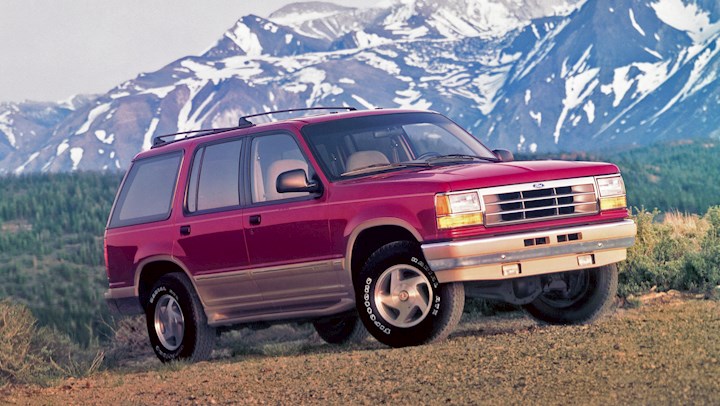
Ford Explorer
The Ford Explorer was one of the most important SUVs of the 1990s because it helped bring sport utility vehicles into mainstream American households. Before its arrival, SUVs were often seen as rough, uncomfortable, and impractical for daily commuting.
Ford changed that perception by building the Explorer on a modified pickup truck platform while refining it enough to appeal to families. It offered a more comfortable ride, better interior space, and improved handling compared to many competitors at the time.
One of the key reasons the Explorer became so successful was its balance between rugged capability and everyday usability. It retained body on frame construction, which made it durable and capable of light off road driving, but it also introduced more refined suspension tuning.
This made it feel less like a commercial truck and more like a passenger vehicle. Buyers who previously drove sedans or station wagons found it easy to transition into the Explorer because it did not feel overly aggressive or difficult to manage.
Another important factor was its timing. In the early 1990s, safety concerns around compact cars were growing, and SUVs were increasingly marketed as safer alternatives due to their size and elevated driving position.
The Explorer capitalized on this perception, becoming one of the best selling SUVs of the decade. It helped establish Ford as a dominant force in the SUV market and influenced the development of later models such as the Ford Expedition and Ford Escape.
The interior of the Explorer also reflected changing consumer expectations. While still relatively simple by modern standards, it offered more comfort features than earlier SUVs, including improved seating, air conditioning options, and better sound insulation. These features helped redefine what buyers expected from a utility vehicle, pushing the industry toward greater refinement.
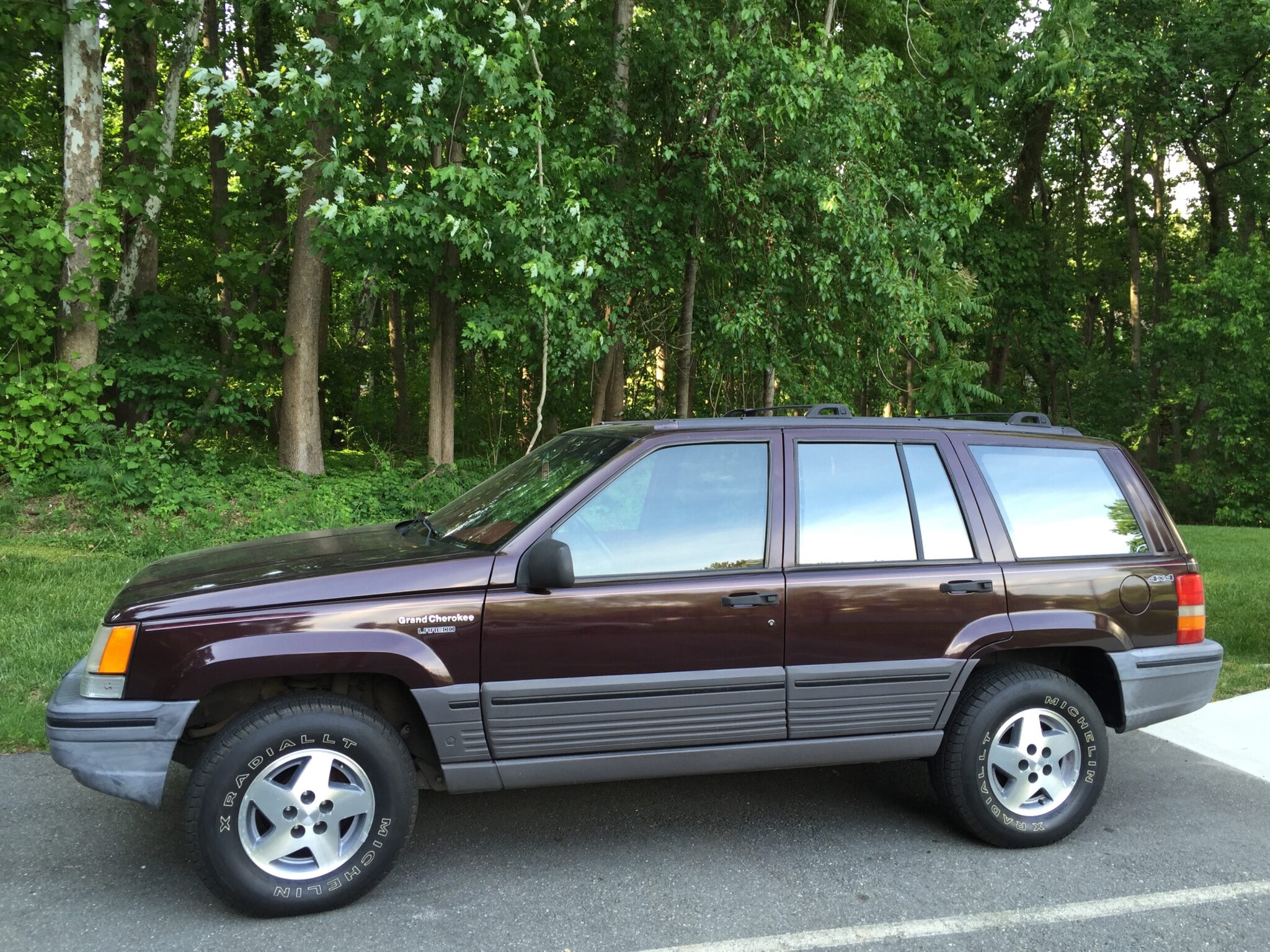
Jeep Grand Cherokee ZJ
The Jeep Grand Cherokee ZJ was a revolutionary SUV that redefined what a premium sport utility vehicle could be in the 1990s. When it launched in 1993, it introduced a level of refinement and engineering sophistication that was uncommon in SUVs at the time. Unlike many competitors that were based on pickup truck platforms, the Grand Cherokee used a more integrated design approach that improved ride quality and handling.
One of the most significant innovations of the Grand Cherokee ZJ was its combination of off road capability and on road comfort. Jeep managed to maintain its legendary four wheel drive system while introducing features such as independent front suspension, which improved driving dynamics significantly. This allowed the vehicle to handle rough terrain while still feeling composed on highways, making it one of the most versatile SUVs of its era.
The Grand Cherokee also helped establish the concept of a luxury SUV. Higher trim levels included leather interiors, advanced audio systems, and electronic features that were rare in SUVs at the time. This positioned it as a more upscale alternative to traditional rugged utility vehicles, attracting buyers who wanted comfort without sacrificing capability. This strategy would later become the foundation for the modern luxury SUV segment.
Another important aspect of the ZJ was its influence on safety and structural design. It featured improved crash protection compared to earlier Jeep models, reflecting the growing importance of safety in the automotive industry during the 1990s. This helped boost consumer confidence in SUVs as family vehicles rather than purely recreational machines.
The Jeep Grand Cherokee ZJ remains one of the most influential SUVs ever built because it bridged the gap between rugged off road heritage and modern luxury expectations. Its design philosophy continues to shape Jeep vehicles and the broader SUV market today.
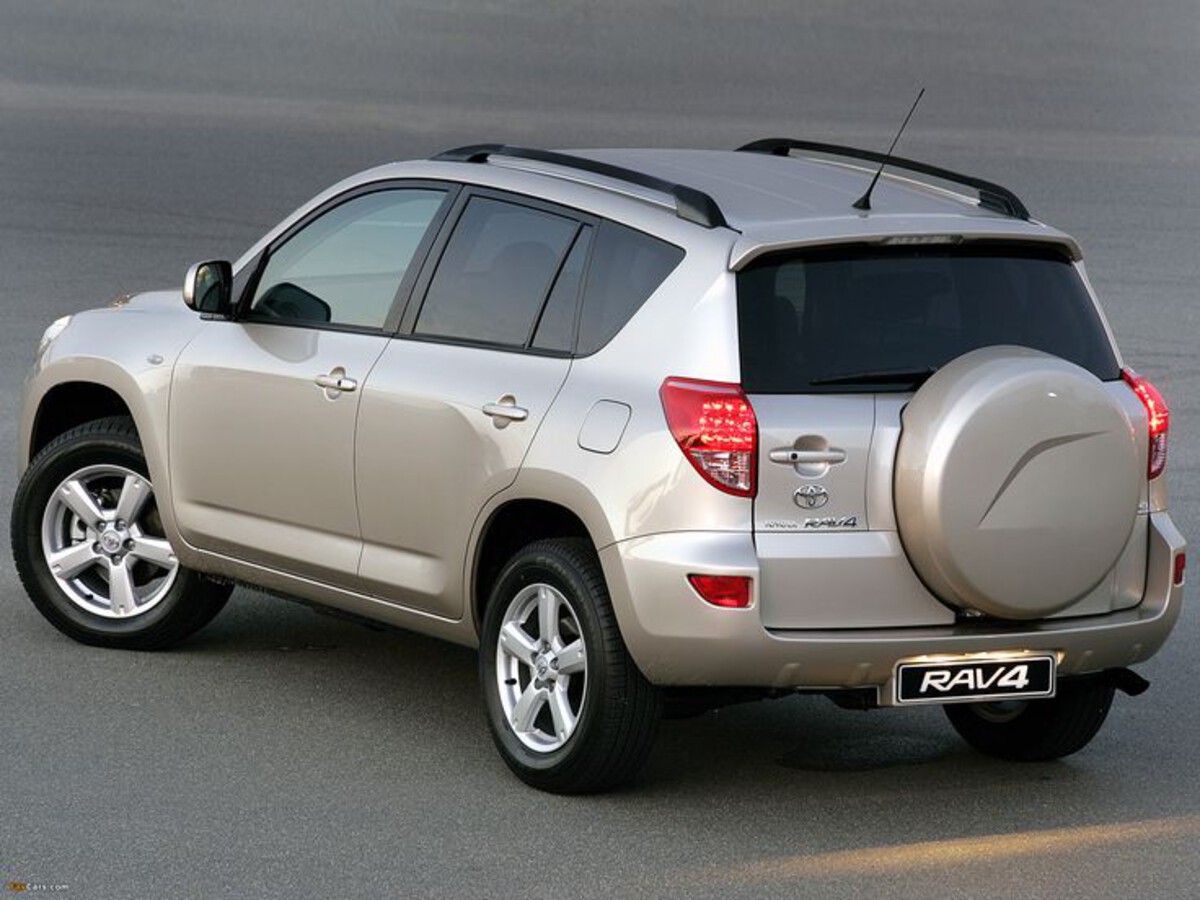
Toyota RAV4
The first generation Toyota RAV4 marked the beginning of the modern compact SUV or crossover segment, even though the term crossover was not widely used at the time. Introduced in 1994, it was one of the earliest vehicles to combine the practicality of an SUV with the driving dynamics of a compact car. Built on a car based platform, it represented a major shift away from traditional body on frame SUV construction.
The RAV4 was designed for urban drivers who wanted SUV styling and versatility without the size, weight, and fuel consumption of larger models. Its compact dimensions made it easy to maneuver in cities, while its elevated seating position provided better visibility than typical hatchbacks or sedans. This combination proved extremely popular with younger buyers and small families.
One of the key innovations of the RAV4 was its efficient use of interior space. Despite its small footprint, it offered flexible seating and cargo configurations that made it highly practical for everyday use. The rear seats could be folded down to create additional storage space, which was a feature that later became standard across the SUV market.
The RAV4 also helped Toyota establish a strong presence in the growing SUV market outside of traditional off road segments. While it was not designed for extreme terrain, it still offered optional all wheel drive systems that provided added traction in poor weather conditions. This versatility contributed to its widespread appeal across different regions.
Today, the Toyota RAV4 is one of the best selling vehicles in the world, and its origins in the 1990s highlight how early experimentation with compact SUV design helped shape an entirely new automotive category.
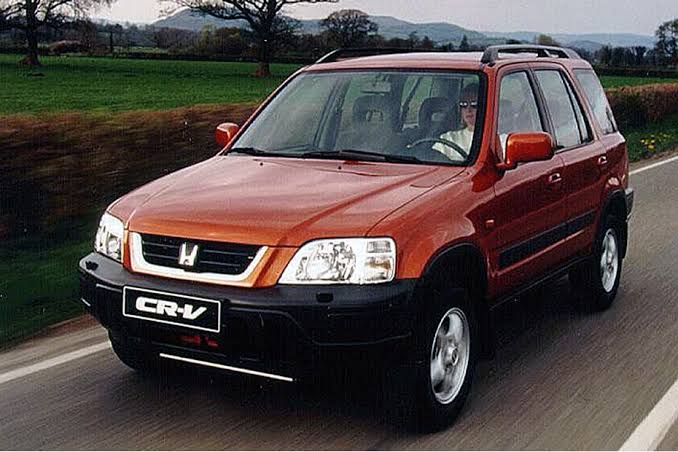
Honda CR V
The Honda CR V was another early pioneer of the compact SUV segment and played a major role in defining what modern crossovers would become. Introduced in 1995, it was built on the same platform as the Honda Civic, which gave it car like handling characteristics that were unusual for SUVs at the time.
One of the standout features of the CR V was its focus on practicality and everyday usability. It was designed for drivers who wanted more space than a sedan but did not need the rugged capabilities of traditional SUVs. This made it extremely popular among urban professionals and families who valued efficiency and comfort.
The interior design of the first generation CR V was highly innovative for its time. It featured a removable rear picnic table, flat folding seats, and a spacious cargo area that could be easily configured for different needs. These features emphasized lifestyle flexibility, which became a defining trait of future crossover SUVs.
Honda also prioritized reliability and fuel efficiency, which helped the CR V stand out in a market dominated by larger and less efficient SUVs. Its lightweight construction and efficient engines made it more economical to operate, attracting buyers concerned about rising fuel costs in the late 1990s.
The Honda CR V helped solidify the idea that SUVs did not need to be large or truck based to be successful. Its influence can still be seen in nearly every compact SUV sold today.

Nissan Pathfinder WD21
The Nissan Pathfinder WD21 generation played a major role in shaping mid size SUVs during the early 1990s. Originally introduced in the mid 1980s, it gained significant popularity during the 1990s as consumers began shifting toward SUVs for both family and recreational use.
The Pathfinder was built on a traditional body on frame platform, which gave it strong durability and off road capability. It was widely respected for its reliability and ability to handle tough terrain, making it a popular choice among outdoor enthusiasts and rural drivers.
Despite its rugged construction, Nissan gradually improved the Pathfinder’s comfort and interior quality throughout the 1990s. Later models included upgraded seating, better sound insulation, and more refined styling, making it more appealing for everyday driving.
The Pathfinder also contributed to the growing trend of SUVs being used as primary family vehicles. Its spacious interior and available four door configurations made it practical for transporting passengers, while still retaining off road credibility.
The influence of the WD21 Pathfinder can still be seen in modern Nissan SUVs, which continue to balance capability with comfort.
Mitsubishi Montero
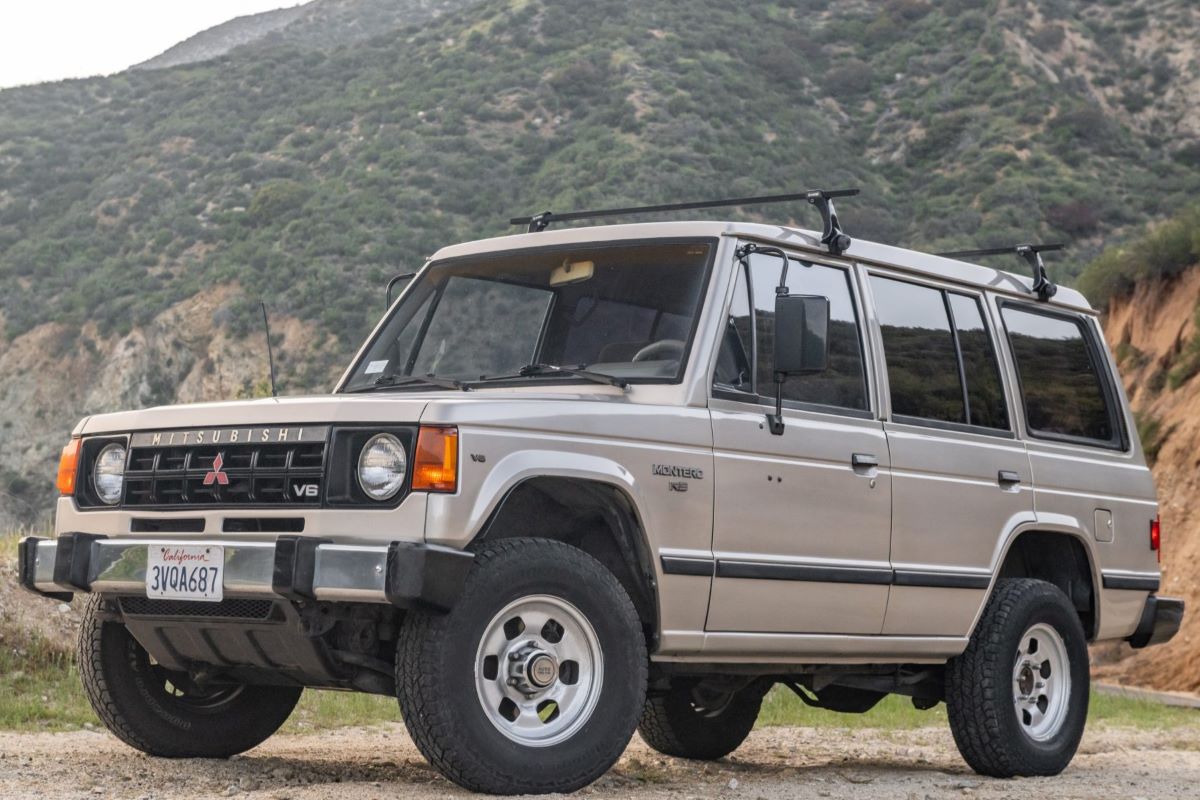
The Mitsubishi Montero, also known in some markets as the Pajero, was one of the most capable off road SUVs of the 1990s. It was widely recognized for its durability, advanced four wheel drive systems, and success in international rally competitions such as the Dakar Rally.
One of the key strengths of the Montero was its sophisticated drivetrain technology. It offered multiple driving modes that allowed drivers to adapt to different terrain conditions, which was advanced for its time. This made it a favorite among serious off road enthusiasts.
In addition to its off road capability, the Montero also evolved into a more comfortable and family friendly SUV during the 1990s. Mitsubishi introduced improved interiors, better ride quality, and additional convenience features that broadened its appeal beyond just adventure drivers.
The Montero also played a role in demonstrating that SUVs could be both rugged and technologically advanced. Its engineering influenced other manufacturers to invest in more capable and refined four wheel drive systems.
Although it is less common today, the Mitsubishi Montero remains an important part of SUV history due to its global impact and engineering innovation.
Isuzu Trooper
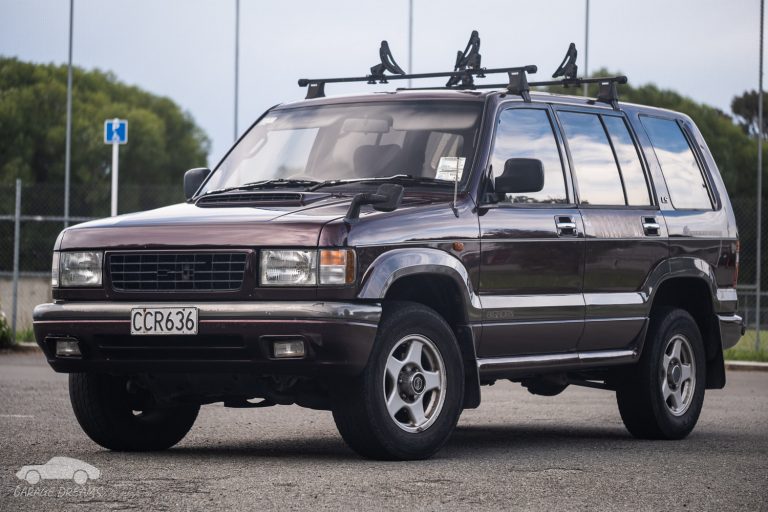
The Isuzu Trooper was a highly capable but often overlooked SUV that contributed significantly to the development of mid size utility vehicles in the 1990s. Known for its durability and strong off road performance, it earned a loyal following among adventure drivers.
The Trooper featured a body on frame design and robust suspension system that made it suitable for harsh environments. It was commonly used in rural areas and export markets where reliability and toughness were more important than luxury features.
During the 1990s, Isuzu made efforts to improve the Trooper’s comfort and interior design. Later models included better seating, upgraded dashboards, and improved climate control systems, making it more competitive with mainstream SUVs.
The Trooper also helped demonstrate the importance of global SUV markets. While it was not as dominant in the United States as competitors like the Explorer or Grand Cherokee, it was widely successful in other regions, contributing to the global growth of SUVs.
Today, the Isuzu Trooper is remembered as a durable and capable SUV that helped shape expectations for reliability in the segment.
Chevrolet S-10 Blazer
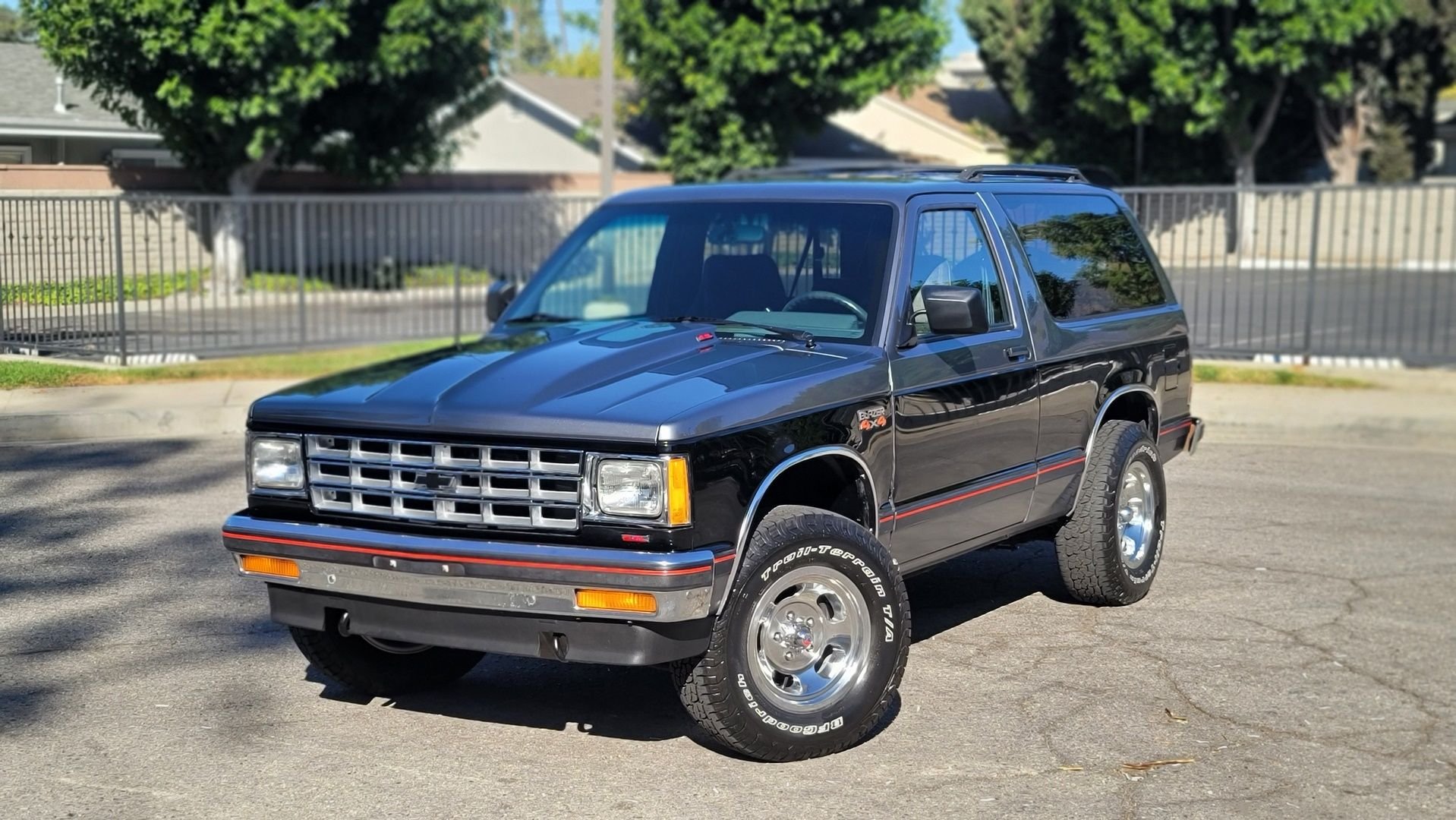
The Chevrolet S-10 Blazer was one of the most popular compact SUVs of the 1990s and played a key role in introducing SUV ownership to a wider audience. Based on the S-10 pickup truck platform, it offered a smaller and more affordable alternative to full size SUVs.
The Blazer was known for its practicality and accessibility. It provided enough space for families while remaining relatively easy to drive and maintain. This made it especially popular among first time SUV buyers.
Throughout the 1990s, Chevrolet gradually improved the Blazer’s interior comfort and features. Later models included better seating materials, upgraded electronics, and improved ride quality, reflecting the shift in the SUV market toward comfort.
The S-10 Blazer also helped solidify the idea that SUVs could be built on compact truck platforms while still serving everyday family needs. This concept influenced many future SUV designs across different manufacturers.
Although it has since been discontinued, the Chevrolet S-10 Blazer remains an important part of SUV history due to its role in democratizing SUV ownership.
Suzuki Vitara / Sidekick
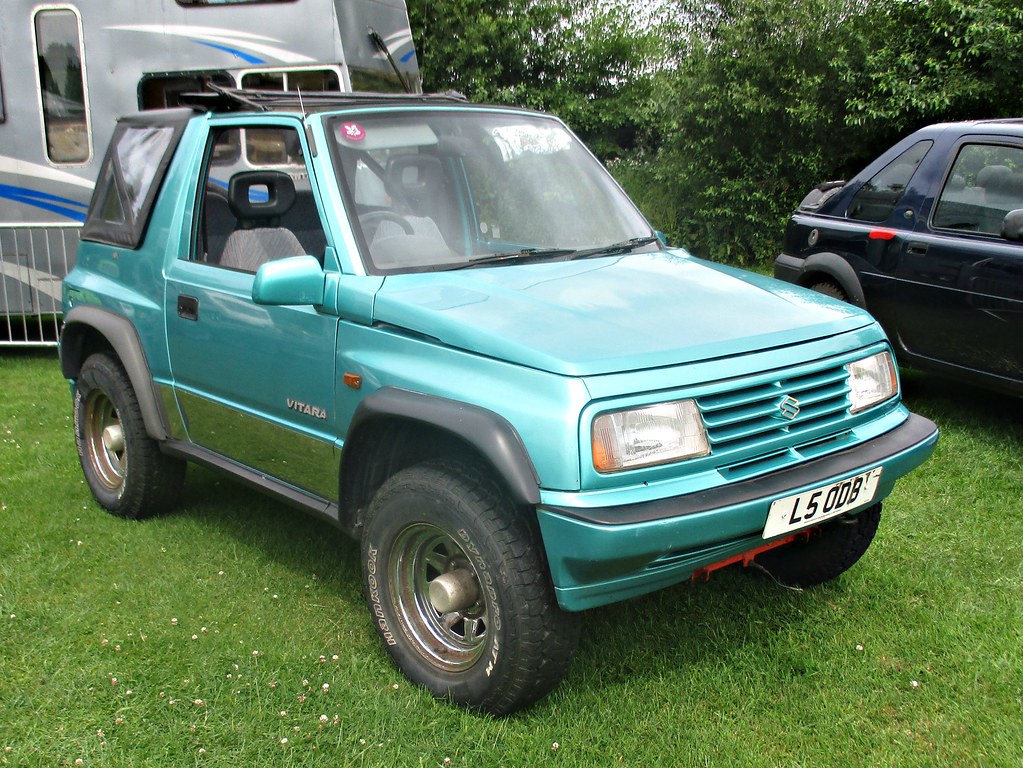
The Suzuki Vitara, also known as the Sidekick in some markets, was a compact SUV that offered affordable off road capability during the 1990s. It was one of the smallest body on frame SUVs available at the time.
Despite its size, the Vitara was capable of handling rough terrain thanks to its lightweight construction and reliable four wheel drive system. This made it popular among younger drivers and outdoor enthusiasts on a budget.
The interior of the Vitara was simple but functional, reflecting its focus on affordability and utility. Over time, Suzuki introduced small improvements to comfort and design, but it remained a practical rather than luxurious vehicle.
The Vitara played an important role in expanding SUV accessibility globally. It showed that off road capable vehicles did not need to be large or expensive, influencing the development of future compact SUVs.
Its legacy continues today in modern Suzuki SUVs and compact crossover designs.
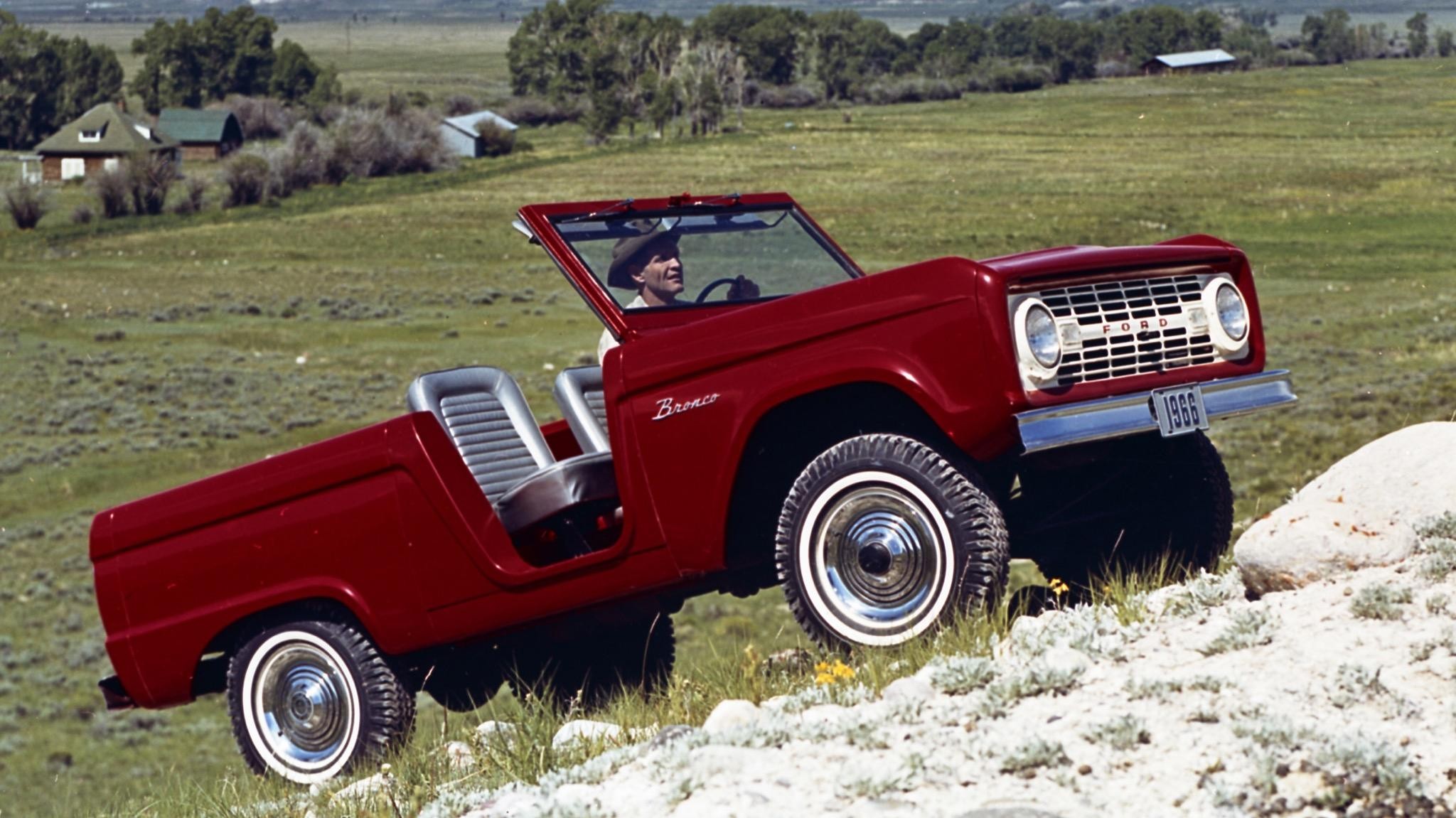
Ford Bronco
The final generation Ford Bronco represented the end of an era for traditional full size SUVs. Built on a heavy duty truck platform, it was known for its rugged capability and strong off road performance.
The Bronco maintained a classic two door design, which made it less practical for families but highly appealing to off road enthusiasts. Its powerful engines and strong chassis allowed it to handle extreme conditions with ease.
During the 1990s, the Bronco remained popular among drivers who prioritized durability and adventure over comfort. However, changing consumer preferences toward more practical four door SUVs eventually led to its discontinuation.
Despite its eventual end, the Bronco influenced many later SUVs, including modern reinterpretations that blend classic styling with new technology. It remains one of the most iconic SUVs in automotive history.
The Ford Bronco helped close the chapter on the purely rugged SUV era while paving the way for more refined and versatile designs.
