
National parks are among the most rugged and demanding environments on Earth. Rangers and park staff need vehicles that can handle extreme terrain without breaking down in the middle of nowhere.
From snow-covered mountain passes to scorching desert trails, these professionals depend on reliable off-road SUVs every single day. The vehicles they choose must be tough, capable, and built to last under constant heavy use.
Over the decades, certain SUVs have proven themselves worthy of national park service. These machines have earned their place through performance, durability, and adaptability across wildly different landscapes.
Park fleets don’t swap vehicles casually. When a model keeps showing up year after year, it’s because it genuinely delivers where it counts most.
Some of these SUVs are modern icons loaded with the latest technology. Others are older workhorses that simply refuse to quit despite high mileage and hard miles.
Each vehicle on this list has carved out a reputation in real-world park operations. They haul equipment, rescue stranded visitors, patrol remote backcountry roads, and to go through trails most vehicles wouldn’t dare attempt.
This list covers nine off-road SUVs that continue serving actively in national park fleets across the United States. These are the real heroes of America’s wild places.
1. Ford Expedition
The Ford Expedition has long been a cornerstone of national park fleet operations across the United States. It offers a rare combination of interior space, towing capacity, and genuine off-road competence that few rivals can match.
Park rangers rely on the Expedition to carry everything from first aid equipment to search and rescue gear. Its large cabin means multiple team members can ride together without feeling cramped on long patrol shifts.
The Expedition’s body-on-frame construction gives it serious structural strength. This matters enormously when vehicles are driven daily over rocky fire roads and uneven backcountry terrain.
Under the hood, the twin-turbocharged 3.5-liter EcoBoost V6 delivers substantial power. Rangers can tow trailers loaded with boats, ATVs, and heavy rescue equipment without straining the drivetrain.
The four-wheel-drive system is robust and proven across decades of development. Park staff trust it to engage reliably when conditions demand immediate traction in mud, snow, or loose gravel.
Ford offers the Expedition in a Timberline trim specifically designed for off-road use. This variant includes factory skid plates, an off-road-tuned suspension, and all-terrain tires that come ready for serious trail work.
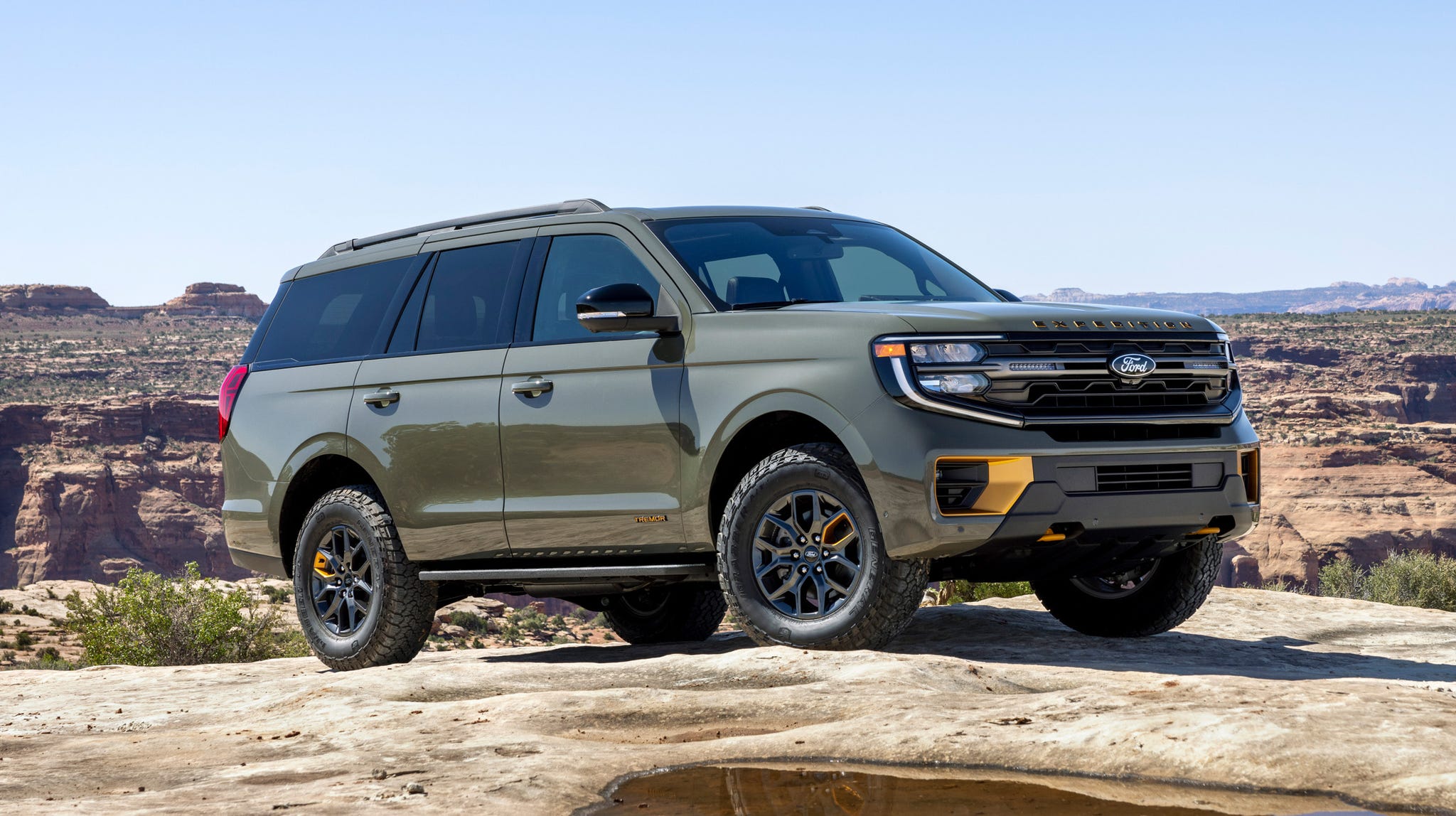
The long wheelbase of the Expedition provides a stable, planted ride on rough terrain. It doesn’t bounce wildly over bumps, which matters when transporting injured visitors or fragile equipment.
Ground clearance on the Timberline model is significantly improved over the standard version. Rangers can confidently approach obstacles that would stop lesser SUVs dead in their tracks.
Cargo space in the Expedition is genuinely impressive. The rear area can swallow an enormous amount of gear, and the fold-flat seats allow for full cargo configurations when needed.
Reliability has always been a strong selling point for fleet managers evaluating the Expedition. Ford’s extensive dealer network means parts and service are available even in remote regions near major national parks.
The vehicle’s towing rating reaches up to 9,300 pounds in properly equipped configurations. This makes it one of the most capable tow vehicles in any park fleet lineup.
Interior technology has also kept pace with modern expectations. Rangers benefit from large infotainment screens, navigation systems, and communication equipment that integrates smoothly with park operations.
Cold-weather performance is another area where the Expedition excels. Parks like Yellowstone and Glacier depend on it to start reliably and perform confidently during brutal winter patrols.
The Expedition’s longevity in fleet service speaks volumes about its value. Many park units log well over 150,000 miles on their Expeditions before considering replacement.
It remains a dominant presence in national park garages for good reason. When rangers need a dependable, spacious, and capable SUV, the Ford Expedition continues to answer the call.
2. Chevrolet Tahoe
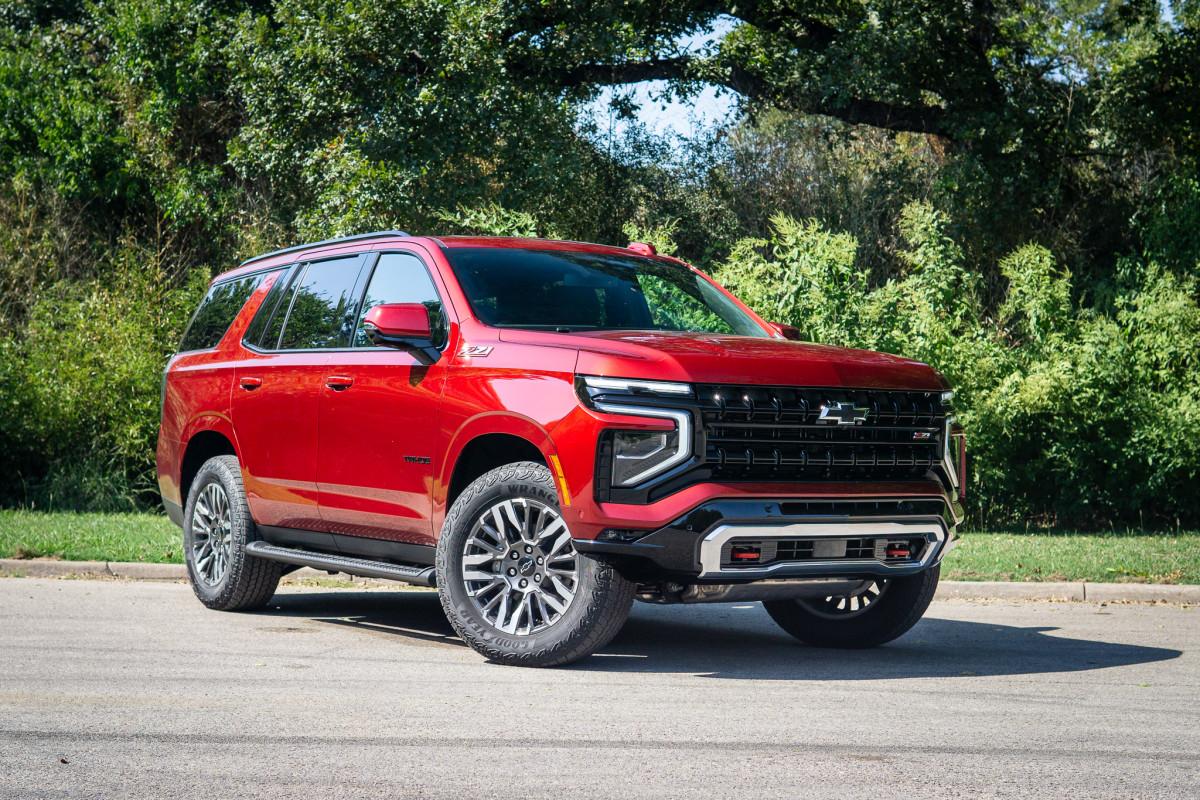
The Chevrolet Tahoe is one of the most recognizable vehicles in any government or law enforcement fleet. National park rangers have depended on it for decades, and its presence in park garages remains as strong as ever.
Built on a rugged body-on-frame platform, the Tahoe is designed to absorb punishment. Daily drives over deteriorating park roads and seasonal terrain hazards don’t rattle its confidence one bit.
The 5.3-liter V8 engine in the Tahoe is a proven performer that rangers trust completely. It delivers strong torque from low RPMs, which is exactly what you need when climbing steep unpaved grades.
Four-wheel drive with an automatic transfer case makes switching between drive modes effortless. Rangers can focus on their duties rather than fumbling with complicated traction controls during fast-changing conditions.
The Tahoe’s suspension soaks up abuse reasonably well for a vehicle of its size and weight. It’s not a dedicated rock crawler, but it handles the kind of rough service roads that crisscross national park landscapes with confidence.
Law enforcement versions of the Tahoe are specifically engineered for demanding duty cycles. These police-package variants feature upgraded cooling systems, heavy-duty alternators, and reinforced frames that handle constant use far better than civilian models.
Interior space is a major advantage for park rangers who spend entire shifts inside the vehicle. The Tahoe seats up to eight passengers and offers enough legroom for large rangers in full gear.
Cargo capacity behind the third row is modest but workable for daily ranger essentials. With the rear seats folded, the Tahoe transforms into a respectable gear-hauling platform.
Towing capability reaches up to 8,400 pounds on properly equipped versions. This allows rangers to pull trailers, horse transports, and watercraft across park property with ease.
The Tahoe’s familiarity among fleet mechanics is a significant operational advantage. Parts availability is excellent, training is widespread, and mechanics can service these vehicles quickly without specialized knowledge.
Chevy has continuously refined the Tahoe’s chassis over generations without abandoning what works. Fleet managers appreciate the evolutionary approach because it protects their investment in training and tooling.
Independent rear suspension on the newer generation dramatically improved ride quality and cargo volume. Rangers appreciate the smoother ride during long days of patrol, and the additional gear space is always welcome.
Winter capability of the Tahoe is well-established in parks with harsh cold-season conditions. The combination of V8 torque and four-wheel drive keeps rangers moving when lesser vehicles would be stuck.
The Tahoe has built deep institutional trust within park operations over many years. Fleet managers don’t switch away from it without compelling reasons, and those reasons rarely appear.
Its combination of capacity, durability, and operational familiarity makes it irreplaceable in many park fleets. The Chevrolet Tahoe earns its continued service every single season.
3. Toyota 4Runner
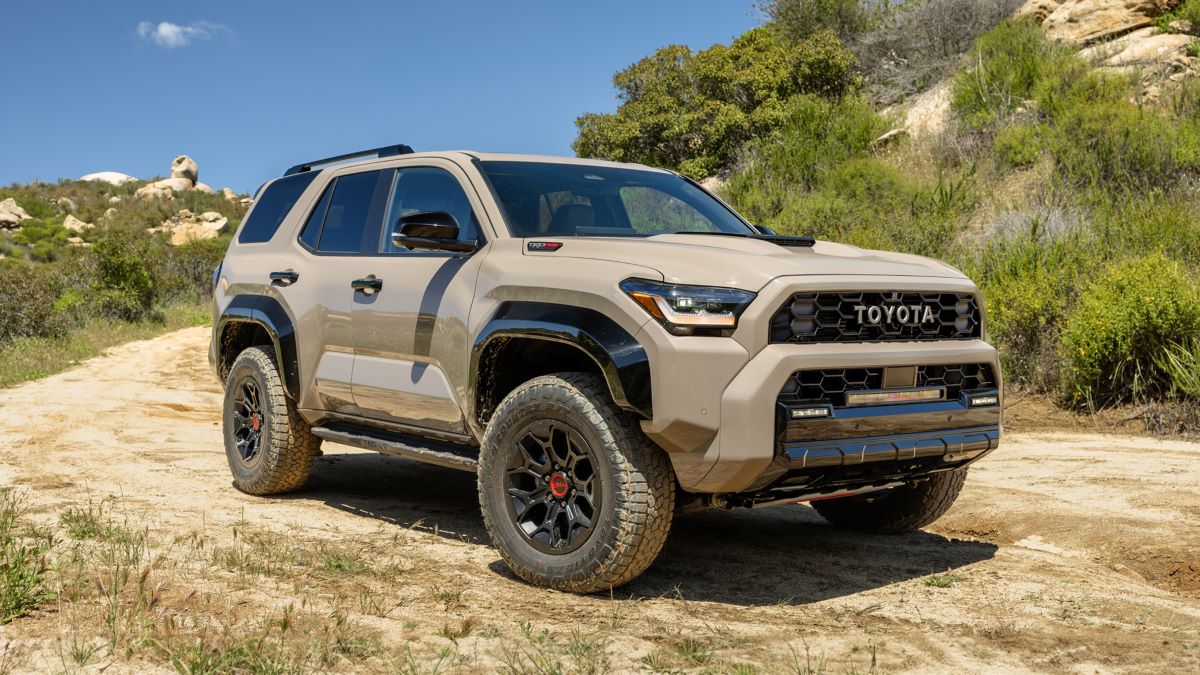
The Toyota 4Runner occupies a special place in the hearts of off-road enthusiasts and fleet managers alike. Its reputation for near-indestructible reliability has made it a consistent choice for national park operations nationwide.
Few SUVs can match the 4Runner’s track record for long-term durability. Stories of these vehicles reaching 300,000 miles with minimal major repairs are common and well-documented.
The body-on-frame construction of the 4Runner is a deliberate design choice that prioritizes toughness. It allows the vehicle to flex over uneven terrain without stressing critical structural components the way unibody vehicles might.
Toyota’s four-wheel-drive system with a locking rear differential is genuinely impressive in difficult terrain. Rangers can tackle deep mud, loose rocks, and heavily rutted trails with genuine confidence rather than white-knuckled anxiety.
The Multi-Terrain Select system allows drivers to optimize traction settings for specific conditions. Sand, mud, loose rock, and moguls each have a tailored mode that adjusts power delivery intelligently.
Crawl Control takes the guesswork out of ultra-slow-speed technical terrain navigation. Rangers who aren’t professional off-road drivers can to go through challenging sections without risking damage to the vehicle or surrounding environment.
Ground clearance of 9.6 inches is more than adequate for the majority of park service roads. The 4Runner can approach and clear obstacles that stop crossovers and car-based SUVs without even trying.
The 4.0-liter V6 engine is not the most powerful option in its class but compensates with legendary reliability. It rarely develops serious problems even under the constant stress of fleet service.
Maintenance costs for the 4Runner are consistently low compared to European and American rivals. This matters enormously for park budgets that must balance operational needs against fiscal responsibility.
Resale value of the 4Runner is exceptionally strong even after high mileage. Parks that retire their 4Runners can recover meaningful value to fund replacement vehicle purchases.
The 4Runner’s TRD Pro variant takes capability to another level entirely. It features FOX shocks, a front skid plate, and rock rails that protect the vehicle during serious off-road excursions.
Interior practicality is solid without being extravagant. Rangers get what they need enough space, useful storage compartments, and durable surfaces that clean up easily after muddy work days.
The rear cargo area includes a sliding tray on some trims, which simplifies gear access during field operations. Rangers can reach equipment at the back of the vehicle without climbing inside entirely.
Cold-weather starting reliability of the 4Runner is another feather in its cap. Even in the frigid winters experienced at high-altitude parks, these vehicles consistently start and perform without complaint.
The 4Runner’s combination of off-road capability, long-term reliability, and reasonable operating costs ensures its continued presence in national park fleets. It has earned its legendary status through decades of real-world performance.
4. Jeep Grand Cherokee
The Jeep Grand Cherokee brings a unique blend of on-road refinement and genuine off-road competence to national park fleets. It occupies a middle ground that many parks find ideal for mixed-duty operations.
Park rangers often need a vehicle that transitions smoothly between paved visitor center drives and rugged backcountry fire roads. The Grand Cherokee handles this dual role better than almost any other vehicle in its class.
Quadra-Drive II four-wheel-drive system is among the most sophisticated available in a production SUV. It continuously monitors traction conditions and redistributes torque proactively before wheel slip even begins.
The available Quadra-Lift air suspension is a standout feature for park operations. Rangers can raise ground clearance by up to 2 inches at the touch of a button when approaching difficult terrain sections.
Selec-Terrain traction management offers five distinct modes tailored to specific surface types. Auto, Snow, Sport, Sand/Mud, and Rock each adjust throttle, transmission, and brake inputs for optimized performance.
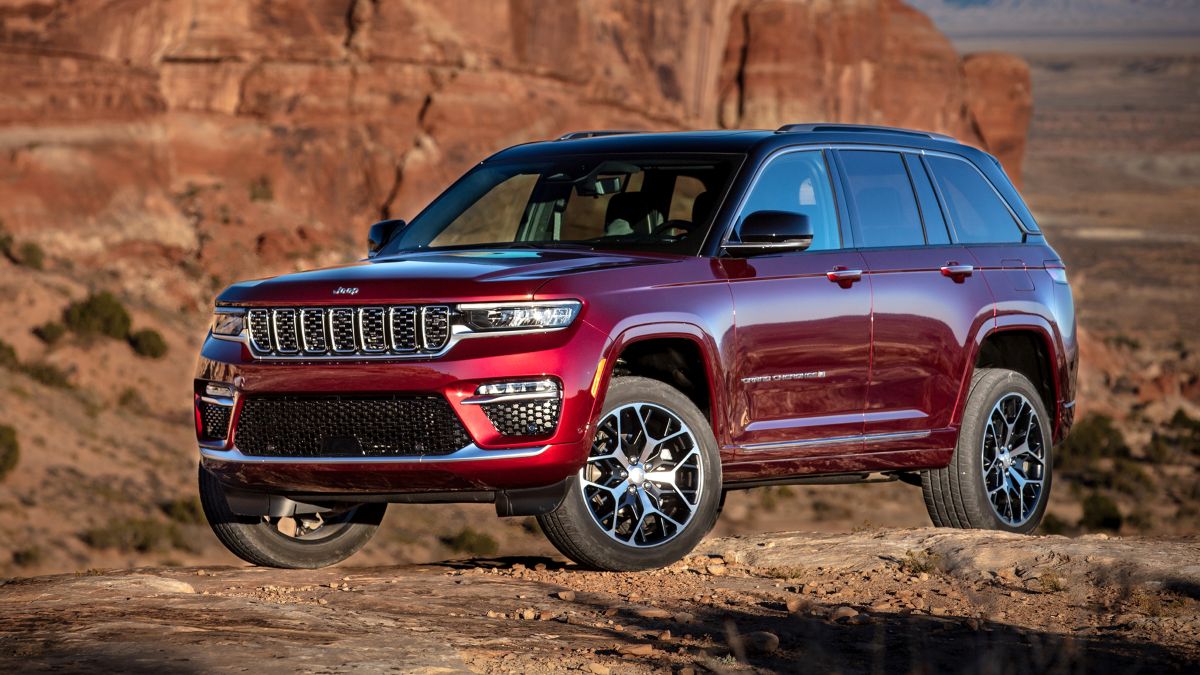
The Trailhawk variant of the Grand Cherokee is purpose-built for serious off-road use. It includes a 1-inch factory lift, red tow hooks, skid plates, and specially tuned low-range gearing for maximum technical capability.
Engine options for the Grand Cherokee are varied and well-matched to different park needs. The 5.7-liter HEMI V8 delivers 357 horsepower with exceptional towing capability for parks requiring heavy equipment transport.
Towing capacity reaches up to 7,200 pounds with properly equipped versions. This is sufficient for most park trailer hauling tasks including horse trailers and medium-duty equipment carriers.
Interior quality of the Grand Cherokee is noticeably higher than many competitors. This is appreciated by rangers who spend long hours inside the vehicle during extended patrol shifts and search operations.
The cabin offers genuinely comfortable seating for five adults with meaningful legroom in both rows. Occupant comfort matters during multi-hour patrol shifts that cover hundreds of miles of remote park territory.
Safety technology on newer Grand Cherokees is comprehensive and helpful in low-visibility conditions. Forward collision warning, blind-spot monitoring, and rear cross-traffic alert all assist rangers operating in busy visitor areas.
The Grand Cherokee L three-row variant expands seating for parks needing larger crew capacity. It can carry an entire small response team in one vehicle, improving operational efficiency significantly.
Reliability has improved substantially in recent Grand Cherokee generations compared to earlier models. Fleet managers who previously avoided it are reconsidering based on improved long-term ownership data from other agencies.
Fuel economy remains a weak point compared to some rivals, particularly with the V8 engine. However, parks that prioritize capability over economy continue to find the performance trade-off worthwhile.
The Jeep Grand Cherokee’s reputation for capable off-road performance combined with genuine interior comfort makes it a compelling fleet choice. It serves national parks well wherever balanced capability and daily livability are both essential.
Also Read: 9 Durable Inline-Six Engines Mechanics Refuse to Bet Against
5. Land Rover Defender
The Land Rover Defender is perhaps the most iconic off-road vehicle ever built. Its inclusion in select national park fleets represents a commitment to absolute capability in the most extreme terrain conditions.
Originally designed for British farmland and military use, the Defender has evolved dramatically. Modern versions combine legendary off-road DNA with contemporary technology and safety systems.
The Terrain Response 2 system in the current Defender is genuinely intelligent. It automatically detects surface conditions and adjusts vehicle parameters in real time without requiring driver input.
Wade mode allows the Defender to cross water obstacles up to 35.4 inches deep. This is an invaluable capability for parks with river crossings, seasonal flooding, or marshy terrain features.
Air suspension with adjustable ride height allows rangers to raise the vehicle significantly for obstacle clearance. The Defender can lift itself well above standard ride height when the terrain demands it.
Available portal axles on the Defender 110 deliver extraordinary ground clearance beyond what conventional axle designs allow. This feature places it in a capability class that very few production vehicles can access.
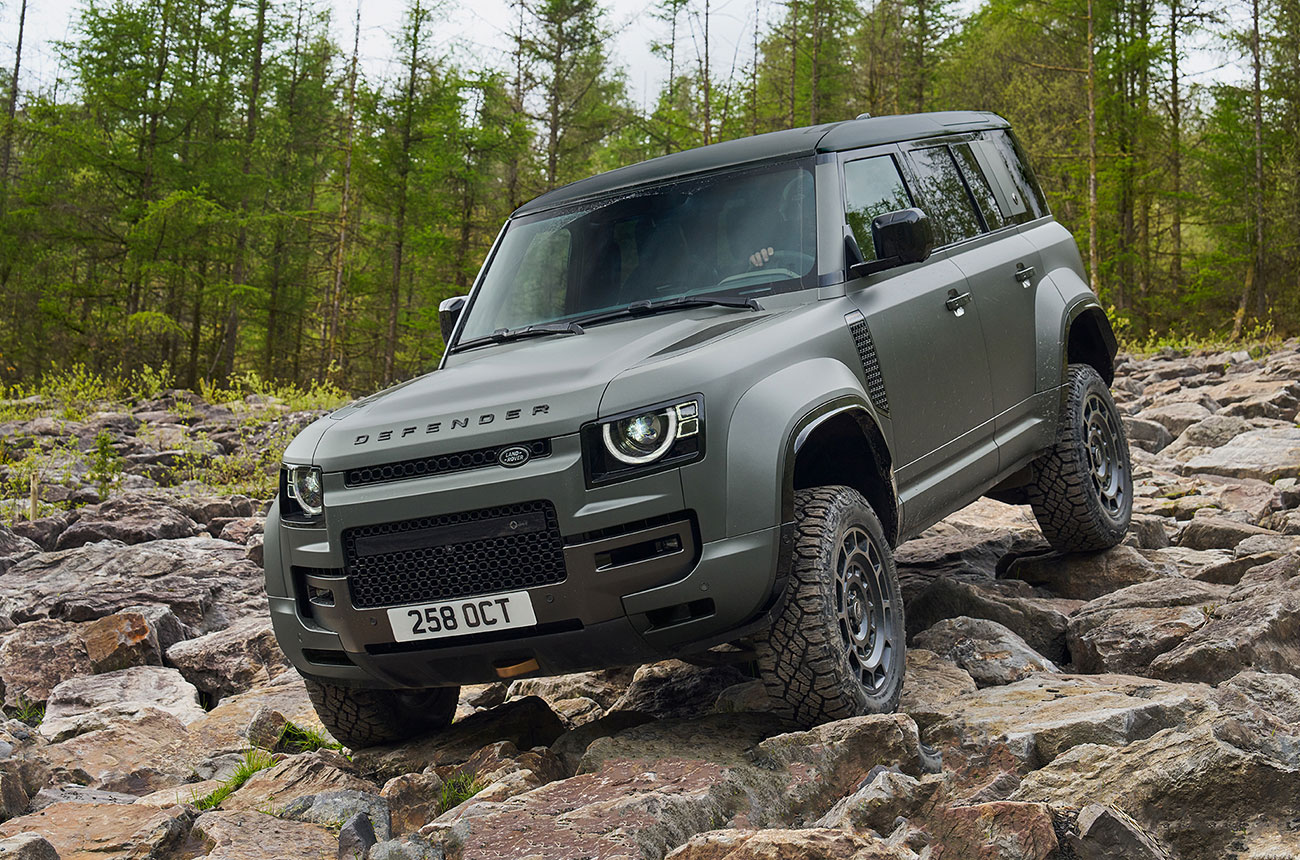
The 3.0-liter straight-six mild-hybrid engine balances power and efficiency remarkably well. It delivers 395 horsepower while recovering energy during deceleration to reduce fuel consumption on long patrol routes.
Towing capacity for the Defender reaches up to 8,200 pounds in properly configured versions. This is impressive for a vehicle that also excels at technical off-road navigation.
The modular interior design of the Defender is a practical advantage for park fleet managers. Components can be removed, reconfigured, and replaced to match specific operational requirements.
Roof-mounted accessory mounts allow rangers to install lighting bars, antenna systems, and communication equipment. The Defender’s flat roof and sturdy structure make it an excellent platform for mission-specific modifications.
Build quality of the current Defender is far superior to older generations. Reliability concerns that plagued previous Land Rovers have been substantially addressed through significant engineering investment.
The Defender’s 130 variant offers three rows of seating in a stretched wheelbase configuration. Parks needing maximum crew transport capability find this layout particularly useful for group patrol operations.
Cold-weather performance of the Defender is excellent thanks to its sophisticated four-wheel-drive architecture. High-altitude parks with severe winters trust it to perform when conditions are at their harshest.
Cost is the primary barrier to wider Defender adoption in park fleets. Its premium price point limits deployment to situations where extreme capability genuinely justifies the higher procurement investment.
Despite its cost, the Land Rover Defender delivers unmatched all-terrain performance in a production package. Parks that face the most challenging terrain conditions find it worth every dollar of their fleet budget.
6. GMC Yukon
The GMC Yukon brings full-size capability with enough off-road competence to earn its place in national park fleets. It shares mechanical underpinnings with the Chevrolet Tahoe but offers distinct advantages for specific park roles.
The Yukon’s larger dimensions compared to the Tahoe translate to meaningful increases in passenger and cargo capacity. Parks that routinely transport large crews or bulky equipment find the additional room genuinely useful.
AT4 trim brings dedicated off-road equipment to the Yukon lineup. It includes a 2-inch factory lift, skid plates, all-terrain tires, and a locking rear differential that meaningfully improves technical trail performance.
The 6.2-liter V8 engine available in higher trims delivers 420 horsepower. This makes the Yukon one of the most powerful full-size SUVs currently offered for fleet consideration.
Towing capability reaches an impressive 8,500 pounds with proper equipment. Parks that frequently haul heavy trailers loaded with boats, generators, or recovery equipment find this capacity invaluable.
The independent rear suspension introduced in recent generations vastly improved the Yukon’s ride quality. It no longer crashes harshly over rough park roads the way older solid-axle predecessors sometimes did.
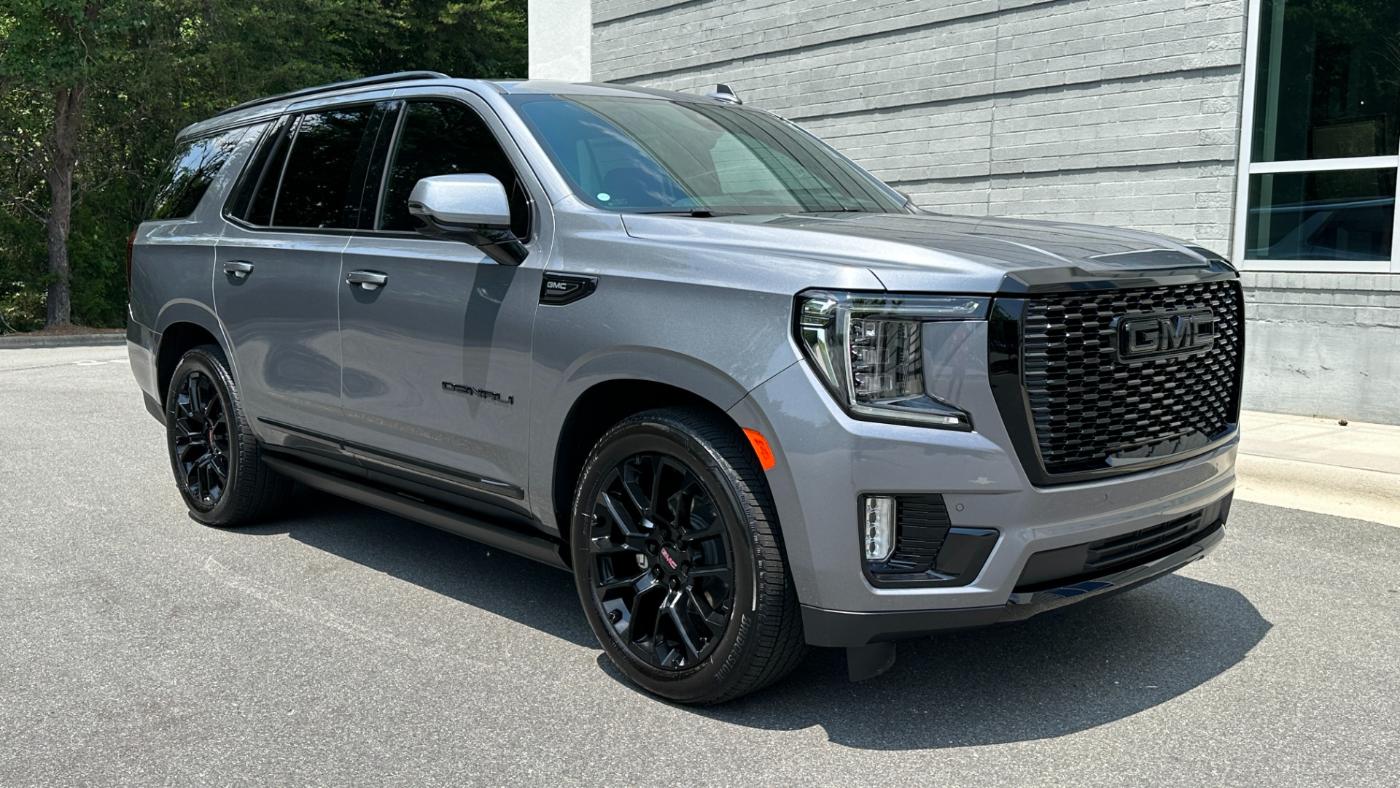
Magnetic Ride Control suspension is available on higher trims and provides genuinely impressive adaptive damping. It reads road conditions 1,000 times per second and adjusts shock absorber response accordingly.
Interior quality of the Yukon is premium by fleet standards. The dashboard materials, seat comfort, and refinement exceed what many park rangers expect from a work vehicle.
The rear cargo area is enormous compared to smaller SUVs. Behind the third row there is still meaningful storage space, and with all seats folded the floor area is vast.
Technology features include a 10.2-inch infotainment screen, wireless device charging, and a comprehensive suite of driver assistance systems. These tools improve ranger safety and operational efficiency simultaneously.
The Yukon XL variant extends the wheelbase further for even greater interior volume. Parks needing maximum transport capacity in a single vehicle often choose the XL over the standard wheelbase model.
Fleet maintenance of the Yukon benefits from its shared platform with the Tahoe. Mechanics familiar with one vehicle can service both, reducing training costs and improving service turnaround times.
Fuel economy is not the Yukon’s strongest attribute, particularly with the 6.2-liter V8. However, parks operating in remote areas where capability is non-negotiable consistently accept this compromise.
The Yukon’s combination of maximum interior space, strong towing capacity, and AT4 off-road hardware makes it a formidable fleet asset. It earns its place in national park operations through sheer capability and versatility.
7. Ford Bronco
The reborn Ford Bronco arrived with enormous expectations, and it has largely delivered on every one of them. National parks looking for a purpose-built off-road SUV have taken serious notice of what Ford created.
The Bronco was designed from scratch as a dedicated off-road vehicle rather than a converted road car. This fundamental design philosophy is evident in every aspect of its trail performance.
Available with both two-door and four-door configurations, the Bronco fits different park operational requirements. The four-door variant provides crew transport capability without sacrificing serious off-road competence.
The HOSS suspension system stands for High-Performance Off-Road Stability Suspension. It features Bilstein position-sensitive dampers that deliver controlled performance across both smooth roads and brutal off-road terrain.
Ground clearance of 11.6 inches on Sasquatch Package-equipped models is class-leading. This allows the Bronco to go through the obstacles that stop even dedicated off-road vehicles from competing manufacturers.
The Sasquatch Package itself is nearly essential for park fleet use. It adds 35-inch mud-terrain tires, fender flares, high-clearance suspension, and electronic locking front and rear differentials.
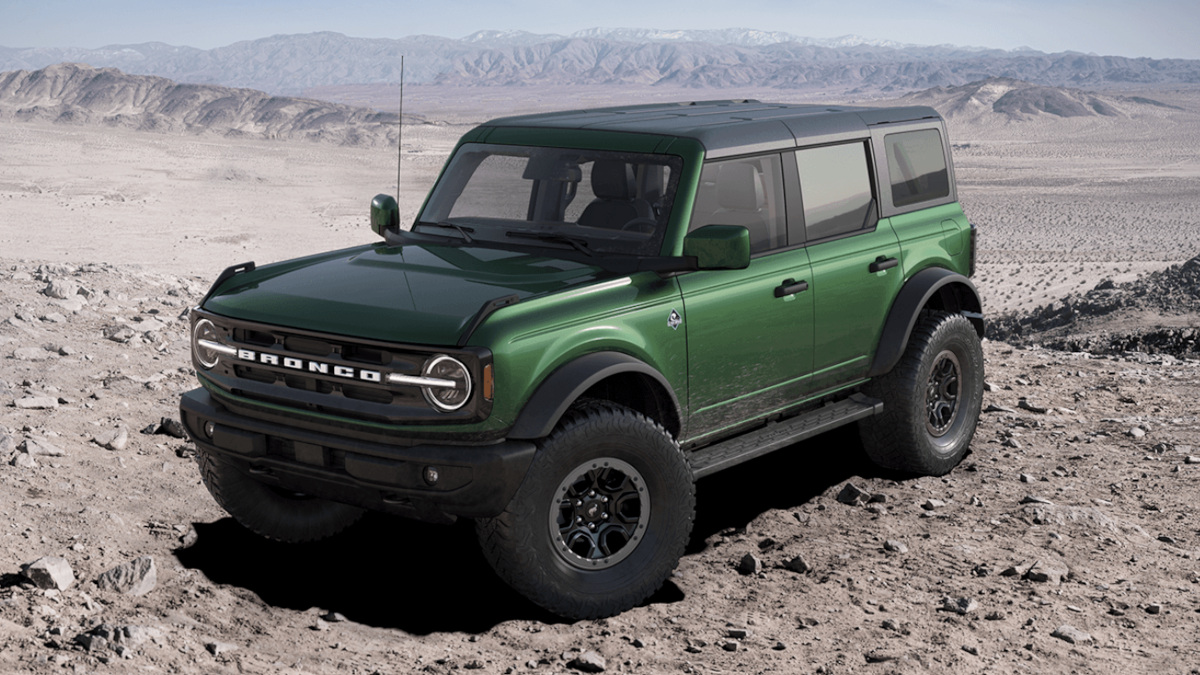
Detachable doors and a removable roof allow the Bronco to transform into an open vehicle for trail use. Rangers operating in accessible areas appreciate the ventilation and visibility this open configuration provides.
The 2.7-liter EcoBoost V6 produces 330 horsepower and 415 pound-feet of torque. This powerplant provides strong performance whether the Bronco is climbing steep grades or towing light equipment trailers.
Seven drive modes including Rock Crawl, Mud/Ruts, and Sand allow rangers to optimize vehicle behavior for specific conditions. The system adjusts throttle mapping, traction control, and transmission behavior comprehensively.
The modular front bumper design allows aftermarket or factory skid plates to be installed easily. Park fleet managers can configure each Bronco specifically for its intended operational environment.
Trail Turn Assist applies rear braking to reduce the turning radius dramatically on tight trails. This helps rangers to go through narrow switchbacks without multi-point turns that could cause trail damage.
The Bronco’s heritage carries significant public relations value in national park settings. Visitors recognize and respond positively to the iconic silhouette, reinforcing the park’s connection to American outdoor tradition.
Spare tire mounting location on the tailgate is practical and keeps the cargo floor unobstructed. Rangers can access the full cargo area without working around an internally mounted spare tire.
Ford has steadily expanded dealer network support and parts availability since the Bronco’s relaunch. Fleet managers can now source parts and service reliably even in regions near remote national parks.
The Ford Bronco represents a fresh and capable addition to national park fleets. Its purpose-built off-road design makes it one of the most genuinely capable vehicles rangers have ever had at their disposal.
8. Toyota Land Cruiser
The Toyota Land Cruiser carries a global reputation for surviving conditions that destroy lesser vehicles. In national park fleets, it represents the gold standard of long-term dependability and all-terrain competence.
Few vehicles in history have accumulated the real-world off-road experience of the Land Cruiser. It has served in deserts, jungles, arctic environments, and mountain ranges across every continent on Earth.
The current Land Cruiser’s twin-turbocharged 2.4-liter hybrid V6 produces a combined 326 horsepower. This represents a significant evolution from the traditional V8, maintaining capability while improving fuel efficiency.
Multi-terrain Select with seven adjustable modes covers every surface type rangers are likely to encounter. The system optimizes traction, throttle response, and brake modulation for each specific terrain category.
Crawl Control maintains a steady low speed over technical obstacles without constant driver throttle input. This frees rangers to focus on steering precision rather than managing throttle and braking simultaneously.
The Land Cruiser’s reinforced body structure is built to absorb serious trail impacts without compromising safety. Internal roll protection and high-strength steel construction provide occupant protection in rollover situations.
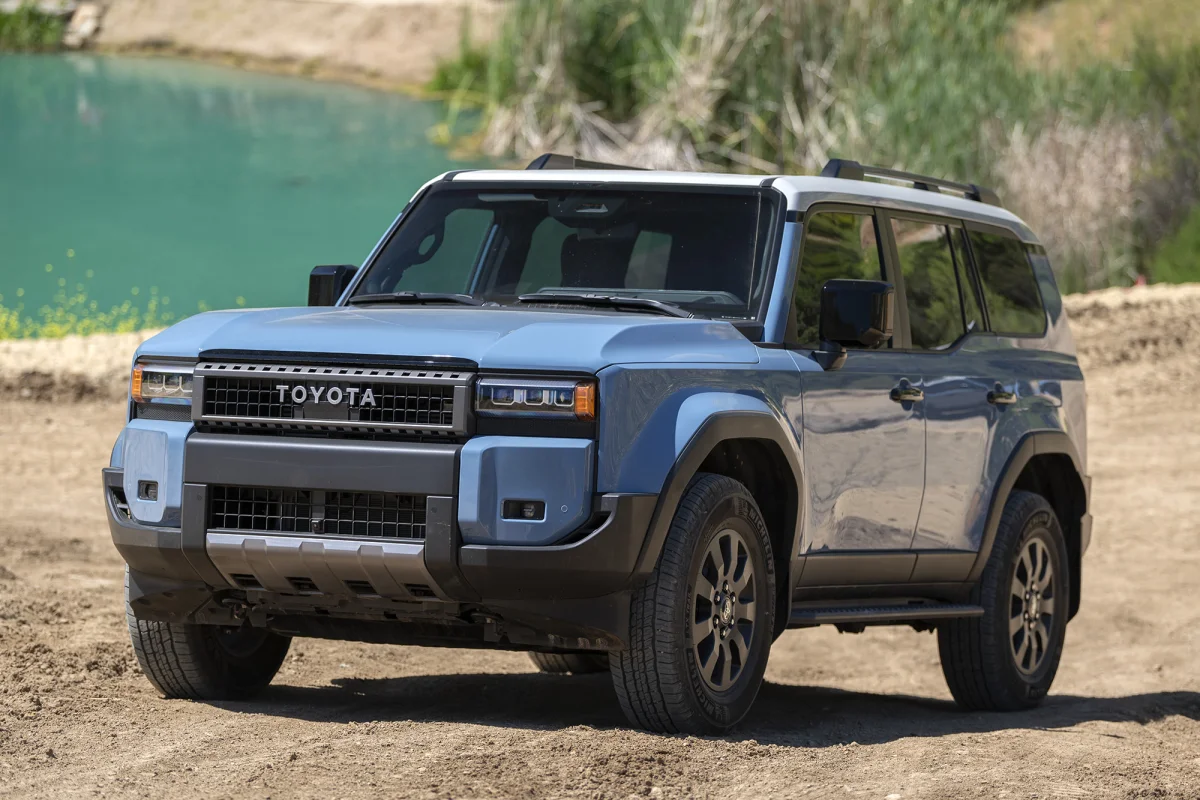
Ground clearance of 8.9 inches is complemented by outstanding approach and departure angles. The Land Cruiser can tackle rock faces and steep embankments with a confidence that inspires veteran off-road drivers.
Kinetic Dynamic Suspension System connects the front and rear stabilizer bars through a hydraulic coupling. This allows maximum wheel articulation over uneven terrain while maintaining body control during cornering.
The Land Cruiser’s interior is spacious, well-appointed, and built from materials that withstand hard daily use. Surfaces are designed to be cleaned easily after muddy field operations, which rangers genuinely appreciate.
Three-zone climate control keeps occupants comfortable across the extreme temperature variations common in national park environments. From desert heat to alpine cold, the cabin environment remains manageable.
The Land Cruiser’s legendary longevity means park fleets can plan on decades of service from a single vehicle. Lifecycle cost analysis consistently shows the Land Cruiser’s higher purchase price paying off handsomely over time.
Parts availability has historically been a challenge in remote areas where many parks are located. Toyota has worked to improve this situation, but fleet managers should plan their supply chains carefully.
The resale value of the Land Cruiser is extraordinary compared to nearly every competing vehicle. Parks that eventually retire their Land Cruisers often recover a surprisingly high percentage of the original purchase cost.
Heritage and proven performance in the most demanding environments on Earth give the Land Cruiser unmatched credibility. Park rangers who have driven one rarely want to go back to anything else.
The Toyota Land Cruiser continues earning its place in national park fleets through undeniable performance and legendary durability. It is the benchmark against which all serious off-road SUVs are measured.
9. Ram 1500 TRX-Based Utility SUV / Jeep Wagoneer
The Jeep Wagoneer has reemerged as a serious contender in government and park fleet procurement conversations. Its combination of full-size capacity, premium features, and authentic off-road credentials positions it as a compelling modern choice.
Built on a body-on-frame platform derived from Ram truck architecture, the Wagoneer is structurally formidable. It benefits directly from decades of heavy-duty truck engineering that translates into impressive off-road resilience.
The Quadra-Trac four-wheel-drive system provides confident traction management across varied terrain types. Rangers can rely on it to engage smoothly and effectively without requiring manual intervention in rapidly changing conditions.
Available Quadra-Lift air suspension adjusts ride height across five distinct positions. This flexibility allows rangers to optimize the vehicle for highway driving, rough trails, and everything in between.
The 5.7-liter HEMI V8 engine delivers 392 horsepower with strong low-end torque for off-road pulling power. It handles steep inclines and heavy towing with the effortless character that rangers working demanding terrain require.
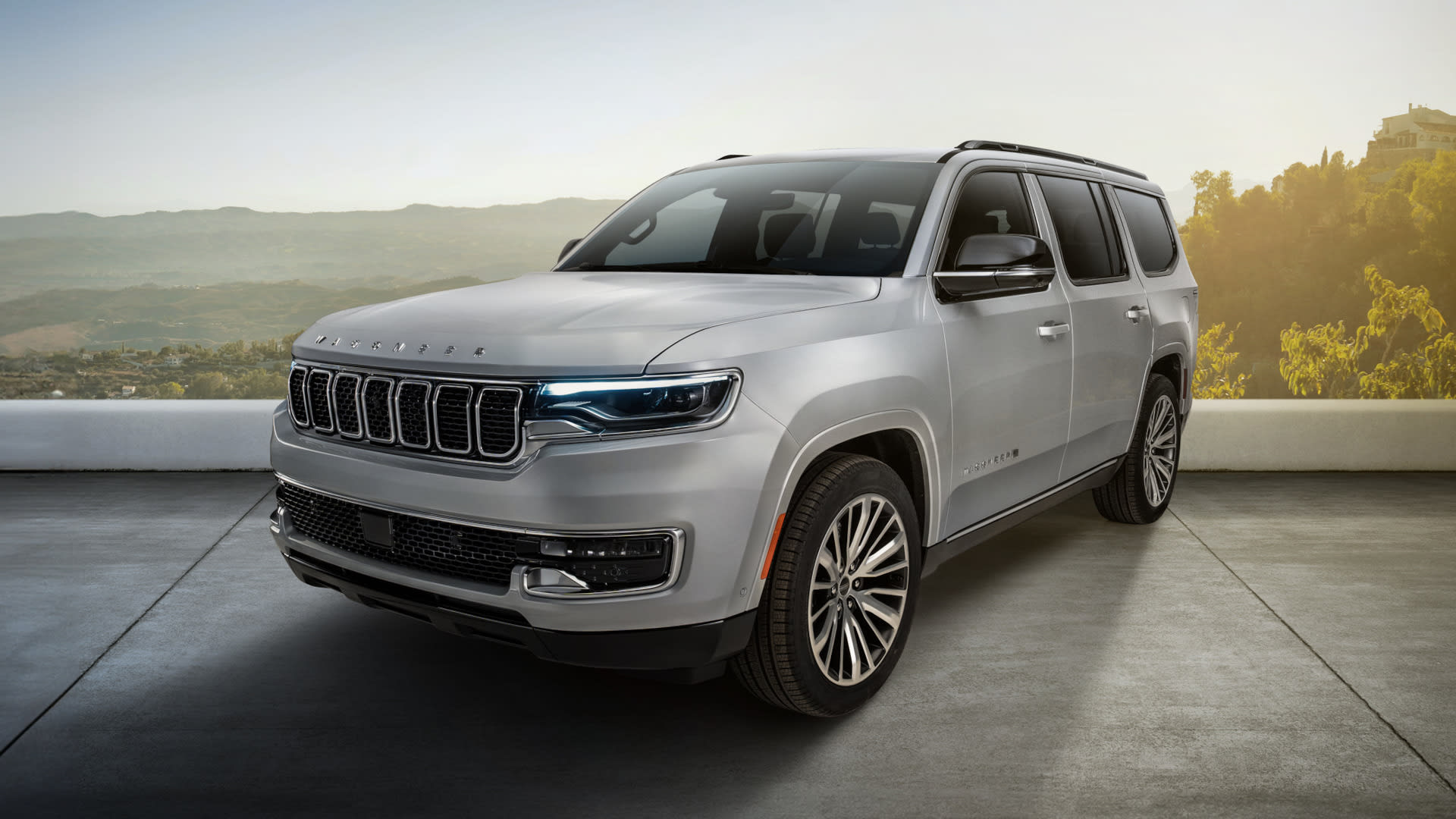
Towing capacity reaches up to 10,000 pounds in properly equipped Wagoneer configurations. This class-leading number makes it suitable for parks that regularly transport heavy equipment on dual-axle trailers.
Interior space of the Wagoneer is genuinely extraordinary for a domestic SUV. Three rows of seating can accommodate large patrol teams, and the rear cargo area handles substantial equipment loads easily.
The standard wheelbase Wagoneer already offers impressive interior volume. The extended Wagoneer L stretches things further, providing limousine-like rear legroom that improves crew comfort on long deployment days.
Technology integration in the Wagoneer is comprehensive and well-executed. The multi-screen dashboard layout puts navigation, communication, and vehicle information within easy reach of the driver and front passenger.
Available McIntosh audio system aside, the Wagoneer’s core operational technology is focused on functionality. Rangers get useful tools rather than gimmicks that complicate vehicle operation in the field.
The Wagoneer’s Series III trim includes 20-inch all-season tires and upgraded off-road suspension tuning. While not as extreme as dedicated trail vehicles, it handles the majority of park service road conditions competently.
Ground clearance of 9.1 inches is competitive within the full-size SUV segment. Combined with the air suspension’s ability to raise the vehicle further, obstacle clearance is rarely a significant concern.
Reliability data on the modern Wagoneer is still accumulating given its relatively recent reintroduction. Early fleet reports are encouraging, suggesting Stellantis has addressed the quality concerns that plagued previous generations.
Fleet procurement officers appreciate the Wagoneer’s competitive pricing relative to European full-size alternatives. It delivers comparable interior space and capability at a meaningfully lower acquisition cost.
The Jeep Wagoneer represents the future direction of American full-size SUV capability for park fleet use. Its combination of towing strength, interior volume, and improving reliability makes it an increasingly attractive choice for national park operations.
Also Read: 9 Engines That Taxi Fleets Trust Past 600,000 Miles
