
When it comes to buying a pickup truck in 2026, most buyers focus on towing capacity, horsepower, off-road ability, and styling. However, one of the most important factors that often gets overlooked is the 10-year maintenance cost, which can make or break the long-term value of a truck.
While two trucks may look similar on the surface and even have comparable purchase prices, their maintenance and repair costs over a decade can differ by thousands of dollars. That difference can significantly affect total ownership cost, resale value, and even reliability perception.
Pickup trucks are built for durability, but not all are created equal. Some trucks are engineered with simpler, time-tested powertrains and widely available parts, making them cheaper to maintain over time.
Others rely heavily on turbocharged engines, advanced electronics, or complex emissions systems that may increase repair frequency and cost as the truck ages. Because of this, understanding long-term maintenance cost trends is essential for anyone planning to keep a truck for 8 to 12 years or longer.
In the modern automotive market, brands like Toyota, Honda, Ford, Chevrolet, and Nissan dominate the conversation when it comes to durability and ownership cost. Toyota and Honda are widely known for producing vehicles with exceptional long-term reliability, often resulting in lower maintenance expenses over time.
Ford and Chevrolet, on the other hand, offer a wider variety of trims and engines, some of which are extremely durable and cost-effective to maintain, while others can be more expensive depending on configuration. Nissan, especially with models like the Frontier, often provides a strong value proposition for buyers looking for lower upfront and long-term costs.
According to long-term ownership studies and repair cost analyses, trucks with simpler naturally aspirated engines, proven transmissions, and widespread parts availability tend to rank highest in affordability over a 10-year period.
Maintenance costs typically include routine services like oil changes, brakes, and tires, as well as unexpected repairs such as transmission issues, suspension wear, or engine component failures. Over time, these expenses accumulate, making certain trucks significantly more economical than others.
In this article, we will break down the 10 trucks with the lowest 10-year maintenance costs in 2026, based on reliability trends, ownership data, and long-term durability expectations. These trucks are widely recognized for being affordable to maintain, dependable under heavy use, and capable of lasting well beyond 200,000 miles with proper care.
Whether you are a daily driver, a contractor, or someone who simply wants a dependable vehicle with minimal repair bills, this guide will help you make an informed decision that saves money over the long run.
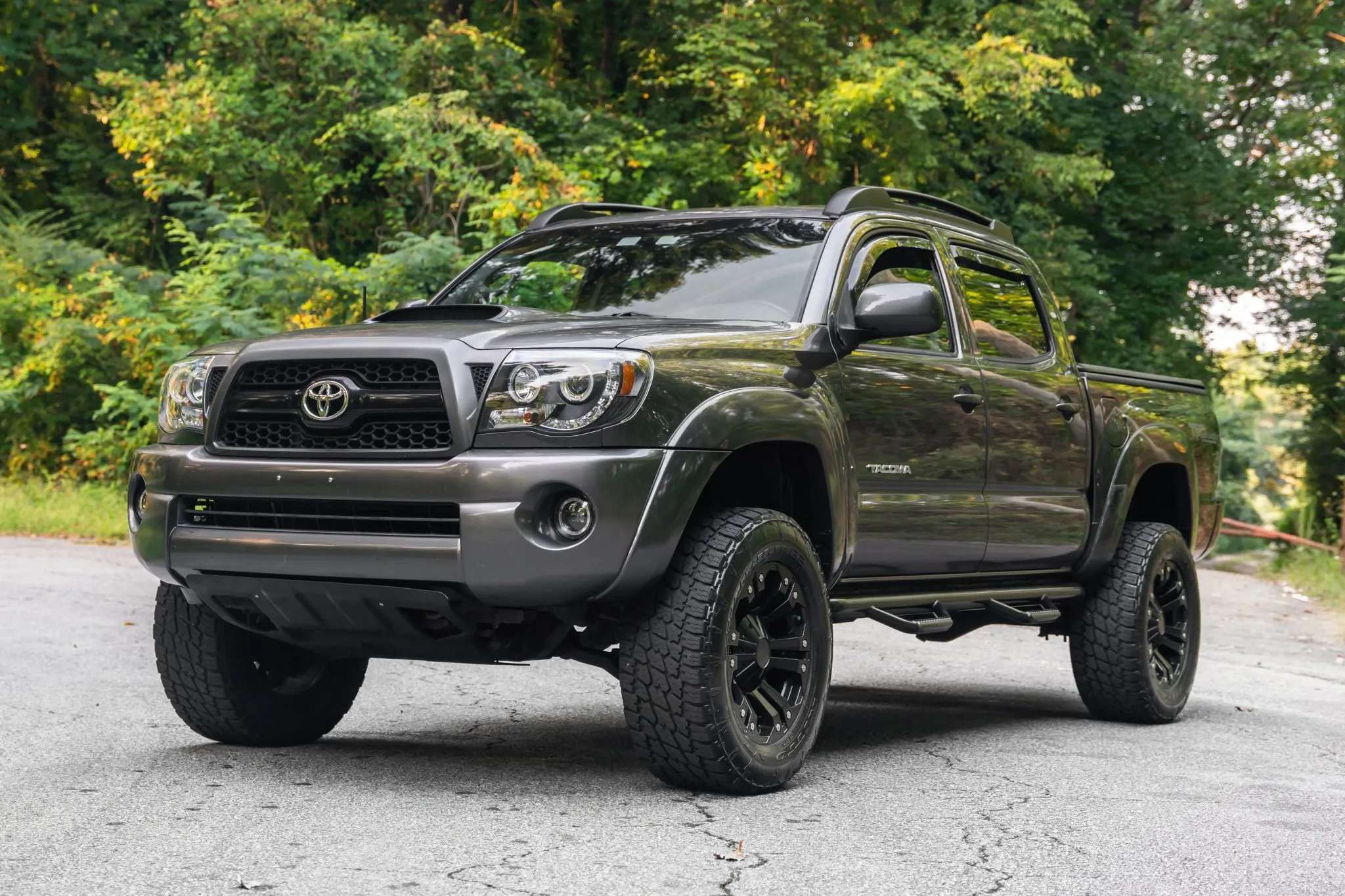
1. Toyota Tacoma
The Toyota Tacoma has earned a global reputation as one of the most reliable midsize trucks ever produced, and this directly translates into some of the lowest 10-year maintenance costs in the entire pickup segment. What sets the Tacoma apart is Toyota’s engineering philosophy, which prioritizes long-term durability over short-term performance gains.
Built on a body-on-frame platform refined over decades, the truck benefits from core mechanical components that are time-tested and generally very durable. Because of this, major mechanical failures are less frequent, which helps keep ownership costs more stable compared to many other trucks.
Another major factor that contributes to Tacoma’s low maintenance cost is its naturally aspirated engine design in many of its most popular configurations. Unlike turbocharged engines that rely on higher-pressure systems and more complex internal components, the Tacoma’s engines are simpler and easier to maintain.
This simplicity not only improves reliability but also keeps routine servicing more affordable. Oil changes, spark plug replacements, and cooling system maintenance are straightforward procedures that most mechanics can perform quickly, reducing labor charges over time.
The Tacoma also benefits from exceptional parts availability and a massive global support network. Because it is one of the best-selling midsize trucks in North America and widely used in other regions, replacement parts are both affordable and easy to source.
Long-term repair costs are kept in check largely because of parts availability and pricing. Unlike niche or less common trucks, where components can be expensive or hard to source, the Tacoma benefits from widespread support in the aftermarket and service network. Even parts such as suspension and drivetrain components, which often become costly as trucks age, generally remain relatively affordable.
Additionally, the Tacoma’s strong resale value indirectly reduces its long-term cost of ownership. Because it retains value so well, owners often recover a large percentage of their initial investment when selling or trading it in.
This means that even after years of use, the effective cost of ownership remains low compared to competitors that depreciate faster and require higher maintenance investment. Combined with its reputation for easily surpassing 250,000 to 300,000 miles with routine care, the Tacoma remains one of the smartest long-term financial choices in the truck market.
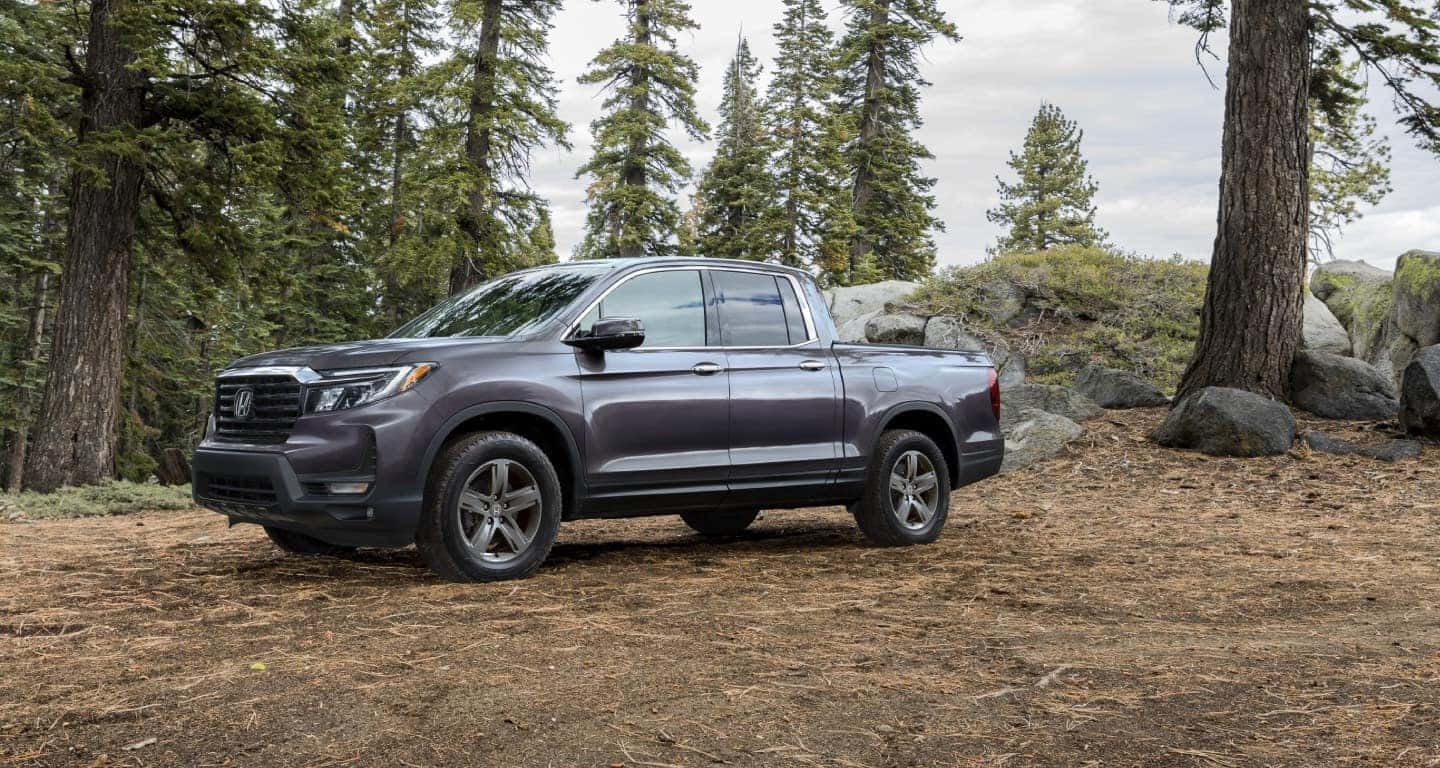
2. Honda Ridgeline
The Honda Ridgeline stands out in the pickup truck market because it is engineered more like a passenger vehicle than a traditional heavy-duty truck, and this unique approach plays a significant role in its low 10-year maintenance costs.
Built on a unibody platform rather than a body-on-frame design, the Ridgeline experiences less structural stress during everyday driving. This reduces wear on critical components such as suspension joints, frame mounts, and drivetrain connections, which are often expensive to repair in conventional trucks over time.
One of the strongest advantages of the Ridgeline is its highly reliable 3.5L V6 engine, which has been used across multiple Honda and Acura models for years. This engine is known for its smooth operation, long service life, and minimal major mechanical failures when properly maintained.
Because Honda focuses heavily on engineering consistency, this powertrain benefits from continuous refinement rather than frequent redesigns, making long-term ownership more predictable and cost-efficient.
Maintenance simplicity is another key factor. The Ridgeline does not rely on overly complex turbocharging systems or heavy-duty off-road components, which reduces the number of parts that can fail or require replacement.
Routine maintenance tasks such as brake servicing, fluid changes, and timing system checks are generally straightforward and relatively inexpensive compared to more mechanically complex trucks. Even when repairs are needed, Honda’s global parts network ensures that replacement components are widely available at reasonable prices.
The Ridgeline is also typically used in less demanding conditions compared to traditional pickup trucks. Many owners use it as a family vehicle, commuter, or light utility truck rather than a workhorse for towing or hauling heavy loads daily.
This lighter usage pattern significantly reduces long-term mechanical strain, extending the lifespan of key components such as transmission systems, suspension parts, and braking systems. Over a 10-year ownership period, this difference in usage can translate into substantial savings in maintenance and repair costs.
The Honda Ridgeline delivers a unique combination of comfort, reliability, and cost efficiency. While it may not match the towing capacity or rugged appeal of traditional trucks, its engineering philosophy ensures that long-term maintenance expenses remain among the lowest in its class.
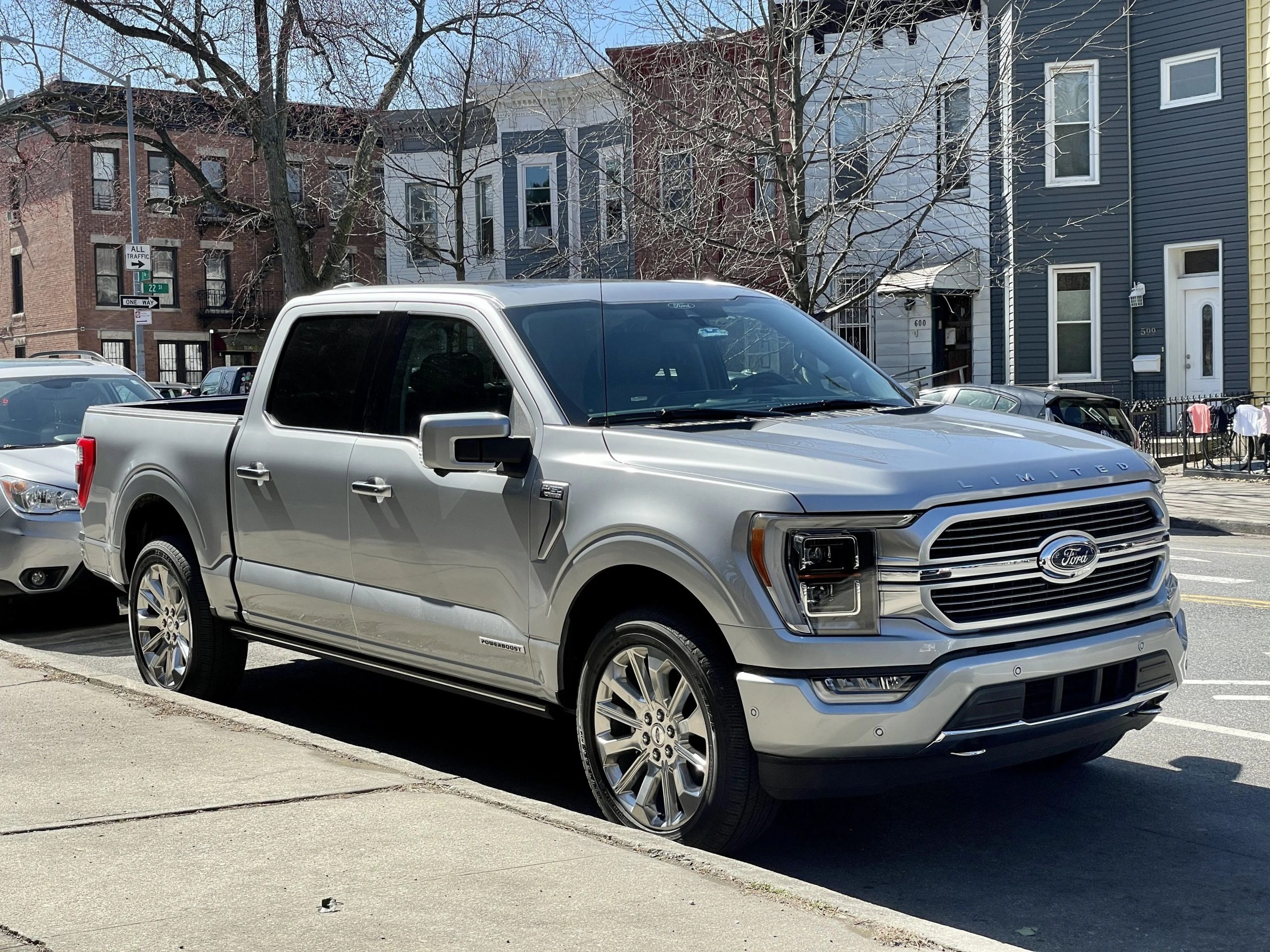
3. Ford F-150
The Ford F-150 is one of the most widely used trucks in the world, and its long-term maintenance costs vary significantly depending on the engine configuration. Among all available options, the 5.0L V8 model stands out as one of the most reliable and cost-effective choices for long-term ownership.
This engine has been refined over multiple generations and is known for its durability, mechanical simplicity, and strong performance under load.
One of the key reasons the F-150 maintains relatively low maintenance costs is its massive production scale. As the best-selling truck in North America for decades, it benefits from an unmatched level of parts availability.
Replacement components for everything from engine parts to suspension systems are widely stocked, which helps keep both repair costs and labor times lower. Mechanics across the world are also highly familiar with the F-150 platform, reducing diagnostic time and minimizing costly trial-and-error repairs.
The 5.0L V8 engine itself is a major contributor to long-term reliability. Unlike turbocharged EcoBoost variants, the naturally aspirated V8 avoids additional stress from forced induction systems, which can introduce higher wear rates over time.
This simpler design reduces the likelihood of expensive issues such as turbo failure, intercooler leaks, or complex sensor malfunctions. As a result, owners of the V8 model often report fewer major repairs even after high mileage use.
However, like all trucks, the F-150 still requires consistent routine maintenance to maintain its low-cost profile. Regular oil changes, transmission servicing, and brake system upkeep are essential to ensuring long-term durability.
The advantage is that these services are relatively affordable due to the truck’s widespread use and standardized service procedures. Even when parts replacement is required, the cost is generally lower compared to imported or less common vehicles.
Over a 10-year ownership period, the Ford F-150 5.0L V8 remains a strong balance between capability and affordability. It offers excellent towing and hauling performance while maintaining reasonable maintenance costs, making it one of the most practical full-size trucks for long-term ownership.
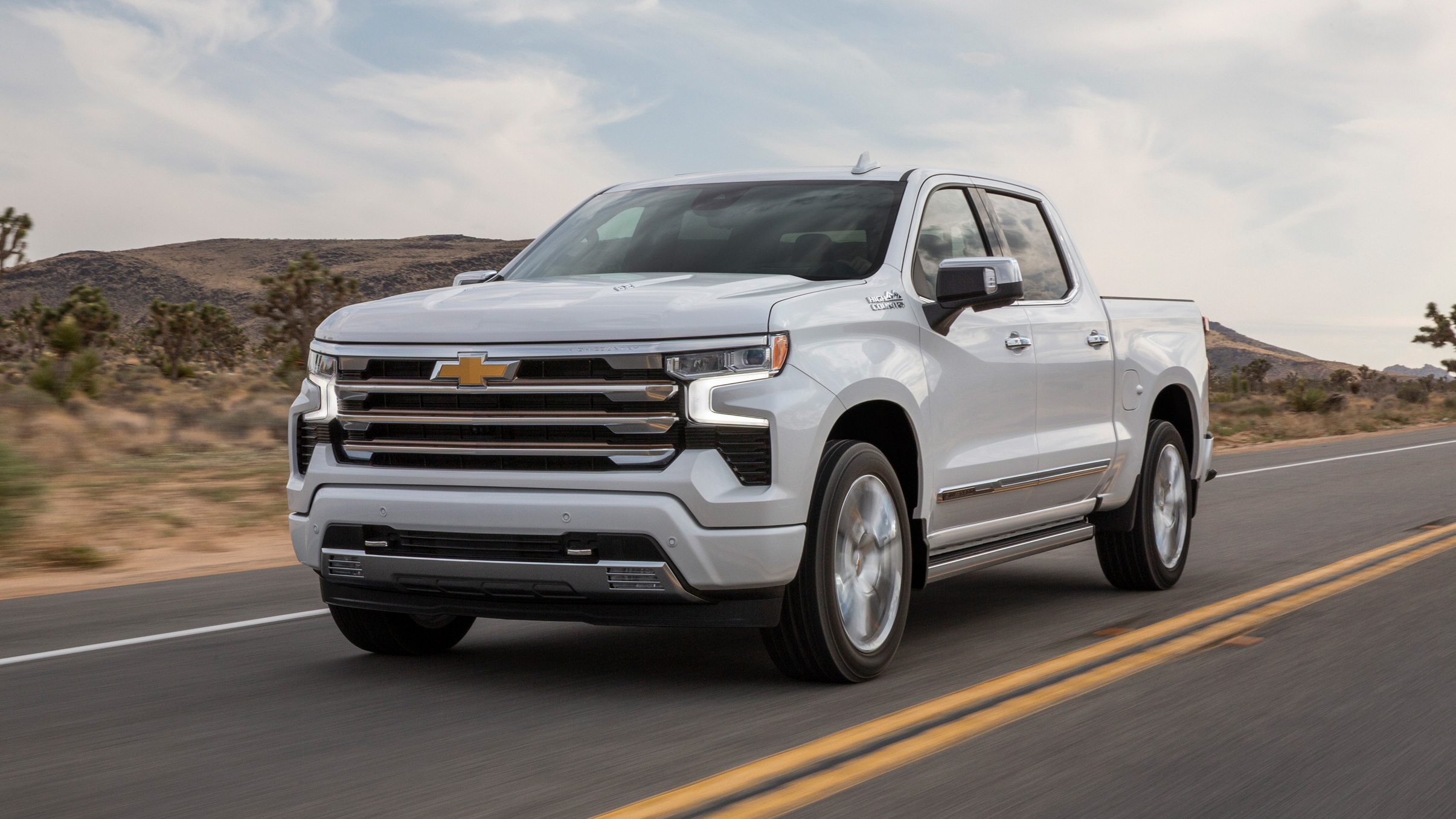
4. Chevrolet Silverado 1500
The Chevrolet Silverado 1500 has built a strong reputation as a dependable full-size truck with manageable long-term maintenance costs, especially when equipped with its widely used V8 engine options.
One of the main reasons for its affordability over a 10-year ownership period is the long-standing reliability of General Motors’ small-block V8 engine architecture. This engine design has been refined over decades and is known for its durability, ease of repair, and strong performance in both work and everyday driving conditions.
Another important factor contributing to the Silverado’s low maintenance cost is its extensive service and parts network. Because it is one of the most popular trucks in North America, replacement parts are widely available and competitively priced.
This availability significantly reduces downtime and repair expenses, as mechanics can quickly access necessary components without delays or high shipping costs. The widespread familiarity of technicians with GM trucks also helps reduce labor costs.
While the Silverado is generally reliable, one area that can impact long-term costs is the Active Fuel Management system used in certain engine configurations. In some cases, this system can lead to lifter wear issues at higher mileage.
However, these problems are not universal and can often be mitigated with proper maintenance, regular oil changes, and, in some cases, system modifications or updates. Despite this, many Silverado owners still report strong long-term durability when the truck is properly cared for.
Routine maintenance for the Silverado is also relatively affordable. Standard services such as brake replacement, fluid changes, and suspension maintenance are straightforward and widely supported by independent repair shops. This helps owners avoid the higher costs often associated with dealership-only repairs in more complex vehicles.
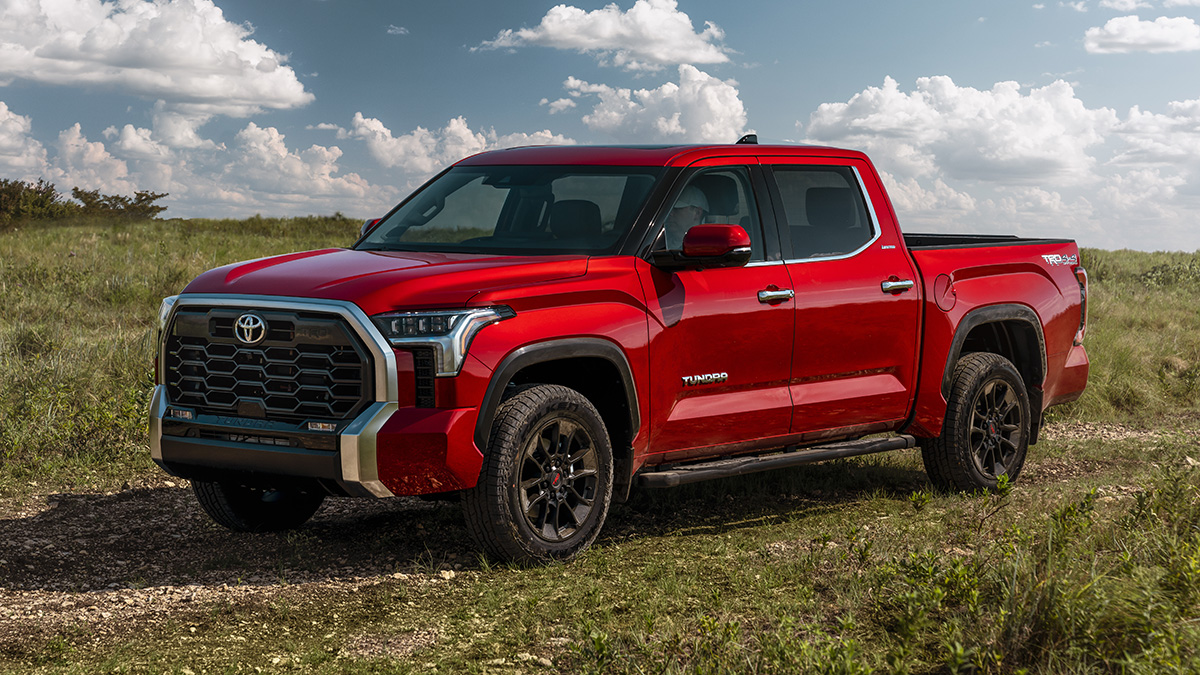
5. Toyota Tundra
The Toyota Tundra is widely regarded as one of the most durable full-size trucks ever produced, and its reputation for reliability directly contributes to some of the lowest 10-year maintenance costs in its category.
Built with Toyota’s long-standing focus on engineering simplicity and mechanical strength, the Tundra is designed to withstand heavy use over extended periods with minimal risk of major mechanical failure. This makes it especially attractive for buyers who want a full-size truck that remains dependable well past 200,000 miles.
One of the most important factors behind the Tundra’s low maintenance cost is its historically proven V8 engine lineup. Older generations, in particular, are known for their ability to handle high mileage with very few serious issues.
These engines prioritize durability over extreme efficiency or advanced forced induction systems, which reduces complexity and long-term repair risks. Even newer generations continue to emphasize reliability, although they incorporate more modern technology.
The Tundra also benefits from Toyota’s global reliability standards, which ensure that components are thoroughly tested before reaching production. This reduces the likelihood of early-life failures, a common issue in trucks that prioritize rapid innovation over proven engineering. As a result, owners often experience fewer unexpected repairs during the first decade of ownership.
Maintenance costs for the Tundra remain predictable and stable over time. Routine servicing such as oil changes, brake replacements, and transmission maintenance is straightforward and does not require specialized procedures in most cases. Additionally, Toyota’s strong dealership and service network ensures that parts are readily available, even in less urban areas, which helps keep repair costs consistent.
In the long run, the Toyota Tundra is considered one of the safest financial choices in the full-size truck category. While its upfront cost may sometimes be higher than competitors, its low frequency of major repairs and long lifespan make it one of the most cost-effective trucks to own over a 10-year period.
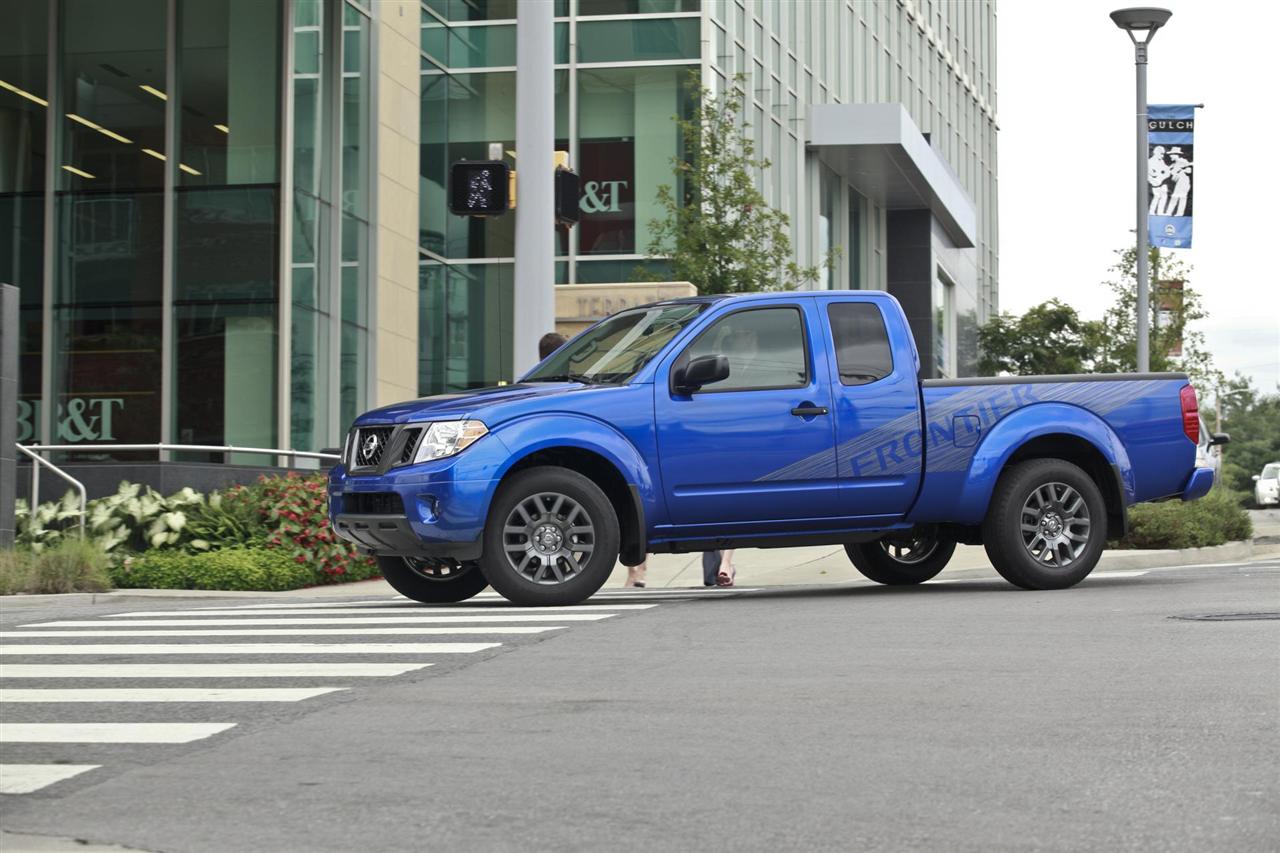
6. Nissan Frontier
The Nissan Frontier is one of the most underrated trucks in terms of long-term ownership value, and its extremely low 10-year maintenance cost is largely due to its mechanical simplicity and long production stability.
Unlike many modern trucks that undergo frequent redesigns and technology shifts, the Frontier has historically maintained a consistent engineering platform for many years. This stability has allowed Nissan to refine and strengthen its core components over time, resulting in a truck that is easy to maintain and relatively inexpensive to repair even at high mileage.
A major contributor to the Frontier’s affordability is its proven V6 engine, which has built a reputation for durability and resistance to major mechanical failures. The engine design avoids overly complex systems such as turbocharging or advanced hybrid components, which often increase long-term maintenance costs in other vehicles.
Instead, it relies on a straightforward, naturally aspirated configuration that is easier for mechanics to service and less prone to expensive breakdowns. This simplicity also means fewer sensors, fewer electronic failure points, and reduced diagnostic complexity, all of which contribute to lower repair bills over a 10-year period.
Another important advantage of the Nissan Frontier is its low-cost parts ecosystem. Because it is not a highly specialized or luxury-focused truck, replacement parts are widely available and generally inexpensive. Routine maintenance components such as brakes, filters, suspension parts, and fluids are all competitively priced compared to rivals in the midsize segment.
This makes the Frontier especially appealing to budget-conscious owners who want predictable long-term expenses without sacrificing essential truck capability.
The Frontier also benefits from strong mechanical familiarity among independent repair shops. Since its platform has been in use for an extended period, many technicians are already experienced with its systems, which reduces labor time and associated costs.
Unlike newer trucks that require specialized training or dealership-only diagnostics, the Frontier can often be serviced at local workshops without premium pricing. This accessibility plays a major role in keeping total ownership costs low.
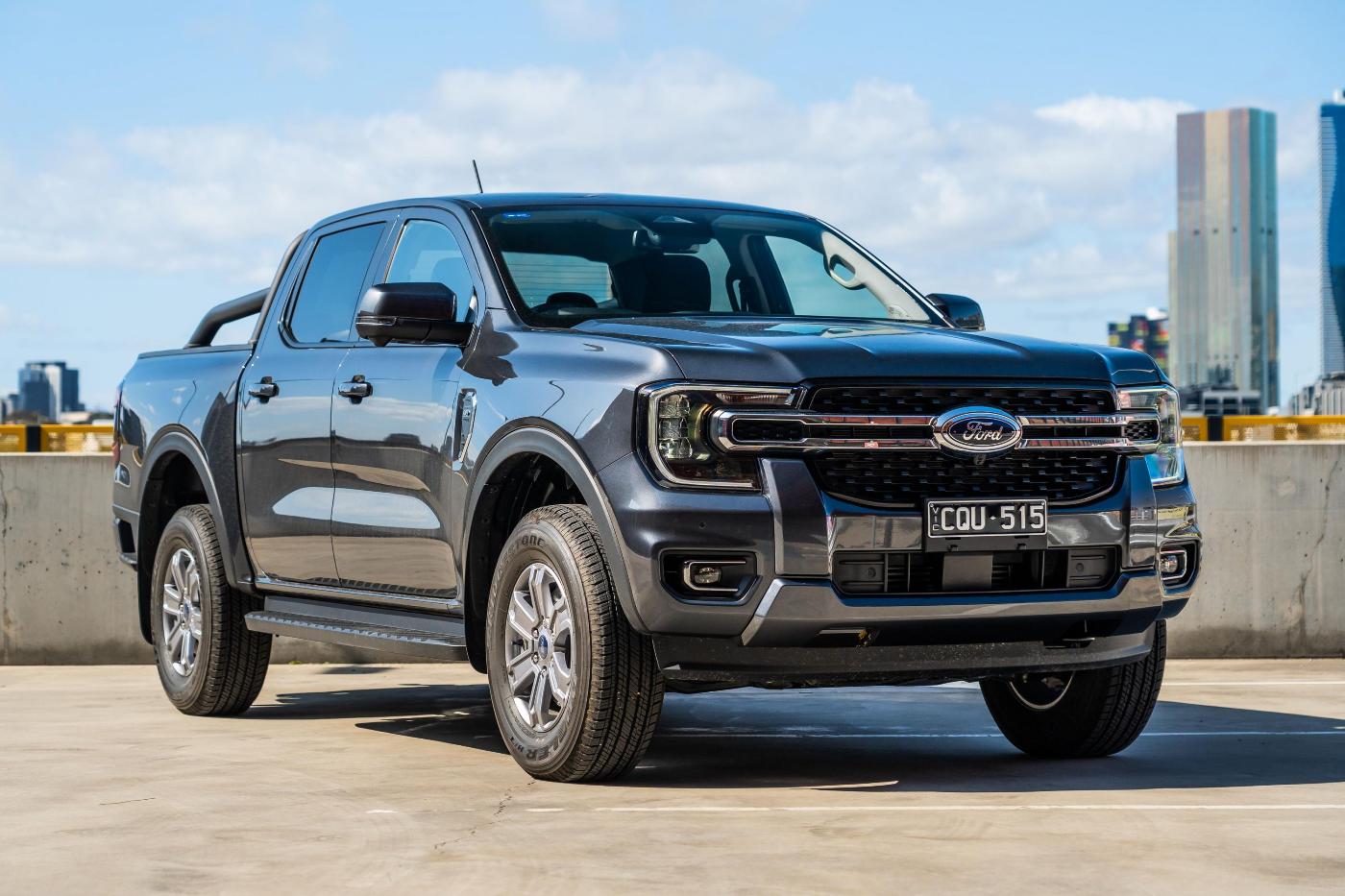
7. Ford Ranger
The Ford Ranger has re-established itself as a strong contender in the midsize truck segment, and its 10-year maintenance cost remains relatively low when compared to many competitors. One of the key reasons for its affordability is Ford’s global engineering strategy, which ensures that the Ranger platform is tested across multiple markets and driving conditions.
This international development approach helps improve durability and identify potential issues early in the design process, leading to a more refined and reliable product over time.
The modern Ford Ranger typically uses a turbocharged engine, which offers improved fuel efficiency and strong performance. While turbocharged systems are generally more complex than naturally aspirated engines, Ford has refined its EcoBoost technology to balance performance with durability.
When properly maintained, the Ranger’s engine can provide reliable service over many years without significant increases in repair costs. However, owners must stay consistent with maintenance schedules, particularly oil changes and cooling system upkeep, to avoid long-term wear issues associated with turbocharged systems.
Another factor influencing the Ranger’s maintenance cost is its strong parts and service availability. As a globally popular truck, it benefits from Ford’s extensive supply chain and widespread dealership network.
Replacement parts are generally easy to obtain, and pricing remains competitive due to high production volumes. This helps keep both minor repairs and major servicing within a reasonable cost range, even as the vehicle ages.
The Ranger also benefits from a relatively lightweight design compared to full-size trucks, which reduces stress on components such as suspension systems, brakes, and drivetrain parts. This lower mechanical strain contributes to longer part lifespans and fewer repairs over a 10-year period.
For drivers who use the truck for daily commuting, light hauling, or recreational purposes, this reduced wear becomes a significant financial advantage.
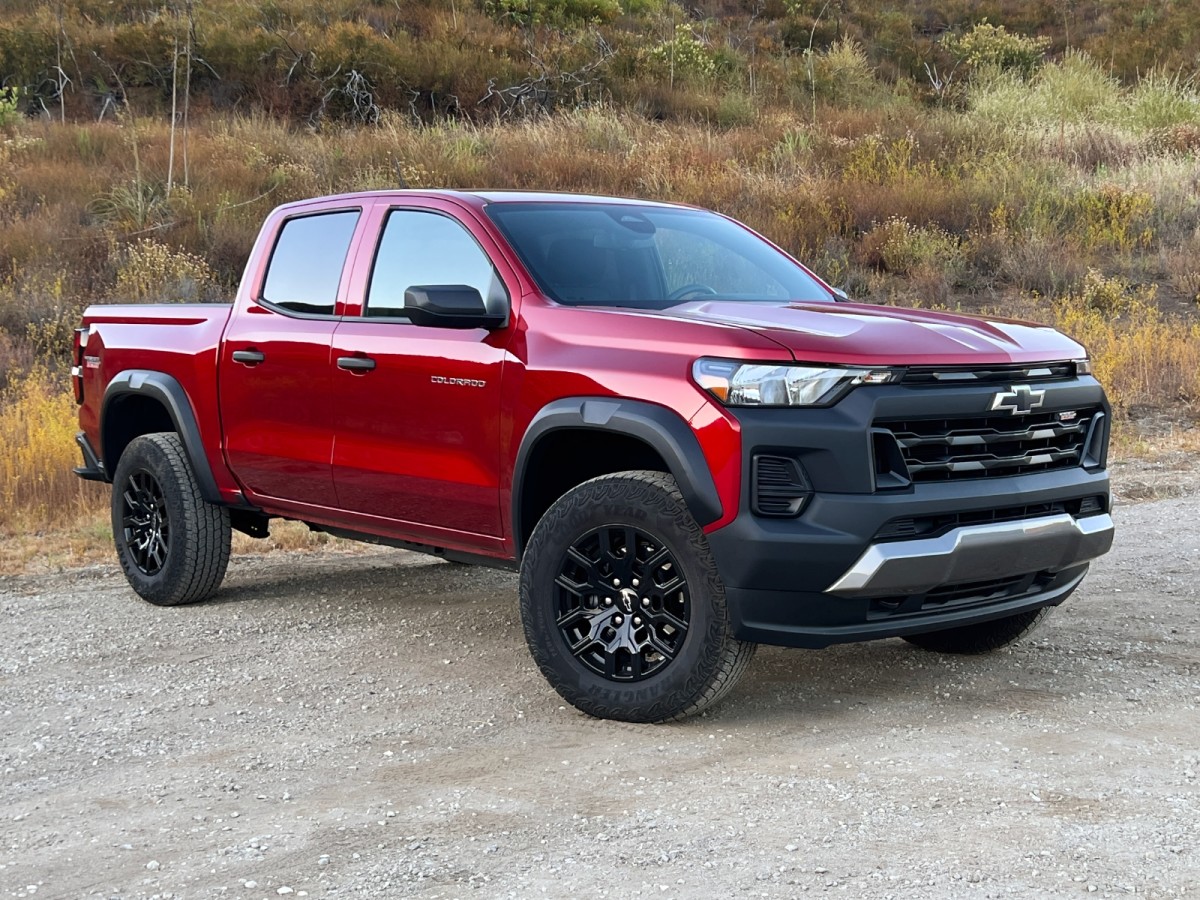
8. Chevrolet Colorado
The Chevrolet Colorado is a midsize truck designed to bridge the gap between everyday usability and rugged utility, and its maintenance costs over a 10-year period remain fairly moderate and predictable.
One of the main reasons for its cost efficiency is its shared engineering foundation with other General Motors vehicles, which allows for widespread parts availability and standardized repair processes. This reduces both the cost and complexity of maintaining the vehicle over time.
The Colorado is available with multiple engine options, but the V6 configuration is widely regarded as the most balanced in terms of performance and long-term reliability.
This engine has been used across various GM models and benefits from years of refinement. It delivers solid power while maintaining a relatively straightforward mechanical design, which helps keep repair costs lower compared to more complex turbocharged alternatives.
Another factor contributing to Colorado’s affordability is its strong service network. General Motors has one of the largest dealership and repair networks in North America, which ensures that owners have access to trained technicians and readily available parts. This reduces downtime during repairs and helps maintain consistent service pricing across different regions.
The truck’s midsize platform also plays a role in controlling long-term maintenance costs. Because it is smaller and lighter than full-size trucks, the Colorado places less stress on key components such as suspension systems, brakes, and drivetrain parts.
This leads to slower wear rates and fewer major repairs over a typical 10-year ownership cycle. For drivers who do not regularly tow heavy loads or operate in extreme conditions, this advantage becomes even more noticeable.
The Chevrolet Colorado offers a practical balance between capability and affordability. While it may not be the absolute cheapest truck to maintain, it provides consistent and predictable long-term ownership costs that make it a strong choice in the midsize segment.
9. GMC Canyon
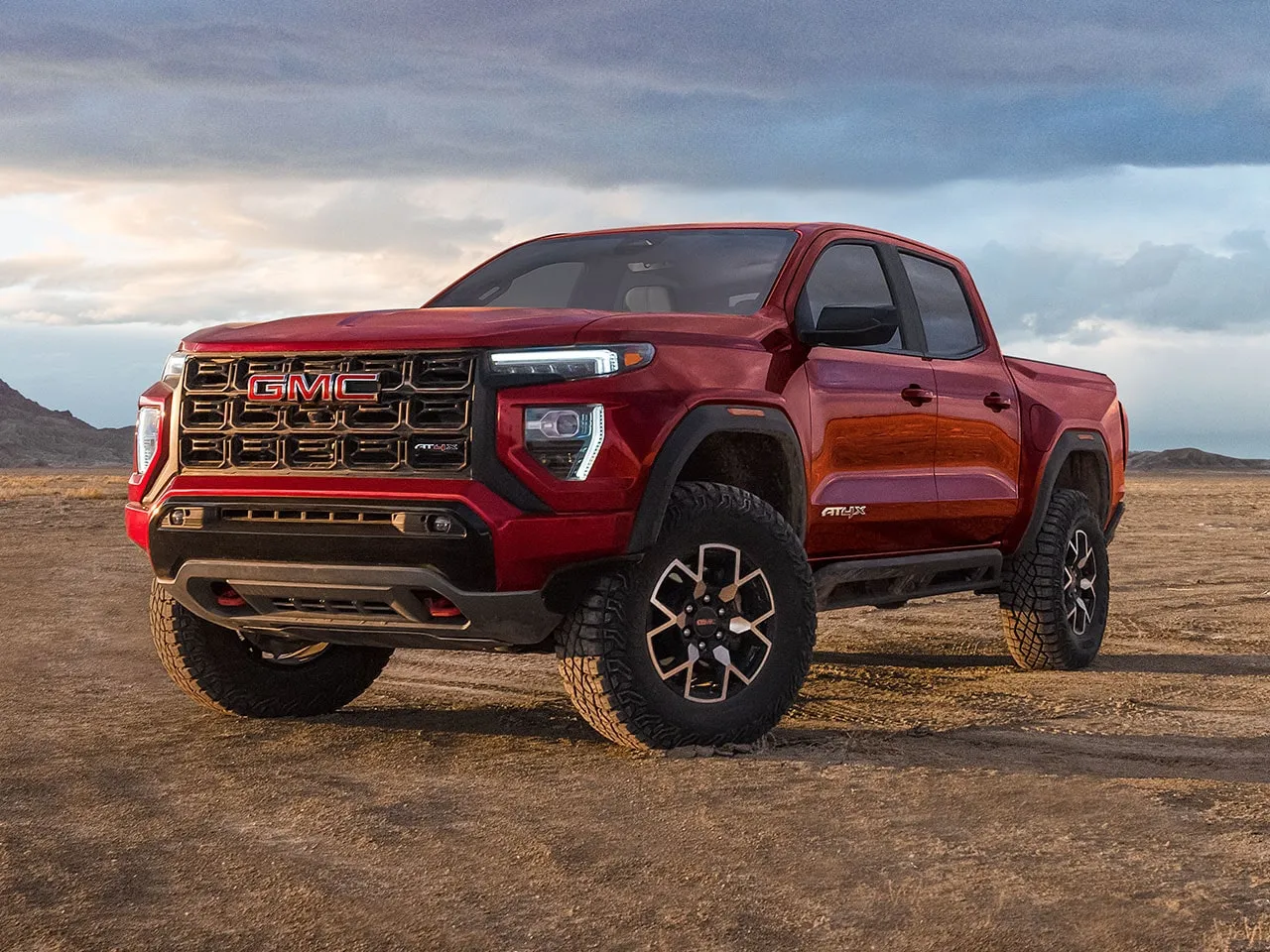
The GMC Canyon shares much of its engineering DNA with the Chevrolet Colorado, which directly influences its long-term maintenance cost structure. Because both trucks are built on the same platform and use similar mechanical components, they benefit from shared reliability characteristics and parts availability. This shared architecture allows GMC to keep maintenance costs relatively stable and predictable over a 10-year ownership period.
One of the key strengths of the Canyon is its refined engine lineup, particularly the V6 option, which is known for balanced performance and durability. This engine is designed to handle a wide range of driving conditions without excessive wear, provided that routine maintenance is followed consistently. Oil changes, cooling system upkeep, and transmission servicing are all straightforward processes that contribute to long-term reliability.
Another advantage of the GMC Canyon is its access to General Motors’ extensive service infrastructure. Because it is supported by the same network as Chevrolet vehicles, owners benefit from widespread availability of parts and trained technicians. This helps reduce repair delays and keeps labor costs competitive, even as the vehicle ages and requires more frequent servicing.
The Canyon also tends to appeal to buyers who prioritize comfort and interior refinement, which means it is often used in less demanding conditions compared to heavy-duty work trucks. This reduced strain on mechanical components helps extend the lifespan of critical systems such as suspension, braking, and drivetrain components, contributing to lower maintenance costs over time.
10. Ram 1500
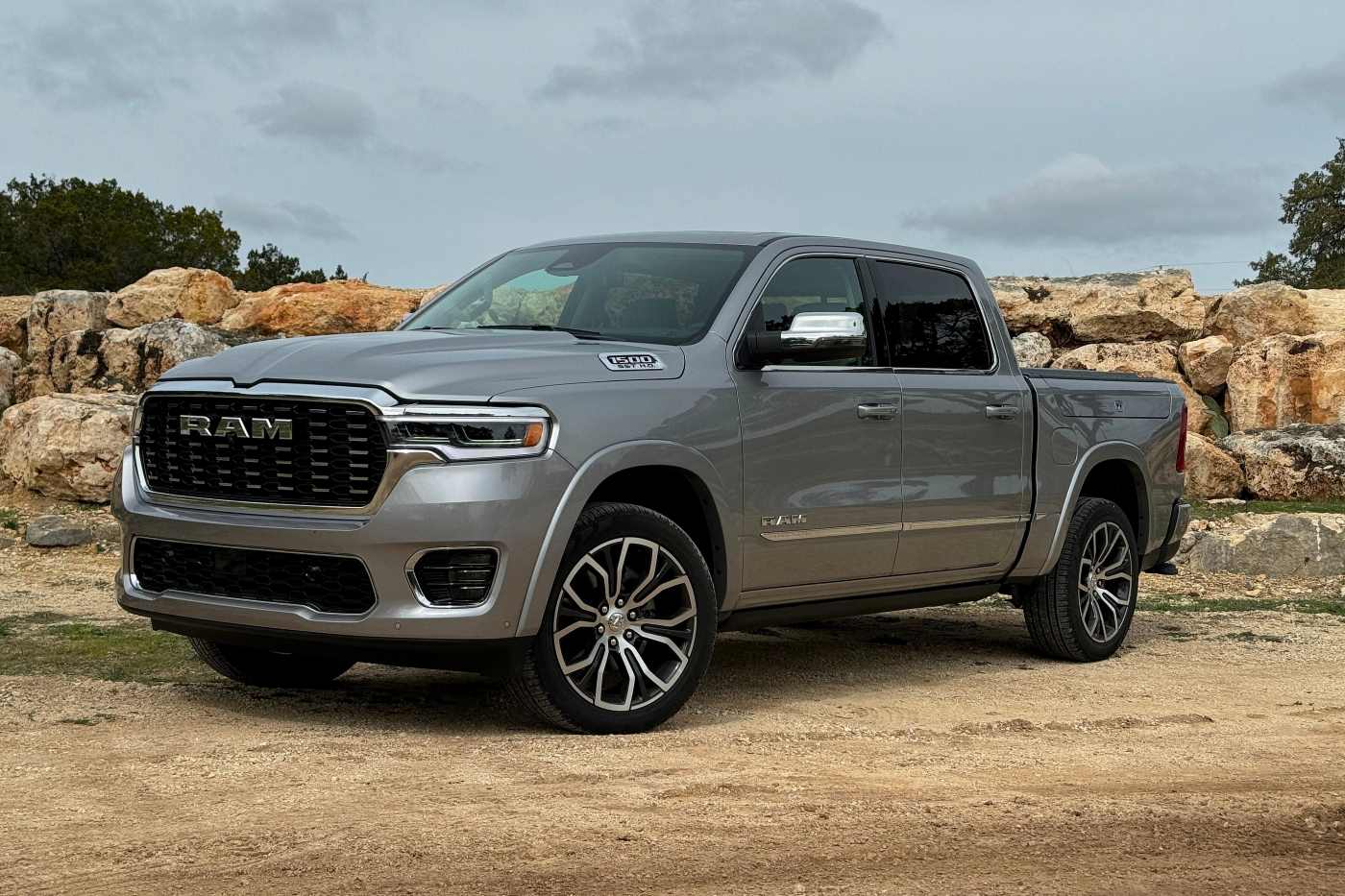
The Ram 1500 completes this list as a full-size truck that offers a strong balance between comfort, capability, and relatively manageable long-term maintenance costs, especially in its V8 configurations.
One of the key reasons for its inclusion is the long-standing reliability of its HEMI V8 engine, which has been widely used and refined over many years. This engine is known for its strong performance and durability when properly maintained, making it a popular choice among long-term truck owners.
A major factor influencing the Ram 1500’s maintenance cost is its focus on ride comfort and suspension design. While this enhances the driving experience significantly, it can also introduce additional components that require attention over time, such as air suspension systems in certain trims. However, in standard coil-spring configurations, maintenance costs remain more predictable and generally lower over the long term.
The Ram 1500 also benefits from a strong aftermarket support system and widespread parts availability. Because it is one of the best-selling full-size trucks, replacement components are relatively easy to source, and many independent repair shops are familiar with its systems.
This helps keep labor and parts costs competitive compared to more niche or luxury-oriented trucks.
Routine maintenance for the Ram 1500 is straightforward, including standard oil changes, brake servicing, and transmission care.
When these services are performed regularly, the truck is capable of delivering long-term durability and high mileage performance without excessive repair costs. However, neglecting maintenance can lead to higher-than-average expenses, particularly in more advanced trim levels.
