
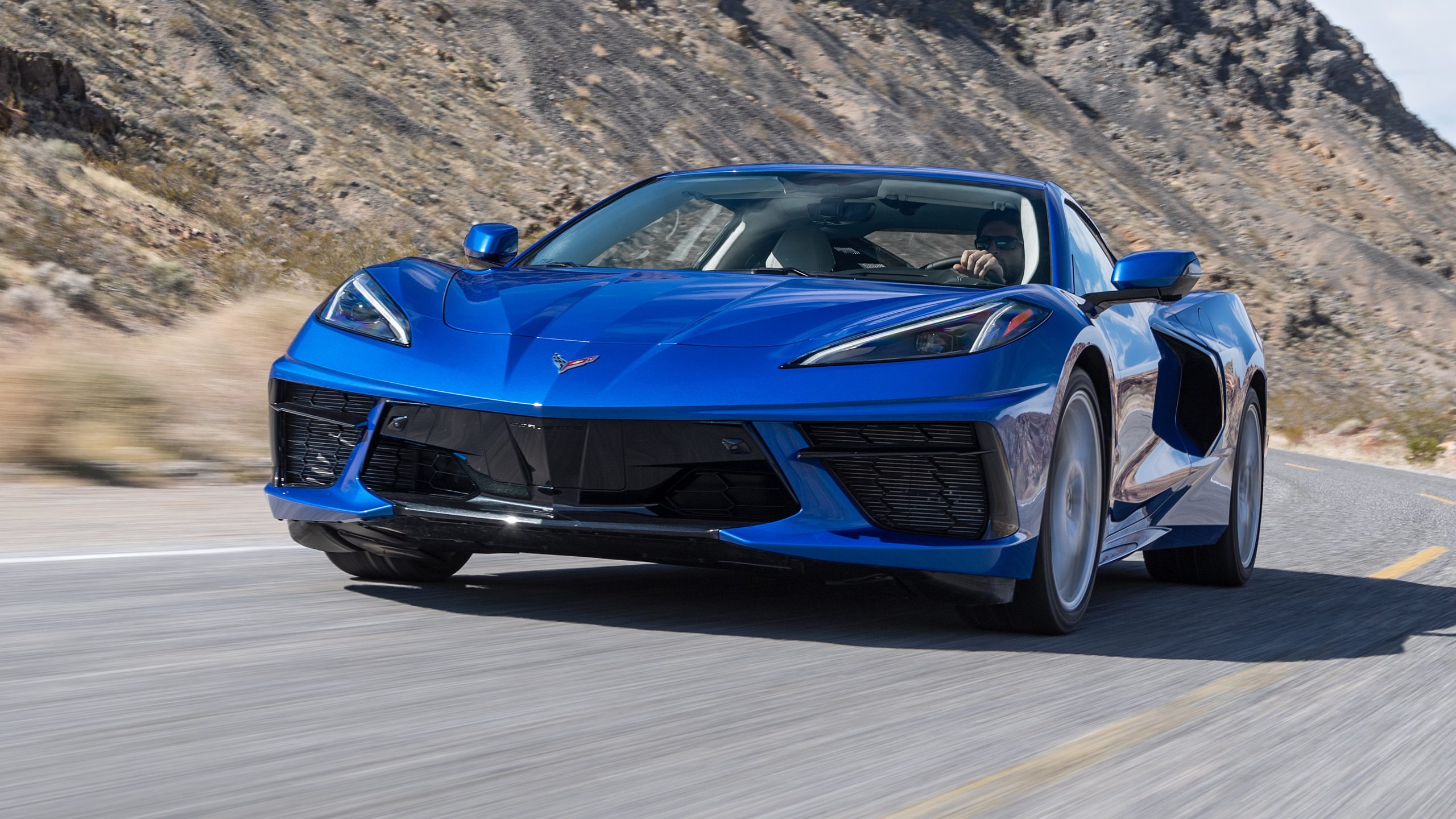
The sports car market has always been driven by emotion, speed, and aspiration, but when it comes to ownership, depreciation often tells a very different story.
Buyers tend to focus on horsepower figures, design language, and brand heritage, yet the financial reality kicks in the moment a new car leaves the showroom. In the last five years leading into 2026, several once-desirable sports cars have suffered significant drops in value, surprising even seasoned enthusiasts.
Depreciation in this segment is rarely random. It is influenced by shifting consumer preferences, reliability concerns, oversupply in the used market, and rapid technological changes.
The rise of electrification, stricter emissions regulations, and evolving performance benchmarks have made certain internal combustion sports cars feel outdated faster than expected. Even brands with strong reputations have not been immune to this trend.
Another factor contributing to steep depreciation is expectation mismatch. Some cars entered the market with heavy hype but failed to deliver long-term satisfaction.
Others were simply priced too aggressively at launch, leaving little room for value retention. In a few cases, maintenance costs and ownership complexity scared away second-hand buyers, accelerating value decline.
Interestingly, depreciation does not always correlate with how good a car is to drive. Some of the most engaging machines have lost value quickly due to niche appeal or limited practicality. Meanwhile, more balanced sports cars with broader usability have managed to hold their worth better, even if they were less exciting on paper.
This article highlights ten sports cars that have depreciated the hardest over the past five years. Each example tells a different story, shaped by market forces, engineering decisions, and buyer sentiment.
By understanding why these cars lost value, you gain insight not only into the used car market but also into what truly matters when buying a performance vehicle today.
Also Read: 8 Performance Sedans Quietly Dominating Track Days
1. Jaguar F-Type (Early 2020 Models)
The early 2020 versions of the Jaguar F-Type entered the market with striking design and a soundtrack that could rival anything in its class. At launch, it carried a premium badge appeal and positioned itself as a serious alternative to German rivals. However, resale values began slipping much sooner than expected.
A key issue lies in brand perception. While Jaguar has a long performance heritage, modern buyers often question long-term reliability and service costs. This hesitation becomes more pronounced in the used market, where buyers prioritize peace of mind over emotional appeal.
The interior also played a role in depreciation. Compared to competitors, the cabin felt slightly dated even when new. As infotainment systems and digital interfaces evolved rapidly across the industry, the F-Type started to feel behind the curve within just a few years.
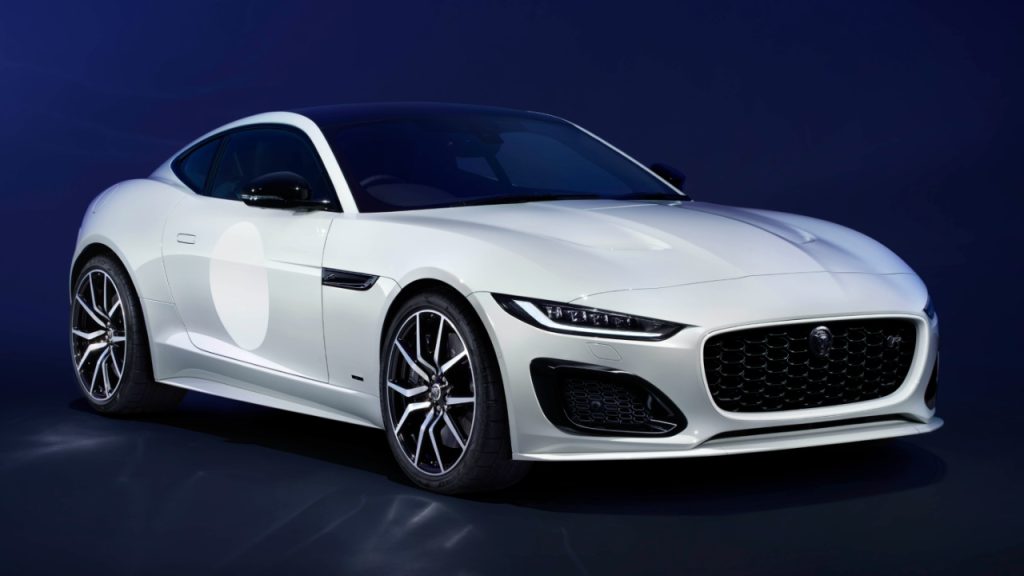
Another contributing factor is the wide availability of used units. Leasing deals made the car accessible initially, but this created a saturated second-hand market. When supply outweighs demand, prices inevitably drop, and that is exactly what happened here.
Interestingly, driving enthusiasts still appreciate the F-Type for its raw character and engaging dynamics. Yet, that niche appreciation has not been strong enough to stabilize resale values. Emotional appeal alone rarely sustains pricing in a market that increasingly values technology and reliability.
2. BMW i8
When the BMW i8 debuted, it felt like a vision of the future. Its futuristic design, hybrid powertrain, and exotic styling made it stand out instantly. Buyers were drawn to its uniqueness, but the long-term value story turned out to be far less impressive.
One of the biggest challenges for the i8 has been its identity. It was marketed as a sports car, yet its performance figures did not match traditional expectations. As newer electric and hybrid performance cars entered the scene, the i8 quickly lost its edge.
Battery technology has also evolved rapidly in the last five years. What once seemed advanced began to feel outdated, especially when compared to newer EVs offering significantly better range and performance. This made the i8 less attractive to tech-focused buyers in the used market.
Maintenance concerns further complicated matters. Hybrid systems can be expensive to repair, and potential buyers often worry about long-term battery health. These concerns directly impact resale demand, pushing prices downward.
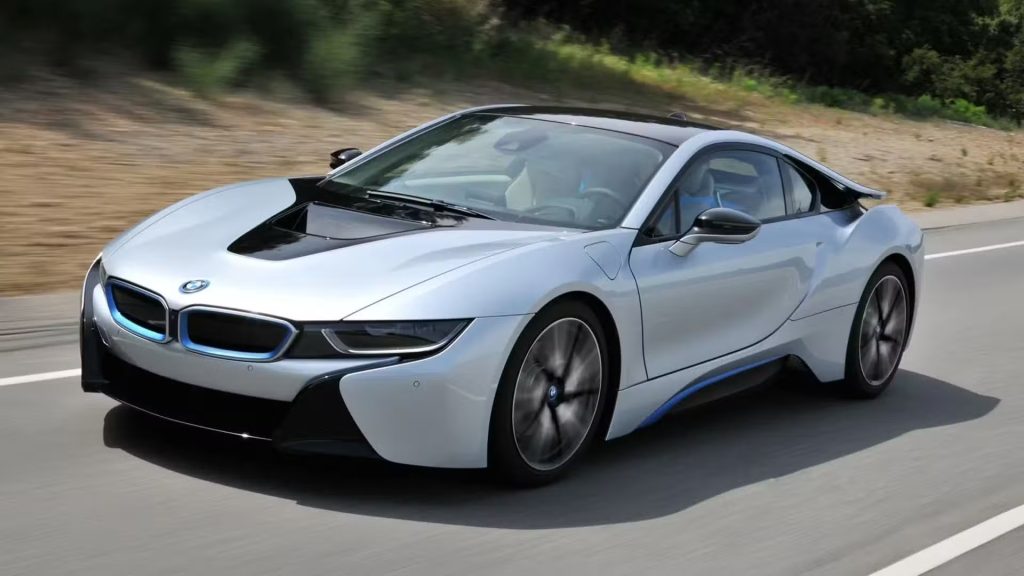
Despite its depreciation, the i8 still holds a certain visual drama that few cars can match. It turns heads effortlessly and delivers a unique driving experience. However, the gap between expectation and execution has played a major role in its steep value decline.
3. Chevrolet Corvette C8 (Early Production Models)
The arrival of the mid-engine Chevrolet Corvette C8 was nothing short of revolutionary for American performance cars. It disrupted the segment with supercar-like proportions at a relatively attainable price point.
Demand initially surged, with waiting lists stretching across months. Yet, the early production models have experienced a sharper-than-expected drop in value over the last five years.
One reason lies in how quickly the excitement normalized. Once production ramped up and availability improved, the exclusivity factor disappeared. Cars that were once flipped at premiums began settling back toward realistic pricing, and eventually below original sticker in many cases.
Another layer to this depreciation story involves early model quirks. Reports of transmission issues and quality inconsistencies made some buyers cautious. Even if these problems were not universal, perception alone can influence resale markets significantly.
The rapid evolution of the C8 lineup also played a role. With newer, more powerful variants entering the market, earlier versions suddenly felt like stepping stones rather than definitive models. Buyers began gravitating toward upgraded trims, leaving base versions less desirable.
Interior quality, while improved compared to previous Corvettes, still drew criticism for certain materials and ergonomics. As competitors refined their cabins further, the C8’s interior began to feel less premium than its exterior suggested.
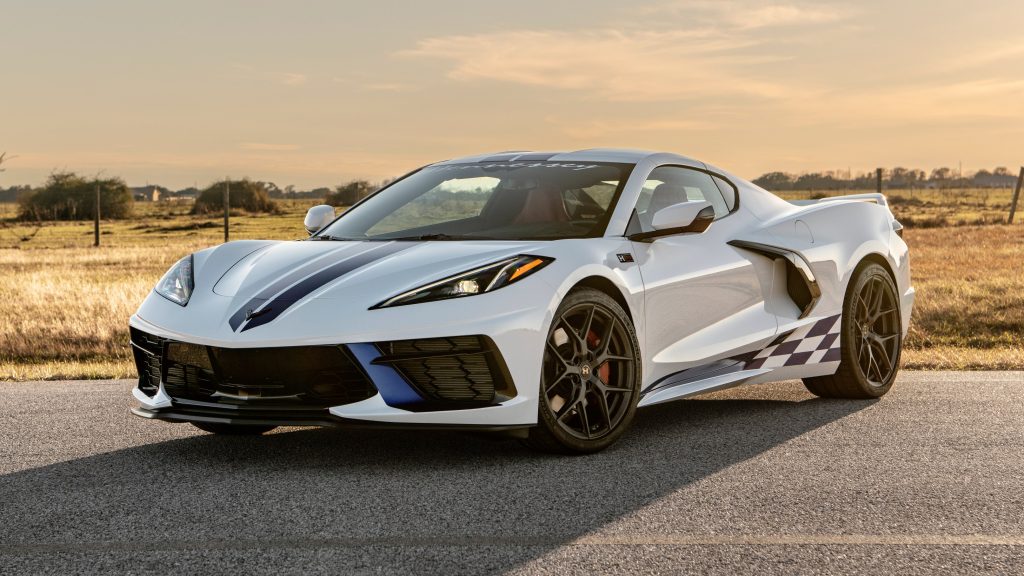
Interestingly, the car remains an exceptional performer for its price. Its handling, acceleration, and layout continue to impress. However, when a vehicle transitions from being a groundbreaking novelty to a common sight, the market adjusts quickly, and values follow that trend.
4. Nissan GT-R (R35 Late Models)
The Nissan GT-R has long been celebrated as a giant killer, delivering astonishing performance at a fraction of the cost of European rivals. However, the later iterations of the R35 generation have faced notable depreciation, especially in the last five years.
The core issue stems from age. Despite multiple updates, the platform itself dates back to 2007. In an era where technology evolves rapidly, even significant facelifts could not fully disguise the car’s underlying age. Buyers began to see it as outdated rather than timeless.
Interior design has been a consistent criticism. While performance remained strong, the cabin failed to match modern expectations in terms of luxury and digital integration. This imbalance became more noticeable as newer competitors offered both speed and sophistication.
Pricing strategy also contributed to the decline. Over time, the GT-R’s price crept closer to that of newer, more advanced sports cars. When buyers compared options, the value proposition became less convincing, especially in the used market.
Another factor is the anticipation of a successor. Rumors and expectations around a next-generation GT-R made some buyers hesitant to invest in the outgoing model. This kind of uncertainty often weakens resale values.
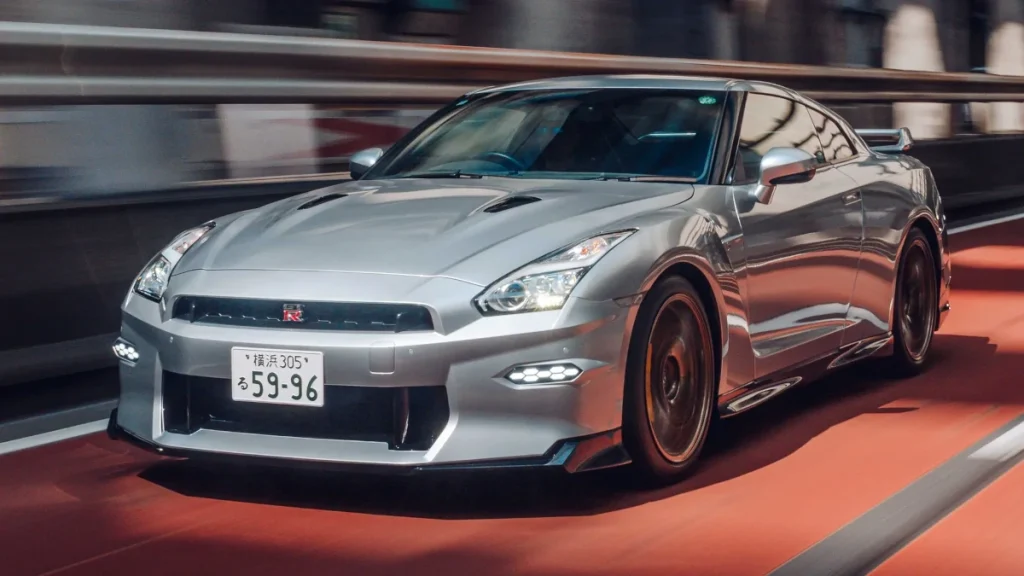
Despite these challenges, the GT-R still delivers brutal acceleration and all-weather capability that few cars can match. Its engineering remains impressive, but the market has shifted toward newer platforms. As a result, even a legend like this could not escape significant depreciation.
5. Audi R8 V10 (2019–2021 Models)
The Audi R8 V10 has always occupied an interesting space in the sports car world. It carried supercar credentials with everyday usability, combining a naturally aspirated engine with a relatively comfortable driving experience. Around the 2019 to 2021 period, it still looked like a compelling option, yet depreciation hit these models harder than many expected in the following years.
One of the biggest reasons comes down to timing. The R8 existed in a transitional era where the industry was rapidly shifting toward electrification and turbocharged efficiency. While the V10 engine delivered an emotional experience, buyers increasingly started prioritizing newer technologies. This made the R8 feel like a final chapter rather than a forward-looking purchase.
Another important aspect is internal competition. Audi itself began focusing more on electric performance vehicles and high-tech interiors across its lineup.
Compared to newer Audi cabins filled with advanced displays and software integration, the R8’s interior started to feel relatively simple. It was clean and driver-focused, but the lack of cutting-edge features worked against it in resale scenarios.
The Lamborghini connection, which once boosted the R8’s appeal, also became less impactful over time. Enthusiasts still appreciated the shared V10 lineage, but many buyers in the used market became more analytical. They started comparing depreciation curves and ownership costs rather than simply buying into the association.
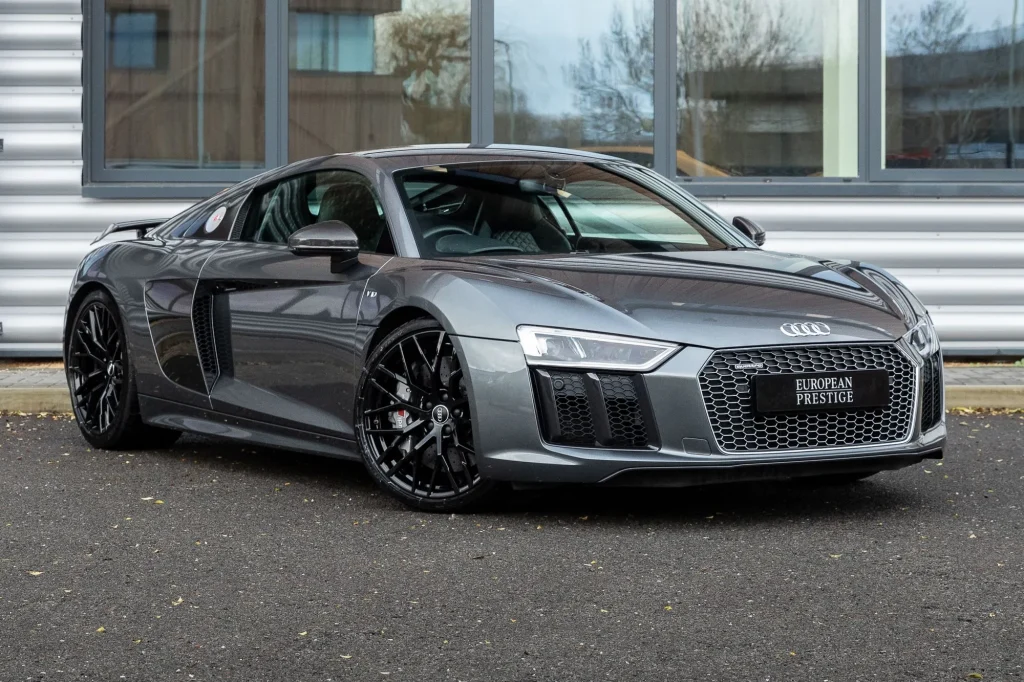
There is also the issue of usability versus expectation. The R8 was often marketed as a supercar you could drive daily, but that positioning created mixed perceptions.
Some buyers expected a more luxurious experience, while others expected sharper performance dynamics. Sitting in between those expectations sometimes made it harder to define its identity in the second-hand market.
Supply dynamics added further pressure. Leasing and finance options made the R8 accessible to a broader audience when new, which meant a steady stream of used examples entered the market later. As availability increased, prices naturally adjusted downward.
Maintenance and running costs cannot be ignored either. Even though the R8 is considered relatively reliable for its class, parts and servicing remain expensive. Buyers entering the used market often factor in these long-term expenses, which reduces demand and pushes prices lower.
Yet, the driving experience remains one of the purest in its category. A naturally aspirated V10 is becoming increasingly rare, and the R8 delivers that experience without excessive complexity. For enthusiasts, this is a major advantage.
However, the broader market does not always reward emotional value, especially when newer alternatives offer more technology and perceived future relevance.
The result is a car that still feels special behind the wheel but has lost a notable portion of its monetary value. It stands as a reminder that even well-engineered, desirable sports cars can depreciate quickly when market trends move in a different direction.
6. Maserati GranTurismo (Pre-2022 Models)
The Maserati GranTurismo has long been admired for its design and unmistakable engine note. It represents a classic approach to the grand touring sports car, focusing on elegance and sound rather than outright cutting-edge performance. However, pre-2022 models have experienced steep depreciation in recent years, and the reasons are layered.
The first issue is the longevity of the platform. The GranTurismo remained largely unchanged for an extended period, which gradually worked against it. While consistency can sometimes build a timeless image, in this case, it led to the car feeling outdated compared to newer competitors that embraced modern technology and design evolution.
Interior quality played a major role in this decline. Even when new, the cabin struggled to justify its price point. Materials and infotainment systems lagged behind rivals, and as the years passed, the gap became more obvious. Buyers in the used market are particularly sensitive to interior aging, as it directly affects daily usability.
Another factor is brand perception tied to reliability and maintenance. Maserati has often faced scrutiny regarding long-term ownership costs. Whether fully justified or not, this perception influences buyer decisions. When potential owners anticipate higher expenses, they expect lower purchase prices, which accelerates depreciation.
The arrival of a redesigned GranTurismo further impacted older models. Once a new generation enters the market, previous versions often lose appeal quickly. Buyers tend to favor updated styling, improved performance, and modern features, leaving older variants behind in terms of demand.
Performance itself also contributed to the depreciation curve. While the naturally aspirated V8 delivered a beautiful sound, the car was not the fastest in its segment. As turbocharged and hybrid competitors pushed performance boundaries, the GranTurismo began to feel less competitive in measurable terms.
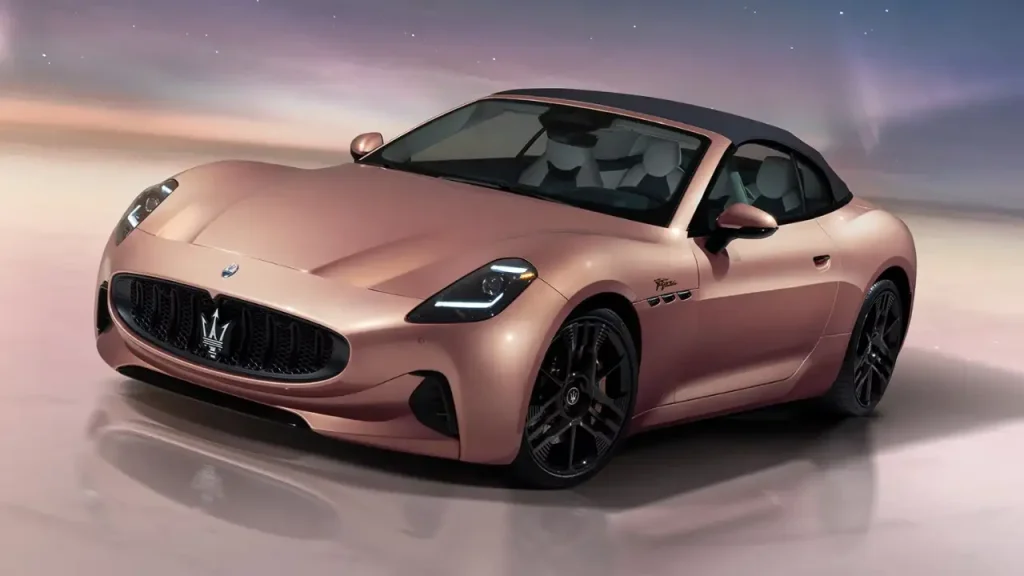
Fuel efficiency and emissions concerns added another layer. Larger, naturally aspirated engines became less attractive as regulations tightened and buyers grew more conscious of running costs. This shift in priorities reduced the pool of interested buyers in the second-hand market.
Interestingly, the emotional appeal of the GranTurismo remains strong. Its design has aged gracefully, and the driving experience still offers a sense of occasion that many modern cars lack. For some buyers, that character is worth the trade-offs.
However, the broader market tends to prioritize practicality, technology, and cost efficiency. When a car does not align with those priorities, depreciation becomes inevitable. The GranTurismo’s decline reflects this shift clearly.
It is a car that continues to attract attention for its style and sound, yet struggles to maintain value in a market that increasingly rewards innovation and efficiency over tradition.
7. Porsche 718 Cayman (Base Models)
The Porsche 718 Cayman has long been praised for its balance, precision, and driving purity. However, the base four-cylinder variants introduced in the late 2010s and carried into the early 2020s have experienced sharper depreciation than many expected, especially when compared to other models from the same brand.
A major factor behind this decline is the engine change itself. Porsche moved from naturally aspirated flat-six engines to turbocharged flat-four units in the base Cayman.
While this improved efficiency and torque delivery, it altered the emotional character of the car. Enthusiasts, who form a significant portion of the sports car market, were not entirely convinced by the new sound and feel.
This shift created a clear divide in buyer preference. Used car shoppers began actively seeking older six-cylinder models or stepping up to higher trims like the GTS and GT4. As a result, demand for base four-cylinder variants softened, directly impacting resale values.
Another element influencing depreciation is brand hierarchy. Porsche offers a wide range of models, and buyers often aspire to move up within that lineup. When the price gap between a used base Cayman and a slightly older, more powerful variant narrows, many buyers choose the latter. This dynamic puts additional pressure on entry-level versions.
The interior, while well-built, also contributed subtly to the issue. Porsche interiors are known for quality rather than dramatic innovation. Over time, competitors began offering more visually engaging cabins with larger screens and modern interfaces, making the Cayman feel conservative rather than cutting-edge.
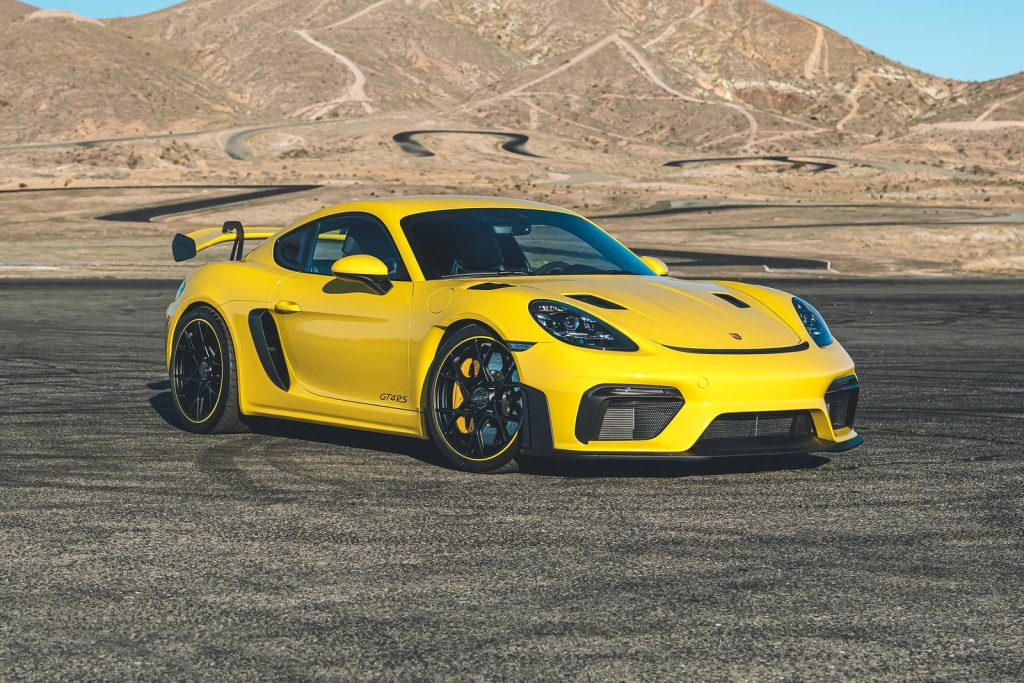
Market expectations evolved quickly in the last five years. Buyers started demanding both performance and emotional engagement. While the Cayman still delivered exceptional handling, the engine note and general character of the base models did not resonate as strongly with purists.
Supply levels further influenced pricing. The Cayman was relatively accessible within the Porsche range, leading to a steady number of units entering the used market. When combined with selective demand, this created a scenario where prices had to adjust downward.
Despite all this, the car remains one of the best-handling sports cars available. Its chassis balance and steering precision are still benchmarks in the segment. However, depreciation is not always about capability. It is often about perception, and in this case, the perception of reduced emotional appeal played a decisive role.
The base 718 Cayman stands as an example of how even a technically excellent car can lose value when it does not align perfectly with enthusiast expectations.
8. Mercedes-AMG GT (Early Models)
The early versions of the Mercedes-AMG GT arrived with bold styling, a powerful V8 engine, and a clear intention to compete with established sports cars. Initially, it generated excitement for offering a distinct alternative within the performance segment. Yet, over the past five years, these early models have seen noticeable depreciation.
One of the primary reasons lies in how the car was positioned. The AMG GT sat in a space between a traditional sports car and a luxury grand tourer. While this gave it a unique identity, it also created confusion among buyers. Some expected sharper dynamics, while others expected more comfort, and not everyone found the balance convincing.
Ride quality and daily usability became talking points early in its lifecycle. The car leaned toward a firmer setup, which worked well for spirited driving but felt less accommodating in regular use. In the used market, practicality often becomes a stronger consideration, and this characteristic limits its appeal.
Interior design also influenced depreciation. While the cabin had a distinctive layout, it did not age as gracefully as some competitors. Infotainment systems and interface design evolved rapidly across the industry, and the early AMG GT began to feel slightly dated in comparison.
Another factor is the expansion of the AMG GT lineup. Mercedes introduced multiple variants over time, including more powerful and refined versions. As newer options became available, earlier models naturally lost some of their desirability. Buyers often gravitated toward updated versions, leaving initial releases behind.
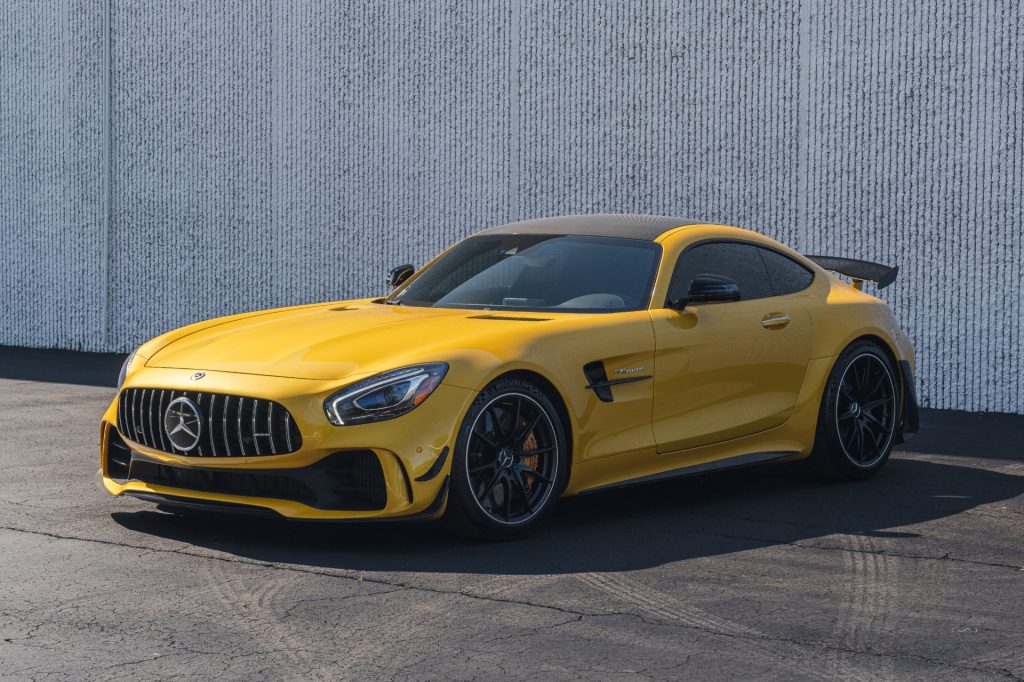
Brand expectations played a subtle role as well. Mercedes is associated with luxury and refinement, and when a car emphasizes performance at the expense of comfort, it can create a mismatch in buyer expectations. This affects how the car is perceived in the resale market.
Running costs also contributed to the depreciation trend. High-performance V8 engines come with significant fuel consumption and maintenance expenses. Buyers entering the second-hand market are often more cautious about these factors, which reduces demand.
At the same time, the AMG GT still offers an engaging driving experience. The engine delivers strong performance, and the car has a presence that stands out on the road. For those who value character and sound, it remains appealing.
However, the broader market has shifted toward cars that offer a more balanced combination of performance, comfort, and technology. As a result, the early AMG GT models have seen their values decline more sharply than initially anticipated.
9. Alfa Romeo 4C
The Alfa Romeo 4C arrived with a very clear purpose. It was built to deliver a raw, lightweight, driver-focused experience that stood apart from increasingly complex sports cars.
With its carbon fiber tub and minimalistic approach, it immediately attracted attention from enthusiasts. However, despite its uniqueness, the 4C has experienced notable depreciation over the past five years.
One of the biggest reasons lies in how uncompromising the car is. While that purity appealed to a niche audience, it limited its broader market acceptance.
The absence of power steering, for example, created a very direct driving feel, but it also made low-speed maneuvering difficult. For many buyers, especially in urban environments, that became a significant drawback.
The transmission setup also influenced perception. The dual-clutch gearbox was quick, yet it lacked the refinement expected by many buyers at its price point. Combined with the car’s firm ride quality, the driving experience felt intense rather than versatile. In the used market, versatility often becomes a deciding factor.
Interior design is another area where the 4C struggled. The cabin was intentionally minimal, but some buyers interpreted this as a lack of quality rather than a design choice. As competitors offered more polished interiors with advanced technology, the 4C began to feel sparse in a way that did not justify its cost.
Practicality, or the lack of it, further narrowed its appeal. Limited storage space, challenging ingress and egress, and minimal comfort features made it less suitable for daily use. While these traits were part of its identity, they also reduced the number of potential second-hand buyers.
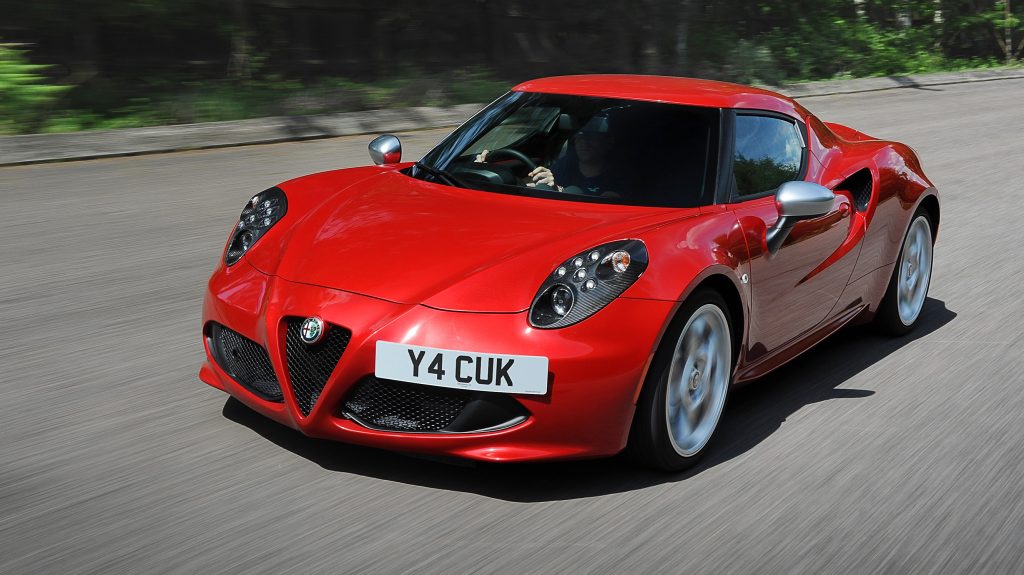
Another factor is brand perception in certain markets. Alfa Romeo carries a strong heritage, but concerns about long-term reliability and service network availability have influenced buyer confidence. Even if individual experiences vary, perception alone can affect resale demand.
Interestingly, the car’s rarity has not fully protected its value. While limited production can sometimes stabilize prices, it only works when demand remains strong. In the case of the 4C, demand has remained niche, which has allowed depreciation to continue.
Despite all this, the driving experience remains incredibly engaging. The lightweight construction and sharp handling deliver a level of connection that is increasingly rare. For the right buyer, it offers something truly special.
However, the broader market tends to favor usability alongside performance. The 4C’s uncompromising nature, while admirable, has played a major role in its declining values.
10. Lexus RC F
The Lexus RC F entered the sports coupe segment with a focus on reliability and a naturally aspirated V8 engine, offering a different approach compared to turbocharged rivals. It promised durability combined with performance, yet over the last five years, it has seen a noticeable drop in value.
A significant factor is how the car positioned itself against competitors. While it delivered strong build quality and reliability, it did not match the sharpness or agility of some European rivals. Buyers looking for the most engaging driving dynamics often looked elsewhere, which affected demand in the used market.
Weight has been a recurring criticism. The RC F is heavier than many cars in its class, and this impacts both handling and efficiency. As performance benchmarks continued to rise, the extra weight became more noticeable, especially when compared back-to-back with lighter, more agile alternatives.
The interior, while comfortable and well-built, also contributed to depreciation. Lexus focused on durability and ergonomics, but the infotainment system and layout began to feel outdated as newer technologies entered the market. Buyers increasingly expect seamless digital integration, and the RC F lagged behind in this area.
Another aspect is the conservative evolution of the model. While reliability is a strength, the lack of major updates made the car feel static over time. Competitors introduced new features, design updates, and performance improvements, which shifted attention away from the RC F.
Fuel consumption and emissions concerns have also influenced buyer decisions. A large naturally aspirated V8 engine delivers a satisfying experience, but it comes with higher running costs. As buyers became more conscious of efficiency, this factor started to weigh more heavily in purchasing decisions.
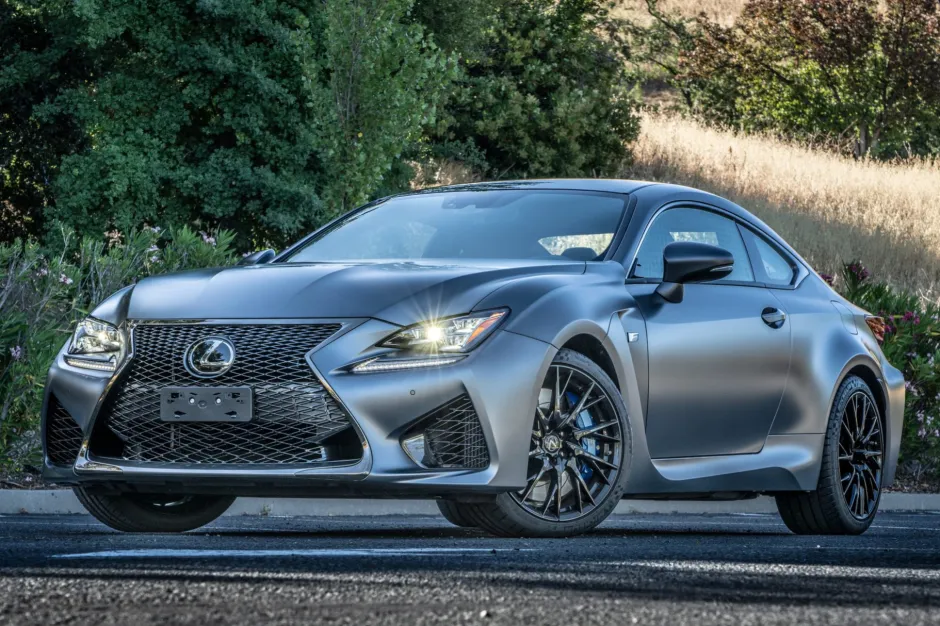
Brand perception plays an interesting role here. Lexus is widely respected for reliability, but it is not always the first name associated with high-performance excitement. This perception can limit demand among enthusiasts, particularly in the second-hand market.
Even with these challenges, the RC F has strengths that are hard to ignore. Its engine is robust, the build quality is exceptional, and long-term ownership tends to be less stressful compared to many rivals. For buyers prioritizing dependability, it remains a compelling option.
However, the sports car market often prioritizes excitement, innovation, and edge. When a car leans more toward reliability than thrill, it can struggle to maintain value. The RC F reflects this balance clearly, offering solid fundamentals but facing depreciation as buyer expectations continue to evolve.
Also Read: 8 Mid-Engine Exotics Outclassing Their Direct Rivals
