
Mid engine exotics represent the purest expression of performance focused automotive design. By positioning the engine behind the driver but ahead of the rear axle, engineers achieve an ideal balance that transforms how a car behaves under acceleration, braking, and cornering.
This layout is not simply about chasing speed figures. It is about creating a machine that responds with precision, maintains stability at the limit, and delivers a level of control that front engine or rear engine configurations often struggle to match.
What makes these cars stand apart is how they translate power into motion. With weight concentrated near the center, mid engine exotics can change direction with remarkable agility.
This allows them to carry speed through corners more effectively, reducing the need for constant corrections. The result is a driving experience that feels sharp, predictable, and deeply connected to the road. For enthusiasts, this connection becomes the defining characteristic.
Another advantage lies in traction. When accelerating out of corners, the rear wheels benefit from the weight distribution, providing better grip and reducing wheel spin.
This enables drivers to apply power earlier and more confidently. Combined with advanced suspension systems and aerodynamic enhancements, these cars maintain composure even when pushed to extremes.
Yet performance alone does not define superiority. The best mid engine exotics also refine the experience, offering interiors that balance driver focus with comfort, and technology that enhances rather than distracts.
They are designed to compete directly with other high performance machines, often surpassing them by delivering a more cohesive package. It is this combination of engineering precision and usability that allows certain models to rise above their rivals.
The following selection highlights eight mid engine exotics that go beyond expectations. Each one demonstrates a unique approach to performance, yet all manage to outclass their direct competitors in meaningful ways.
Some achieve this through raw capability, others through balance or innovation. Together, they show why the mid engine layout continues to dominate the world of high performance automobiles.
Also Read: 8 Engines Where a Single Failed Sensor Triggers $5,000 in Damage
1. Ferrari F8 Tributo
The Ferrari F8 Tributo enters the conversation with a sense of clarity about its purpose. It is not trying to reinvent the formula but rather refine it to a point where every element feels sharpened. This focus allows it to outperform many of its direct rivals, not through excess, but through precision and cohesion.
Power delivery defines the initial impression. The engine responds instantly, building speed with an urgency that feels controlled rather than chaotic. What separates it from competitors is how usable that power becomes. Drivers can access performance without feeling overwhelmed, making it easier to push the car closer to its limits with confidence.
Handling characteristics reinforce this advantage. The chassis feels balanced, allowing the car to rotate naturally through corners. Steering inputs are met with immediate response, yet the car remains stable even when pushed aggressively. This predictability gives it an edge over rivals that may offer similar performance but lack the same level of control.
Aerodynamics play a subtle but important role. Airflow is managed in a way that enhances downforce without introducing unnecessary drag. This allows the car to maintain stability at high speeds while still feeling agile in tighter sections. The integration of these elements reflects a deep understanding of performance dynamics.
Inside, the cabin focuses on the driver without neglecting comfort. Controls are positioned intuitively, reducing distraction and allowing attention to remain on the road. Materials and design elements create an environment that feels purposeful rather than decorative. This balance ensures that the car remains usable beyond short bursts of driving.
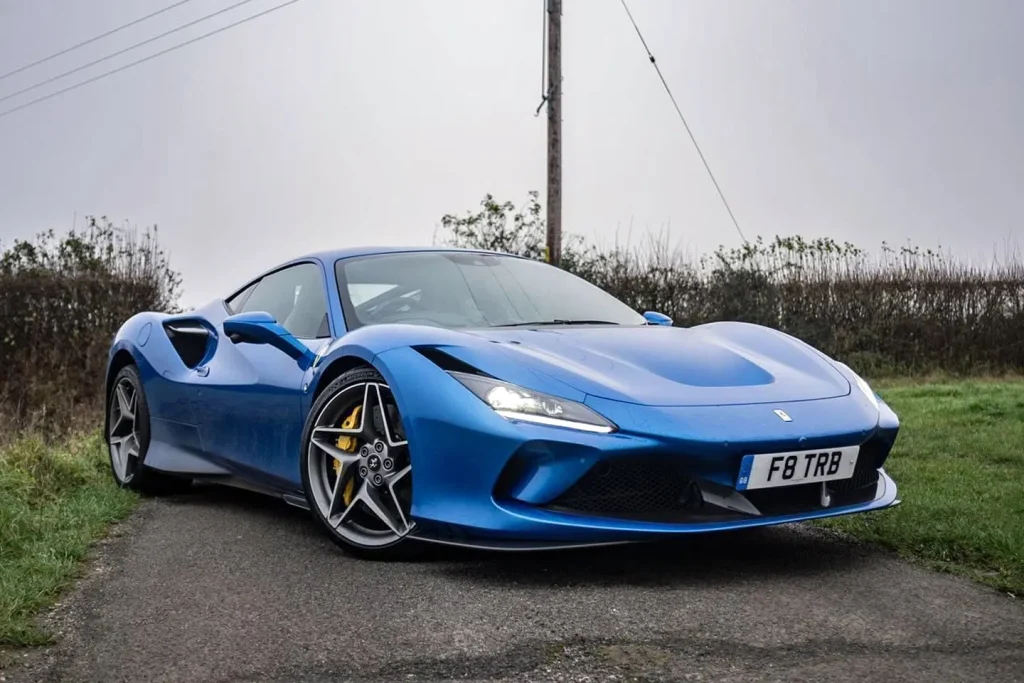
What gives the F8 Tributo its advantage is not a single standout feature but the way everything works together. It delivers performance that feels accessible, controlled, and consistent. This cohesion allows it to outclass rivals that may excel in one area but fail to match its overall balance.
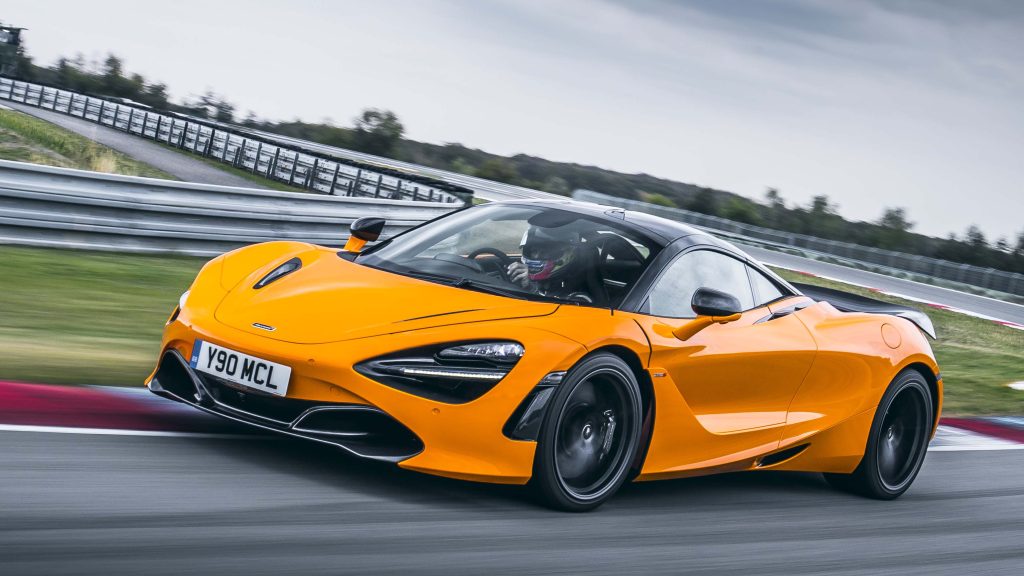
2. McLaren 720S
The McLaren 720S approaches the mid engine formula with a completely different philosophy. Where some competitors focus on tradition, this car embraces innovation, using advanced engineering to redefine expectations. It does not simply compete with its rivals; it challenges the assumptions that define them.
Acceleration is immediate and intense, yet it remains remarkably smooth. The engine produces power in a way that feels almost effortless, allowing the car to reach high speeds without drama. This refinement becomes a key advantage, as it enables sustained performance without fatigue or strain.
The chassis introduces a level of sophistication that sets it apart. Its suspension system adapts continuously, maintaining balance regardless of driving conditions. This allows the car to remain composed over uneven surfaces while still delivering sharp handling. The result is a driving experience that feels both controlled and adaptable.
Visibility is another area where the 720S distinguishes itself. The design prioritizes a clear view of the road, enhancing driver confidence. This may seem like a small detail, but at high speeds, it contributes significantly to the overall experience. Rivals often overlook this aspect, focusing instead on styling alone.
Aerodynamic efficiency is integrated seamlessly into the design. Rather than relying on large external elements, the car manages airflow through subtle channels and surfaces. This approach reduces drag while maintaining stability, allowing it to perform consistently across different conditions.
The interior reflects a modern interpretation of luxury. It is minimal yet refined, focusing on functionality without sacrificing comfort. Controls are intuitive, and the overall layout supports the driving experience rather than complicating it.
What sets the 720S apart is its willingness to approach performance from a fresh perspective. It combines innovation with execution, creating a car that feels advanced yet accessible. By addressing multiple aspects of performance with equal attention, it manages to outclass rivals that rely on more conventional methods.
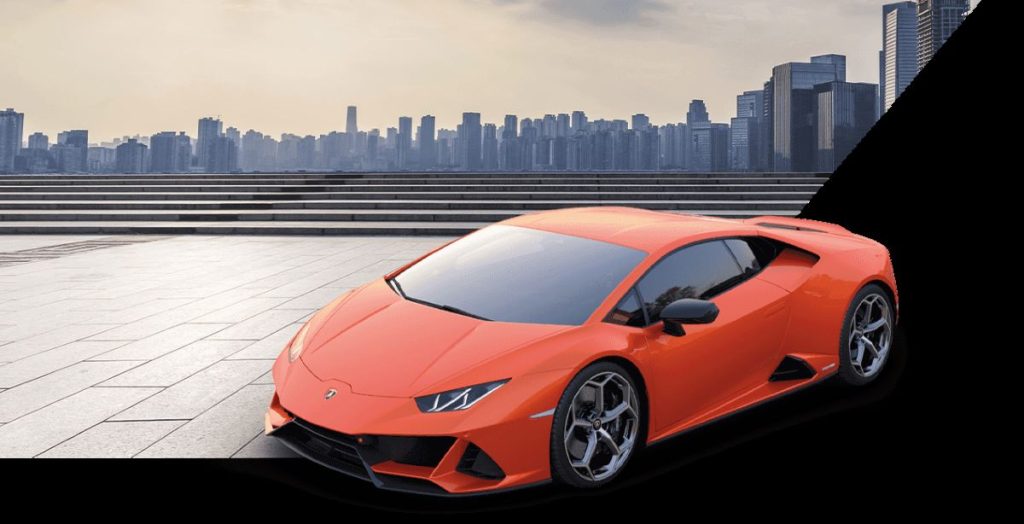
3. Lamborghini Huracán EVO
There is nothing subtle about the Lamborghini Huracán EVO, yet beneath its dramatic surface lies a level of engineering precision that allows it to outperform many of its direct competitors. It captures attention instantly, but its real strength reveals itself when the road begins to demand more than just straight line speed.
The naturally aspirated engine defines its personality. Instead of relying on forced induction, it delivers power in a linear and immediate manner.
This creates a connection between throttle input and response that feels direct and predictable. Drivers can modulate acceleration with confidence, especially when exiting corners where control matters more than sheer output.
What transforms the Huracán EVO into a serious rival beater is its advanced control system. It constantly analyzes driving conditions and adjusts various parameters in real time.
Steering, torque distribution, and stability systems work together to keep the car balanced. This integration allows it to adapt quickly, maintaining composure even when pushed aggressively.
Cornering behavior stands out as a key advantage. The car feels eager to change direction, yet it avoids the nervousness that can affect some mid engine layouts.
It rotates with precision, allowing drivers to carry speed through turns without excessive correction. This balance makes it both exciting and manageable, a combination that many rivals struggle to achieve.
Braking performance reinforces this confidence. The system responds with consistency, providing strong stopping power without fade. This reliability allows drivers to approach corners with assurance, knowing the car will respond exactly as expected. In high performance driving, this predictability becomes a critical factor.
Inside, the Huracán EVO offers an environment that matches its character. The cabin feels focused, placing essential controls within easy reach.
Digital displays provide clear information, ensuring that the driver remains informed without distraction. While it leans toward sportiness, it still offers enough comfort for extended drives.
The Huracán EVO succeeds by blending emotion with precision. It delivers the excitement expected from its design while backing it up with advanced engineering that enhances control.
This combination allows it to outperform rivals that may lean too heavily toward either raw performance or refinement without achieving the same balance.
4. Acura NSX
The Acura NSX takes a completely different approach, proving that innovation can be just as effective as tradition in the mid engine segment. It does not rely on a single defining trait. Instead, it builds its advantage through a combination of hybrid technology, intelligent systems, and thoughtful design choices that work together seamlessly.
At the heart of the NSX is its hybrid powertrain, which integrates electric motors with a combustion engine. This setup provides immediate torque, allowing the car to accelerate with remarkable responsiveness. Unlike conventional systems, the electric assistance fills gaps in power delivery, creating a smooth and continuous flow of performance.
Handling benefits significantly from this technology. The electric motors are not limited to propulsion; they also contribute to torque vectoring. By distributing power precisely between the wheels, the car enhances cornering ability. This allows it to maintain grip and stability in situations where traditional setups might struggle.
The driving experience feels composed rather than aggressive. The NSX does not overwhelm the driver with sudden bursts of power. Instead, it builds speed in a controlled manner, making it easier to maintain confidence. This approach makes it particularly effective in real world conditions, where consistency often matters more than extremes.
Aerodynamic design supports this philosophy. Airflow is managed to improve both cooling and stability, ensuring that the car performs reliably under demanding conditions. The design elements are integrated in a way that feels purposeful, avoiding unnecessary complexity while still delivering measurable benefits.

Inside, the cabin reflects a focus on usability. Controls are arranged logically, and the layout prioritizes clarity.
The seating position offers a good balance between comfort and support, making the car suitable for longer drives. This practicality sets it apart from rivals that may prioritize performance at the expense of everyday usability.
What allows the NSX to outclass its competitors is its holistic approach. It does not chase extremes in any single area. Instead, it combines multiple technologies to create a balanced and adaptable machine. This integration results in a car that feels consistent, controlled, and capable across a wide range of conditions.
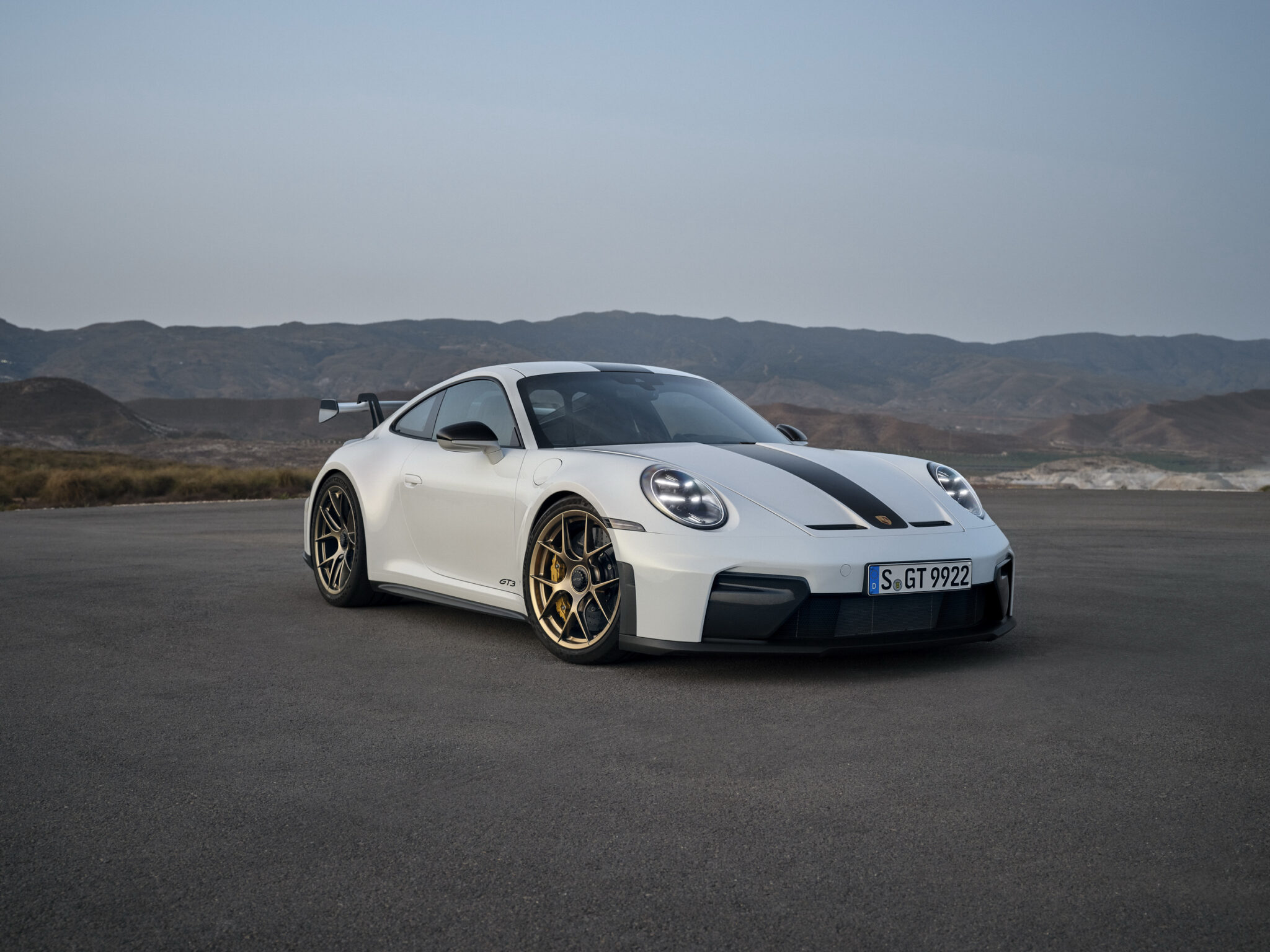
5. Porsche 911 GT3 RS (Mid-Engine Balance Philosophy)
At first glance, placing the Porsche 911 GT3 RS in a mid engine discussion might seem unconventional, yet its engineering tells a more nuanced story. While the engine sits toward the rear, the car achieves a balance that mirrors mid engine dynamics in behavior.
This unique positioning allows it to compete directly with traditional mid engine exotics and, in many cases, outperform them through precision and discipline.
The GT3 RS approaches performance with a track focused mindset. Its naturally aspirated engine delivers power in a way that feels immediate and consistent, allowing drivers to maintain control even at high revs.
Unlike turbocharged rivals, there is no delay or surge. Instead, the response remains predictable, which becomes a crucial advantage when pushing the car to its limits.
Aerodynamics define much of its superiority. Large functional elements generate significant downforce, pressing the car firmly onto the road. This increased grip allows it to carry higher speeds through corners without compromising stability.
While some competitors rely on raw power to achieve performance, the GT3 RS uses airflow as an active component of its capability.
Handling is where the car truly distinguishes itself. The chassis feels incredibly precise, responding instantly to driver inputs. Every movement is deliberate, allowing for fine adjustments without unsettling the vehicle. This level of control gives it an edge over rivals that may offer similar speed but lack the same degree of feedback.

Braking performance reinforces its track oriented nature. The system delivers strong and repeatable stopping power, maintaining effectiveness even under intense conditions. This consistency allows drivers to push harder, knowing the car will respond reliably when it matters most.
Inside, the focus shifts toward function. The cabin is designed to support performance driving, with controls placed for quick access and seats that hold occupants securely. While comfort is present, it takes a secondary role to usability, reflecting the car’s primary intent.
What makes the GT3 RS stand out is its commitment to precision. It does not rely on excess power or dramatic styling alone.
Instead, it refines every aspect of performance to create a cohesive and highly capable machine. This approach allows it to compete with and often surpass traditional mid engine exotics in real world driving scenarios.
6. Chevrolet Corvette C8
The Chevrolet Corvette C8 represents a significant shift in philosophy, bringing the mid engine layout to a platform that traditionally followed a different path. This transformation allows it to challenge established exotics directly, offering performance that rivals far more expensive competitors while maintaining a distinct identity.
The engine placement changes everything about how the car behaves. With the weight centered more effectively, the C8 achieves improved balance and traction.
Acceleration feels strong and controlled, allowing the car to put power down efficiently. This makes it particularly effective when exiting corners, where grip becomes a deciding factor.
One of the most notable aspects of the C8 is its accessibility. While many exotics demand a high level of skill to unlock their potential, this car provides performance in a way that feels approachable. The controls are intuitive, and the responses are predictable, allowing drivers to build confidence quickly.
Handling reflects this philosophy. The car feels stable and composed, even when pushed. Steering inputs translate into smooth and controlled movements, avoiding the sudden reactions that can unsettle less refined vehicles. This balance makes it suitable for both spirited driving and everyday use.
Aerodynamics contribute to its capability without dominating the design. The body manages airflow effectively, supporting stability at higher speeds. While it may not feature the extreme elements seen in some rivals, it achieves a level of efficiency that complements its overall performance.
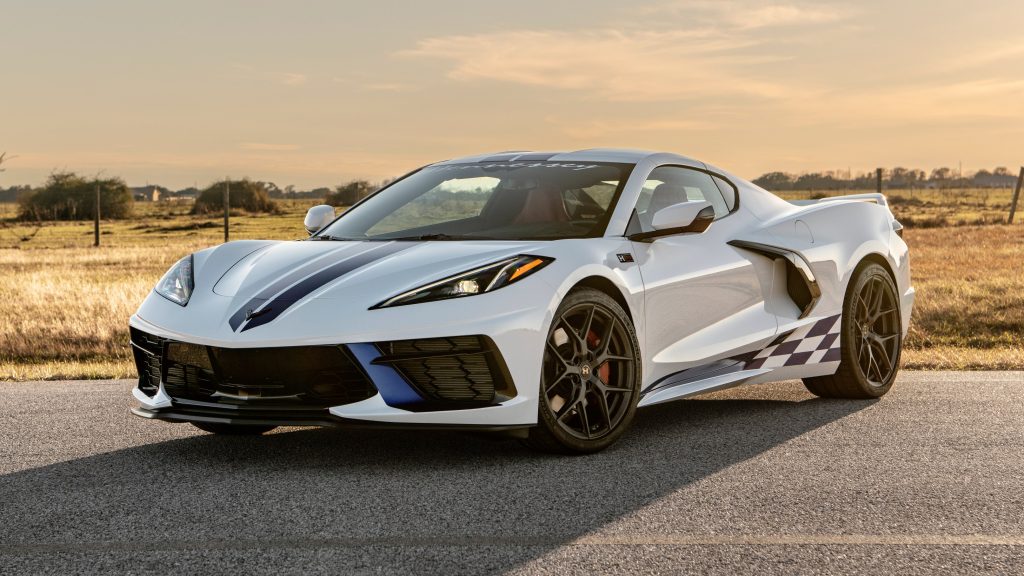
Inside, the cabin introduces a driver focused layout that emphasizes control. The arrangement of buttons and displays creates a cockpit like environment, placing essential functions within easy reach. Materials and finishes reflect a step forward in quality, aligning the interior with the car’s elevated performance.
What sets the Corvette C8 apart is how it redefines expectations. It demonstrates that mid engine performance does not have to be exclusive or intimidating. By combining strong capability with usability, it manages to outclass rivals that may offer similar specifications but fail to deliver the same level of accessibility and balance.
7. Ferrari SF90 Stradale
The Ferrari SF90 Stradale represents a decisive shift in how mid engine exotics deliver performance. It is not built around a single philosophy but instead layers multiple technologies to create a machine that feels far ahead of many of its direct competitors.
This is a car where electrification is not an addition but a core part of its identity, shaping how it accelerates, handles, and responds.
The hybrid system transforms the driving experience from the very first input. Electric motors provide immediate torque, eliminating any hesitation and creating a surge of acceleration that feels continuous.
As speed builds, the combustion engine integrates seamlessly, ensuring that performance never drops or becomes inconsistent. This coordination allows the SF90 to maintain intensity across a wide range of conditions.
Cornering introduces another dimension of superiority. The front electric motors actively influence how the car rotates, adjusting power distribution in real time. This creates a sense of agility that feels almost unnatural for a vehicle with such capability. It turns with precision, maintaining grip while allowing the driver to apply power earlier than expected.
Aerodynamics are engineered with a level of complexity that supports this performance. Active elements adjust depending on speed and driving demands, optimizing both downforce and efficiency.
The car remains stable even as speeds climb, resisting the instability that can affect less advanced designs. This stability allows it to sustain performance without requiring constant correction.
Braking performance reflects the same level of sophistication. The system integrates regenerative and traditional braking, delivering strong and consistent stopping power. This ensures that the car remains controlled even after repeated high intensity use, reinforcing confidence during demanding driving.
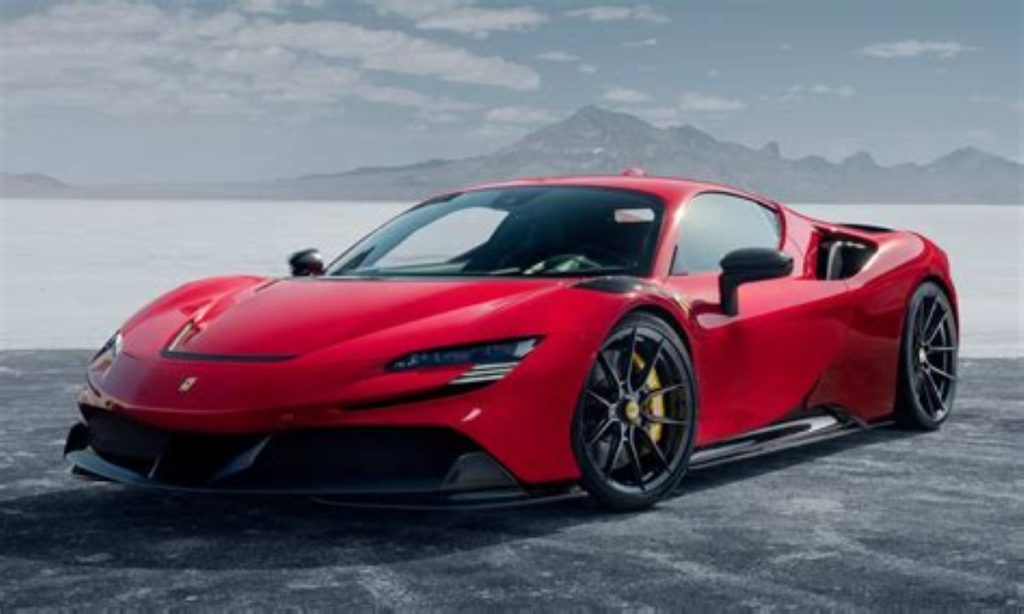
Inside, the SF90 introduces a modern interpretation of a driver focused cabin. Digital displays replace traditional layouts, presenting information in a way that feels immediate and clear. Controls are positioned to support quick interaction, allowing the driver to remain focused on the road.
What separates the SF90 Stradale from its rivals is its ability to combine multiple advanced systems into a cohesive whole. It does not rely solely on power or handling.
Instead, it integrates technology, balance, and precision to create a car that feels consistently ahead. This layered approach allows it to outperform competitors that may excel in one area but lack the same level of integration.
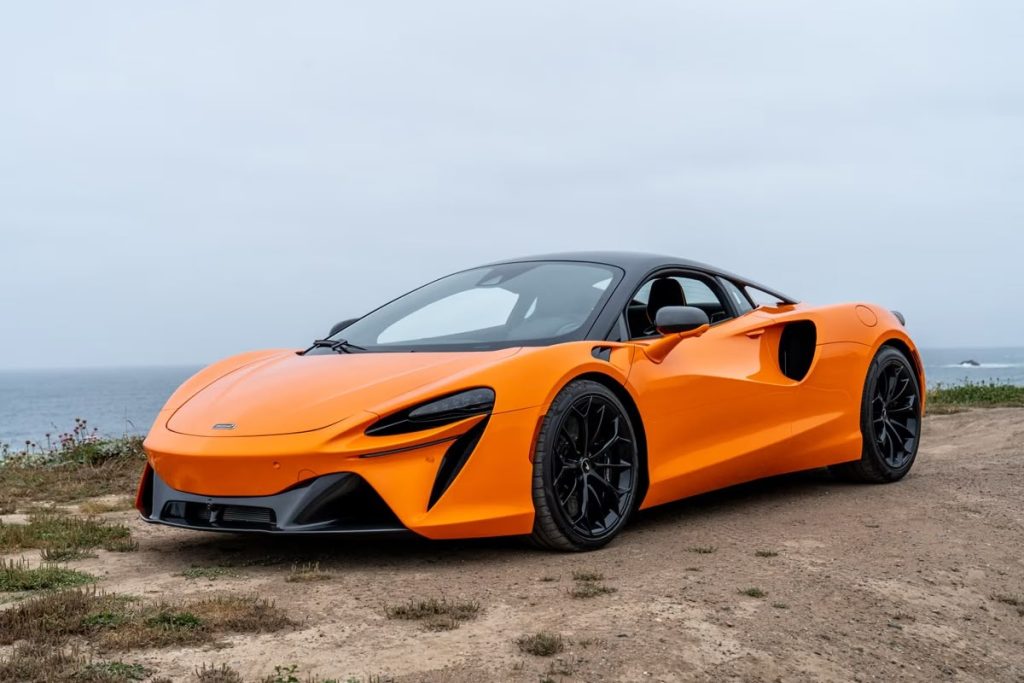
8. McLaren Artura
The McLaren Artura approaches the mid engine exotic formula with a sense of refinement that feels both modern and purposeful. It is not designed to overwhelm with extremes but to deliver performance in a way that feels controlled, efficient, and adaptable. This philosophy allows it to stand out in a segment often defined by excess.
The hybrid powertrain plays a central role in shaping its character. Electric assistance provides immediate response, ensuring that acceleration feels smooth and uninterrupted. Unlike some high output systems that prioritize intensity, the Artura focuses on consistency.
This makes it particularly effective in situations where maintaining control is more important than sudden bursts of speed.
Weight management becomes a key advantage. The car is engineered to remain light despite the addition of hybrid components, preserving the agility expected from a mid engine layout.
This attention to detail allows it to change direction quickly, maintaining balance without feeling unstable. The result is a driving experience that feels precise and predictable.
Handling reflects a focus on clarity. Steering inputs are translated into clean and accurate movements, allowing the driver to place the car exactly where intended. There is no sense of delay or uncertainty, which becomes especially valuable when navigating challenging roads or pushing the car closer to its limits.
Aerodynamic design supports this behavior without relying on exaggerated features. Airflow is managed efficiently, contributing to stability while maintaining a clean visual profile. This restraint highlights the car’s emphasis on function over spectacle, reinforcing its refined approach.
The interior continues this theme of thoughtful execution. The layout is simple yet effective, ensuring that essential controls are easily accessible. Materials and finishes create an environment that feels modern without becoming overwhelming. Comfort is present, but it does not detract from the driver focused nature of the cabin.
The Artura succeeds by redefining what it means to outclass rivals. Instead of chasing extremes, it prioritizes balance, efficiency, and usability. This allows it to deliver performance that feels sustainable and controlled, offering an alternative to competitors that rely on intensity alone.
Mid engine exotics continue to dominate the performance car landscape because they are built around a fundamentally superior layout. By placing the engine near the center of the chassis, these machines achieve a level of balance that enhances nearly every aspect of driving.
This configuration improves cornering stability, traction under acceleration, and overall responsiveness, allowing them to outperform many traditional rivals that rely on less optimal weight distribution.
One of the key takeaways from this group is how differently each car approaches the same foundation. Some models focus on refining raw power, delivering acceleration that feels immediate yet controlled.
Others rely on advanced systems such as hybrid technology or torque vectoring to enhance precision and adaptability. Despite these differences, they all share a common goal of making performance more usable rather than simply more extreme.
Another defining factor is how these cars handle driver confidence. High performance alone is not enough to outclass rivals if it cannot be accessed effectively. The best examples in this category provide predictable handling, clear feedback, and stability at the limit.
This allows drivers to push harder without feeling overwhelmed, turning speed into something that can be managed rather than feared.
Aerodynamics also play a crucial role in separating these exotics from their competitors. Carefully managed airflow improves both stability and efficiency, ensuring that the cars remain planted even at higher speeds.
Some models use active systems that adjust in real time, while others rely on precise shaping to achieve similar results. In both cases, the goal is to maintain control without sacrificing agility.
Interior design further highlights the evolution of this segment. While older exotics often prioritized performance at the expense of comfort, modern interpretations strike a more thoughtful balance.
Cabins are now designed to support both spirited driving and longer journeys, integrating technology in a way that enhances the experience without becoming intrusive.
What truly sets these vehicles apart is their ability to deliver a complete package. Rivals may excel in specific areas such as straight line speed or visual appeal, but these mid engine exotics succeed by combining multiple strengths into a cohesive whole.
They do not rely on a single standout feature. Instead, they integrate power, handling, technology, and usability in a way that feels intentional.
In the end, these cars prove that superiority is not defined by extremes alone. It is achieved through balance, precision, and the ability to perform consistently across different conditions.
By building on the advantages of the mid engine layout and refining them with modern engineering, these exotics establish themselves as benchmarks in their class, consistently outclassing their direct rivals in meaningful and measurable ways.
Also Read: 9 ZF 8-Speed Applications Ranked by Long-Term Durability
