
Handling is one of those qualities that separates a good car from a truly memorable one. It is not always about speed or power, but about how confidently a vehicle responds to inputs, how it maintains balance through corners, and how connected the driver feels behind the wheel.
In 2026, hatchbacks have become some of the most surprising performers in this area, delivering driving dynamics that rival and sometimes exceed cars costing twice as much.
The appeal of hatchbacks has traditionally been linked to practicality and efficiency, but that perception has shifted.
Manufacturers are now investing heavily in chassis tuning, suspension engineering, and weight distribution, transforming these compact cars into serious handling machines. Their smaller size often becomes an advantage, allowing for sharper responses and better agility compared to larger, heavier vehicles.
Another key factor is how modern hatchbacks are engineered. Many of them benefit from advanced platforms that prioritize rigidity and balance, giving them a solid foundation for precise handling.
Combined with improved steering systems and performance-oriented tires, they are capable of delivering an engaging driving experience that feels far more expensive than their price suggests.
There is also a growing emphasis on driver involvement. While many high-end cars rely on technology to manage performance, these hatchbacks often maintain a more direct connection between the driver and the road. This creates a sense of control that is both rewarding and confidence-inspiring.
Affordability plays an important role as well. The idea that you can experience sharp cornering, responsive steering, and well-controlled body movement without spending a fortune is what makes these cars so appealing.
They offer a level of enjoyment that challenges the assumption that performance must come with a high price tag.
In this list, each hatchback has been selected for its ability to deliver exceptional handling characteristics. They are not just quick in a straight line, but truly capable when the road becomes more demanding. Every model brings a unique approach, ensuring a diverse range of options for enthusiasts.
If you value precision, agility, and a driving experience that feels engaging rather than distant, these hatchbacks prove that you do not need to spend big to enjoy serious performance on the road.
Also Read: 8 Mid-Engine Exotics Outclassing Their Direct Rivals
1. Volkswagen Golf GTI
The Volkswagen Golf GTI has long been considered a benchmark in the hatchback segment, and in 2026, it continues to demonstrate why. Its handling is not defined by extremes, but by a balance that makes it incredibly capable in a wide range of driving situations.
Take a series of corners at moderate speed, and the GTI immediately reveals its character. The front end responds with precision, turning in sharply without feeling nervous. This confidence comes from a well-tuned chassis that distributes weight effectively, allowing the car to remain composed even when pushed harder.
The steering plays a major role in shaping this experience. It provides enough feedback to keep the driver informed while maintaining a level of smoothness that makes daily driving comfortable. This dual nature is what sets the GTI apart from many competitors that lean too far toward either comfort or performance.
Another strength lies in its suspension setup. It absorbs imperfections without losing control, meaning the car remains stable even on less-than-perfect roads. This ability to maintain composure adds to its versatility, making it suitable for both spirited driving and everyday use.
Power delivery is handled in a way that supports handling rather than overpowering it. The engine provides strong acceleration, but it does so in a controlled manner that allows the chassis to remain balanced. This creates a cohesive driving experience where every component works together.
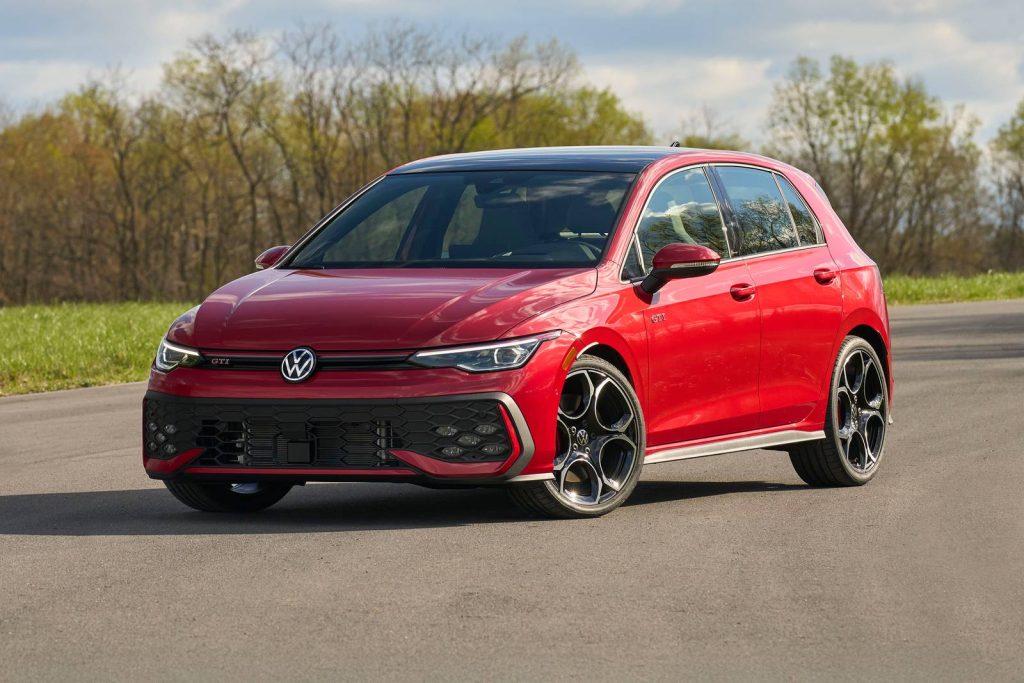
There is also a sense of predictability in how the GTI behaves. Drivers can push the car with confidence, knowing that it will respond consistently. This reliability in handling is often what separates good cars from great ones.
Despite its performance capabilities, the GTI does not sacrifice practicality. It remains comfortable and usable, which adds to its appeal for those who want a single car that can do everything well.
What makes it particularly impressive is how it compares to more expensive vehicles. Many higher-priced cars offer greater power, but few match the GTI’s ability to deliver such a well-rounded and engaging driving experience.
For those seeking a hatchback that combines precision, control, and everyday usability, the GTI continues to set a high standard.
2. Honda Civic Type R
The Honda Civic Type R takes a more focused approach, prioritizing performance and driver engagement above all else. It is a car that feels purpose-built for those who value handling as much as, if not more than, straight-line speed.
From the moment you start driving, the difference is clear. The chassis feels rigid and responsive, providing a level of control that encourages drivers to push further. Corners are handled with remarkable stability, and the car remains planted even when driven aggressively.
The suspension is tuned with precision, allowing the Type R to maintain grip without becoming uncomfortable. It strikes a balance that supports performance while still being usable on regular roads. This adaptability makes it more versatile than its aggressive styling might suggest.
Steering response is immediate and direct, creating a strong connection between the driver and the car. Every input is translated into action with minimal delay, which enhances confidence and control. This level of responsiveness is often associated with much more expensive performance cars.
One of the standout features is how the car manages power. The Front Wheel Drive system is engineered to handle high output without compromising stability. This results in strong acceleration combined with excellent cornering ability, a combination that is not easy to achieve.
The braking system further supports its handling capabilities. It provides consistent stopping power, allowing drivers to approach corners with confidence. This contributes to a driving experience that feels controlled from start to finish.
Inside the cabin, the focus remains on the driver. The seating position, controls, and layout are designed to support an engaging experience. While it may not prioritize luxury, it delivers exactly what enthusiasts are looking for.
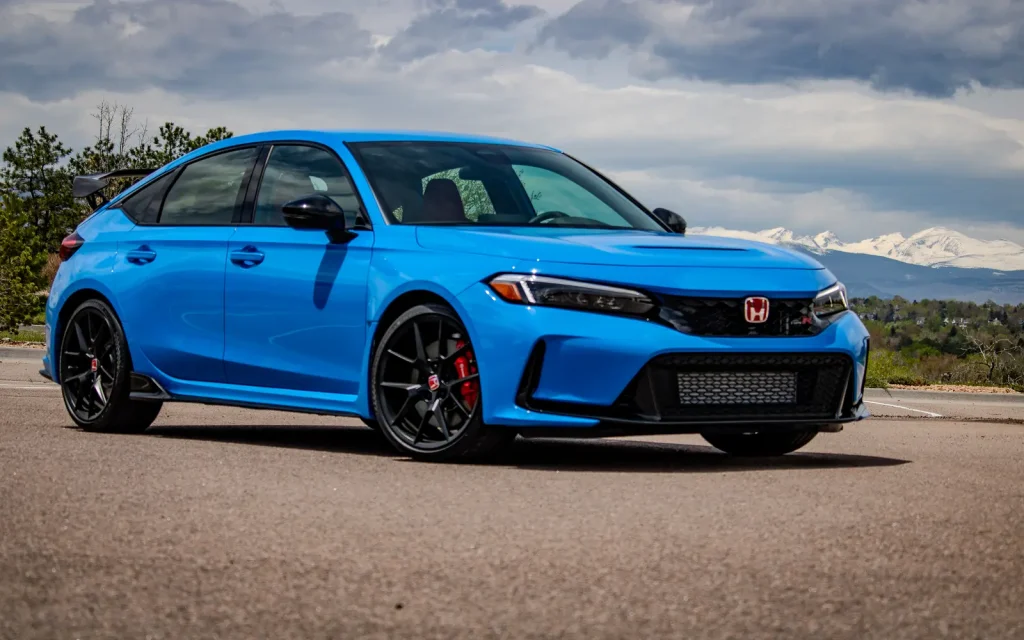
Compared to cars in higher price brackets, the Type R stands out for its ability to deliver pure driving enjoyment. It does not rely heavily on electronic aids, instead allowing the driver to take an active role in the experience.
For those who want a hatchback that feels sharp, responsive, and deeply engaging, the Civic Type R offers a level of performance that challenges far more expensive alternatives.
3. Toyota GR Corolla
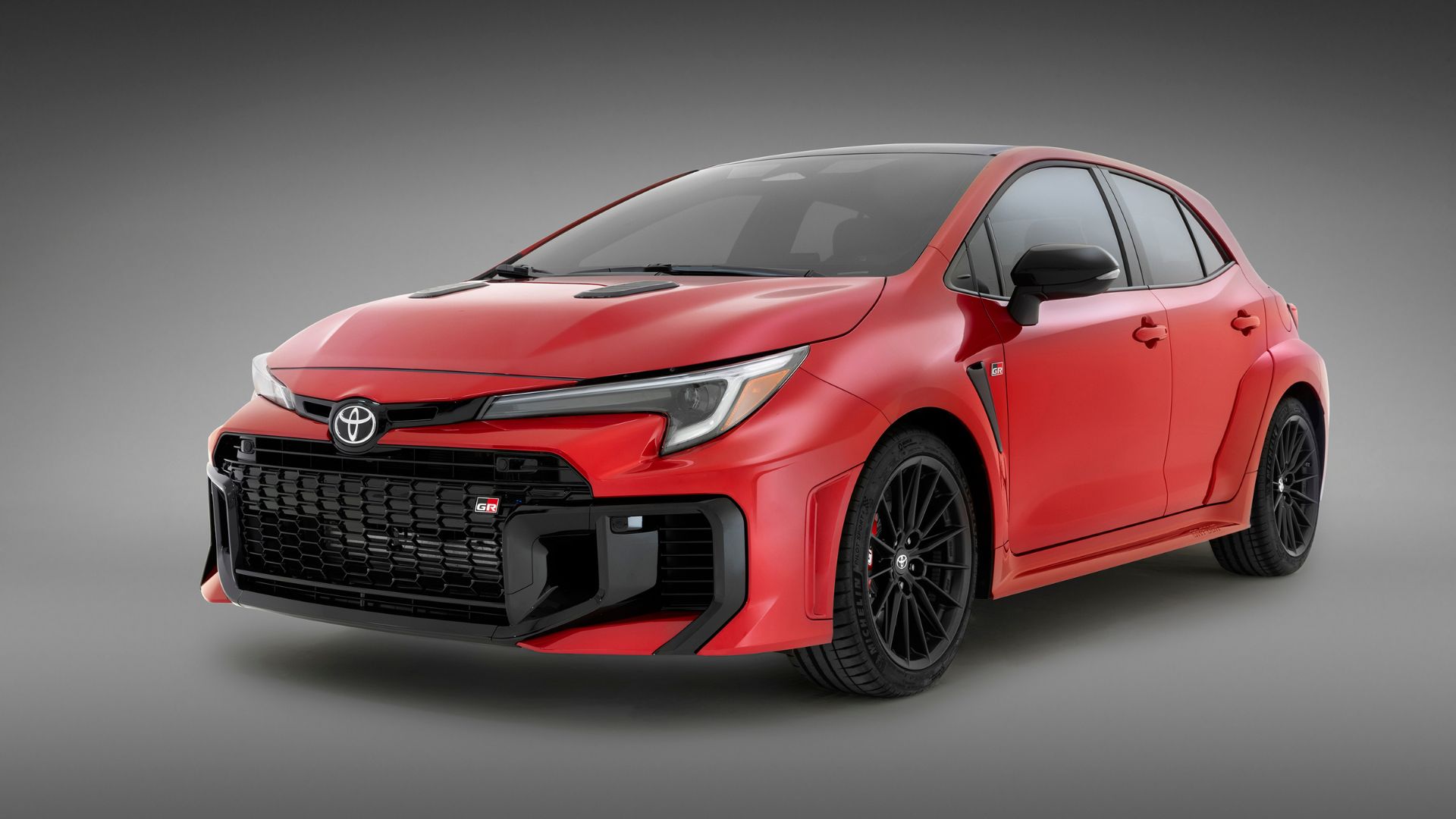
The Toyota GR Corolla does not follow the traditional hot hatch formula, and that deviation is exactly what makes it so effective when the road becomes demanding. Instead of focusing purely on front wheel driven efficiency, it introduces a rally-inspired All Wheel Drive system that transforms how power is applied and how the car behaves through corners.
Think about a tight sequence of bends where traction becomes the deciding factor. In many hatchbacks, the front tires are responsible for both steering and putting power down, which can limit confidence when pushing harder.
The GR Corolla avoids that compromise by distributing power across all four wheels, allowing it to maintain grip in situations where others begin to struggle.
This change fundamentally alters the driving experience. Corner entry feels sharp, but what truly stands out is mid-corner stability. The car does not feel like it is fighting for control; instead, it settles into a line and holds it with impressive precision. Drivers can adjust their inputs confidently, knowing that the chassis will respond predictably.
Acceleration out of corners is where the advantage becomes even more noticeable. Rather than waiting for grip to return, the GR Corolla applies power immediately and effectively. This creates a sense of momentum that carries through each section of road, making the car feel quicker and more capable than its specifications might suggest.
The suspension tuning complements this setup in a very deliberate way. It is firm enough to maintain control during aggressive driving, yet not so stiff that it becomes tiring during everyday use. This balance ensures that the car remains approachable, even for drivers who may not have extensive performance driving experience.
Steering feedback adds another layer to its character. It communicates clearly without overwhelming the driver, providing enough information to understand what the car is doing without becoming distracting. This clarity helps build trust, which is essential when exploring the limits of any performance vehicle.
There is also a sense of mechanical honesty in how the GR Corolla operates. It does not rely heavily on artificial enhancements or excessive electronic intervention. Instead, it allows the driver to feel the natural behavior of the car, creating a more engaging and rewarding experience.
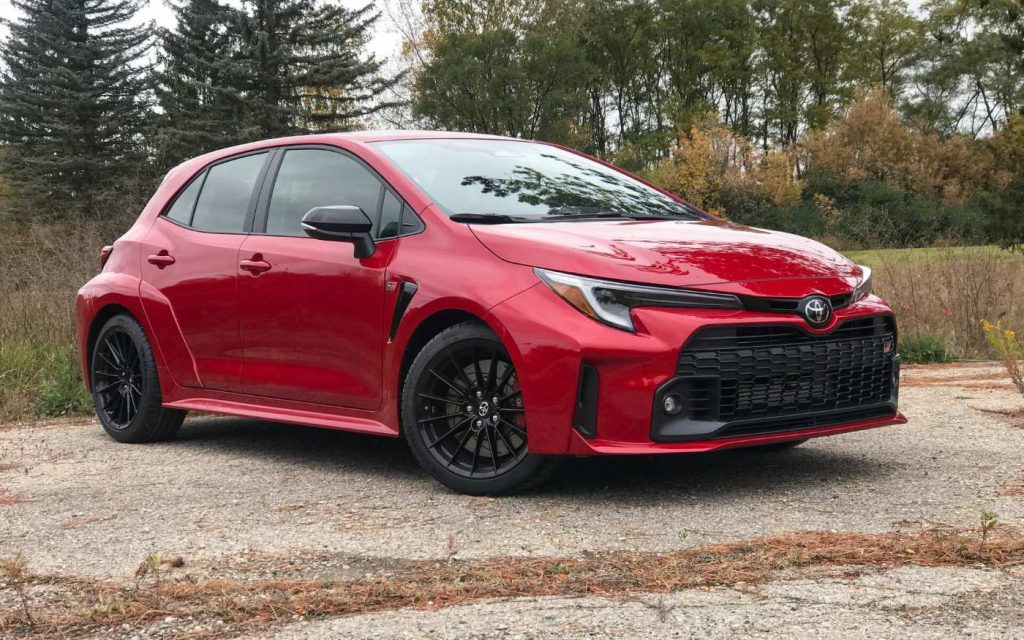
Another interesting aspect is how it performs in less ideal conditions. Wet roads, uneven surfaces, and changing grip levels often challenge even high-end performance cars. The GR Corolla handles these situations with confidence, maintaining stability and control where others might feel uncertain.
The compact size of the car further enhances its agility. It can change direction quickly, making it particularly effective on tighter roads where larger vehicles struggle to keep up. This nimbleness contributes significantly to its ability to outperform more expensive cars in real-world driving scenarios.
What makes it even more compelling is the sense of accessibility it offers. While some performance cars can feel intimidating, the GR Corolla encourages drivers to engage with it. It rewards skill but does not punish mistakes harshly, creating an experience that is both exciting and manageable.
For those who value traction, precision, and a driving experience rooted in motorsport influence, this hatchback delivers a level of capability that challenges expectations. It stands as a reminder that performance is not just about power, but about how effectively that power is used.
4. Ford Focus ST
The Ford Focus ST takes a more playful and energetic approach to handling, offering a driving experience that feels alive in a way that many modern cars have started to lose. It is not about absolute precision or technical perfection, but about creating a connection that makes every drive feel engaging.
Imagine approaching a corner with a bit more speed than usual. The Focus ST responds with a sense of eagerness, turning in quickly and settling into the bend with a slight hint of movement that keeps the driver involved. This characteristic gives it a personality that feels dynamic rather than restrained.
The chassis tuning is central to this behavior. Instead of aiming for complete neutrality, it allows a small degree of rotation, which makes the car feel more responsive to driver inputs. This adds a layer of excitement, especially on winding roads where constant direction changes are required.
Power delivery is another element that shapes its handling. The engine provides strong torque, and the way it is delivered encourages drivers to use it actively. Coming out of corners, the car feels eager to accelerate, adding to the sense of momentum and flow.
Steering response is sharp and direct, giving drivers the confidence to place the car exactly where they want it. It may not offer the same level of feedback as some more focused performance cars, but it provides enough information to maintain control and enjoy the experience.
The suspension setup strikes a balance between firmness and usability. It keeps the car stable during aggressive driving while still being comfortable enough for daily use. This dual nature makes it appealing to those who want performance without sacrificing practicality.
Braking performance supports its energetic character. The system is responsive and reliable, allowing drivers to manage speed effectively before entering corners. This contributes to a driving experience that feels controlled even when pushed harder.
Inside, the design reflects its sporty intentions. The seating position and layout are focused on the driver, creating an environment that encourages engagement. It may not prioritize luxury, but it delivers what matters most for performance driving.
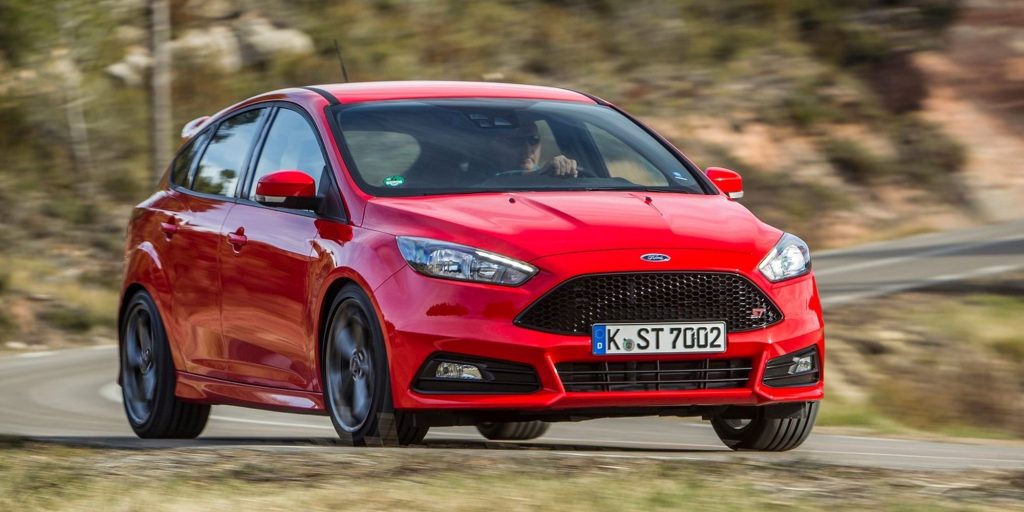
What sets the Focus ST apart is how approachable it feels. It does not demand perfection from the driver, instead inviting experimentation and learning. This makes it particularly enjoyable for those who want to develop their driving skills while still having fun.
There is also a sense of character that cannot be ignored. While some cars aim for clinical precision, the Focus ST embraces a more expressive style. This gives it a unique identity that stands out in a segment where many vehicles begin to feel similar.
Compared to more expensive performance cars, it offers a different kind of value. It may not match them in raw numbers, but it delivers a level of engagement and enjoyment that is difficult to quantify. This emotional connection is often what makes a car memorable.
For drivers who want a hatchback that feels lively, responsive, and full of personality, the Focus ST provides an experience that goes beyond simple performance metrics. It proves that handling is not just about control, but also about how a car makes you feel on the road.
5. Renault Megane RS
The Renault Megane RS approaches handling with a distinctly European mindset, one that prioritizes precision, adaptability, and a sense of control that builds confidence with every kilometer. It does not rely on brute force or exaggerated responses.
Instead, it focuses on fine-tuning every element so that the car feels composed, sharp, and deeply engaging in a wide variety of driving conditions.
To understand its character, it helps to look at how it behaves when the road becomes complex rather than simply fast. On a series of tight corners, the Megane RS reveals its strength through consistency.
Turn in feels deliberate, the front end grips with confidence, and the chassis settles quickly, allowing the driver to maintain a smooth rhythm. This fluidity is what makes it stand out, as it encourages precision rather than aggressive correction.
A major contributor to this behavior is its chassis technology. The car uses advanced suspension geometry that allows each wheel to respond independently to changes in the road surface. This means that even when one side of the car encounters a bump or uneven patch, the balance remains intact. The result is a level of stability that feels almost effortless.
Another distinctive feature is its rear wheel steering system. At lower speeds, it enhances agility by helping the car rotate more easily into corners. At higher speeds, it improves stability by aligning the rear wheels with the front.
This dual behavior creates a sense of adaptability that is rarely found in this segment, allowing the car to feel both nimble and secure depending on the situation.
Steering feedback is delivered with clarity. It does not overwhelm the driver with excessive detail, but it provides enough information to understand how the car is interacting with the road. This balance helps maintain confidence, especially when pushing closer to the limits.
Power delivery is managed in a way that complements the chassis rather than dominating it. Acceleration is strong, yet controlled, allowing the driver to apply throttle progressively without upsetting the car’s balance. This harmony between engine and chassis is essential for maintaining composure through corners.
The braking system further enhances this sense of control. It offers consistent performance, allowing drivers to approach corners with precision and adjust their speed confidently. This reliability becomes especially important during spirited driving, where timing and accuracy are crucial.
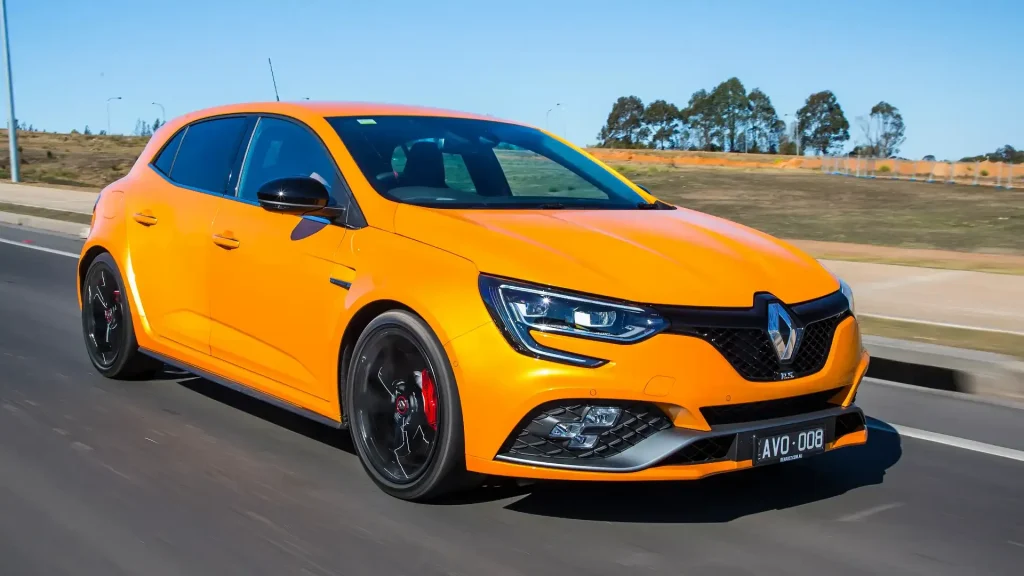
Inside the cabin, the focus remains on the driving experience. The seating position is supportive, keeping the driver stable during dynamic maneuvers. Controls are placed intuitively, reducing distractions and allowing full attention to remain on the road.
What makes the Megane RS particularly impressive is how it handles variation. Different road surfaces, changing grip levels, and unpredictable conditions are all managed with composure. This adaptability gives it an advantage over many more expensive cars that may excel in controlled environments but struggle in real-world scenarios.
There is also a sense of maturity in how the car behaves. It does not rely on dramatic gestures to impress. Instead, it builds trust gradually, rewarding drivers who take the time to understand its capabilities. This depth of character is often what defines truly great handling cars.
For enthusiasts who value precision, balance, and a refined approach to performance, the Megane RS offers a driving experience that feels carefully engineered and highly rewarding. It stands as a strong example of how thoughtful design can deliver exceptional handling without requiring an excessive budget.
6. Hyundai i20 N
The Hyundai i20 N brings a sense of energy and immediacy that makes it feel far more serious than its size suggests. It is a car that thrives on interaction, rewarding drivers who are willing to engage with it actively rather than simply letting it do the work.
Picture a narrow, winding road where quick reactions matter more than outright speed. The i20 N feels perfectly suited to this environment. Its compact dimensions allow it to change direction rapidly, and the chassis responds with a sharpness that keeps the driver constantly involved.
Unlike larger performance cars that rely on power to compensate for weight, this hatchback uses its lightness as an advantage. The reduced mass allows it to react more quickly to steering inputs, creating a sense of agility that feels almost immediate. This responsiveness is one of its defining characteristics.
The suspension setup plays a crucial role in maintaining this behavior. It is tuned to keep the car stable during aggressive driving, yet it still allows enough movement to communicate what is happening beneath the tires. This balance ensures that the driver remains connected to the road at all times.
Steering is one of the standout aspects of the i20 N. It reacts quickly and accurately, making it easy to place the car exactly where needed. This precision becomes particularly valuable when tackling tight corners or adjusting lines mid-turn.
Power delivery is lively and engaging. The engine provides strong acceleration, and the way it builds speed encourages drivers to stay involved. Rather than feeling overwhelming, the power feels usable, allowing the car to maintain its balance even when pushed harder.
Another important element is how the car handles transitions. Moving from braking to turning, then back to acceleration, feels smooth and coordinated. This fluidity helps maintain momentum, making the driving experience feel continuous rather than segmented.
Inside, the cabin reflects its performance focus. The seating supports the driver during dynamic driving, and the layout keeps everything within easy reach. While it may not emphasize luxury, it delivers exactly what is needed for an engaging experience.
What sets the i20 N apart is its sense of enthusiasm. It does not just respond to inputs; it seems to encourage them. This creates a relationship between driver and car that feels interactive rather than passive.
There is also a practical side to its performance. Despite its capabilities, it remains approachable and manageable in everyday conditions. This makes it suitable for drivers who want excitement without sacrificing usability.
When compared to more expensive performance cars, the i20 N holds its ground through agility and character. It may not match them in raw power, but it compensates with responsiveness and engagement that are difficult to replicate.
For those who appreciate a car that feels alive, reactive, and eager to perform, this hatchback offers a driving experience that goes beyond expectations. It proves that true handling capability is not defined by price, but by how effectively a car connects with the driver and the road.
Handling excellence is not reserved for high-priced performance cars anymore. The hatchbacks in this list demonstrate that thoughtful engineering, balanced design, and a focus on driver engagement can deliver remarkable results without demanding a premium budget.
Each of these vehicles brings a unique perspective. Some emphasize precision and control, others highlight agility and responsiveness, while a few combine advanced technology with traditional driving dynamics. This diversity ensures that there is an option for every type of enthusiast.
A key takeaway is how these cars prioritize connection. Rather than isolating the driver, they create an experience that feels interactive and rewarding. This connection is what transforms a simple drive into something memorable.
Another important aspect is accessibility. These hatchbacks allow more drivers to experience high-quality handling without stepping into expensive segments. This shift reflects a broader change in the automotive industry, where performance is becoming more inclusive.
Consistency also plays a significant role. True handling capability is not just about excelling in perfect conditions, but about maintaining composure across different environments. The models listed here achieve that balance, making them reliable and enjoyable in real-world situations.
As the market continues to evolve, it is clear that smaller, well-engineered cars can deliver experiences that rival far more expensive machines. This challenges traditional assumptions and opens up new possibilities for enthusiasts.
Choosing the right hatchback ultimately depends on what you value most, whether it is precision, excitement, or adaptability. Regardless of preference, these cars prove that exceptional handling is no longer defined by price alone.
They stand as strong examples of how smart design and focused engineering can redefine expectations, offering driving experiences that remain engaging, capable, and deeply satisfying.
Also Read: 8 Engines With Coolant-Intrusion Problems Mechanics See Weekly
