
Luxury sedans from the 2010s occupy a fascinating space in today’s automotive scene. They represent a time when manufacturers balanced traditional craftsmanship with emerging technology, creating cars that were both refined and forward-thinking.
Now in 2026, some of these vehicles have aged with remarkable grace, continuing to feel relevant despite the rapid evolution of the industry.
What defines a car that ages well is not limited to durability alone. It is a combination of design longevity, mechanical reliability, interior quality, and the ability to remain desirable even as trends shift.
Many sedans from that decade were built with a level of engineering depth that allowed them to withstand years of use without feeling outdated or compromised.
One important factor is how these cars handled the transition into the digital era. Early infotainment systems often struggled to keep up with modern expectations, yet certain models managed to integrate technology in a way that still feels intuitive today.
Others focused on timeless design and tactile controls, which ironically have aged better than some overly complex modern systems.
Another key element is drivetrain philosophy. Naturally aspirated engines, well-tuned transmissions, and robust chassis engineering have proven to be more enduring than some experimental technologies introduced during that period.
Cars that prioritized smoothness, balance, and reliability have retained their appeal among both enthusiasts and practical buyers.
Interior craftsmanship is also a key factor. Materials such as high-quality leather, wood, and metal trim tend to age more gracefully than cheaper alternatives. When combined with thoughtful ergonomics, these interiors continue to deliver a premium experience years after their release.
Market perception in 2026 further highlights the strengths of these sedans. Buyers are increasingly recognizing the value of well-built older luxury cars that offer comfort and performance without the complexity and cost of newer systems. This has allowed certain models to maintain strong reputations and desirability.
The following list highlights ten luxury sedans from the 2010s that have aged exceptionally well. Each one demonstrates a different strength, whether it is design, engineering, or long-term ownership satisfaction. Together, they show that true quality stands the test of time.
Also Read: 8 Engines With Head Gasket Failures That Destroy Entire Blocks
1. Mercedes-Benz S-Class (W222)
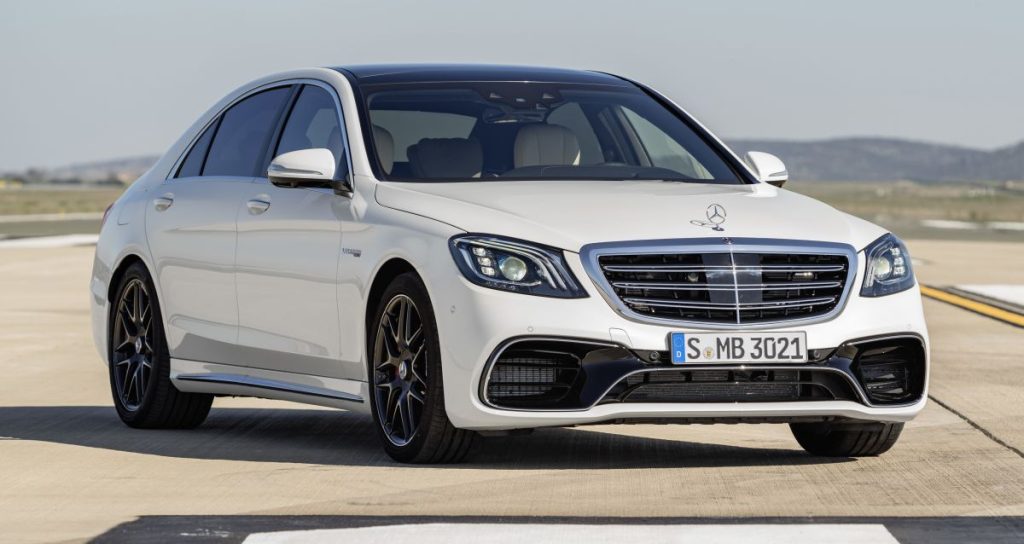
The Mercedes-Benz S-Class W222 set a benchmark when it debuted, and its ability to remain relevant in 2026 is a testament to how far ahead it was at launch. Even years later, it still feels like a complete luxury experience rather than an outdated flagship.
One of the most striking aspects is its design. The exterior carries a sense of understated elegance that has not faded with time. Unlike trend-driven styling, the W222 relies on proportion and subtle detailing, which allows it to blend seamlessly with newer vehicles on the road.
Inside, the cabin continues to impress with its attention to detail. Materials feel substantial, and the layout prioritizes comfort and clarity. The dual-screen setup, which was once cutting-edge, still functions effectively without feeling overly complicated. This balance between innovation and usability has helped the interior age gracefully.
Ride quality remains one of its strongest attributes. The suspension system delivers a smooth and composed experience that rivals even modern luxury sedans. Long-distance comfort is where the W222 truly excels, making it a preferred choice for those who value refinement.
Another reason for its longevity is the powertrain range. The engines offered during this generation were not only powerful but also relatively robust when maintained properly. This has contributed to strong long-term ownership satisfaction.
The S-Class also benefits from its reputation. It has always been seen as a leader in luxury, and that perception continues to support its desirability in the used market. Buyers know what to expect, and the car consistently delivers on those expectations.
Rather than feeling like a product of its time, the W222 feels like a standard that many newer cars still aim to match. That enduring quality is what defines its success in aging well.
2. BMW 5 Series (G30)
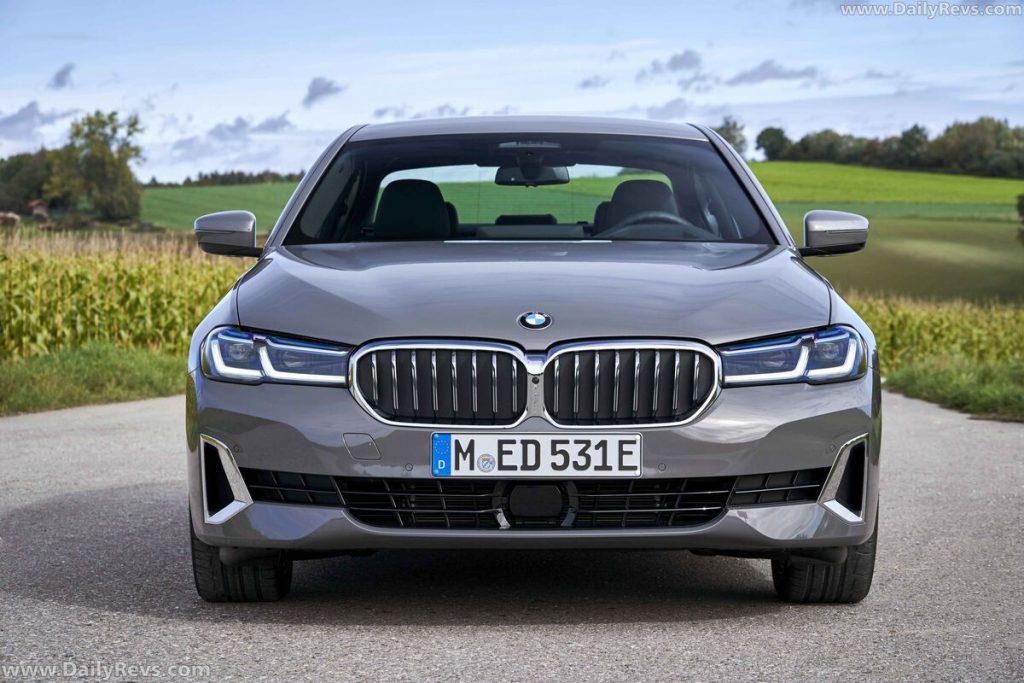
The BMW 5 Series G30 represents a different approach to aging gracefully. Instead of relying purely on luxury, it combines driving dynamics with everyday usability, creating a sedan that still feels relevant in multiple roles.
From a design standpoint, the G30 avoids extremes. Its clean lines and balanced proportions give it a modern appearance even years after its introduction. It does not chase aggressive styling trends, which helps it maintain a timeless presence.
The driving experience is where this car truly stands out. Steering precision, chassis balance, and ride comfort are all carefully tuned to deliver a cohesive feel. Even in 2026, it remains one of the more engaging sedans in its category, appealing to those who value control as much as comfort.
Interior execution also contributes to its longevity. BMW focused on ergonomics and build quality rather than visual complexity. Controls are intuitive, and materials hold up well over time. This approach ensures that the cabin continues to feel functional and premium.
Technology integration was handled thoughtfully. While it introduced advanced features, it avoided overcomplication. The infotainment system remains responsive and usable, which is not always the case with systems from that era.
Another strength lies in its versatility. The G30 adapts well to different needs, whether it is daily commuting, long-distance travel, or spirited driving. This broad appeal has kept it relevant among a wide range of buyers.
Reliability and maintenance balance further support its aging process. While not without costs, the car has proven to be manageable for long-term ownership when properly maintained. This practicality adds to its appeal in the used market.
Rather than excelling in just one area, the G30 succeeds by being consistently good across multiple aspects. That consistency is what allows it to remain a strong choice even years after its debut.
3. Lexus LS (XF50)
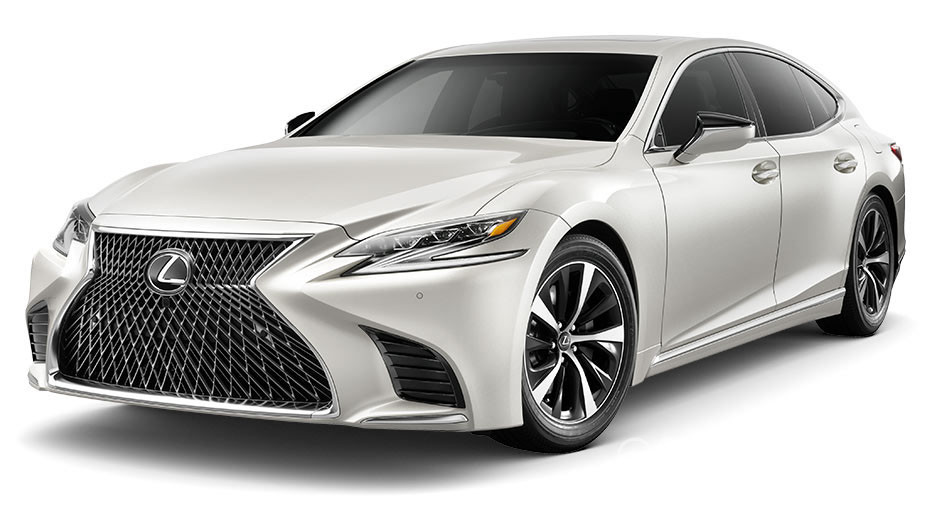
The Lexus LS XF50 took a bold step when it moved away from the conservative formula of its predecessors. Instead of relying purely on traditional luxury cues, it introduced a more expressive design language and a different driving philosophy. Years later, that decision has worked in its favor, allowing the car to feel distinctive rather than dated.
At first glance, the exterior still stands out. The spindle grille and sweeping lines were once considered controversial, yet they have aged into a recognizable identity. While many competitors followed design trends that now feel predictable, the LS continues to look unique without appearing out of place.
Inside, the approach is equally deliberate. The cabin emphasizes craftsmanship rather than just technology. Materials such as intricate trim pieces and carefully stitched leather contribute to an environment that feels considered.
Instead of overwhelming the driver with screens, the layout maintains a sense of calm, which keeps it appealing over time.
The driving experience tells another story. Lexus shifted the LS toward a more dynamic character, yet it did not abandon comfort. The suspension tuning absorbs imperfections smoothly while maintaining composure at higher speeds. This balance allows the car to adapt to different driving situations without feeling compromised.
Powertrain choices also play a role in its longevity. While the move to smaller engines and hybrid systems initially raised questions, these setups have proven to be efficient and reliable. Buyers in 2026 increasingly value this combination, especially as running costs become more important.
Ownership experience is where the LS truly strengthens its position. Lexus has built a reputation for dependability, and this model continues that tradition. Lower long-term concerns compared to some rivals make it a safer choice in the used market, which supports its lasting appeal.
Rather than chasing every technological trend, the LS focused on refinement and individuality. That strategy has allowed it to age in a way that feels intentional. It does not try to imitate newer cars, and that confidence is exactly what keeps it relevant.
4. Audi A8 (D5)
The Audi A8 D5 represents a more technology-driven interpretation of luxury, yet it has managed to age gracefully despite the rapid pace of innovation in the segment. Its strength lies in how it introduced advanced features without sacrificing usability.
Visually, the A8 maintains a clean and sophisticated presence. Audi’s design language during this period leaned toward sharp lines and precise detailing, which has helped the car avoid looking outdated. It does not rely on dramatic styling elements, allowing it to blend effortlessly into modern environments.
The interior is where the A8 made its strongest impression. Dual touchscreens and a digital interface defined its cabin, setting a template that many others would later follow. What is notable is how well this system continues to function. The responsiveness and layout remain intuitive, which is not always the case with early digital interiors.
Comfort remains a key highlight. The suspension system delivers a composed ride, smoothing out uneven surfaces while maintaining stability. Rear seat comfort, in particular, elevates the experience, making it a strong option for those who prioritize passenger luxury.
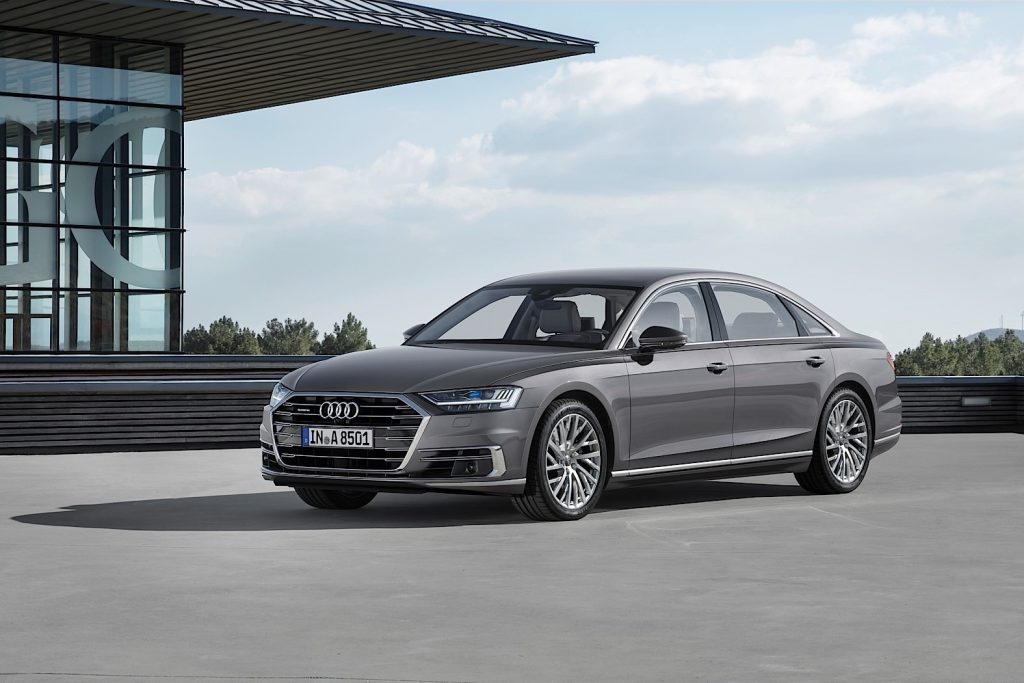
The A8 also introduced a range of driver assistance features that were ahead of their time. While technology has advanced since then, the systems still feel relevant and useful. This forward-thinking approach has helped the car retain its sense of modernity.
Engine options further support its aging process. The available powertrains strike a balance between performance and efficiency, ensuring that the car remains practical to use even years later. This balance is increasingly important as fuel costs and environmental considerations continue to influence buying decisions.
The A8 D5 shows that technology does not have to age poorly when it is implemented thoughtfully. By combining innovation with usability, it continues to deliver a luxury experience that feels current even in 2026.
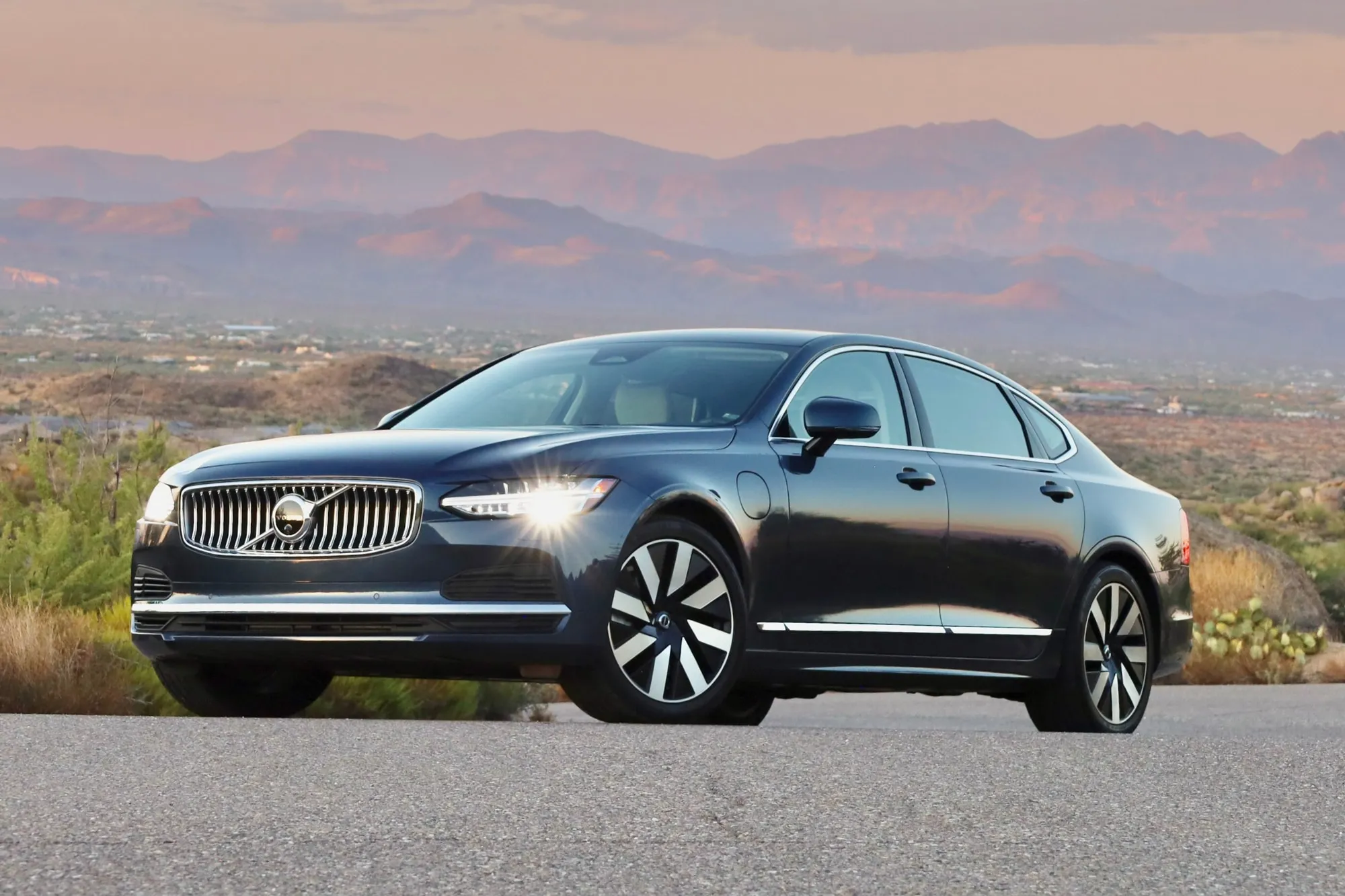
5. Volvo S90
The Volvo S90 followed a very different philosophy compared to its German rivals. Instead of focusing on aggressive performance or overwhelming technology, it emphasized simplicity, safety, and design clarity. That decision has paid off in the long run, as the car continues to feel calm and relevant in 2026.
Its exterior design is one of its strongest assets. Clean lines, balanced proportions, and subtle detailing give it a timeless presence. It avoids unnecessary complexity, which allows it to age without drawing attention to any particular era. Even next to newer sedans, the S90 holds its own with quiet confidence.
Inside, the cabin reflects Scandinavian minimalism. The layout is uncluttered, with a vertical touchscreen serving as the centerpiece. While many early digital systems now feel dated, this one remains usable due to its straightforward design. Physical controls are limited, yet the interface does not feel overwhelming.
Material quality also contributes to its longevity. Wood trims, soft-touch surfaces, and carefully chosen finishes create an environment that feels consistent rather than flashy. Over time, this consistency becomes an advantage, as it does not rely on trends that fade quickly.
Comfort is another area where the S90 continues to impress. The seats are designed for long-distance travel, offering support without stiffness. Suspension tuning leans toward softness, making it ideal for relaxed driving rather than aggressive handling. This focus on comfort aligns well with what many luxury sedan buyers prioritize.
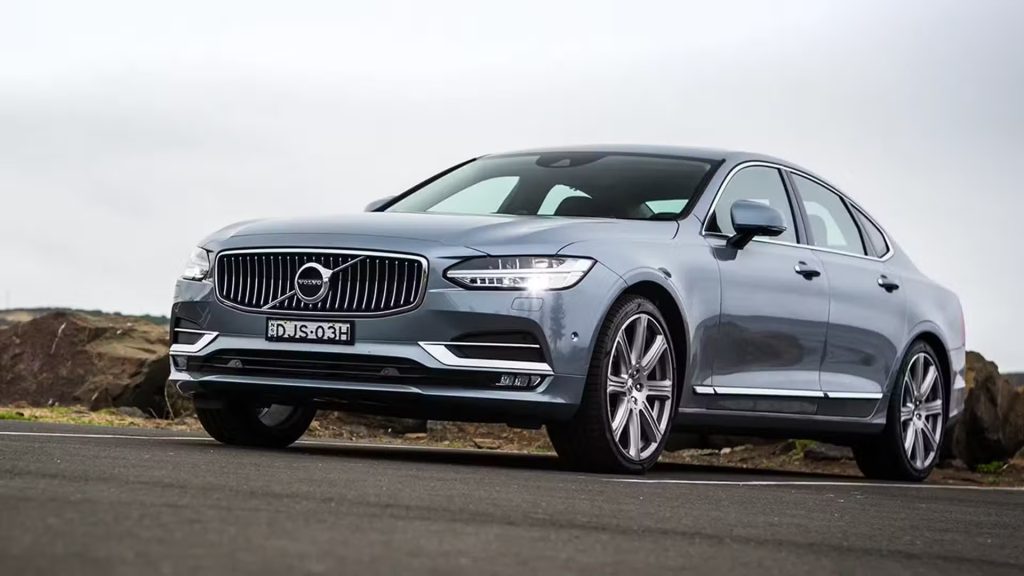
Safety remains a defining characteristic. Volvo built its reputation on this aspect, and the S90 carries that legacy forward. Even years later, its safety systems feel reassuring and relevant, adding to its appeal in the used market.
The powertrain strategy, centered around smaller turbocharged and hybrid engines, has also aged well. These setups provide adequate performance while maintaining efficiency, which has become increasingly important. Buyers looking for lower running costs often find this combination attractive.
Rather than trying to compete on every front, the S90 carved out its own identity. That clarity of purpose has allowed it to age without losing direction. It remains a sedan that values comfort and simplicity, qualities that rarely go out of style.
6. Genesis G80 (First Generation)
The first-generation Genesis G80 entered the market as a challenger, aiming to disrupt established luxury brands by offering high value and strong fundamentals. What makes it stand out in 2026 is how well that approach has held up over time.
At launch, the G80 impressed with its understated design. It did not rely on bold or experimental styling, instead focusing on clean lines and proportion. This restraint has helped it age gracefully, as it does not feel tied to any specific design trend from the 2010s.
The interior is a key factor in its continued appeal. Genesis prioritized comfort and material quality, creating a cabin that feels substantial even years later. Controls are logically placed, and the layout avoids unnecessary complexity. This simplicity ensures that the car remains easy to use.
Ride quality is another highlight. The G80 leans toward comfort, delivering a smooth and composed driving experience. It may not be the most dynamic sedan in its class, but it excels in providing a relaxed environment for both driver and passengers.
One of the most important factors behind its strong aging is value perception. Even when new, the G80 offered a compelling package at a competitive price. In the used market, this advantage becomes even more pronounced, attracting buyers who want luxury without excessive cost.
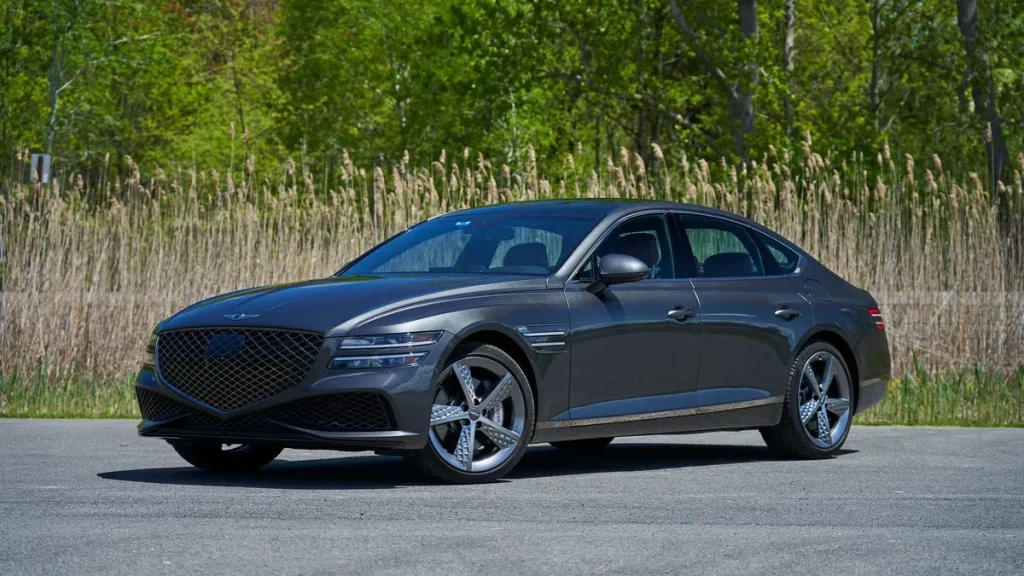
Reliability has also supported its reputation. While not completely free of issues, the G80 has proven to be dependable enough to build confidence among second-hand buyers. This reliability reduces hesitation and helps maintain demand.
Technology integration, while not the most advanced, remains functional. The infotainment system is straightforward, and essential features continue to work without frustration. This practicality is often more valuable than having cutting-edge systems that age poorly.
Another aspect worth noting is brand growth. Genesis has strengthened its position in the luxury segment over the years, and that progress reflects positively on earlier models. Buyers now view the G80 with more respect than they might have initially.
The G80 reflects how a well-rounded approach can stand the test of time. By focusing on comfort, quality, and value, it has remained a relevant and attractive choice long after its debut.
7. Jaguar XJ (X351)
The Jaguar XJ X351 never followed the conventional template of a luxury sedan. Instead of blending in with its competitors, it leaned heavily into individuality. That decision made it polarizing at launch, yet in 2026, it has become one of the more interesting examples of a car that aged with character rather than conformity.
The exterior design still feels striking. Its low, coupe-like silhouette and sweeping lines set it apart from more traditional three-box sedans. While some designs from that era now feel overly complex, the XJ’s shape retains a sense of motion even when standing still. It does not try to imitate anything else, and that independence works in its favor today.
Step inside, and the cabin presents a mix of modernity and classic luxury cues. Digital displays were introduced early, but they were combined with rich materials such as leather and wood. This blend helps the interior avoid feeling outdated. Instead, it feels like a transitional design that captured both eras effectively.
The driving experience is where the XJ surprises many people. Unlike larger luxury sedans that focus purely on comfort, this one offers a degree of agility. Steering response and chassis tuning give it a lighter feel than its size suggests. That dynamic character adds to its long-term appeal, especially for those who want something engaging.
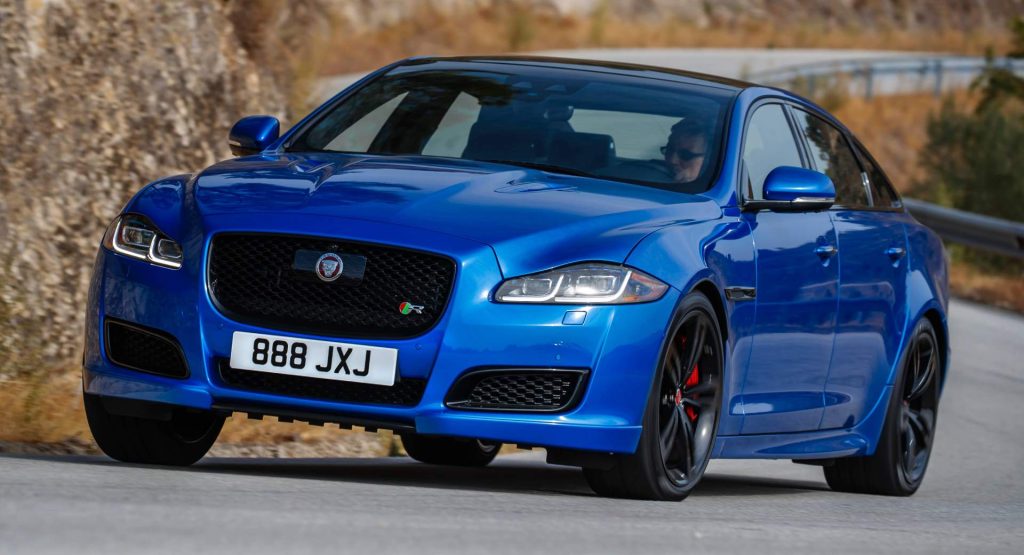
Engine options also contribute to its aging success. Smooth power delivery and strong performance ensure that the car does not feel underpowered even by modern standards. When maintained properly, these engines continue to deliver a refined experience.
There are, however, factors that influence its perception. Concerns about reliability and maintenance costs have always surrounded the brand. While individual ownership experiences vary, these concerns shape how the car is viewed in the used market.
Interestingly, scarcity has started to work in its favor. As fewer well-maintained examples remain available, the XJ has gained a certain exclusivity. Buyers looking for something different often gravitate toward it, appreciating its distinct personality.
The XJ X351 shows that aging well does not always mean blending in. Sometimes, standing apart from the crowd is what keeps a car relevant years later.
8. Cadillac CT6
The Cadillac CT6 represented a shift in direction for its brand. It aimed to combine American luxury with a more global approach to design and engineering. While it did not dominate sales charts, its qualities have become more appreciated over time, allowing it to age better than many expected.
From a design perspective, the CT6 chose restraint. It avoided excessive ornamentation, opting instead for a clean and structured appearance. This approach has kept it visually relevant, as it does not rely on trends that fade quickly.
Inside, the focus was on space and comfort. The cabin offers generous room, particularly in the rear, making it suitable for long journeys. Materials are well-chosen, and while they may not feel extravagant, they maintain a consistent sense of quality.
The driving experience reveals another layer of its character. The CT6 balances comfort with composure, delivering a ride that feels stable without being overly soft. It is not designed to be the most aggressive sedan, but it handles itself confidently in various conditions.
Technology was integrated with a forward-looking mindset. Features such as advanced driver assistance systems and a digital interface were introduced in a way that still feels usable today. This approach has helped the car avoid the rapid aging that affects some tech-heavy interiors.
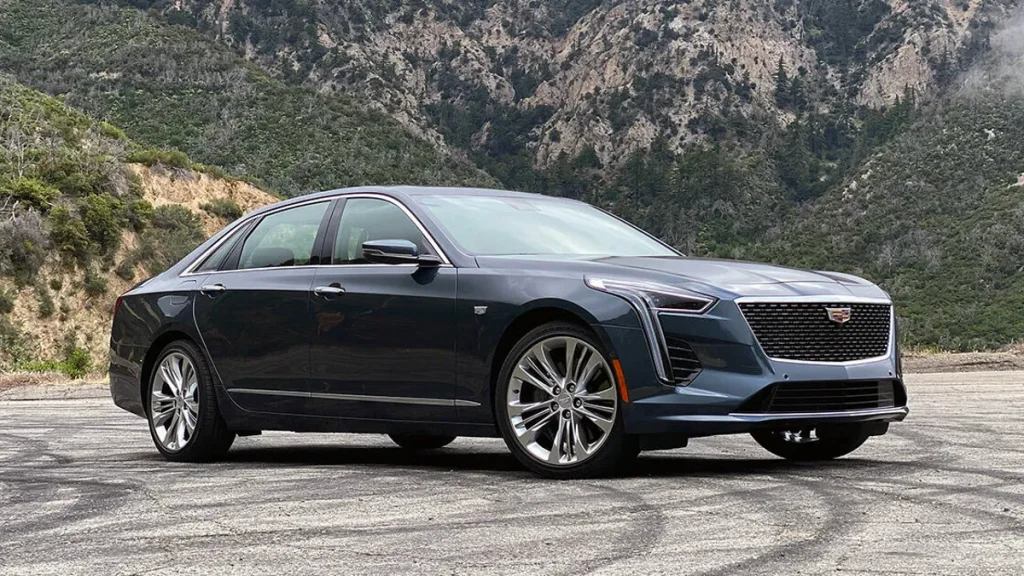
Engine options provided flexibility. Buyers could choose between efficiency-focused setups and more powerful configurations, allowing the car to cater to different preferences. This adaptability has contributed to its sustained relevance.
Another important aspect is how perception has shifted. At launch, the CT6 competed against established European names, which made it harder to stand out. In the used market, however, buyers evaluate it more independently, recognizing its strengths without direct comparison.
Ownership costs also play a role. Compared to some rivals, the CT6 can be more accessible to maintain, which increases its appeal among second-hand buyers. This practicality supports its long-term desirability.
The CT6 demonstrates that recognition does not always come immediately. Sometimes, a car’s true value becomes clearer with time, and in this case, its balanced approach has allowed it to age with quiet confidence.
9. Toyota Crown (S210)
The Toyota Crown S210 represents a different interpretation of luxury, one that prioritizes durability and understated refinement rather than brand-driven prestige. In 2026, it stands as a strong example of how consistency and engineering discipline can help a car age gracefully.
Its exterior design does not chase attention. The styling is formal, with clean lines and a balanced stance that still looks appropriate today. While it may not turn heads in the same way as some European rivals, it avoids looking outdated because it never relied on short-lived trends.
Inside, the focus is clearly on usability. The cabin layout is straightforward, with controls placed exactly where they need to be. Materials are solid and built to last, which becomes more noticeable over time. Instead of trying to impress with visual drama, it delivers a sense of dependability.
Ride comfort is one of its defining traits. The suspension absorbs road imperfections with ease, creating a smooth and relaxed driving experience. This quality remains highly valued, especially for long-distance travel, where comfort matters more than sharp handling.
The powertrain lineup contributes significantly to its longevity. Hybrid systems, in particular, have proven to be efficient and reliable. As fuel efficiency becomes increasingly important, this aspect strengthens the car’s appeal in the used market.
Another key factor is the ownership experience. Toyota’s reputation for reliability strongly supports buyer confidence. Lower maintenance concerns make it an attractive option for those seeking a long-term vehicle.
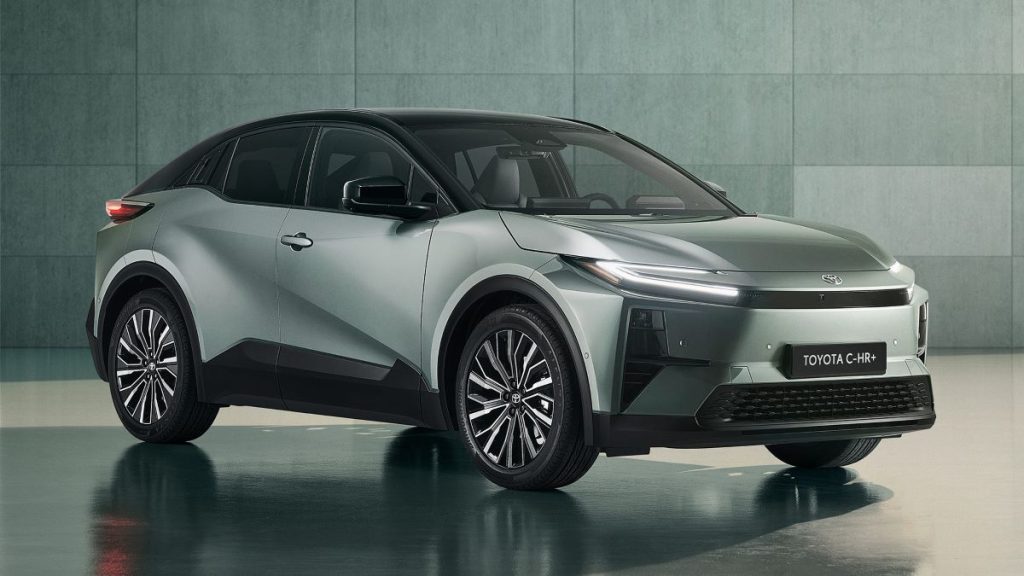
The Crown does not rely on excitement to stay relevant. Instead, it succeeds through quiet competence. That approach has allowed it to remain a practical and dependable luxury sedan years after its introduction.
10. Lincoln Continental (2017–2020)
The Lincoln Continental from the late 2010s marked a return to traditional American luxury values. It focused on comfort, presence, and a sense of occasion rather than aggressive performance. In 2026, this approach helps it stand out in a segment that has become increasingly technology-focused.
The design plays a major role in its lasting appeal. The exterior combines a strong, upright stance with refined detailing. It feels substantial without appearing excessive, which allows it to maintain a dignified presence even years later.
Step into the cabin, and the emphasis on comfort becomes clear. Seats are designed to provide support over long journeys, and the cabin layout encourages relaxation. Materials are chosen to create a warm and inviting atmosphere rather than a highly technical one.
Driving the Continental is about smoothness. The suspension tuning prioritizes ride quality, delivering a calm and composed experience. It is not intended to be sporty, and that clarity of purpose helps it age without confusion.
Technology integration is handled in a way that remains usable. While not the most advanced by modern standards, the systems are straightforward and functional. This simplicity works in its favor, as it avoids the complexity that can make older systems frustrating.
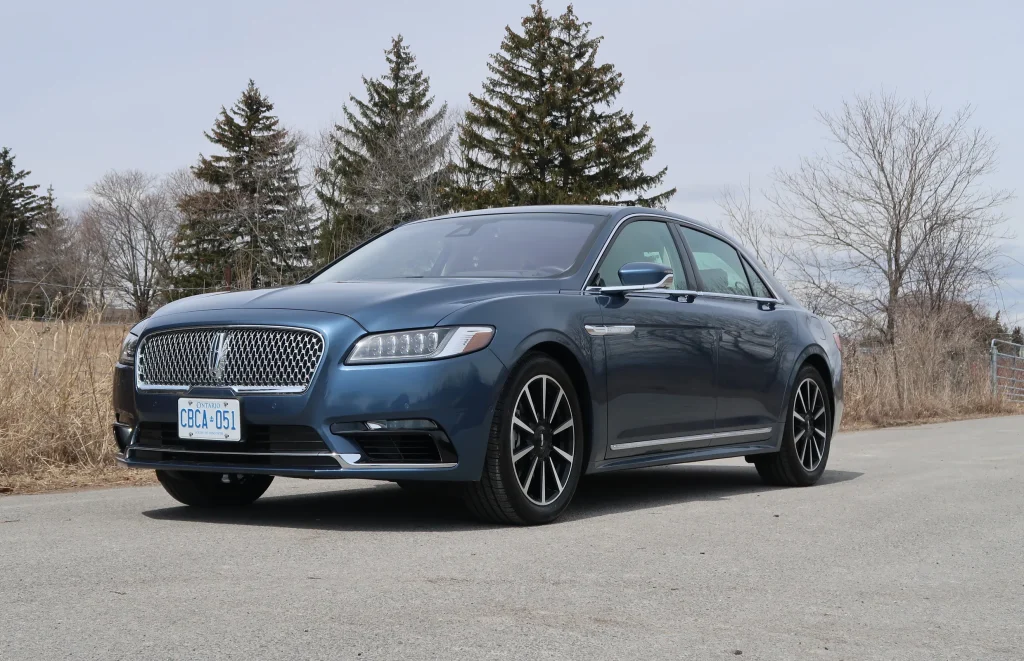
Another important aspect is its sense of identity. The Continental does not try to compete directly with European performance sedans. Instead, it offers a distinct alternative focused on comfort and refinement.
Ownership appeal is further supported by reasonable maintenance expectations compared to some rivals. This practicality enhances its position in the used market.
The Continental shows that luxury can be defined in different ways. By staying true to its core philosophy, it continues to feel relevant and appealing even years after production ended.
Also Read: 8 Engines Where a Single Failed Sensor Triggers $5,000 in Damage
