
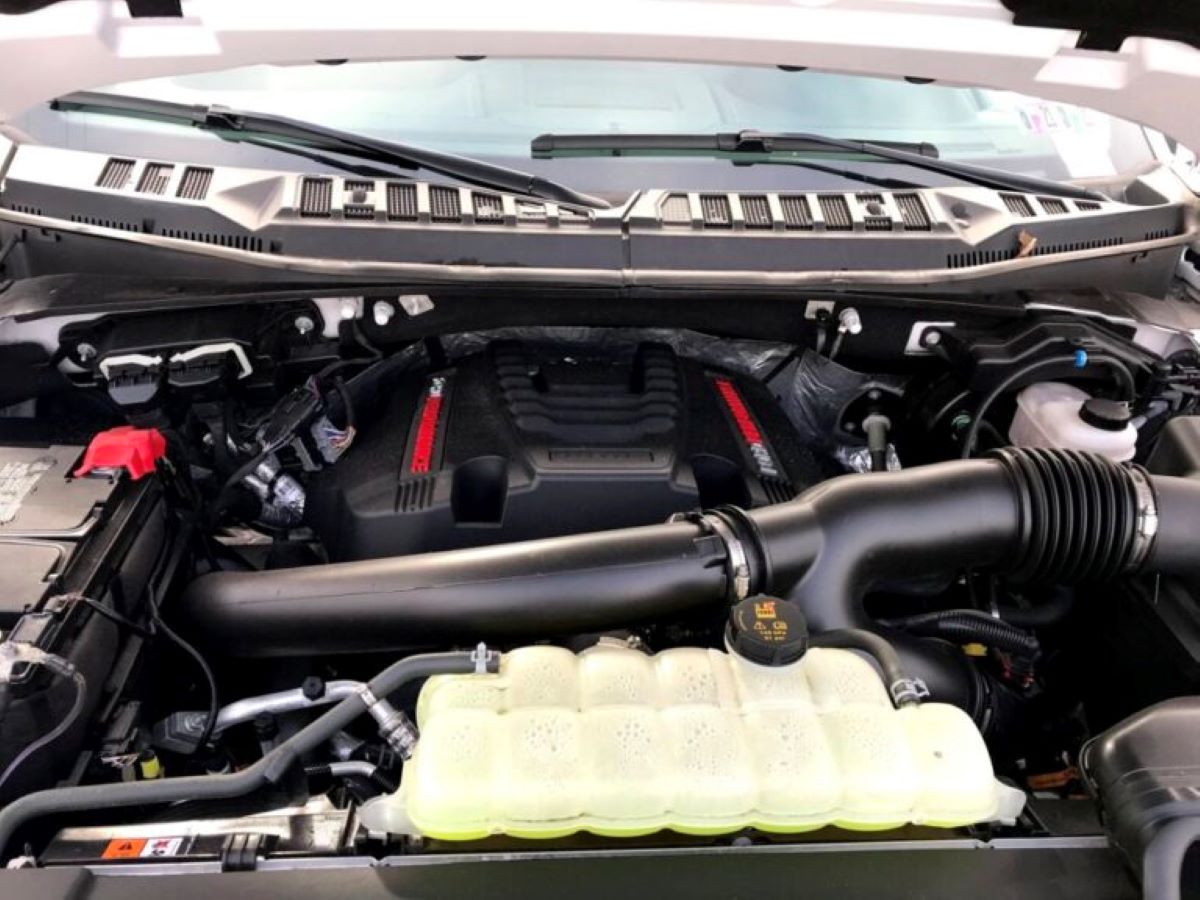
Modern engines rely heavily on sensors to function correctly. These small components monitor everything from air intake and fuel delivery to temperature and timing. They feed constant data to the engine control unit, which then adjusts performance in real time.
When everything works as intended, this system delivers efficiency, power, and lower emissions. When a single sensor fails, however, the consequences can escalate quickly.
Unlike older engines that relied more on mechanical systems, today’s engines depend on accurate electronic signals. A faulty reading can cause the engine to run too lean, too rich, or at incorrect timing. This imbalance may not feel severe at first, but internally it can create damaging conditions such as overheating, detonation, or lubrication failure.
What makes sensor related failures particularly costly is how small the initial problem appears. A sensor might cost very little compared to major engine components, yet its failure can trigger a chain reaction.
For example, incorrect air fuel ratios can damage pistons, valves, or catalytic converters. In some cases, the engine continues running without obvious warning signs until significant damage has already occurred.
Mechanics often see vehicles where a simple sensor fault was ignored or misdiagnosed. By the time the vehicle reaches the workshop, the issue has progressed beyond a quick fix. Repair bills rise because multiple components are affected, turning a minor electrical issue into a major mechanical repair.
Another challenge is how intermittent sensor failures behave. They may work correctly at times and fail under specific conditions, making diagnosis difficult. This inconsistency allows the problem to persist longer, increasing the risk of damage.
Manufacturers design engines to operate within precise limits, leaving little room for error. Sensors play a key role in maintaining those limits. When they fail, the engine can quickly move outside safe operating conditions.
This article highlights engines where a single sensor failure has been known to trigger costly damage. These are not isolated incidents but patterns observed by mechanics. Understanding these cases helps drivers recognize the importance of early diagnosis and timely repair.
Also Read: 8 Classic Coupes That Survived Longer Than the Companies That Built Them
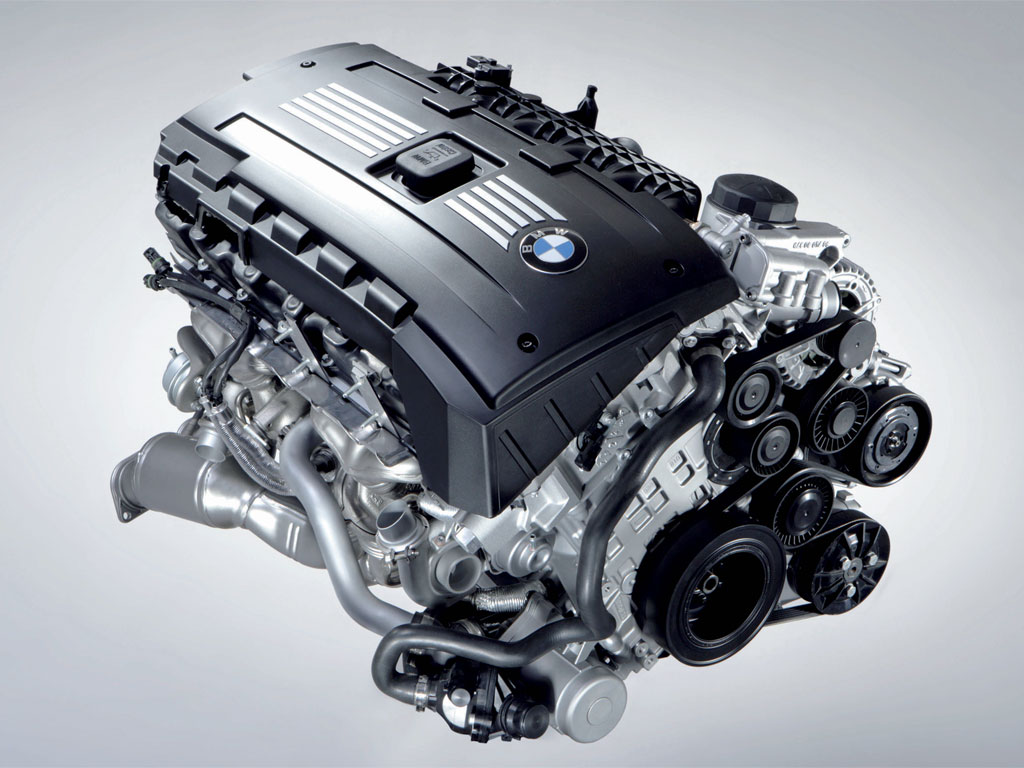
1. BMW N54 3.0L Twin Turbo Engine
The BMW N54 engine demonstrates how a single sensor can influence multiple systems at once. One of the most critical components in this engine is the high pressure fuel sensor. When it begins to fail, it sends inaccurate data to the engine control unit, which then adjusts fuel delivery incorrectly.
At first, the symptoms may seem minor. Drivers might notice hesitation during acceleration or a slight drop in power. These signs are easy to dismiss, especially in a performance oriented engine that still feels strong under most conditions.
The real problem begins when the engine runs with incorrect fuel pressure. Too much fuel can wash down cylinder walls, reducing lubrication and increasing wear. Too little fuel can cause lean conditions, leading to higher combustion temperatures and potential detonation.
Mechanics often find that prolonged operation under these conditions damages pistons and valves. The turbochargers can also be affected, as improper fuel delivery alters exhaust temperatures. What started as a sensor issue quickly spreads to multiple components.
Another layer of complexity comes from the engine’s advanced control systems. The N54 relies on precise coordination between sensors and actuators. When one sensor provides incorrect data, the entire system struggles to compensate.
Repairing the damage can involve replacing not only the sensor but also affected internal components. In severe cases, engine rebuilds become necessary, which significantly increases costs.
What makes this engine particularly sensitive is its performance focused design. High output levels mean there is less margin for error. Even small deviations in fuel delivery can have large effects.
Mechanics who work with the N54 often stress the importance of addressing warning lights immediately. Delaying diagnosis allows the problem to worsen, increasing the likelihood of expensive repairs.
This engine highlights how a small electronic fault can lead to major mechanical consequences when left unchecked.
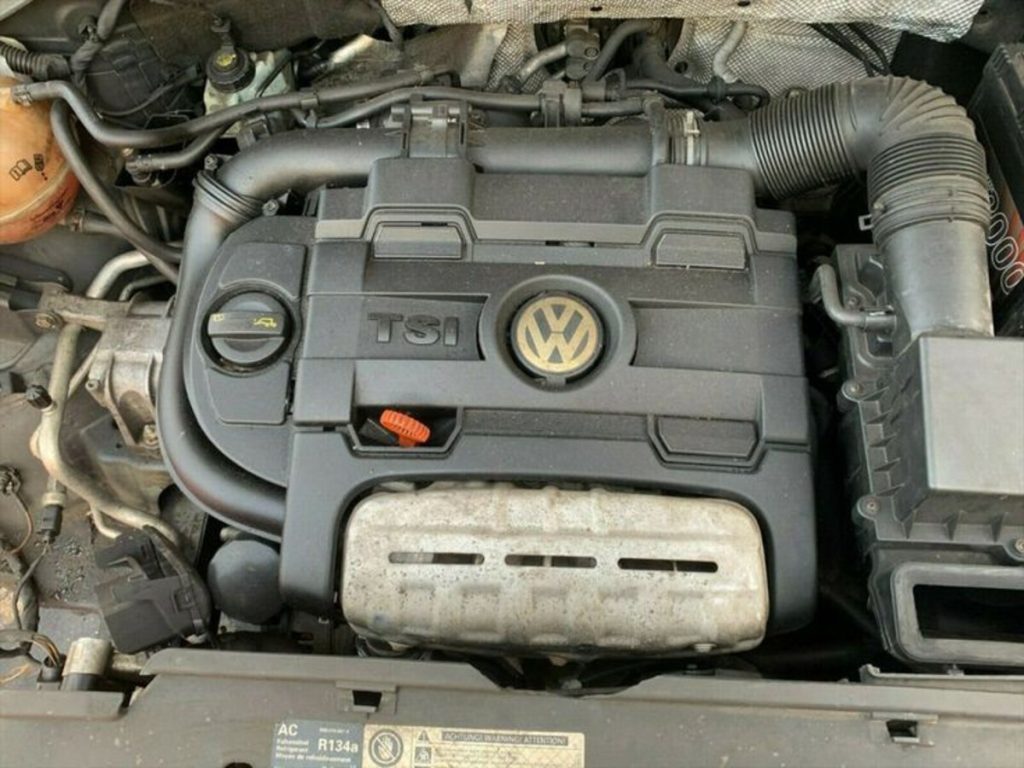
2. Volkswagen 2.0T TSI Engine
The Volkswagen 2.0T TSI engine presents a scenario where a failing mass air flow sensor can trigger a chain reaction of issues. This sensor measures the amount of air entering the engine, allowing the control unit to calculate the correct fuel mixture.
When the sensor begins to provide inaccurate readings, the engine may run too rich or too lean. At first, drivers might notice rough idling or reduced fuel efficiency. These symptoms often appear mild, which leads to delayed attention.
As the imbalance continues, combustion conditions become unstable. Running too lean increases combustion temperatures, which can damage valves and pistons. Running too rich can lead to carbon buildup and contamination of the catalytic converter.
Mechanics frequently encounter engines where prolonged sensor failure has caused significant internal wear. In some cases, the catalytic converter becomes clogged, creating additional back pressure that affects engine performance.
Another consequence is how the engine control system attempts to compensate for incorrect data. Adjustments made based on faulty readings can push other components beyond their normal operating range. This creates a situation where multiple systems are affected by a single sensor issue.
Diagnosis can be challenging because the symptoms overlap with other potential problems. Mechanics often rely on detailed data analysis to confirm that the mass air flow sensor is the root cause.
Repair costs increase when the issue is not addressed early. Replacing the sensor is relatively simple, but repairing damage to internal components or the exhaust system can be far more expensive.
The 2.0T TSI engine shows how critical accurate airflow measurement is for maintaining engine health. A single faulty sensor can disrupt the entire balance of the system.
This example reinforces the importance of responding to early warning signs. Addressing a small issue quickly can prevent it from escalating into a much larger and more costly problem.
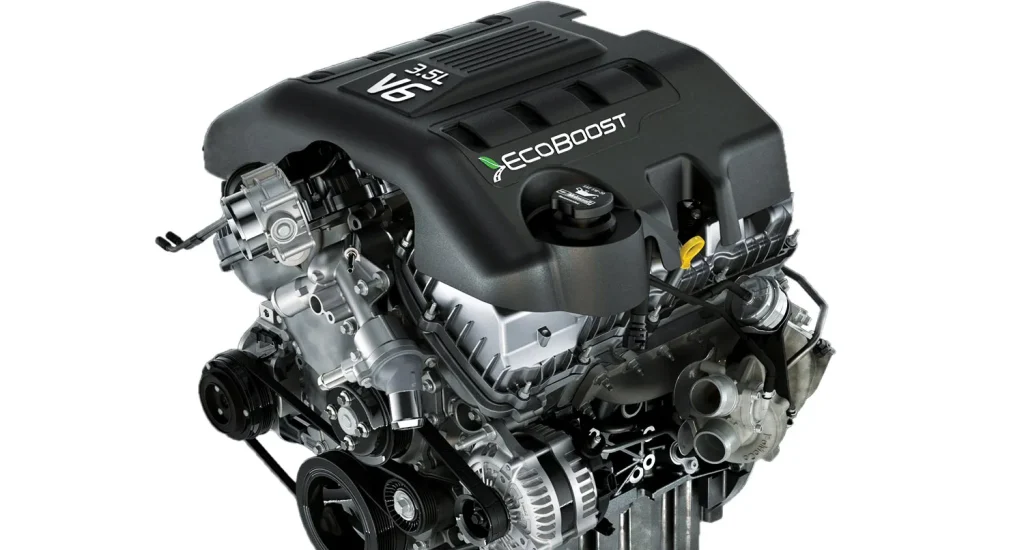
3. Ford 3.5L EcoBoost V6 Engine
In the Ford 3.5L EcoBoost, a failing intake air temperature sensor can quietly create conditions that lead to serious internal damage. This engine relies on accurate temperature data to adjust fuel delivery and ignition timing. When the sensor sends incorrect readings, the engine control unit makes decisions based on false information.
The issue does not usually begin with dramatic symptoms. Drivers may notice a slight drop in efficiency or a mild hesitation during acceleration. These changes feel minor, which is why many continue driving without investigating further. Meanwhile, the engine may be running with incorrect air fuel ratios and timing adjustments.
If the sensor reports lower temperatures than actual conditions, the engine may inject more fuel than necessary. This leads to incomplete combustion and carbon buildup over time. On the other hand, if the sensor reports higher temperatures, the engine may run too lean, increasing combustion heat and risking detonation.
Mechanics often encounter engines where prolonged incorrect data has caused damage to pistons and valves. The turbochargers are also affected because exhaust temperatures rise when combustion becomes unstable. This creates a chain reaction where multiple components begin to suffer.
Another complication is how the engine adapts to faulty readings. The control system continuously tries to correct what it believes are changing conditions, which can push the engine further away from safe operating limits.
Repairing the damage often involves more than replacing the sensor. Internal components may need inspection or replacement, significantly increasing repair costs. Early detection is critical to preventing this escalation.
The EcoBoost design delivers strong performance, but it depends heavily on accurate sensor input. When that input becomes unreliable, the engine can quickly move into harmful operating conditions.
This engine illustrates how a small sensor can influence multiple systems at once. Ignoring early warning signs can turn a minor issue into a major repair.
4. Mercedes-Benz M272 V6 Engine
The Mercedes-Benz M272 V6 shows how a crankshaft position sensor failure can lead to severe consequences. This sensor provides essential data about engine timing, allowing the control unit to coordinate fuel injection and ignition precisely.
When the sensor begins to fail, the engine may struggle to maintain proper timing. Drivers might notice occasional stalling or difficulty starting. These symptoms can appear inconsistent, making them easy to overlook at first.
As the problem develops, incorrect timing signals can cause misfires. These misfires are not just performance issues. They create uneven combustion, which increases stress on internal components. Over time, this can lead to damage in pistons and cylinder walls.
Mechanics often find that prolonged sensor failure affects the timing chain system as well. Irregular timing signals can place additional strain on chain components, leading to wear that would not occur under normal conditions. This adds another layer of complexity to the repair process.
The engine control unit attempts to compensate for faulty data, but its ability to do so is limited. When timing information is inaccurate, adjustments can only go so far before the system begins to operate outside safe parameters.
Repair costs rise quickly when multiple components are affected. Replacing the sensor is relatively simple, but addressing damage to the timing system or internal engine parts can be far more involved.
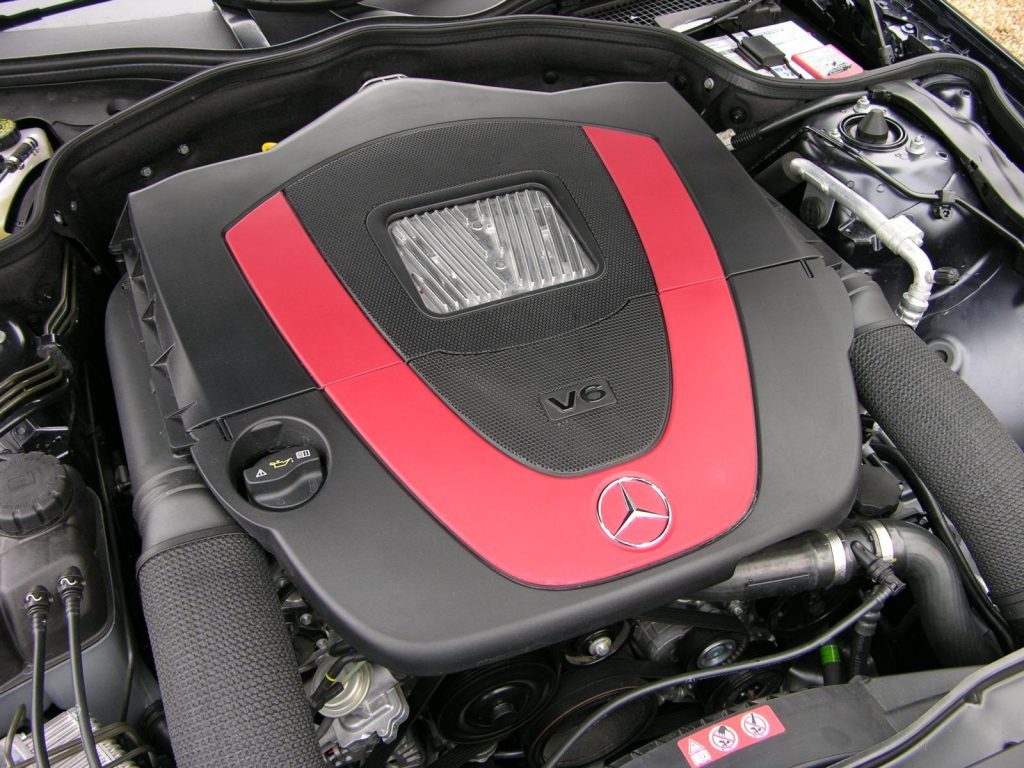
Another challenge is diagnosis. Because the symptoms can mimic other issues, identifying the sensor as the root cause requires careful analysis. Mechanics often rely on diagnostic tools to confirm irregular timing signals.
The M272 engine demonstrates how critical timing information is for engine health. A single sensor failure can disrupt the entire system, leading to damage that extends well beyond the original component.
This example highlights the importance of early intervention. Addressing sensor issues promptly can prevent a cascade of problems that result in costly repairs.
5. Subaru 2.5L EJ25 Engine
The Subaru EJ25 engine offers a very different kind of sensor related failure pattern, one that often revolves around the engine coolant temperature sensor. This component may appear insignificant at first glance, yet it plays a crucial role in maintaining safe operating conditions. When it begins to fail, the consequences can quietly build until they become severe.
In normal operation, the sensor informs the engine control unit about the exact temperature of the engine. This data is used to adjust fuel mixture, ignition timing, and cooling fan operation. When the readings become inaccurate, the system reacts incorrectly.
The engine may believe it is cooler than it actually is, which leads to excessive fuel delivery and delayed cooling responses.
Drivers may initially notice poor fuel economy or a slightly rough idle. These signs are often dismissed as routine wear. However, inside the engine, temperatures may be climbing beyond safe limits. Without proper cooling activation, hot spots begin to form, especially around the cylinder heads.
Mechanics frequently encounter EJ25 engines where overheating was not immediately obvious to the driver. The gauge may not reflect the true temperature due to faulty sensor input. This creates a dangerous situation where the engine continues operating under stress without clear warning.
As overheating persists, the head gasket becomes the first major casualty. The EJ25 is already known for sensitivity in this area, and incorrect temperature data accelerates the process. Once the gasket fails, coolant begins to leak internally, further increasing temperatures and reducing lubrication quality.
The damage rarely stops there. Warping of the cylinder heads can occur, and in more severe cases, the engine block itself may be affected. At this stage, repair costs rise significantly, often involving machining or complete engine replacement.
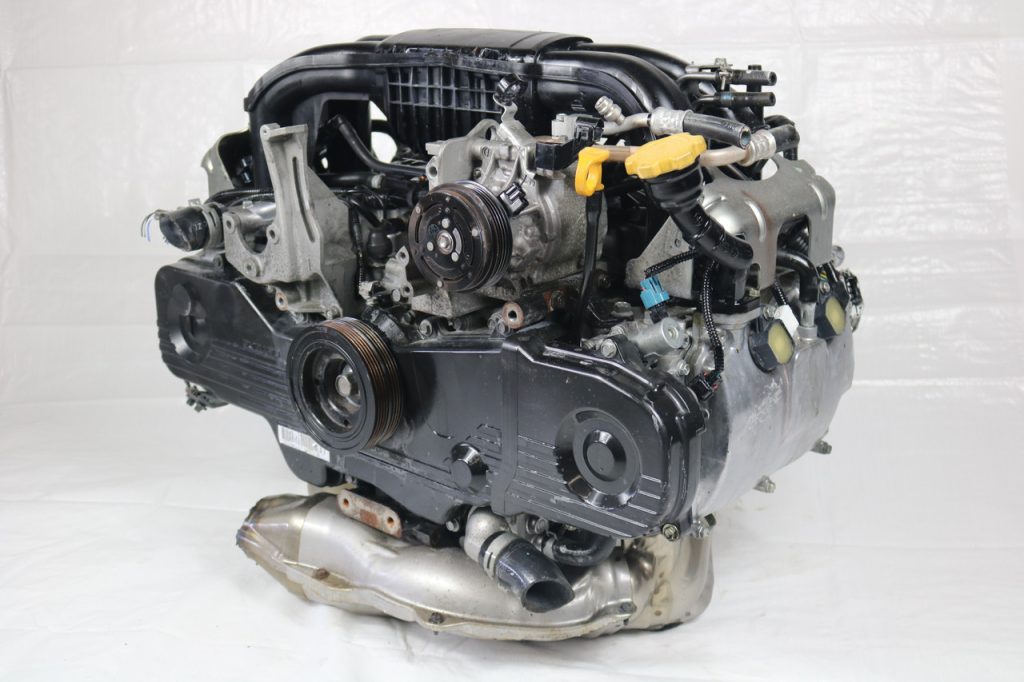
Another aspect that makes this issue particularly costly is how long it can go unnoticed. Because the symptoms develop gradually and the temperature gauge may not reflect reality, drivers often continue using the vehicle until the damage becomes extensive.
Repairing the problem early would involve replacing a relatively inexpensive sensor. However, once overheating has caused internal damage, the repair scope expands dramatically. Mechanics often emphasize that addressing even minor temperature irregularities is critical with this engine.
The EJ25 demonstrates how a single sensor can influence both performance and durability. When temperature data becomes unreliable, the engine loses its ability to regulate itself effectively. This leads to a chain reaction that can result in major mechanical failure.
This engine serves as a clear example of why sensor accuracy is essential. A small electronic fault can create conditions that push the engine beyond its limits, turning a simple repair into a costly rebuild.
6. Chevrolet 5.3L Vortec V8 Engine
The Chevrolet 5.3L Vortec V8 approaches sensor related damage from a different angle, often involving the oil pressure sensor. This engine is widely used and generally reliable, yet when this sensor fails, it can create a misleading picture of engine health that leads to serious consequences.
The oil pressure sensor is responsible for monitoring lubrication levels and ensuring that internal components receive adequate protection. When it begins to malfunction, it may send incorrect readings to the dashboard and engine control system. In some cases, it may indicate normal pressure even when actual pressure is low.
Drivers may continue operating the vehicle under the assumption that everything is functioning correctly. There may be no immediate warning signs beyond subtle changes in engine sound or performance. These signs are often too minor to raise concern, especially in a large V8 that naturally produces some mechanical noise.
Meanwhile, insufficient oil pressure allows metal components to operate without proper lubrication. Bearings, camshafts, and lifters begin to experience increased friction. Over time, this leads to accelerated wear and heat buildup within the engine.
Mechanics frequently encounter engines where prolonged low oil pressure has caused extensive internal damage. Worn bearings can lead to knocking sounds, and in severe cases, engine seizure may occur. What started as a faulty sensor ends up affecting multiple critical components.
Another complication arises from how the engine control system responds. While some systems may attempt to limit performance when irregularities are detected, a faulty sensor can prevent accurate detection altogether. This allows the engine to continue operating under harmful conditions.
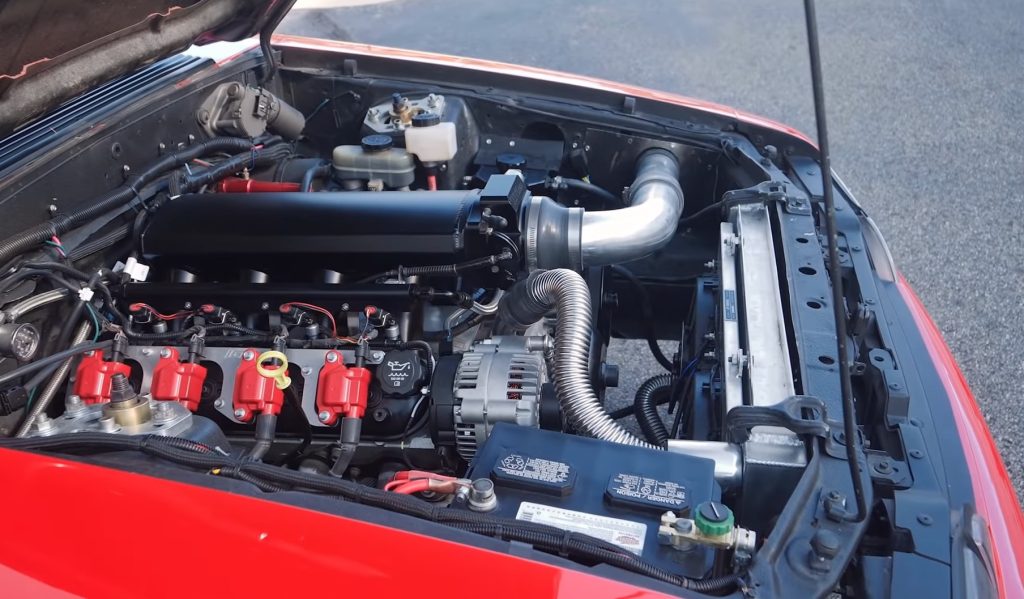
Repairing the damage often involves more than replacing the sensor. Internal components may require inspection or replacement, significantly increasing the cost. In some cases, a full engine rebuild becomes necessary.
Diagnosis can also be challenging. Mechanics must verify actual oil pressure using mechanical gauges to confirm whether the issue lies with the sensor or the lubrication system itself. This adds time and complexity to the repair process.
The 5.3L Vortec highlights how critical accurate oil pressure data is for engine longevity. Without reliable information, both the driver and the engine control system are operating blindly.
This engine illustrates how a small electronic failure can lead to major mechanical consequences. Addressing sensor issues early can prevent extensive damage and preserve the engine’s reliability over time.
7. Nissan 3.5L VQ35DE Engine
The Nissan VQ35DE engine is widely respected for its performance and smooth power delivery, yet it presents a case where a single camshaft position sensor failure can lead to costly consequences if ignored.
This engine depends heavily on accurate timing data, and when that data becomes unreliable, the entire combustion process begins to drift away from safe parameters.
The camshaft position sensor plays a central role in coordinating valve timing with fuel injection and ignition. When it starts to fail, it may send intermittent or incorrect signals.
At first, the engine control unit attempts to compensate, adjusting timing based on incomplete information. Drivers might notice subtle hesitation or uneven acceleration, but nothing severe enough to immediately raise concern.
As the sensor continues to degrade, the timing irregularities become more pronounced. The engine may misfire under load or struggle to maintain smooth operation at higher speeds. These misfires are not just performance issues. They create uneven combustion cycles, placing additional stress on pistons, valves, and cylinder walls.
Mechanics often report that prolonged operation under these conditions leads to accelerated wear in the valvetrain. Incorrect timing can cause valves to open and close at suboptimal moments, increasing the risk of carbon buildup and reduced sealing efficiency. Over time, this affects compression and overall engine health.
Another important consequence involves the catalytic converters. Misfires caused by timing errors allow unburned fuel to enter the exhaust system. This fuel can overheat the catalytic converters, leading to internal damage. Replacing these components adds significantly to repair costs.
The VQ35DE also relies on a timing chain system that must remain properly synchronized. When sensor data becomes unreliable, the engine may experience slight variations in timing that increase stress on the chain and related components. While this does not immediately cause failure, it contributes to long term wear.
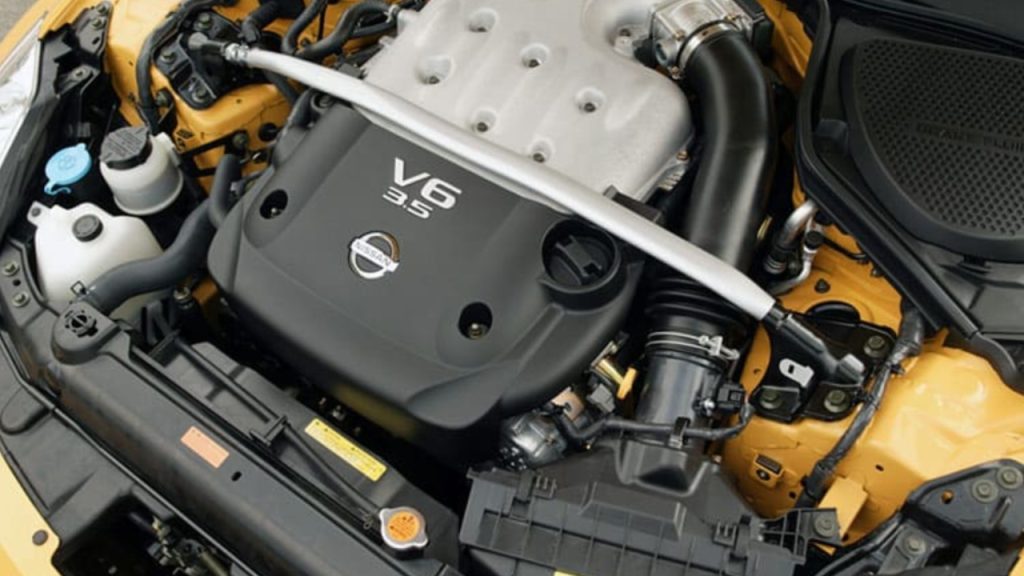
Diagnosis can be complicated because the symptoms overlap with other issues such as ignition coil failure or fuel system problems. Mechanics often rely on detailed diagnostic tools to identify irregular timing signals and confirm the sensor as the root cause.
Repairing the issue early typically involves replacing the sensor and verifying proper timing operation. However, when the problem is ignored, the scope of repairs expands. Internal engine wear, catalytic converter damage, and timing system stress all contribute to higher costs.
Drivers sometimes continue using the vehicle because it remains functional despite the symptoms. This delay allows the problem to escalate. What could have been a simple sensor replacement turns into a much more expensive repair.
The VQ35DE demonstrates how critical timing accuracy is for engine durability. A small sensor failure can disrupt the entire system, leading to damage that extends far beyond the original component.
This engine serves as a reminder that even reliable designs depend on precise electronic inputs. Addressing sensor issues promptly is essential to maintaining long term performance and avoiding unnecessary expenses.
8. Toyota 2.4L 2AZ-FE Engine
The Toyota 2AZ-FE engine is often associated with reliability, yet it presents a scenario where a failing oxygen sensor can quietly lead to extensive damage if left unaddressed. This engine relies on accurate air fuel mixture control, and the oxygen sensor plays a key role in maintaining that balance.
The oxygen sensor monitors the amount of oxygen in the exhaust gases and sends this information to the engine control unit. Based on this data, the system adjusts fuel delivery to achieve optimal combustion. When the sensor begins to fail, it may provide incorrect readings that cause the engine to run either too rich or too lean.
Drivers may initially notice minor changes such as reduced fuel efficiency or slight hesitation during acceleration. These symptoms often appear insignificant, leading many to postpone diagnosis. Meanwhile, the engine continues operating with an improper air fuel mixture.
Running too lean increases combustion temperatures, which can damage pistons and valves over time. The additional heat also places stress on the cylinder head and gasket, increasing the risk of failure. On the other hand, running too rich leads to carbon buildup, which affects airflow and combustion efficiency.
Mechanics frequently encounter 2AZ-FE engines where prolonged sensor failure has caused significant internal wear. Carbon deposits can accumulate on valves and piston tops, reducing compression and performance. In some cases, oil consumption increases as piston rings become affected by excessive heat or deposits.
Another major consequence involves the catalytic converter. When the engine runs too rich, unburned fuel enters the exhaust system and raises temperatures within the converter. This can lead to clogging or internal damage, requiring replacement.
The engine control system attempts to adjust for incorrect sensor data, but its ability to compensate is limited. Continuous operation under these conditions pushes the engine beyond its intended limits, accelerating wear.
Diagnosis is usually straightforward once the issue becomes apparent, but by that time, damage may already be present. Mechanics often stress the importance of addressing check engine lights promptly, as they often indicate sensor related problems.
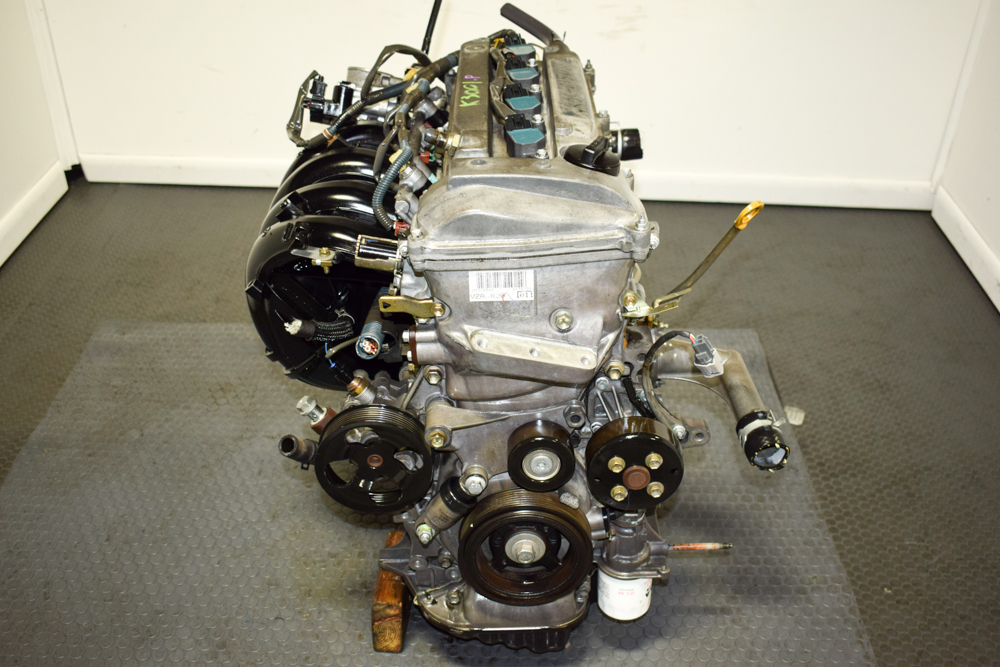
Repairing the issue early involves replacing the oxygen sensor and restoring proper fuel balance. However, when damage has progressed, additional repairs may be necessary, including cleaning or replacing affected components.
The 2AZ-FE shows how even a reliable engine can suffer when critical data becomes inaccurate. The oxygen sensor may be small, but its role in maintaining engine health is significant.
This example highlights the importance of monitoring engine behavior and responding to early warning signs. A simple sensor replacement can prevent a chain reaction that leads to costly repairs and reduced engine life.
Engines today depend heavily on sensors to maintain precise control over fuel, timing, temperature, and lubrication. When even a single sensor fails, it can send incorrect data to the engine control unit, leading to improper operation. What begins as a small electronic fault can quickly escalate into serious mechanical damage if ignored.
Across engines like the BMW N54, Subaru EJ25, and Toyota 2AZ-FE, faulty sensors have been linked to overheating, misfires, oil starvation, and incorrect air fuel mixtures.
These conditions place stress on internal components such as pistons, valves, and bearings. In many cases, drivers notice only minor symptoms at first, which delays diagnosis and allows damage to grow.
Mechanics consistently emphasize early intervention. Replacing a low cost sensor can prevent thousands in repairs. These examples show that accurate data is essential, and ignoring warning signs often turns simple fixes into major engine rebuilds.
Also Read: 8 Boxer Engines That Finally Solved Subaru’s Gasket Reputation
