
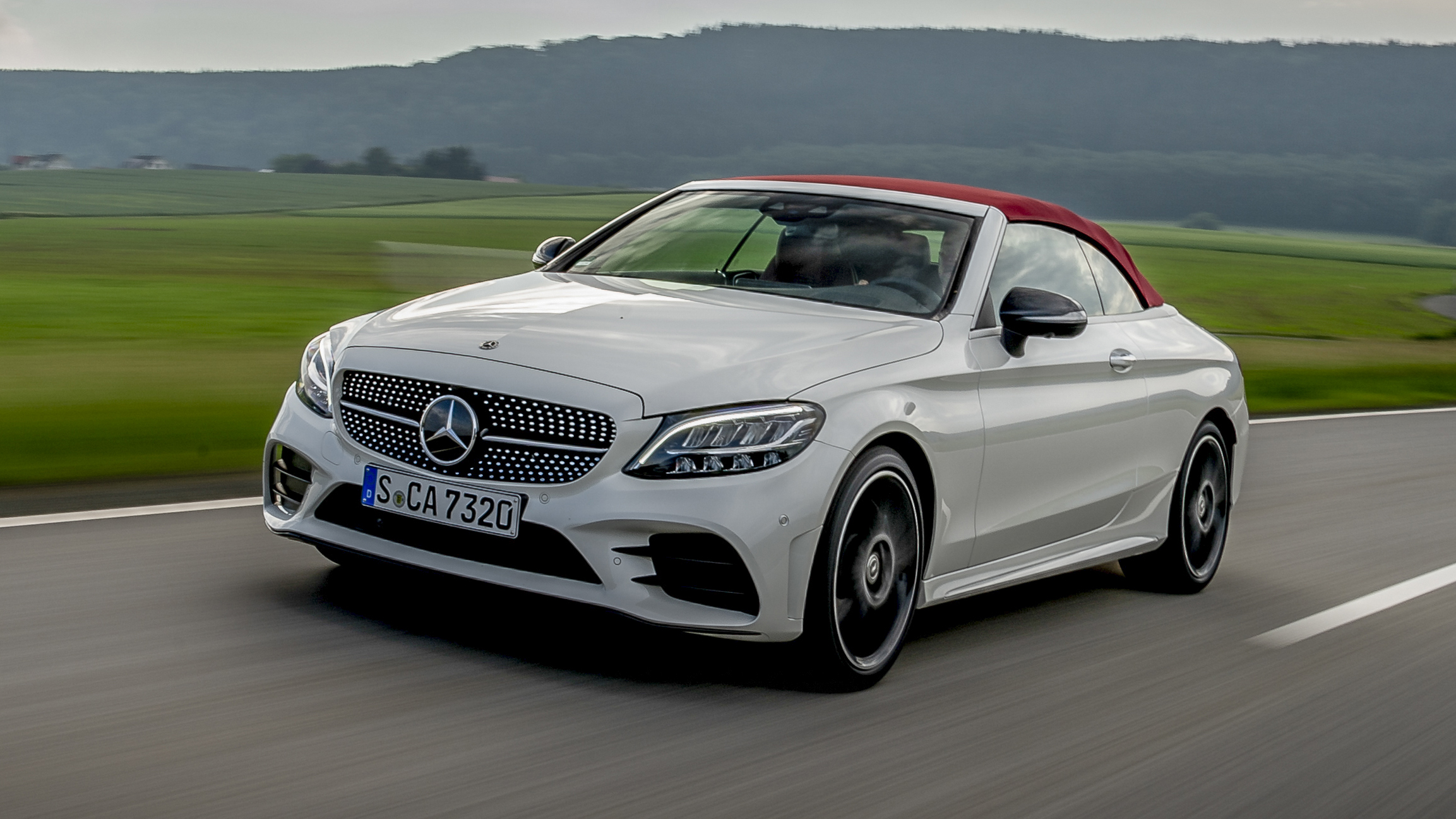
Convertibles have always carried a certain appeal that goes beyond simple transportation. The ability to lower the roof and connect directly with the surroundings creates an experience that few other vehicles can match.
Yet, one concern continues to follow them even in modern times: water leakage. For many buyers, especially those living in regions with heavy rainfall, the idea of owning a convertible raises questions about practicality and long term durability.
In 2026, this concern is far less relevant than it once was. Advances in engineering, materials, and manufacturing have significantly improved the sealing systems used in convertibles.
Modern soft tops use multi layer fabrics that resist water penetration, while hardtop designs rely on precise panel alignment and reinforced seals. Drainage channels, improved window fitment, and better insulation techniques all contribute to keeping the cabin dry even during intense weather conditions.
What truly separates reliable convertibles from less capable ones is attention to detail. It is not just about the roof material, but how every component works together.
Door seals, window mechanisms, and even the structure of the chassis play a role in preventing leaks. Manufacturers that invest in these details create cars that can handle heavy rain without compromising comfort or interior quality.
Another important factor is long term durability. A well designed convertible does not just perform when new. It maintains its sealing integrity over time, resisting wear from repeated use and exposure to the elements. This reliability becomes especially valuable for owners who use their cars daily rather than occasionally.
The following selection highlights eight convertibles that stand out for their ability to remain dry and comfortable even in demanding conditions.
Each one approaches the challenge differently, whether through advanced soft top construction or precision engineered hardtops. Together, they demonstrate that modern convertibles can deliver open air enjoyment without sacrificing practicality, making them viable choices regardless of climate.
Also Read: 8 Mid-Engine Exotics Outclassing Their Direct Rivals
1. Mazda MX-5 Miata (ND)
The Mazda MX-5 Miata has built its reputation on simplicity and driving enjoyment, yet its approach to weather protection is far more sophisticated than its lightweight design might suggest. The soft top may appear minimal at first glance, but it is carefully engineered to provide a secure seal against the elements.
The fabric used in the roof is designed to resist water penetration while maintaining flexibility. It forms a tight fit against the frame, ensuring that gaps are minimized. When properly latched, the top sits flush with the surrounding body panels, reducing the chances of water finding its way inside. This precision is a result of careful design rather than added complexity.
Window alignment plays a crucial role in the Miata’s sealing performance. The side windows rise into position with accuracy, pressing firmly against the roof and door seals.
This creates a continuous barrier that prevents water from entering during heavy rain. The integration of these elements allows the car to remain dry even under challenging conditions.
Inside, the cabin remains protected without sacrificing the car’s lightweight philosophy. Materials are chosen to handle occasional exposure to moisture, and the layout ensures that any water that does reach the edges is directed away from sensitive areas. This adds an extra layer of reassurance for daily use.
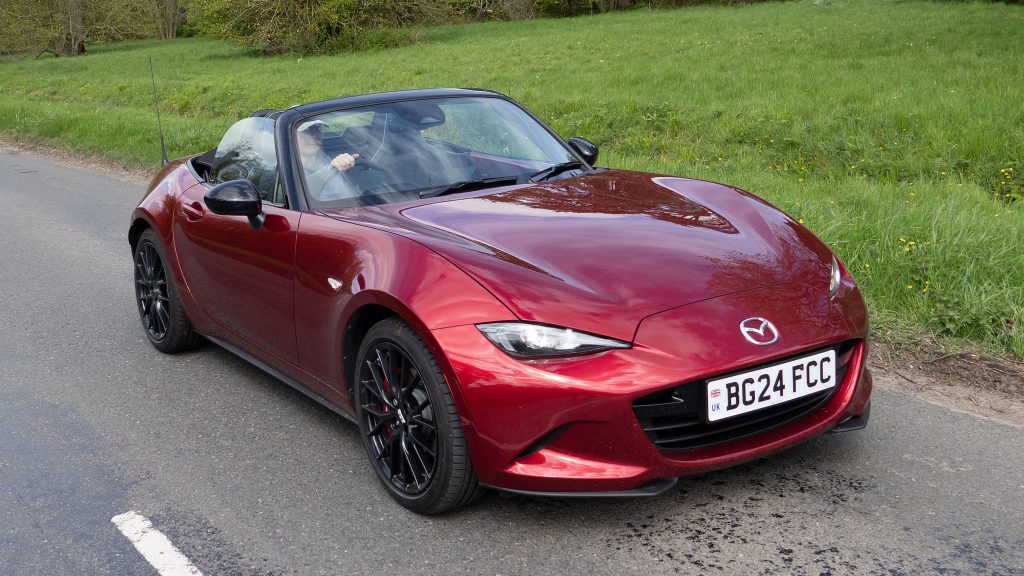
The Miata demonstrates that effective sealing does not require excessive weight or complexity. By focusing on precision and integration, it delivers reliable weather protection while maintaining its core identity.
This balance makes it a practical choice for those who want a convertible that can handle both sunny days and sudden downpours.
2. BMW Z4 (G29)
The BMW Z4 takes a more refined approach, combining performance with advanced engineering to ensure that the cabin remains dry in all conditions. Its soft top is constructed using multiple layers, each serving a specific purpose in insulation and water resistance.
The outer layer repels water effectively, preventing it from soaking into the fabric. Beneath this, additional layers provide insulation and structural support, ensuring that the roof maintains its shape even at higher speeds. This construction helps maintain a consistent seal, reducing the risk of leaks during heavy rainfall.
Sealing systems in the Z4 extend beyond the roof itself. Door seals are designed to create a tight connection with the body, while the windows are calibrated to fit precisely against the roofline. This coordination ensures that there are no weak points where water can enter. The result is a cabin that remains quiet and dry, even when conditions become severe.
Drainage channels are integrated into the design, directing water away from critical areas. This prevents accumulation and reduces the likelihood of leaks over time. These systems work quietly in the background, contributing to the car’s reliability without requiring driver attention.
Inside, the Z4 offers a premium environment that remains protected from external conditions. Materials are selected to resist moisture, and the cabin design ensures that comfort is not compromised. This makes it suitable for both daily driving and longer journeys.
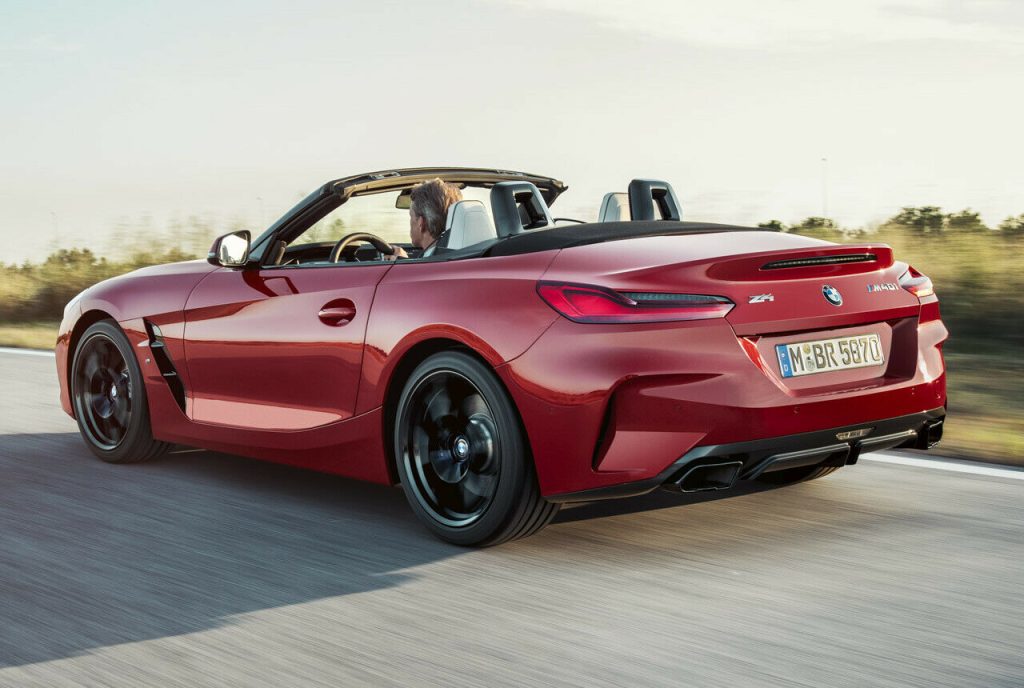
The Z4 stands out by combining luxury with practicality. It shows that a convertible can deliver both an engaging driving experience and dependable weather protection. By focusing on advanced materials and precise engineering, it ensures that heavy rain does not interfere with the enjoyment of open top driving.
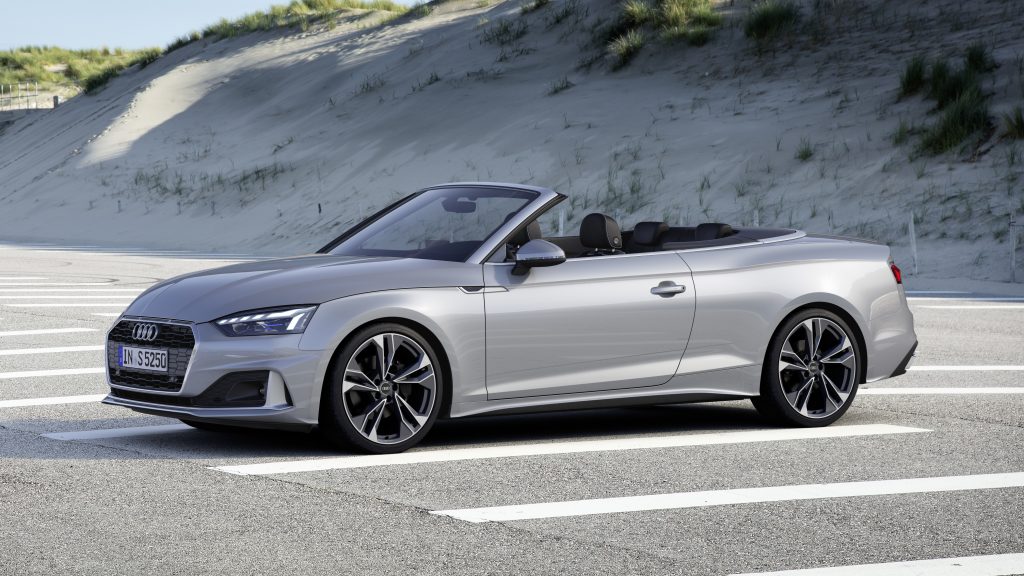
3. Audi A5 Cabriolet
The Audi A5 Cabriolet approaches the challenge of weather protection with a level of engineering that reflects its premium positioning. Unlike simpler soft top designs, this convertible uses a carefully layered fabric roof that prioritizes insulation, durability, and sealing precision.
The result is a car that feels as secure in heavy rain as many fixed roof alternatives, making it particularly appealing for drivers who refuse to compromise on usability.
One of the defining aspects of the A5 Cabriolet is how the roof structure integrates with the body. The fabric is stretched across a rigid frame that maintains consistent tension, ensuring that the surface does not sag or create weak points where water could accumulate.
This tension is critical because standing water can eventually find its way through less controlled designs. By keeping the surface smooth and taut, Audi minimizes this risk.
The sealing system extends across multiple contact points, forming a continuous barrier around the cabin. The edges of the roof meet the windshield frame and side windows with precision, creating a tight seal that resists water intrusion.
This alignment is not left to chance. It is the result of careful calibration, ensuring that each component fits exactly as intended. Even during heavy rainfall, this consistency prevents gaps from forming.
Window technology plays a crucial role in maintaining this integrity. The side windows are designed to adjust slightly when the doors are opened or closed, allowing them to settle perfectly into the seals.
This movement ensures that the contact remains firm, preventing water from slipping through. It also reduces wind noise, contributing to a quieter cabin during adverse conditions.
Drainage management is another area where the A5 Cabriolet excels. Hidden channels guide water away from vulnerable areas, preventing buildup around seals.
This system works continuously, directing water toward designated exit points without requiring any input from the driver. It is a subtle feature, yet it plays a significant role in maintaining long term reliability.
Inside, the cabin reflects Audi’s commitment to refinement. Materials are selected not only for their appearance but also for their ability to resist moisture.
Surfaces are designed to handle occasional exposure without deterioration, ensuring that the interior remains in good condition over time. This attention to detail reinforces the car’s practicality.
The A5 Cabriolet demonstrates that a convertible can offer more than just open air enjoyment. It provides a level of protection that allows it to function as a daily driver, even in regions with frequent rain.
By combining advanced materials, precise engineering, and thoughtful design, it delivers a driving experience that remains comfortable and secure regardless of weather conditions.
4. Mercedes-Benz C-Class Cabriolet
The Mercedes-Benz C-Class Cabriolet presents a different interpretation of weather protection, focusing on creating a controlled and insulated environment that shields occupants from external conditions. It does not rely solely on structural precision.
Instead, it combines multiple systems to ensure that the cabin remains dry and comfortable even during intense rainfall.
At the center of this approach is the soft top construction, which uses several layers to achieve both durability and insulation. The outer layer is designed to repel water effectively, preventing it from penetrating the surface.
Beneath this, additional layers provide structural support and noise reduction, ensuring that the roof maintains its integrity under various conditions. This multi layer design contributes to a sense of solidity that is often associated with fixed roof vehicles.
The fit between the roof and the body is carefully engineered to eliminate potential entry points for water. The edges align precisely with the windshield frame and side windows, forming a seal that remains consistent even when the car is in motion.
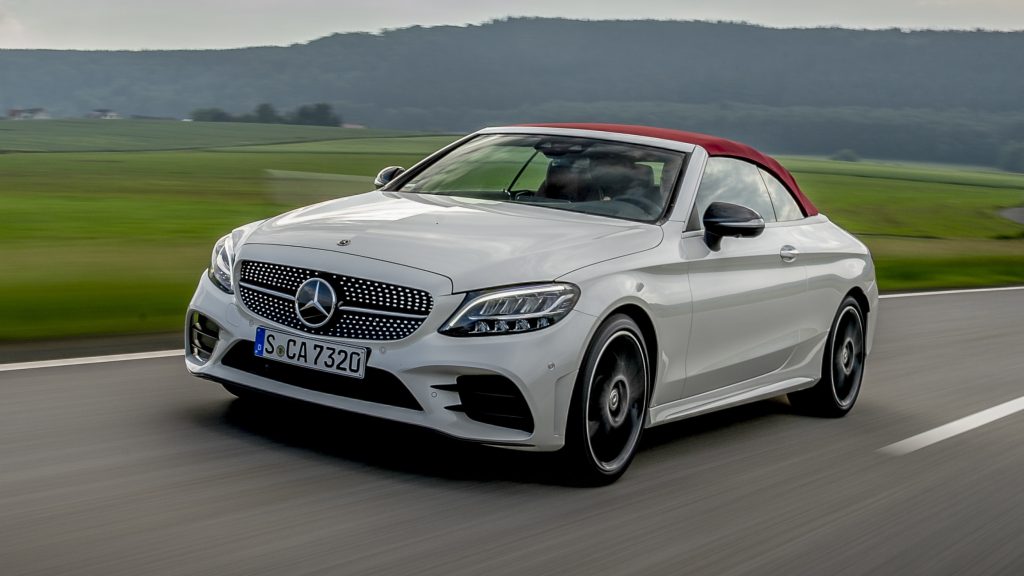
This precision is supported by high quality materials that maintain their shape over time, reducing the risk of wear related gaps.
Door and window seals add another level of protection. These components are designed to compress slightly when closed, creating a barrier that prevents water from entering.
The windows themselves are calibrated to meet the roofline accurately, ensuring that there are no weak spots. This coordination between different elements results in a system that works as a unified whole.
An additional feature that enhances the experience is the integration of airflow management systems. While primarily designed for comfort, these systems also contribute to maintaining a stable cabin environment.
By controlling how air moves around the vehicle, they help reduce the impact of external conditions, indirectly supporting the sealing performance.
Drainage is handled through a network of channels that guide water away from critical areas. These channels are positioned strategically, ensuring that water does not accumulate near seals or joints. This reduces the likelihood of leaks developing over time and helps maintain the car’s reliability.
Inside, the cabin offers a refined space that remains protected from the elements. Materials are chosen for both comfort and durability, ensuring that the interior can withstand exposure to varying conditions. The seating and layout provide a sense of security, reinforcing the impression that the car is built to handle more than just fair weather driving.
The C-Class Cabriolet succeeds by combining engineering precision with a focus on occupant comfort. It does not treat weather protection as a secondary concern. Instead, it integrates it into every aspect of the design. This approach allows it to deliver a convertible experience that remains dependable, even when the weather becomes unpredictable.
5. Porsche 718 Boxster
The Porsche 718 Boxster approaches weather protection with the same precision that defines its driving dynamics. Every element of the car is engineered with intent, and the soft top is no exception. It may appear compact and lightweight, yet it delivers a level of sealing integrity that allows the car to remain composed even during heavy rainfall.
The roof mechanism operates with a sense of tight control. When closed, the fabric stretches evenly across a rigid frame, eliminating slack that could lead to water pooling.
This tension ensures that rain flows smoothly off the surface rather than collecting in vulnerable areas. It is a small detail, but one that contributes significantly to long term durability.
Sealing points are distributed carefully across the structure. The connection between the roof and the windshield frame forms a strong primary barrier, while the side seals integrate seamlessly with the windows. These components work together to create a continuous line of protection, preventing water from finding entry points even under pressure.
The side windows play a particularly important role in maintaining this seal. They adjust automatically to fit snugly against the roofline, ensuring consistent contact. This precision reduces the likelihood of gaps forming, even as the car ages. It also contributes to a quieter cabin, which becomes noticeable during rain.
Water management is handled through a system of hidden channels that guide rain away from critical areas. These channels direct water toward specific exit points, preventing buildup around seals. This design reduces the risk of leaks developing over time, ensuring that the car remains reliable in varying conditions.
Inside, the cabin reflects Porsche’s focus on quality and functionality. Materials are chosen to withstand occasional exposure to moisture, and the layout ensures that sensitive components remain protected. The seating position and controls emphasize driver engagement while still maintaining comfort during longer drives.
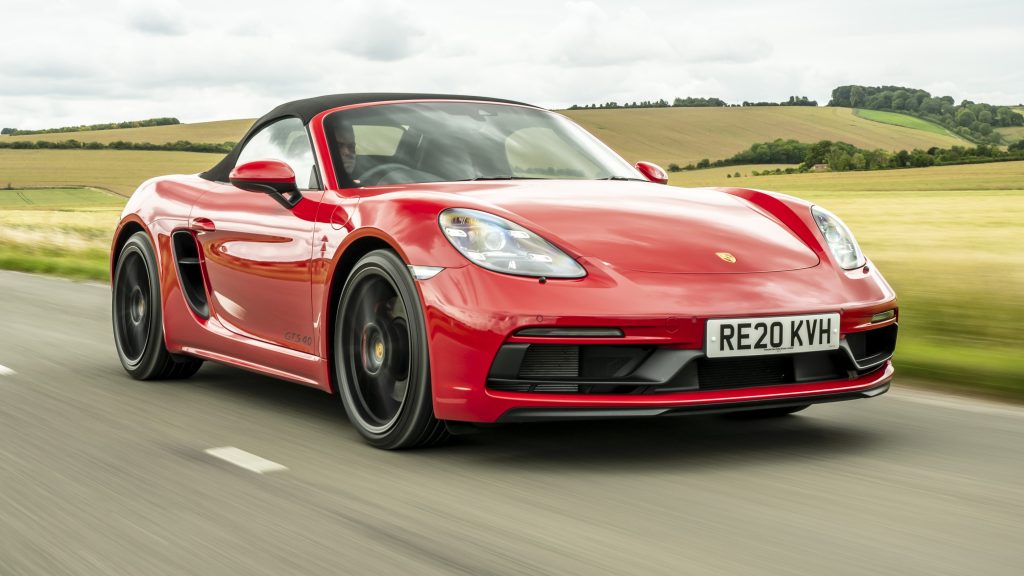
What sets the 718 Boxster apart is its ability to combine performance with practicality. It does not treat weather protection as an afterthought.
Instead, it integrates it into the design, ensuring that the car can be used confidently regardless of conditions. This makes it a strong choice for those who want a convertible that performs consistently in both dry and wet environments.
6. Lexus LC 500 Convertible
The Lexus LC 500 Convertible takes a more refined and luxurious approach to weather protection, focusing on creating an environment that feels insulated from external conditions. It combines advanced materials with meticulous engineering to ensure that the cabin remains dry and comfortable, even during heavy rain.
The soft top is constructed using multiple layers that serve different purposes. The outer layer repels water effectively, preventing it from penetrating the surface.
Beneath this, additional layers provide insulation and structural stability, ensuring that the roof maintains its shape. This layered construction creates a barrier that resists both water and noise, enhancing the driving experience.
Fit and finish play a crucial role in the LC 500’s sealing performance. The roof aligns precisely with the body, creating a tight seal at every contact point. This precision extends to the doors and windows, which are designed to meet the roofline accurately. The result is a continuous barrier that prevents water from entering the cabin.
Drainage systems are integrated discreetly into the design. Channels guide water away from seals and joints, ensuring that it does not accumulate in areas where it could cause issues. This system operates quietly in the background, contributing to the car’s reliability without requiring attention from the driver.
The cabin itself reflects a strong emphasis on craftsmanship. Materials are selected not only for their appearance but also for their durability. Surfaces are designed to resist moisture, ensuring that the interior remains in excellent condition over time. This attention to detail reinforces the car’s practicality.
Comfort features further enhance the experience. The cabin remains quiet even during heavy rain, allowing occupants to enjoy a sense of calm. Seating provides support for long journeys, and the cabin layout ensures that controls are easily accessible. This combination of comfort and functionality makes the car suitable for everyday use.
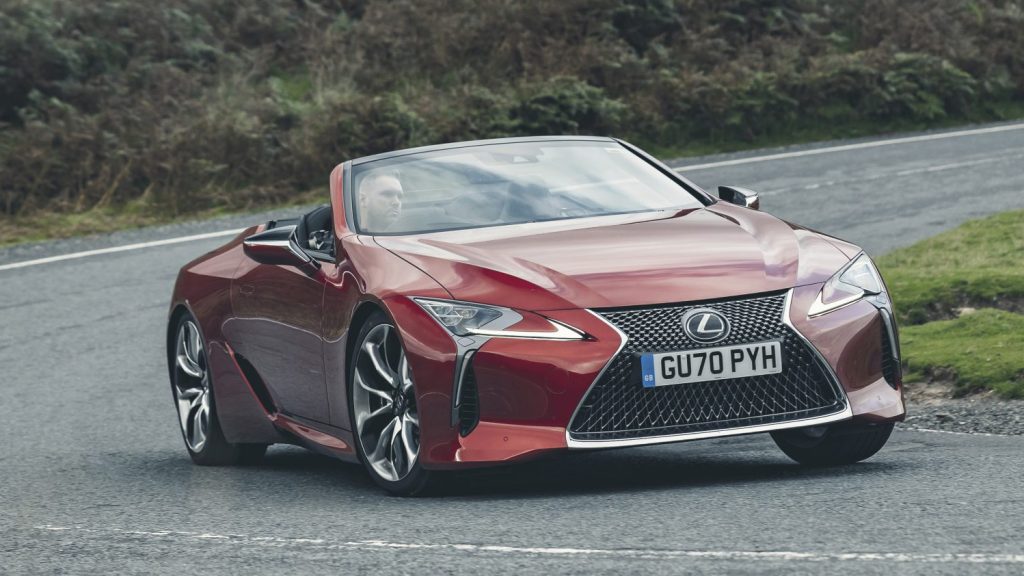
The LC 500 Convertible stands out by delivering a premium interpretation of the convertible experience. It demonstrates that open top driving does not have to come with compromises.
By focusing on quality, precision, and durability, it ensures that the car remains dependable in all weather conditions, making it a compelling choice for those who value both luxury and reliability.
7. MINI Convertible (F57)
The MINI Convertible approaches weather protection from a practical and urban focused perspective, yet its engineering reveals a level of detail that goes far beyond its compact dimensions.
It is designed to function as a daily driver in unpredictable conditions, which makes its ability to resist leaks especially important. Despite its smaller size, the car manages to deliver a surprisingly secure and well sealed cabin.
The fabric roof uses a multi layer construction that prioritizes both water resistance and durability. The outer surface is treated to repel moisture, ensuring that rain does not soak into the material.
Beneath this, additional layers provide insulation and structural integrity, helping the roof maintain its shape over time. This combination prevents deformation, which is often a key factor in long term leakage issues.
Fitment plays a central role in the MINI’s effectiveness. The roof aligns tightly with the windshield frame and side windows, creating a continuous seal that blocks water entry.
This alignment is supported by robust latching mechanisms that hold the roof firmly in place, reducing the chance of movement during heavy rain or high speed driving.
The side windows contribute significantly to sealing performance. They are designed to rise precisely into position, pressing against the roof seals to create a secure barrier.
This interaction between components ensures that there are no weak points, even when the car is exposed to strong rainfall. The consistency of this seal is one of the reasons the MINI remains reliable in wet conditions.
Water management is handled through a network of drainage paths that guide rain away from sensitive areas. These channels are integrated into the body structure, directing water toward safe exit points. By preventing accumulation, they reduce the risk of leaks developing over time and help maintain the integrity of the seals.
Inside, the cabin reflects a blend of practicality and style. Materials are chosen to handle everyday use, including occasional exposure to moisture.
The layout is functional, ensuring that controls remain accessible and easy to use. Despite its compact size, the interior feels well protected, reinforcing the car’s suitability for regular driving.
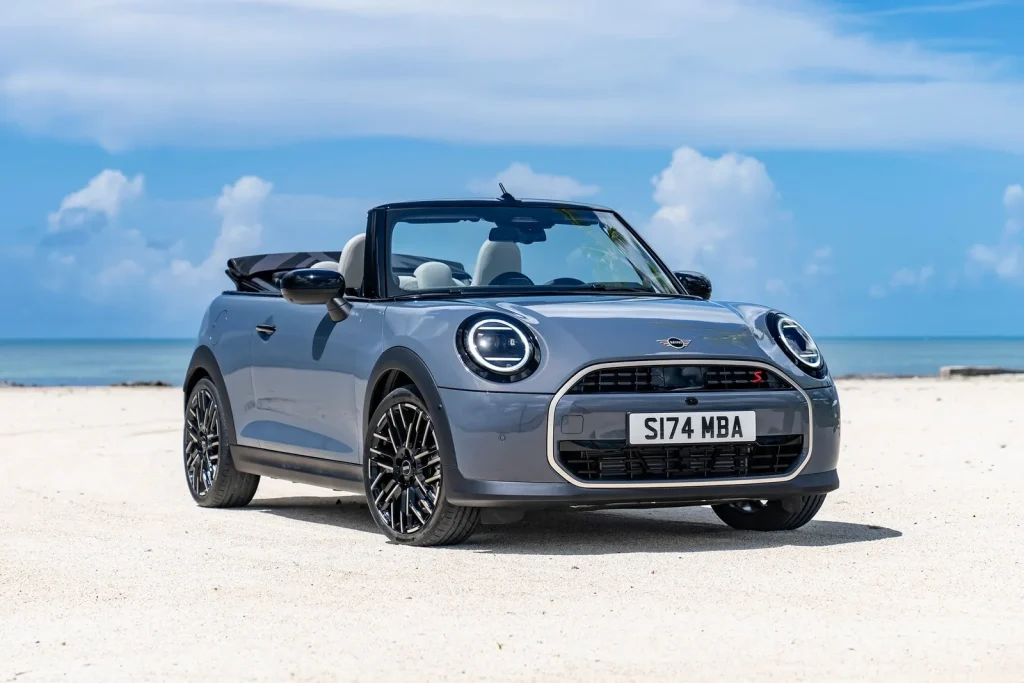
The MINI Convertible succeeds by focusing on real world usability. It does not rely on size or complexity to achieve its results. Instead, it combines thoughtful design with precise engineering to deliver a car that remains dependable in heavy rain.
This makes it an appealing choice for those who want a convertible that fits seamlessly into daily life.
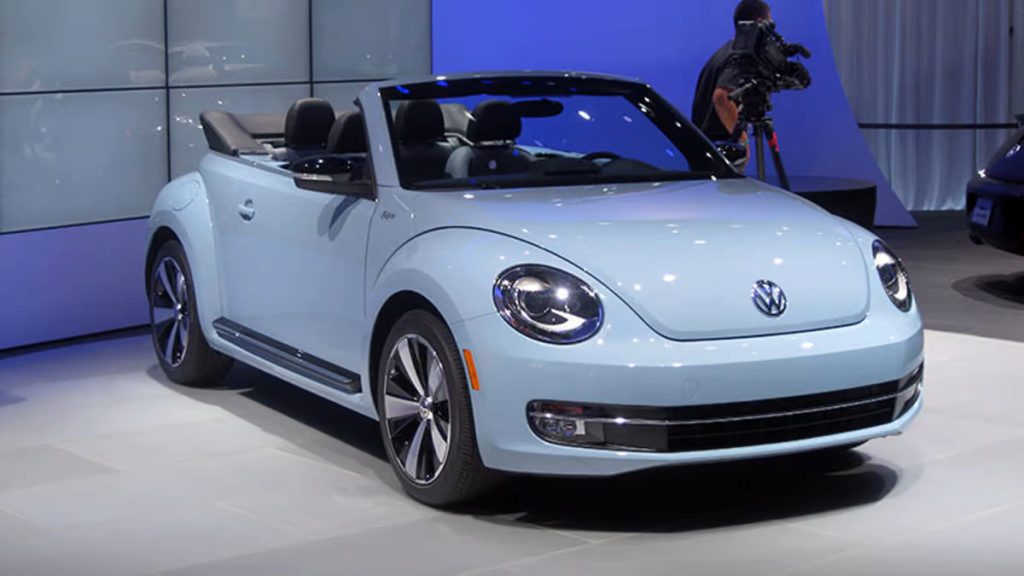
8. Volkswagen Beetle Convertible (Final Generation)
The Volkswagen Beetle Convertible offers a distinct approach to weather protection, combining classic styling with modern engineering solutions. It carries a design that feels nostalgic, yet its sealing systems are built to meet contemporary expectations. This blend allows it to deliver both character and reliability in challenging weather conditions.
The soft top is constructed with multiple layers that serve different roles. The outer layer is designed to repel water effectively, preventing it from penetrating the surface. Beneath this, insulating layers provide structure and help maintain the roof’s shape.
This construction ensures that the roof remains consistent, reducing the likelihood of weak points forming over time.
Sealing precision is a defining feature of the Beetle Convertible. The roof meets the windshield frame and side windows with a high degree of accuracy, creating a tight barrier against the elements.
This alignment is supported by durable seals that maintain their effectiveness even after repeated use. The result is a cabin that remains dry even during prolonged exposure to rain.
The window system works in coordination with the roof to enhance this protection. Side windows adjust slightly to fit snugly against the seals, ensuring that there are no gaps. This interaction between components creates a unified system that resists water intrusion effectively.
Drainage channels are integrated into the design to manage water flow. These channels guide rain away from critical areas, preventing buildup that could lead to leaks. By directing water toward designated exit points, the system ensures that the car remains protected over time.
Inside, the Beetle Convertible provides a comfortable and inviting environment. Materials are selected to handle varying conditions, ensuring that the interior remains in good condition even with regular exposure to moisture. The layout is simple and intuitive, supporting everyday usability.
The Beetle Convertible stands out by combining personality with practicality. It proves that a car with a distinctive design can still meet modern standards for reliability. By focusing on effective sealing, durable materials, and thoughtful engineering, it delivers a convertible experience that remains dependable even in heavy rain.
Modern convertibles in 2026 have moved far beyond the old concerns of leaking roofs and fragile sealing. Advances in materials, engineering precision, and drainage design have made it possible for these cars to handle heavy rain with confidence.
What was once a major drawback is now largely resolved, allowing convertibles to function as practical daily drivers rather than occasional fair weather machines.
A key factor behind this improvement is the development of multi layer soft tops and tightly engineered hardtop systems. These roofs are designed not just to block water but to maintain their shape and integrity over time.
Combined with precise alignment between the roof, windows, and body panels, they create a continuous seal that prevents water from entering the cabin even during intense downpours.
Another important element is water management. Modern convertibles use hidden drainage channels to guide rain away from vulnerable areas.
This prevents accumulation around seals and joints, reducing the risk of leaks developing over time. These systems operate quietly in the background, contributing to long term durability without requiring driver attention.
The cars highlighted in this list demonstrate different approaches to solving the same challenge. Some focus on lightweight simplicity with highly accurate fitment, while others rely on layered construction and luxury grade insulation. Despite these differences, they all achieve a common goal of keeping the interior dry and comfortable.
Interior quality also plays a role in reinforcing this reliability. Materials are chosen to resist moisture, and layouts are designed to protect sensitive components. This ensures that even in demanding weather conditions, the cabin remains a secure and usable space.
In the end, these convertibles prove that open top driving no longer requires compromise. They combine enjoyment with practicality, offering a driving experience that remains dependable regardless of weather.
Also Read: 8 Engines With Head Gasket Failures That Destroy Entire Blocks
