
Automotive history has a well-documented tendency to celebrate certain cars while quietly setting others aside, and the 1980s produced more engineering genuinely ahead of its time than any other decade in the twentieth century. While the decade gets criticized for its excesses, its styling choices, and its transition away from the raw mechanical simplicity of the 1970s, what the 1980s actually delivered was a wave of engineering innovation that some manufacturers executed so well that their solutions are still being studied, admired, and occasionally copied in 2026.
Forgotten is a word that requires honesty here. These cars were not forgotten by the engineers who built them or by the automotive journalists who tested them during their production years. They were forgotten by the broad market, the casual enthusiast, and the culture at large that moved on to celebrate other vehicles while these quietly superior machines aged in garages and driveways without the recognition their engineering deserved.
Coming back to them in 2026 with the full benefit of perspective, the accumulated service records of surviving examples, and a modern understanding of what engineering concepts actually matter for long-term driving reward is a genuinely illuminating exercise.
Some of these cars solved problems in the 1980s that manufacturers are still working on today. Some of them achieved performance characteristics through engineering approaches so sound that their solutions have been independently rediscovered by engineers who did not know about the 1980s car that got there first.
Eight cars follow. Each one was underappreciated during its production years, each one has aged in ways that make its engineering merits more rather than less impressive with the passage of time, and each one deserves to be mentioned in the same conversation as the celebrated performance cars of its era that received the attention these vehicles missed.
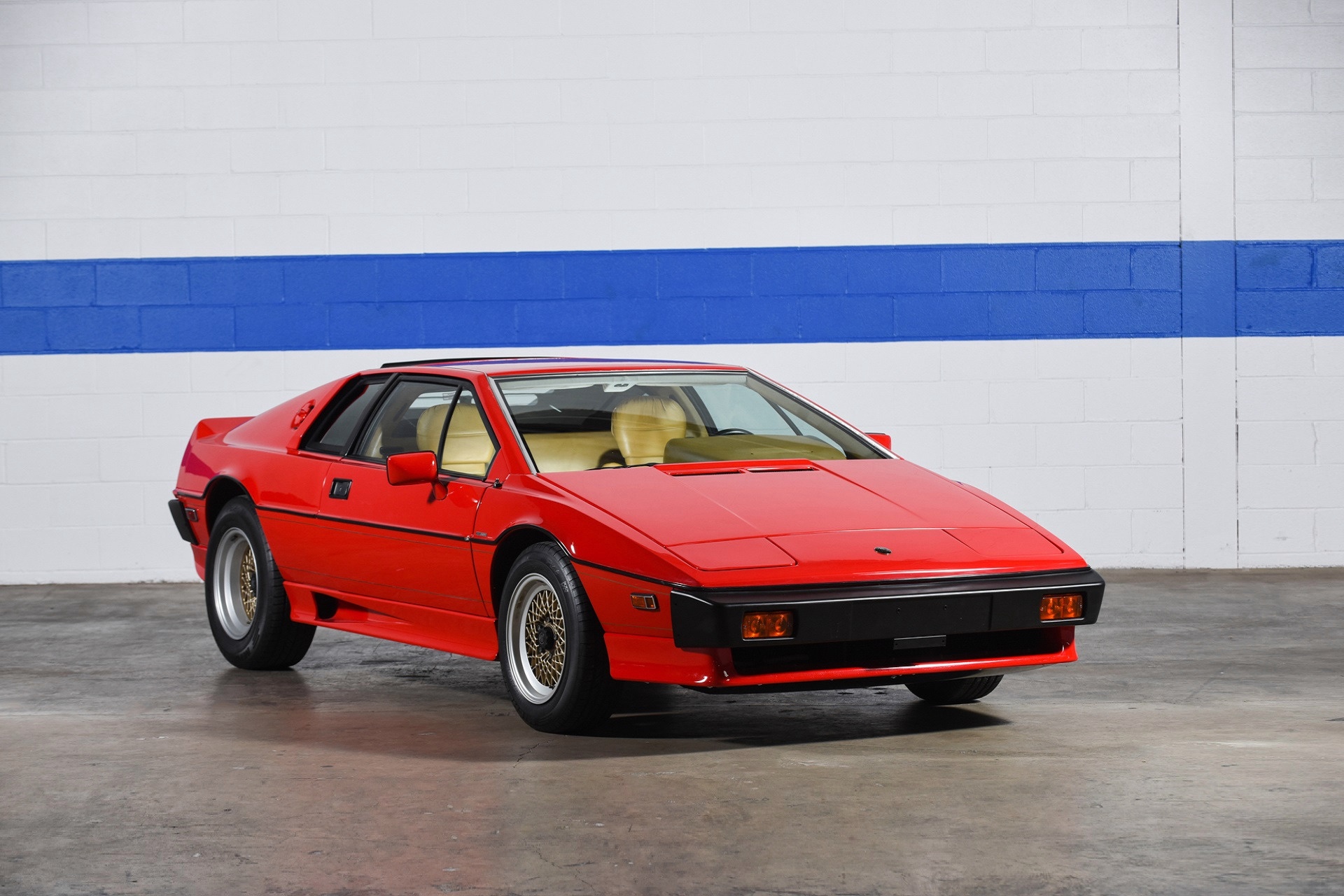
1. Lotus Esprit Turbo SE (1987)
Lotus had been building mid-engine sports cars for long enough by 1987 that the Esprit’s fundamental architecture was established practice rather than daring innovation, but what Lotus did with the Turbo SE specification during the late 1980s moved the car from established practice into genuinely pioneering engineering that competitors would not match for years.
Active aerodynamics on the 1987 Lotus Esprit Turbo SE used a rear spoiler that deployed automatically at speed thresholds rather than remaining in a fixed position regardless of aerodynamic conditions. This sounds routine in 2026, when active aero systems are standard equipment across the performance car category. In 1987, it was sufficiently unusual that automotive journalists treated it as a curiosity rather than the engineering direction marker it actually represented.
Porsche would not offer active rear aerodynamics on a production car until the 993 generation 911 GT2 specification, which arrived years after Lotus had already demonstrated the concept in production. Lotus’s 2.2-liter turbocharged four-cylinder in the Esprit Turbo SE produced 215 horsepower from a displacement that competitors would not match at equivalent power output without larger engines or less sophisticated turbocharging systems.
Colin Chapman’s philosophy of achieving performance through lightness and mechanical efficiency rather than displacement meant that Lotus was pursuing power-to-weight optimization before it became the dominant performance engineering philosophy it is today.
Total vehicle weight of approximately 2,750 pounds gave the 215-horsepower Turbo SE a power-to-weight ratio that exceeded substantially more powerful contemporary competitors in real-world dynamic performance. Chassis engineering in the Lotus Esprit of this period is what mechanics and engineers who have driven surviving examples consistently describe as genuinely ahead of its time.
Aluminium backbone chassis construction with bonded composite body panels reduced both weight and torsional flex in ways that contemporary steel-framed alternatives could not match, and the resulting chassis stiffness-to-weight ratio provided the structural foundation for suspension tuning that delivered the handling response that Lotus’s reputation was built upon.
Viewed from 2026, the 1987 Lotus Esprit Turbo SE was practicing lightweight mid-engine performance engineering with active aero management that the automotive industry spent the subsequent two decades officially discovering as the correct performance car formula. That it was forgotten rather than celebrated reflects how poorly the contemporary market understood what it had in front of it.
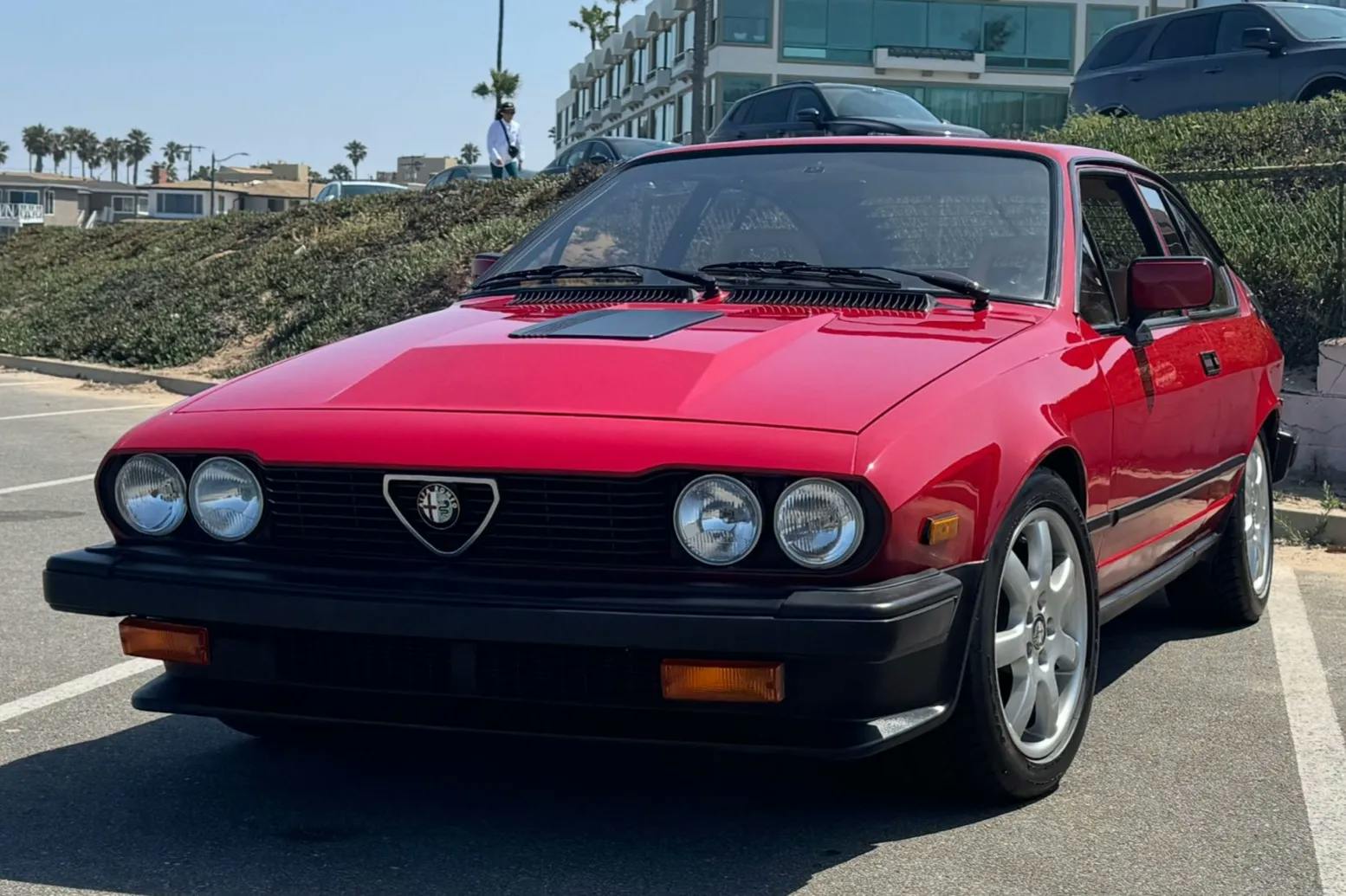
2. Alfa Romeo GTV6 2.5 Transaxle (1983)
Alfa Romeo’s engineering team in the early 1980s was producing chassis and powertrain solutions that the rest of the automotive world would spend years catching up to, and the GTV6 2.5 with its rear transaxle layout and V6 engine represents a concentration of engineering intelligence in a single vehicle that the car’s modest sales success completely failed to reflect.
Rear transaxle configuration combined the gearbox with the rear differential in a single unit mounted at the rear axle rather than alongside the engine at the front, producing weight distribution closer to 50-50 front-to-rear than any front-engine car with a conventional front-mounted gearbox can achieve.
In 1983, this weight distribution advantage was producing handling balance that Ferrari and Porsche owners were paying multiples of the Alfa’s price to access in their respective mid-engine and rear-engine configurations. Alfa delivered it in a production grand touring car for mainstream market pricing.
Busso V6 2.5-liter engine in the GTV6 is an engine that enthusiasts who have driven both the 1983 car and modern equivalents describe with consistent reverence that reflects genuine mechanical quality rather than nostalgia. Sound character from the Busso at high RPM is one of those engineering achievements that defies simple specification and that owners who have experienced it describe as fundamentally different from any equivalent output achieved through a different mechanical configuration.
Alfa Romeo’s engineers understood valve geometry and intake resonance in ways that produced an acoustic character specific to this engine family that competing manufacturers have studied but not duplicated. De Dion rear suspension in the GTV6 provided rear wheel geometry control that was genuinely sophisticated for a production car of this period, maintaining consistent rear wheel camber and toe through suspension travel in ways that conventional live axle and even some independent designs of the period could not match.
Also Read: 5 Used Performance Cars That Are Cheap to Maintain vs 5 That Are Money Pits
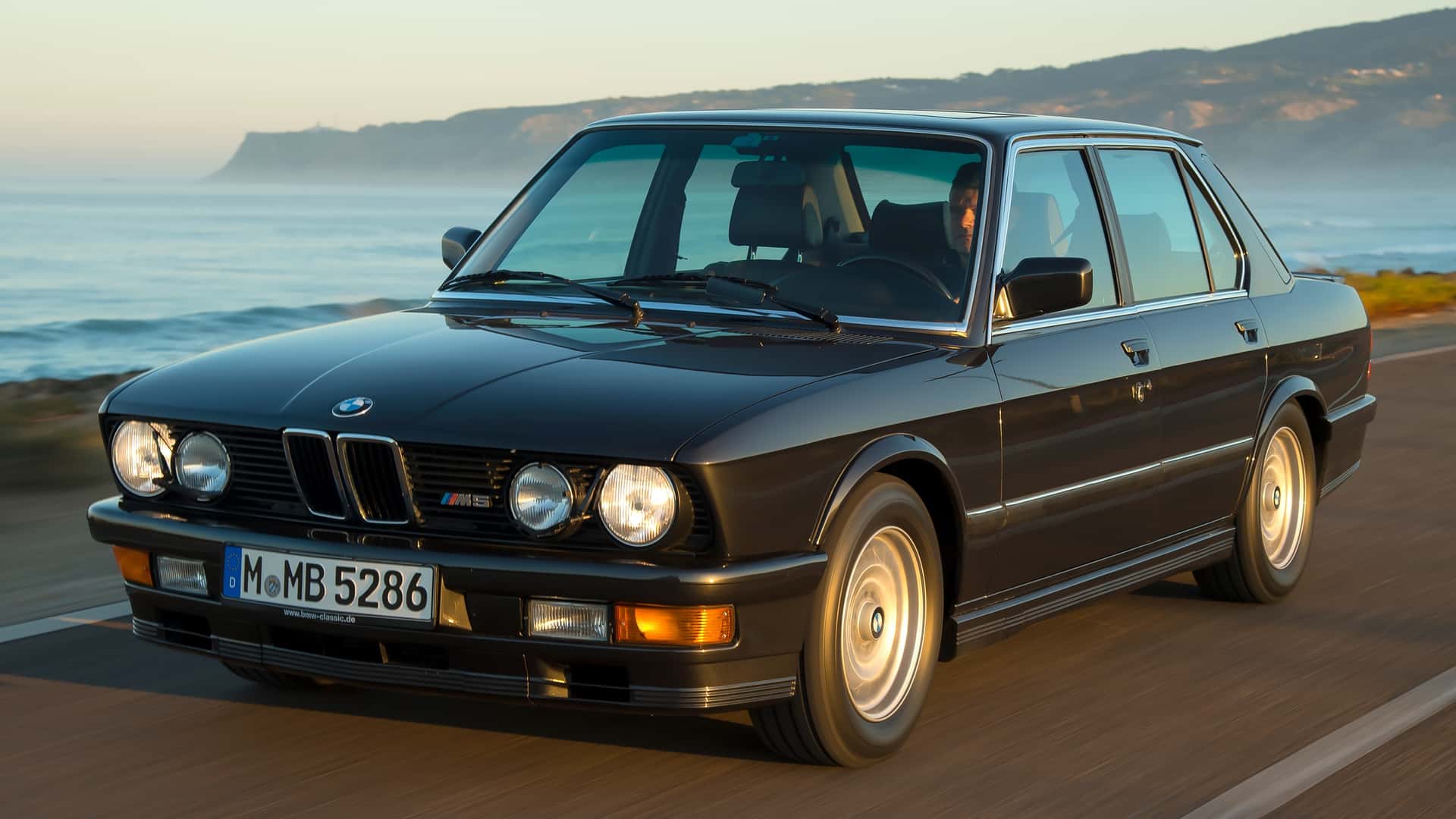
3. BMW M5 E28 (1985)
The 1985 BMW M5 E28 represents a decisive moment in automotive engineering, where performance and executive comfort were deliberately combined into a single vehicle format. BMW approached this model with a clear objective: to produce a sedan that could deliver sports car-level performance without sacrificing the comfort and practicality expected of a premium four-door vehicle.
This direction addressed a gap in the market at the time, as buyers seeking both characteristics had limited production options available. Central to this achievement was the M88 3.5-liter inline-six engine, which originated from the BMW M1, a homologation supercar developed for racing purposes.
By installing this advanced powertrain into the E28 platform, BMW introduced engineering typically reserved for high-performance sports vehicles into a sedan designed for everyday use. This decision required careful calibration to ensure that performance delivery remained refined and usable in standard driving conditions.
Performance figures for the M5 E28 placed it among the fastest production vehicles of its era. Acceleration from zero to sixty miles per hour occurred in approximately 6.5 seconds, a figure that matched or exceeded several dedicated sports cars available during the same period. Achieving this level of performance in a four-door sedan capable of accommodating passengers comfortably demonstrated a deliberate engineering balance between speed and practicality.
Exterior design remained understated, with minimal visual cues indicating the vehicle’s true performance capability. This restrained approach reflected BMW’s understanding of its target customer, who valued discretion alongside engineering excellence. The absence of aggressive styling elements allowed the M5 to function as a refined executive vehicle while retaining exceptional performance potential beneath its exterior.
The long-term influence of the E28 M5 is evident in the development of subsequent high-performance sedans across the global automotive industry. Manufacturers such as Mercedes-AMG, Audi RS, and Cadillac V-Series have adopted similar principles, combining powerful engines with practical sedan platforms. These later developments reflect the foundational concept demonstrated by BMW with the original M5.
Viewed from a modern perspective, the E28 M5 remains a reference point for engineering integration, where performance capability and everyday usability were successfully aligned. Its introduction established a product category that continues to shape performance vehicle development, confirming its position as a pioneering achievement in automotive design and engineering.
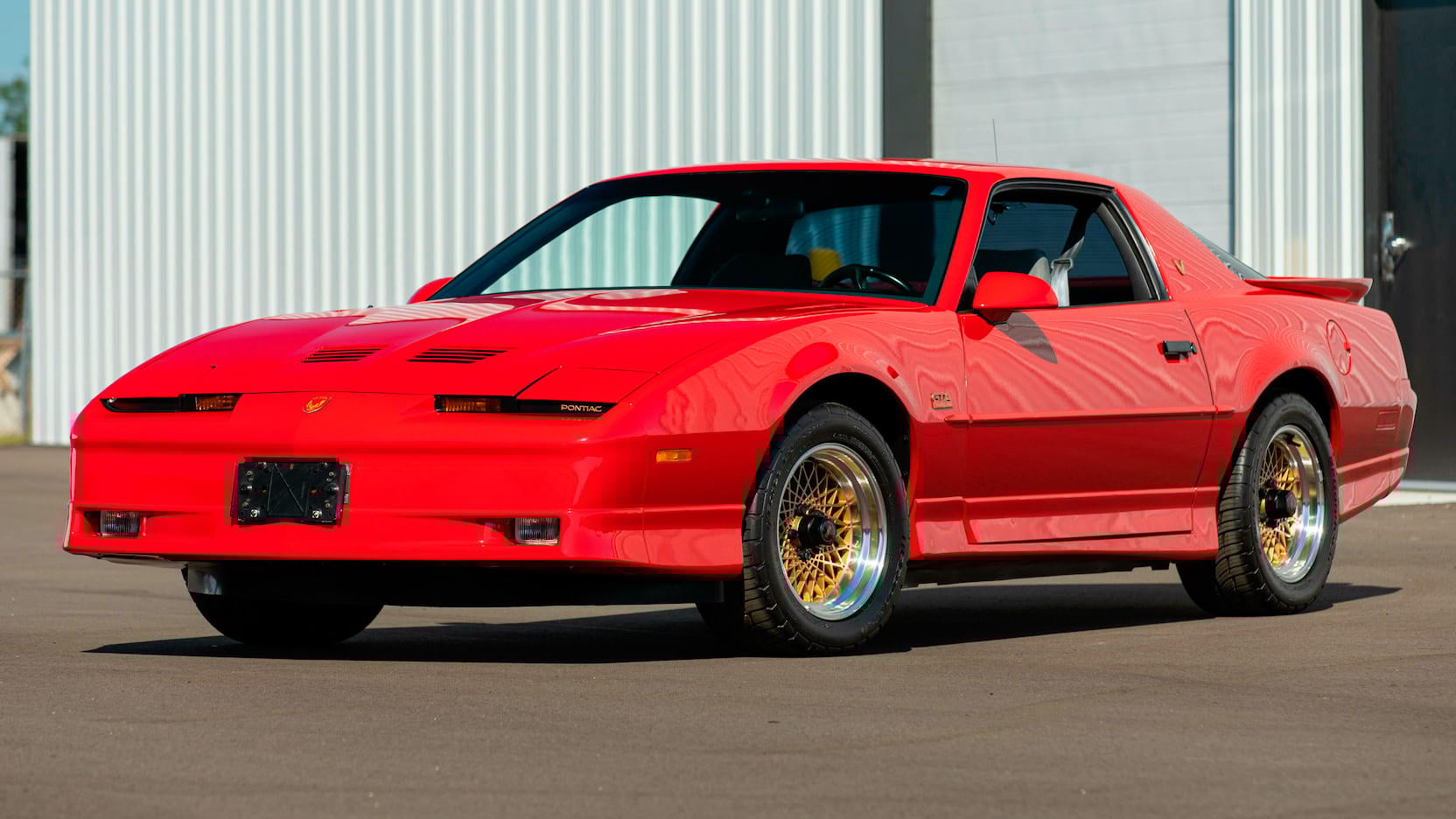
4. Pontiac Trans Am GTA (1988)
The 1988 Pontiac Trans Am GTA illustrates a period in American automotive development where engineering capability exceeded the level of market communication presented to consumers. Developed within the constraints of regulatory requirements and shifting buyer expectations, this model incorporated advanced design elements that were not fully emphasized in its public presentation.
At the core of the vehicle was a 5.7-liter Tuned Port Injection V8 engine, producing approximately 235 horsepower. This engine provided strong acceleration and torque delivery suitable for high-performance driving, while maintaining compliance with emissions regulations that influenced engine development during that era.
The powertrain was engineered to deliver consistent output across a broad range of driving conditions. Aerodynamic development formed a critical component of the GTA’s design. Engineers utilized wind tunnel testing to refine the vehicle’s shape, achieving a drag coefficient of approximately 0.30.
This figure represented a high level of aerodynamic efficiency for an American production vehicle at the time. The design improvements were not purely aesthetic; they contributed directly to stability at higher speeds and improved fuel efficiency relative to earlier performance models.
Suspension and handling systems received careful attention through the inclusion of specialized components. Bilstein shock absorbers, calibrated spring rates, and optimized wheel configurations were integrated to enhance vehicle control. These elements allowed the GTA to deliver handling characteristics that compared favorably with European sports cars, despite differences in market positioning and brand perception.
An optional performance equipment package introduced further refinements, including adjustments to suspension tuning and tire specifications. This configuration was developed for drivers seeking enhanced dynamic capability, though it remained relatively uncommon due to limited promotion and lower consumer awareness. As a result, the full engineering potential of the vehicle was not widely recognized outside of enthusiast circles.
Market communication at the time did not fully convey the extent of the GTA’s engineering advancements. Advertising and branding efforts focused more on traditional perceptions of American performance rather than highlighting the vehicle’s technical sophistication. This disconnect meant that many buyers did not immediately associate the model with the level of capability it possessed.
Retrospective analysis by automotive engineers and historians frequently identifies the 1988 Trans Am GTA as a peak achievement within the F-body platform’s development. Its combination of aerodynamic efficiency, refined handling, and capable powertrain demonstrates a comprehensive engineering effort that exceeded typical expectations for American performance vehicles of that period.
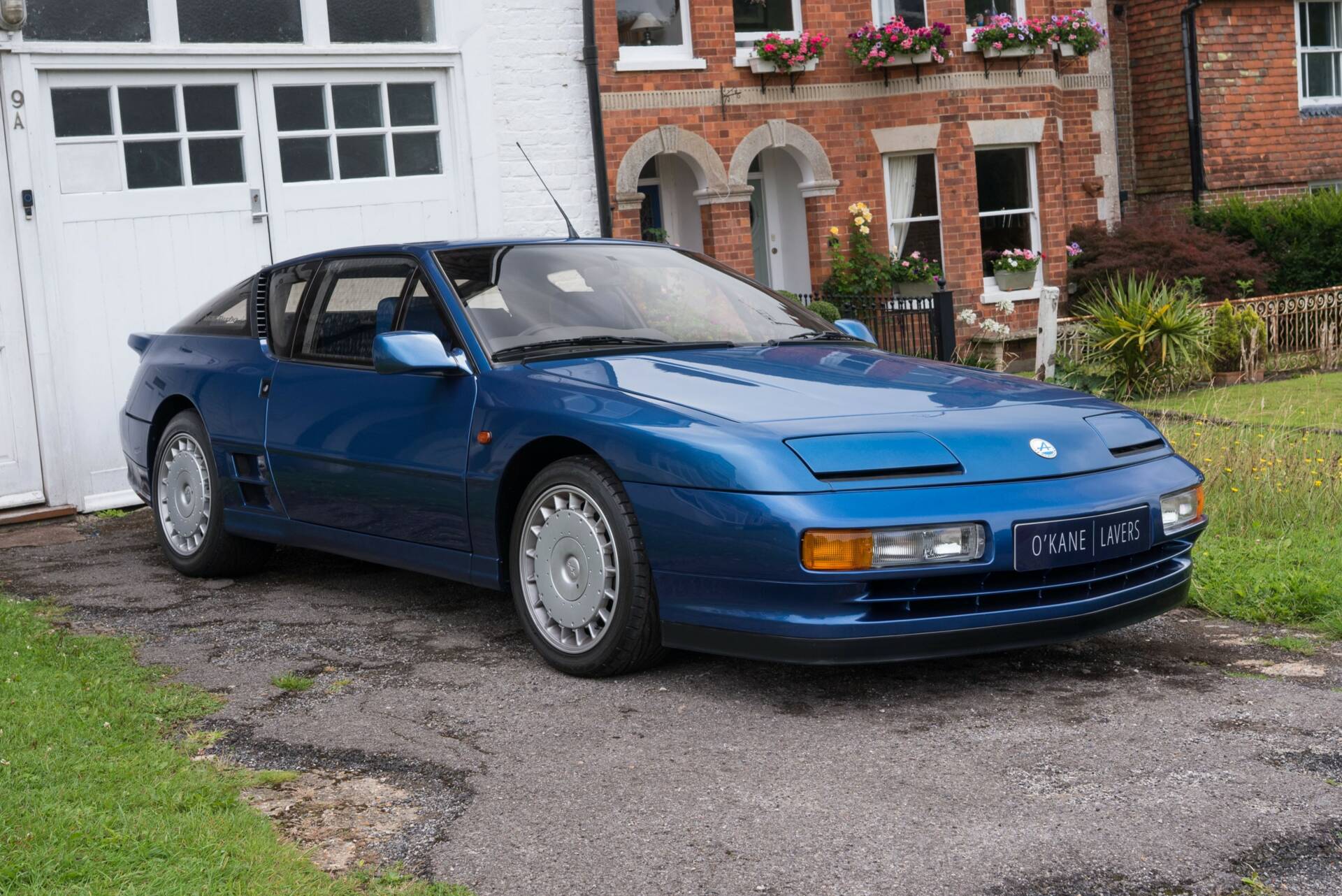
5. Renault Alpine A610 Turbo (1991)
Renault’s Alpine A610 arrived in 1991 as the successor to the GTA and carried forward the rear-engine, rear-wheel-drive lightweight sports car philosophy that Alpine had developed across decades of competition and production car experience.
Despite its 1991 introduction, technically placing it outside a strict 1980s definition, the A610’s engineering roots extend through the decade and its engineering philosophy represents the most refined expression of concepts Alpine had been developing throughout the 1980s, which justifies its inclusion in any discussion of forgotten performance engineering from this period.
Rear-mounted 2.975-liter turbocharged V6 engine producing 250 horsepower in a car weighing approximately 2,800 pounds gave the A610 a power-to-weight ratio that the production sports car market of the period could not easily match at an equivalent price.
Turbocharged rear-engine configuration required specific engineering solutions for weight distribution and thermal management that Alpine’s engineers had developed through the GTA’s production run, producing an A610 that avoided the lift-throttle oversteer characteristic that less carefully engineered rear-engine cars exhibited under dynamic driving conditions.
Aerodynamic body designed with active involvement from Renault Sport’s aerodynamics team produced a drag coefficient and downforce balance that Alpine’s engineers had calibrated specifically for the car’s weight distribution and chassis dynamics, rather than applying aerodynamic targets from a different vehicle.
Front diffuser and rear spoiler integration produced downforce that increased front-to-rear in proportion to what the A610’s rear-heavy weight distribution required to maintain consistent balance across speed ranges, which is a level of aerodynamic calibration sophistication that was rare in production sports cars of any price in 1991.
Chassis dynamics that experienced drivers of both the A610 and contemporary German and Italian sports car alternatives consistently rated as superior to vehicles costing substantially more reflected Alpine’s accumulated understanding of lightweight rear-engine sports car behavior that no competitor had matched through equivalent depth of experience.
Porsche’s experience with rear-engine dynamics was the closest parallel, and informed comparative assessments of the period placed the A610’s dynamic balance within the same reference range as 911 variants of the period. Alpine’s commercial failure in export markets meant that the A610’s engineering achievement was never evaluated at the competitive level its capability merited, which is the most complete summary of what forgotten means in the context of this list.
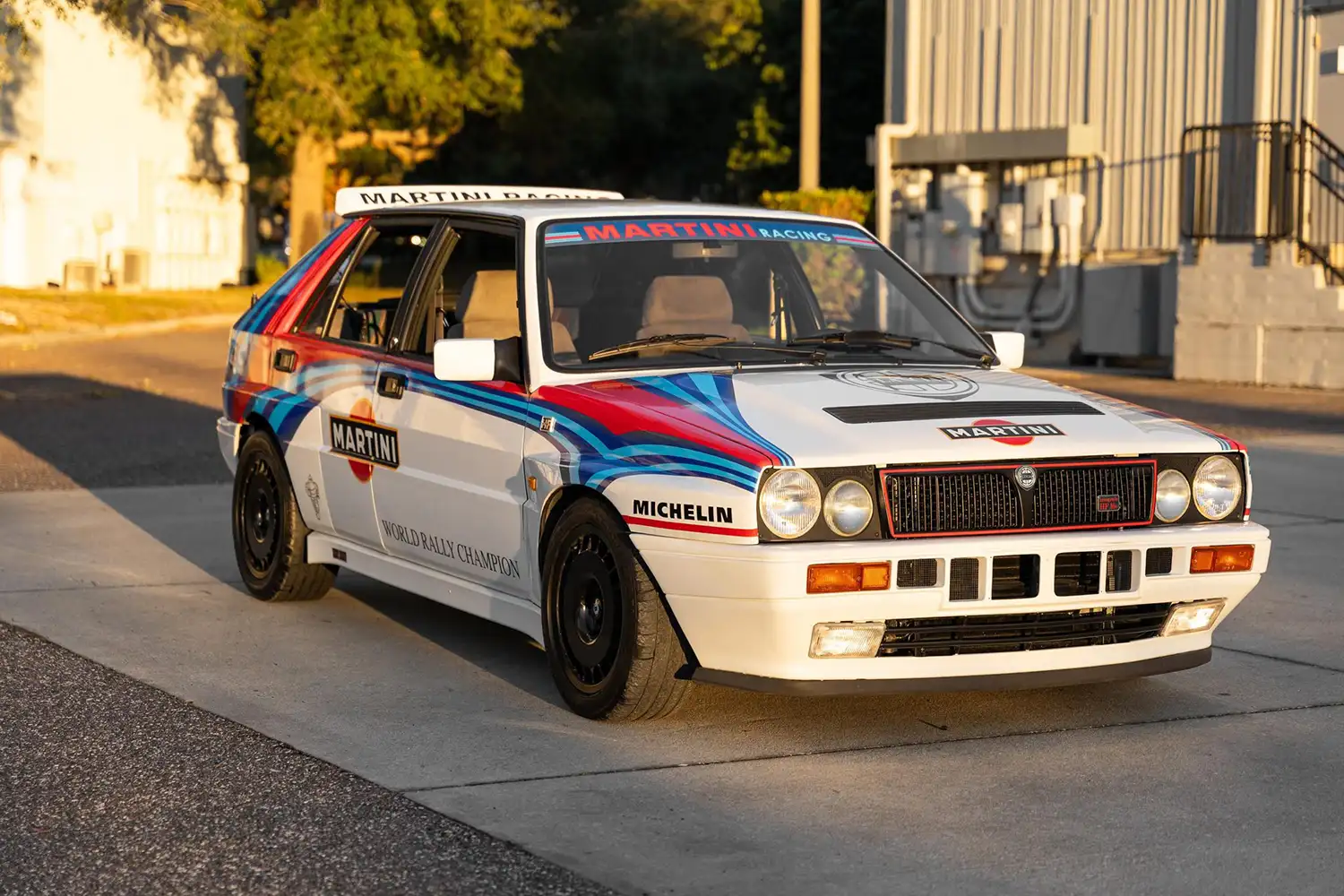
6. Lancia Delta HF Integrale 16V (1989)
Lancia built the Delta HF Integrale as a homologation exercise for World Rally Championship competition and in doing so created a street car whose engineering sophistication was so thoroughly derived from professional motorsport that it occupied a technical category essentially alone in the production car market of its period.
Rally homologation requirements forced engineering decisions onto the Delta that manufacturers producing purely commercial street cars would not have made, and these decisions produced a vehicle whose performance capability the street car market was not prepared to accurately assess.
2.0-liter turbocharged four-cylinder engine in the 16V specification produced 200 horsepower in a car weighing approximately 2,800 pounds with permanent four-wheel drive through a system that Lancia’s engineers had developed specifically for the high-traction, high-power-delivery requirements of professional rally driving.
All-wheel drive system calibration prioritized traction delivery in conditions where conventional rear-wheel and front-wheel drive cars became unpredictable, which translated to street car behavior that defied the power-to-traction relationship that contemporary buyers expected from any vehicle not specifically built for all-weather performance.
Torsen center differential and viscous coupling rear differential combination in the Integrale 16V provided traction distribution intelligence that was ahead of the electronic traction management systems that contemporary competitors were beginning to introduce, achieving similar practical traction delivery through mechanical solutions that were more consistent across temperatures and conditions than early electronic systems.
Mechanical torque distribution logic does not degrade with software issues, does not require calibration updates, and does not introduce the intervention lag that early electronic systems sometimes exhibited, giving the Integrale’s mechanical AWD system specific advantages that electronics were still working to match.
Viewing the 1989 Lancia Delta HF Integrale 16V from 2026 is viewing a car that invented performance concepts, particularly integrated AWD with proper mechanical torque distribution for performance rather than traction assistance, which the automotive industry spent the subsequent decade developing as an innovation.
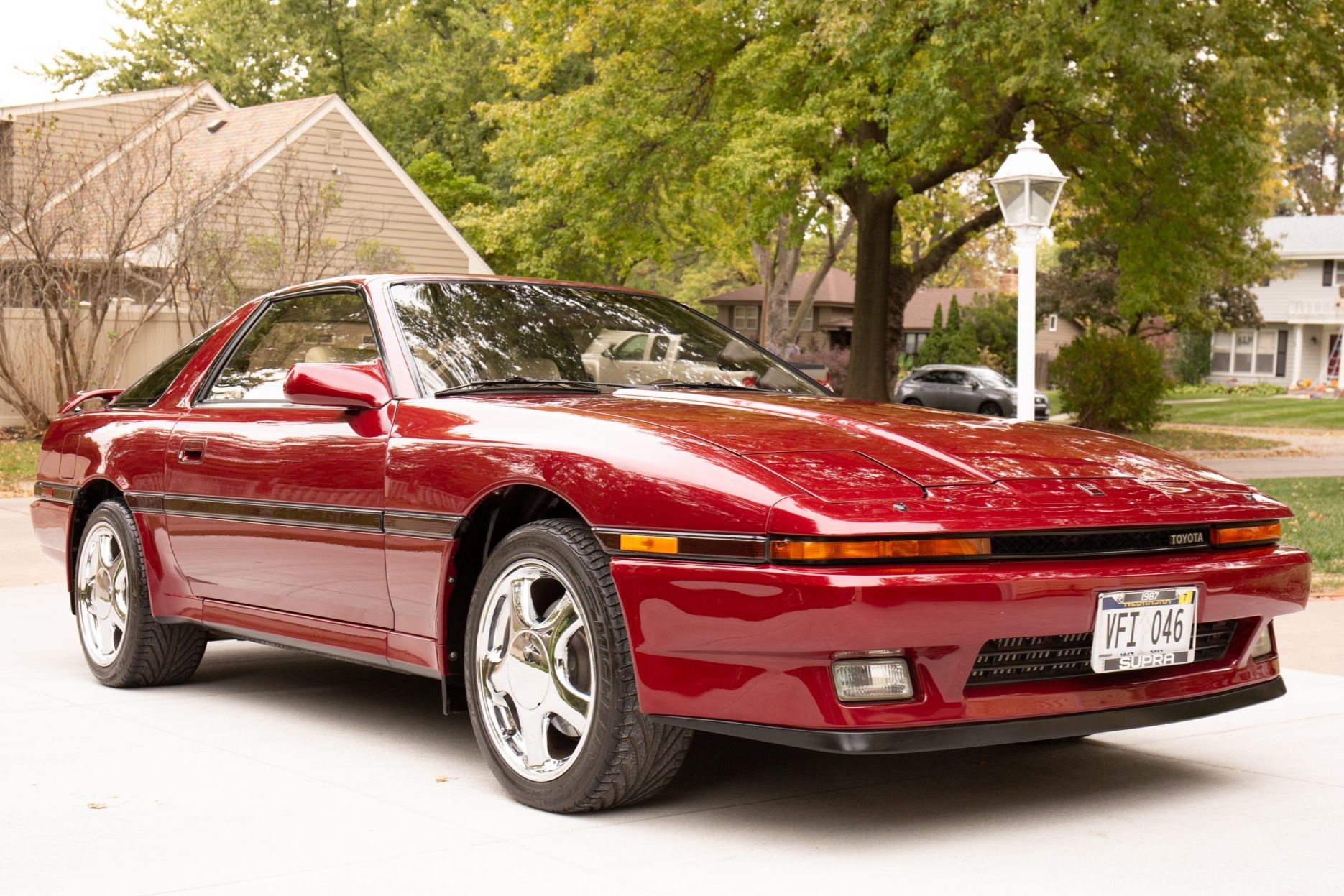
7. Toyota Supra MkIII Turbo (1987)
The 1987 Toyota Supra MkIII Turbo represents a period when Japanese manufacturers placed strong emphasis on engineering discipline, material quality, and long-term durability. While later generations of the Supra gained widespread attention, this earlier version delivered technical achievements that deserve careful recognition.
Its development reflected a deliberate focus on building a performance vehicle that could sustain demanding use without compromising reliability. At the center of the vehicle was the 7M-GTE 3.0-liter turbocharged inline-six engine. This power unit produced approximately 230 horsepower in United States specifications, achieved through fuel injection and a carefully calibrated turbocharging system.
Toyota’s approach to engine development at the time emphasized durability rather than extracting maximum output figures. As a result, the engine was designed to operate within controlled stress limits, allowing it to maintain consistent performance during extended high-load operation.
Thermal management formed an important aspect of the engine’s design. Turbocharged engines generate elevated heat levels, and the 7M-GTE incorporated cooling systems capable of maintaining stable operating temperatures under sustained use.
This attention to thermal stability contributed to the engine’s ability to handle prolonged driving conditions, including highway cruising and performance-oriented use, without rapid deterioration of internal components. Suspension engineering distinguished the MkIII Supra from many competitors of its era.
The use of double wishbone suspension at both the front and rear axles provided a level of wheel control that was uncommon in production vehicles at the time. It enabled precise handling characteristics, particularly during cornering, where consistent tire contact with the road surface enhanced stability and driver confidence.
Structural rigidity also played a central role in the vehicle’s performance. The body structure was engineered to resist flex under dynamic loads, ensuring that the suspension system could function as intended. Road testers during the period frequently described the vehicle as possessing a solid and stable feel, reflecting the effectiveness of Toyota’s structural design approach.
Interior and exterior design maintained a balance between performance orientation and everyday usability. Controls were arranged logically, and materials reflected a level of quality consistent with Toyota’s engineering standards. The vehicle could serve as both a performance machine and a practical daily driver, which broadened its appeal.
Long-term evaluation of the MkIII Supra reveals a vehicle that prioritized engineering integrity over immediate recognition. Its contributions to performance car development remain evident through its durable powertrain, advanced suspension geometry, and carefully executed structural design.
Also Read: 10 Best Performance Cars for People Living in States With Cold Climates
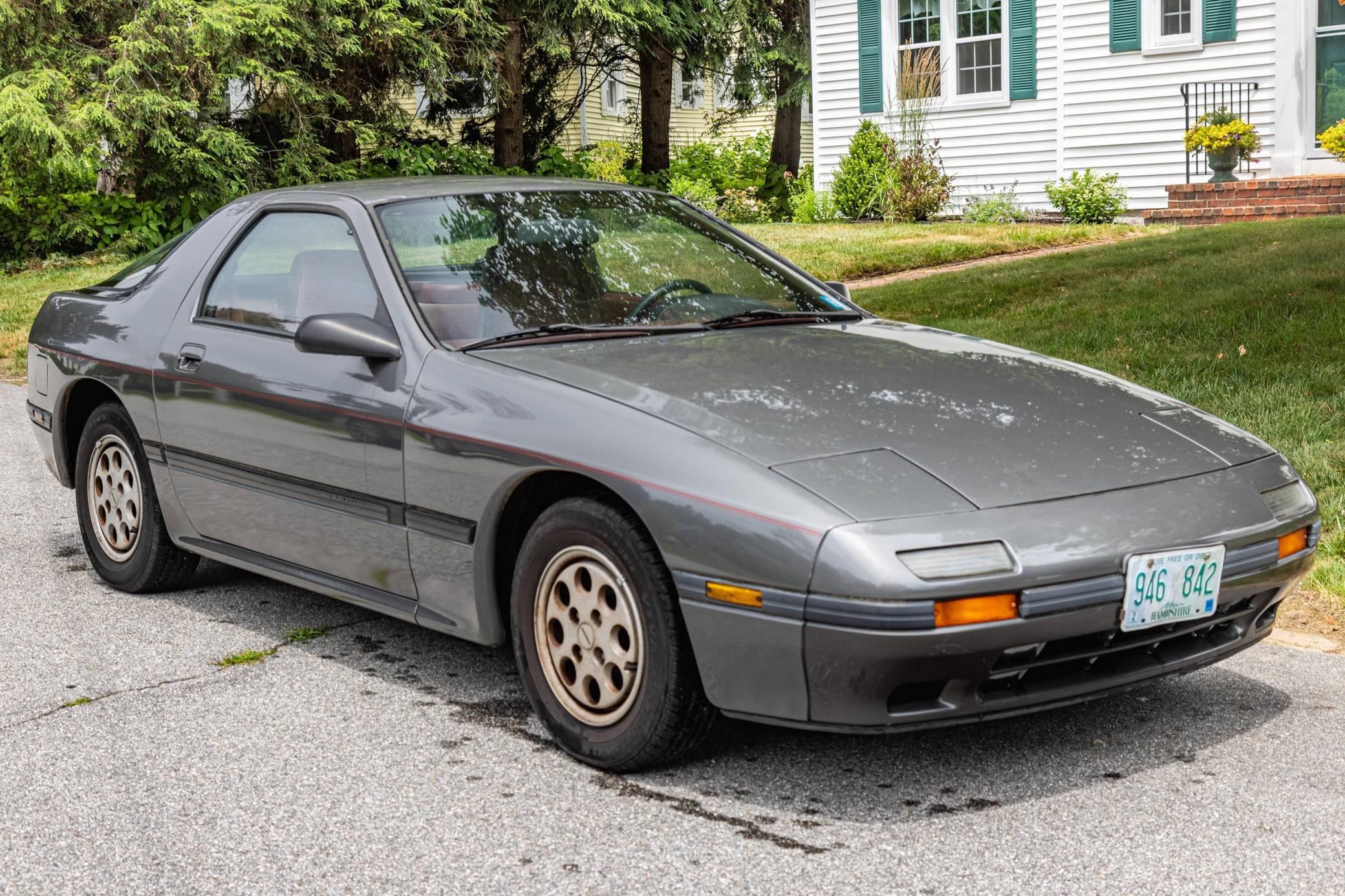
8. Mazda RX-7 FC3S (1986)
The 1986 Mazda RX-7 FC3S represents a refined expression of rotary engine engineering within a production sports car. Mazda approached this model with a clear objective: to combine innovative powertrain design with balanced chassis dynamics and aerodynamic efficiency. The result was a vehicle that demonstrated technical sophistication beyond what its market position might have suggested.
Powering the RX-7 FC3S was the turbocharged 13B rotary engine, producing approximately 185 horsepower in United States specification and higher output in certain international markets. While these figures were competitive for the period, the defining feature of the rotary engine lay in its compact size and lightweight construction.
This configuration allowed engineers to position the engine behind the front axle line, achieving a near-ideal weight distribution for a front-engine, rear-wheel-drive layout. This weight distribution contributed directly to the vehicle’s handling characteristics. With mass concentrated closer to the center of the chassis, the RX-7 exhibited balanced cornering behavior and improved responsiveness.
Drivers experienced a level of agility that was often associated with more expensive sports cars, highlighting the effectiveness of Mazda’s engineering decisions. Chassis design further reinforced this dynamic capability. Suspension geometry was developed with careful attention to wheel movement and stability, allowing the vehicle to maintain consistent contact with the road surface during varied driving conditions.
Testing during the period frequently placed the RX-7 alongside European sports cars with higher price points, reflecting the competitiveness of its engineering. Aerodynamic development played an equally important role. The body shape was refined through wind tunnel testing to achieve efficient airflow management.
Attention to underbody design and surface integration reduced drag while improving stability at higher speeds. These aerodynamic characteristics contributed to both fuel efficiency and confident highway performance. Structural integrity supported the vehicle’s performance.
The chassis was engineered to maintain rigidity under dynamic loads, ensuring that suspension and steering systems operated effectively without interference from body flex. This foundation allowed the RX-7 to deliver predictable handling behavior across different driving scenarios.
Interior design focused on driver engagement, with controls positioned for accessibility and clarity. The cabin environment supported the vehicle’s performance-oriented purpose without unnecessary complication. This approach aligned with Mazda’s philosophy of creating a direct connection between driver and machine.
Viewed from a modern perspective, the RX-7 FC3S stands as a clear example of how innovative engine design, balanced chassis engineering, and aerodynamic refinement can be integrated into a cohesive performance vehicle.
