Buying a used performance car is often a balance between excitement and long-term financial responsibility. Many buyers are drawn to powerful engines, sharp handling, and sporty design, but the real cost of ownership shows up after the purchase.
Maintenance, repairs, insurance, fuel consumption, and parts availability can completely change the experience of owning a performance vehicle. A car that feels affordable at the dealership can quickly become expensive if it has weak reliability or complex engineering that demands frequent workshop visits.
The used car market for performance models is especially tricky because many vehicles have been driven hard by previous owners. High-revving engines, aggressive driving styles, and modified components are common. Some brands design their performance cars with durability in mind, using proven engines and simpler mechanical systems.
Others focus heavily on advanced technology, turbocharging, and luxury features that improve driving experience but increase the number of things that can go wrong over time.
When evaluating cheap to maintain performance cars, factors such as engine reliability, cost of replacement parts, ease of repair, and service intervals matter more than horsepower figures.
Cars from manufacturers like Toyota, Honda, Mazda, and Lexus often appear in this category because they prioritize long-term durability. Even when they produce performance-oriented models, they tend to keep engineering relatively conservative, which helps reduce ownership costs.
On the other side, some performance cars are known for being “money pits.” These are vehicles that may offer impressive speed, luxury, and brand prestige but come with expensive maintenance schedules, unreliable components, or parts that are costly and difficult to source.
European luxury performance brands are often represented in this group due to complex engines, turbo systems, electronic suspension setups, and tightly packed engine bays that require significant labor time for even basic repairs.
Another important factor is depreciation versus maintenance trade-off. Some money pit cars become cheap to buy used, which attracts buyers who may not fully account for future repair costs. A low purchase price does not guarantee affordability if the vehicle requires frequent repairs or specialized service centers. Meanwhile, some reliable performance cars hold value better and reduce long-term financial risk.
This article compares five used performance cars that are generally affordable to maintain with five that can become expensive ownership experiences. The focus is on real-world usability, long-term reliability trends, and typical maintenance behavior rather than just performance figures. Each model is discussed in detail to help understand why it falls into its category and what ownership usually looks like over time.
5 Used Performance Cars That Are Cheap to Maintain
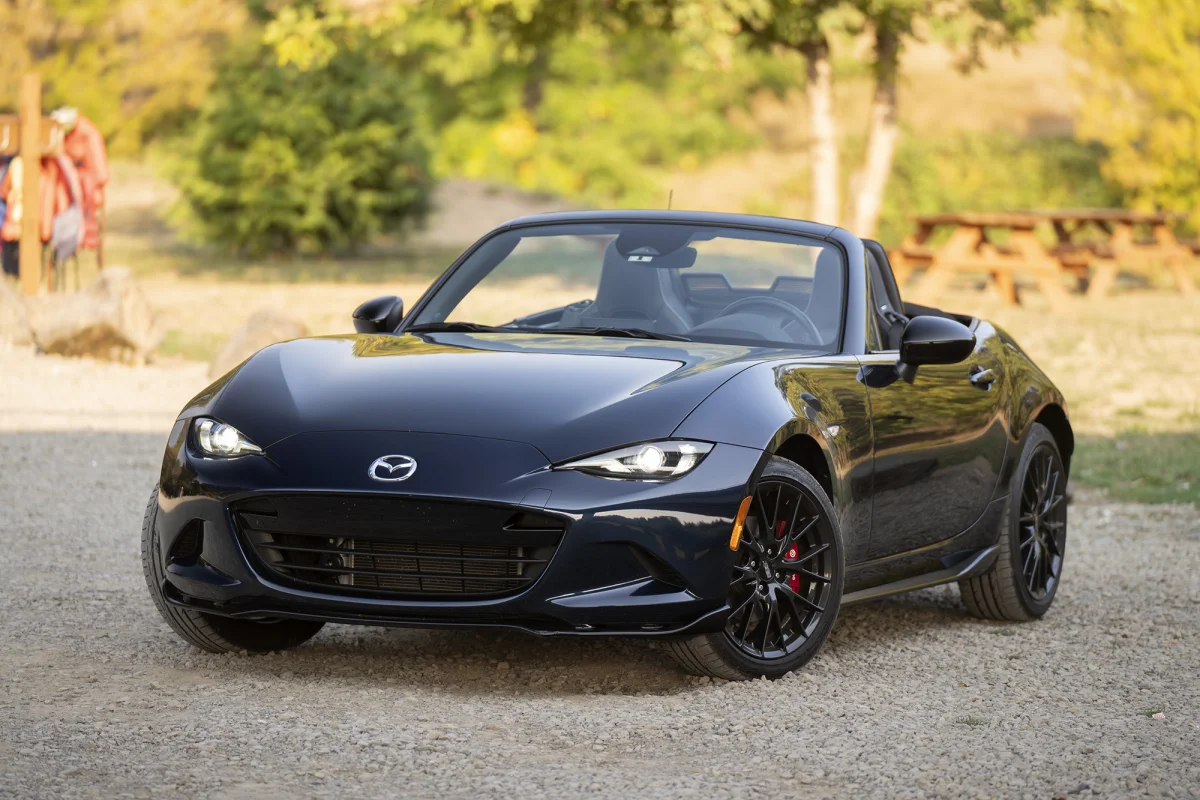
1. Mazda MX-5 Miata (NA, NB, NC Generations)
The Mazda MX-5 Miata is one of the clearest examples of a performance car that remains affordable to own even after many years on the road. Its engineering philosophy is built around simplicity, low weight, and mechanical efficiency rather than raw power or complex systems.
This approach plays a major role in keeping maintenance costs low. The engines used across the NA, NB, and NC generations are naturally aspirated, meaning they avoid turbochargers, intercoolers, and high-pressure fuel systems that often become expensive failure points in other sports cars. Because of this, there are fewer components that can fail, and fewer systems that require specialized attention during servicing.
Routine maintenance on the MX-5 is straightforward enough that many owners can handle basic tasks themselves. Oil changes, spark plug replacements, brake servicing, and fluid checks do not require advanced tools or expensive labor.
Even suspension components, which do wear out over time due to the car’s sporty tuning, are widely available in the aftermarket at reasonable prices. Since the MX-5 has been produced in large numbers across multiple decades, spare parts are easy to source globally, which keeps both repair times and costs under control.
Another important factor is engine longevity. These small displacement engines are not heavily stressed in stock form, which allows them to last for very high mileage when properly maintained. It is not unusual to see MX-5s crossing 200,000 to 300,000 kilometers while still performing reliably.
Cooling systems, transmissions, and differentials are also built with durability in mind, which reduces the likelihood of expensive mechanical failures as the car ages. Even when repairs are needed, they tend to be isolated and predictable rather than sudden or catastrophic.
From a financial perspective, the MX-5 also benefits from low running costs beyond maintenance. Insurance premiums are generally moderate because the car is not considered high-risk compared to high-power turbocharged sports models. Fuel consumption is also reasonable due to its lightweight construction and small engines.
While it may not deliver extreme straight-line speed, it offers a driving experience centered on balance and responsiveness, making it one of the most cost-effective entry points into the performance car world.
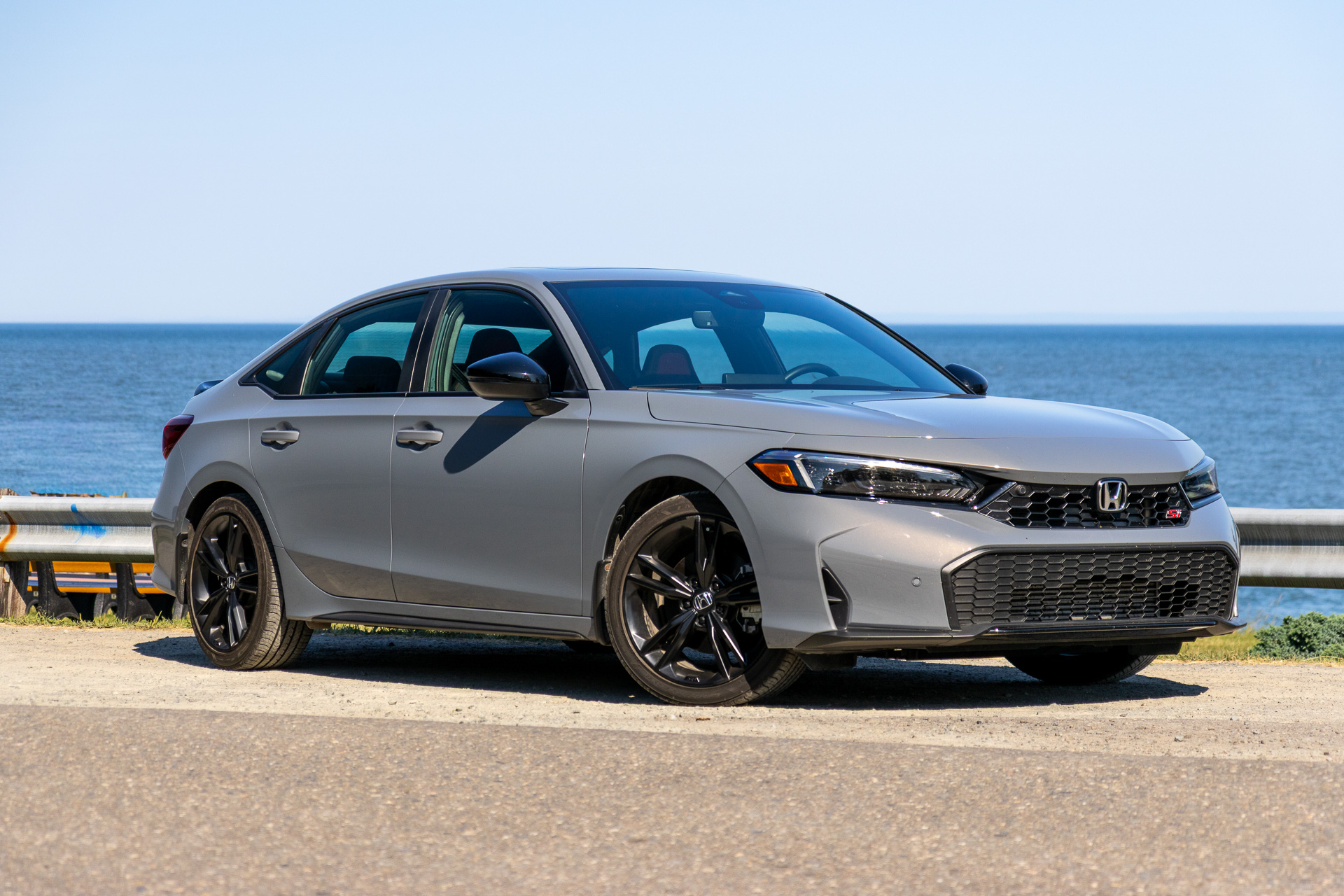
2. Honda Civic Si
The Honda Civic Si has built a strong reputation over the years as a sporty compact car that remains dependable even under long-term use. One of its biggest strengths is the engineering consistency Honda applies across its engines and drivetrains.
Whether it is an older naturally aspirated VTEC engine or a newer turbocharged unit, the Civic Si is designed with durability and everyday usability in mind. This makes it significantly cheaper to maintain compared to many performance-focused competitors in the same category.
A major reason for its low maintenance cost is parts availability. The Civic platform is one of the most widely produced automotive platforms globally, which means spare parts are abundant and inexpensive.
Components such as filters, brake pads, clutches, suspension arms, and engine mounts are shared across multiple Civic variants, reducing both cost and complexity. Mechanics are also extremely familiar with these vehicles, which helps keep labor charges lower since repairs do not require specialized expertise or tools.
The engines in Civic Si models are also known for their ability to handle high mileage without major issues, provided that basic maintenance is followed consistently.
Regular oil changes, timely belt replacements, and proper cooling system upkeep are usually enough to keep the engine running smoothly for years. Even when driven aggressively, the mechanical components tend to remain stable, which is why the Civic Si is often chosen by enthusiasts who want performance without long-term financial strain.
Another key advantage is the reliability of the manual transmission. Honda’s gearboxes are widely regarded as some of the most durable in the industry. Clutch replacements, when required, are relatively affordable and do not involve complex labor.
Suspension components, while tuned for sportier handling, are still inexpensive compared to European performance sedans. Even when the car is modified, it generally retains a strong reliability base, making it a flexible option for enthusiasts who enjoy customization.
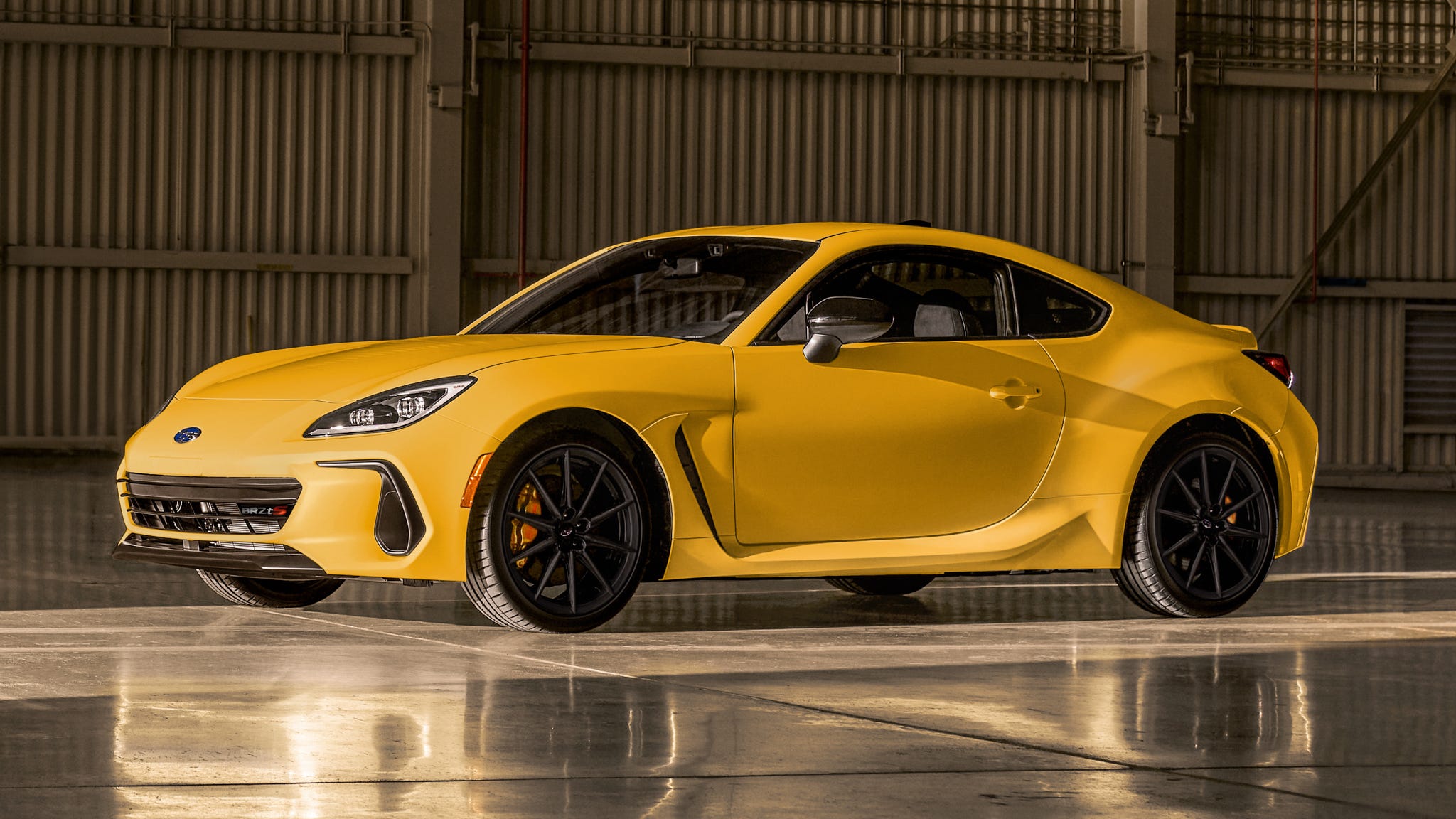
3. Toyota GT86 / Subaru BRZ
The Toyota GT86 and Subaru BRZ were developed with a focus on balanced driving dynamics and relatively simple mechanical architecture.
Unlike many modern performance coupes that rely heavily on turbocharging or advanced electronic systems, these cars use a naturally aspirated boxer engine paired with a straightforward rear-wheel-drive layout. This combination reduces mechanical complexity, which directly contributes to lower maintenance costs over time.
One of the most important aspects of ownership is predictable servicing. Routine maintenance such as oil changes, brake replacement, and tire rotation remains affordable and easy to manage.
Toyota’s involvement in the project ensures that many components are engineered with long-term reliability in mind, while Subaru contributes its experience with boxer engines. Although the engine layout is slightly more specialized than inline engines, it is still relatively simple compared to high-performance turbocharged setups found in many sports coupes.
However, the boxer engine does require consistent care. Oil levels should be monitored carefully because the horizontal layout can make the engine more sensitive to lubrication issues if neglected.
When properly maintained, though, the engine can remain reliable for many years without requiring major repairs. This makes it suitable for drivers who are disciplined with maintenance schedules and prefer a car that rewards consistency.
Another advantage is the strong global support network. Both Toyota and Subaru have wide service coverage, which ensures that even older GT86 or BRZ models can be serviced without difficulty.
Aftermarket support is also strong, with plenty of affordable replacement parts and performance upgrades available. This helps keep ownership costs stable even as the vehicle ages, making it one of the most balanced sports cars in terms of cost versus enjoyment.
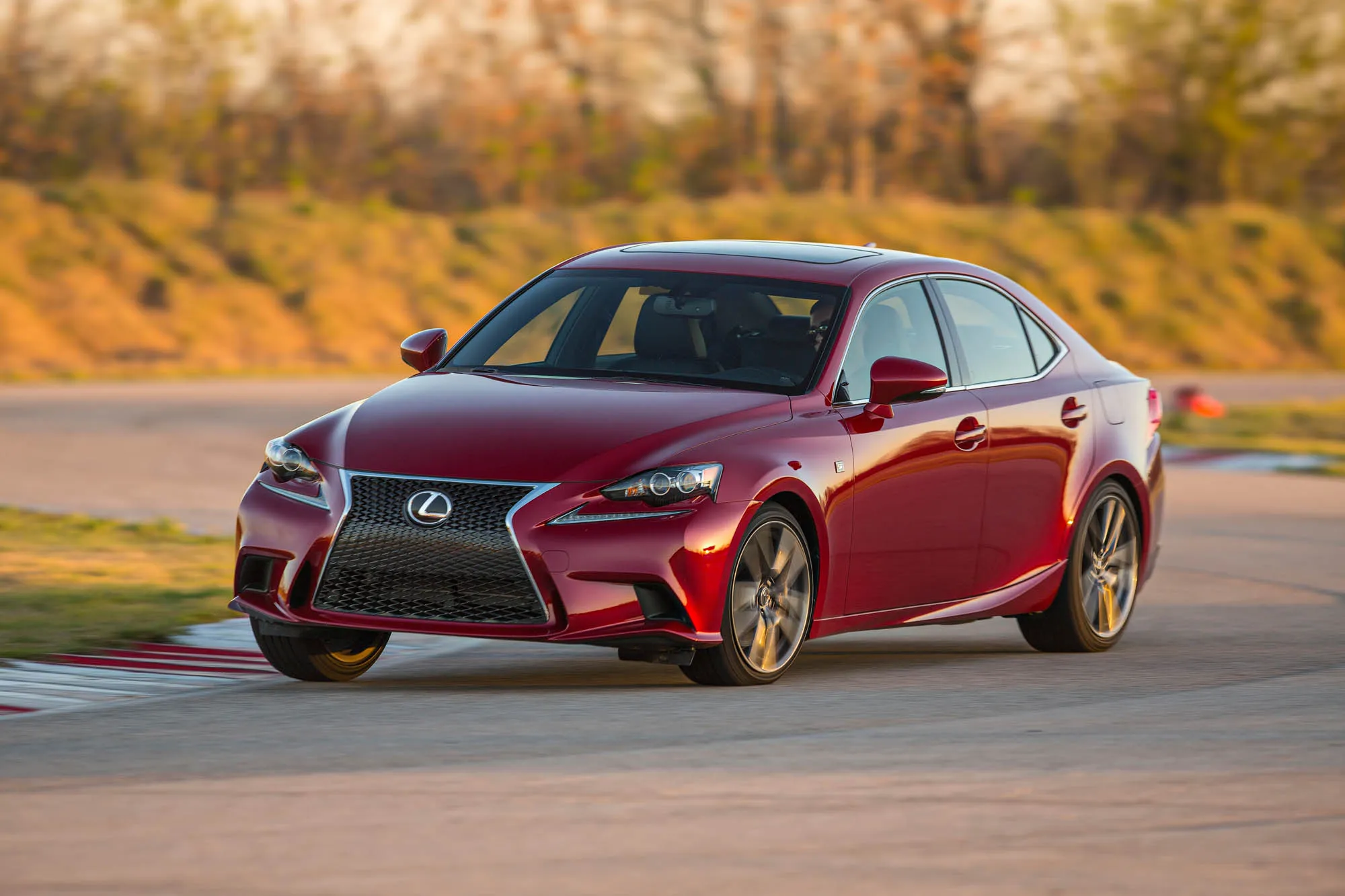
4. Lexus IS 350
The Lexus IS 350 stands out in the used performance segment because it combines sporty performance with long-term reliability derived from Toyota’s engineering philosophy. At its core is a 3.5-liter V6 engine that has been widely praised for its durability and smooth power delivery.
Unlike many European performance sedans that rely on turbocharged engines with complex components, the IS 350 uses a naturally aspirated setup in older generations, which significantly reduces potential maintenance issues.
Maintenance costs remain relatively low for a luxury vehicle because many of its components are shared with Toyota models. This parts commonality ensures that replacement parts are both affordable and easy to find.
Routine servicing such as oil changes, brake servicing, and fluid replacements does not require specialized luxury car expertise, which keeps labor costs reasonable compared to German competitors in the same segment.
The transmission is another strong point. The automatic gearbox used in the IS 350 is known for its reliability and long service life when maintained properly. Regular fluid changes are usually sufficient to keep it functioning smoothly for high mileage without major repairs.
Electrical systems in Lexus vehicles are also generally more stable than those found in many European luxury cars, which helps reduce unexpected repair costs as the vehicle ages.
Comfort and performance are balanced in a way that does not overly strain mechanical components. While the IS 350 is capable of strong acceleration, it is not aggressively tuned to the point where it compromises durability.
This makes it a popular choice among buyers who want a refined driving experience without the financial unpredictability that often comes with luxury performance sedans.
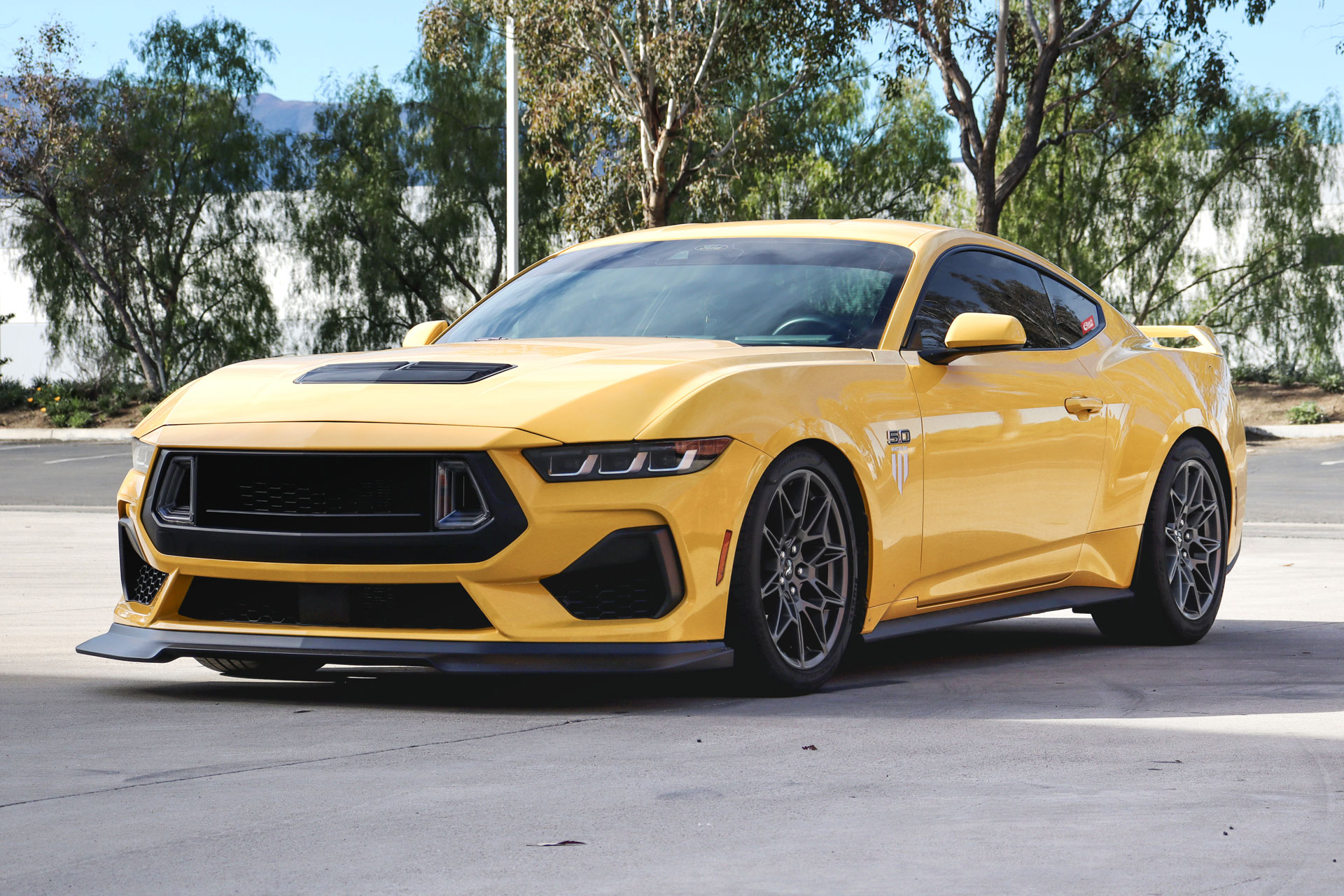
5. Ford Mustang
The Ford Mustang remains one of the most accessible performance cars in terms of ownership cost, especially in its 3.7-liter V6 and 5.0-liter Coyote V8 configurations. One of its biggest advantages is the simplicity and strength of its engine design.
The Coyote V8 in particular is widely respected for its durability and ability to handle high mileage when serviced correctly, making it a favorite among performance enthusiasts who also care about long-term reliability.
Maintenance costs are generally manageable due to the Mustang’s popularity in North America and growing global presence. This widespread use ensures that spare parts are easy to find and relatively affordable compared to imported performance cars.
Many independent workshops are also experienced with Mustang platforms, which helps keep labor costs lower than more specialized European sports cars.
The 3.7 V6 variant offers even lower running costs while still delivering strong performance for daily driving. The 5.0 V8 naturally requires more fuel and slightly higher maintenance costs, but it remains mechanically robust.
Common service items include ignition components, brake systems, and suspension wear parts, all of which are widely available and reasonably priced due to the car’s large aftermarket ecosystem.
Another advantage is the strong enthusiast community, which helps maintain a steady supply of affordable parts and repair knowledge. Even as the vehicle ages, it remains relatively easy to maintain compared to turbocharged European performance cars. This combination of power, simplicity, and parts availability makes the Mustang one of the most practical performance cars in the used market.
5 Used Performance Cars That Are Money Pits
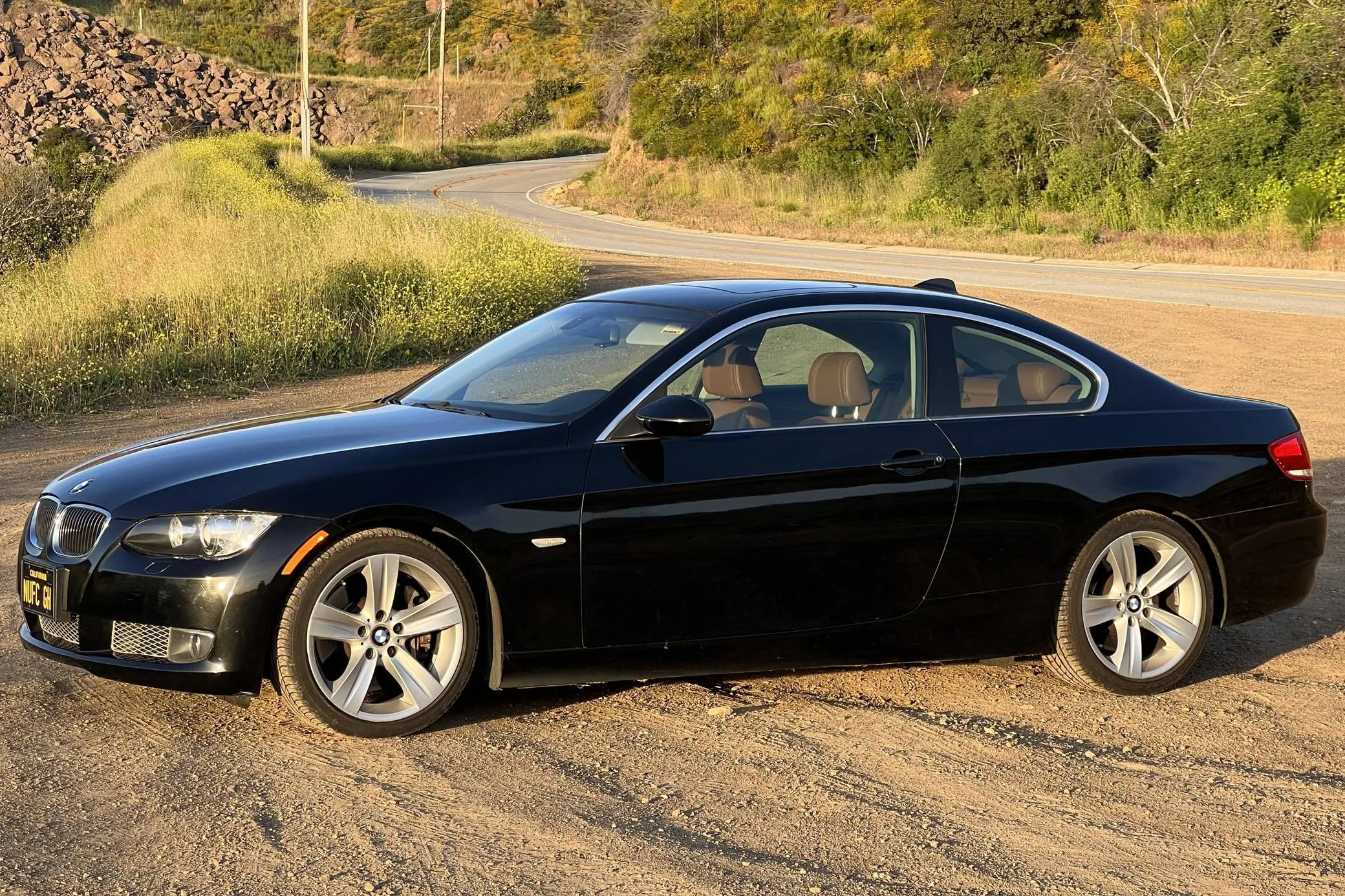
1. BMW 335i
The BMW 335i equipped with the N54 twin-turbo engine is often remembered as one of the most exciting performance sedans of its era, but also one of the most financially demanding to own as it ages. On paper, it delivers impressive acceleration, strong mid-range torque, and excellent tuning potential, which is why it became extremely popular among enthusiasts.
However, the complexity that enables this performance is also the source of its long-term maintenance problems. The twin-turbo setup, high-pressure fuel system, and tightly packed engine bay create a combination that is expensive to service even for routine repairs.
One of the most well-known issues with the N54 engine is its fuel system. High-pressure fuel pumps and fuel injectors are common failure points, and when they begin to degrade, symptoms such as rough idling, misfires, and power loss appear.
These components are not cheap to replace, and in many cases, labor costs add significantly to the total repair bill due to the engine layout. Turbocharger wastegate wear is another frequent issue, often leading to reduced boost pressure and inconsistent performance.
As mileage increases, these problems tend to appear more regularly, turning ownership into a cycle of ongoing repairs rather than predictable maintenance.
Cooling system components also contribute to long-term costs. Water pumps and thermostats in this engine are known to fail earlier than expected, and when they do, immediate replacement is required to avoid severe engine damage.
Because the engine bay is compact, even relatively simple repairs can require significant labor time, which increases ownership costs. Additionally, carbon buildup in the intake system is a common issue due to direct injection technology, requiring periodic cleaning that adds to maintenance expenses.
While the 335i remains popular in the used market due to its driving experience and tuning potential, it is often purchased at a low price that does not reflect its long-term cost structure.
Many buyers underestimate how quickly repair costs can accumulate, especially as the vehicle moves beyond moderate mileage. As a result, it is widely regarded as a performance car that rewards short-term excitement but can become financially draining over extended ownership.
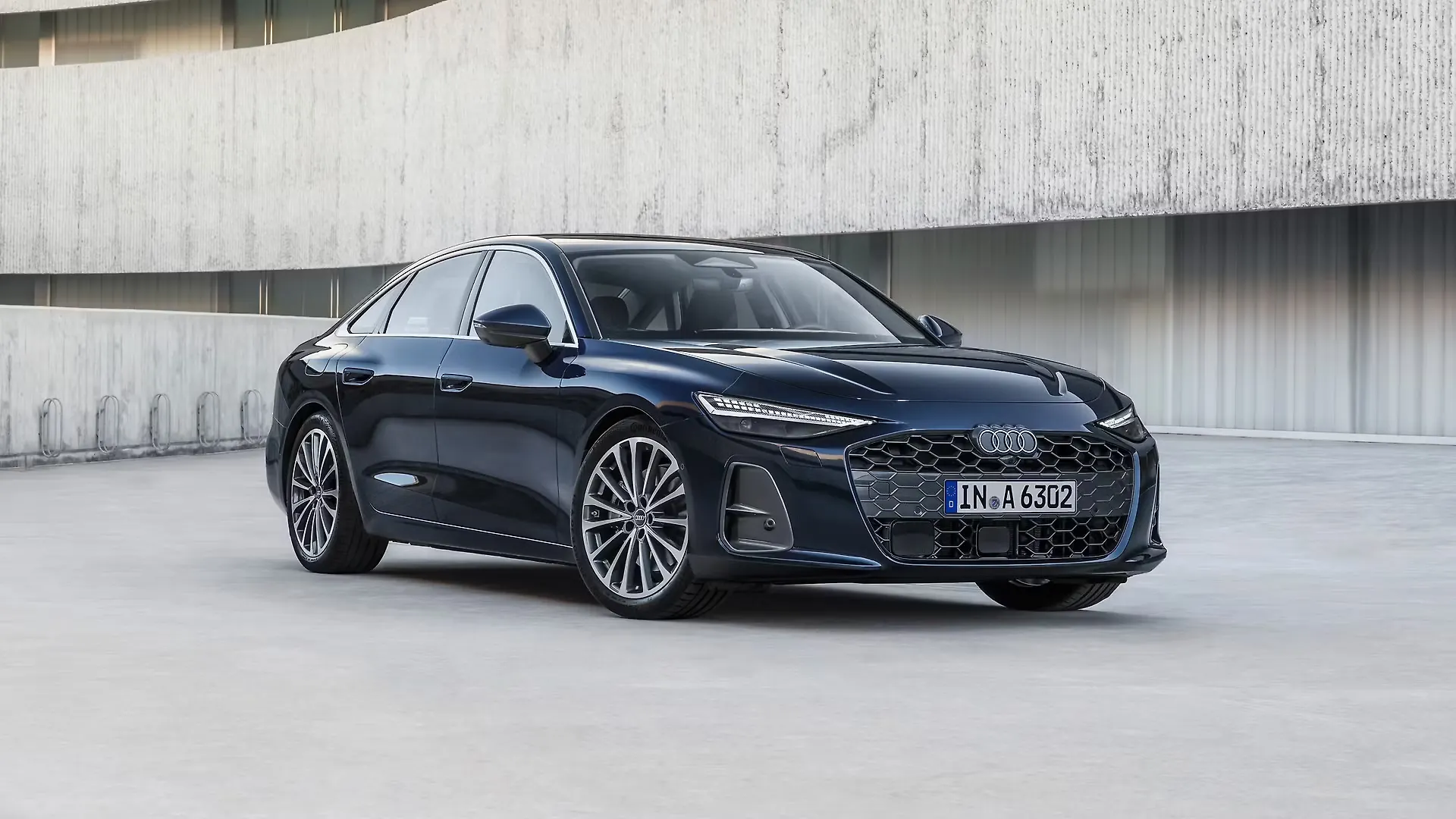
2. Audi A6
Older Audi A4 and A6 turbocharged models offer a blend of luxury comfort and strong highway performance, but they are also widely known for high maintenance costs as they age.
These vehicles were engineered with a strong focus on refinement and technology, but that same complexity introduces multiple potential failure points. Turbocharged engines, advanced electronics, and tightly packaged components create a situation where even routine repairs can become expensive and labor-intensive.
One of the most common long-term issues is excessive oil consumption in certain engine variants. Over time, piston rings and valve components may wear in a way that leads to frequent top-ups between oil changes.
Timing chain systems are another concern, as they can stretch or wear prematurely, leading to expensive repair jobs that often require significant engine disassembly. Turbochargers themselves, while providing strong performance, are also subject to wear and can fail as mileage increases, especially if oil change intervals were not strictly followed by previous owners.
Electrical systems in older Audi models also contribute to ownership costs. Sensor failures, module malfunctions, and wiring-related issues are not uncommon, and diagnosing these problems often requires specialized diagnostic equipment. This increases dependency on dealership-level service or experienced European car specialists, both of which tend to charge higher labor rates compared to mainstream brands.
Another factor that increases costs is engine bay design. Many components are tightly packed, meaning that even basic repairs such as replacing a thermostat or water pump can involve extensive disassembly.
This increases labor time significantly, which often becomes the largest part of repair bills. While these cars offer a premium driving experience when functioning properly, their long-term maintenance unpredictability makes them a risky choice for budget-conscious buyers.
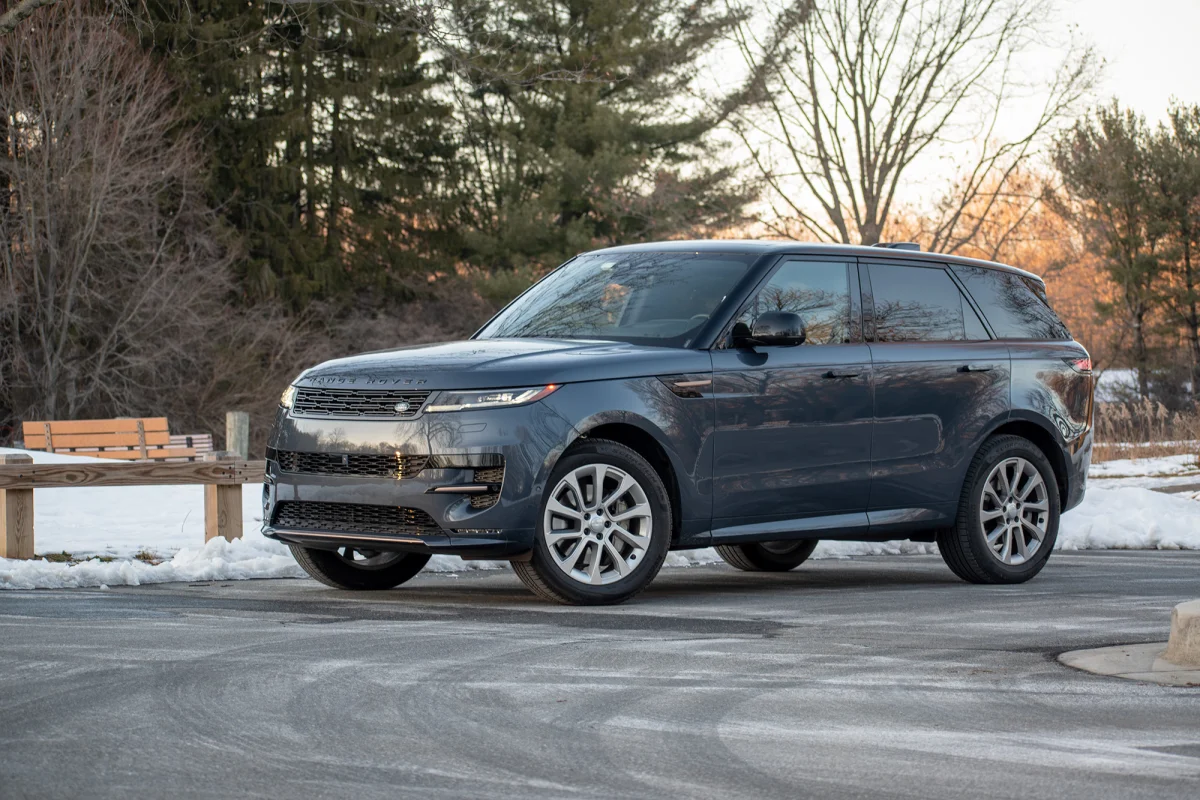
3. Range Rover Sport
Older Range Rover Sport models are known for combining luxury, comfort, and off-road capability, but they also have a strong reputation for high and often unpredictable maintenance costs. These vehicles use advanced systems designed to enhance ride quality and terrain adaptability, but many of these systems become expensive liabilities as the vehicle ages.
One of the most problematic components is the air suspension system, which is responsible for ride height adjustment and comfort. Over time, air struts, compressors, and sensors can fail, leading to costly repairs that are often required in multiples rather than isolated incidents.
Electrical complexity is another major factor in ownership costs. Older Range Rover Sport models are equipped with numerous electronic modules controlling everything from infotainment to drivetrain behavior.
As these systems age, intermittent faults can occur, often requiring extensive diagnostic work to identify the root cause. Even small electrical issues can become expensive due to the time required to troubleshoot and the high cost of replacement modules.
Drivetrain components also add to long-term expenses. Transfer cases, differentials, and suspension linkages are all subject to wear, particularly in vehicles that have been used for off-road driving or heavy urban usage. When repairs are needed, parts tend to be expensive, and labor costs are high due to the vehicle’s size and complexity.
Even routine maintenance on these vehicles can be more expensive than expected. Simple tasks often require additional labor due to restricted access to components. As a result, owners frequently find that what appears to be an affordable luxury SUV on the used market becomes significantly more expensive to maintain over time, especially once major systems begin to age.
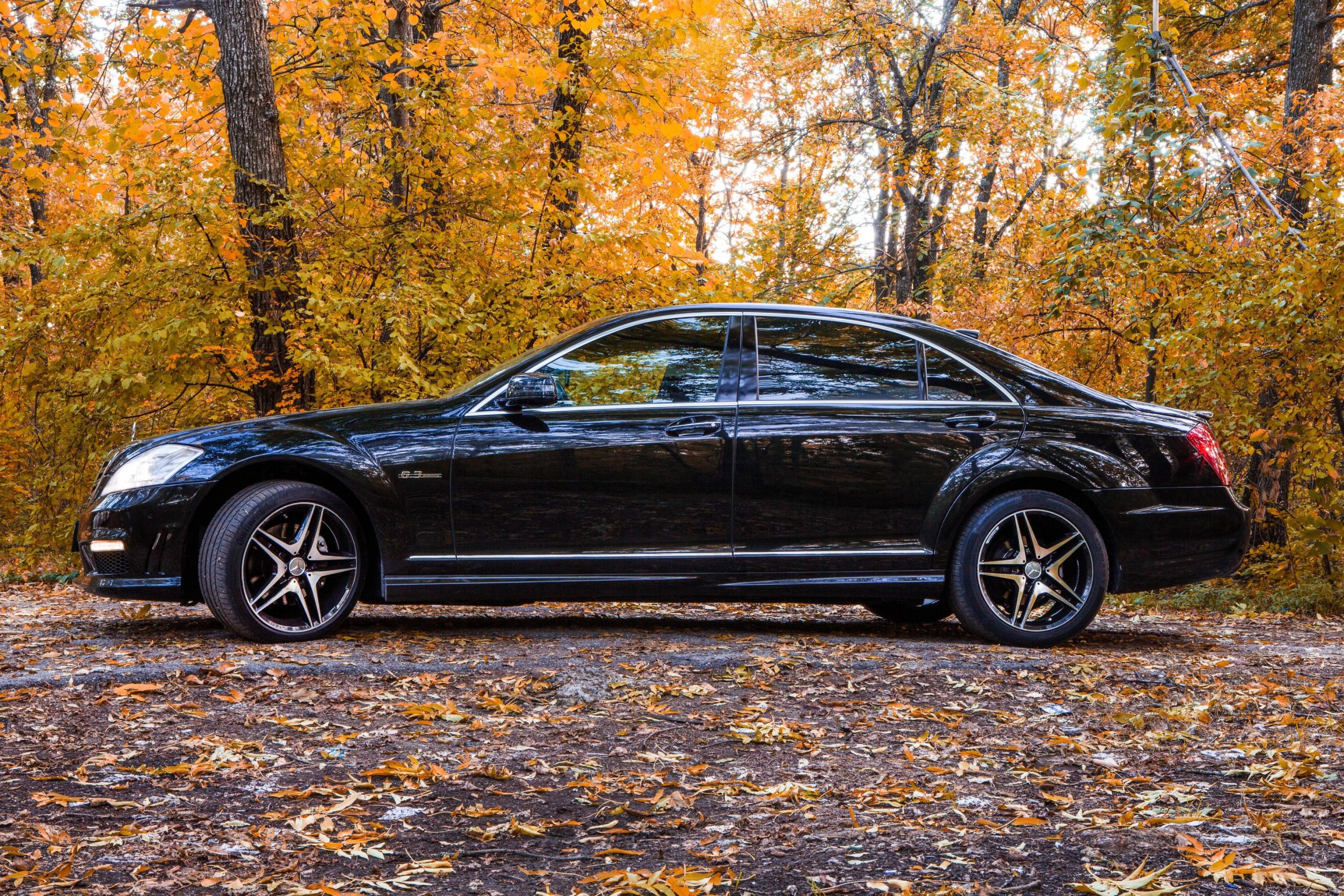
4. Mercedes-Benz S-Class (W221)
The Mercedes-Benz S-Class, particularly models from the W221 generation, represents one of the highest levels of luxury engineering available in its time, but this sophistication also leads to high ownership costs as the vehicle ages.
The S-Class is built with a large number of advanced systems designed for comfort, safety, and performance, but many of these systems are complex and expensive to repair when they fail. Air suspension systems, in particular, are a major cost driver, as components such as air struts and compressors can wear out and require full replacement.
Electronic systems are another significant concern. The vehicle is equipped with numerous control modules responsible for features such as adaptive lighting, climate control, seat adjustments, and driver assistance systems.
As these systems age, electrical faults can become increasingly common, and diagnosing them often requires specialized equipment and expertise. Replacement modules are expensive, and labor costs can escalate quickly due to the diagnostic time involved.
Engine and transmission maintenance can also be costly, especially in higher-performance variants. While the engines themselves are generally well-engineered, they are complex and require careful servicing.
Transmission servicing, particularly for automatic gearboxes, can also be expensive if issues arise beyond routine fluid changes. Cooling system components and sensors add additional potential points of failure over time.
Another important factor is that many repairs on the S-Class require significant disassembly due to its dense packaging of luxury features. Even seemingly minor issues can involve removing interior panels or multiple engine components, which increases labor costs substantially.
While the S-Class delivers an unmatched luxury experience when in good condition, maintaining that condition over time can become financially demanding.
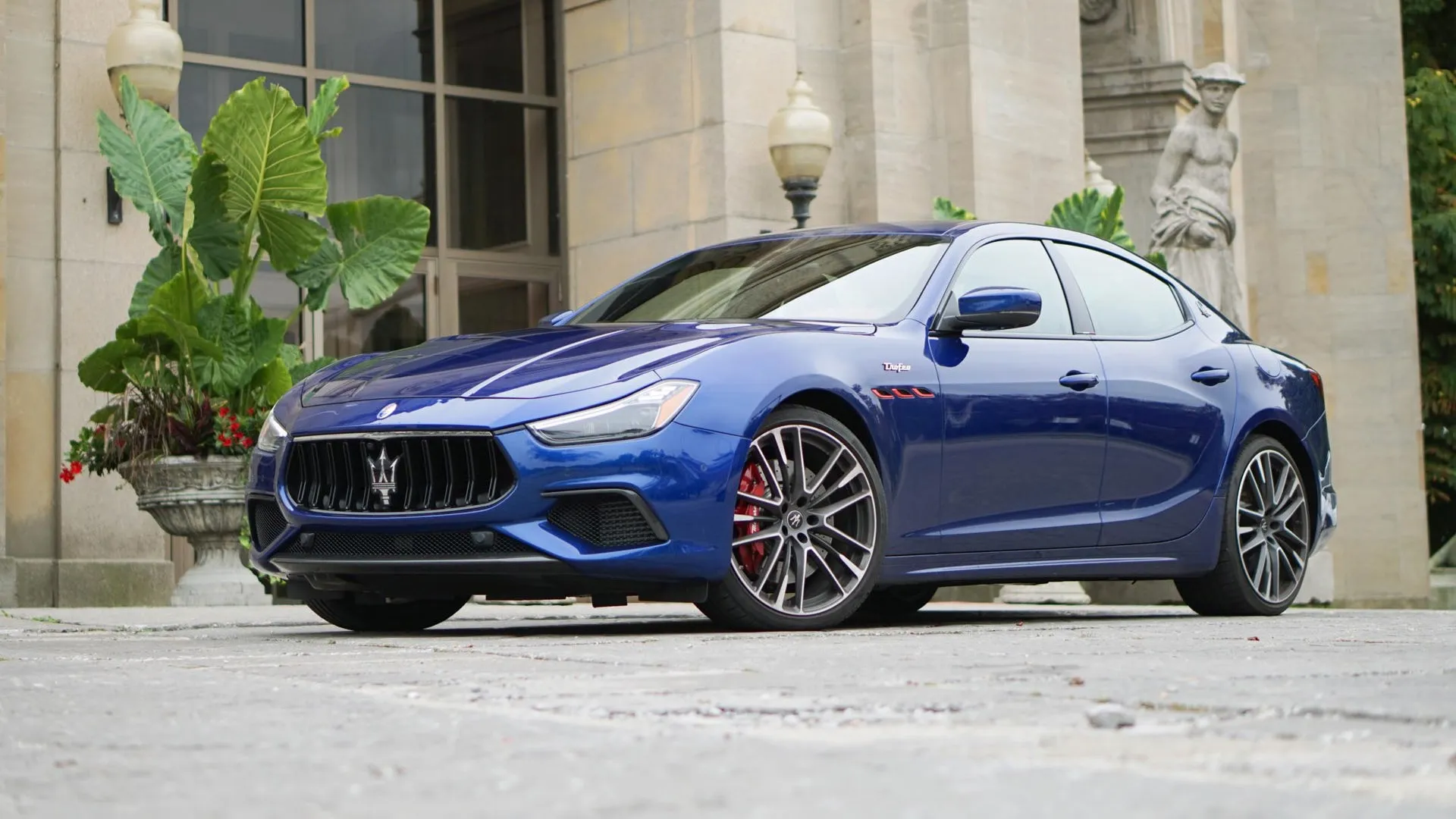
5. Maserati Ghibli
The Maserati Ghibli is often admired for its Italian styling, sporty performance, and emotional driving experience, but it is also widely regarded as one of the most expensive ownership experiences in the used performance sedan segment.
One of the primary challenges with the Ghibli is that it does not benefit from the same level of mass production support as more mainstream luxury brands. This results in limited parts availability and higher replacement costs, particularly for specialized components.
Electrical reliability is another common concern. Owners often report issues related to sensors, infotainment systems, and various electronic modules.
These problems can be difficult to diagnose and expensive to repair, especially when dealership-level expertise is required. Unlike more widely supported brands, independent repair options are limited, which can increase both cost and downtime.
Suspension components also tend to wear faster than expected, particularly in vehicles driven on rough roads or with spirited driving styles. Replacement parts are not as widely available as those for German competitors, and when combined with labor costs, repairs can become expensive quickly. Brake components and drivetrain servicing also tend to be priced higher due to the brand’s premium positioning and lower production volumes.
Depreciation plays a major psychological role in ownership as well. While the purchase price of a used Ghibli may seem attractive, the cost of keeping it in reliable condition often outweighs its initial affordability.
Insurance, servicing, and repair costs collectively contribute to a total ownership experience that is significantly more expensive than many buyers initially expect. As a result, it is frequently categorized as a performance car that prioritizes emotional appeal over financial practicality.