
American muscle cars have always carried a strong presence in the automotive world. Names like Mustang, Camaro, and Charger dominate conversations, auctions, and collector garages.
These icons have built reputations over decades, often commanding high prices and constant attention. Yet beneath that spotlight exists another layer of machines that have not received the same level of recognition.
That overlooked layer is where things become interesting in 2026. While the most famous muscle cars continue to rise in value, a number of lesser known or misunderstood models remain accessible.
These cars were not necessarily failures or compromises. In many cases, they were simply overshadowed by stronger branding, timing, or shifting market trends.
Collectors often focus on headline figures such as horsepower, rarity, or historical importance. However, value can also come from uniqueness, driving character, and the potential for future appreciation. Some muscle cars offer a combination of these qualities without the inflated prices attached to more obvious choices.
Another reason these cars remain underappreciated is perception. Certain models were dismissed when new due to changing regulations, design choices, or competition within their own lineup. Over time, those same factors can become part of their appeal. What was once seen as a drawback can turn into a defining characteristic that sets the car apart.
Mechanical simplicity also plays a role. Many of these vehicles come from an era where performance was achieved without excessive complexity. That makes them easier to maintain, modify, and enjoy. For collectors who value driving as much as ownership, this becomes a significant advantage.
Market trends are also shifting. As prices for well-known muscle cars continue to climb, attention is gradually turning toward alternatives that offer similar experiences. As a result, enthusiasts can secure something distinctive before broader recognition drives values higher.
The following list highlights nine underrated American muscle cars that collectors are still overlooking in 2026. Each one offers a unique story, a different driving experience, and the kind of character that defines true muscle. These are not just second choices. They are machines waiting to be appreciated on their own terms.
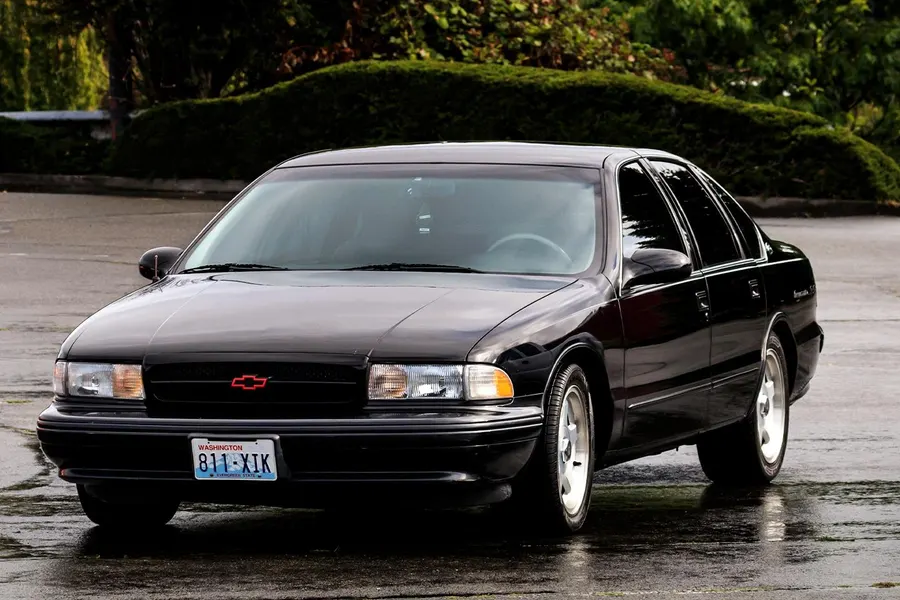
1. 1994 Chevrolet Impala SS
The 1994 Chevrolet Impala SS presents an unusual entry point into the muscle car conversation. At first glance, it appears more like a full size sedan built for comfort rather than performance. That assumption changes quickly once its mechanical identity comes into focus.
Instead of chasing aggressive styling or lightweight construction, this car embraces a different philosophy. It relies on a large V8 engine paired with a solid rear wheel drive layout to deliver performance in a more understated form.
The LT1 engine provides strong low end torque, giving the car a sense of effortless acceleration rather than high revving intensity.
Driving this Impala feels distinct from traditional muscle coupes. The size and weight create a presence on the road that cannot be ignored. Yet it moves with surprising authority, especially in straight line acceleration. This contrast between appearance and performance is part of what makes it so compelling.
Collectors often overlook it because it does not fit the classic muscle car image. It has four doors, a longer wheelbase, and a more subdued design. However, these same traits contribute to its uniqueness. It stands apart from the crowd, offering something different without sacrificing performance.
Another factor is its usability. Unlike many classic muscle cars that can feel raw or demanding, the Impala SS remains comfortable and practical. It can be driven regularly without the compromises often associated with older performance vehicles.
From a value perspective, it remains relatively accessible compared to more iconic models. As a result, collectors who recognize its significance may find it especially appealing. With growing interest in unconventional muscle cars, the Impala SS is poised to attract increasing attention.
It challenges expectations, combining size, comfort, and performance in a way that feels both unexpected and effective. That combination is exactly what makes it worth reconsidering in today’s market.
2. 2004 Pontiac GTO (Monaro-Based)
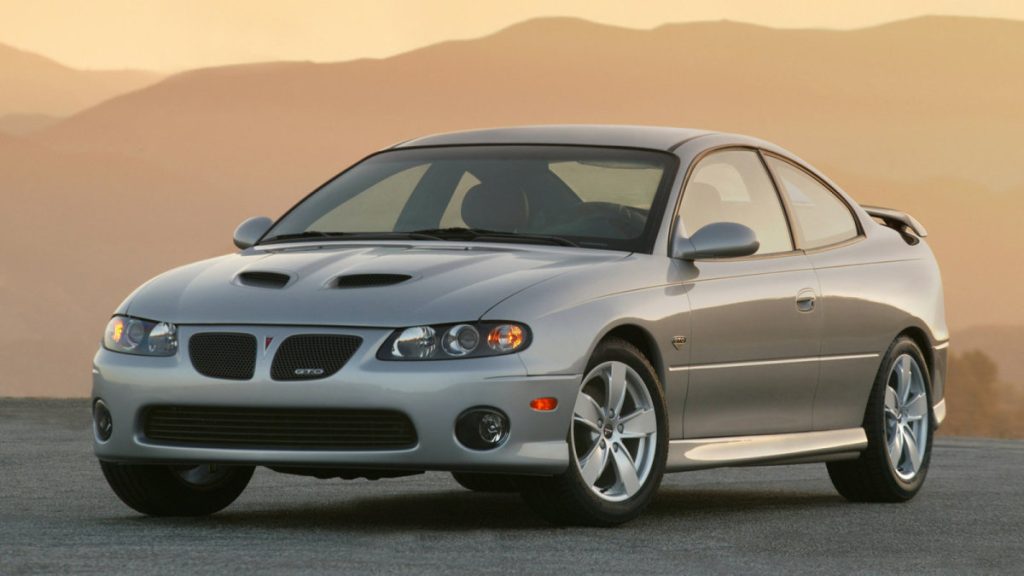
The 2004 Pontiac GTO takes a different route entirely, stepping away from traditional American muscle design and embracing a more global identity. Built on the Australian Holden Monaro platform, it blends American power with a refined and balanced chassis.
Visually, it does not immediately command attention. The design is clean and understated, lacking the aggressive lines often associated with muscle cars. This subtlety contributed to its mixed reception when it was first released. Many expected a more dramatic appearance, and as a result, the car was often underestimated.
Underneath that restrained exterior lies a strong foundation. The LS1 V8 engine delivers smooth and consistent power, providing the kind of acceleration expected from a muscle car. What makes it different is how that power is managed. The chassis feels composed, offering a level of balance that was not always common in traditional muscle cars.
This balance changes the driving experience significantly. Instead of focusing solely on straight line speed, the GTO feels capable in a wider range of situations. It handles corners with confidence and maintains stability at higher speeds, creating a more complete performance package.
Collectors have been slow to fully embrace this model, partly due to its departure from classic styling cues. However, that same difference is what makes it stand out today. It represents a transitional moment where muscle cars began to evolve beyond their traditional formula.
Another aspect worth considering is how rare it feels, even if production numbers were not especially low. It was not built in extremely limited quantities, but it has not been widely preserved or celebrated. As a result, enthusiasts can acquire a car that stands out without paying the premium often attached to more recognized models.
The 2004 GTO offers a blend of characteristics that set it apart. It combines American V8 performance with a more refined driving experience, creating a car that feels both familiar and different at the same time.
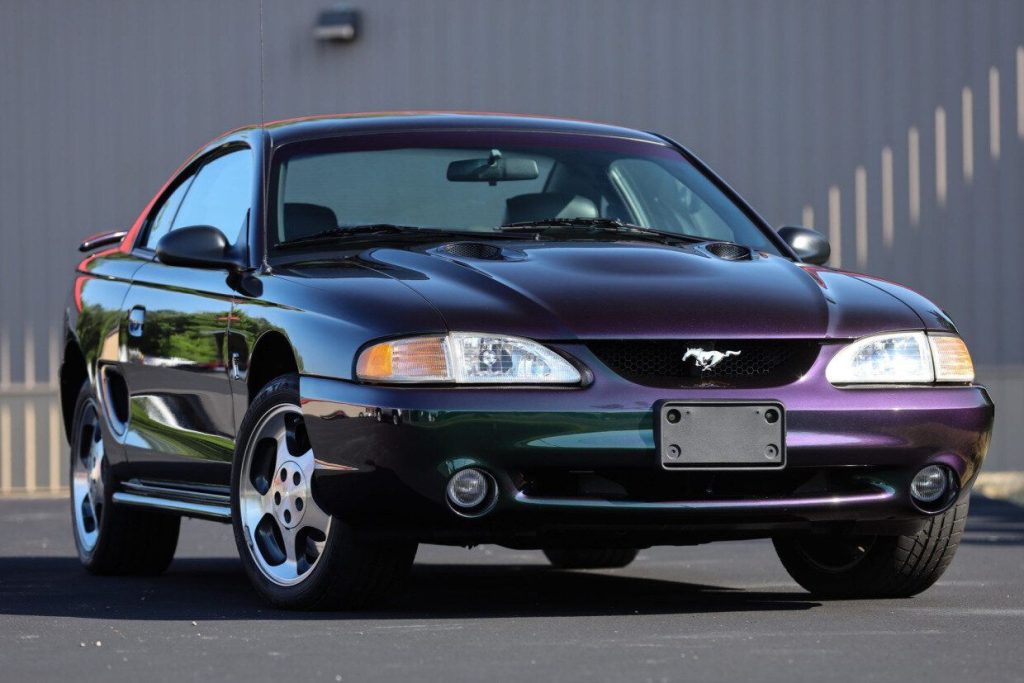
3. 1996 Ford Mustang SVT Cobra
Shift attention toward a car that lived in the shadow of louder rivals, and the 1996 Ford Mustang SVT Cobra begins to make a strong case for reconsideration.
It arrived during a time when expectations for muscle cars were changing, and instead of relying purely on brute force, it introduced a more refined approach to performance.
This model marked an important transition with its 4.6 liter DOHC V8. Unlike the pushrod engines that defined earlier Mustangs, this unit focused on higher revving capability and smoother power delivery.
The result is a car that feels eager rather than overwhelming, encouraging drivers to push it through the rev range instead of relying solely on low end torque.
Driving it reveals a personality that differs from traditional muscle cars. The power builds progressively, creating a rhythm that rewards precision. It does not feel like a one dimensional straight line machine. Instead, it offers a more layered experience that becomes increasingly engaging as speed rises.
The chassis also deserves attention. While it may not match modern standards, it provides a level of feedback that keeps the driver involved. There is a sense of connection that newer cars often filter out, making each input feel meaningful. This characteristic adds depth to the driving experience.
Collectors have often overlooked this Cobra because it sits between eras. It does not carry the raw simplicity of earlier models, nor does it have the extreme performance figures of later versions. That position has kept it from receiving the recognition it deserves.
However, that same position is what makes it interesting today. It represents a shift in engineering philosophy, where refinement and performance began to merge. This gives it a unique identity within the Mustang lineage.
Another factor is its accessibility. Compared to more celebrated SVT models, it remains within reach for many enthusiasts. As a result, it provides a chance to own a piece of performance history without stepping into the higher price brackets linked to more iconic variants.
The 1996 SVT Cobra offers a blend of characteristics that feel distinct. It is not defined by a single trait, but by how its elements come together to create a balanced and engaging machine.
4. 2006 Dodge Charger R/T (Early LX Platform)
Approach this one from a different angle. Instead of focusing on heritage or nostalgia, consider how the 2006 Dodge Charger R/T reintroduced muscle car performance into a modern sedan format. This was not just a revival of a name. It was a reinterpretation of what muscle could be in a changing market.
Equipped with a 5.7-liter HEMI V8, the Charger R/T delivers strong and immediate torque. The engine provides a sense of authority that becomes evident the moment the car begins to move. Acceleration feels direct and confident, emphasizing real-world usability rather than high-revving theatrics.
The four-door layout initially created skepticism among enthusiasts who expected a traditional coupe. That skepticism contributed to its underrated status. Yet over time, this configuration has become one of its strengths. It combines performance with practicality, making it usable in ways that classic muscle cars often are not.
On the road, the Charger carries its weight with surprising composure. It may not feel light or agile in the traditional sense, but it maintains stability and control, especially in straight-line acceleration. The chassis supports the engine’s output effectively, allowing the car to deliver its performance without feeling unsettled.
Another aspect that adds to its appeal is its presence. The design is bold without being overly aggressive, giving it a strong identity. It does not rely on subtlety. Instead, it embraces a confident stance that reflects its performance capabilities.
Collectors have been slow to fully appreciate early LX platform cars, partly because they are relatively modern compared to classic muscle. However, as time passes, their significance becomes clearer. They represent a turning point where muscle cars adapted to new expectations and regulations.
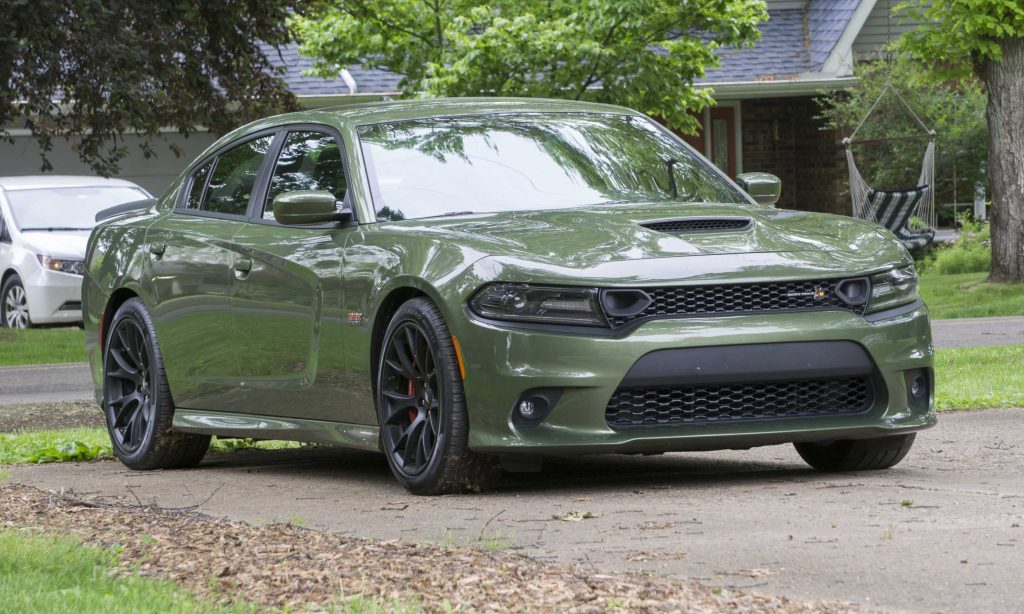
From a value standpoint, these cars remain accessible. As a result, enthusiasts can find a vehicle that balances performance and practicality without stepping into the high cost territory of older classics.
The 2006 Charger R/T stands as an example of evolution. It shows how muscle car performance can be integrated into a different format while still retaining its core identity.
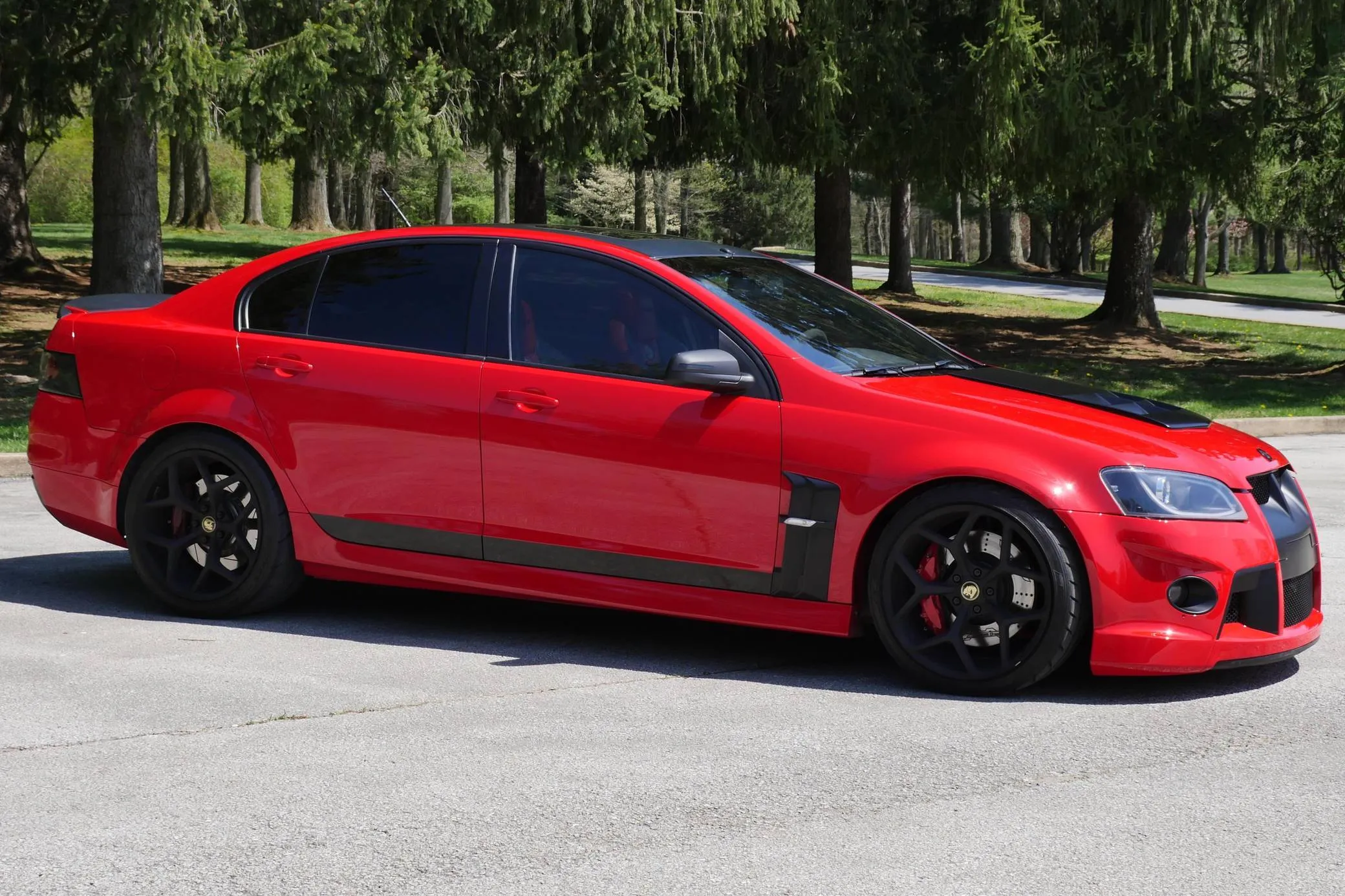
5. 2009 Pontiac G8 GT
Start with the idea of a sleeper that never fully received the recognition it deserved. The 2009 Pontiac G8 GT fits that description perfectly. It arrived with serious performance credentials, yet it never built the long term reputation that many of its capabilities justified.
Under the hood sits a 6.0-liter V8 that delivers strong, immediate torque. This engine does not need to be pushed aggressively to feel powerful. It responds with authority from low speeds, making everyday driving feel effortless while still providing the punch expected from a muscle car.
What makes the G8 GT stand out is how it combines that power with balance. Built on a Rear Wheel Drive platform developed with global engineering input, the car feels composed in a way that traditional muscle sedans often did not. It carries speed with confidence and maintains stability even when pushed harder than expected.
The driving experience is shaped by this balance. Instead of feeling like a straight line specialist, the G8 GT offers a broader range of capabilities. It handles corners with more control than its size suggests, and it transitions between acceleration and braking smoothly. This versatility adds depth to its character.
Its underrated status is closely tied to timing. Pontiac’s closure limited its long term exposure, preventing the car from building the same cultural presence as other muscle models. As a result, it remained somewhat hidden despite its strengths.
There is also an element of subtlety in its design. It does not immediately signal high performance, which contributes to its sleeper appeal. This understated look allows it to blend in, making its performance feel even more surprising.
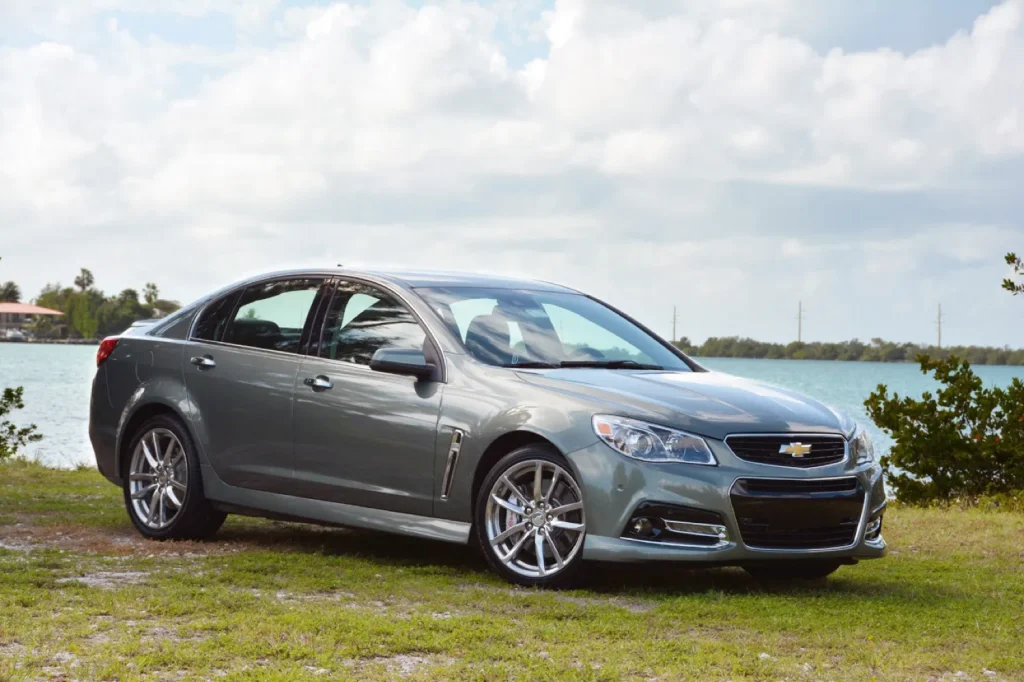
Collectors who focus on well-known badges may overlook the G8 GT, but those who recognize its engineering foundation see its value differently. It represents a moment when performance and refinement were combined in a way that felt ahead of its time.
From an ownership perspective, it offers a compelling mix of usability and excitement. It can function as a daily driver while still delivering the kind of acceleration and engagement expected from a muscle car.
The G8 GT is not defined by a single standout feature. Its strength lies in how its elements work together, creating a car that feels complete rather than specialized.
6. 2012 Chevrolet Camaro ZL1 (Early Years)
Take a different direction and focus on intensity. The 2012 Chevrolet Camaro ZL1 entered the scene with a clear objective, which was to push performance boundaries while still being usable on the street. Despite its capabilities, early examples have not yet reached the level of attention seen with other high performance Camaros.
Its supercharged 6.2-liter V8 delivers a level of power that immediately changes the tone of the driving experience. Acceleration feels forceful and direct, with a constant surge that does not fade as speed increases. This engine defines the car’s character, creating a sense of urgency that is difficult to ignore.
However, power alone does not tell the full story. The ZL1 incorporates advanced suspension technology that allows it to manage that power effectively. Magnetic ride control adapts to changing conditions, helping the car maintain stability while still offering a degree of comfort.
The result is a machine that feels capable in multiple environments. It can deliver strong straight-line performance while also handling more demanding roads with confidence. This versatility adds to its appeal, setting it apart from cars that focus on a single aspect of performance.
One reason it remains underrated is perception. Some enthusiasts associate the Camaro with earlier, less refined models, overlooking how much the ZL1 improved upon that foundation. This has kept early versions from reaching their full collector potential.
Timing also plays a role. As newer and more extreme variants have taken the spotlight, attention has moved away from earlier models. As a result, collectors who recognize the significance of the ZL1’s introduction may find it particularly appealing.
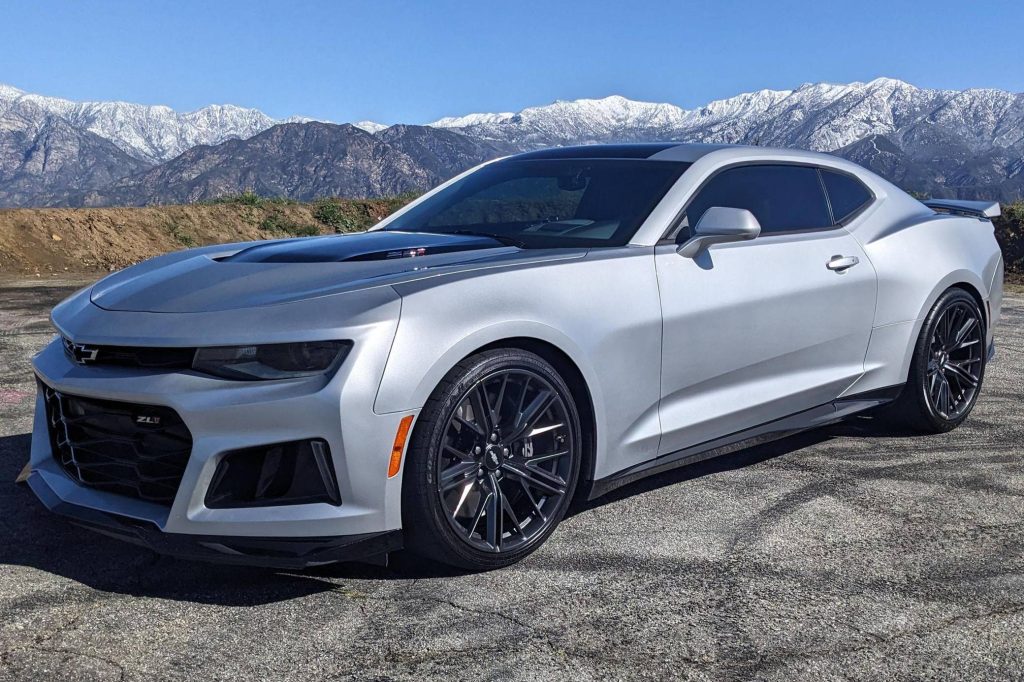
Driving it feels intense yet controlled. The car responds quickly, and the combination of power and technology allows it to maintain composure even under heavy acceleration. This balance makes it more approachable than its specifications might suggest.
From a collector’s perspective, the early ZL1 represents a turning point. It marks a stage where modern technology began to play a larger role in muscle car performance, bridging the gap between raw power and refined control.
It delivers extreme performance while still maintaining a level of usability that makes it practical beyond occasional use.
7. 2003 Mercury Marauder
Begin with an image that does not immediately suggest performance. A large, dark sedan with conservative styling rarely draws attention in enthusiast circles. That is exactly why the 2003 Mercury Marauder continues to slip under the radar, even though it carries genuine muscle credentials.
This car borrows its foundation from a platform traditionally associated with durability rather than speed. What changes the narrative is the inclusion of a 4.6-liter DOHC V8, tuned to deliver a stronger and more responsive driving experience than expected. It does not overwhelm with raw numbers, yet it provides steady and confident acceleration.
The Marauder feels substantial on the road. Its size gives it a commanding presence, but it does not feel disconnected. Instead, it moves with a sense of purpose, especially in straight line performance where its torque becomes most noticeable. There is a quiet strength to how it builds speed.
Unlike smaller muscle cars that rely on aggressive styling, the Marauder leans into subtlety. This sleeper identity is one of its most appealing traits. It does not announce its capabilities, which makes its performance more surprising when experienced.
Inside, the car maintains a traditional layout with a focus on comfort. This adds another layer to its character. It can function as a relaxed cruiser while still delivering moments of strong acceleration when needed.
Collectors have often overlooked it because of its understated nature and its association with a more utilitarian platform. However, that same association contributes to its uniqueness. It represents a different interpretation of muscle, one that prioritizes presence and consistency over flash.
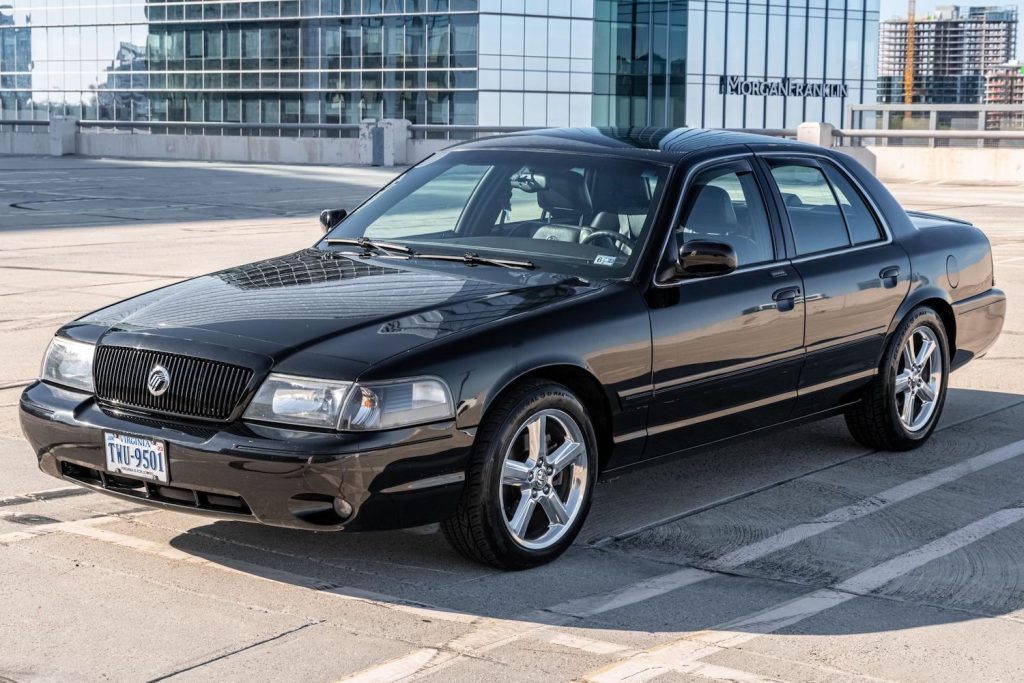
There is also a limited production aspect that adds to its appeal. It was not produced in massive numbers, which gives it a sense of exclusivity without pushing it into unattainable price ranges.
The 2003 Mercury Marauder stands as a reminder that performance can exist in unexpected forms. It does not follow the typical muscle car formula, and that is precisely what makes it worth a closer look.
8. 2014 Chevrolet SS
Shift the focus toward refinement combined with hidden strength, and the 2014 Chevrolet SS becomes impossible to ignore. This sedan carries a low profile appearance, yet beneath that exterior lies a performance package that rivals more recognized muscle cars.
Powered by a 6.2 liter V8, the SS delivers strong and immediate acceleration. The engine responds quickly, providing a surge of power that feels both smooth and forceful. This combination makes it highly effective in real-world driving situations.
What sets the SS apart is its balance. It is not just about straight line speed. The chassis is tuned to handle corners with confidence, creating a driving experience that feels composed and controlled. This makes it a more complete performance car compared to traditional muscle machines.
The understated design plays a major role in its underrated status. It does not draw attention, which means it often goes unnoticed by casual observers. For collectors, this subtlety becomes an advantage. It offers performance without the expectation or pressure that comes with more iconic models.
Another important factor is its rarity in perception. While it was not produced in extremely low numbers, it was never heavily marketed or widely recognized. This has kept it from achieving the same level of fame as other performance sedans.
Driving the SS reveals a level of refinement that enhances its appeal. It feels stable, responsive, and capable in a variety of conditions. This versatility allows it to serve multiple roles, from daily driving to spirited performance.
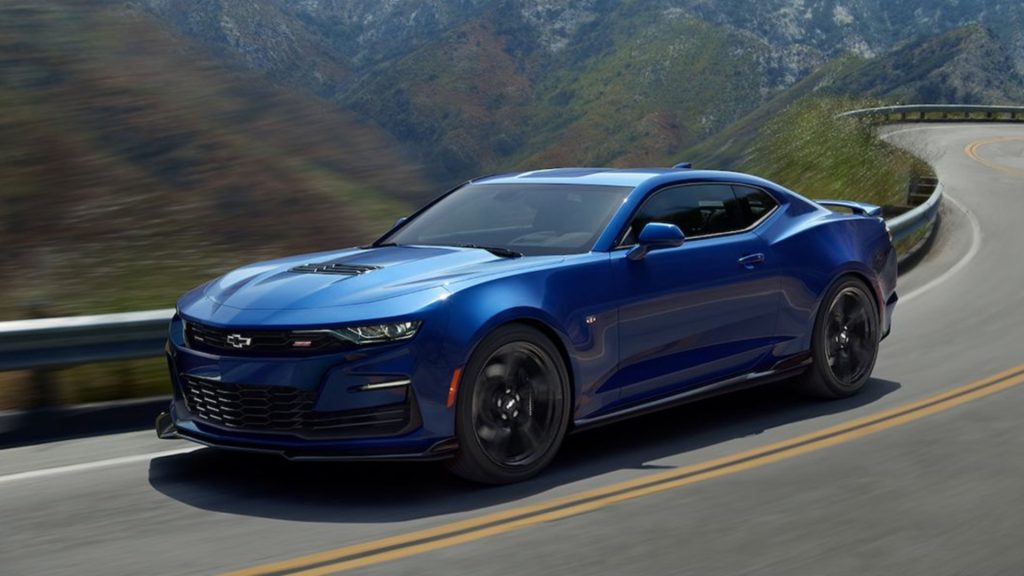
The interior reflects this dual purpose. It offers comfort and practicality while still supporting the car’s performance capabilities. This balance makes it more usable than many traditional muscle cars.
For collectors, the Chevrolet SS represents a hidden opportunity. It combines strong performance, subtle design, and a unique position in the market. These qualities suggest that its recognition may grow over time.
9. 2008 Dodge Magnum SRT8
End with something that challenges expectations completely. The 2008 Dodge Magnum SRT8 does not fit the traditional image of a muscle car at all. It is a performance wagon, a format that rarely enters the muscle conversation. Yet its capabilities place it firmly within that category.
Equipped with a 6.1-liter HEMI V8, the Magnum SRT8 delivers immediate and forceful acceleration. The engine provides a deep reserve of power that becomes evident the moment the throttle is engaged. It feels strong, direct, and unapologetic.
What makes this car particularly interesting is how it combines that power with practicality. The wagon body style offers space and usability that most muscle cars cannot match. This creates a unique blend of performance and functionality.
On the road, the Magnum feels solid and controlled. It carries its weight with confidence, maintaining stability even under heavy acceleration. This allows it to deliver its performance without feeling unsettled.
Its design plays a significant role in its underrated status. Many enthusiasts overlooked it because it did not align with traditional muscle car expectations. However, that difference is exactly what makes it stand out today.
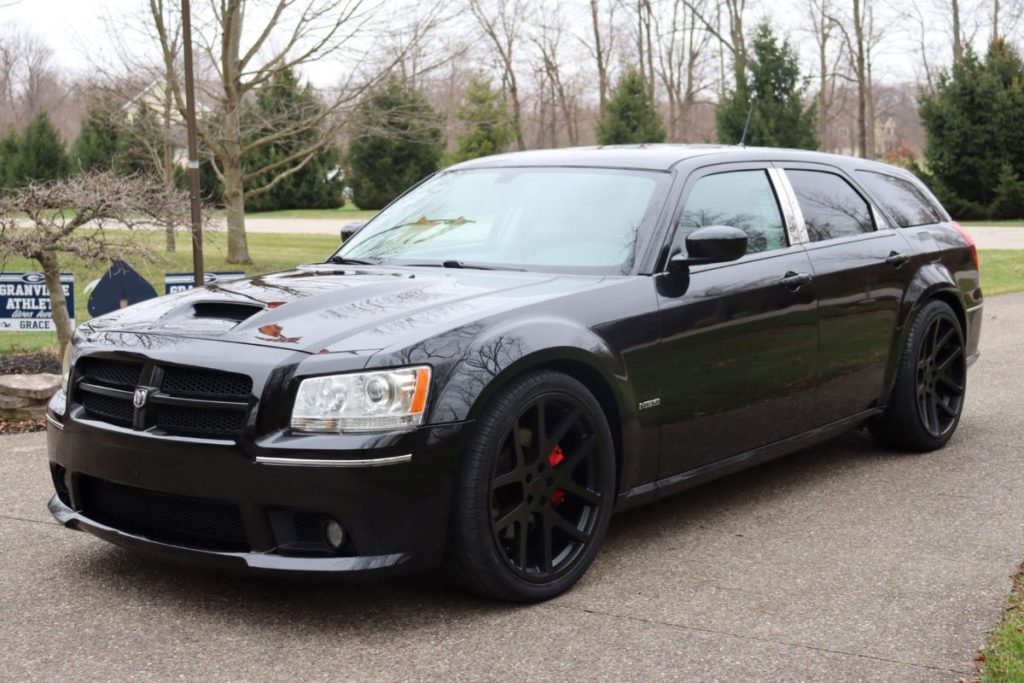
The driving experience feels distinct. There is a sense of versatility that adds depth to its character. It can handle everyday tasks while still delivering moments of intense acceleration when pushed.
From a collector’s perspective, the Magnum SRT8 offers something rare. It is not just another variation of a familiar formula. It represents a bold approach to performance, combining elements that are not typically associated with muscle cars.
It challenges assumptions about what a muscle car can be, proving that performance is not limited to a single format. That uniqueness makes it a compelling choice for those looking beyond the obvious options.
This final entry reinforces the idea that some of the most interesting muscle cars are the ones that do not follow established patterns.
This collection highlights how the muscle car world in 2026 extends far beyond the usual icons. While mainstream models dominate attention and prices, several overlooked machines continue to offer strong performance, unique character, and real collector potential.
These cars were often dismissed due to timing, styling, or shifting expectations, yet those same factors now make them stand out.
From understated sedans like the Chevrolet SS and Mercury Marauder to unconventional choices like the Dodge Magnum SRT8, each model presents a different take on muscle. Some focus on balance and refinement, while others emphasize raw power or sleeper appeal. That variety is what makes them especially interesting today.
As market trends evolve, collectors are beginning to recognize value in cars that break away from traditional formulas. These underrated muscle cars represent an opportunity to own something distinctive before wider appreciation drives demand higher, making them smart and engaging choices for enthusiasts.
Also Read: 8 Toyota Trucks Holding Value Better Than Any American Rival
