
The 2000s were a fascinating era for sports cars, sitting right at the intersection of analog driving purity and the early rise of modern technology. It was a time when manufacturers were experimenting boldly, yet still building machines that demanded real skill and connection from the driver.
Many of these cars lived in the shadow of bigger icons, dismissed at the time as either too niche, too unconventional, or simply ahead of their moment.
Fast forward to 2026, and the narrative has started to shift in a meaningful way. Enthusiasts and collectors are now revisiting that decade with fresh eyes, recognizing that some of those overlooked models offer something rare today.
They combine engaging driving dynamics, distinctive design, and a level of mechanical honesty that newer performance cars often lack.
What makes these forgotten sports cars especially interesting is how quietly they are gaining value. They are not the obvious blue chip classics that everyone is chasing.
Instead, they sit just under the radar, appreciated by those who understand their engineering, their quirks, and the stories behind them. That subtle rise in demand is exactly what turns an underappreciated car into a smart investment.
Another key factor is rarity, but not always in the traditional sense. Some of these cars were produced in decent numbers, yet very few remain in clean, unmodified condition today. Others were limited from the start, but never received the spotlight they deserved. As time passes, both scenarios create scarcity, and scarcity drives desirability.
There is also a generational shift happening. Buyers who grew up in the 2000s are now in a position to purchase the cars they once admired from afar. Nostalgia is proving to be a powerful force in the collector market, and it is pushing values upward for cars that once seemed forgettable.
In this article, we will look at ten sports cars from the 2000s that are quietly transforming into investment-worthy machines. Each one brings something different to the table, whether it is engineering brilliance, unique styling, or a driving experience that feels increasingly rare today.
Also Read: 10 McLaren Models Defining the Last Decade of Hypercar Engineering
1. Honda S2000 (AP1)
The Honda S2000 did not fade away because it lacked ability. It simply existed in a market crowded with louder, more aggressive sports cars that demanded attention in obvious ways. The S2000, by contrast, was precise, disciplined, and almost surgical in how it delivered performance.
At the heart of the AP1 model sits one of the most celebrated naturally aspirated engines ever built. The F20C engine pushed boundaries with its sky-high redline, rewarding drivers who were willing to chase every last RPM. It did not hand out speed easily, and that is exactly why it feels so special today.
The chassis is equally important to its growing reputation. With near-perfect weight distribution and a rigid structure, the car responds instantly to inputs. There is no excess, no softness, and no artificial filtering. What you get is a direct conversation between driver, machine, and road.
What has changed in recent years is how people value that experience. Modern performance cars often rely heavily on electronics, turbocharging, and insulation from road feel. The S2000 stands in contrast to that trend, offering something raw and unfiltered.
Another factor driving its investment potential is condition. Many S2000s were heavily modified or driven hard, which makes clean, original examples increasingly difficult to find. Collectors are beginning to recognize that originality matters more than ever for long-term value.
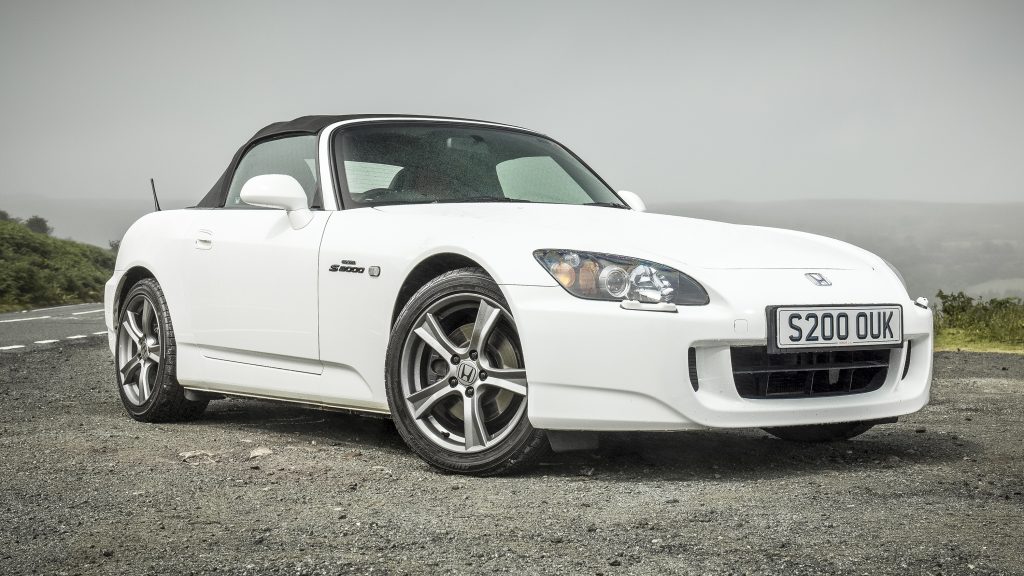
The design has also aged better than many expected. Its clean lines and compact proportions now feel timeless rather than dated. It avoids the exaggerated styling trends that defined much of the early 2000s.
As demand continues to grow, the AP1 variant in particular is becoming the one enthusiasts chase. Its sharper character and higher revving nature make it feel more authentic to purists, which strengthens its position in the collector space.
2. Porsche Cayman S (987.1)
When the first-generation Cayman S arrived, it faced an identity problem. Positioned below the 911, it was often seen as the lesser option, a compromise rather than a destination. That perception kept values relatively subdued for years.
What many overlooked, however, was just how capable the car actually was. The mid-engine layout gives it a balance that even some higher-priced sports cars struggle to achieve. It feels planted, predictable, and incredibly rewarding when pushed through corners.
The steering deserves special attention. It communicates with clarity, providing feedback that modern electric systems often fail to replicate. Every input feels meaningful, and that connection becomes more valuable as newer cars move further away from that level of engagement.
In terms of design, the 987.1 generation strikes a balance between classic Porsche cues and a more compact, focused silhouette. It does not rely on aggressive styling to make its presence known. Instead, it carries a quiet confidence that ages gracefully.
From an investment perspective, the shift is already underway. Enthusiasts are beginning to acknowledge that the Cayman was never truly the “entry level” compromise it was once labeled as. In many ways, it delivers a purer sports car experience than some versions of the 911 from the same era.
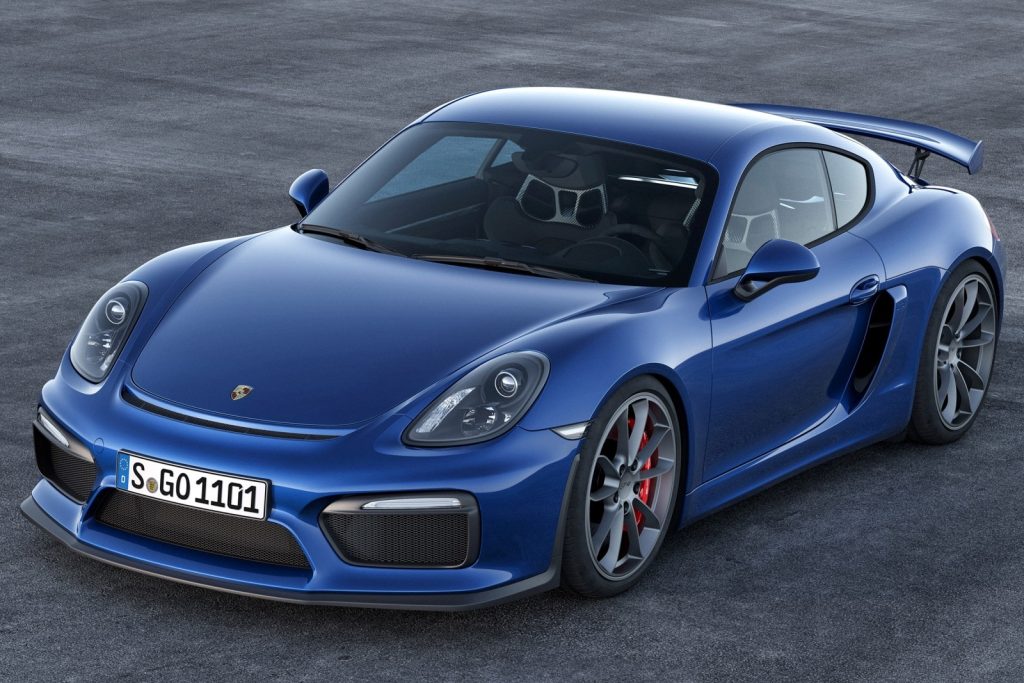
Maintenance and ownership also play a role in its rising appeal. Compared to more exotic alternatives, the Cayman S offers a relatively accessible way to own a car with a genuine performance pedigree. That balance attracts both new collectors and seasoned enthusiasts.
Another subtle but important factor is how few untouched examples remain. Many cars have seen track use or modifications, which means original, well-maintained units are becoming harder to source. This naturally pushes interest toward the best-preserved cars.
The result is a model that is steadily gaining recognition. It may not dominate headlines, but within enthusiast circles, the 987.1 Cayman S is no longer overlooked. It is being re-evaluated as one of the smartest sports car buys from its era.
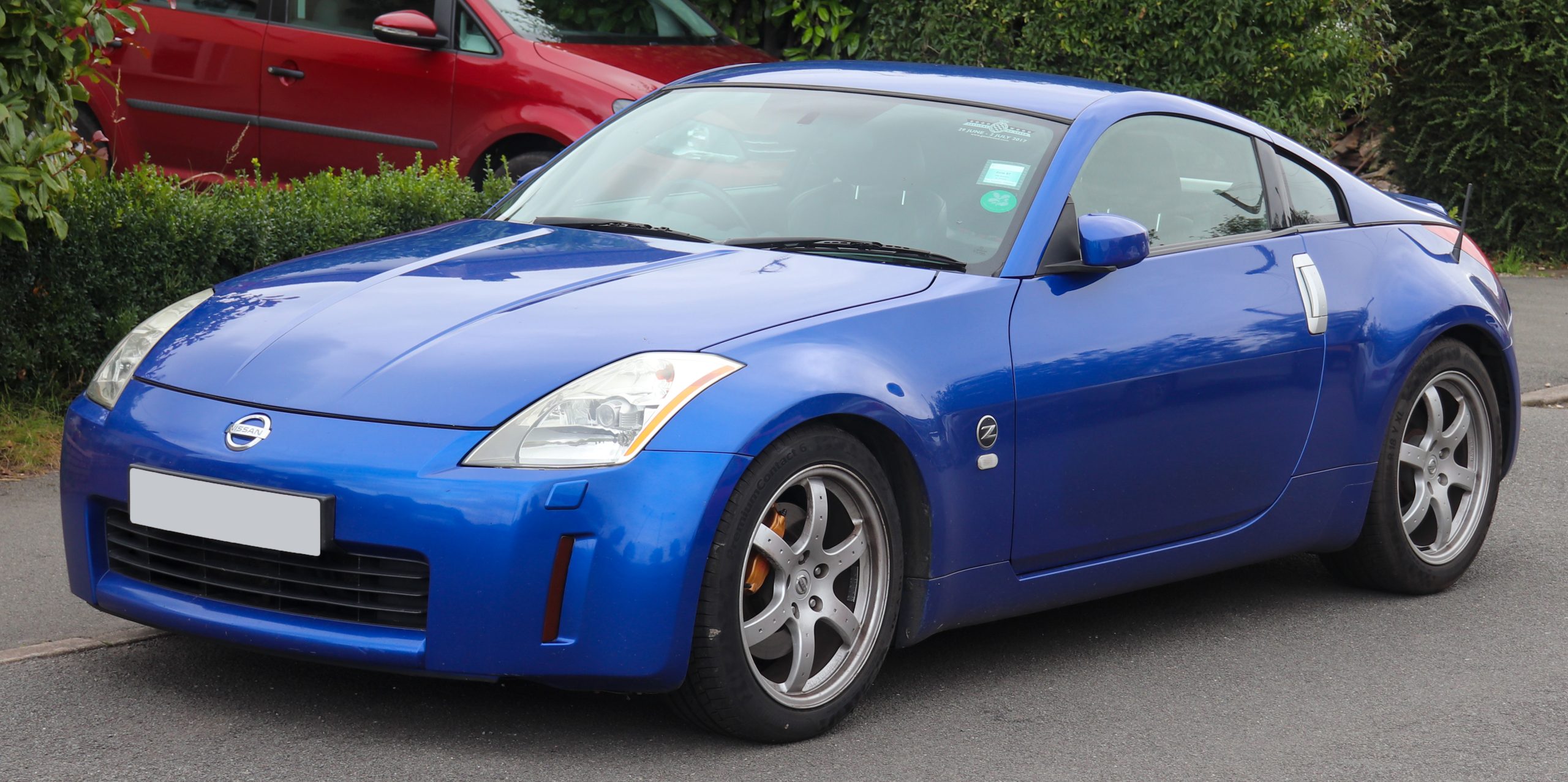
3. Nissan 350Z (Track Edition)
The Nissan 350Z entered the market with a strong identity, yet over time it became a victim of its own popularity. It was widely available, relatively affordable, and frequently modified, which meant it rarely received serious collector attention in its early years. That perception is beginning to shift as enthusiasts reassess what the car actually represents.
Under the surface, the 350Z carries a robust naturally aspirated V6 that delivers power in a linear, predictable way. It is not about chasing extreme numbers, but about consistency and reliability. The Track Edition sharpens that formula with improved brakes, suspension tuning, and subtle refinements that make a noticeable difference when driven with intent.
What separates the 350Z from many of its peers is its honesty. There is no attempt to mask its weight or artificially enhance its responses. It feels mechanical, grounded, and slightly raw, which gives it a personality that modern performance cars often smooth out.
That character is becoming increasingly desirable among buyers who want a more connected driving experience.
Design plays an unexpected role in its growing appeal. At launch, its styling was considered bold and even divisive. Today, those same proportions feel distinctive and unmistakably tied to a specific era. It has aged into its identity rather than away from it.
The biggest factor influencing its investment trajectory is the survival rate. A large percentage of 350Zs have been heavily altered, drifted, or simply worn down by time. Finding a clean, stock Track Edition is no longer as easy as it once was. That scarcity is slowly pushing values upward.
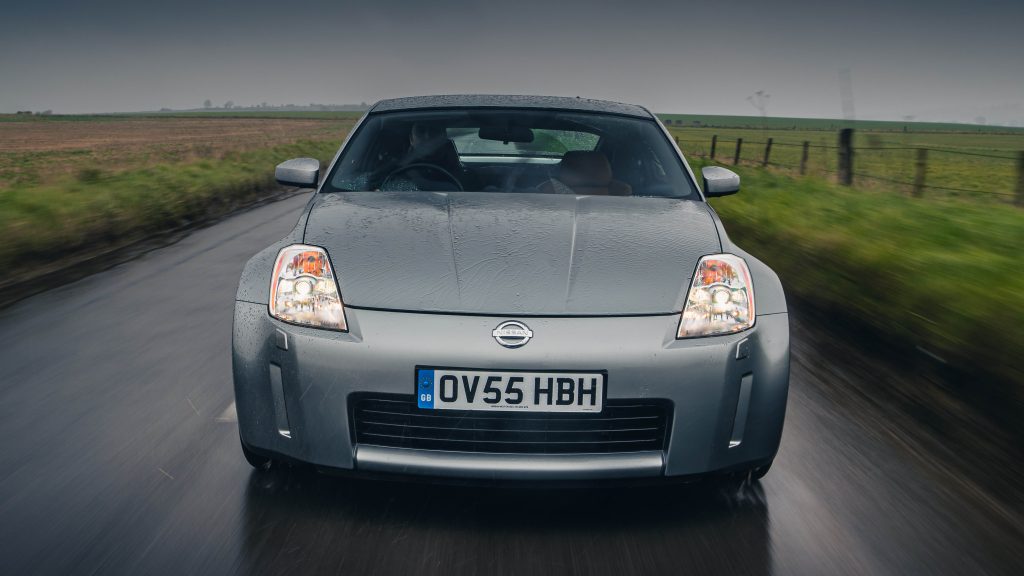
There is also a cultural element at work. The 350Z was deeply embedded in early 2000s automotive culture, appearing in media, tuning scenes, and grassroots motorsports. That legacy adds emotional value, especially for buyers who grew up during that period.
As interest builds, the focus is narrowing toward well-preserved examples with documented history. These are the cars that collectors are starting to take seriously, and they are the ones most likely to benefit from long-term appreciation.
4. Audi TT Quattro Sport (Mk1)
The first-generation Audi TT was never a conventional sports car. It was more of a design statement that happened to deliver performance, and that unique positioning is exactly what makes it intriguing today. While standard versions were popular, the Quattro Sport variant remained relatively obscure.
This particular model strips away some of the comfort-oriented features found in regular TTs and shifts the focus toward driving engagement. Weight reduction, firmer suspension, and a more focused setup transform the car into something far more purposeful. It feels tighter, more responsive, and noticeably more serious.
One of its defining characteristics is the use of All Wheel Drive. Unlike many Front Wheel Drive-based performance cars of its time, the Quattro system provides confidence and grip in a wide range of conditions. It may not deliver the traditional Rear Wheel Drive feel, but it offers a different kind of capability that is equally rewarding in its own way.
The engine, a turbocharged unit with strong mid-range performance, complements the chassis well. It does not rely on high rev theatrics. Instead, it delivers usable power that makes the car feel quick and accessible without being overwhelming.
From a visual standpoint, the TT has already earned recognition as a design icon. Its clean, geometric shape stands apart from the more aggressive styling trends of the 2000s. The Quattro Sport adds subtle cues that enhance its presence without disrupting that minimalist approach.
Rarity is where this model begins to stand out. Production numbers were limited compared to standard versions, and many buyers overlooked it in favor of more familiar sports cars. That lack of attention has worked in its favor over time.
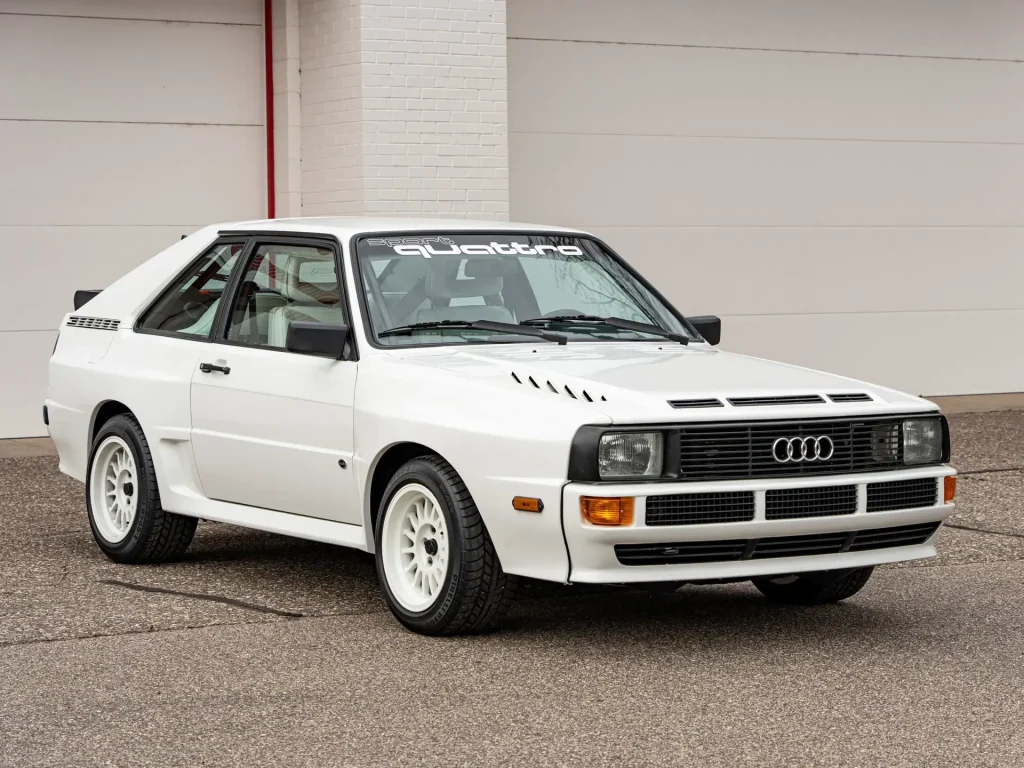
Collectors are now beginning to appreciate the Quattro Sport for what it is rather than what it was compared against. It represents a different philosophy, one that prioritizes design, usability, and controlled performance in equal measure.
As the market evolves, cars that offer a distinct identity tend to gain traction. The TT Quattro Sport fits that description perfectly, and its quiet rise reflects a broader shift in how enthusiasts define value in a sports car.
5. BMW Z4 M Coupe (E86)
Some cars take years to be understood properly, and the BMW Z4 M Coupe is a perfect example of that delayed recognition. When it first arrived, its styling divided opinion sharply. The elongated hood, abrupt rear profile, and unconventional proportions made it difficult for many to immediately appreciate what it offered beneath the surface.
That hesitation masked one of the most compelling driver-focused packages of its time. At its core sits the S54 engine, a high-revving inline six that had already proven its credibility in BMW’s M lineup. It delivers power in a way that feels urgent yet controlled, building intensity as the revs climb rather than relying on brute force.
The driving experience is defined by its rigidity. Unlike its convertible counterpart, the coupe benefits from a significantly stiffer chassis. That structural advantage translates directly into sharper handling and more predictable behavior when pushed hard. It feels planted, almost stubbornly composed, especially on demanding roads.
Inside, the cabin reflects a simpler era of performance cars. There is no excess complexity, no overwhelming digital interface, just a focused environment that keeps the driver engaged. That simplicity is increasingly valued as modern interiors become more technology-heavy.
What has truly changed its trajectory is perception. The same design that once drew criticism is now seen as distinctive and bold. It stands apart from more conventional sports coupes, and that individuality gives it a stronger identity in today’s market.
Another factor contributing to its rising appeal is production volume. The Z4 M Coupe was never built in large numbers, and many examples have either been modified or driven extensively. Clean, original cars are becoming harder to locate, and that scarcity is beginning to influence pricing.
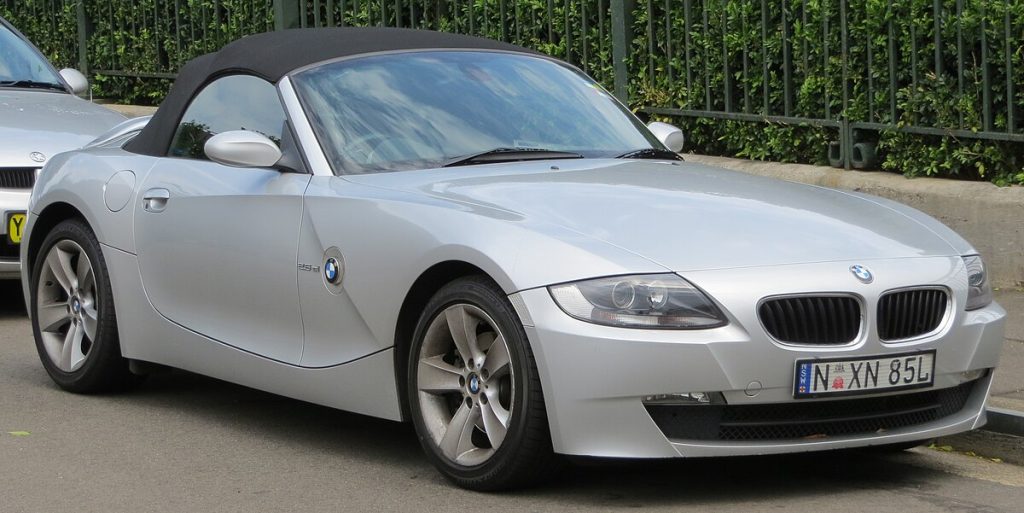
Collectors are also paying attention to its mechanical purity. It represents one of the last opportunities to experience BMW’s naturally aspirated M engineering in a compact, relatively lightweight package. That alone gives it long-term relevance.
Rather than following the path of more obvious classics, the Z4 M Coupe is gaining momentum quietly. Its value is being driven by those who understand its strengths, and that kind of recognition tends to build steadily over time.
6. Lotus Elise (Series 2)
The Lotus Elise Series 2 never tried to appeal to everyone, and that selective nature is exactly what defines its growing importance today. It was built with a singular purpose in mind: to deliver the purest possible connection between driver and road, without compromise.
Weight is the central theme here. The Elise is exceptionally light, and that changes everything about how it behaves. Instead of relying on overwhelming power, it uses agility and precision to create speed. Every movement feels immediate, and every input produces a clear response.
Driving the Elise requires attention and involvement. There is very little in the way of insulation, both physically and mechanically. You feel the surface of the road, the feedback through the steering, and the subtle shifts in balance as the car moves through corners. It is an experience that demands participation rather than passive enjoyment.
The engine, often sourced from reliable partners, complements the chassis rather than dominating it. It provides enough performance to keep things engaging while allowing the car’s lightweight philosophy to remain at the forefront. The result is a balanced package that feels cohesive rather than excessive.
From a design perspective, the Elise avoids trends entirely. Its compact form, exposed elements, and functional styling make it look purpose-built rather than styled for attention. That timelessness works in its favor as automotive design continues to evolve.
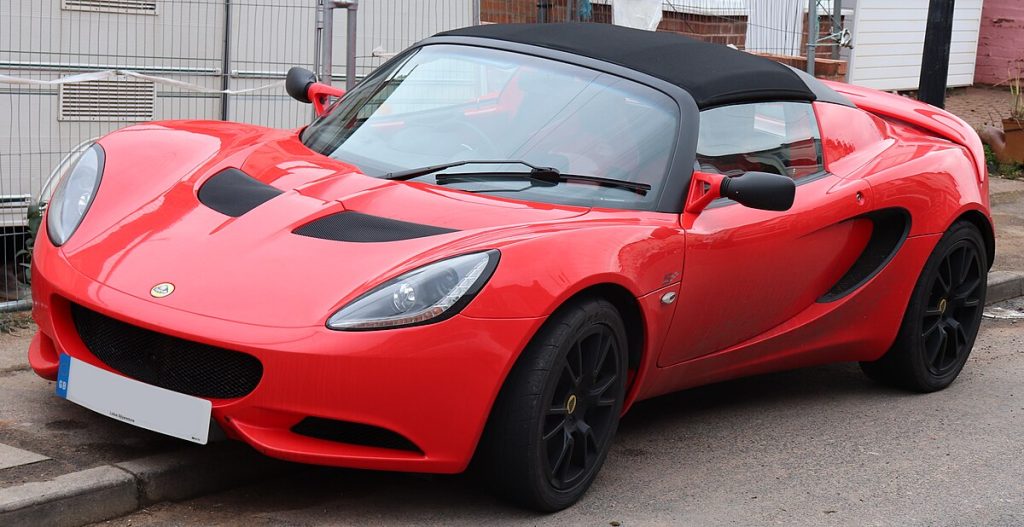
Ownership is not without its challenges. The car’s minimalism means it lacks many comforts that buyers expect from modern vehicles. However, that same simplicity is part of its appeal. It offers something that cannot easily be replicated in today’s heavily regulated automotive environment.
In terms of investment potential, the Elise benefits from a clear identity and a dedicated following. It is not a car that fluctuates wildly in popularity. Instead, it maintains steady interest among enthusiasts who value driving purity above all else.
As regulations and market trends push manufacturers toward heavier, more complex vehicles, cars like the Elise become increasingly significant. They represent a philosophy that is becoming rare, and rarity, in this context, extends beyond numbers to include experience.
Its rise in value is not driven by hype or sudden demand. It is built on consistent appreciation from those who recognize what it offers. That kind of steady growth often proves more sustainable in the long run.
7. Chevrolet Corvette C6 (Early Models)
The early Chevrolet Corvette C6 lived for years in a strange middle ground. It was neither old enough to be considered classic nor new enough to attract buyers looking for the latest technology. That in-between position kept it undervalued despite its clear capabilities.
What makes the C6 increasingly relevant today is how effectively it delivers performance without unnecessary complication. The LS2 V8 engine provides strong, immediate power, and it does so with a character that feels natural rather than engineered for effect. Acceleration is effortless, yet it never feels detached from the driver.
Handling is where the car quietly proves its depth. The C6 is more refined than its predecessor, offering better balance and improved composure at higher speeds. It may not have the precision of some European rivals, but it compensates with confidence and stability that make it approachable in a wide range of conditions.
The interior, often criticized during its early years, now tells a different story. Its simplicity reflects an era before screens and layered interfaces took over. While it may lack luxury, it delivers clarity, and that straightforward layout is beginning to appeal to drivers who prefer function over distraction.
Another important aspect is usability. Unlike many sports cars, the C6 can be driven regularly without feeling demanding or impractical. That dual nature, combining performance with everyday usability, broadens its appeal beyond traditional collectors.
The shift in its investment outlook is largely tied to perception. For a long time, it was seen as abundant and easily replaceable. However, as time passes, well-maintained examples are becoming less common, especially those that remain unmodified.
There is also a growing appreciation for naturally aspirated V8 engines. As the industry moves toward smaller, turbocharged units and electrification, cars like the C6 represent a different era of performance, one that is becoming harder to access.
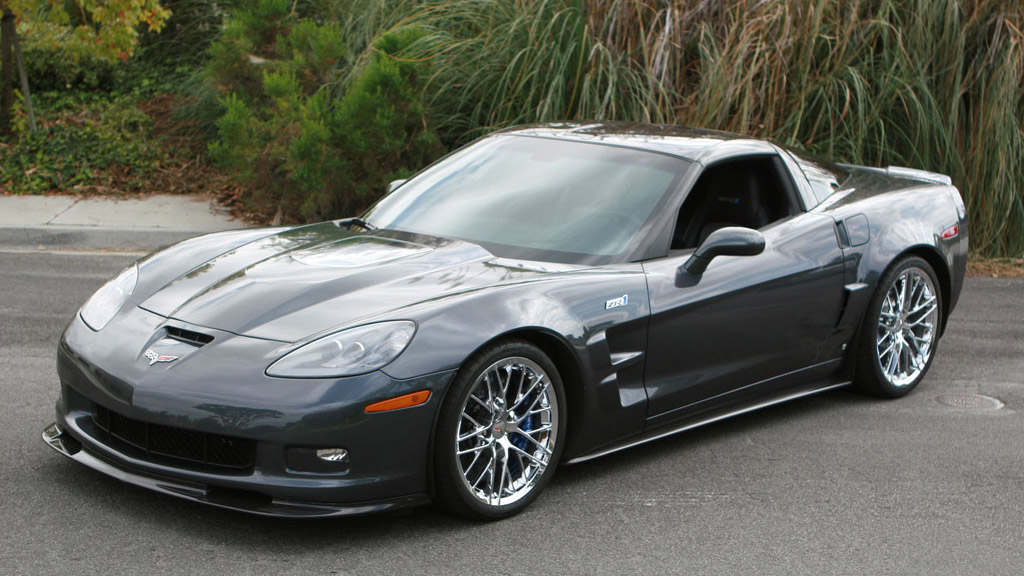
Rather than experiencing a sudden spike in demand, the C6 is building momentum gradually. It is being rediscovered by buyers who recognize that it offers a complete, engaging package without the inflated prices of more established classics.
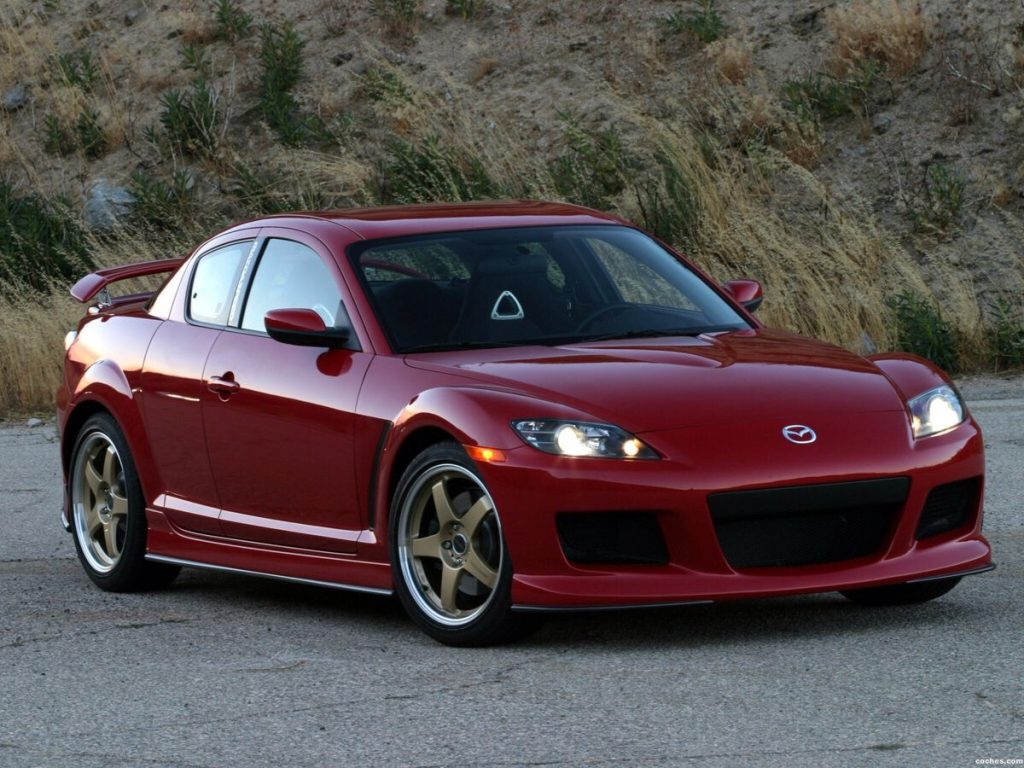
8. Mazda RX-8 (Final Production Years)
The Mazda RX-8 has always carried a complicated reputation, shaped as much by misunderstanding as by its actual engineering. For years, concerns about reliability overshadowed what the car truly offered. That narrative is slowly being reconsidered.
At the center of the RX-8 is its rotary engine, a design that stands apart from conventional piston setups. It delivers power in a uniquely smooth and linear way, encouraging drivers to explore the upper range of the rev band. The experience feels different, not just in performance but in how the engine responds to input.
Balance is where the RX-8 quietly excels. Its near-perfect weight distribution and low center of gravity create a chassis that feels composed and predictable. It invites drivers to push a little further, offering feedback that builds confidence rather than uncertainty.
The design also deserves a closer look. The rear-hinged doors, often referred to as a clever solution for accessibility, give the car a practical edge without disrupting its sporty proportions. It is a reminder that innovation can exist in subtle, functional ways.
What is changing now is how enthusiasts view the rotary engine itself. Once seen as a liability, it is increasingly appreciated as something rare and distinctive. As fewer manufacturers pursue unconventional engine designs, the RX-8 stands out more with each passing year.
Condition plays a significant role in its investment potential. Many examples were not maintained properly, leading to issues that could have been avoided with the right care. As a result, well-preserved cars with documented history are becoming highly sought after.
There is also an emotional component tied to the RX-8. It represents the end of an era for Mazda’s rotary technology in production sports cars. That sense of finality adds weight to its place in automotive history.
Instead of following a traditional path to recognition, the RX-8 is gaining appreciation through a deeper understanding of what it represents. It is not just about performance figures, but about engineering philosophy and the willingness to do things differently.
As that perspective continues to spread, the RX-8 is moving from overlooked to respected. Its rise may be gradual, but it is grounded in qualities that are unlikely to lose relevance anytime soon.
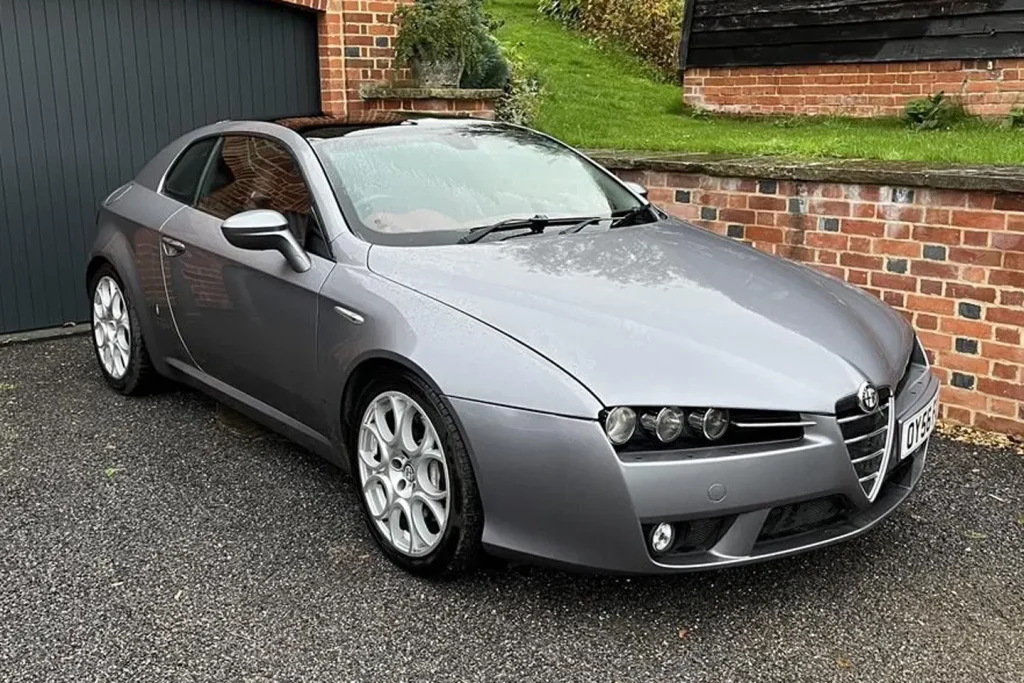
9. Alfa Romeo Brera V6
The Alfa Romeo Brera V6 entered the market with expectations shaped heavily by its concept car origins. Many were drawn to its striking design, yet some walked away disappointed by the gap between visual drama and outright performance figures. That initial reaction kept it from achieving the recognition it arguably deserved.
What time has revealed, however, is that the Brera was never meant to be judged purely on numbers. Its appeal lies in how it blends style, sound, and presence into a cohesive experience.
The V6 engine, sourced through a collaboration that adds depth to its character, delivers a rich and unmistakable tone that defines the car more than raw speed ever could.
Step inside, and the interior reinforces that sense of occasion. Materials, layout, and driver-focused ergonomics create an environment that feels intentional and crafted. It is not trying to mimic German precision or Japanese minimalism. Instead, it embraces a distinctly Italian approach, prioritizing emotion alongside function.
On the road, the Brera offers a composed and planted feel. It may not chase razor-sharp agility, but it provides a confident, stable drive that suits its grand touring personality. This difference in character is important because it separates the car from more track-oriented rivals.
The current Golf uses a mix of touch-sensitive and physical shortcut buttons positioned below the screen. Climate controls are easy to access, allowing quick adjustments without going through digital menus.
Rarity is another factor quietly working in its favor. Production numbers were not extremely low, yet the number of well-maintained V6 examples is steadily shrinking. Many have been neglected or improperly maintained, making clean cars increasingly difficult to find.
There is also a growing appreciation for cars that deliver a complete sensory experience rather than just performance metrics. The Brera fits that description perfectly, offering something that feels more personal and less clinical.
Its rise is subtle but consistent. It is being recognized not for what it tried to compete against, but for what it uniquely offers. That distinction is often what transforms a forgotten car into a meaningful collectible.
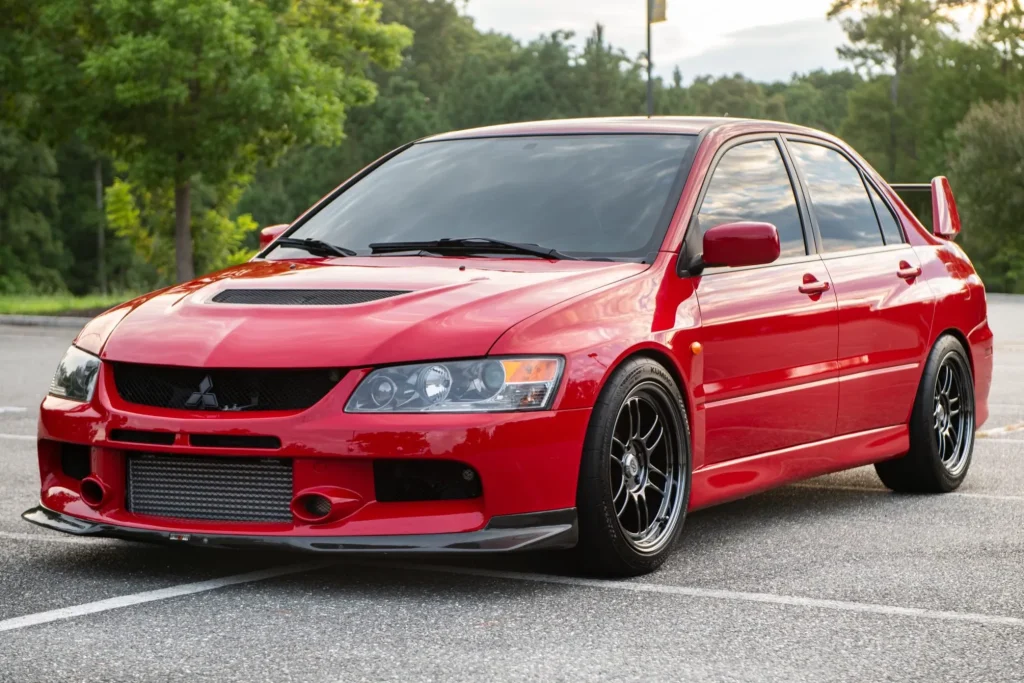
10. Mitsubishi Lancer Evolution IX (Standard Models)
The Mitsubishi Lancer Evolution IX is often remembered for its high-performance variants and motorsport heritage, yet the standard models themselves are beginning to gain attention in a different way. For years, they were seen primarily as tools for speed rather than as future collectibles.
At its core, the Evolution IX is defined by its engineering focus. The turbocharged engine delivers strong, responsive power, while the advanced All Wheel Drive system ensures that performance is usable in a wide range of conditions. It is a car built with intent, where every component serves a clear purpose.
What sets the Evolution IX apart is how it translates that engineering into real-world capability. It does not require perfect conditions to shine. Whether on uneven roads or challenging surfaces, it maintains composure and grip, giving the driver a sense of control that few cars of its era could match.
The driving experience is intense but structured. There is a constant sense of readiness, as if the car is always prepared to respond immediately to input. This creates a level of engagement that feels deliberate rather than overwhelming.
In terms of design, the Evolution IX reflects its functional roots. Its appearance is shaped by aerodynamics and cooling needs rather than purely aesthetic considerations. Over time, that purposeful look has become part of its appeal, signaling authenticity rather than excess.
The shift in its investment potential is closely tied to condition and originality. Many Evolution IX models were heavily modified, tracked, or pushed to their limits. As a result, unaltered examples with clean histories are becoming increasingly rare.
There is also a strong cultural legacy attached to the Evolution name. It represents an era when rally-inspired performance cars were accessible and widely celebrated. That connection continues to influence how the car is valued today.
As newer performance cars move toward different philosophies, the Evolution IX stands as a reminder of a more mechanical, driver-focused approach. Its growing recognition reflects a broader appreciation for that era.
Also Read: 10 Forgotten 1990s Exotics Now Worth Life-Changing Money
