
Torque has always been the hidden force behind real-world performance. While horsepower figures dominate headlines, torque is what drivers actually feel when a car surges forward, pulls hard at low speeds, or accelerates effortlessly without needing high revs.
In 2026, this distinction has become more relevant than ever, especially when comparing diesel engines to high-revving petrol powerplants.
Ferrari V12 engines are known for their smoothness, high-revving nature, and impressive power delivery. They create an emotional experience that few engines can match. However, they are not built to deliver extreme torque at low RPM. Their strength lies in sustained performance across the rev range rather than raw pulling force from a standstill.
Diesel engines, on the other hand, are engineered with a completely different philosophy. They prioritize torque, efficiency, and durability. Modern turbocharged diesel units can generate massive amounts of torque at very low engine speeds, creating a driving experience that feels effortless and powerful in everyday conditions.
This difference in design has led to an interesting reality. Several diesel cars now produce more torque than some Ferrari V12 engines, particularly those from earlier generations. This does not mean they are faster in every scenario, but it highlights how diesel technology has evolved to deliver incredible pulling power.
Another reason for this shift is the advancement in turbocharging and fuel injection systems. These technologies allow diesel engines to extract more energy from each combustion cycle, resulting in higher torque outputs without sacrificing efficiency. The result is a category of cars that combine strong performance with practical usability.
These vehicles are not limited to one type. They range from luxury sedans to high-performance SUVs, each offering a different interpretation of diesel power. Some focus on refinement, while others emphasize strength and capability.
The following list features nine diesel cars that produce more torque than a Ferrari V12 in 2026. Each one demonstrates how modern engineering can redefine expectations, proving that performance is not just about revving higher but also about pulling harder.
Also Read: 10 McLaren Models Defining the Last Decade of Hypercar Engineering
1. Audi SQ7 TDI
The Audi SQ7 TDI approaches performance from a perspective that prioritizes force rather than drama. It is a large SUV, yet it delivers torque in a way that feels immediate and relentless. This character becomes clear the moment the accelerator is pressed.
At the core of this machine is a 4.0-liter V8 diesel engine supported by advanced turbocharging technology. The inclusion of an electric-powered compressor reduces lag, allowing the engine to respond quickly even at low speeds. This creates a surge of torque that feels almost instantaneous.
Instead of building power gradually, the SQ7 delivers a strong push right from the start. This makes it particularly effective in real-world driving situations such as overtaking or merging onto highways. The engine does not need to be pushed hard to perform. It simply responds with authority.
Handling such a large amount of torque requires careful engineering. Audi addresses this with its All Wheel Drive system, which distributes power efficiently across all four wheels. This ensures that the torque is translated into forward motion without excessive wheel spin.
The driving experience is shaped by this combination of power and control. The SQ7 feels composed even when accelerating aggressively. It does not become unsettled or unpredictable. Instead, it maintains stability while delivering strong performance.
Another aspect that stands out is how refined the engine feels. Despite its diesel nature, it operates smoothly and quietly, especially within the cabin. This adds to the sense of effortlessness that defines the car.
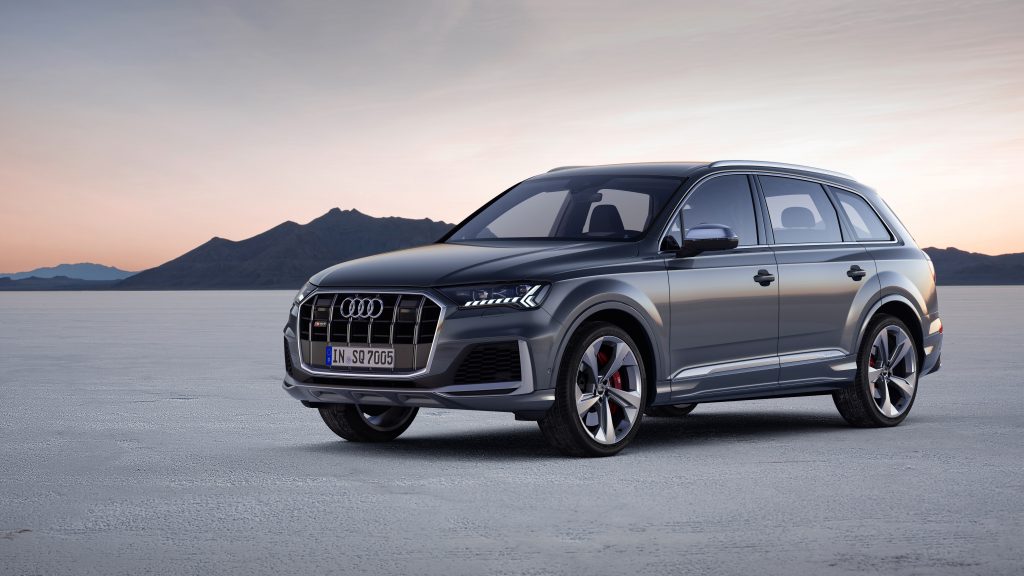
Comparing its torque output to a Ferrari V12 highlights the difference in engineering priorities. While the Ferrari focuses on high-revving excitement, the SQ7 delivers its strength at much lower engine speeds, making it more accessible in everyday driving.
This SUV demonstrates how diesel technology can create a different kind of performance. It may not provide the same emotional soundtrack, but it offers a level of pulling power that is difficult to ignore.
2. BMW 750d xDrive (Quad-Turbo Diesel)
The BMW 750d xDrive takes a more refined and technical approach to delivering torque. It does not rely on size or aggressive design to make an impression. Instead, it uses advanced engineering to achieve performance that feels both controlled and powerful.
Its 3.0-liter inline six diesel engine is equipped with a quad turbo setup. This configuration allows the engine to deliver torque across a wide range of speeds, ensuring that power is always available when needed. The result is a driving experience that feels seamless and responsive.
Unlike engines that produce a sudden surge, the 750d builds its torque in a smooth and progressive manner. This makes acceleration feel natural and controlled, even though the numbers suggest immense strength. The car moves forward with confidence rather than aggression.
The All Wheel Drive system enhances this behavior by providing consistent traction. Power is distributed in a way that maximizes grip, allowing the car to accelerate efficiently without losing stability. This becomes particularly important when dealing with high torque outputs.
Inside the cabin, the experience remains calm and composed. The engine operates quietly, and the car maintains a level of refinement expected from a luxury sedan. This contrast between performance and comfort adds to its appeal.
Another key factor is how the transmission complements the engine. Gear changes are smooth and timely, keeping the engine within its optimal range. This ensures that torque is delivered effectively without interruptions.
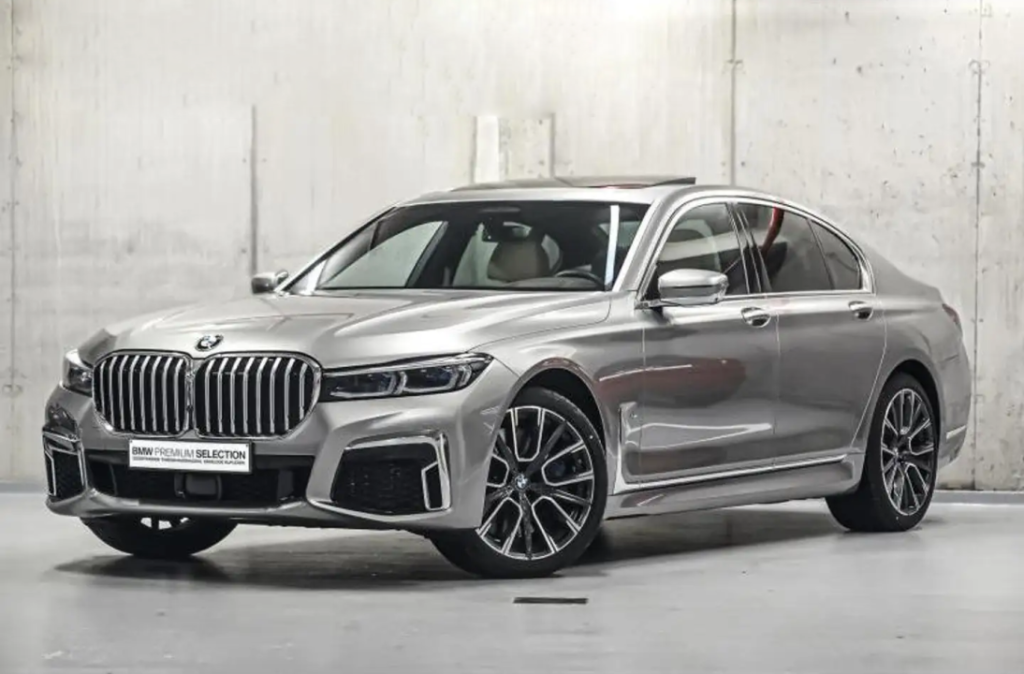
In comparison to a Ferrari V12, the 750d offers a completely different experience. It does not aim to excite through sound or high revs. Instead, it delivers strength in a controlled and efficient manner.
This sedan proves that torque can be delivered with precision rather than intensity. It highlights how modern diesel technology can achieve impressive performance while maintaining comfort and refinement.
3. Porsche Panamera Diesel
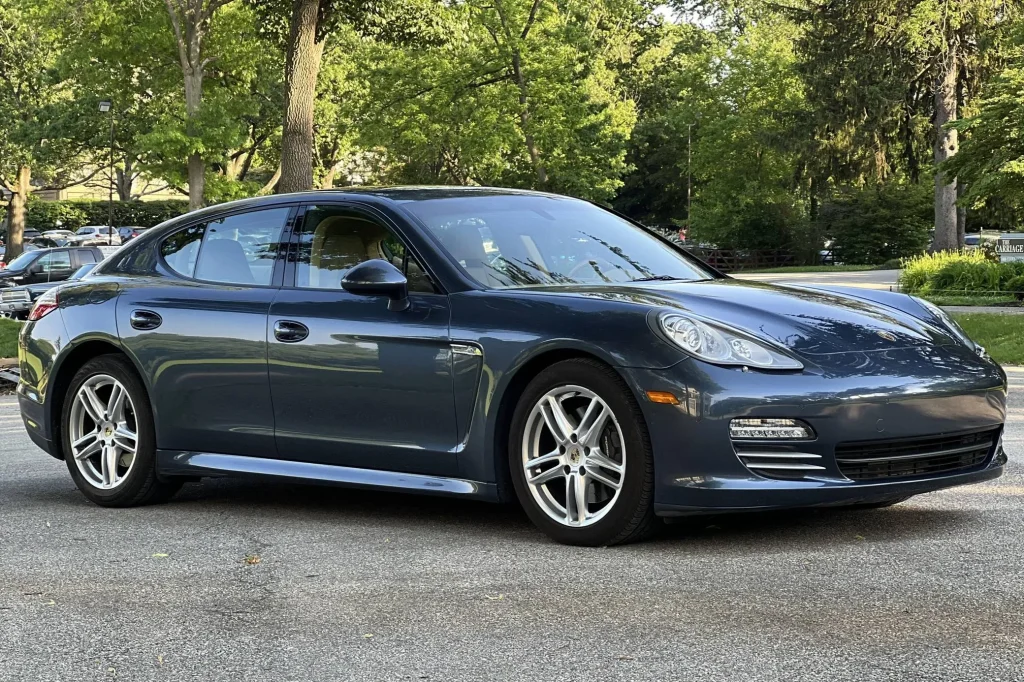
Approach this entry from a standpoint of contradiction. A car associated with performance and luxury chooses diesel power, yet still delivers torque figures that challenge expectations set by exotic engines. The Porsche Panamera Diesel stands as proof that identity in the automotive world is no longer fixed.
Its V8 diesel engine produces a massive wave of torque that defines how the car behaves. Instead of chasing high rev excitement, it focuses on delivering strength exactly where it is most useful.
The result is acceleration that feels immediate, especially in real-world conditions where low to mid-range performance matters more than peak numbers.
Press the accelerator at cruising speed, and the response is instant. There is no hesitation, no need to downshift aggressively. The engine simply applies force and pushes the car forward with authority. This makes long-distance driving effortless, as overtaking becomes a quick and controlled action rather than a planned maneuver.
The chassis plays a critical role in managing this output. Porsche engineering ensures that the car remains composed even when the engine delivers its full torque. Stability is maintained, and the car feels planted, allowing the driver to use its performance confidently.
Unlike traditional diesel vehicles, this Panamera maintains a sense of engagement. Steering remains precise, and the car responds accurately to inputs. This combination of torque and control creates a driving experience that feels both powerful and refined.
Another dimension to consider is efficiency. Despite its performance, the engine manages fuel consumption effectively, making it suitable for extended journeys. This adds a layer of practicality that contrasts with the typically high consumption of performance-oriented petrol engines.
When compared to a Ferrari V12, the difference becomes clear in how power is delivered. The Ferrari builds excitement through revs and sound, while the Panamera Diesel delivers force through sheer torque. Each approach has its own appeal, but the diesel’s strength in everyday usability is undeniable.
This car represents a shift in expectations. It shows that performance can be achieved through different means, redefining what drivers can expect from a luxury sports sedan.
4. Range Rover Sport SVR Diesel (Hypothetical High-Torque Variant)
Shift the discussion toward capability and presence. The Range Rover Sport SVR Diesel, in this context, represents the idea of combining extreme torque with a vehicle designed to handle multiple environments. While performance SUVs are often associated with petrol engines, a high-torque diesel variant introduces a different dimension.
Imagine a twin-turbo diesel setup engineered to deliver immense pulling power. The focus here is not on high-speed thrills alone, but on the ability to generate force consistently across a wide range of conditions. This creates a vehicle that feels strong regardless of terrain or driving scenario.
The advantage of such torque becomes evident in situations that demand sustained power. Whether climbing steep inclines or accelerating from low speeds, the engine provides a steady and reliable push. This is where diesel technology excels, offering performance that feels grounded and controlled.
The All Wheel Drive system enhances this capability by ensuring that power is distributed effectively. Traction remains strong, allowing the vehicle to maintain momentum even when conditions are less than ideal. This makes it not only quick in straight-line acceleration but also dependable in challenging environments.
From a driving perspective, the experience would feel commanding. The vehicle responds with confidence, and the torque delivery creates a sense of effortlessness. It does not need to be pushed aggressively to perform. Instead, it delivers strength in a way that feels natural.
Inside, the environment remains aligned with luxury expectations. Comfort, technology, and space combine to create a setting that contrasts with the power being delivered. This balance adds to the appeal, making it suitable for both daily use and demanding situations.
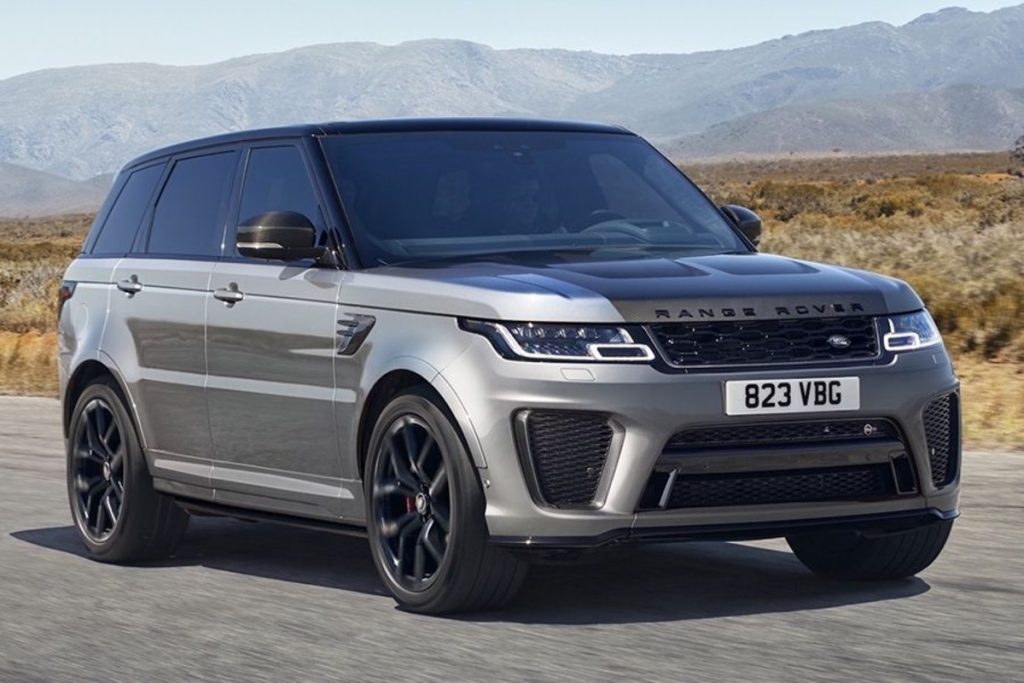
Comparing this concept to a Ferrari V12 highlights the difference in priorities. While the Ferrari focuses on speed and emotional engagement, the diesel SUV emphasizes strength and versatility. It delivers torque in a way that supports a wider range of uses.
This entry reflects how diesel performance can extend beyond traditional boundaries. It shows that torque is not limited to one type of vehicle, and that its advantages can be applied in diverse ways.
5. Volkswagen Touareg V10 TDI
Begin with something that feels almost excessive in concept. The Volkswagen Touareg V10 TDI was never designed to follow conventional logic. It exists as a statement of what diesel engineering can achieve when limits are pushed without hesitation.
At its core is a 5.0-liter V10 diesel engine that produces an immense amount of torque at very low RPM. This is not a gradual build of power. The moment the engine engages under load, it delivers a surge that feels heavy and commanding. The vehicle moves forward with a sense of inevitability rather than urgency.
This type of torque changes how the car is driven. Instead of chasing speed through revs, the Touareg relies on constant pulling force. It excels in situations where maintaining momentum matters more than sudden bursts of acceleration. Towing, climbing, and long-distance cruising all benefit from this characteristic.
Managing such output requires a strong drivetrain. The All Wheel Drive system ensures that power is distributed effectively, preventing loss of traction. The vehicle remains stable even when the engine delivers its full strength, allowing the driver to use its capabilities without hesitation.
There is also a mechanical presence to how the V10 operates. It does not feel delicate or refined in the traditional sense. Instead, it conveys a sense of durability and strength, reinforcing the idea that it is built to handle demanding conditions.
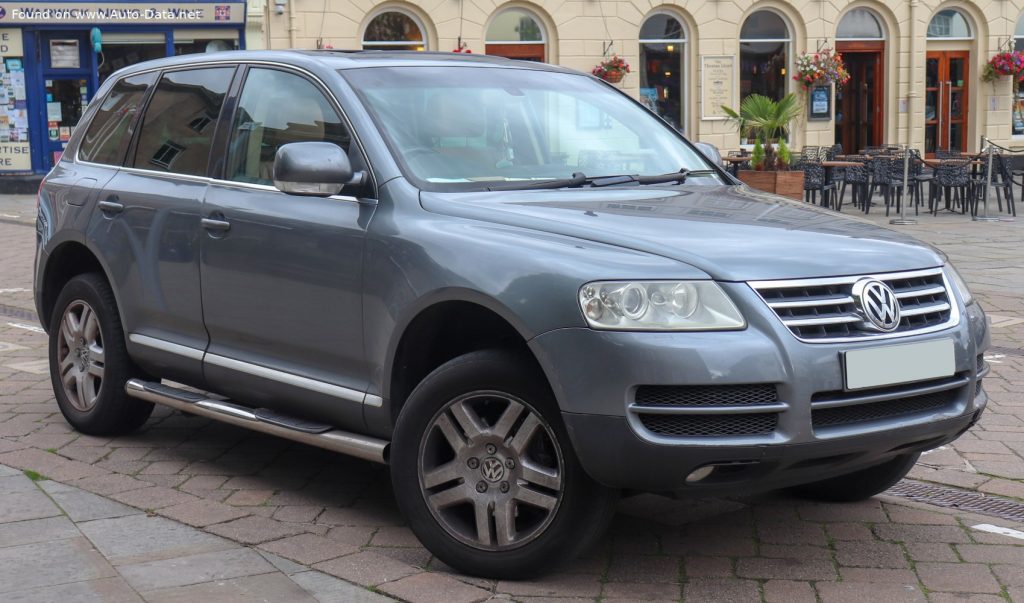
Inside, the experience contrasts with the engine’s character. The cabin offers comfort and practicality, creating a balance between utility and performance. This dual nature adds to the appeal, making it suitable for a variety of uses.
When compared to a Ferrari V12, the Touareg V10 TDI highlights a completely different philosophy. The Ferrari focuses on high-speed performance and emotional engagement, while the Volkswagen emphasizes sustained force and capability.
This vehicle stands as a unique example of diesel engineering at its most ambitious. It demonstrates how torque can redefine performance, creating a driving experience that feels powerful in a fundamentally different way.
6. BMW X5 M50d (Triple-Turbo Diesel)
Change the perspective toward precision and layering of power. The BMW X5 M50d approaches torque delivery with a level of engineering complexity that sets it apart. Instead of relying on a single large turbo, it uses a triple turbo system to create a broad and consistent powerband.
The 3.0-liter inline six diesel engine produces torque that feels available across nearly the entire rev range. There is no single point where the engine suddenly comes alive. Instead, it delivers strength continuously, making acceleration feel smooth yet forceful.
This consistency plays a major role in how the vehicle performs. Whether accelerating from low speeds or continuing at higher velocities, the engine maintains its push. This eliminates the need for constant gear changes, creating a more seamless driving experience.
The All Wheel Drive system complements this behavior by ensuring that power is applied efficiently. Traction remains strong, allowing the vehicle to use its torque without unnecessary wheel slip. This becomes particularly noticeable during rapid acceleration, where stability is maintained.
From a driver’s perspective, the experience feels controlled and confident. The vehicle responds predictably, and the torque delivery supports a wide range of driving styles. It can feel relaxed during everyday use and assertive when pushed harder.
Another important aspect is how the chassis manages the engine’s output. Despite being an SUV, the X5 M50d maintains composure during acceleration. It does not feel overwhelmed by its own power, which adds to the sense of control.
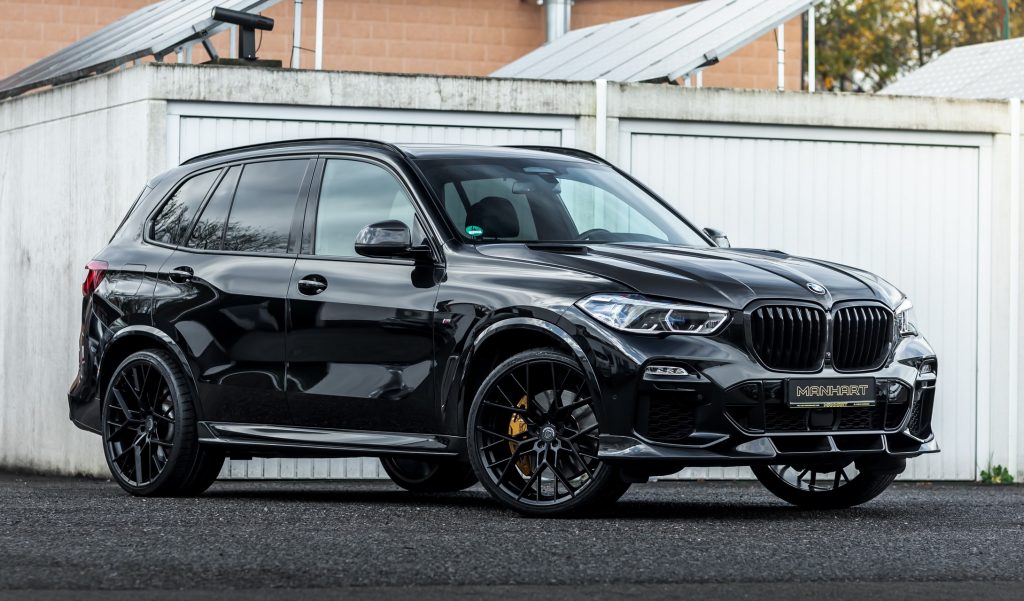
Comparing it to a Ferrari V12 again highlights the contrast in design philosophy. The Ferrari delivers excitement through revs and sound, while the BMW focuses on delivering usable power at all times.
This approach makes the X5 M50d particularly effective in real-world conditions. It does not rely on extreme scenarios to demonstrate its capabilities. Instead, it provides consistent performance in everyday driving.
7. Audi A8 4.2 TDI
Consider a scenario where luxury and immense torque coexist without drawing attention. The Audi A8 4.2 TDI fits that idea perfectly. It does not present itself as a performance machine, yet beneath its refined exterior lies an engine capable of delivering remarkable pulling force.
Its V8 diesel unit produces a deep reserve of torque that becomes evident in the way the car moves. Acceleration does not feel dramatic or aggressive. Instead, it feels effortless. The car gains speed with a smooth, continuous push that requires very little input from the driver.
This effortless nature defines the experience. At highway speeds, the engine operates at low RPM while still providing enough torque to accelerate quickly. Overtaking becomes a simple action rather than a calculated move. The car responds immediately, maintaining composure throughout.
The quattro All Wheel Drive system ensures that this torque is used effectively. Power is distributed evenly, preventing instability and allowing the car to remain planted. This stability enhances confidence, especially when accelerating in varying conditions.
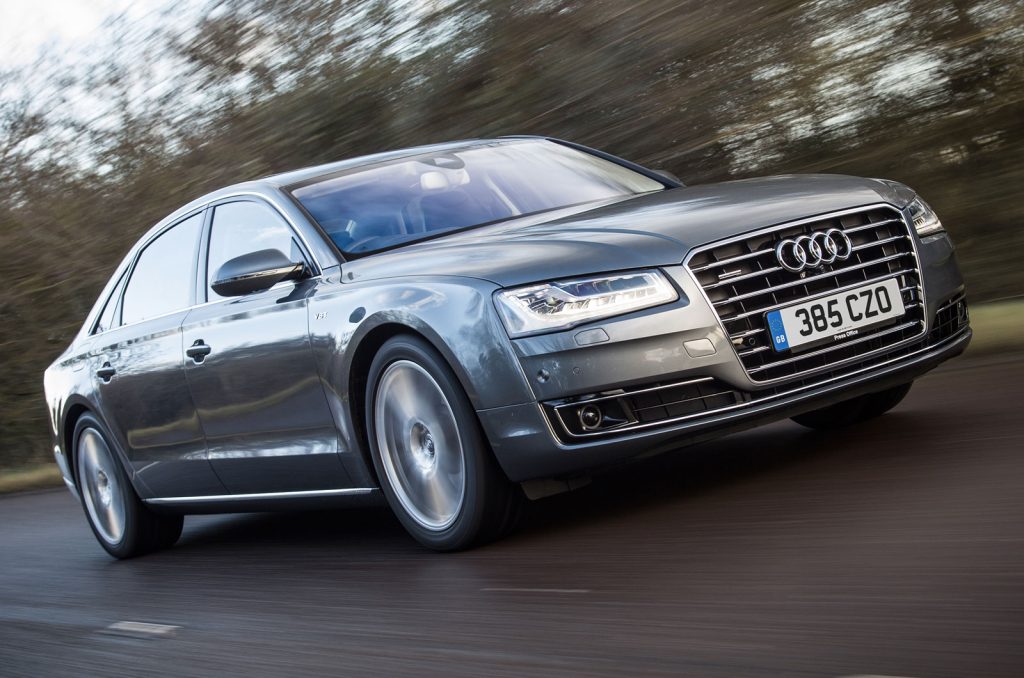
Inside, the cabin isolates the driver from much of the engine’s character. The focus remains on comfort and refinement, creating a contrast between the calm environment and the strength being delivered. This duality is part of what makes the A8 TDI unique.
Collectors and enthusiasts often overlook this model because it does not emphasize performance visually. It blends into its surroundings, making it easy to underestimate. However, its capabilities reveal themselves through experience rather than appearance.
When compared to a Ferrari V12, the A8 TDI demonstrates how torque can redefine expectations. It does not need high revs or dramatic sound. Its strength lies in delivering a consistent force with minimal effort.
This car highlights a different kind of performance, one that prioritizes ease and efficiency without sacrificing capability.
8. Mercedes-Benz E400d 4MATIC
Shift attention toward modern refinement combined with strong torque delivery. The Mercedes-Benz E400d 4MATIC represents how diesel technology has evolved to meet contemporary expectations while still delivering impressive performance.
Its inline six diesel engine produces a substantial amount of torque that feels available almost immediately. The response is smooth, and the power builds in a controlled manner. This creates a driving experience that feels polished rather than aggressive.
The 4MATIC All Wheel Drive system enhances this behavior by providing consistent traction. The car launches cleanly and maintains stability during acceleration. This allows the engine’s torque to be translated into forward motion without unnecessary loss.
What stands out is how seamlessly everything works together. The engine, transmission, and drivetrain operate in harmony, creating a sense of balance. Acceleration feels fluid, with no sudden interruptions or harsh transitions.
From the driver’s seat, the experience remains calm. The engine noise is minimal, and the cabin maintains a high level of comfort. This makes the car suitable for long journeys while still offering strong performance when needed.
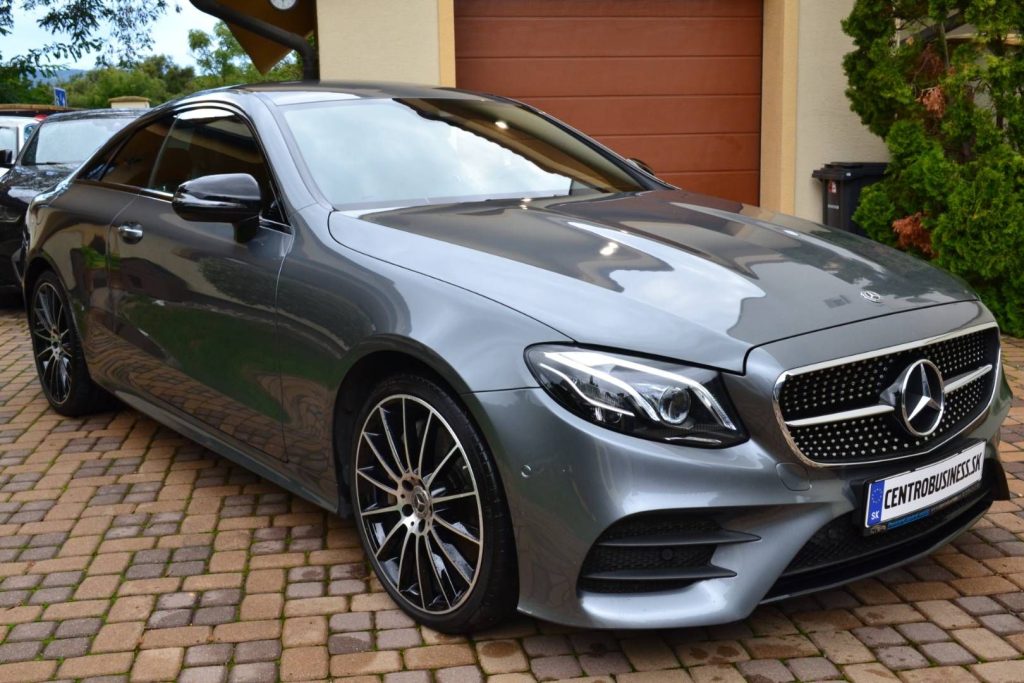
Another point to consider is efficiency. Despite its torque output, the E400d manages fuel consumption effectively. This adds practicality, making it a viable choice for those who want performance without excessive running costs.
In comparison to a Ferrari V12, the E400d offers a completely different interpretation of performance. It does not aim to excite through sound or speed alone. Instead, it focuses on delivering usable power in a refined manner.
This sedan demonstrates how modern diesel engines can combine strength, efficiency, and comfort into a single package.
9. Land Rover Range Rover 4.4 SDV8
Conclude with a vehicle that emphasizes authority and presence. The Land Rover Range Rover 4.4 SDV8 represents diesel torque in its most commanding form. It is built to handle demanding conditions while still delivering strong performance on the road.
Its 4.4-liter V8 diesel engine delivers substantial torque that is available from very low speeds. This gives the vehicle strong, confident performance whether accelerating on the highway or handling difficult terrain.
The delivery of power feels steady and controlled. There is no sudden surge. Instead, the engine provides a continuous push that supports a wide range of driving situations. This consistency is one of its defining traits.
The All Wheel Drive system plays a crucial role in managing this torque. It ensures that power is distributed effectively, allowing the vehicle to maintain traction even in difficult conditions. This capability extends its performance beyond traditional road use.
From a driving perspective, the Range Rover feels composed and secure. The chassis absorbs imperfections while maintaining stability, creating a smooth and controlled experience. This balance enhances its usability.
Inside, the focus remains on luxury. The cabin provides comfort and space, making it suitable for long journeys. This combination of refinement and capability adds to its appeal.
Compared to a Ferrari V12, the Range Rover highlights how torque can be applied in a completely different context. It does not aim for high-speed excitement. Instead, it delivers strength that supports both performance and versatility.
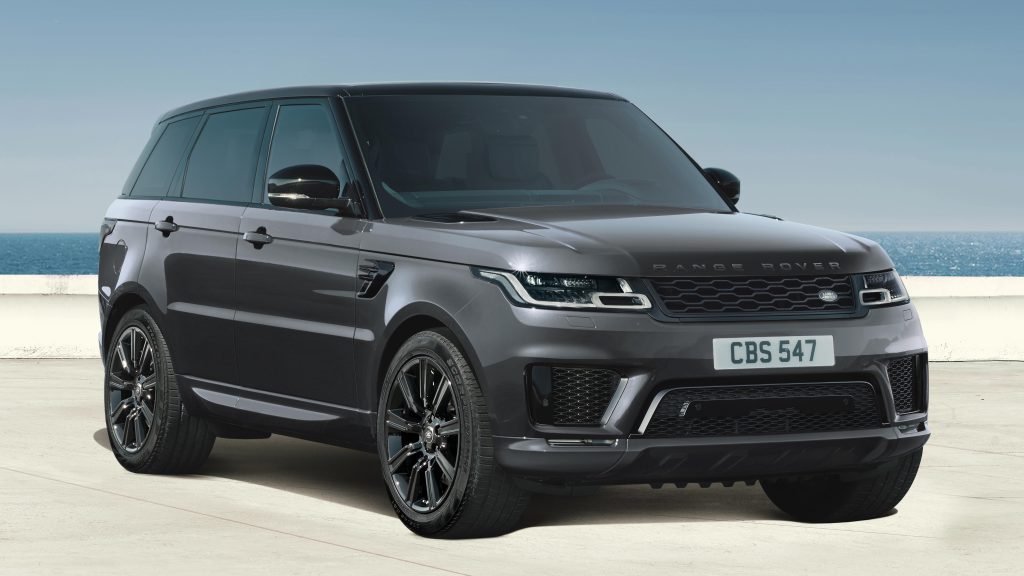
This final entry reinforces the idea that diesel torque can redefine what performance means. It is not limited to speed alone but extends to how effectively a vehicle can use its power in real-world conditions.
This collection highlights how diesel engineering has evolved to deliver a completely different kind of performance in 2026.
While Ferrari V12 engines are celebrated for their high-revving nature and emotional appeal, diesel cars focus on something far more practical and immediately noticeable, which is torque. These vehicles demonstrate how pulling power at low RPM can redefine real-world driving.
A key takeaway is how effortlessly these diesel machines generate acceleration. Instead of requiring aggressive inputs or high engine speeds, they respond instantly with strong, consistent force.
This makes everyday situations like overtaking, highway merging, or carrying heavy loads feel smooth and controlled. In many cases, this usability gives them an advantage over traditional high-performance petrol engines.
Another important factor is traction and efficiency. Many of these cars pair high torque outputs with All Wheel Drive systems, ensuring that power is delivered effectively without waste.
At the same time, they maintain better fuel efficiency compared to large petrol engines, adding a layer of practicality.
Each vehicle approaches this concept differently. Some emphasize luxury and refinement, delivering torque in a quiet and composed manner. Others focus on strength and capability, using diesel power to handle demanding conditions with ease.
This comparison ultimately shows that performance is not defined by speed alone. Diesel cars prove that torque, consistency, and real-world usability can be just as impressive, offering a different but equally compelling driving experience.
Also Read: 10 Porsche Variants Enthusiasts Still Argue About
