
Backing up in the rain is one of the most stressful experiences for any driver. The combination of poor visibility, wet surfaces, and limited rear sightlines creates a genuinely dangerous situation. Modern backup cameras have changed the game entirely. They give drivers a clear view of what lies behind the vehicle in almost any condition.
However, not all backup cameras are built the same way. Some fog up, streak, or go completely blurry the moment raindrops hit the lens. This makes them nearly useless in the exact conditions where you need them most. The best backup cameras use advanced technology to stay sharp and clear even during heavy downpours.
Manufacturers have invested heavily in solving this problem. Heated lenses, hydrophobic coatings, self-cleaning systems, and smart image processing all play a role. Some cameras even use water-repellent glass that causes rain to bead and roll off instantly.
In this guide, we explore eight outstanding cars that feature backup cameras designed to perform brilliantly in wet weather. These vehicles combine engineering excellence with practical safety features. Whether you drive in light drizzle or heavy storms, these cars keep your rear view crystal clear. Let’s look into the best options available today.
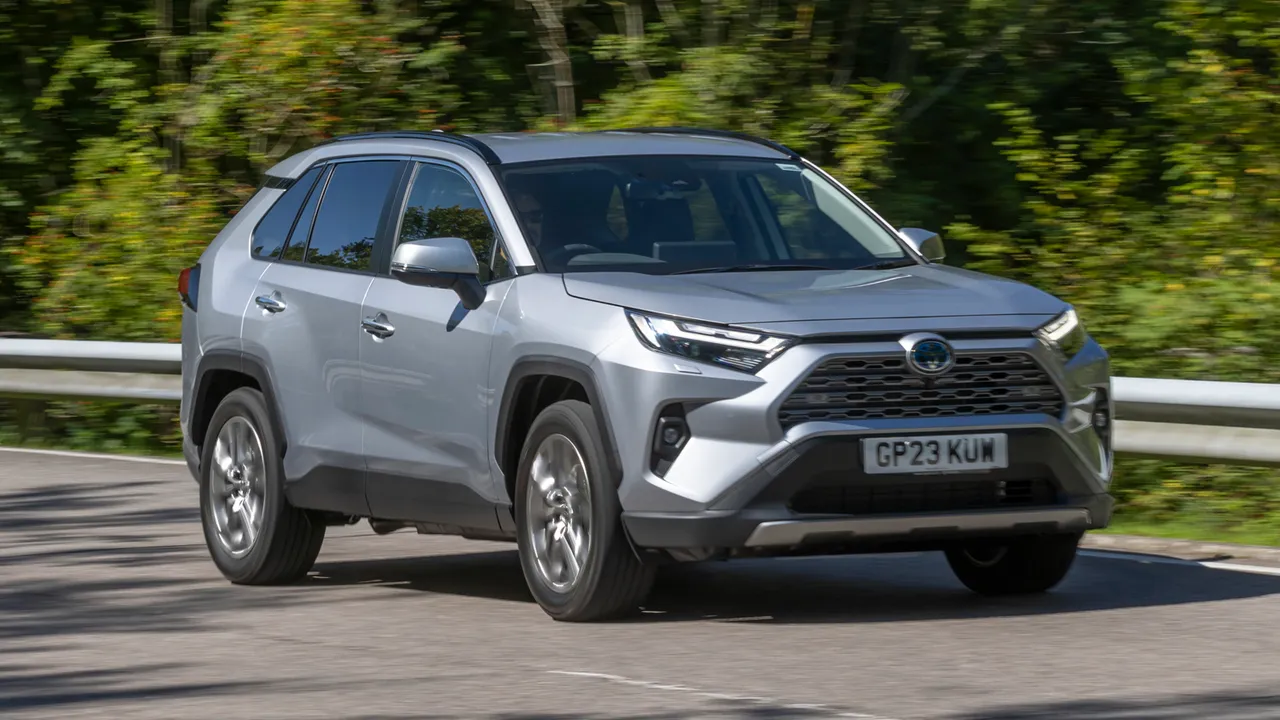
1. Toyota RAV4 (2022–2025)
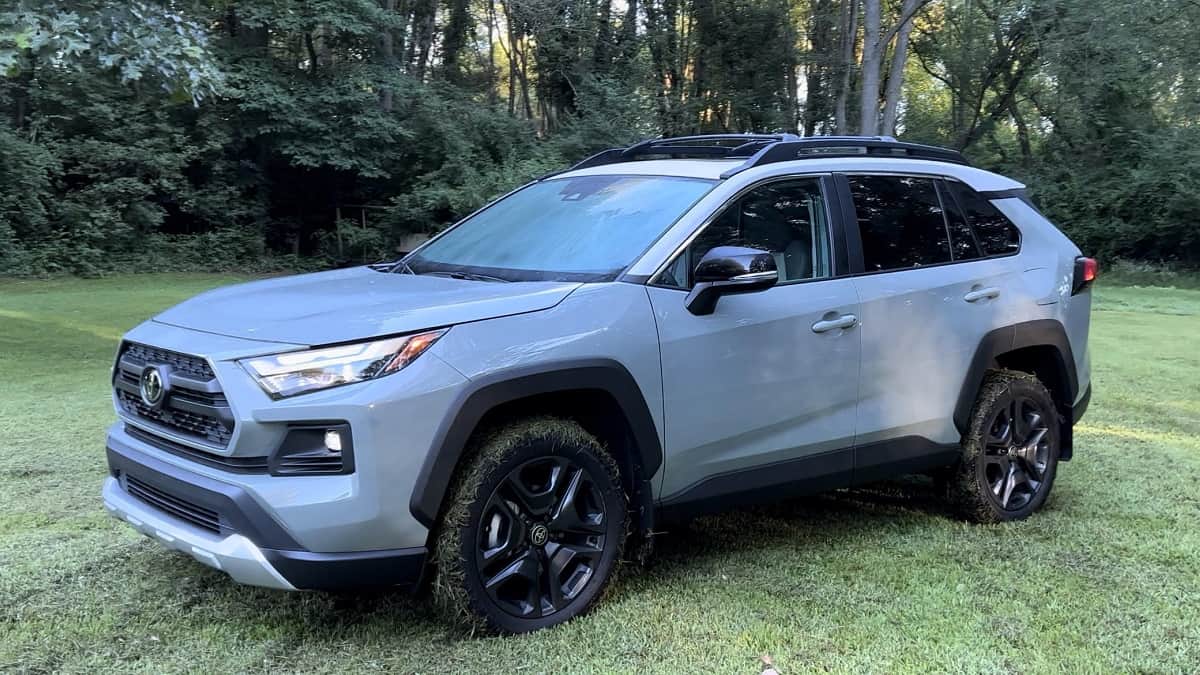
The Toyota RAV4 has long been one of the most popular SUVs on the market. It combines practicality, reliability, and cutting-edge safety technology in a well-rounded package. One of its standout features is its remarkably capable backup camera system. Toyota has worked hard to ensure this camera performs exceptionally well, even in challenging wet weather conditions.
The RAV4’s backup camera is embedded within the rear logo or tailgate area with a precisely engineered housing. This positioning helps shield the lens from direct rain impact. The angle of installation is carefully calculated so that water naturally runs away from the camera lens. Even in moderate rainfall, the image remains sharp and highly usable.
Toyota equips the RAV4 with a wide-angle lens that captures a broad rear view. The lens features a hydrophobic coating that repels water droplets on contact. This coating causes rain to bead up and roll off the surface rather than forming a blurry film. Drivers notice a significant difference in clarity compared to cameras without this treatment.
The display resolution on the RAV4’s infotainment screen is crisp and high-definition. The image processing software enhances contrast and brightness automatically in low-light or wet conditions. This means the picture you see on screen is optimized in real time. You always get the clearest possible view regardless of outside conditions.
Toyota’s Star Safety System works alongside the backup camera to provide additional rear alerts. Sensors detect nearby obstacles and highlight them visually on the camera feed. The combination of visual and auditory warnings makes reversing safer than ever. Even if a water droplet momentarily affects the lens, the sensors still alert you to danger.
The RAV4 also benefits from Toyota Safety Sense, which integrates multiple driver assistance systems. The backup camera is a central component of this ecosystem. Regular over-the-air and dealer updates keep the software performing at its best. Toyota’s commitment to ongoing improvement means the camera system only gets better over time.
In terms of real-world performance, RAV4 owners consistently praise the backup camera in rainy conditions. Forum reviews and consumer reports highlight the clarity retained during wet-weather driving. Many drivers say the RAV4 camera outperforms competitors in its segment. This real-world validation backs up Toyota’s engineering claims.
The 2024 and 2025 RAV4 models feature an upgraded version of this camera with even better low-light performance. Toyota added enhanced pixel density to the sensor for sharper imagery. The improved dynamic range ensures bright areas don’t wash out dark corners in the frame. This upgrade makes the already excellent camera system truly exceptional.
Parking guidelines are projected dynamically on the camera feed. These lines adjust as you steer, making tight parking maneuvers much easier. Even in rain-soaked parking lots where lines on the ground may be hard to see, the camera guides you accurately. The RAV4 makes wet-weather reversing genuinely stress-free.
The Toyota RAV4 sets a high standard for backup camera performance in the rain. Its combination of hydrophobic lens coating, smart image processing, and integrated safety sensors is impressive. It remains one of the most trusted choices for drivers who frequently deal with wet weather. The RAV4 proves that practical safety features and advanced technology can coexist beautifully.
2. Honda CR-V (2023–2025)
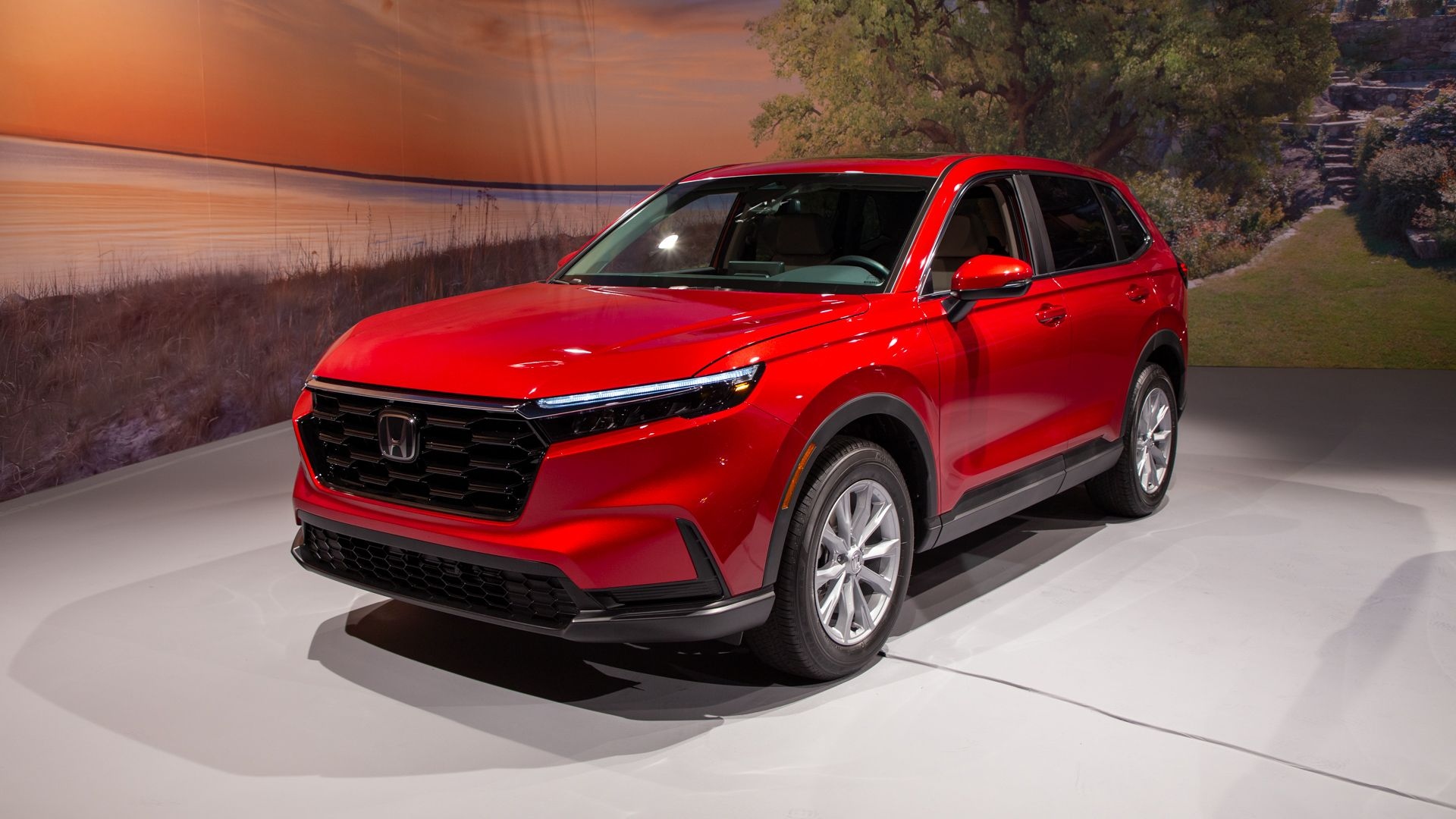
The Honda CR-V is another exceptionally popular compact SUV that takes backup camera technology seriously. Honda has consistently updated this model with advanced safety features over successive generations. The current generation CR-V features a refined camera system built for all-weather reliability. Rain performance is one of the areas where Honda’s engineers have made notable improvements.
Honda positions the CR-V’s backup camera in a protected housing beneath the tailgate handle. This location naturally shields the lens from direct rainfall. The downward angle of the camera means water tends to drain away rather than sit on the lens. This clever design choice alone significantly improves wet-weather visibility.
The CR-V uses a wide-angle reverse camera with a 160-degree field of view. This expansive coverage eliminates blind spots that narrower cameras would miss. Even when parts of the lens experience minor water interference, the wide angle ensures you can still see the critical areas behind the vehicle. It is a smart engineering trade-off that prioritizes safety.
Honda applies a special multi-layer lens coating to the CR-V’s camera. This coating combines hydrophobic and anti-reflective properties in a single treatment. Water beads off rapidly while glare from wet road surfaces is simultaneously reduced. The result is a cleaner, clearer image even on reflective rain-soaked pavement.
The Multi-Angle Rearview Camera system in the CR-V offers three distinct viewing modes. Drivers can toggle between normal, top-down, and wide views depending on the parking situation. In rainy conditions, the wide view is particularly useful for spotting pedestrians or obstacles at greater distances. This flexibility adds meaningful practical value during wet-weather maneuvers.
Honda Sensing, the brand’s suite of safety technologies, works in concert with the backup camera. Rear cross-traffic alert systems monitor approaching vehicles from either side. These alerts appear as highlighted warnings overlaid directly on the camera image. This means even if rain slightly degrades visual clarity, the electronic alerts compensate effectively.
The CR-V’s display screen uses a high-brightness panel that remains clearly visible in various lighting conditions. In overcast or rainy weather, ambient light drops significantly. Honda’s screen automatically boosts brightness to maintain good visibility of the camera feed. This automatic adjustment happens seamlessly without any driver input required.
Software processing inside the CR-V’s camera system actively works to reduce noise and distortion. When rain causes visual interference, the image processing algorithms filter out much of the blurring effect. The resulting image is noticeably cleaner than what the raw camera sensor would produce alone. Honda’s investment in software quality clearly shows in real-world performance.
Consumer feedback on the CR-V’s rainy-day camera performance is overwhelmingly positive. Owners in regions with high annual rainfall specifically commend Honda’s approach. The camera maintains usability in conditions where lesser systems would fail entirely. This reliability builds genuine driver confidence during reversing maneuvers.
The 2024 and 2025 CR-V updates brought further refinements to camera resolution and processing speed. The image now updates faster on screen, reducing the lag that can make reversing feel uncertain. Combined with the physical design advantages of the camera’s protected housing, these software improvements make the CR-V a top-tier performer. Honda continues to raise its own bar with each model year.
3. Subaru Outback (2022–2025)
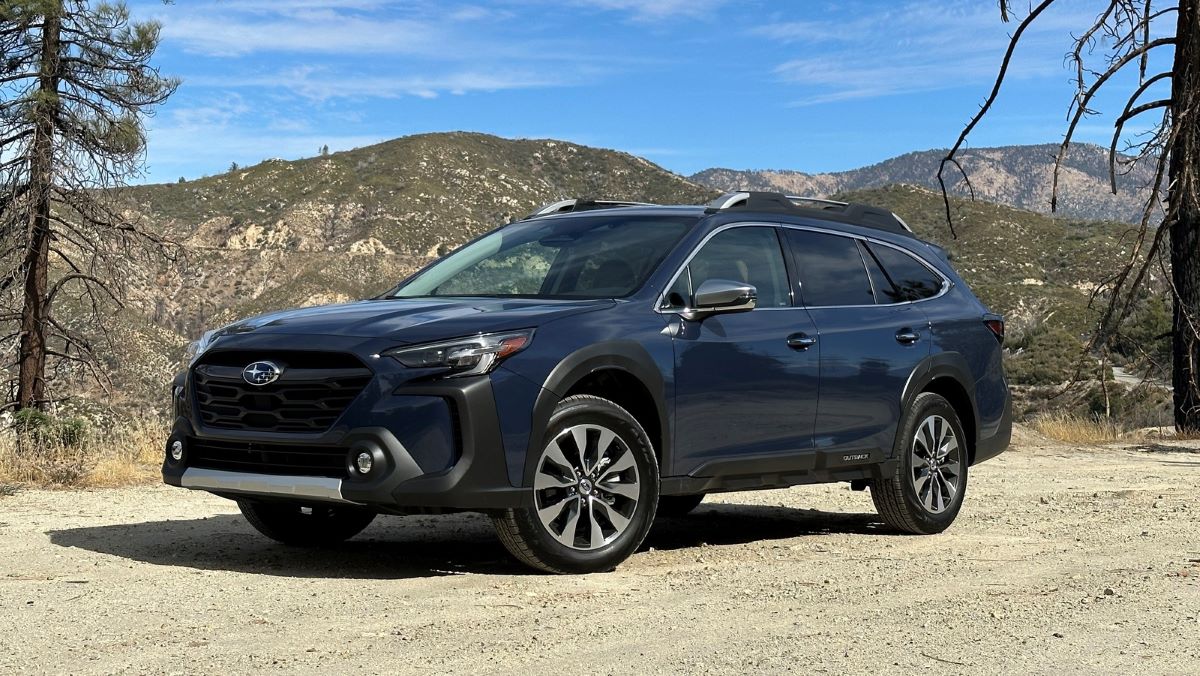
The Subaru Outback is purpose-built for drivers who regularly face challenging conditions. Whether it is snow, mud, or heavy rain, the Outback is engineered to handle it all. This rugged character extends to its backup camera system, which is designed with all-weather use in mind. Subaru owners who live in rainy climates particularly appreciate this commitment.
Subaru fits the Outback with a Reverse Automatic Braking system that works alongside the backup camera. This system uses both the camera feed and ultrasonic sensors to detect obstacles behind the vehicle. Even when rain partially compromises camera clarity, the sensor network continues to function perfectly. The dual-system approach is one of the Outback’s greatest safety strengths.
The camera lens on the Outback is mounted in a recessed housing on the rear tailgate. This recess acts as a natural visor that prevents rain from hitting the lens directly. Combined with a water-resistant seal around the housing, the camera stays drier than most competitors. This physical protection is the first line of defense against wet-weather image degradation.
Subaru uses a high-resolution camera sensor with excellent low-light performance in the Outback. Rainy days are naturally darker due to cloud cover, making low-light capability especially important. The sensor captures more light per pixel than earlier generation cameras. This translates directly into a brighter, clearer image when skies are grey and wet.
The Outback’s EyeSight driver assistance technology integrates closely with the rearview camera system. EyeSight processes visual information from multiple cameras simultaneously to build a comprehensive picture of the vehicle’s surroundings. This multi-camera approach means rear visibility benefits from the entire system’s processing power. It is a sophisticated solution to a genuinely complex engineering challenge.
Subaru’s StarLink infotainment system displays the backup camera feed with excellent color accuracy and sharpness. The touchscreen is large enough to show meaningful detail even in compressed wide-angle views. Brightness and contrast are optimized automatically for current ambient light conditions. Drivers always see the most useful possible version of the camera image.
The dynamic guidelines displayed on the Outback’s camera feed are particularly well-calibrated. They accurately represent the vehicle’s turning arc even on wet, slippery surfaces where the car may handle differently. This precision helps drivers make confident reversing decisions. Knowing exactly where the vehicle will track gives enormous peace of mind in rainy parking situations.
Real-world Outback owners frequently discuss camera reliability in wet weather on Subaru enthusiast forums. The consensus is that the camera performs well above average in rain. Many owners in the Pacific Northwest of the United States, one of the rainiest regions in North America, specifically praise this capability. Regional validation from high-rainfall areas is the most meaningful real-world endorsement possible.
The 2024 Outback Wilderness edition takes camera protection even further. Its more aggressively shielded camera housing is designed to handle everything from trail dust to stream crossings. Rain is handled almost trivially compared to these more extreme environments. The Wilderness edition demonstrates just how robust Subaru’s camera engineering has become.
The Subaru Outback delivers backup camera performance that matches its all-weather reputation. The combination of physical lens protection, high-quality sensors, and intelligent software processing produces reliable results. Drivers who frequently go through the wet roads can trust the Outback’s camera implicitly. It is a genuinely outstanding performer in its class.
4. Ford F-150 (2021–2025)
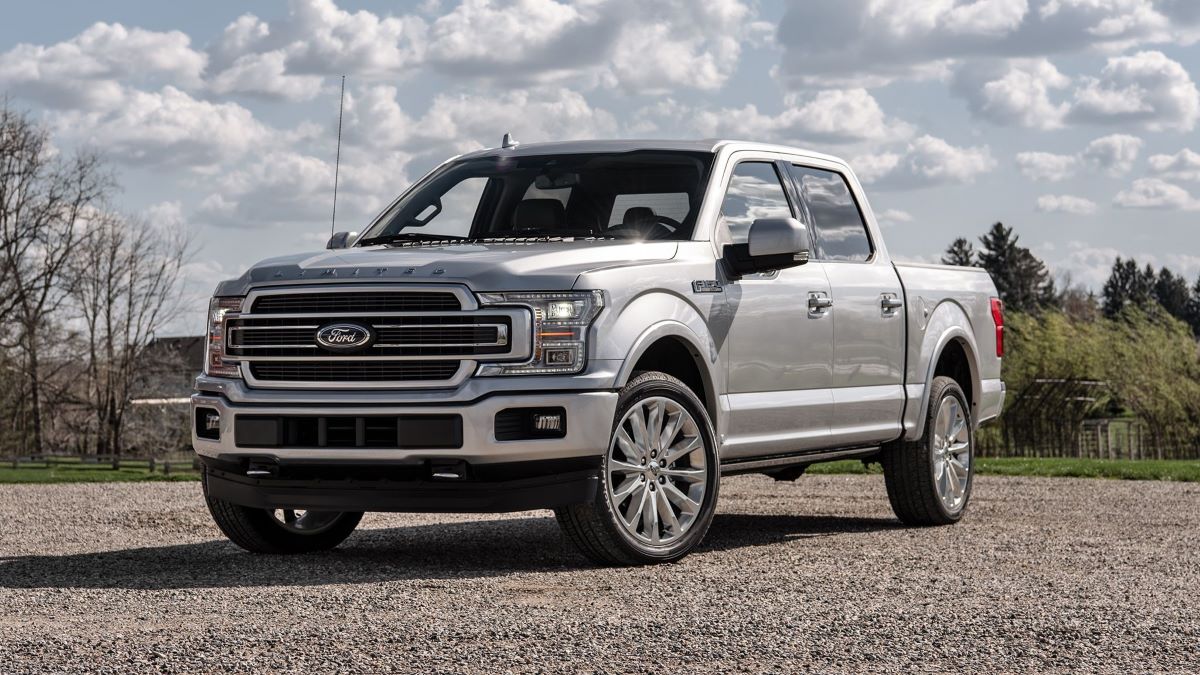
The Ford F-150 is America’s best-selling vehicle, and it takes its backup camera technology seriously. As a work truck used in all kinds of weather, reliable rear visibility is not optional. Ford has invested significantly in making the F-150’s camera system one of the most capable available. Rain performance is a particular area of strength in recent model years.
Ford offers a 360-degree camera system on higher F-150 trims that provides an extraordinary level of rear and surrounding visibility. Even in rain, the multiple cameras work together to give drivers a comprehensive view. When one camera experiences minor rain interference, the others compensate by providing overlapping coverage. This redundancy is a practical safety advantage that single-camera systems cannot match.
The Pro Trailer Backup Assist camera system in the F-150 is specifically engineered for durability in harsh conditions. Truck owners regularly use their vehicles in rain, mud, and dust. Ford has therefore built the camera housing to resist moisture ingress under extreme conditions. The IP67-rated components ensure reliable operation even in heavy rainfall or when washing the truck.
Ford uses a heated camera lens on several F-150 configurations, particularly in higher trim levels. The heating element prevents fogging during temperature transitions between cold rain and warm ambient conditions. Fogging is one of the most common causes of sudden camera clarity loss in wet weather. The heated lens eliminates this problem before it can affect the driver’s view.
The F-150’s Pro Power Onboard system integrates with the camera displays in ways that benefit tradespeople working in rainy conditions. Operators can monitor loading areas behind the truck clearly even during active rainfall. This capability has genuine commercial value for contractors and delivery drivers. Ford understands that for working professionals, camera reliability directly affects productivity and safety.
Ford’s SYNC 4 infotainment system renders the backup camera feed with impressive clarity on a large screen. The 12-inch screen on upper trims provides a generous display area for the camera image. A greater screen size means finer detail is visible, which matters when visibility conditions are already degraded by rain. Every additional pixel of clarity counts when maneuvering a full-sized pickup truck.
The F-150’s camera system includes a zoom capability that allows drivers to see further details behind the truck. In the rain, this zoom function helps drivers identify objects that might be partially obscured by water on the lens. Being able to magnify the image provides an additional layer of verification when conditions are uncertain. It is a simple feature that adds real practical value.
F-150 owners who use their trucks for commercial and recreational purposes in wet climates consistently report strong camera performance. Reviews from outdoor enthusiasts, ranchers, and construction workers all highlight the camera’s durability and clarity. These are people who genuinely test equipment under demanding real-world conditions. Their positive feedback carries significant weight.
Ford continues to update the F-150’s camera software through over-the-air updates via the FordPass system. This means the camera’s image processing algorithms improve over time without requiring a dealership visit. Drivers who purchased an F-150 two years ago may already be benefiting from improved rainy-weather performance they did not have at purchase. This ongoing support represents exceptional long-term value.
The latest 2025 F-150 updates include an upgraded rear camera sensor with improved dynamic range. High dynamic range imaging is particularly valuable in rain because wet surfaces create strong contrasts between light and dark areas. The new sensor handles these contrasts smoothly, preventing blown-out highlights or crushed shadows. Ford’s continuous improvement philosophy keeps the F-150 at the front of its class.
Also Read: 8 Cars With Door Pockets Big Enough For A Water Bottle
5. Hyundai Tucson (2022–2025)
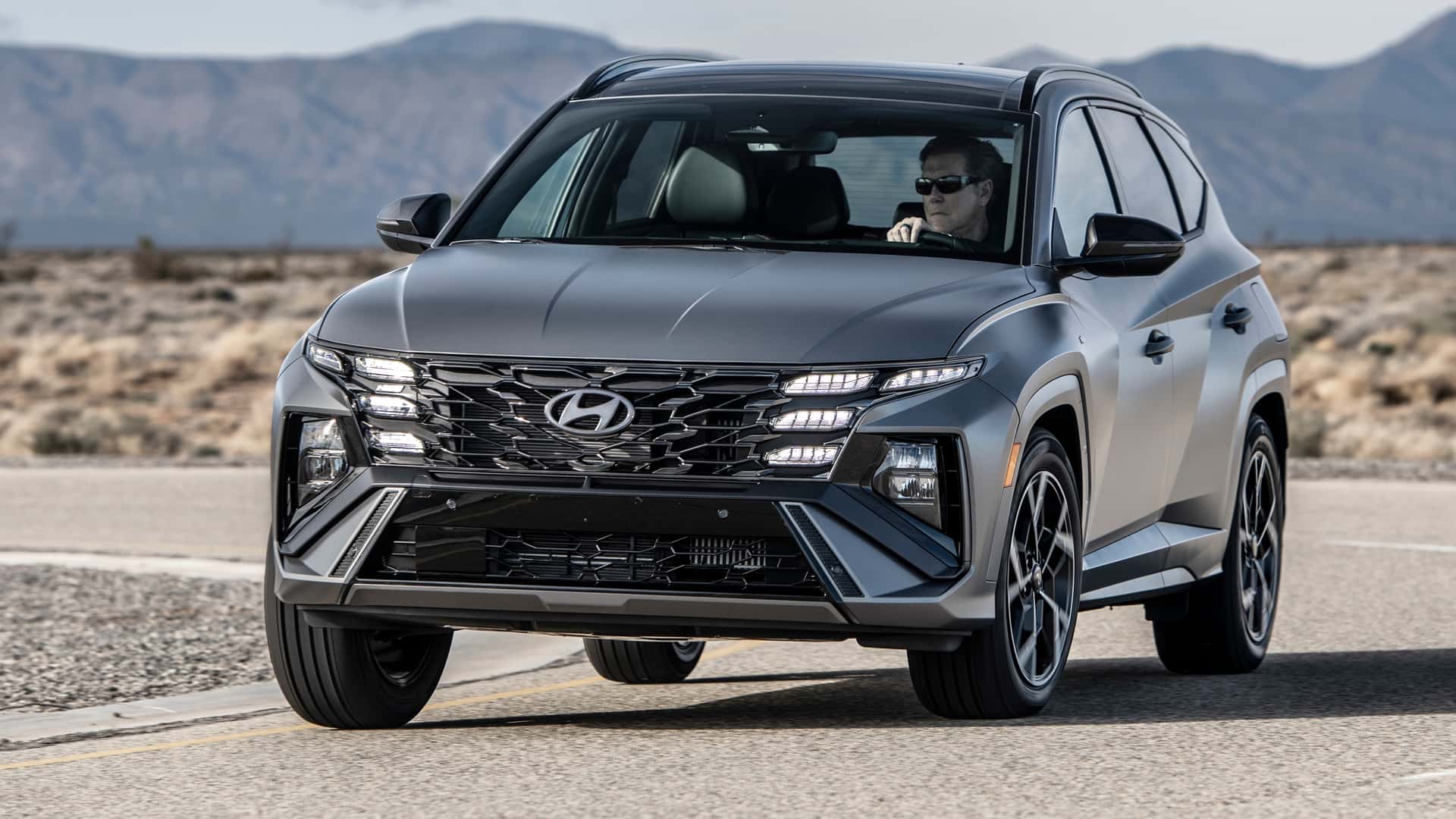
The Hyundai Tucson has emerged as one of the most technologically sophisticated compact SUVs available today. Hyundai’s rapid advancement in automotive technology is evident throughout this vehicle. The backup camera system in the Tucson reflects this forward-thinking approach. Rain performance has been a specific focus area in the most recent generations of this popular model.
The Tucson features Hyundai’s Surround View Monitor system on higher trim levels. This system uses multiple cameras positioned around the vehicle to create a seamless bird’s-eye view. In rainy conditions, this overhead perspective is especially valuable because it shows obstacles relative to the vehicle’s entire footprint. Drivers can see exactly how close they are to kerbs, walls, or other vehicles.
Hyundai engineers the Tucson’s rear camera with a self-cleaning feature on select trim configurations. A small jet of washer fluid can rinse the camera lens at the driver’s request or automatically under certain conditions. This function is particularly effective in heavy rain when road spray kicks up mud and grime onto the lens. Clean water effectively clears contamination that would otherwise compromise the image.
The lens coating on Tucson’s backup camera uses advanced nanotechnology-based hydrophobic treatment. This treatment creates a surface at the molecular level that water cannot adhere to effectively. Rain droplets form near-perfect spheres on the lens surface and roll off immediately. The result is a dramatically cleaner lens in wet conditions compared to cameras using conventional glass.
Hyundai’s SmartSense safety suite integrates the backup camera with rear parking sensors and cross-traffic alerts. The system displays distance measurements and movement warnings directly on the camera image overlay. In rain, when visual judgment of distances becomes harder, these electronic measurements provide critical additional information. Drivers can reverse with precision even when the visual feed is less than perfect.
The Tucson’s infotainment screen uses anti-reflective treatment to maintain visibility in varying light conditions. Rainy weather changes ambient lighting rapidly and unpredictably. The screen’s automatic brightness control responds to these changes continuously. Drivers never need to manually adjust screen brightness to maintain a good view of the camera feed.
Image stabilization in Tucson’s camera system reduces the visual noise that can appear in wet conditions. Rain creates visual static in camera feeds due to light refraction through water droplets. Hyundai’s stabilization algorithms process out much of this interference in real time. The stabilized image is noticeably cleaner than what you would see from the raw camera output alone.
Korean automotive engineering has made enormous strides in camera technology over recent years. Hyundai’s investment in semiconductor and imaging technology gives it access to high-quality components. The Tucson benefits directly from this corporate investment in imaging capability. What was once a luxury feature is now standard across multiple Tucson trim levels.
Tucson owners in rainy regions of Europe and North America consistently report high satisfaction with camera clarity. Online owner communities for Tucson are particularly vocal about the camera performing well in poor weather. This user-generated feedback represents thousands of real-world testing hours in genuine rainfall. The data from actual owner experience aligns closely with Hyundai’s engineering claims.
The 2024 and 2025 Tucson updates refined the camera’s image processing pipeline further. Response time between camera capture and screen display has been reduced noticeably. In dynamic situations like reversing quickly in heavy rain, this reduced lag is genuinely important for safety. Hyundai’s iterative improvement process keeps the Tucson competitive in an increasingly sophisticated segment.
6. Tesla Model Y (2021–2025)
The Tesla Model Y represents the pinnacle of technology integration in the modern automotive world. Tesla’s approach to cameras is fundamentally different from that of traditional automakers. The entire Autopilot and Full Self-Driving system is built on camera-based perception. This deep investment in camera technology naturally benefits the backup camera system’s performance in all conditions, including rain.
Tesla positions the Model Y’s rear camera in an aerodynamically integrated location on the upper tailgate. This position benefits from the vehicle’s own aerodynamic wake, which tends to keep the lens area cleaner during driving. At higher speeds, airflow helps clear rainwater from the camera lens naturally. This aerodynamic self-cleaning effect is a clever passive solution to a common problem.
The Model Y uses the same high-resolution camera technology that powers its autonomous driving features for the backup camera. These are not entry-level automotive cameras but sophisticated sensors designed for machine vision applications. Machine vision cameras are engineered to maintain accurate image capture across the widest possible range of conditions. Rain is simply one of many challenging scenarios they are built to handle.
Tesla’s image processing software stack is among the most advanced in the automotive industry. The same neural networks that help the car go through the complex traffic also process the backup camera feed. This means the image you see on the massive 15.4-inch center screen has been intelligently enhanced by powerful software. Visual interference from rain is partially processed out before the image ever reaches the display.
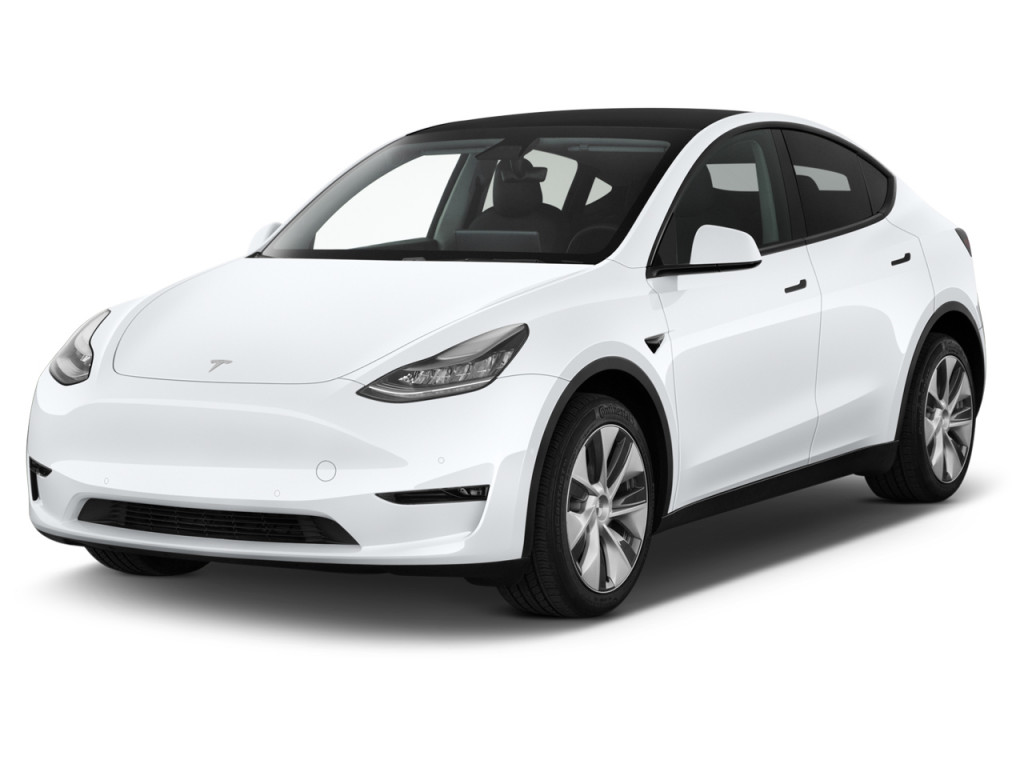
The Model Y’s touchscreen displays the backup camera feed at exceptional resolution and color accuracy. The large screen area makes it easy to see fine details even when the image quality is slightly reduced by weather conditions. At 15.4 inches diagonal, the display is significantly larger than most competitors’ screens. More display area translates directly into more usable visual information for the driver.
Tesla’s over-the-air update system means the Model Y’s camera capabilities improve continuously. Software updates have historically improved camera clarity, processing speed, and feature sets without any hardware changes. Owners who bought a Model Y several years ago have seen measurable improvements in backup camera performance through free software updates. This ongoing enhancement is a unique and valuable ownership benefit.
The Autopilot camera array provides additional situational awareness beyond what the backup camera alone can offer. When reversing, the system draws on information from multiple cameras simultaneously. This multi-camera fusion gives a more complete picture of the rear environment than any single camera could provide. The result is exceptional situational awareness even in challenging rain conditions.
Tesla’s Sentry Mode uses the same camera hardware for security monitoring. This means the cameras are designed to operate reliably for extended periods in all weather conditions. A camera that can monitor a parked car during a thunderstorm all night must maintain its operational integrity in sustained rain. The durability requirements of Sentry Mode contribute directly to backup camera reliability during active use.
Model Y owners consistently rate the backup camera among the vehicle’s strongest features in online reviews and forums. The combination of hardware quality, software intelligence, and display excellence creates a genuinely superior experience. Drivers who have previously owned vehicles with inferior camera systems are particularly appreciative of the difference. The Tesla approach raises expectations for what a backup camera should be able to do.
The 2024 and 2025 Model Y updates further refined the camera system through software improvements. Enhanced processing algorithms better distinguish between rain interference and actual obstacles behind the vehicle. This smarter interpretation of the camera feed reduces false confusion during wet weather reversing. Tesla’s commitment to continuous improvement makes the Model Y a long-term winner.
7. BMW X5 (2022–2025)
The BMW X5 is a premium luxury SUV that combines driving pleasure with advanced technology. BMW’s engineering reputation is built on precision and performance in all conditions. The BMW X5 demonstrates this approach through its backup camera system, which combines well-engineered hardware and smart software to maintain clear visibility even in heavy rain. Buyers in this segment expect consistent performance in all conditions, and BMW ensures the system meets that standard.
BMW fits the X5 with a Surround View camera system that creates a detailed overhead virtual view of the vehicle. This bird’s-eye perspective is generated by stitching together feeds from four separate cameras mounted around the vehicle. In rainy conditions, this synthesized overhead view is often clearer than any individual camera view because the software can compensate for partial interference. The multi-camera fusion approach is one of BMW’s most impressive technological achievements.
The X5’s rear camera uses a heated lens element to prevent fogging and condensation. Temperature differentials between cold rain and warm air inside or around the vehicle can cause rapid fogging. The heating element maintains the lens at a temperature that prevents moisture from condensing on its surface. This seemingly simple solution elegantly solves one of the most frustrating wet-weather camera problems.

BMW integrates high-pressure camera lens washers in the X5’s camera system on higher specification models. A dedicated washer nozzle can spray a pressurized stream of washer fluid directly onto the camera lens. This cleans not just rain but also mud, road spray, and other contaminants that accumulate during driving. The washer system is particularly effective at restoring full clarity in heavy, dirty rain conditions.
The iDrive infotainment system in the X5 renders the backup camera feed on a large, high-resolution display. BMW’s screen technology is among the best in the industry for color accuracy and brightness range. The display maintains excellent visibility across a wide range of ambient lighting conditions that rainy weather creates. Drivers always see a clear, accurate representation of the area behind the vehicle.
BMW’s Parking Assistant Plus system integrates seamlessly with the X5’s backup camera to automate parking maneuvers. In tight or complex parking situations made worse by rain and poor visibility, this system can steer the vehicle automatically. The driver controls the speed while the system handles steering based on the camera and sensor inputs. This automation reduces the stress of precision parking in difficult weather considerably.
The X5’s camera system benefits from BMW’s investment in computational photography. Advanced algorithms process the raw camera feed to enhance clarity, reduce noise, and optimize exposure. In rain, where lighting conditions change rapidly, and water creates visual noise, this processing makes a significant perceptible difference. BMW’s software engineers have done impressive work to maximize the quality of the final displayed image.
Build quality in the X5 means the camera housing and lens assembly are manufactured to very tight tolerances. Water ingress is prevented by high-quality seals and precision-engineered housings. The camera components themselves are specified to automotive-grade environmental standards that exceed what consumer electronics use. This quality of construction translates into long-term reliability in wet conditions.
X5 owners who live in northern European countries, where rain is a near-constant feature of driving, frequently commend the camera’s wet-weather performance. These drivers have high expectations and extensive experience with challenging conditions. Their positive assessments of the X5’s camera system are therefore particularly credible. BMW’s engineering meets the demands of its most discerning customers.
The 2024 and 2025 X5 models incorporate the latest generation of BMW’s camera sensors with improved resolution and sensitivity. Combined with enhanced iDrive software, these updates deliver a noticeable step forward in image quality. The progression from earlier X5 generations demonstrates BMW’s commitment to continuous camera system improvement. The X5 remains a benchmark for luxury SUV backup camera performance.
8. Volvo XC60 (2022–2025)
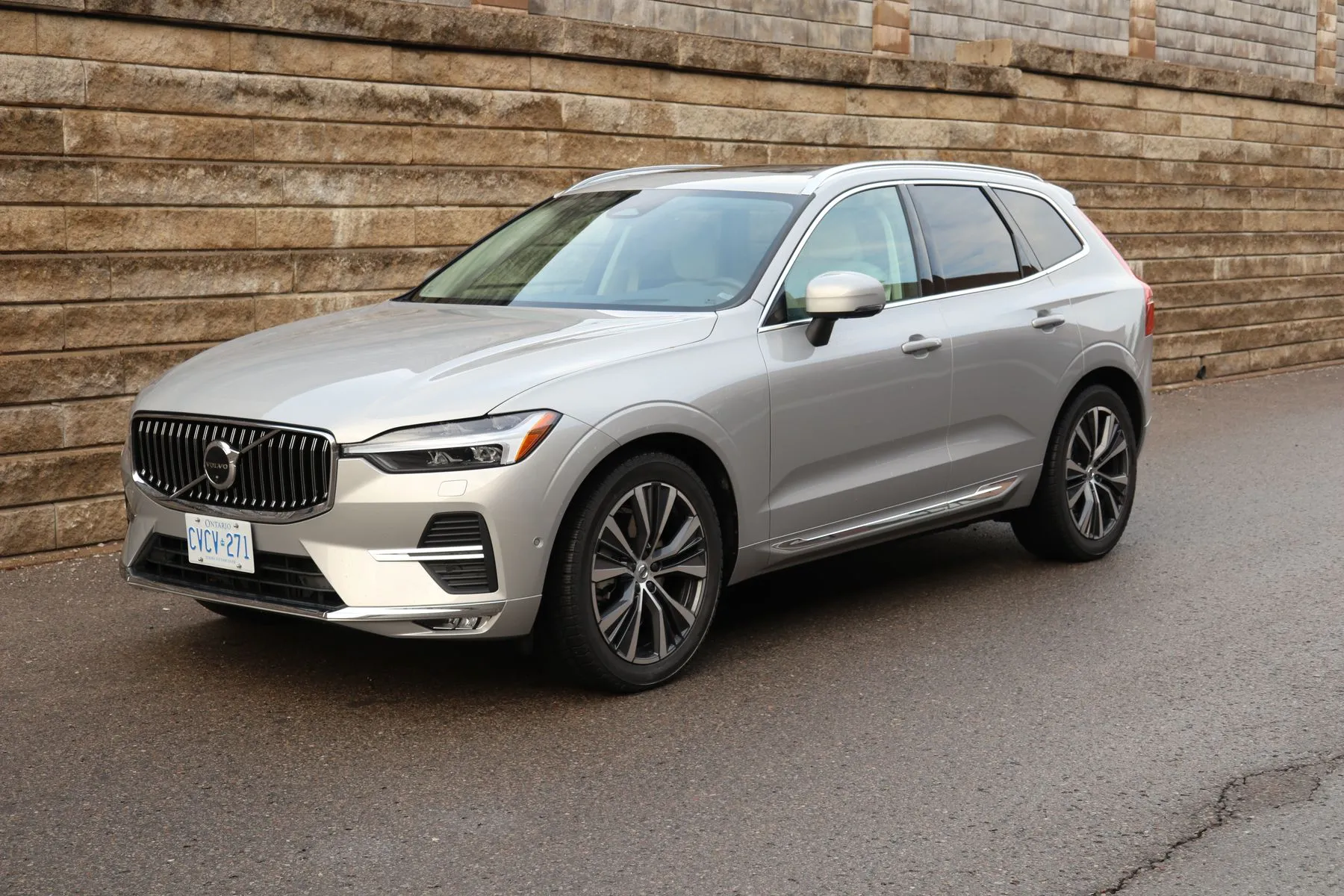
The Volvo XC60 is a vehicle synonymous with safety, and its approach to backup camera technology reflects this brand identity perfectly. Volvo has been a pioneer in automotive safety systems for decades. The XC60’s camera system is designed with the same meticulous attention to safety outcomes that characterizes every aspect of this vehicle. Rain performance is central to the XC60’s camera design brief.
Volvo integrates the XC60’s backup camera within the rear tailgate in a carefully shielded housing. The housing design incorporates a small overhang that acts as a weather shield. This overhang prevents direct rain impact on the camera lens in most rainfall angles and intensities. The thoughtful industrial design of the camera housing is a reflection of Volvo’s detail-oriented engineering culture.
The 360-degree camera system available on higher XC60 trims provides comprehensive all-around visibility. In rainy conditions, the ability to see all sides of the vehicle simultaneously reduces the risk of missing hazards. The overhead synthesized view is particularly valuable when reversing in tight spaces during a downpour. Comprehensive visibility is the most effective single remedy for rain-related parking difficulty.
Volvo equips the XC60 with a heated rear camera lens that prevents condensation and fogging during wet weather. Scandinavian weather conditions have historically driven Volvo’s engineers to solve cold and wet weather problems thoroughly. The heated lens is a direct product of this Scandinavian design heritage. It performs reliably in cold rain, which is when fogging is most likely to occur during active use.
The XC60’s Pilot Assist driving assistance technology incorporates data from the backup camera into its broader awareness framework. When reversing, the system draws on camera feeds, radar, and ultrasonic sensors simultaneously.
In rain, where the camera’s contribution may be slightly reduced, the other sensors maintain full functionality. This sensor fusion approach provides genuinely redundant safety coverage that single-sensor systems cannot match.
Volvo’s large Sensus touchscreen system displays the backup camera feed with exceptional clarity. The screen automatically adjusts brightness and contrast based on ambient light conditions.
In the grey, low-light conditions that typically accompany rainfall, the screen brightens the camera feed to maintain usability. Drivers experience this as a seamless, consistent viewing experience regardless of outside conditions.
The camera lens on the XC60 uses a multi-coating treatment that combines hydrophobic, anti-reflective, and scratch-resistant properties. This comprehensive coating strategy addresses multiple potential image quality issues simultaneously.
Water repellency keeps the lens dry while anti-reflective coating reduces glare from wet road surfaces. The combination produces a demonstrably clearer image in rain than single-property coatings can achieve.
Volvo’s commitment to safety means the XC60’s camera system undergoes exceptionally rigorous testing. Cameras are tested in simulated rainfall of varying intensities, angles, and temperatures.
Only systems that meet Volvo’s stringent performance thresholds reach production vehicles. This thorough validation process gives owners justified confidence in real-world wet-weather performance.
The XC60 consistently scores at the top of independent safety assessments from organizations like Euro NCAP and the IIHS. Camera system performance is evaluated as part of these comprehensive safety reviews.
The XC60’s strong showing in these independent tests confirms that its camera technology performs as claimed. Third-party validation is the most credible evidence of genuine real-world capability.
The 2024 and 2025 XC60 models feature software refinements that improve camera processing speed and image quality. Volvo’s partnership with leading imaging technology suppliers ensures access to the latest advancements in camera sensor technology.
The XC60’s backup camera system continues to evolve with each model year in meaningful and measurable ways. For drivers who prioritize safety above all else, the Volvo XC60 remains an unmatched choice in the competitive luxury SUV segment.
Also Read: 9 Vehicles With Gas Tanks Big Enough To Skip Refueling On Long Drives
