
Luxury SUVs have become one of the most dominant forces in the global automotive industry, and nowhere is this more evident than in the United States. Over the past two decades, American buyers have shifted dramatically away from sedans and traditional luxury coupes toward high-riding, spacious, and technology-rich SUVs. This transformation has not only reshaped domestic automakers but also forced European and Asian luxury brands to rethink their entire global strategy.
The United States stands out as the most influential luxury SUV market in the world because of a unique combination of consumer preferences, geography, and lifestyle expectations. American drivers tend to prioritize comfort, interior space, towing capability, and road presence over compact efficiency or urban maneuverability.
As a result, large luxury SUVs often sell in significantly higher volumes in the U.S. than in the brand’s home market, whether that market is Germany, Japan, Sweden, or the United Kingdom.
Another major factor behind this trend is the profitability of the American market. Luxury SUVs typically generate far higher margins in the United States due to strong demand for optional packages, premium trims, and customization options. Manufacturers such as BMW, Mercedes-Benz, Lexus, Audi, Volvo, and Land Rover increasingly design their global SUV lineup with American consumers in mind, even when those vehicles originate in Europe or Asia.
In addition, fuel prices, road infrastructure, and suburban living patterns in the United States make larger SUVs more practical compared to densely populated European or Japanese cities. While smaller crossovers and wagons remain popular in those home markets, Americans overwhelmingly prefer midsize and full-size luxury SUVs that offer three-row seating, advanced infotainment systems, and powerful engines.
Interestingly, many of the most successful luxury SUVs globally were originally developed for European roads or Asian luxury markets but achieved their highest sales success in North America. In some cases, American buyers account for more than half of total global demand for specific models.
This article explores 10 luxury SUVs that are significantly more popular in the United States than in their respective home markets. These vehicles highlight not only differences in consumer behavior but also how global automotive brands have adapted to American preferences. Each model represents a case study in how geography, culture, and lifestyle can reshape automotive success on a global scale.
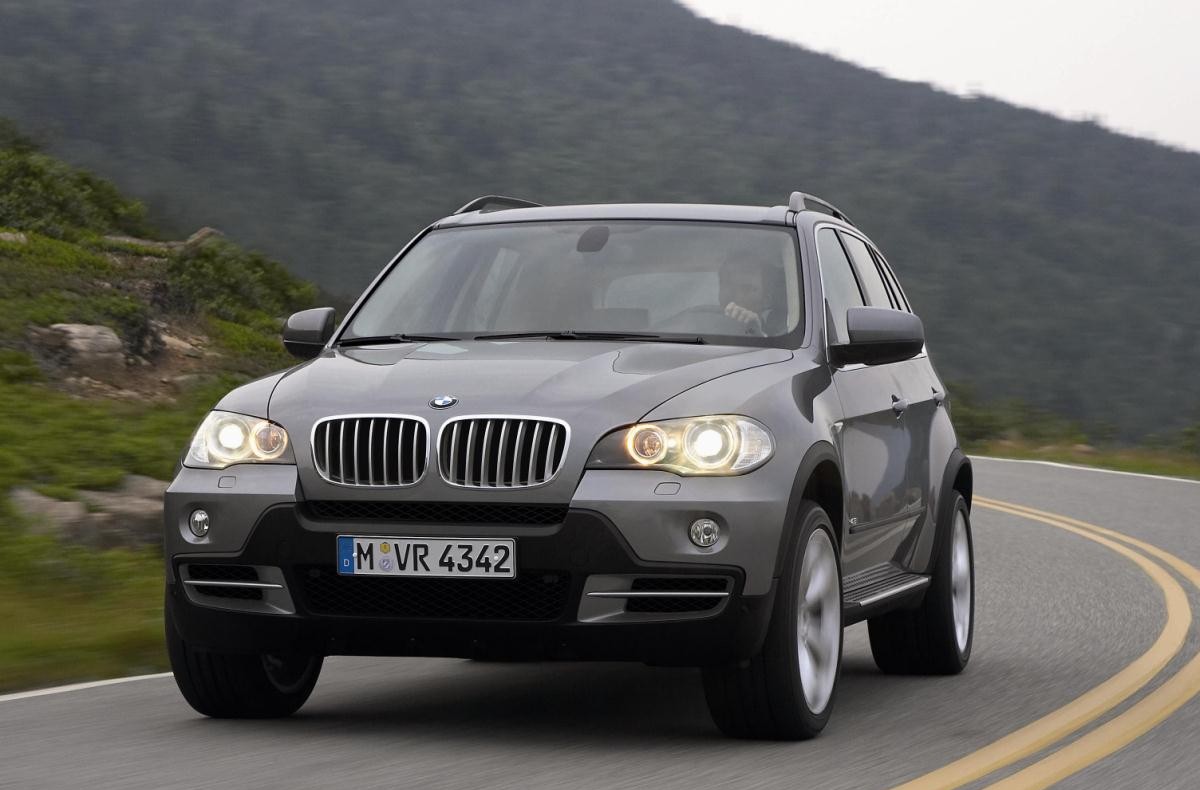
1. BMW X5
The BMW X5 is one of the most important luxury SUVs in BMW’s global lineup, but its true commercial strength lies overwhelmingly in the United States rather than Germany.
Although it was originally engineered in Europe and reflects BMW’s driving-focused philosophy, the American market transformed the X5 from a sporty European SUV into a mainstream luxury family vehicle with strong premium appeal. In the United States, the X5 is not just a car but a status symbol that blends performance, practicality, and brand prestige in a way that resonates strongly with suburban households and high-income professionals.
One of the key reasons for its American dominance is the size and road environment differences between the U.S. and Europe. In Germany, urban density, narrower roads, and higher fuel costs encourage buyers to choose smaller SUVs or wagons. This limits the X5’s relative appeal compared to compact luxury alternatives.
However, in the United States, larger roads, suburban commuting patterns, and long-distance travel make the X5’s size an advantage rather than a limitation. Families especially value its spacious rear seating, cargo capacity, and optional third-row configuration, which aligns perfectly with American lifestyle expectations.
Another major factor behind its U.S. success is engine variety and performance tuning. American buyers tend to favor higher horsepower variants, including six-cylinder turbocharged models and even V8-powered M performance trims.
These configurations are far more popular in the United States than in Europe, where efficiency regulations and taxation discourage large engine adoption. BMW has responded by prioritizing U.S.-spec luxury packages that emphasize comfort features such as adaptive air suspension, advanced driver assistance systems, and premium interior materials.
Additionally, the X5 benefits from strong brand perception in the United States. BMW is widely associated with luxury, success, and driving enjoyment, and the X5 sits at the center of that identity. It appeals to both family-oriented buyers and individual professionals who want a balance between practicality and performance.
Over time, this has made the X5 one of BMW’s most consistent top-selling SUVs in North America, often outperforming its sales in Germany by a significant margin.
Finally, the financing and leasing culture in the United States plays a role in its popularity. Luxury SUVs like the X5 are frequently leased, making them more accessible to a wider range of buyers than in Europe, where outright ownership is more common. This accessibility further amplifies demand and reinforces the X5’s position as a dominant luxury SUV in the American market.
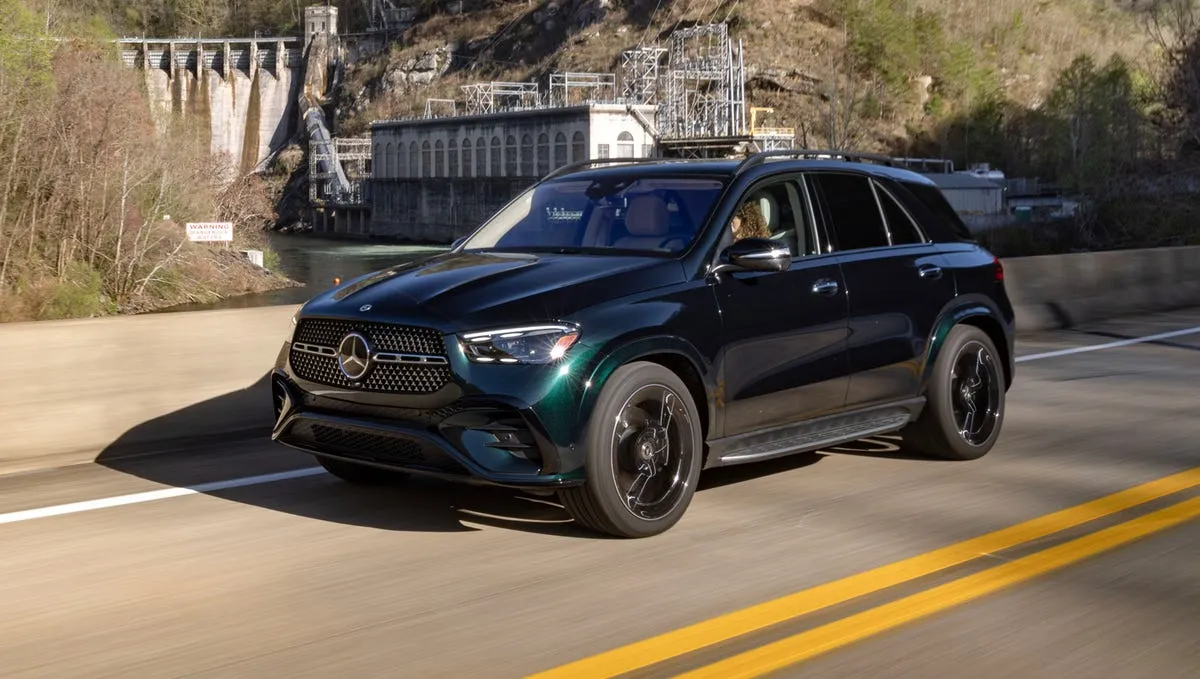
2. Mercedes-Benz GLE
The Mercedes-Benz GLE is one of the most strategically important vehicles for Mercedes-Benz globally, but its strongest market performance is clearly in the United States. While Germany remains the brand’s home base, the GLE has evolved into a vehicle that is far more aligned with American luxury expectations than European ones.
In the U.S., it is viewed as a premium midsize SUV that combines comfort, technology, and prestige, making it a top choice among affluent families and professionals.
One of the most significant differences in demand patterns between the U.S. and Europe is vehicle size preference. In Germany and neighboring countries, buyers often prioritize compact luxury SUVs such as the GLC due to narrower city streets, parking limitations, and fuel efficiency concerns.
The GLE, being larger, is less dominant in its home region. However, in the United States, the GLE’s size is considered ideal rather than excessive. It offers generous interior space, three-row seating options, and a commanding road presence that fits perfectly into suburban and highway-driven lifestyles.
The interior experience of the GLE is another major factor behind its American success. Mercedes-Benz has heavily invested in luxury technology features that appeal to U.S. consumers, including dual widescreen displays, advanced voice assistants, and premium ambient lighting systems.
American buyers tend to prioritize in-cabin comfort and technological sophistication, and the GLE delivers both at a high level. Features such as air suspension and multi-contour seats further enhance its appeal for long-distance driving, which is common in the United States.
Performance variants also contribute significantly to its popularity. The AMG-tuned versions of the GLE, particularly the high-performance GLE 63, are extremely popular in the United States. American consumers often prefer powerful SUVs that combine luxury with sports car-like acceleration, and AMG models satisfy that demand more strongly than standard trims.
This performance-oriented culture is less pronounced in Europe, where efficiency and taxation constraints reduce demand for high-output SUVs.
Finally, Mercedes-Benz benefits from strong brand prestige in the United States. The three-pointed star is widely associated with success and luxury, and the GLE represents a perfect balance between accessibility and premium status. It is frequently chosen as a “step-up” luxury SUV by buyers moving from mainstream brands into the premium segment, which further boosts its U.S. sales dominance compared to Germany.
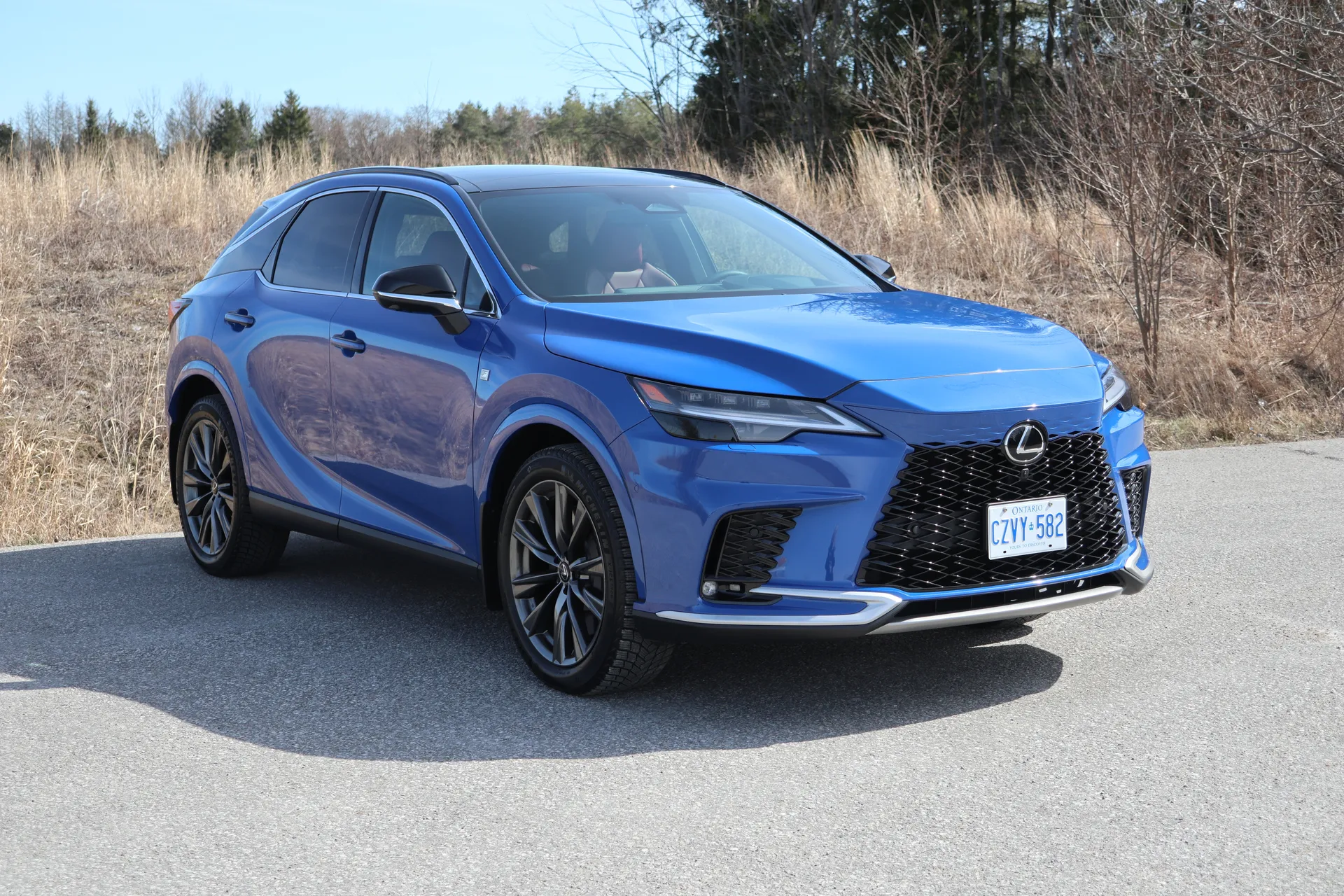
3. Lexus RX
The Lexus RX stands as one of the most America-centric luxury SUVs ever created, despite being a product of a Japanese brand. Its dominance in the United States is so strong that the American market has effectively shaped the identity and evolution of the RX more than Japan itself.
While Lexus is Toyota’s luxury division with global reach, the RX has become especially significant in North America, where it consistently ranks among the best-selling luxury SUVs year after year.
In Japan, the RX is considered a relatively large vehicle due to strict urban infrastructure, limited parking space, and a strong preference for compact cars. Luxury buyers in Japan often opt for smaller sedans or compact luxury SUVs instead. This naturally limits the RX’s domestic dominance.
However, in the United States, the RX was one of the earliest luxury crossover SUVs to define the segment, offering a perfect combination of comfort, reliability, and practicality at a time when American buyers were transitioning away from traditional sedans.
One of the strongest reasons for its success in the U.S. is its reputation for reliability. Lexus as a brand has built a near unmatched reputation for long-term durability, and the RX is often seen as the most dependable luxury SUV in its class.
American buyers place high value on reliability, especially in family-oriented vehicles, and this has significantly contributed to the RX’s dominance in suburban households. It is commonly chosen by professionals, families, and retirees who want luxury without mechanical complexity or high maintenance costs.
Another key factor is comfort-oriented engineering. The RX prioritizes smooth ride quality, quiet cabins, and ease of driving over aggressive performance. This aligns perfectly with American driving habits, where long highway commutes are common. Hybrid variants of the RX have also become increasingly popular in the United States due to rising fuel efficiency awareness, further strengthening its position in the luxury SUV market.
Finally, Lexus has consistently tailored the RX for American preferences through trim levels, feature packages, and technology upgrades. The U.S. market receives the most advanced versions of the RX lineup, including premium infotainment systems and luxury interior enhancements.
This continuous focus on American consumer expectations has ensured that the RX remains far more successful in the United States than in its home market of Japan.
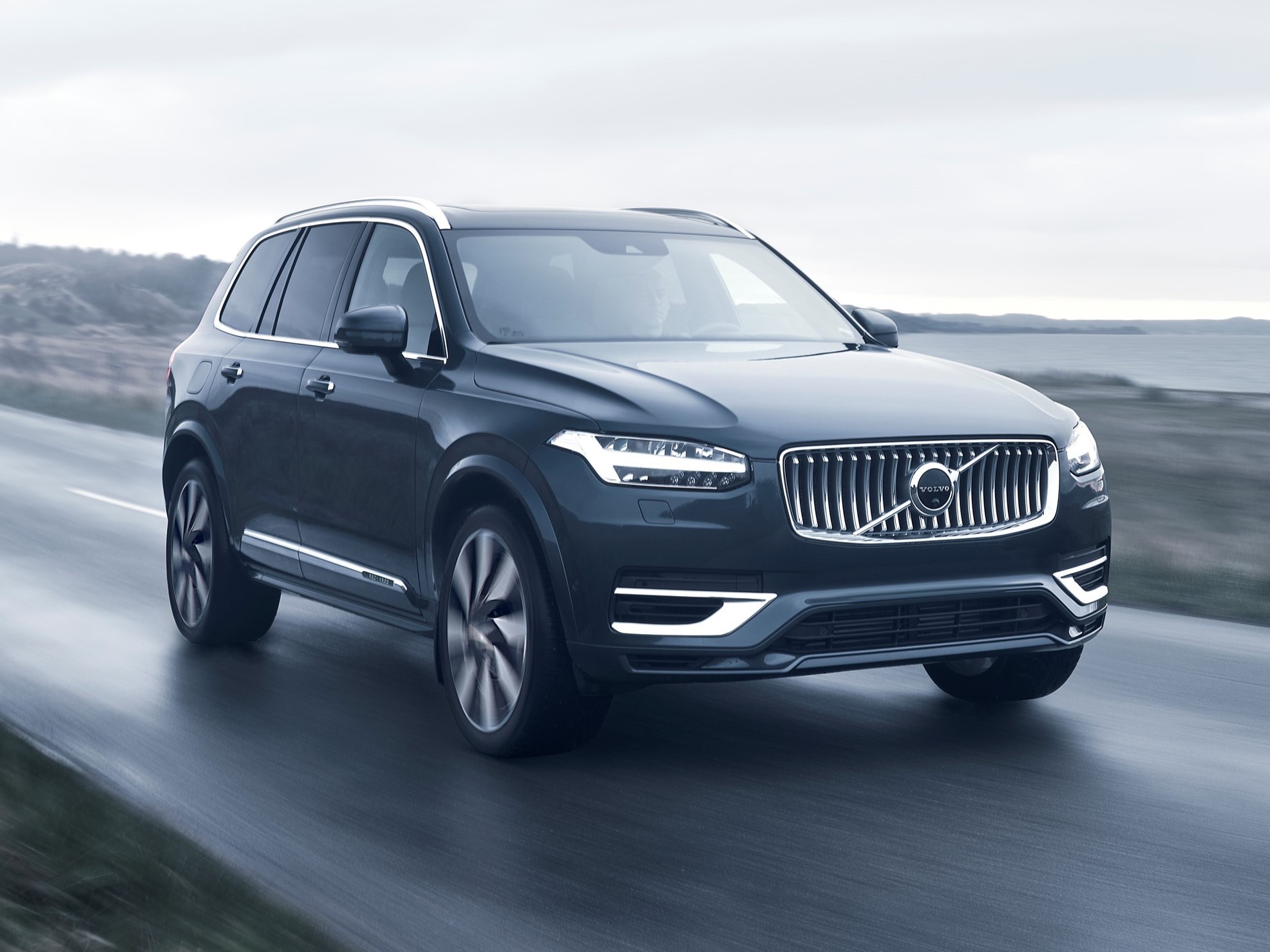
4. Volvo XC90
The Volvo XC90 represents one of the most successful Scandinavian automotive exports, but its commercial peak is clearly found in the United States rather than Sweden or broader Europe. While Volvo is a Swedish brand with strong heritage in safety and design, the XC90 has achieved far greater sales success and cultural recognition in North America, where it aligns closely with family-oriented luxury expectations.
In Europe, the XC90 competes in a highly crowded luxury SUV segment dominated by German manufacturers. Additionally, European consumers tend to prefer smaller vehicles due to urban density, taxation, and fuel costs.
This limits the XC90’s market penetration in its home region. However, in the United States, the XC90 benefits from a strong alignment with suburban family lifestyles that prioritize space, safety, and comfort.
Safety is perhaps the most important factor behind its American success. Volvo has built its global reputation on pioneering safety innovations, and the XC90 is widely recognized as one of the safest three-row luxury SUVs available. American families place a high priority on safety ratings when choosing vehicles, especially for children, and this has significantly boosted XC90 sales across the United States.
The XC90 also stands out due to its minimalist Scandinavian design philosophy. Its interior is clean, modern, and uncluttered, offering a premium feel that differentiates it from more aggressively styled German competitors. American buyers increasingly appreciate this understated luxury approach, particularly among professionals who prefer elegance over excessive design complexity.
Additionally, Volvo has successfully positioned the XC90 as a forward-looking vehicle with hybrid and plug-in hybrid options. This appeals strongly to environmentally conscious American buyers who still want luxury SUV practicality. Combined with strong marketing in the U.S. and a growing dealer network, the XC90 continues to outperform its sales in Sweden by a substantial margin.
5. Range Rover
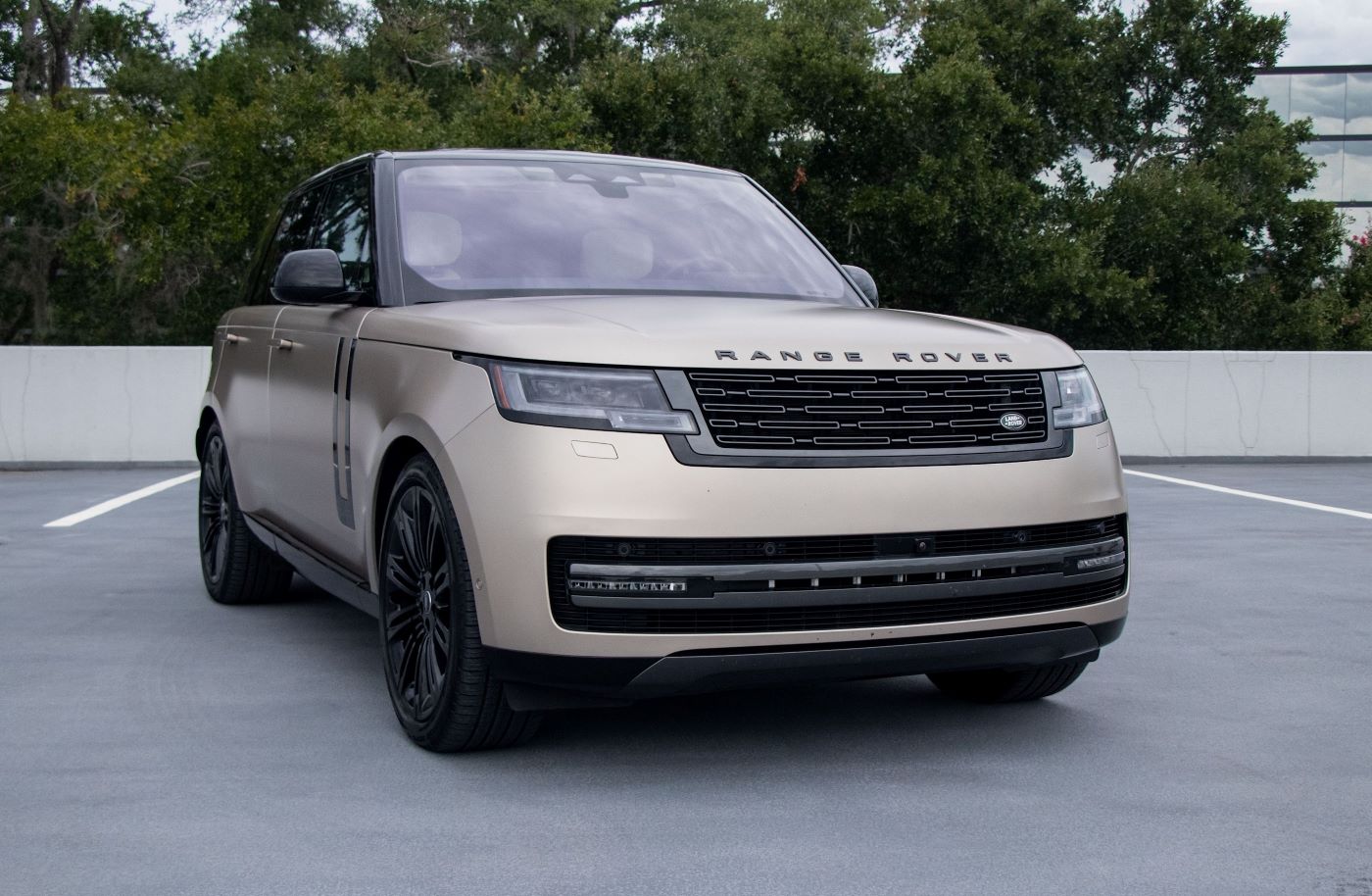
The Range Rover is one of the most iconic luxury SUVs in the world, but its strongest commercial market is undeniably the United States rather than the United Kingdom. While it is a British engineering symbol with deep heritage, the realities of its home market significantly limit its sales compared to its American performance.
In the United Kingdom, the Range Rover faces challenges such as high fuel prices, congestion charges in major cities, and narrow roads that make large SUVs less practical for everyday use. Additionally, taxation on high-emission vehicles further restricts demand for full-size luxury SUVs. As a result, its domestic market remains relatively niche.
In contrast, the United States offers an environment where the Range Rover can thrive. Wide roads, suburban living, and lower fuel constraints allow American buyers to fully embrace its size, luxury, and off-road capability. It is widely seen as a prestige vehicle that signals wealth, success, and exclusivity.
The Range Rover’s appeal in the United States is also heavily influenced by celebrity culture and high-income demographics. It is frequently seen among entertainers, athletes, and business executives, reinforcing its image as a luxury status symbol. Its combination of rugged off-road heritage and high-end luxury interior makes it unique in the American luxury SUV industry.
Finally, the Range Rover benefits from strong brand evolution that emphasizes modern luxury technology, including advanced infotainment systems, premium leather interiors, and high-performance engine options. These features make it significantly more popular in the United States than in its home market, where practicality constraints limit its reach.
6. Audi Q7
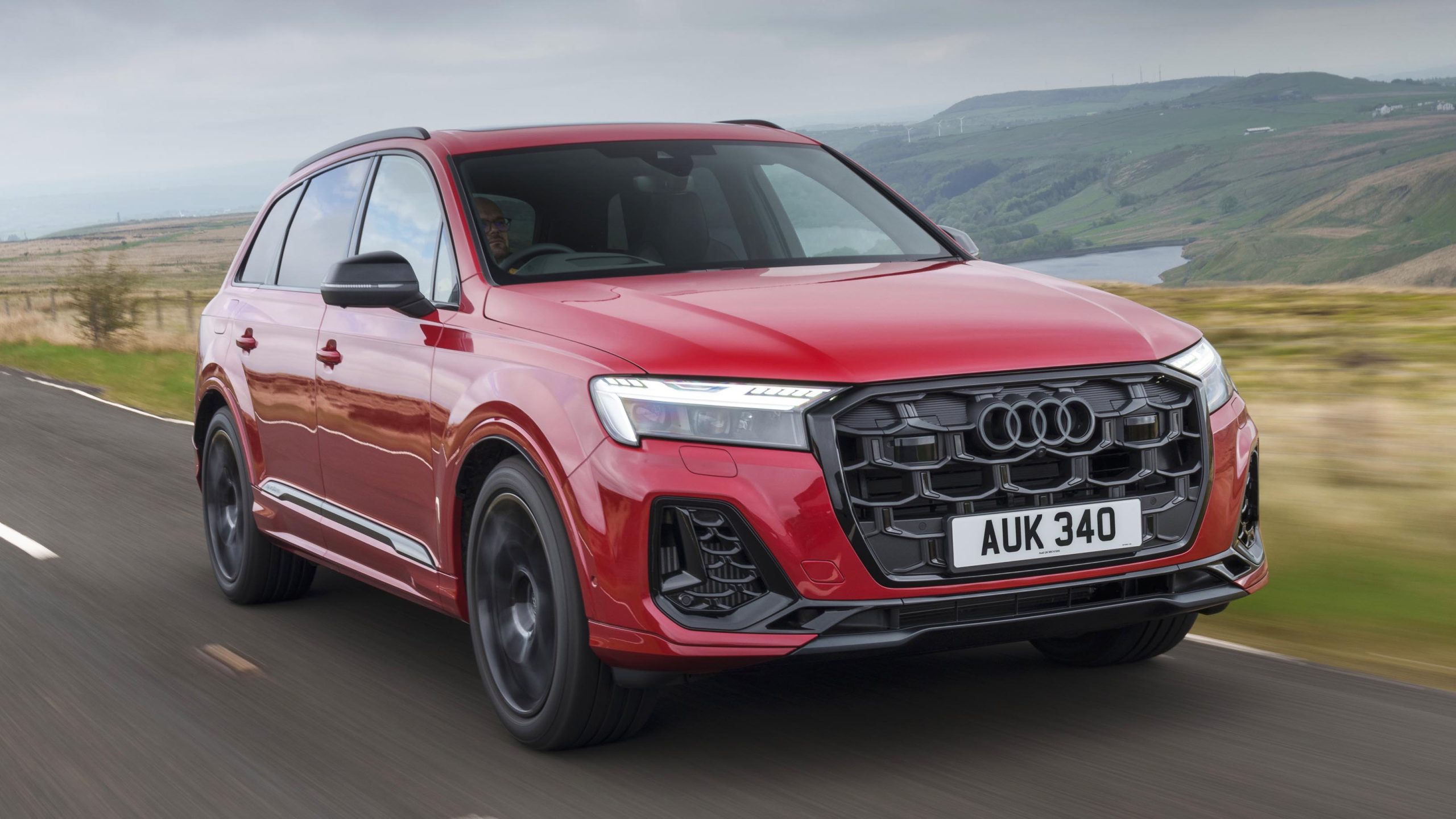
The Audi Q7 is a midsize luxury SUV that plays an important global role for Audi, but its strongest commercial performance is clearly concentrated in the United States rather than Germany. While Audi is a German brand with strong domestic roots, the Q7 has consistently found greater success in North America due to differences in consumer expectations, vehicle size preferences, and luxury purchasing behavior.
In Germany and much of Europe, buyers often prefer smaller SUVs like the Audi Q5 or even estate models, which are more practical for narrow streets, tighter parking conditions, and higher fuel costs. As a result, the Q7 does not dominate its home market in the same way it does in the United States.
In the American market, however, the Q7 fits perfectly into the luxury SUV industry. It is widely regarded as a refined three-row SUV that offers a combination of understated design, advanced technology, and strong build quality.
American consumers are particularly attracted to its spacious interior layout, which provides comfort for families and long-distance highway driving. The availability of a third row makes it especially appealing in suburban regions where larger families are common and multi-passenger seating is a key purchasing requirement.
Another major factor driving Q7 popularity in the United States is its technological sophistication. Audi has built a reputation for offering some of the most advanced interior digital interfaces in the industry, and the Q7 benefits directly from this.
Features such as the Virtual Cockpit digital instrument cluster, high-resolution infotainment screens, and advanced driver assistance systems appeal strongly to American luxury buyers who prioritize in-cabin technology as much as performance. This tech-forward identity gives the Q7 a competitive edge in the U.S. luxury SUV segment.
Performance and driving dynamics also contribute to its American success. While the Q7 is not positioned as a high-performance SUV, its Quattro all-wheel-drive system provides stability and confidence in a variety of road conditions, including snow, rain, and highway cruising.
This versatility makes it well-suited for the diverse driving environments found across the United States. Buyers appreciate that it offers a balance between comfort and controlled handling, without being overly aggressive or overly soft.
The Audi Q7 succeeds in the United States because it aligns closely with American expectations for a luxury family SUV. It is spacious, technologically advanced, comfortable, and premium without being overly flashy. These qualities allow it to outperform its sales in Germany, where market preferences are more segmented and competitive pressure from domestic rivals is stronger.
7. Cadillac Escalade
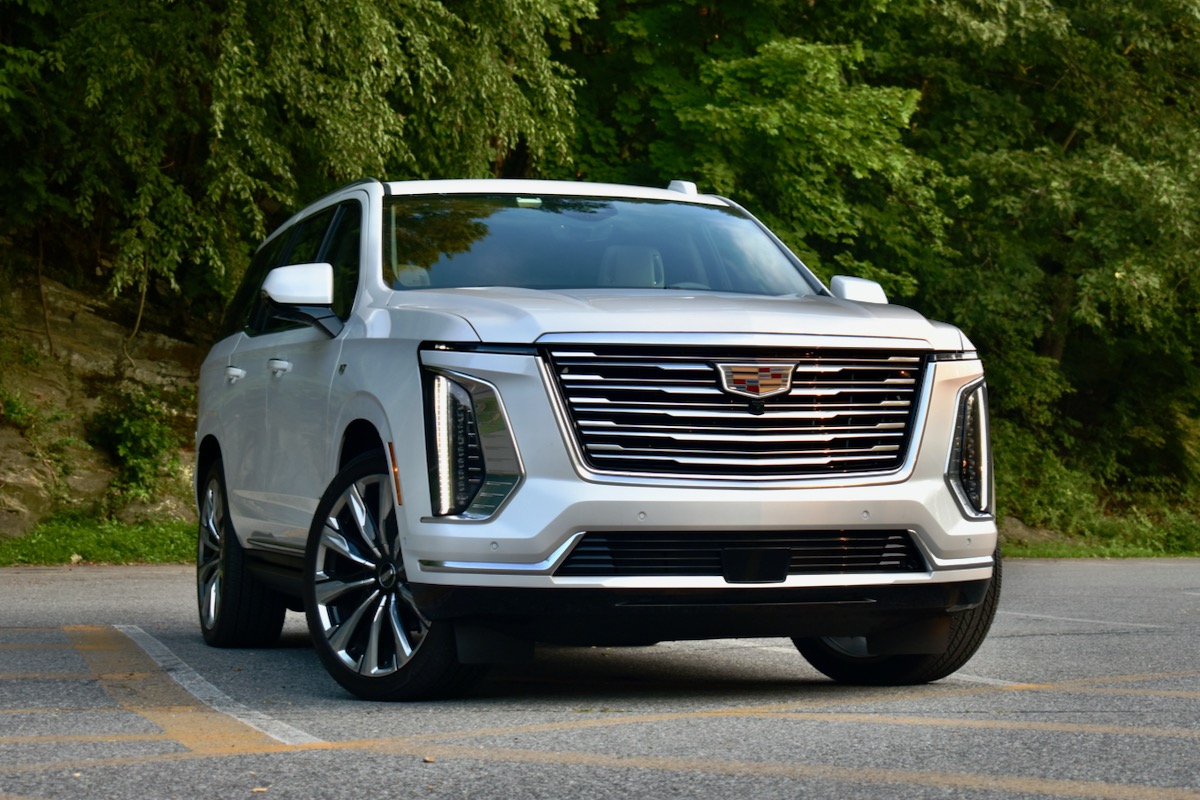
The Cadillac Escalade is one of the most culturally significant luxury SUVs in the United States, and it stands as perhaps the clearest example of a vehicle that is overwhelmingly more popular in its home market than anywhere else in the world.
While Cadillac is an American luxury brand, the Escalade itself has become deeply embedded in American automotive culture, symbolizing success, power, and status in a way that very few vehicles can match. Outside the United States, however, its presence is minimal, and it remains a niche product in most international markets.
One of the primary reasons for its dominance in the United States is its sheer scale and presence. The Escalade is a full-size luxury SUV designed with maximum interior space, bold styling, and a commanding road presence.
American consumers, particularly in suburban and urban luxury circles, are drawn to vehicles that visually communicate status and confidence. The Escalade fulfills this role more strongly than almost any other SUV in the market, making it a preferred choice among celebrities, executives, and professional athletes.
In international markets, especially Europe and parts of Asia, the Escalade faces significant limitations. Narrow roads, strict emission regulations, high fuel costs, and compact parking infrastructure make large SUVs less practical. As a result, the Escalade is often seen as too large and inefficient for everyday use in its potential export markets.
This sharply contrasts with the United States, where infrastructure supports large vehicle ownership and fuel costs are comparatively lower.
Another important factor behind its American success is interior luxury. The Escalade is widely recognized for offering one of the most opulent cabins in the full-size SUV segment.
High-quality leather materials, advanced infotainment systems, massive digital displays, and rear-seat entertainment options contribute to a luxury experience that rivals or exceeds many European competitors. This focus on interior comfort and technology has made it a top-tier choice for American luxury buyers.
The Escalade also benefits from strong cultural reinforcement. It has appeared frequently in music, film, and celebrity culture, which has elevated its status beyond a vehicle into a cultural icon. In many cases, owning an Escalade is seen not just as transportation but as a statement of success. This cultural significance is a major reason why it sells far more in the United States than in any international market.
8. Porsche Cayenne
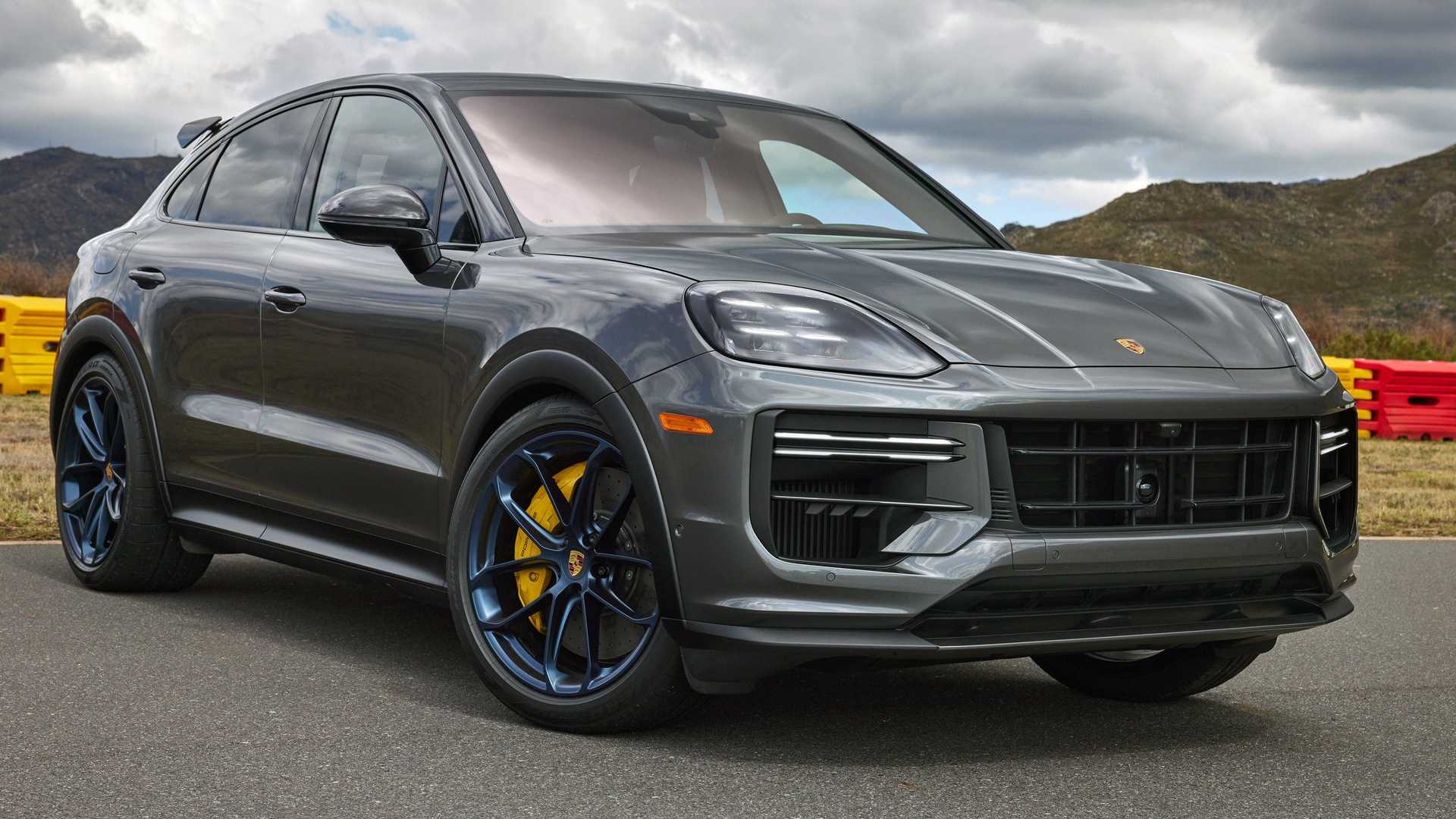
The Porsche Cayenne represents one of the most transformative vehicles in Porsche’s history, and its success is heavily driven by demand in the United States rather than Germany. While Porsche is globally recognized for its sports cars, particularly the 911, the Cayenne has become a financial backbone for the company, and a large portion of that success is tied directly to American consumers.
In Germany and much of Europe, Porsche buyers traditionally associate the brand with performance coupes and sports cars rather than SUVs. As a result, the Cayenne initially faced skepticism in its home market when it was first introduced. European buyers are also more sensitive to fuel consumption, taxation, and urban practicality, all of which limit the widespread appeal of large luxury SUVs like the Cayenne.
In contrast, the United States embraced the Cayenne as a natural extension of Porsche’s performance identity. American consumers are highly receptive to performance SUVs that combine luxury, practicality, and speed.
The Cayenne delivers all three, offering sports car-like acceleration with the added benefit of interior space and everyday usability. This combination has made it extremely popular among high-income professionals who want a single vehicle that can function both as a family SUV and a performance machine.
Another factor behind its American dominance is the strong appeal of high-performance variants. Models such as the Cayenne Turbo and Turbo GT are particularly popular in the United States, where buyers often prioritize horsepower and acceleration. Porsche has effectively positioned these variants as luxury performance benchmarks, and the U.S. market has responded with strong demand.
The Cayenne also benefits from Porsche’s brand prestige in the United States, where ownership is associated with both wealth and automotive enthusiasm. It appeals to buyers who want something more dynamic than traditional luxury SUVs offered by brands like Mercedes-Benz or BMW. This performance-driven identity has helped the Cayenne consistently outperform its sales in Germany by a wide margin.
9. Lincoln Navigator
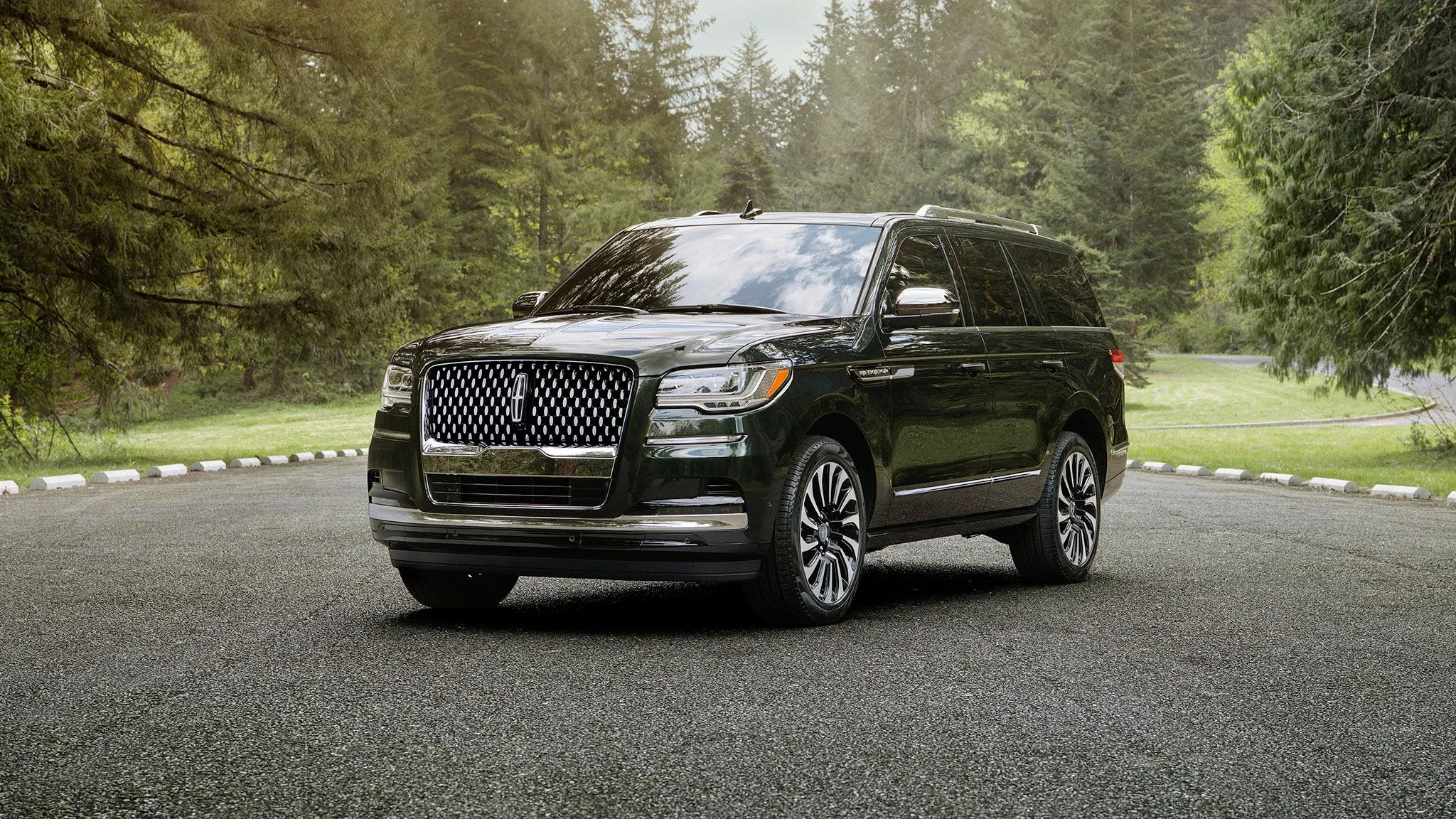
The Lincoln Navigator is a full-size American luxury SUV that achieves the vast majority of its success within the United States, with extremely limited presence in international markets. Lincoln, as Ford’s luxury division, primarily focuses on the North American market, and the Navigator is its flagship model. While it is technically sold in some overseas regions, its global impact is minimal compared to its dominance in the United States.
The Navigator’s success in America is largely driven by its exceptional interior space and comfort-oriented design. It is one of the largest luxury SUVs available, offering three rows of seating with generous legroom and cargo capacity. This makes it especially appealing to large families, executives, and buyers who prioritize maximum utility without sacrificing luxury features.
In contrast, international markets such as Europe and Asia have limited demand for such large vehicles due to urban infrastructure constraints and higher operating costs.
Narrow streets, expensive fuel, and limited parking make the Navigator impractical for most consumers outside the United States. This structural limitation ensures that its sales remain heavily concentrated in North America.
Inside the United States, the Navigator competes directly with vehicles like the Cadillac Escalade, offering a more refined and understated luxury experience. Its design philosophy focuses on quiet comfort, premium materials, and smooth ride quality rather than aggressive styling. This appeals to American buyers who prefer subtle luxury over bold visual statements.
Additionally, the Navigator benefits from strong technological integration, including advanced infotainment systems, digital displays, and driver assistance features. These enhancements help it remain competitive in the high-end SUV segment, even as European brands dominate other parts of the luxury SUV market globally.
10. Acura MDX
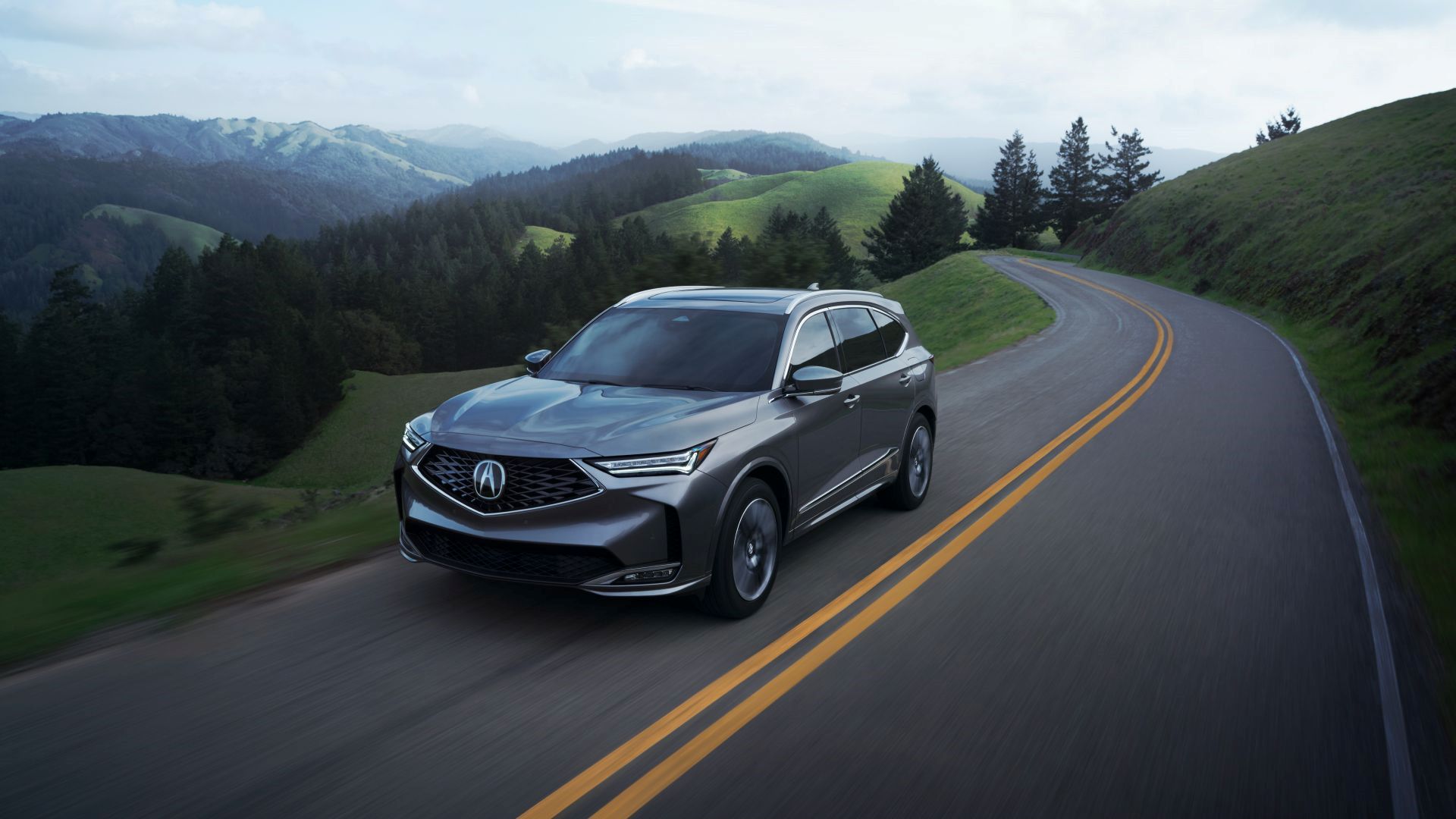
The Acura MDX is one of the most successful luxury SUVs in the United States from a Japanese brand, yet it performs far better in North America than in its home market. Acura, Honda’s luxury division, primarily targets the U.S. market, where the MDX has established itself as one of the most popular three-row luxury SUVs available.
In Japan, the MDX faces structural limitations similar to other large SUVs. Urban density, narrow roads, and compact parking spaces make midsize and full-size SUVs less practical for everyday use.
Additionally, Japanese luxury consumers often prefer smaller, more efficient vehicles or high-end sedans. As a result, the MDX does not achieve the same level of prominence in Japan as it does in the United States.
In contrast, the American market strongly values the MDX for its reliability, affordability within the luxury segment, and strong family-oriented design. It offers three-row seating, advanced safety features, and a comfortable driving experience, making it particularly popular among suburban families. Its reputation for long-term dependability, inherited from Honda engineering standards, further strengthens its appeal.
The MDX also benefits from a strong value proposition compared to European luxury competitors. It often provides similar levels of space, technology, and comfort at a more accessible price point, which is a key factor for American luxury SUV buyers who are cost-conscious but still want premium features.
