

Fuel efficiency has become one of the most important factors for car buyers, yet there is still a common assumption that achieving high mileage requires going hybrid. While hybrid technology certainly delivers impressive numbers, it is not the only path to strong fuel economy.
Many modern petrol and diesel cars have reached a level of efficiency that would have seemed unrealistic just a decade ago, all without relying on electric assistance.
Advancements in engine design, aerodynamics, and transmission technology have played a major role in this shift. Smaller turbocharged engines now produce adequate power while consuming less fuel.
Lightweight construction helps reduce the load on the engine, allowing vehicles to travel further on less energy. At the same time, continuously variable transmissions and highly optimized automatic gearboxes keep engines operating in their most efficient range.
Another factor is how manufacturers fine-tune their vehicles for real-world driving. Instead of chasing performance figures alone, many brands now focus on efficiency across daily conditions such as city traffic, highway cruising, and mixed-use scenarios. This results in cars that feel balanced rather than compromised.
It is also important to understand that fuel economy is not just about saving money at the pump. It contributes to reduced emissions and a smaller environmental footprint, which is becoming increasingly relevant in today’s world. Drivers who choose efficient non-hybrid cars can still enjoy these benefits without stepping into a completely different type of powertrain.
For many buyers, sticking with a conventional engine offers simplicity. Maintenance can be more familiar, upfront costs are often lower, and the driving experience remains traditional. There is no need to adapt to regenerative braking or battery management systems. You simply drive as you always have, while still benefiting from improved efficiency.
This list focuses on nine cars that achieve around 35 miles per gallon or better without being hybrids. Each one represents a different approach to efficiency, from compact sedans to practical hatchbacks. They prove that you do not need electrification to achieve impressive mileage.
If you are looking for a car that balances fuel economy with everyday usability, these models stand out. They deliver strong efficiency while maintaining the simplicity and familiarity of a conventional engine, making them appealing choices for a wide range of drivers.
Also Read: 10 SUVs Where The Rear Hatch Opens High Enough For Tall People
1. Toyota Corolla
The Toyota Corolla has long been associated with reliability, but its efficiency is just as impressive in modern form. Without relying on hybrid technology, it manages to deliver fuel economy figures that comfortably reach the mid-30 MPG range, making it a strong choice for cost-conscious drivers.
At the heart of this efficiency is a well-tuned petrol engine that focuses on smooth and steady power delivery. Instead of chasing high output, Toyota prioritizes consistency, which helps keep fuel consumption low during both city and highway driving. This approach ensures that the car remains predictable and easy to live with.
The transmission also plays a crucial role. The Corolla uses a system that keeps the engine operating in an efficient range, reducing unnecessary fuel usage. This is particularly noticeable during long highway drives where the engine settles into a calm and economical rhythm.
Aerodynamics contribute quietly to the full performance. The shape of the car is designed to reduce air resistance, allowing it to move more efficiently at higher speeds. This helps maintain strong fuel economy without requiring additional power.
Another advantage is weight management. The Corolla is built with a structure that balances strength and lightness, which reduces the workload on the engine. This efficiency in design translates directly into better mileage.
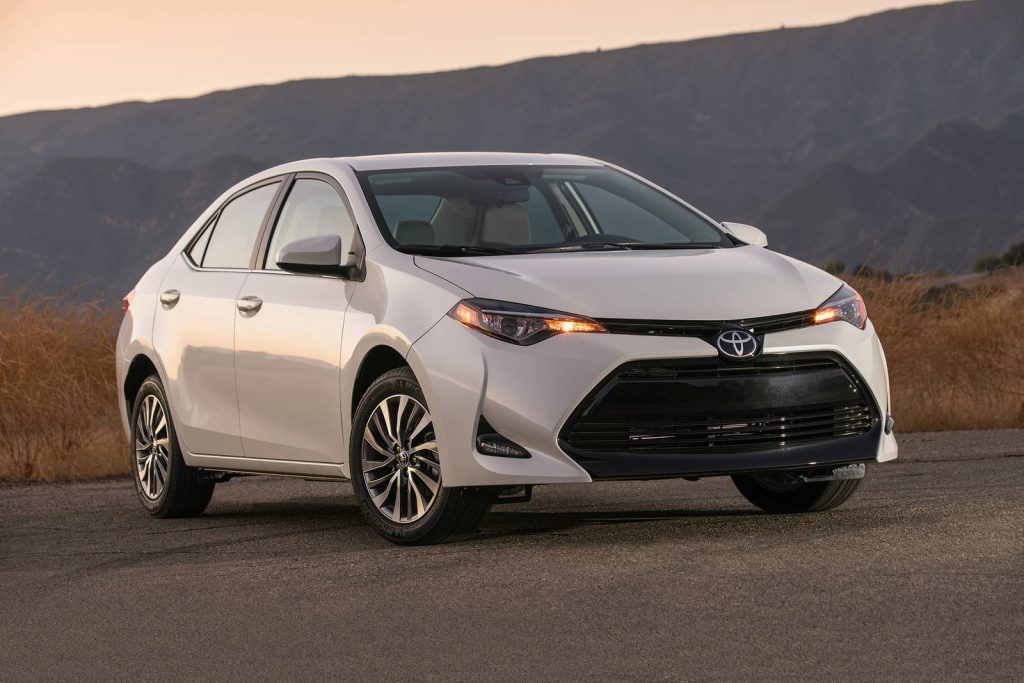
From a practical standpoint, the Corolla does not demand any special driving habits. It delivers its efficiency naturally, without requiring constant attention to throttle input or driving style. This makes it accessible to a wide range of drivers.
The interior and full driving experience remain comfortable and straightforward, reinforcing the idea that efficiency does not have to come at the cost of usability. You get a car that feels familiar, yet performs with modern efficiency standards.
The Corolla stands as a clear example of how thoughtful engineering can deliver strong fuel economy without the need for hybrid systems. It remains a dependable and efficient option for everyday driving.
2. Honda Civic
The Honda Civic approaches fuel efficiency with a slightly different mindset, combining responsive performance with impressive mileage. It proves that a car can feel engaging to drive while still achieving around 35 MPG without hybrid assistance.
Honda’s engine design focuses on extracting maximum efficiency from a relatively small displacement. The result is a powertrain that feels lively when needed, yet remains economical during regular driving conditions. This balance makes the Civic appealing to drivers who want more than just basic transportation.
The way the Civic manages fuel consumption is subtle. It does not rely on aggressive fuel-saving measures that compromise performance. Instead, it maintains efficiency through careful tuning and intelligent engineering. This allows the car to adapt naturally to different driving scenarios.
Transmission calibration is another highlight. The system works to keep the engine in its most efficient range, particularly during steady cruising. This helps reduce fuel usage without making the driving experience feel restricted.
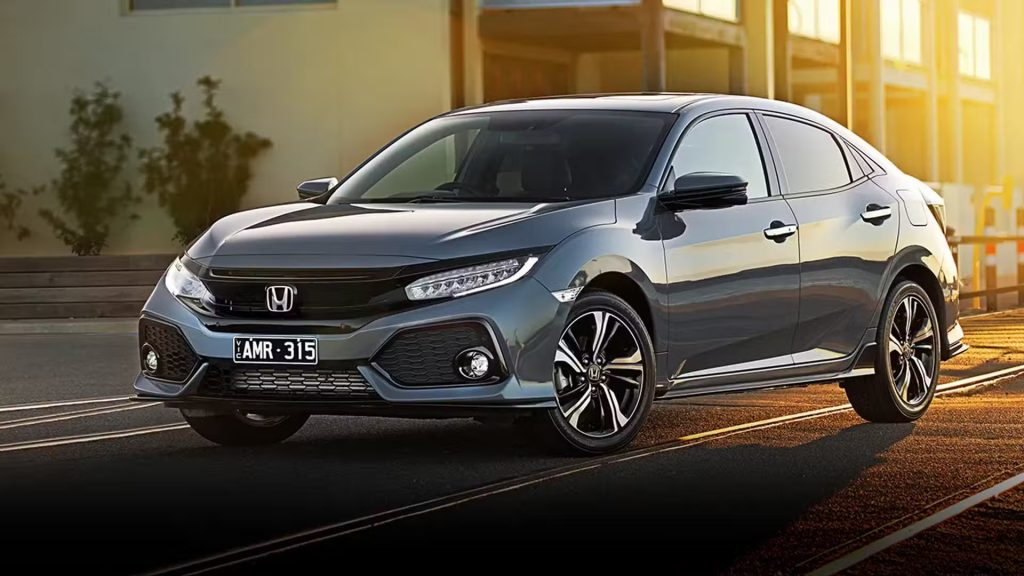
The Civic also benefits from a refined body design that supports efficient airflow. Reduced drag means the engine does not have to work as hard to maintain speed, which contributes to better mileage over time.
Inside the cabin, the Civic offers a comfortable environment that complements its efficient nature. It feels like a well-rounded vehicle rather than one built solely around fuel economy. This makes it suitable for both daily commutes and longer trips.
Drivers will appreciate how the Civic delivers its efficiency without demanding constant attention. It responds naturally to inputs, allowing you to drive as you normally would while still achieving strong mileage figures.
The Honda Civic demonstrates that efficiency and driving enjoyment can coexist. By combining smart engineering with a balanced approach, it delivers impressive fuel economy without relying on hybrid technology.
3. Hyundai Elantra
Hyundai approaches efficiency in the Elantra with a focus on refinement and consistency rather than dramatic engineering tricks. The result is a car that quietly delivers strong fuel economy in real-world conditions without asking the driver to change habits or driving style. It simply performs efficiently as part of its normal character.
The engine setup is tuned to prioritize smooth acceleration and steady cruising. Instead of chasing aggressive power figures, Hyundai ensures the engine operates within an efficient range most of the time. This becomes especially noticeable in daily commuting, where stop-and-go traffic can quickly reduce mileage in less optimized vehicles.
One of the standout aspects of the Elantra is how well it pairs the engine with its transmission. The system works to keep revs low during constant speed driving, which directly contributes to better fuel consumption. At the same time, it responds quickly when more power is needed, maintaining a balanced feel.
Aerodynamic efficiency plays a quiet but important role. The Elantra’s design is shaped to reduce drag, allowing it to cut through the air more effectively. This helps maintain fuel economy at highway speeds without placing extra strain on the engine.
Weight distribution and structural design also contribute to the equation. By keeping the vehicle relatively light while maintaining rigidity, Hyundai reduces the effort required to move the car forward. This translates into better mileage across different driving conditions.
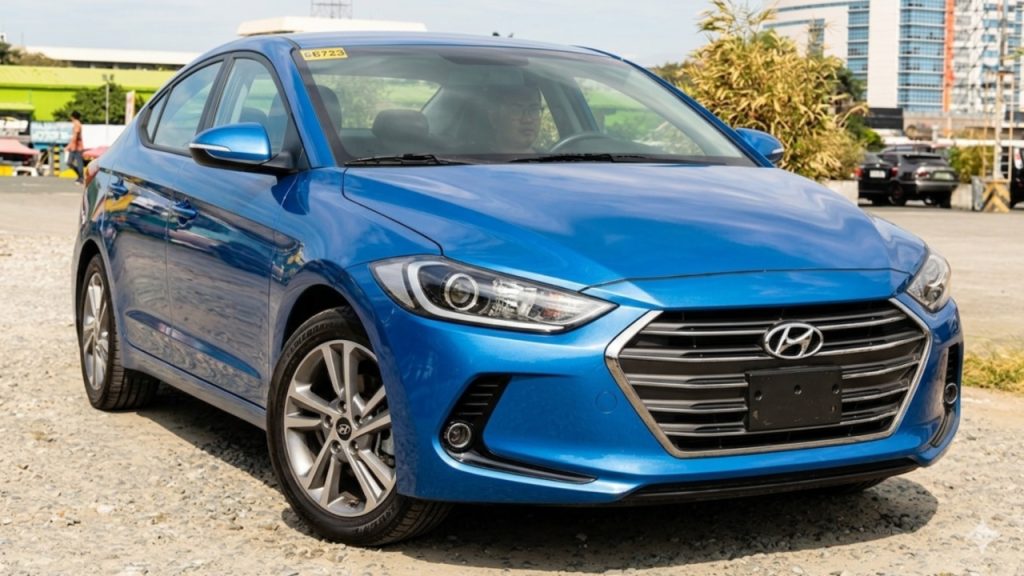
Inside the cabin, the Elantra offers a comfortable and modern environment that does not feel compromised by its efficiency focus. It remains practical and easy to live with, which reinforces the idea that high mileage does not have to come at the cost of everyday usability.
Drivers will notice that the Elantra rewards smooth inputs but does not punish normal driving behavior. It delivers consistent efficiency whether you are driving through city streets or cruising on the highway.
The Hyundai Elantra proves that careful tuning and thoughtful design can achieve impressive fuel economy without relying on hybrid systems. It is a well-balanced option for those who want efficiency without complexity.
4. Mazda3
The Mazda3 takes a different route by blending efficiency with a more engaging driving experience. It is a car that does not sacrifice driver involvement in the pursuit of fuel economy, yet still manages to reach strong mileage figures without hybrid assistance.
Mazda’s engineering philosophy centers around making the engine feel responsive while maintaining efficiency. The powertrain is designed to deliver smooth and linear acceleration, which helps avoid unnecessary fuel consumption caused by abrupt inputs or inefficient power delivery.
Unlike some rivals that rely heavily on transmission behavior to control efficiency, the Mazda3 focuses on the natural characteristics of the engine. This creates a driving experience that feels more direct, while still keeping fuel usage in check during everyday conditions.
Aerodynamics are handled with precision. The body design reduces air resistance without compromising the car’s visual appeal. This balance allows the vehicle to maintain efficiency at higher speeds while still feeling stable and composed.
Another important factor is how the Mazda3 manages weight. The structure is engineered to provide strength without excess mass, which helps improve both performance and fuel economy. This careful balance contributes to the car’s full efficiency.
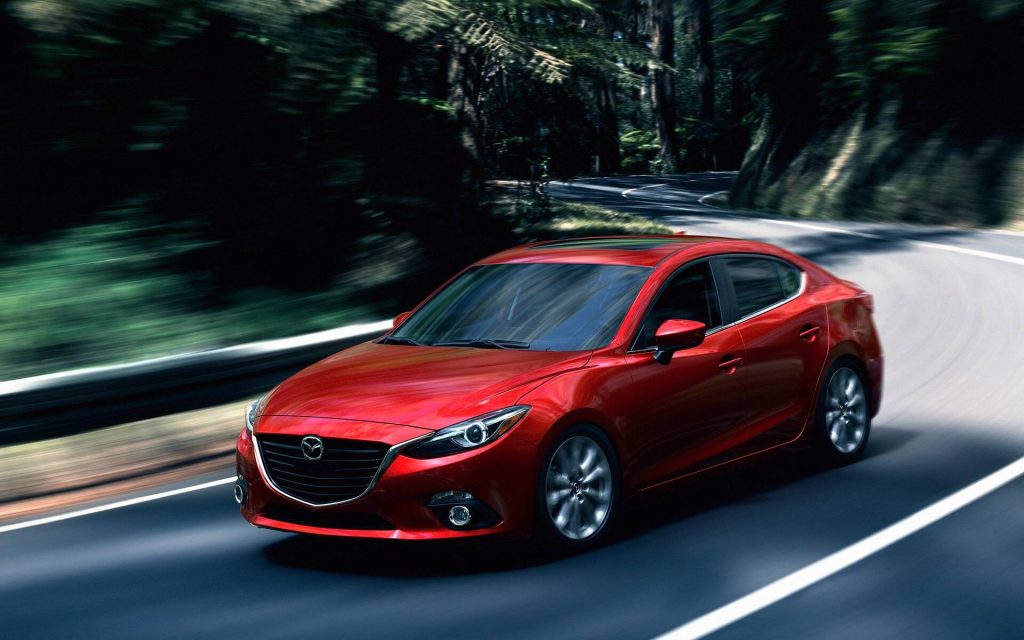
The interior reflects Mazda’s attention to detail, offering a refined and driver-focused environment. It does not feel like a car built solely for economy. Instead, it delivers a sense of quality that enhances the full ownership experience.
From a driving perspective, the Mazda3 encourages smooth and controlled inputs. This naturally supports better fuel efficiency without requiring conscious effort from the driver. It feels intuitive rather than restrictive.
The Mazda3 stands out because it does not treat efficiency as a separate goal. It integrates it into a broader philosophy of balanced performance and refinement. This makes it an appealing choice for drivers who want strong mileage without giving up engagement behind the wheel.
5. Volkswagen Jetta
Volkswagen approaches efficiency in the Jetta with a clear focus on highway performance and steady state driving. While many cars achieve strong mileage in mixed conditions, the Jetta truly shines when it settles into a consistent cruising rhythm. This makes it particularly appealing for drivers who spend long hours on open roads.
The engine is tuned to deliver torque at lower revs, which allows the car to maintain speed without constant effort. Instead of working hard to stay in motion, the Jetta glides along with minimal strain. This characteristic plays a major role in keeping fuel consumption low during extended drives.
Transmission behavior is another key element. The system is calibrated to shift early and maintain higher gears whenever possible. This keeps engine speeds down, reducing fuel usage while still providing enough responsiveness when acceleration is required.
Aerodynamic efficiency supports this setup. The Jetta’s design minimizes air resistance, helping the car move through the air with less drag. At highway speeds, this becomes increasingly important, as reduced resistance directly translates into better mileage.
There is also a sense of composure in how the car handles long journeys. The engine remains quiet and relaxed, which reinforces the feeling of efficiency. Drivers are less likely to push the car unnecessarily, which further contributes to fuel savings.
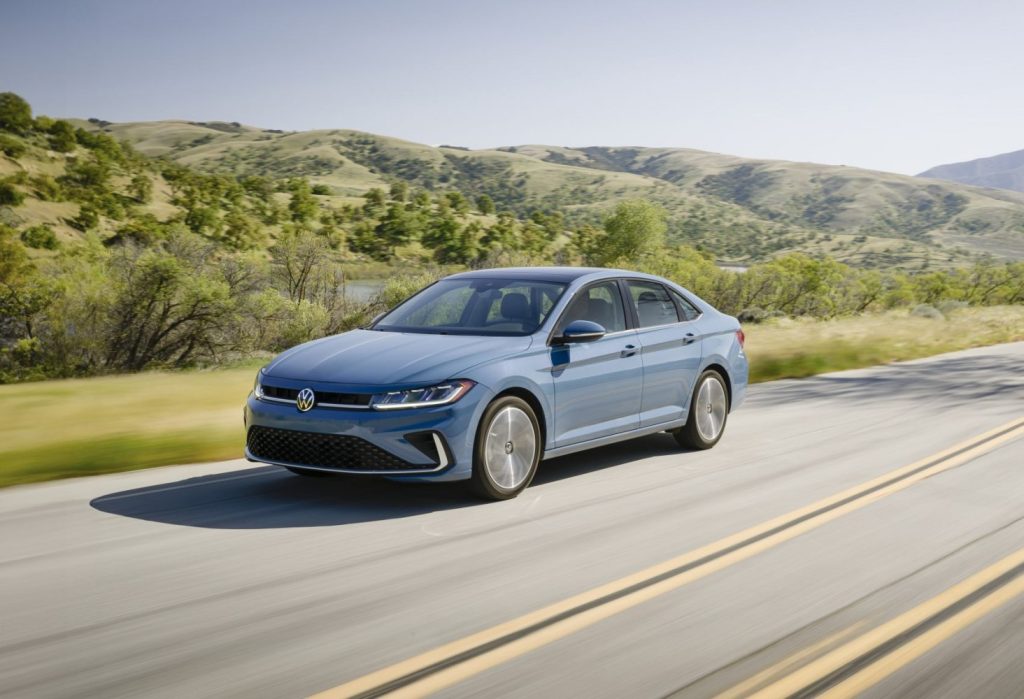
Inside, the Jetta maintains a straightforward and functional layout. It does not distract from the driving experience, allowing the focus to remain on comfort and efficiency. This simplicity complements the car’s full character.
One interesting aspect of the Jetta is how it rewards consistent driving habits. Maintaining a steady pace results in noticeably better mileage, making it a strong choice for those who value predictable performance.
The Volkswagen Jetta demonstrates that efficiency can be achieved through refinement and balance rather than complexity. It is a car that excels when given the space to perform at its best, delivering impressive fuel economy without relying on hybrid systems.
6. Kia Forte
The Kia Forte takes a practical and user-friendly approach to fuel efficiency, making it one of the easiest cars to live with in this category. It does not require special attention or driving techniques to deliver strong mileage. Instead, it integrates efficiency into everyday use in a way that feels natural.
The engine is designed to provide a smooth and predictable response. It avoids unnecessary spikes in power delivery, which helps maintain consistent fuel consumption. This makes the Forte particularly well-suited for city driving, where frequent stops and starts can otherwise reduce efficiency.
One of the strengths of the Forte is how it balances performance and economy. It offers enough power for confident driving, yet remains focused on keeping fuel usage in check. This balance ensures that drivers do not feel limited while still benefiting from strong mileage figures.
Transmission tuning plays an important role in this balance. The system works quietly in the background, selecting gears that keep the engine operating efficiently. Drivers may not notice the process directly, but the results are evident in everyday fuel savings.
The Forte also benefits from a lightweight structure that reduces the load on the engine. This contributes to better efficiency across different driving conditions, whether in traffic or on the highway.
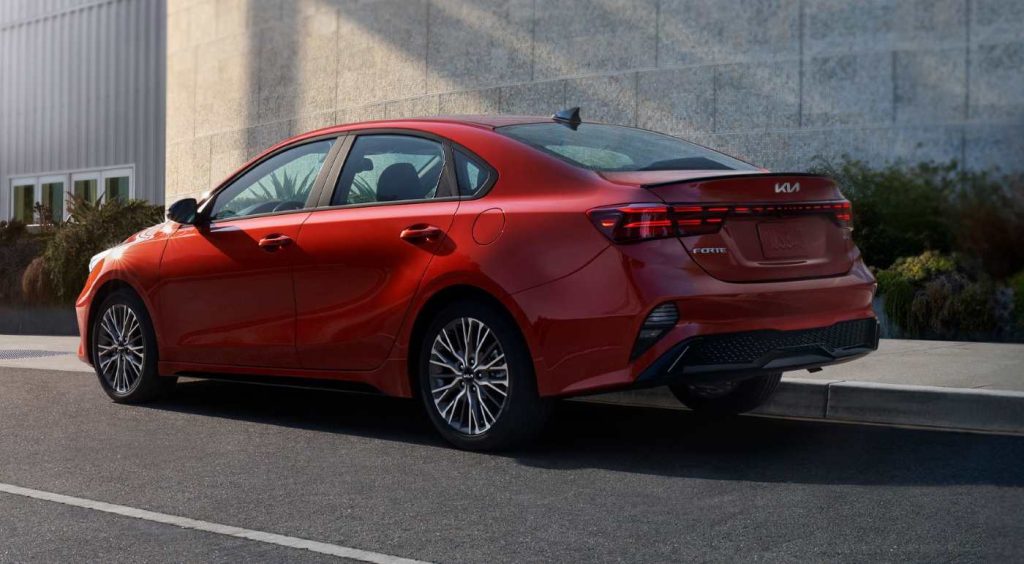
Interior comfort adds to the full experience. The cabin is designed to be practical and easy to use, reinforcing the idea that efficiency does not have to come with compromises. It feels like a car built for daily life rather than one focused solely on numbers.
Another advantage is how forgiving the Forte is in real-world use. Even with varied driving styles, it continues to deliver respectable mileage. This consistency makes it a reliable choice for a wide range of drivers.
The Kia Forte proves that achieving strong fuel economy without a hybrid system can be straightforward. By focusing on balance, simplicity, and everyday usability, it delivers an efficient and dependable driving experience.
7. Nissan Sentra
The Nissan Sentra takes a calm and efficiency-focused approach that prioritizes smoothness above all else. Instead of chasing sporty characteristics or aggressive performance, it builds its fuel economy around steady behavior and predictable responses.
This makes it particularly effective in real-world driving where consistency matters more than short bursts of speed.
At the core of the Sentra’s efficiency is its ability to maintain a relaxed driving rhythm. The engine does not feel strained during normal use, which helps reduce unnecessary fuel consumption. Whether moving through traffic or cruising on the highway, the car maintains a composed and balanced character.
The transmission plays a major role in this experience. It works to keep engine speeds low and stable, especially during constant driving conditions. This helps the car achieve strong mileage figures without requiring the driver to constantly monitor throttle input.
Another factor that contributes to the Sentra’s efficiency is its focus on smooth acceleration. Power delivery is gradual and controlled, which reduces fuel waste caused by sudden changes in speed. This approach aligns well with everyday driving habits, making it easy to achieve good mileage without extra effort.
The design of the car also supports its efficiency goals. With a shape that minimizes air resistance, the Sentra moves through the air more easily, particularly at higher speeds. This reduces the load on the engine and helps maintain fuel economy during longer journeys.
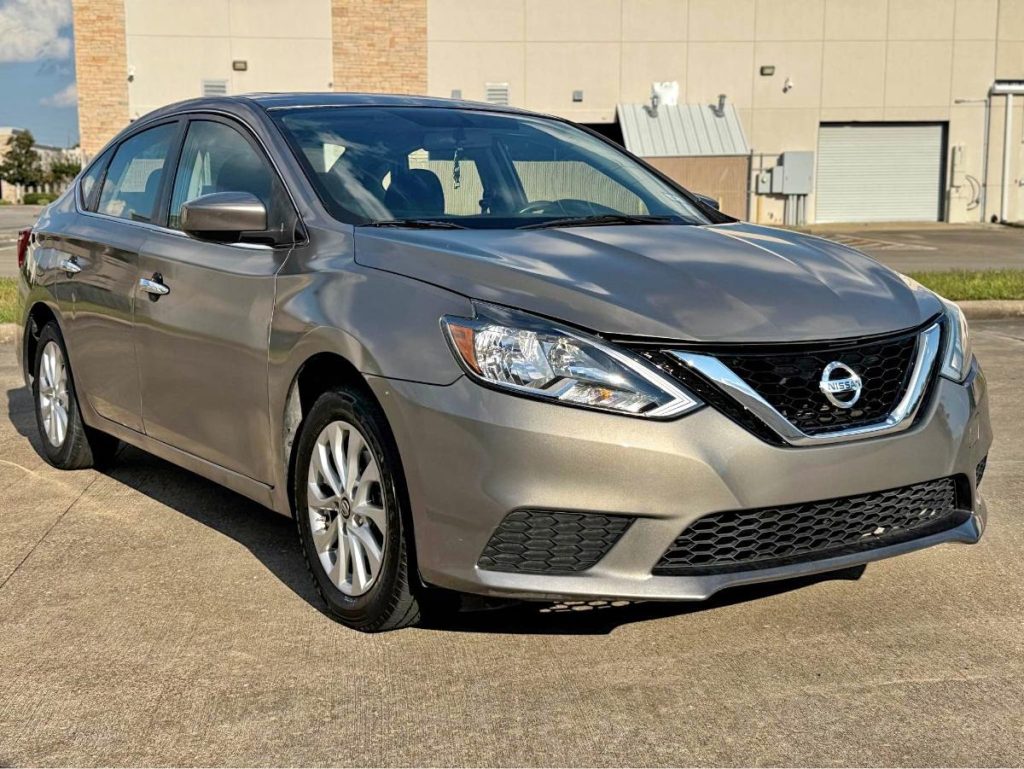
Inside the cabin, the Sentra emphasizes comfort and simplicity. The layout is easy to understand, allowing drivers to focus on the road rather than managing complex systems. This straightforward environment complements the car’s full efficiency-focused nature.
One of the most appealing aspects of the Sentra is how forgiving it is. Drivers do not need to adopt specific techniques to achieve good mileage. The car delivers its efficiency naturally, making it accessible to a wide range of users.
The Nissan Sentra stands as a strong example of how smooth operation and thoughtful tuning can produce impressive fuel economy. It offers a relaxed driving experience while still meeting the demands of modern efficiency expectations.
8. Chevrolet Malibu
The Chevrolet Malibu approaches fuel efficiency from a different angle by combining comfort with long-distance capability. It is designed to perform best when covering extended distances, where its efficiency becomes more noticeable over time. This makes it a strong choice for drivers who spend a lot of time on highways.
The engine is tuned to deliver steady power rather than sharp bursts. This allows the car to maintain speed with minimal effort, reducing fuel consumption during continuous driving. The result is a relaxed and composed experience that supports better mileage.
Transmission behavior complements this setup. The system works to keep the engine operating in a lower rev range, especially during cruising. This reduces strain and helps conserve fuel without affecting the car’s ability to respond when needed.
Another important element is ride quality. The Malibu is designed to provide a smooth and stable ride, which encourages a more consistent driving style. This indirectly supports fuel efficiency, as drivers are less likely to make abrupt inputs that increase fuel usage.
Aerodynamics also play a role in the Malibu’s performance. The body is shaped to reduce drag, allowing the car to move efficiently at higher speeds. This becomes particularly beneficial during long trips where maintaining momentum is key.
Inside, the Malibu offers a spacious and comfortable cabin that enhances the full driving experience. It does not feel like a car built solely for efficiency. Instead, it delivers a sense of ease that makes long journeys more enjoyable.
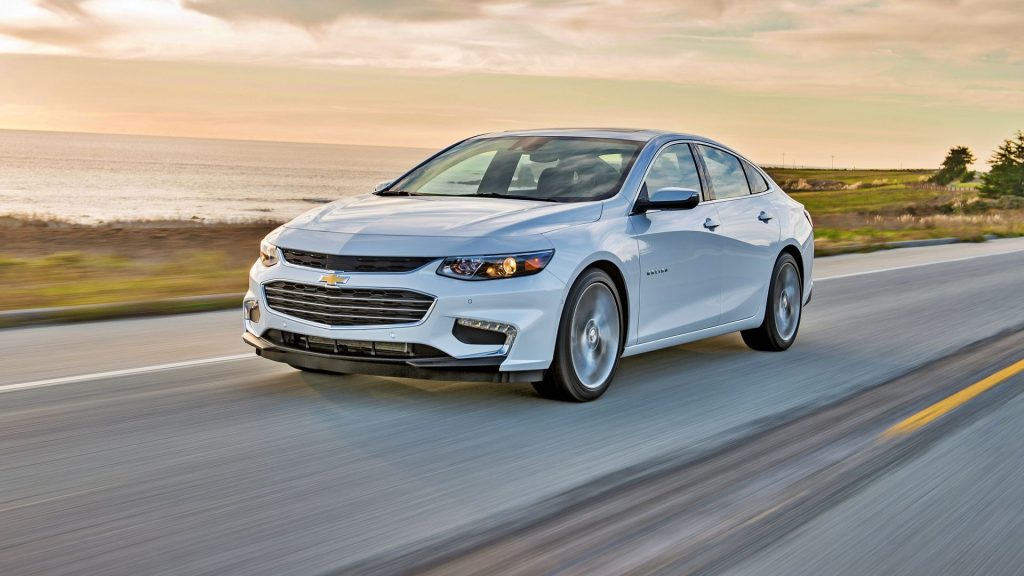
One of the standout qualities of the Malibu is how it maintains efficiency without feeling restrictive. Drivers can enjoy a comfortable ride while still benefiting from strong fuel economy figures.
The Chevrolet Malibu demonstrates that efficiency can be paired with comfort and practicality. By focusing on smooth performance and long-distance capability, it delivers impressive mileage without relying on hybrid technology.
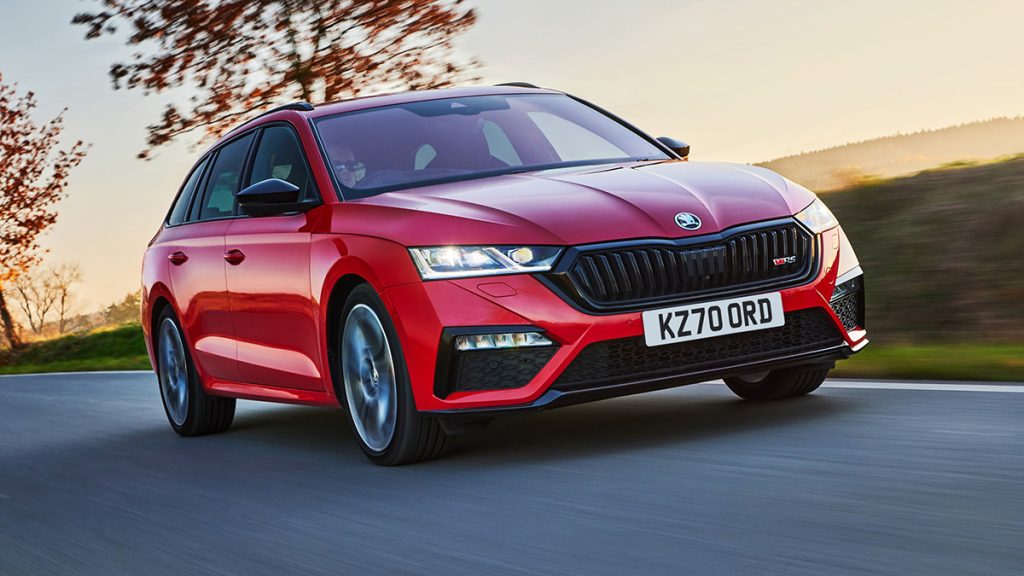
9. Skoda Octavia
The Skoda Octavia closes this list with an approach that blends practicality, space, and efficiency into one cohesive package. It does not rely on a single standout feature to achieve strong mileage. Instead, it combines multiple well-tuned elements that work together in everyday driving conditions.
One of Octavia’s defining traits is its ability to remain efficient across different environments. Whether moving through city traffic or cruising on open highways, it maintains a balanced fuel consumption pattern. This consistency makes it a dependable option for drivers with varied routines.
The engine is calibrated to deliver usable power without unnecessary fuel burn. It provides enough strength for confident driving while staying within an efficient operating range. This balance ensures that the car never feels underpowered, yet still manages to achieve impressive mileage figures.
Transmission tuning further supports this efficiency. Gear changes are timed to keep the engine in its optimal range, reducing wasted energy. This becomes particularly noticeable during longer drives where steady performance translates directly into better fuel economy.
Another important factor is the Octavia’s aerodynamic profile. The design reduces resistance, allowing the car to move through the air with less effort. This contributes to improved efficiency, especially at higher speeds where drag can significantly impact fuel consumption.
Weight management also plays a role. The structure is designed to be strong yet not excessively heavy, which helps reduce the workload on the engine. This balance enhances both performance and efficiency without compromising durability.
Inside the cabin, the Octavia offers a spacious and practical environment that reinforces its everyday usability. It feels like a car built for real-life needs rather than one focused solely on numbers. This makes it appealing for families as well as individual drivers.
Another advantage is how naturally the Octavia delivers its efficiency. Drivers do not need to adopt special techniques or adjust their habits significantly. The car performs efficiently as part of its normal operation, which adds to its appeal.
The Skoda Octavia proves that achieving strong fuel economy without hybrid technology is possible through thoughtful engineering and balanced design. It brings together efficiency, practicality, and comfort in a way that feels complete and reliable.
High fuel efficiency no longer belongs exclusively to hybrid vehicles. The cars in this list demonstrate that modern engineering has made it possible to achieve around 35 MPG or more using conventional engines. Each model takes a different path, yet they all arrive at the same destination.
Some focus on lightweight construction and aerodynamic design, while others rely on refined engine tuning and intelligent transmission behavior. Despite these differences, they share a common goal of delivering strong mileage without adding complexity.
For many drivers, this approach offers the best of both worlds. You get the familiarity of a traditional powertrain along with the benefits of reduced fuel consumption. There is no need to adapt to new systems or change your driving habits significantly.
Another advantage is accessibility. These cars are often more affordable than hybrid alternatives, both in terms of initial cost and maintenance. This makes efficient driving available to a wider audience without compromise.
Choosing one of these vehicles means embracing efficiency in a way that feels natural. It becomes part of the driving experience rather than a feature that requires constant attention.
As fuel economy continues to improve, the gap between hybrid and non-hybrid vehicles becomes smaller. These cars represent that progress, showing that efficiency can be achieved through smart design and careful engineering.
For drivers who want to save fuel while keeping things simple, these options stand as strong and practical choices.
Also Read: 10 McLaren Models Defining the Last Decade of Hypercar Engineering
