
Summer driving is rarely just about the journey; it often becomes a challenge against the heat that seeps into every part of the cabin. Whether you are moving through busy city traffic in Los Angeles or cruising along highways in Texas, intense summer temperatures can quickly turn a comfortable car into an uncomfortable space.
In these conditions, air conditioning is not just a feature; it becomes the defining factor that shapes the entire driving experience.
A car that cools quickly and maintains a stable temperature can make long drives manageable, while a poorly performing system can leave passengers frustrated and exhausted.
Modern vehicles come equipped with climate control systems, but their effectiveness varies widely. Some manufacturers design their cars with hot climates in mind, focusing on insulation, airflow, and compressor strength. These vehicles manage to bring down cabin temperatures rapidly and maintain comfort even during extended drives.
Others, however, struggle to cope with real-world heat. Weak airflow, slow cooling response, or poor cabin sealing can turn them into uncomfortable spaces, especially when parked under direct sunlight.
This article looks at both ends of that spectrum. It highlights cars that genuinely perform well in high temperatures and also points out those that tend to fall short. The goal is not simply to list vehicles, but to explain why certain models succeed while others struggle.
By understanding the design choices behind these differences, buyers can make smarter decisions that go beyond brand image or feature lists.
For drivers in hot regions, comfort is not optional. It directly affects focus, energy, and full driving satisfaction. Choosing a car with a strong air conditioning system is not just about luxury; it is about practicality.
This guide brings together real-world observations and engineering insights to help you identify which cars keep their cool when it matters most.
Also Read: 6 Cars With Great Outward Views And 6 With Tiny Windows
6 Cars With Strong AC
Not every air conditioning system is built to handle extreme heat, and that becomes obvious the moment you compare different cars in peak summer conditions.
Some vehicles cool down within minutes and maintain a steady environment, while others keep you waiting as the cabin slowly fights off trapped heat. The difference lies in how the system is engineered, not just in whether the car has climate control.
Cars that perform well in this area usually combine multiple strengths. They have powerful compressors, well-placed vents, effective insulation, and interiors that do not trap heat excessively. These elements work together to create a cooling experience that feels natural and consistent rather than forced.
This section focuses on vehicles that stand out in real-world conditions across global markets, including the United States. These are cars known for handling high temperatures without compromising passenger comfort. Each one has been selected not just for its cooling power, but for how intelligently it manages airflow and maintains cabin stability over time.
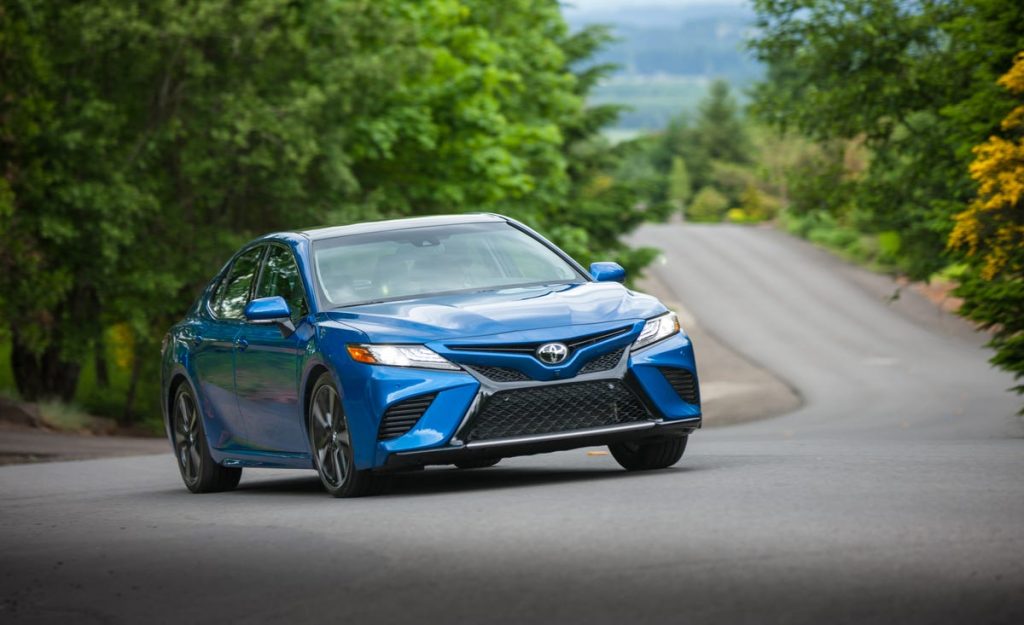
1. Toyota Camry
Something is reassuring about stepping into this sedan on a hot afternoon and knowing the discomfort will not last long. The system begins working almost immediately, and within a short span, the cabin transitions from stifling to comfortable. That quick recovery from heat soak is what sets it apart.
The strength of its air conditioning does not come from brute force alone. Instead, it balances power with precision. Airflow is directed in a way that cools occupants evenly, avoiding the common issue where the front passengers feel comfortable while the rear struggles. Even without dramatic fan noise, the effect is noticeable and consistent.
Another reason this car deserves attention is its insulation quality. Heat from outside does not seep in aggressively, which means the AC system is not constantly fighting a losing battle. Once the desired temperature is achieved, it stays stable without requiring constant adjustments.
Toyota Camry represents how a well-engineered sedan can deliver comfort without relying on excessive complexity. It is widely used across different climates, and its ability to maintain a pleasant cabin environment in high temperatures makes it a dependable choice for daily driving.
The materials inside also play their part. Surfaces do not absorb and radiate heat excessively, allowing the cooling process to work efficiently from the moment the system is activated.
2. Honda CR-V
This SUV approaches cabin cooling with a focus on balance rather than intensity. Instead of overwhelming the cabin with cold air, it builds comfort progressively and maintains it with consistency. That approach makes a noticeable difference during longer drives where stability matters more than sudden bursts of cooling.
One of its strengths lies in airflow distribution. The vents are positioned to ensure that air reaches both front and rear passengers without creating uneven zones. Rear seat occupants benefit from dedicated vents, which prevent the common issue of delayed cooling in the back.
The responsiveness of the system also deserves attention. Adjustments to temperature or fan speed translate quickly into real changes, giving the driver a sense of control. This becomes particularly useful in changing conditions, such as moving between shaded streets and open highways.
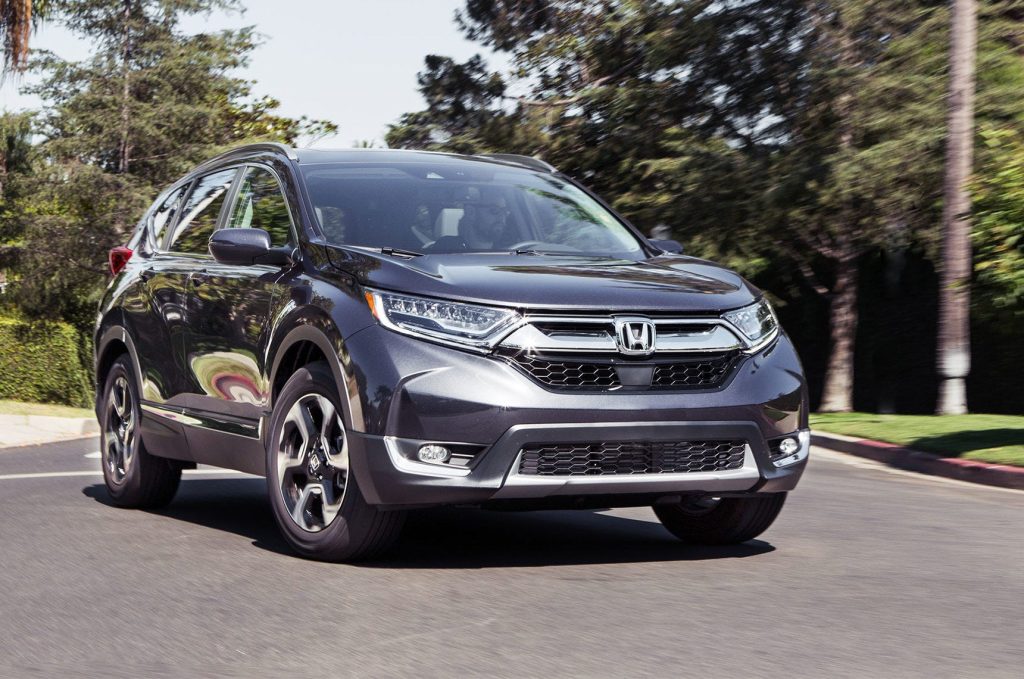
Honda CR V highlights how thoughtful design can enhance everyday comfort. It is not just about having a strong compressor, but about how effectively the entire system works together to maintain a pleasant cabin environment.
Another subtle advantage comes from the cabin layout. The interior space is designed in a way that allows air to circulate freely, which helps the cooling system perform more efficiently. Combined with decent insulation, this ensures that the temperature remains stable even during extended exposure to heat.
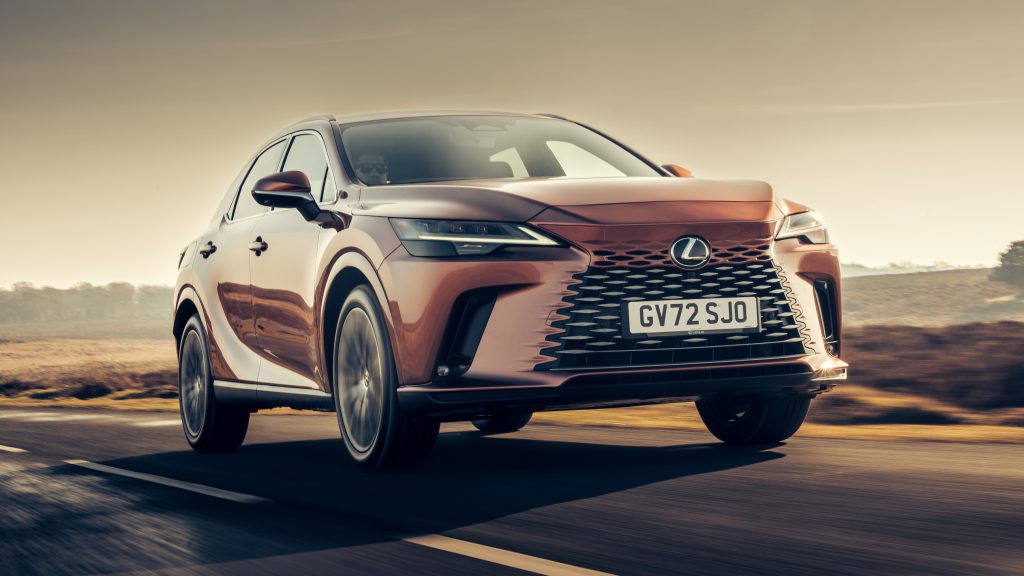
3. Lexus RX
Luxury vehicles are expected to deliver comfort, but not all of them handle extreme heat equally well. This SUV stands out because its cooling system feels deliberate rather than excessive. The moment the engine starts, there is a sense that the cabin environment is being managed intelligently instead of simply blasted with cold air.
What makes it different is how quietly it performs. The cooling builds steadily, and within a short time, the cabin feels controlled without any harsh airflow. This refinement matters because strong AC does not always mean loud or aggressive operation. Here, the balance between performance and comfort is carefully maintained.
Another layer of effectiveness comes from its attention to detail. Vent placement is optimised so that no part of the cabin feels neglected. Whether seated in the front or rear, passengers experience a similar level of comfort. This consistency is not accidental; it reflects a system designed to handle larger cabin volumes without compromise.
Lexus RX demonstrates how premium engineering can enhance something as basic as air conditioning. It is not just about cooling quickly, but about maintaining that comfort without constant adjustment or distraction.
The materials inside also contribute significantly. Surfaces resist heat buildup better than many competitors, which reduces the initial load on the AC system. Combined with strong insulation, the cabin retains cool air efficiently, allowing the system to operate smoothly rather than continuously pushing at maximum capacity.
4. Ford F-150
A pickup truck may not be the first thing that comes to mind when thinking about refined cabin comfort, yet this one handles summer heat with surprising authority. The large cabin could easily become a disadvantage, but instead, it highlights how capable the cooling system really is.
The first thing you notice is the sheer volume of airflow. It does not feel restricted or delayed; it fills the cabin quickly and begins lowering the temperature in a way that feels immediate. This is especially important in a vehicle that is often used for long hours in demanding environments.
Unlike smaller vehicles, maintaining consistent cooling across such a large interior requires careful engineering. This truck manages that by ensuring that airflow is distributed evenly rather than concentrated in one area. The result is a cabin that feels uniformly comfortable rather than unevenly cooled.
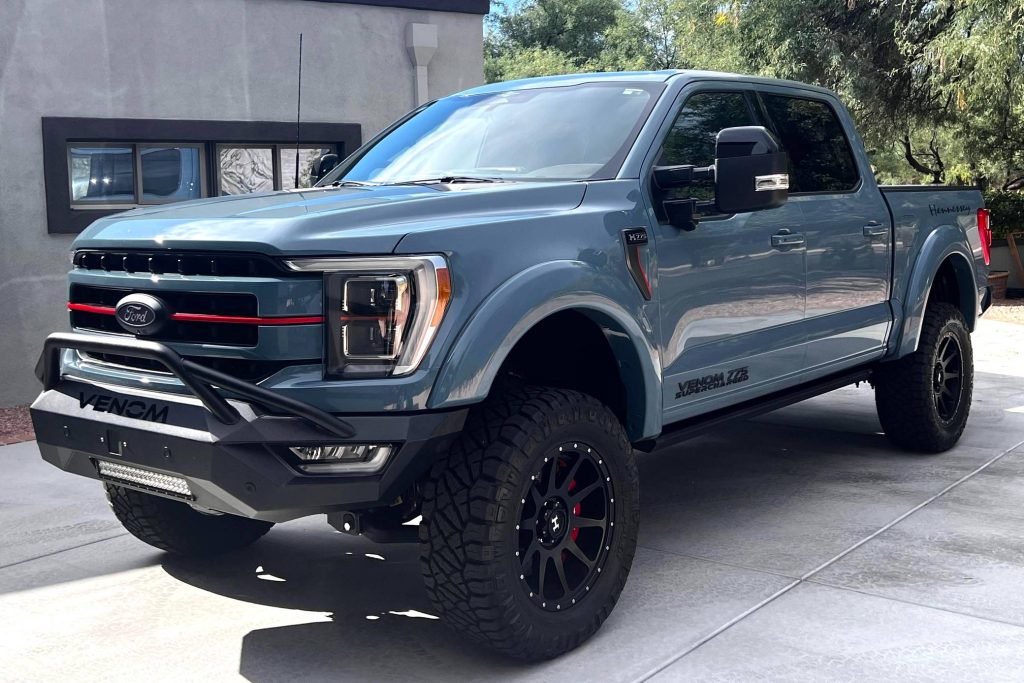
Ford F-150 challenges assumptions. Many people expect pickups to focus more on utility than comfort, yet this model proves that both can coexist effectively. For drivers who spend long hours on the road or at job sites, reliable cooling becomes essential rather than optional.
Another factor that strengthens its performance is the durability of the system. It is built to handle continuous use without a noticeable drop in efficiency. That reliability becomes a key advantage in hot climates where the AC is not just used occasionally, but almost constantly.
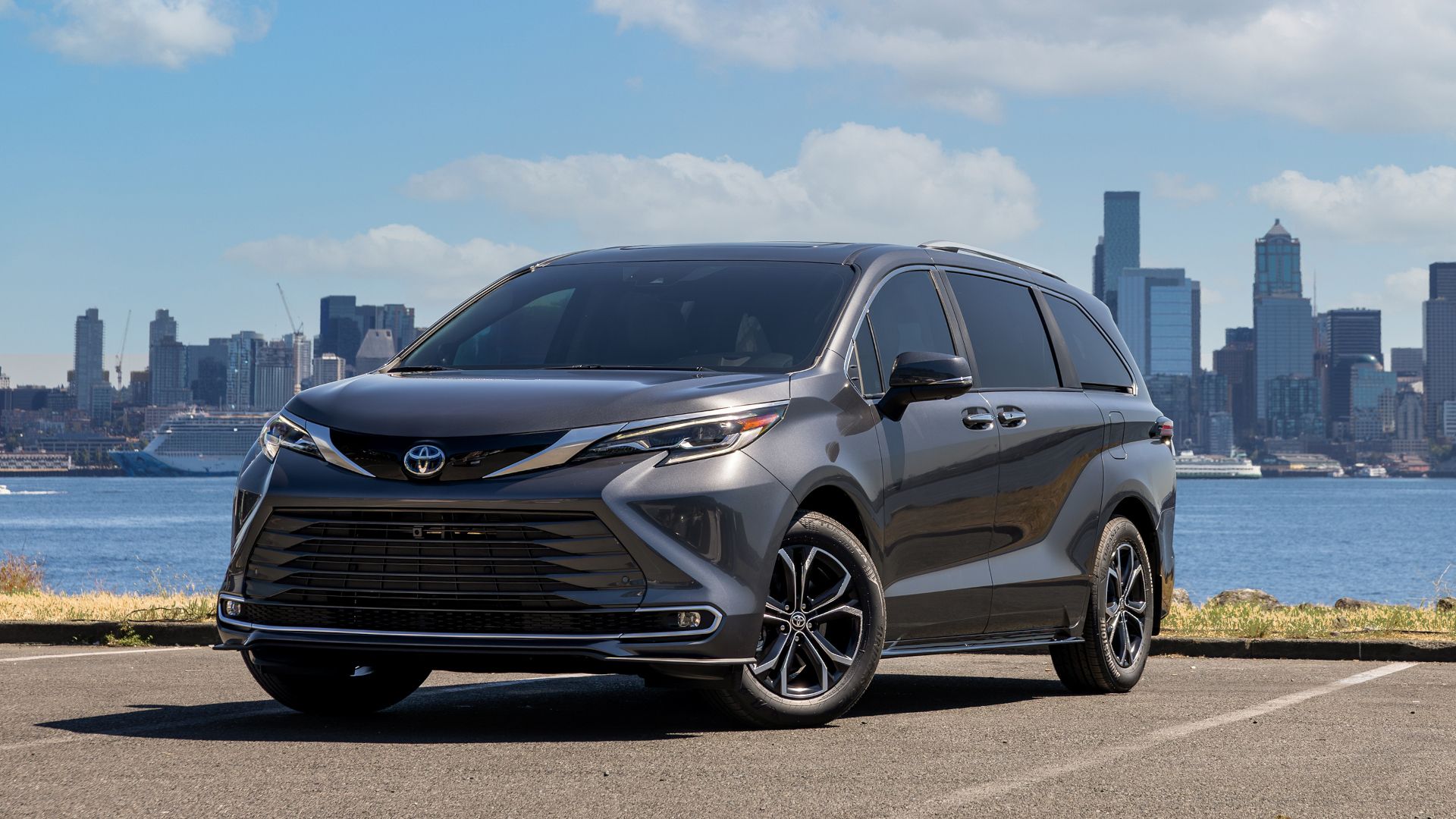
5. Toyota Sienna
If there is one type of vehicle that exposes weak air conditioning instantly, it is a minivan. Multiple rows, large glass areas, and constant passenger movement create a demanding environment where cooling systems either prove themselves or fall apart.
This model belongs firmly in the first category, and it earns that reputation through consistency rather than short bursts of performance.
From the moment the system is activated, there is a clear sense of coverage. Air does not struggle to reach the rear, and passengers in the third row are not waiting for relief while those in front enjoy comfort.
The tri-zone climate setup plays a key role here, allowing different parts of the cabin to be managed independently without creating conflict between settings.
What makes this vehicle particularly effective is how it handles prolonged exposure to heat. Even after extended driving in high temperatures, the cabin remains stable. There is no gradual loss of cooling strength, which is something that becomes noticeable in less capable systems during long trips.
Toyota Sienna represents real-world usability. Families, rideshare drivers, and long-distance travellers depend on vehicles like this to remain comfortable for hours at a time. In those scenarios, inconsistent cooling quickly becomes a problem, yet this model maintains reliability.

Another important detail is how quickly it recovers after doors are opened frequently. Instead of taking a long time to regain the set temperature, the system adapts and restores comfort without delay. That responsiveness is critical in everyday situations where the cabin is constantly exposed to outside heat.
6. Tesla Model Y
Electric vehicles introduce a different approach to cabin cooling, and this one showcases how technology can enhance the experience in ways that go beyond traditional systems. Instead of relying solely on mechanical strength, it integrates software control with efficient hardware to create a more adaptive environment.
One of its most noticeable advantages is the ability to precondition the cabin. Before even stepping inside, the temperature can be adjusted remotely, which eliminates the discomfort of entering a heat-soaked interior. This changes the entire experience, especially in regions where cars are often parked under direct sunlight.
Inside the cabin, airflow feels clean and evenly distributed. The vent design is minimal, yet highly effective, allowing air to spread without creating harsh drafts. This results in a cooling experience that feels natural rather than forced.
Tesla Model Y represents how modern technology is reshaping expectations. Strong air conditioning is no longer just about hardware; it is also about how intelligently the system can be controlled and optimised.
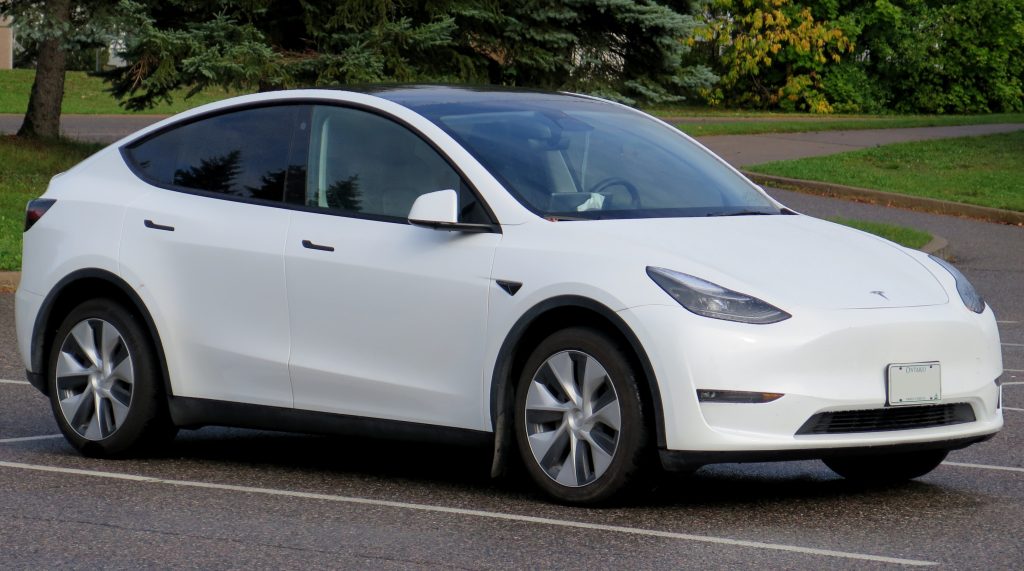
Another factor that contributes to its performance is the thermal management system used for the battery and cabin. It works in harmony with the climate control, ensuring that energy is used efficiently while still maintaining comfort. This balance between efficiency and performance is particularly important in electric vehicles.
6 That Feels Like An Oven In Summer
Not every car handles heat with the same level of competence, and some reveal their weaknesses almost immediately when exposed to harsh summer conditions. The problem is not always the absence of air conditioning, but rather how ineffective the system becomes when it is needed the most.
Slow cooling, uneven airflow, and poor insulation can turn a cabin into an uncomfortable space that takes far too long to recover from heat buildup.
In many cases, the issue lies in design compromises. Some vehicles prioritise cost savings, others focus on styling over practicality, and a few simply fail to adapt their systems for hotter climates. The result is a driving experience that feels exhausting rather than comfortable, especially during long commutes or heavy traffic.
This section highlights cars that struggle in these conditions across global markets, including the United States. Each example has been selected to show a different kind of limitation, whether it is weak airflow, inefficient cooling, or poor heat management.
Understanding these shortcomings helps buyers avoid situations where comfort becomes a daily frustration instead of a given.
1. Jeep Wrangler
Driving this vehicle in summer can feel like a compromise between capability and comfort, and the air conditioning system reflects that trade-off clearly. While it excels in off-road environments, the cabin cooling struggles to keep up with extreme heat, especially in urban conditions.
The first issue becomes apparent after the car has been parked in the sun. The interior absorbs heat quickly, and once you step inside, the AC takes longer than expected to bring temperatures down. The large glass area and upright design allow heat to build up rapidly, which puts additional pressure on the system.
Another challenge is airflow distribution. Instead of creating a uniform cooling effect, certain areas feel comfortable while others remain warm. This uneven performance becomes more noticeable during longer drives, where consistent comfort is essential.
Jeep Wrangler highlights how design priorities can affect everyday usability. It is built for rugged terrain, but that focus comes at the cost of refined cabin comfort in extreme weather conditions.

Even when the system reaches a stable state, it often feels like it is working harder than it should. That constant effort does not always translate into effective cooling, which can make summer driving less enjoyable than expected.
2. Nissan Versa
This car represents a different kind of limitation, one that stems more from budget constraints than design philosophy. While it serves as an affordable and practical option, the air conditioning system does not deliver the same level of performance found in more refined vehicles.
The cooling process tends to feel gradual rather than immediate. After entering a hot cabin, it takes time before the temperature begins to drop noticeably. This delay can become frustrating in high heat, where quick relief is expected rather than prolonged waiting.
Another factor that affects its performance is the full cabin insulation. Heat seeps in more easily, which means the AC system has to work continuously just to maintain a moderate level of comfort. This reduces efficiency and makes it harder to achieve a consistently cool environment.
Nissan Versa illustrates how cost-cutting can influence everyday experiences. While it fulfils basic transportation needs, it does not prioritise comfort in extreme conditions, which becomes evident during the summer months.
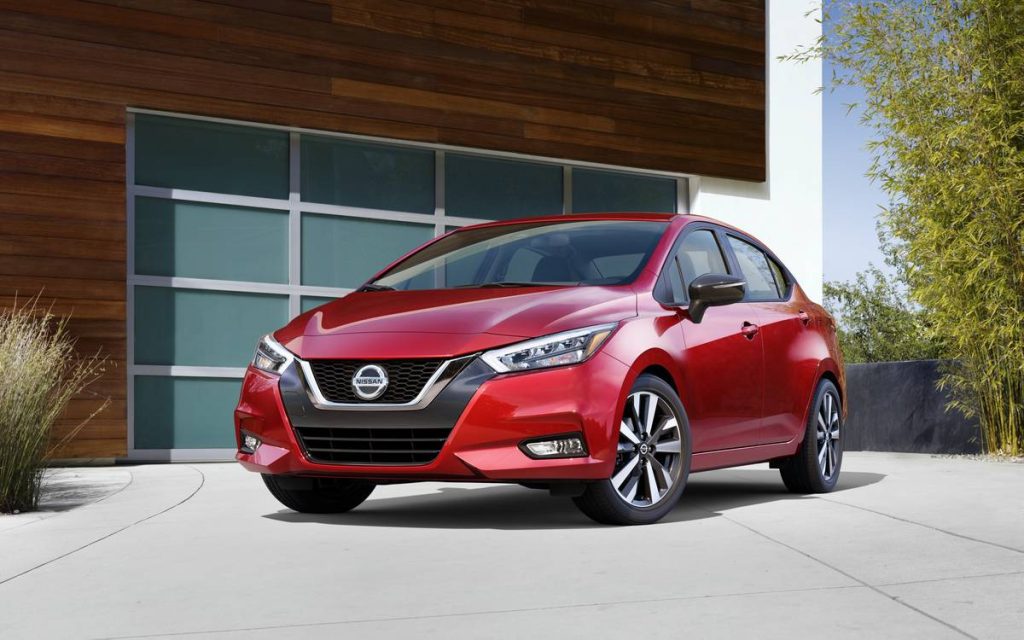
The airflow itself is not particularly strong, and that further contributes to the feeling that the system is always trying to catch up rather than staying ahead of rising temperatures.
3. Chevrolet Trax
Spend a few minutes inside this crossover after it has been parked under direct sunlight, and the limitations begin to show in a very practical way.
The cabin takes longer than expected to cool down, and even once the system is running at full capacity, the relief arrives gradually instead of immediately. That delay becomes noticeable in regions where summer heat is intense and persistent.
The issue here is not a complete lack of cooling ability, but rather how the system struggles to keep pace with rising temperatures. The airflow feels restricted, and it does not spread evenly across the cabin.
Front passengers may start to feel comfortable sooner, but the rear section tends to lag, creating an imbalance that becomes more frustrating during longer drives.
Another contributing factor is how heat builds up inside the cabin materials. Surfaces tend to retain warmth, which means the AC system is not only cooling the air but also fighting against stored heat from seats, dashboard, and panels. This adds an extra layer of effort that slows down the full cooling process.
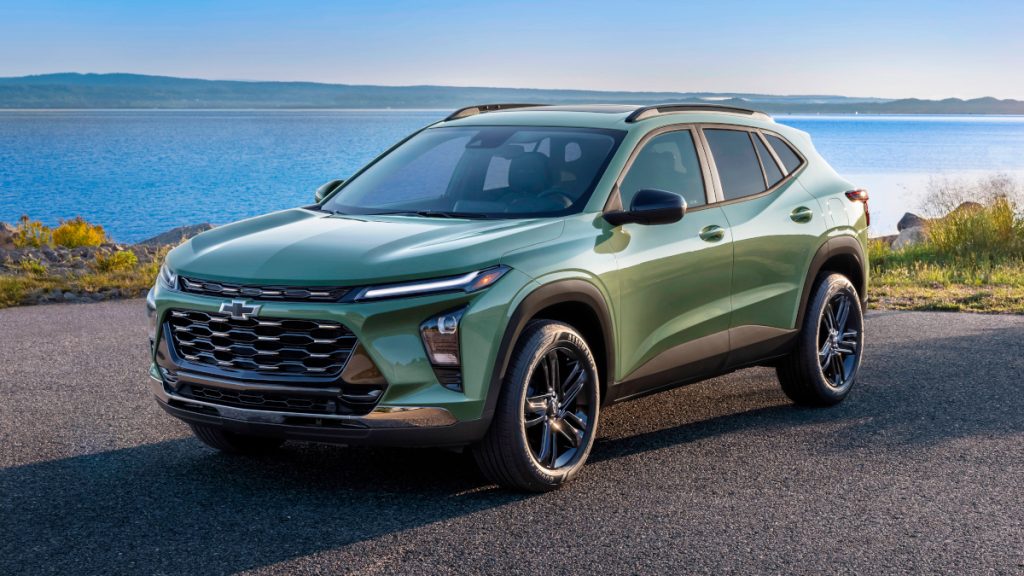
Chevrolet Trax highlights how small inefficiencies can combine into a noticeable discomfort. On paper, the system works, but in real-world summer conditions, it lacks the urgency and strength that drivers expect.
Even after the temperature stabilises, there is a sense that the system is operating close to its limits. That feeling of constant strain reduces confidence in its ability to handle extreme heat consistently.
4. Mazda MX-5 Miata
This car delivers driving pleasure in a way few others can, but when it comes to handling summer heat, it reveals a completely different side. The open-top nature of the vehicle plays a significant role in this, as it directly affects how the cabin manages temperature.
With the roof down, the air conditioning system becomes almost secondary. External heat, sunlight, and ambient air dominate the environment, making it difficult for the AC to have a meaningful impact. Even with the roof up, the compact cabin can heat up quickly, especially when exposed to direct sunlight for extended periods.
The cooling itself is not necessarily weak in isolation, but the conditions it operates in make it less effective. Airflow is limited by the small interior space, and the system has to work harder to counteract the constant heat exposure. This creates a situation where comfort depends heavily on external conditions rather than the AC system alone.
Mazda MX-5 Miata shows how vehicle type can influence climate control effectiveness. A sports car designed for open-air driving naturally prioritises experience over insulation, and that trade-off becomes evident during hot weather.
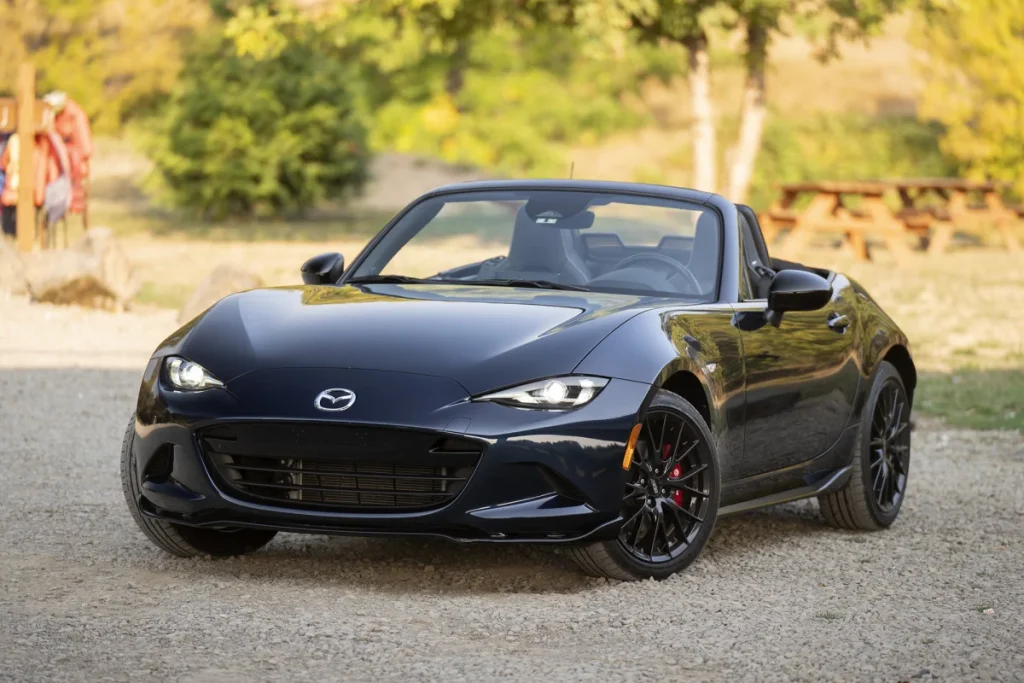
Another point worth noting is how quickly the cabin loses any cooling once the system is turned off or the roof is opened again. The lack of thermal stability makes it harder to maintain a consistent environment, especially during stop-and-go traffic in peak summer.
5. Toyota 86
This coupe is often praised for its driving purity, but comfort in extreme summer conditions is not where it shines. The cabin feels compact in a way that amplifies heat rather than containing it, and once the car has been sitting in the sun, the temperature inside rises quickly to an uncomfortable level.
When the air conditioning is switched on, the system begins to cool the cabin, but it does so without urgency.
The airflow lacks the intensity needed to counteract the accumulated heat, especially from surfaces like the dashboard and seats, which tend to radiate warmth for a prolonged period. This creates a situation where the AC feels like it is catching up rather than taking control.
Another aspect that affects its performance is the insulation. Heat from outside seeps in more easily, which means maintaining a stable temperature becomes a continuous effort. During longer drives, the system has to keep working at a higher level just to sustain moderate comfort.
Toyota 86 highlights a common trade-off in driver-focused vehicles. The emphasis is on handling and engagement, and climate comfort becomes a secondary priority. For enthusiasts, that may be acceptable, but for everyday summer driving, it can become a noticeable drawback.
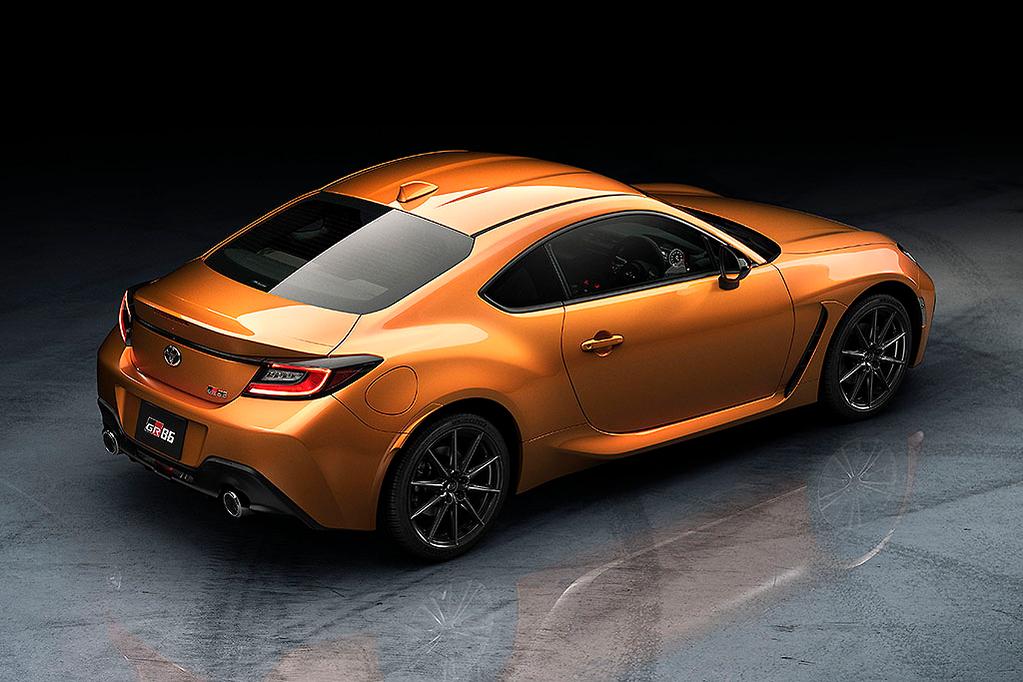
The cabin layout also limits how effectively air can circulate. Instead of flowing freely, the cooling feels concentrated in certain areas, leaving other parts slightly warmer. This uneven experience adds to the sense that the system is not fully equipped to handle extreme heat.
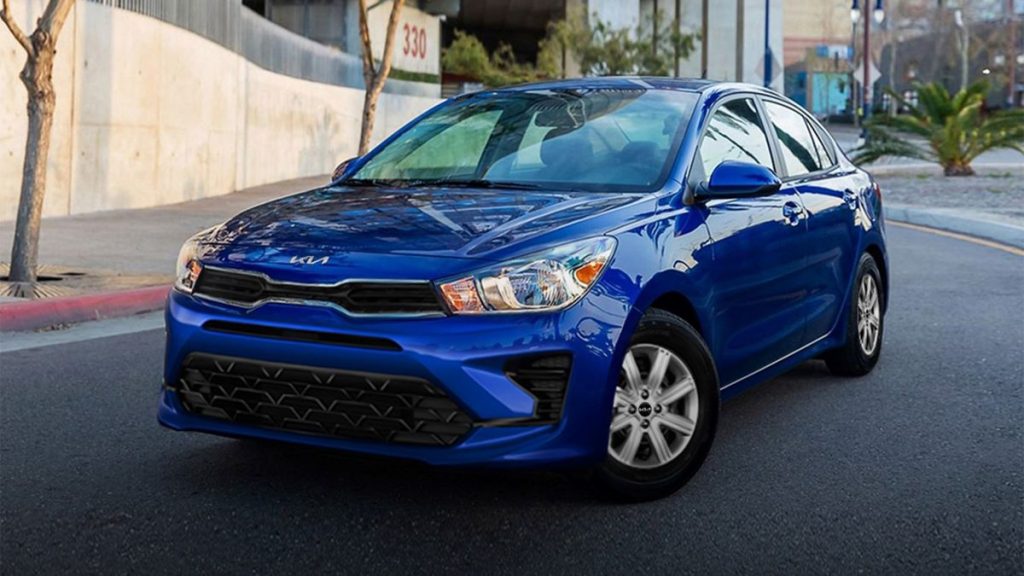
6. Kia Rio
At first glance, this car appears to offer everything needed for daily commuting, including a functional air conditioning system. However, in harsh summer conditions, its limitations begin to surface in ways that affect everyday comfort more than expected.
The cooling process feels measured rather than immediate. After entering a heat-soaked cabin, there is a noticeable delay before the temperature starts to drop significantly. This can be frustrating in environments where quick relief is essential rather than optional.
One of the reasons behind this behaviour is the modest strength of the system. It performs adequately in mild conditions, but when temperatures rise sharply, it does not have the reserve capacity needed to respond aggressively. As a result, the cabin takes longer to reach a comfortable state.
Kia Rio represents a category where compromises are more visible. Affordable vehicles often balance cost with functionality, and in this case, cooling performance does not receive the same level of attention as other features.
The insulation also plays a role. External heat finds its way inside more easily, which forces the AC system to work continuously just to maintain a basic level of comfort. This ongoing effort reduces efficiency and makes the cooling feel less effective over time.
Choosing the right car for hot climates involves more than looking at engine specifications or exterior design. Air conditioning performance becomes a critical factor that directly affects daily comfort, especially in regions where summer temperatures can be relentless.
As seen in this comparison, some vehicles are clearly engineered to handle heat with confidence, while others reveal noticeable weaknesses when pushed beyond moderate conditions.
Cars with strong AC systems combine multiple strengths such as efficient compressors, thoughtful airflow distribution, and well-insulated cabins.
These elements work together to create an environment that remains comfortable even during extended exposure to high temperatures. On the other hand, vehicles that struggle in summer often do so because of compromises in design, materials, or system capacity.
Understanding these differences allows buyers to make more informed decisions based on real-world usability rather than just specifications. A car that keeps its cabin cool consistently can transform the driving experience, making long commutes and road trips far more enjoyable.
In the end, comfort in extreme weather is not a luxury feature. It is a practical necessity that defines how a car feels every single day during summer.
Also Read: 6 Trucks That Earn Their Keep And 6 That Are Just Lifestyle Statements
