
Cars are often judged by performance, design, and technology, but one factor that quietly shapes the driving experience is outward visibility. The ability to clearly see the road, surrounding traffic, and your environment affects not just convenience but also confidence and safety.
While it may not always be highlighted in brochures, visibility becomes immediately noticeable once you spend time behind the wheel.
Some cars are designed with large windows, thin pillars, and upright seating positions that allow drivers to take in their surroundings with ease.
These vehicles feel open and reassuring, especially in busy urban conditions or during long drives where awareness of the environment matters. A wide field of vision reduces blind spots, simplifies parking, and makes the entire driving process feel more natural.
On the other hand, there are cars where styling takes priority over visibility. Sloping rooflines, thick pillars, and narrow glass areas can create a more enclosed cabin.
While these designs may look sleek and modern, they often limit how much the driver can actually see. This can lead to a sense of restriction, especially in tight spaces or heavy traffic where clear sightlines are essential.
The difference between these two approaches becomes more apparent over time. A car with good outward visibility tends to feel easier to drive in everyday situations, while one with limited visibility may require more reliance on sensors and cameras. Both can be functional, but the experience they offer is quite different.
This article focuses on both sides of that contrast. It highlights cars that provide excellent outward views and make driving feel more open and controlled. It also looks at cars where smaller windows and design choices reduce visibility, making them less intuitive to drive in certain conditions.
Understanding this distinction helps in choosing a car that aligns with real-world needs, not just visual appeal.
Also Read: 6 Trucks That Earn Their Keep And 6 That Are Just Lifestyle Statements
6 Cars With Great Outward Views
Outward visibility is one of those qualities that drivers rarely think about until they experience a car that gets it right. When visibility is strong, everything feels easier.
You do not have to lean forward at intersections, second-guess blind spots, or depend heavily on cameras and sensors. The driving experience becomes more natural, almost effortless, because your surroundings are always clearly within view.
Cars that offer great outward visibility are usually designed with intention rather than compromise. They tend to feature larger glass areas, thinner pillars, and seating positions that allow drivers to sit slightly higher and more upright.
These elements work together to create a wide and continuous field of vision. Instead of focusing only on what is directly ahead, the driver can comfortably monitor what is happening to the sides and even behind with minimal effort.
Another important aspect is how these cars perform in everyday situations. In city traffic, strong visibility helps in judging gaps, moving through tight lanes, and reacting quickly to unpredictable movement.
On highways, it reduces strain because the driver does not need to constantly adjust their position to see clearly. Even simple tasks like parking or reversing become more intuitive when the view is not restricted.
There is also a psychological advantage that comes with open visibility. A cabin that feels airy and unobstructed tends to reduce fatigue over longer drives.
Drivers feel more in control because they are not relying on guesswork. This sense of clarity can make a noticeable difference, especially for those who spend a lot of time behind the wheel.
The cars in this section are included because they consistently deliver this kind of experience. Each one approaches visibility in its own way, but they all share a common strength in making the road and surroundings easy to read.
1. Subaru Forester
The Subaru Forester feels like it was designed with visibility as a priority from the very beginning. The first thing that stands out when sitting inside is how open the cabin feels. Large windows surround the driver, creating a wide and unobstructed view in nearly every direction.
The upright design of the Forester plays a major role in this. Instead of a sharply sloping roofline, the vehicle maintains a taller structure that allows for bigger glass areas. This results in excellent headroom and a clear view of the road ahead, as well as the surroundings.
Another important detail is the placement of the pillars. They are positioned in a way that minimizes obstruction, especially at intersections where visibility is critical. This makes it easier to judge traffic and navigate tight urban environments without constantly adjusting your position.
Rear visibility is equally impressive. The large rear window and well-placed mirrors provide a clear view when reversing or changing lanes. Combined with the upgraded seating position, this creates a sense of control that is often missing in more design-focused vehicles.
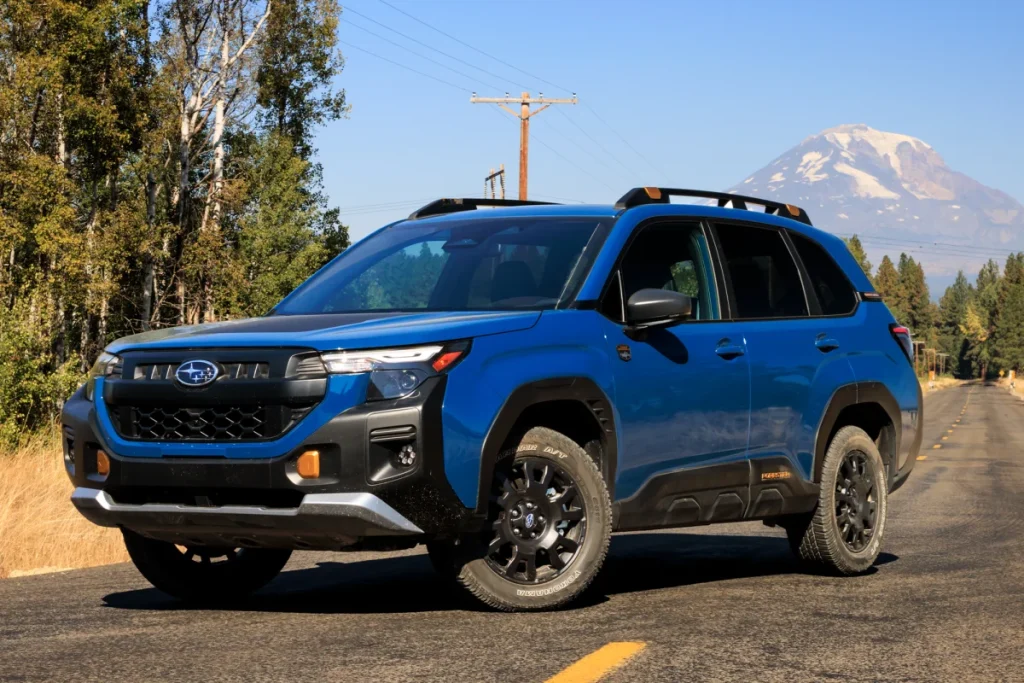
This car is included because it demonstrates how practical design can enhance the driving experience. The Forester makes visibility feel effortless, which is something drivers appreciate every day.
2. Honda CR-V
The Honda CR-V approaches visibility with a focus on balance and usability. It may not appear as boxy as some other SUVs, but it still manages to offer a wide and comfortable field of vision that makes driving less stressful.
The windshield is large and well-angled, allowing drivers to see further ahead without obstruction. This is particularly useful in traffic, where being able to anticipate movement can make a big difference. The side windows are also generously sized, reducing blind spots and improving awareness.
Seating position contributes significantly to the experience. The CR-V places the driver slightly higher, giving a clear view over the hood and surrounding vehicles. This perspective helps in both city driving and highway cruising, where maintaining awareness is essential.
Another strength lies in how the rear of the vehicle is designed. The back window provides a clear line of sight, which is not always the case in modern SUVs. This makes reversing and parking more straightforward, even without relying heavily on cameras.
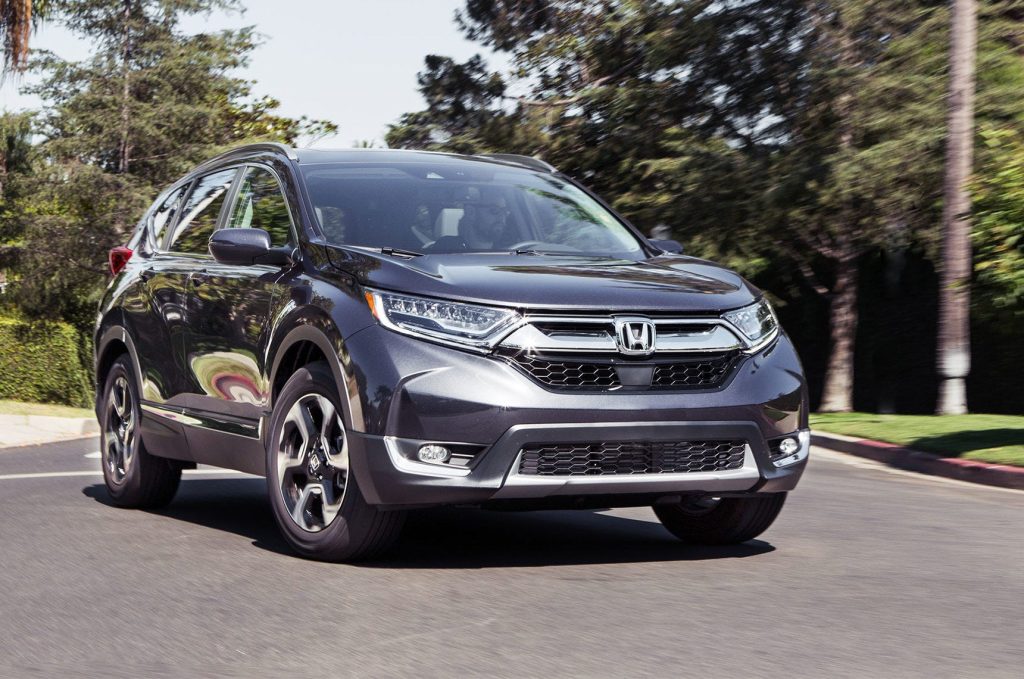
This SUV is featured because it shows how thoughtful design can deliver strong visibility without sacrificing style. The CR-V manages to strike a balance that works well for everyday driving.
3. Volvo XC90
Step into the Volvo XC90 and the first impression is not about luxury or size, but about clarity. The cabin feels like it was arranged to keep your view as uninterrupted as possible. The windshield stretches wide and tall, giving you a commanding look at the road ahead without forcing your eyes to search for gaps between structural elements.
What makes this SUV stand out is how carefully the pillars are shaped and positioned. They do not intrude into your line of sight the way thicker designs often do.
At junctions or roundabouts, where visibility can make or break confidence, the XC90 keeps things simple. You glance, and you see what you need without leaning or shifting awkwardly.
The seating position plays a key role here. You sit high enough to look over traffic while still feeling connected to the road. This balance is important because it avoids the detached feeling some larger SUVs create. Instead, it gives you a clear sense of placement, which helps in both city driving and open-road cruising.
Look toward the rear and the experience remains consistent. The back window is not overly narrow, and the side glass extends far enough to keep the cabin feeling open. This matters more than it seems, especially when changing lanes or reversing in tighter spaces.
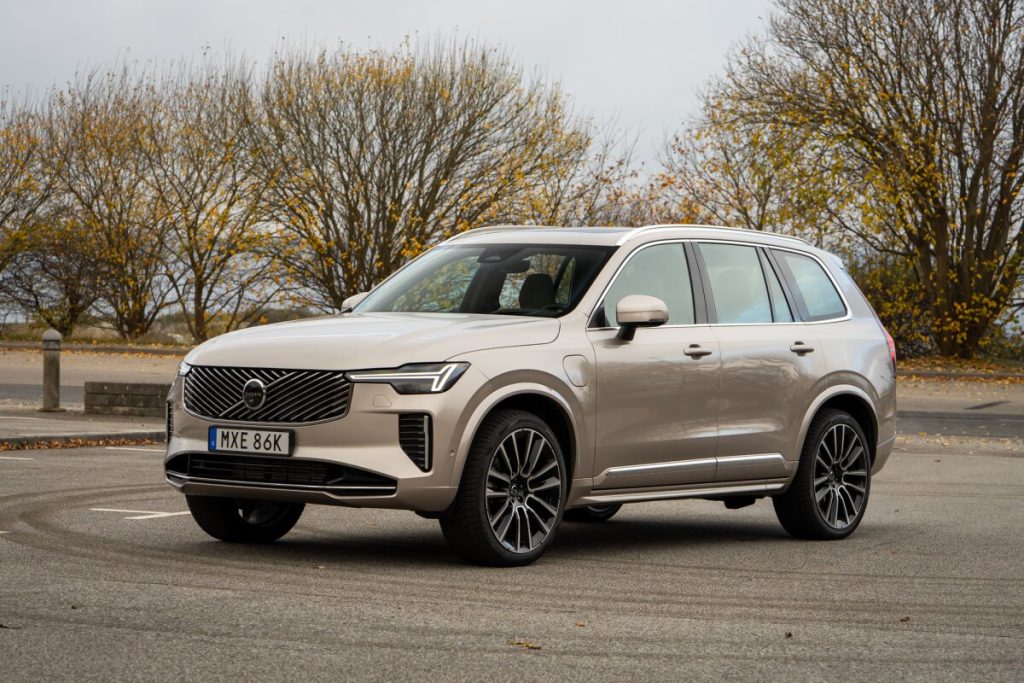
This vehicle is included because it shows how visibility can be refined without drawing attention to itself. Everything works quietly in the background, making driving feel straightforward and controlled without needing extra effort.
4. Jeep Wrangler
The Jeep Wrangler offers a completely different perspective on outward visibility, shaped by its rugged and functional design. Unlike many modern vehicles that prioritize sleek lines, the Wrangler embraces a boxy structure that naturally creates large windows and upright proportions.
Sit inside, and the difference is immediate. The flat windshield and vertical sides allow for a clear and direct view of the surroundings. There is very little distortion or restriction, which makes it easier to judge distances and navigate challenging environments. This is particularly useful off-road, where awareness of terrain is essential.
The height of the vehicle adds another layer to the experience. You are positioned well above most traffic, giving you a broad view of what lies ahead. This can make city driving feel more manageable, as you can anticipate movement rather than react to it.
One of the more interesting aspects is how the design extends to the rear. The spare wheel mounted on the back does not significantly block visibility, and the full window layout still allows for a clear line of sight. Combined with the simple, open cabin feel, it creates a driving experience that feels less confined than many modern SUVs.
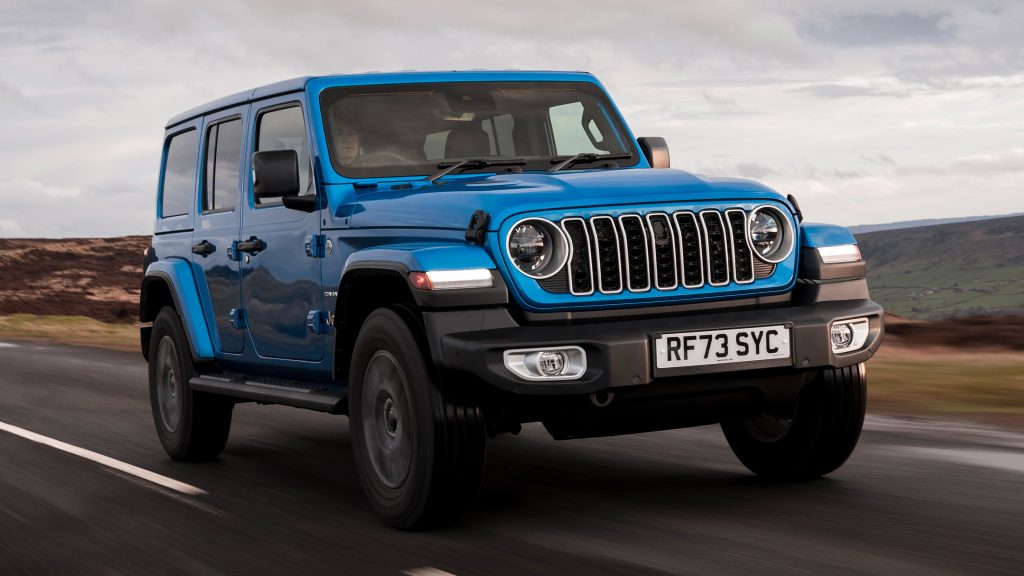
This SUV is part of this list because it demonstrates how traditional design can still deliver strong visibility. The Wrangler does not rely on modern styling trends, yet it provides a level of openness that many newer vehicles struggle to achieve.
5. Toyota Prius
Climb into the Toyota Prius and the sense of openness comes from how intelligently the glass area is used rather than sheer size alone.
The windshield stretches forward and slightly downward, allowing the driver to see more of what is happening close to the front of the car. This becomes especially useful in crowded urban environments where precise movement matters.
Unlike many modern cars that narrow the side windows for styling, the Prius maintains a generous glasshouse. The side visibility feels continuous, making lane changes and merging far less stressful. You are not searching for vehicles hidden behind thick pillars, which adds to the feeling of control.
There is also an interesting advantage in how the dashboard is positioned. It sits lower than expected, which opens up the forward view even further. This design choice removes visual clutter and allows drivers to focus on the road without unnecessary distraction.
Rear visibility is handled differently compared to conventional designs, yet it remains effective. The split rear window may seem unusual at first, but it still provides a clear understanding of what is behind the vehicle. With a little familiarity, it becomes easy to interpret and use confidently.
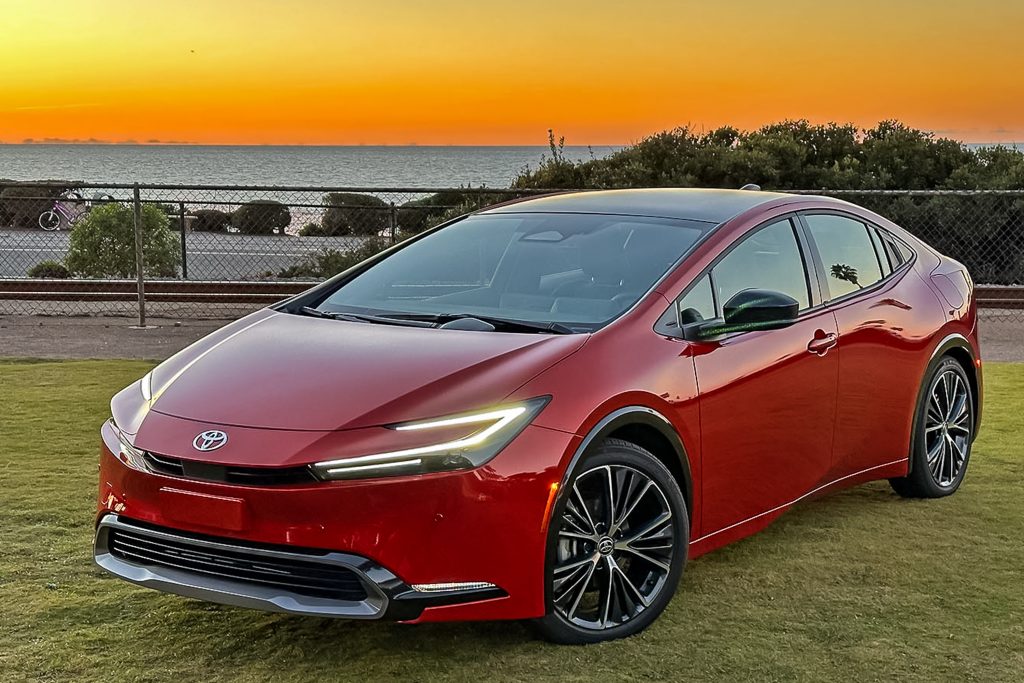
This car is included because it shows how thoughtful design can create excellent visibility without relying on traditional shapes. The Prius proves that even with a modern profile, a car can still feel open and easy to manage.
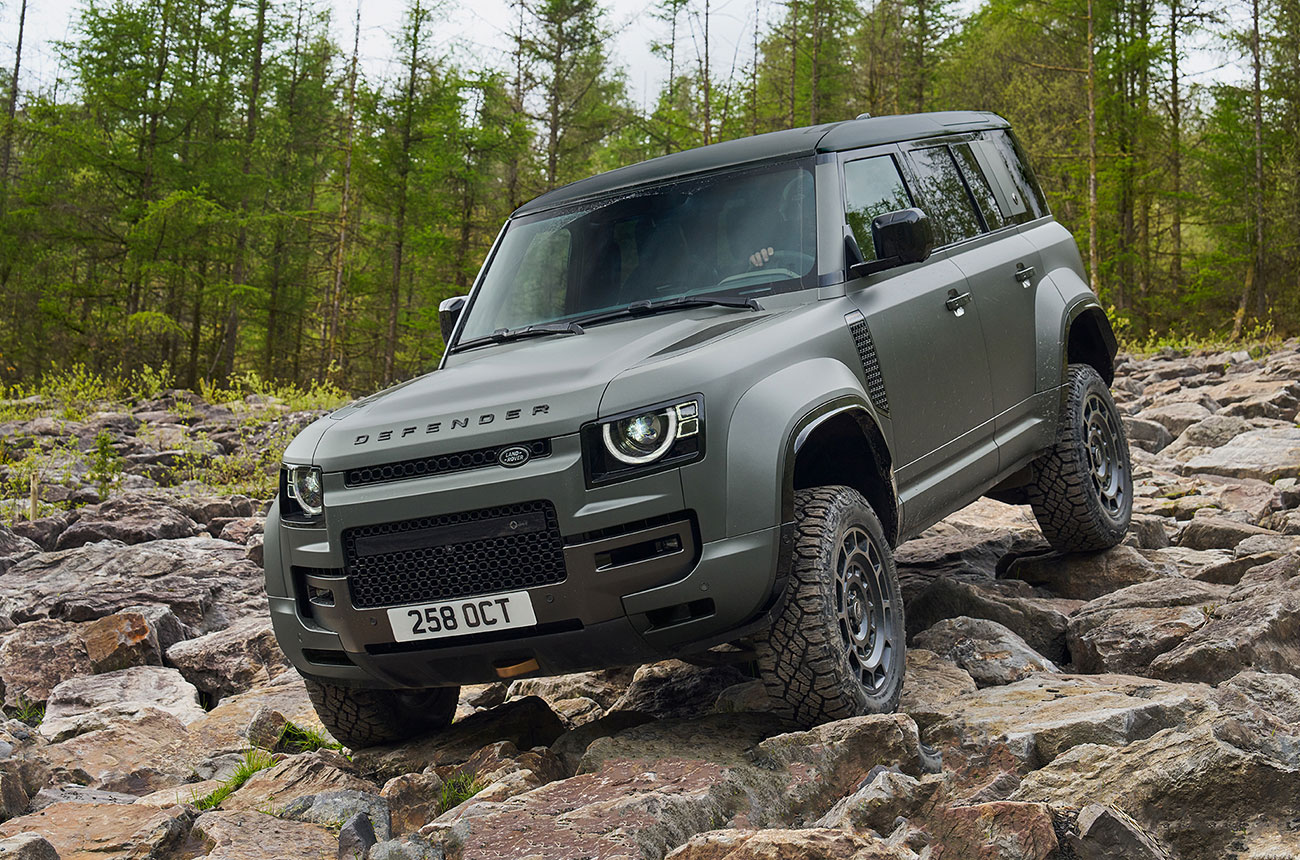
6. Land Rover Defender
The Land Rover Defender approaches visibility with a purpose-driven mindset. Everything about its design is shaped by functionality, and that includes how clearly the driver can see the surroundings. The result is a vehicle that feels open despite its strong and rugged presence.
The windows are large and upright, giving a clear and undistorted view in all directions. This is particularly helpful when driving in challenging environments, where understanding the terrain is crucial. The Defender makes it easier to place the vehicle accurately, whether on a narrow road or an uneven path.
The seating position adds to this clarity. You sit high, with a clear view over the hood and surrounding area. This perspective allows drivers to anticipate obstacles and movement more effectively, reducing the need for constant adjustment.
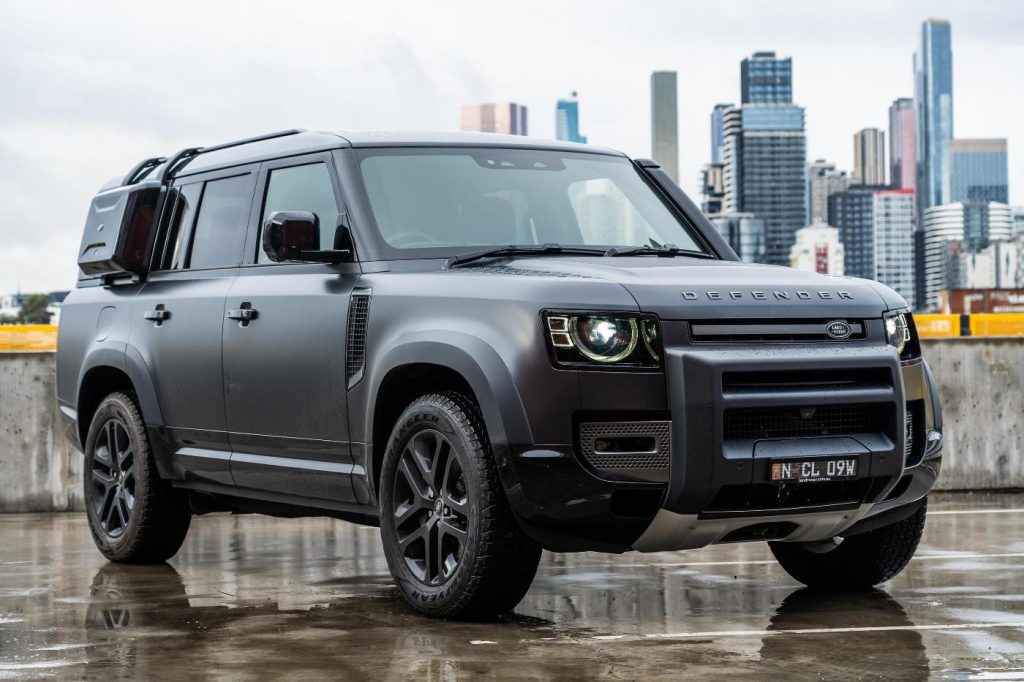
One detail that stands out is the way the rear is designed. Even with its distinctive styling, the back window provides enough visibility to make reversing and maneuvering manageable. It does not feel overly restricted, which is often a concern in vehicles with bold exterior designs.
This SUV is part of this list because it demonstrates how functionality can enhance the driving experience. The Defender does not compromise on visibility for the sake of appearance, and that decision makes it feel confident and capable in a wide range of situations.
6 Cars With Tiny Windows
Not every car prioritizes outward visibility in the same way. In many modern designs, styling and aerodynamics take precedence, leading to smaller windows and thicker structural elements. While these choices can create a sleek and aggressive appearance, they often reduce how much the driver can actually see from inside the cabin.
Cars with smaller windows tend to feel more enclosed. The reduced glass area limits the field of vision, especially toward the sides and rear. This can make simple tasks like changing lanes or moving through tight spaces more demanding, as drivers rely more on mirrors and technology to compensate for restricted sightlines.
Another factor is the design of the pillars. Thicker pillars can block key angles of visibility, particularly at intersections or during turns. This forces drivers to adjust their position more frequently, which can interrupt the natural flow of driving.
Rear visibility is often the most affected in these vehicles. Sloping rooflines and narrow back windows create blind spots that are difficult to ignore. While cameras and sensors help address this issue, they do not fully replace the ease of having a clear, direct view.
The cars in this section are included because they highlight these limitations in real-world use. Each one represents a different approach where design choices impact visibility in noticeable ways.
Understanding these differences helps drivers choose a vehicle that matches their comfort level, especially if clear sightlines are a priority in daily driving.
1. Chevrolet Camaro
The Chevrolet Camaro makes its priorities clear the moment you sit inside. It is a car designed around performance and visual impact, and that focus comes at the expense of outward visibility. The cabin feels tight, with a low roofline and high beltline that immediately limit how much of the outside world you can see.
The windshield is relatively narrow, and the dashboard sits high, creating a viewing angle that feels more restricted than most cars. You are not looking out at the road in a wide, open way. Instead, it feels like you are peering through a confined space, which can take time to adjust to.
Side visibility presents its own challenges. The windows are small, and the pillars are thick, which reduces awareness of what is happening alongside the vehicle. This becomes noticeable during lane changes or when moving through traffic, where a clearer view would normally reduce effort.
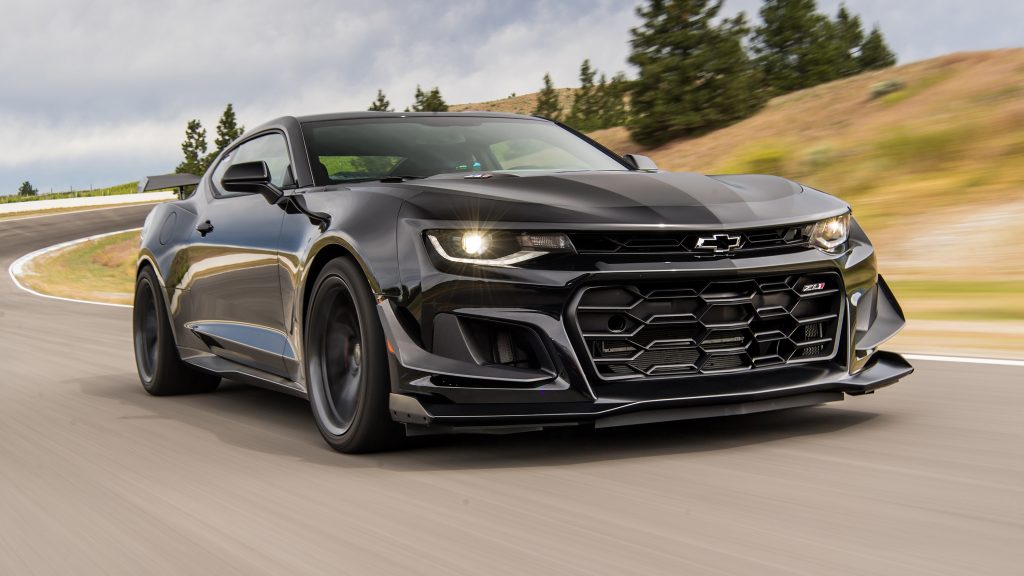
The rear view is perhaps the most limiting aspect. The back window is narrow and positioned in a way that makes it difficult to get a full sense of what is behind. Drivers often rely heavily on cameras and sensors, which help, but do not fully replace direct visibility.
This car is included because it clearly shows how styling and performance priorities can shape the driving experience. The Camaro delivers excitement in many areas, but its limited outward view is something drivers have to adapt to rather than benefit from.
2. Toyota C-HR
The Toyota C-HR takes a design-first approach that emphasizes sharp lines and a coupe-like silhouette. While this gives the car a distinctive appearance, it also results in one of the more enclosed cabins in its segment. The small windows and rising body lines create a noticeable impact on visibility.
From the driver’s seat, the forward view is acceptable, but it does not feel particularly open. The windshield is not the issue here, but the surrounding design elements make the cabin feel more confined than expected. This subtle restriction becomes more apparent during longer drives.
The biggest limitation appears when looking to the sides. The rear side windows are quite small and positioned higher than usual, which reduces the ability to see what is happening near the back of the vehicle. This can make lane changes feel less intuitive, as drivers need to depend more on mirrors.
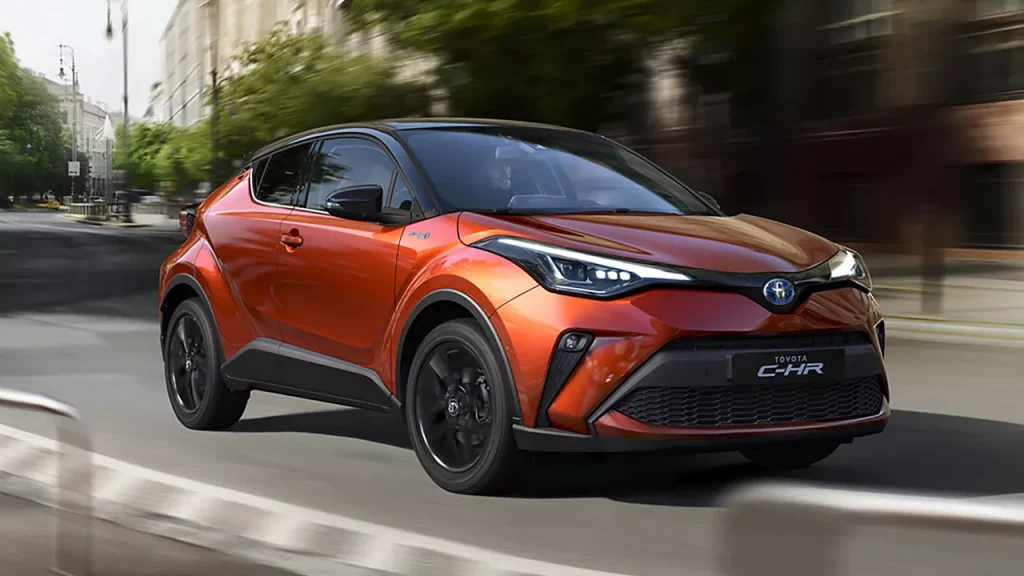
Rear visibility continues this pattern. The shape of the vehicle narrows toward the back, resulting in a smaller rear window that limits the field of view. Parking and reversing can feel more demanding, especially in tighter spaces where clarity matters most.
This car is featured because it represents a growing trend in modern design. The C-HR prioritizes appearance and uniqueness, but in doing so, it sacrifices some of the openness that makes driving feel effortless.
3. BMW X6
Sit inside the BMW X6 and the first thing you notice is how dramatically the design shapes your field of vision. This is a vehicle built to stand out, and its coupe-like roofline defines both its exterior appeal and its interior limitations. The trade-off becomes clear the moment you look toward the rear.
The front view is reasonably strong, with a wide windshield that allows for a clear look at the road ahead. However, the sense of openness does not extend throughout the cabin. As your eyes move toward the sides and back, the narrowing glass area starts to become more apparent.
The side windows taper as they move rearward, reducing visibility for both the driver and passengers. This design creates a more enclosed feeling, particularly when compared to more upright SUVs. During lane changes, the restricted view can require extra attention, as the natural line of sight is not as wide as expected.
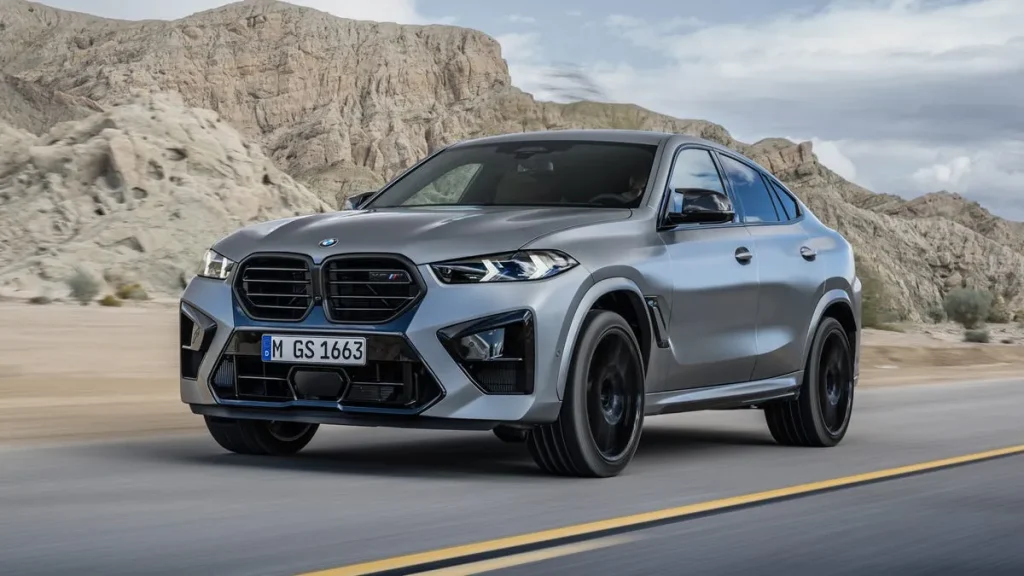
The rear window is where the limitation becomes most noticeable. The sloping roofline reduces its size significantly, making it harder to judge distance and movement behind the vehicle. While modern camera systems help compensate, they do not fully replace the ease of a clear, direct view.
This car is included because it highlights how design can influence practicality. The X6 delivers a bold and distinctive presence, but its smaller windows show how that style can come at the cost of everyday visibility.
4. Mercedes-Benz CLA
The Mercedes-Benz CLA is designed to capture attention with its sleek and flowing shape, but that same design introduces challenges when it comes to outward visibility. The car sits lower, and its roofline slopes in a way that reduces the size of the windows, especially toward the rear.
From the driver’s seat, the forward view remains acceptable, but it does not feel expansive. The windshield is angled in a way that supports the car’s sporty look, yet it also contributes to a slightly more confined perspective compared to more upright sedans.
Side visibility is where the design begins to show its limitations more clearly. The windows are narrower, and the pillars are positioned in a way that can interrupt the line of sight. This becomes noticeable in urban driving, where quick awareness of surrounding vehicles is important.
The rear of the car continues this theme. The back window is relatively small, and the sloping design reduces how much of the road behind you is visible. This can make reversing and parking more dependent on assistance systems rather than direct observation.
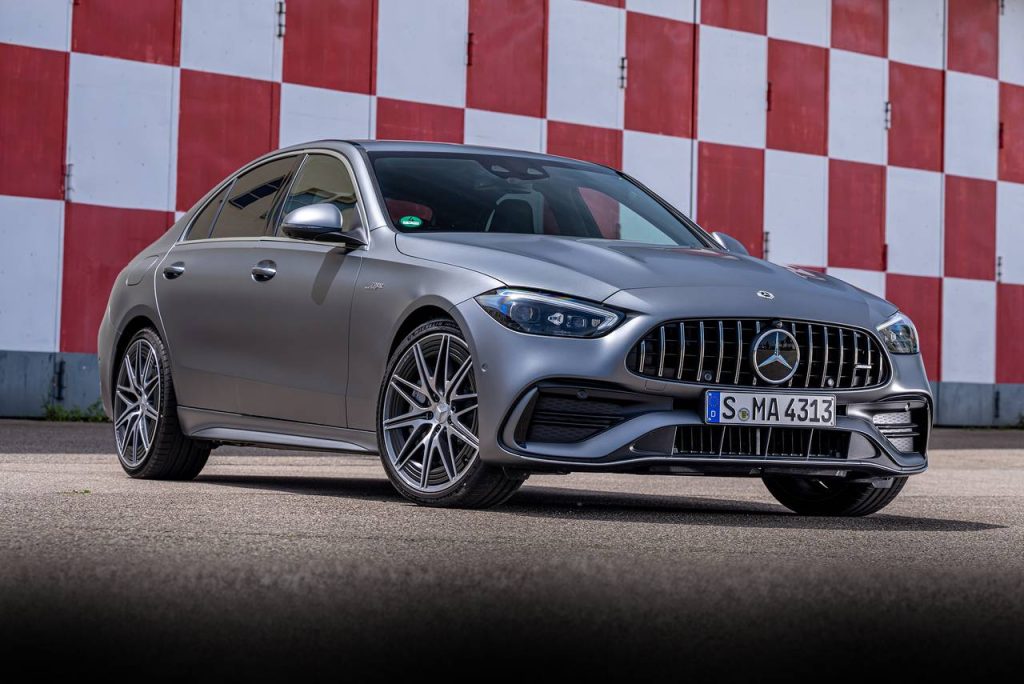
This model is part of this list because it reflects a broader shift toward style-focused design. The CLA offers a striking appearance, but its smaller windows remind drivers that visual appeal can sometimes reduce the ease of everyday driving tasks.
5. Chevrolet Corvette
The Chevrolet Corvette places performance and aerodynamic efficiency at the center of its design, and that focus creates a driving position that feels very different from a typical car. Once inside, the outward view is shaped by low seating, high body lines, and limited glass areas that prioritize structure over openness.
The forward visibility is decent when the road is straight, but the low stance means you are looking up slightly at traffic ahead rather than across it. This alters how distances are perceived, especially in city driving, where constant adjustments are required.
Looking to the sides introduces another layer of restriction. The windows are not particularly large, and the full shape of the car limits how much you can see without relying heavily on mirrors. This becomes more noticeable when merging or moving through tighter spaces.
The rear view is where the limitation becomes most pronounced. The engine placement and design structure reduce the size of the rear window, making it harder to get a clear sense of what is directly behind. Drivers often depend on cameras to fill in the gaps, which changes the way the car is handled in everyday situations.
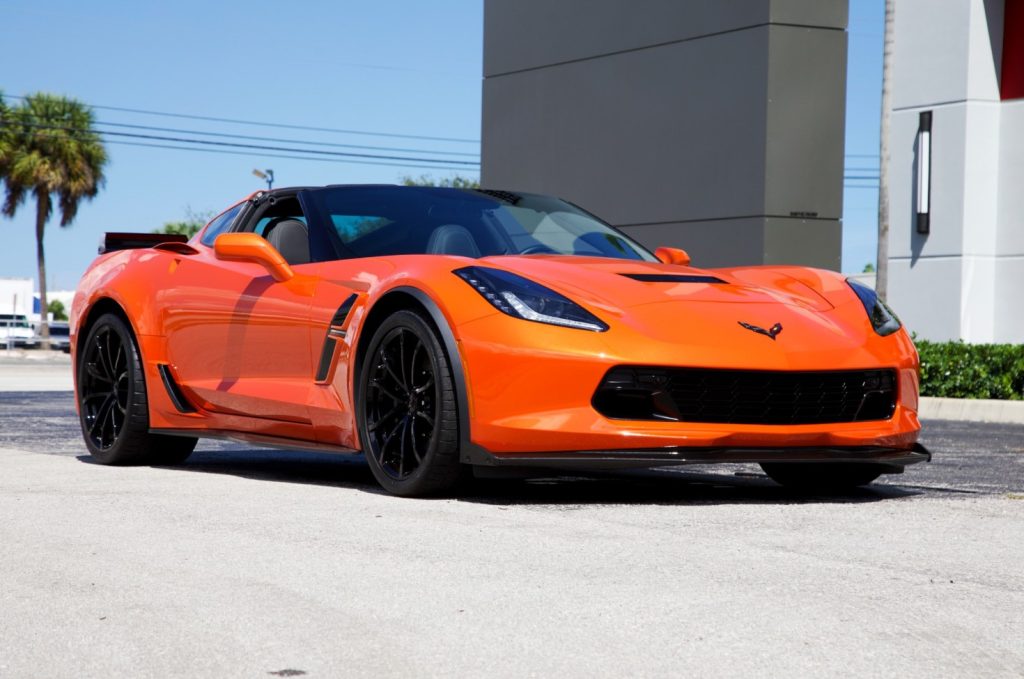
This car is included because it represents a clear example of performance taking priority over visibility. The Corvette delivers excitement and capability, but it asks drivers to adapt to a more restricted field of vision in return.
6. Nissan Juke
The Nissan Juke stands out with its unconventional styling, but that uniqueness comes with compromises that become clear from the driver’s seat. The design favors bold shapes and high body lines, which directly affect how much of the outside world is visible.
The front view is manageable, though not particularly wide. The windshield provides enough clarity for normal driving, but the surrounding design elements create a slightly enclosed feel. This is something drivers may not notice immediately, but it becomes more apparent over time.
The side profile introduces one of the biggest challenges. The rear door handles are integrated into the body, and the windows taper upward, reducing the amount of visible glass. This makes the rear side area harder to monitor, especially during lane changes.
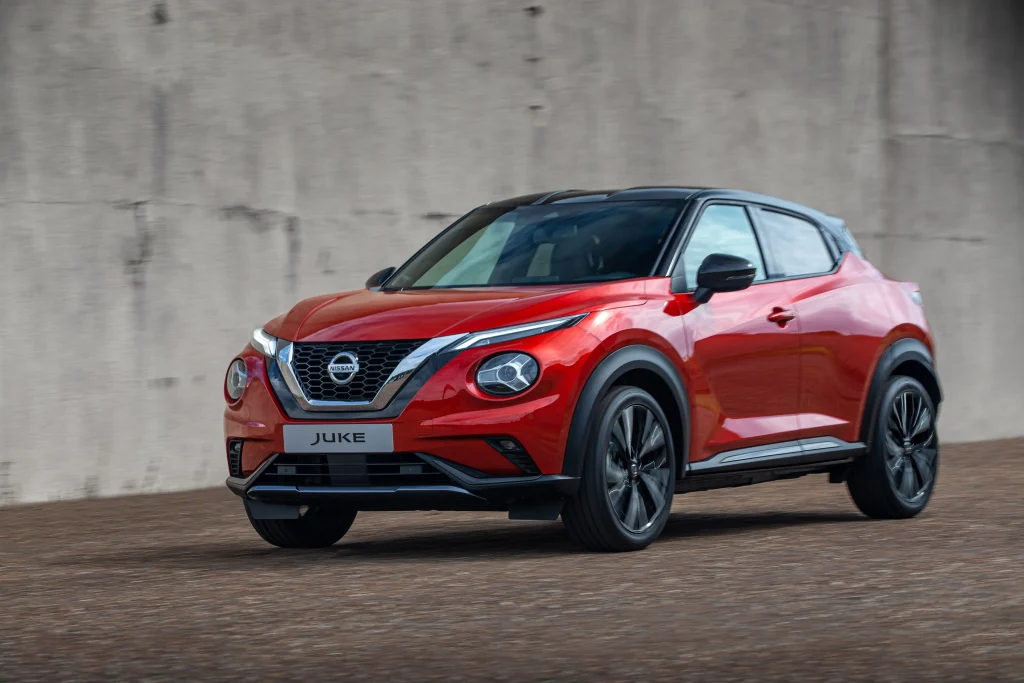
At the back, the small rear window continues the same pattern. The limited size restricts how much can be seen without assistance, which can make parking and reversing less intuitive. Drivers often rely more on sensors and cameras to compensate for this lack of direct visibility.
This vehicle is featured because it shows how distinctive styling can influence practicality. The Juke creates a strong visual identity, but in doing so, it reduces the openness that many drivers rely on for a comfortable and confident driving experience.
Also Read: 5 Trucks With Great Resale Value And 5 Trucks That Tank In Price In 2026
