
Night driving changes everything about how a car feels. During the day, visibility is almost taken for granted, but once the sun sets, your headlights become your primary connection to the road ahead. That is where the difference between a confident drive and a stressful one becomes obvious.
Some cars slice through darkness with bright, well-focused beams that reveal road signs, pedestrians, and corners early. Others struggle, leaving drivers peering into dimly lit patches and reacting later than they should.
Modern headlight technology has come a long way, from traditional halogen setups to advanced LED and matrix systems. But not every car benefits equally from these advancements.
Even today, some vehicles with premium positioning deliver disappointing nighttime visibility, while others in more modest segments surprise with impressive illumination. Beam spread, intensity, color temperature, and adaptive functions all play a role, and the way these elements come together determines how safe and relaxed you feel after sunset.
This article looks at both ends of that spectrum. First, we focus on cars that genuinely stand out for their strong headlights.
These are vehicles where the lighting system is not just a feature on paper but something you notice immediately on a dark road. Then we shift to cars that fall short, where weak or poorly designed headlights can make nighttime driving more tiring than it should be.
The goal here is not just to list cars, but to explain why they deserve attention. Headlights are often overlooked during the buying process, yet they directly affect safety, especially on highways, rural roads, and poorly lit city streets.
By understanding which cars perform well and which do not, you can make a more informed decision that goes beyond engine specs or interior features.
Also Read: 6 Cars Dads Buy For Themselves And 6 They Buy For Their Kids
6 Cars With Strong Headlights
Headlight performance is one of those features that rarely gets attention until it becomes a problem. Buyers often focus on horsepower, touchscreen size, or fuel economy, but the quality of illumination at night can have a direct impact on safety and comfort.
A well-designed headlight system does more than just shine brightly. It distributes light evenly, avoids glare, and adapts to changing driving conditions without requiring constant input from the driver.
Cars with strong headlights stand out because they reduce uncertainty. When the road ahead is clearly visible, drivers react sooner and drive more smoothly. This is especially important on highways, poorly lit rural roads, and during bad weather conditions.
Strong headlights also help in identifying road signs earlier, spotting animals or pedestrians near the edges, and taking turns with greater confidence.
Another important factor is how modern lighting technology has evolved. LED and adaptive systems have introduced new possibilities, allowing headlights to adjust their intensity and direction automatically. However, not every car uses these advancements effectively.
Some vehicles manage to deliver excellent performance with relatively simple setups, while others with advanced features fail to provide consistent visibility.
The cars included in this section are chosen because they offer dependable and impressive lighting in real-world conditions. These are not just vehicles with high specifications on paper, but ones that deliver noticeable benefits during everyday driving.
Each one has a distinct approach to headlight performance, whether through advanced adaptive systems or well-tuned standard LEDs.
By focusing on these cars, the aim is to highlight what good headlight design looks like in practice. It helps in understanding why certain vehicles feel more comfortable at night and why others may not inspire the same level of confidence.
1. Audi A6
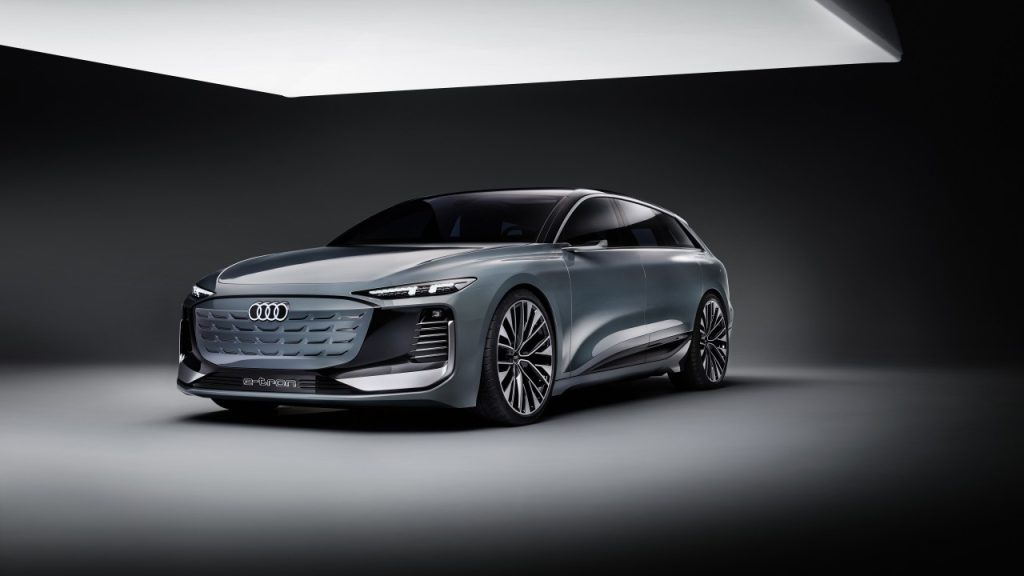
Driving the Audi A6 after sunset feels less like adjusting to darkness and more like extending daylight. The headlight system does not simply illuminate the road, it shapes visibility in a way that feels deliberate and controlled. Audi’s Matrix LED technology plays a central role here, but what matters more is how seamlessly it works without drawing attention to itself.
There is a distinct clarity in how the beam is projected. Instead of creating a harsh hotspot in the center, the light spreads in a measured pattern that keeps both the distance and the periphery visible.
This becomes particularly useful on highways where judging lane position and spotting distant movement is critical. The brightness is strong, yet it never feels aggressive or tiring.
One aspect that justifies including this car is its behavior around other vehicles. The system continuously adjusts segments of the beam, allowing high beam usage without blinding oncoming traffic. This is not something you consciously operate, it happens in the background, which makes the driving experience smoother.
Corners and elevation changes are handled with equal confidence. The headlights adapt in a way that reduces blind spots when the road bends, helping drivers maintain a steady pace even in unfamiliar conditions. That sense of predictability is what makes nighttime driving less stressful.
This car is discussed here because it represents a benchmark in how headlights should perform. It combines technology with real usability, ensuring that visibility is not just bright but intelligently managed for everyday driving situations.
2. Tesla Model 3
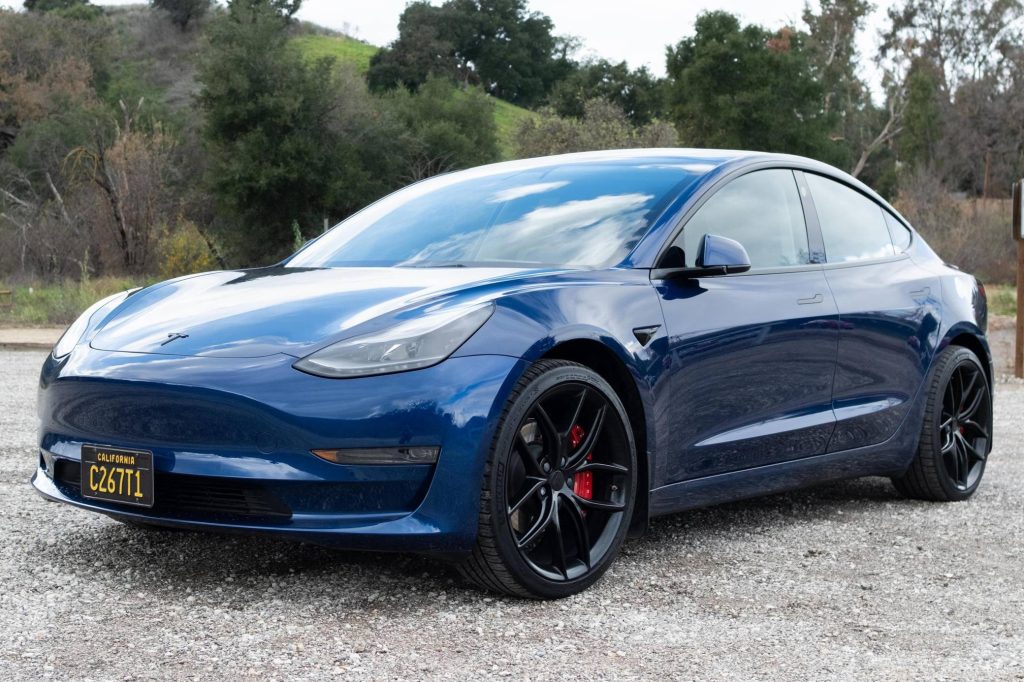
The Tesla Model 3 takes a different route, focusing on simplicity executed with precision. Its LED headlights do not rely heavily on complex adaptive systems, yet they deliver a level of brightness and consistency that stands out the moment you drive it at night.
The beam pattern feels balanced rather than concentrated. Instead of forcing your eyes to adjust between bright and dark zones, the illumination remains even across the road. This creates a more relaxed driving experience, especially during longer trips where uneven lighting can become tiring.
Urban environments highlight another strength of this setup. Streetlights, reflections, and traffic can often make weaker headlights feel inadequate. The Model 3 maintains a clear and stable field of vision, ensuring that road markings and surrounding objects remain easy to identify.
A subtle but important detail is the color tone of the light. It avoids the overly sharp or bluish tint that some LEDs produce, resulting in a more natural viewing experience. This reduces strain and helps drivers stay focused for longer periods.
This vehicle earns its place here because it proves that strong headlights do not always require highly advanced systems. Thoughtful design and proper tuning can achieve impressive results, making night driving feel controlled, predictable, and far less demanding.
3. BMW 5 Series
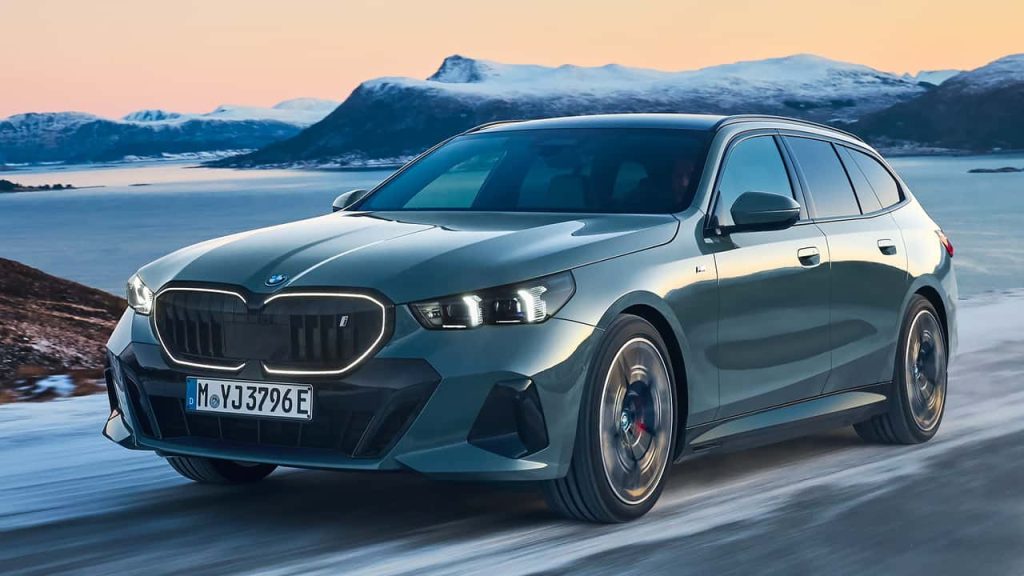
Step into a BMW 5 Series at night and the first thing you notice is how composed everything feels. The headlights are not trying to impress with sheer brightness alone. Instead, they focus on delivering a controlled, layered view of the road that builds driver confidence gradually rather than instantly overwhelming the eyes.
BMW’s Laserlight technology, available on higher trims, extends the reach of the beam far beyond what standard LEDs offer. On open highways, this becomes especially noticeable.
The road ahead appears to stretch further into visibility, giving you more time to react to changes. That extra distance is not just a luxury feature, it directly influences how calmly you can maintain speed after dark.
What sets this car apart is how it manages transitions. Moving from a well-lit city street to a darker highway does not create a sudden drop in visibility. The system adapts smoothly, maintaining a consistent level of illumination that keeps the driver comfortable. There is no abrupt shift that forces your eyes to readjust.
Another reason this car is included lies in how it handles real-world imperfections. Uneven roads, reflective surfaces, and varying traffic conditions do not disrupt the beam pattern. The headlights remain stable, avoiding flicker or scattered light that can make driving tiring.
This model deserves attention because it shows how advanced lighting can be integrated without making the experience complicated. It quietly enhances visibility while keeping the driver focused on the road, which is exactly what strong headlights should achieve.
4. Volvo XC90
The Volvo XC90 approaches headlight performance with safety as its central idea. Everything about its lighting system feels designed to reduce risk and increase awareness, rather than simply boosting brightness. The result is a setup that feels dependable in a wide range of driving conditions.
Volvo’s signature LED headlights produce a beam that is both wide and evenly distributed. This is particularly useful on darker roads where hazards often appear from the sides rather than directly ahead. The XC90 ensures that those areas are not left in shadow, giving drivers a more complete picture of their surroundings.
There is also a strong sense of depth in how the light is projected. Objects at different distances remain clearly distinguishable, which helps in judging speed and spacing more accurately. This becomes valuable during highway driving, where quick decisions depend on how well you can read the road ahead.
Weather conditions further highlight why this car is part of the list. Rain and fog can scatter light from weaker systems, reducing visibility. The XC90 maintains clarity even when conditions are less than ideal, allowing drivers to stay in control without constantly adjusting their speed.
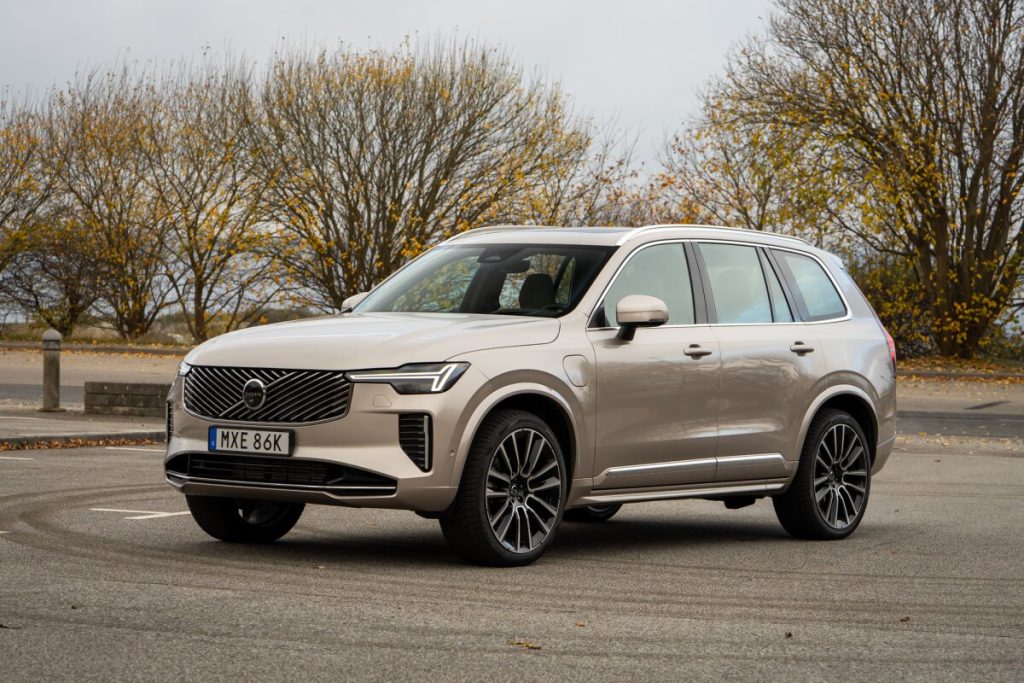
This vehicle is included because it prioritizes real-world usability. The headlights are not just powerful; they are thoughtfully tuned to support safer driving. That combination of strength and practicality makes it stand out in a segment where lighting often feels secondary.
5. Mercedes-Benz E-Class
Night driving in the Mercedes-Benz E-Class feels structured in a way that quietly reassures the driver. The headlights do not simply brighten the road ahead; they organize what you see into something easier to process.
Mercedes has refined its Multibeam LED system to a point where the lighting feels almost predictive in how it responds to changing conditions.
On highways, the beam stretches far enough to reveal upcoming traffic movement, lane changes, and subtle elevation shifts. What stands out is how the light remains composed even at higher speeds. There is no scattered glow or unnecessary flare, just a focused field that helps the driver stay oriented without distraction.
The adaptive nature of the system plays a major role here. Instead of switching abruptly between modes, the headlights adjust in small increments. This makes transitions between city roads and darker stretches feel natural, avoiding that momentary discomfort where your eyes struggle to adjust.
Another reason this car earns its place is how it handles surrounding traffic. The system continuously reshapes the beam to prevent glare for other drivers while maintaining strong illumination for you. It is a balance that many cars attempt, but few execute smoothly.
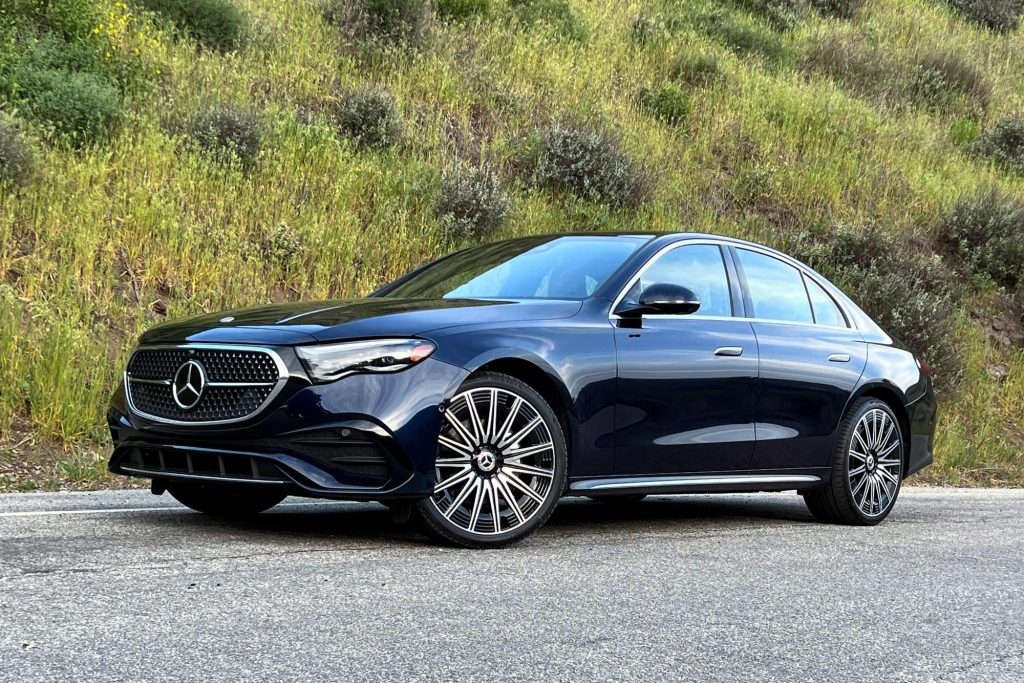
This model is included because it demonstrates how lighting can contribute to a calmer driving experience. It is not just about seeing more; it is about seeing in a way that reduces effort and keeps the driver focused for longer periods.
6. Lexus RX
The Lexus RX offers a different perspective on strong headlights, focusing less on complexity and more on refinement. Its LED system delivers a clean, stable beam that feels consistent across different driving environments, making it particularly appealing for daily use.
From the moment the headlights come on, there is a sense of uniformity in how the light spreads. It does not create harsh contrasts or overly bright spots that can strain the eyes. Instead, the illumination remains smooth, allowing drivers to interpret the road naturally without constant adjustment.
One of the reasons this car is highlighted is its reliability. Some vehicles perform well only under ideal conditions, but the RX maintains its effectiveness across city streets, highways, and dimly lit rural areas. That consistency is what builds trust over time.
The headlights also perform well in situations where visibility can quickly become challenging. Whether it is light rain or uneven road surfaces, the beam remains clear enough to keep important details visible. This reduces hesitation and allows for more confident driving.
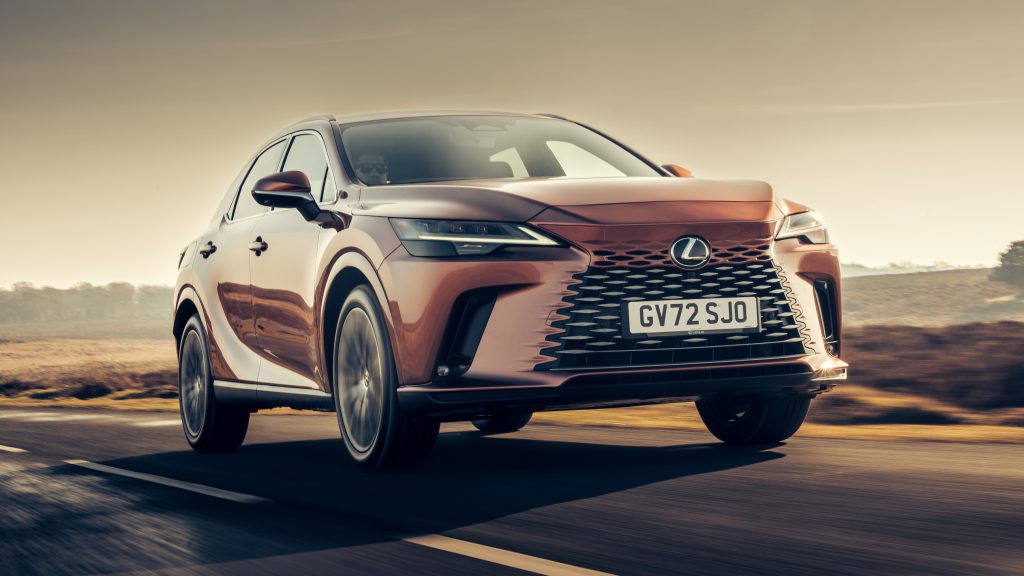
This vehicle is part of this list because it shows that strong headlights do not always need advanced branding or complex systems. A well-engineered setup that prioritizes clarity and balance can deliver excellent results, making night driving feel steady and controlled.
6 Cars That Are Dim At Night
Headlights become most noticeable when they fail to meet expectations. While some cars provide clear and confident visibility, others leave drivers dealing with limited range, uneven beams, or poor brightness. This difference is not always obvious during a short test drive, but it becomes clear during regular nighttime use.
Cars with dim headlights often create a sense of uncertainty. The road ahead feels shorter, edges are harder to identify, and objects appear later than they should. This forces drivers to slow down more than necessary or remain constantly alert, which can lead to fatigue over longer distances.
The reasons behind weak headlight performance vary. Some vehicles rely on outdated halogen setups that struggle to provide adequate brightness. Others may use modern technology but fail in execution, resulting in poor beam focus or inconsistent illumination. In both cases, the outcome is the same: reduced confidence while driving at night.
Another issue with dim headlights is how they interact with real-world conditions. Streetlights, reflections, and oncoming traffic can make weak beams feel even less effective. In such situations, drivers may find themselves relying more on guesswork than clear visibility, which is far from ideal.
The cars listed in this section are included because they highlight these shortcomings in practical use. Each one demonstrates a different way in which headlight performance can fall behind expectations, whether due to design limitations or lack of refinement.
Understanding these examples helps in recognizing what to avoid when choosing a car. Strong headlights are not just a convenience, they are a critical part of safe driving, especially in environments where lighting conditions are far from perfect.
1. Toyota Corolla
The Toyota Corolla has built its reputation on reliability and everyday usability, but its headlight performance does not always match the same standard, especially in lower and mid trims that still rely on basic halogen setups.
Night driving in this car often reveals a limitation that is easy to overlook during short city commutes but becomes noticeable on darker roads.
The illumination lacks the depth needed for confident highway driving. Instead of projecting a long, clear beam, the light tends to fade earlier than expected. This short reach means drivers have less time to react to obstacles, particularly at higher speeds. It creates a subtle sense of caution that can make driving feel more tiring over time.
Another issue is how the beam spreads across the road. While the center area receives some focus, the sides are not illuminated as effectively. This becomes a concern on roads without proper street lighting, where hazards can appear from the edges. The limited side visibility forces drivers to rely more on guesswork than clear visual cues.
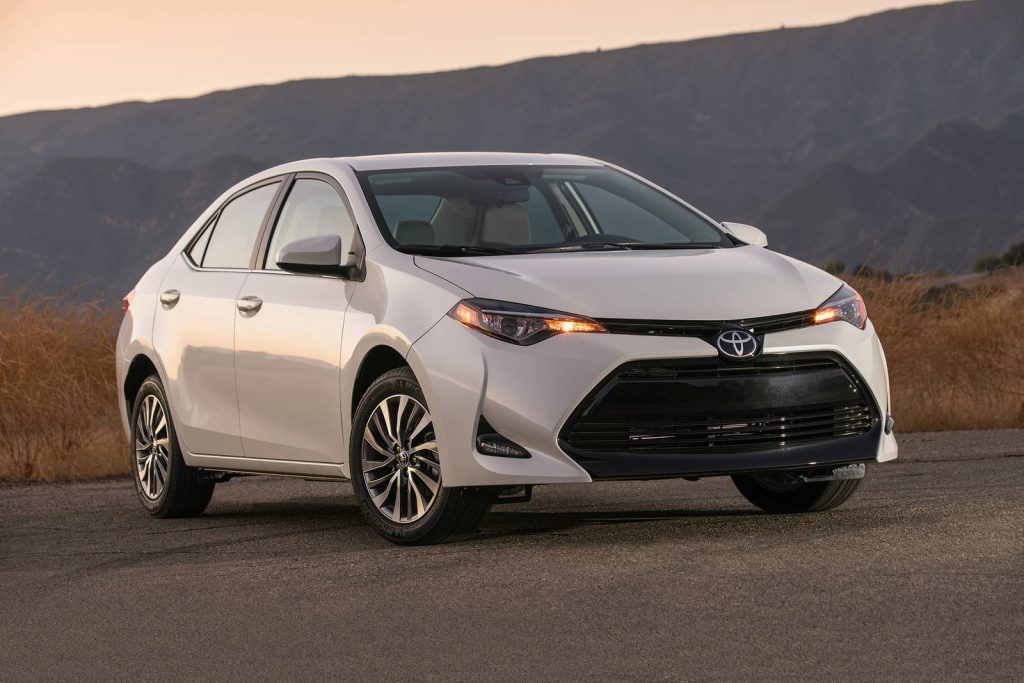
Urban environments do not fully mask this weakness either. Under streetlights, the headlights can feel overshadowed, reducing their effectiveness further. Instead of complementing ambient lighting, they sometimes blend into it, making it harder to distinguish important details like road markings or pedestrians.
This car is included here because it highlights how a dependable vehicle can still fall short in a critical area.
The Corolla serves as a reminder that headlight performance should not be assumed based on brand reputation alone. It is something that needs to be experienced directly, especially for those who frequently drive after dark.
2. Jeep Wrangler
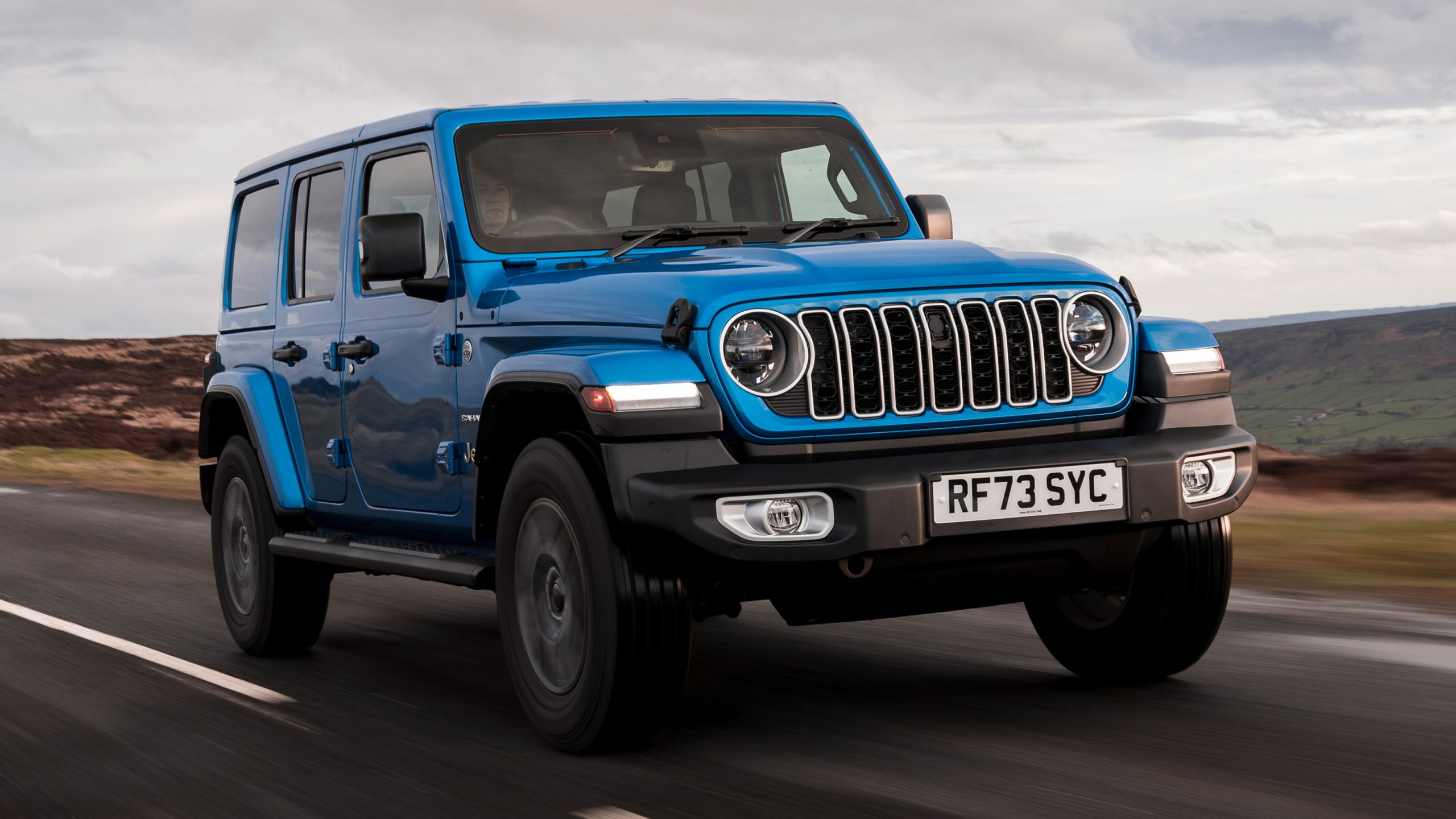
Driving the Jeep Wrangler at night presents a very different set of challenges. Known for its rugged design and off-road capability, the Wrangler prioritizes durability and character, but its headlights often feel like an afterthought in comparison to its other strengths.
The round headlight design, while iconic, does not always translate into effective road illumination. The beam pattern can feel uneven, with certain areas receiving more light while others remain underlit. This inconsistency makes it harder to maintain a steady sense of visibility, especially on winding roads.
Distance visibility is another area where the Wrangler struggles. The headlights do not project far enough to provide a comfortable buffer at higher speeds. As a result, drivers may find themselves reducing speed more often than necessary, simply to compensate for the limited view ahead.
There is also a noticeable impact from the vehicle’s height and positioning. While being elevated helps in some situations, it does not fully compensate for the lack of strong, focused lighting. The beam can feel scattered rather than directed, which reduces its effectiveness on both highways and rural roads.
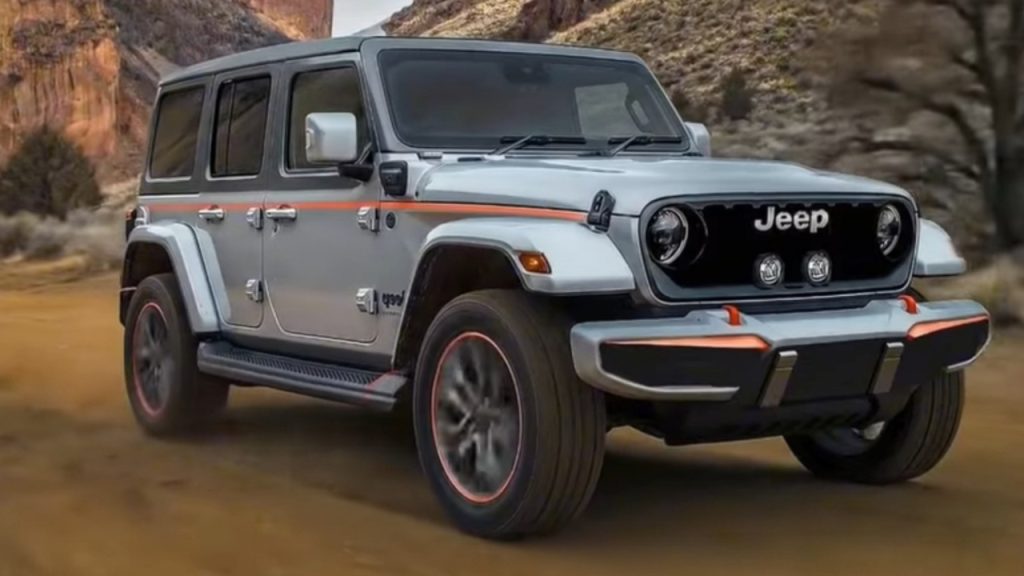
This vehicle appears in this section because it demonstrates how design priorities can influence practicality. The Wrangler excels in environments where headlights are less critical, such as off-road trails at low speeds.
However, in typical nighttime driving conditions, its lighting performance can leave drivers wanting more clarity and confidence.
3. Nissan Altima
Step into a Nissan Altima after sunset and the first impression is not that the headlights are completely inadequate, but that they lack the strength expected from a modern sedan. The issue becomes clearer the longer you drive, especially once you leave well-lit areas and rely entirely on the car’s own illumination.
The beam appears reasonably bright at first glance, yet it does not travel far enough to inspire confidence. On highways, this limited reach becomes noticeable because the road seems to end sooner than it should. Drivers often find themselves scanning more actively, trying to compensate for the shorter field of vision.
Another aspect worth pointing out is how the light interacts with reflective surfaces. Road signs may light up clearly, but the surrounding area does not always receive the same level of attention. This uneven distribution creates small pockets of darkness that can make it harder to interpret the full road environment.
There is also a subtle inconsistency when transitioning between different driving conditions. Moving from a lit street into a darker stretch exposes the limitations of the headlights more sharply. The eyes take a moment longer to adjust, and during that time, the lack of strong illumination becomes apparent.
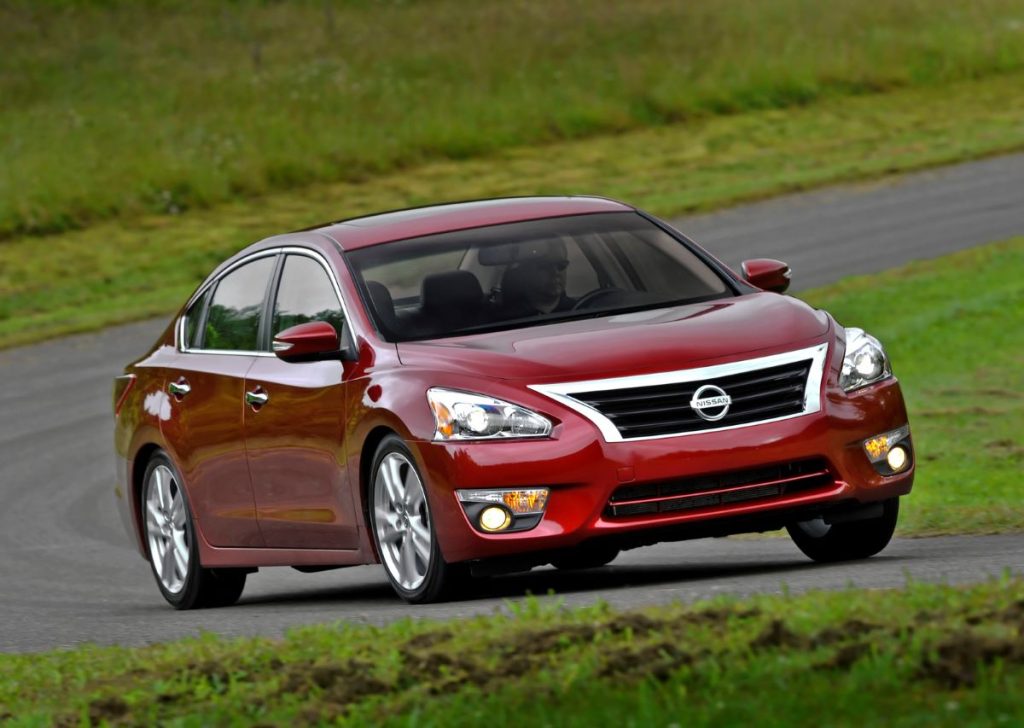
This car is included because it represents a situation where the headlights are not outright poor, but they do not meet expectations for comfort and clarity. It shows how even a slight shortfall in brightness and range can affect the full driving experience at night.
4. Chevrolet Camaro
The Chevrolet Camaro approaches nighttime visibility from a design-first perspective, and that choice comes with trade-offs. The car’s aggressive styling and low stance look striking, but the headlights do not always deliver the level of performance needed to match that bold appearance.
One of the main concerns lies in the narrow beam spread. The headlights tend to focus more on a central path, leaving the edges of the road less illuminated. This creates a tunnel-like effect where you can see directly ahead but have limited awareness of what lies just outside that path.
The low seating position adds another layer to the experience. While it enhances the sporty feel during the day, it can make nighttime driving feel more constrained. The combination of a lower viewpoint and restricted beam coverage reduces the sense of openness that drivers rely on after dark.
There are also moments where the brightness itself feels insufficient for the car’s performance capabilities. A vehicle designed for speed should ideally provide extended visibility to match, yet the Camaro’s headlights do not always deliver that reassurance. This mismatch can make drivers more cautious than they might expect in a car of this nature.
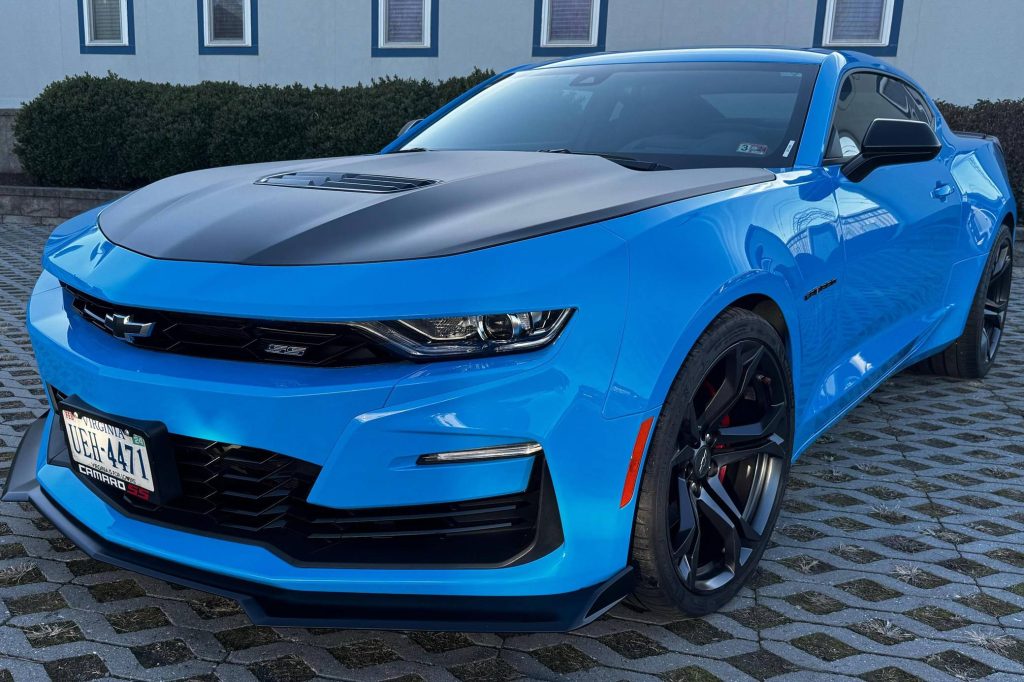
This model finds its place here because it highlights how styling priorities can influence functionality. The Camaro remains an exciting car in many respects, but its headlight performance serves as a reminder that visual appeal does not always translate into practical nighttime usability.
5. Hyundai Accent
The Hyundai Accent fits comfortably into the role of an affordable, practical sedan, but its headlights reveal one of the compromises made to keep costs low. At night, the lighting feels functional in the most basic sense, yet it lacks the strength needed for a confident and relaxed driving experience.
The first thing that becomes noticeable is the limited brightness. The beam does its job within a short distance, but beyond that, visibility drops off quicker than expected. On darker roads, this creates a sense that the car is constantly chasing the edge of its own illumination rather than leading it.
Instead of a broad and well-defined spread, the light pattern feels narrower and less controlled. This affects how clearly the road edges are visible, which is particularly important when driving through areas without proper lane markings. The reduced side coverage forces drivers to remain more alert, increasing mental effort over time.
There is also an interaction issue with external lighting. Under streetlights, the headlights do not stand out enough to maintain a clear contrast. The road can appear washed out, making it harder to distinguish subtle changes in surface or identify smaller obstacles.
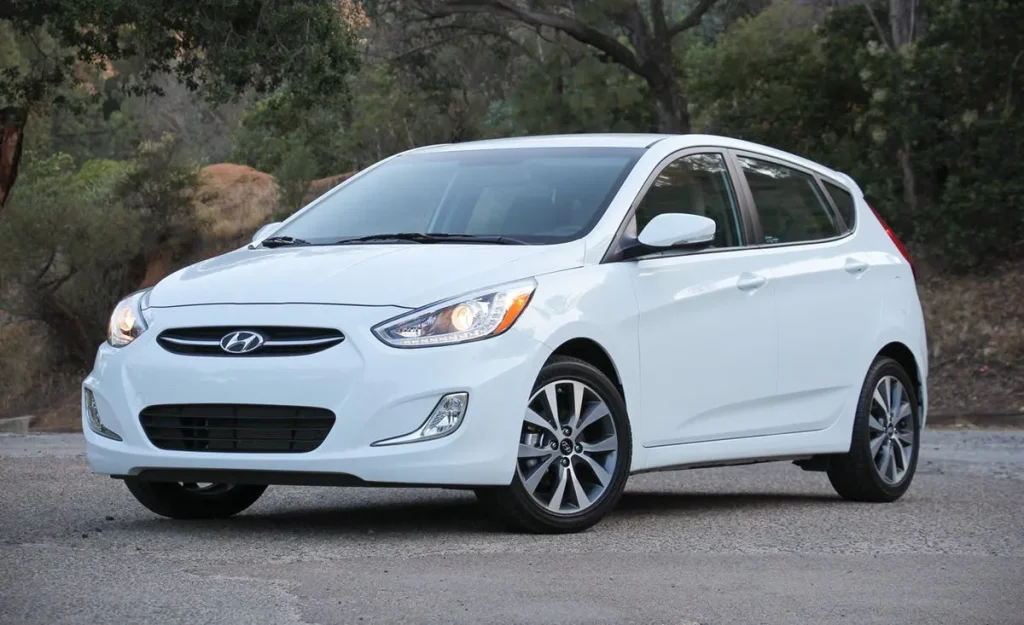
This car is included because it highlights the trade-off often seen in budget-friendly vehicles. While the Accent delivers value in many areas, its headlight performance shows how cost-cutting can impact a critical aspect of driving.
It serves as a practical example of why lighting should not be overlooked, even in entry-level segments.
6. Ford EcoSport
The Ford EcoSport presents a slightly different case, where the headlights are not necessarily weak in isolation but struggle to deliver consistent performance across different driving conditions. This inconsistency becomes more apparent the longer the vehicle is used at night.
The beam pattern lacks uniformity, creating areas that feel brighter than others without a smooth transition between them. This uneven distribution can make it harder for drivers to judge distances accurately, particularly when moving between varying road types.
Another point of concern is how the headlights perform at higher speeds. The illumination does not extend far enough to match the pace the car is capable of maintaining on highways. As a result, drivers may find themselves slowing down or feeling less comfortable when driving in darker environments.
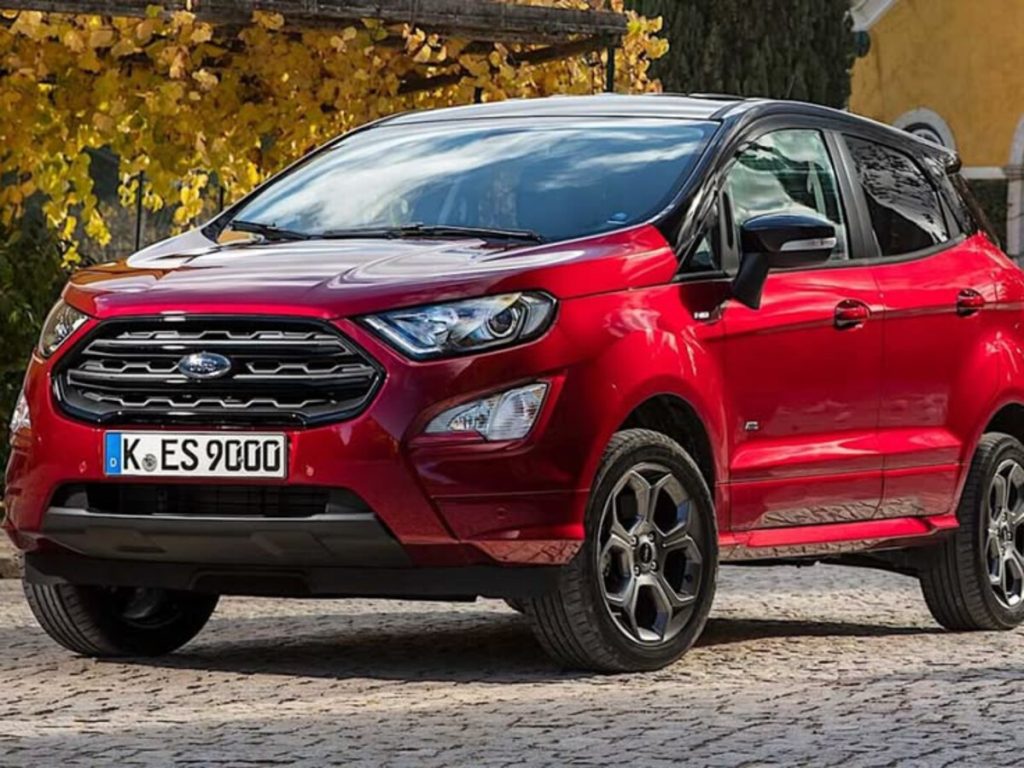
The height of the vehicle might suggest better visibility, but the lighting does not fully take advantage of that position. Instead of projecting a strong, forward-reaching beam, the light feels somewhat contained, limiting the full field of view.
This vehicle is featured here because it demonstrates how inconsistency can be just as problematic as low brightness. Even when the headlights appear adequate in certain situations, the lack of reliability across conditions can affect driver confidence.
It reinforces the idea that good headlight performance is not just about intensity, but also about how consistently that light is delivered.
Also Read: 5 Used Performance Cars That Are Steals And 5 That Are Overpriced In 2026
