
The used performance car market in 2026 is a battlefield of opportunity and disappointment. Prices have shifted dramatically over the past few years, creating fascinating gaps between value and cost. Some legendary machines now sit at surprisingly accessible price points. Others carry inflated price tags that simply don’t match what you actually get behind the wheel.
Understanding which cars fall into which category can save you tens of thousands of dollars. It can also save you from the heartbreak of overpaying for a car that underwhelms in the real world. The performance car segment is uniquely emotional. Buyers often let passion override logic, and sellers know exactly how to exploit that weakness.
In this guide, we cut through the hype and the nostalgia to give you a brutally honest breakdown. We look at real-world performance, running costs, reliability records, and how current market prices align with actual value delivered. Whether you’re hunting for a weekend warrior, a daily driver with bite, or a track-day weapon, this list has something for you.
Some of these cars will genuinely surprise you. Others will confirm suspicions you already had. Read every entry carefully before you open your wallet. The right choice here could be the best automotive decision of your life.
5 Used Performance Cars That Are Steals in 2026
These performance cars offer exceptional value for money, combining strong performance, engaging driving dynamics, and reasonable maintenance costs after depreciation has taken its toll. Models like the Mazda MX-5 Miata, Toyota GT86, and BMW 2 Series stand out for delivering fun, balanced driving at a fraction of their original price.
Cars such as the Chevrolet Corvette and Porsche Cayman (older generations) also provide serious performance for the money, often rivaling much more expensive new vehicles. With many performance cars losing value quickly in their early years, buyers in 2026 can access high-end engineering and thrilling performance without paying premium prices.
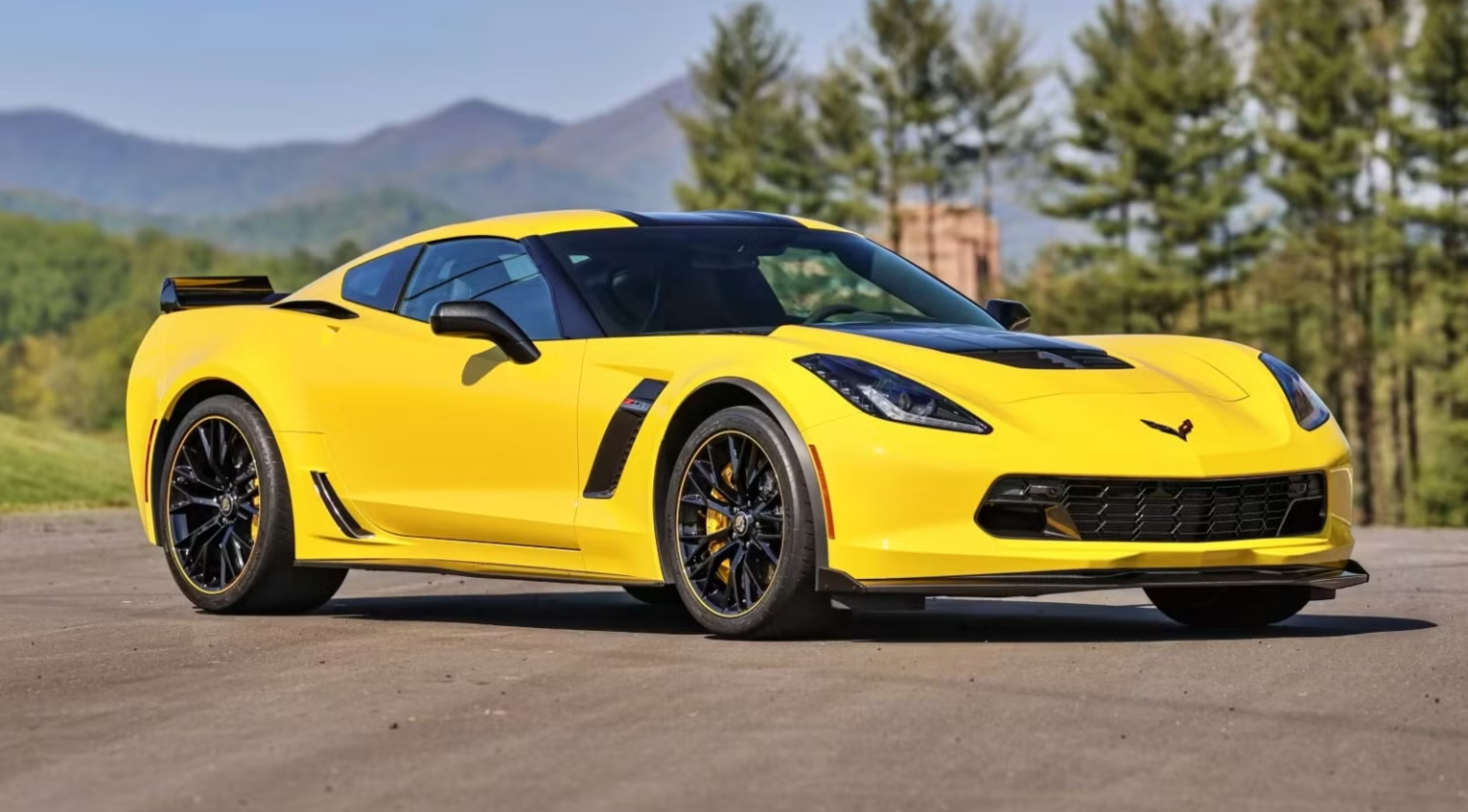
1. Chevrolet Corvette C7 (2014–2019)
The C7 Corvette might be the single greatest performance bargain available in the entire used car market right now. It is a mid-life crisis machine that actually makes complete sense from a financial standpoint. With prices settling comfortably between $35,000 and $55,000 depending on trim and mileage, you are getting a genuinely world-class sports car for the price of a base-model family sedan. That equation is almost too good to be true, yet here we are in 2026 and the C7 continues to be criminally undervalued.
The C7 was launched with GM’s legendary LT1 6.2-liter V8 engine producing 455 horsepower in base Stingray form. That number alone puts it ahead of cars costing twice as much. Step up to the Z06 trim and you’re looking at a supercharged LT4 engine cranking out 650 horsepower. The Grand Sport splits the difference beautifully, giving you Z06 suspension and wider bodywork paired with the naturally aspirated LT1 powerplant.
Why has the C7 dropped so significantly in value? The answer is the C8. When Chevrolet launched the mid-engine C8 Corvette, it fundamentally changed the conversation around what a Corvette could be. Buyers flocked to the new mid-engine layout, leaving C7 values to sink steadily. The C8 fever has now somewhat cooled, but C7 prices haven’t recovered much at all. That creates a golden window for savvy buyers who care more about driving experience than Instagram clout.
The driving dynamics of the C7 are absolutely exceptional. The Magnetic Ride Control suspension system reads the road thousands of times per second and adjusts damping accordingly. It transforms from a surprisingly comfortable grand tourer to a genuinely sharp track weapon depending on your mood. The steering is direct and communicative in a way that many modern sports cars have abandoned in favor of electronic nannies.
Reliability on the C7 is genuinely strong for a performance car of this caliber. The LT1 and LT4 engines are robust, well-documented units with enormous aftermarket support. Common issues include dry sump oil system quirks on the Z06 and occasional infotainment glitches that are more annoying than serious. A pre-purchase inspection by a GM specialist will reveal everything you need to know before signing anything.
Running costs are manageable if you treat it sensibly. Fuel economy on the highway is surprisingly decent thanks to cylinder deactivation technology. Insurance costs are reasonable for the performance on offer. Parts availability is excellent, and labor costs at independent shops are far lower than what you’d pay for a European alternative offering similar thrills.
The interior of the C7 was significantly improved over its C6 predecessor. It still doesn’t quite match the tactile quality of a Porsche or Ferrari at similar price points. However, for what you’re paying in 2026, the cabin is genuinely comfortable and well-equipped. The seats are supportive, the technology mostly works, and visibility is acceptable for a low-slung sports car.
Track day capability on a stock C7 Z06 or Grand Sport is extraordinary. You can arrive at a track day, embarrass cars worth two or three times more, and drive home in complete comfort. That combination of road manners and circuit ability is incredibly rare at any price point. In 2026, getting it for under $50,000 borders on theft.
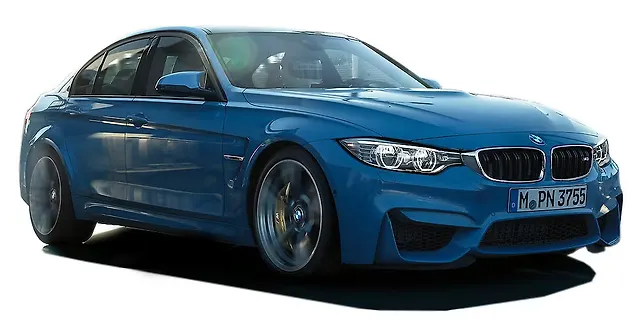
2. BMW M3 (F80 Generation, 2015–2018)
The F80 BMW M3 sits in a fascinating position in the current used market. It was controversial when new, primarily because of its twin-turbocharged S55 engine replacing the beloved naturally aspirated V8 of its predecessor. That controversy has since faded completely. What remains is a genuinely exceptional sports sedan that the market has somewhat forgotten about, creating an outstanding buying opportunity.
Prices for clean F80 M3 examples have settled in the $35,000 to $50,000 range depending on specification and mileage. That is remarkable value for a car that was selling for $65,000 to $75,000 when new. The M3 competition package cars represent particularly strong value. They added sharper suspension tuning, more aggressive engine mapping, and numerous cosmetic and interior upgrades that transform the driving experience meaningfully.
The S55 engine at the heart of the F80 is a 3.0-liter twin-turbocharged inline-six producing 425 horsepower in standard tune and 444 horsepower in Competition specification. Power delivery is ferociously strong across a wide RPM range. Turbo response is excellent, with lag reduced to nearly imperceptible levels through clever engineering. The engine sounds purposeful and mechanical, though it lacks the vocal drama of the old V8 that enthusiasts still mourn.
Reliability is where potential buyers need to pay closest attention. The S55 engine has some well-documented issues that must be investigated before purchase. Rod bearing wear is the primary concern, particularly on cars that have been driven hard or maintained poorly. Cooling system components including the water pump and thermostat housing are known weak points. A compression test, oil analysis, and thorough service history review are non-negotiable steps before buying any F80 M3.
The chassis dynamics of the F80 M3 represent some of the finest work BMW’s M division has ever produced. The front-to-rear weight distribution is close to perfect. The active M differential in the rear manages power delivery with astonishing sophistication. Body control is excellent, with the suspension finding a remarkable balance between everyday comfort and genuine track-day sharpness. Steering feedback, while electrically assisted, is more communicative than most competitors.
The DCT gearbox option is widely considered the better choice over the manual for outright performance. However, the six-speed manual equipped cars have become increasingly desirable to enthusiasts. Manual transmission examples often command a small premium in the current market, which reflects genuine demand from drivers who value engagement over raw lap times.
Living with the F80 M3 daily is genuinely manageable. Rear seat space is adequate for adults on shorter journeys. The boot is practical enough for weekend getaways. Carbon ceramic brake options on some cars reduce unsprung weight dramatically, though replacement costs for those discs are eye-watering. Standard iron disc brake cars are more sensible choices for buyers who won’t be using the car exclusively on track.
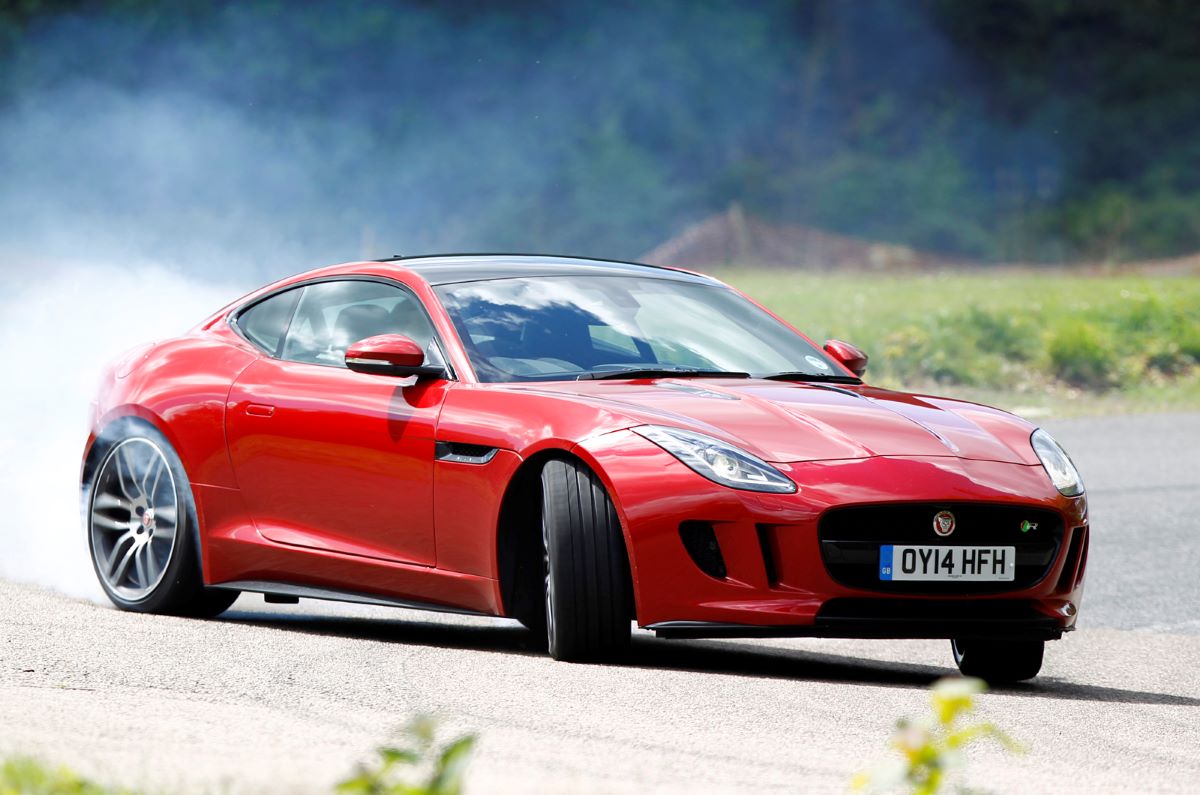
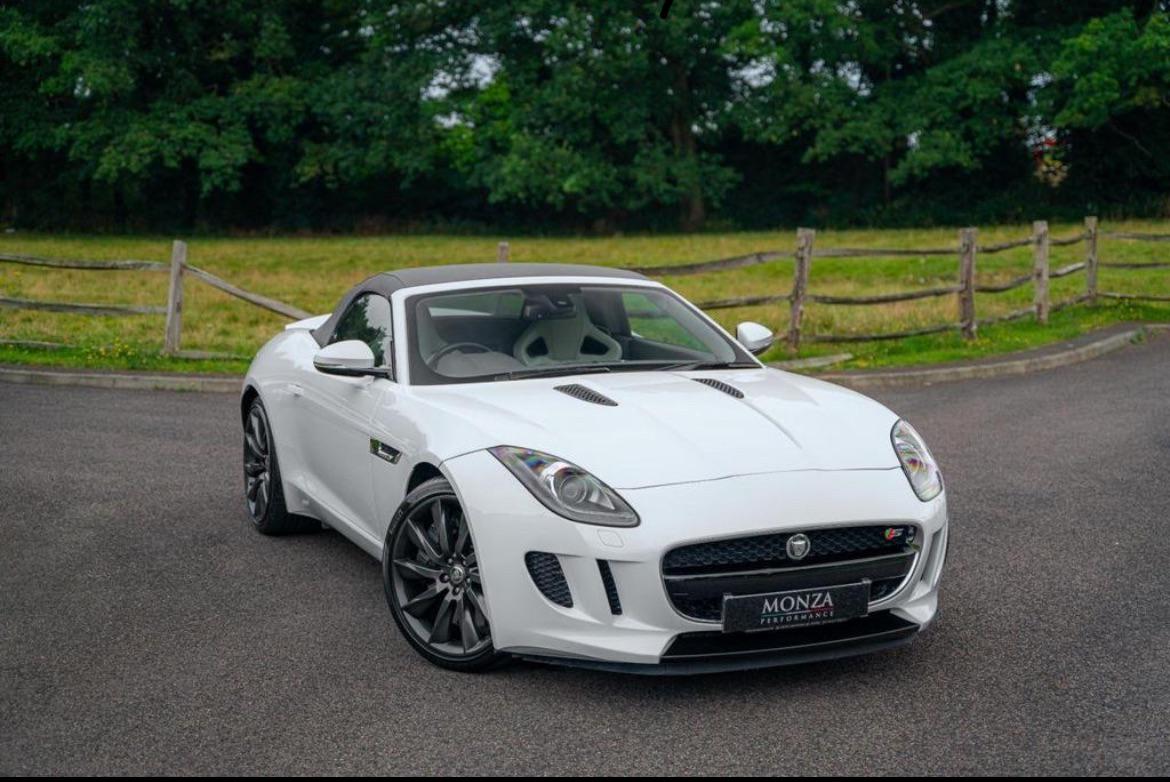
3. Jaguar F-Type R (2014–2020)
The Jaguar F-Type R is arguably the most underappreciated sports car in the current used market. It combines genuinely exotic styling with supercharged V8 performance and a soundtrack that makes grown adults behave irrationally. Yet prices have tumbled to levels that make it one of the most dramatic bargains available anywhere in 2026.
Clean F-Type R examples are currently trading between $35,000 and $55,000. When you consider that this car was priced at $100,000 or more when new, the depreciation is genuinely staggering. You are essentially getting a hand-assembled British supercar for the price of a well-equipped family crossover. The value proposition becomes even more compelling when you experience what the car actually does in the real world.
The supercharged 5.0-liter V8 in the F-Type R produces 550 horsepower. That number alone puts it comfortably in supercar territory in terms of straight-line performance. The exhaust system is tuned to produce one of the most theatrical soundscapes available from any production car. Cold start warm-up procedures become genuine neighborhood events. Throttle blips on downshifts produce backfires that attract attention from a remarkable distance.
Jaguar’s Land Rover group reliability reputation has historically been a concern, and it must be addressed honestly. The F-Type R is not the most reliable car in this segment. Electrical gremlins can appear, particularly on earlier examples. The infotainment system aged quickly and can be frustrating in daily use. Air suspension on equipped models can develop issues as the cars age and mileage accumulates.
However, the mechanical heart of the F-Type R is actually quite robust. The supercharged V8 shares significant engineering DNA with Land Rover Range Rover Sport SVR applications. That means it has been extensively tested across challenging real-world conditions. Proper maintenance with high-quality synthetic oils and timely coolant flushes goes a long way toward keeping these engines healthy and happy.
The all-wheel drive system on R specification cars transformed what was originally a somewhat challenging rear-wheel drive sports car into something far more accessible. Traction is exceptional in all conditions, yet the car never feels artificially suppressed or electronically managed to the point of boredom. You always feel connected to what the car is doing, which is the fundamental requirement of any genuine sports car.
Finding a good one requires patience and discipline. Service history must be complete and verifiable. Pre-purchase inspection by a Jaguar specialist is absolutely essential before committing any money. The reward for doing your homework properly is one of the most emotionally rewarding sports car experiences available at any price in 2026.
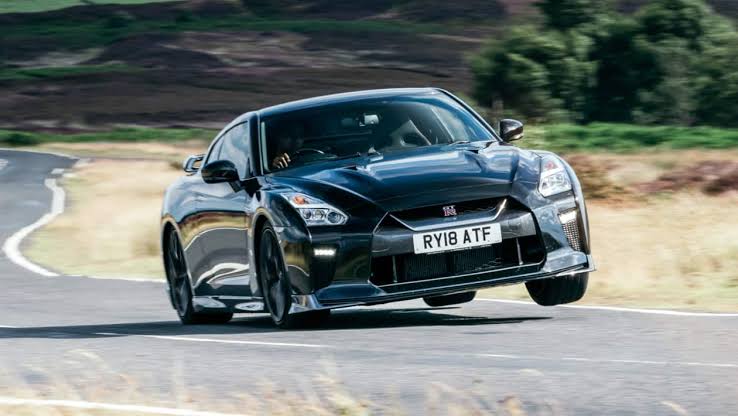
4. Nissan GT-R (R35, 2009–2016)
The Nissan GT-R was once called “Godzilla” for its ability to humiliate supercars costing several times more. Early R35 examples from 2009 through 2016 are now available at prices that would have seemed impossible just five years ago. The GT-R has slipped from headline-grabbing supercar-slayer to quietly overlooked bargain, and that transition creates one of the most compelling buying opportunities in the entire used performance car market.
Early R35 GT-R examples can be found between $50,000 and $75,000 depending on condition and specification. That sounds like a significant sum until you consider what you’re actually getting. The twin-turbocharged 3.8-liter V6 VR38DETT engine produces 480 horsepower in standard form from those early model years. All-wheel drive and a dual-clutch transaxle gearbox provide launch capability that would embarrass vehicles costing three or four times more.
The GT-R’s performance credentials are genuinely extraordinary even by 2026 standards. Zero to sixty times in the three-second range from a car weighing nearly 3,900 pounds represent an engineering achievement that still impresses technical experts today. The sophisticated all-wheel drive system uses a complex torque-splitting mechanism that adjusts power distribution multiple times per second based on driving conditions and driver inputs.
Ownership of the GT-R requires complete honesty about its maintenance requirements. These cars absolutely must be serviced by specialists who understand their specific requirements. The gearbox oil must be changed at regular short intervals and requires specific fluid formulations. Engine oil changes must happen more frequently than the standard schedule. Ignoring these requirements leads to very expensive consequences.
Launch control abuse is the GT-R’s biggest enemy. Many examples in the current market have been subjected to repeated aggressive launches by owners seeking to demonstrate the car’s capabilities to friends. This places enormous stress on the gearbox and driveline components. A specialist inspection that includes checking clutch pack wear and gearbox condition is absolutely essential before any purchase commitment.
When properly maintained, the GT-R is a genuinely thrilling ownership experience. The steering is direct and communicative. The braking system is powerful and progressive. The chassis finds a remarkable balance between stability and adjustability. The cabin is functional rather than luxurious, but everything falls comfortably to hand and the driving position is excellent.
Track day performance from a stock GT-R remains genuinely competitive against modern machinery. The sophisticated electronics allow even relatively inexperienced drivers to access most of the available performance safely. That accessibility combined with the raw capability on offer makes it one of the most versatile performance machines available at any price point in 2026.
Also Read: 8 Cars With Door Pockets Big Enough For A Water Bottle
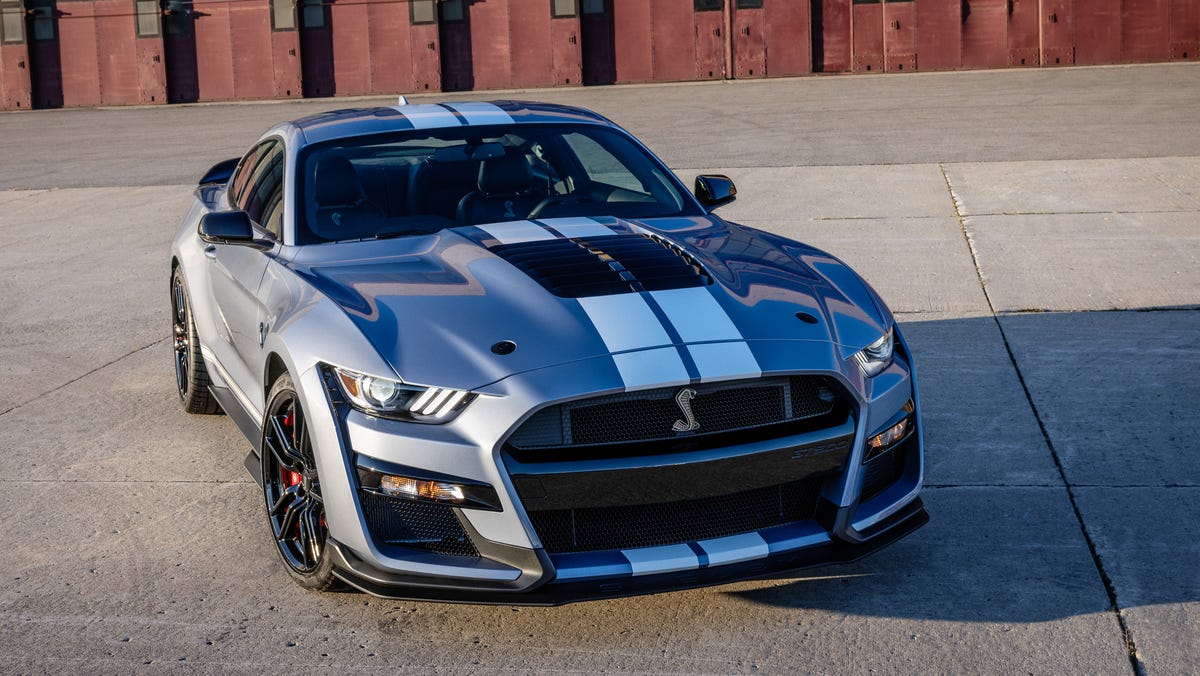
5. Ford Mustang Shelby GT500 (S550, 2020–2022)
The S550 generation Shelby GT500 represents the pinnacle of Ford’s performance engineering ambitions. It features a supercharged 5.2-liter flat-plane crank V8 producing 760 horsepower. When new, these cars commanded significant premiums above sticker price during a period of intense market hysteria. That madness has completely evaporated, and GT500 examples are now available at genuinely compelling prices.
Clean GT500 examples are currently trading between $65,000 and $85,000 in the 2026 used market. That represents substantial depreciation from the $80,000-plus that buyers were paying at dealer markup during the peak hysteria years. For the performance delivered, the value proposition is extraordinary. No other car in this price range puts 760 supercharged American horsepower under your right foot with this level of factory refinement and warranty-engineered reliability.
The Tremec seven-speed dual-clutch gearbox deserves specific attention because Ford made a controversial decision that proved to be the right one. There is no manual transmission option on the GT500. Initially this frustrated purists enormously. However, the DCT unit is so extraordinarily well-calibrated and so dramatically faster than any human hand could manage that most drivers quickly come around to appreciating its brilliance.
Ford’s MagneRide suspension system on the GT500 is a revelation. It manages the seemingly impossible task of making a 760-horsepower front-engine muscle car both genuinely comfortable on public roads and devastatingly fast on a racetrack. The electronic dampers respond to road surface changes with remarkable speed, adjusting firmness multiple times per second to maintain optimal wheel contact and body control simultaneously.
Reliability of the GT500 is a genuine strength. Ford built these cars on the proven S550 Mustang platform with careful attention to durability. The supercharged engine is robust and well-engineered. Common ownership concerns include cooling system stress during extended track use, which is easily addressed with the factory track package’s heat exchanger and cooling upgrades. Road cars used exclusively on public roads rarely encounter any significant mechanical issues.
The interior quality of the GT500 has improved dramatically over earlier Mustang generations. It still doesn’t match European premium sports cars in terms of material tactile quality. However, the Recaro seat option provides excellent lateral support, the technology package is comprehensive and functional, and the general ambiance feels appropriately purposeful for what is fundamentally a focused performance machine.
5 Used Performance Cars That Are Overpriced in 2026
These performance cars tend to be overpriced due to hype, brand reputation, or limited availability, often costing more than their real-world performance justifies. Some models hold their value too well, making them less appealing when compared to alternatives that offer similar performance for less money.
Certain enthusiast favorites and badge-driven luxury performance cars can command inflated resale prices, even when maintenance costs, reliability concerns, or aging technology reduce their value.
In many cases, buyers end up paying extra for popularity rather than actual performance benefits, making these cars less attractive for those focused on getting the best value in 2026.
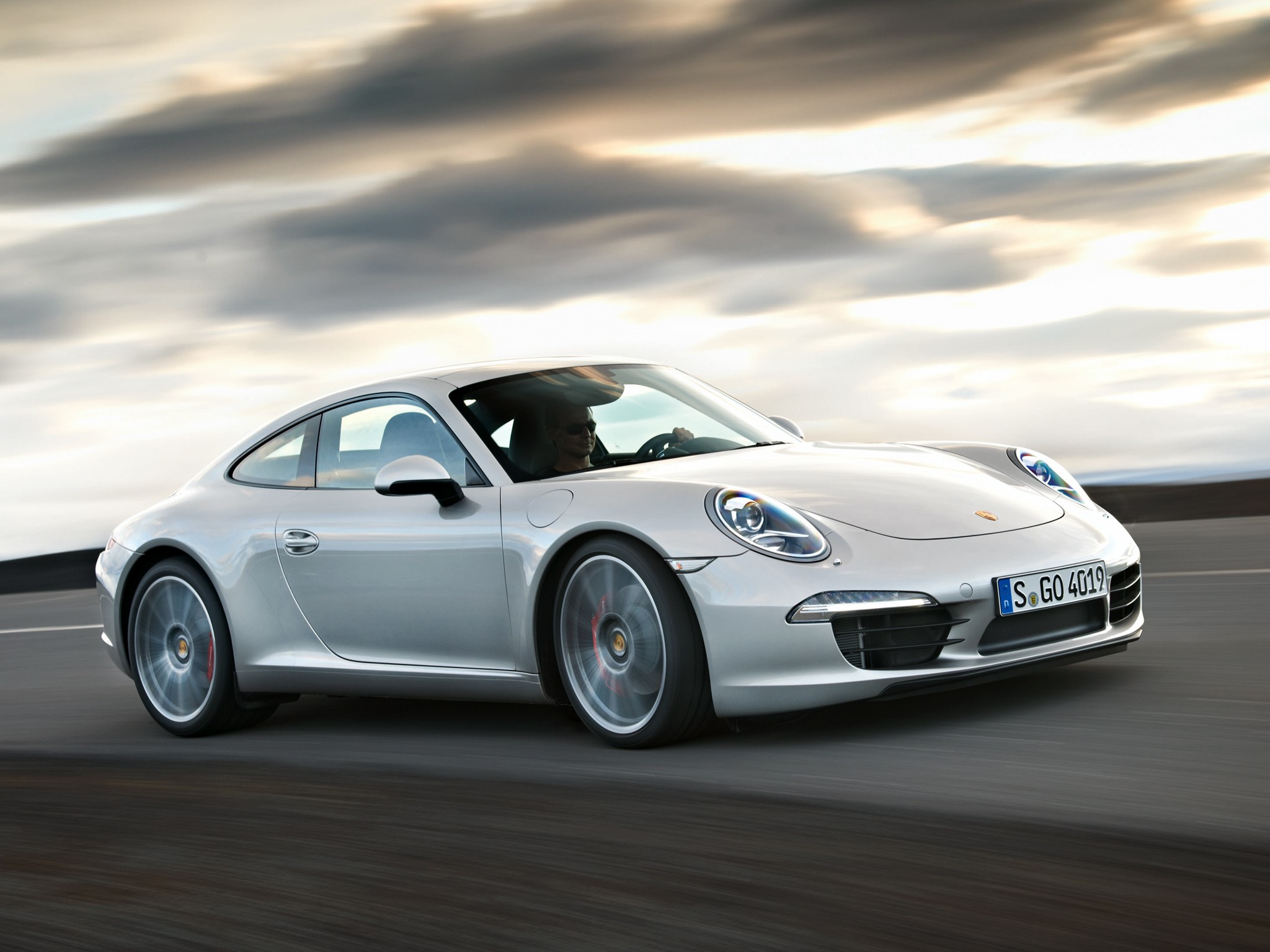
1. Porsche 911 (991.1 Generation, 2012–2016)
The 991.1 generation Porsche 911 occupies a unique position in enthusiast mythology. It was the last generation to offer naturally aspirated flat-six engines across the entire lineup, and that distinction has driven prices to levels that have become genuinely disconnected from rational value assessment. Sellers know that buyers are paying for the NA engine, and they are pricing their cars accordingly.
Base Carrera examples from this generation are now asking $70,000 to $90,000 for clean examples with reasonable mileage. S and GTS specification cars regularly exceed $100,000. Those numbers are extraordinary for vehicles that are now more than a decade old with the associated depreciation, maintenance requirements, and technology limitations that come with age. The NA engine premium is real, but it has been inflated well beyond what the actual driving experience difference justifies.
The IMS bearing issue, while largely addressed by this generation, still creates anxiety among buyers and justifies expensive preventive inspections and replacement procedures. Bore scoring on the Carrera S models equipped with the MA1 engine has been documented as a genuine concern. Pre-purchase inspections for 991.1 cars need to include borescope cylinder wall inspection, and any car showing early bore scoring symptoms should be avoided entirely regardless of asking price.
Maintenance costs for the 991.1 are substantial and must be factored into any ownership calculation. Engine out services for rear spark plug replacement are time-consuming and therefore expensive labor operations. PDK gearbox service intervals must be followed precisely. Genuine Porsche parts are expensive and independent specialist labor, while cheaper than main dealers, still represents significant ongoing investment.
The driving experience of the 991.1 NA Carrera is undoubtedly excellent. The steering communicates brilliantly through the wheel. The chassis balance and adjustability are superb by any standard. The flat-six engine, particularly in S tune, delivers a singing sound quality that the subsequent turbocharged engines simply cannot replicate authentically. These are real qualities, and they genuinely contribute to the driving experience.
However, the premium being asked for these specific qualities in 2026 has become excessive. A 992 generation 911, with its turbocharged engines delivering objectively superior performance in nearly every measurable metric, can be found at similar or only marginally higher prices in the used market. The 991.2 generation turbocharged cars offer 911 quality and refinement at more reasonable prices. The 991.1 NA premium has simply become a case of nostalgia-driven market distortion.
For buyers who specifically want the naturally aspirated experience, the premium may be emotionally justified on a personal level. But objectively assessing value for money in 2026, the 991.1 generation asking prices in the current market represent poor financial sense. You are paying a significant nostalgia tax, and sellers are absolutely aware of the leverage that nostalgia provides over enthusiast buyers.
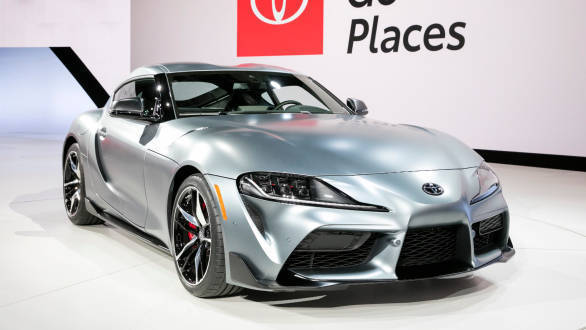
2. Toyota Supra (A90, 2020–2022)
The A90 Toyota Supra returned to the market after a long absence with enormous expectation, significant controversy, and BMW underpinnings that divided opinion sharply. Early examples generated waiting lists and dealer markups that pushed transaction prices well above MSRP. Those inflated prices have not corrected themselves as aggressively as logic would suggest they should have, leaving the A90 Supra as one of the most overpriced used performance cars available in 2026.
Clean A90 Supra examples from the 2020 to 2022 model years are currently asking between $45,000 and $60,000. That pricing sits in uncomfortable territory when you examine what alternatives the market offers. The BMW Z4 M40i, which shares the identical engine, platform, and most mechanical components, can be found for significantly less money. The Supra badge commands a premium that the actual ownership experience doesn’t entirely justify when examined dispassionately.
The B58 engine under the Supra’s hood is genuinely excellent. It produces 335 horsepower from 3.0 liters of displacement with a single turbocharger, and responds magnificently to tuning modifications. Standard power delivery is strong and well-distributed across the rev range. The engine is smooth, refined, and sounds appropriately purposeful without being theatrical in the way that Supra mythology demands from an emotional standpoint.
The primary complaint about the A90 Supra from a driving dynamics perspective centers on steering feel. The rack is electrically assisted and communicates relatively little about what the front tires are actually doing. That is a significant weakness in a car whose entire purpose is driver engagement. Competitors including the Porsche 718 Cayman deliver far superior steering communication for similar or lower money, and that comparison exposes the Supra’s shortcomings clearly.
Interior quality represents a mixed picture. The BMW-derived switchgear and infotainment system are functional and generally well-regarded. The cabin is tight, with limited storage and a small luggage compartment that makes genuine touring difficult. The lack of a manual transmission option until the 2023 model year frustrated many buyers, and the automatic-only cars from the overpriced 2020-2022 window lack something that the driving mythology demands and deserves.
Reliability has proven generally acceptable, which is expected given the BMW mechanical foundation. However, some early production examples experienced differential issues and coolant system concerns that required dealer attention. These aren’t catastrophic problems, but they add maintenance overhead to a car that is already asking premium money for the privilege of the Toyota badge alone.
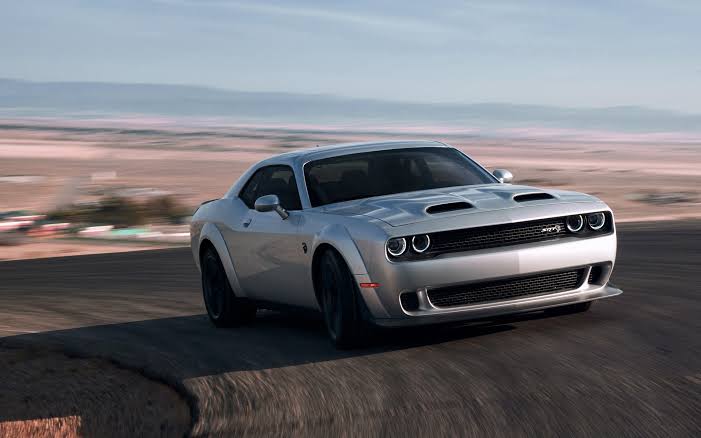
3. Dodge Challenger Hellcat (2019–2023)
The Dodge Challenger Hellcat became an icon of American excess during its production run. Supercharged 6.2-liter HEMI V8 engines producing either 717 or 797 horsepower in Redeye specification transformed what was already a large, heavy muscle car into a genuinely startling straight-line performance machine. Production has ended, and sellers are using the “last of a breed” narrative to maintain prices at levels that enthusiast nostalgia supports but objective analysis does not.
Hellcat examples from 2019 through 2023 are currently asking between $45,000 and $70,000 depending on specification and mileage. The Redeye and Jailbreak models naturally command the higher end of that range. These prices have proven remarkably sticky in the used market, supported by the discontinued production status that gives sellers a narrative hook. The story is emotionally compelling. The financial reality is significantly less flattering.
The Hellcat’s core problem from a value perspective is that the car surrounding that extraordinary engine is fundamentally old. The Challenger’s basic platform dates to 2008. The suspension architecture, while progressively updated, reflects technology from nearly two decades ago. In the corners, the car’s vintage origins become immediately apparent. Weight, roll, and understeer conspire to remind drivers that this is fundamentally a straight-line machine wearing a sports car costume.
Fuel economy deserves an honest mention because it affects running costs dramatically. The Hellcat in real-world driving conditions delivers fuel consumption figures that are genuinely startling in a negative sense. Enthusiastic driving can see single-digit figures that create a constant stream of fuel station visits. In an era of raised fuel prices, the Hellcat ownership experience carries an ongoing operating cost premium that compounds the raised purchase price significantly.
Reliability of the HEMI supercharged engines is generally acceptable for the power levels involved. The engines are known to be robust when maintained properly with quality synthetic oils and timely service. However, tire wear rates are extraordinary for owners who use the available performance even occasionally.
The rear tires on a Hellcat used enthusiastically require replacement with alarming frequency, and the staggered fitment makes cheap tire replacement difficult.
The discontinued production status creates a false scarcity narrative that inflates current asking prices. Plenty of Hellcat examples exist in the used market.
Supply is not genuinely limited in any meaningful sense. Buyers who feel the emotional pull of “they don’t make these anymore” should carefully examine whether that feeling is worth the premium currently being demanded by sellers who understand the psychology at play.
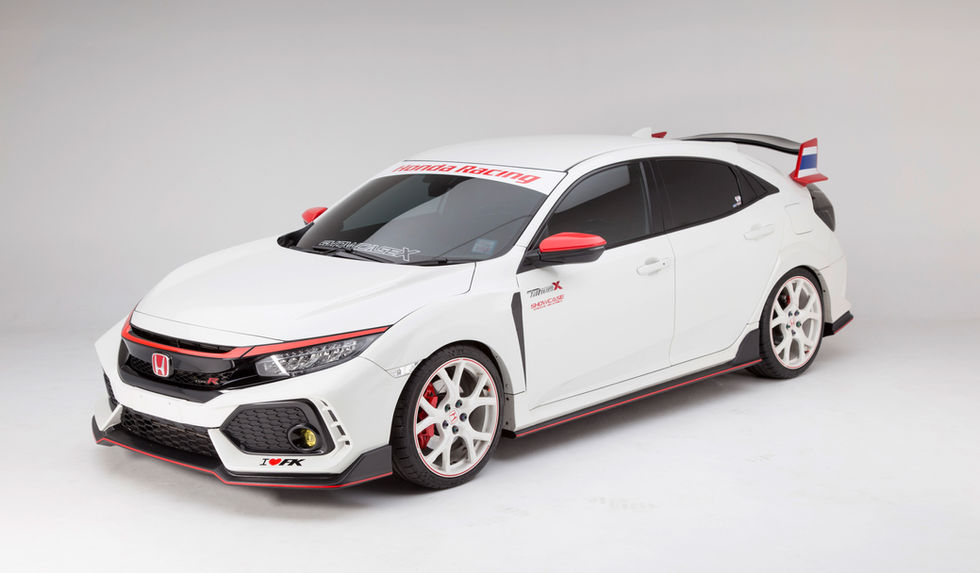
4. Honda Civic Type R (FK8, 2017–2021)
The FK8 Honda Civic Type R was genuinely revelatory when it arrived. It was the fastest front-wheel drive car around the Nürburgring Nordschleife at its launch and proved that a front-wheel drive hot hatch could deliver genuinely thrilling performance without the compromise that the format traditionally implied. The enthusiast community embraced it completely, and that enthusiasm has kept used prices raised to levels that have become genuinely difficult to justify in 2026.
FK8 Type R examples are currently asking between $35,000 and $50,000 in the used market. For context, that pricing overlaps significantly with used Porsche 718 Cayman territory, turbocharged Subaru BRZ competitors, and other rear or all-wheel drive alternatives that offer fundamentally superior chassis dynamics. The Type R badge carries enormous enthusiast cachet that translates directly and consistently into inflated transaction prices.
The K20C1 turbocharged 2.0-liter engine is a magnificent achievement. It produces 316 horsepower and channels everything through the front wheels via a close-ratio six-speed manual gearbox with a limited-slip differential. The engineering required to manage that power output through driven wheels without the car desperately trying to drag itself sideways under acceleration is genuinely impressive and represents a real engineering achievement.
However, the front-wheel drive limitation becomes apparent in certain driving scenarios, and those scenarios matter for anyone purchasing a car primarily for performance driving enjoyment. Understeer on corner exit under power is managed brilliantly by the limited-slip differential, but the fundamental physics eventually reassert themselves. Any driver transitioning from the Type R to a well-sorted rear-wheel drive alternative will immediately appreciate what front-wheel drive costs in terms of genuine driver engagement.
The ride quality in the FK8 Type R is genuinely poor on damaged road surfaces. Honda made deliberate compromises to deliver the Nürburgring lap time that the marketing department required. Those compromises manifest as an uncomfortable, jiggly ride on the potholed roads of everyday life. The adaptive damper system helps, but it cannot overcome the fundamental setup requirements of a car optimized for smooth racing surfaces.
Running costs are the one area where the Type R makes genuine financial sense. The Honda reliability record is exceptional. Service intervals are reasonable. Parts availability is excellent. Insurance is manageable. Those ongoing cost advantages help justify the purchase price to some extent, but they don’t fully bridge the gap created by asking nearly $50,000 for a front-wheel drive hatchback based on an economy car platform.
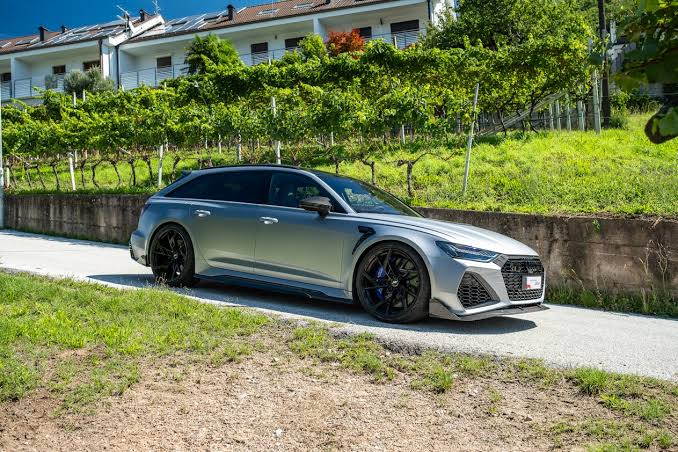
5. Audi RS6 Avant (C8, 2020–2023)
The Audi RS6 Avant achieved something remarkable in the North American market when it finally arrived for the 2020 model year. It created an entirely new category of desire among enthusiasts who had been watching European buyers enjoy the brilliant C7 generation for years. The combination of wagon practicality, supercar performance, and subtle visual menace created a perfect storm of demand that sellers continue to exploit with remarkable effectiveness.
Clean RS6 Avant examples from 2020 through 2023 are currently asking between $90,000 and $120,000. Those numbers are staggering when you consider the age of these vehicles and the rate at which automotive technology progresses. The twin-turbocharged 4.0-liter V8 producing 591 horsepower is undeniably magnificent. The Quattro all-wheel drive system distributes that power with imperious efficiency. The eight-speed automatic gearbox executes shifts with mechanical precision.
The RS6 Avant’s problem from a value perspective is that it exists at a price point where the competition is genuinely formidable and offers superior driver engagement for equivalent or less money. A used Porsche Panamera Sport Turismo provides comparable performance with dramatically superior driving dynamics and broadly similar practicality. A BMW M5 Touring, where available, offers the same combination with sharper driver focus and similar pricing.
Reliability is where the RS6 Avant begins to reveal the true cost of ownership at this segment. The 4.0-liter TFSI V8 with its cylinder deactivation system uses high-pressure fuel injectors that are expensive when replacement becomes necessary. The 48-volt mild hybrid system, while theoretically efficient, adds electrical complexity that can generate maintenance costs in older examples. Air suspension maintenance represents another significant ongoing expense.
The electrical complexity of the modern Audi platform is genuinely concerning for used buyers. The MMI infotainment system is comprehensive and initially impressive.
But the sheer number of control units, software modules, and electronic subsystems creates a maintenance liability that grows substantially as the car ages beyond warranty coverage. Extended warranty coverage is essentially mandatory for used RS6 Avant ownership, and that coverage costs real money.
Fuel costs for RS6 Avant ownership are substantial. The twin-turbocharged V8, despite its mild hybrid assistance and cylinder deactivation system, drinks premium fuel at a rate that reflects its performance ambitions.
Combined real-world economy figures of 18 to 22 miles per gallon are typical, which on a large-capacity, high-octane-requirement engine translates to meaningful monthly fuel expenditure. When combined with the raised purchase price and complex maintenance requirements, the RS6 Avant’s total cost of ownership in 2026 is genuinely eye-watering relative to the alternatives available at similar pricing.
Also Read: 5 Cars With Fuel Economy Better Than Advertised And 5 That Are Worse In 2026
