The comparison between 6 handling-focused front-wheel-drive cars in the USA and 4 traditional rear-wheel-drive cruisers highlights two very different ideas of what makes a car enjoyable. On one side are modern performance FWD machines like the Honda Civic Type R, Hyundai Elantra N, Volkswagen Golf GTI, Mini Cooper S/JCW, Mazda3 Hatchback, and Acura Integra.
These vehicles rely on advanced engineering such as limited-slip differentials, adaptive suspensions, and rigid chassis designs to deliver sharp response, strong grip, and confident cornering. They are built to feel connected, precise, and engaging, even in everyday driving conditions.
On the other side are classic RWD cruisers like the Ford Crown Victoria, Cadillac Fleetwood, Lexus LS, and Lincoln Town Car, which prioritize comfort, isolation, and smooth highway travel over driver involvement.
Their soft suspensions, heavy construction, and relaxed tuning create a calm, floating experience that focuses on passenger comfort rather than performance. Together, these two groups show how automotive design can produce either excitement or relaxation depending on priorities.
6 Handling Front-Wheel-Drive Cars In the USA
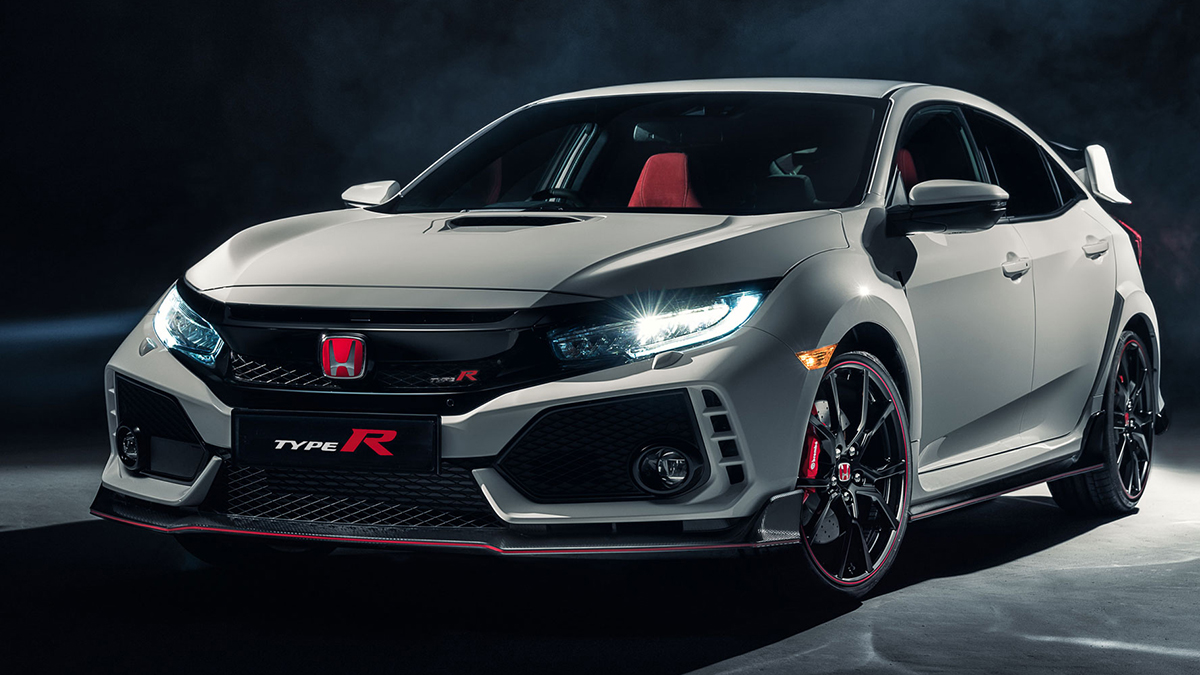
1. Honda Civic Type R
Few front-wheel-drive cars demonstrate performance and control as effectively as the Honda Civic Type R. Designed with a strong emphasis on precision and responsiveness, it delivers an engaging driving experience while maintaining everyday usability.
Power comes from a 315-horsepower turbocharged 2.0-liter four-cylinder engine paired with a six-speed manual transmission, allowing drivers to fully control gear changes. This setup enables the car to accelerate from 0 to 60 mph in just 4.9 seconds, making it one of the quickest vehicles in its category.
A key highlight is its dual-axis front suspension, which significantly reduces torque steer. This common issue in high-powered front-wheel-drive cars can cause the steering to pull under acceleration, but the Type R minimizes this effect through its specialized design.
As a result, power delivery feels smooth and controlled. The helical limited-slip differential further improves performance by directing torque to the wheel with the most grip, especially when exiting corners at speed.
The vehicle’s rigid chassis plays an important role in maintaining stability and handling accuracy. Reduced flex allows the suspension system to operate more effectively, while the multi-link rear suspension adds balance during cornering.
High-performance tires and a Brembo braking system enhance grip and stopping power, giving the car strong track capability. Its aerodynamic design is also functional, helping increase downforce and maintain stability at higher speeds.
Inside, the Civic Type R offers a mix of sport-focused design and modern technology. The cabin includes supportive seats, bold accents, and a user-friendly 9-inch touchscreen with wireless smartphone integration. It also retains practicality, with usable rear seating and ample cargo space.
Safety features such as adaptive cruise control, lane-keeping assist, and automatic emergency braking come standard, adding confidence to daily driving. The Civic Type R combines advanced engineering, strong performance, and everyday versatility, securing its place among the best front-wheel-drive cars available.
2. Hyundai Elantra N
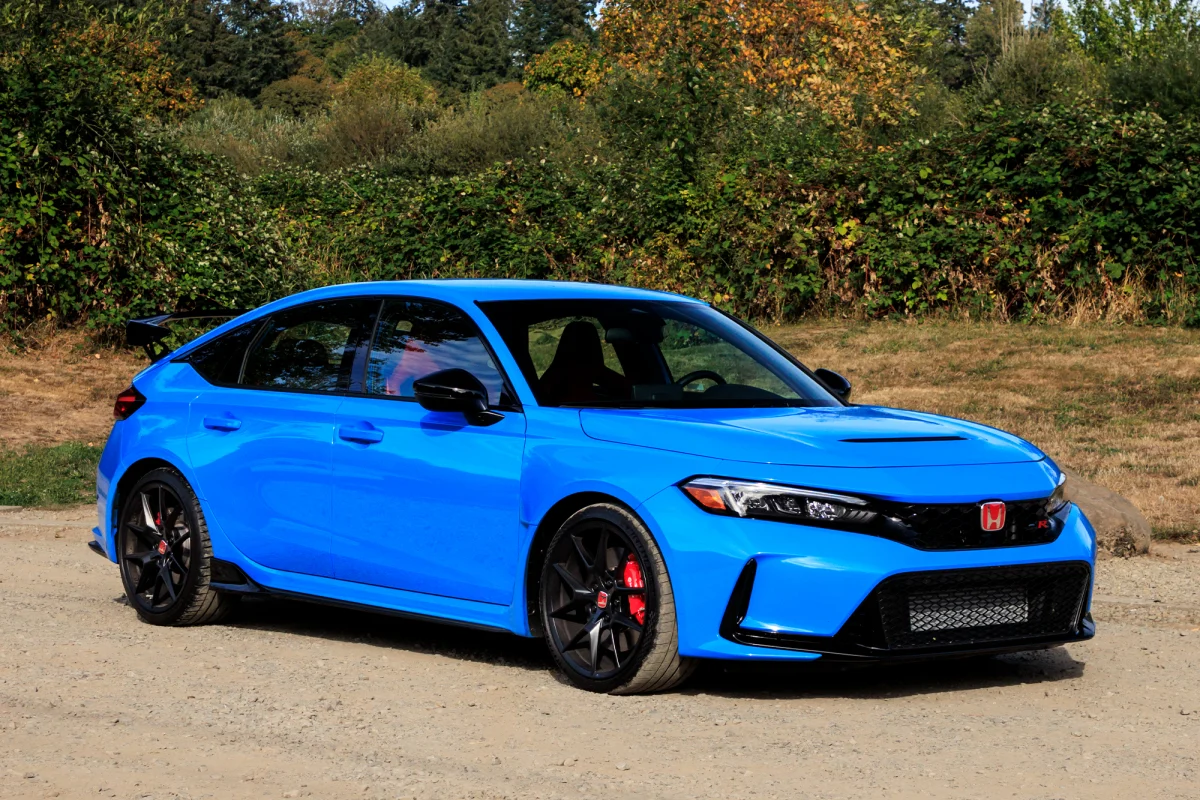
The Hyundai Elantra N delivers an engaging driving experience by combining track-ready engineering with everyday practicality. Developed by Hyundai’s N performance division, it builds on a standard sedan platform but introduces significant upgrades that enhance handling, responsiveness, and driver involvement.
At its core is a turbocharged 2.0-liter four-cylinder engine producing 276 horsepower, paired with either a six-speed manual or an eight-speed dual-clutch automatic transmission. The automatic variant includes an N Grin Shift feature that temporarily boosts output to 286 horsepower for short bursts of extra performance.
Handling is a major strength of the Elantra N, thanks to its N Corner Carving Differential. This electronically limited-slip differential improves traction by distributing power to the wheel with the most grip, especially during aggressive cornering.
The car also features a reinforced and stiffened chassis, including a rear brace that increases structural rigidity. This allows the suspension to function more effectively, contributing to a stable and composed ride even on uneven roads.
Adaptive dampers further enhance versatility by adjusting suspension stiffness based on driving conditions. Drivers can switch between a more comfortable setup for daily use and a firmer, sport-focused configuration for spirited driving.
The steering system is highly praised for its directness and feedback, giving the driver a strong sense of connection to the road. Balanced tuning minimizes understeer and allows for precise cornering, with the added ability to induce controlled lift-off oversteer.
Performance figures are equally impressive, with the dual-clutch model reaching 60 mph in just 4.8 seconds. Despite its sporty nature, the Elantra N maintains respectable fuel efficiency and practical usability. The interior is driver-oriented, featuring supportive sport seats, a digital instrument display, and a 10.3-inch infotainment screen. Rear-seat space and cargo capacity remain competitive for the segment.
Standard safety features include automatic emergency braking, lane-keeping assist, and blind-spot monitoring. Backed by a strong warranty and maintenance coverage, the Hyundai Elantra N offers an appealing balance of performance, technology, and daily comfort.
3. Volkswagen Golf GTI
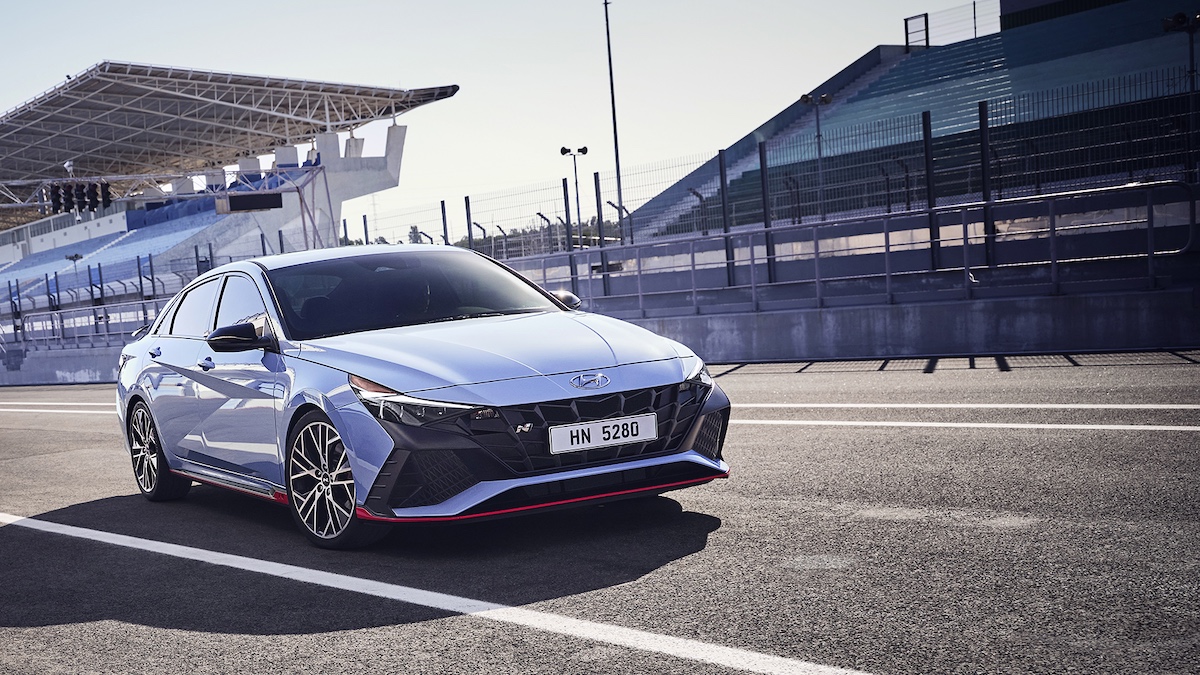
The Volkswagen Golf GTI continues to set the standard for what a front-wheel-drive hot hatch should be by blending everyday usability with engaging driving dynamics. Rather than focusing solely on raw performance, it emphasizes balance, offering a composed and responsive feel that appeals to both enthusiasts and daily drivers. Its smooth handling and predictable nature make it equally comfortable on city streets, winding roads, and long highway drives.
Under the hood, the GTI is powered by a turbocharged 2.0-liter inline-four engine producing 241 horsepower. It is paired with a seven-speed dual-clutch automatic transmission that delivers quick and seamless shifts. This setup allows the car to reach 60 mph in around 5.6 seconds, providing solid acceleration while maintaining good fuel efficiency. The engine’s responsiveness ensures that power is readily available when needed, contributing to an enjoyable driving experience.
A key element of the GTI’s handling is its VAQ electronically controlled, limited-slip differential. This system improves traction by directing torque to the wheel with the most grip, helping reduce understeer and maintain stability during cornering. The car’s chassis tuning further enhances its agility, giving it a light and controlled feel rather than a heavy or overly aggressive character. Its quick steering rack adds to this responsiveness, allowing for precise and confident inputs.
The suspension system is carefully calibrated to provide both comfort and performance. It absorbs road imperfections effectively, making daily driving pleasant, while still offering enough firmness to handle spirited driving. This balance gives the GTI a versatile personality that adapts well to different driving conditions.
Inside, the GTI features a modern cabin with improved materials, a large infotainment display, and user-friendly controls. It offers ample passenger space and a practical cargo area thanks to its hatchback design. Standard safety features include adaptive cruise control, lane-keeping assist, and automatic emergency braking, adding convenience and reassurance.
The Volkswagen Golf GTI remains a strong choice for drivers seeking a car that delivers both enjoyment and everyday functionality without compromise.
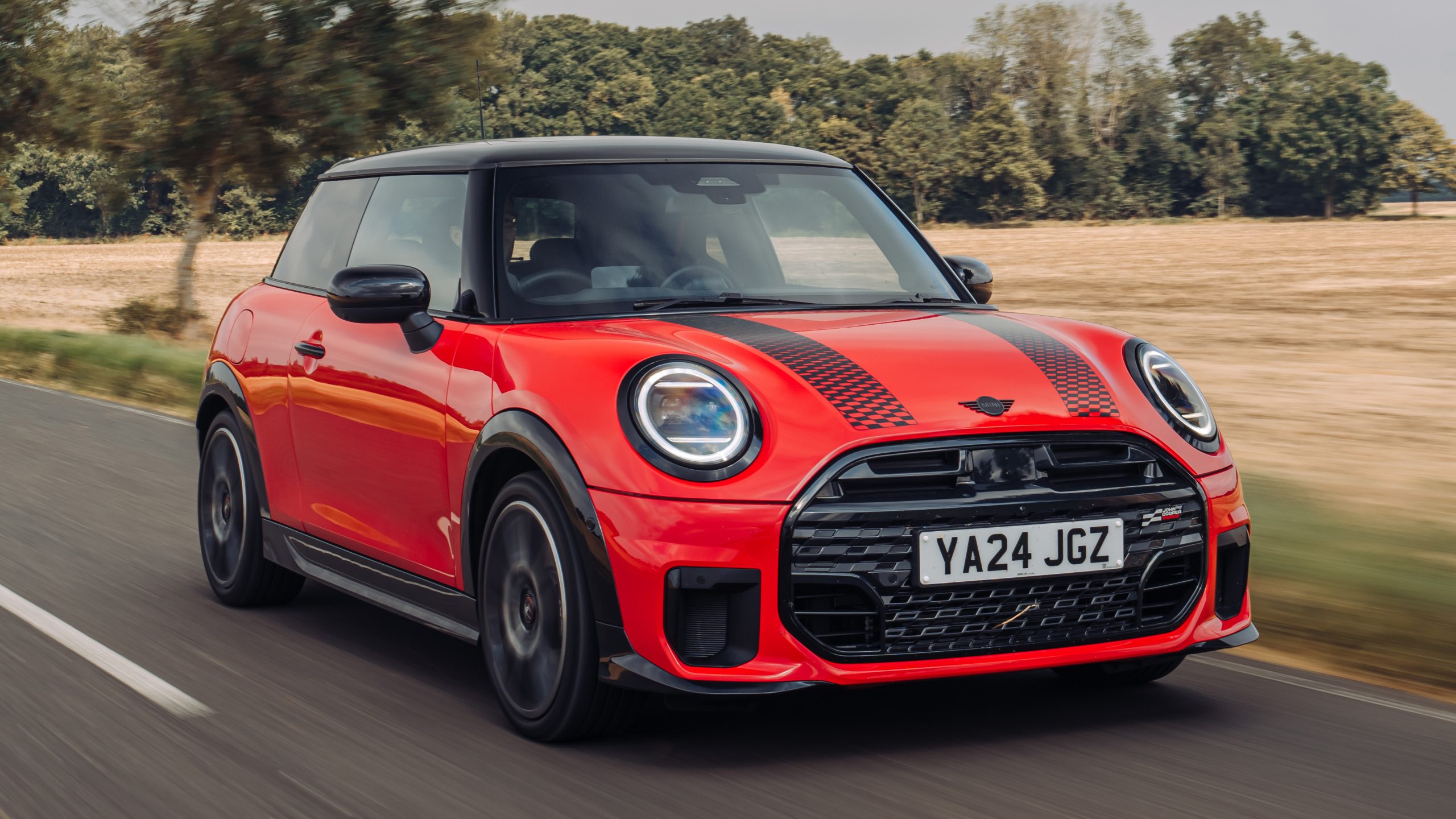
4. Mini Cooper S/JCW: Compact Cars with Go-Kart-Like Precision
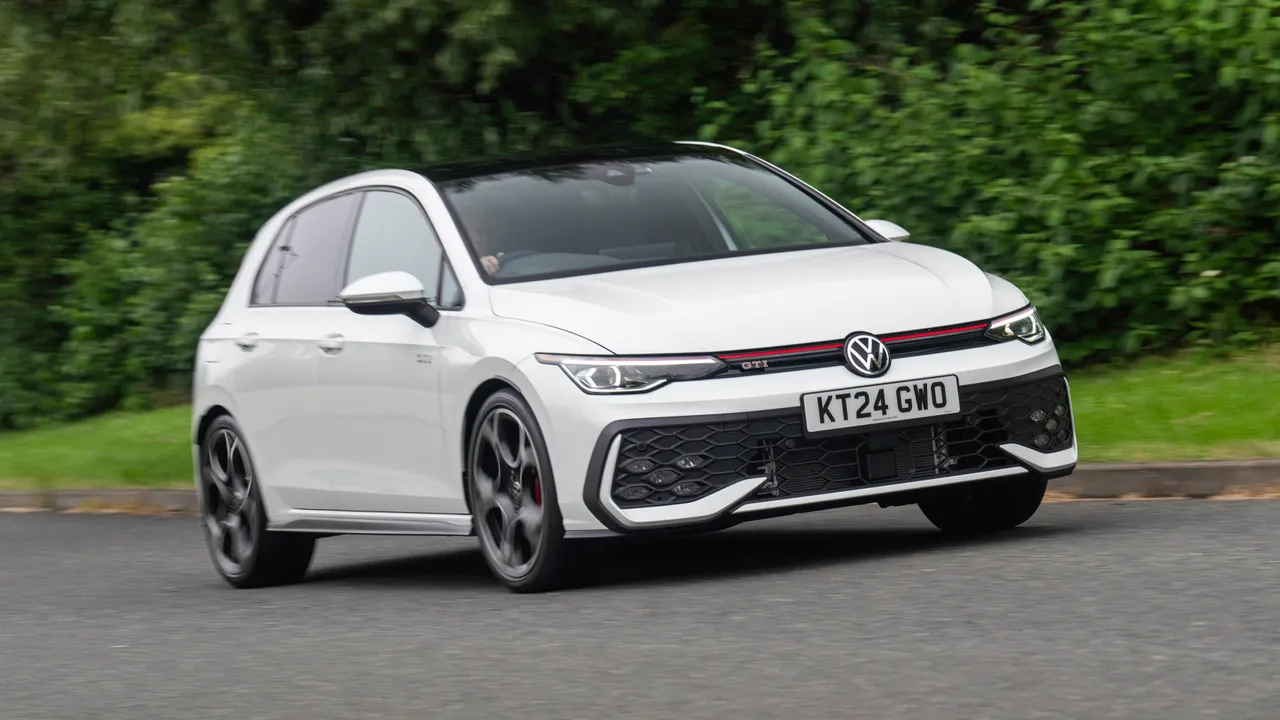
The Mini Cooper S and its high-performance sibling, the Mini John Cooper Works (JCW), are widely celebrated for their distinctive “go-kart” handling and energetic driving character. Built with a short wheelbase and wheels positioned at the far corners of the chassis, these compact cars deliver extremely quick direction changes and sharp responsiveness. This layout, combined with a rigid and lightweight structure, allows both models to feel agile and planted, especially on tight, winding roads.
At the heart of their performance is a turbocharged 2.0-liter four-cylinder engine. The Cooper S produces around 189 to 201 horsepower, while the JCW increases output to approximately 231 horsepower, offering stronger acceleration and a more aggressive driving experience. Both models now come with a seven-speed dual-clutch automatic transmission, which provides fast gear changes, though it replaces the manual option that enthusiasts once favored.
Handling is enhanced by performance-focused suspension systems. The Cooper S features a firm yet more balanced setup suitable for daily use, while the JCW adopts a stiffer, track-oriented configuration for maximum control. Increased front-wheel camber, adaptive dampers, and advanced traction systems such as Dynamic Traction Control help maintain grip during spirited driving. The JCW also benefits from upgraded braking components, adding confidence during high-speed cornering and sudden stops.
Steering is a standout feature, offering precise and immediate feedback that reinforces the car’s playful nature. Drive modes, including a dedicated “go-kart mode,” adjust throttle response, steering weight, and suspension behavior to heighten driver engagement. While some torque steer may occur under heavy acceleration, it does not significantly detract from the driving experience.
Inside, both models feature a modern and premium cabin highlighted by a circular OLED display and high-quality materials. However, practicality remains limited, with tight rear seating and a small cargo area.
The Mini Cooper S is better suited for drivers seeking a balance between comfort and performance, while the JCW appeals to those who prioritize sharper handling and a more intense driving feel.
5. Mazda3 Hatchback
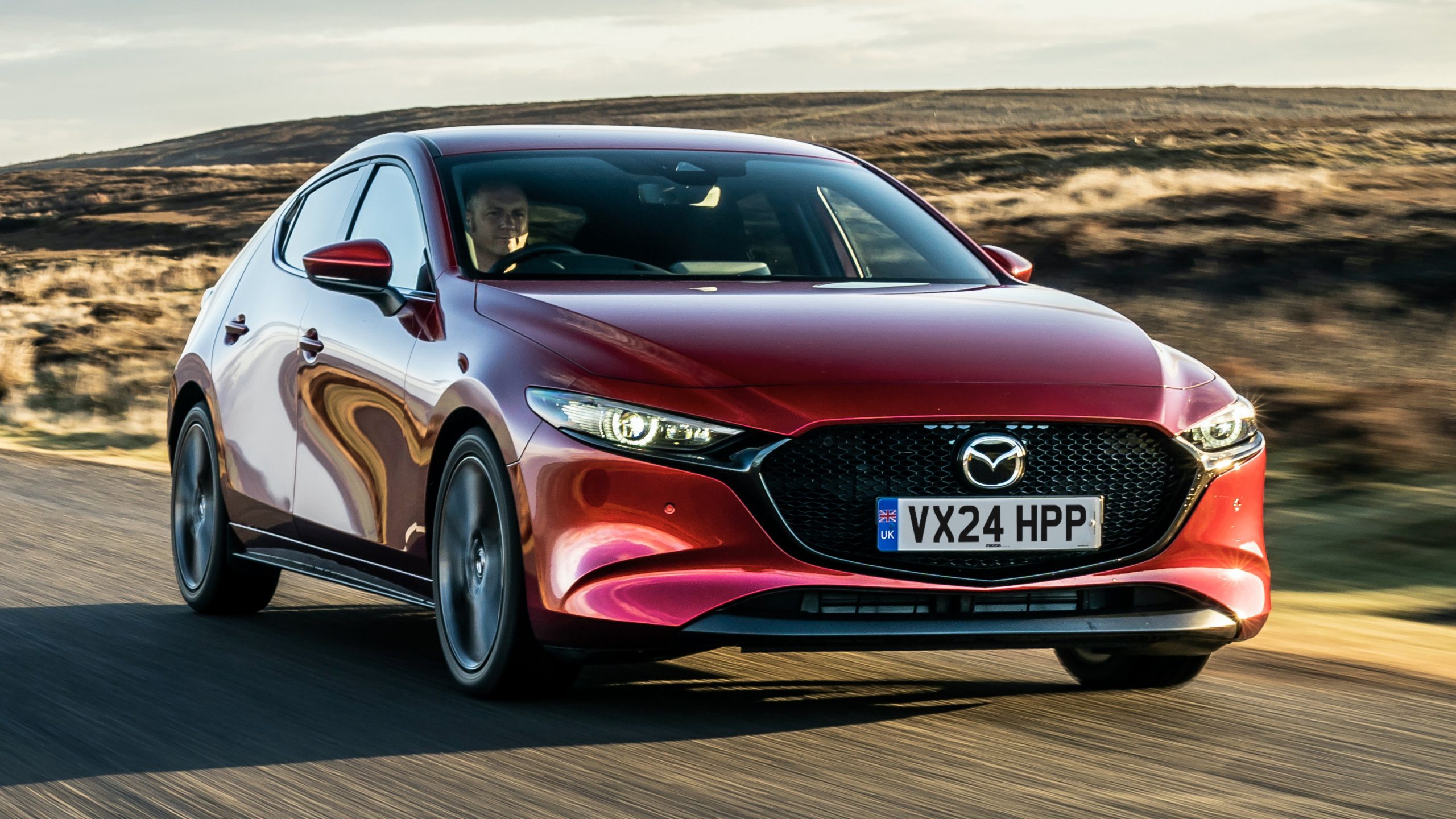
The Mazda3 Hatchback offers a unique approach to front-wheel-drive performance by focusing on refinement and driver connection rather than outright sportiness. Designed with Mazda’s “Jinba Ittai” philosophy, it aims to create a seamless relationship between driver and machine. This results in handling that feels smooth, predictable, and intuitive, making it particularly appealing for those who value control and comfort in everyday driving.
One of its defining technologies is G-Vectoring Control Plus, which enhances stability by subtly adjusting engine torque and applying light braking during steering inputs. This shifts weight toward the front wheels, improving grip and allowing for more precise turn-in.
The system works seamlessly in the background, giving the car a planted and confident feel without requiring aggressive suspension tuning. Paired with a rigid chassis and well-calibrated suspension, the Mazda3 delivers a composed ride that absorbs road imperfections while maintaining responsiveness.
The steering system provides clear feedback and accurate responses, helping drivers feel connected to the road. Its compact hatchback design further enhances agility, making it easy to maneuver in tight spaces and enjoyable on curving roads.
Performance options include a naturally aspirated engine or a more powerful turbocharged variant that produces up to 250 horsepower. A six-speed manual transmission is still available in select trims, offering an extra layer of engagement for enthusiasts.
Inside, the Mazda3 Hatchback sets itself apart with a near-luxury interior. Premium materials, clean styling, and thoughtful ergonomics create a refined atmosphere that exceeds expectations for its class. Despite these strengths, practicality is somewhat limited. Rear-seat space is tight, and visibility can be restricted due to the design of the rear pillars. Cargo space is also modest compared to some rivals.
Safety remains a strong point, with high crash-test ratings and a suite of driver-assistance features. The Mazda3 Hatchback appeals to drivers who prioritize quality, comfort, and a connected driving experience over maximum space or aggressive performance.
6. Acura Integra
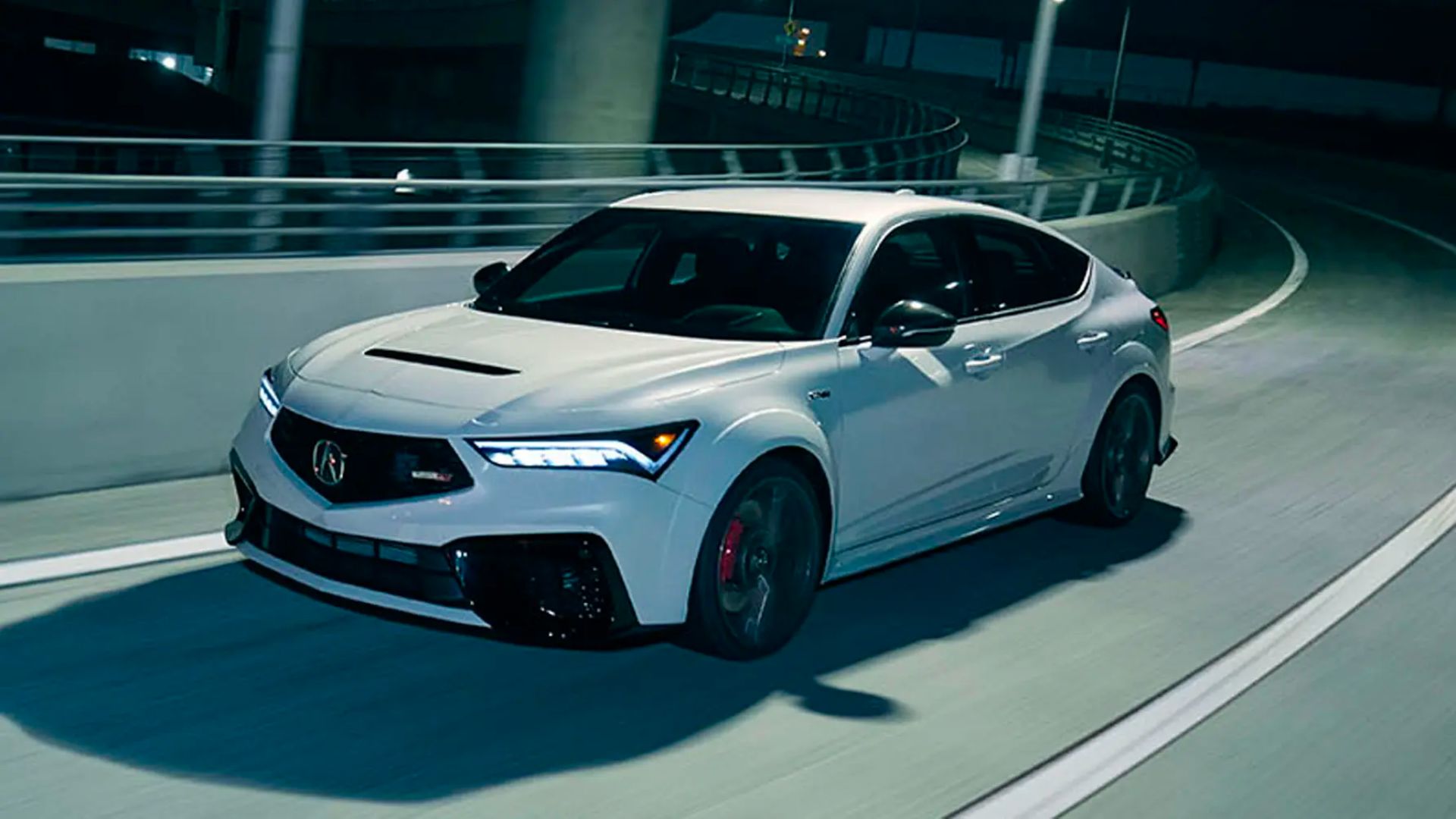
The Acura Integra brings a familiar nameplate into the modern era with a strong emphasis on refined sportiness and everyday practicality. Positioned as a premium compact hatchback, it blends Honda-derived engineering with Acura’s focus on comfort, technology, and upscale design. Rather than pursuing extreme performance, it aims to deliver a balanced driving experience that feels engaging on twisty roads while remaining composed and comfortable during daily use.
Power is provided by a 200-horsepower turbocharged 1.5-liter four-cylinder engine, paired with either a continuously variable transmission or an available six-speed manual. All models are front-wheel drive, with the manual variant offering a more connected driving feel. Higher trims include a helical limited-slip differential, which improves traction by efficiently distributing power during cornering and helping to reduce understeer under hard acceleration.
The Integra’s driving dynamics are supported by a lightweight and rigid chassis that enhances responsiveness and stability. An available adaptive damper system allows the suspension to adjust based on driving mode, offering a softer ride in comfort settings and firmer control in sportier modes. Steering is precise and well-calibrated, giving the driver a clear sense of control and feedback through corners.
Performance is balanced rather than aggressive, with 0–60 mph times ranging from about 6.8 seconds with the manual to 7.1 seconds with the CVT. While not class-leading in straight-line speed, the Integra focuses on smooth power delivery and predictable handling. Fuel economy is a strong point, with highway efficiency reaching up to 40 mpg in real-world testing.
Inside, the Integra features a premium and driver-focused cabin with quality materials, supportive seating, and modern technology. A 9-inch infotainment screen with wireless smartphone integration comes standard, along with available premium audio and additional tech features in higher trims. The hatchback design adds practicality, offering flexible cargo space for everyday use.
Safety equipment is comprehensive, including adaptive cruise control, lane-keeping assist, and automatic emergency braking as standard. Supported by a strong warranty package, the Acura Integra delivers a well-rounded combination of comfort, usability, and engaging driving character.
1. Ford Crown Victoria
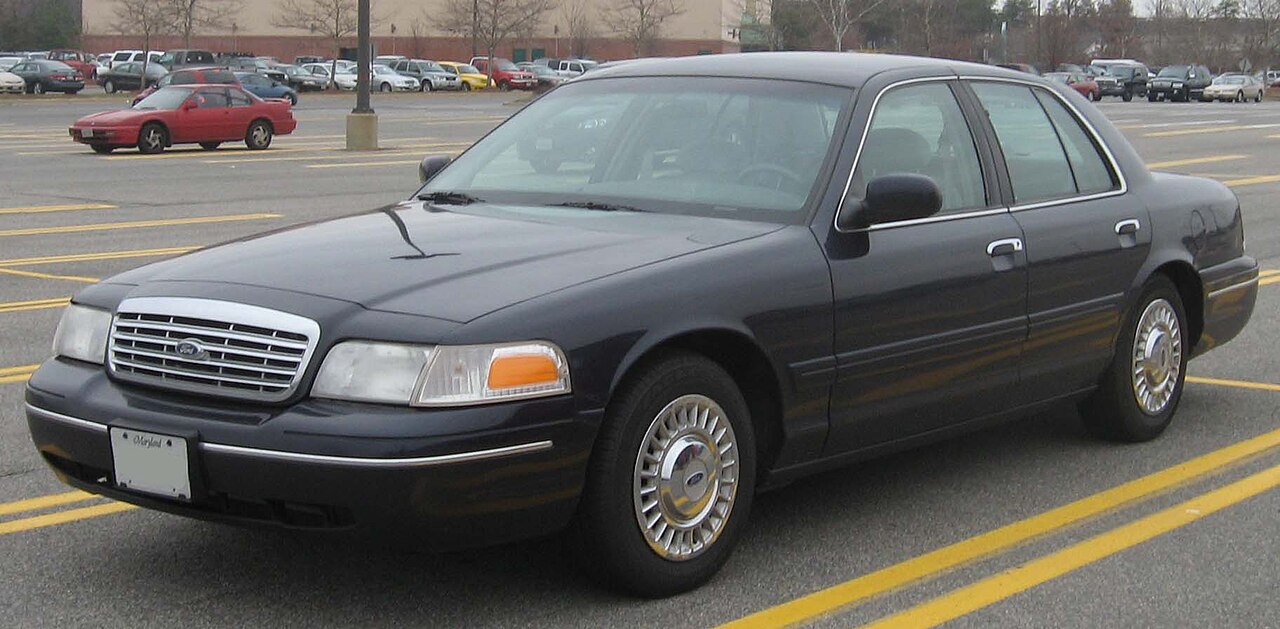
The Ford Crown Victoria served for decades as a staple of American police fleets, taxi services, and government transportation. Built on a rear-wheel-drive, body-on-frame platform, it used a fundamentally different design from modern unibody cars.
This construction acted as a buffer between the road and passengers, producing a famously soft, isolated ride often described as “boat-like.” While it was not designed for sharp handling or precise steering, it excelled at absorbing rough roads and delivering a quiet, stable highway cruise.
Despite its reputation for toughness, the Crown Victoria is often considered a dull vehicle by modern standards. Its design changed very little over its long production life, which ended in 2011.
The combination of heavy body-on-frame construction, a dated platform, and minimal technological updates made it feel outdated compared to newer sedans. Powered by a 4.6-liter V8 engine producing modest output for its size, it delivered slow acceleration and was paired with a basic four-speed automatic transmission, further limiting performance.
Inside, many versions were intentionally Spartan, especially the Police Interceptor models, which prioritized durability over comfort. These trims often featured simple plastic interiors, manual seat adjustments, and very limited technology.
Fuel efficiency was another weakness, with the large V8 engine typically returning low mileage, especially in city driving. Its widespread use in fleets also contributed to its “unexciting” reputation, as it became a common sight in police and taxi roles rather than a personal enthusiast vehicle.
However, the Crown Victoria earned lasting respect for its reliability and toughness. Many examples easily exceeded 300,000 miles, even under heavy use. Its rugged construction made it capable of withstanding demanding conditions, while its simple mechanical design made repairs inexpensive and straightforward. The spacious interior and smooth ride also made it a comfortable long-distance cruiser.
The Ford Crown Victoria was not built to impress with speed or technology, but to deliver dependable, long-lasting service with exceptional durability and comfort.
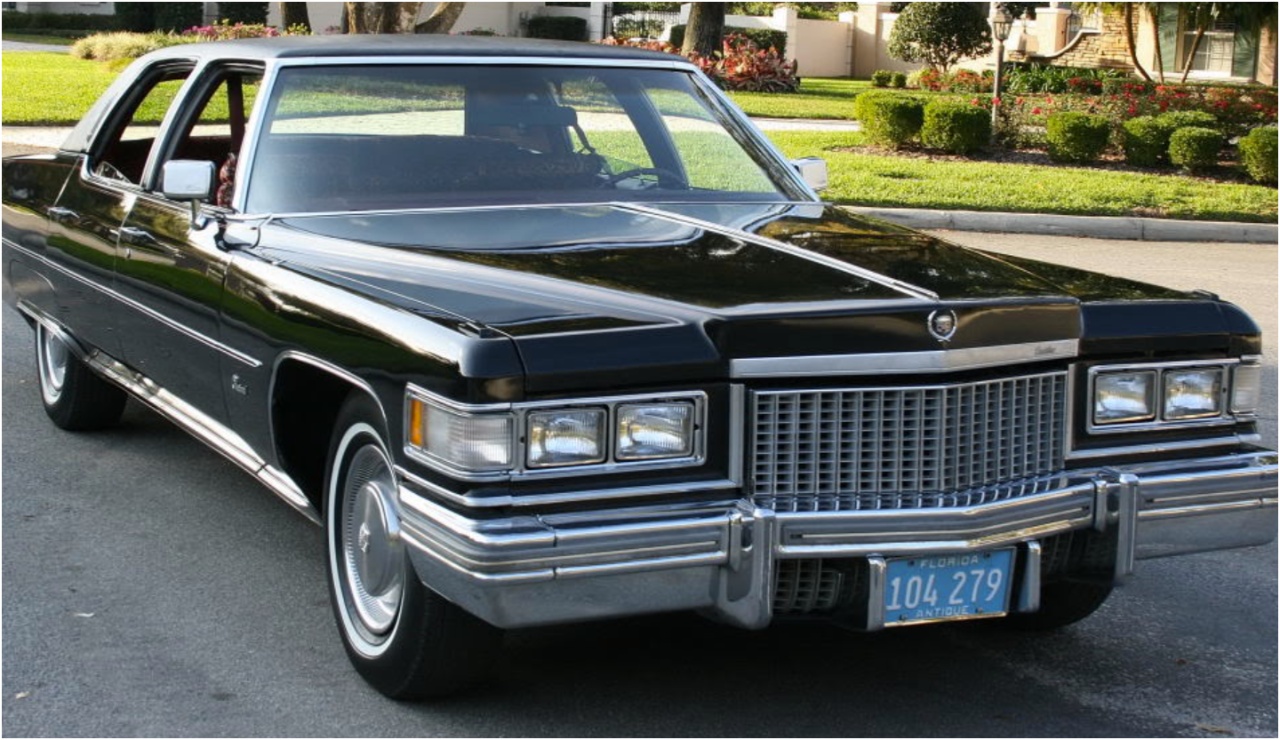
2. Cadillac Fleetwood and Brougham
The Cadillac Fleetwood and Brougham from the 1980s and 1990s represent the peak of traditional American luxury cruising, often described as “land yachts” due to their immense size and soft, floating ride quality.
Built primarily for effortless highway travel, these rear-wheel-drive sedans prioritized comfort and stability over agility or sporty handling. The driving experience was designed to feel smooth and isolated, with many owners noting light “one-finger” steering and deeply cushioned, sofa-like seating.
These models were engineered on a heavy body-on-frame platform with long wheelbases, which helped absorb road imperfections and create a stable ride at highway speeds. However, this same design made them slow to respond in corners, with noticeable body roll and vague steering feedback. Rather than encouraging dynamic driving, they were built to track straight and glide comfortably over long distances.
Their large size and weight further reinforced their relaxed character. Some versions stretched over 225 inches in length, making them among the largest production cars in the United States.
While this contributed to a spacious and comfortable interior, it also affected braking and acceleration, especially in earlier models. Engine performance varied, and many early versions were considered underpowered, with modest V8 engines that delivered relaxed acceleration and relatively poor fuel economy.
Styling also reflected a traditional luxury philosophy, featuring formal rooflines, extensive chrome accents, and Cadillac’s signature grille design. While this appealed to an older customer base, it was often viewed as outdated compared to emerging modern luxury designs. By the 1990s, cost-cutting and platform changes further reduced the sense of premium craftsmanship in some trims.
Despite their “dull” reputation in terms of performance and technology, later models with the LT1 V8 gained respect for stronger acceleration while still maintaining their signature smooth, comfort-focused character.
3. Lexus LS (Early Generations)
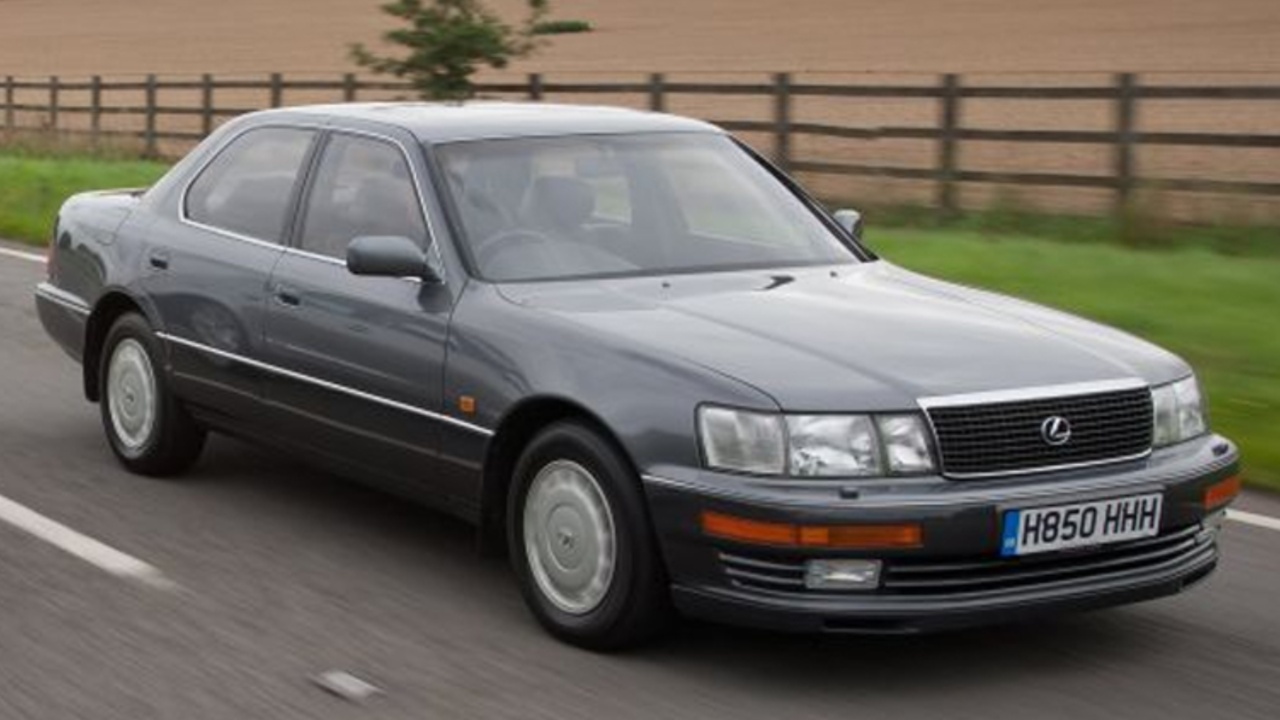
The early generations of the Lexus LS, spanning roughly from 1989 to 2017, established a reputation as one of the most refined rear-wheel-drive luxury sedans in the world. When it first debuted, it impressed critics with its near-silent V8 engine and exceptionally smooth ride quality.
Designed primarily for comfort and isolation, the LS delivered a driving experience focused on serenity rather than engagement, making it a favorite among buyers seeking stress-free long-distance travel.
A defining characteristic of these models is their extreme emphasis on refinement. Lexus engineered the LS to minimize noise, vibration, and harshness, creating a cabin environment that often felt as quiet as a library even at highway speeds.
This level of isolation, while highly praised for comfort, also reduced the sense of connection between driver and road, leading to a reputation for numb or disconnected steering feedback.
The suspension system was tuned for maximum comfort, often using soft damping and optional air suspension setups. This resulted in a smooth, floating sensation over road imperfections but also introduced noticeable body roll during cornering. Power delivery from the V8 engines was deliberately smooth and linear, favoring effortless acceleration rather than aggressive performance.
Compared to European rivals like BMW and Mercedes-Benz, the LS placed less emphasis on sporty handling and more on long-term reliability and passenger comfort. Steering feel was light and relaxed, reinforcing its role as a luxury cruiser rather than a performance-focused sedan.
Across its first four generations, the LS became known for exceptional build quality, durability, and low maintenance costs. While later versions attempted to introduce more dynamic driving characteristics, the early models defined their identity as a quiet, comfortable, and highly dependable flagship sedan designed for effortless cruising rather than driving excitement.
4. Lincoln Town Car
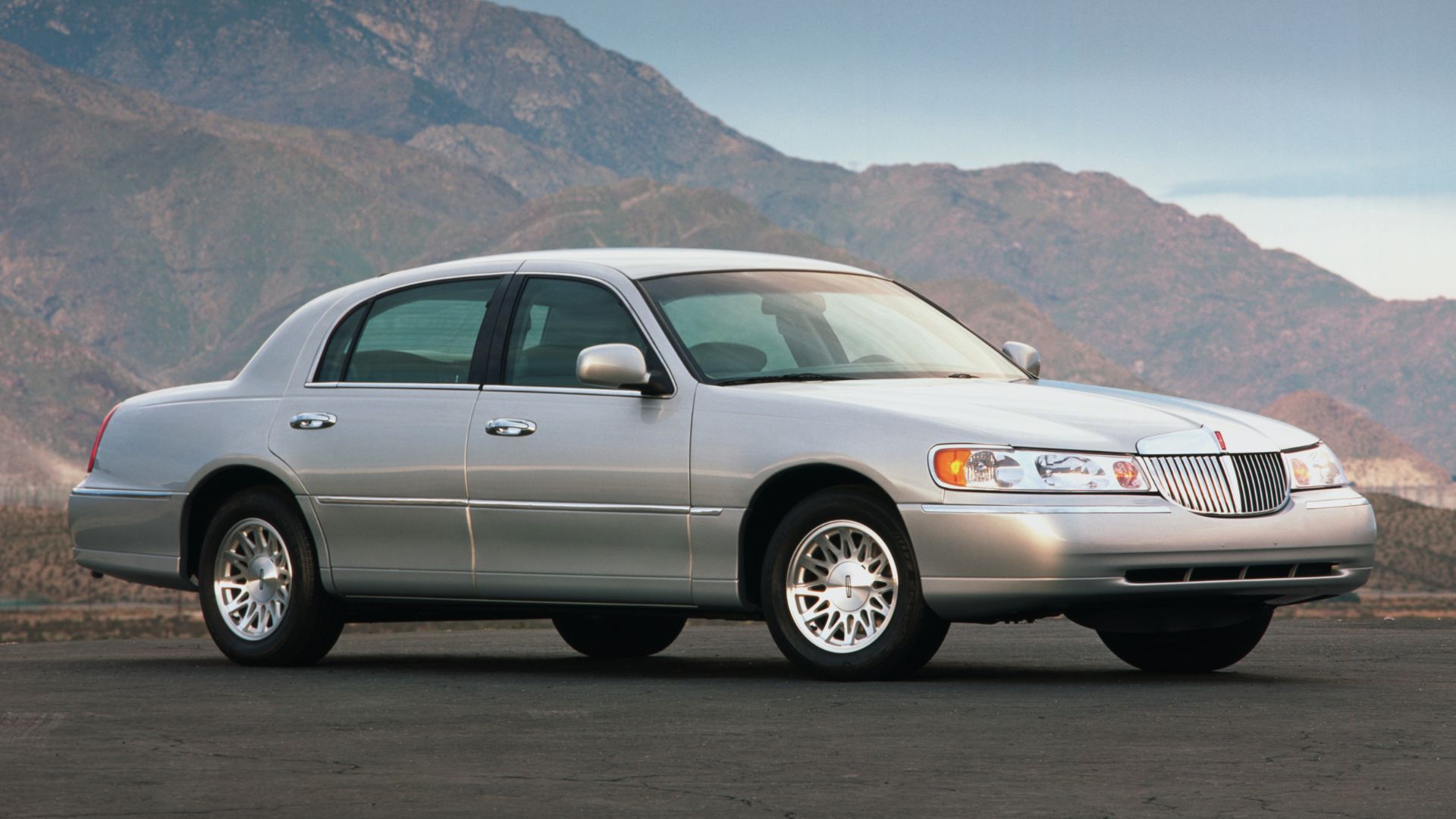
The Lincoln Town Car represents one of the most iconic traditional rear-wheel-drive luxury sedans in American automotive history. Built with a strong emphasis on comfort, space, and durability, it became a defining vehicle for limousine services, airport transport, and chauffeur-driven luxury. Rather than focusing on performance or modern technology, it was engineered to deliver a smooth, quiet, and highly isolated driving experience for passengers.
At the core of its character is a body-on-frame construction paired with a soft suspension system, including rear air springs that help maintain a level ride regardless of load. This setup creates a “floating” sensation on the road, often described as cloud-like, prioritizing comfort over precision. While this makes highway cruising exceptionally smooth, it also results in slow steering response and limited handling capability, especially on winding roads.
Power comes from a 4.6-liter V8 engine designed for steady, low-RPM torque rather than speed. Although reliable and long-lasting, it produces modest performance for a vehicle of its size and weight, which often exceeds two tons. Acceleration is relaxed, reinforcing its role as a calm, unhurried cruiser. The four-speed automatic transmission further reflects its older mechanical design.
Inside, the Town Car offers a spacious and comfortable cabin, but its interior design and technology remained relatively simple compared to modern luxury vehicles. Conservative styling and basic infotainment features highlight its focus on tradition rather than innovation. Its large dimensions provide excellent passenger space but make it less convenient in tight urban environments.
Despite its “dull” reputation in terms of driving excitement, the Lincoln Town Car is widely respected for its exceptional reliability, long service life, and unmatched comfort. It remains a symbol of classic American luxury cruising and continues to be valued for its durability and spaciousness.
The difference between these six front-wheel-drive performance cars and four rear-wheel-drive cruisers comes down to purpose rather than capability. The FWD group represents modern engineering aimed at delivering excitement through precision, traction control systems, and responsive chassis tuning.
These cars reward driver input with sharp handling and predictable performance, making them ideal for enthusiasts who want engagement without sacrificing practicality. In contrast, the RWD cruisers reflect an older philosophy centered on comfort, durability, and effortless travel.
Vehicles like the Crown Victoria, Town Car, and early Lexus LS are designed to isolate occupants from the road, offering smooth rides, soft suspension behavior, and a relaxed steering feel.
While they lack modern agility and responsiveness, they excel at long-distance comfort and reliability. This contrast shows how automotive priorities shape the driving experience, creating either a connected, performance-oriented feel or a calm, detached cruising character.
Also read: 10 Cars With Sun Visors That Slide To Block Side Glare