
Sun glare is one of those driving challenges that feels minor until it suddenly is not. A low afternoon sun cutting across your side window can be far more distracting than bright light coming through the windshield.
It hits at an angle, reflects off mirrors, and forces drivers to squint or adjust their posture constantly. In those moments, even a well-designed cabin can feel uncomfortable if it does not provide the right tools to handle changing light conditions.
This is where sliding sun visors become far more important than most people realize. Traditional visors are effective when the sun is directly ahead, but they fall short when light creeps in from the side.
A visor that can extend or slide along its axis solves this issue by blocking glare from angles that standard designs simply cannot reach. It is a small engineering detail, yet it has a direct impact on comfort and safety.
Drivers who spend long hours on highways or commute during sunrise and sunset quickly understand the value of this feature. It reduces eye strain, improves visibility, and allows for a more relaxed driving posture. Instead of constantly adjusting your seating position or using your hand to shield your eyes, a sliding visor provides a clean and effective solution.
Automakers approach this feature in different ways. Some prioritize smooth extension mechanisms that feel almost invisible in use. Others focus on wider coverage or combine the visor with additional panels for maximum protection.
The best implementations strike a balance between ease of use, durability, and coverage, ensuring the visor works seamlessly without drawing attention to itself.
This list highlights ten cars that handle this feature particularly well. These are not just vehicles that include sliding visors, but ones that integrate them thoughtfully into the driving experience. Each model brings a slightly different interpretation, proving that even a simple component can be refined in multiple ways.
If side glare has ever made a drive uncomfortable or tiring, these cars offer solutions that genuinely improve day-to-day usability. Sometimes, it is these small, well-executed details that make the biggest difference behind the wheel.
Also Read: 7 Boring-Looking SUVs Hiding Race-Bred Hardware Under The Skin In 2026
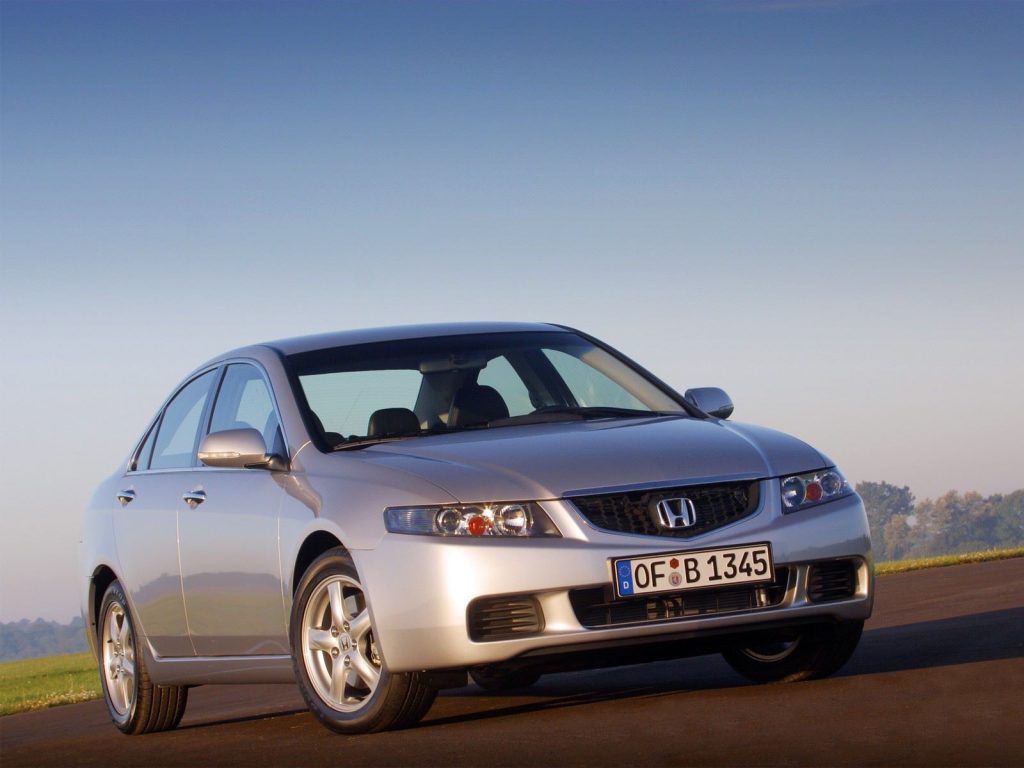
1. Honda Accord
The Honda Accord approaches sun visor design with the same practicality that defines the rest of the car. Rather than treating it as a basic necessity, Honda refines the mechanism so it becomes an intuitive part of the driving experience. The sliding function feels smooth and precise, allowing the visor to extend toward the side window without resistance.
What makes the Accord stand out is how naturally the visor adapts to changing light conditions. When the sun shifts from the front to the side, the transition requires minimal effort. A quick adjustment is enough to block the glare effectively, without forcing the driver to reposition themselves.
The extension range is particularly impressive. The visor slides far enough to cover a meaningful portion of the side window, which is essential during early morning or late afternoon drives. This added reach reduces the need for constant adjustments, making long journeys more comfortable.
Another strength lies in the firmness of the mechanism. Once extended, the visor stays in place without drifting back. This stability ensures that the coverage remains consistent, even when driving over uneven roads or making sharp turns.
Honda also pays attention to the material quality. The visor feels solid, with a surface that resists wear over time. It maintains its shape and function even after repeated use, which is important for a feature that drivers rely on frequently.
There is also a sense of balance in how the visor integrates into the cabin. It does not feel oversized or intrusive when folded away, yet provides ample coverage when needed. This duality reflects thoughtful design rather than simple enlargement.
In daily use, the Accord’s sliding visor proves its worth through consistency. It does not rely on complex features or additional panels. Instead, it focuses on doing one job exceptionally well, blocking side glare with minimal effort and maximum reliability.
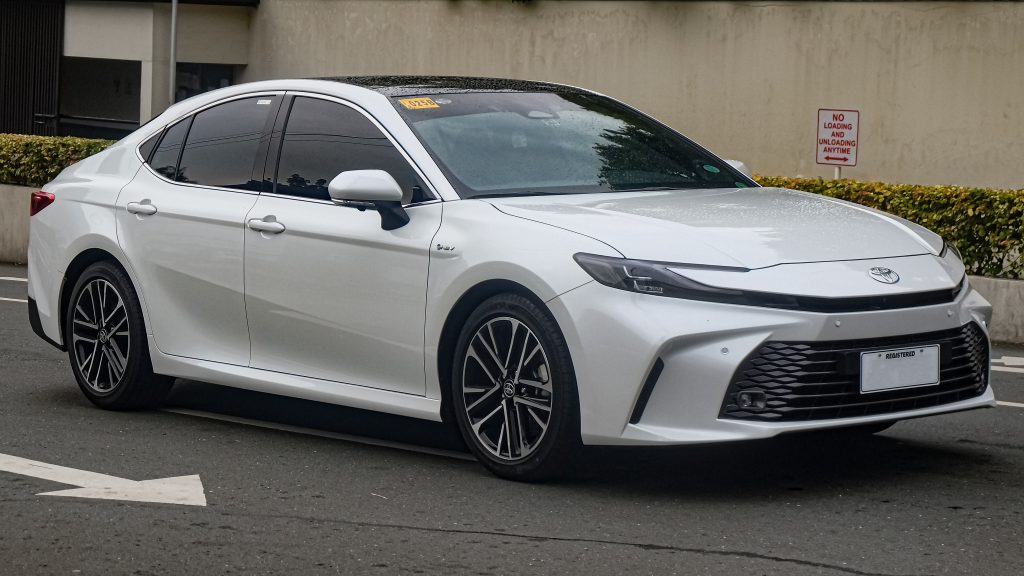
2. Toyota Camry
Toyota takes a slightly different direction with the Camry, focusing on ease of movement and broad usability. The sliding visor mechanism is designed to feel light yet controlled, allowing drivers to adjust it quickly without distraction. This makes it particularly useful in dynamic lighting conditions where the sun angle changes frequently.
One of the defining traits of the Camry’s visor is its fluid motion. The extension process feels almost effortless, which encourages drivers to use it more often instead of tolerating glare. This subtle improvement has a noticeable impact on comfort during daily commutes.
Coverage is another area where the Camry performs well. The visor extends far enough to shield a significant portion of the side window, reducing the intensity of direct sunlight entering the cabin. This is especially beneficial when driving in open areas with little natural shade.
Toyota also ensures that the visor remains stable once positioned. There is no sense of looseness or unwanted movement, which helps maintain consistent protection. Drivers can set it once and focus on the road without needing to readjust repeatedly.
The design also considers passenger comfort. The front passenger visor offers similar functionality, ensuring that both occupants benefit from the feature. This consistency across the cabin adds to the full usability of the vehicle.
Another interesting aspect is how the visor complements the Camry’s interior layout. It folds neatly into place when not in use, maintaining a clean and uncluttered look. This balance between function and aesthetics reflects Toyota’s attention to detail.
The Camry’s approach is about refinement rather than reinvention. By making the sliding mechanism smooth, reliable, and easy to use, it turns a simple feature into something that genuinely improves the driving experience. For those who frequently deal with side glare, this thoughtful execution makes a clear difference.
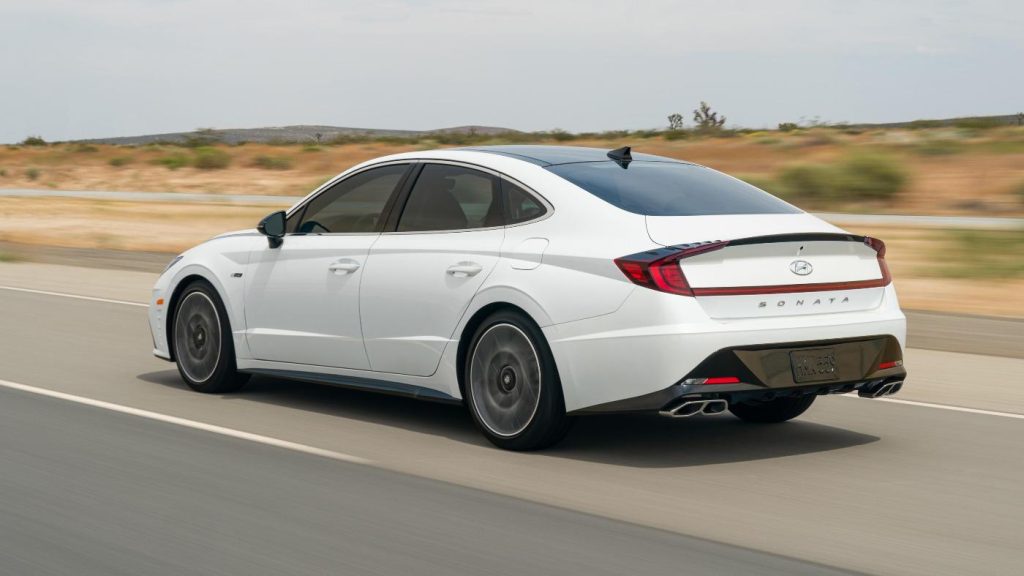
3. Hyundai Sonata
Hyundai gives the Sonata a visor setup that feels engineered for convenience first and foremost. Instead of emphasizing size alone, the focus here is on how quickly the driver can react to shifting sunlight. The sliding mechanism moves with very little effort, allowing adjustments to happen almost instinctively.
There is a noticeable sense of responsiveness when using the visor. As sunlight begins creeping in from the side, a simple pull extends the visor into position without any resistance. This immediacy reduces distraction, which is especially valuable in busy traffic where attention cannot be divided for long.
The Sonata also benefits from a well-judged extension length. It reaches far enough to cover the most problematic angles where glare typically sneaks in. Drivers do not need to lean or tilt their heads to compensate, which improves posture during longer drives.
Another detail worth noting is the tension of the sliding rail. Hyundai has tuned it carefully so that the visor neither feels loose nor overly stiff. Once placed, it stays exactly where you want it, even when the car moves over uneven surfaces.
Passenger usability is handled with equal care. The front passenger visor mirrors the driver’s functionality, ensuring consistent protection across the cabin. This symmetry is particularly helpful during shared journeys where both occupants may be affected by sunlight at different angles.
The material finish adds to the experience. The visor surface feels durable and maintains its form over time, resisting sagging or deformation. This reliability is important for a component that sees frequent use.
Hyundai’s approach in the Sonata leans toward ease and responsiveness. It does not rely on complex additions or oversized panels. Instead, it delivers a visor that reacts quickly, holds its position firmly, and adapts to changing light conditions without effort. That simplicity is what makes it effective.
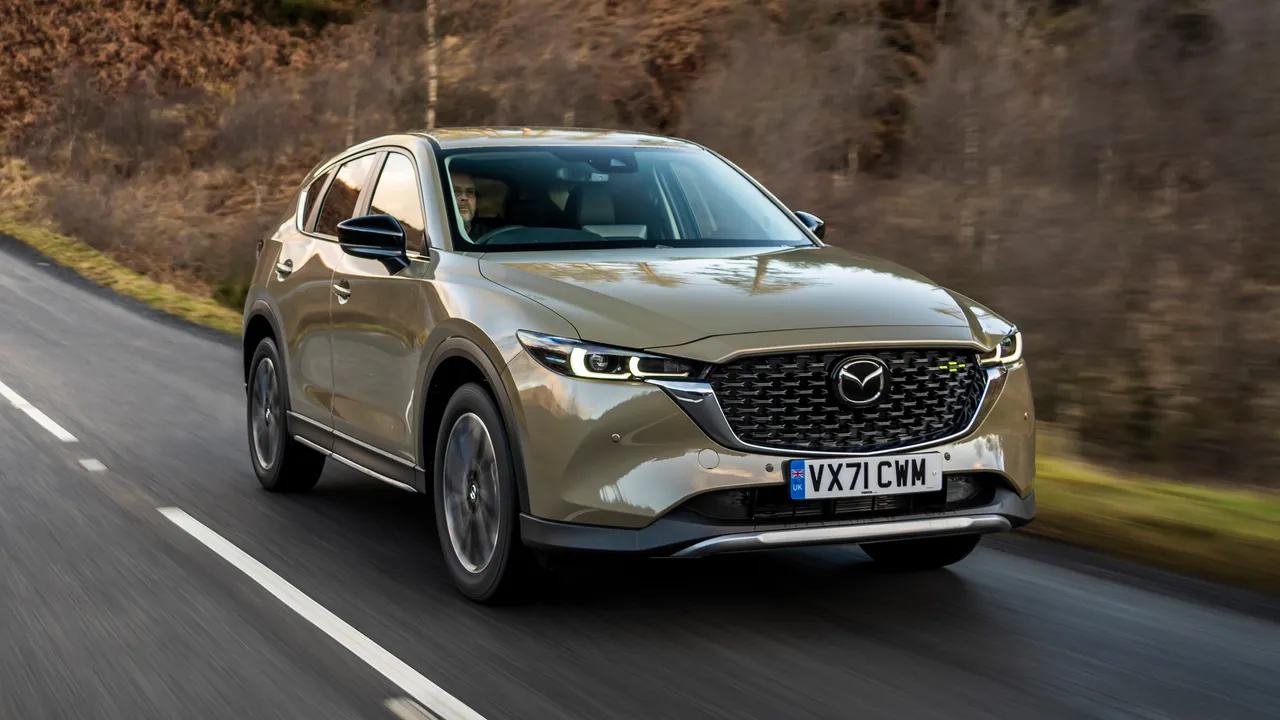
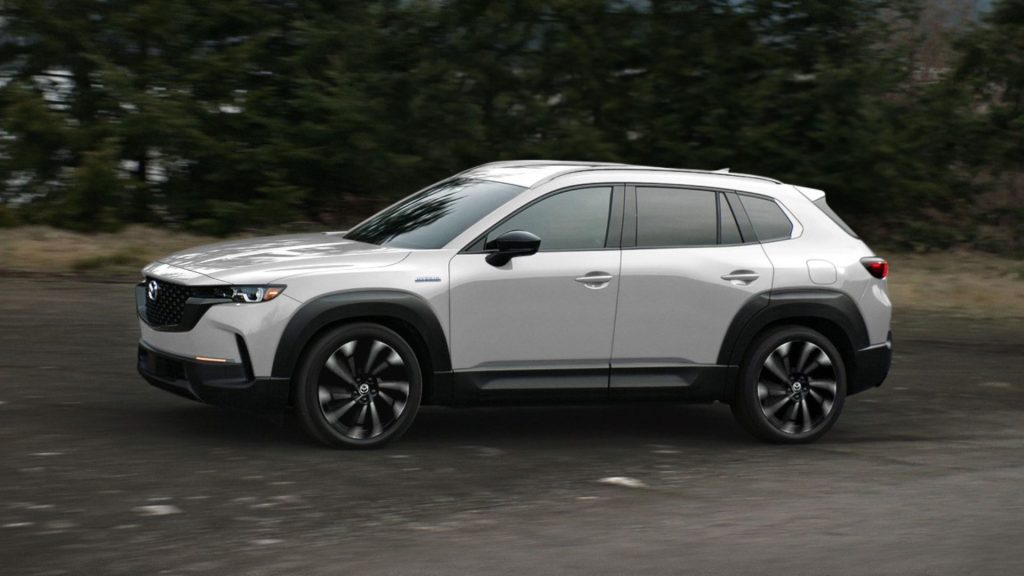
4. Mazda CX-5
Mazda treats even small interior elements with a sense of craftsmanship, and the CX-5’s sliding sun visor reflects that philosophy. Rather than focusing purely on function, Mazda refines the feel of the mechanism so that it becomes part of the driving experience.
The first thing that stands out is the smoothness of operation. The visor slides with a controlled motion that feels deliberate rather than loose. This gives the driver confidence when adjusting it, especially while the vehicle is in motion.
Coverage is handled in a slightly different way compared to some rivals. Instead of simply extending outward, the CX-5’s visor provides a balanced reach that targets the most common glare angles. It blocks sunlight effectively without needing excessive movement.
Mazda also pays close attention to alignment. When extended, the visor sits flush with the side window area, creating a clean barrier against incoming light. This precision reduces gaps where glare could slip through, improving full effectiveness.
The tactile quality of the visor contributes to its appeal. The materials feel refined, matching the rest of the cabin’s premium touchpoints. This consistency enhances the perception of quality, even in a feature that many drivers might initially overlook.
Another strength lies in how the visor integrates with the driving position. It can be adjusted without requiring awkward hand movements, allowing the driver to maintain focus on the road. This ergonomic advantage becomes more noticeable during longer trips.
Rear passengers are not the focus here, but the front experience is polished enough to set a strong impression. Mazda prioritizes driver engagement, and even this small feature aligns with that goal.
The CX-5 does not attempt to dominate with size or complexity. Instead, it delivers a visor that feels precise, well-crafted, and effective in real-world conditions. For drivers who appreciate attention to detail, this approach stands out in a subtle yet meaningful way.
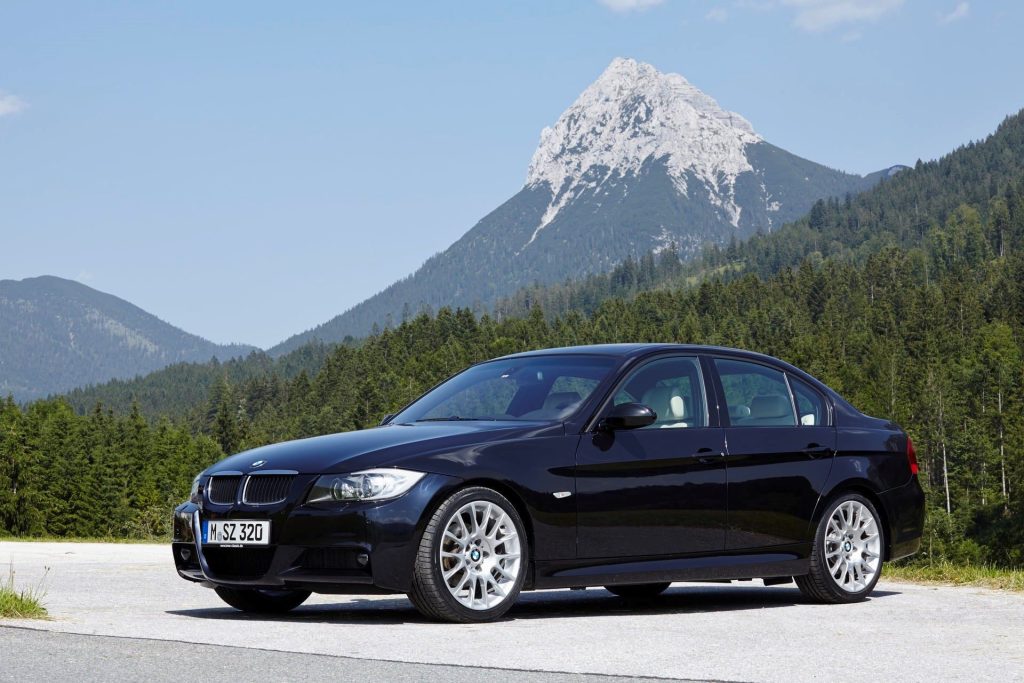
5. BMW 3 Series
In the BMW 3 Series, the sliding sun visor reflects the brand’s emphasis on precision and driver focus. It is not just about blocking light, but about doing so in a way that feels controlled and deliberate. The mechanism operates with a firm, damped motion that immediately communicates quality.
Unlike lighter setups found in some cars, this visor has a slightly weighted feel. When you slide it outward, there is a sense of resistance that prevents accidental movement while still allowing smooth adjustment. This balance becomes particularly useful when driving at higher speeds, where small distractions can feel amplified.
The extension range is carefully calculated. It does not overreach, yet it covers the critical area where side glare becomes intrusive. This targeted approach ensures that the visor remains effective without becoming bulky or intrusive when deployed.
Another aspect that stands out is the structural rigidity. Once extended, the visor holds its position with complete confidence. There is no vibration or shifting, even on uneven roads. This stability reinforces the sense of precision that BMW aims to deliver in every control.
The material quality aligns with the rest of the cabin. The visor feels solid, with a finish that complements the interior’s premium surfaces. It is a subtle detail, yet it contributes to the cohesive feel of the car.
From an ergonomic perspective, the visor is easy to adjust without breaking concentration. The motion is predictable, allowing drivers to make quick changes as lighting conditions shift. This reduces the need for repeated adjustments during a single drive.
The BMW 3 Series does not rely on oversized coverage or additional panels. Instead, it focuses on accuracy and control. The visor blocks glare exactly where needed, maintaining a clean and refined experience that fits the character of the car.
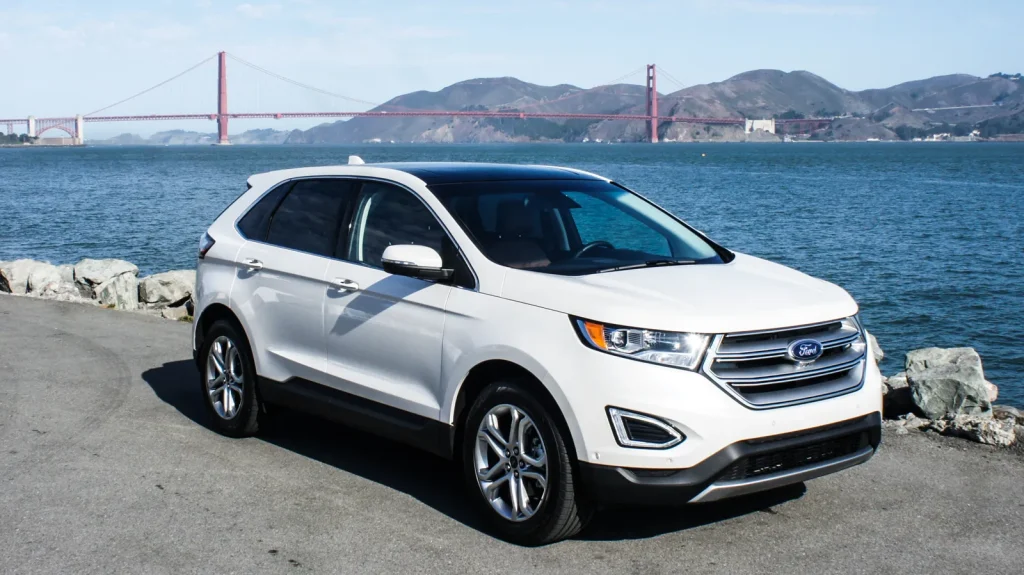
6. Ford Edge
The Ford Edge takes a more practical and wide-coverage approach, making its sliding visor particularly useful in everyday driving scenarios. It is designed with the idea that sunlight rarely behaves predictably, so the visor needs to adapt quickly and cover more ground.
One of the most noticeable features is the width of the visor itself. Combined with its sliding capability, it creates a broad shield against side glare. This is especially helpful during long highway drives where the sun remains at a consistent angle for extended periods.
The movement of the visor is straightforward and easy to manage. There is no learning curve involved. Drivers can extend it in one smooth motion, making it a feature that feels natural to use from the first day.
Ford also focuses on practicality in terms of reach. The visor slides far enough to cover areas that many standard designs leave exposed. This reduces the need to lean or adjust seating position, which can otherwise become tiring over time.
Another advantage is how the visor maintains its position once extended. It does not drift back or require constant readjustment, which is crucial for maintaining focus on the road. This reliability adds to the sense of confidence during use.
The surrounding cabin layout complements the visor’s functionality. With ample space in the front area, adjusting the visor does not interfere with other controls or storage compartments. This ensures a smooth interaction without unnecessary obstacles.
Passenger comfort is also considered. The front passenger visor offers similar coverage, allowing both occupants to manage glare effectively. This consistency improves the full usability of the vehicle.
The Ford Edge leans into simplicity and effectiveness. By offering wide coverage, easy operation, and dependable stability, it delivers a visor that handles side glare in a direct and practical way.
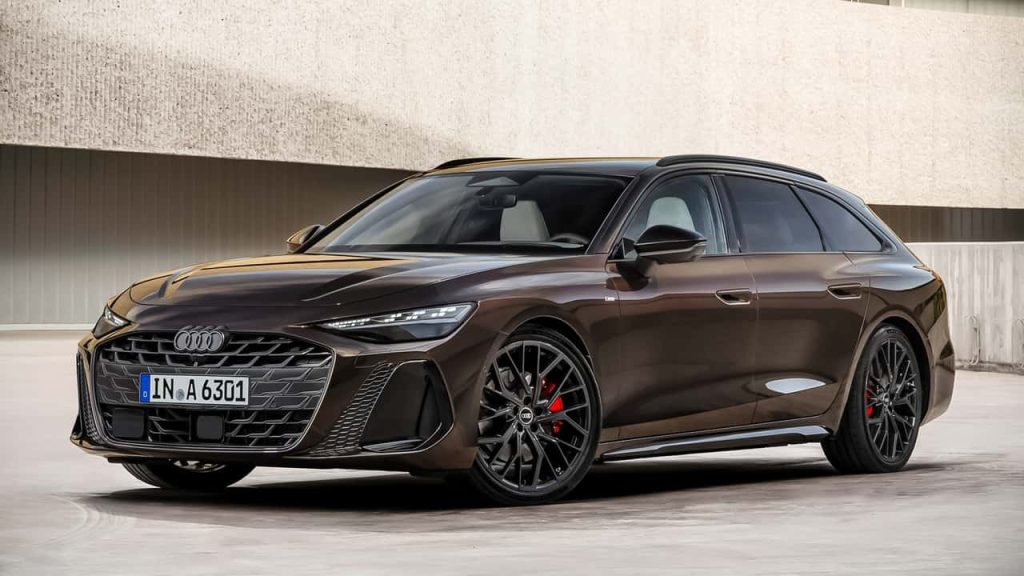
7. Audi A6
Audi approaches the sliding sun visor in the A6 with a focus on precision and quiet sophistication. The mechanism does not draw attention to itself, yet it works with a level of refinement that becomes obvious the moment you use it.
Every movement feels controlled, almost damped, which aligns with the car’s calm and composed character.
Instead of prioritizing sheer size, Audi concentrates on alignment and coverage accuracy. When the visor slides outward, it positions itself exactly where side glare tends to intrude. This targeted approach means you do not need to overextend it or constantly reposition it as the sun shifts slightly.
The motion itself is smooth and consistent from start to finish. There are no sudden jumps or loose points in the track. This consistency allows the driver to adjust the visor in small increments, which is particularly helpful when dealing with subtle changes in light intensity.
Another detail that stands out is how securely the visor holds its position. Once set, it remains steady without vibration or drift. This stability becomes noticeable on longer drives where even minor movements can become distracting over time.
Audi also ensures that the visor integrates seamlessly into the cabin design. When folded away, it sits flush and unobtrusive, maintaining the clean lines of the interior. When extended, it does its job without feeling oversized or out of place.
The material finish contributes to the experience as well. The surface feels refined and durable, matching the premium tone of the rest of the cabin. It is not just functional, but also consistent with the full design philosophy.
In the A6, the sliding visor is less about making a statement and more about delivering precision. It blocks side glare exactly where needed, operates with quiet confidence, and blends into the driving experience in a way that feels natural and effortless.
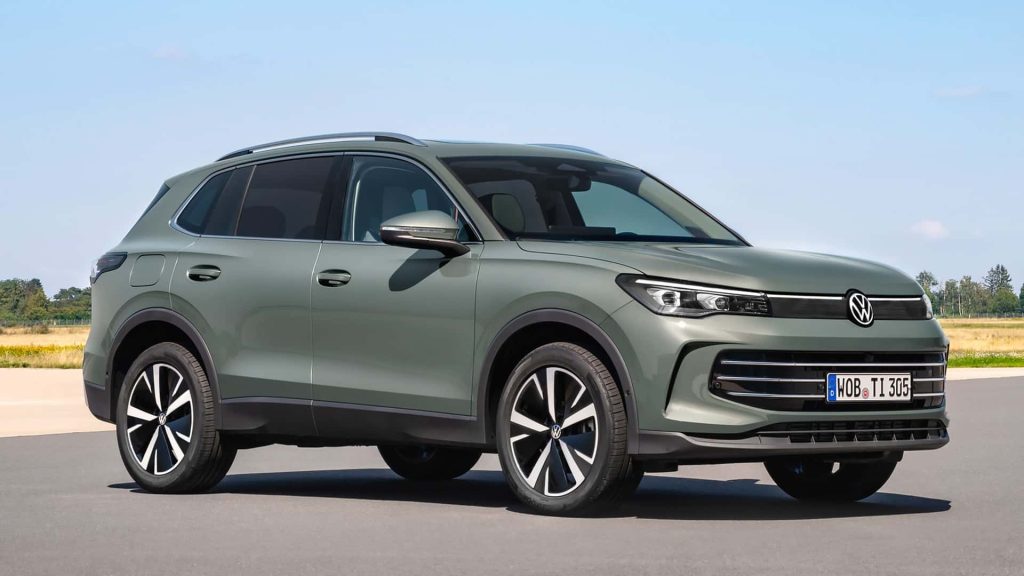
8. Volkswagen Tiguan
The Volkswagen Tiguan takes a straightforward yet highly effective approach to its sliding sun visor. It focuses on usability and practicality, ensuring that the feature works reliably in everyday driving situations without requiring any special attention from the driver.
One of the first things you notice is how intuitive the visor feels. The sliding action is light enough to operate easily, yet controlled enough to stay in place once adjusted. This balance makes it easy to use even during quick changes in lighting conditions.
The Tiguan also benefits from a well-sized visor that, when extended, provides meaningful coverage along the side window. It blocks glare effectively without needing excessive adjustments, which is particularly useful during city driving, where sunlight angles can change frequently.
Another strength lies in the consistency of the mechanism. Each time you use it, the motion feels the same. There is no variation in resistance or alignment, which builds confidence in the feature over time. It becomes something you rely on without thinking about it.
Volkswagen also pays attention to the practicality of placement. The visor can be adjusted without interfering with the driver’s line of sight or other controls. This ensures that managing glare does not come at the cost of convenience or safety.
The durability of the visor adds to its appeal. It maintains its function even after repeated use, resisting looseness or wear that can affect similar components in other vehicles. This reliability is important for a feature that sees frequent interaction.
Passenger usability is not overlooked either. The front passenger visor offers the same sliding capability, ensuring that both sides of the cabin are equally equipped to handle side glare.
The Tiguan’s approach is simple but effective. By focusing on ease of use, consistent operation, and dependable coverage, it delivers a sliding visor that fits naturally into daily driving without unnecessary complexity.
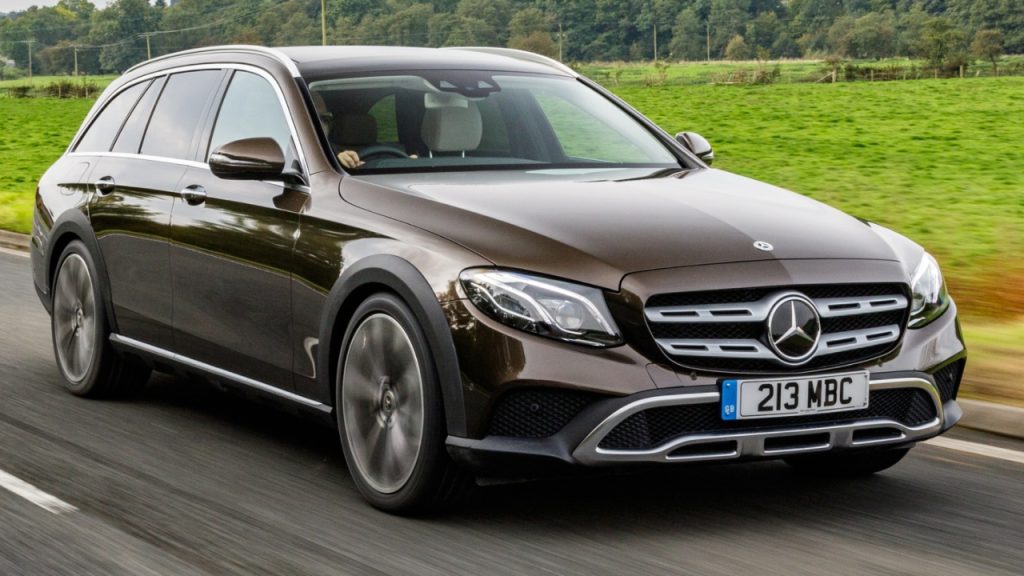
9. Mercedes-Benz E-Class
The Mercedes-Benz E-Class treats even the smallest interior elements with a sense of refinement, and its sliding sun visor reflects that attention clearly. The mechanism feels deliberate, with a smooth and slightly cushioned motion that matches the calm nature of the cabin.
Instead of focusing purely on reach, Mercedes emphasizes consistency. The visor extends in a controlled manner, allowing the driver to position it precisely where glare becomes an issue. This accuracy reduces the need for repeated adjustments, which is especially useful during long drives.
Another strength lies in how the visor maintains its position. Once set, it stays exactly where it should without shifting. This stability adds a layer of confidence, as the driver does not need to keep checking or correcting its placement.
The coverage itself is well judged. It blocks side glare effectively without feeling oversized or intrusive. This balance ensures that the visor performs its function while still blending into the clean and elegant design of the interior.
Mercedes also pays attention to tactile quality. The materials used in the visor feel premium, matching the rest of the cabin’s surfaces. It is a subtle detail, yet it reinforces the sense that every component has been carefully considered.
From an ergonomic standpoint, the visor is easy to operate without distraction. The motion is predictable, and the reach is sufficient to handle most lighting conditions encountered during daily driving.
The E-Class does not attempt to stand out through complexity. Instead, it refines a simple feature to a level where it feels effortless and dependable. For drivers who value precision and comfort, this execution makes a noticeable difference.
10. Skoda Superb
The Skoda Superb approaches the sliding sun visor with a focus on practicality and clever usability. Known for maximizing everyday convenience, Skoda ensures that this feature works effectively in real-world conditions where side glare can vary throughout the day.
One of the most noticeable aspects is how generous the visor feels when extended. It provides ample coverage along the side window, helping to block sunlight from angles that standard visors often miss. This makes it particularly useful during long highway drives.
The movement of the visor is simple and direct. There is no complexity involved, which makes it easy for drivers to adjust it quickly. This straightforward operation encourages frequent use, rather than leaving the visor unused due to inconvenience.
Another advantage is how securely the visor holds its position. Even after repeated adjustments, it remains stable without loosening. This reliability ensures that once the glare is blocked, it stays blocked without constant readjustment.
Skoda also integrates the visor into a cabin designed for practicality. The surrounding space allows for easy access, and the visor does not interfere with other controls or storage areas. This thoughtful placement enhances the full usability of the interior.
Passenger comfort is handled with equal attention. The front passenger visor offers similar functionality, ensuring that both occupants can manage glare effectively. This consistency adds to the sense of balance within the cabin.
The materials used are durable and easy to maintain, which suits the Superb’s focus on long-term usability. The visor continues to perform reliably even with regular use, making it a dependable part of the driving experience.
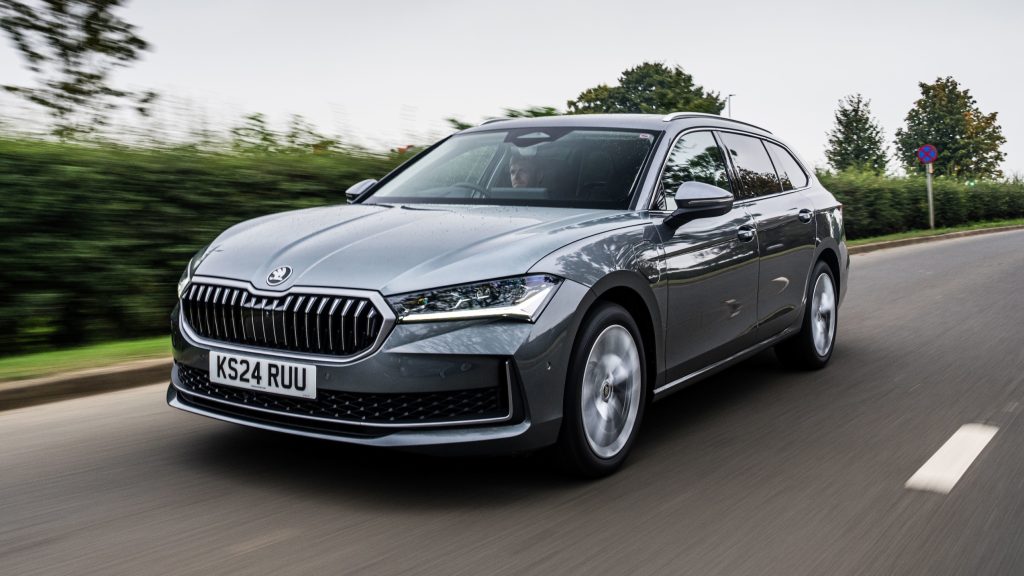
The Superb’s approach is grounded in everyday practicality. By combining generous coverage, simple operation, and dependable stability, it delivers a sliding visor that handles side glare in a way that feels natural and effective.
Sliding sun visors may seem like a minor feature, but their impact becomes clear the moment side glare starts interfering with your vision. From the precise execution in the Audi A6 to the practical usability of the Skoda Superb, each car on this list brings a distinct approach to solving the same problem.
Some prioritize smoothness and refinement, while others focus on wider coverage or quick adaptability. What they all share is an understanding that drivers need more than just a fixed visor to handle changing light conditions.
A well-designed sliding visor reduces strain, improves visibility, and allows drivers to stay focused without constant adjustments. It turns a common annoyance into something easily managed.
When choosing a car, details like these often go unnoticed at first. Yet over time, they become part of what makes driving comfortable and stress-free. Once you experience a visor that truly works against side glare, it quickly becomes a feature you would not want to be without.
Also Read: 10 SUVs Where The Rear Hatch Opens High Enough For Tall People
