
If you live anywhere that gets a real winter, you already know the annual ritual. Roads get salted before the first snowflake falls, the salt stays on the pavement for weeks, and every drive coats your vehicle’s undercarriage with a corrosive chemical cocktail that quietly attacks metal surfaces from underneath while you are inside staying warm.
Road salt is effective at preventing ice. It is also remarkably effective at destroying cars. Rust from road salt exposure is not a new problem, and most car manufacturers have been dealing with it for decades. What changed is how seriously different manufacturers take it.
Some brands approached corrosion protection as a quality investment, applying multi-stage coatings, galvanized steel, and engineered drainage systems that genuinely hold up across decades of salt exposure. Others did the minimum required to avoid immediate warranty claims, leaving long-term owners to discover years later that their frame rails and floor pans were compromised beyond reasonable repair costs.
Buying a car without understanding its long-term salt resistance is a decision that shows up financially at the worst possible time. You discover rust during a pre-trade inspection, or a mechanic finds structural rust during a brake service, or you start seeing bubbling paint at the door bottoms and realize the corrosion has been spreading beneath the surface for years. At that point, the car you bought for reliable transportation has become a liability rather than an asset.
This page covers seven cars that have demonstrated genuine resistance to road salt damage based on real-world owner experience, documented long-term condition reports, and engineering approaches that address corrosion at the source rather than relying on surface coatings alone.
Every car on this list was chosen because actual owners in salt-road climates have reported better-than-expected long-term condition, not because a manufacturer’s specification sheet says the right things. Read all seven before your next car purchase if you live anywhere that salts its roads.
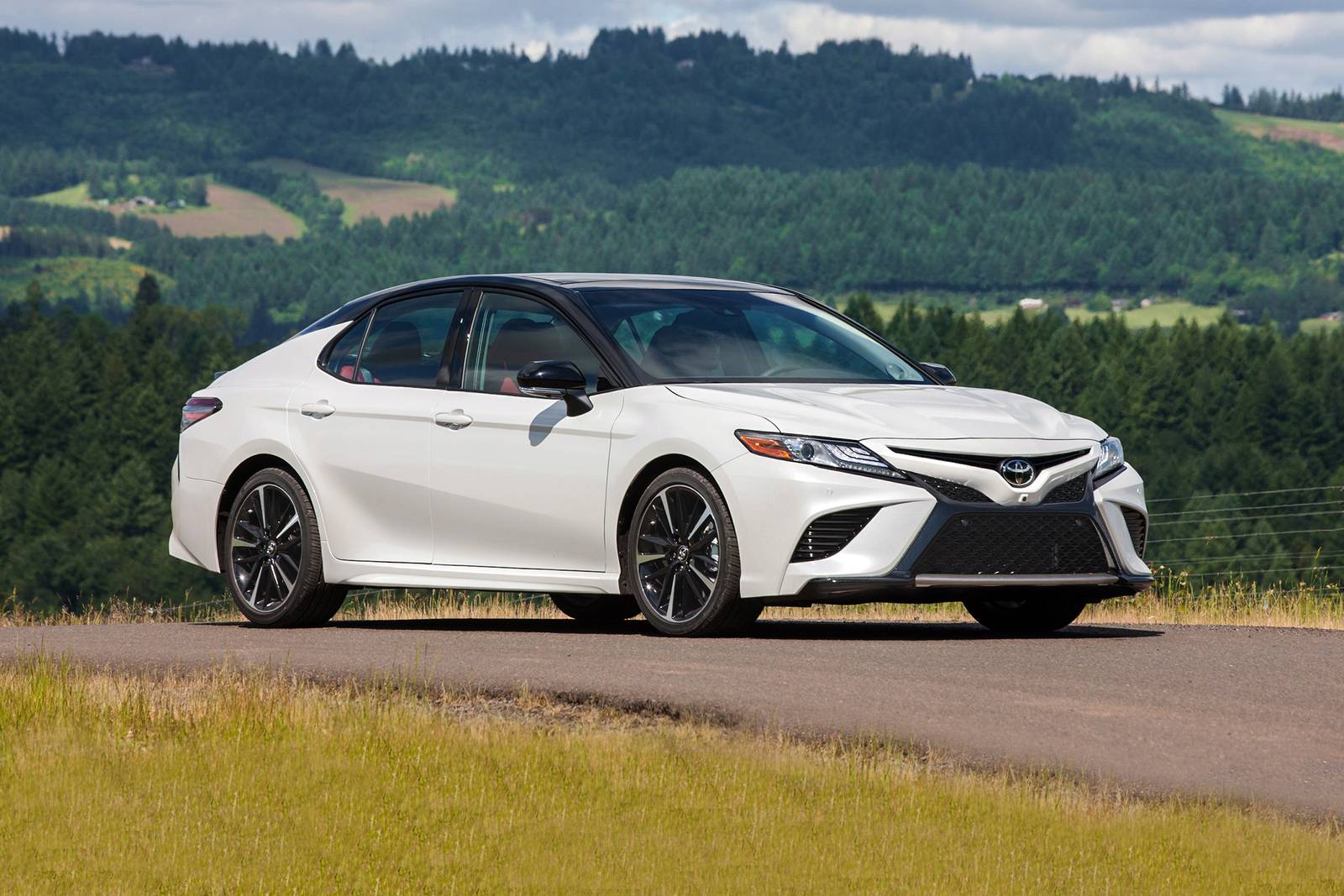
1. Toyota Camry XSE V6 FWD (Eighth Generation, 2018 to 2024)
Toyota’s long-standing focus on preventing rust reflects a company that produces vehicles in high volumes for cold-weather regions, recognizing that long-term owner satisfaction depends on how well those vehicles maintain their appearance and durability after years of exposure to road salt.
Eighth-generation Camry XSE V6 owners in northeastern and midwestern states have documented body panel and undercarriage condition at eight and ten years of ownership that outperforms comparable vehicles from several competing manufacturers, and this real-world outcome reflects Toyota’s specific engineering rather than luck.
Body panel corrosion protection on the eighth-generation Camry begins with a multi-stage electrophoretic dip coating applied to the completed body structure before any paint is applied. E-coat processes immerse the entire body in an electrically charged solution that deposits corrosion-inhibiting primer onto every metal surface the solution contacts, including internal cavities, weld seams, and hidden structural sections that brush or spray-applied primers cannot reach consistently.
Complete coverage of these internal surfaces is critical because salt-laden moisture that enters body cavities through normal driving exposure initiates corrosion from inside surfaces that are never visible during exterior inspection. Galvanized steel application in the Camry’s door skin, quarter panel, and hood stampings provides a zinc layer that creates a sacrificial barrier between the steel substrate and corrosive exposure.
When surface coating is damaged by stone chips or minor abrasion, the galvanized zinc continues providing protection through galvanic action until the zinc layer itself is depleted, extending the window between surface damage and visible rust formation compared to ungalvanized alternatives.
Weld seal application at body panel joints and seams prevents salt-laden moisture from wicking into the narrow gaps between overlapping metal sections, where corrosion typically initiates before spreading into the main panel surfaces. Toyota’s attention to seam sealing quality is visible on Camry examples examined by rust-focused inspection specialists, who consistently note that joint sealing integrity on Toyota products holds up well at higher mileage and age compared to peer vehicles.
Northeastern US Camry owners who have documented their cars’ condition at the ten-year mark report door bottoms, rocker panels, wheel arches, and floor pans in substantially better condition than their previous vehicles from other manufacturers at equivalent age.
This real-world comparison from experienced owners who specifically know what road salt damage looks like provides the most credible validation available for Toyota’s corrosion protection investment.
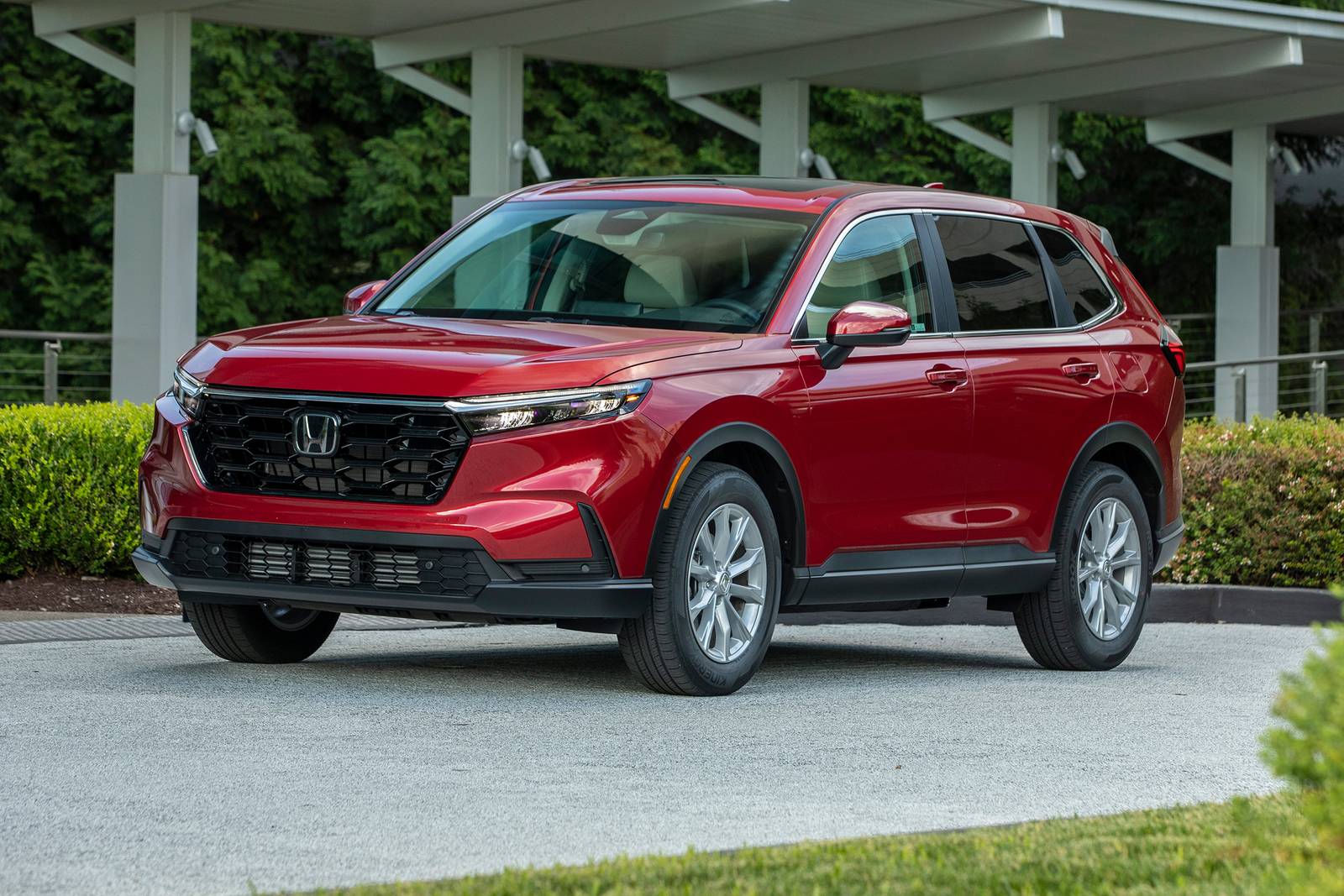
2. Honda CR-V EX AWD (Sixth Generation, 2023 to 2024)
Honda has maintained a consistent corrosion protection philosophy across its model lineup that reflects the brand’s quality engineering culture and its awareness that long-term ownership satisfaction in cold-weather markets depends on how vehicles hold up against winter road exposure.
Sixth-generation CR-V EX AWD represents Honda’s current implementation of this philosophy in a compact SUV format, and early owner reports from salt-road climates alongside the fifth-generation’s documented long-term performance provide a strong foundation for confidence in this platform’s corrosion resistance.
Honda’s CR-V body structure uses galvanized steel extensively across exterior panels and structural members, with Honda specifying either hot-dip galvanized or electro-galvanized steel depending on the specific panel application and required forming characteristics.
Hot-dip galvanized steel provides a thicker zinc coating that is particularly durable on structural members and underbody components where physical exposure is greatest, while electro-galvanized steel provides the thinner, more uniform zinc layer preferred for complicated-form exterior panels where consistent appearance after painting is important.
Underbody protective coating on the sixth-generation CR-V is applied to exterior structural surfaces after assembly and before shipping, providing a physical and chemical barrier against the stone chip and abrasion exposure that removes surface coatings from underbody components during normal driving on salt-treated roads.
Honda’s underbody coating specification reflects the brand’s cold-weather market experience, with coverage extending to the locations that long-term ownership in high-salt environments has identified as most vulnerable to early coating failure. Anti-perforation warranty coverage from Honda, which provides against rust-through of body panels from inside-out corrosion for a specified period, reflects the manufacturer’s confidence in their corrosion protection engineering.
Warranty-backed guarantees against perforation are only commercially sustainable when the engineering behind them reduces claim rates to acceptable levels, and Honda’s corrosion warranty history reflects decades of investment in the protection quality that makes such guarantees financially viable.
Fifth-generation CR-V examples in New England, the Great Lakes region, and other high-salt-exposure markets at eight and ten years of service consistently show body condition that owners cite favorably relative to competitive compact SUVs. This multi-generation track record of strong salt-country performance gives sixth-generation buyers in these regions a reasonable basis for confidence that Honda’s current engineering continues the pattern.
Also Read: 9 Cars That Get 35 MPG Without Being A Hybrid
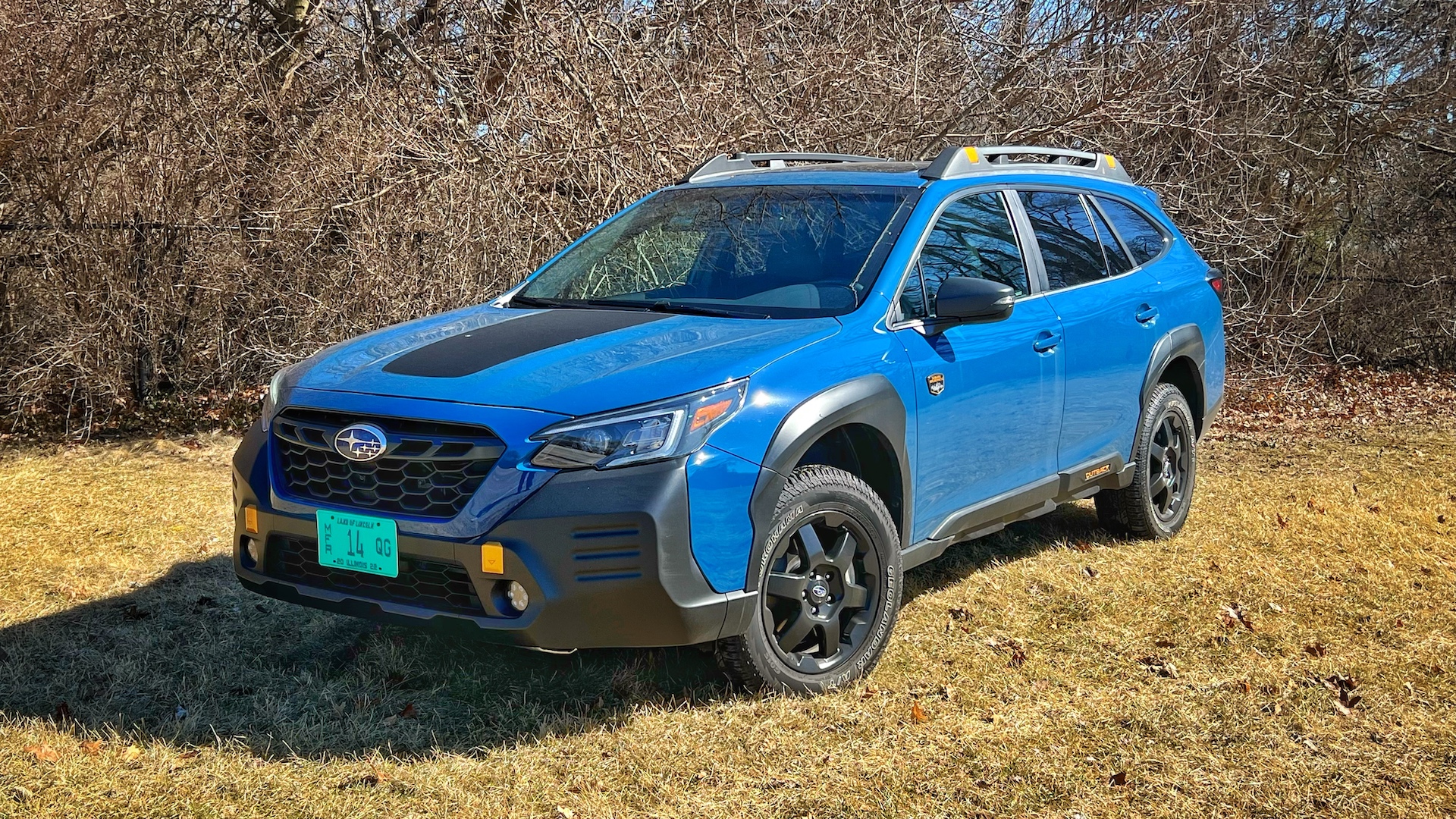
3. Subaru Outback Wilderness AWD (Seventh Generation, 2020 to 2024)
Subaru has long shaped its brand identity around dependable performance in difficult weather, and a large portion of its customer base resides in regions where winter driving is routine. These areas rely heavily on road salt for ice control, which creates constant exposure for vehicle bodies and undercarriages.
Buyers in such locations also tend to keep their vehicles for extended periods, expecting durability that matches the purchase cost. This ownership pattern gives Subaru a strong commercial reason to prioritise corrosion protection, and the seventh-generation Outback Wilderness reflects deliberate planning in this area.
The Wilderness variant introduces increased underbody clearance measured at 9.5 inches. This design raises suspension, exhaust, and drivetrain components farther from the road surface. While marketed for light trail use, this height also provides a practical advantage during winter road driving.
Salt spray is most concentrated close to the pavement, especially during slush conditions. By positioning critical components higher, direct exposure to dense salt spray is reduced during normal driving. This physical separation contributes meaningfully to slower corrosion development on underbody parts that typically suffer the earliest damage.
Subaru’s symmetrical All Wheel Drive hardware receives specific attention in this design. Components such as the rear differential, driveshaft, and associated housings are placed and shielded in ways shaped by decades of all-weather use. Protective coatings on these parts reflect accumulated experience from vehicles operating year-round in salt-heavy regions.
Shielding and material selection are tailored to the exposure patterns seen in constant traction systems rather than occasional use drivetrains. This approach supports durability for owners who rely on All Wheel Drive through multiple winters without seasonal vehicle changes.
Owner reports from states such as Minnesota, Michigan, and Vermont provide useful real-world context. Drivers who have monitored their Outback Wilderness undercarriage condition across long ownership periods often describe structural components remaining solid beyond expectations.
These reports frequently highlight suspension mounts, subframes, and floor pan sections that show minimal degradation when routine care is maintained. Many owners combine factory protection with annual professional undercoating and consistent undercarriage washing after heavy salt use, practices that further extend service life.
The seventh-generation Outback Wilderness demonstrates how market reality influences engineering priorities. Subaru recognises that corrosion resistance is not an abstract feature but a daily ownership concern in salt road regions. Through manufacturing processes, clearance decisions, drivetrain protection, and material treatment, this vehicle supports extended use under harsh seasonal conditions.
Such planning aligns with the expectations of buyers who value reliability across many years of winter exposure and routine use without accelerated structural decline.
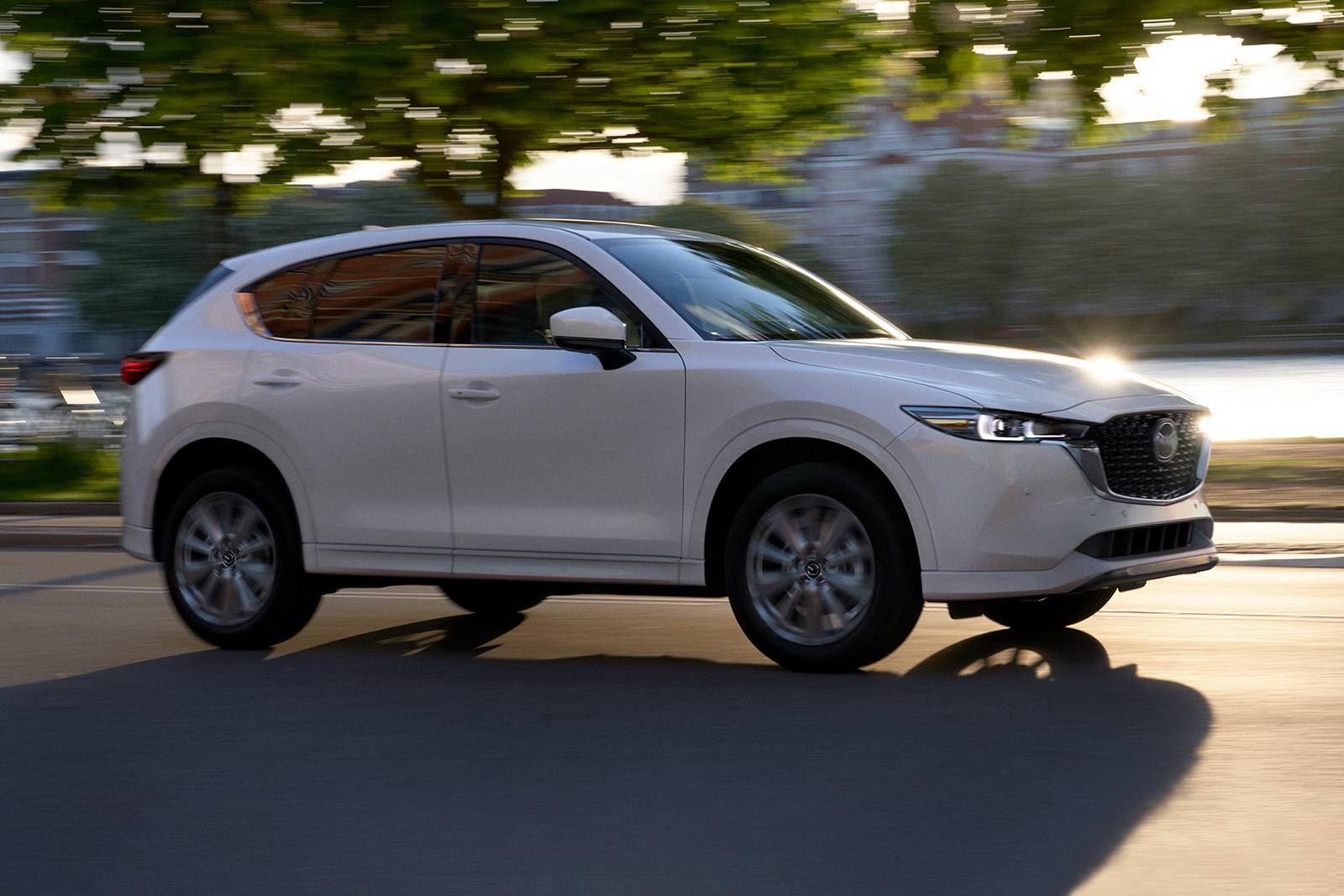
4. Mazda CX 5 Carbon Edition Turbo AWD (KF Generation, 2022 to 2023)
Mazda’s KF generation CX 5 has earned recognition for construction quality that exceeds what many buyers expect at its price level. Among the areas where this investment becomes visible is corrosion resistance, particularly for owners living in regions where winter road salt is common.
Long-term observations from drivers in these climates show body panels and undercarriage components maintaining condition better than many competing compact sport utility vehicles with similar age and mileage. A major contributor lies in Mazda’s body construction strategy. The KF CX 5 uses high-strength steel alloys in critical structural sections. These materials allow engineers to specify thinner panels while maintaining the required rigidity for safety performance.
Thinner sections reduce the total exposed steel surface area available for corrosion processes. In addition, higher-grade steel formulations tend to offer improved inherent resistance when compared with lower-grade mild steel. This combination supports durability without adding unnecessary weight to the vehicle structure.
Mazda’s paint system also plays an important role in corrosion defence. Throughout the KF generation, the company invested in a more comprehensive base coat and clear coat application process tied to its design philosophy. Thicker and more uniform paint layers provide better resistance against stone chips, which are a common starting point for surface rust.
Winter driving exposes vehicles to a mixture of abrasive road debris and salt, especially at highway speeds. Strong paint adhesion helps prevent early breaches that allow moisture and salt to reach bare metal beneath. Underbody protection on the CX 5 is applied during manufacturing rather than relying on dealer-level treatment after delivery.
Structural members, the underside of the floor pan, and rear wheel arch areas receive protective coating while the metal surfaces are clean and uncontaminated. This timing allows for proper adhesion and coverage. Post-delivery applications often face reduced effectiveness due to dirt, moisture, and early surface exposure that occur during transport and initial driving. Factory stage application provides consistency that is difficult to replicate later.
Drivers in Ontario, Quebec, and northern areas of the United States often compare the CX 5 against vehicles they previously owned from other manufacturers. Many report that after several winters, paint condition remains intact with fewer rust spots developing around wheel arches, door edges, and tailgate seams. Undercarriage inspections also show slower deterioration of suspension components and mounting points when routine washing is performed.
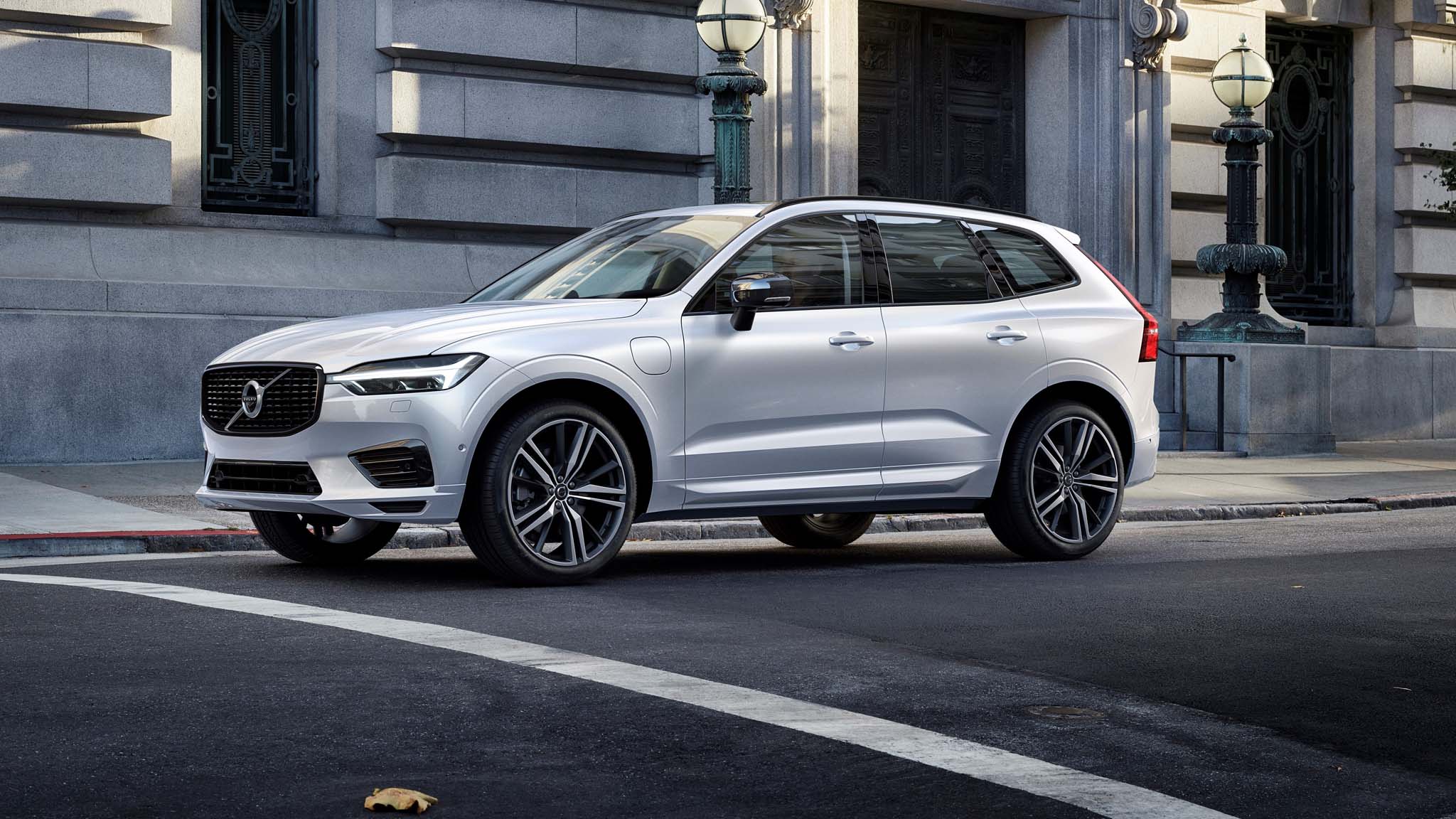
5. Volvo XC60 B5 AWD Inscription (T6 Series, 2021 to 2024)
No manufacturer has more direct engineering motivation to develop salt-resistant vehicles than Volvo. Sweden’s road network, like those of the northern US states and Canadian provinces where Volvo sells substantial volumes, requires heavy salting during winter months that extends across six or more months of the year in northern regions.
Every Volvo vehicle is tested and developed against these conditions as a standard engineering requirement rather than a market-specific adaptation, producing corrosion protection systems that reflect genuine cold-weather engineering expertise built across decades of real-world northern European experience.
Volvo’s body protection process for the XC60 B5 AWD uses a combination of hot-dip galvanizing on structural underbody members, electro-galvanized steel on outer body panels, and a full-body cavity injection wax process that deposits protective compound inside enclosed body sections after the vehicle body assembly is complete.
Cavity wax injection is one of the most effective long-term corrosion protection strategies available because it reaches internal surfaces that e-coat and seam sealing protect during manufacturing but that can develop surface rust initiation points as those initial coatings age across decades of service.
Volvo’s warranty against rust-through perforation extends to 12 years, which is among the longest anti-perforation guarantees offered by any manufacturer in the mainstream luxury segment. A 12-year perforation warranty is financially meaningful only when engineering quality reduces warranty claims to manageable rates, and Volvo’s ability to sustain this warranty offer across its production volume reflects genuine confidence in the corrosion protection systems that support it.
The wheel arch liner design on the XC60 reflects Volvo’s understanding that rear wheel arch areas are among the most corrosion-vulnerable exterior locations on any vehicle in salt-road conditions. Salt-saturated slush thrown by rear tires accumulates in the space between the inner wheel arch structure and the outer body panel, creating a sustained salt-moisture contact environment that initiates corrosion at rates much higher than other body locations.
Volvo’s arch liner design, drainage provisions, and coating specifications in this area reflect direct engineering attention to this specific failure mode. Long-term XC60 ownership condition reports from Scandinavian markets, where vehicles experience salt exposure from October through April and where used car condition standards create strong documentation of long-term vehicle health, show XC60 bodies retaining structural integrity and cosmetic condition at mileage and age combinations that reflect Volvo’s corrosion protection investment paying forward across the ownership period.
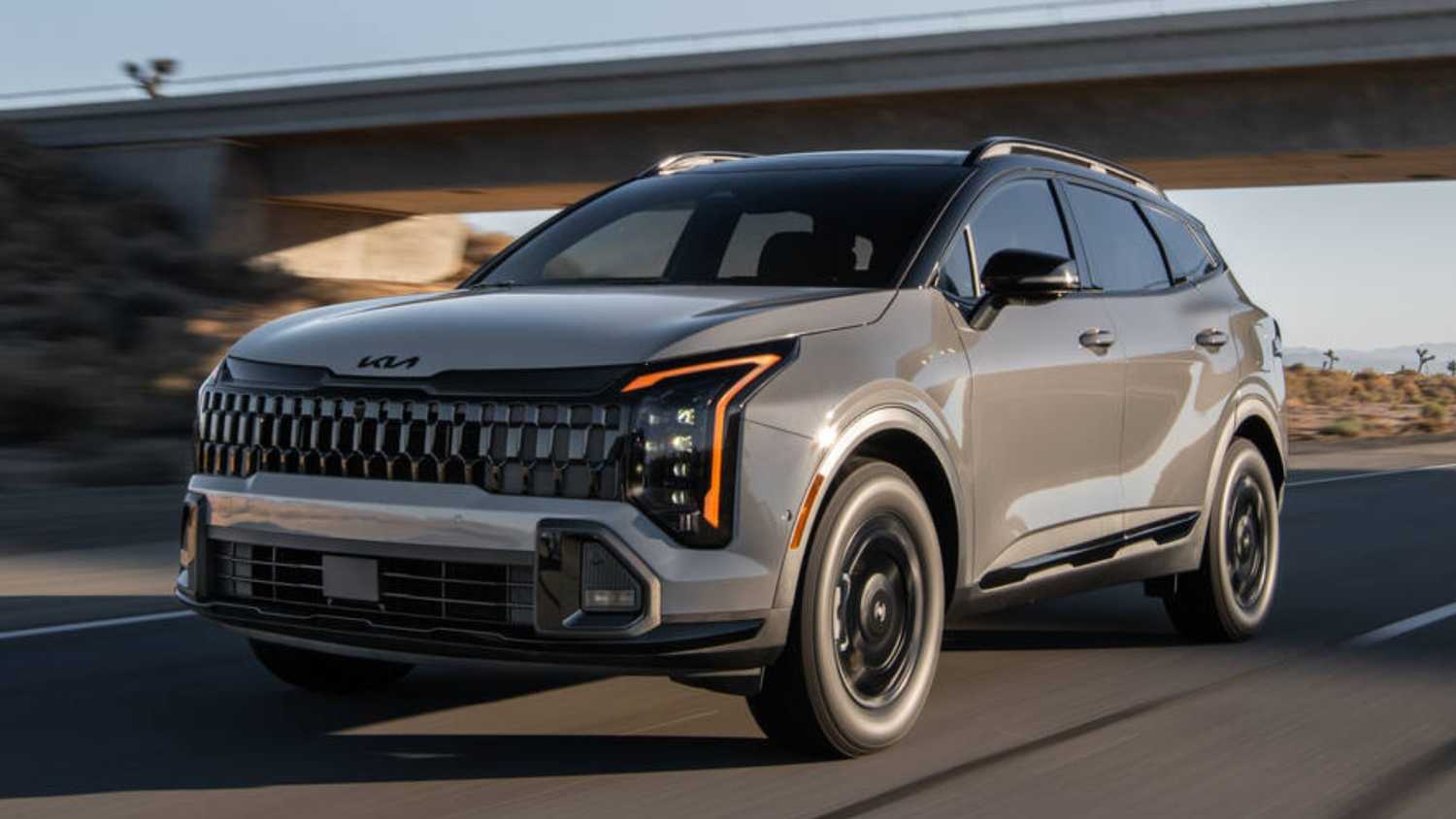
6. Kia Sportage EX AWD (NQ5 Generation, 2023 to 2024)
Kia’s global quality transformation, reflected in increasingly sophisticated engineering across the NQ5 Sportage generation, extends to corrosion protection standards that challenge the perception that Korean-brand vehicles are less thoroughly protected against long-term rust than their Japanese and European competitors.
NQ5 Sportage EX AWD owners in northern US markets who have tracked first- and second-year condition and compared it to previous generation Sportage examples note improvement trajectories that suggest Kia’s investment in corrosion engineering has continued accelerating alongside the brand’s broader quality enhancement effort.
NQ5 Sportage body construction uses multi-step corrosion protection that begins with full-body e-coat dip primer application to the assembled body structure before painting. Kia’s e-coat specification for the NQ5 generation meets the depth-of-penetration and coating thickness standards that effective internal cavity protection requires, addressing the historical criticism that earlier generation Korean-brand vehicles received for insufficient cavity coating that allowed internal corrosion to initiate before external surface protection failed.
Galvanized steel application on NQ5 Sportage EX exterior panels reflects Kia’s adoption of the steel grade specifications that Japanese and European manufacturers have used for extended periods. Hot-dip galvanized steel on underbody structural sections and electro-galvanized outer panel steel provide the two-tier zinc protection system that provides meaningful life extension over ungalvanized equivalents in high-salt-exposure environments where surface coating damage from road debris is a regular occurrence rather than an exceptional event.
Anti-perforation warranty coverage on the NQ5 Sportage EX is five years, which, while shorter than Volvo’s 12-year offer, reflects Kia’s current engineering confidence level and provides meaningful financial protection for buyers in high-salt markets during the most vulnerable early ownership years before corrosion protection coatings have experienced their most aging.
Extended warranty protection beyond the factory anti-perforation coverage is available from third-party providers for buyers whose ownership plans extend beyond the factory coverage period. Kia owner community reports from high-salt markets show NQ5 Sportage condition tracking favorably against first-generation NQ5 expectations, with owners who supplement factory protection with annual professional undercoating and regular undercarriage washing reporting particularly strong results.
Professional undercoating applied to a new vehicle at the point of purchase remains the single most effective supplemental protection investment available to buyers in high-salt markets, regardless of which vehicle they choose.
Also Read: 10 Cars With Sun Visors That Slide To Block Side Glare
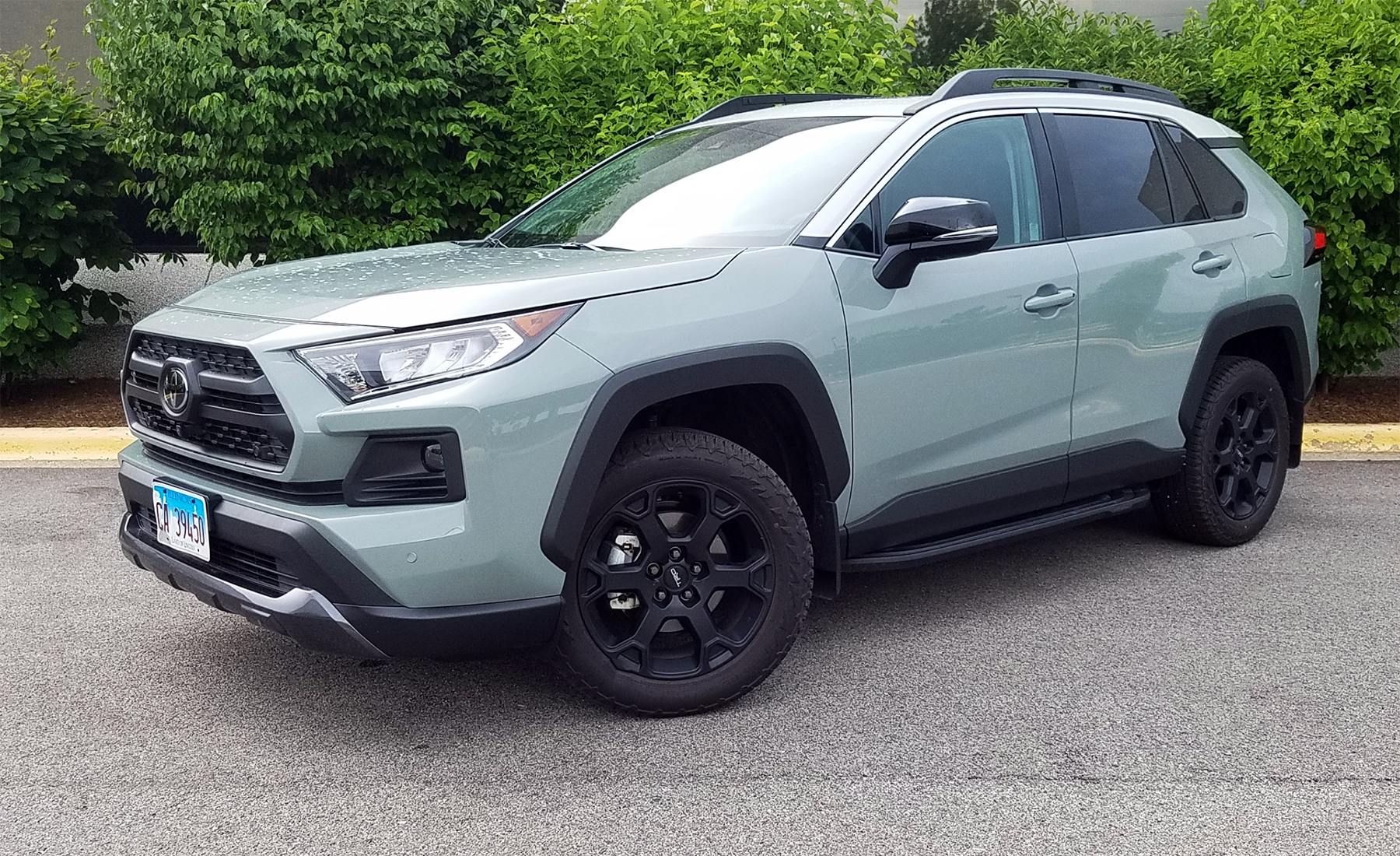
7. Toyota RAV4 TRD Off-Road AWD (Fifth Generation, 2020 to 2024)
Toyota’s RAV4 is the best-selling SUV in the United States, and its position in that market requires Toyota to satisfy buyers across every US climate region, including the salt-belt states where corrosion protection determines long-term owner satisfaction as directly as any other quality attribute.
Fifth-generation RAV4 TRD Off-Road AWD owners in northern states have provided consistent positive condition reports at three, five, and seven years of ownership that reflect Toyota’s investment in corrosion protection systems appropriate for the full range of markets where RAV4 operates.
RAV4 TRD Off-Road specification adds specific underbody protection hardware beyond the standard RAV4’s factory corrosion protection, including an engine undercover, front underbody protection, and rear differential protection that shield underbody components from the stone chip and road debris exposure that high-salt-road environments combine with off-road-adjacent use.
This physical protection reduces the coating damage events that allow salt exposure to reach bare metal surfaces on underbody components, extending the service life of factory protective coatings on these components compared to unprotected equivalents. Toyota’s factory body protection process on the fifth-generation RAV4 uses the same multi-stage approach that has produced strong long-term corrosion results across the broader Toyota lineup.
Full-body e-coat dip application, galvanized outer panel steel, and seam seal coverage at body panel joints are applied as standard manufacturing specifications rather than as market-specific additions for salt-country distribution. This universal application means that every RAV4, regardless of intended market, receives the full protection system, eliminating the risk that cost-optimization decisions reduce protection for vehicles heading to less demanding markets.
Wheel arch design on the fifth-generation RAV4 includes extended coverage inner liners that protect the arch structures from the salt-slush accumulation that rear tire spray deposits in this area during winter driving. Toyota’s liner design creates effective drainage paths that prevent sustained moisture contact with the arch structural steel, addressing the specific failure mode that caused premature corrosion in earlier RAV4 generations and that Toyota’s engineers addressed through design changes visible in the fifth generation’s liner coverage and drainage geometry.
Fifth-generation RAV4 owners in Minnesota, Wisconsin, Ohio, and other high-salt states who have compared their RAV4’s condition to previous vehicles at equivalent ownership age consistently report better-than-expected rust resistance, with the TRD Off-Road specification’s additional physical protection hardware cited as a specific advantage by owners who drive unpaved roads in winter conditions where road debris and physical coating damage rates exceed those of pavement-only use.
